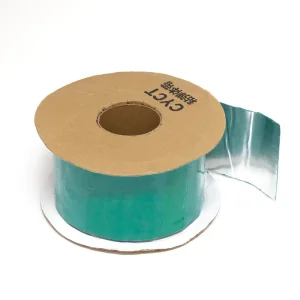
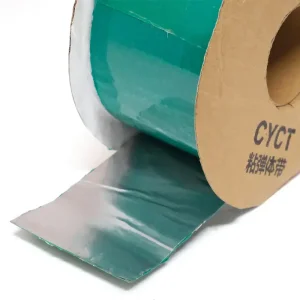
In modern energy transit infrastructure, buried steel pipelines carrying natural gas, crude oil, petrochemical mixtures, and water are constantly subjected to severe subterranean stresses. While mill-applied coatings (such as 3LPE, 3LPP, and Fusion Bonded Epoxy - FBE) protect the primary pipeline body, the weld joints created during field installations are highly vulnerable. Known as Field Joints, these areas represent the primary vulnerability for galvanic corrosion, localized pitting, stress-corrosion cracking (SCC), and cathodic disbondment.
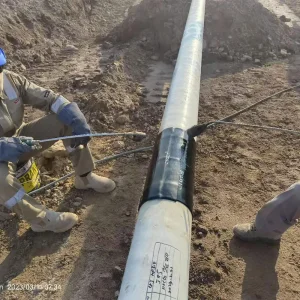
A reliable Shrink Sleeve Pipeline field joint system behaves as a structural barrier equivalent in mechanical strength, water impermeability, and electrical resistance to the original factory coatings. China's manufacturing landscape has experienced a dramatic technical transformation. Chinese suppliers have migrated from manufacturing simple thermal-reactive tapes to designing high-performance, radiation-crosslinked polyolefin backing plates integrated with advanced thermoplastic hot-melt adhesives or viscoelastic polymer complexes.
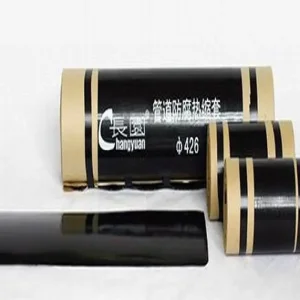
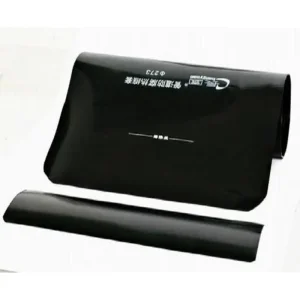
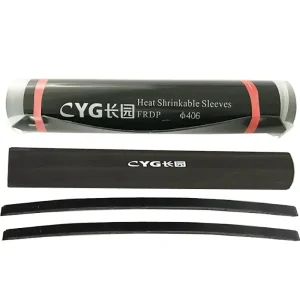
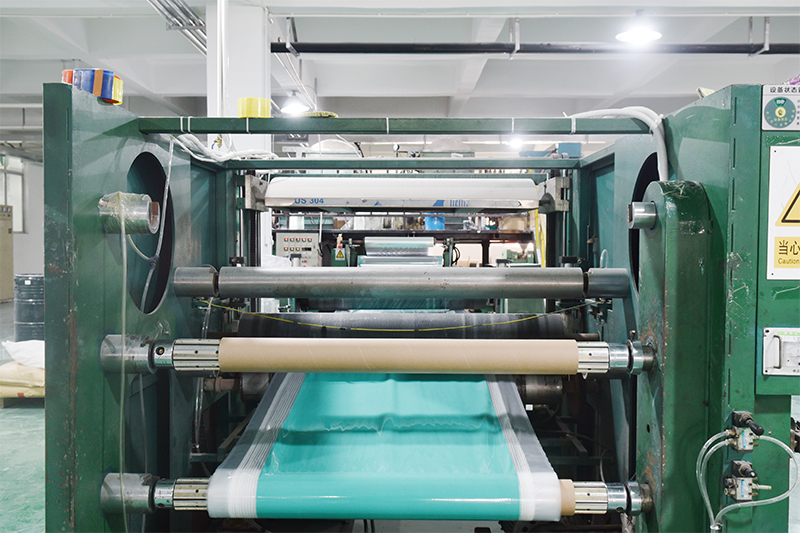
The manufacturing process of high-tier Heat Shrinkable Wraparound Sleeves (such as the FRDP and FRDS series) involves complex material engineering. High-density polyethylene (HDPE) is extruded into sheet forms and subsequently subjected to high-energy electron beam (e-beam) radiation. This physical bombardment alters the molecular structure, cross-linking the linear carbon-chain molecules into a cohesive three-dimensional molecular network.
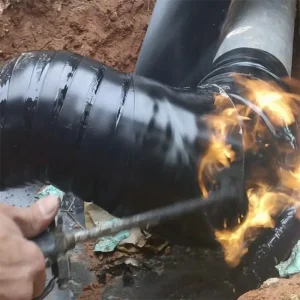
Once cross-linked, the polyolefin backing is heated above its crystalline melting point, mechanically stretched to its nominal memory state, and cooled rapidly. Under heat application in the field, this backing demonstrates "elastic memory"—attempting to shrink back to its pre-stretched dimensions. Underneath this backing, a high-shear adhesive melts and flows into the micro-cavities of the steel and factory-coated margins, creating a hermetic seal against oxygen, moisture, and corrosive electrolytes.
Prevents water ingress at the overlap zone. Highly resistant to soil moisture absorption and electrolyte diffusion, preventing the initial stages of under-film corrosion.
Formulated to resist severe soil stress and thermal contraction. CYCT formulations provide exceptional adhesion to steel substrate and factory-applied PE/PP coatings.
Seamless field joint integration with existing 3LPE, 3LPP, FBE, and coal-tar epoxy mainlines, ensuring uniform electrical and structural protection.
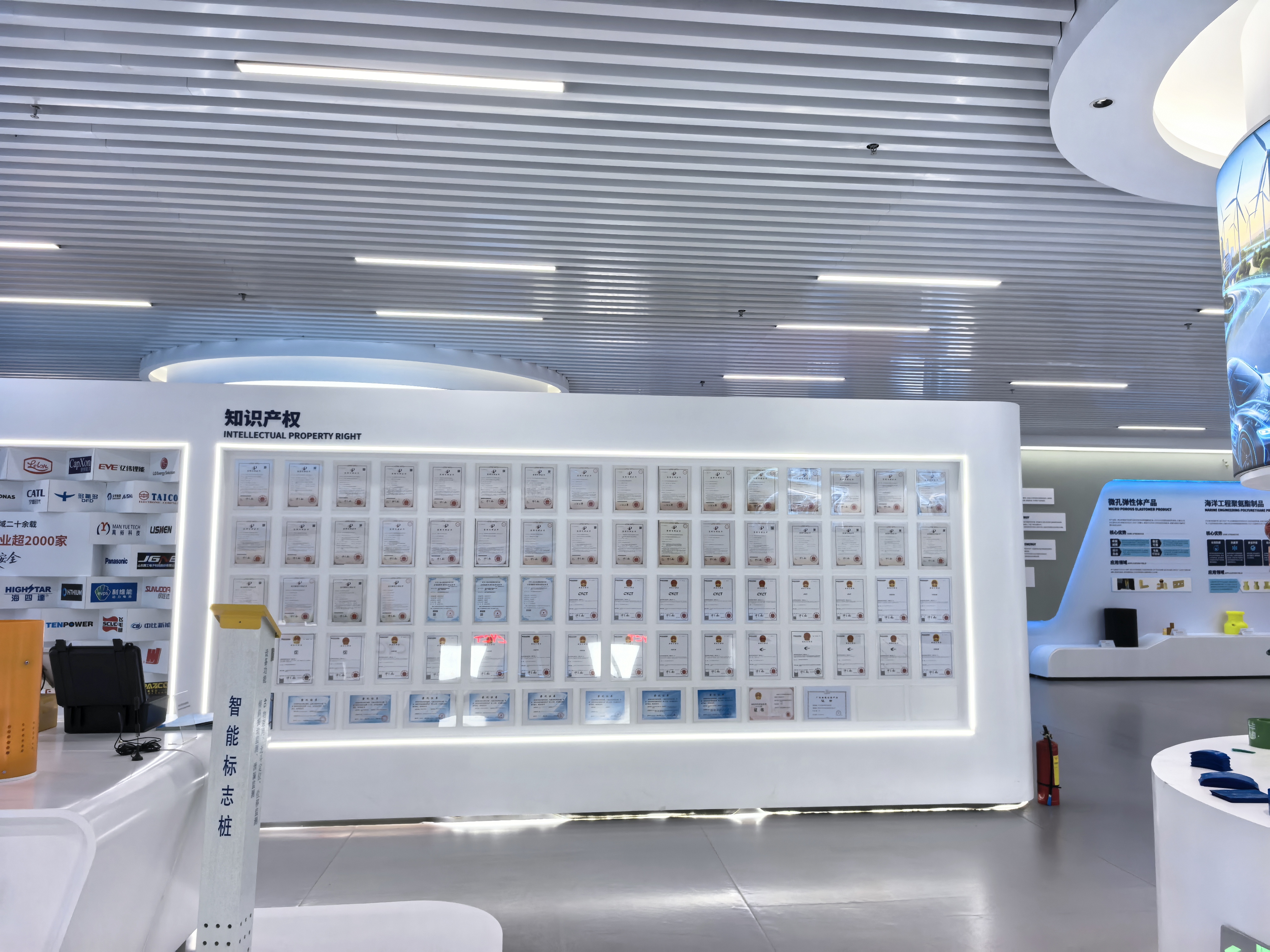
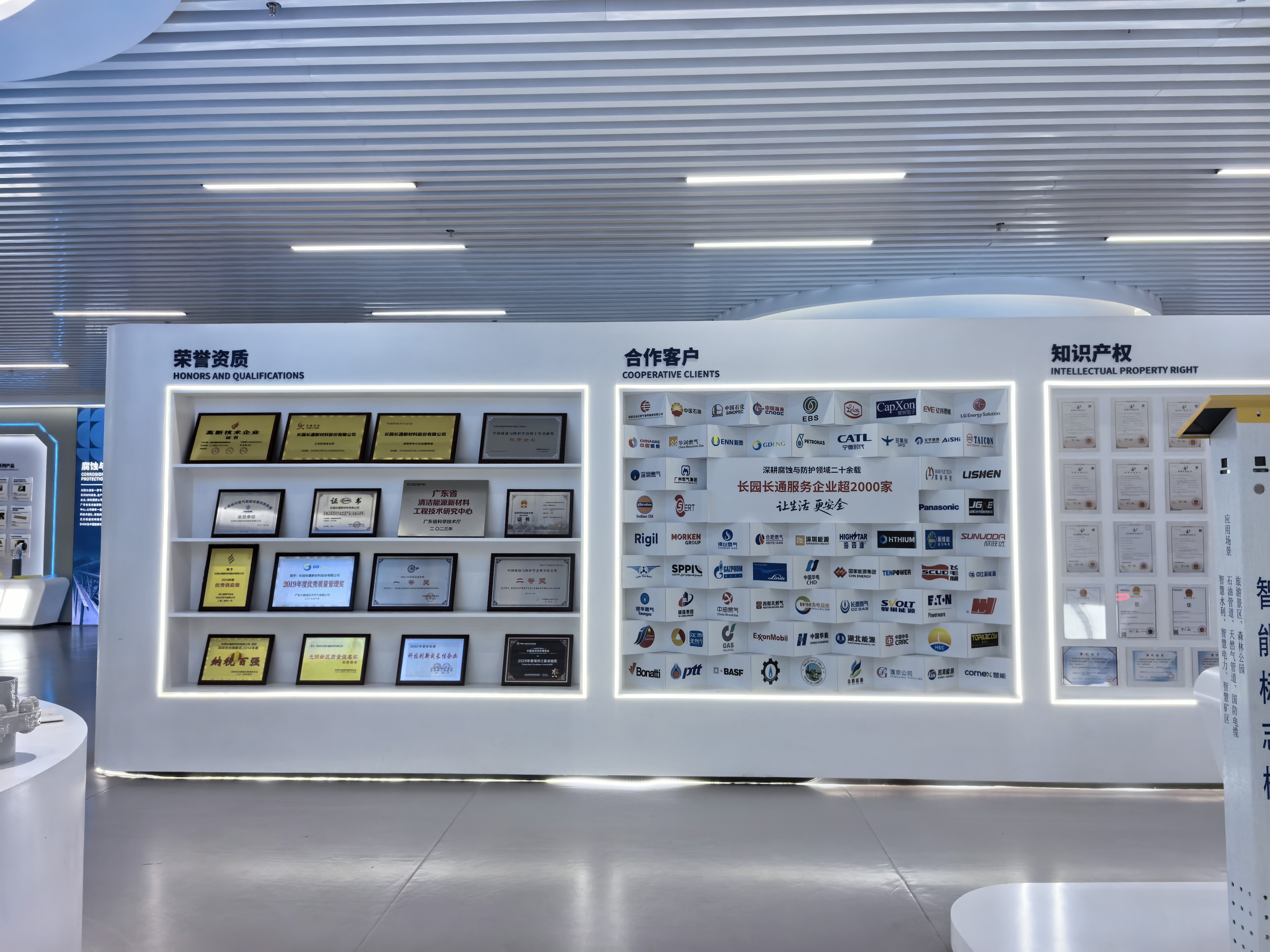
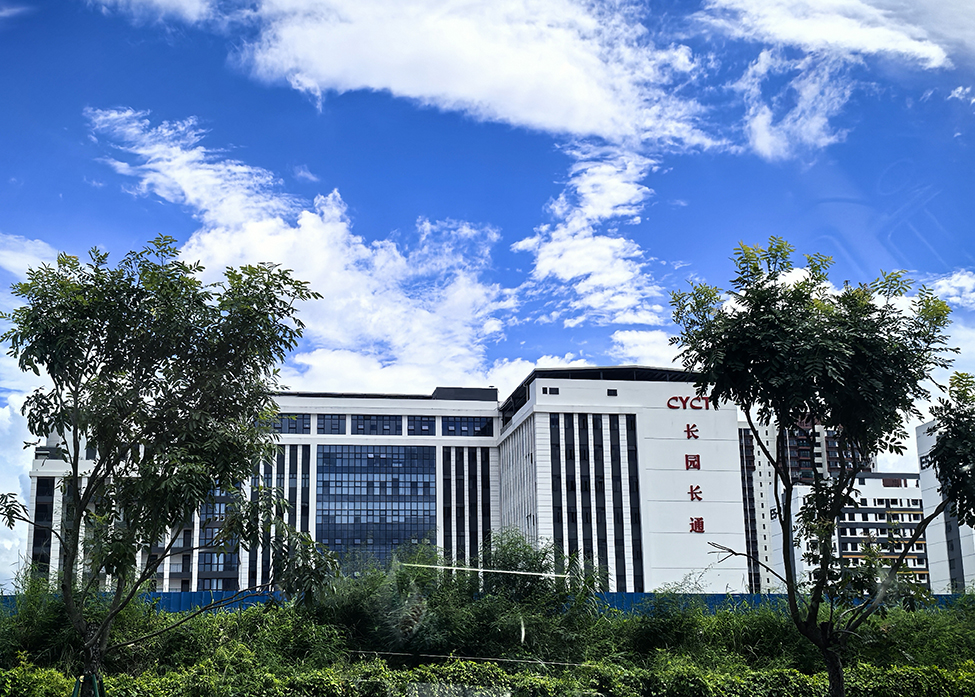
CYCT New Materials Company Limited (CYCT) is a state-level high-tech enterprise integrating R&D, production, and sales of pipeline corrosion protection materials. Over decades of industrial devotion, CYCT has expanded its operations to include buried pipeline detection services and field joint application engineering, forming a complete protective lifecycle loop. We are recognized as an industrial pillar, cooperating closely with major national institutes including the CNPC Pipeline Science Research Institute.
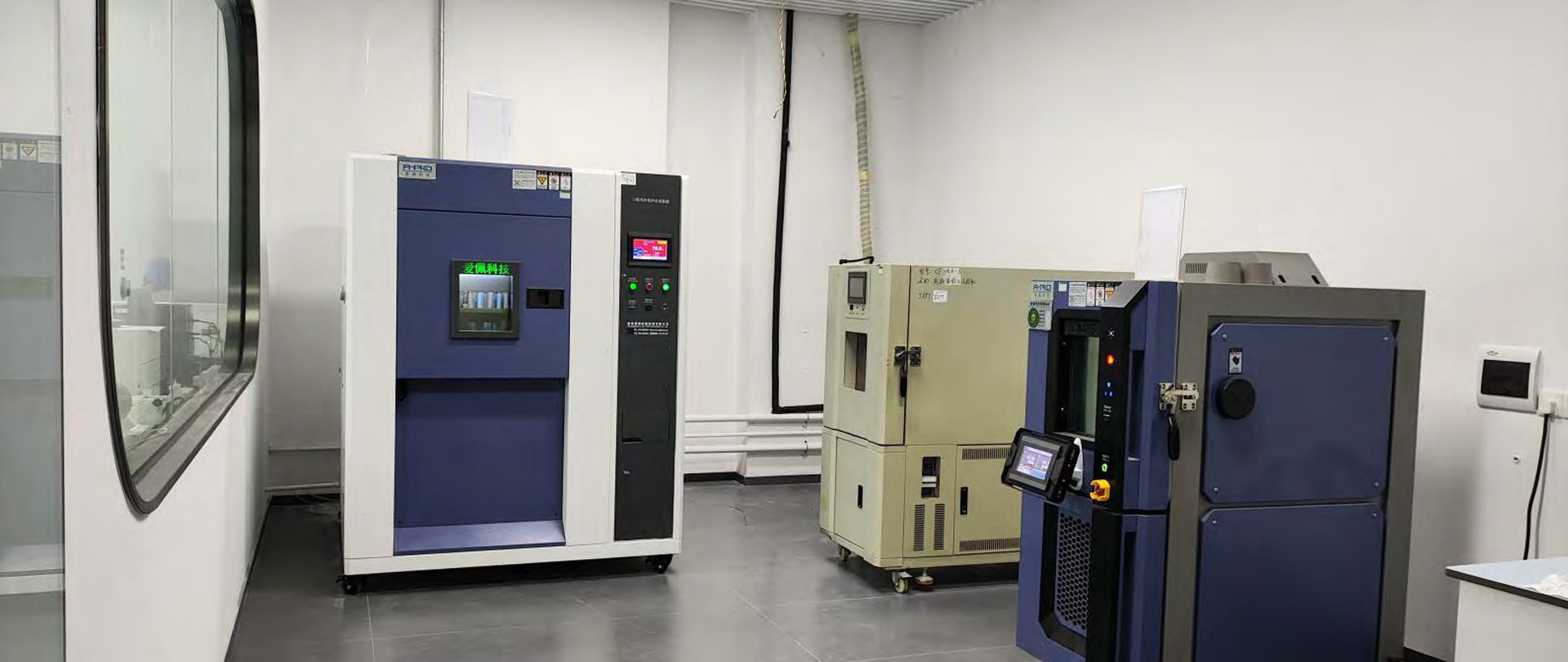
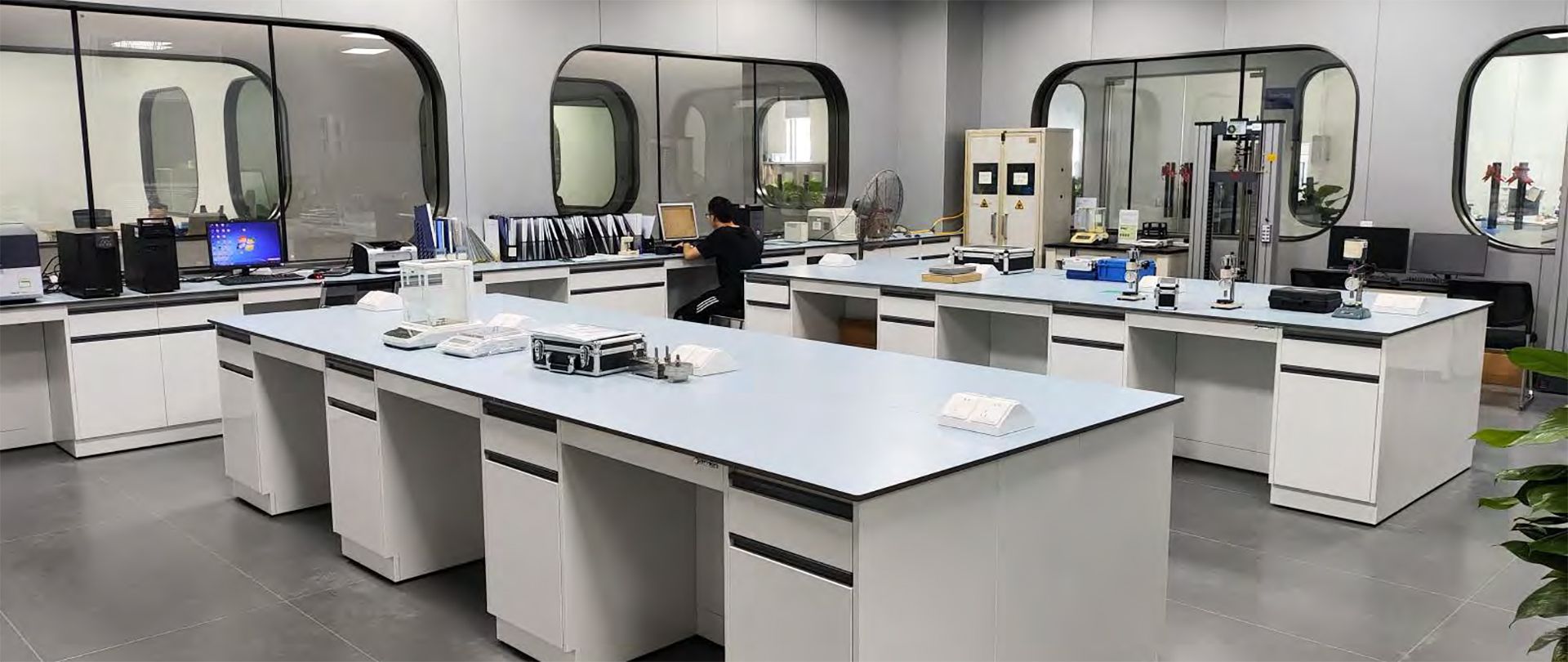
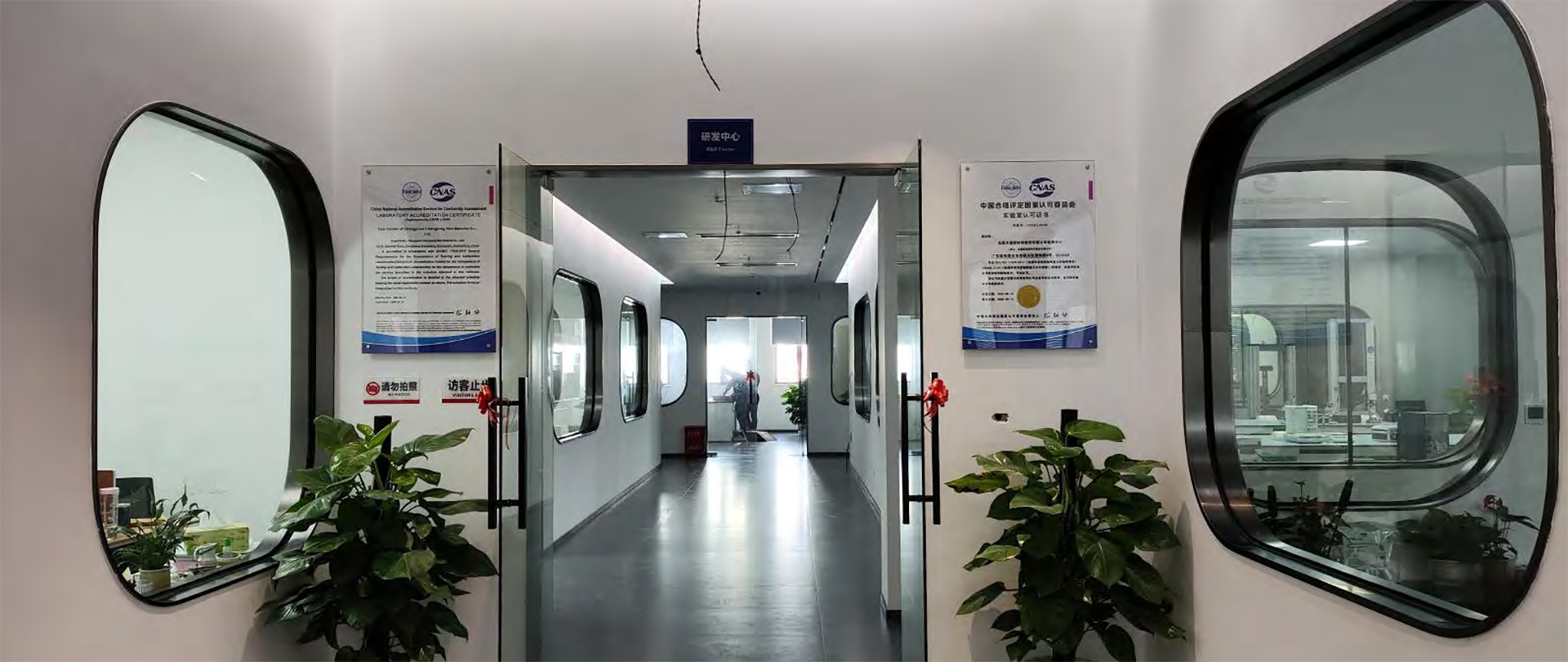
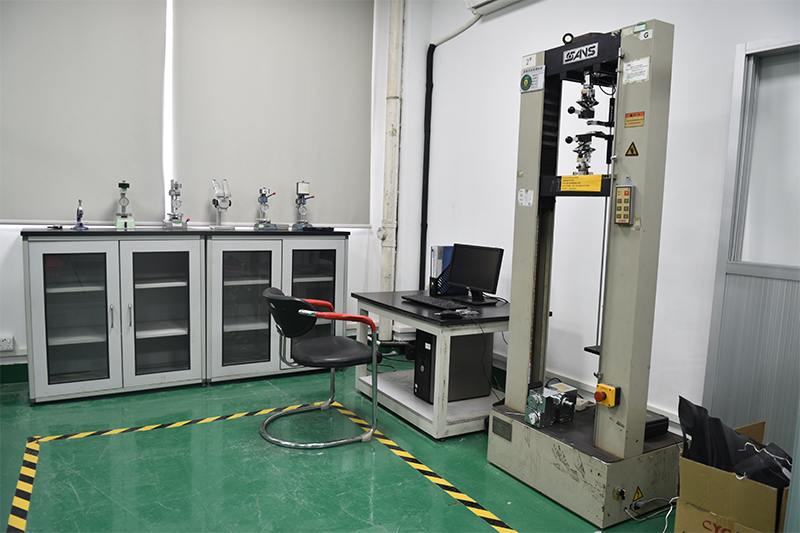
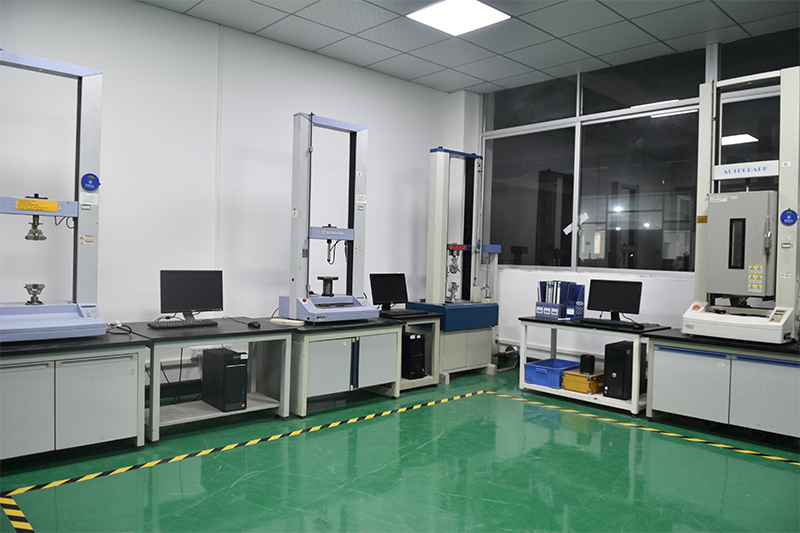
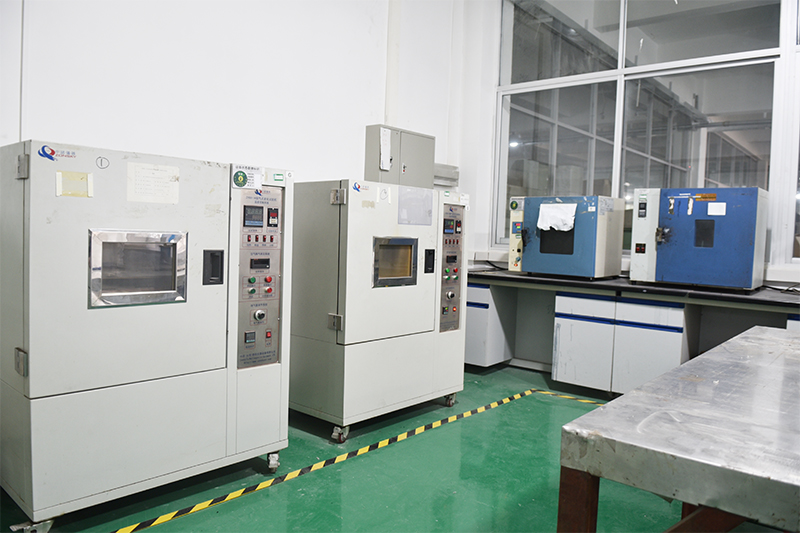
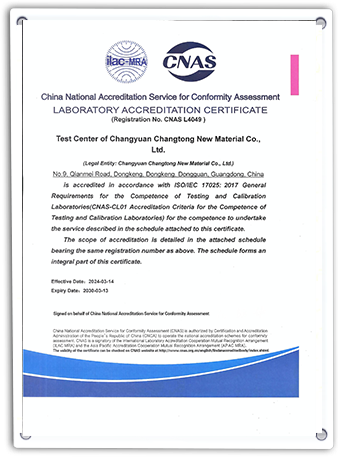
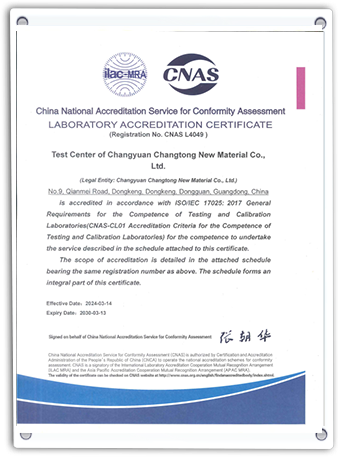
Our infrastructure includes a national CNAS-accredited laboratory equipped for performance testing of polymers, adhesives, viscoelastic gels, and photo-curing composite matrices. This technical depth has enabled CYCT to become a preferred, long-term qualified supplier to global and national energy developers, including PetroChina, Sinopec, PipeChina, China Gas Group, and Indian Oil.
Procuring field joint coatings from leading Chinese factories provides several key structural benefits for international EPC companies and pipeline operators:
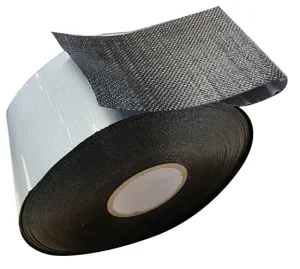
Standard heat-shrinkable sleeves can suffer mechanical damage or peeling during pulling operations in horizontal directional drilling. Under high shear forces from rock formations and abrasive soils, standard PE backings can tear. CYCT developed the High-Performance Heat Shrinkable Fiberglass Reinforced Sleeve to address these challenges.
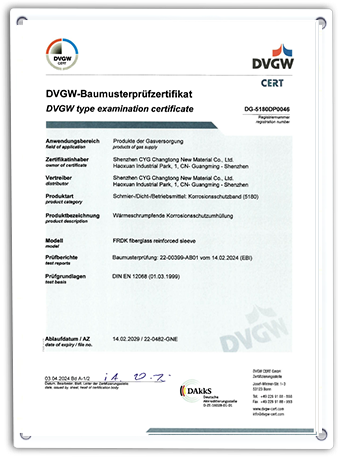
This specialized sleeve features a multi-layer composite system where high-strength fiberglass mesh is embedded between cross-linked polyolefin layers. This design significantly increases structural shear resistance and puncture resistance, maintaining barrier integrity during difficult pullbacks.
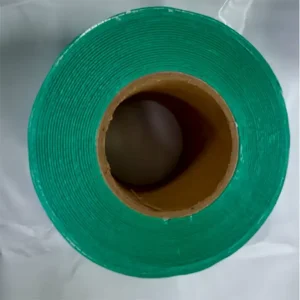
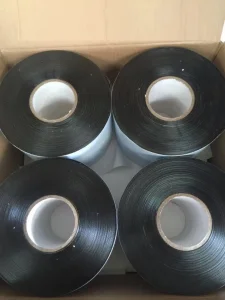
For complex shapes, elbows, T-joints, flange assemblies, and localized line repairs, viscoelastic coating systems provide a self-healing solution. Composed of non-crystalline, low-viscosity synthetic polymers, these products (like the FVT95 Fabric Viscoelastic Tape and aluminum-backed viscoelastic coatings) flow under minimal pressure to completely wet the substrate, eliminating air pockets and voids.
These systems remain permanently tacky, flexible, and impermeable to moisture throughout their operating life. They do not require a primer and can be applied over surface preparations as low as St 2 / St 3, making them highly effective for field rehabilitations.
For high-operating-temperature gas pipelines (exceeding 80°C or 110°C), traditional polyethylene sleeves can suffer mechanical softening. In these environments, polypropylene-based backing materials (such as our OEM High Temperature PP Outer Tape) offer the necessary thermal stability and resistance to soil stress to protect the pipeline joint.
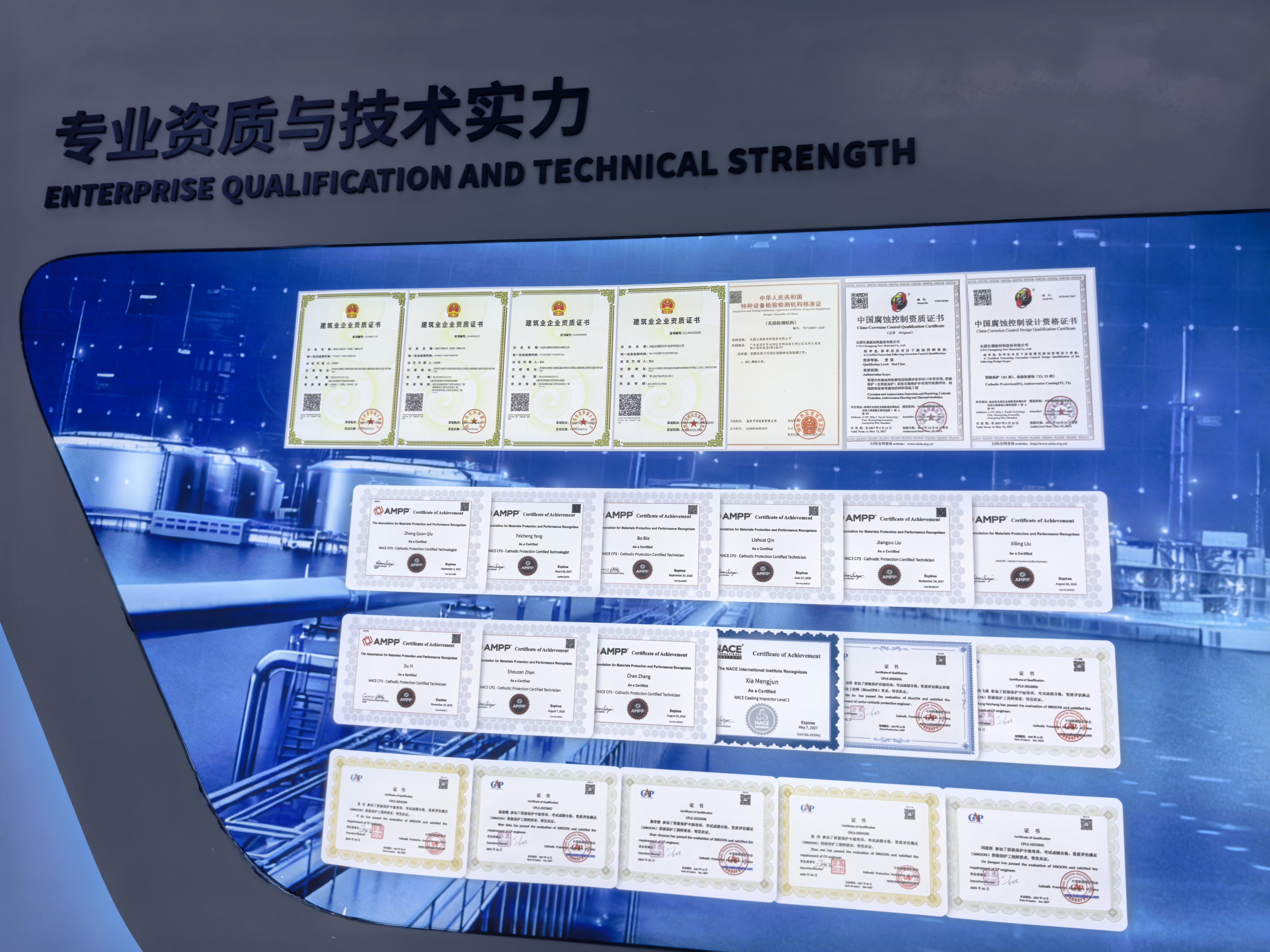
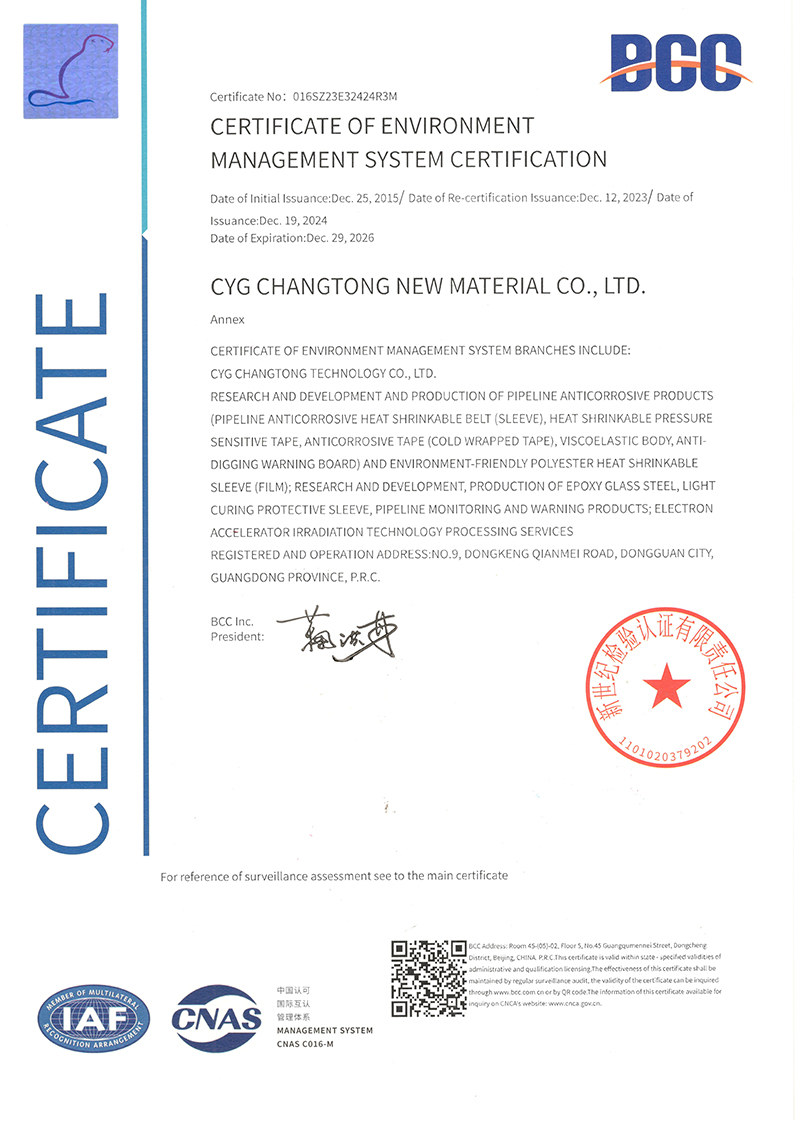
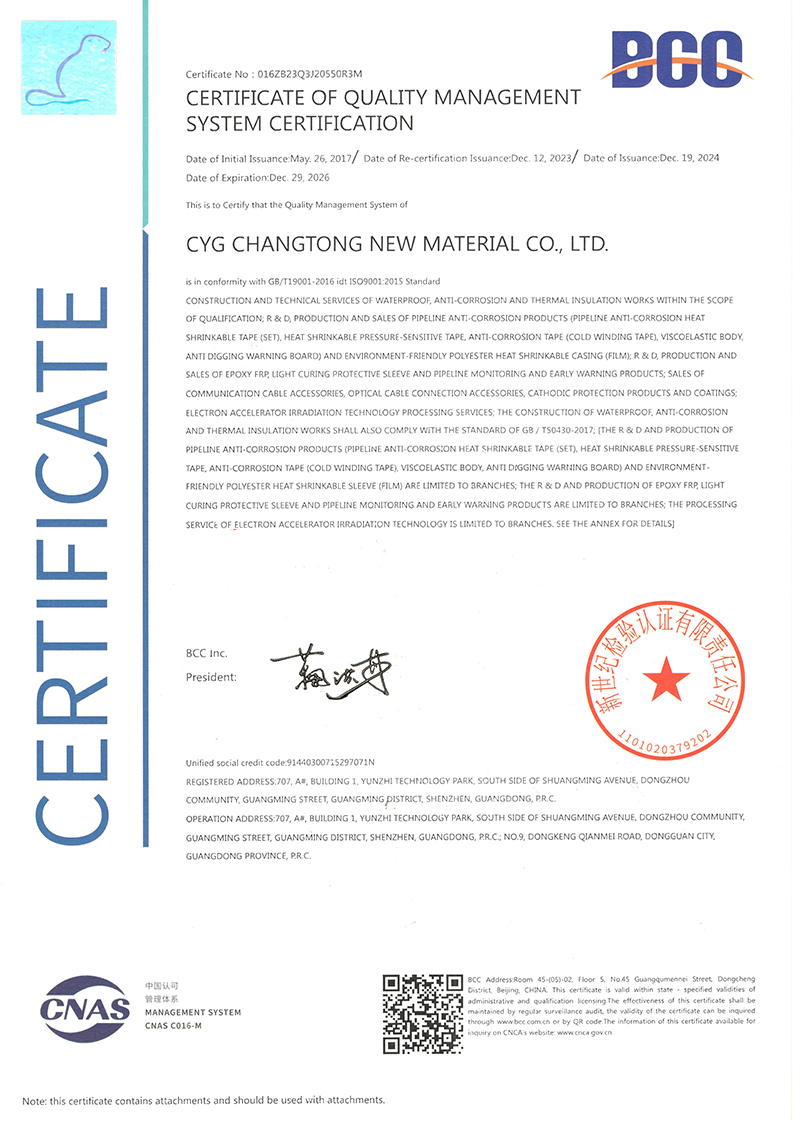
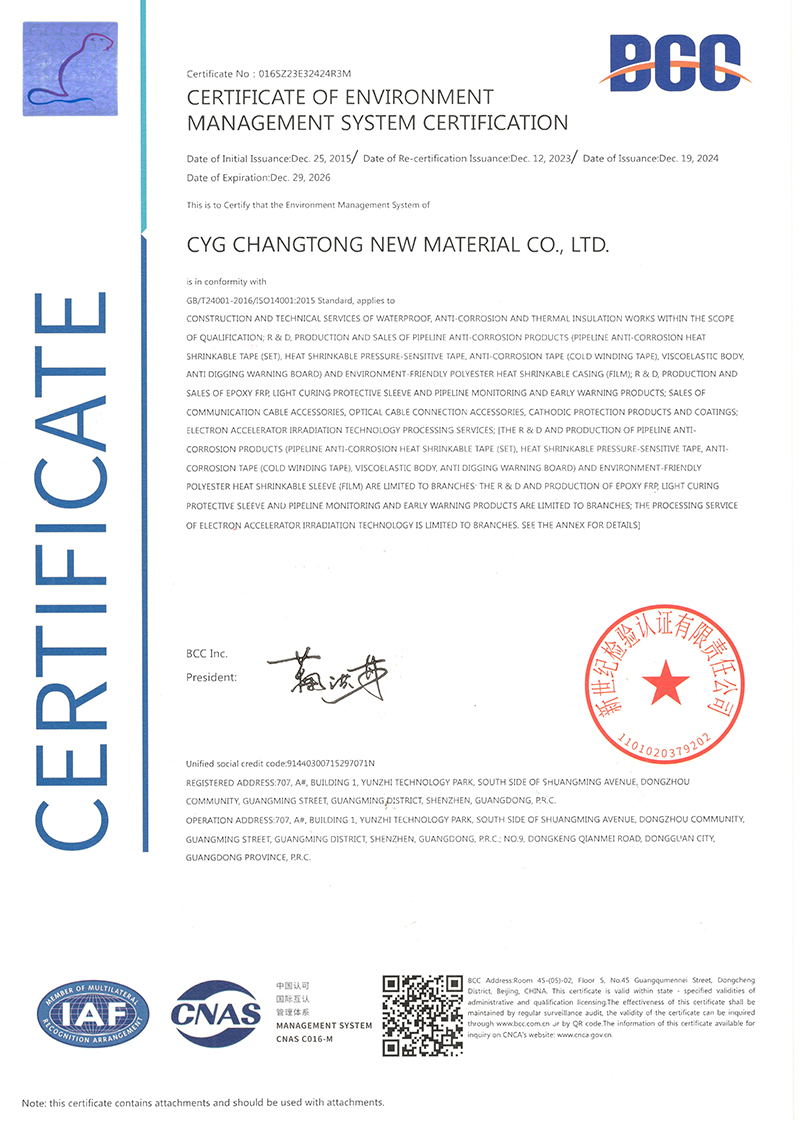
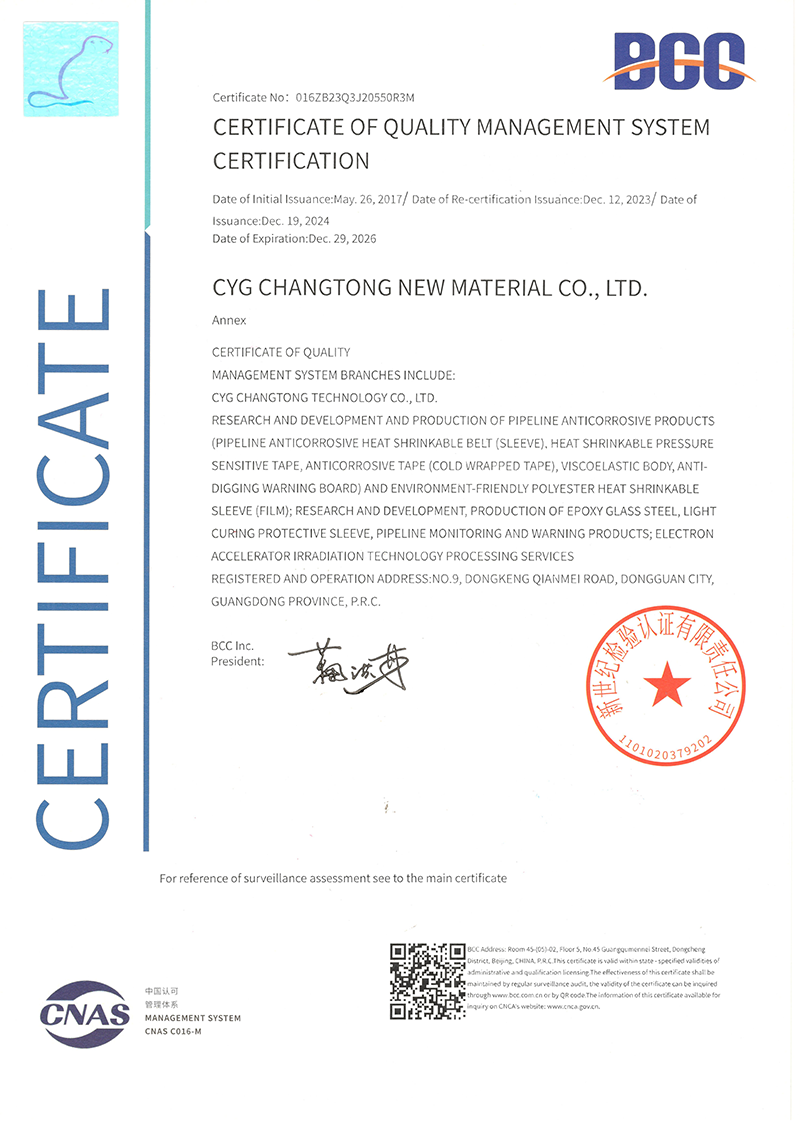
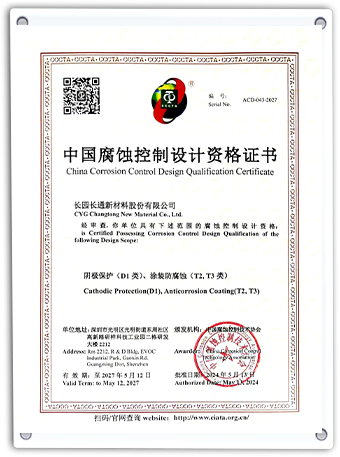
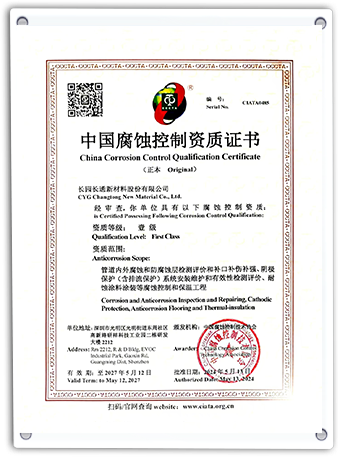
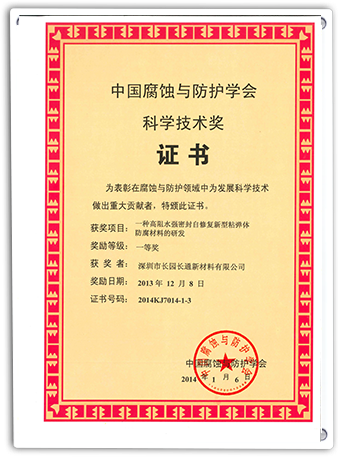
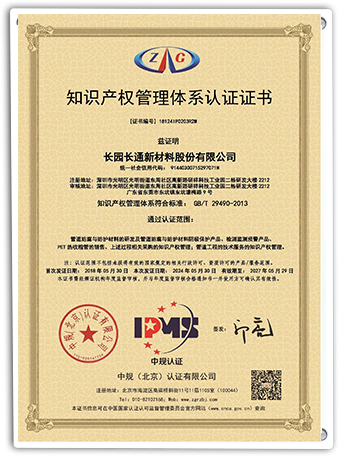
CYCT's dedication to quality is supported by a comprehensive list of credentials. We are a Council Member of the Chinese Society for Corrosion and Protection (CSCP), hold professional qualifications for corrosion protection construction and pipeline detection, and are recognized as a corporate member of the China Association of Petroleum Engineering Construction (CAPEC).
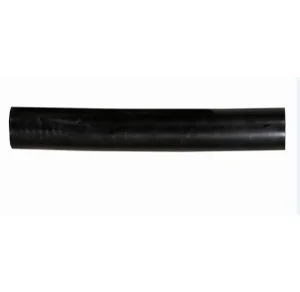
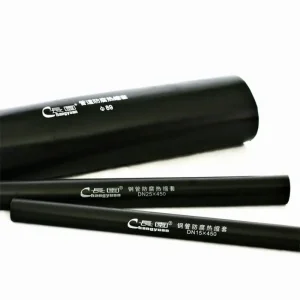
A heat-shrinkable tubular sleeve (like the FRY series) is a continuous, pre-closed pipe section that must be positioned onto the pipeline before the field joints are welded together. A wraparound sleeve (like the FRDP series) is open-style and can be wrapped around the welded joint after the weld is complete. This allows for application on existing configurations without disconnecting pipeline segments, making it the preferred choice for most cross-country pipeline field joints.
Pre-heating the steel substrate and surrounding mill coatings (usually to between 60°C and 80°C depending on the adhesive system) is essential to remove moisture and ensure the thermoplastic hot-melt adhesive flows properly. If the metal substrate is too cold, it will quickly pull heat away from the adhesive during shrinking, preventing adequate wetting. This can lead to issues with peel strength, voids at the weld bead, and premature cathodic disbondment.
Viscoelastic materials are formulated with synthetic, non-crystalline polymers that remain fluid-like even at low temperatures. They exhibit high surface-wetting properties, allowing them to flow into the microscopic profile of the steel under cold application. This creates an intimate, void-free contact that prevents moisture and oxygen from reaching the metal surface, without requiring pre-heating or chemical curing.
For minor damage to factory-applied PE coatings (scratches, pinholes, or gouges), hot-melt sticks (like the FRDX series) provide a fast repair solution. The stick is melted into the holiday or defect using a torch or gas gun, and the repair area is flattened. For larger defects, a hot-melt filler is applied to level the surface before a patch plate or outer heat-shrink sleeve is installed.
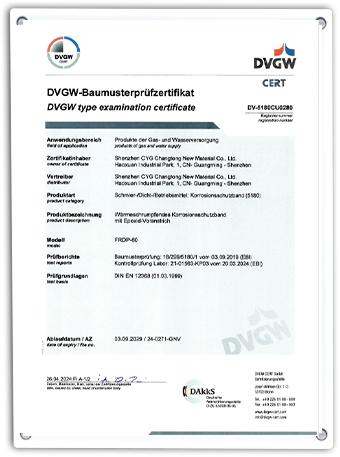
Pipeline shrink sleeves are typically certified against standards like ISO 21809-3 (rules for field joint coatings), EN 12068 (organic coatings for cathodic protection), and DIN 30672. These specifications test parameters such as impact resistance, indentation resistance, peel strength, shear strength, cathodic disbondment under thermal loads, and long-term aging behavior.
In trenchless horizontal directional drilling (HDD), the pipeline is pulled through a borehole where it can encounter rocks, gravel, and tree roots. This creates significant shear forces on the field joints. Fiberglass reinforcement embeds a high-strength woven mesh inside the heat-shrink polyolefin backing, distributing localized stresses and preventing the sleeve from tearing or peeling away during the pullback operation.
 CYCT
CYCT