Premium corrosion prevention and joint coating materials engineered for heavy industries worldwide.
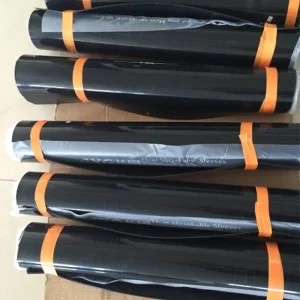
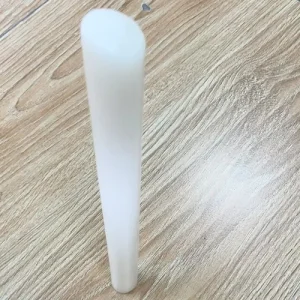
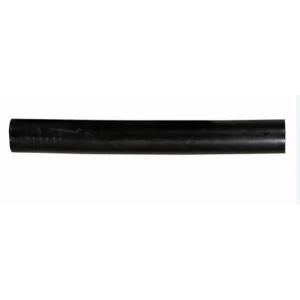
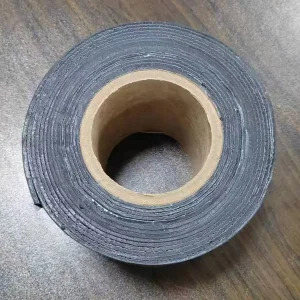
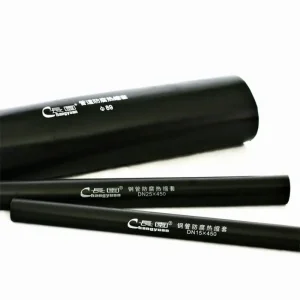
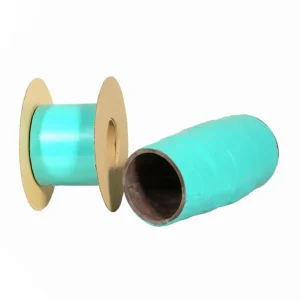
In municipal utilities, marine engineering, and oil and gas transmission pipelines, preventing corrosion is vital. Self-adhesive heat shrink tape stands as a key defense line, utilizing advanced polymer science to safeguard structural substrates. These systems consist of a radiation cross-linked polyolefin backing, laminated with a high-performance adhesive (typically a copolymer hot-melt or viscoelastic mastic formulation).
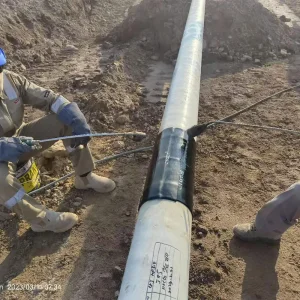
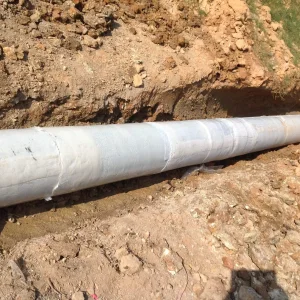
The core mechanism relies on elastic memory. Through radiation cross-linking, the molecular chains of the polyethylene (or polypropylene) backing are bound into a stable 3D network. During production, the backing is heated, stretched, and cooled to freeze the tension. When reheated on-site, the backing shrinks to seal the pipeline joint closely.
The integrated adhesive layer melts under installation temperatures, filling surface imperfections and bonding tightly to the pipe. This prevents the ingress of moisture, oxygen, and corrosive compounds, protecting the line from cathodic disbondment and mechanical wear.
The cross-linked backing provides exceptional resistance to shear forces, soil stresses, and environmental stress cracking. This structure ensures long-term performance under demanding burial and subsea conditions.
Formulated to flow into surface profiles during installation. Provides high peel strength, self-healing properties for minor punctures, and long-term chemical resistance in acidic or alkaline soils.
Exploring the requirements of major international pipeline infrastructures and corrosion prevention strategies.
Deep-well extractions and oil transport require pipelines to run at elevated temperatures. High-temperature polypropylene (PP) heat shrink systems are engineered to withstand continuous operating temperatures from 85°C up to 120°C without degradation.
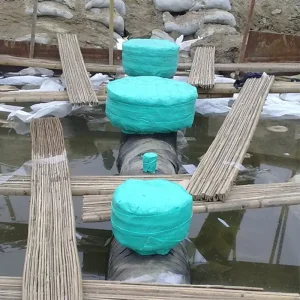
Horizontal Directional Drilling (HDD) subjects coatings to extreme shear and friction. Using photo-curing GRP (Glass Reinforced Plastic) protective sleeves shields the underlying anti-corrosion barrier from physical damage during pull-back operations.
Traditional tapes can sometimes shield cathodic protection currents if disbondment occurs. Modern viscoelastic materials and specialized hot-melts are designed to allow current flow or resist disbondment entirely, supporting overall system safety.
| Application Type | Recommended Material | Temperature Range | Key Performance Standards | Primary Application Field |
|---|---|---|---|---|
| Standard Field Joint Coating | PE Heat Shrink Sleeve / Tape | -40°C to +60°C | ISO 21809-3 Type 14A, EN 12068 Class C | Oil, Gas & Water Buried Pipelines |
| High-Temperature Pipeline Joint | PP Heat Shrink Sleeve (FRPD-PP) | Up to +120°C | ISO 21809-3 Type 14B, DIN 30678 | 3LPP Factory Coated Pipelines Joints |
| Valve & Flange Protection | VT95 Viscoelastic Tape | -30°C to +95°C | ISO 21809-3 Type 13, DIN EN 12068 | Irregular Profiles & Vault Repairs |
| Trenchless Crossing Sheathing | UV Photo-Curing GRP Sleeve | N/A (Mechanical Shield) | ASTM D4060 (Abrasion), ISO 21809-1 | HDD Crossing Protection & Overcoating |
CYCT New Materials Company Limited (for short, CYCT) is a state-level high-tech enterprise integrating R&D, production, and sales of pipeline corrosion protection materials, as well as buried pipeline detection services and pipeline coating field application services into one.
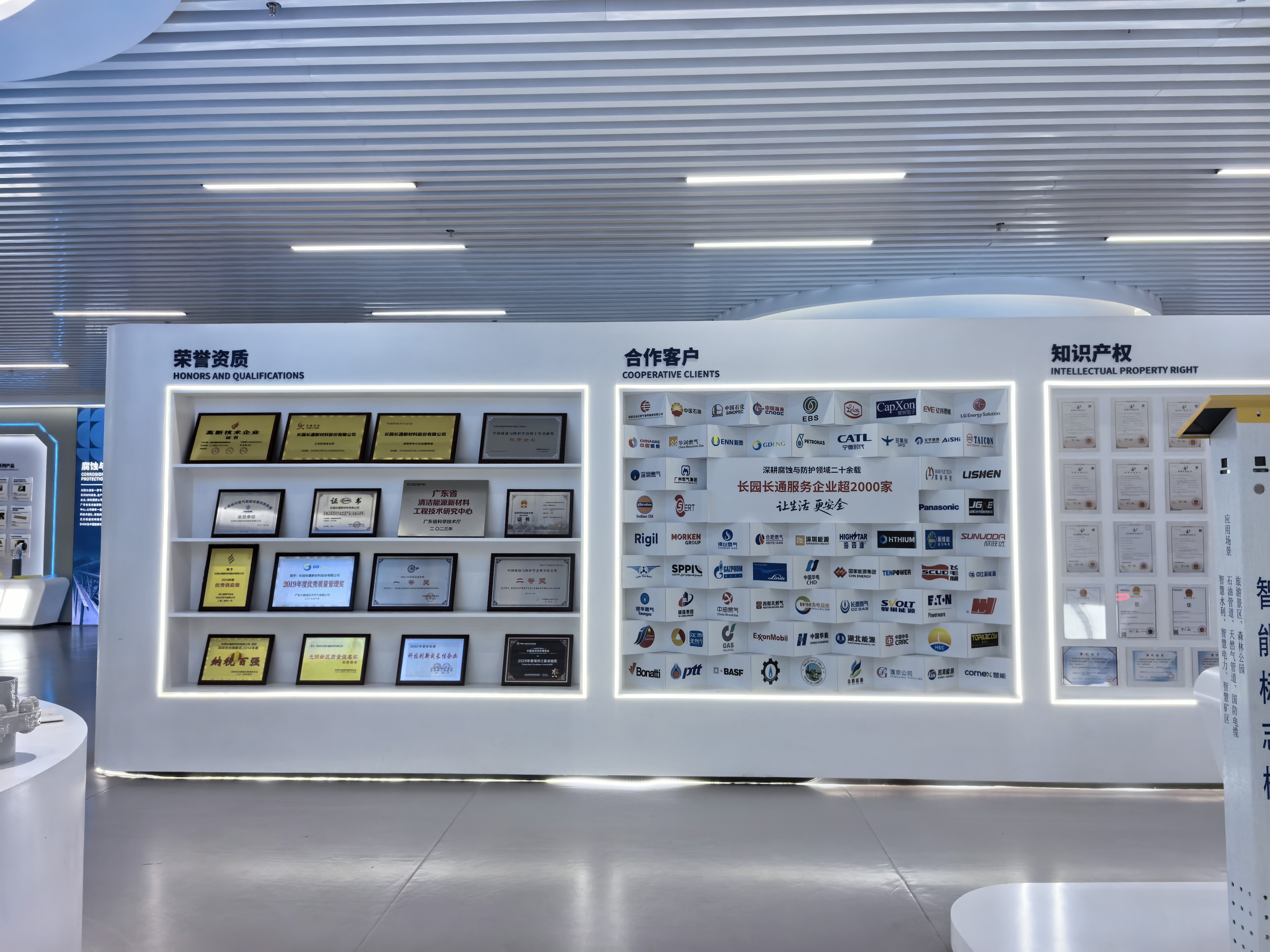
CYCT has dedicated itself to the R&D, production, and sales of pipeline corrosion protection materials for decades. The company is a stable supplier of field joint coatings for PetroChina, Sinopec, PipeChina, local pipeline systems, and Indian Oil, maintaining a strong market share. Furthermore, CYCT has successfully developed and introduced specialized corrosion protection materials, such as viscoelastic anti-corrosion systems, special photo-curing sleeves for HDD protection, and polyurea coatings.
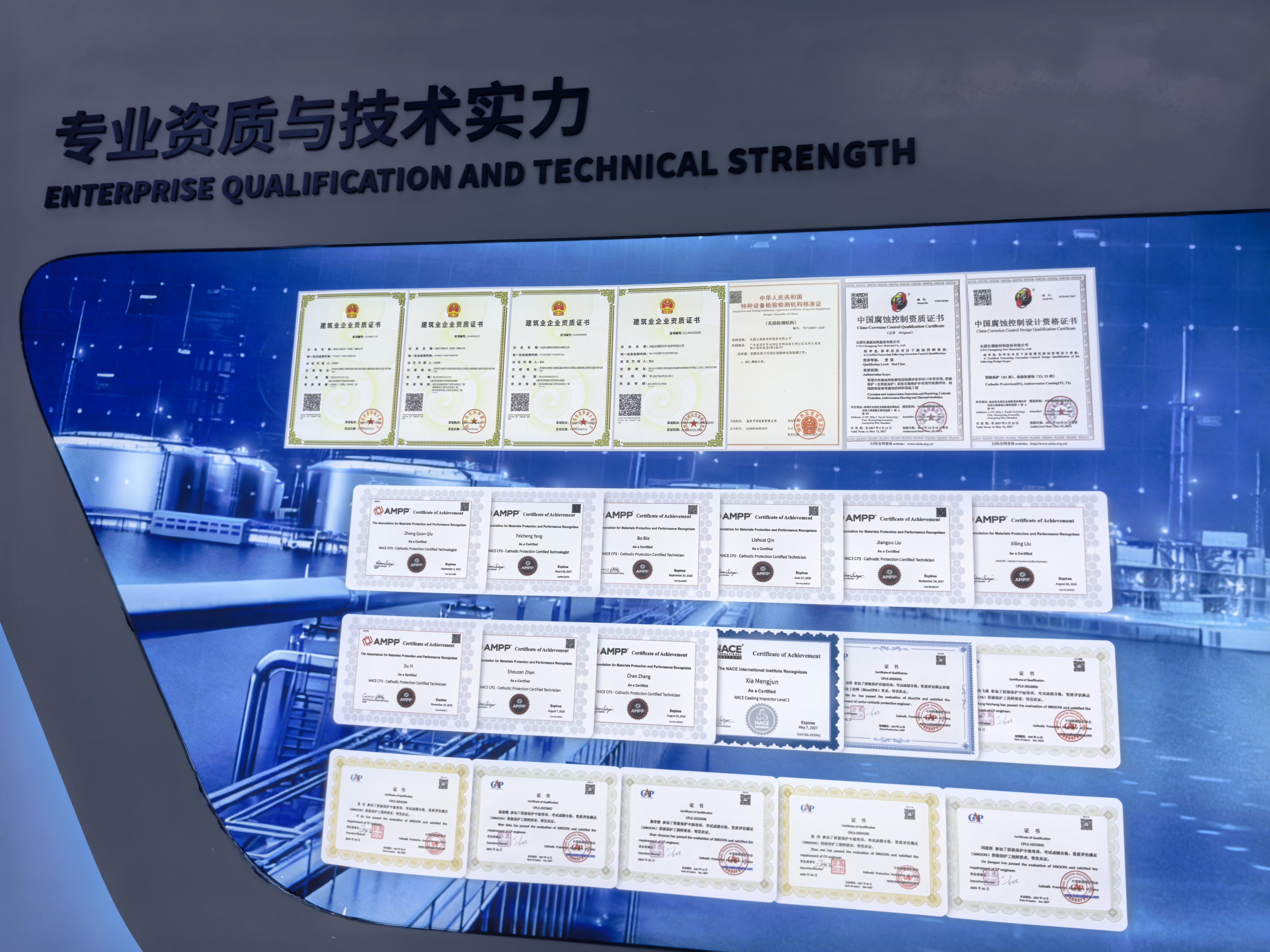
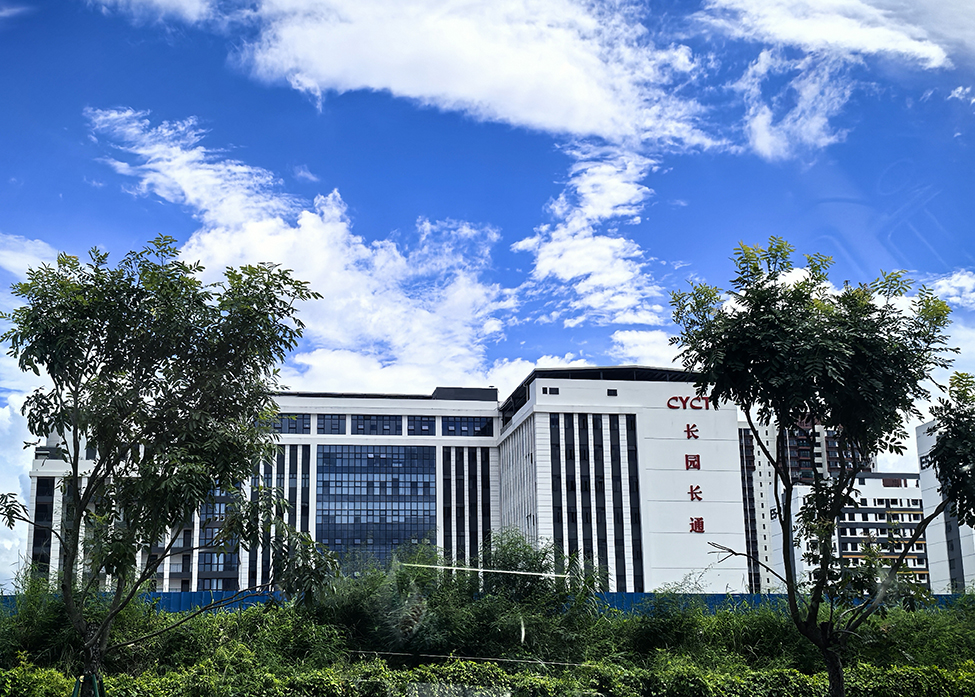
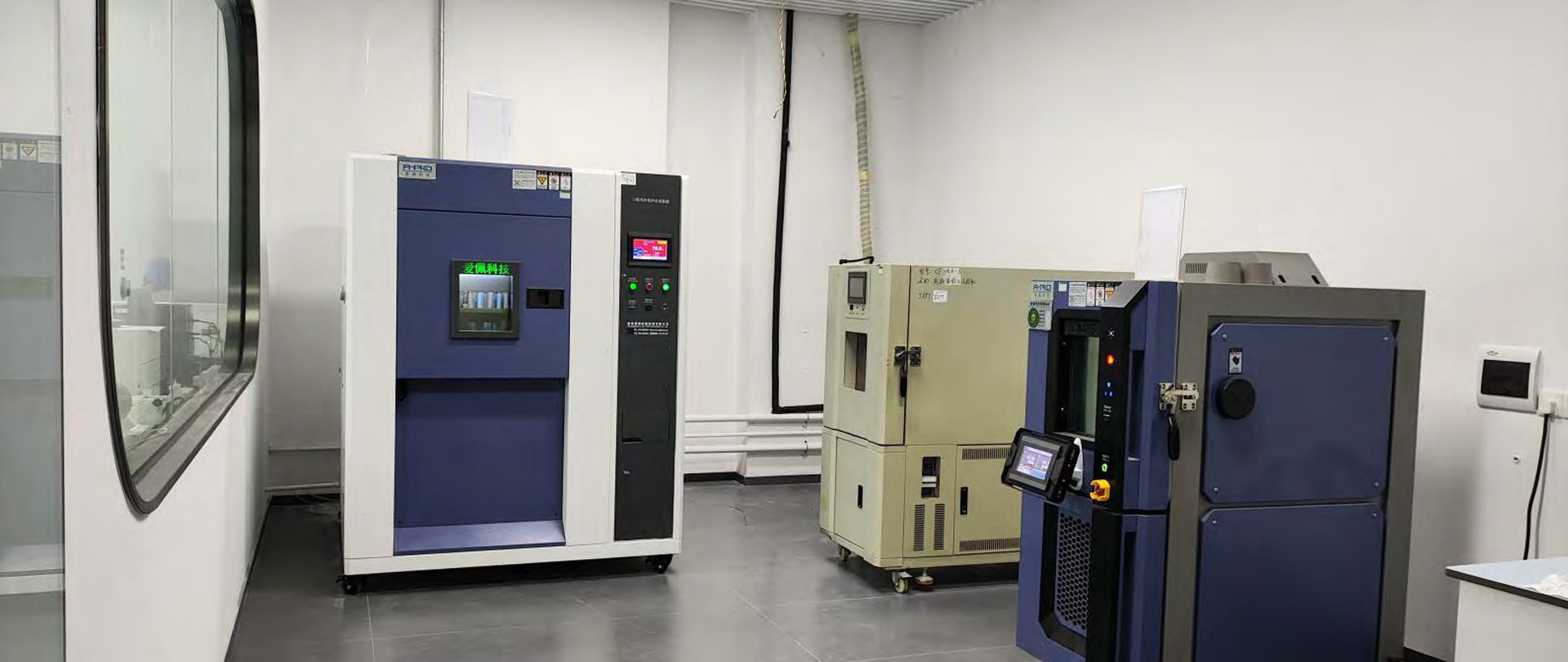
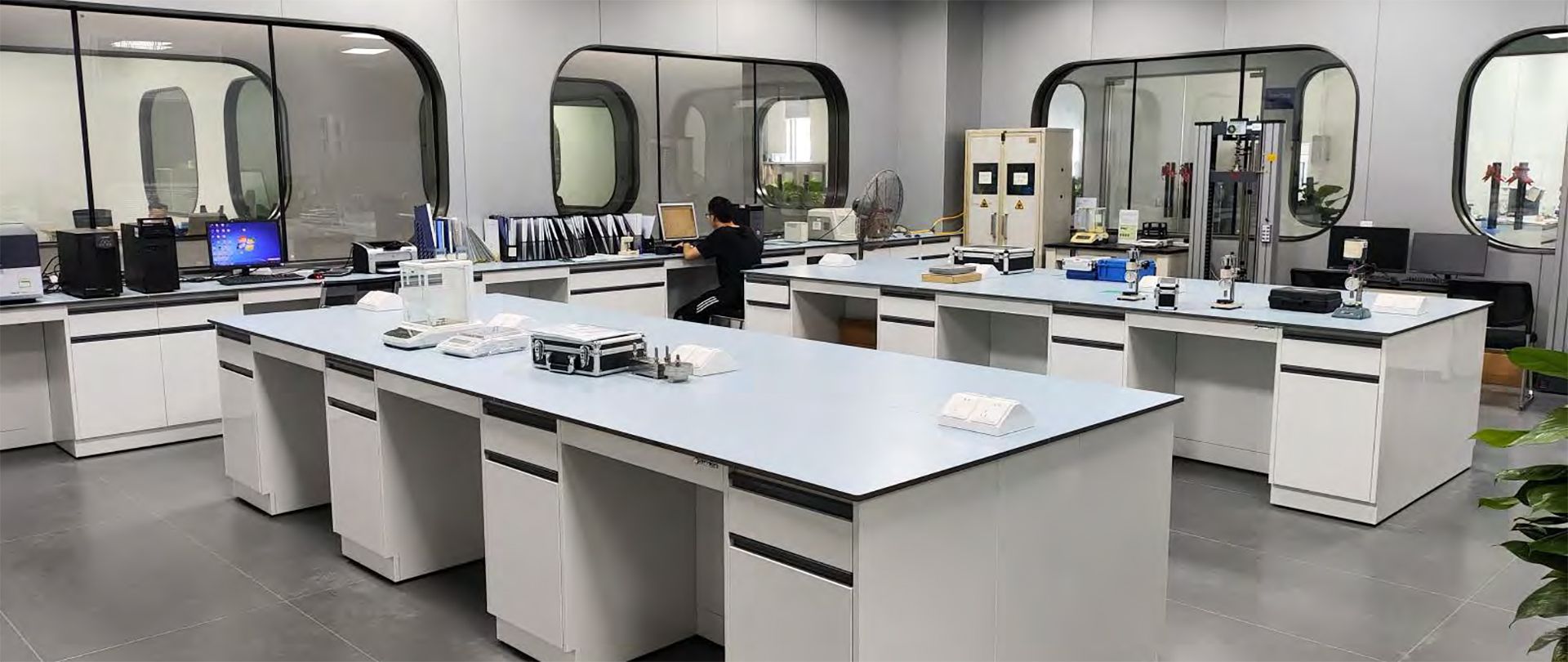
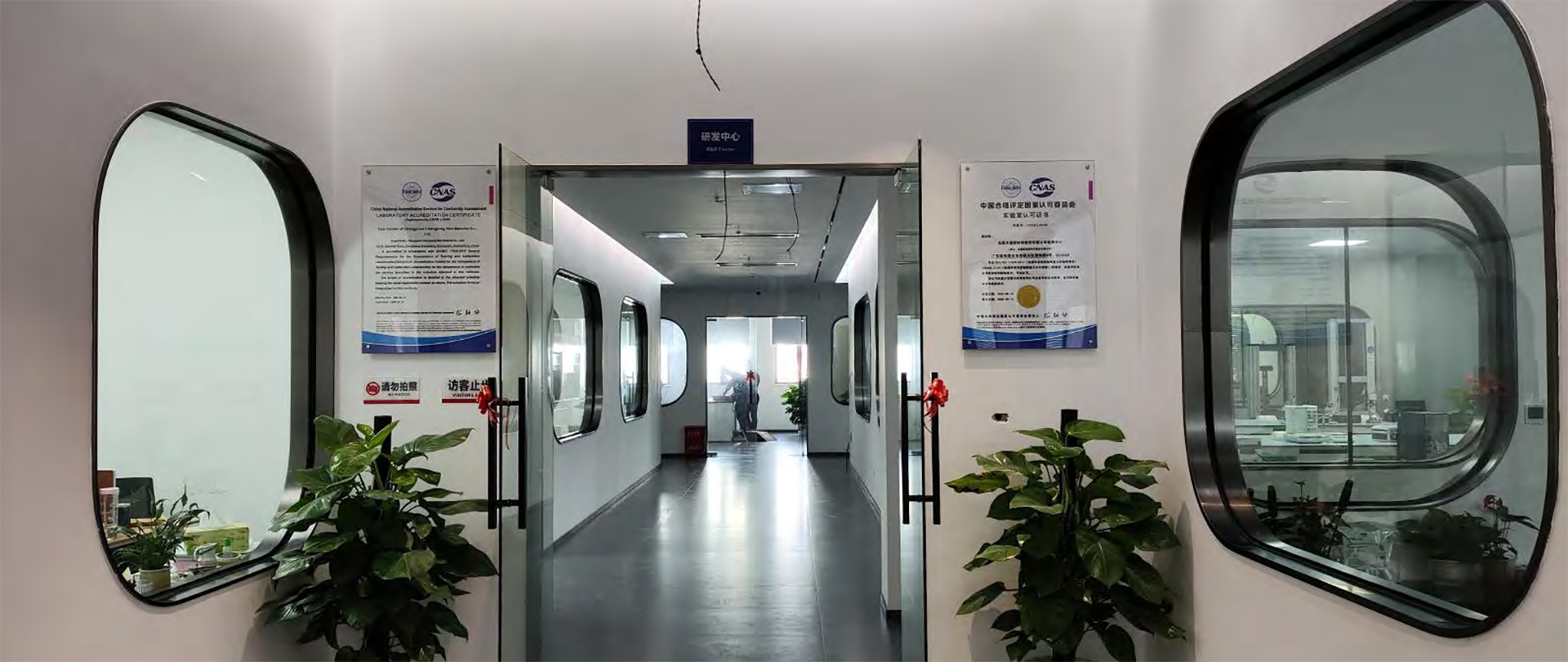
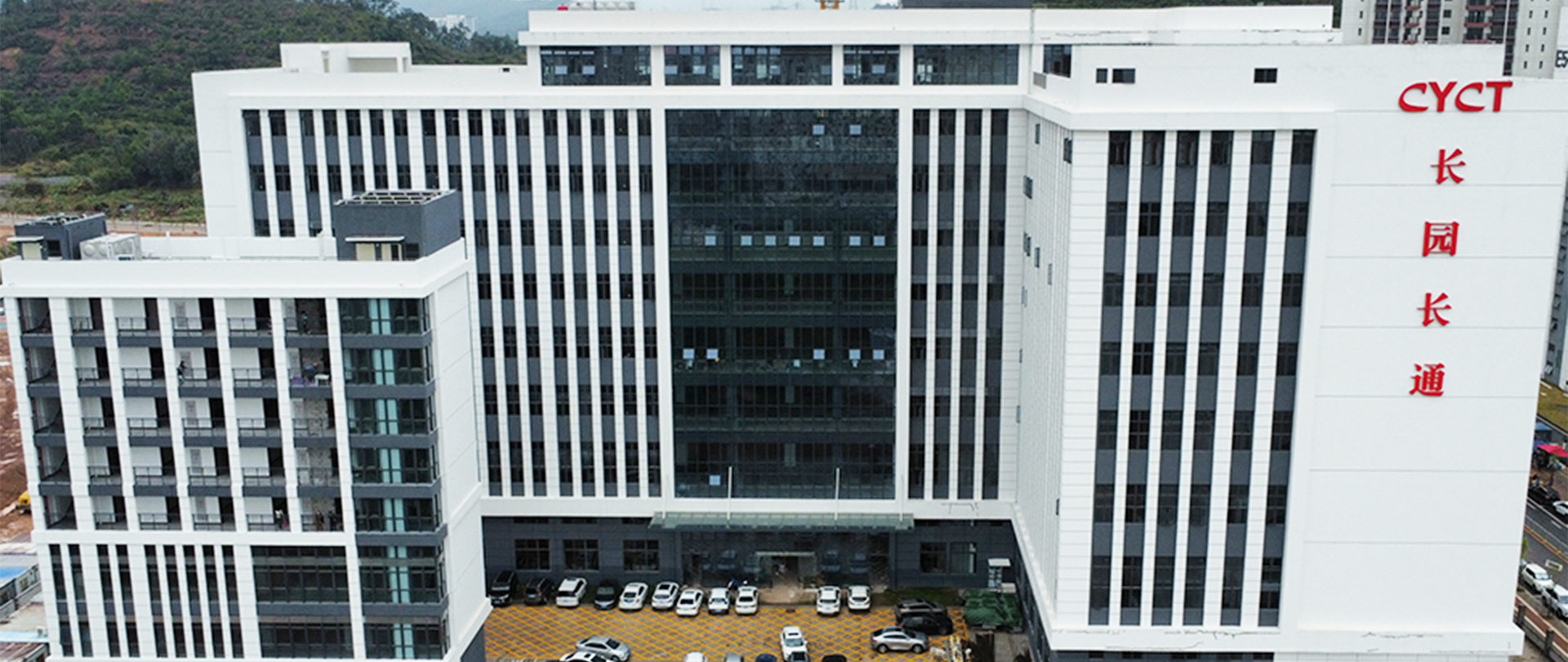
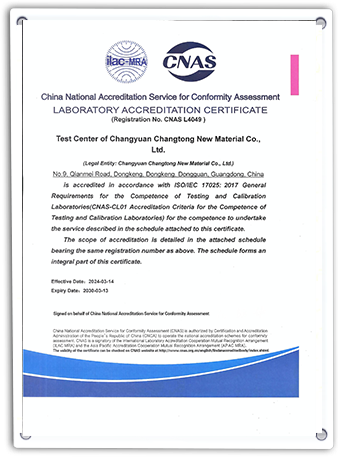
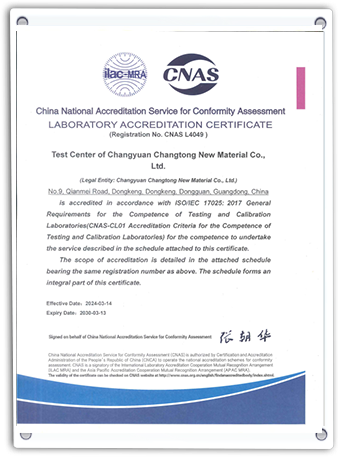
*CYCT owns leading testing and R&D capabilities, a professional R&D team, and a national CNAS-accredited laboratory.
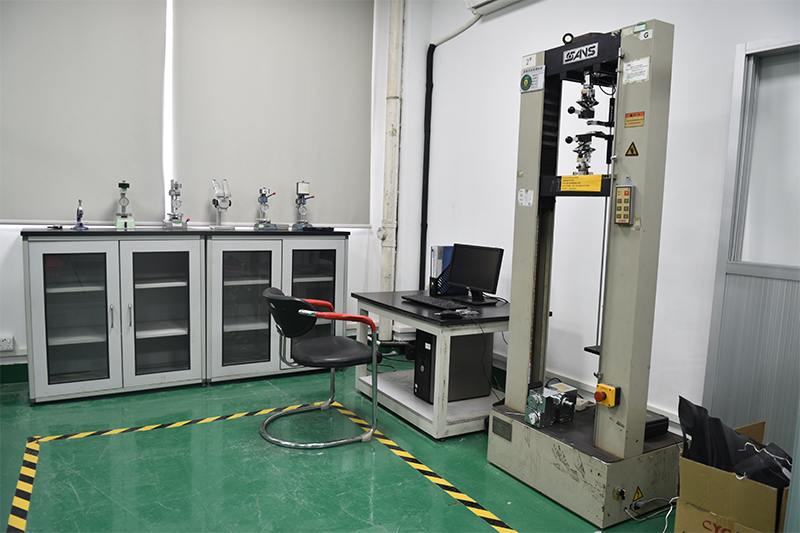
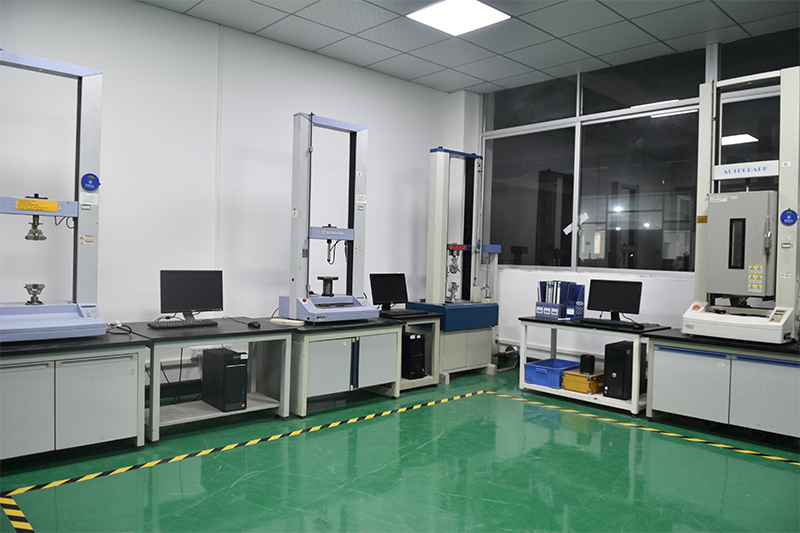
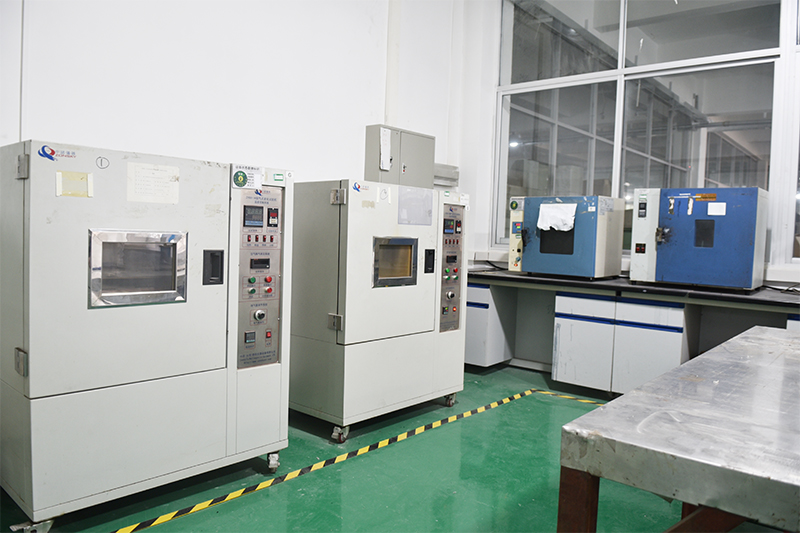
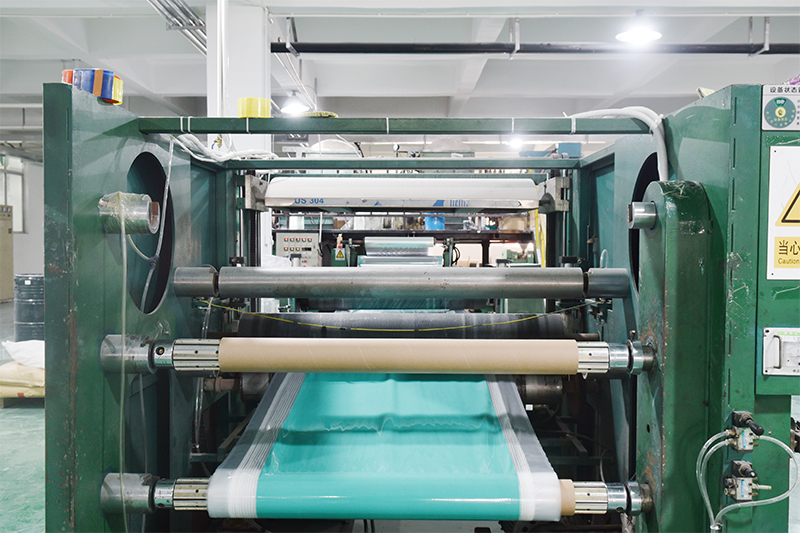
Through cooperation with R&D institutes, such as the CNPC Pipeline Science Research Institute, CYCT is capable of providing in-service pipelines with varied technical services, including buried pipeline detection, design schemes, cathodic protection, rehabilitation projects, and integrated safety solutions.
Our project lifecycle encompasses survey work, custom material synthesis, site logistics, and QA/QC inspection during installation. This technical depth allows us to address structural corrosion challenges across complex geographical terrains—from sub-zero arctic environments to high-humidity offshore zones.
Whether you require mastic-based products for 2LPE systems or specialized PP hot-melt systems for high-pressure 3LPP coatings, CYCT delivers engineered options that extend operational service life and minimize maintenance costs.
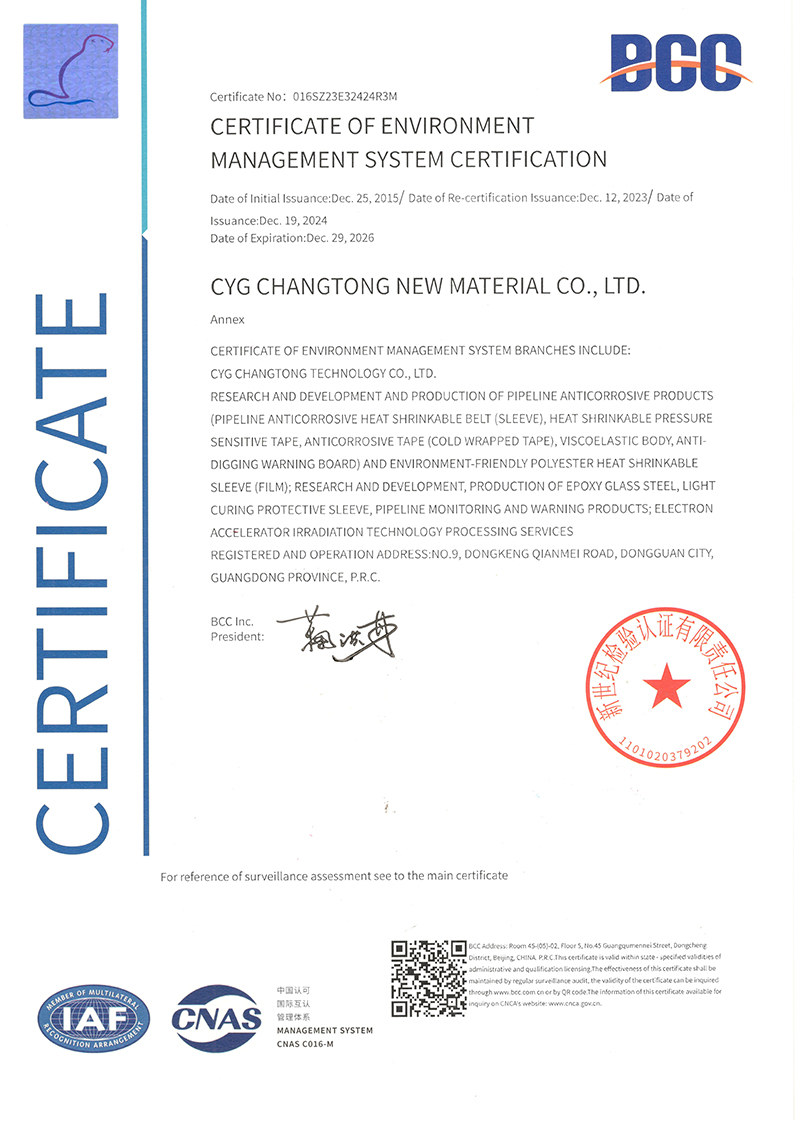
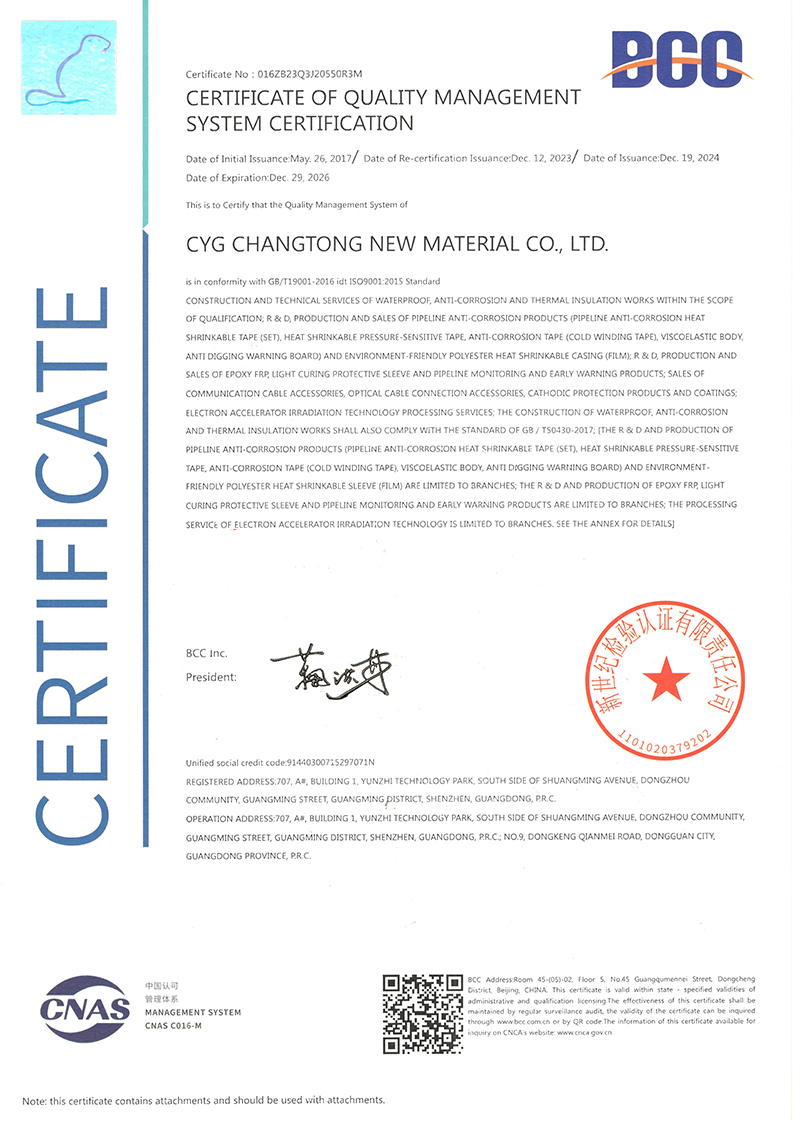
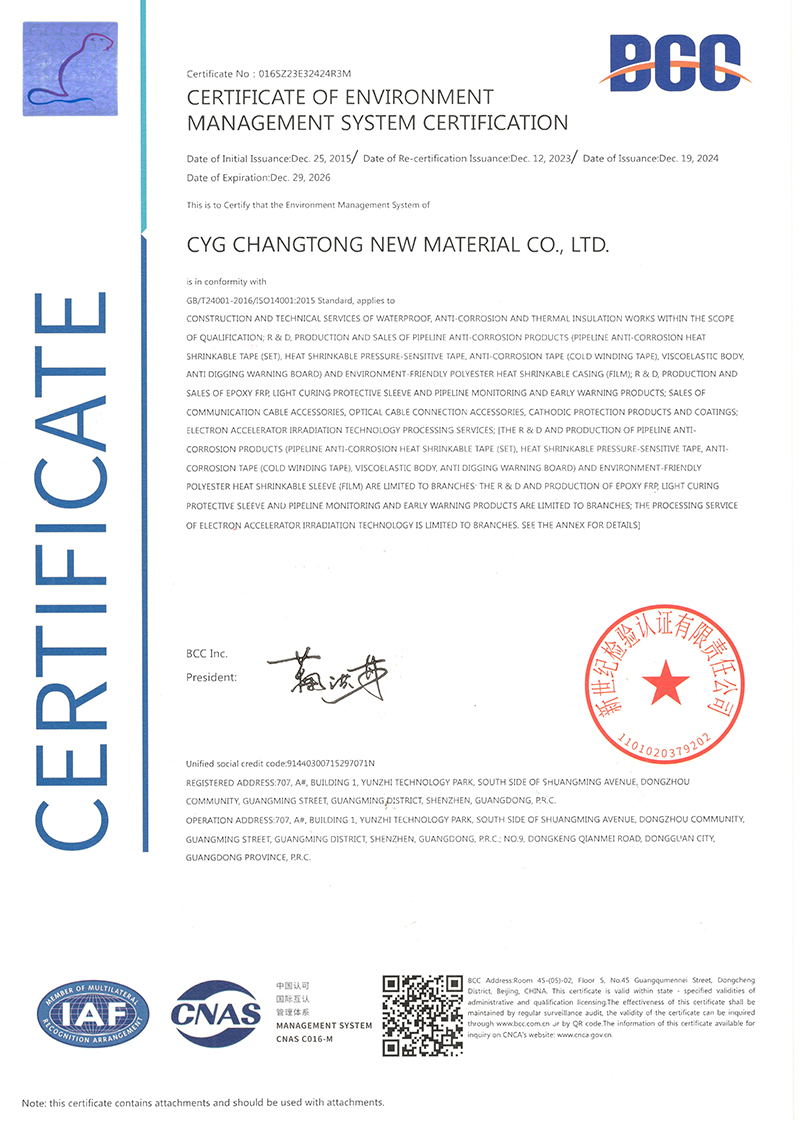
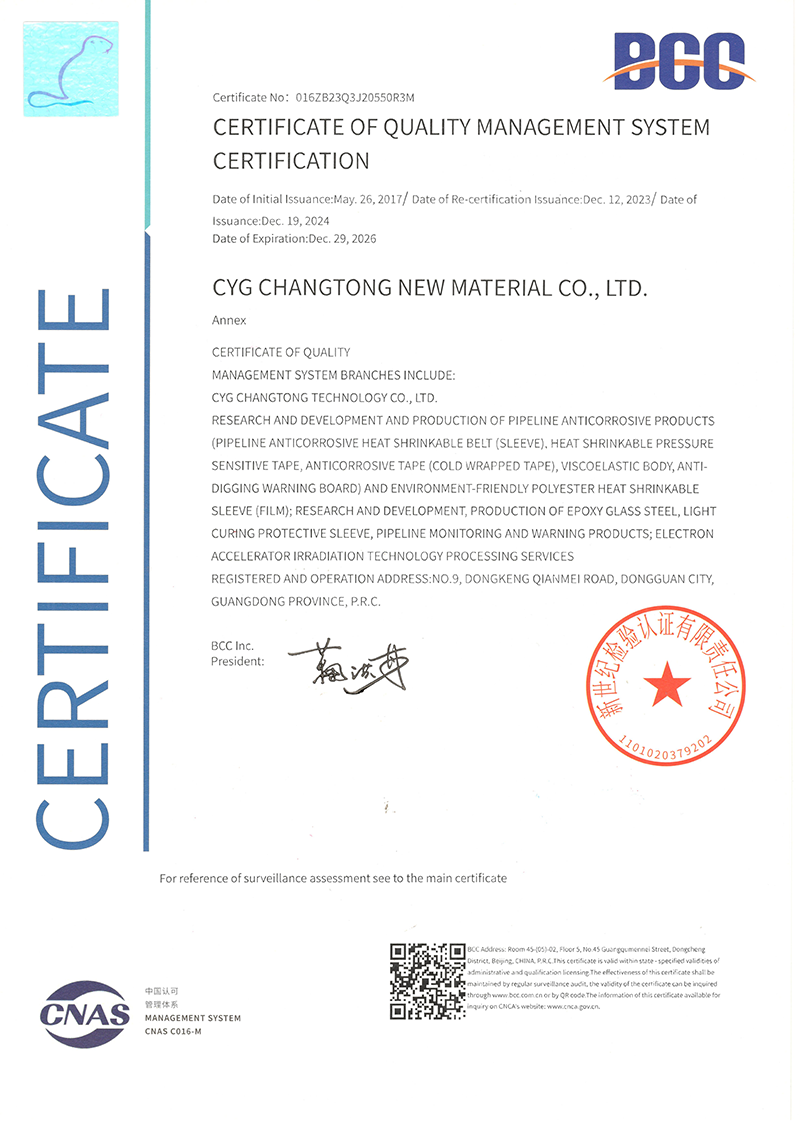
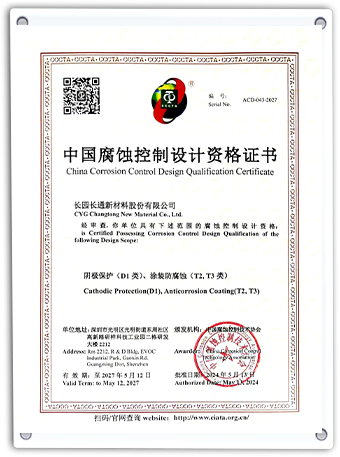
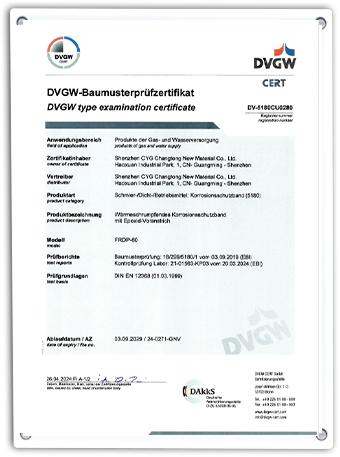
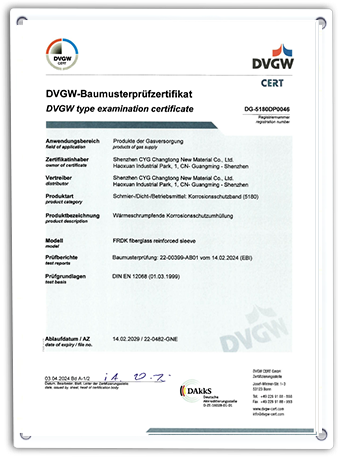
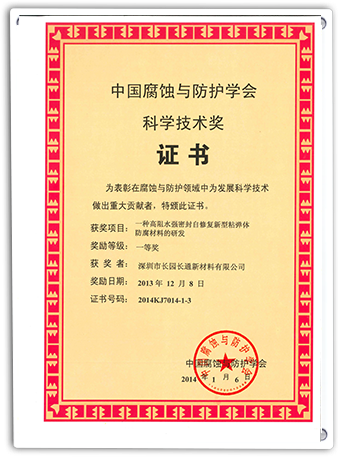
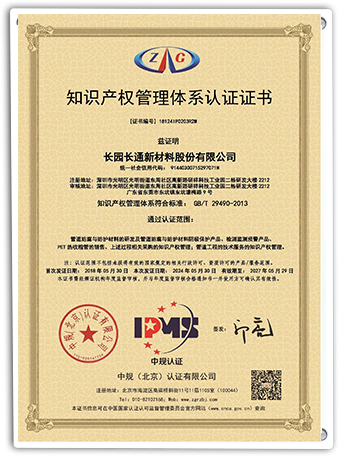
Our adherence to high manufacturing standards is supported by certifications from international institutions and state-level high-tech bodies.
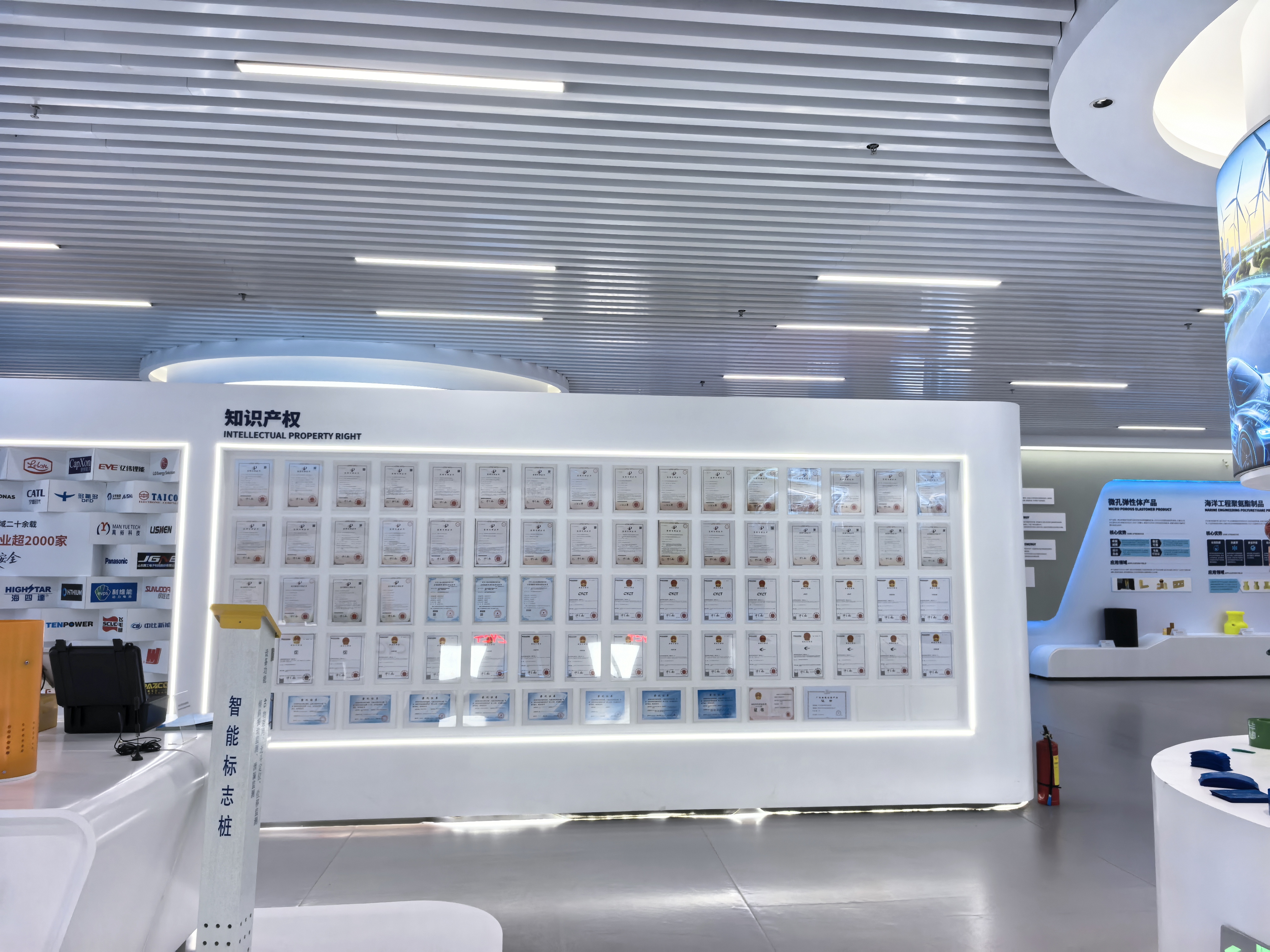
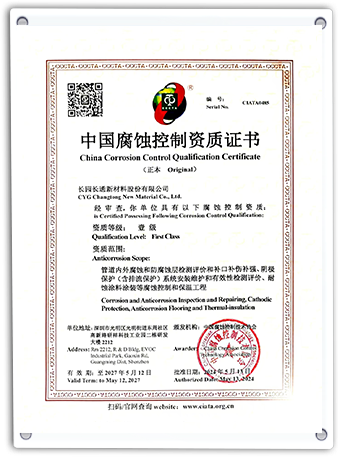
CYCT is a Council Member of the Chinese Society for Corrosion and Protection (CSCP), holding the Qualification Certificate of Corrosion Protection Construction and the Qualification Certificate of Pipeline Detection. Recognized as a Well-known Brand of Pipeline Corrosion Protection in China, and a Corporate Member of the China Association of Petroleum Engineering Construction (CAPEC), we are a state-level high-tech enterprise with more than ten proprietary intellectual property rights, serving as a stable supplier to PetroChina, Sinopec, China Gas Group, and Indian Oil.
Insights into pipeline protection specifications, material selection, and installation techniques.
Key parameters include peel strength, lap shear resistance, indentation resistance, and resistance to cathodic disbondment. The backing must have a high cross-linking density (typically between 40% to 60%) to provide sufficient shrink force and mechanical protection. The adhesive layer should maintain viscoelastic flow during thermal application, enabling it to wet the steel surface thoroughly and establish a strong chemical bond.
Viscoelastic tapes (like the VT95) display cold-flow behavior, meaning they flow into microscopic metal irregularities at ambient temperatures without requiring pre-heating. They remain plastic throughout their life cycle and are self-healing. Standard hot-melt adhesive sleeves require target pre-heating of the steel substrate (typically to 60°C–80°C or higher for PP) to melt the copolymer adhesive, which then solidifies into a semi-rigid bond with high mechanical resistance.
Cathodic disbondment happens when cathodic protection (CP) currents produce hydrogen gas at holiday sites or defects, lifting the coating off the steel substrate. CYCT materials combat this by utilizing specialized adhesion promoters within our hot-melt and mastic formulations. These additives maintain high polar attraction to steel, resisting the alkaline environment generated by CP currents and preventing disbondment propagation.
During Horizontal Directional Drilling (HDD), the pipeline is pulled through rock, clay, and abrasive soil. This action can damage standard PE or PP heat shrinkable coatings. The UV-curing GRP sleeve acts as a sacrificial, high-hardness mechanical shield. It is installed over the primary anti-corrosion sleeve and cured via ultraviolet light, creating a tough outer layer that resists abrasion, impact, and gouging.
The metal substrate must be abrasive blast-cleaned to a minimum ISO 8501-1 Sa 2.5 standard, with a surface anchor profile between 50 to 90 microns. The adjacent mill coating must be beveled and cleaned. Pre-heating the pipe to the specified application temperature is critical to ensure proper flow and adhesion of the hot-melt copolymer layer.
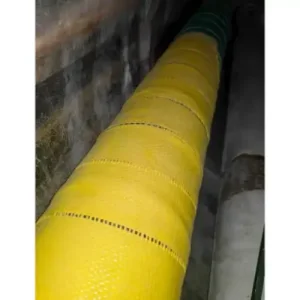
Our advanced product range includes viscoelastic systems, moisture-curing shields, and high-temperature repair solutions.
 CYCT
CYCT