Engineered polyolefin heat shrinkable products conforming to global ISO, ASTM, and EN standards.
An authoritative analysis of cross-linked polymer mechanics and interfacial adhesive performance.
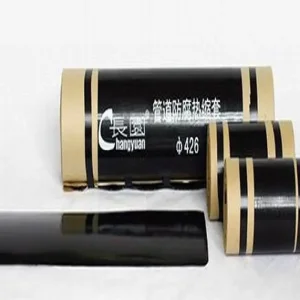
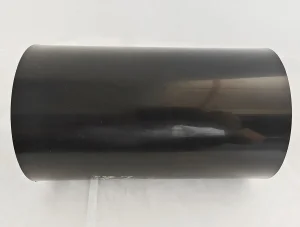
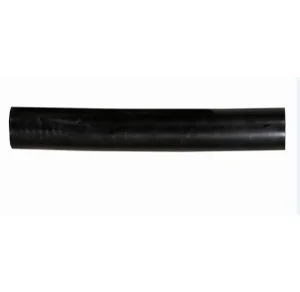
Polyolefin Heat Shrink Tubing acts as the vanguard barrier protection for modern energy, water, and process pipelines. At the core of this technology is the process of radiation crosslinking. By exposing extruded high-density polyethylene (HDPE) or blended polyolefin compounds to high-energy electron beams, the linear polymer chains are chemically linked into a three-dimensional network. This cross-linking process changes the polymer from a thermoplastic material to an elastomer with a "shape memory effect".
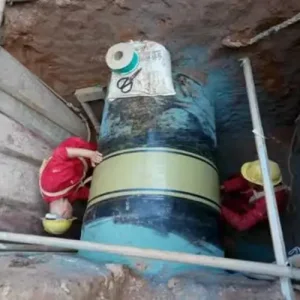
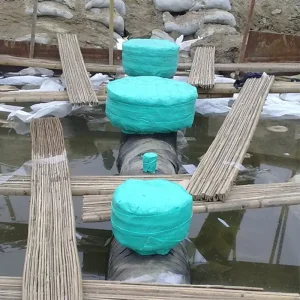
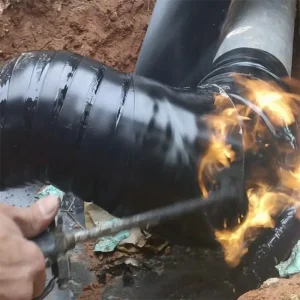
During installation, when heat is applied by a propane torch or induction heating coil, the crystalline regions of the polyolefin melt. The crosslinked covalent network prevents the material from flowing like a liquid, driving the sleeve to shrink back to its original, extruded diameter. The resulting radial shrink force exerts active compressive stress over the underlying pipe surface and adhesive layer, creating a high-performance seal.
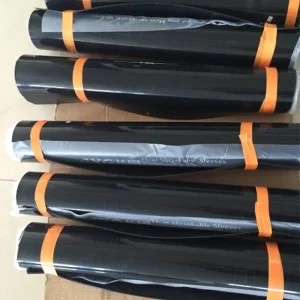
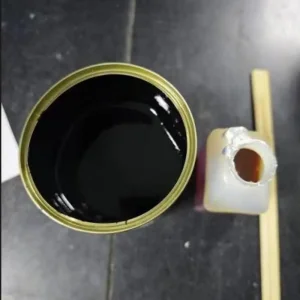
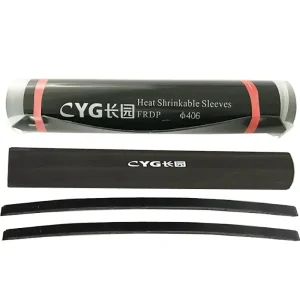
Standard field joint coatings utilize a three-layer system (3LPE or 3LPP), combining a liquid epoxy primer, a copolymer hot-melt adhesive, and a radiation-crosslinked polyolefin backing. This combination provides cathodic disbondment resistance, low moisture permeability, and high mechanical protection.
CYCT's advanced formulation balances crystallinity and molecular weight to optimize performance across three critical criteria:
By controlling the radiation dose and hot-melt compounding ratios, CYCT produces polyolefin systems that withstand extreme environments, from high-shear HDD (Horizontal Directional Drilling) installations to deep ocean lines.
A State-Level High-Tech Enterprise
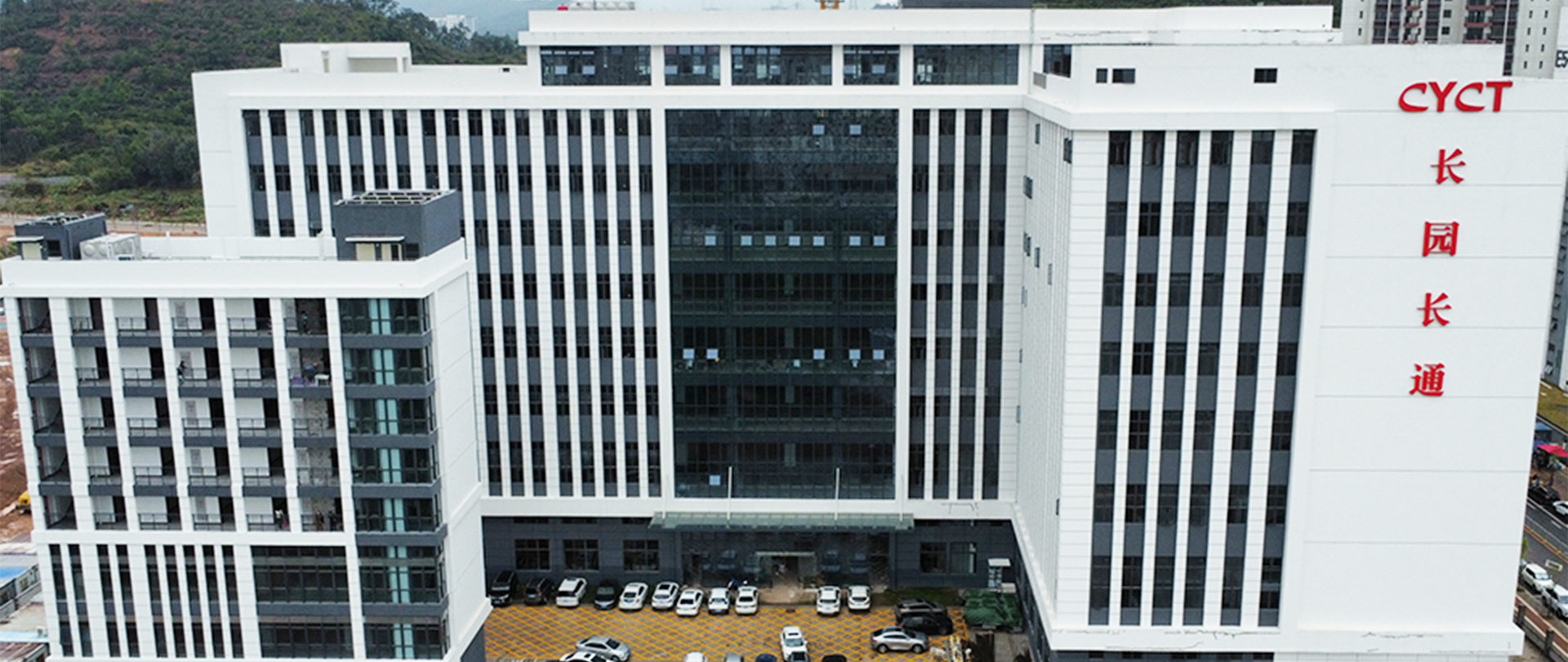
CYCT New Materials Company Limited (for short, CYCT) is a state-level high-tech enterprise integrating R&D, production, and sales of pipeline corrosion protection materials. We also provide buried pipeline detection services and field coating application services. CYCT has dedicated itself to the R&D and manufacturing of pipeline corrosion protection materials for decades.
By cooperating with leading R&D institutes such as the CNPC Pipeline Science Research Institute, CYCT is capable of providing in-service pipelines with varied technical services. These include buried pipeline detection, design schemes, cathodic protection, rehabilitation projects, and integrated safety protection solutions for pipelines.
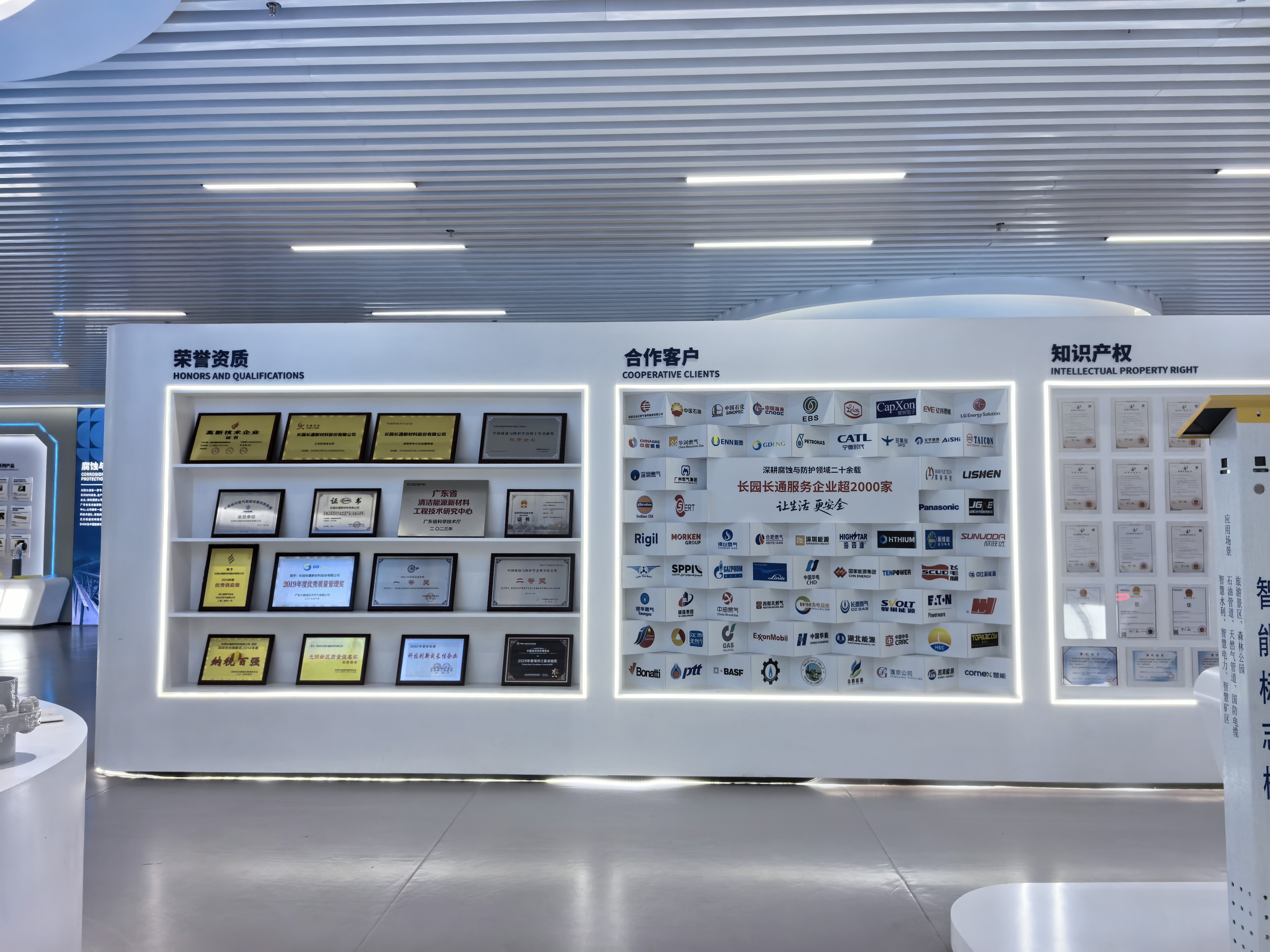
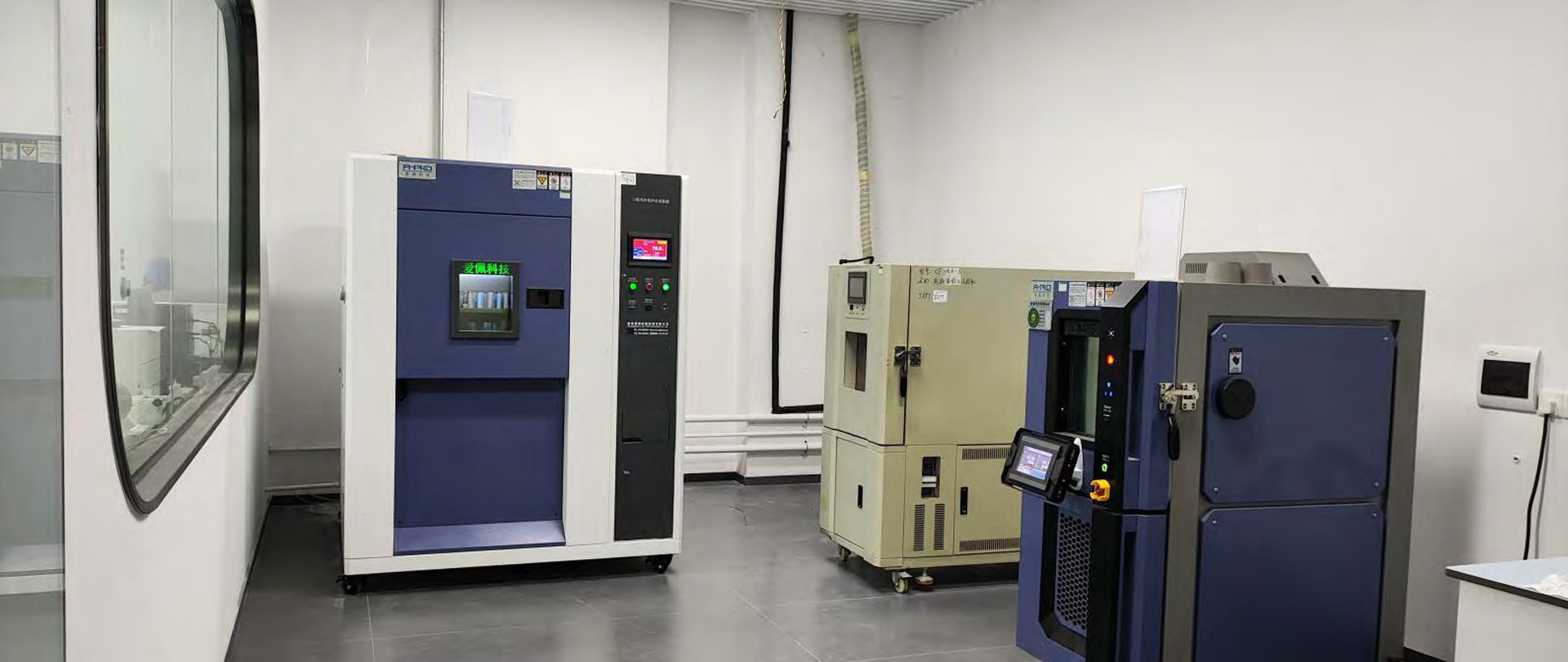
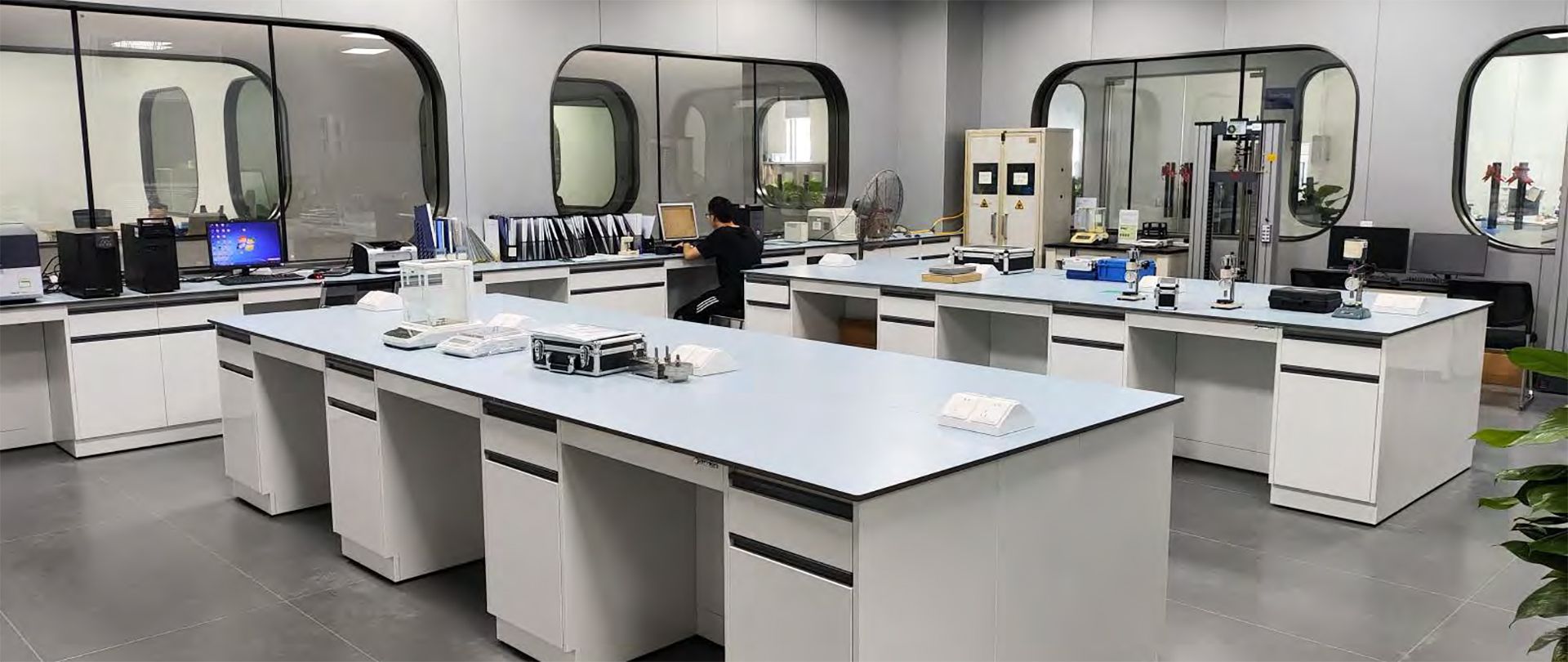
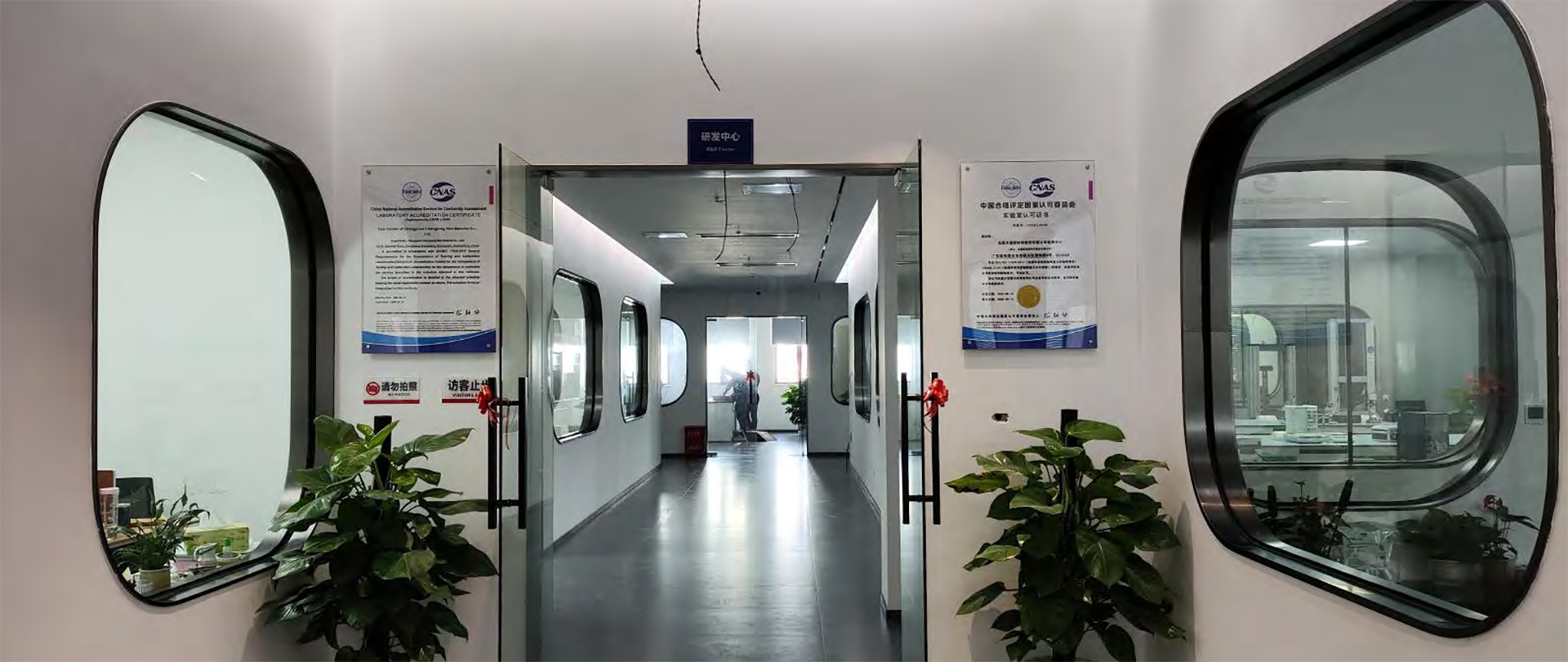
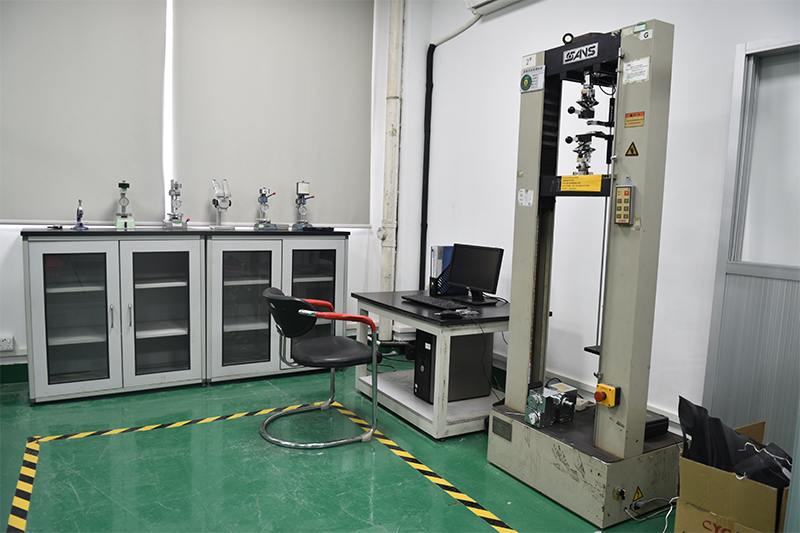
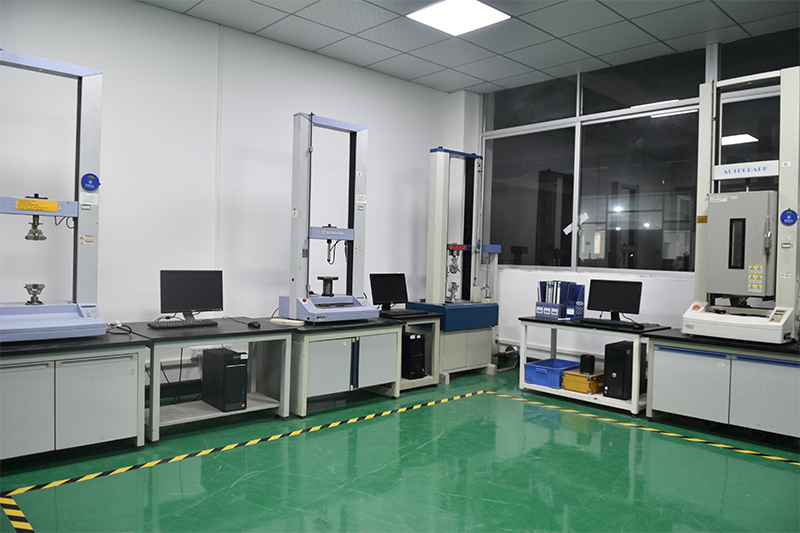
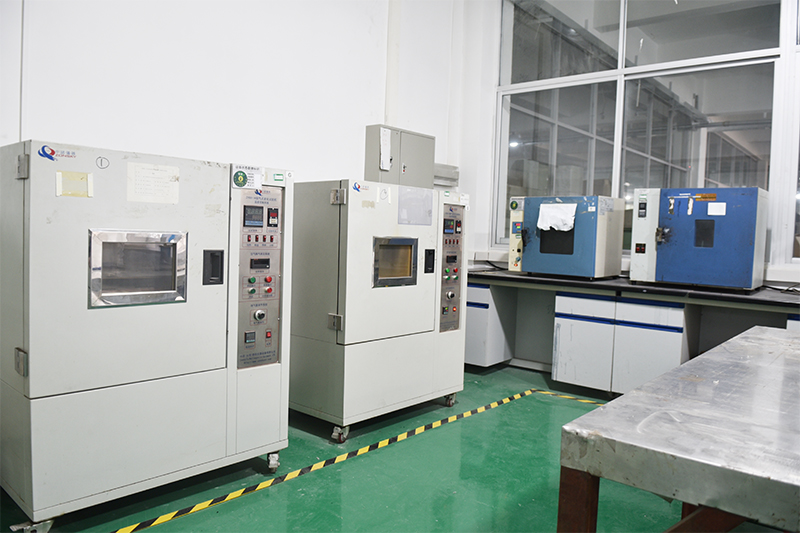
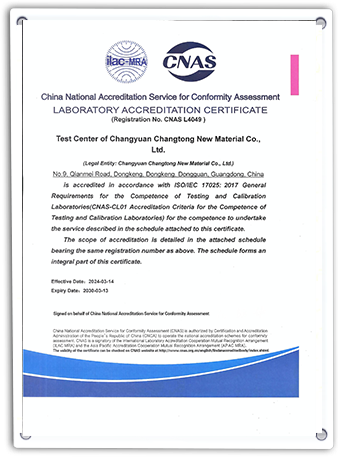
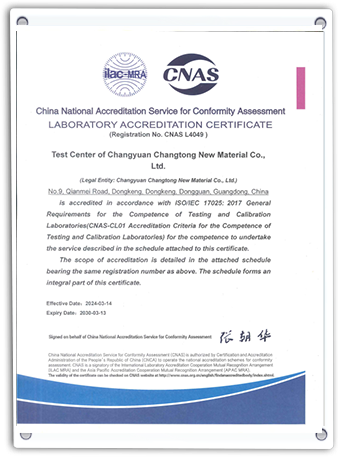
CYCT owns leading testing and R&D capabilities, supported by a professional R&D team and a national CNAS-accredited laboratory. We have been a stable supplier of field joint coatings for years to PetroChina, Sinopec, PipeChina, and local pipeline projects, holding a significant market share. Furthermore, CYCT has developed and introduced a number of specialty corrosion protection materials, including viscoelastic anticorrosion materials, special photo-curing sleeves for HDD protection, and polyurea coatings.
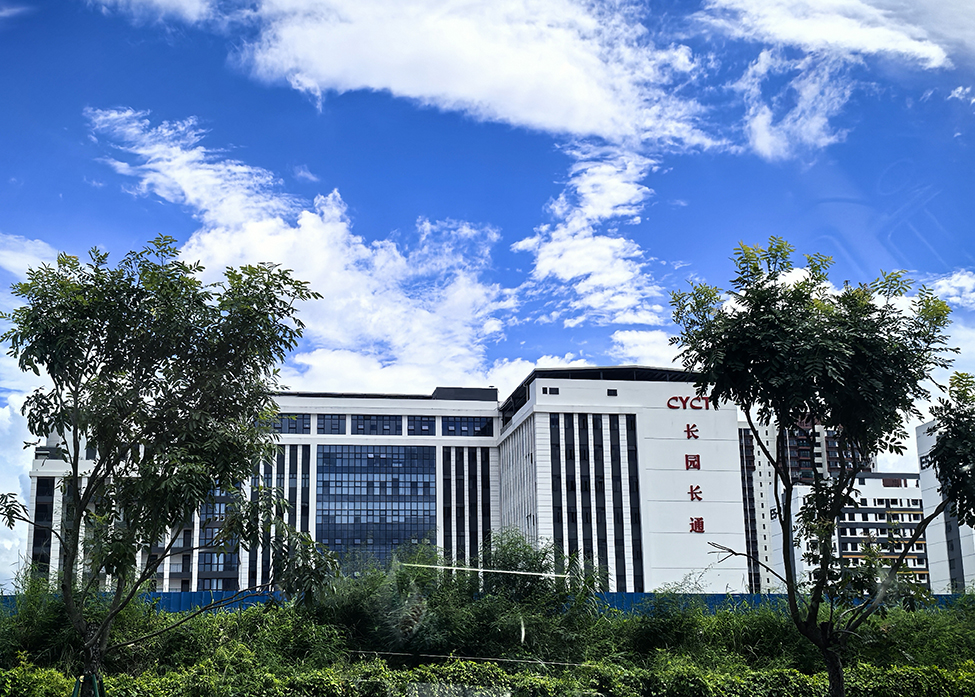
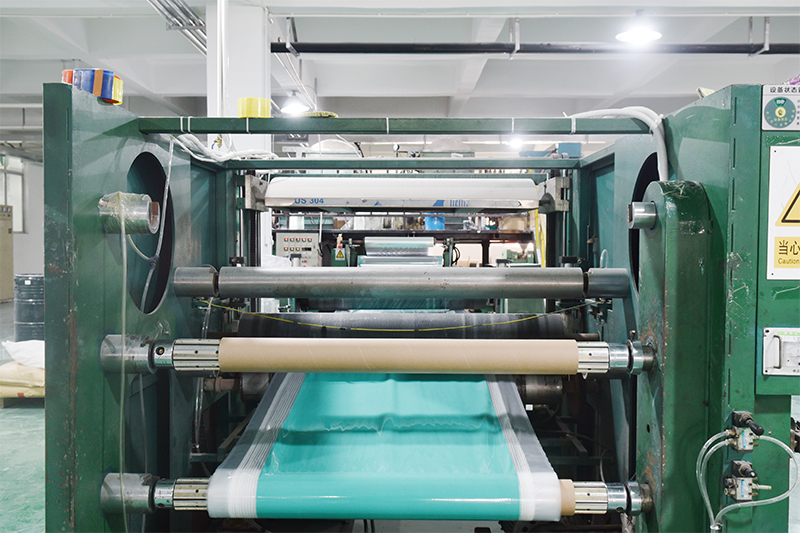
Explore our advanced manufacturing base and laboratories.
Optimized systems designed for high-stress pipeline installations worldwide.
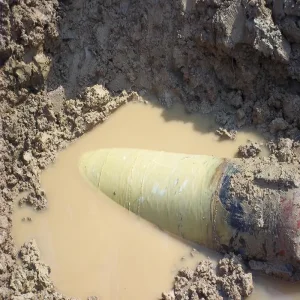
Trenchless pipeline pull-back exposes field joints to high shear forces and abrasive soil stress. CYCT's fiberglass-reinforced sleeves (GFRP/Epoxy FRP) provide the mechanical strength needed to protect the primary anti-corrosion barrier from damage during installation.
Gas pipelines and geothermal transmission lines running at elevated temperatures require specialized heat shrink systems. Our FRPD-PP heat shrinkable sleeves, combined with solvent-free epoxy primers, are designed for polypropylene linepipe joints operating up to 110°C.
Subsea and splash zone installations require water barrier systems. CYCT GRF moisture-curing shields provide continuous protection against salt-spray corrosion and cyclic wave action in offshore structures.
Continuous capacity, high quality, and cost efficiency in heavy industrial manufacturing.
CYCT's production complex is built on advanced manufacturing principles, ensuring high supply chain resilience for international energy projects. Our plant integrates compounding, extrusion, radiation crosslinking, and adhesive lamination into a single continuous workflow. By managing the formulation of base polyolefin compounds and hot-melt adhesives in-house, we maintain complete control over raw material quality and product performance.
Our facility features high-power electron beam accelerators, ensuring uniform radiation dosing across all product runs. This guarantees consistent shrinkage and mechanical performance across batches. With our automated production lines and vertical integration, CYCT offers short lead times and stable pricing, even during raw material market fluctuations.
In addition, our quality assurance systems are supported by a national CNAS-accredited laboratory. Every production batch undergoes testing for peel strength, heat aging resistance, and cathodic disbondment, providing certified reliability for municipal and oil & gas pipeline operators worldwide.
Engineered to meet international pipeline engineering specifications.
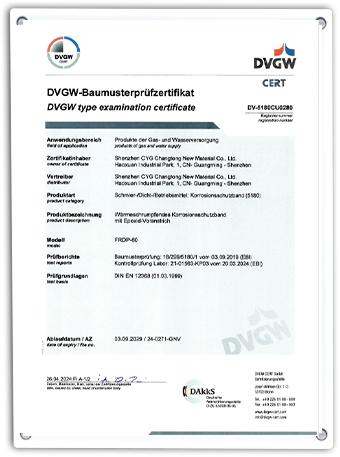
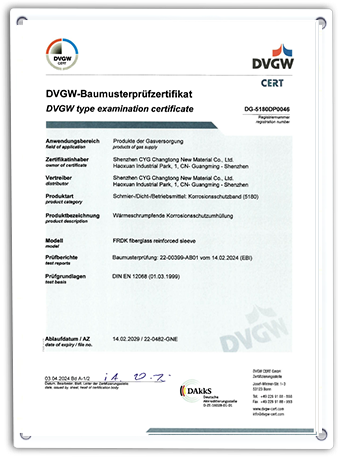
CYCT heat shrink products are engineered and tested in compliance with global standards, including ISO 21809-3, EN 12068, DVGW, and ASTM G8 / G42, ensuring compatibility with international engineering codes.
Through our established logistics network, CYCT coordinates container shipments directly from our factory to major ports worldwide. We provide full export documentation and customs compliance support for hassle-free delivery.
We provide comprehensive field training, application guidelines, and installation supervisor support for EPC contractors, ensuring correct application and long service life in the field.
Innovating next-generation protection technologies for smart, long-lasting pipeline infrastructure.
Modern pipeline infrastructures require protective systems with longer service lives and smart diagnostic capabilities. CYCT's R&D roadmap focuses on three main technological goals:
Our research team is developing active responsive polymers containing micro-encapsulated corrosion inhibitors. When mechanical damage occurs or moisture penetrates the backing, these micro-capsules rupture, releasing compounds that neutralize corrosive agents and protect the steel pipe substrate.
As deep wells and heavy oil production lines operate at higher temperatures, traditional PE and PP systems reach their physical limits. CYCT is developing new thermoplastic elastomer blends that maintain their physical properties and adhesion at continuous temperatures up to 150°C.
To reduce carbon footprints and support global sustainability initiatives, CYCT is researching bio-based polyolefins derived from renewable feedstocks. These new materials are designed to match the durability of traditional petrochemical polymers, providing green options for future pipeline infrastructure projects.
We are optimizing polymer-adhesive blends to prevent "shielding" of cathodic protection (CP) currents in the event of coating disbondment. This design allows CP currents to reach the exposed steel, preventing localized corrosion and improving safety.
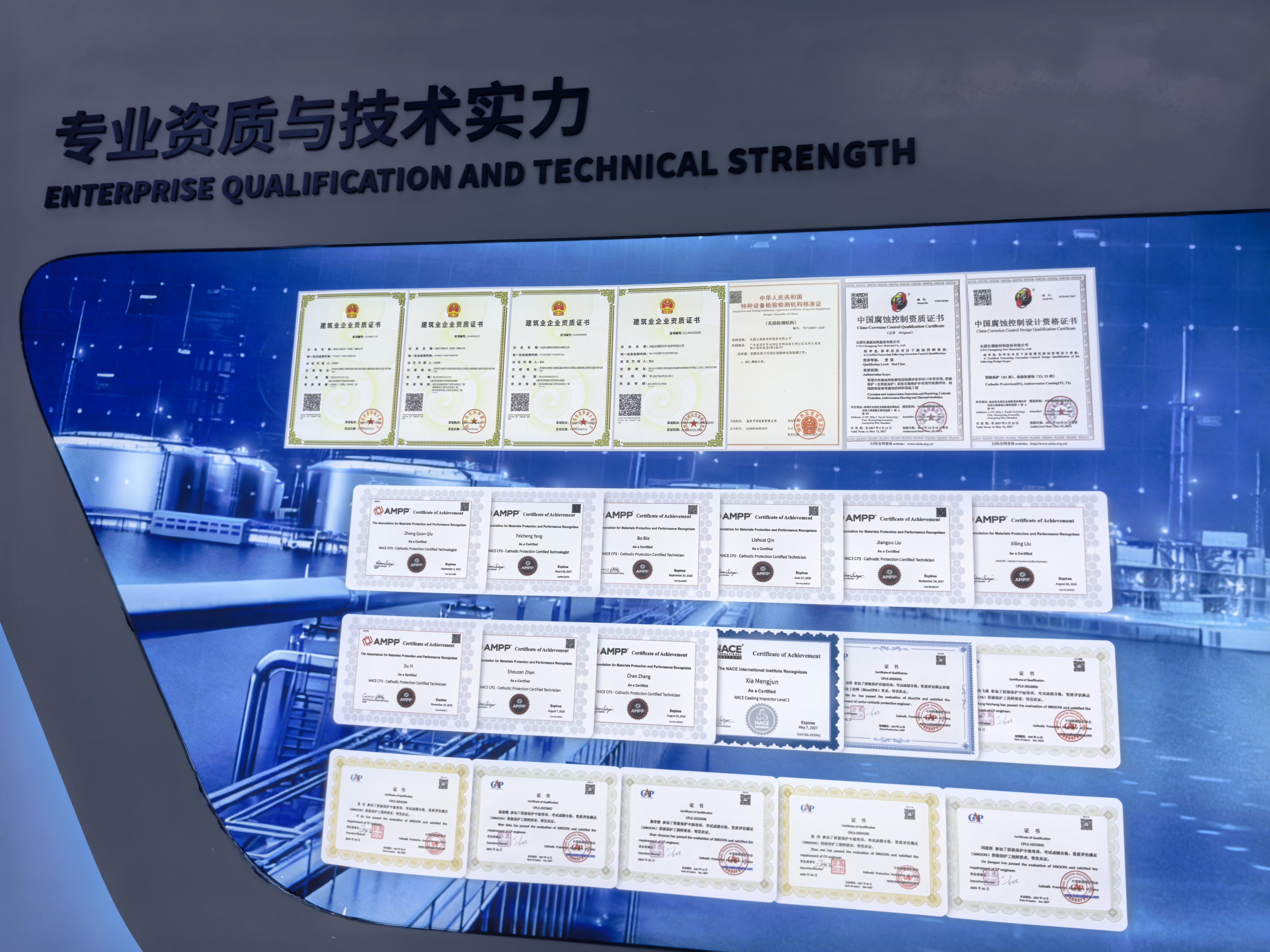
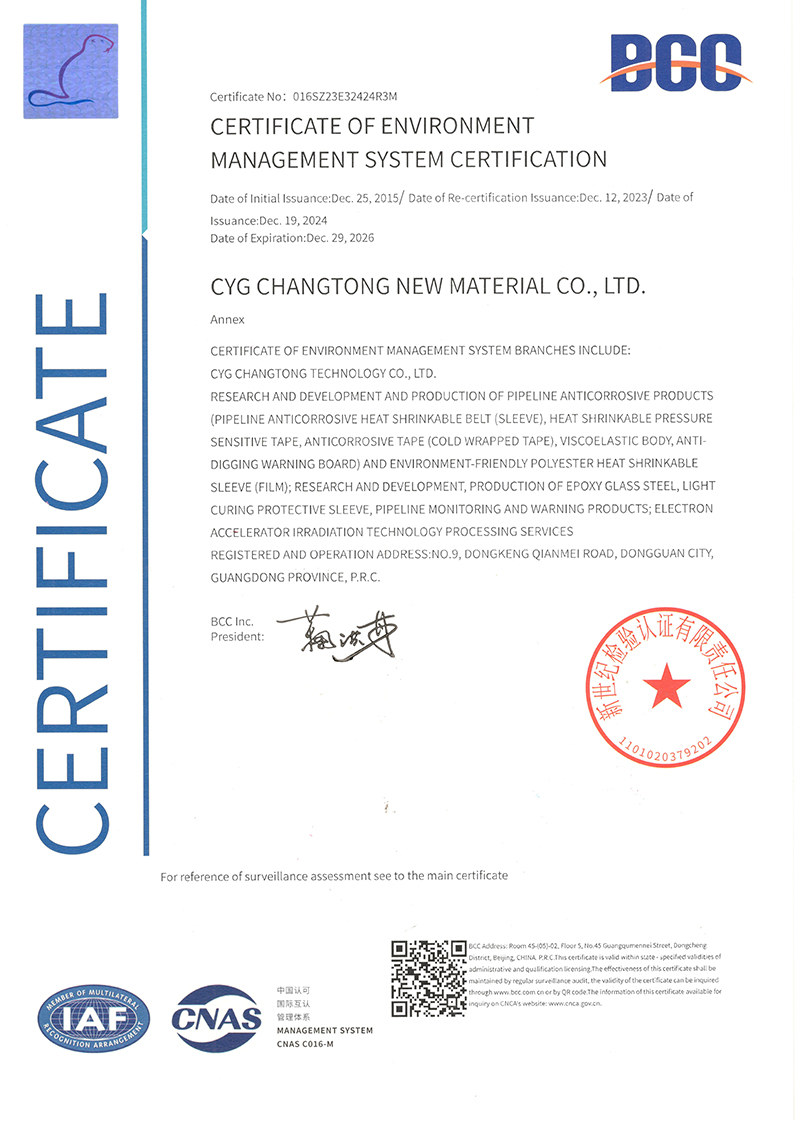
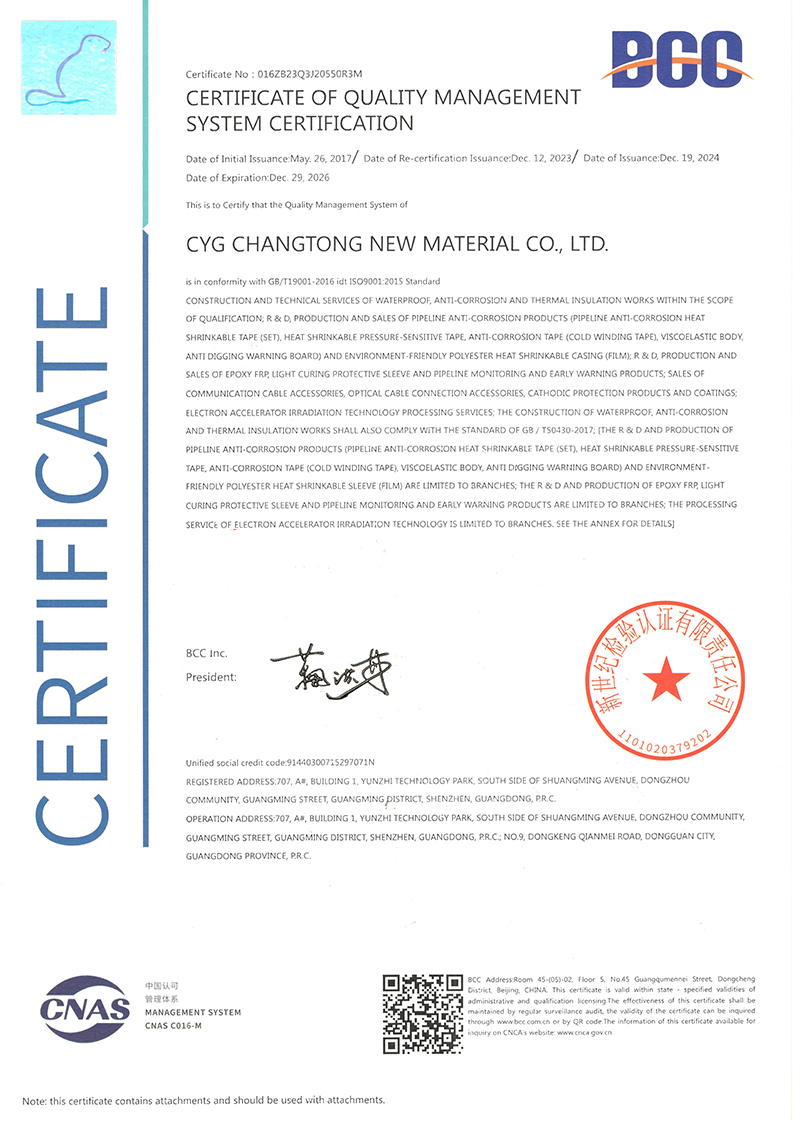
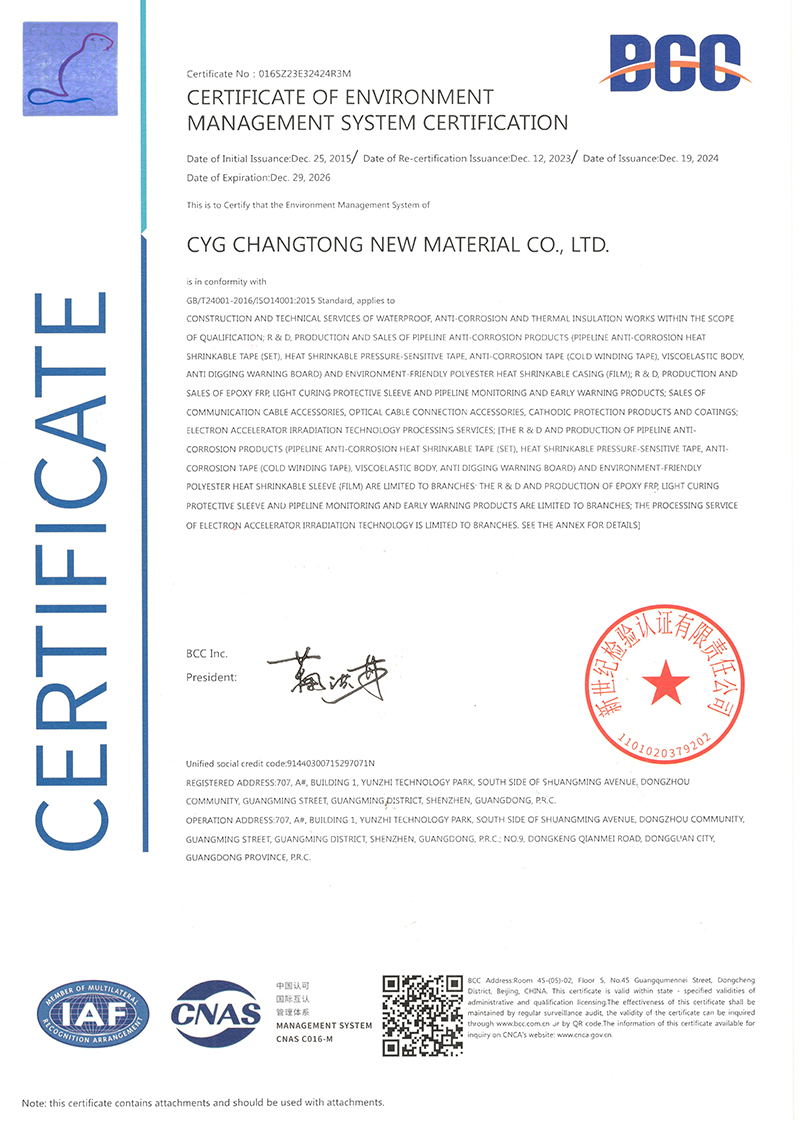
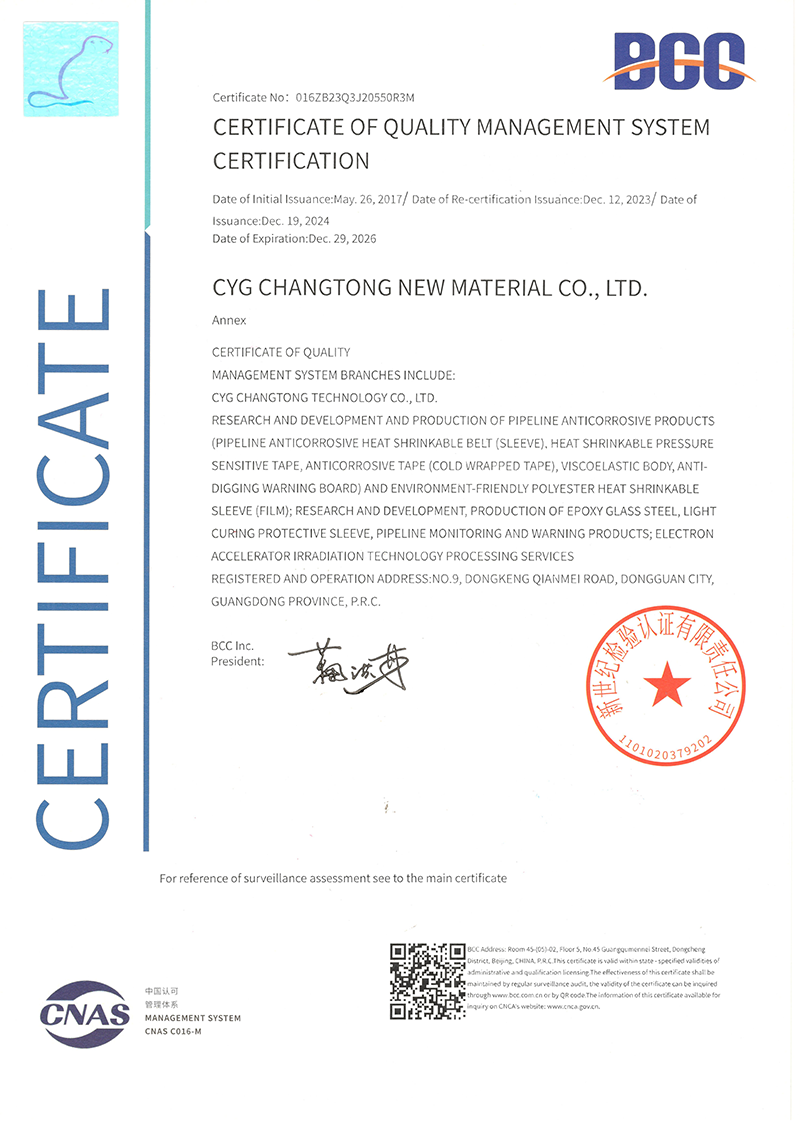
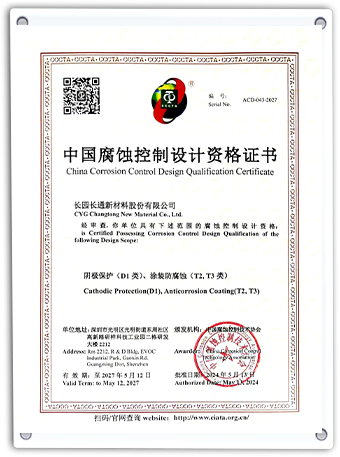
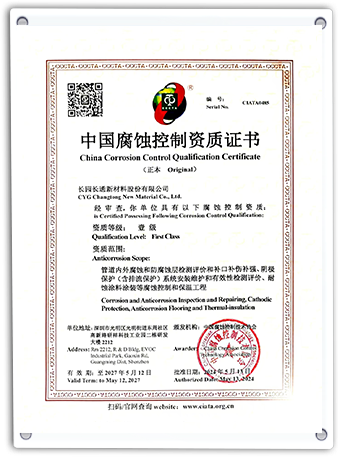
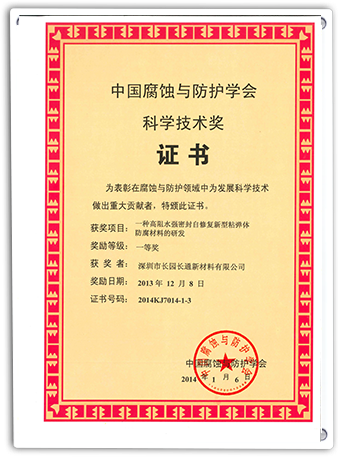
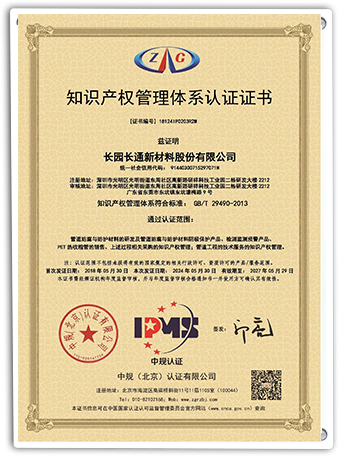
Recognized quality systems, corporate memberships, and product compliance certificates.
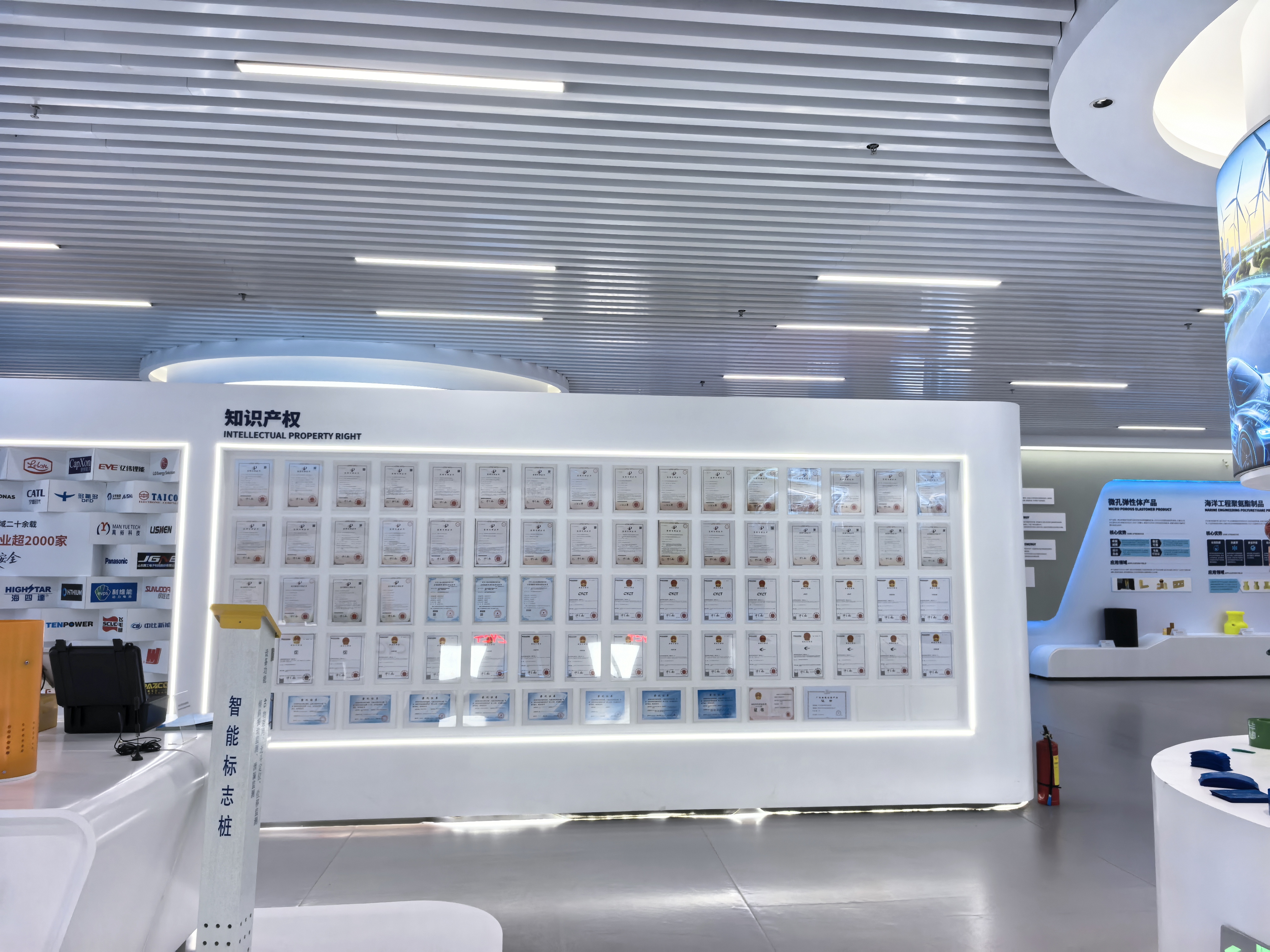
Member of Council in Chinese Society for Corrosion and Protection (CSCP), Qualification Certificate of Corrosion Protection Construction, Qualification Certificate of Pipeline Detection, Well-known Brand of Pipeline Corrosion Protection in China, Corporate Member of China Association of Petroleum Engineering Construction (CAPEC), State-Level High-Tech Enterprise with more than ten proprietary intellectual property rights. Stable supplier of PetroChina, Sinopec, China Gas Group, and Indian Oil.
Technical guidance and application insights for pipeline procurement managers and engineers.
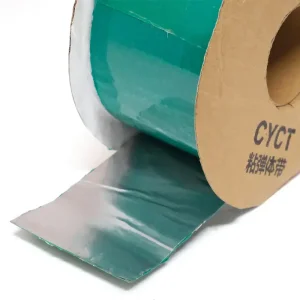
High-performance repair patches, specialty tapes, and reinforcement systems.
 CYCT
CYCT