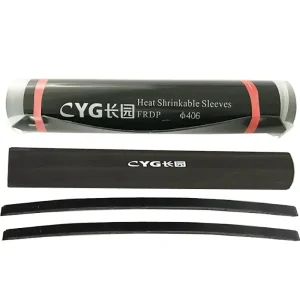
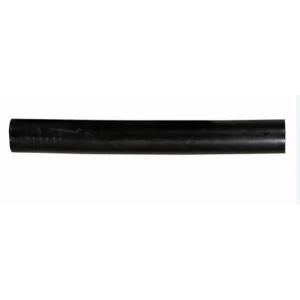
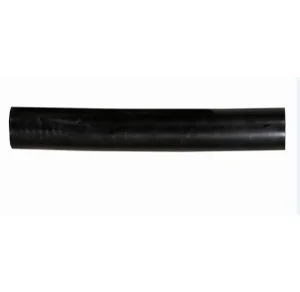
Engineered to meet the exact standards of the international oil, gas, and water transport industries.
An authoritative analysis of polymer material dynamics, shrink rates, and temperature-controlled adhesion parameters for modern pipeline corrosion prevention.
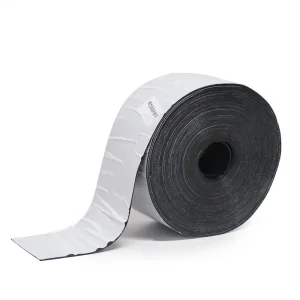
Standard cross-linked polyolefin sleeves require an activation temperature threshold to transition from their crystalline phase to an amorphous elastic state. For heavy-wall pipeline sleeves, the heat shrink dynamics require preheating the steel pipeline substratum to 60°C–80°C, followed by applying torch heat to elevate the polymer outer sleeve to its recovery temperature, typically between 110°C and 150°C.
Exceeding the maximum recommended installation temperature (over 220°C) can cause thermal degradation of the polyolefin backbone, causing micro-fissures and molecular chain scission. CYCT engineered materials are synthesized with specific thermal stabilizers to maintain structural integrity under uneven site-heating environments.
The functional recovery memory of polyolefin relies on high-energy electron beam cross-linking. This creates dense three-dimensional networks, which regulate both the recovery rate and the mechanical force applied by the sleeve to the steel joint during shrink-back, preventing longitudinal sliding and puckering.
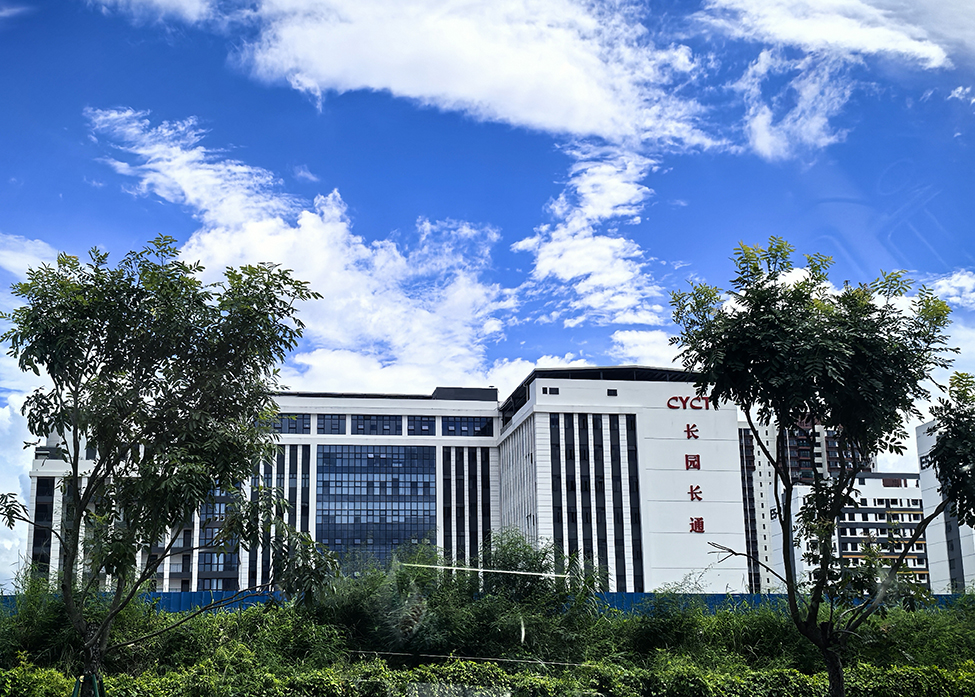
CYCT Was Founded In 2000 — A Pioneer in China's Anti-Corrosion Material Science.
CYCT New Materials Company Limited (for short, CYCT) is a state-level high-tech enterprise integrating R&D, production and sales of pipeline corrosion protection materials as well as buried pipeline detection service and pipeline coating field application service into one.
CYCT has dedicated decades of research to the engineering of high-performance pipeline corrosion protection materials. Today, we stand as a key supplier for critical infrastructure projects, collaborating closely with industry leading research bodies, including the CNPC Pipeline Science Research Institute.
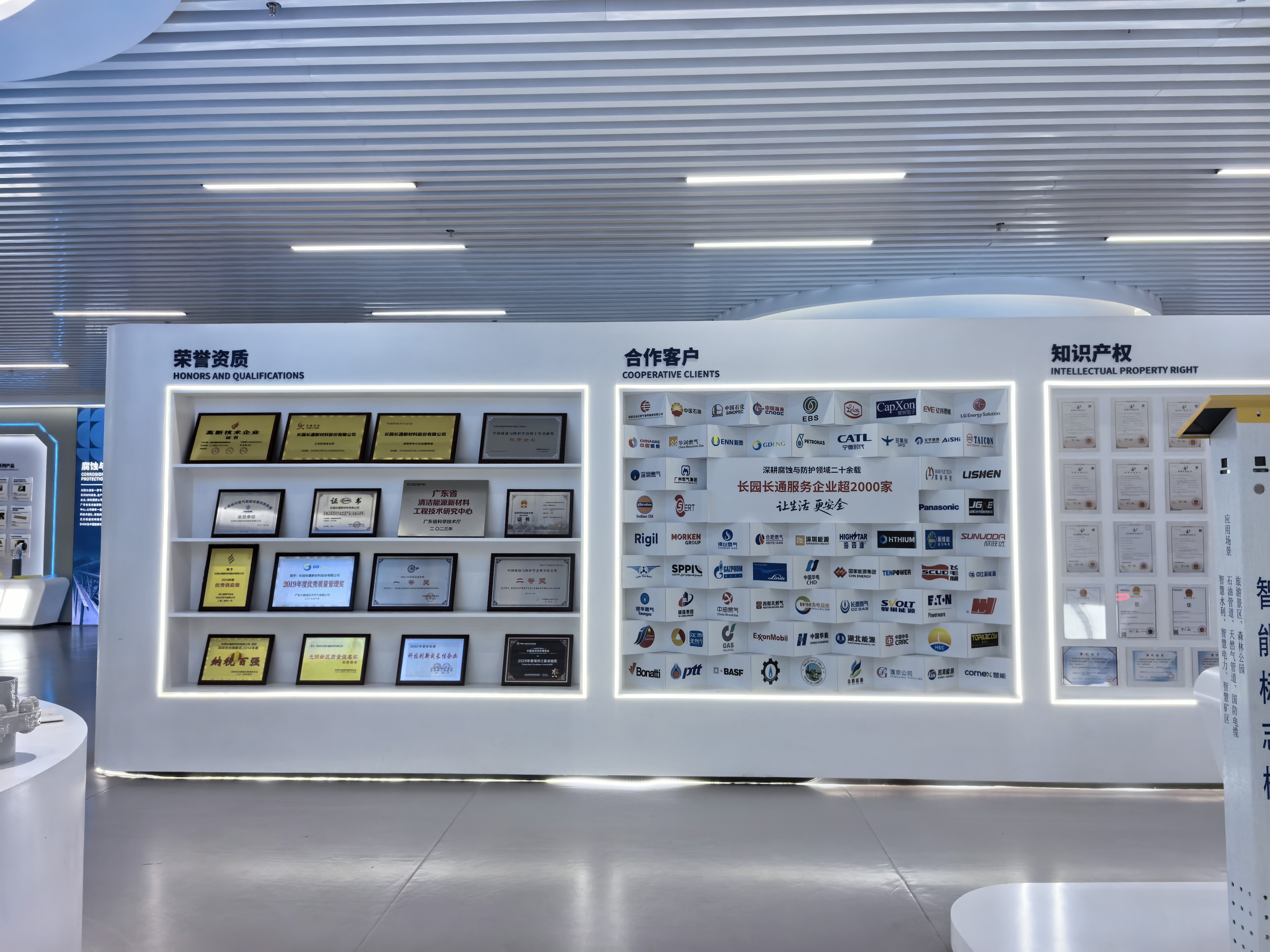
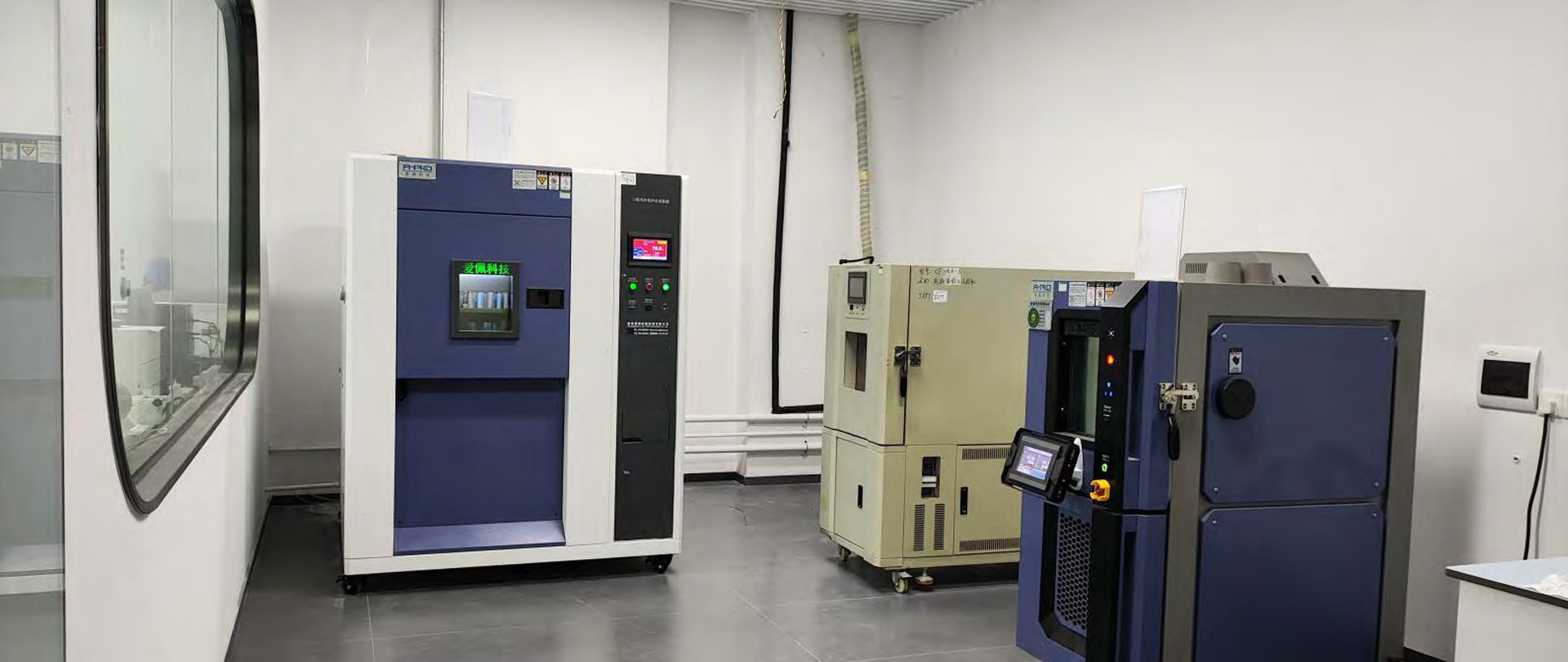
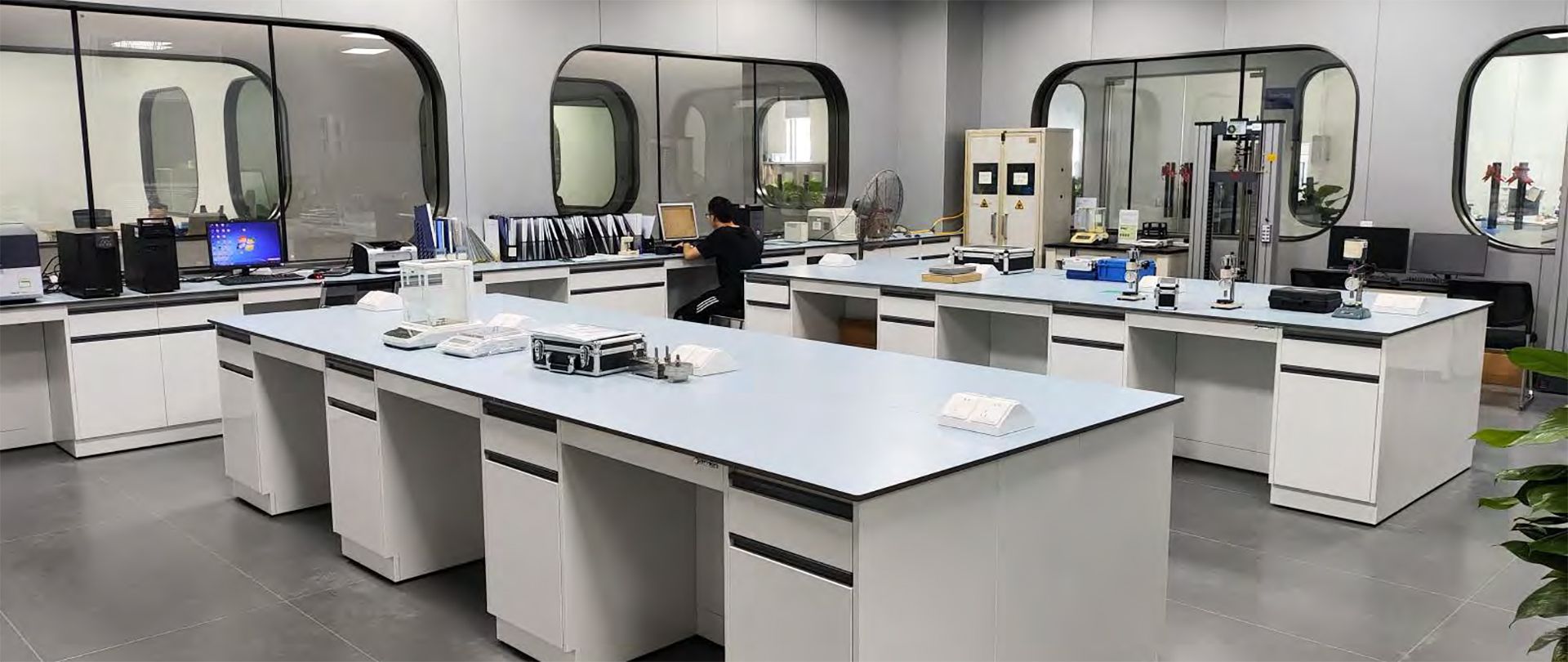
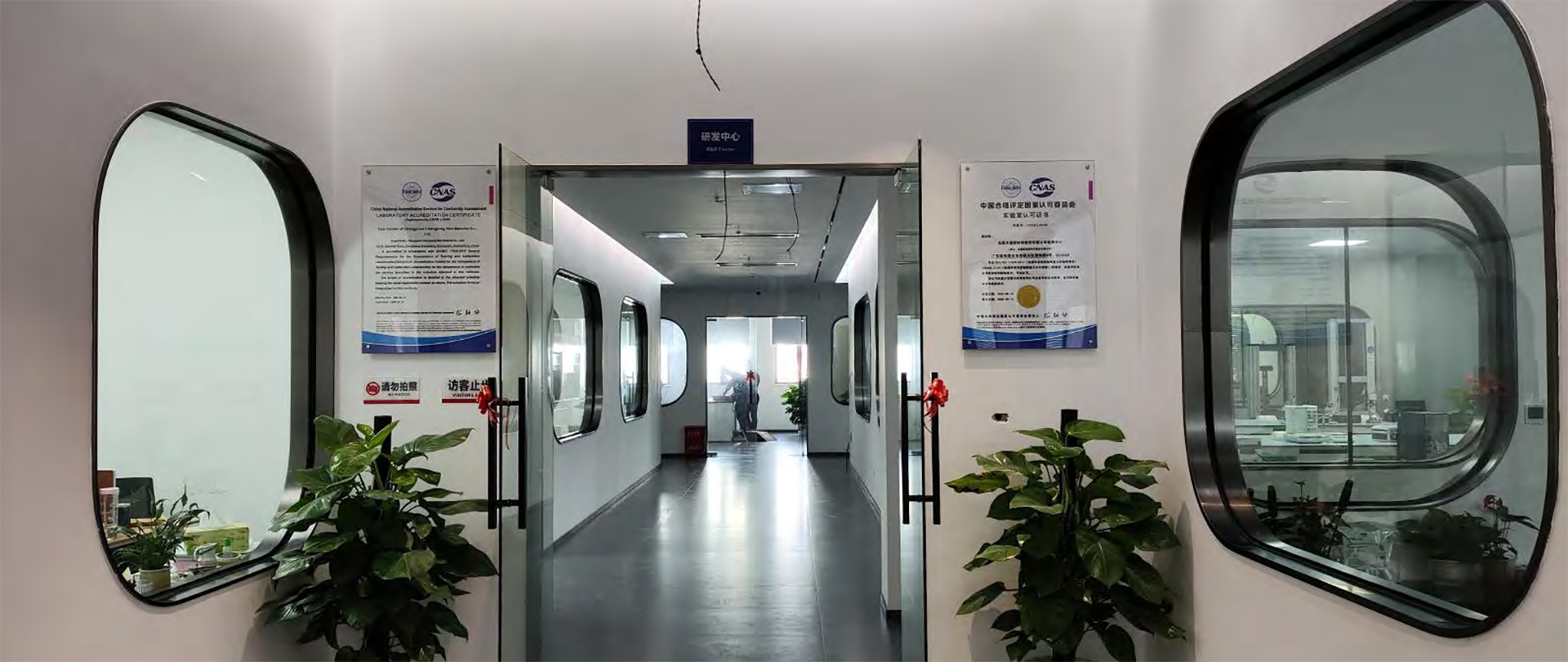
Accredited Laboratory Infrastructure
Active Corporate Association Member

How CYCT scales raw material procurement, polymer modification, and logistics to provide competitive advantages.
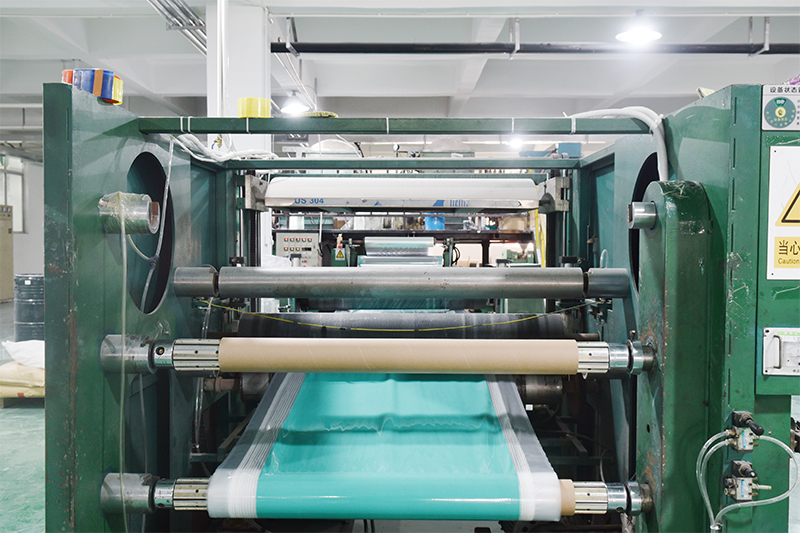
We manage our supply chain from the selection of base polymer pellets to compounding, custom masterbatch manufacturing, sheet extrusion, radiation cross-linking, expansion, and adhesive lining. This reduces raw material variance and guarantees consistent shrink response.
Operating modern high-power electron accelerators and large-format continuous expansion equipment allows CYCT to handle multi-million dollar supply contracts with short lead times, stabilizing delivery schedules for midstream transmission pipelines.
Located in key manufacturing industrial corridors, CYCT features quick shipping routes to international deepwater ports. By streamlining customs clearances and export compliance, we guarantee containerized logistics pathways to the Middle East, Southeast Asia, South America, and Europe.

Aligning factory quality control with on-site application demands across diverse field jurisdictions.
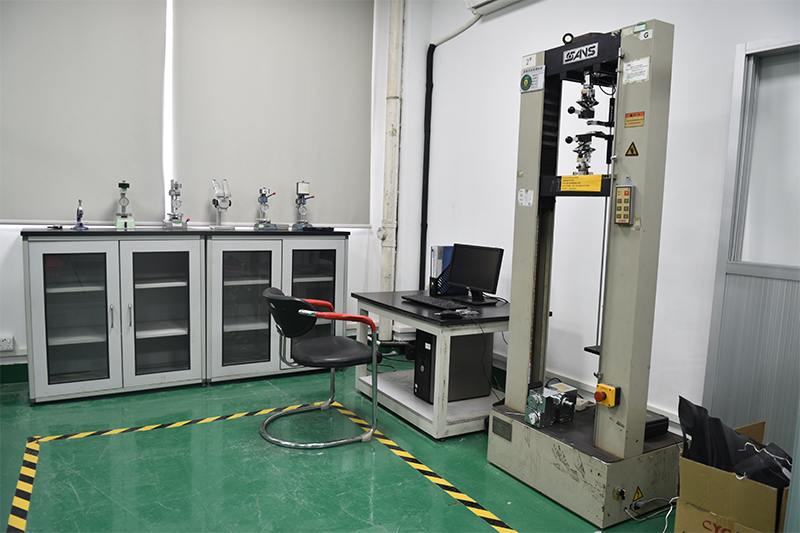
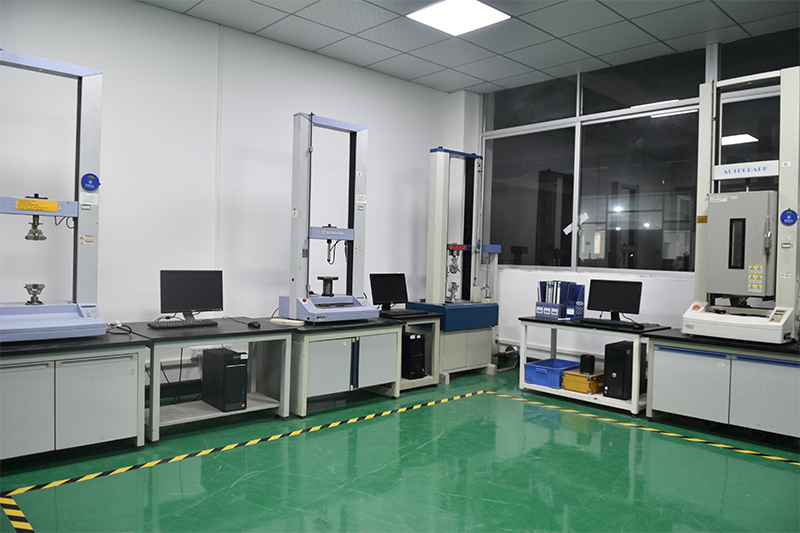
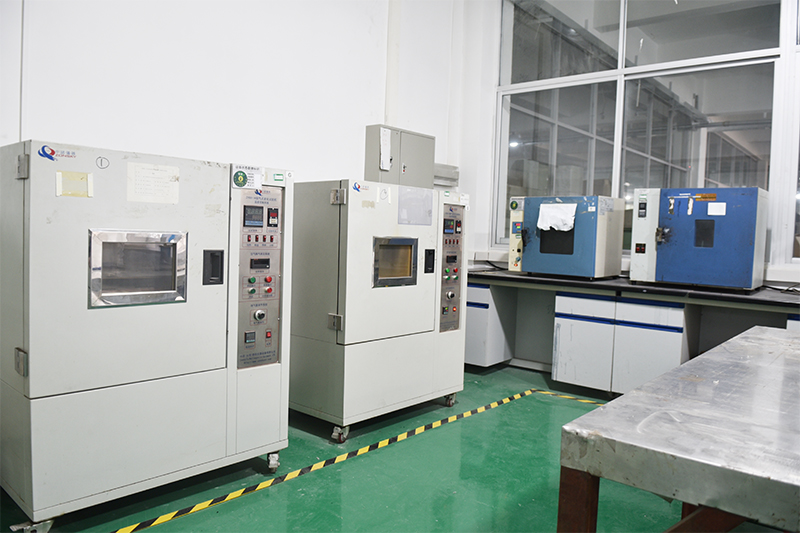
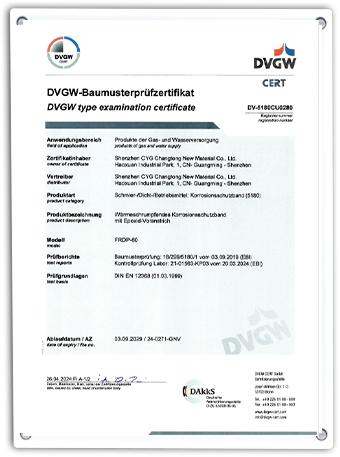
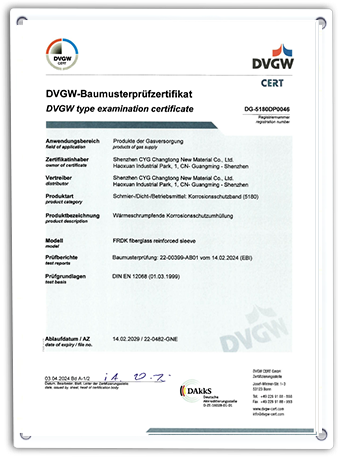
Global energy corporations demand compatibility with ISO 21809-3, EN 12068, and DVGW standards. CYCT maintains structural qualification systems that pass rigid peel test requirements, shear load validations, and cathodic disbondment tests at elevated service temperatures (up to 85°C).
Improper on-site heating is a major cause of field joint failure. CYCT coordinates with regional pipeline contractors to offer customized training, qualification of field personnel, infrared temperature gun testing guidance, and installation protocols to prevent cold-lap issues.
From horizontal drilling crossings to high-temperature oil pipelines, CYCT materials deliver reliable service life.
HDD pull-back processes expose pipeline field joint coatings to high friction and shear forces. CYCT special photo-curing sleeves and mechanical protection layers shield the underlying polyolefin heat-shrinkable sleeve from gouging, tearing, and structural displacement.
In desert regions where surface temperatures on pipeline steel can exceed 60°C before installation, managing preheat thresholds is critical. CYCT’s hot melt adhesives are formulated to bond to pipeline steel in hot environments without losing shear strength or sliding.
Marine pipelay operations require rapid-cycle installation. CYCT heat shrink tubular sleeves are engineered with fast-shrink ratios and low recovery thresholds, allowing rapid cooling cycles that enable immediate pipeline travel down the stinger.
Staying ahead of environmental policies, field realities, and performance demands in modern pipelining.
To reduce field heating and carbon output, the industry is adopting visco-elastic corrosion protection. Operating with high flow properties, these systems self-heal micro-defects and require no primer preheating.
Deep geothermal and heavy-crude pipelines run at higher operational temperatures (up to 120°C–150°C). CYCT is developing high-temperature functionalized polyolefin sheets with improved thermal stabilizers.
Reducing hazardous air pollutants (HAPs) in primers is an industry priority. CYCT solvent-free epoxy primers provide high interfacial chemical bonding without emitting VOCs during application.
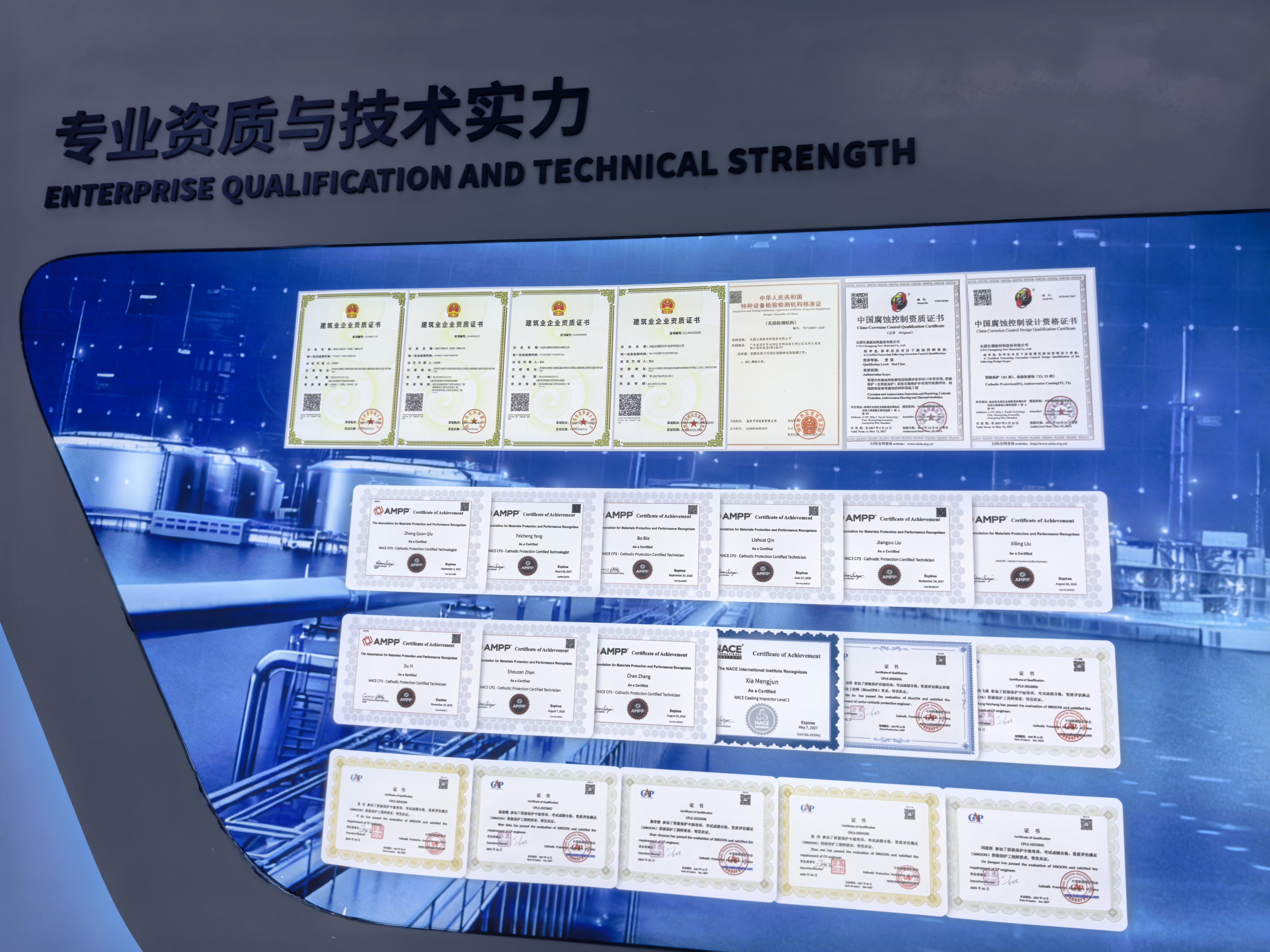
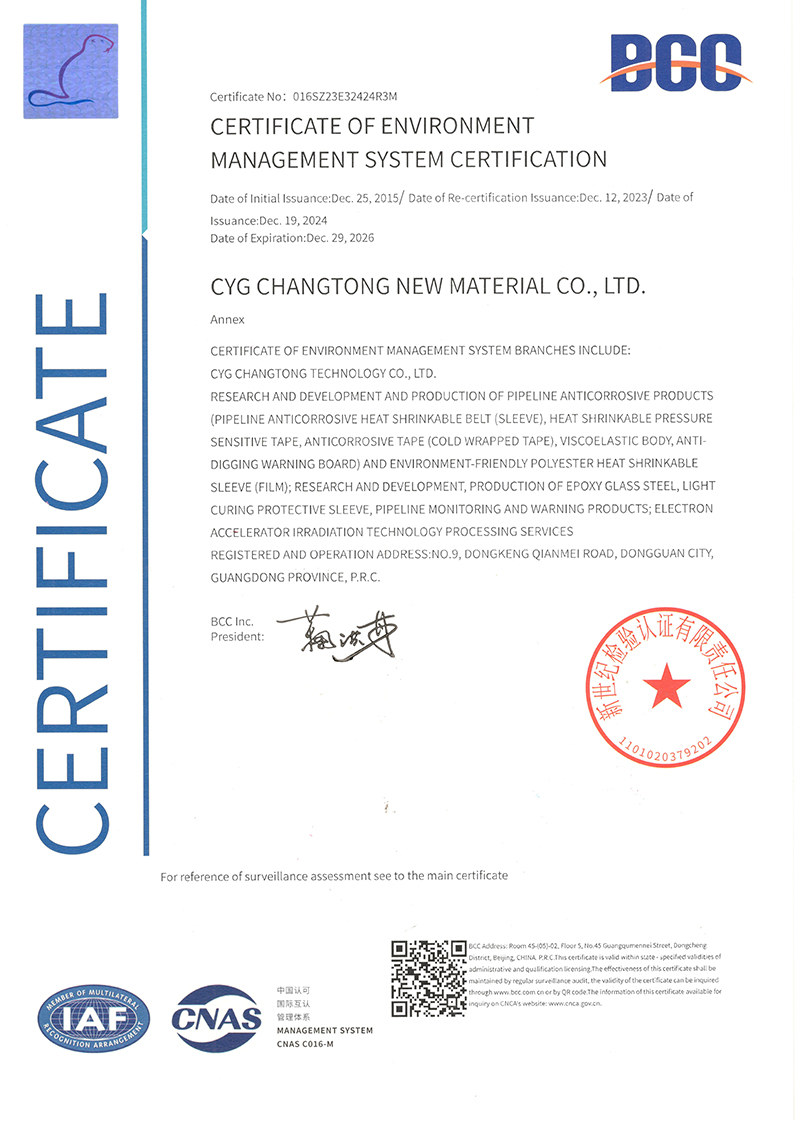
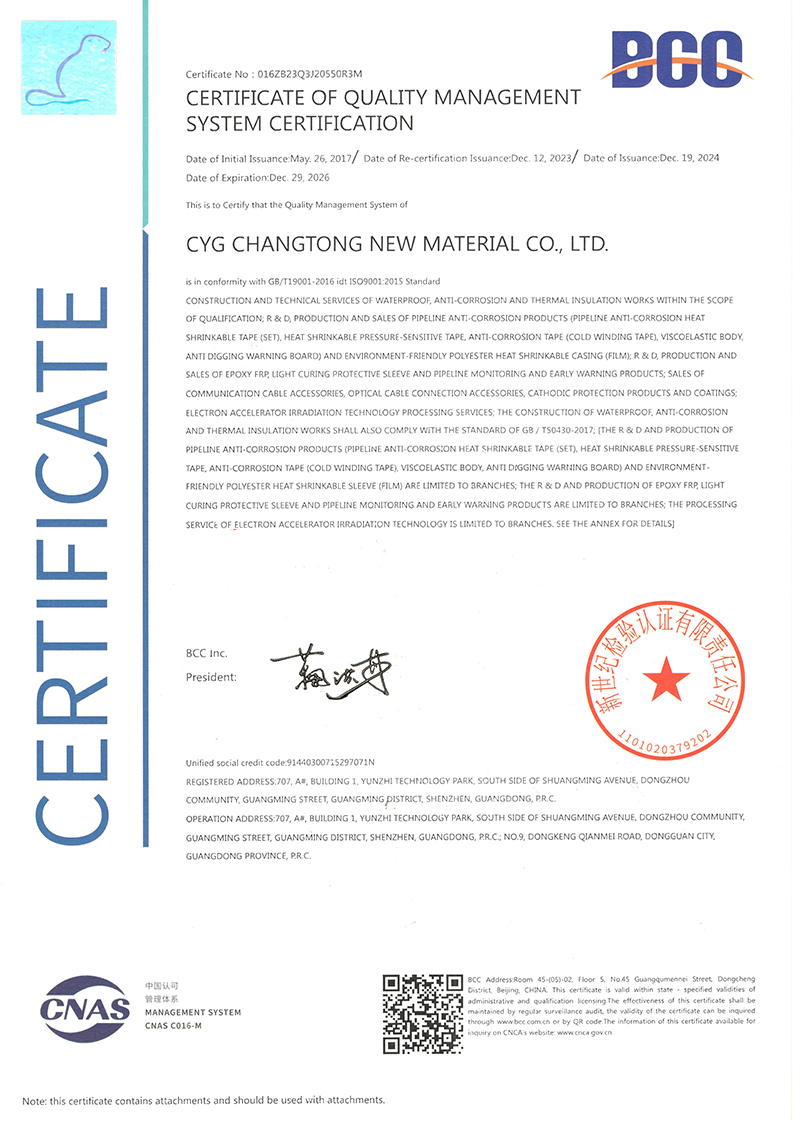
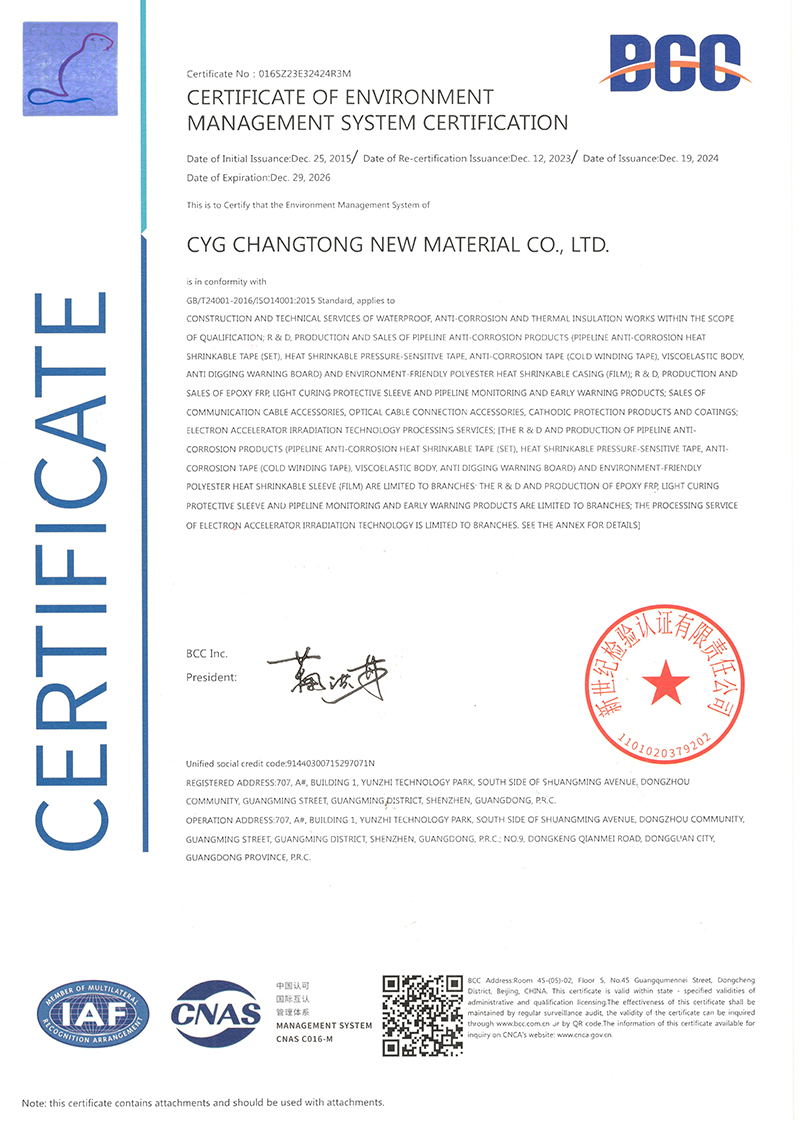
CYCT's certified status as a leading provider of pipeline protection solutions.
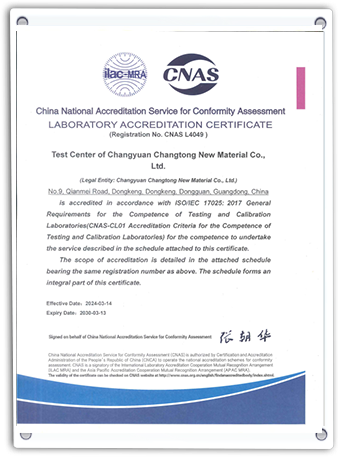
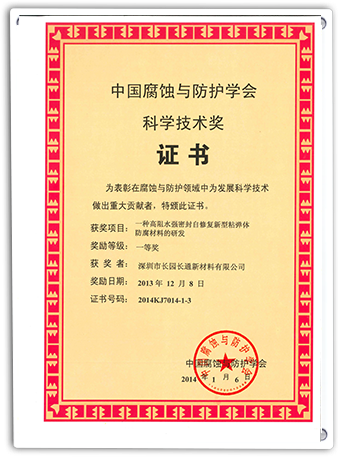
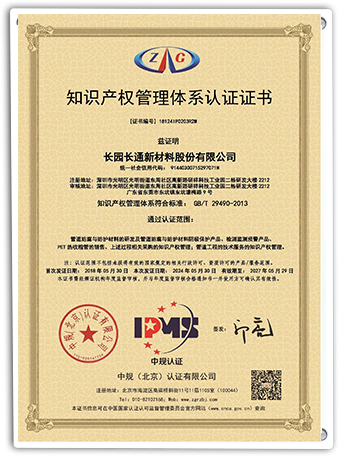
Member of Council in Chinese Society for Corrosion and Protection (CSCP), Qualification Certificate of Corrosion Protection Construction, Qualification Certificate of Pipeline Detection, Well-known Brand of Pipeline Corrosion Protection in China, Corporate Member of China Association of Petroleum Engineering Construction (CAPEC), State-Level High-Tech Enterprise with more than ten proprietary intellectual property rights. We are a stable supplier of PetroChina, Sinopec, China Gas Group, and Indian Oil.
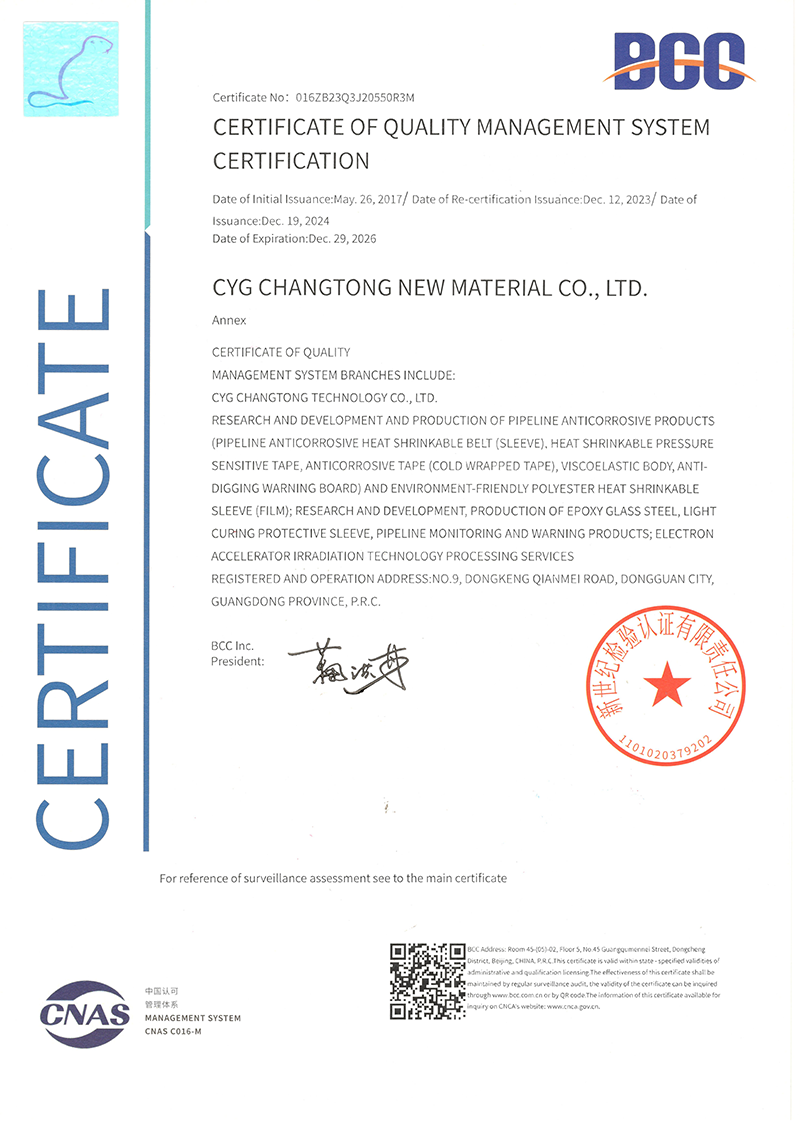
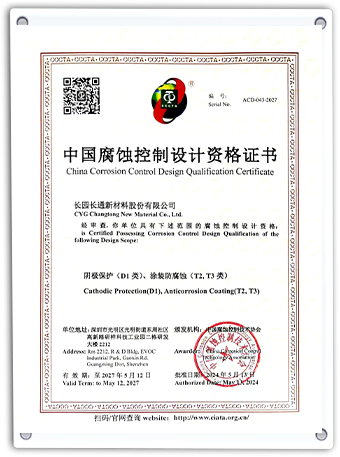
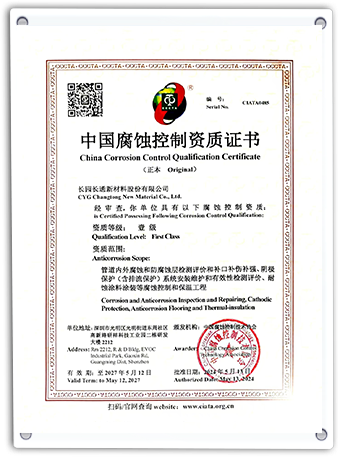
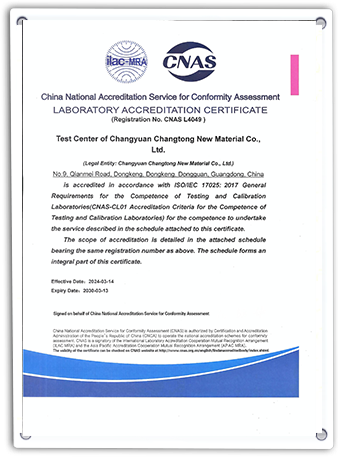
Detailed responses to technical and structural questions from engineering and procurement experts.
Standard cross-linked polyolefin backing material begins to recover (shrink) at approximately 110°C, with full crystalline phase transition occurring at 135°C to 150°C. For field joints, the installer must ensure the steel surface is preheated to 70°C–80°C to prevent the cold pipe from cooling the hot-melt copolymer adhesive during application.
Preheating removes residual moisture from the steel substrate and activates the high-viscosity hot-melt copolymer adhesive. If the steel temperature is below the specified target, the adhesive will freeze upon contact, preventing proper wetting and bonding. This leads to reduced peel strength and increased risk of cathodic disbondment.
A 2-layer system consists of a heat-shrinkable polyolefin backing coated with a hot-melt copolymer adhesive. A 3-layer system adds a liquid epoxy primer directly to the blasted steel substrate before installing the sleeve. The epoxy layer provides chemical bonding and cathodic protection, while the hot-melt adhesive bonds the polyolefin sleeve to the epoxy primer.
Cross-linking converts the linear polymer chains of polyolefin into a three-dimensional network. This modification allows the material to be expanded when hot and cooled to hold its expanded shape. When reheated on the pipeline, this cross-linked structure pulls back to its original dimensions, providing mechanical pressure and resistance to flow or sliding.
Minor damages can be repaired using a hot-melt stick for small gouges, or an FRDX repair patch for larger defects (up to 100 cm²). The area around the defect must be cleaned and preheated before melting the repair material into the holiday. Once filled, the repair patch is applied and heated to seal the region.
Key parameters include proper abrasive blasting (to reach near-white metal cleanliness ISO 8501-1 Sa 2½), a minimum 50-micron anchor pattern profile, even application of solvent-free epoxy primer, and ensuring the heat shrink sleeve is heated uniformly to activate the adhesive.
Heat-shrinkable sleeves must be stored in a dry, ventilated warehouse out of direct sunlight, at temperatures below 35°C. Exposure to direct sunlight or temperatures above 45°C can cause partial recovery or adhesive transfer within the rolls before installation.
Every polymer batch undergoes differential scanning calorimetry (DSC) to check melting range, thermal stability, density testing, carbon black dispersion, and tensile strength analysis. Only batches meeting our internal standards are approved for sheet extrusion.
Engineered products for rehabilitation, repair, and corrosion prevention.
 CYCT
CYCT