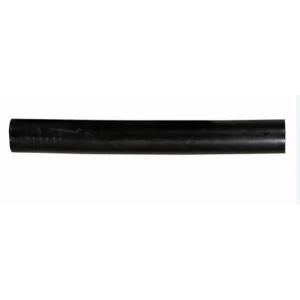
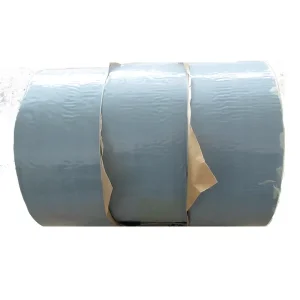
Explore our high-performance industrial coatings, custom engineered to prevent environmental corrosion in cross-country transmission pipelines.
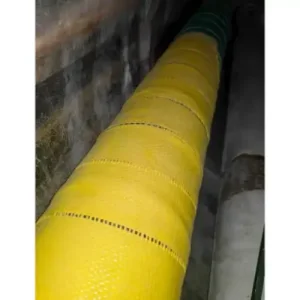
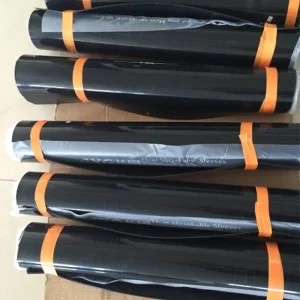
Understanding the molecular properties and protective properties of high-performance field joint coatings.
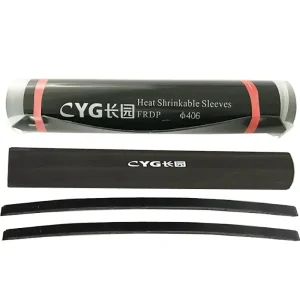
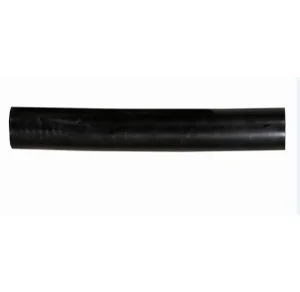
Modern cross-country distribution pipelines represent major capital infrastructure investments. However, the integrity of these steel conduits is continuously threatened by corrosion, stress cracking, and galvanic interaction. Pipeline shrink sleeves (often termed Heat Shrinkable Sleeves, or HSS) serve as the primary defensive barrier at the field joints—the exposed circumferential welds where pipeline segments are joined in-field.
The protective mechanism of high-performance pipeline shrink sleeves relies heavily on radiation cross-linked polyolefin technology. In this manufacturing process, high-density polyethylene (HDPE) or modified polypropylene (PP) backings are exposed to high-energy electron beams. This irradiation process modifies the polymer chain configuration, replacing standard linear thermoplastic structures with a 3D covalent cross-linked molecular network.
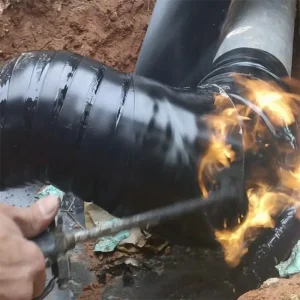
This molecular modification endows the backing material with a "structural shape memory." When heated during installation, the backing shrinks to its original dimensions, generating a uniform, circumferential recovery force. This radial force squeezes the underlying mastic or hot-melt adhesive layer, establishing a long-lasting, void-free protective seal over the steel joint.
The interface between the polyolefin backing and the steel pipe requires engineered adhesive layers. Depending on application standards (like ISO 21809-3 and EN 12068), pipeline shrink sleeves are designed in either 2-layer (2LPE) or 3-layer (3LPE) configurations:
CYCT's advanced R&D facility has formulated high-temperature copolymer hot-melt adhesives capable of maintaining high shear resistance at continuous pipeline operating temperatures up to 80°C (FRDP 60C series) and even 120°C for specialty polypropylene-based systems.
Technical Insight: Cathodic Disbondment (CD) remains the leading cause of field joint failure worldwide. Utilizing a 3-layer system with a highly reactive solvent-free liquid epoxy primer reduces the average CD radius to under 5mm at 65°C over 28-day testing cycles, significantly outperforming legacy single-layer tape coatings.
Empirical laboratory metrics showing product characteristics under extreme chemical and mechanical stress testing.
| Performance Parameter | Standard Test Protocol | ISO 21809-3 Requirements | CYCT FRDP 60C (Class B) Specs | CYCT Polypropylene Sleeve (Class C) |
|---|---|---|---|---|
| Tensile Strength | ASTM D638 / ISO 527 | ≥ 12 MPa | 16 - 19 MPa | ≥ 22 MPa |
| Elongation at Break | ASTM D638 / ISO 527 | ≥ 300% | 420% - 500% | ≥ 450% |
| Peel Strength to Pipe (23°C) | EN 12068 / ISO 21809-3 | ≥ 1.0 N/mm (Mastic) / ≥ 3.0 N/mm | ≥ 5.5 N/mm (to Steel) | ≥ 8.0 N/mm (to PP) |
| Cathodic Disbondment | ASTM G95 / ISO 21809-3 | ≤ 15 mm radius at 60°C | 4 - 8 mm radius (with primer) | < 5 mm radius (at 95°C) |
| Impact Resistance | ASTM G14 / EN 12068 | ≥ 8 Joules | ≥ 12 Joules | ≥ 15 Joules |
| Indentation Resistance | EN 12068 (Residual thick.) | ≥ 0.6 mm at max temp | 0.85 mm at 60°C | 1.10 mm at 95°C |
A look at the legacy, capabilities, and accreditations of a leading Chinese high-tech manufacturer.
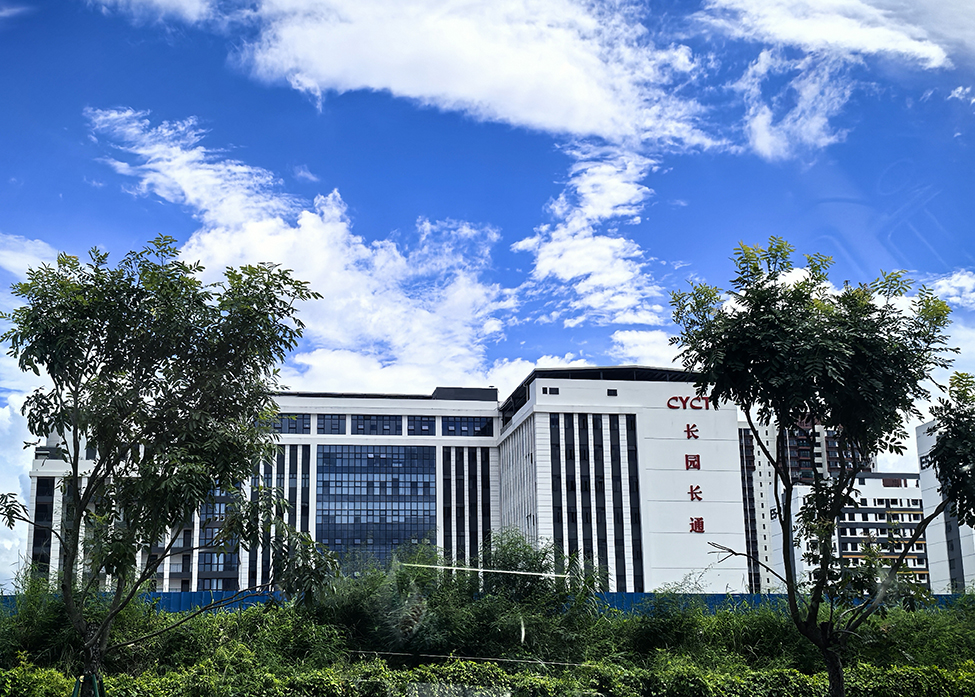
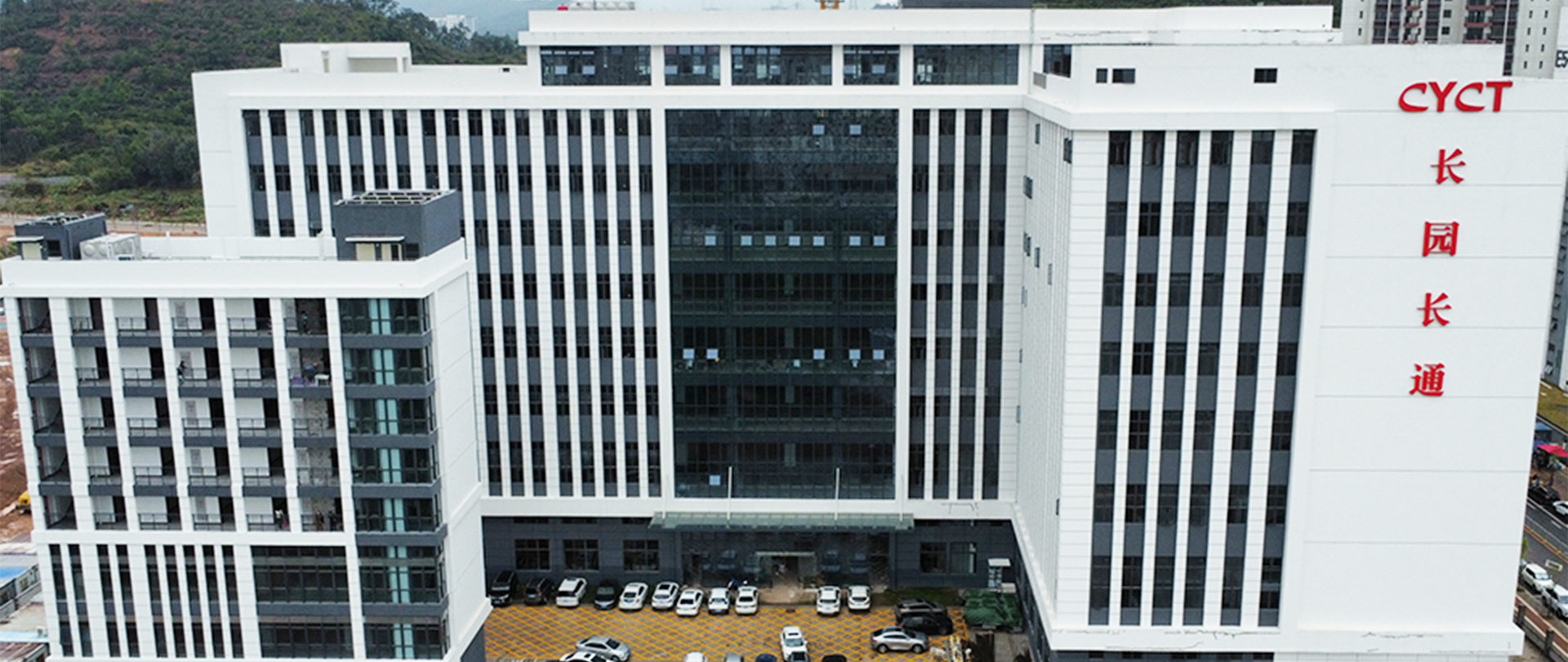
CYCT New Materials Company Limited (for short, CYCT) was founded in 2000 and has grown into a state-level high-tech enterprise integrating R&D, production, and sales of pipeline corrosion protection materials, as well as buried pipeline detection services and pipeline coating field application services.
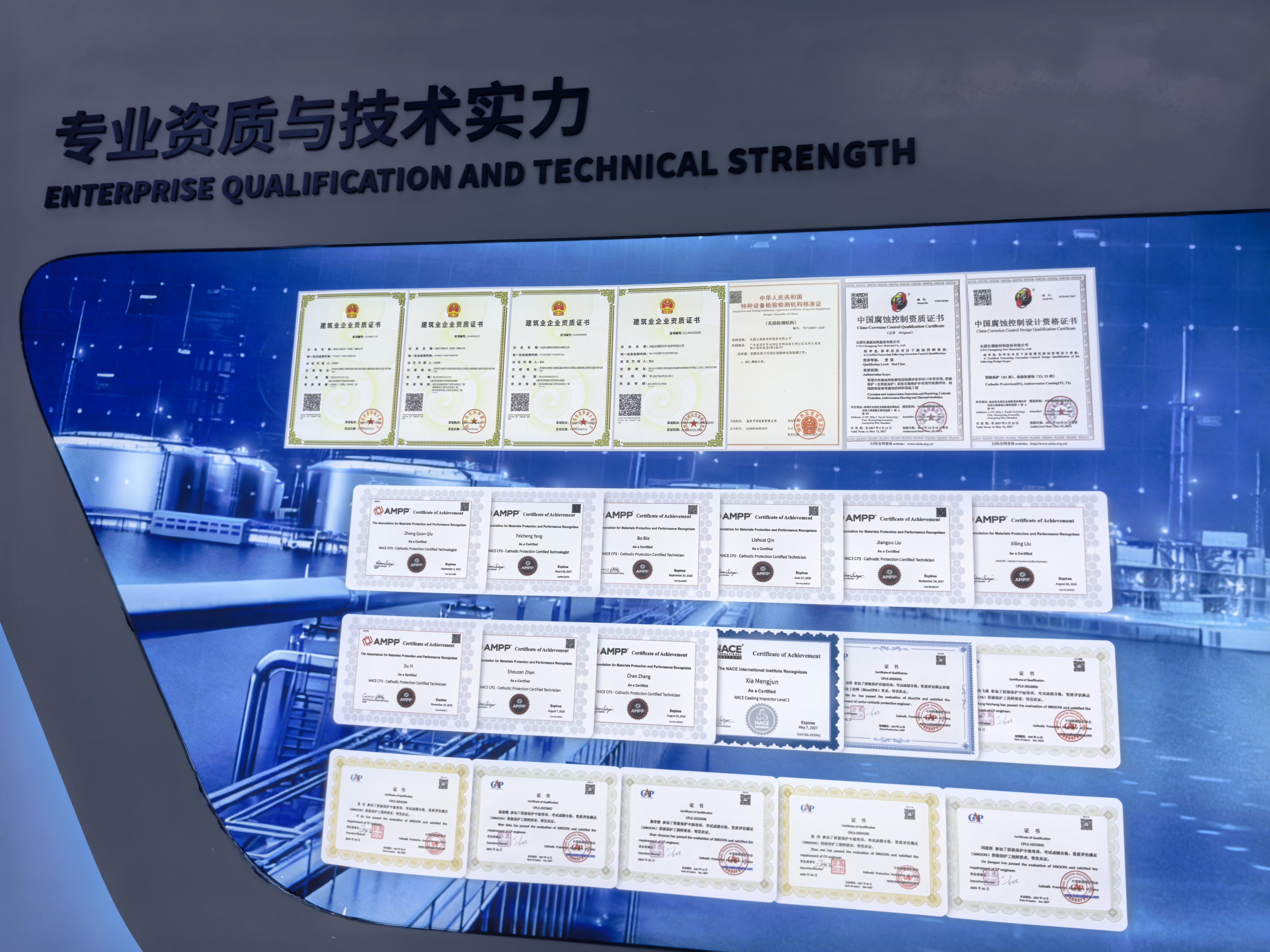
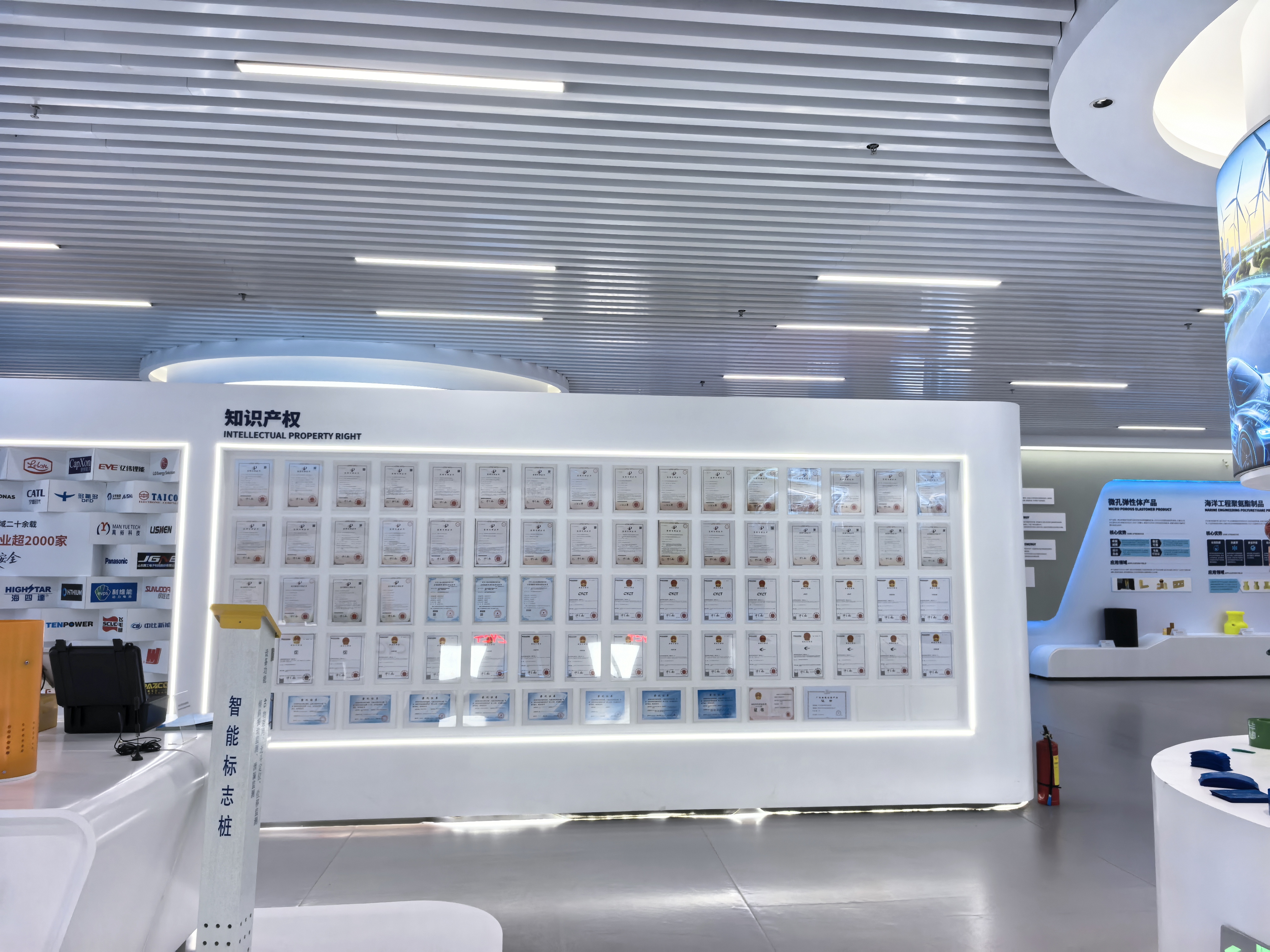
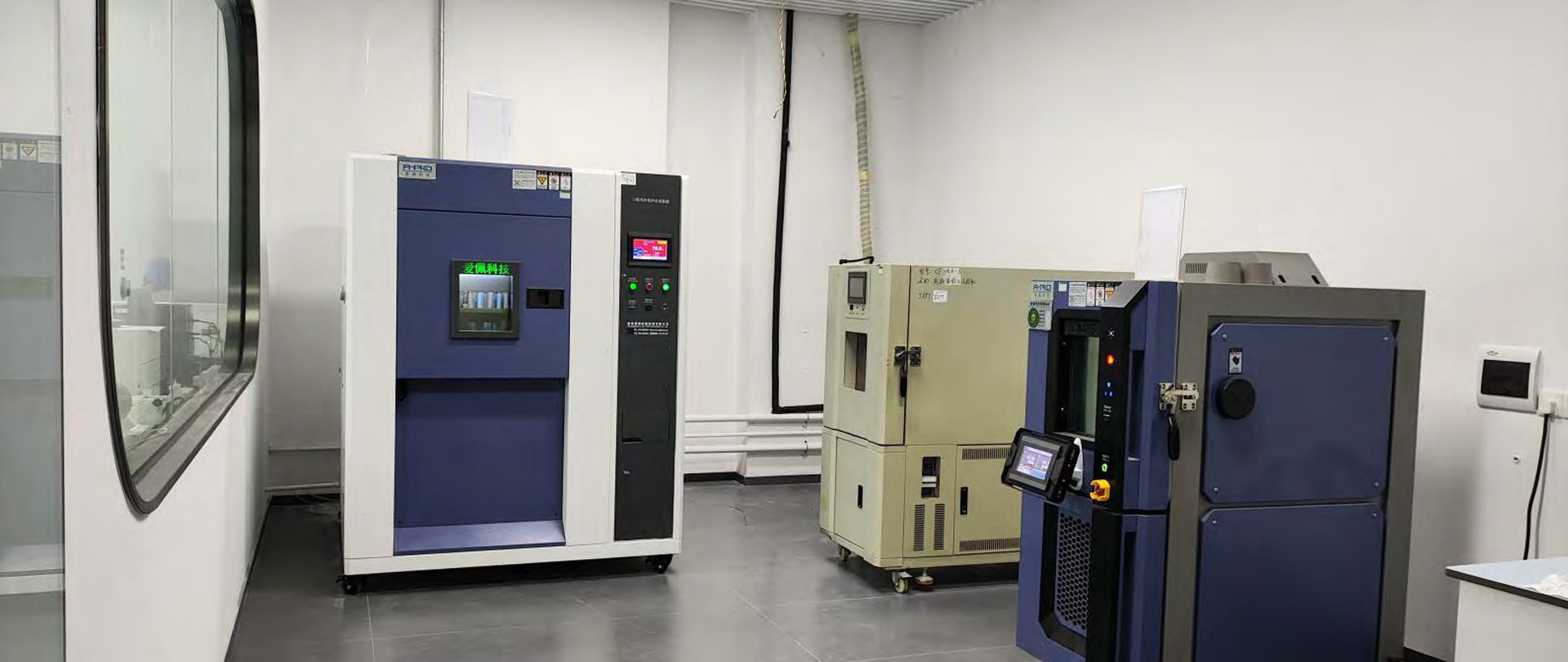
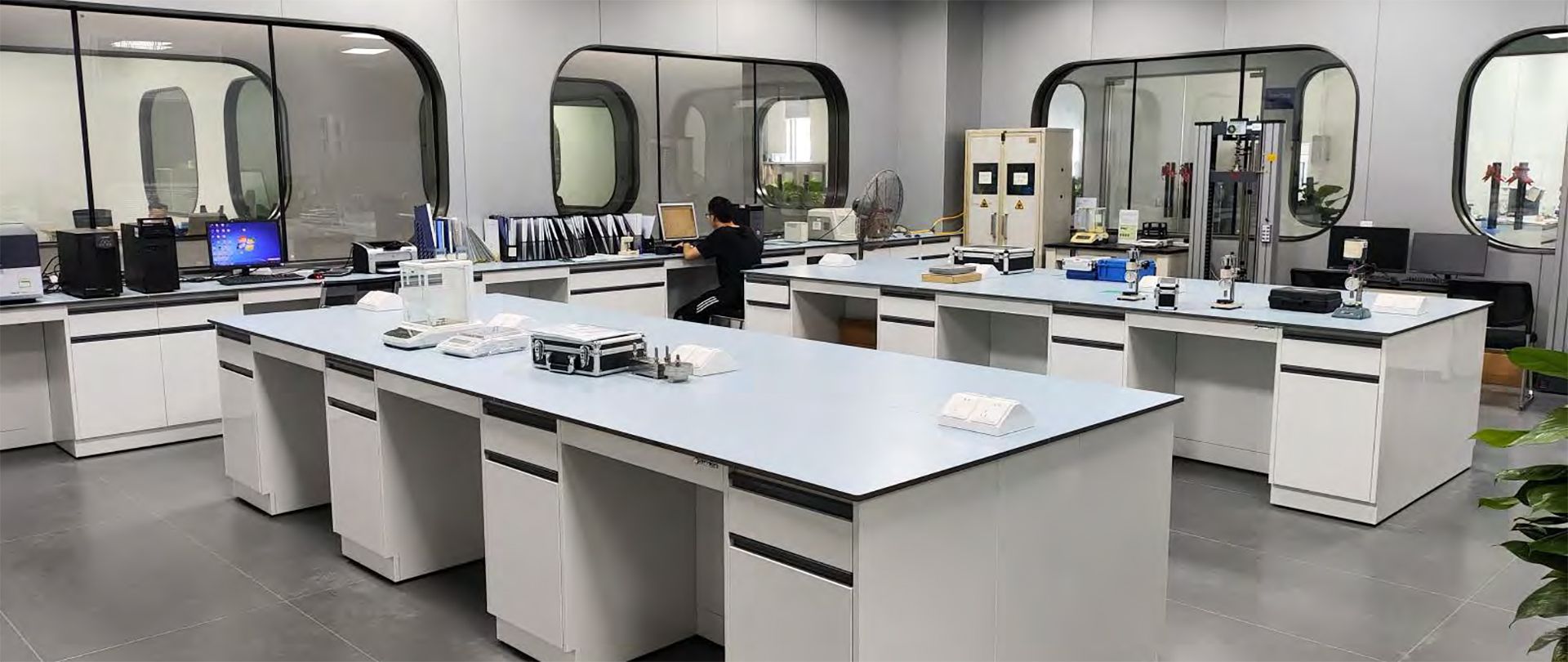
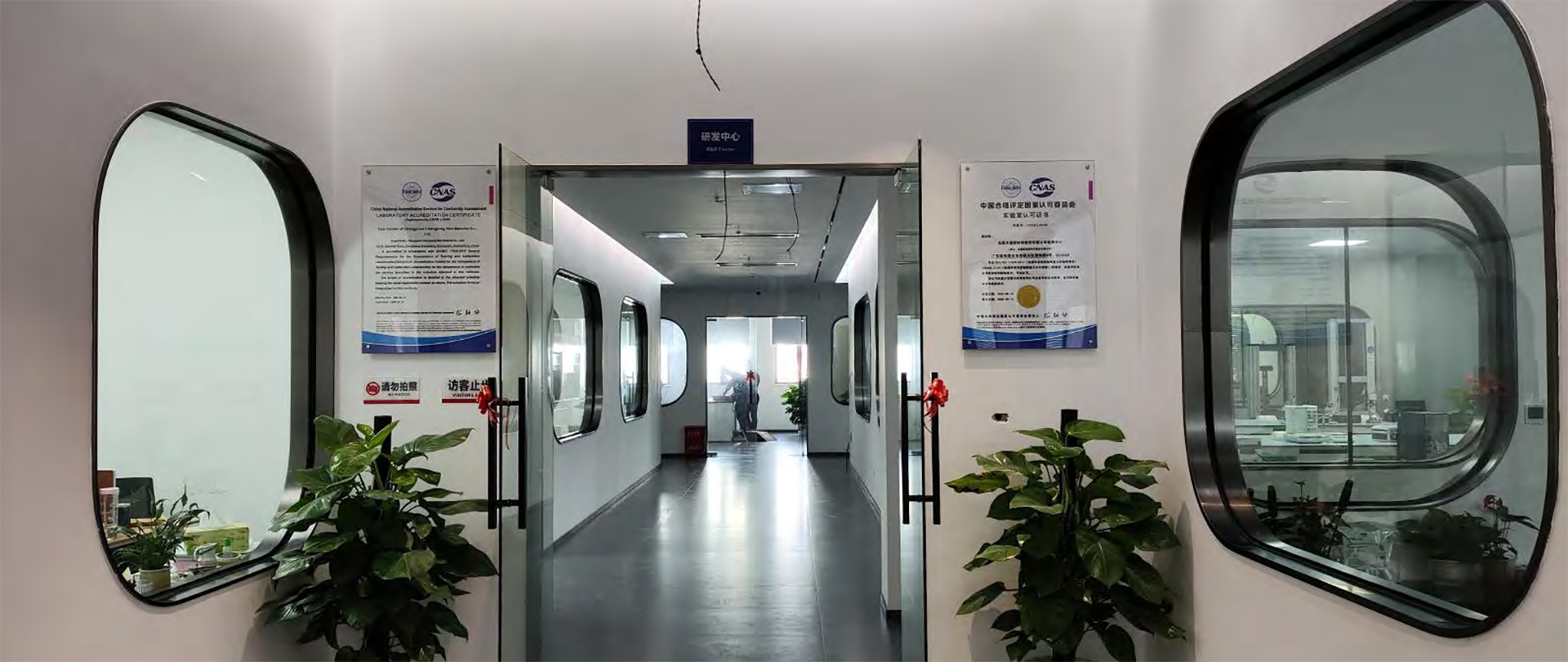
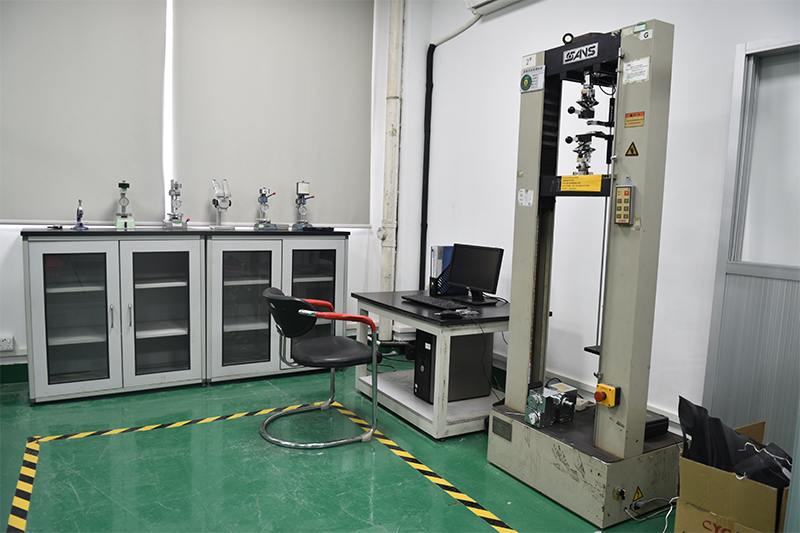
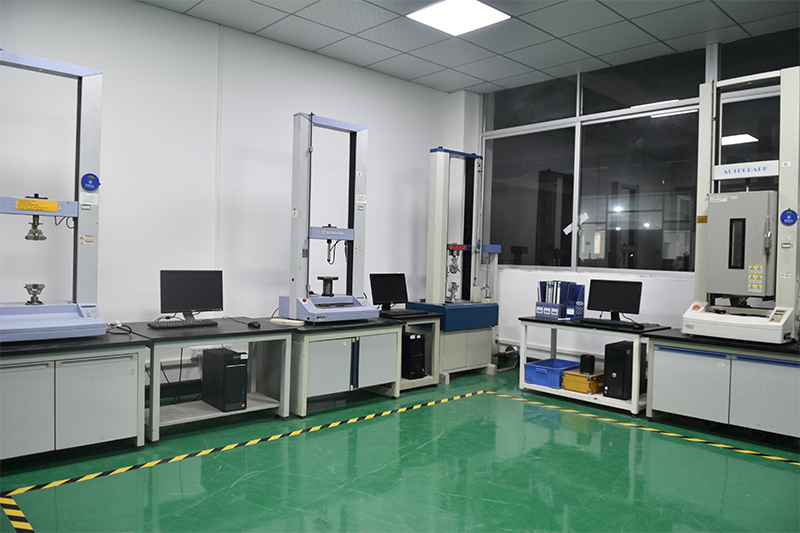
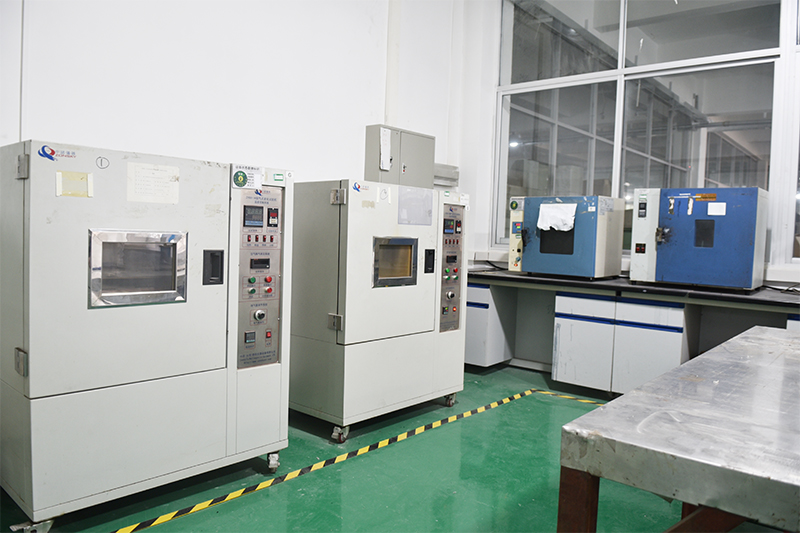
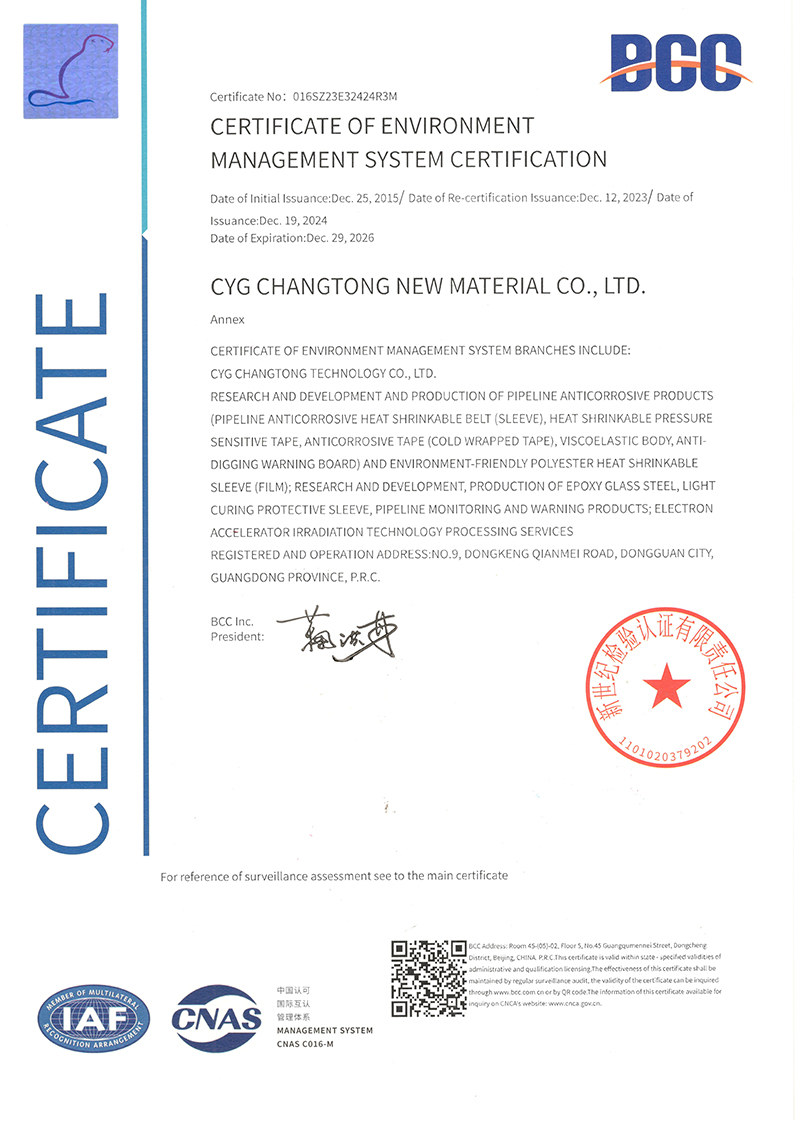
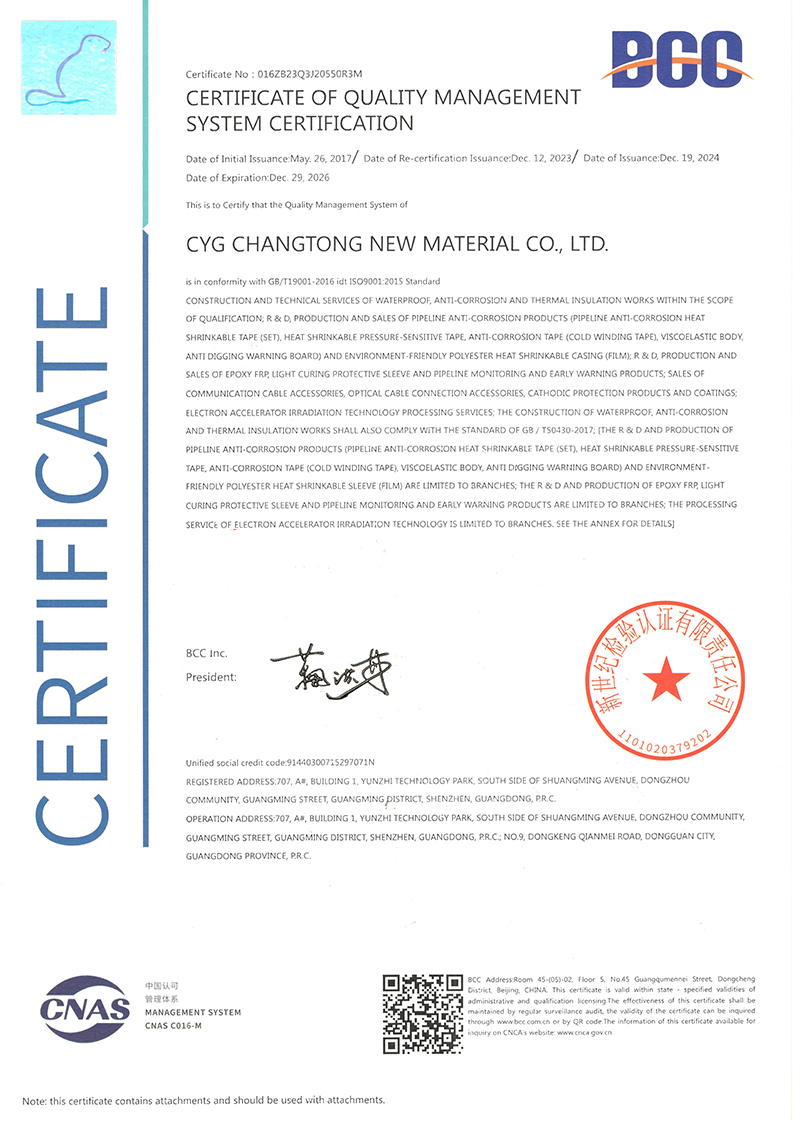
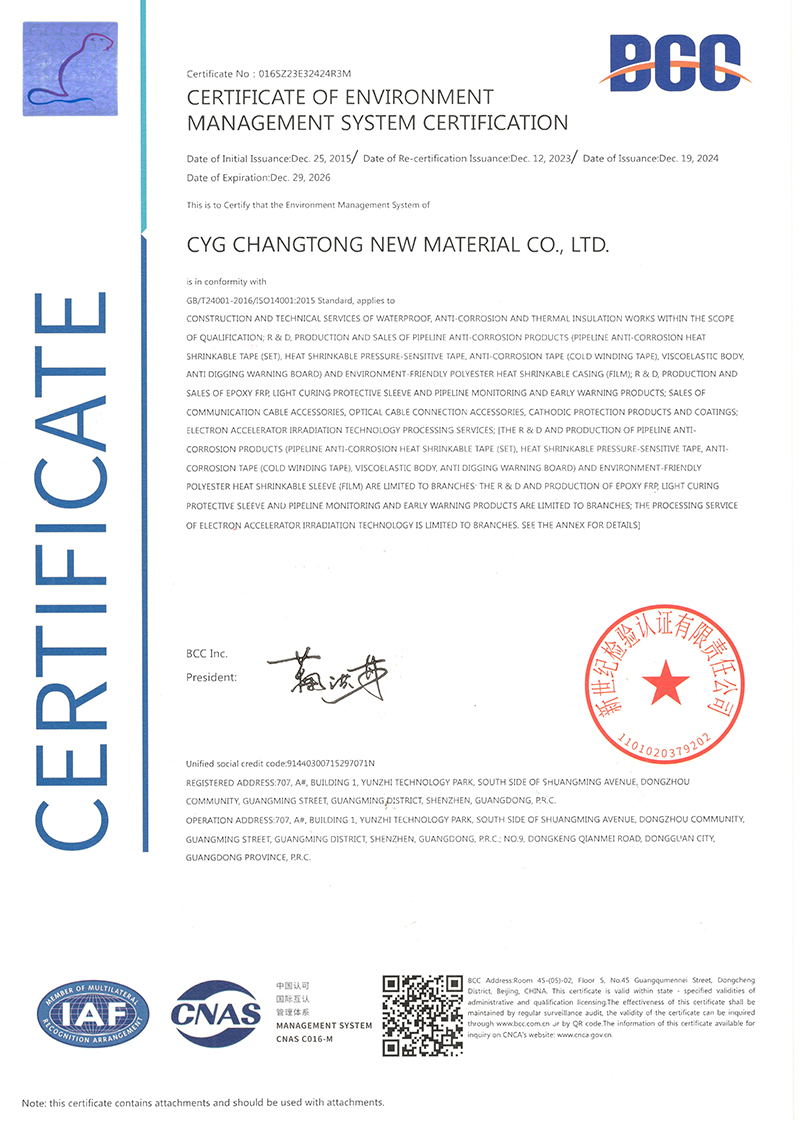
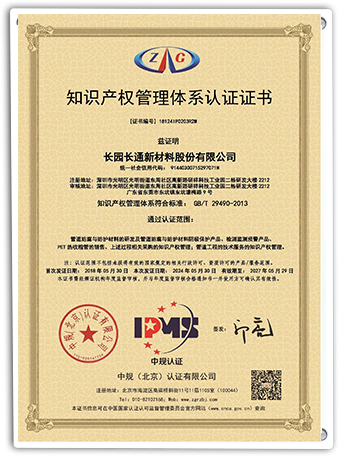
For decades, CYCT has dedicated itself to the R&D and manufacturing of high-quality pipeline corrosion protection materials. With a commitment to innovation, CYCT maintains leading testing and R&D capabilities, a professional R&D team, and a national CNAS-accredited laboratory. Our cooperation with top-tier R&D institutions, including the CNPC Pipeline Science Research Institute, ensures that we stay at the forefront of international anticorrosion technologies.
This strategic focus has allowed CYCT to become a key council member of the Chinese Society for Corrosion and Protection (CSCP) and a corporate member of the China Association of Petroleum Engineering Construction (CAPEC).
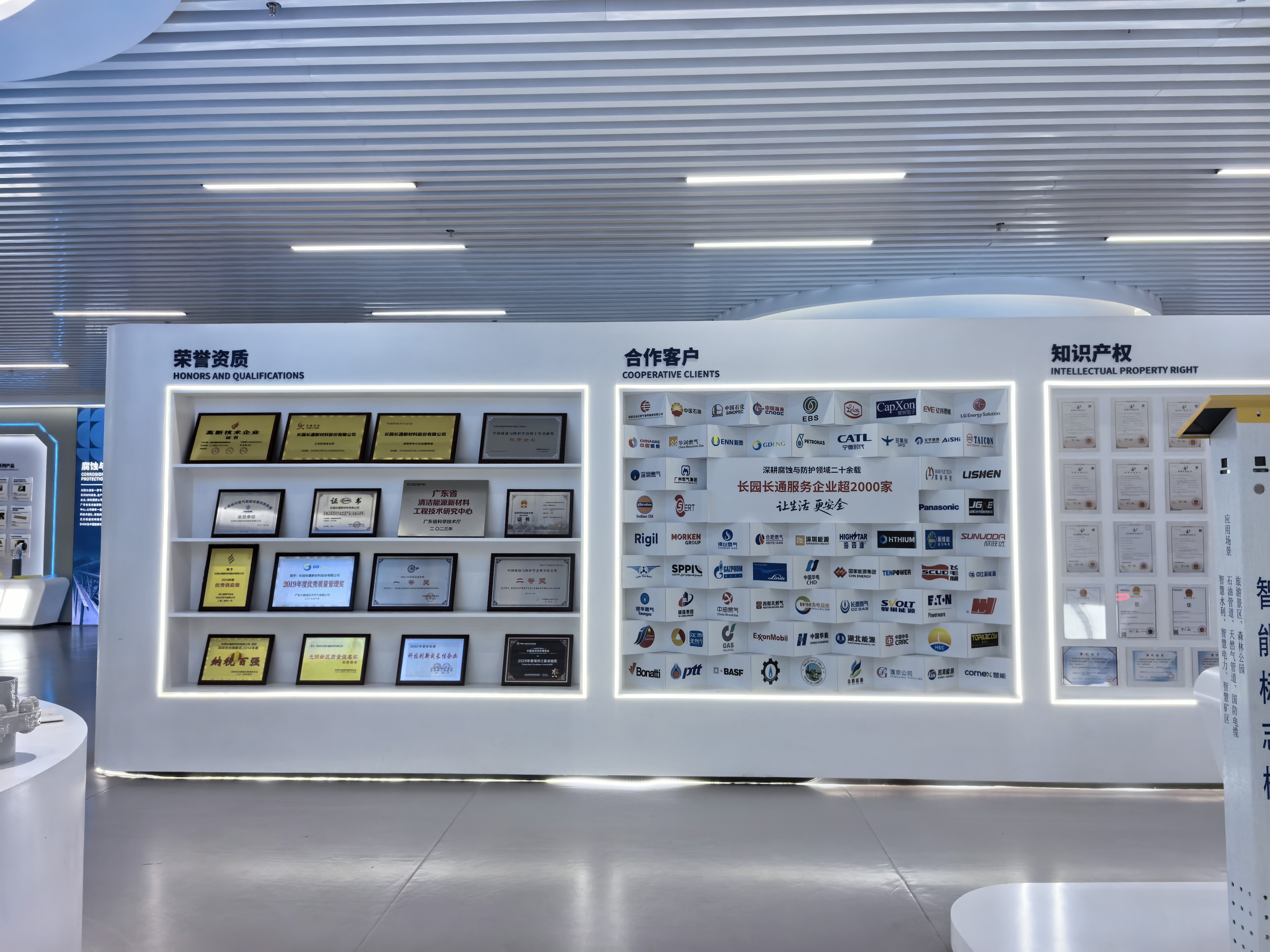
CYCT has established a robust track record as a trusted supplier of field joint coatings for oil, gas, and water distribution networks. We are a certified, long-term supplier to major energy conglomerates, including PetroChina, Sinopec, and PipeChina. Our materials protect thousands of kilometers of critical pipeline networks across highly varied environments.
Beyond our strong market share in domestic projects, CYCT has expanded its reach internationally, serving municipal water projects, cross-border oil transmissions, and complex offshore projects. We are a registered supplier for international utility bodies, including Indian Oil, demonstrating our ability to meet the stringent documentation, testing, and quality control requirements demanded by overseas asset owners.
Through continuous technological advancement, we have also developed and introduced specialty products such as visco-elastic coatings, photo-curing sleeves for HDD trenchless crossings, and highly resilient polyurea-based systems.
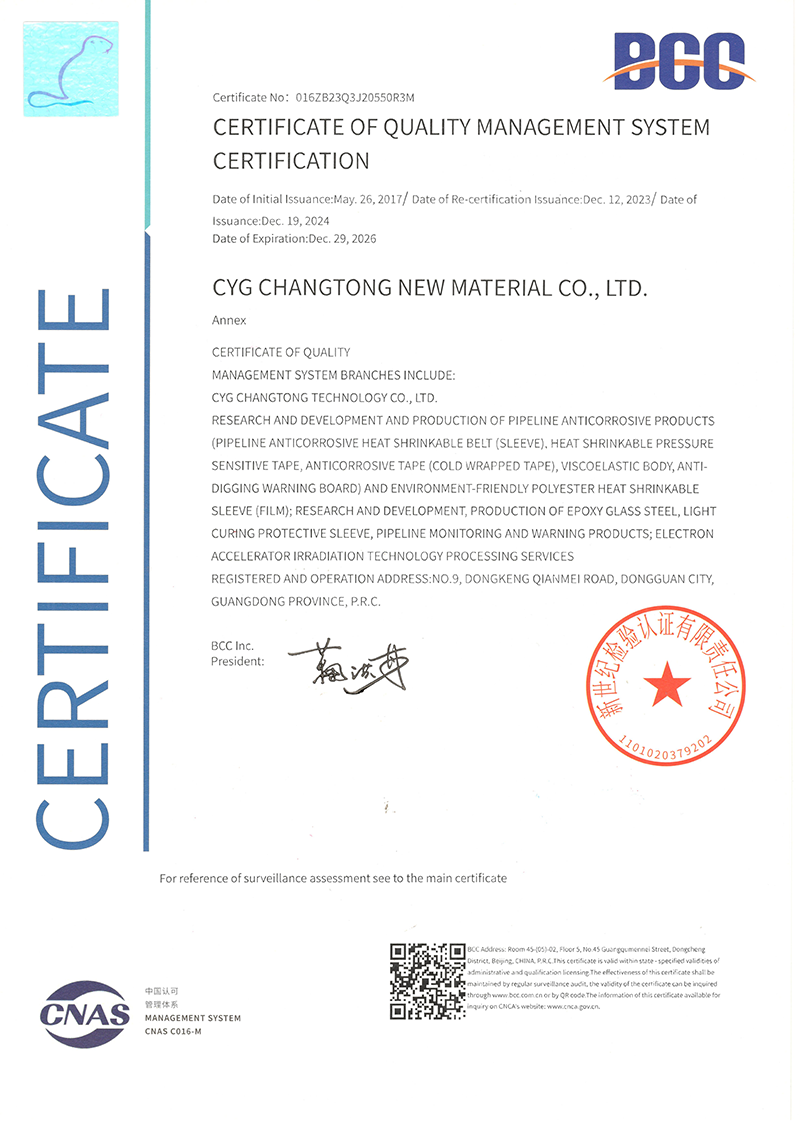
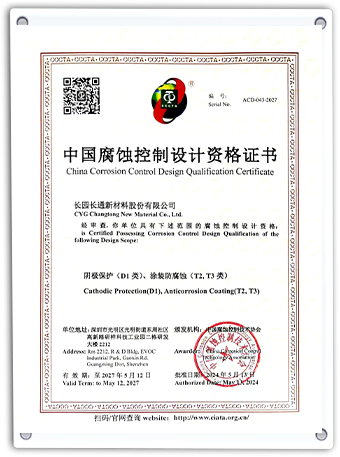
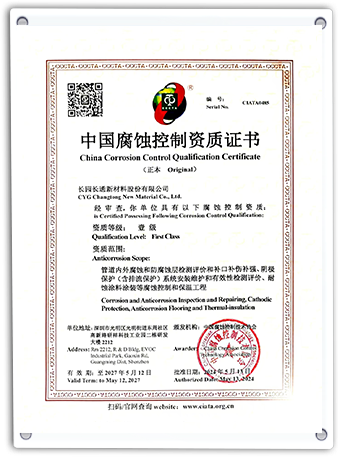
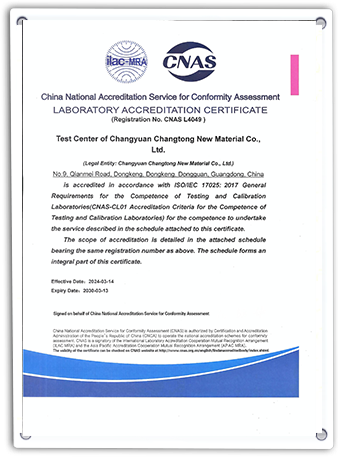
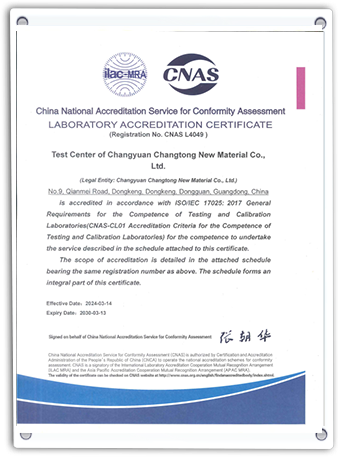
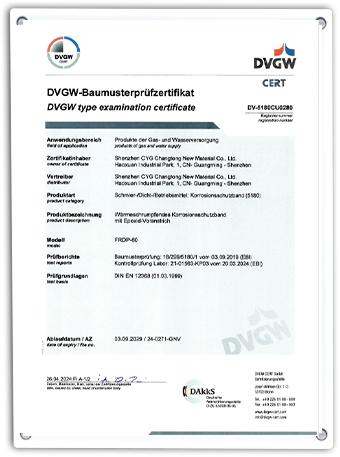
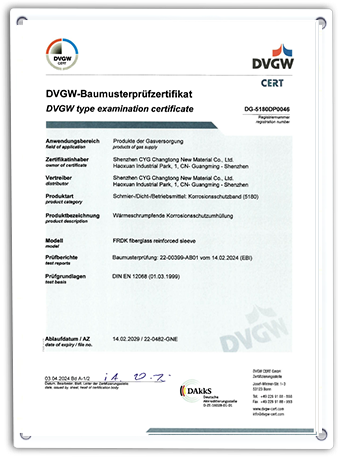
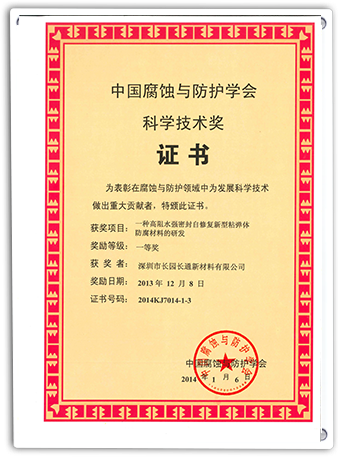
Analyzing localized deployment, tech roadmap, and the logistical advantages of partnering with CYCT.
Trenchless pipeline crossings, such as Horizontal Directional Drilling (HDD), expose field joint coatings to extreme shear, impact, and frictional forces. Typical PE tapes shear off under these forces, exposing bare steel. CYCT's specialty **photo-curing fiberglass composite sleeves** and heavy-duty shrinkable wraps are specifically designed to endure pulling stresses, preventing rock abrasion and soil shear during installation.
Offshore marine pipelines operate in environments containing aggressive chlorides and high hydrostatic pressure. Our moisture-curing composite shields and viscoelastic wraps offer salt spray resistance and barrier protection, even in continuous splash zones. They are also optimized to resist Cathodic Disbondment (CD) under high electrical potentials.
Heavy oil extraction and critical chemical pipelines operate at high system temperatures. Standard mastics flow and sag at temperatures above 50°C. CYCT's polypropylene-based heat-shrinkable sleeves maintain chemical stability, high shear resistance, and structural integrity under constant operating temperatures up to 120°C.
The global pipeline infrastructure market demands both high performance and cost efficiency. Operating from China’s chemical manufacturing clusters, CYCT leverages vertically integrated supply chains to secure raw PE resins, monomer additives, and specialty tackifying resins at highly competitive cost bases.
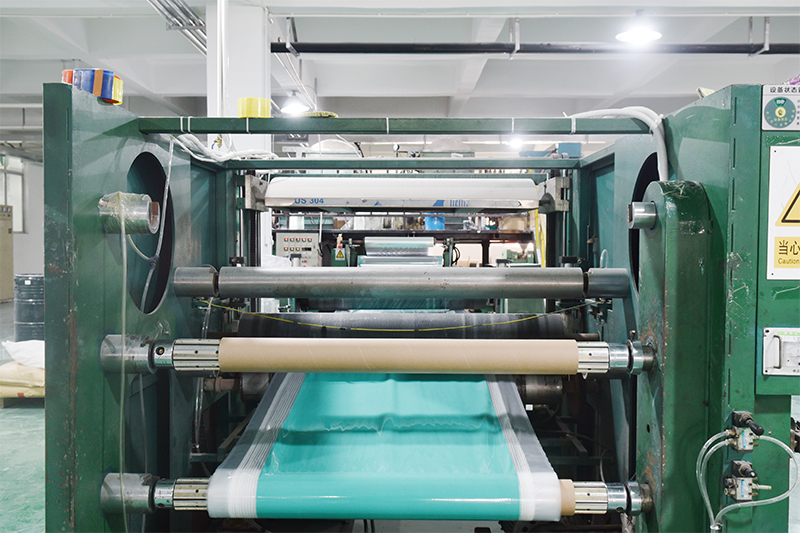
Our factory features high-capacity extrusion lines, radiation cross-linking chambers, and automated adhesive laminators. This large-scale, vertically integrated production model minimizes manufacturing margins, passing these savings directly to our customers.
Furthermore, our proximity to major international shipping ports like Shanghai and Ningbo ensures efficient global shipping logistics. CYCT maintains dedicated reserves of raw materials and standard product components, ensuring predictable lead times and shielding our clients from global supply chain disruptions.
As pipeline networks evolve to carry high-pressure hydrogen blends and run through increasingly deep subsea environments, the demands on field joint coatings continue to escalate. CYCT’s technology roadmap focuses on three key innovations:
Technical answers to common questions about pipeline shrink sleeves, selection criteria, and installation methods.
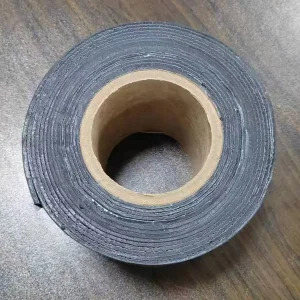
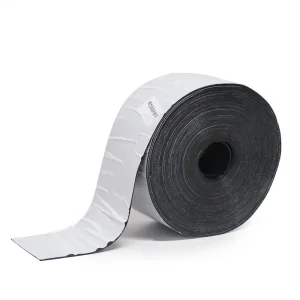
Examine our full range of field joint wraps, heat-shrink tapes, and repair fillers manufactured to global pipeline standards.
 CYCT
CYCT