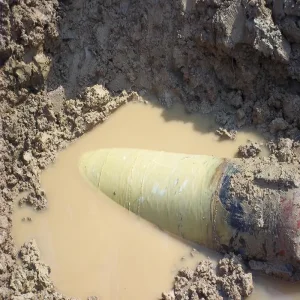
Engineered to exceed international industry standards (AMPP, ISO, EN), delivering high performance under extreme environmental stress.
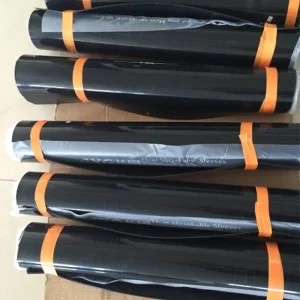
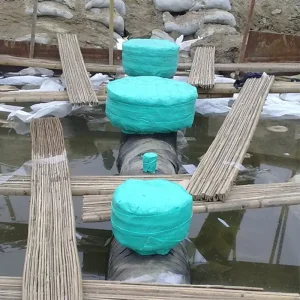
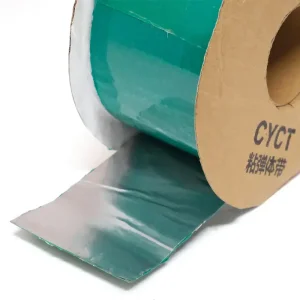
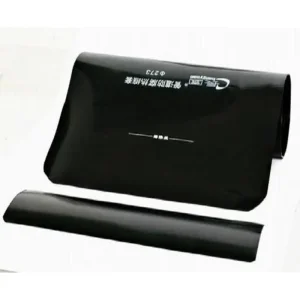
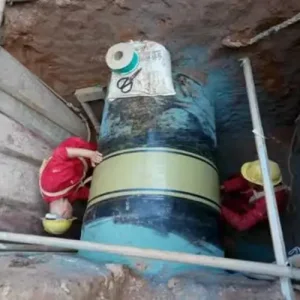
In midstream oil, gas, and municipal water distribution networks, the field joint—where individual steel pipe segments are welded together in the field—represents the most vulnerable structural point for corrosion. Without high-durability protection systems, factors like soil shear stress, cathodic disbondment, temperature fluctuations, and moisture penetration rapidly degrade these vital areas.
Modern pipeline repair sleeves, hot-melt patches, and viscoelastic tapes have evolved from mere outer wraps into complex, multi-layered chemical barriers. These systems must resist high soil friction (especially during trenchless installations like Horizontal Directional Drilling), survive decades in chemical-heavy soils, and remain functionally stable across extreme temperature bands.
For procurement officers and consulting engineers, selecting a manufacturer is not just about price—it is about chemical properties, test validations, and design support. When sourcing pipeline repair sleeves, understanding parameters such as Cathodic Disbondment Resistance, Shear Strength at Operating Temp, and Indentation Resistance determines the overall service life of the pipeline.
CYCT New Materials Company Limited (for short, CYCT) is a state-level high-tech enterprise integrating R&D, production, and sales of pipeline corrosion protection materials as well as buried pipeline detection service and pipeline coating field application service into one.
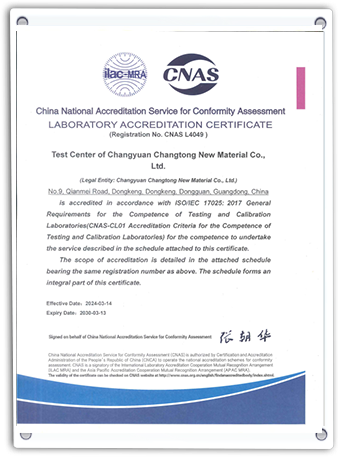
CYCT owns leading testing and R&D capabilities, a professional R&D team, and a national CNAS-accredited laboratory. This ensures that every batch of heat shrinkable sleeves, PE repair patches, and viscoelastic tapes undergo stringent performance checks before deployment. By working closely with top-tier scientific institutes, CYCT continues to push the limits of material science in structural protection.
For decades, CYCT has been the stable supplier of field joint coatings for PetroChina, Sinopec, PipeChina, and local critical municipal pipelines, enjoying a dominant market share. The company has successfully introduced pioneering materials, including visco-elastic coatings, special photo-curing sleeves for Horizontal Directional Drilling (HDD) protection, and polyurea-based hybrid systems.
Year Established
Accredited Lab
Proprietary Patents
Certified Quality
A visual tour of CYCT's production units, laboratories, and modern pipeline security testing environments.
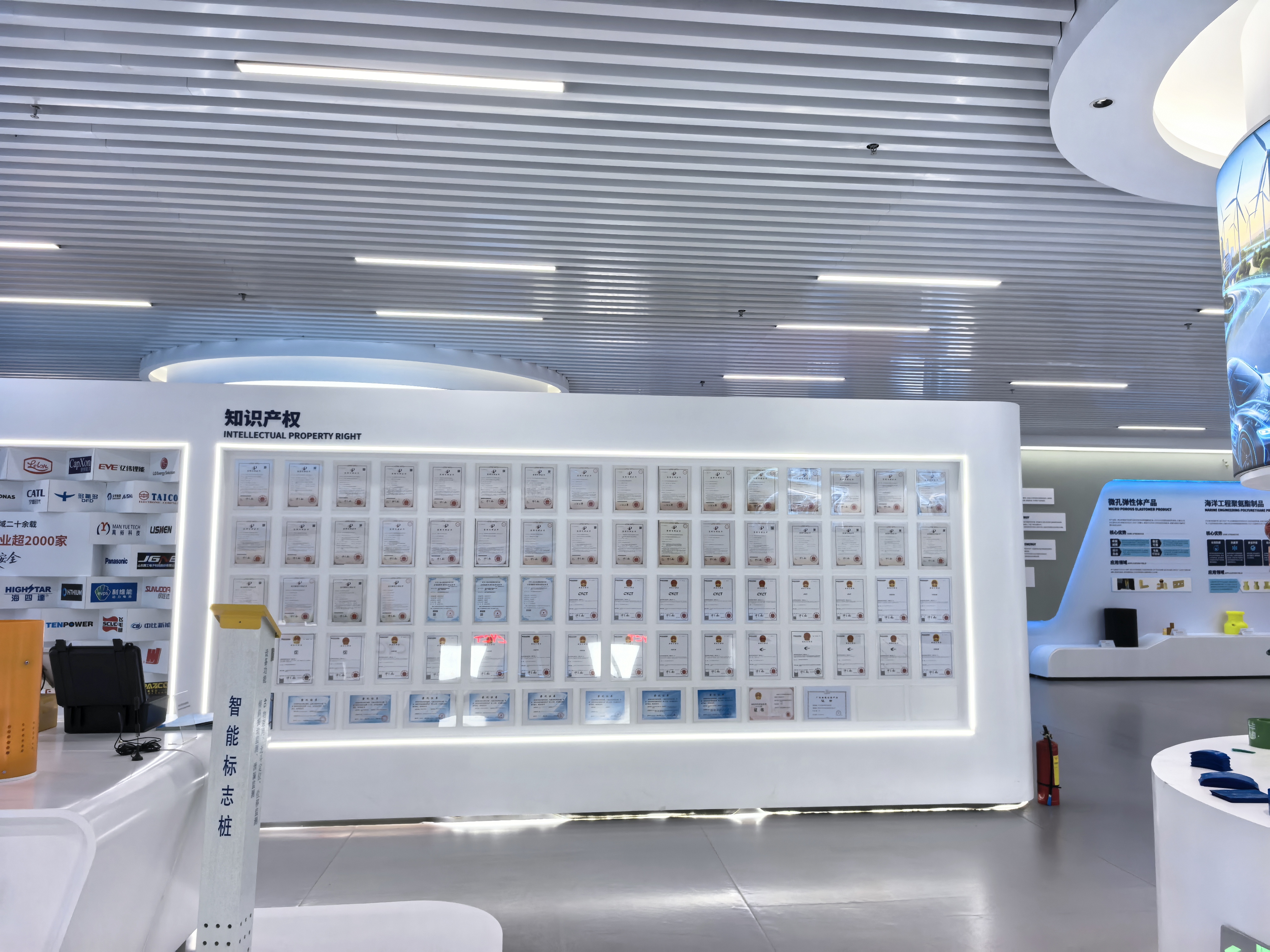
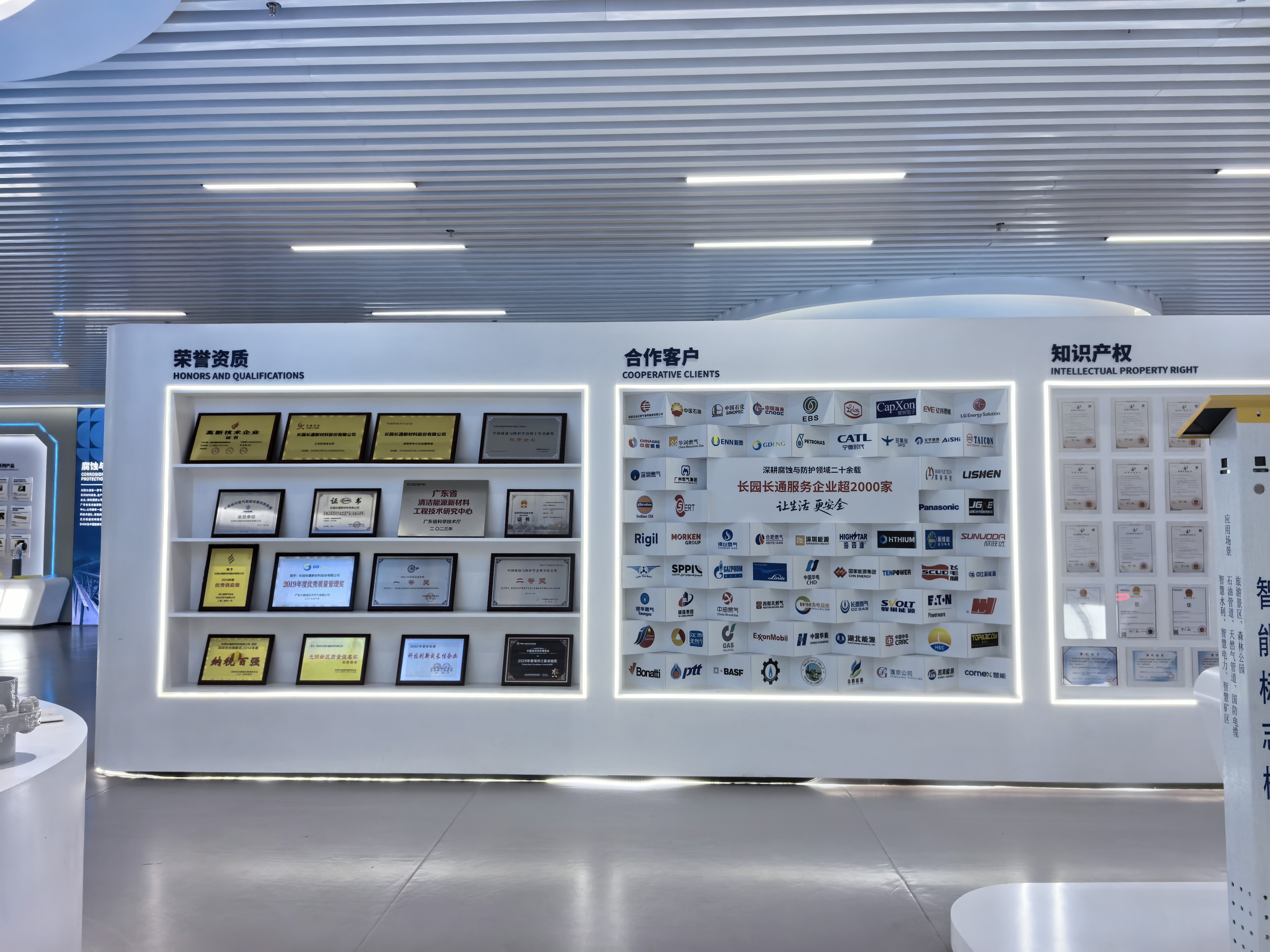
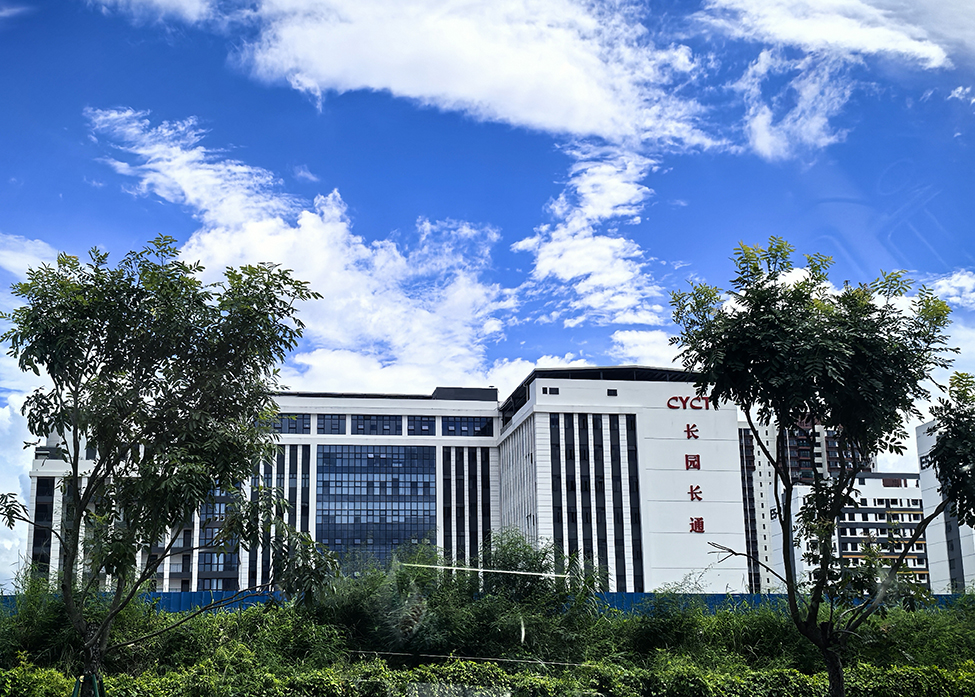
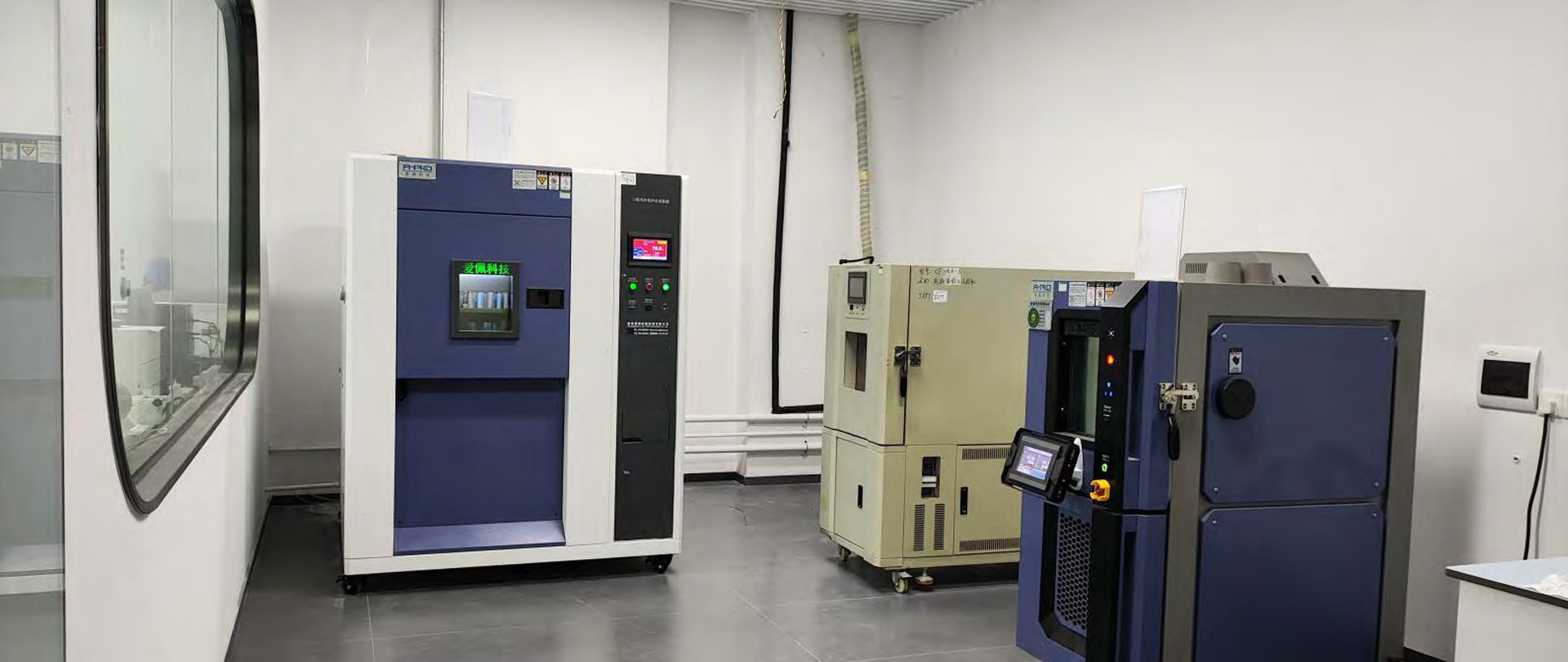
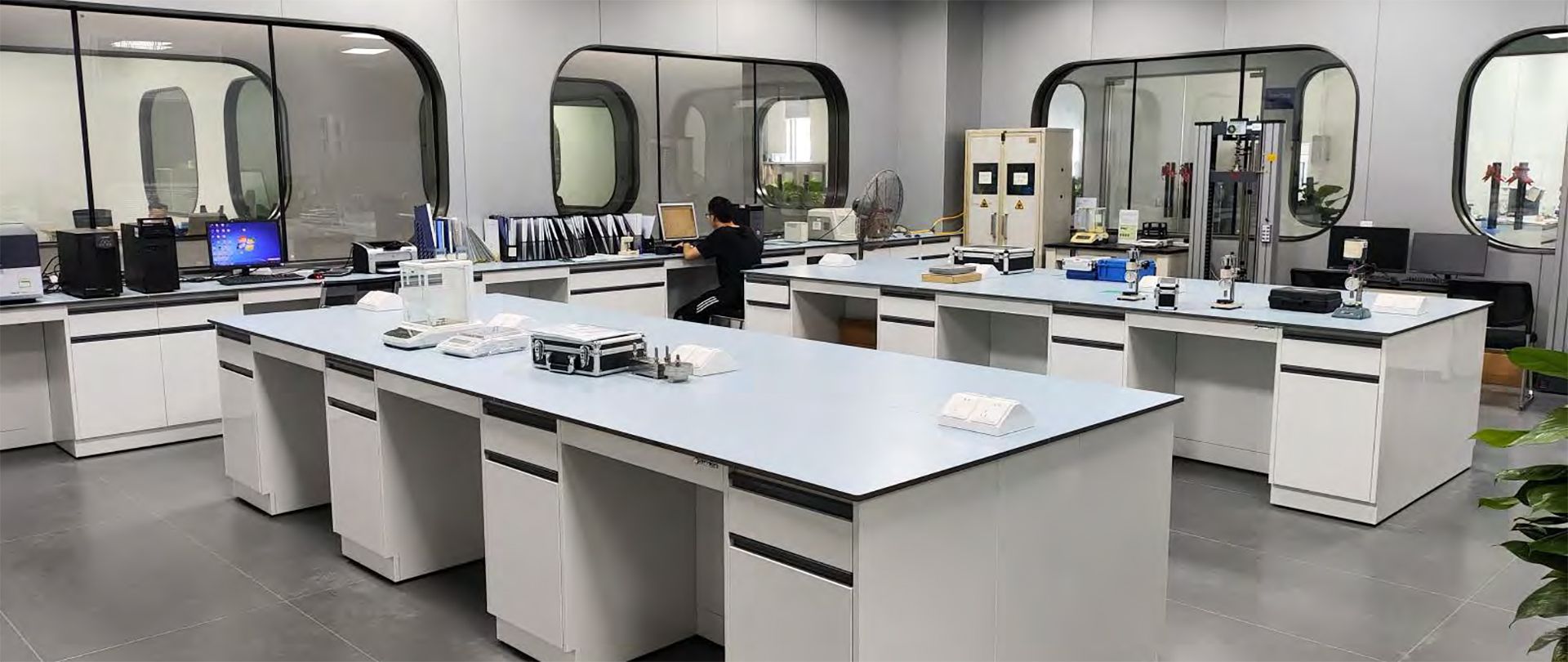
By maintaining strategic cooperation with elite R&D centers, including the CNPC Pipeline Science Research Institute, CYCT is capable of providing operational in-service pipeline networks with custom-tailored technical service packages. These services include buried pipeline safety detection, professional rehabilitation design, cathodic protection design, rehabilitation project execution, and integrated protective engineering for transmission networks globally.
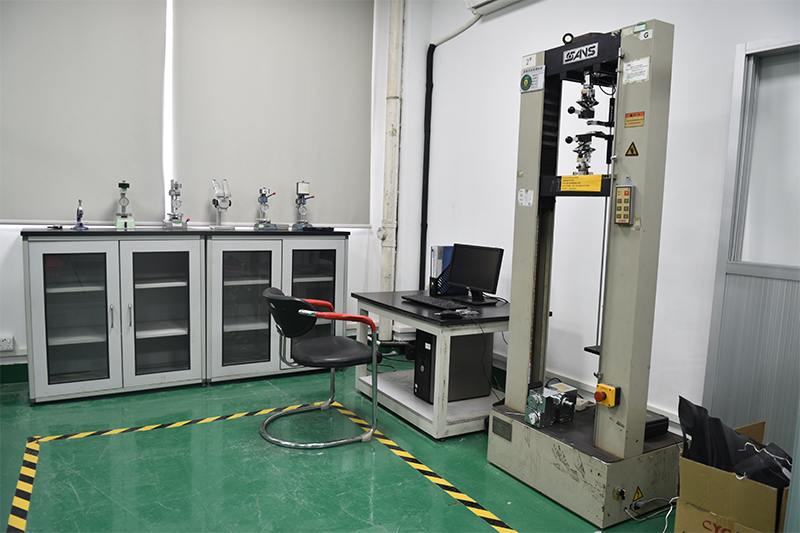
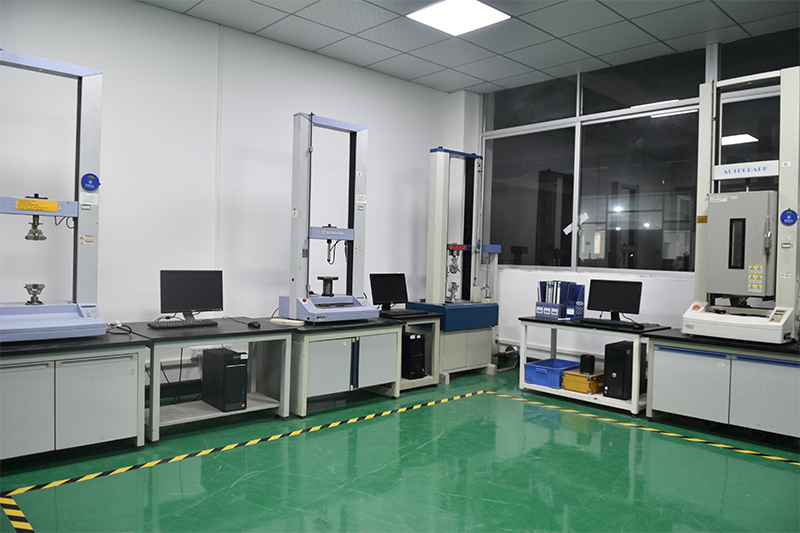
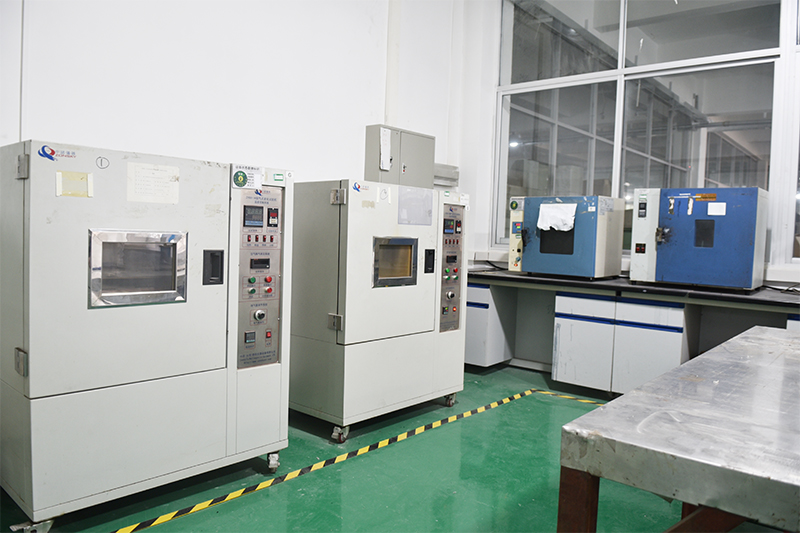
Understanding the differences in mechanical strength, installation speed, and chemical properties between heat shrinkable, viscoelastic, and composite materials.
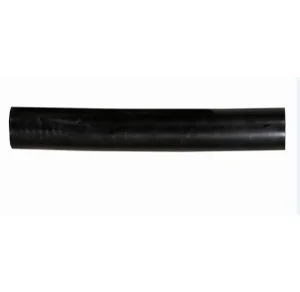
Backing: Radiation cross-linked high-density Polyethylene or Polypropylene.
Adhesive Layer: High-shear hot melt co-polymer adhesive.
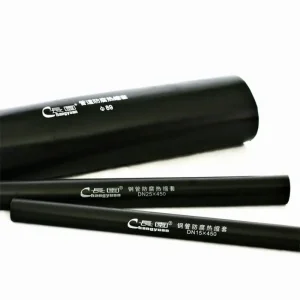
Best for long-distance oil and gas transmission weld joints. PE sleeves support up to 85°C, while Polypropylene variants handle operational temperatures exceeding 100°C. They provide excellent mechanical resistance to soil stresses and high cathodic disbondment resistance.
Backing: Polyolefin outerwrap tape or aluminum-foil protection layer.
Adhesive Layer: Non-crystalline, low-viscosity, cold-flow polymer compound.
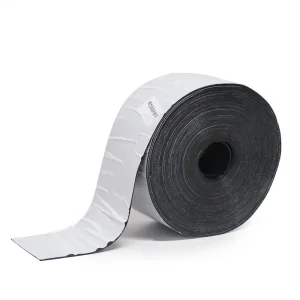
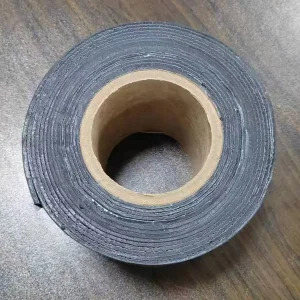
An ideal product for valves, flanges, T-joints, and complex configurations. It features 100% self-healing properties: if the coating is damaged, the viscoelastic layer flows to close the defect. Minimal surface preparation required (St2/St3).
Matrix: High-performance epoxy resin or photocuring polymers.
Reinforcement: Multi-axial structural fiberglass weave.
Designed specifically for trenchless engineering (HDD - Horizontal Directional Drilling) and structural pipeline defect reinforcing. Offers extreme abrasion and impact resistance to prevent mechanical wear when pulling pipes through rocks and harsh terrain.
How CYCT solutions are engineered to withstand extreme environmental stress across various global terrains.
Desert soils present extreme high temperatures (ground temp up to 70°C) coupled with high salinity, which accelerates corrosion rates. CYCT's PP heat shrinkable sleeves utilize a specialized cross-linked formulation to maintain strong shear resistance, avoiding shifting due to thermal cycles.
Trenchless utility installation subjects coatings to severe scraping and rock impact. Our Epoxy FRP (Fiberglass Reinforced Polymer) shielding system acts as a sacrificial layer over the field joint, preventing the main corrosion-protection coating from peeling off during pulling.
For live pipeline repairs, shutting down transmission is highly expensive. Using FRDX PE Repair Patches and viscoelastic hot-melt sticks allows maintenance crews to execute quick repairs of mill-applied coatings without halting operations, drastically reducing operational downtime.
Sourcing pipeline repair sleeves directly from a Chinese manufacturer with high manufacturing integration ensures not only stable mechanical quality but also continuous customization possibilities. CYCT accommodates special pipe diameters, custom backing thicknesses (ranging from 1.0mm to 3.2mm), and custom operational temperature ratings.
CYCT Supply Chain Advantage:
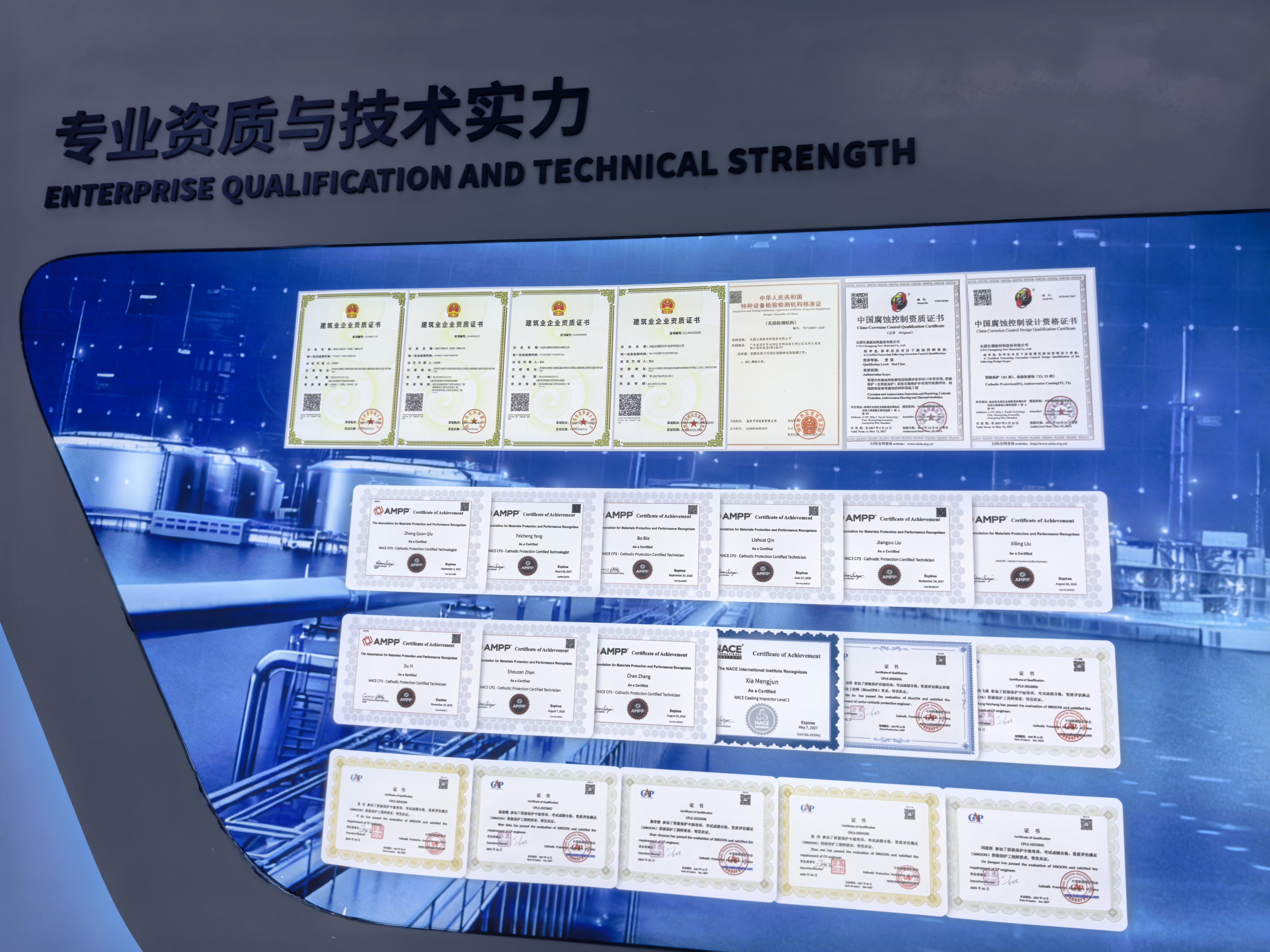
Member of Council in Chinese Society for Corrosion and Protection (CSCP), Corporate Member of China Association of Petroleum Engineering Construction (CAPEC), State-Level High-Tech Enterprise.
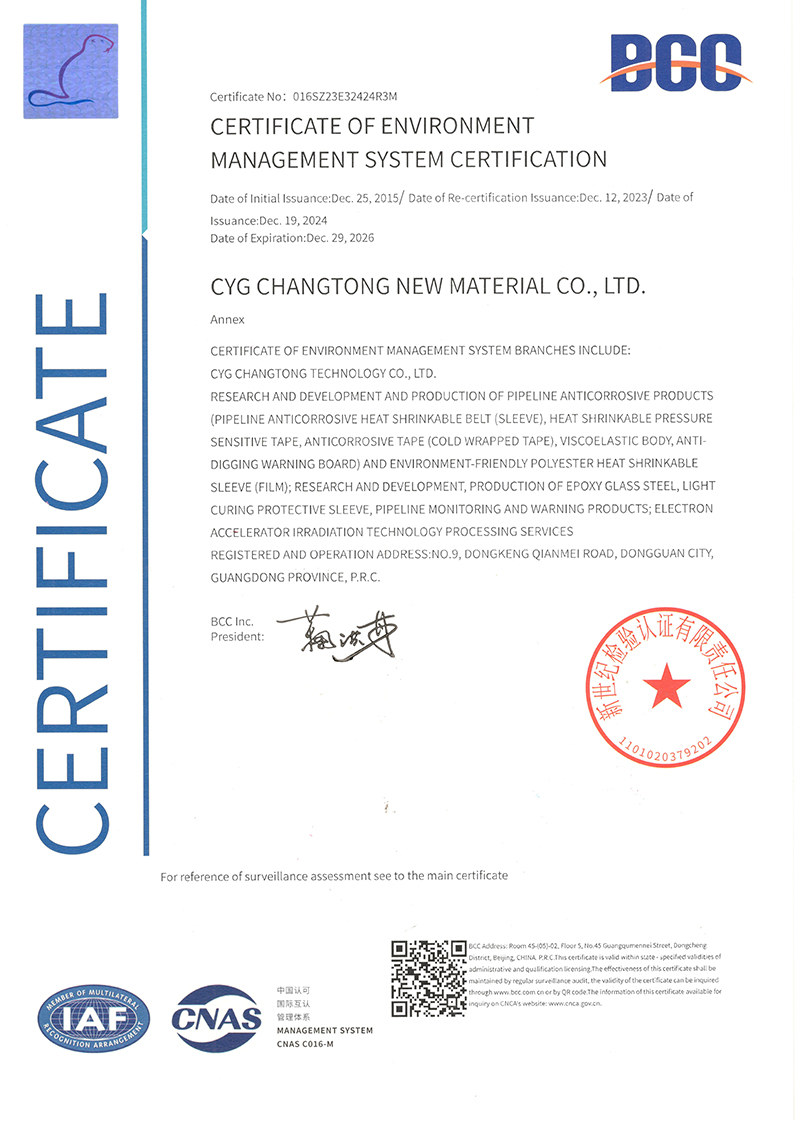
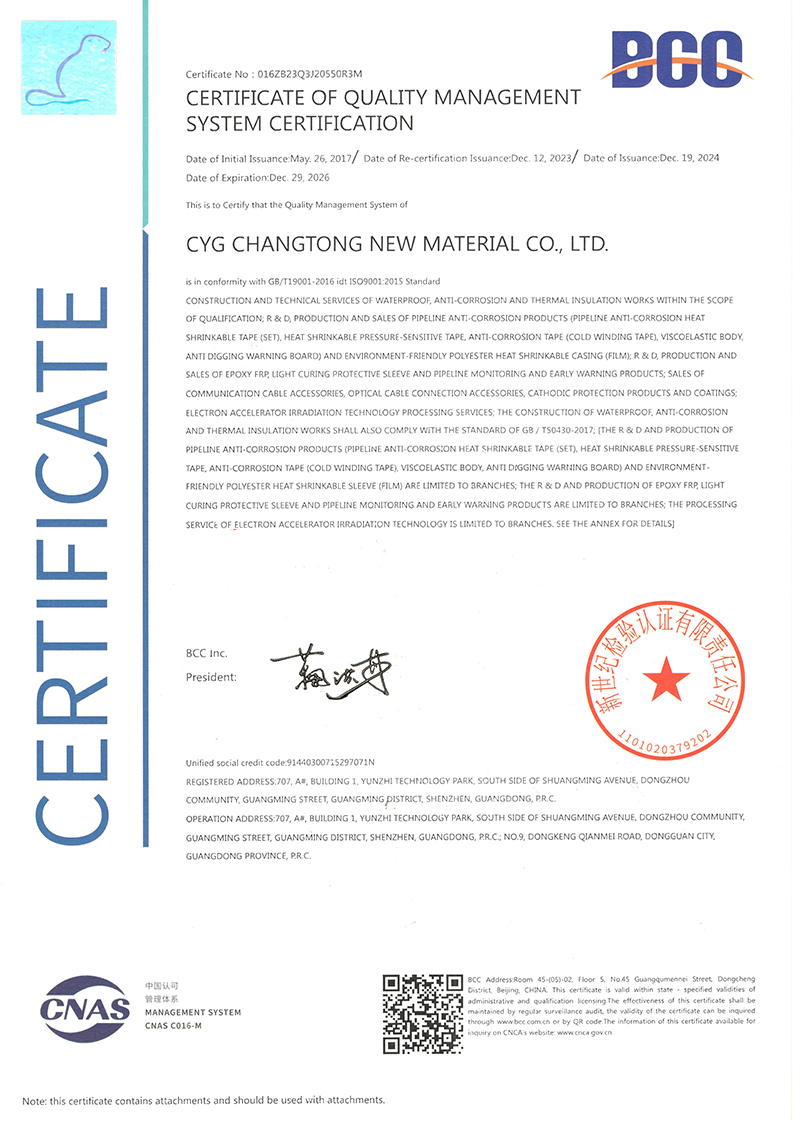
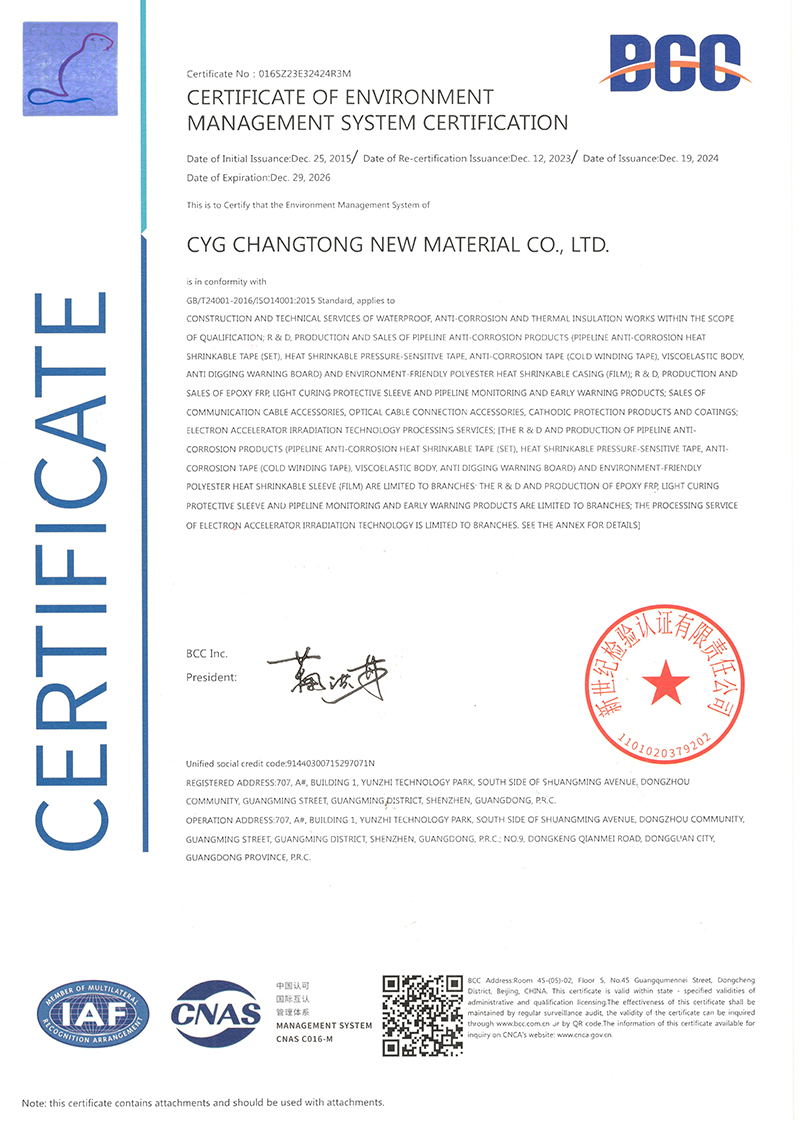
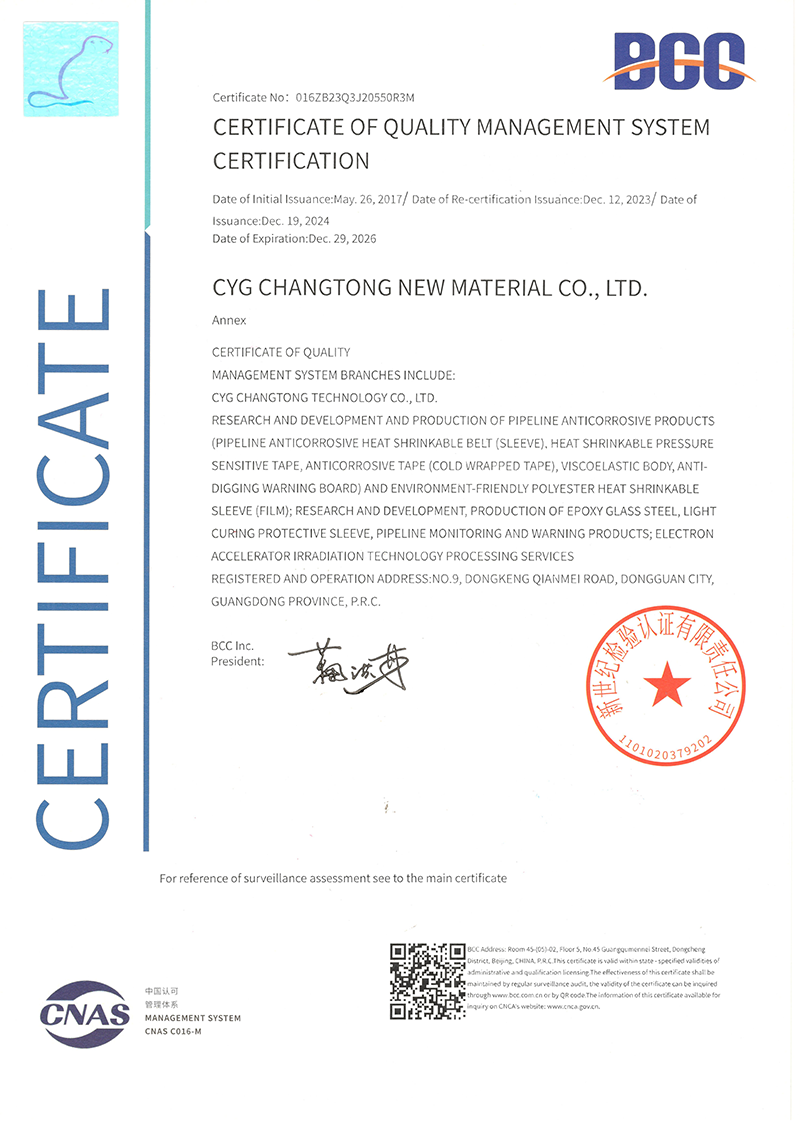
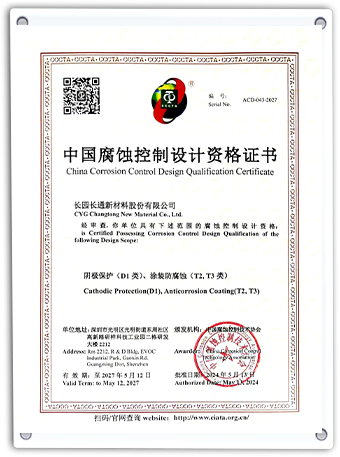
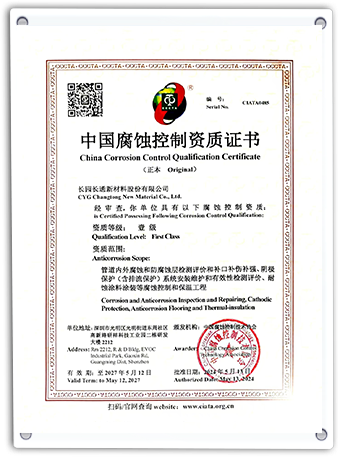
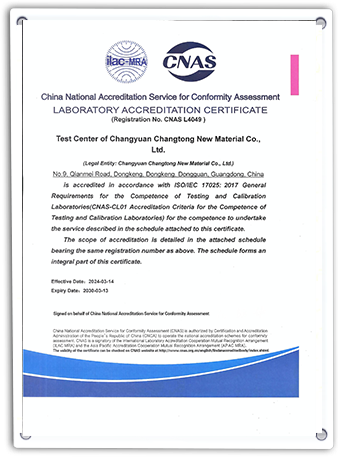
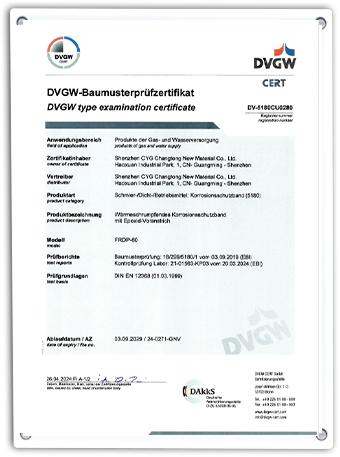
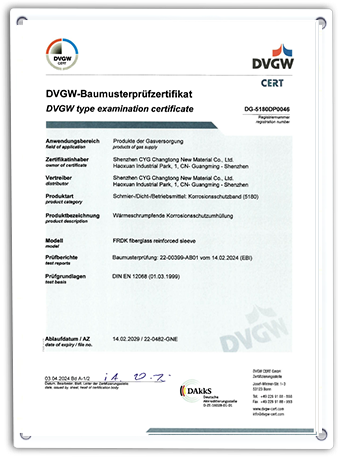
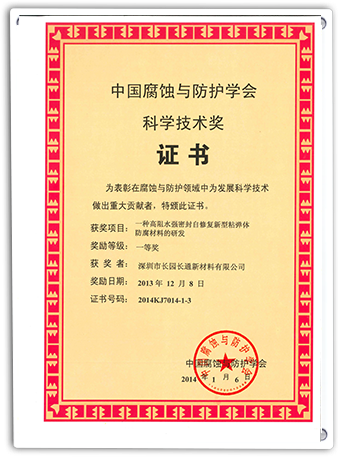
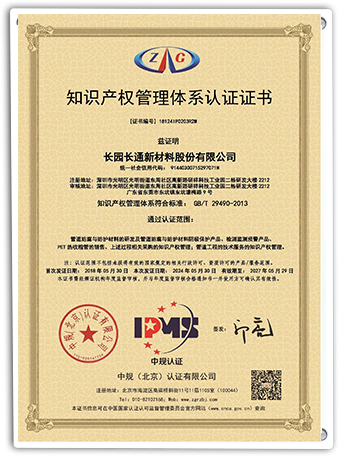
CYCT is recognized as a Council Member of the Chinese Society for Corrosion and Protection (CSCP), holding the highest grade Qualification Certificate of Corrosion Protection Construction, Qualification Certificate of Pipeline Detection, and is a corporate member of the China Association of Petroleum Engineering Construction (CAPEC).
Detailed professional answers helping pipeline managers and pipeline design institutes choose the correct structural protection.
Factory direct solutions for complete pipeline corrosion protection systems and specialized joint coatings.
 CYCT
CYCT