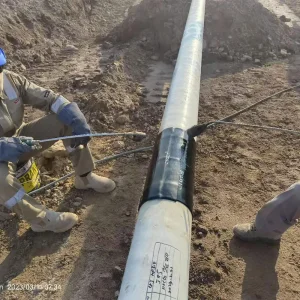
China Pipeline Epoxy Coating Supplier & Factories

Premium Corrosion Protection Technologies, High-Performance FBE Coatings & Advanced Joint Linings for Global Oil, Gas & Water Transmission Infrastructures

Leading Anti-Corrosion Solutions

Engineered Pipeline Protective Systems & Outer Tapes
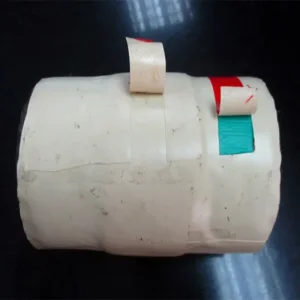
China High Temperature Hot Melt Stick

China High Temperature Hot Melt Stick Manufacturer, Suppliers

View Details
China High Temperature Solvent-Free Epoxy Primer

China High Temperature Solvent-Free Epoxy Primer for Field Joint - Premium Quality from China Suppliers and Factory Supplier, Factories

View Details
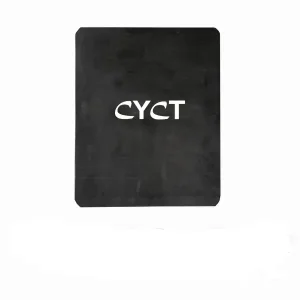
OEM China PP Repair Patch for 3LPP Coating

OEM China Suppliers Factory PP Repair Patch for 3LPP Coating and Heat Shrink Sleeve Damage Repair Manufacturers, Factory

View Details
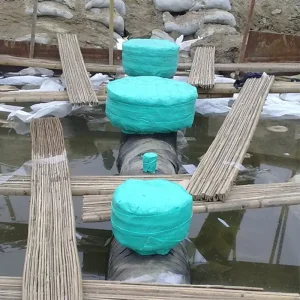
CYG Changtong GRF Moisture Curing Shield

China China Suppliers Factory: CYG Changtong GRF Moisture Curing Shield for Offshore Anti-Corrosion Protection Manufacturers, Supplier

View Details
China Viscoelastic Coating for Valve Protection

China Viscoelastic Coating for Valve Protection - China Suppliers & Factory for Anticorrosion Solutions Supplier, Factory

View Details
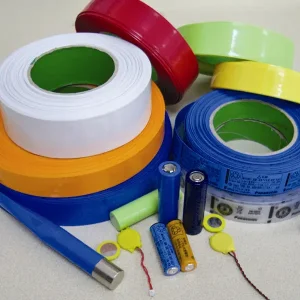
China PET Heat Shrink Tube

China PET Heat Shrink Tube Factory, Factories

View Details
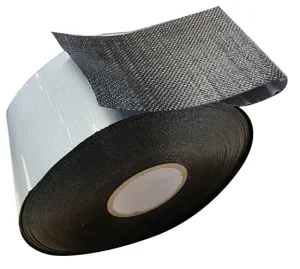
OEM High Temperature PP Outer Tape

OEM High Temperature Cold Applied PP Outer Tape from China Suppliers - Factory Direct for Pipeline Corrosion Protection Manufacturers, Factories

View Details
OEM China PP Repair Patch

OEM China Suppliers PP Repair Patch for 3LPP Coating and Heat Shrink Sleeve - Factory Direct Quality Solution Manufacturer, Factories

View Details

CYCT · Founded in 2000

CYCT New Materials Company Limited (for short, CYCT) is a state-level high-tech enterprise integrating research, development, production, and sales of high-performance pipeline corrosion protection materials. Over the last two decades, CYCT has expanded its scope to include advanced buried pipeline detection services and professional pipeline coating field application services.

As a leading pioneer in China's anti-corrosion sector, CYCT maintains close strategic R&D cooperation with China's top academic and industrial institutions, including the CNPC Pipeline Science Research Institute. This robust technical foundation allows CYCT to deliver comprehensive corrosion diagnostics, cathodic protection designs, rehabilitation projects, and customized safety management solutions for vital pipeline networks worldwide.
24+
Years Industry Experience
CNAS
National Accredited Lab
10+
Proprietary IP Rights
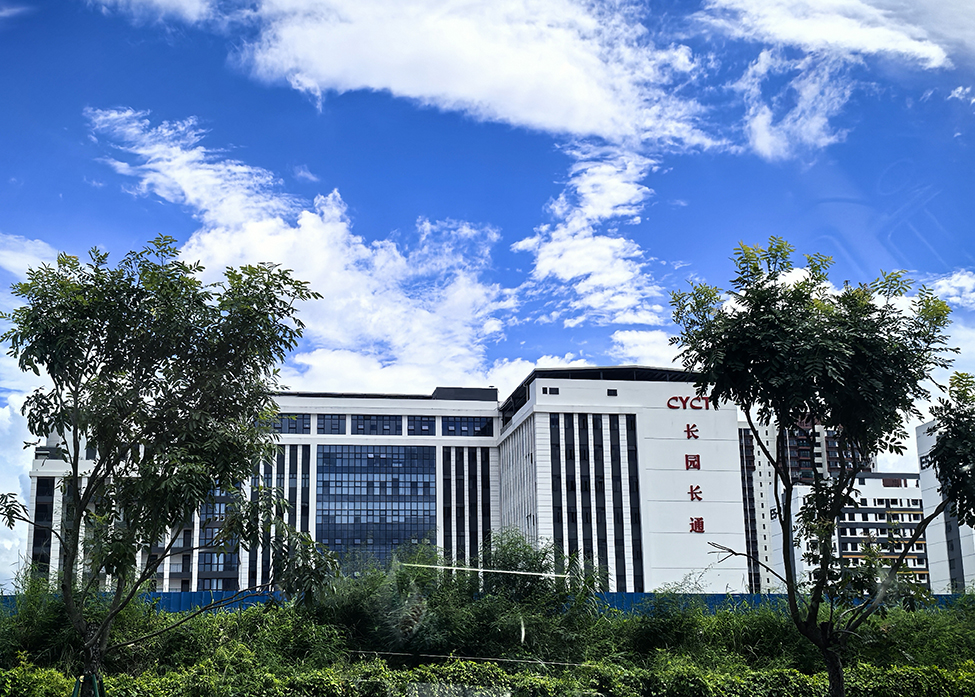
CYCT Production Facility

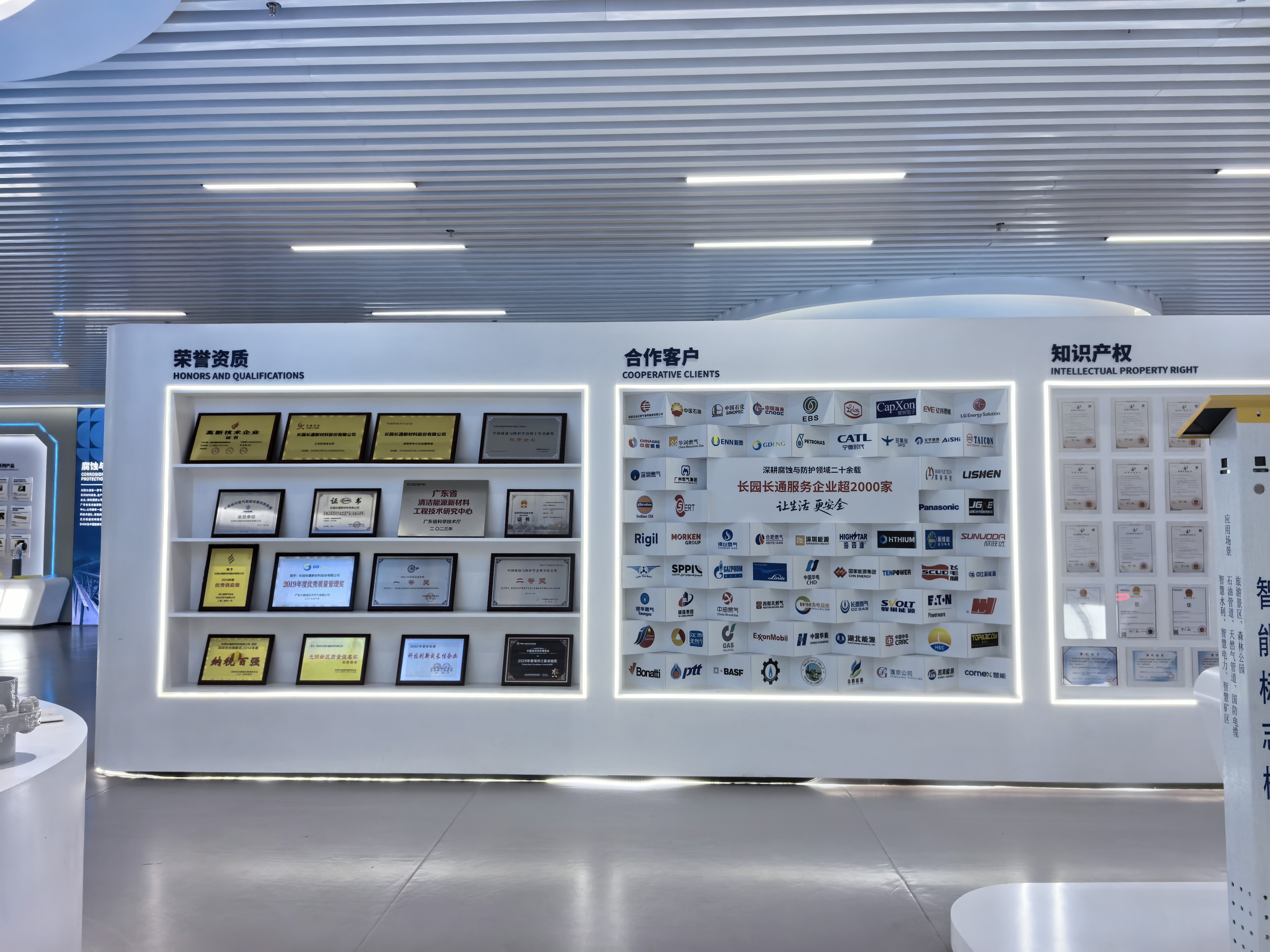
Currently, CYCT stands as a stable, long-term supplier of field joint coatings and protective systems for major national entities, including PetroChina, Sinopec, PipeChina, and various local gas grid companies. Thanks to its superior quality assurance systems and competitive cost profiles, the brand holds a prominent share of the domestic market and has expanded to become a key supplier to international networks, including Indian Oil.

In addition to traditional epoxy linings, CYCT has developed advanced specialty protection materials, such as visco-elastic anti-corrosion tapes, water-resistant VE sealants, and photo-curing sleeves for Horizontal Directional Drilling (HDD) protection, as well as high-performance polyurea coatings designed for aggressive environments.
Technical Whitepaper: Epoxy Coating Systems

Advanced Mechanics, Industry Evolution, and Engineering Excellence

1. Evolution & Trends in Pipeline Epoxy Coating

Modern industrial pipeline networks require reliable protection against mechanical, chemical, and electrochemical degradation. Over the past few decades, pipeline coatings have transitioned from coal tar enamel systems to high-performance polymer networks. Fusion Bonded Epoxy (FBE) coatings, introduced as a primary corrosion barrier, have become the standard for steel pipe protection due to their excellent adhesion to steel and high resistance to cathodic disbondment.

Current developments focus on multi-layer coatings, specifically 3-Layer Polyethylene (3LPE) and 3-Layer Polypropylene (3LPP) structures. In these configurations, a high-performance FBE primer acts as the base layer directly bonded to the blast-cleaned steel. This is followed by a grafted copolymer adhesive layer, and topped with a thick polyolefin outer wrap that provides physical shielding against mechanical damage during handling, transportation, and trench backfilling.

Another major trend is the development of green, low-VOC, solvent-free liquid epoxy coatings. Formulators are replacing solvent-based primers with high-solids, dual-component epoxy resins that can be applied in the field at ambient temperatures. These primers provide strong anti-corrosive protection for field joints (FJC), matching the performance of factory-applied FBE coatings without releasing harmful chemical fumes.

2. Global Procurement Demands & Supply Chain Integrity

For large-scale infrastructure projects, procurement managers prioritize reliability, regulatory compliance, and consistent material quality. Pipeline installations often span hundreds of kilometers across remote locations, meaning that any failure in the protective coating can lead to high repair costs or operational disruption.

As a result, global engineering, procurement, and construction (EPC) companies require suppliers to provide fully traceable materials certified under international standards such as ISO 21809, CSA Z245.20/21, and NACE SP0394. Purchasing departments seek integrated suppliers that offer a complete suite of solutions: from liquid primers and repair patches to heat shrink sleeves and viscoelastic compounds. Working with a single, accredited source simplifies quality control and helps prevent compatibility issues between factory-applied main coatings and field-applied joint protection.
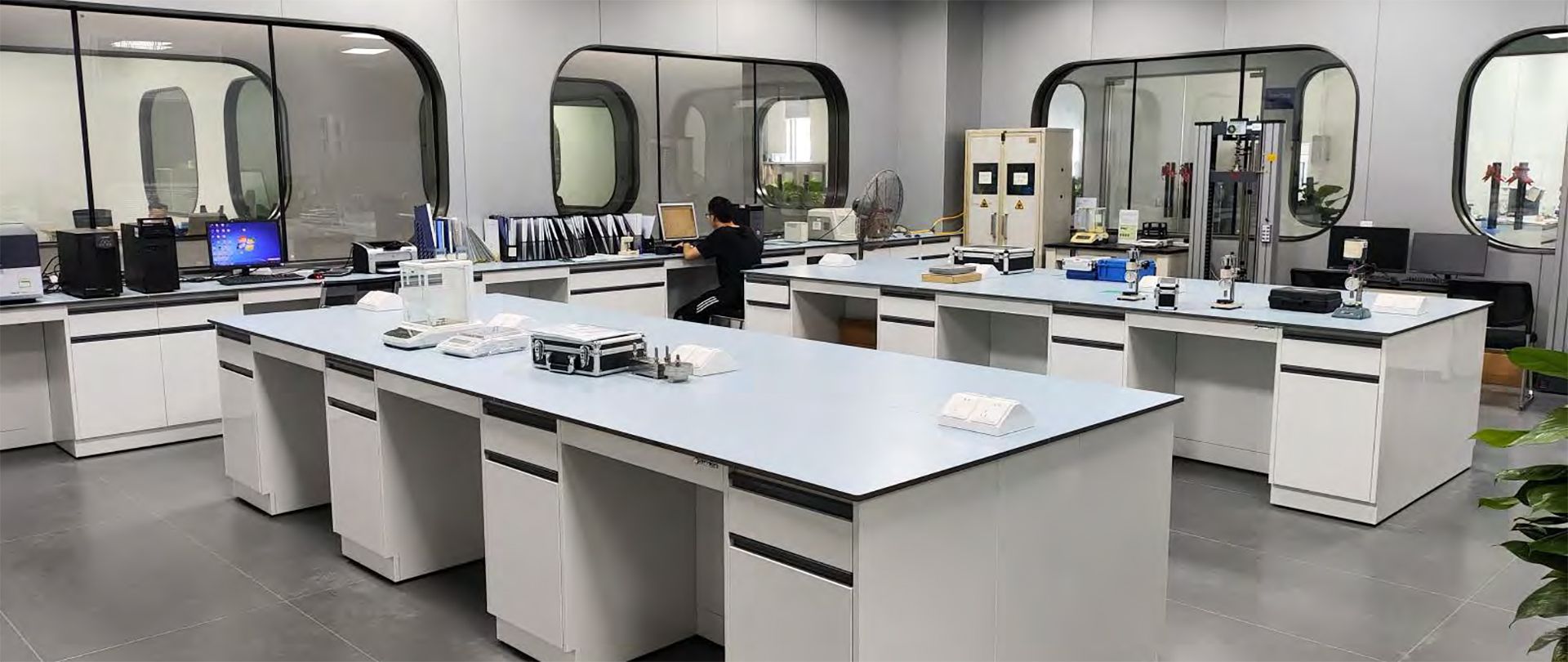
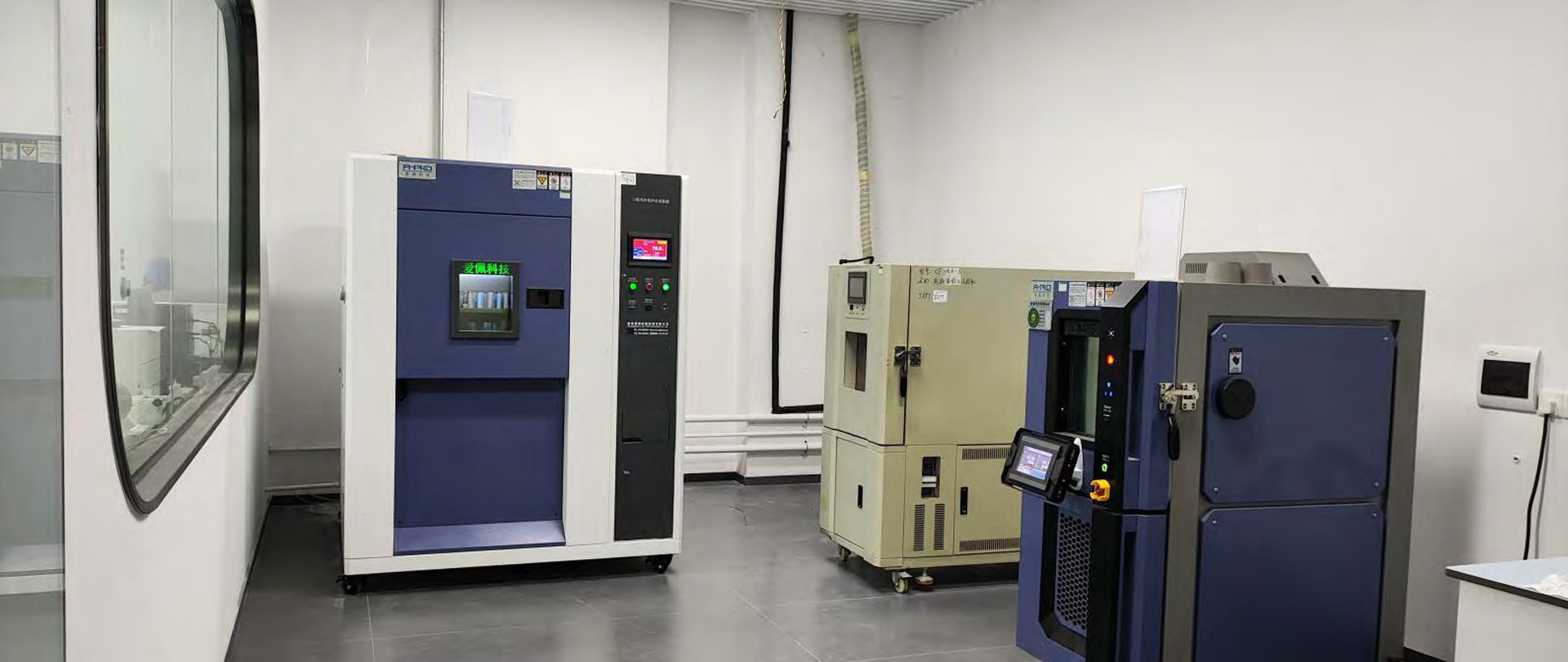
CYCT Laboratory Testing

3. Macro-Industry Infrastructure Solutions

We design our anti-corrosion products for a variety of environment types and project requirements:

  • Transmission Pipelines (Onshore): Utilizing 3LPE/FBE technology combined with heat shrinkable sleeves (such as the CYG Changtong FRDS range) to secure field joints against water ingress and soil stress.
  • Subsea & Offshore Pipelines: Featuring moisture-curing shields (like the GRF series) and thick, dense viscoelastic systems capable of resisting tidal variations and high-salinity corrosion.
  • Trenchless Horizontal Directional Drilling (HDD): Requiring protective outer wraps and fiber-reinforced photo-curing sleeves to shield primary coatings from abrasion during installation through rocky soils.
  • Pipeline Rehabilitation & Maintenance: Viscoelastic putty and self-healing tapes allow operators to repair active pipelines in the field with minimal excavation and surface preparation.

4. Technical Roadmap & Future Materials

Research in corrosion protection focuses on improving the thermal and mechanical properties of protective coatings. Standard epoxy primers often face performance limits when exposed to temperatures above 80°C. To address this, developers are formulating specialized high-temperature formulations with modified polymer structures to withstand continuous operating temperatures up to 120°C and 150°C, which are typical for deep oil production wells and thermal power lines.

Another area of focus is smart self-healing coatings. By incorporating micro-encapsulated active agents or using self-healing viscoelastic matrix materials, these coatings can repair minor mechanical micro-cracks automatically. When a crack occurs, the damaged area seals itself to prevent moisture or oxygen from reaching the underlying steel, reducing the risk of localized corrosion.

Additionally, nano-composites—such as epoxies modified with graphene or nano-silica—are being developed to create a tighter barrier that limits chemical diffusion, while bio-based resins are being explored to reduce the environmental footprint of coating production.

5. Quality Assurance & Regulatory Compliance

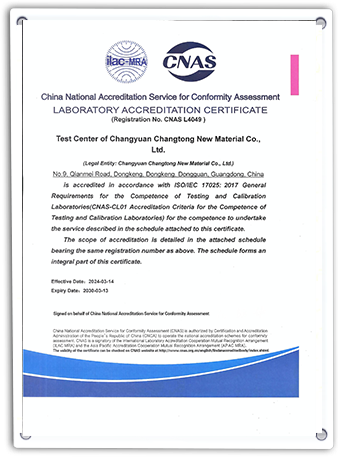
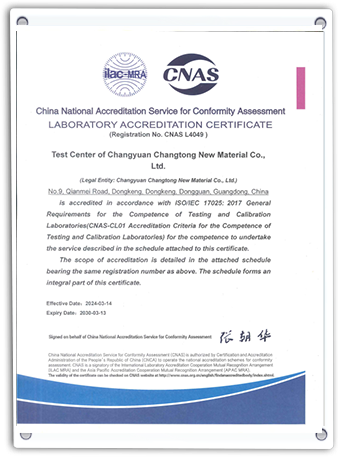
At CYCT, quality control is integrated into every stage of production. Our facility features a national CNAS-accredited laboratory equipped to perform key standard tests, including Differential Scanning Calorimetry (DSC), cathodic disbondment testing (24-hour and 28-day protocols), hot-water adhesion tests, impact resistance checks, and tensile strength evaluations. These testing capabilities ensure that every batch of epoxy primer, viscoelastic tape, and heat-shrink wrap meets key domestic and international standards.

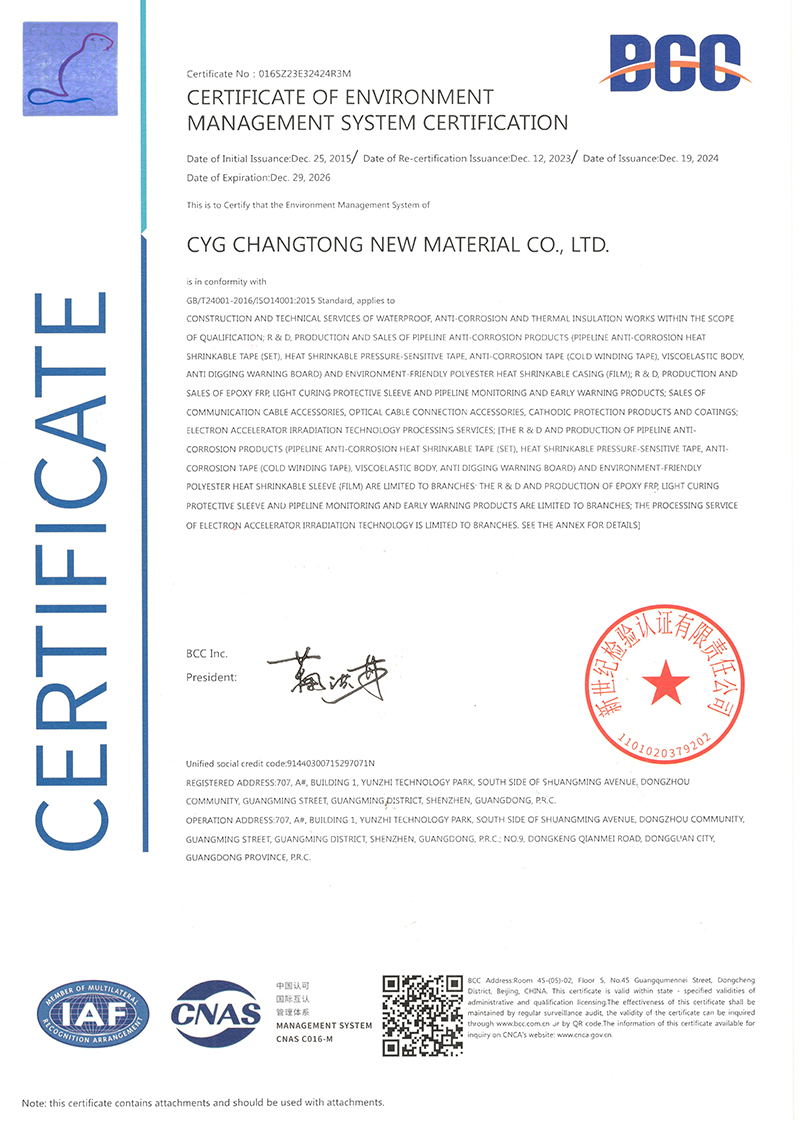
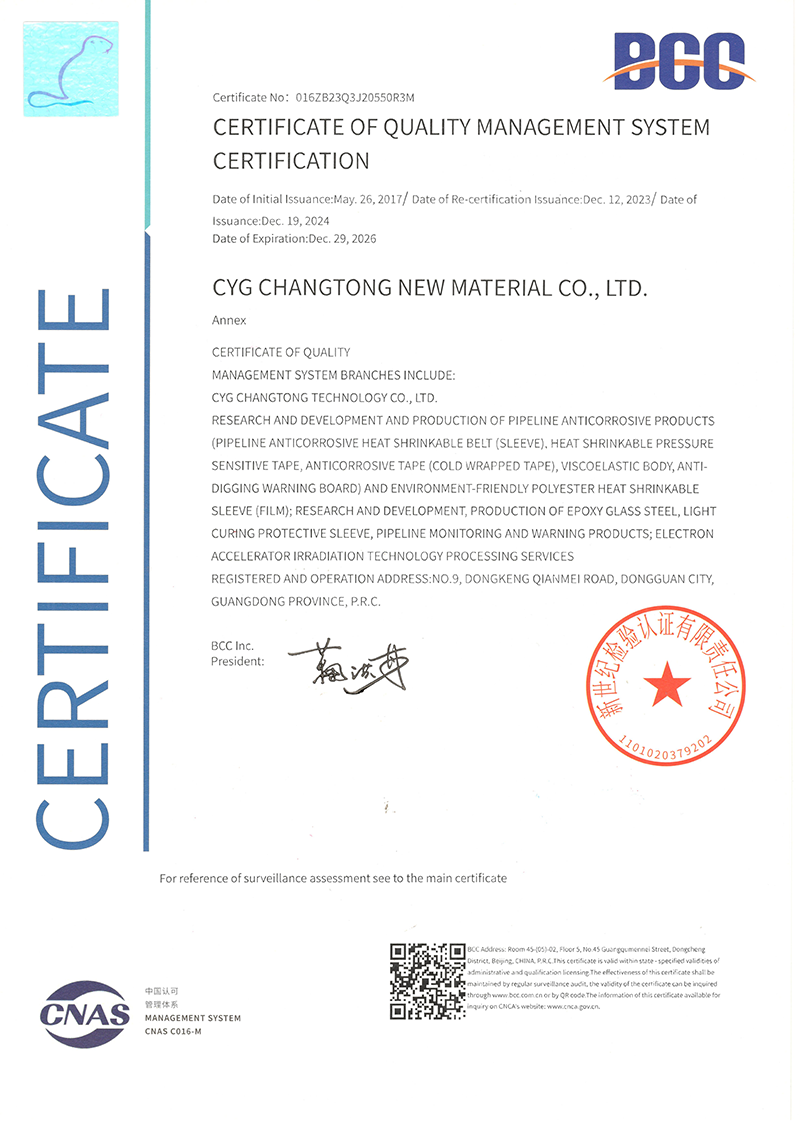
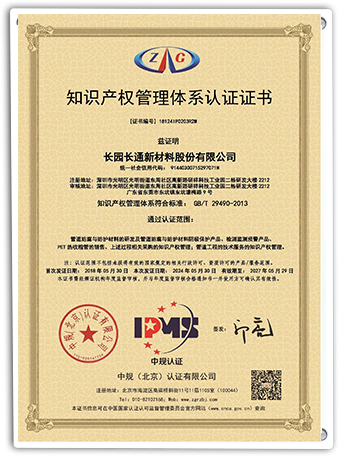
CYCT holds ISO 9001 (Quality Management), ISO 14001 (Environmental Management), and ISO 45001 (Occupational Health & Safety) certifications. Our materials comply with global pipeline specifications like EN 10289, DIN 30670, and NACE SP0394, which are required for approval by major oil and gas operators including PetroChina, Sinopec, and international energy groups.

Industrial Honors & Certifications

Verified compliance and industry recognition

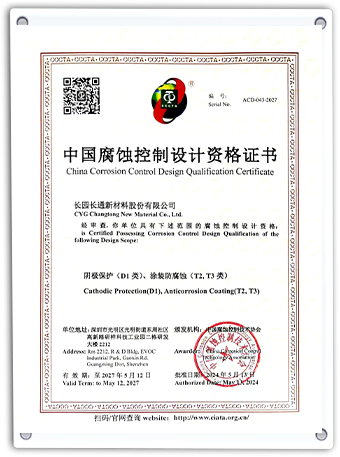
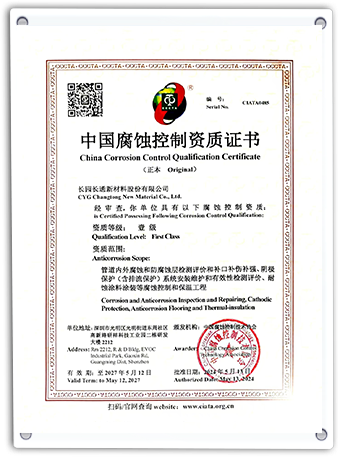
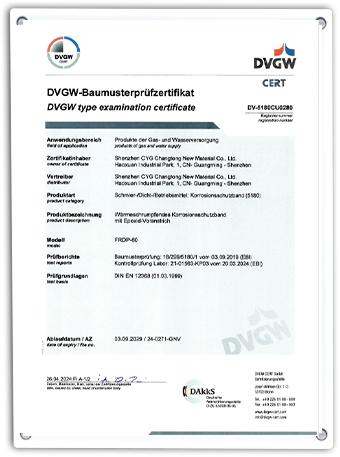
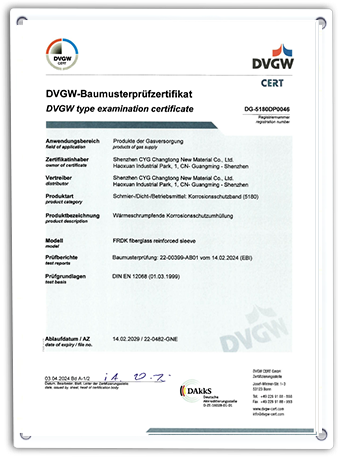
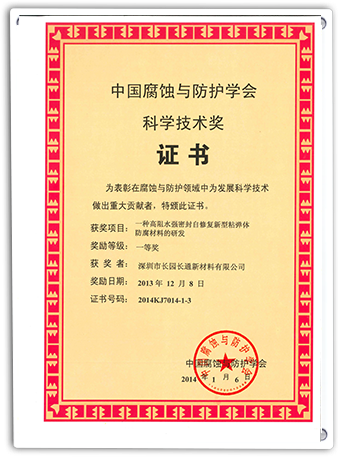
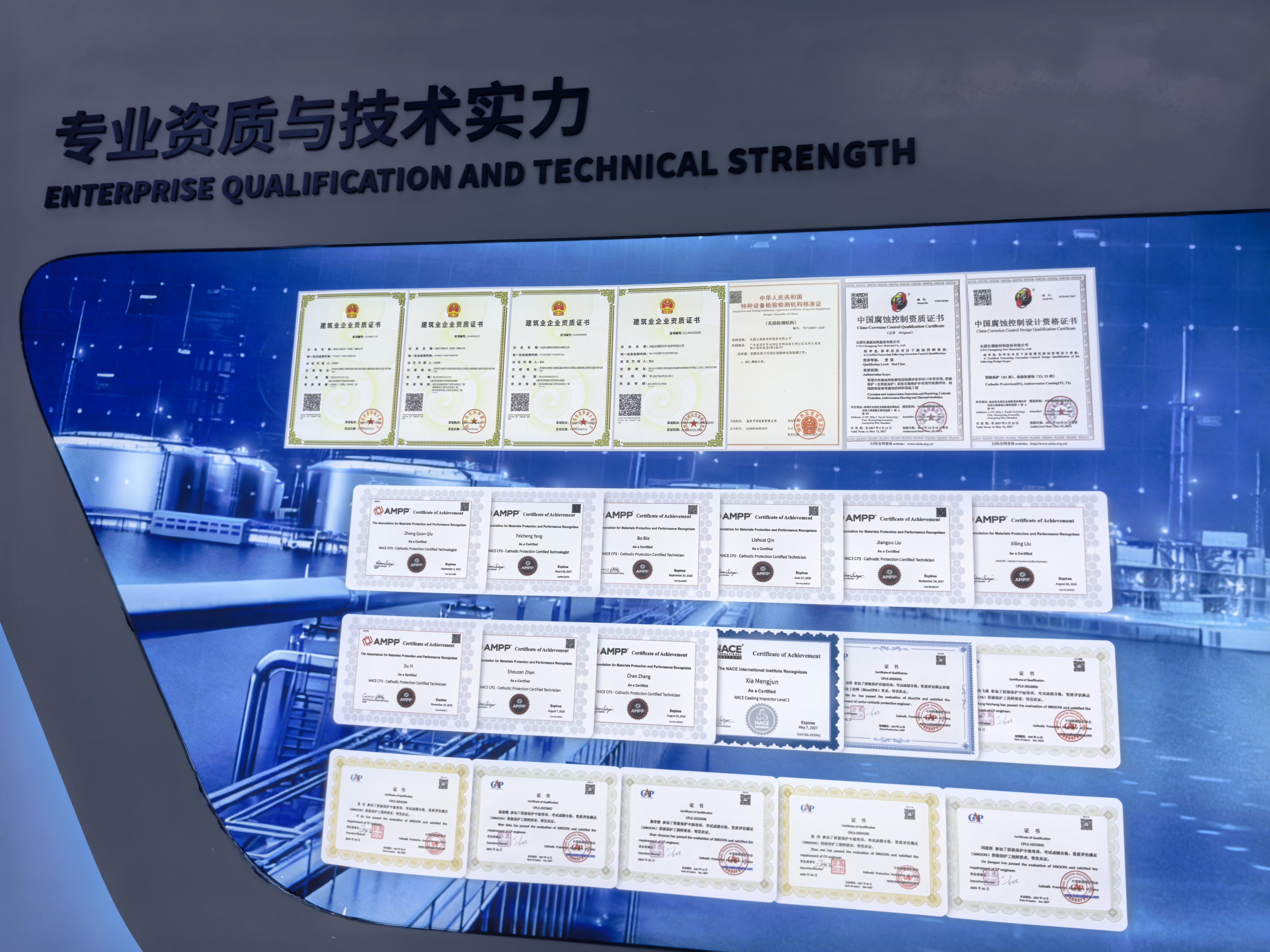
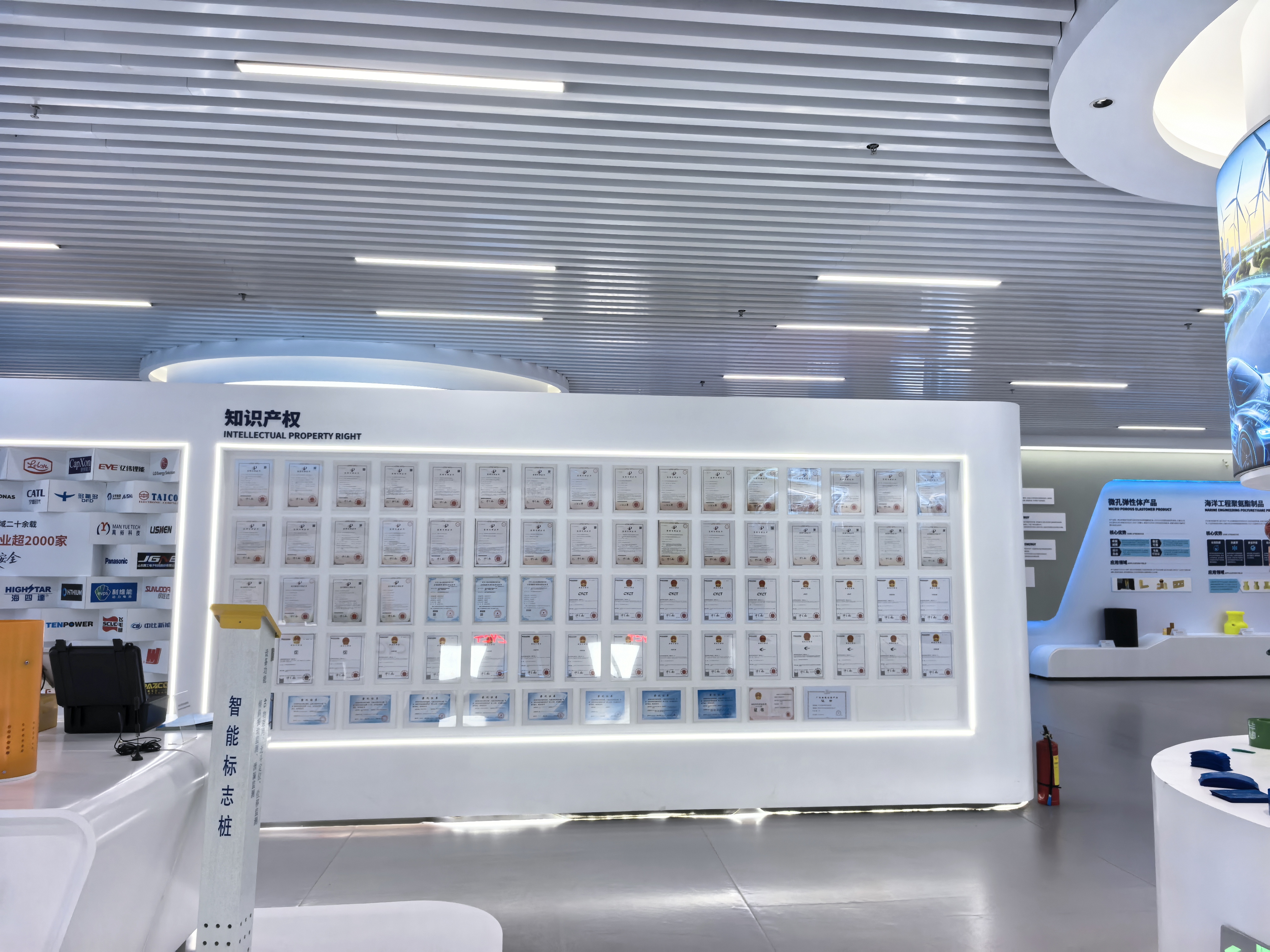
CYCT is a Council Member of the Chinese Society for Corrosion and Protection (CSCP) and a Corporate Member of the China Association of Petroleum Engineering Construction (CAPEC). We maintain verified supply qualifications for major international operators, supported by our state-level high-tech enterprise status and proprietary patents.
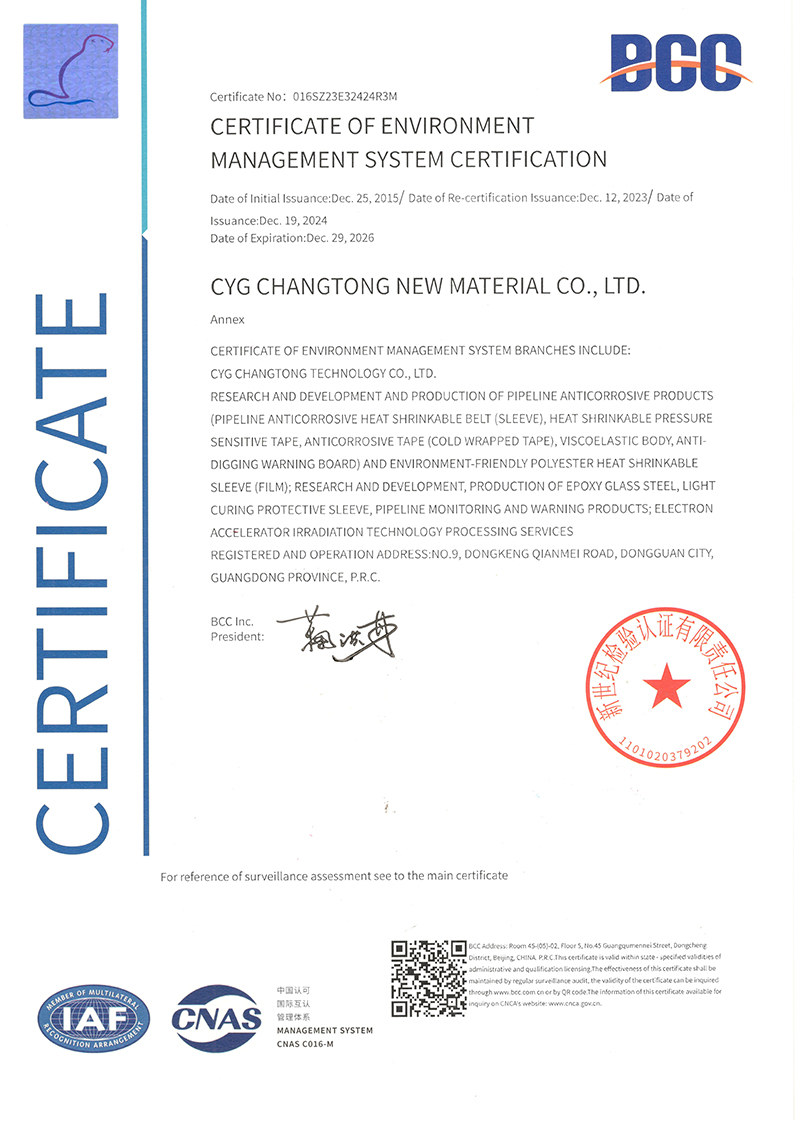
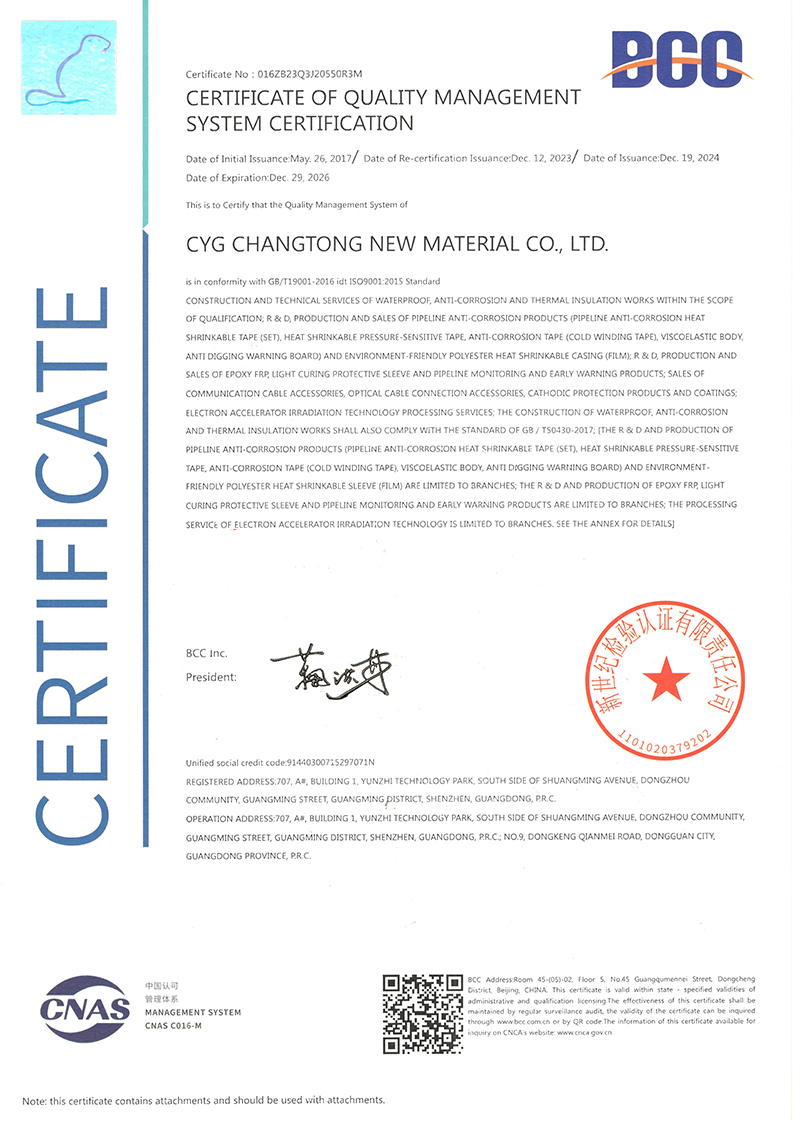
ISO Certification

Management System Certificate

CYCT Quality Certificate

Pipeline Supply Qualification

Standard Compliance Certificate

Product Standard Approval

CNAS Lab Testing Verification

CNAS Laboratory Standard

AMPP Membership Certificate

AMPP Corporate Member

High-Tech Enterprise Honor

State High-Tech Enterprise

Patented Technology Certificate

Proprietary Patents

Sinopec Supply Code

Sinopec Approved Supplier

PetroChina Admission Certificate

PetroChina Approved Supplier

CSCP Council Member

CSCP Council Member

Water-resistant Sealant Honor

Green Product Honor

Export Clearance Approval

Global Clearance Standard

Frequently Asked Questions

Technical Insights & Application Guidelines

Q1: What are the primary advantages of solvent-free epoxy primers compared to standard solvent-based primers?
Solvent-free epoxy primers contain 100% solids, meaning no organic solvents evaporate during the curing process. This eliminates the risk of pinholes, shrinkage, and micro-voids caused by solvent evaporation, resulting in a denser and more continuous barrier against moisture. Additionally, solvent-free primers reduce VOC emissions, aligning with current environmental regulations and improving safety for field workers.
Q2: How do 3LPE and 3LPP systems differ, and how should I choose between them?
Both systems feature a three-layer structure (FBE primer, adhesive, and polyolefin top coat). The primary difference is the top coat material. Three-layer Polyethylene (3LPE) is suitable for operating temperatures up to 80°C and remains flexible in colder conditions. Three-layer Polypropylene (3LPP) is stiffer and more resistant to mechanical abrasion, and it can withstand higher operating temperatures up to 110°C or 140°C, making it a preferred choice for deep-well transmission lines or hotter fluid pipes.
Q3: Why is viscoelastic coating highly recommended for pipeline repair and valve protection?
Viscoelastic materials behave as both viscous liquids and elastic solids. They flow into micro-roughness on the steel surface to form a tight, moisture-proof seal, and they self-heal if the coating is minorly punctured or disturbed. Viscoelastic coatings require minimal surface preparation (often SSPC-SP2 or SP3 is sufficient) and do not cure or harden over time, providing long-term protection for complex shapes like valves, flanges, and tees.
Q4: What role does the CNAS laboratory play in CYCT's quality assurance process?
Our national CNAS-accredited laboratory allows CYCT to conduct third-party equivalent testing in-house. We perform regular evaluations on raw materials and finished products, checking properties such as gel time, glass transition temperature (Tg), cathodic disbondment resistance, impact strength, and peel strength. This testing ensures that our coating systems comply with international standards like ISO 21809 and DIN 30670.
Q5: How does Horizontal Directional Drilling (HDD) affect coating selection?
Trenchless installations pull pipes through long, underground paths where they can rub against rocks, gravel, and hard soils. This process requires protective outer wraps, such as glass fiber reinforced plastic (FRP) or specialized photo-curing sleeves, over the primary anti-corrosion coating. These outer layers provide high shear, impact, and abrasion resistance to keep the underlying FBE or PE barrier intact during the pull-back phase.

Advanced Protective Products

Field Joint Protection, Repair Systems & Specialty Tapes
China FRDX PE Repair Patch

China China FRDX PE Repair Patch - Cost-Effective Solutions from Top Suppliers and Factory for 3LPE Coating Damage Manufacturer, Factory

View Details
OEM Viscoelastic Coating System

OEM Viscoelastic Coating System from China Suppliers | Factory Direct Anticorrosion Solutions Supplier, Factories

View Details
China CYG Changtong VE Putty

China China CYG Changtong VE Putty - Non-toxic, Water-resistant Sealant from Reliable Suppliers and Factory Manufacturer, Factories

View Details
OEM 60 Heat Shrinkable Tape

OEM 60℃ FRDS Heat Shrinkable Tape - China Suppliers and Factory for Pipeline Protection & Repair Solutions Manufacturer, Factory

View Details
China PP Heat Shrink Sleeve Field Joint System

China PP HEAT SHRINK SLEEVE (WRAPAROUND-TYPE) FIELD JOINT SYSTEM Manufacturer, Supplier

View Details
OEM Hot Melt Stick PE Coating Repair

OEM High Temperature Hot Melt Stick for PE Coating Repair - China Suppliers & Factory - Up to 85℃ Supplier, Factory

View Details
OEM PP Heat Shrink Sleeve Field Joint System

OEM China Suppliers Factory for PP Heat Shrink Sleeve (Wraparound-Type) Field Joint System for Oil & Gas Pipelines Manufacturers, Factory

View Details
China Viscoelastic Coating Valve Protection

China China Suppliers Factory Viscoelastic Coating for Valve Protection – Anti-Corrosion Self-Adhesive Tape Suppliers, Factory

View Details