Premium selection of heat shrinkable sleeves, cold-applied polymeric tapes, and epoxy primers designed for the most demanding environmental conditions.
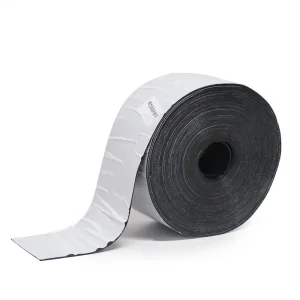
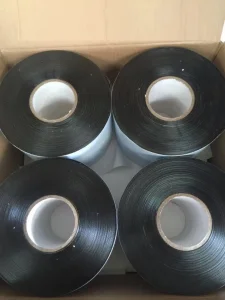
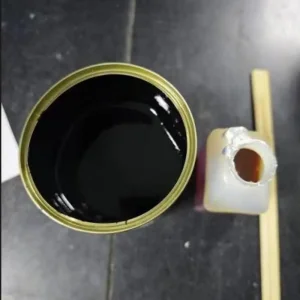
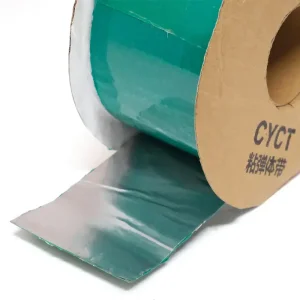
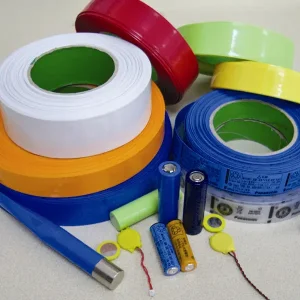
In modern pipeline engineering, field joints represent the most vulnerable points of a buried transmission line. Mitigating risk requires advanced materials science and strict execution.
Global demand for oil, natural gas, and petrochemical distribution pipelines has entered a phase of renewal and rapid expansion. However, pipeline transmission systems are constantly subject to environmental forces—mechanical stress, variations in soil chemistry, thermal cycles, and cathodic disbondment pressures. While main pipe bodies are typically factory-coated with 3LPE (Three-Layer Polyethylene) or 3LPP (Three-Layer Polypropylene), the welds and joints made in the field are highly susceptible to corrosion if not properly sealed.
Procuring raw materials from qualified China pipe joint sleeve suppliers offers a strategic mix of technical performance and scalable manufacturing capacity. Today’s industrial procurement engineers demand compliance with international standards such as ISO 21809-3, DIN 30672, and EN 12068. Sourcing from a partner that integrates R&D with direct production assures that the field joint coating operates at parity with the mill-applied parent coating, avoiding systemic failure points along crucial energy corridors.
According to industry studies, over 70% of external corrosion issues are traced directly to field joints or coating rehabilitation zones. Selecting an inferior sleeve or primer to save on capital expenses leads to monumental rehabilitation costs down the road.
Integrating professional pipeline corrosion prevention manufacturing with national-level laboratory validation since 2000.
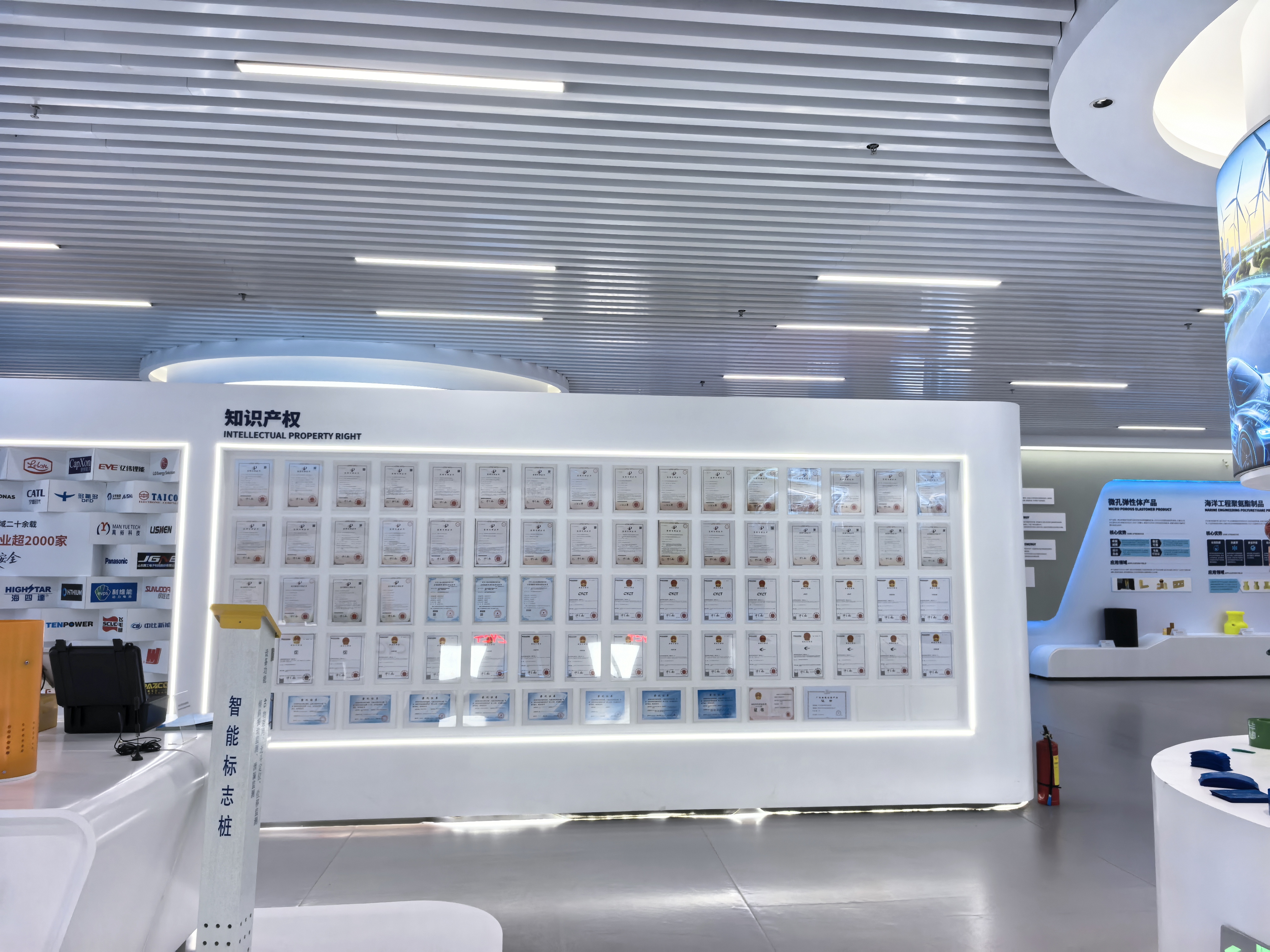
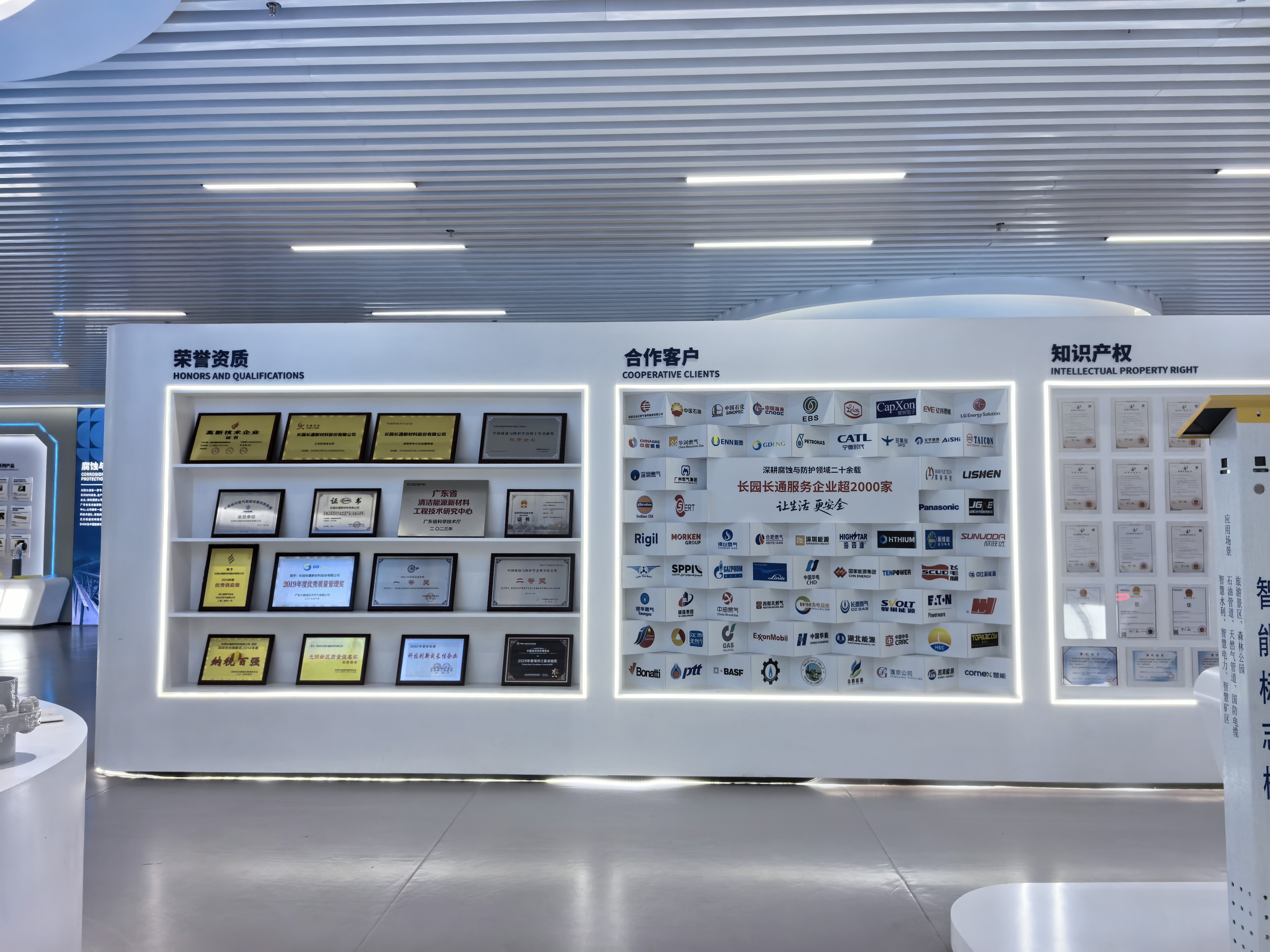
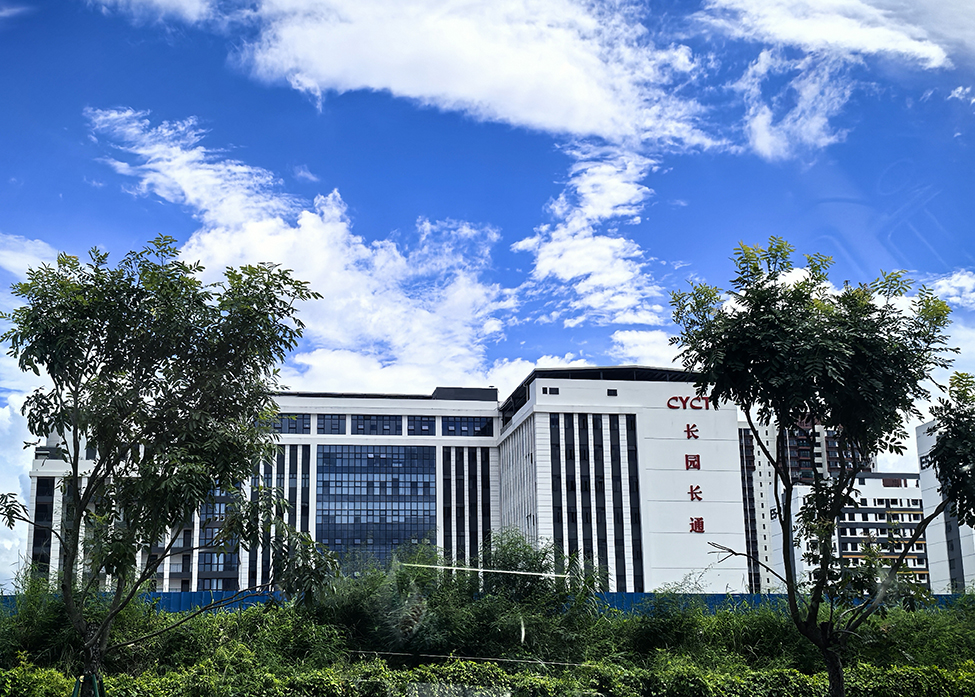
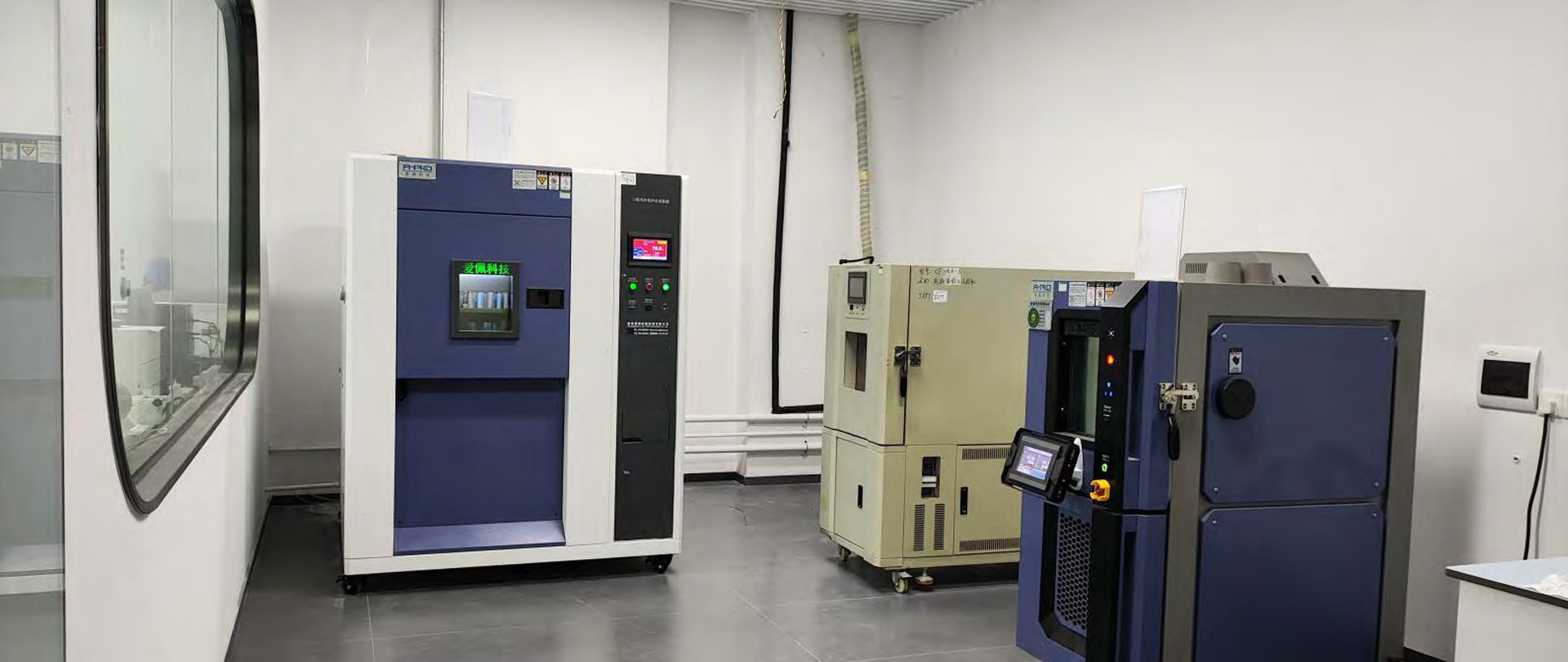
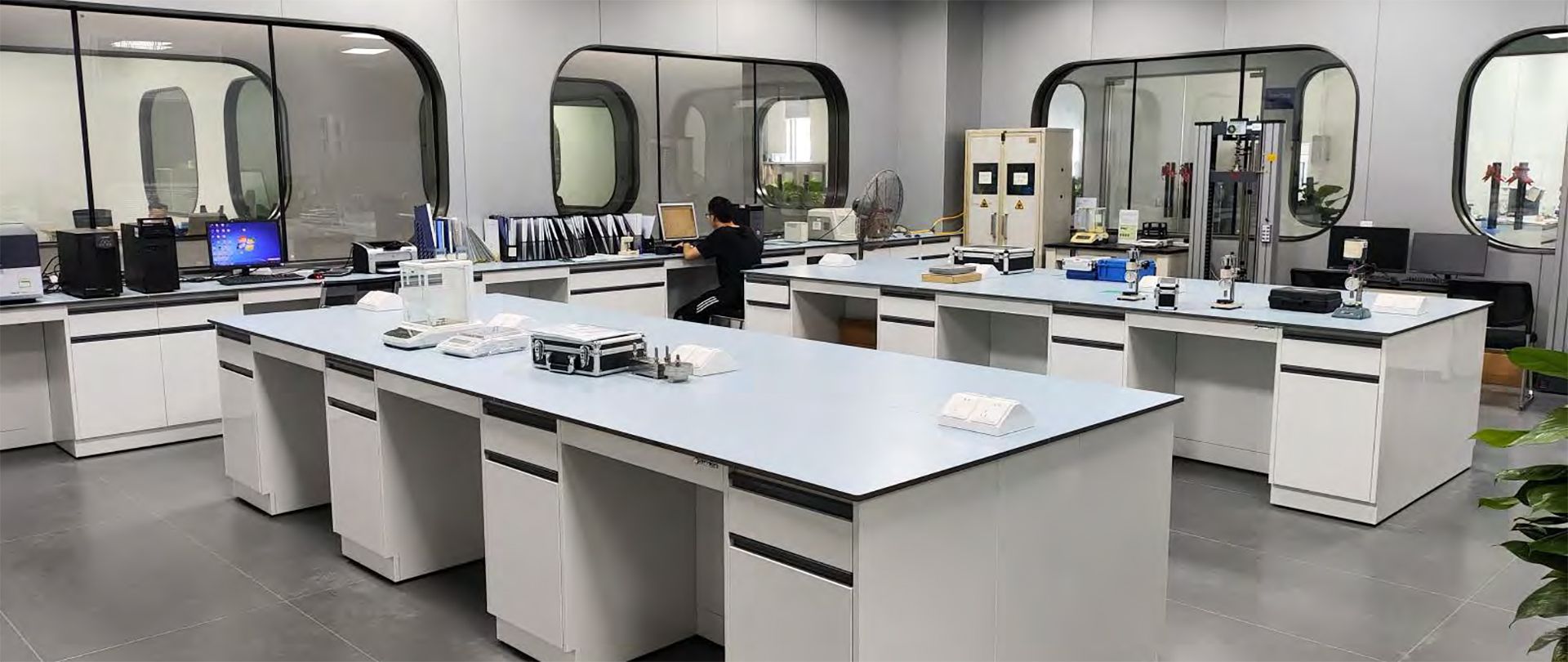
CYCT New Materials Company Limited (for short, CYCT) is a state-level high-tech enterprise integrating R&D, production and sales of pipeline corrosion protection materials as well as buried pipeline detection service and pipeline coating field application service into one. We devote ourselves to the development and scale production of high-performance pipeline corrosion protection systems for key global projects.
With an advanced, professional R&D team and a national CNAS-accredited laboratory, CYCT has become a stable supplier of field joint coatings for leading oil and gas corporations including PetroChina, Sinopec, PipeChina, and various municipal gas networks. CYCT has successfully developed specialty corrosion protection materials such as visco-elastic anticorrosion coatings, photo-curing protective sleeves for Horizontal Directional Drilling (HDD) protection, and polyurea coatings.
By cooperating closely with institutes like the CNPC Pipeline Science Research Institute, CYCT delivers integrated engineering designs, cathodic protection analysis, pipeline rehabilitation programs, and holistic safety protection packages.
Our national CNAS-accredited lab is equipped for precise evaluation of peel strength, shear resistance, cathodic disbondment, and accelerated aging to ensure absolute reliability.
Trusted for years as a core partner for PetroChina, Sinopec, PipeChina, China Gas Group, and Indian Oil Corporation for regional and transnational pipeline grids.
We do not just ship materials; we provide comprehensive diagnostic services, engineering design schemes, and site assistance to ensure error-free applications.
Understanding the molecular dynamics and performance differences between heat shrinkable polyolefin sleeves, viscoelastic polymers, and photocurable GRP protection systems.
These consist of a radiation cross-linked polyolefin backing coated with a protective hot-melt adhesive. When heated, the backing shrinks, tightly conforming to the pipe joint, while the adhesive flows into all surface irregularities, forming a continuous barrier that resists shear forces and soil movement up to 80°C.
Utilizing non-crystalline low-viscosity polyolefin, viscoelastic coatings maintain a constant liquid-like behavior, continuously flowing to wet the steel surface. They have self-healing capabilities for minor mechanical punctures, require minimal surface preparation (St2/St3), and exhibit zero cathodic disbondment.
Specifically engineered for trenchless piping and Horizontal Directional Drilling (HDD). Fiber-reinforced, UV-curable Glass Reinforced Plastic (GRP) sleeves are wrapped around the primary coating, forming an extremely hard, impact-resistant outer armor that protects the underlying anti-corrosion barrier from rocky soils.
| Coating System Type | Surface Prep Level Required | Operating Temperature Range | Primary Mechanical Strengths | Optimal Deployment Scenarios |
|---|---|---|---|---|
| Heat Shrinkable Sleeve (FRDS/FRPD) | Sa 2½ (ISO 8501-1) | -40°C to +80°C | High soil shear & peel strength | Mainline field joints, onshore oil/gas grids |
| Viscoelastic Coating Tape & Putty | St 2 / St 3 (Mechanical wire brush) | -35°C to +65°C | Extreme wetting, self-healing behavior | Flanges, valves, complex fittings, rehabilitation |
| Photo-Curing GRP Protective Sleeve | Clean over parent coating | -50°C to +100°C | Excellent impact & abrasion resistance | Horizontal Directional Drilling (HDD), rocky terrains |
| PE/PVC Cold-Applied Tapes | St 3 / Sa 2 | -10°C to +60°C | Fast wrapping, economical protection | Water pipelines, distribution lines, outer wrapping |
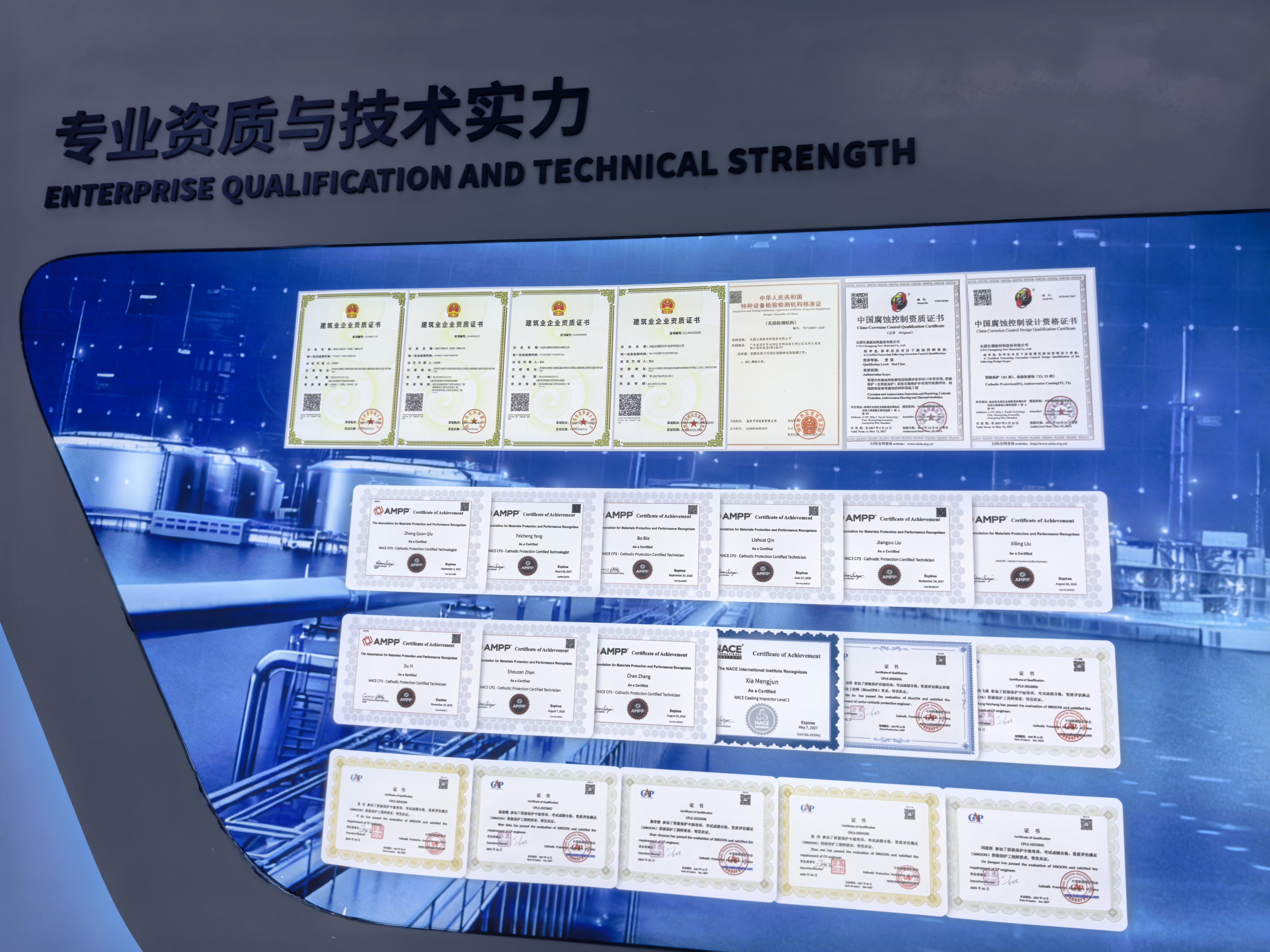
CYCT operates under strict global standards. Member of the Council in the Chinese Society for Corrosion and Protection (CSCP) and AMPP certified.
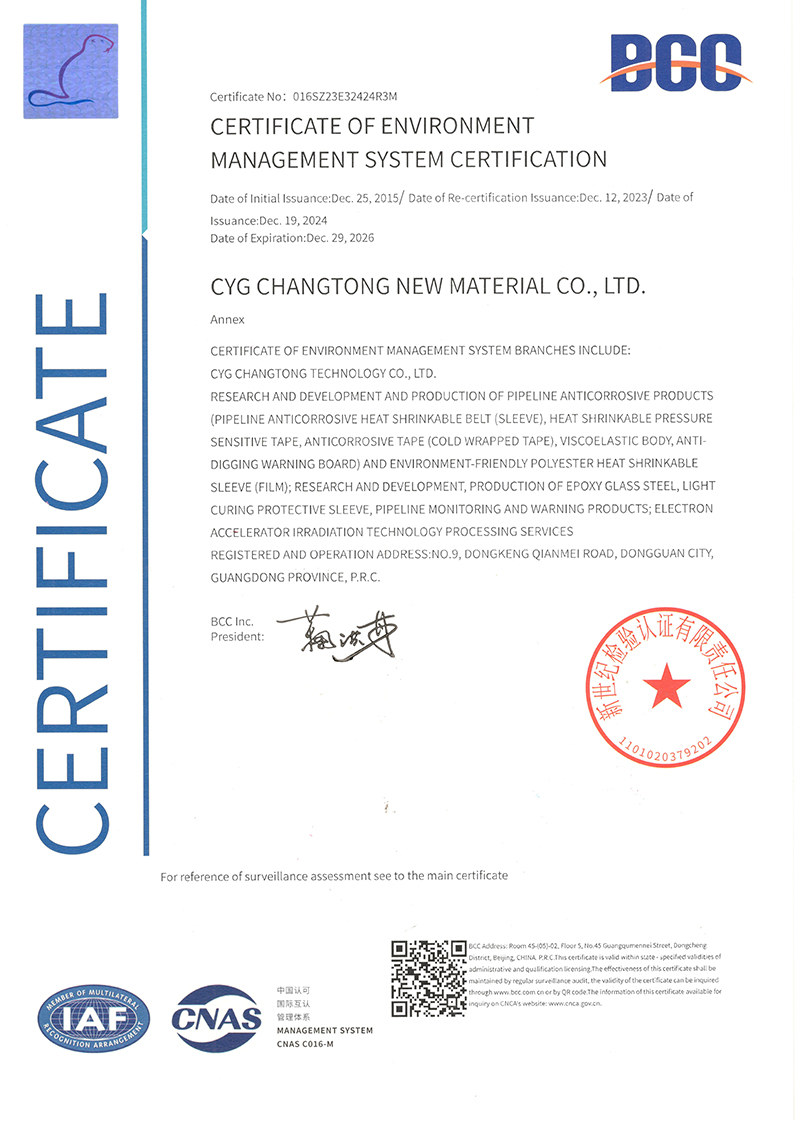
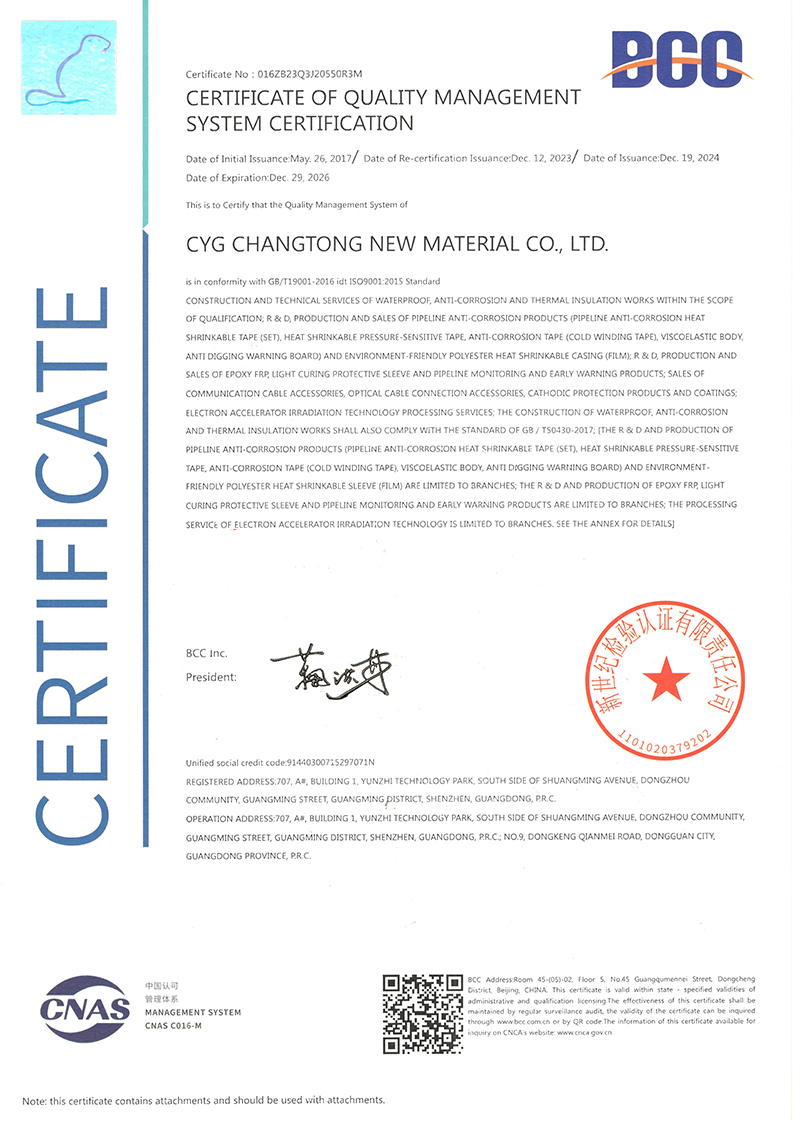
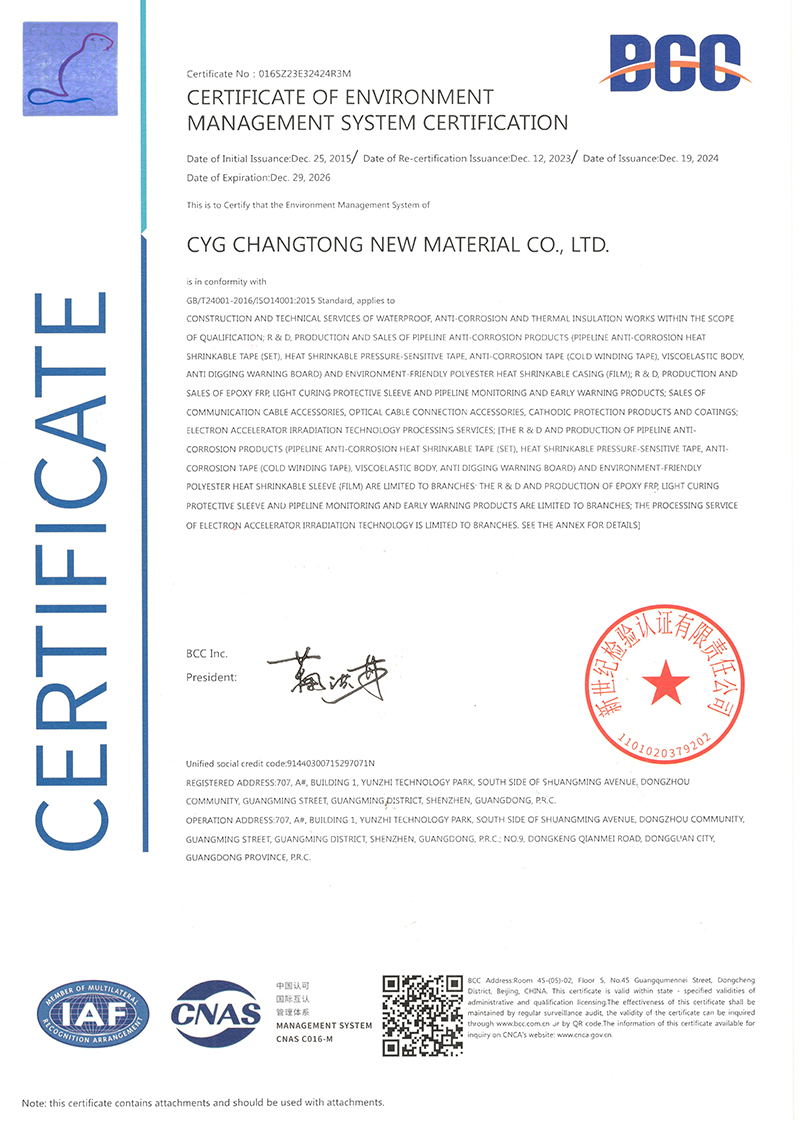
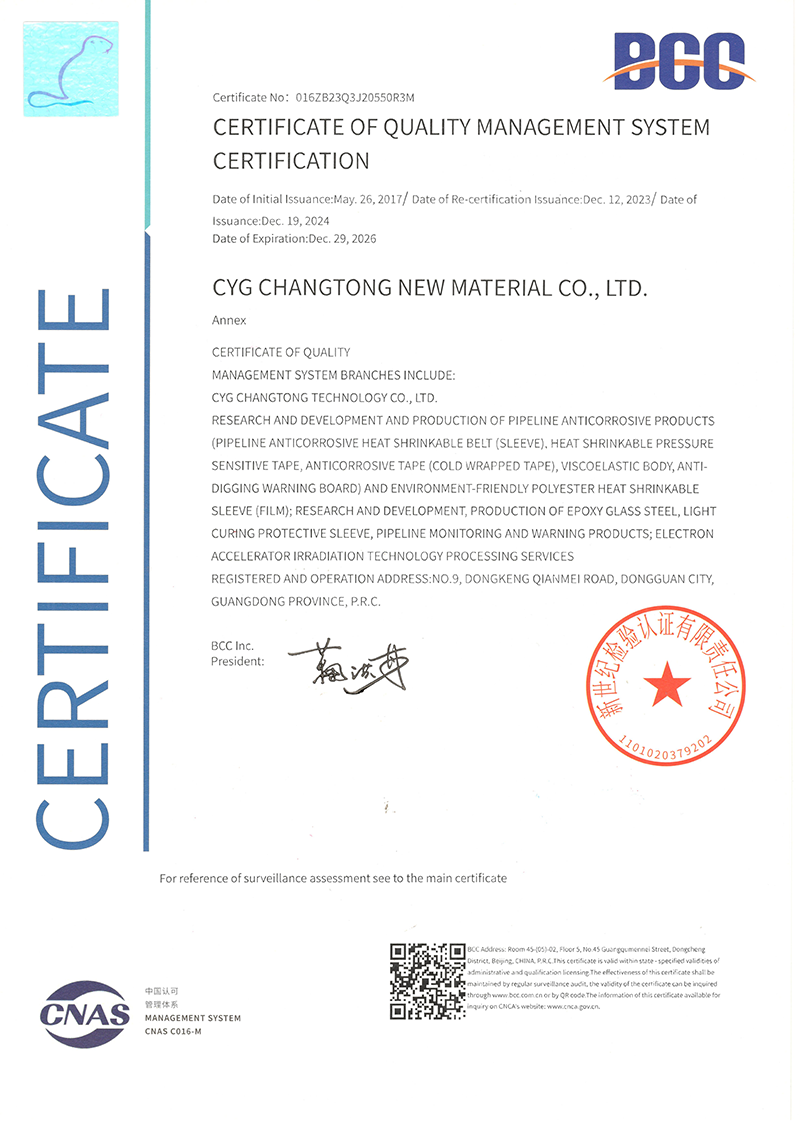
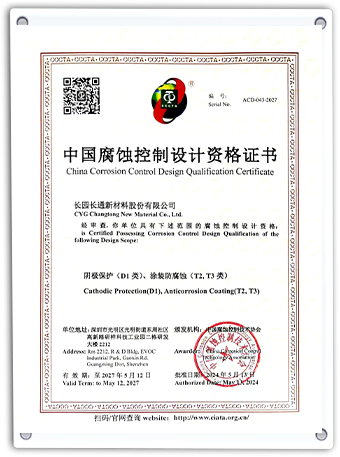
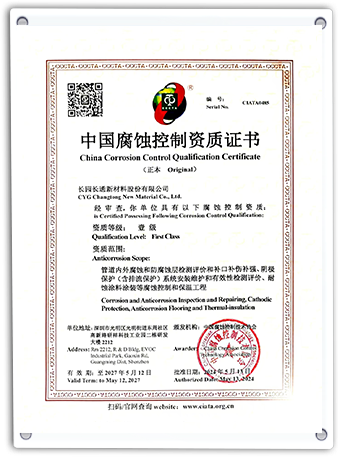
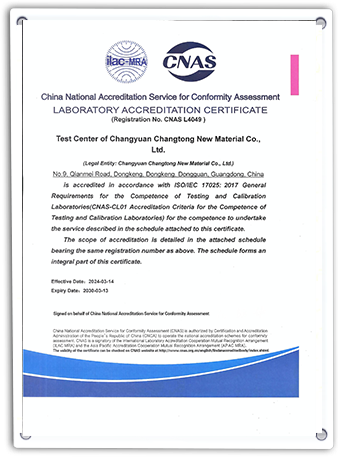
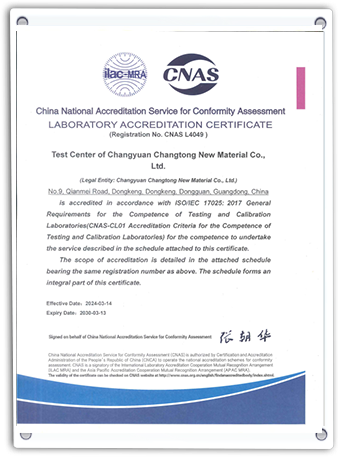
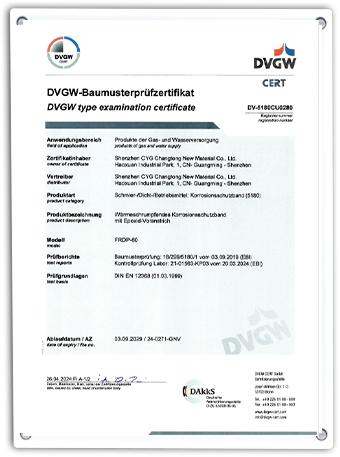
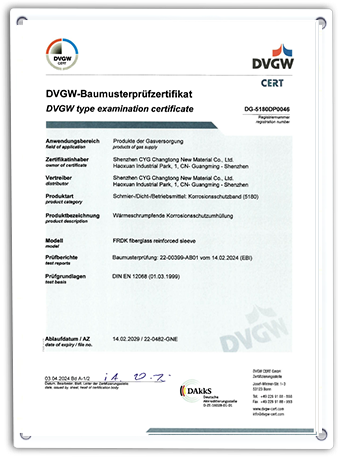
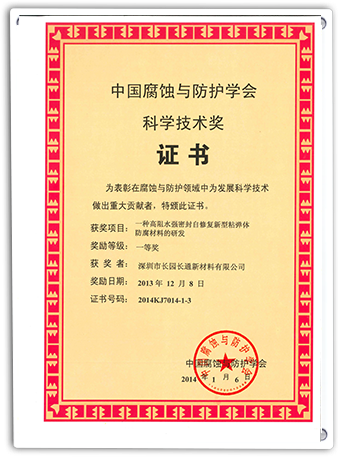
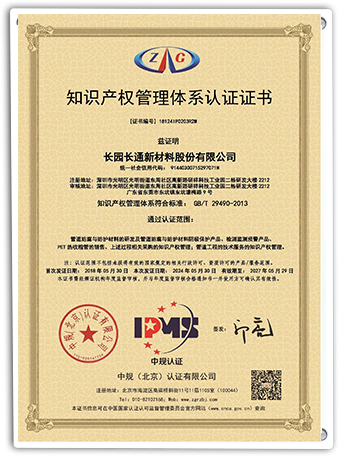
Recognitions & Memberships: Member of Council in Chinese Society for Corrosion and Protection (CSCP), Qualification Certificate of Corrosion Protection Construction, Qualification Certificate of Pipeline Detection, Well-known Brand of Pipeline Corrosion Protection in China, Corporate Member of China Association of Petroleum Engineering Construction (CAPEC), State-Level High-Tech Enterprise with more than ten proprietary intellectual property rights. Proud partner of CNPC, Sinopec, China Gas Group, and Indian Oil.
Ensuring successful field application of anti-corrosive sleeves involves rigorous steps. We outline the standard engineering protocol below.
Abrasive blast-clean bare steel pipe joint to Sa 2½ (ISO 8501-1) standard, creating an anchor profile of 50-75 microns. Remove dust, rust, and oil residues.
Uniformly preheat the bare metal joint area using induction heating coils or propane torches to the specified temperature (typically 60°C to 110°C, depending on the adhesive system).
For three-layer systems (3LPE/3LPP), apply a solvent-free epoxy primer layer over the preheated steel. The primer provides the chemical bonding foundation.
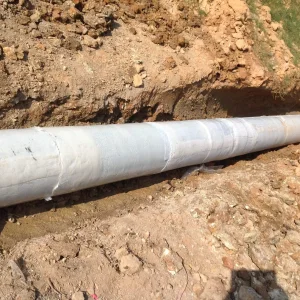
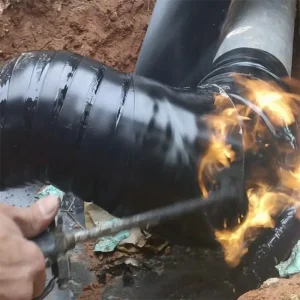
Wrap the heat-shrinkable sleeve around the joint area, applying a closure patch. Heat the sleeve radially outward, driving air bubbles out and triggering adhesive flow.
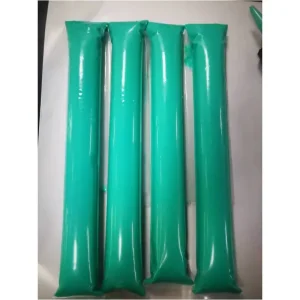
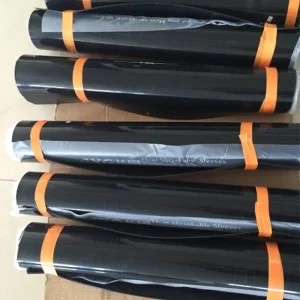
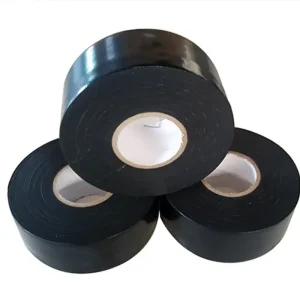
Explore our specialized range of repair patches, viscoelastic fillers, PET heat shrink tubes, and PP joint sleeves.
Read answers to the most common questions raised by pipeline design institutes, corrosion engineers, and procurement directors regarding joint protection.
A 2-layer heat-shrinkable sleeve consists of a radiation cross-linked polyolefin backing coated with a hot-melt mastic or copolymer adhesive. It is applied directly to the preheated steel pipeline surface. A 3-layer sleeve system integrates a liquid epoxy primer on the steel surface before installing the sleeve. The epoxy primer provides superior chemical resistance and prevents cathodic disbondment, while the copolymer adhesive binds the cross-linked backing to the primer, mimicking a factory-applied 3LPE system.
Viscoelastic materials do not require primers or high preheating temperatures and are applied cold. Under operational temperatures, they retain liquid-like properties (viscous behavior) and solid-like properties (elastic behavior) simultaneously. They flow continually to wet the steel, showing self-healing capabilities if minor damage occurs, and require lower surface cleanliness levels (St 2/St 3) compared to heat-shrink systems (Sa 2½).
During Horizontal Directional Drilling (HDD), the pipeline is pulled through a pre-drilled borehole. The friction against rocks, tree roots, and abrasive soils can shred standard PE coatings and heat-shrink sleeves. A photocurable GRP (Glass Reinforced Plastic) protective sleeve cured via UV light wraps over the anti-corrosion layer, creating a rock-hard, high-shear, and abrasion-resistant shell that protects the integrity of the underlying anti-corrosion barrier.
All CYCT field joint materials, including heat-shrinkable sleeves (FRDS/FRPD) and viscoelastic products, are formulated and tested according to global pipeline anti-corrosion standards. These include ISO 21809-3 (Field joint coatings), DIN 30672 (Organic coatings for corrosion protection), EN 12068, and NACE/AMPP guidelines. Our laboratory is nationally accredited by CNAS, confirming the accuracy and reliability of all performance metrics.
Yes. Heat-shrinkable sleeves come in wrap-around shapes with separate closure patches, or tubular sleeves. During heating, the high shrinkage ratio (typically ≥30%) allows the sleeve to conform tightly over step-down zones, weld beads, and minor diameter transitions, ensuring a void-free, protective seal across the entire field joint area.
 CYCT
CYCT