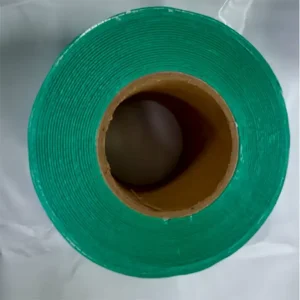
Explore our top-tier field joint coatings, PE outer wraps, and heat shrinkable sleeves engineered to withstand extreme physical and chemical environments.
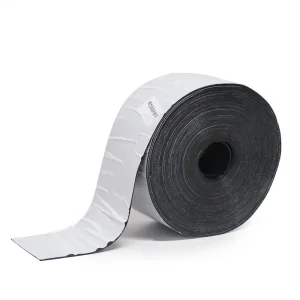
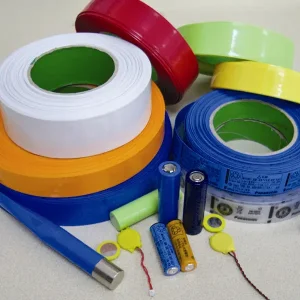
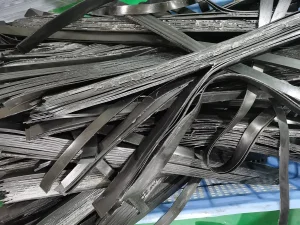
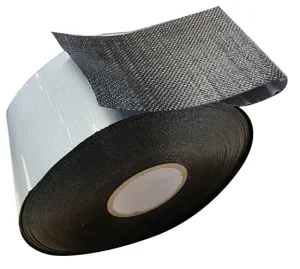
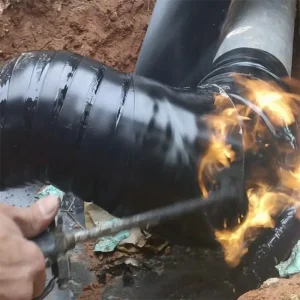
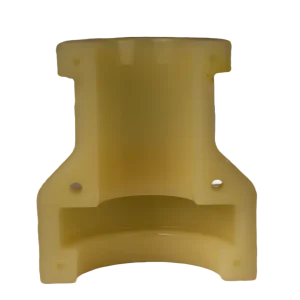
In the macro-infrastructure landscape, the integrity of buried oil, gas, and water pipelines dictates the stability of global energy and utility security. Metal corrosion remains the primary threat to pipeline longevity, costing economies billions of dollars annually. Polyethylene (PE) anti-corrosion tapes, cold-applied and formulated with advanced polymeric backings and high-adhesion butyl rubber, serve as the frontline defense against soil stress, chemical ingress, moisture infiltration, and mechanical damage.
This industry document explores the scientific underpinnings of PE cold-applied tapes, the technological benchmarks driving China's leading manufacturing facilities, and the E-E-A-T criteria defining elite anti-corrosion suppliers like CYCT. Through decades of manufacturing refinement and integration of R&D with field testing, China's PE tape factories have transitioned from high-volume manufacturers to pioneers of high-durability, custom-engineered polymeric formulations.
The concentration of raw material refinement, chemical engineering expertise, and massive scale optimization has positioned China as the global hub for PE tape sourcing. Advanced facilities in China do not merely extrude plastic; they run vertically integrated operations spanning polymer compounding, backing film orientation, adhesive synthesis, and co-extrusion. This holistic ecosystem allows Chinese factories to supply projects with significant advantages:
Engineered to withstand severe axial and radial soil movement, preventing wrinkling and adhesive slippage along buried steel pipelines.
Viscoelastic layers cold-flow to seal minor installation punctures and micro-abrasions, maintaining a water-tight seal over decades.
CYCT's products comply with international pipeline standards (DIN 30672, EN 12068, ISO 21809-3) under active CNAS supervision.
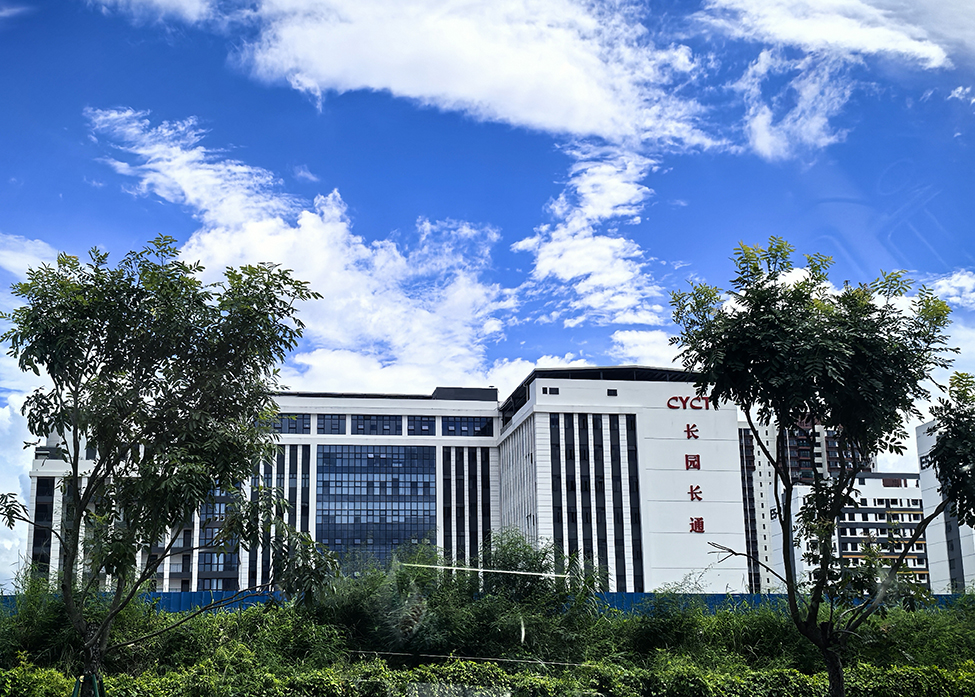
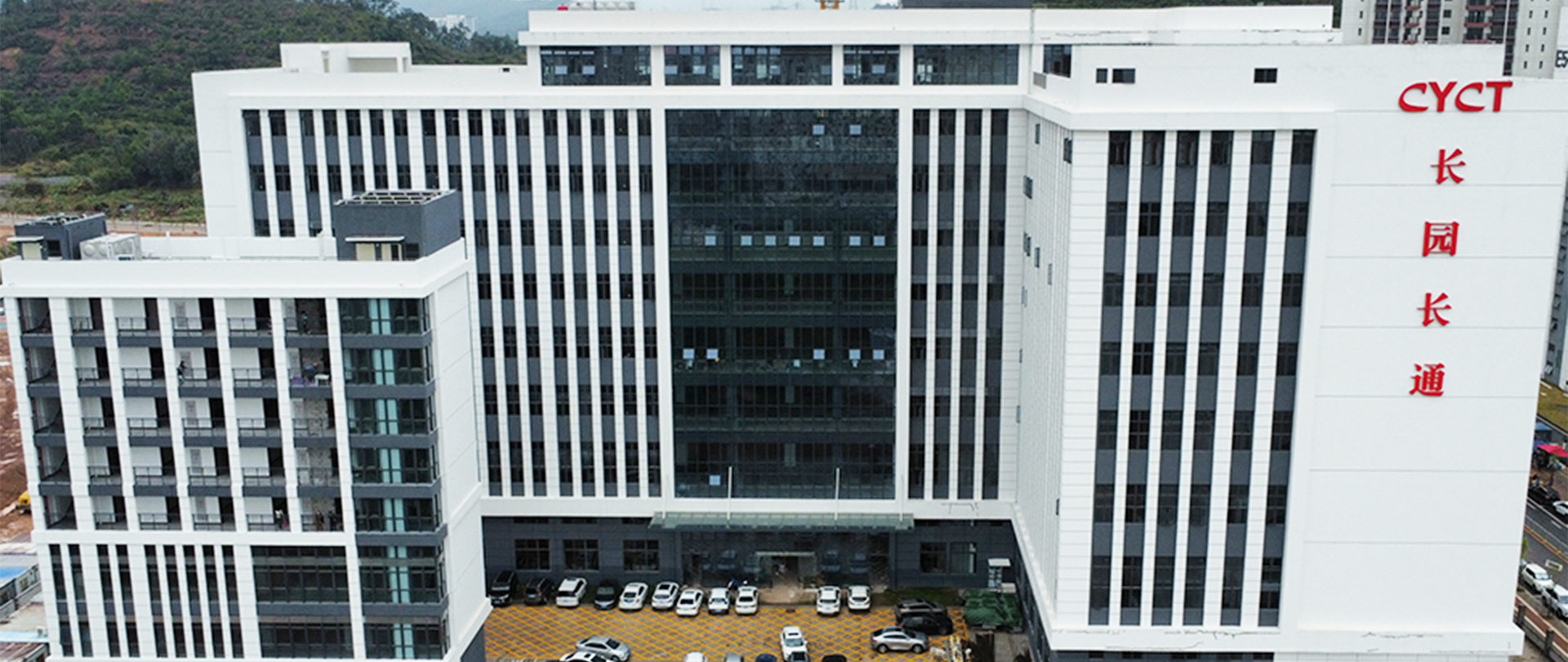
CYCT New Materials Company Limited (for short, CYCT) is a state-level high-tech enterprise integrating R&D, production and sales of pipeline corrosion protection materials as well as buried pipeline detection service and pipeline coating field application service into one. Established in the year 2000, CYCT has dedicated itself to the development and manufacturing of specialized pipeline safety materials for over two decades. Our strategic alignment with renowned national research institutions, including the CNPC Pipeline Science Research Institute, allows us to formulate and design comprehensive safety mechanisms for pipelines operating in hostile geomorphic zones.
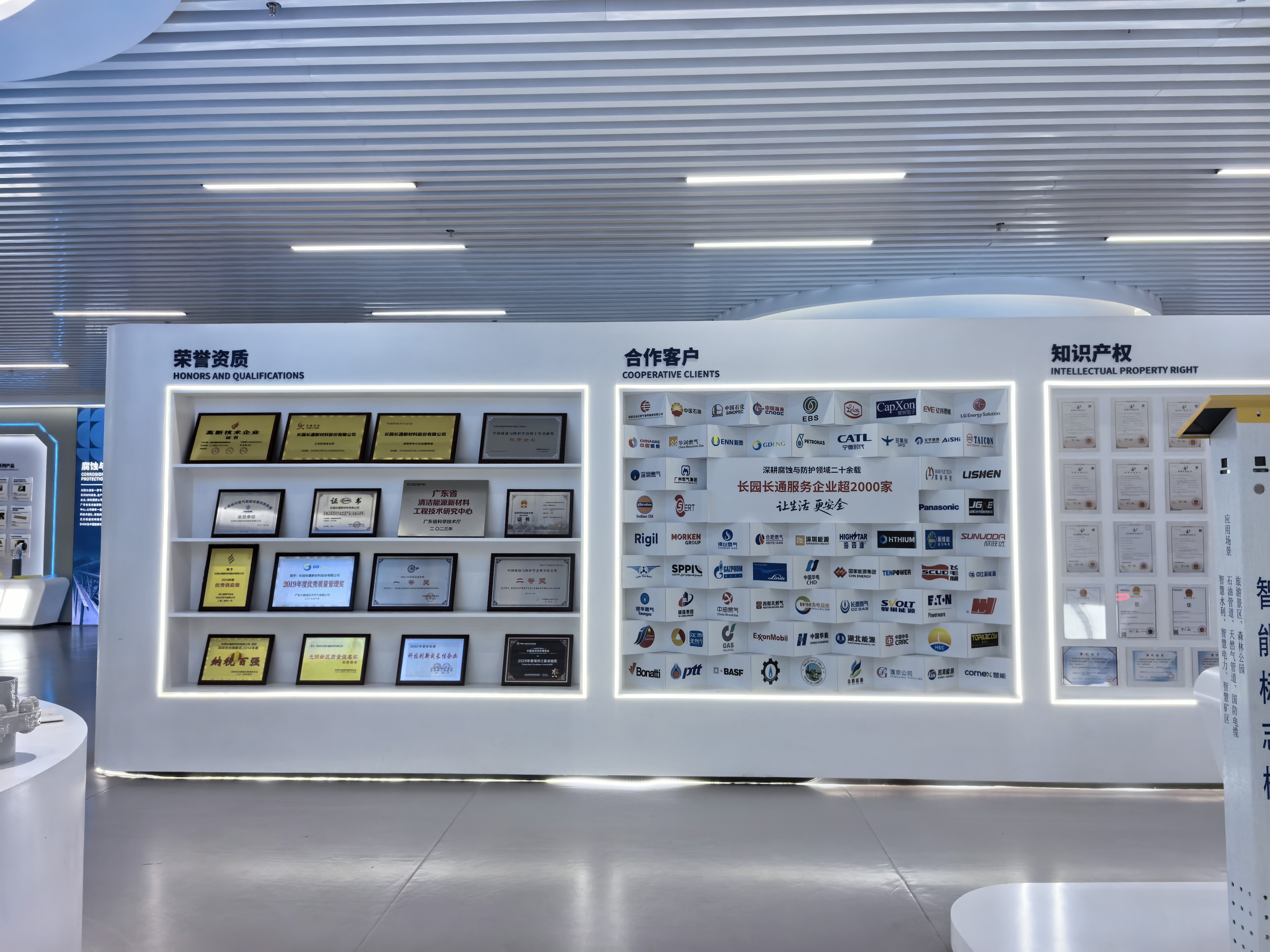
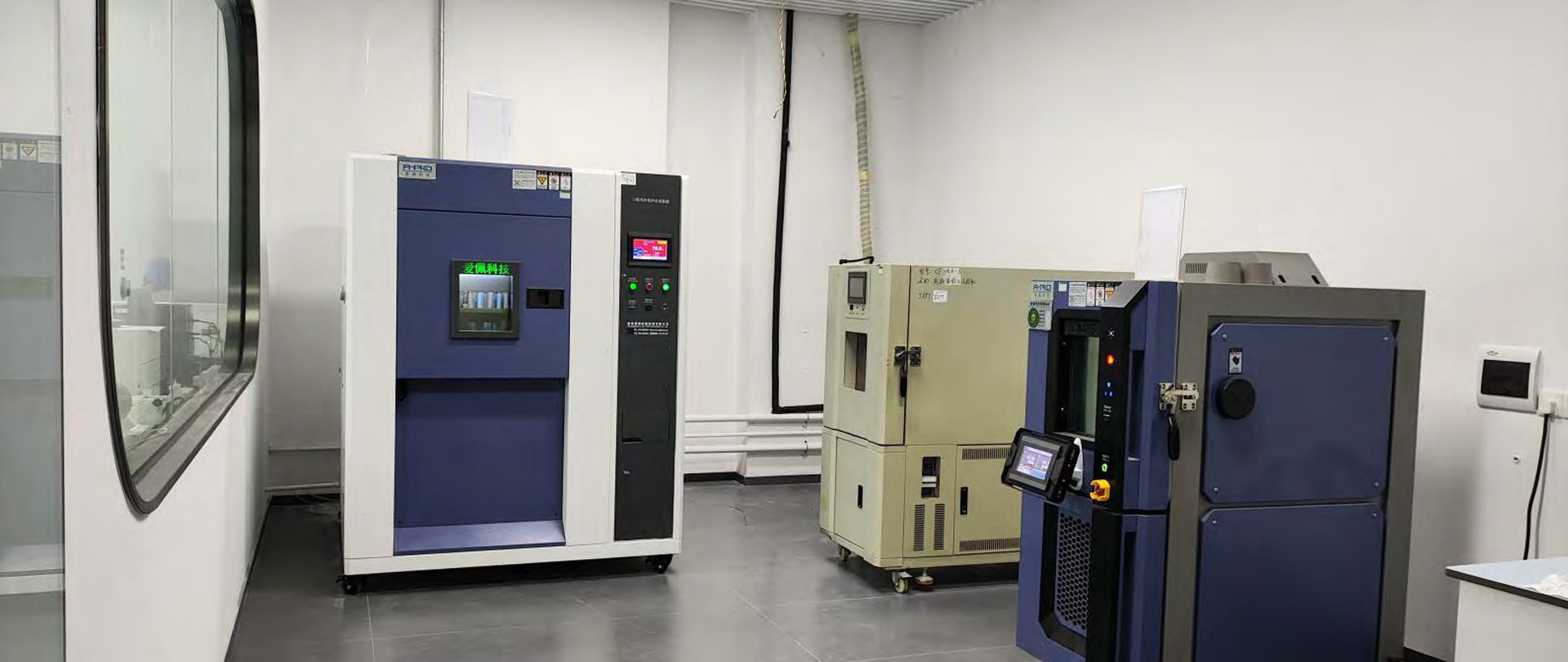
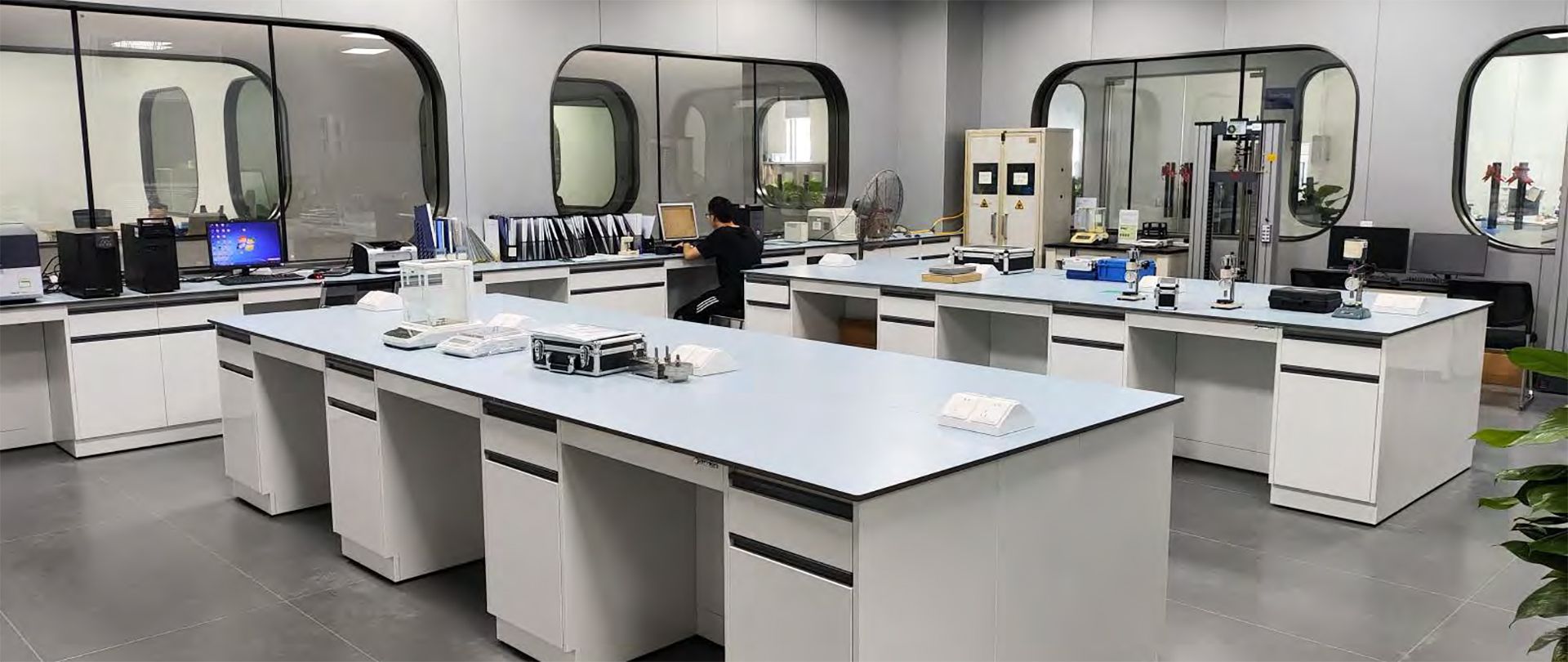
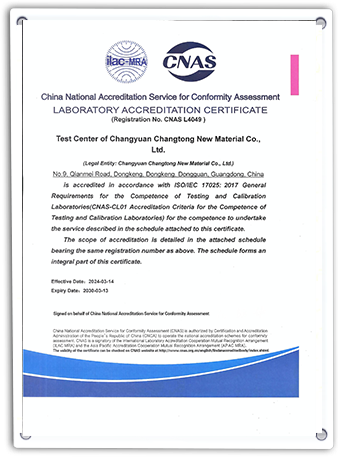
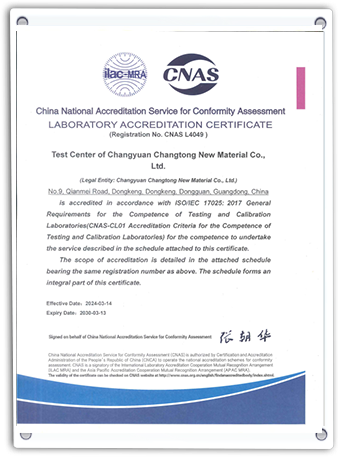
Currently, CYCT stands as a core, stable supplier of field joint coatings and pipeline rehab systems to energy conglomerates such as PetroChina, Sinopec, PipeChina, and various local gas grid companies. Our market share spans key national trunk pipelines and municipal networks, extending globally to international operations like Indian Oil. CYCT owns leading testing and R&D capabilities, supported by a professional R&D team and a national CNAS-accredited laboratory, ensuring every batch meets rigorous performance thresholds.
Beyond standard PE cold-applied tapes, CYCT has successfully developed a portfolio of specialty anti-corrosion materials, including visco-elastic coatings, specialized photo-curing sleeves for Horizontal Directional Drilling (HDD) protection, PP outer tapes, and polyurea coatings. We supply integrated solutions that cover design, cathodic protection matching, pipeline rehabilitation, and post-installation monitoring.
The global pipeline coating industry is moving towards systems that offer elevated thermal threshold operations, lower carbon footprints, and simplified field application processes. Key trends include:
Corrosion protection is not a one-size-fits-all field. Large-scale utility projects demand comprehensive, systematic solutions that address distinct geographic and mechanical challenges:
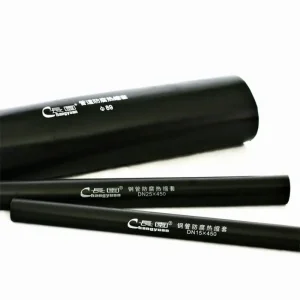
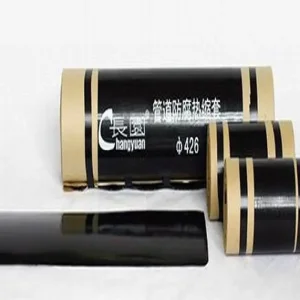
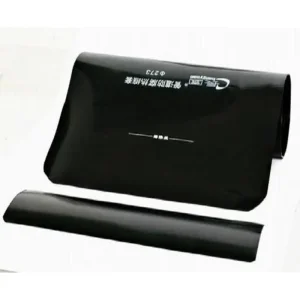
1. Three-Layer Polyethylene (3LPE) Field Joint Coating: Typically consists of a liquid epoxy primer, a copolymer adhesive layer, and a top layer of heat-shrinkable cross-linked polyolefin. This hybrid design combines the superior adhesion of epoxy with the physical toughness of polyethylene, ensuring seamless joint protection that matches the factory 3LPE main pipe coating.
2. Pipeline Rehabilitation & Live Coating: For aging pipe assets, excavation and rehabilitation require cold-applied tapes that do not require open flames or complex equipment. CYCT's cold-applied PE tapes and mastic wraps allow operators to wrap live, high-pressure pipelines safely, eliminating downtime.
3. Heavy-Duty Bend Protection: High-Performance Bend Restrictors and modular polyurethane/polyolefin wraps prevent mechanical stress from wave actions in offshore areas or shifting soils in seismic fault zones.
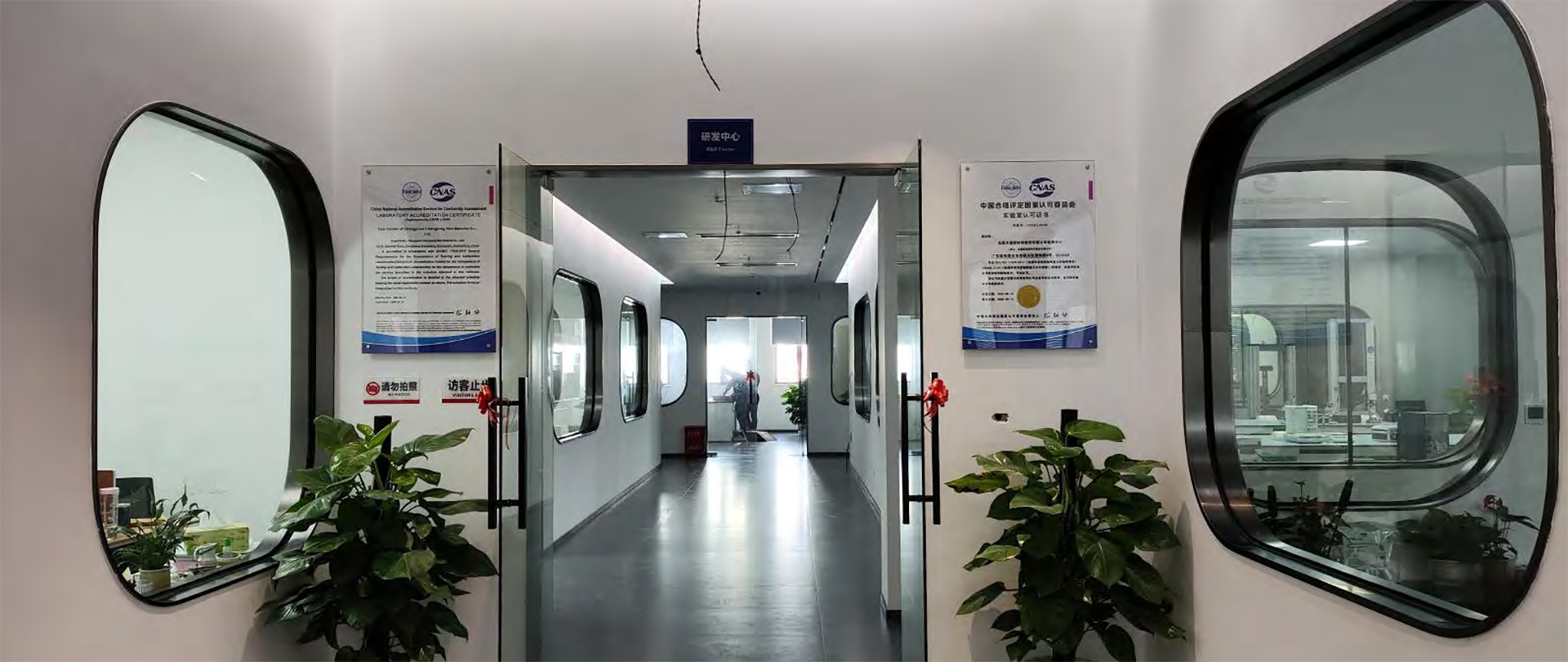
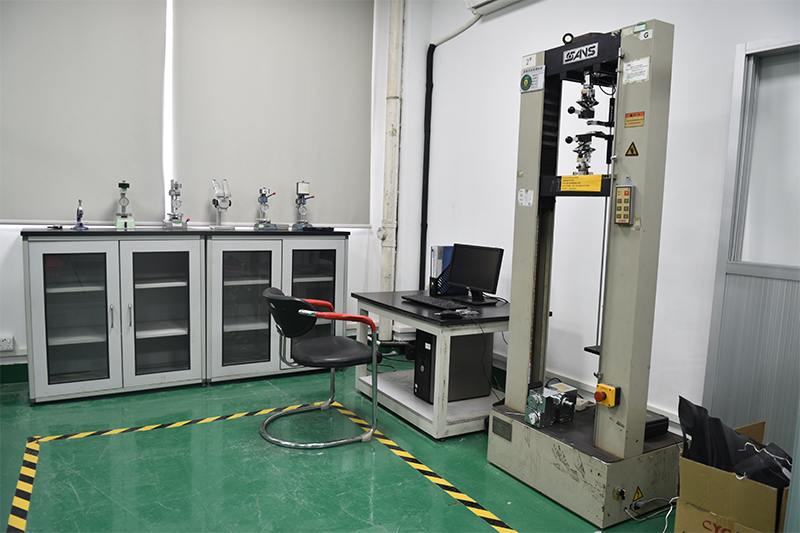
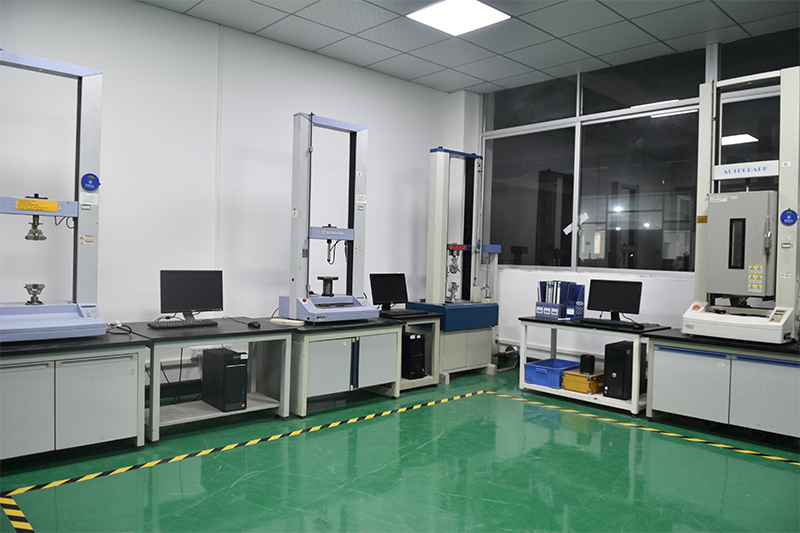
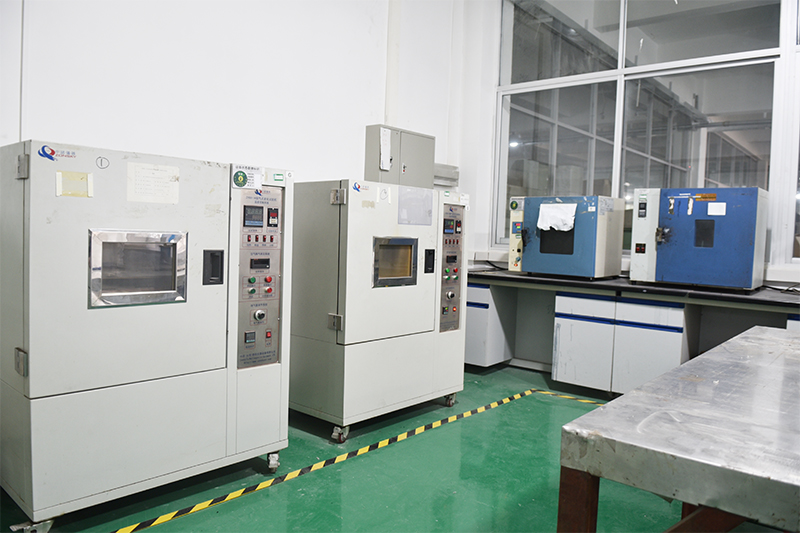
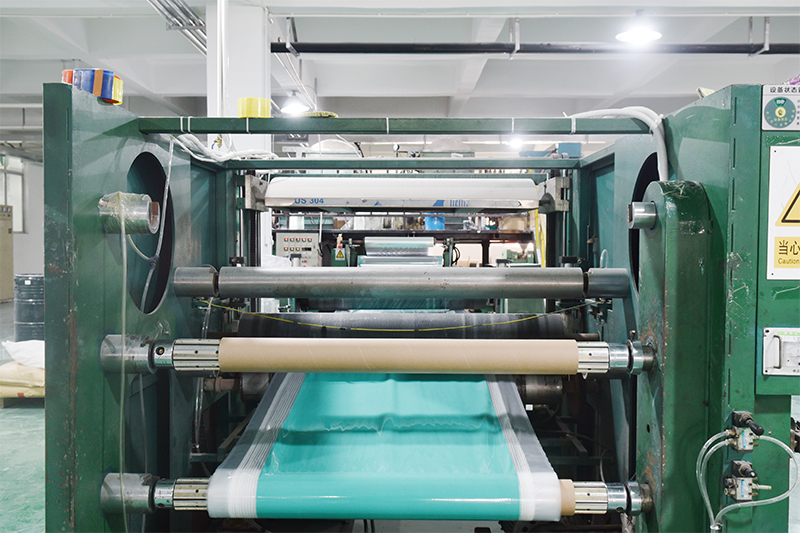
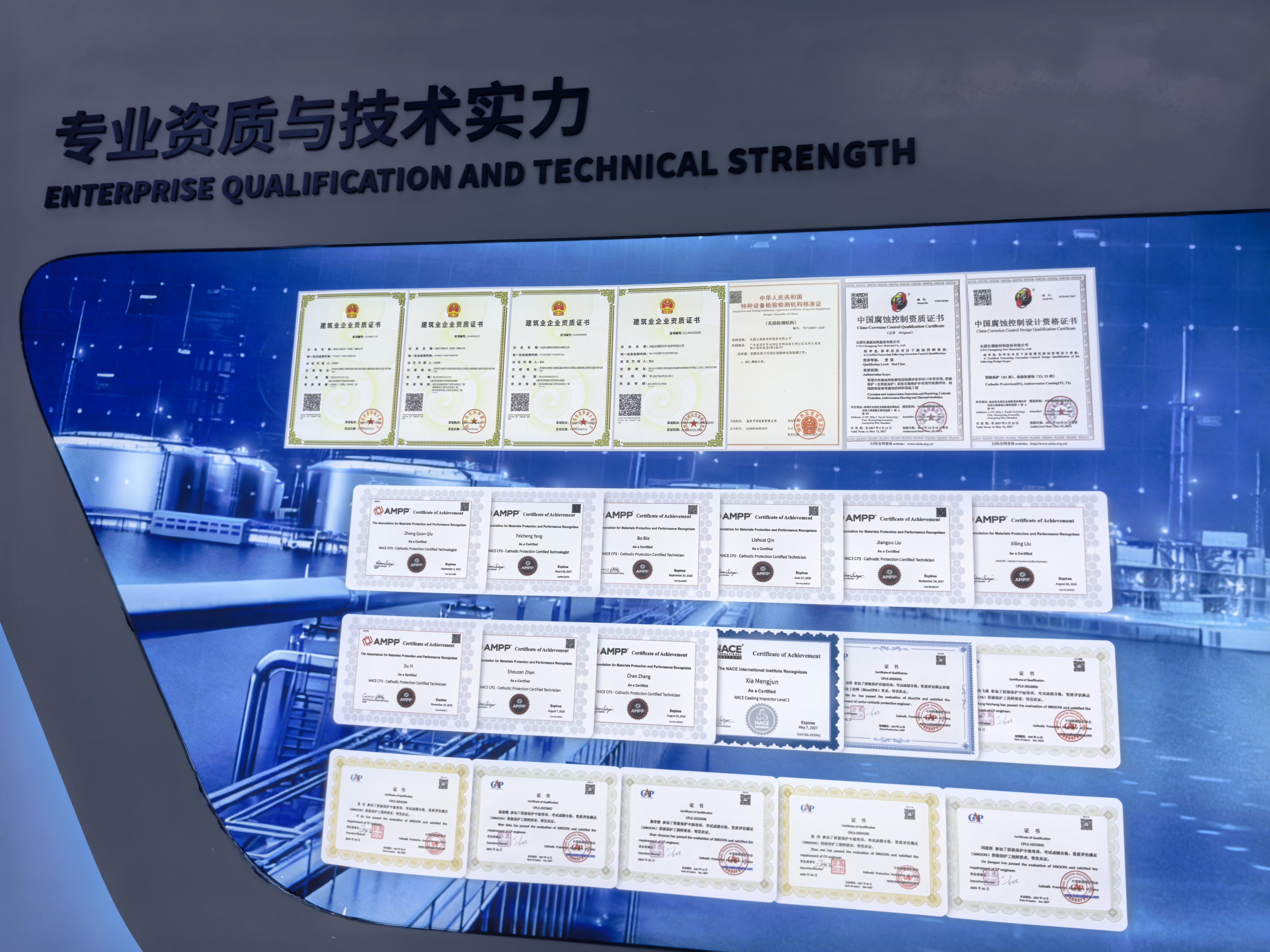
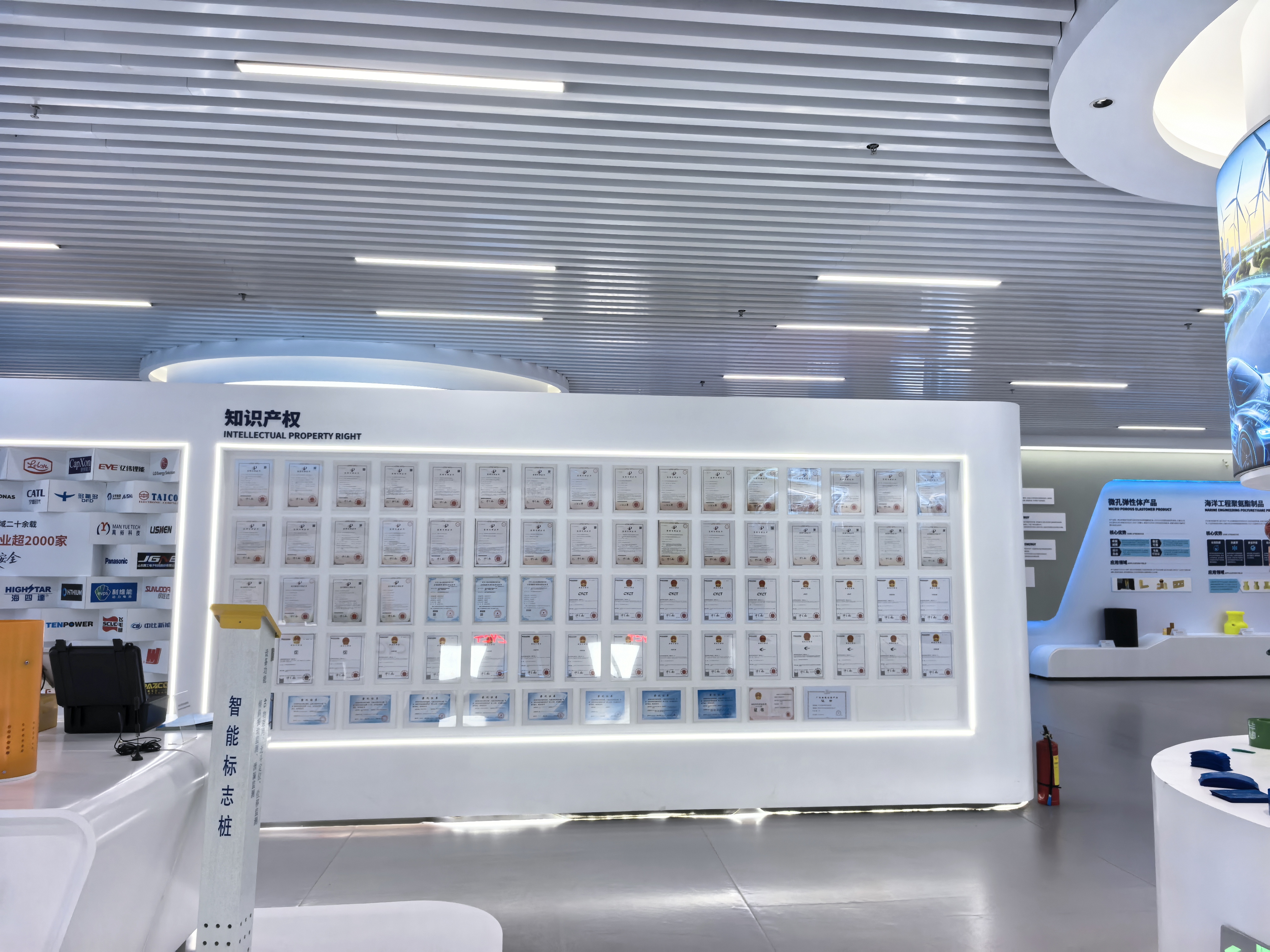
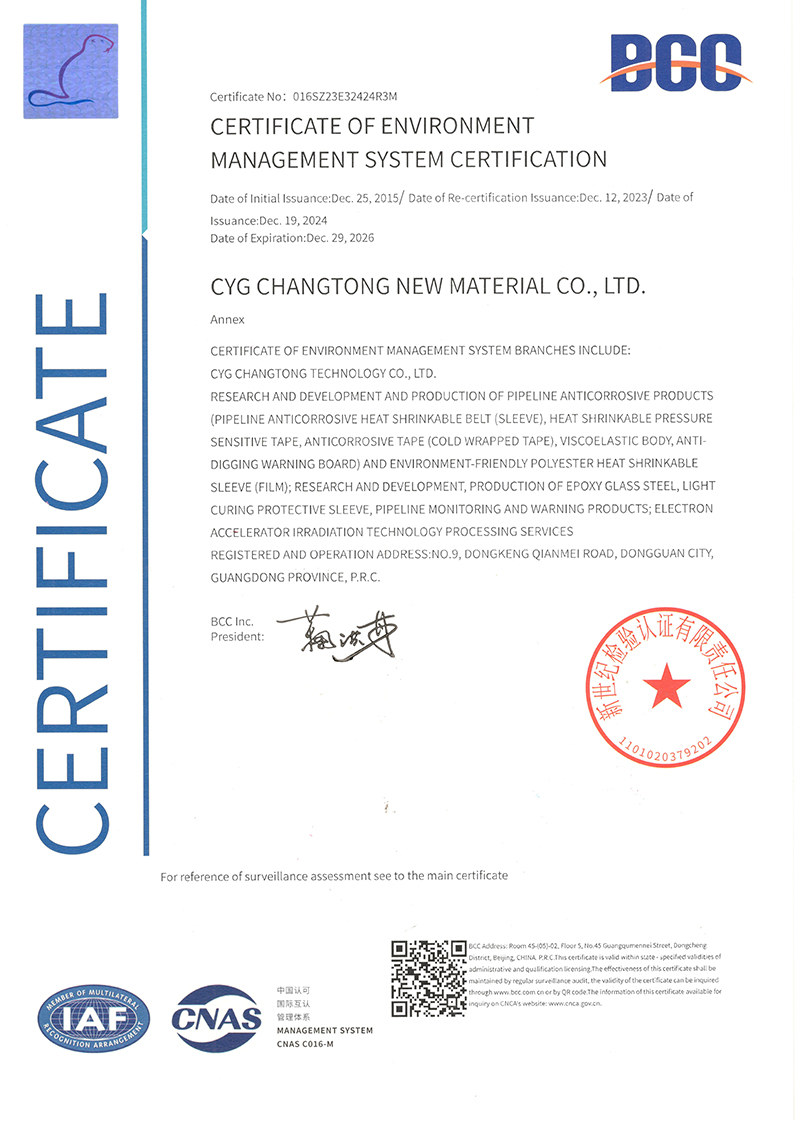
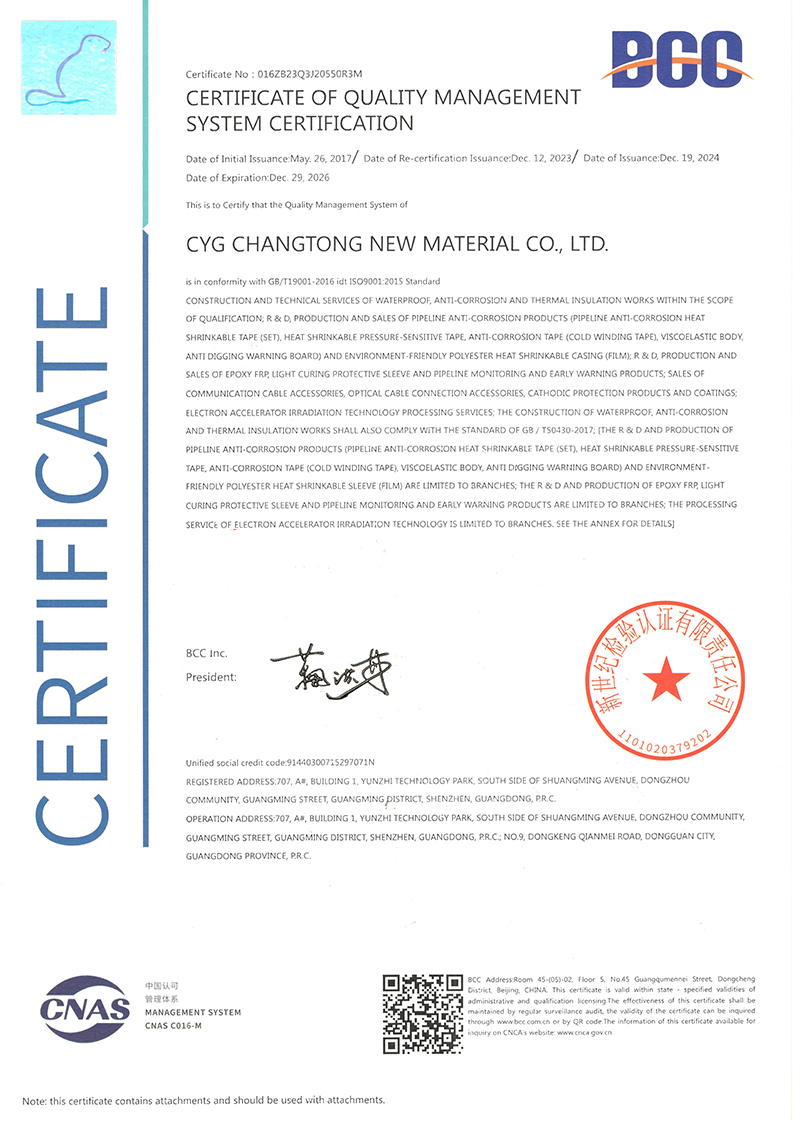
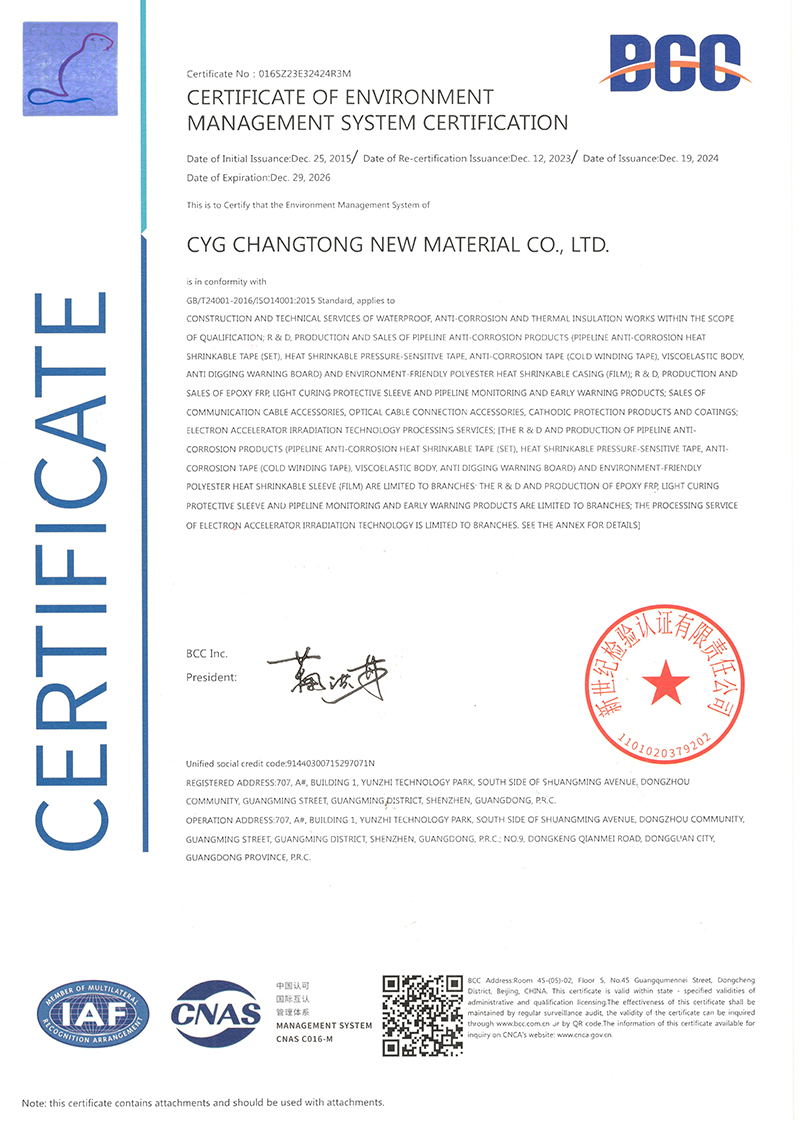
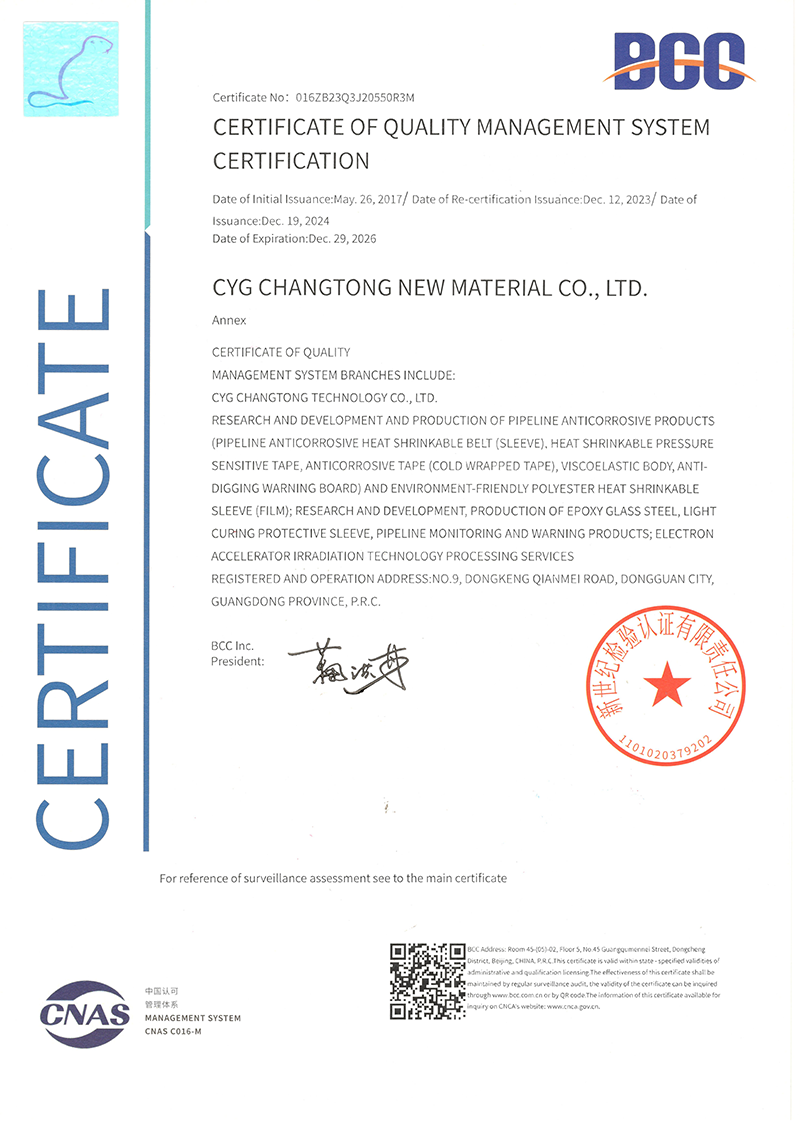
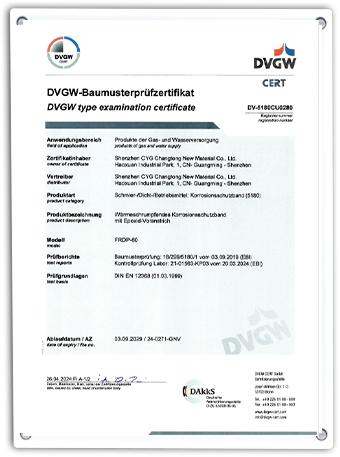
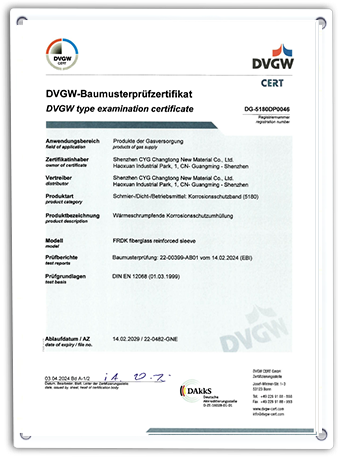
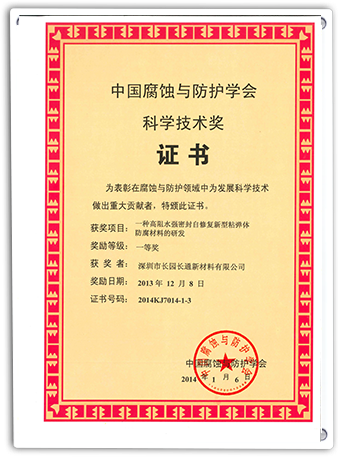
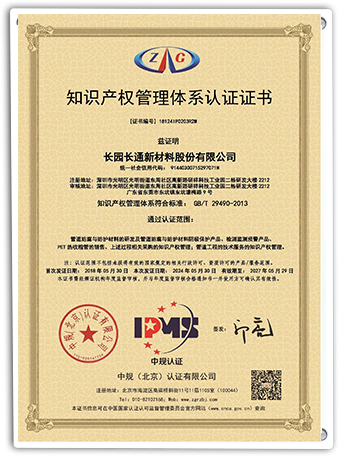
CYCT's credentials as a leading China PE Tape Factory are supported by official memberships, patents, and technical qualifications recognized globally.
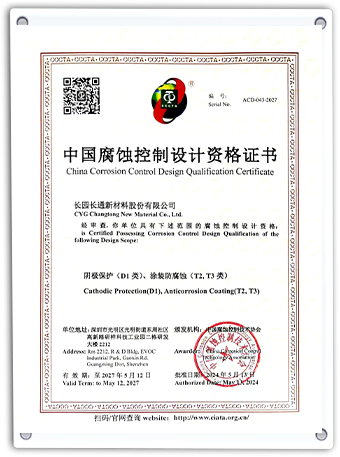
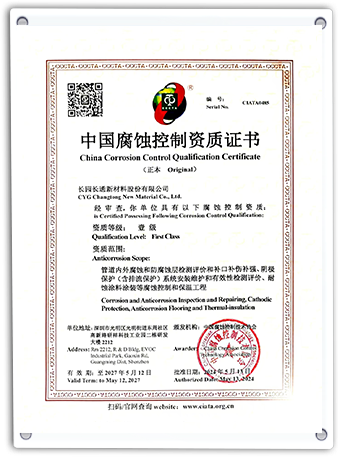
We are a Council Member in the Chinese Society for Corrosion and Protection (CSCP), and hold the Qualification Certificate of Corrosion Protection Construction and the Qualification Certificate of Pipeline Detection. CYCT is recognized as a Well-known Brand of Pipeline Corrosion Protection in China, and is a Corporate Member of the China Association of Petroleum Engineering Construction (CAPEC). Our manufacturing plants maintain over 10 proprietary intellectual property rights.
Get professional, engineering-focused insights regarding specifications, application, and compliance of pipeline PE Tapes.
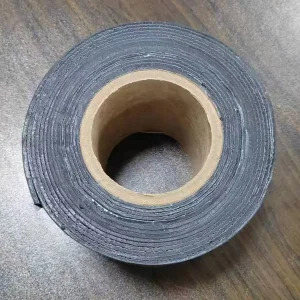
The cold-applied PE tape system typically functions as a multi-layer barrier. The **inner wrap tape** (anti-corrosion tape) is designed with a thick butyl rubber adhesive layer formulation optimized for bonding directly to the steel pipe primer. Its primary function is to prevent moisture and oxygen ingress. The **outer wrap tape** (protective tape), such as the *China High Temperature PE Cold Tape Outer Wrap*, features a thicker, tougher polyethylene backing designed to protect the inner tape from mechanical damage during backfilling, soil stresses, and external impact.
Conventional butyl rubber adhesives can flow or degrade at elevated temperatures. CYCT uses specialized polymeric modifiers and cross-linking agents within the adhesive compound. This design allows our high-temperature cold-applied tapes to maintain shear strength and resist cathodic disbondment at continuous operating temperatures up to 80°C. For even higher thermal environments, we supply *High Temperature Cold Applied PP (Polypropylene) Outer Tapes* which utilize a PP backing material with superior thermal stability compared to HDPE/LDPE.
Standard PE tapes require tension during wrapping to ensure a proper seal, making them difficult to apply on complex shapes like T-joints, valves, elbows, and flanges. Viscoelastic fabric tapes (such as the *FVT95 Fabric Viscoelastic Tape*) are made of a cold-flowing polymer that requires no tension. The material naturally flows into surface irregularities and wets the steel substrate on a microscopic level. It has self-healing properties, does not cure, and remains stable across its service life without cracking or hardening.
Our CNAS laboratory carries out key physical and chemical tests on raw polymers, adhesive resins, and finished wraps. Tests include *peel-to-pipe* and *peel-to-backing* strength, impact resistance, indentation testing under varying temperatures, water vapor transmission, and electrical strength. Having this testing capacity in-house guarantees that every batch shipped conforms to DIN 30672, EN 12068, and ISO 21809-3 standards, providing verifiable data sheets for international procurement managers.
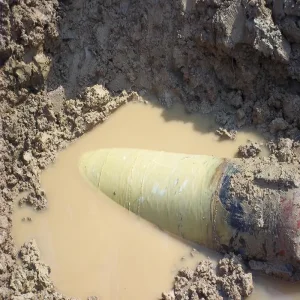
Horizontal Directional Drilling (HDD) subjects the pipeline coating to severe friction, abrasion, and shear forces when pulling the pipe string through the bore. To protect these field joints, we supply specialized fiber-reinforced sleeves or *Epoxy FRP (Fiberglass Reinforced Plastic)* layers. The fiberglass reinforcement acts as a sacrificial wear coat, shielding the underlying heat-shrinkable sleeve from direct contact with rock, soil, and gravel, thereby ensuring the joint's anti-corrosion barrier remains intact.
From heat-shrinkable sleeves and mastic tapes to structural fiberglass sleeves for horizontal drilling, view our complete range of anti-corrosion solutions.
 CYCT
CYCT