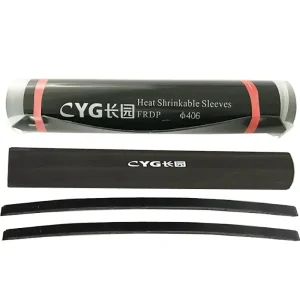
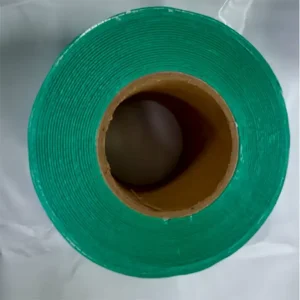
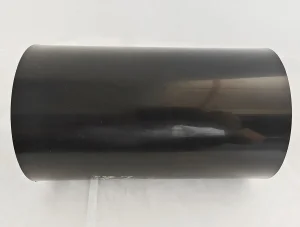
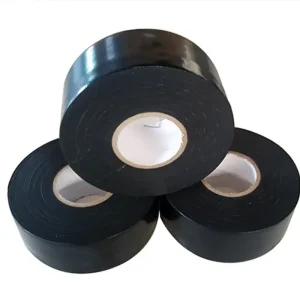
Explore our core product line manufactured to the highest EN 12068 and ISO 21809-3 standards. Engineered for maximum shear stability and cathodic disbondment resistance.
CYCT New Materials Company Limited (for short, CYCT), founded in 2000, has dedicated over two decades to the R&D, advanced formulation, and large-scale manufacturing of pipeline corrosion protection materials. We support major energy infrastructure globally with custom coating systems, buried pipeline integrity scanning services, and on-site technical support.
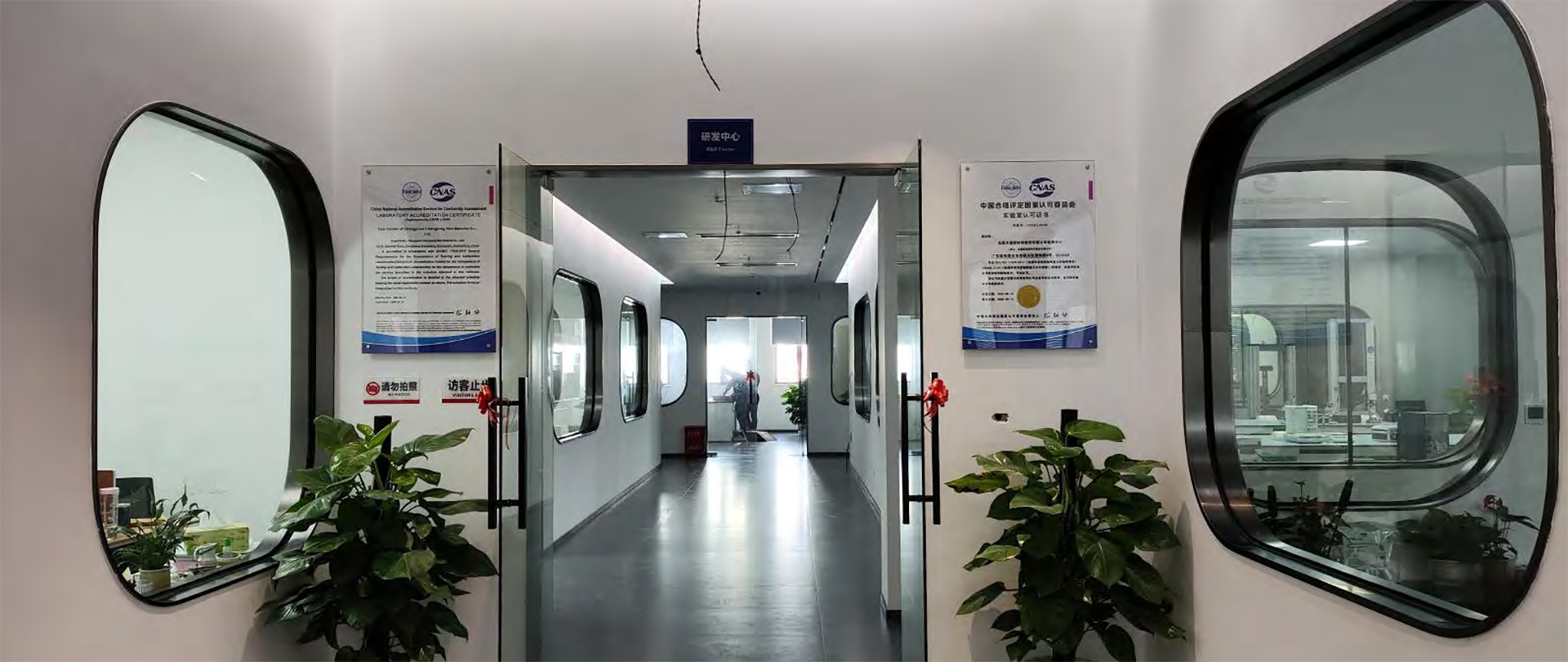
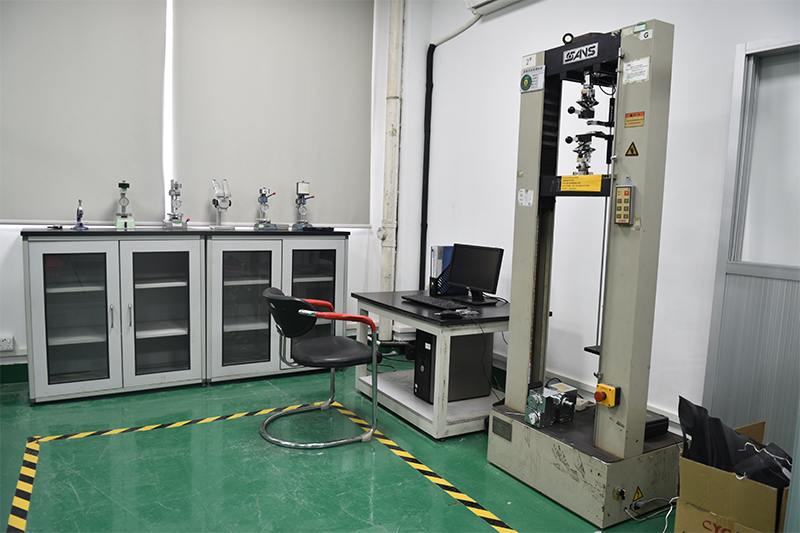
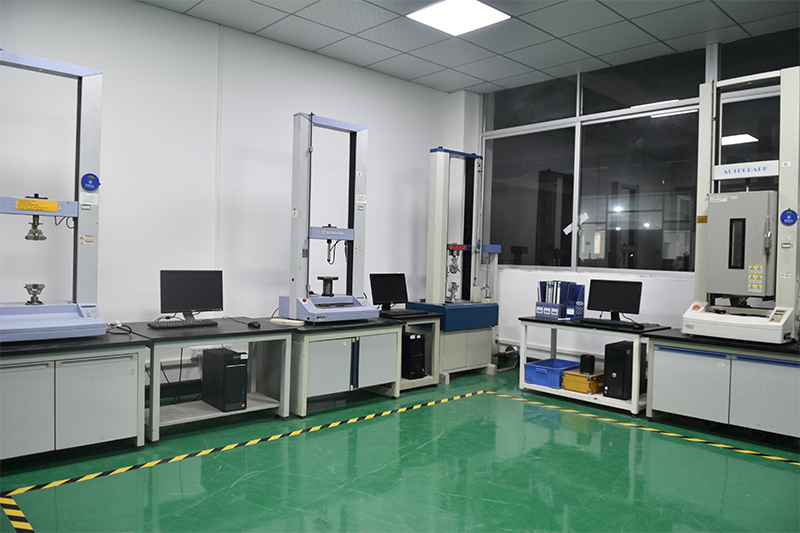
Our focus extends to specialized systems including high-temperature PE repair patches, PP repair patches for 3LPP systems, visco-elastic coatings, and fiber-reinforced polymers (FRP) optimized for horizontal directional drilling (HDD). By maintaining a state-of-the-art CNAS-accredited national laboratory, CYCT validates chemical resistance, heat-aging limits, and long-term adhesive mechanics for projects of the highest environmental sensitivity.
Core Industry Credentials:
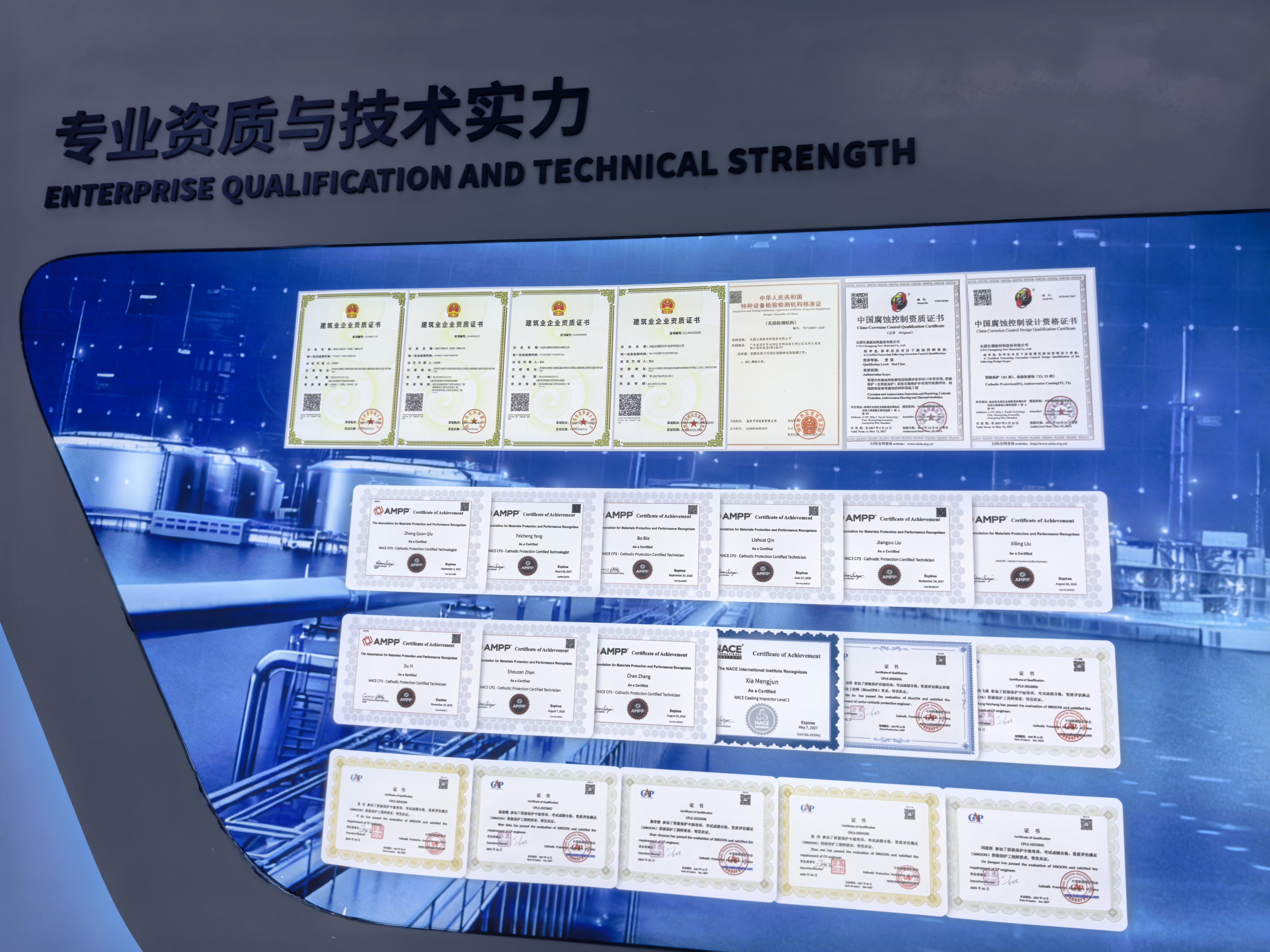
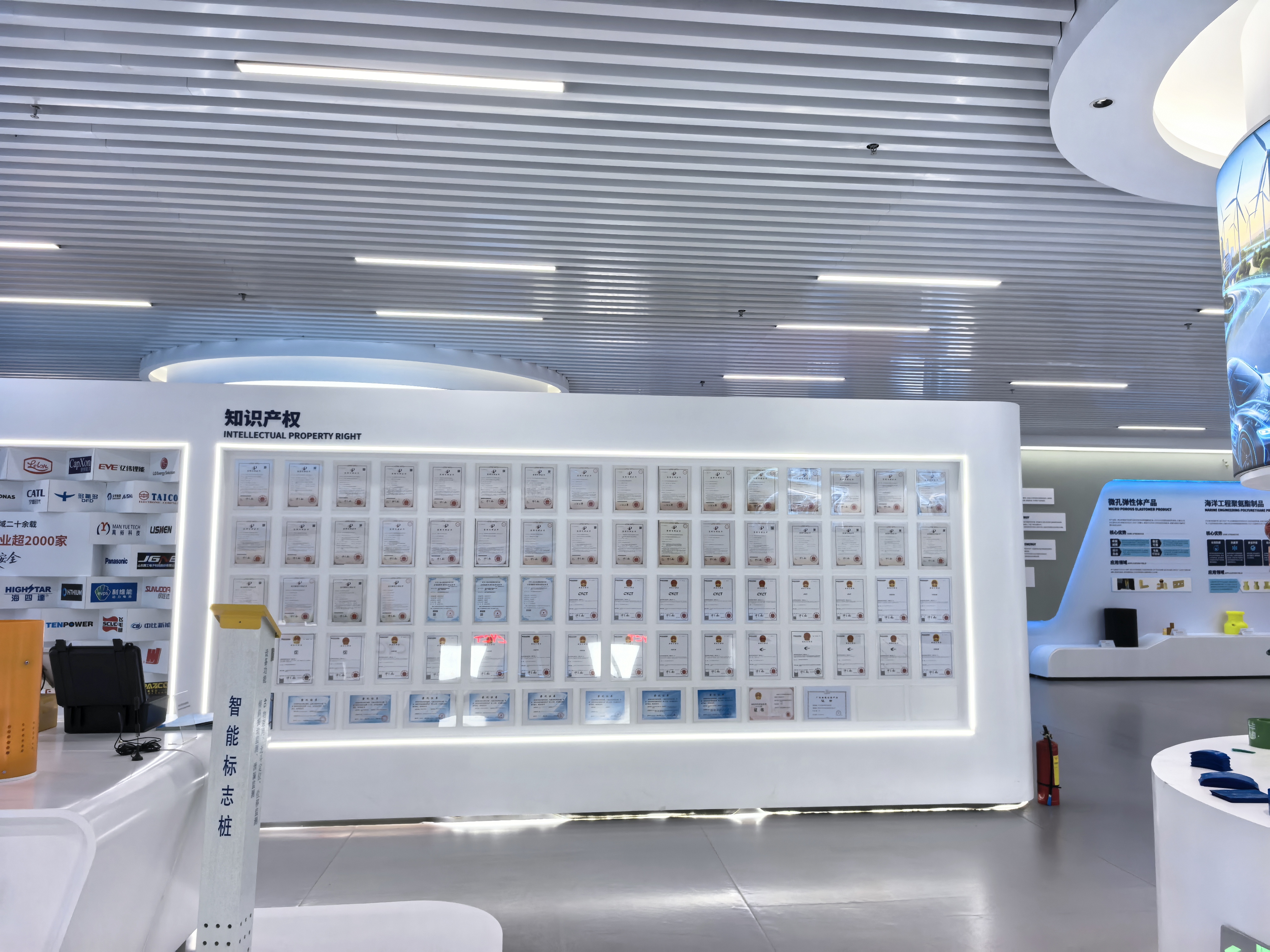
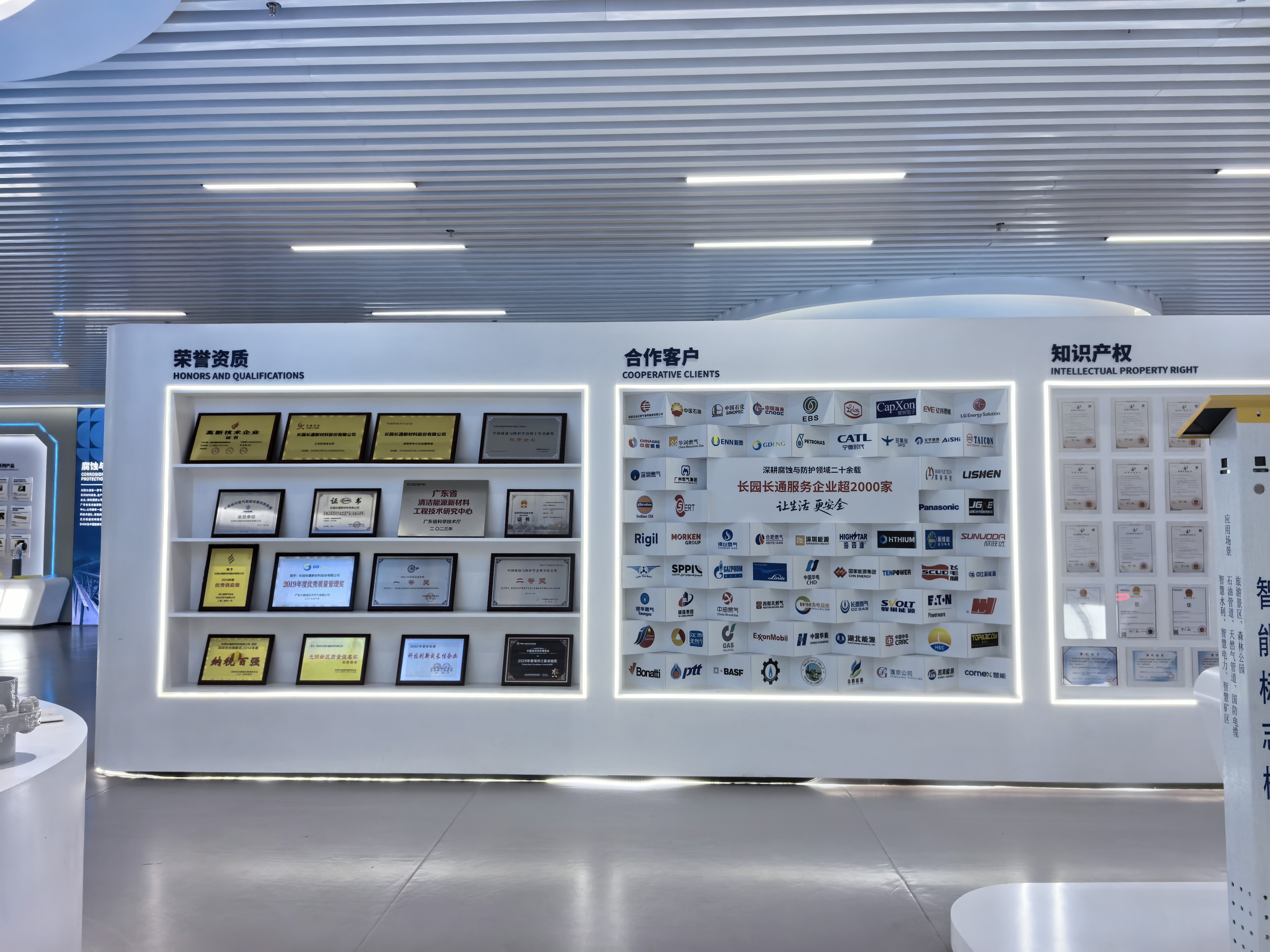
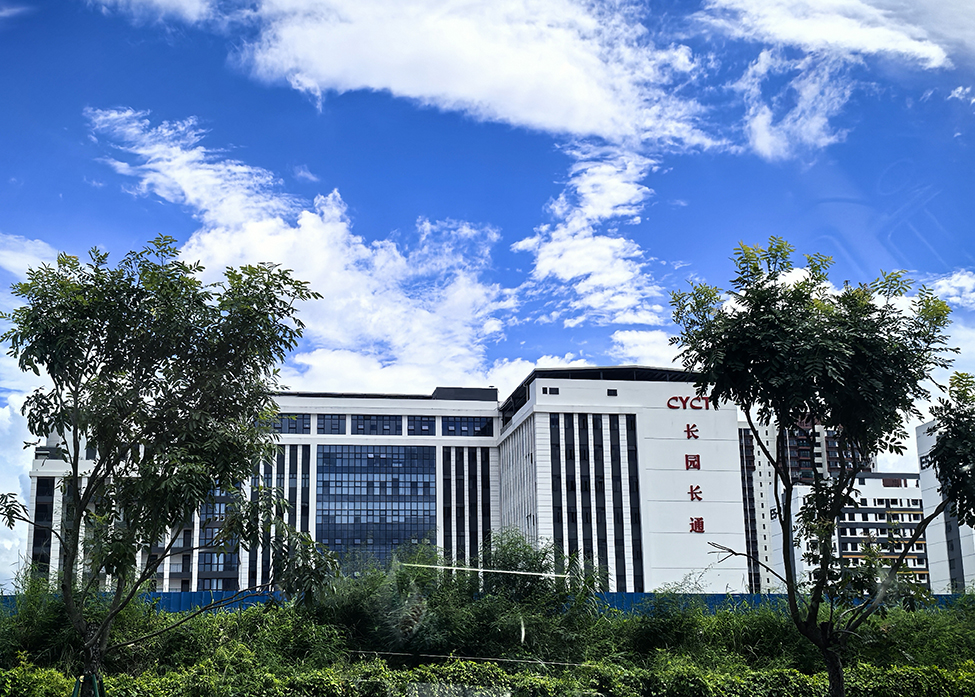
CYCT production floor, CNAS accredited R&D facility, and raw material validation labs.
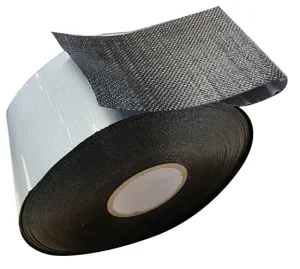
Pipeline damages (scratches, gouges, holiday defects) on 2LPE and 3LPE field joint coatings require chemically compatible remediation to prevent sub-film moisture ingress and cathodic disbondment. CYCT's PE repair patches are composite layers of high-density polyethylene backing and cross-linked co-polymer hot melt adhesive.
Our HDPE backing is irradiated via high-energy electron beams, establishing structural memory and carbon-carbon crosslinks. This formulation delivers extreme resistance to soil stress, environmental stress cracking (ESCR), and mechanical abrasions.
The underlay adhesive is modified with polar functional groups that bond chemically with both the bare steel (when used with epoxy primers) and the main body PE coating, preventing moisture paths even at elevated operating temperatures (up to 80°C).
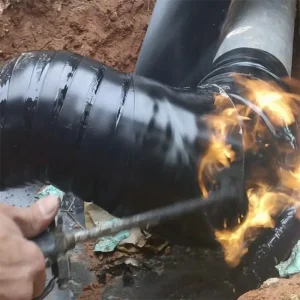
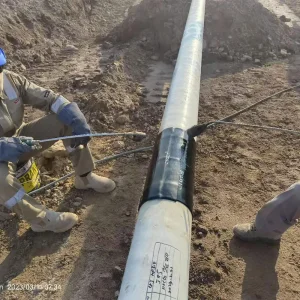
When heated using a propane gas torch, the backing contracts slightly while the hot-melt adhesive flows smoothly into the void of the defect, creating a monolithic, water-tight patch equal to or better than the original coating system.
| Performance Property | Test Standard | Typical Value (PE Patch Series) | Typical Value (PP Patch Series) |
|---|---|---|---|
| Tensile Strength | ASTM D638 / EN 12068 | ≥ 22 MPa | ≥ 28 MPa |
| Elongation at Break | ASTM D638 | ≥ 450% | ≥ 350% |
| Peel Strength to Steel / PE Coated Pipe | EN 12068 (at 23°C / 60°C) | ≥ 80 N/cm / ≥ 25 N/cm | ≥ 100 N/cm / ≥ 35 N/cm |
| Cathodic Disbondment (30 days) | ASTM G8 / ISO 21809-3 | < 5 mm radius at 60°C | < 3 mm radius at 95°C |
| Impact Resistance | EN 12068 | ≥ 15 J | ≥ 20 J |
| Indentation Resistance | EN 12068 Class C | ≥ 0.6 mm residual thickness | ≥ 0.8 mm residual thickness |
As pipeline operators push transit capacities through highly corrosive and extreme environments, pipeline repair systems must adapt to more severe service demands. CYCT is driving innovation with specific R&D initiatives aimed at the next decade of infrastructure development:
By integrating functionalized graphene nanoplatelets into our high-density polyethylene matrix, our R&D center has achieved a 35% increase in puncture resistance and reduced oxygen permeability by several orders of magnitude. This makes the patch highly resistant to deep soil shear stress and rock indentation in un-sanded backfills.
Improper heat application is a leading cause of patch failure in field conditions. Our next-generation patches incorporate safe thermo-chromic additives in the backing layer. When the field technician applies heat, the color changes temporarily to signal that the proper hot-melt flow activation temperature has been reached, eliminating cold-spot failures.
In response to global sustainability and scope emissions targets, CYCT is testing bio-based copolymers derived from non-food agricultural feedstocks. The physical test runs demonstrate performance equivalence to traditional petroleum-based polymers, positioning CYCT as a green supplier for regional pipelines.
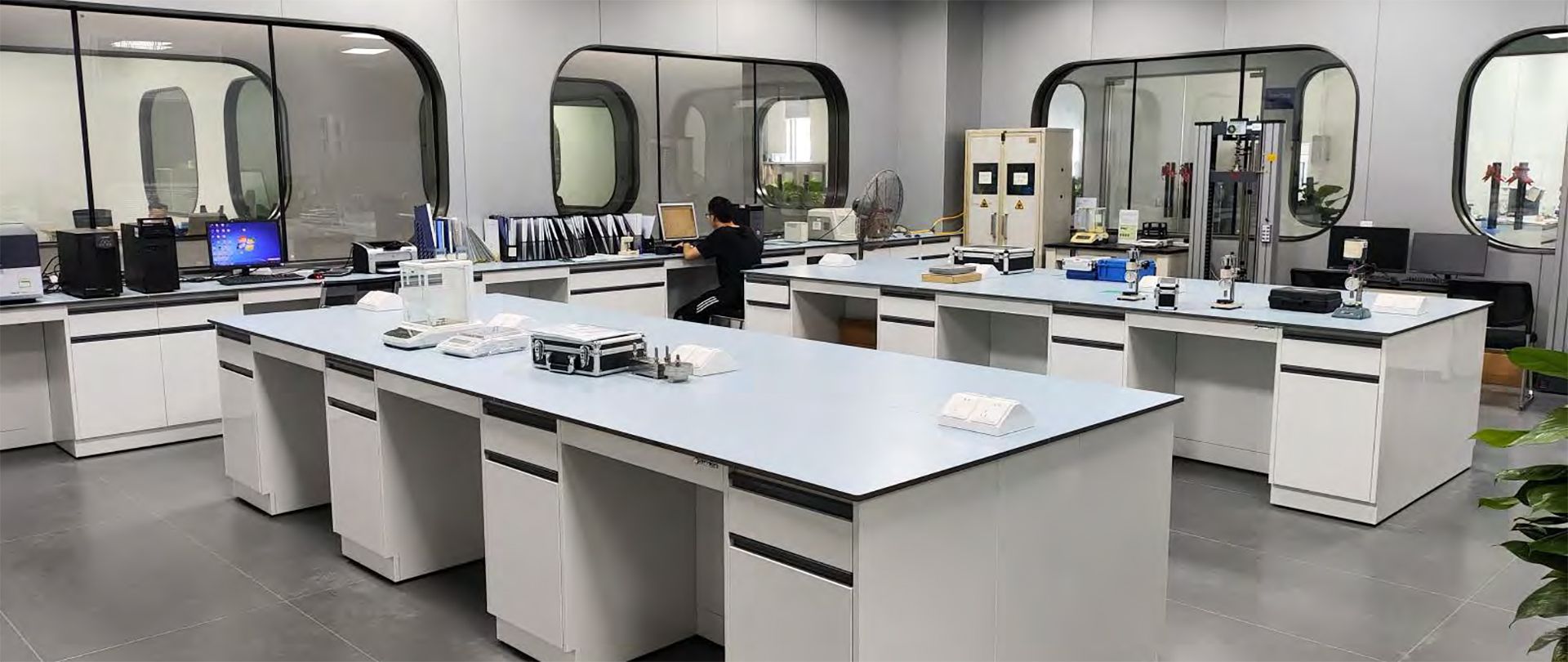
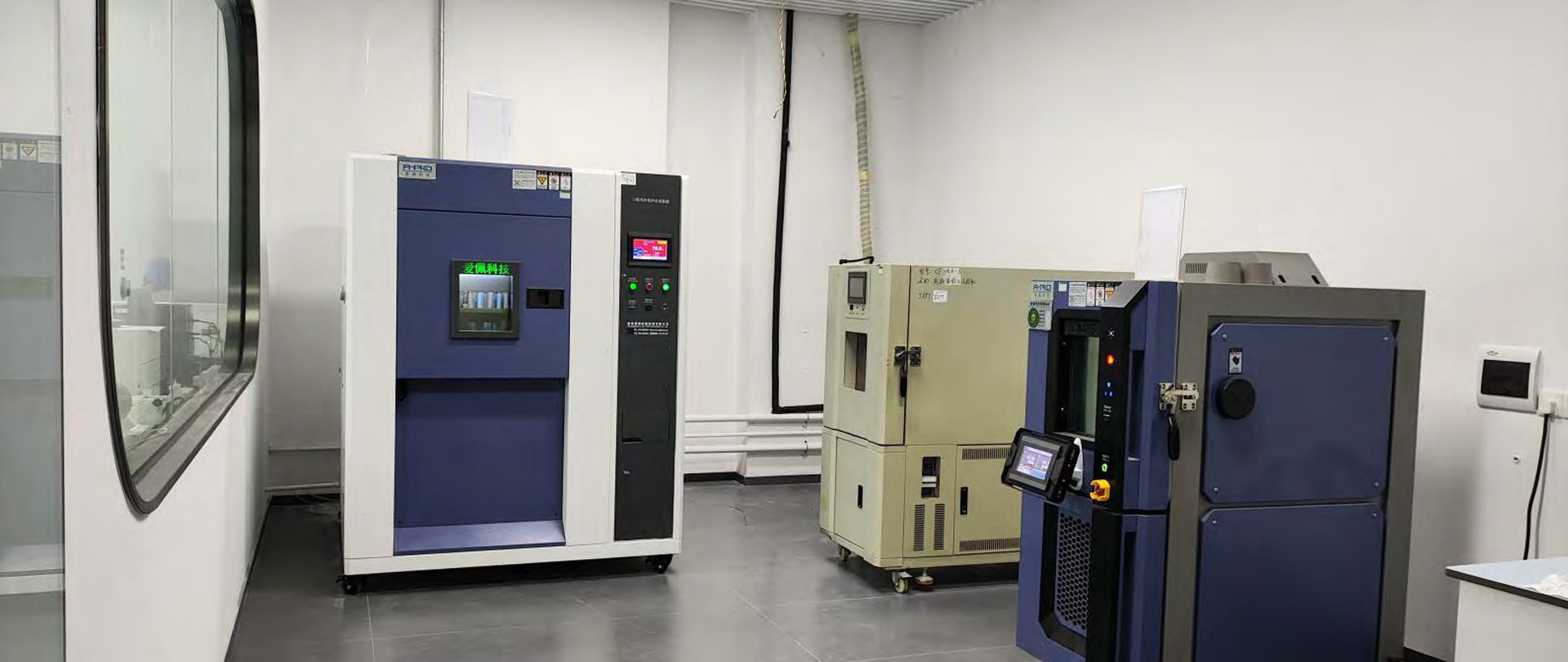
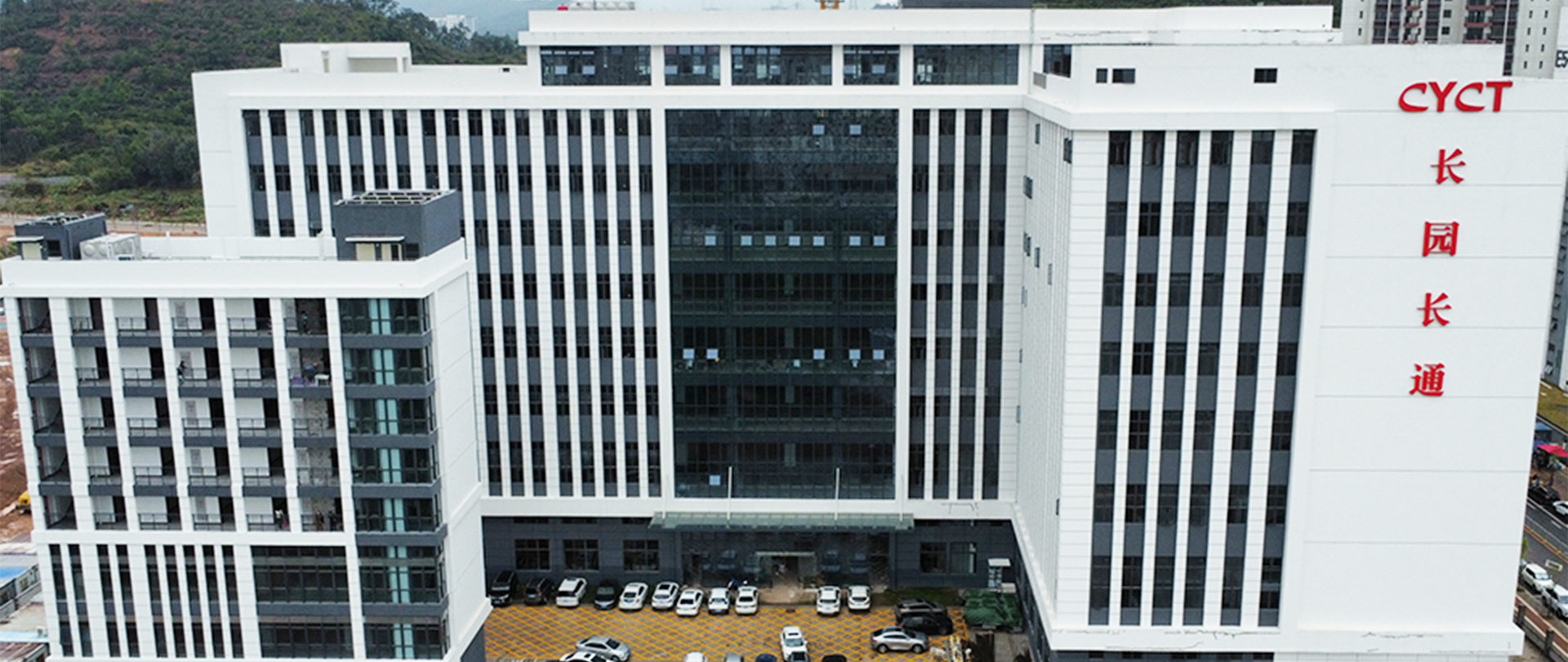
Operating from our integrated manufacturing hub in China, CYCT blends advanced digital processing with localized raw material access. Our production lines feature multi-layer co-extrusion technology coupled with laser sensor thickness control. This ensures consistent backing thickness and uniform adhesive distribution across all repair patches and mastic rolls.
By leveraging proximity to the world's largest petrochemical refineries, we secure consistent monomers and copolymer materials at optimal price points. This structure provides a distinct price-to-performance benefit for international buyers without sacrificing performance metrics required by standards like ISO 21809-3.
Our CNAS-accredited laboratory validates every batch before shipment, issuing a comprehensive quality report covering peel strength, thickness variance, shear resistance, and heat aging. This guarantees that every crate arriving at your job site operates exactly as designed.
Whether in remote deserts or offshore pipelines, CYCT's coating systems are tailored to withstand diverse mechanical stress patterns and thermal fluctuations.
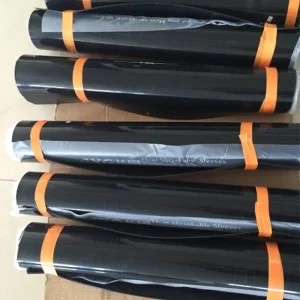
Pull-back stresses in HDD installations often tear standard field coatings. CYCT supplies specialized high-performance photo-curing sleeves and Epoxy FRP protective wraps. When applied over PE repair patches or field joints, they form a rugged outer shell that withstands scraping against rocky subsurface formations.
Conventional hot-melt adhesives can soften when oil is transported at elevated temperatures, leading to coating creep and disbondment under soil pressure. Our specialized high-temperature PP repair patches are rated for continuous operational service up to 110°C, maintaining strong mechanical bonds to the PP pipe substrate.
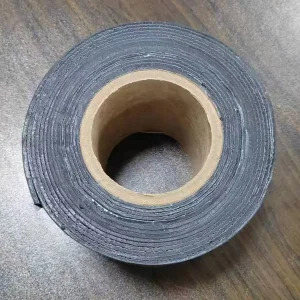
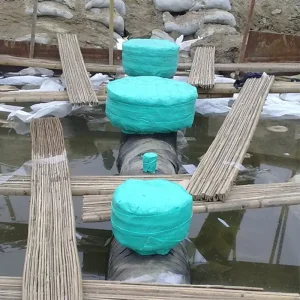
Subsea and coastal pipeline installations demand absolute resistance to marine humidity and saline conditions. Our viscoelastic anticorrosion coatings, combined with heavy-duty PE backing sleeves, prevent moisture penetration and preserve the long-term integrity of deepwater pipelines.
International procurement managers must navigate technical parameters, logistical timelines, and certification requirements when buying from China. CYCT simplifies this process by aligning with international contracting frameworks:
We supply materials directly conforming to international pipeline design rules. Our products are fully tested to conform with ISO 21809-3 (Field Joint Coatings), EN 12068 (Organic Coatings for Cathodic Protection), and AWWA C214 (Tape Coating Systems).
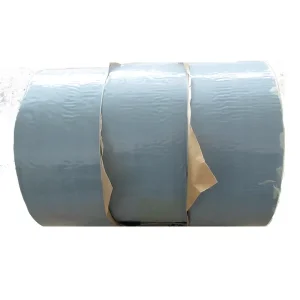
Every field repair scenario is unique. We provide custom rolls, pre-cut sheets, and ready-to-use patch kits. Dimensions range from standard 450x500mm sheets for typical pipe sizes to continuous bulk rolls for large diameter lines, complete with closure patches and mastic fillers.
Our formulations use high-stability polymers designed for a shelf life of up to 3 years when stored below 35°C in clean, dry environments. This reduces waste in storage yards and helps manage material inventory across multi-phase regional pipelines.
To ensure project compliance, CYCT works closely with third-party inspection firms (such as SGS, BV, and DNV) during factory audits and product testing. We hold active memberships in organizations like the Chinese Society for Corrosion and Protection and AMPP, keeping our engineers aligned with standard updates and new material methodologies.
For large-scale projects, we can deploy on-site engineering crews to guide and train local applicators in pre-heat profiling, holiday testing, and surface preparation. This support reduces install defects and helps ensure third-party inspector approval.
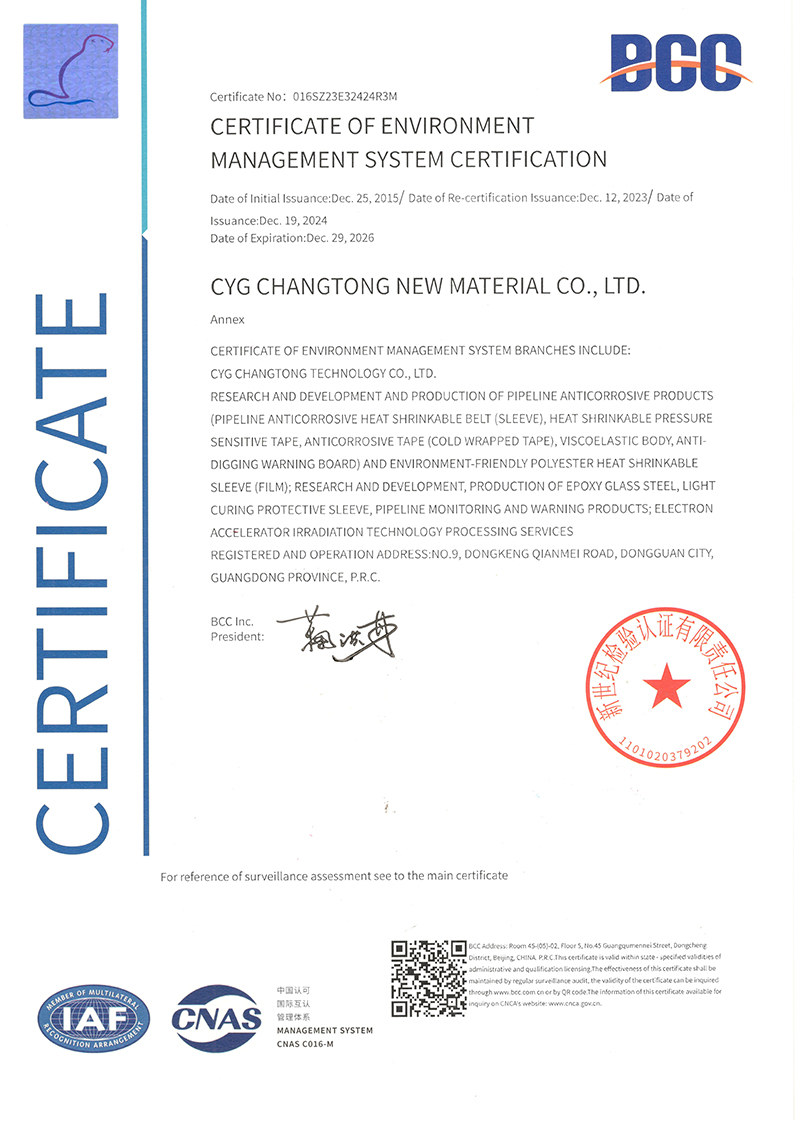
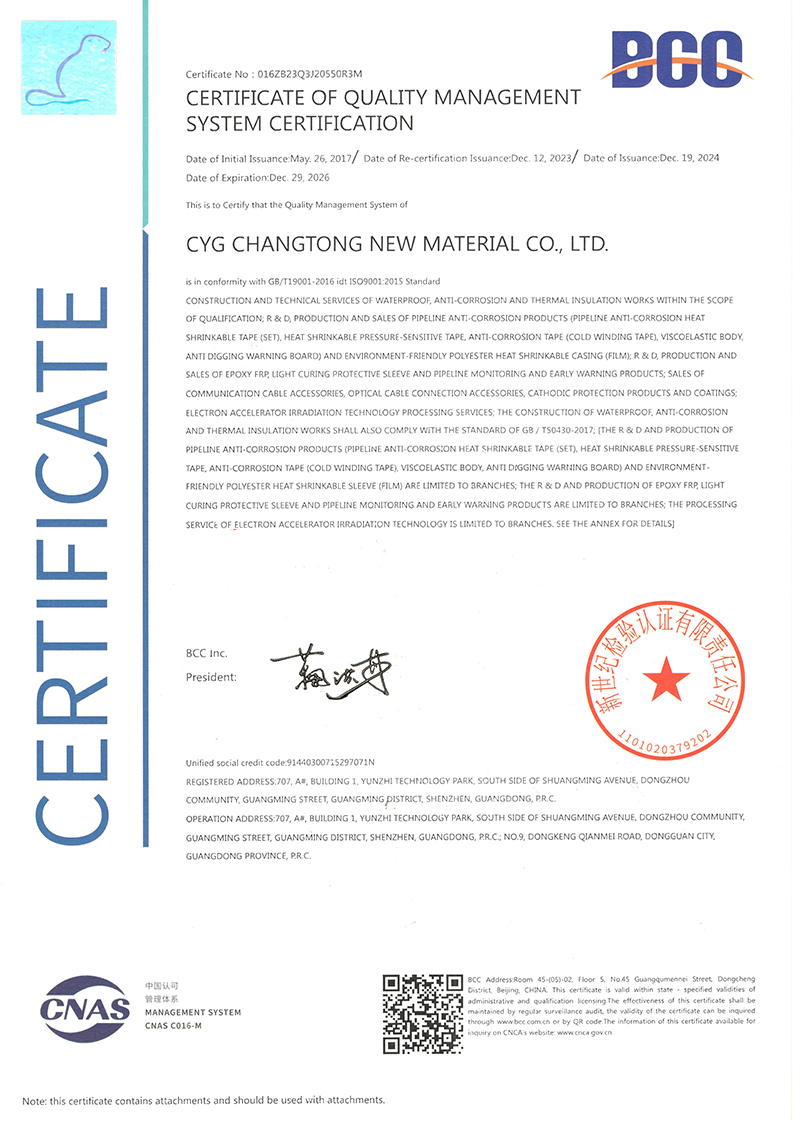
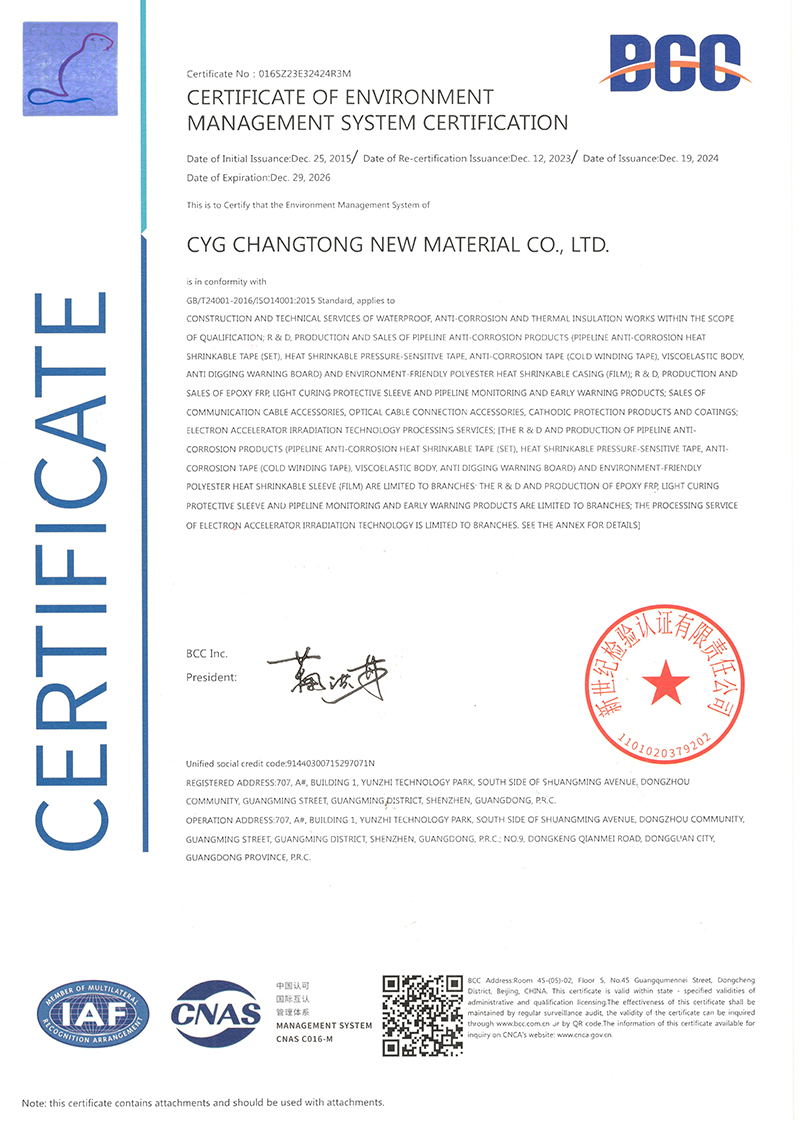
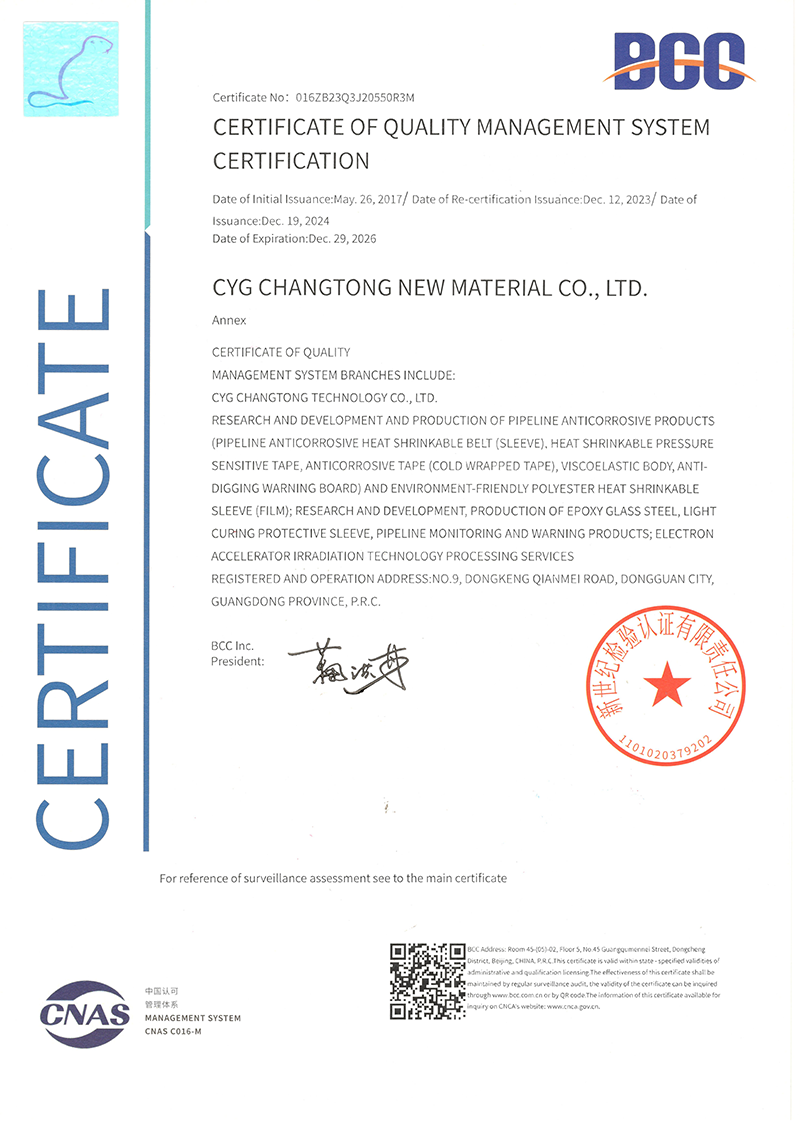
CYCT's corporate and product compliance certificates supporting global deployments.
Through our long-term collaboration with research institutes like the CNPC Pipeline Science Research Institute, we offer services that go beyond material supply:
Here are answers to key questions regarding the application, storage, and performance of PE repair patches:
Discover our specialized protective systems, from hot melt repair fillers to viscoelastic coatings designed for valves, flanges, and irregular fittings.
 CYCT
CYCT