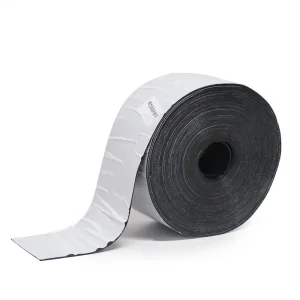
Explore our range of pipeline corrosion control, mechanical reinforcement, and specialized heat-shrinkable materials designed for industrial demanding environments.
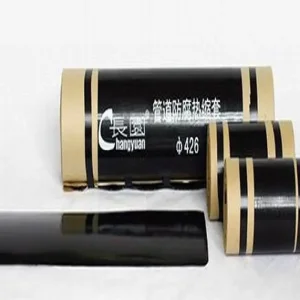
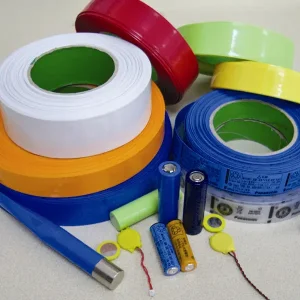
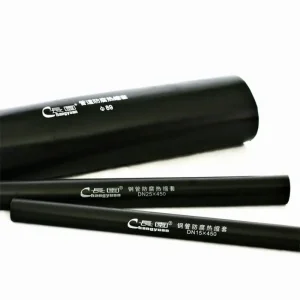
Medium Wall Heat Shrink Tubing (MWHST) represents a critical structural insulation and seal technology used across major capital-intensive industries worldwide. Unlike thin-wall tubing, which is primarily selected for basic wire identification and minor electrical insulation, medium-wall tubing features a optimized wall thickness (typically ranging from 1.5mm to 3.0mm after recovery) that achieves a balance between physical flexibility and rugged mechanical protection.
This class of material is manufactured by compounding polyolefin resins with specific flame retardants, UV stabilizers, and antioxidant packages. The polymer matrix is subjected to electron beam processing (radiation cross-linking), which creates a three-dimensional molecular network. When heated above its crystalline melting point during installation, the material returns to its memory dimension, applying radial compression while curing the inner sealant layer. This combination is vital in subsea oil & gas conduits, district heating pipes, electrical distribution grids, and communications systems.
Protects wet-mate connectors and subsea pipeline joints against hydrostatic pressure, galvanic corrosion, and seawater ingress down to depths of 3,000 meters.
Protects medium-voltage splices and terminations against environmental degradation, track resistance, and thermal cyclic variations on regional power grids.
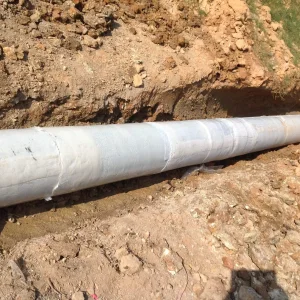
Withstands significant shear forces and abrasion encountered during Horizontal Directional Drilling (HDD) in cross-country pipeline installations.
Why international procurement executives choose premium Chinese manufacturers to achieve scalable, cost-optimized, and certified performance materials.
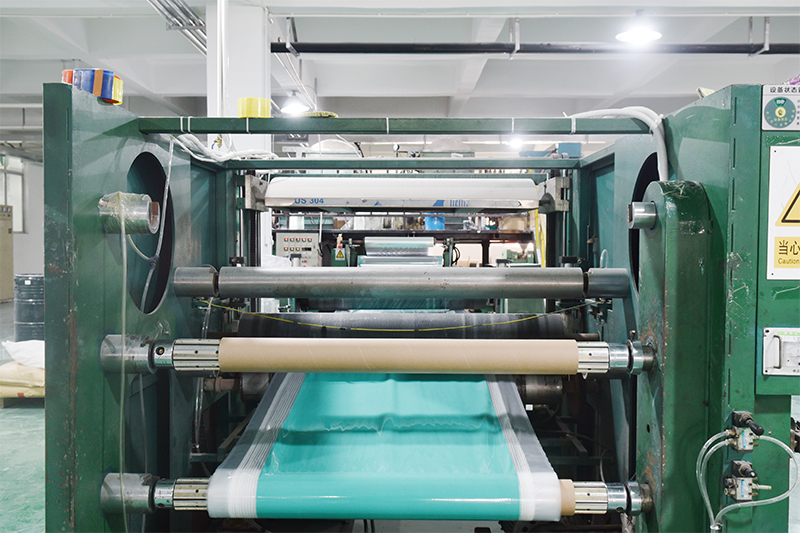
China's industrial clusters for advanced polymeric materials have transformed from assembly centers to R&D hubs for advanced engineering polymers. High-tech facilities like CYCT utilize precision co-extrusion technology. This enables the outer protective cross-linked sheath and the internal hot-melt thermoplastic adhesive layer to be formed in a single run. This process guarantees excellent concentricity and layer adhesion, minimizing the risk of delamination during thermal shrinkage.
The efficiency of Chinese manufacturing is driven by a localized supply chain of raw materials, upstream access to ethylene copolymers, and domestic manufacturing of custom electron accelerators. By maintaining control over the entire production line—from chemical blending and polymer cross-linking to final expansion—Chinese suppliers can lower production costs while adhering to strict international performance standards, including ASTM, DIN, and ISO specifications.
Advanced domestic accelerators deliver precise radiation dosages, generating consistent cross-linking density throughout the polymer matrix for thermal structural stability.
Proprietary blends of flame retardants and UV protectants are incorporated directly into the compound, ensuring durable performance under severe outdoor exposure.
Integrated storage systems, fast custom tooling fabrication, and proximity to shipping hubs like Shanghai and Ningbo reduce order cycle times for global infrastructure projects.
An overview of CYCT's long-term operational capabilities, pipeline safety protection, and international industry presence.
Evaluating MWHST across diverse physical environments, mechanical load scenarios, and international engineering standards.
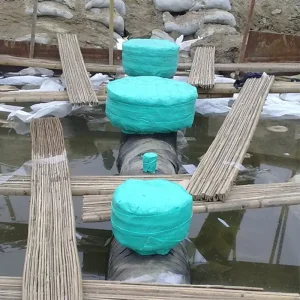
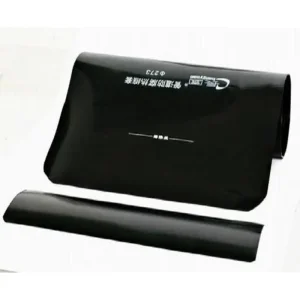
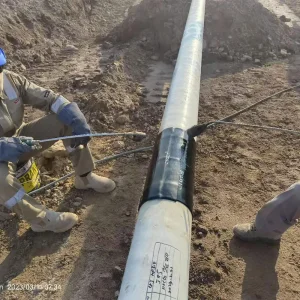
During trenchless pipeline construction, field joints are pulled through rough geological formations. Fiberglass-reinforced heat-shrinkable sleeves provide the shear and impact resistance required to maintain structural integrity.
Pre-insulated piping systems require moisture seals at connection joints. Medium wall sleeves, coated with heavy polyamide adhesives, prevent soil moisture from bypassing the outer casing and degrading polyurethane insulation.
For coastal pipeline terminals and offshore rigs, specialized sleeves with viscoelastic sealing compounds protect carbon steel and dissimilar metal interfaces from atmospheric salinity and moisture build-up.
CYCT New Materials Company Limited (for short, CYCT) is a state-level high-tech enterprise integrating R&D, production and sales of pipeline corrosion protection materials as well as buried pipeline detection service and pipeline coating field application service into one. CYCT has dedicated itself to the R&D, production, and sales of pipeline corrosion protection materials for decades.
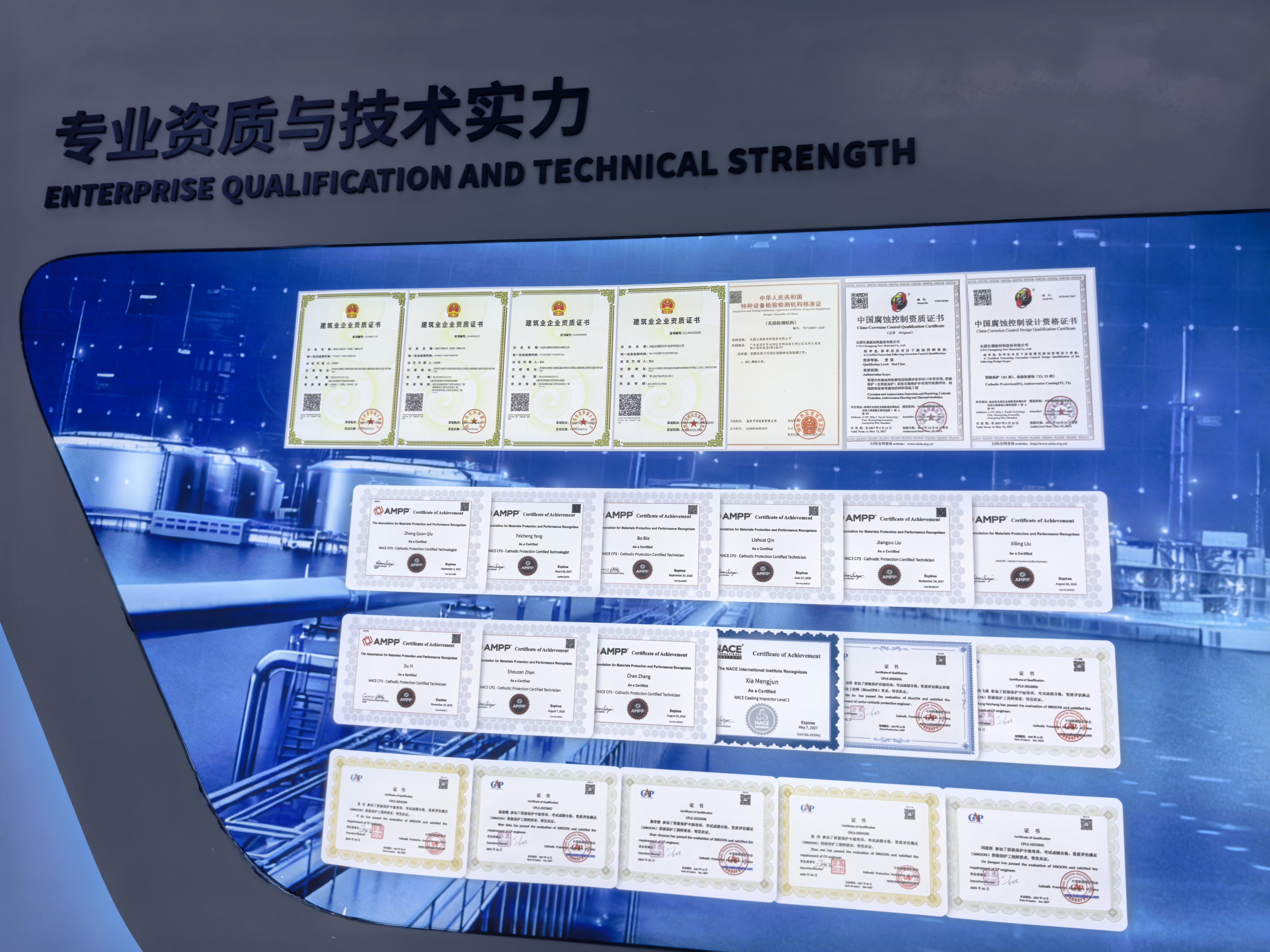
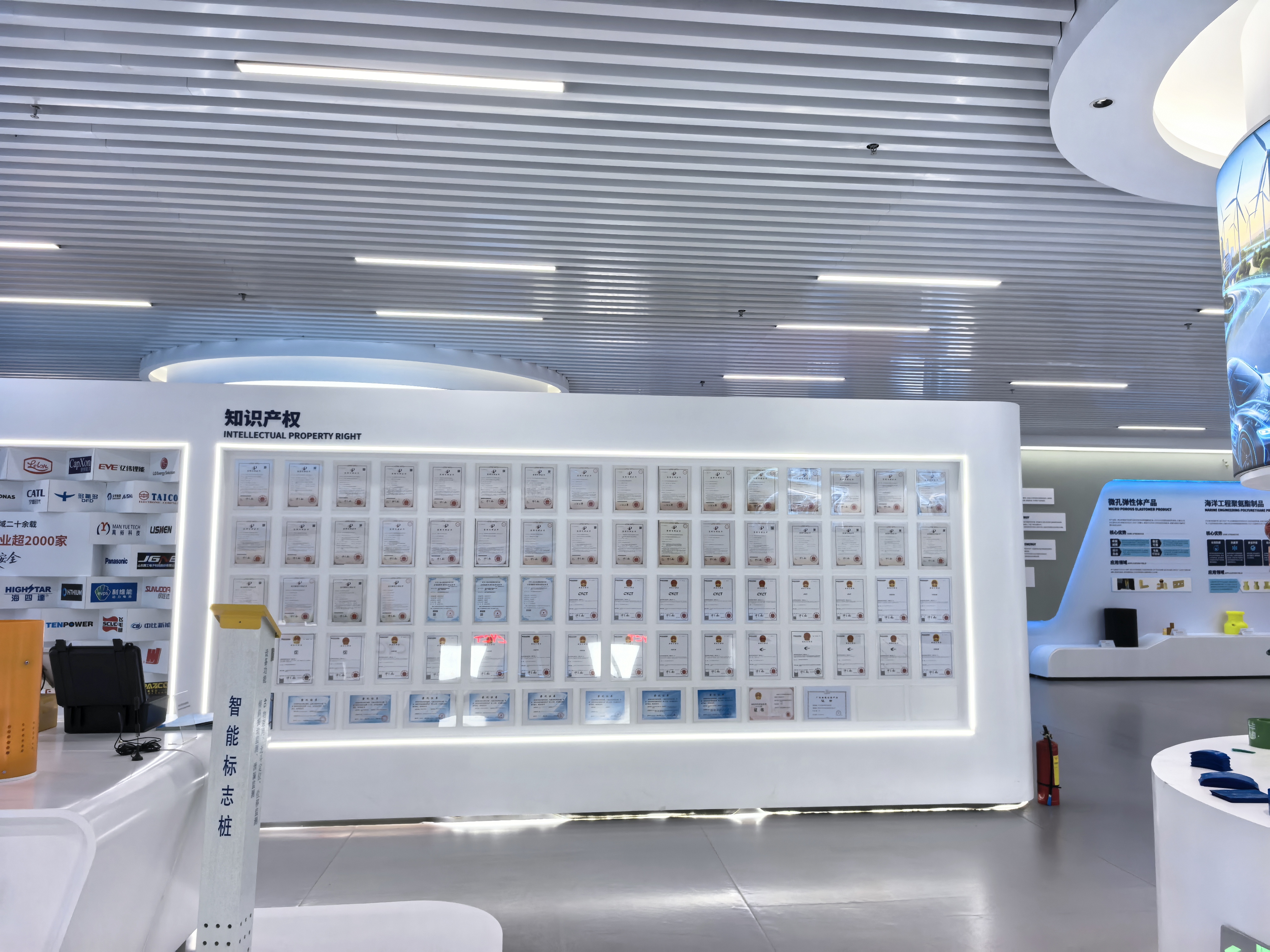
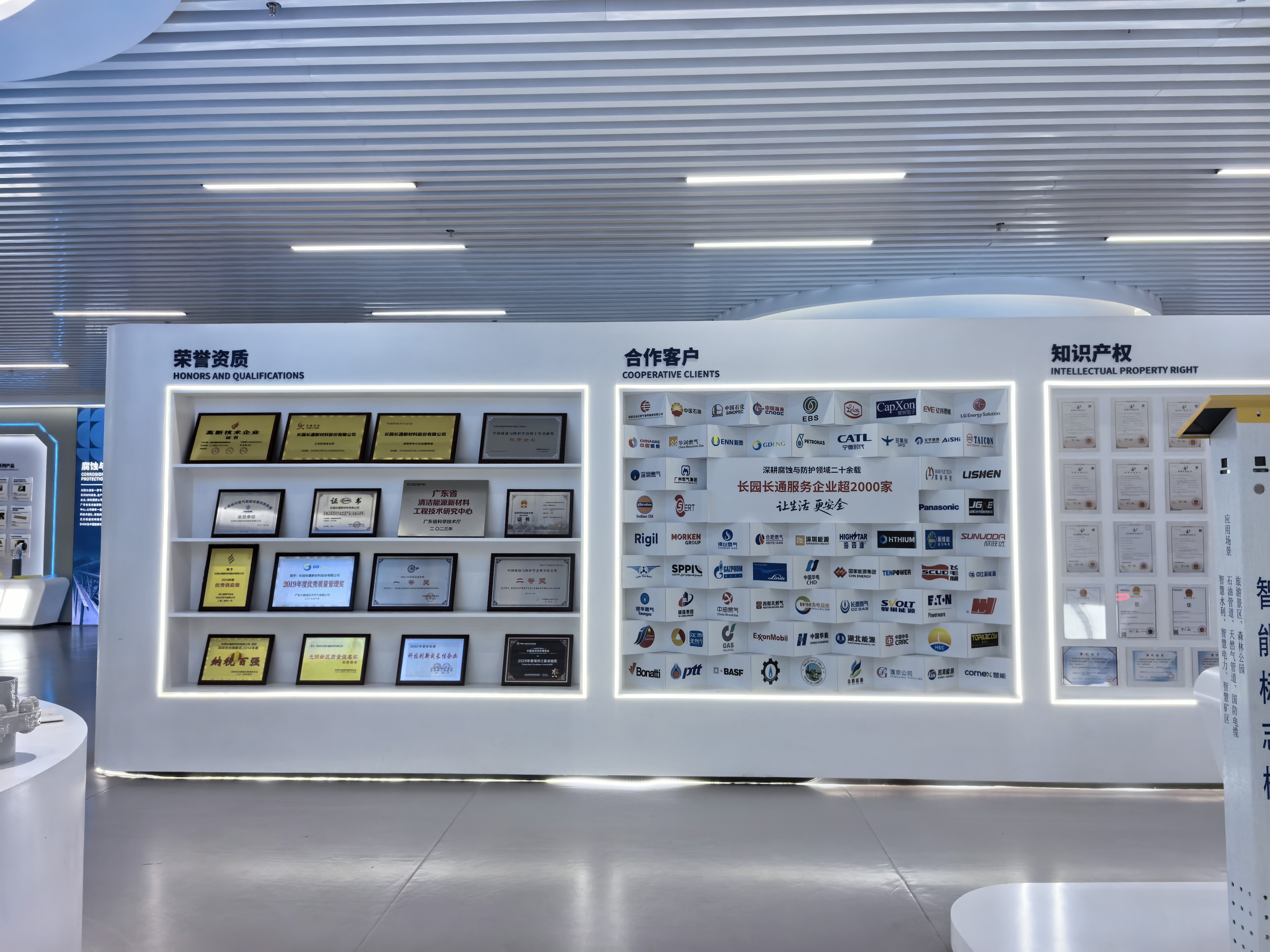
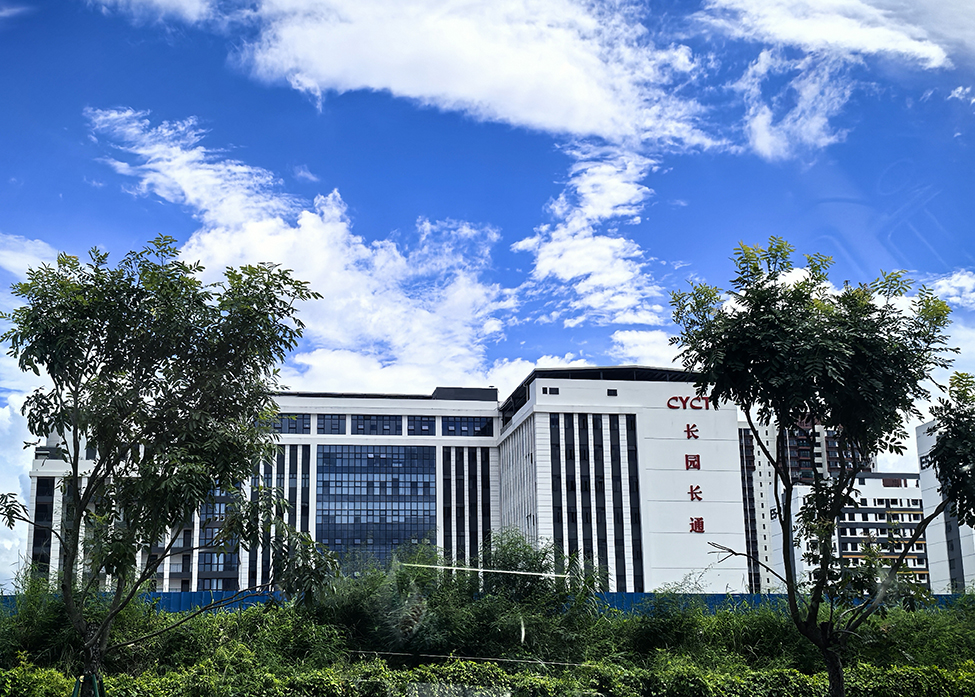
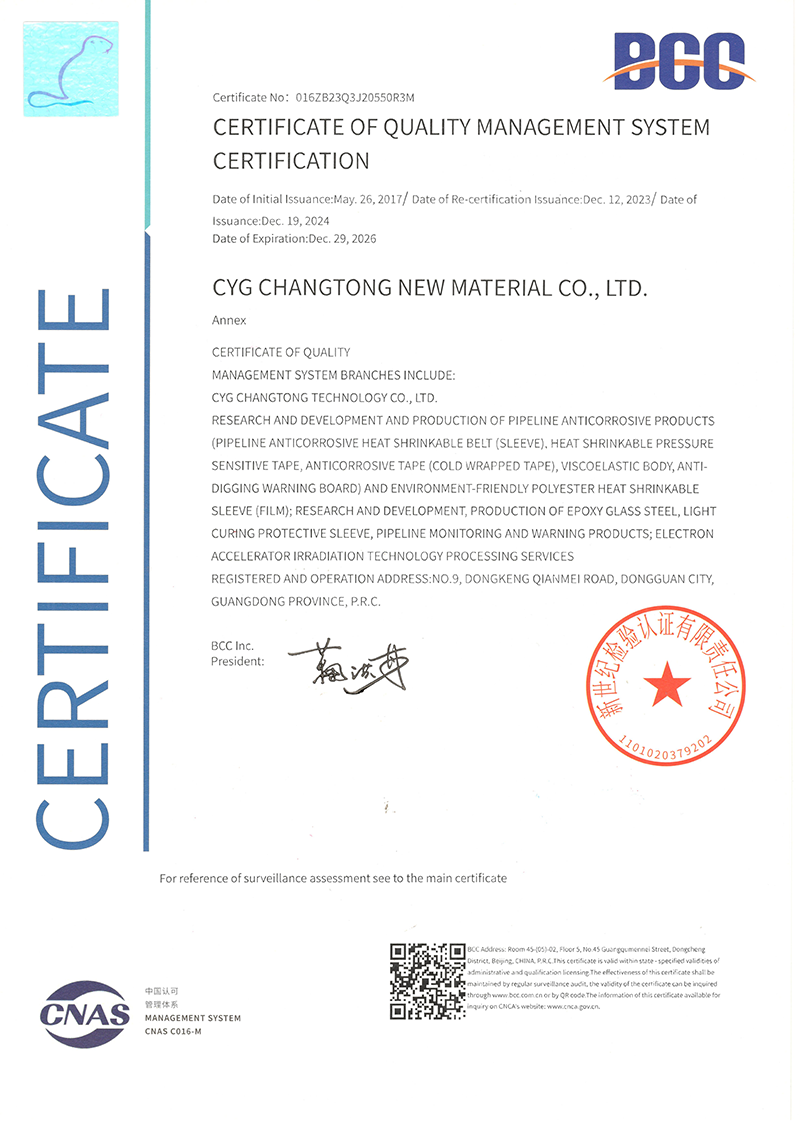
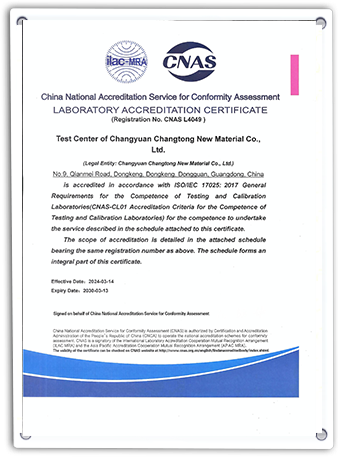
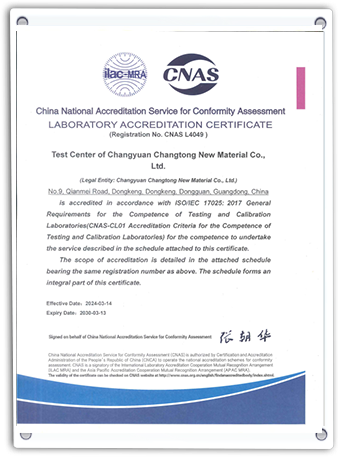
R&D Capability & CNAS Laboratory: CYCT owns leading testing and R&D capabilities, supported by a professional R&D team and a national CNAS-accredited laboratory. To ensure product performance and reliability, we operate under strict testing criteria to analyze polymer crystallinity, heat-shrink tension, and chemical formulation dynamics.
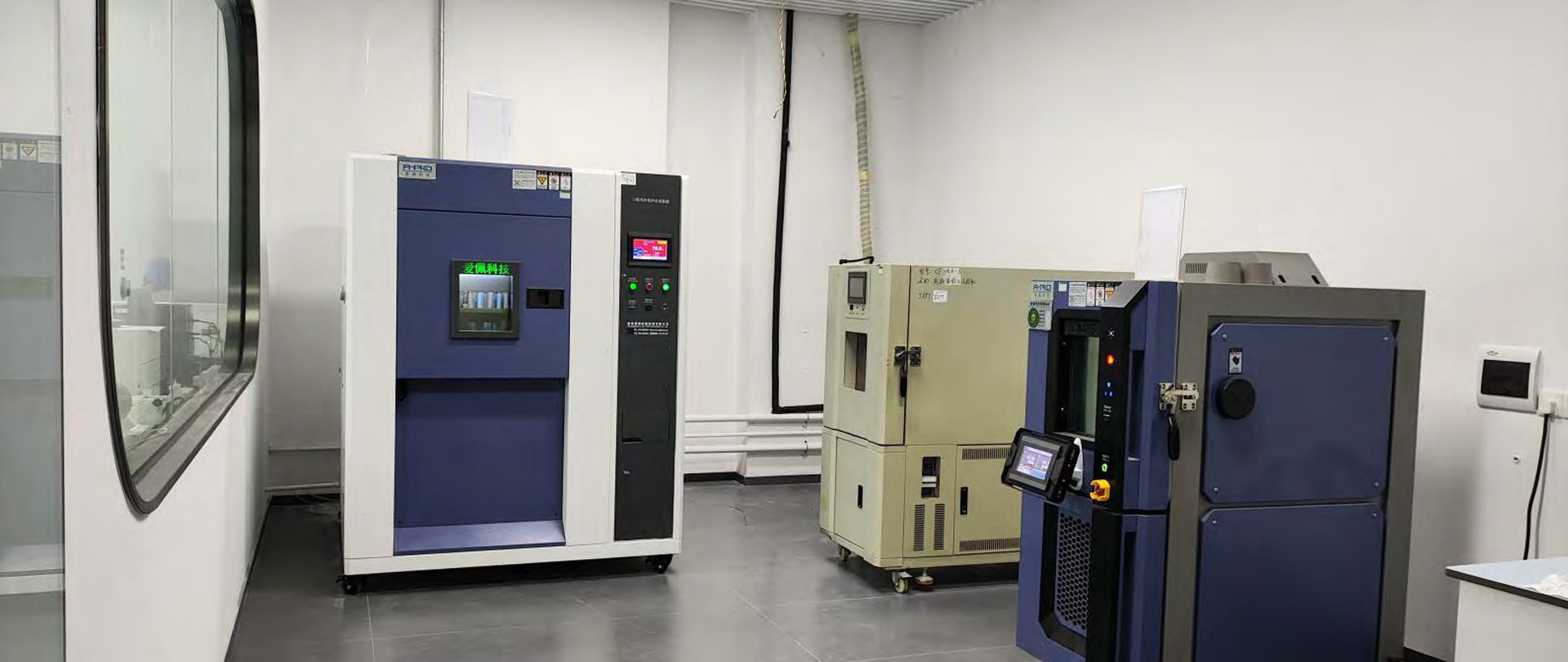
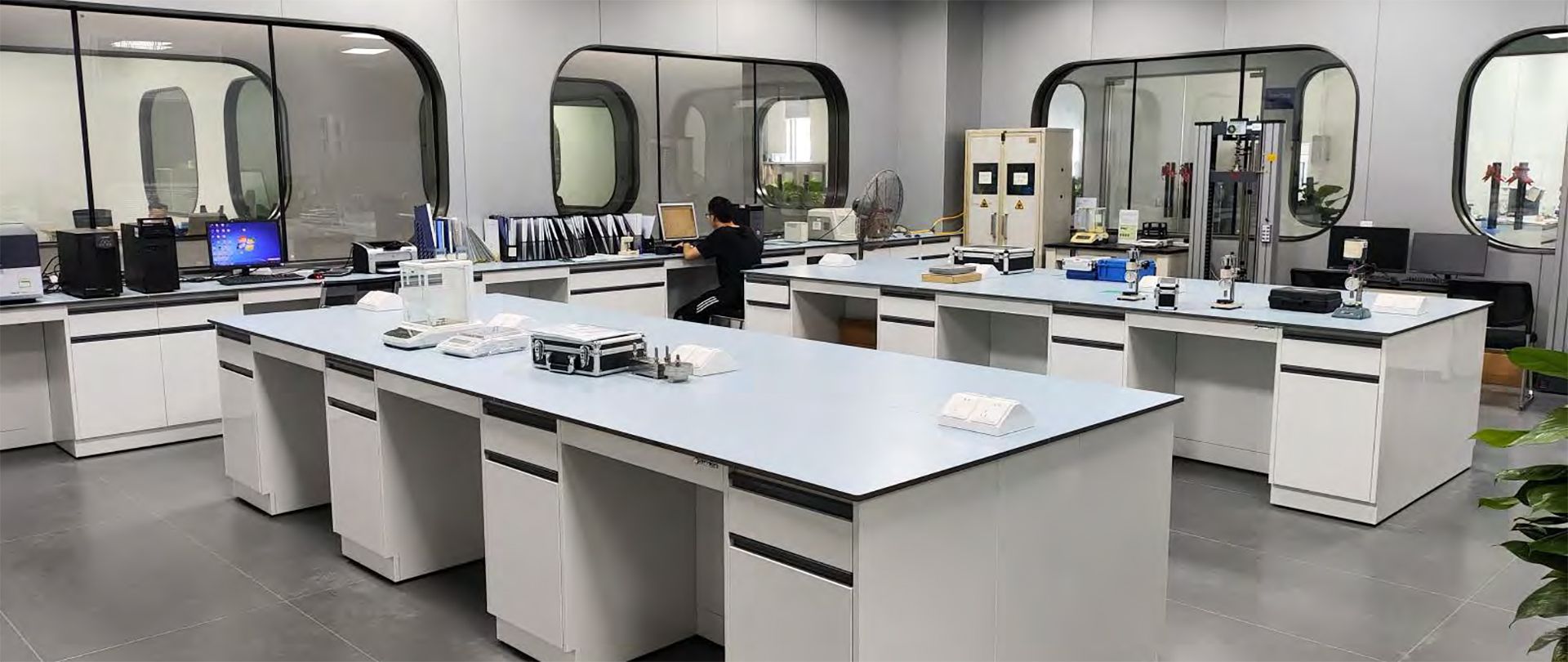
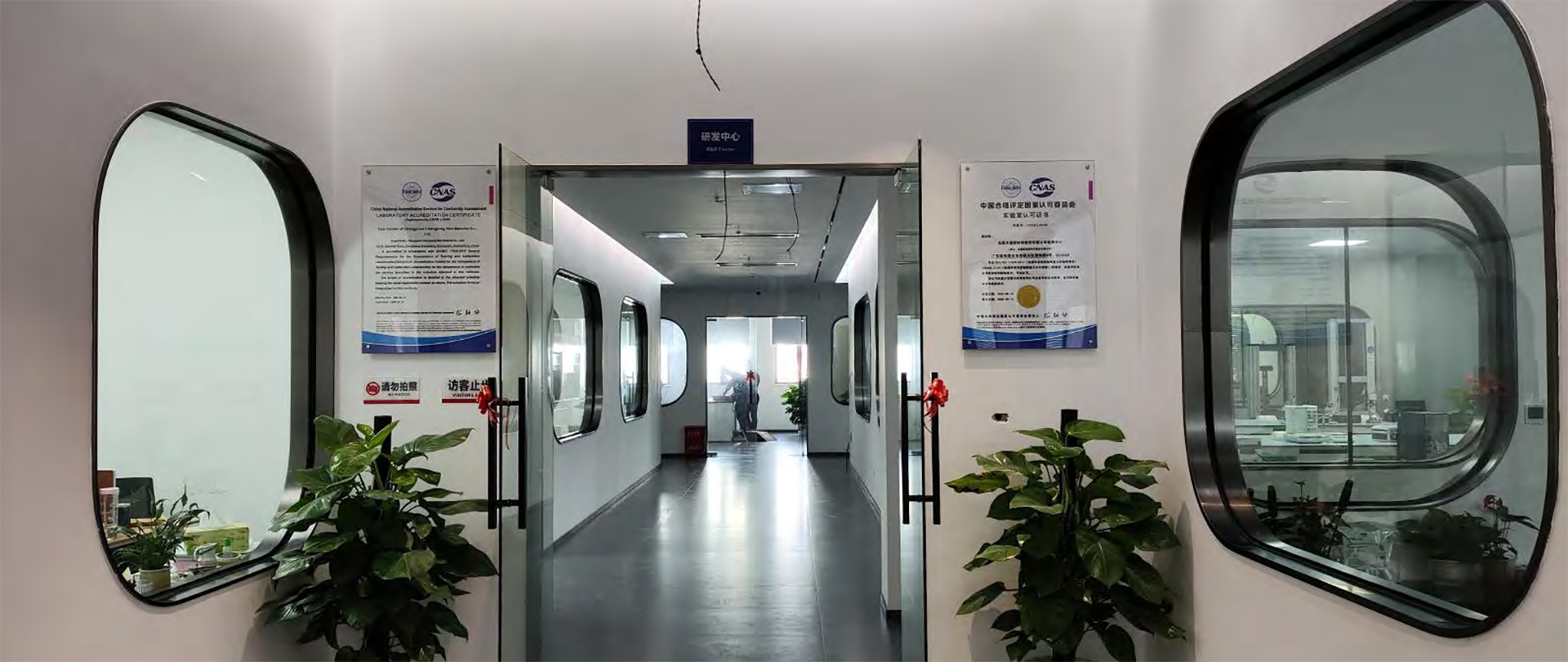
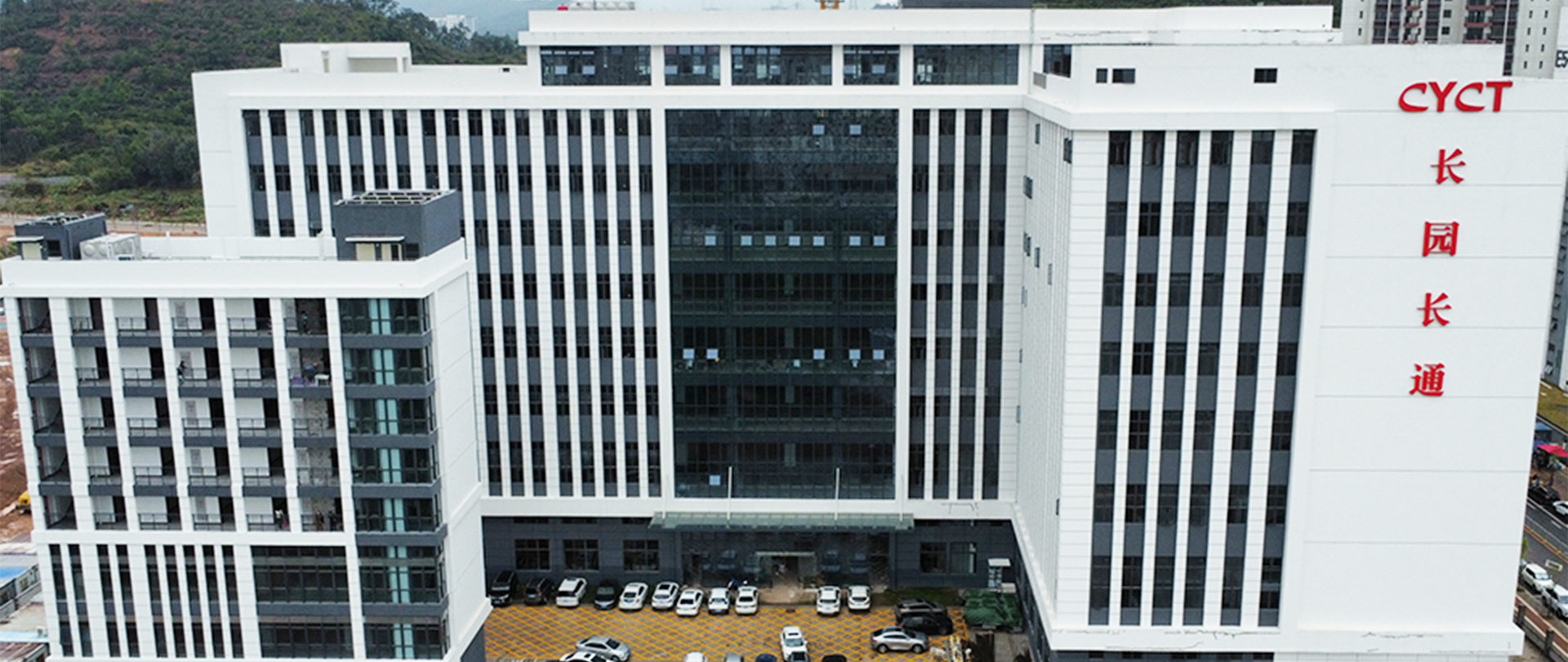
CYCT has been a stable supplier of field joint coatings for years to PetroChina, Sinopec, PipeChina, and various municipal pipeline networks, capturing a high market share. Furthermore, CYCT has developed and introduced a number of specialized corrosion protection materials, such as visco-elastic anticorrosion materials, special photo-curing sleeves for HDD protection, and polyurea coatings.
By cooperating with leading R&D institutes such as the CNPC Pipeline Science Research Institute, CYCT provides in-service pipelines with varied technical services, including buried pipeline detection, design schemes, cathodic protection, rehabilitation projects, and integrated solutions for pipeline safety.
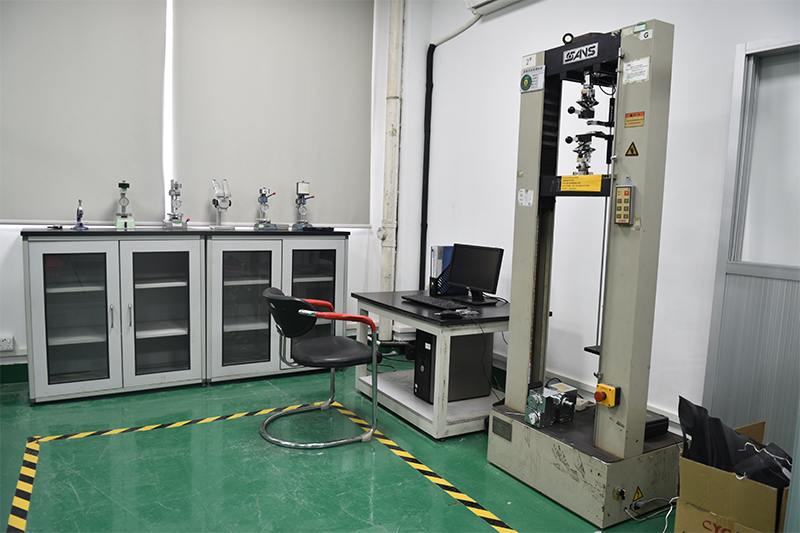
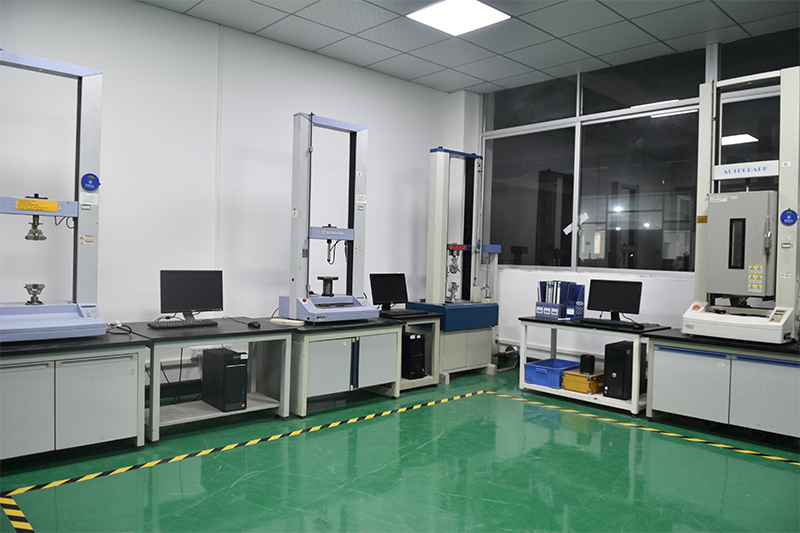
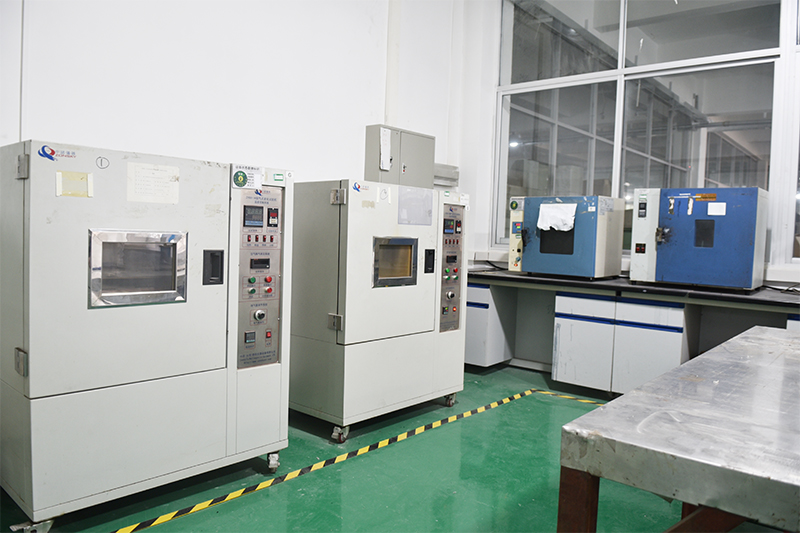
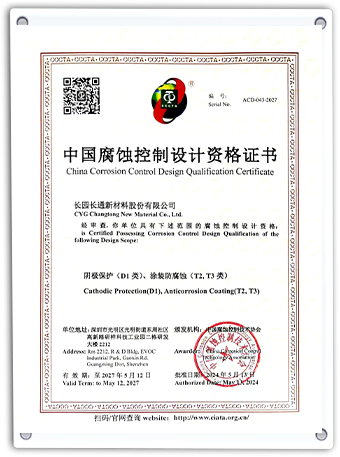
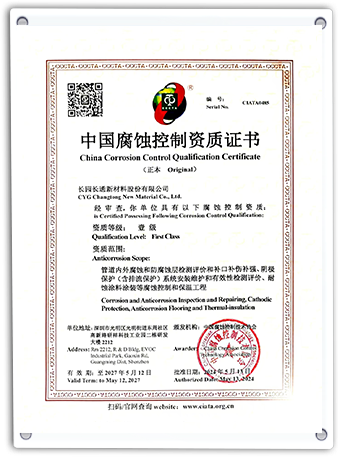
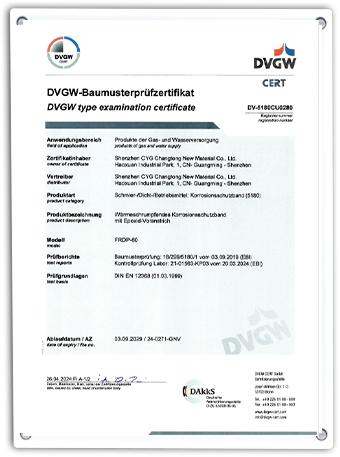
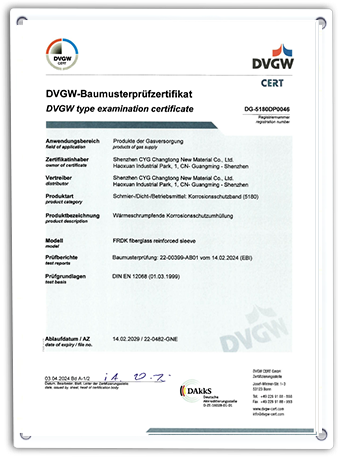
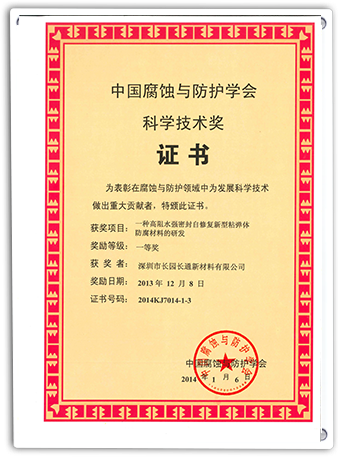
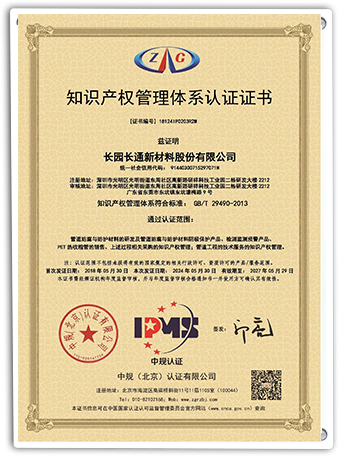
Member of Council in Chinese Society for Corrosion and Protection (CSCP), Qualification Certificate of Corrosion Protection Construction, Qualification Certificate of Pipeline Detection, Well-known Brand of Pipeline Corrosion Protection in China, Corporate Member of China Association of Petroleum Engineering Construction (CAPEC), State-Level High-Tech Enterprise with more than ten proprietary intellectual property rights. Stable supplier of PetroChina, Sinopec, China Gas Group, and Indian Oil.
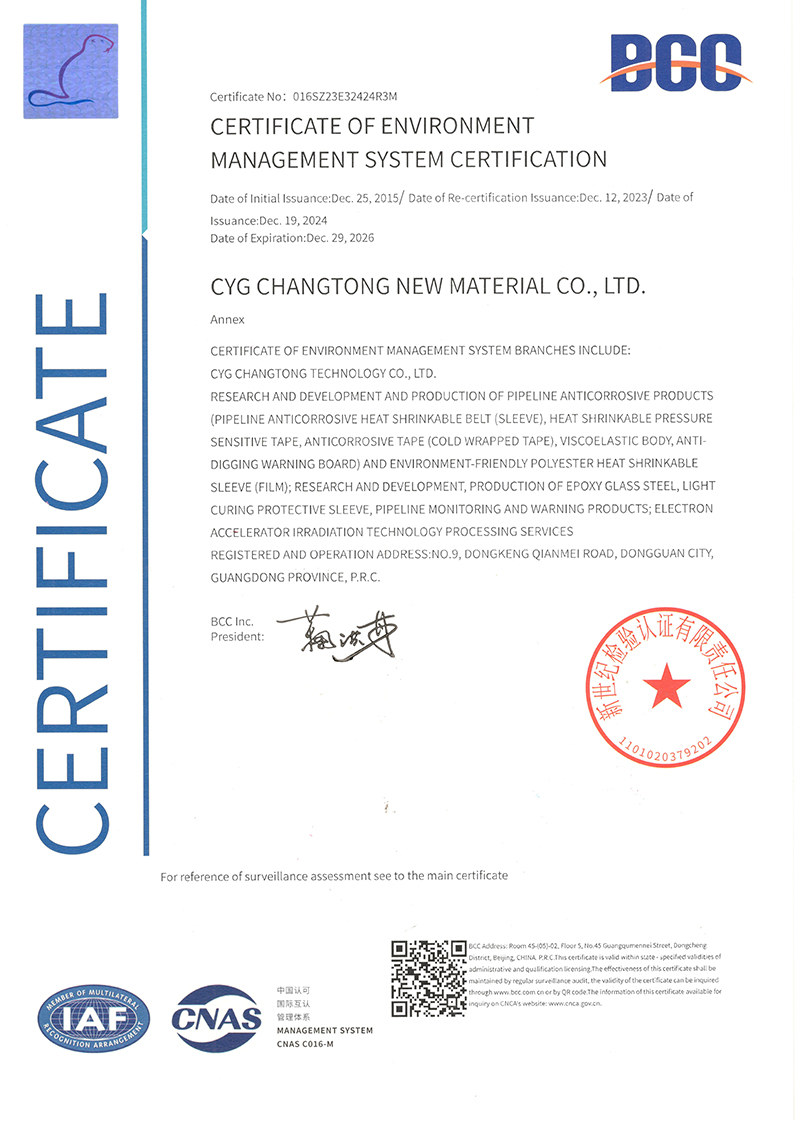
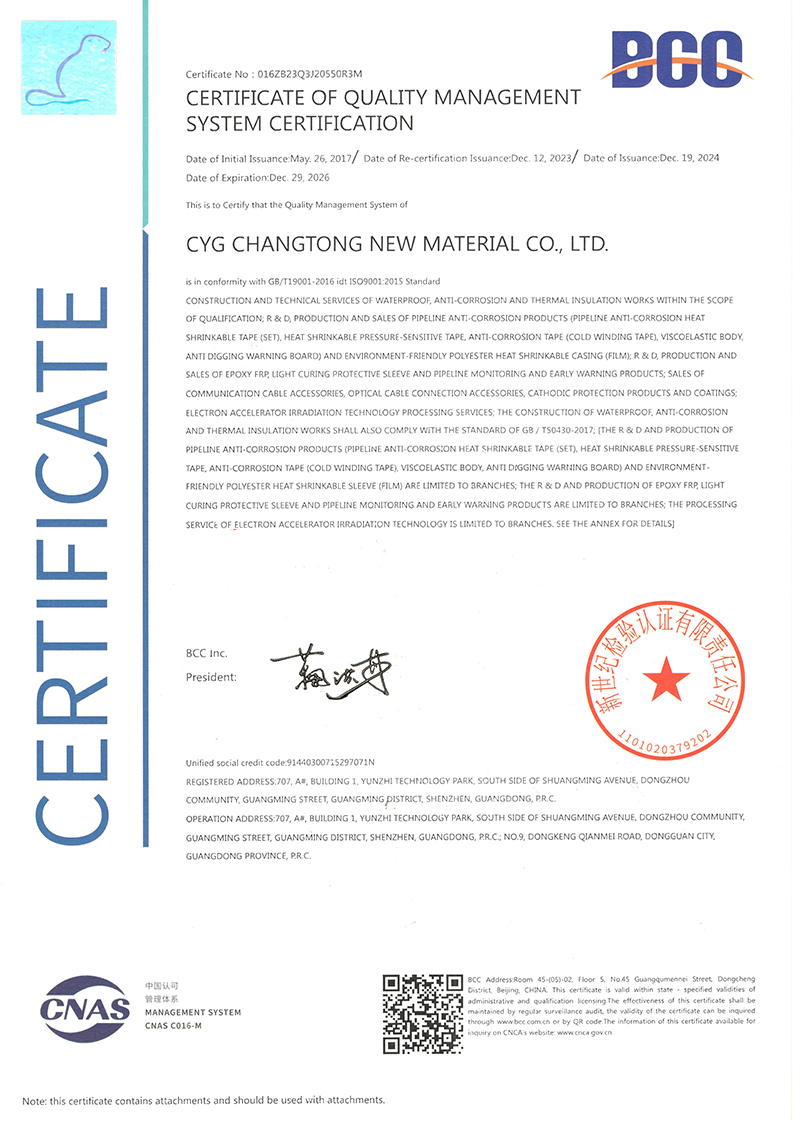
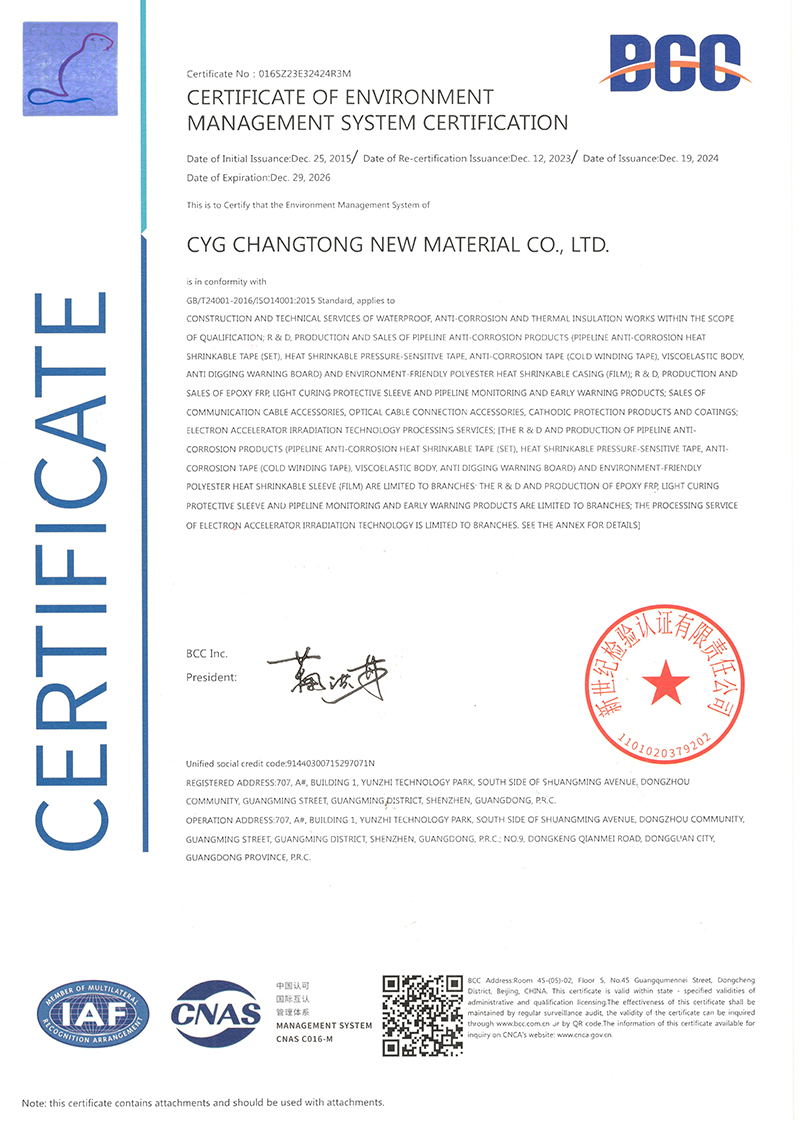
A reference guide for engineering consulting and procurement managers evaluating materials for cross-country pipe joints and electrical distribution networks.
When drafting technical tenders for Medium Wall Heat Shrink Tubing, engineering firms must specify critical material thresholds to prevent field failures. The primary failure modes include adhesive migration, disbondment caused by inadequate surface preparation or incorrect temperature profiles during installation, and tearing under soil stress. To mitigate these risks, specifications should define: minimum recovery ratios, peel strength values to steel and PE outer jackets, and low-temperature flexibility limits.
Additionally, selecting the appropriate internal sealant layer is critical. Hot-melt adhesives provide mechanical grip and environmental resistance at service temperatures up to 80°C. For extreme temperature fluctuations, viscoelastic compounds provide self-healing properties that flow to seal micro-fissures and mechanical abrasions. Our technical staff collaborates with client teams to refine these requirements, matching raw material formulations with local soil characteristics and seasonal environmental conditions.
| Property Evaluation | Standard (ASTM / ISO) | Typical Value (CYCT Range) |
|---|---|---|
| Tensile Strength | ASTM D638 / ISO 527 | ≥ 17 MPa |
| Ultimate Elongation | ASTM D638 / ISO 527 | ≥ 400% |
| Peel Strength (to Steel) | EN 12068 @ 23°C | ≥ 80 N/cm |
| Cathodic Disbondment | ASTM G8 @ 23°C, 30 days | ≤ 5 mm radius |
| Low Temp Flexibility | ASTM D2671 | No cracking at -40°C |
Addressing technical questions regarding material specifications, design configurations, and installation procedures.
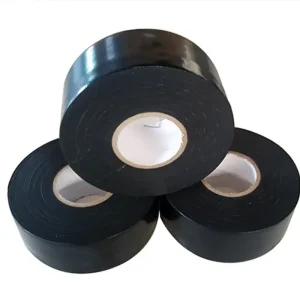
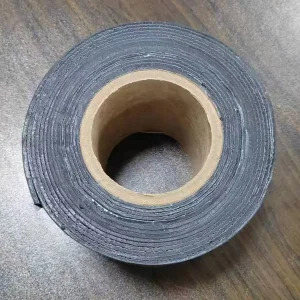
Advanced mastic tapes, specialty repair patches, and pipeline insulation materials engineered for harsh environments.
 CYCT
CYCT