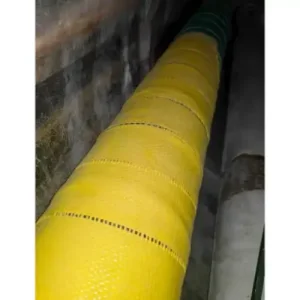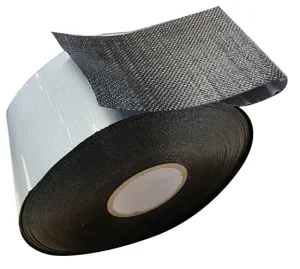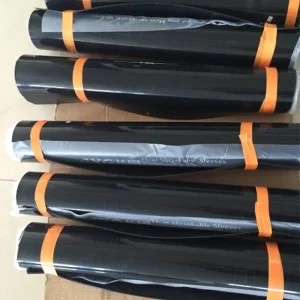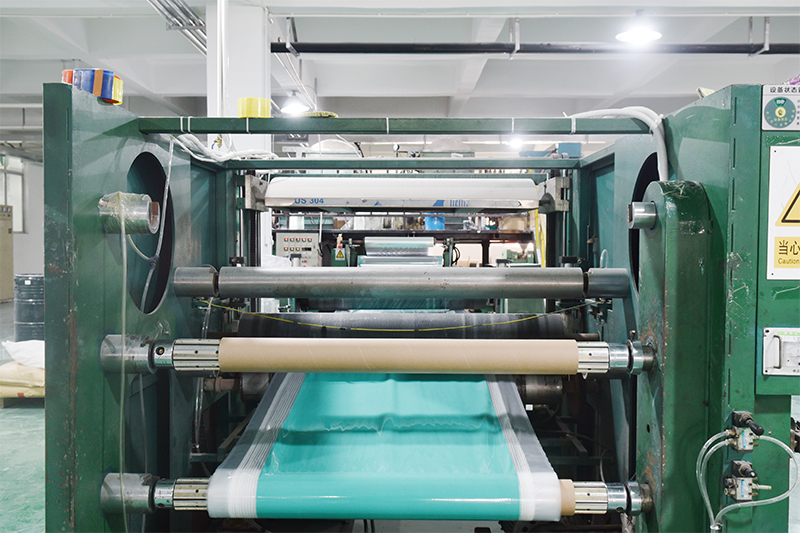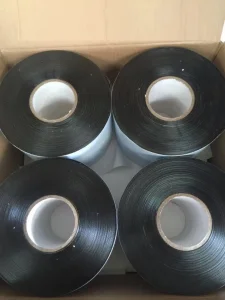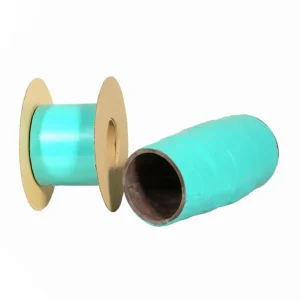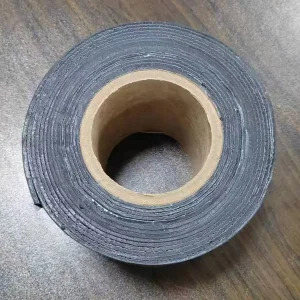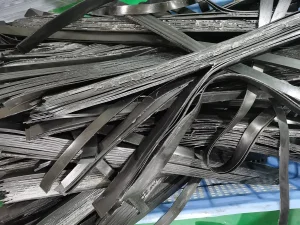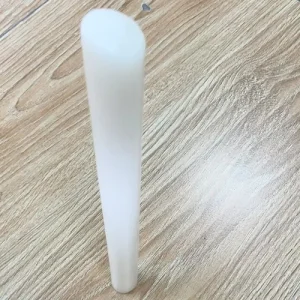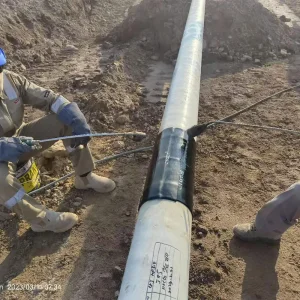
Mastic heat shrinkable sleeves are dynamic, multi-layered polymeric coatings designed to safeguard pipeline field joint zones against moisture ingress, chemical degradation, and electrical corrosion. At the heart of this system is a thick, rheologically engineered viscoelastic mastic sealant layer bonded to an irradiation cross-linked polyethylene backing. Upon application of heat, the backing shrinks, forcing the high-tack mastic compound to flow, wetting the steel interface and creating a monolithic sealing barrier.
Unlike hot-melt copolymer systems that require high-temperature preheating and epoxy primers, mastic-based systems offer remarkable surface tolerance, requiring less severe surface preparation (often St2 or St3 manual cleaning rather than near-white metal blasting Sa2.5). This adaptability reduces on-site costs while preserving robust anti-corrosive performance.
| Characteristic / Parameter | Mastic Adhesive Sleeve (2-Layer) | Hot-Melt Copolymer Sleeve (3-Layer) | |
|---|---|---|---|
| Substrate Surface Prep | St 2 / St 3 (Mechanical Cleaning acceptable) | Sa 2.5 (White Metal Sandblasting mandatory) | High tolerance reduces field deployment friction |
| Preheat Requirements | Moderate (typically 60°C - 80°C) | High (typically 120°C - 200°C with epoxy primer) | Reduced energy consumption and installation risk |
| Shear Stress Resistance | Medium-High (Optimal for soils up to 60°C) | Very High (Optimal for high soil shear stress) | Ideal for medium diameter utility & gas lines |
| Cathodic Disbondment | Excellent resistance (typically < 15mm at 60°C) | Superior resistance (with liquid epoxy base) | Maintains joint integrity over long life cycles |
Long-distance distribution networks rely on mastic heat shrinkable sleeves to protect field welds against aggressive soil moisture and dynamic geological pressures. Our backing technology ensures high resistance to soil stress in variable terrains.
For municipal water and waste transmission networks where field joint sandblasting is economically or physically restrictive, mastic sleeves offer an accessible, dependable mechanism for structural protection with St 3 preparation.
During live pipeline repair operations where open-flame application temperatures must be tightly monitored and regulated, the low preheat demands of mastic systems offer superior control, mitigating risk to existing pipe coatings.
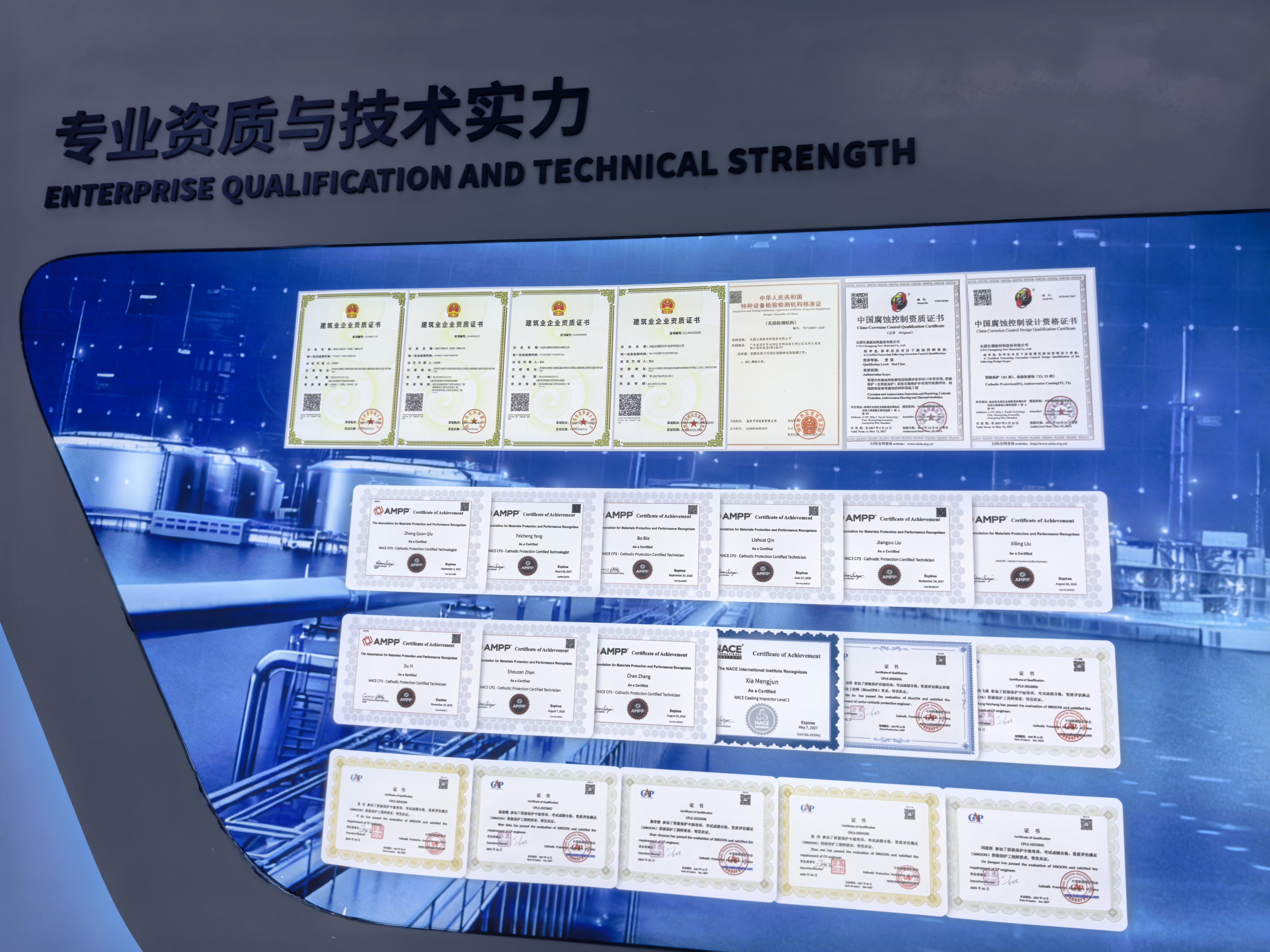
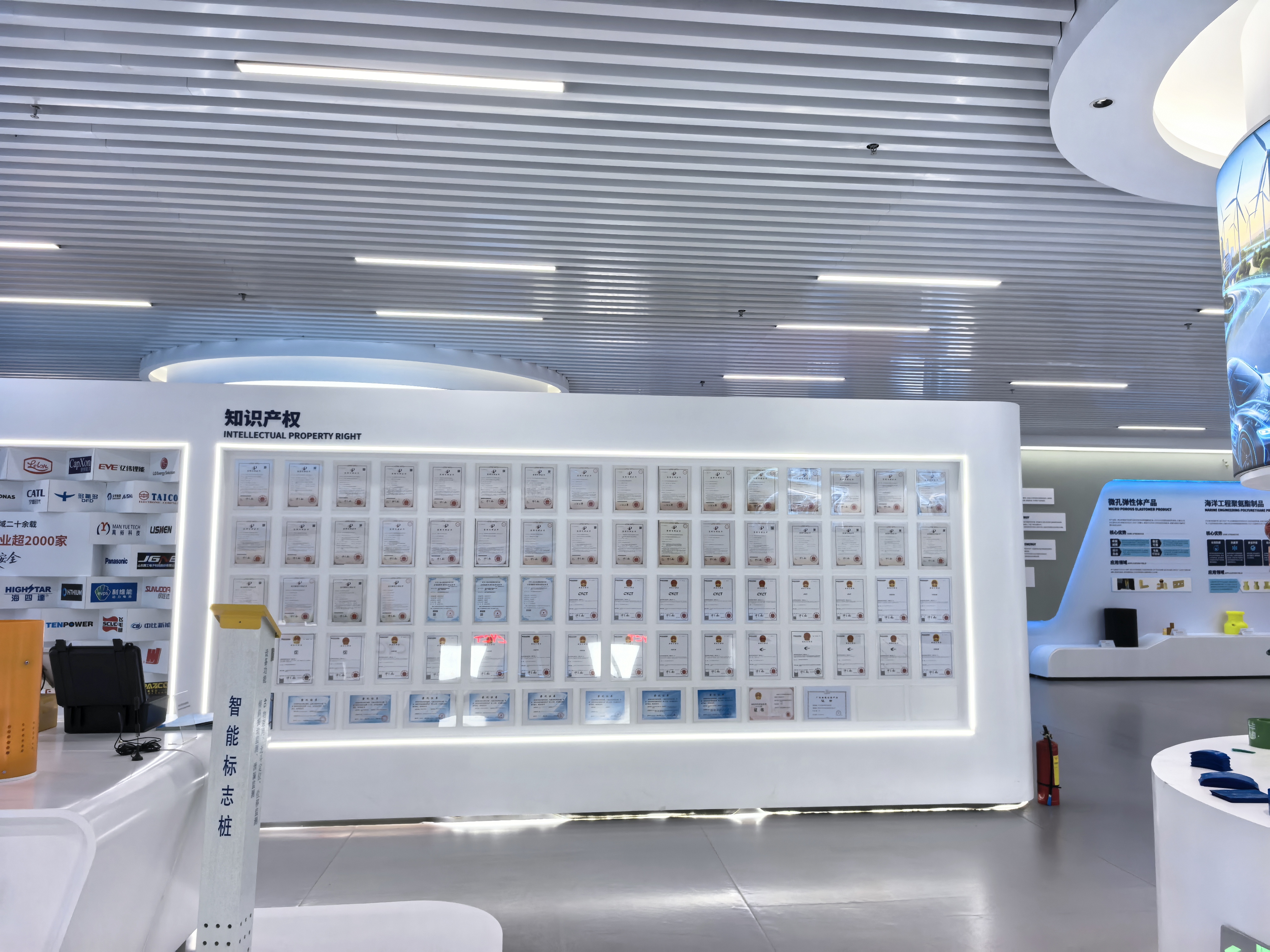
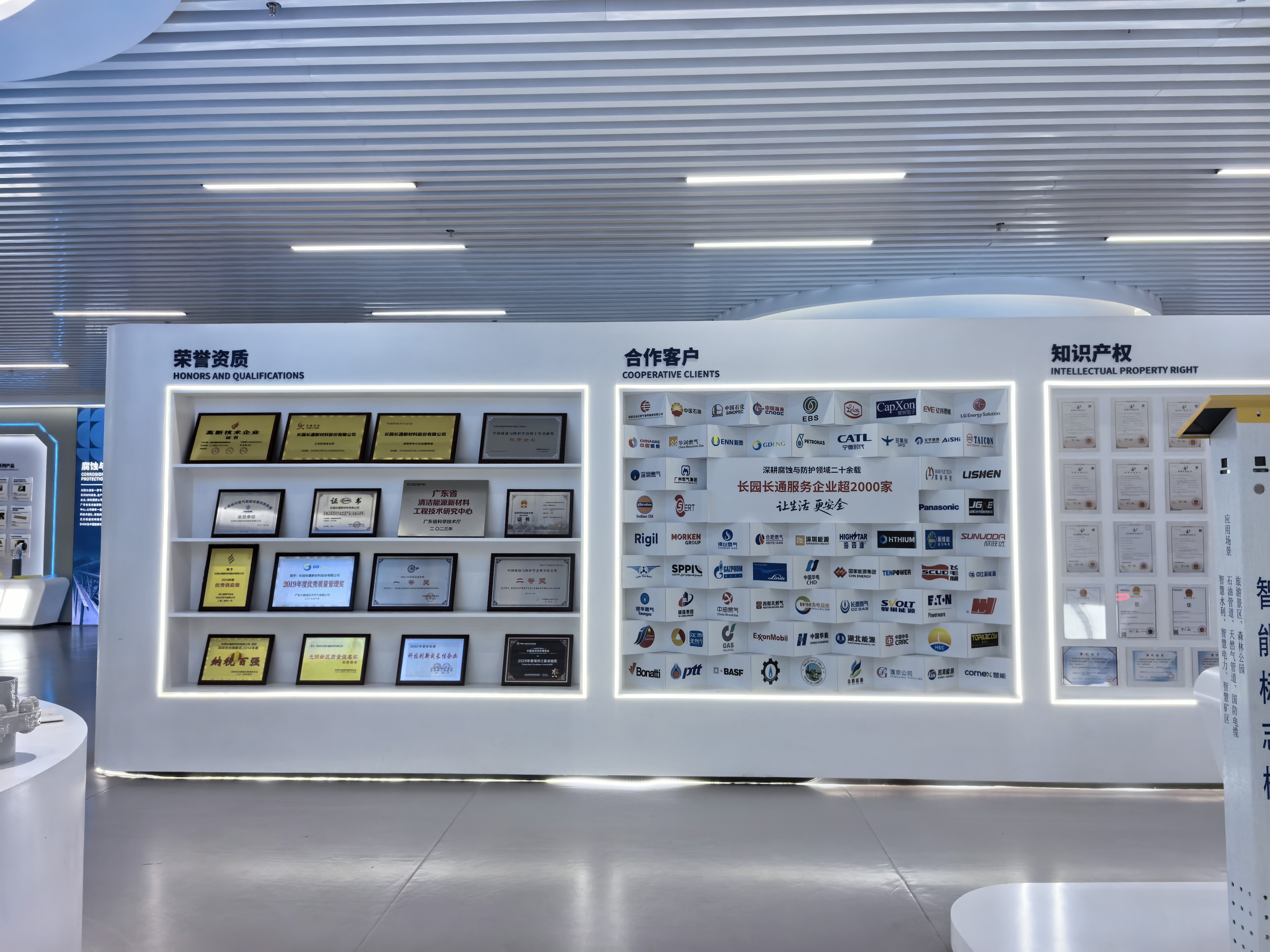
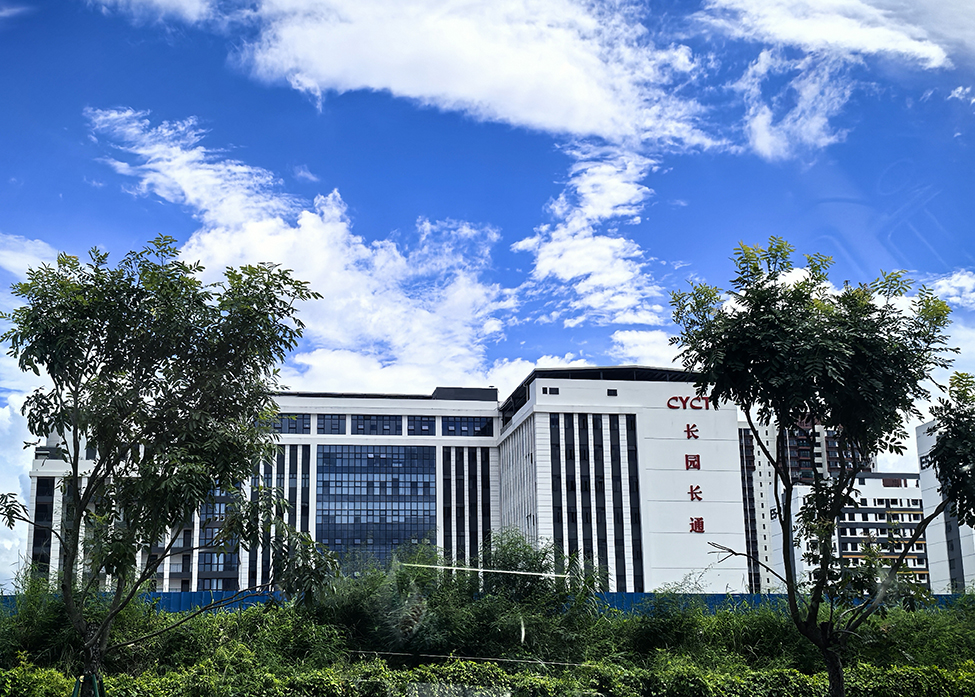
CYCT New Materials Company Limited (CYCT) is a state-level high-tech enterprise integrating the R&D, production, and sales of pipeline corrosion protection materials, as well as buried pipeline detection and coating application services. For decades, CYCT has dedicated itself to engineering robust protection solutions for major global transmission systems.
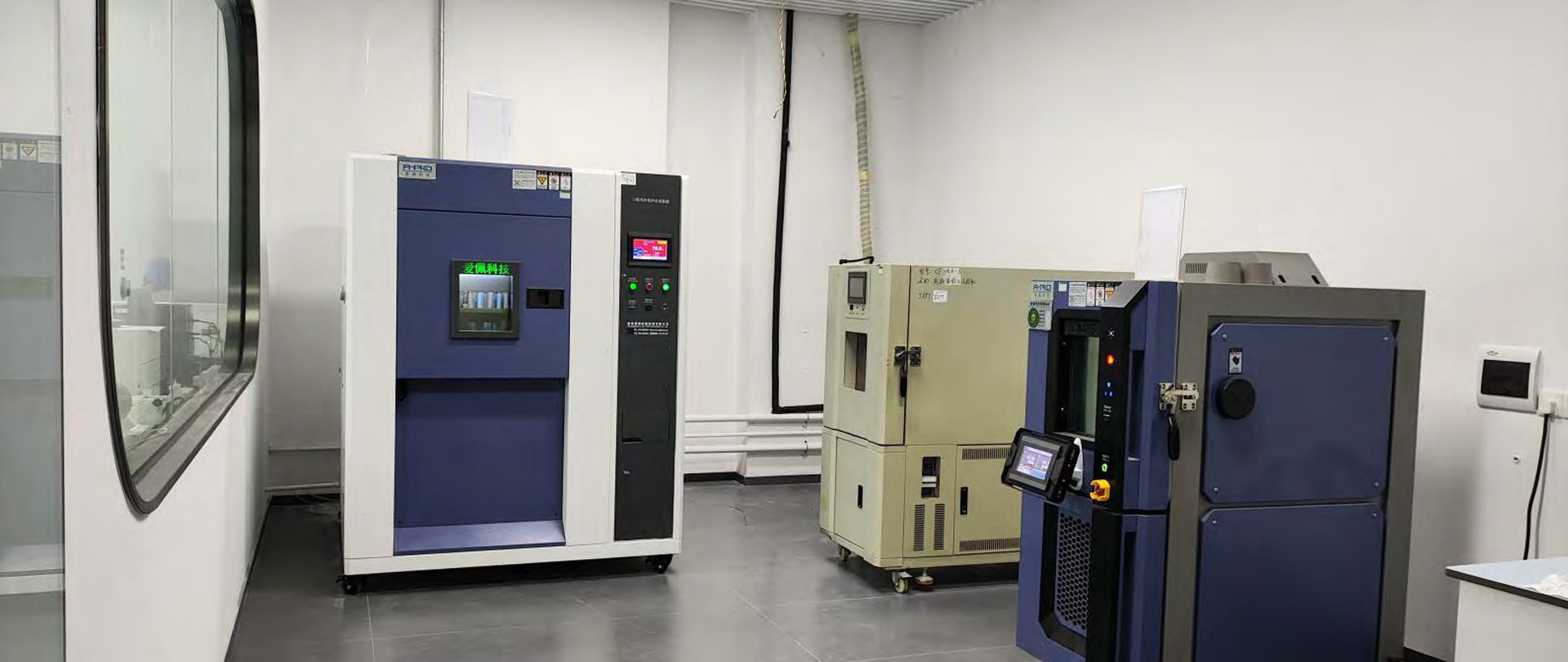
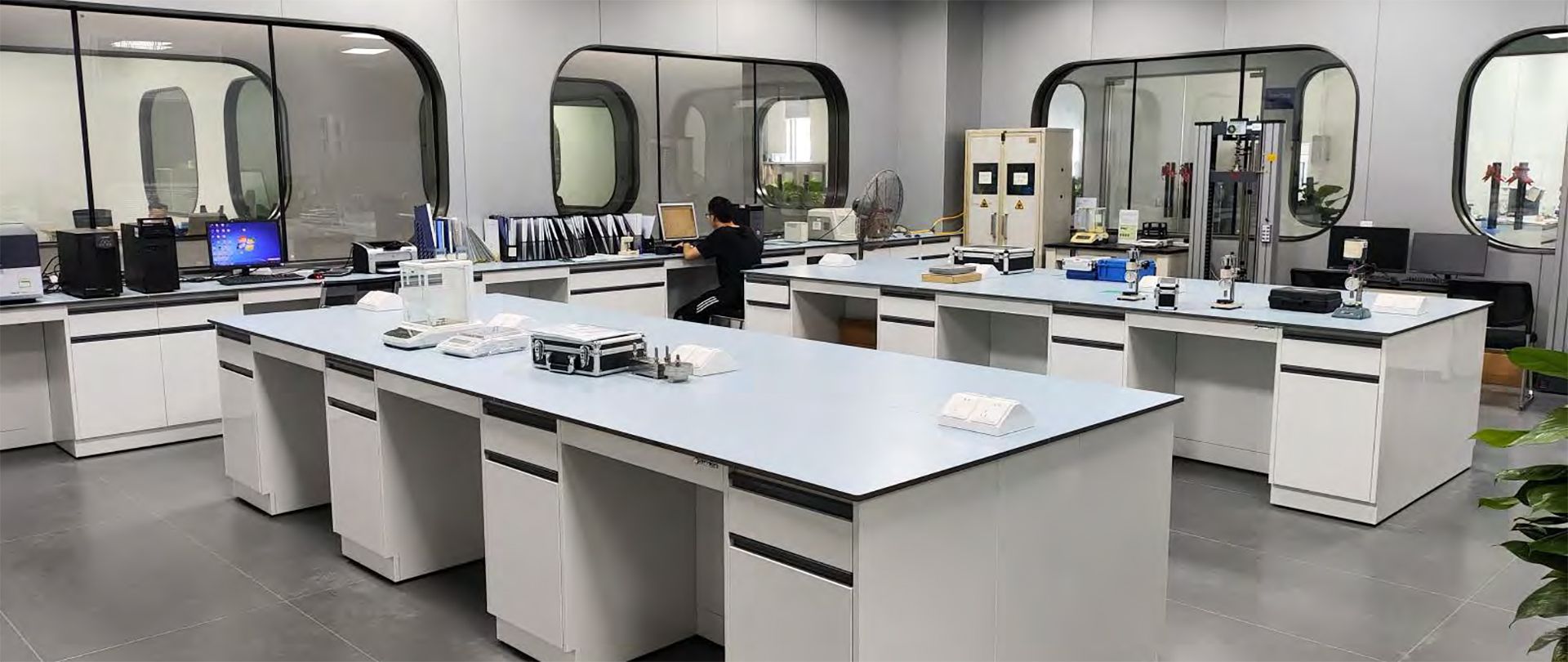
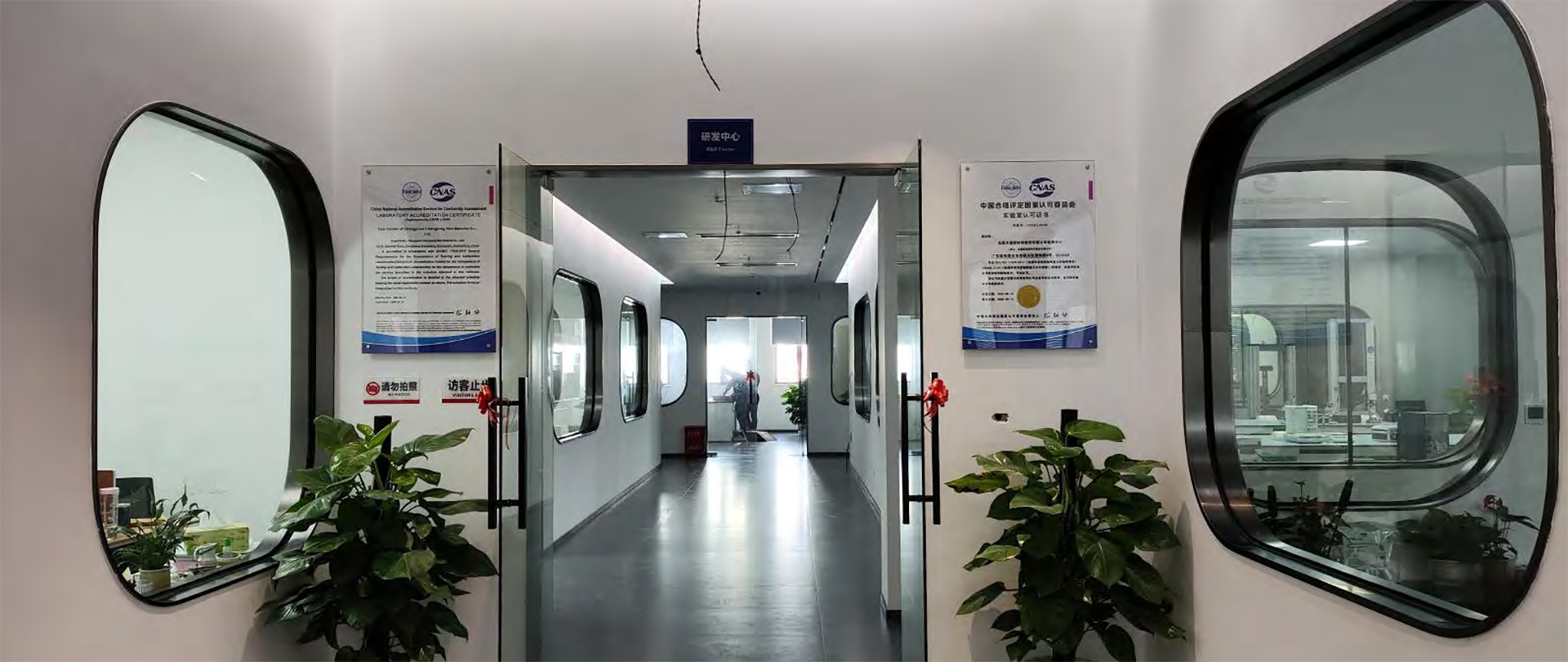
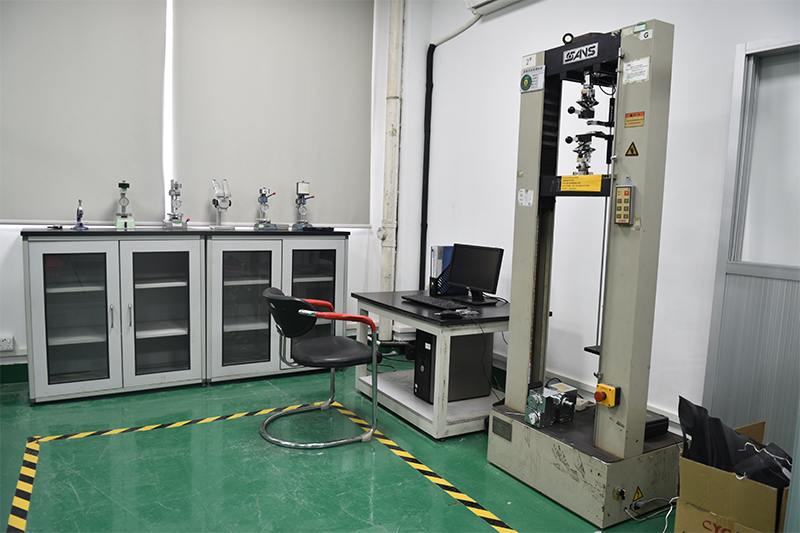
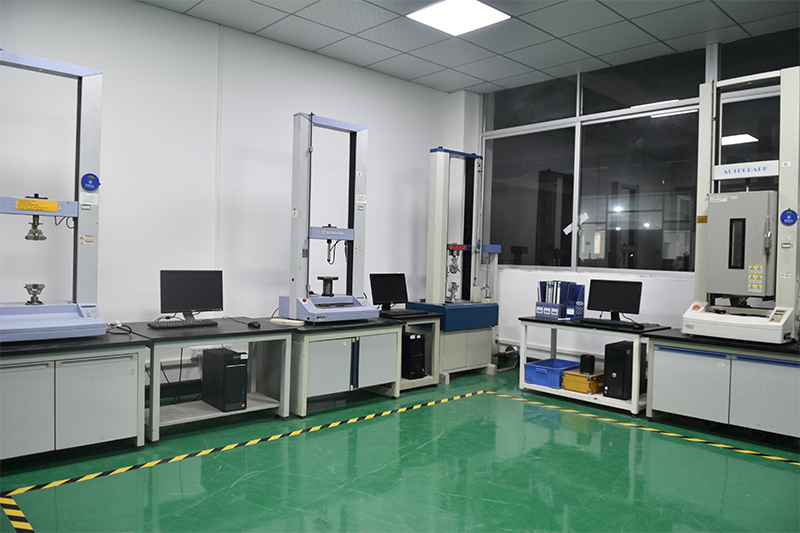
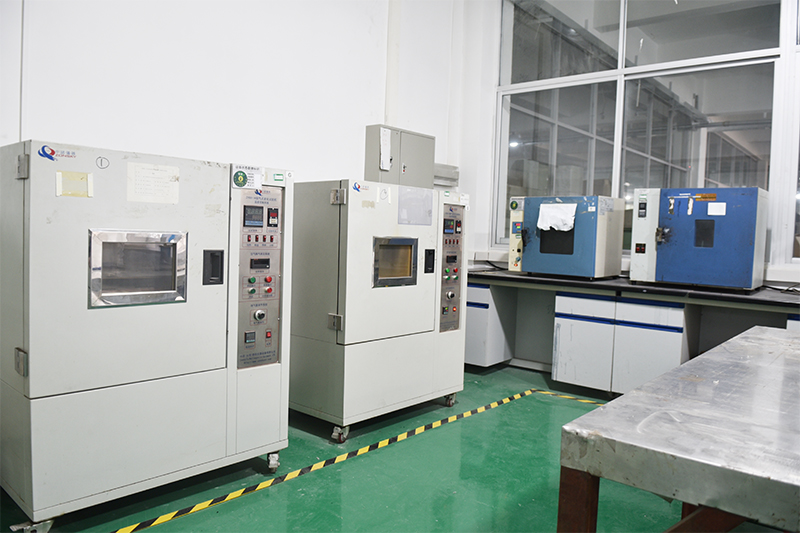
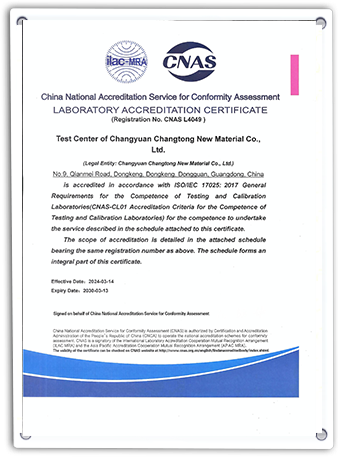
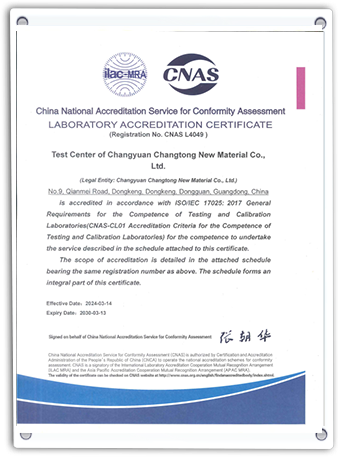
Equipped with leading testing and R&D capabilities, a professional research team, and a national CNAS-accredited laboratory, CYCT is a long-standing supplier of field joint coatings for PetroChina, Sinopec, PipeChina, and various international utilities, maintaining a leading market share. Additionally, CYCT has developed advanced solutions including visco-elastic anticorrosion materials, photo-curing sleeves for HDD protection, and polyurea coatings.
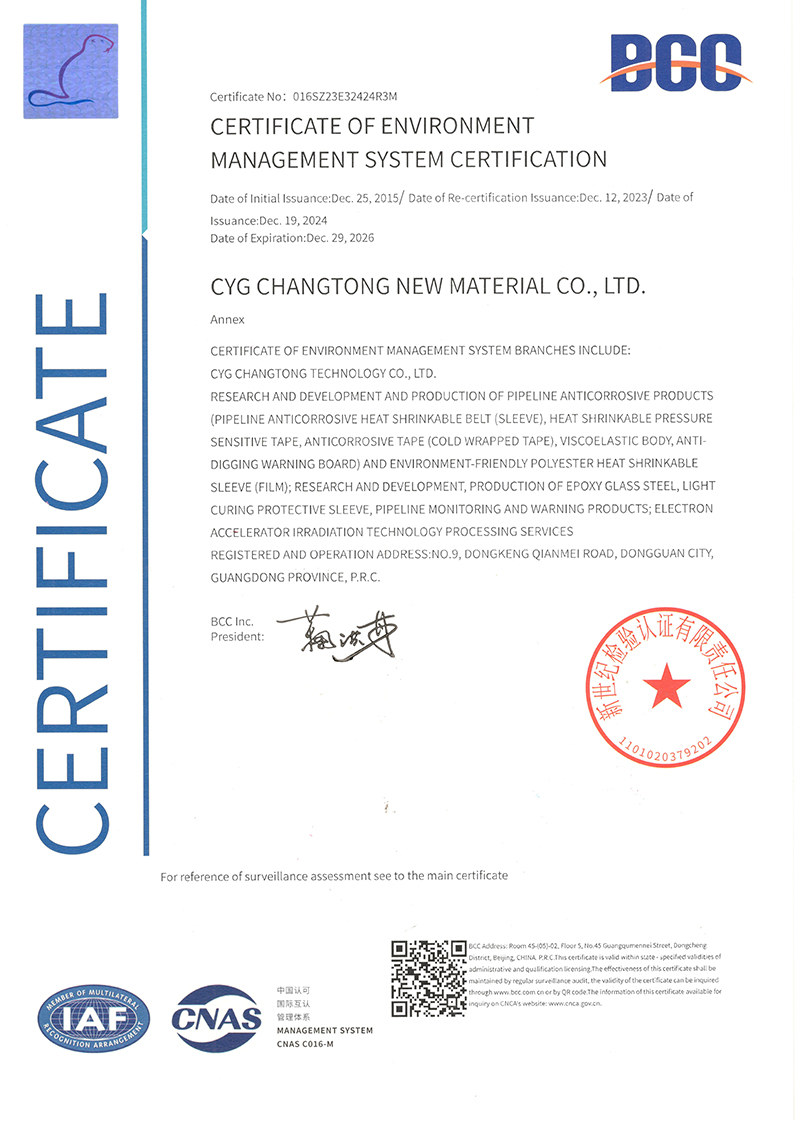
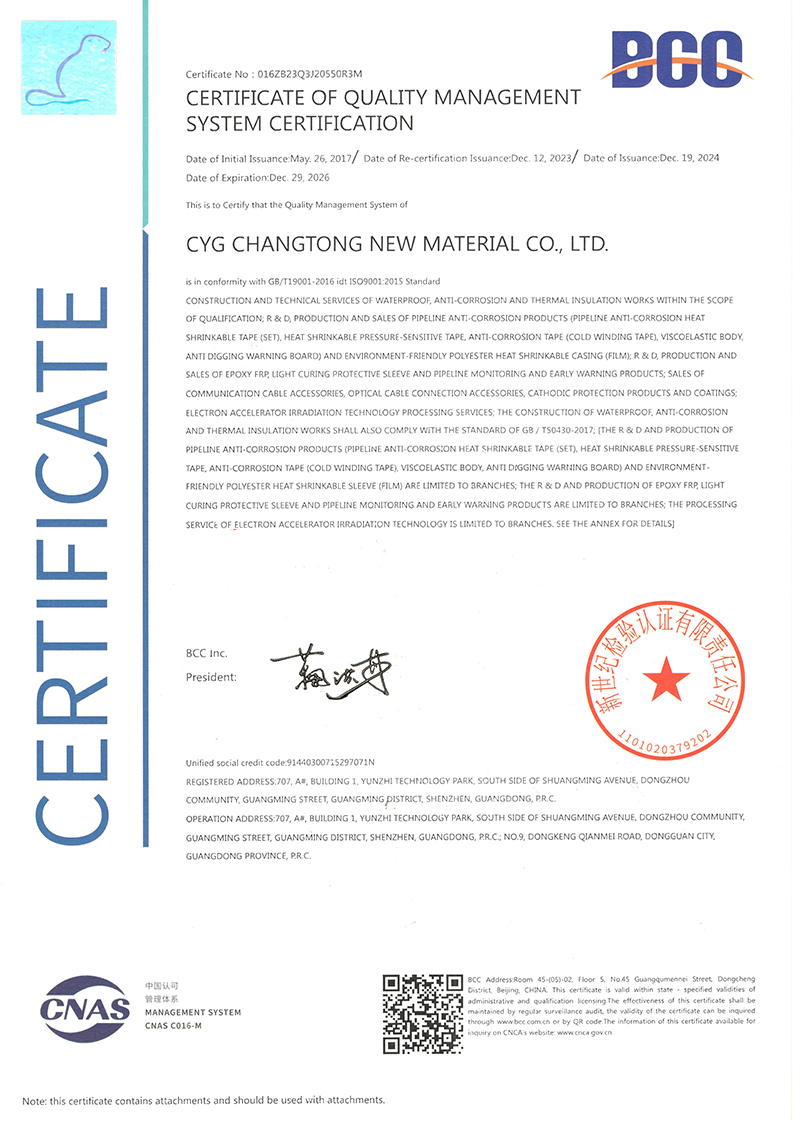
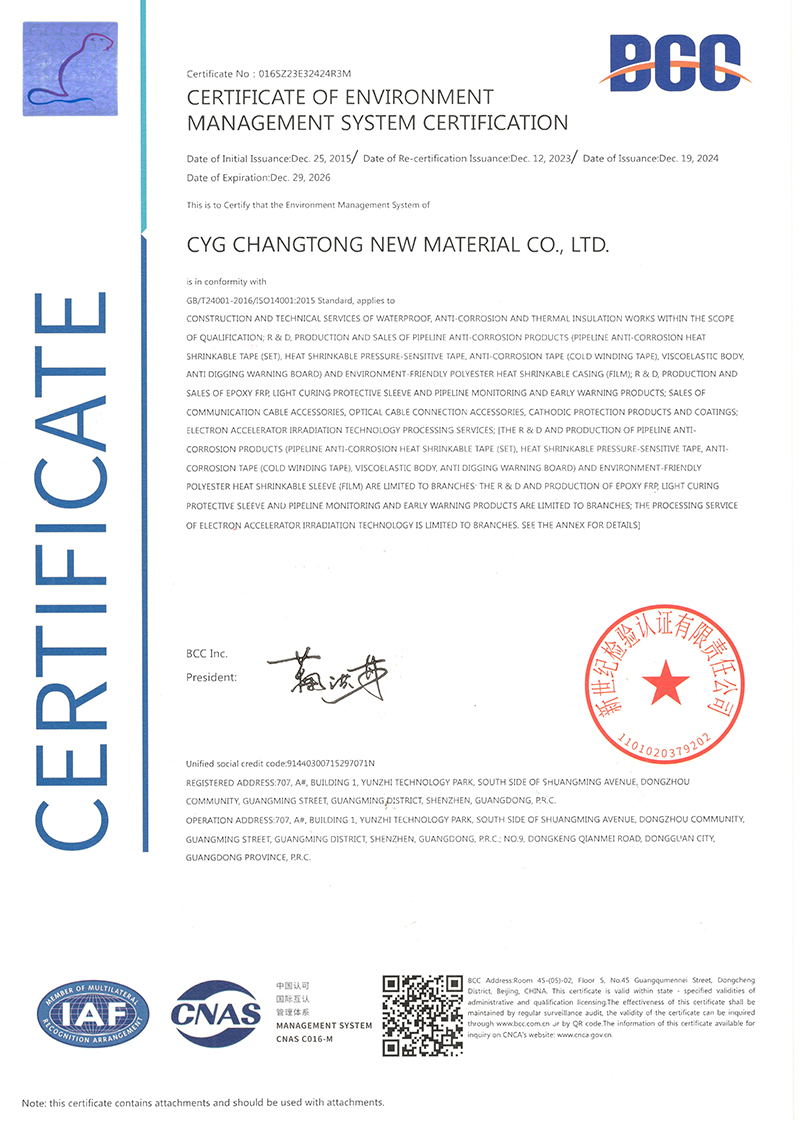
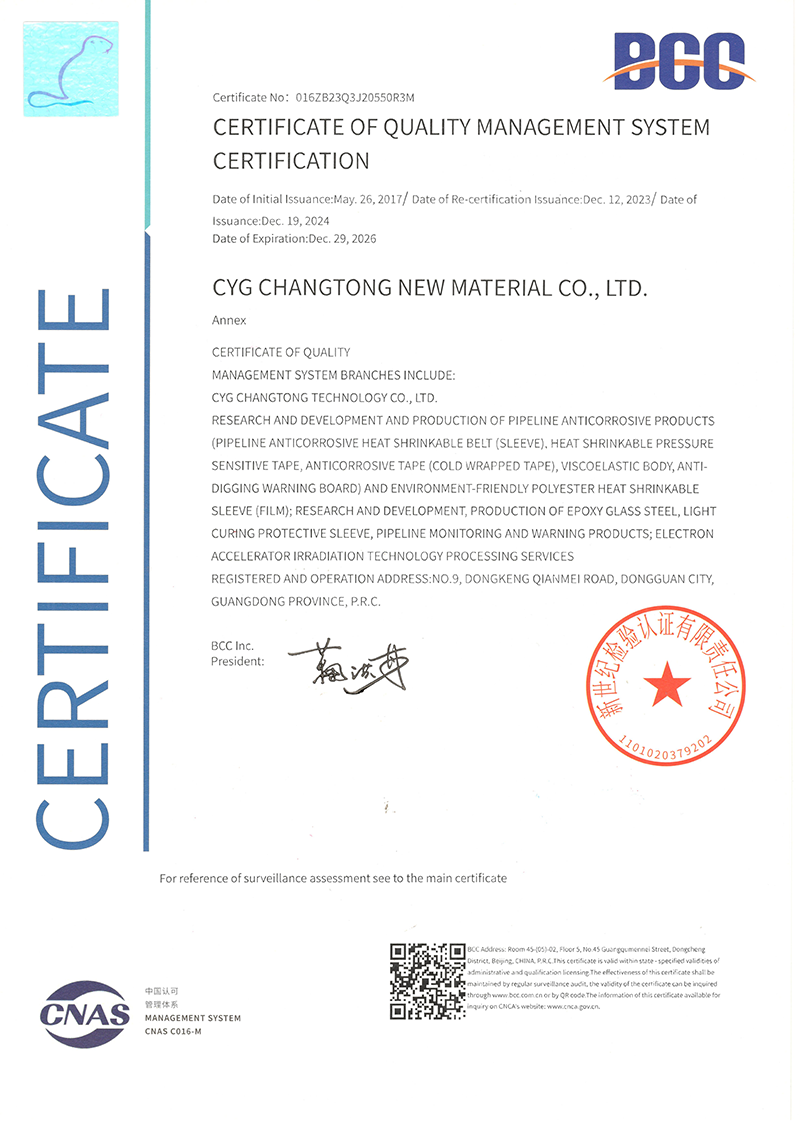
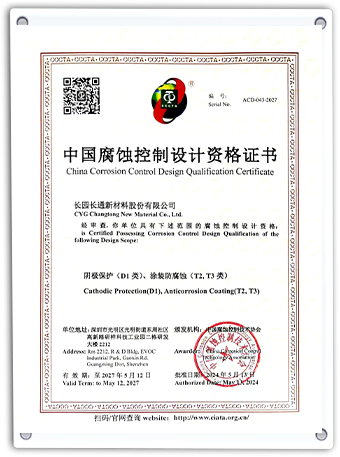
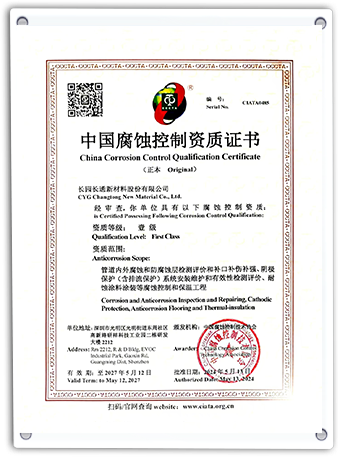
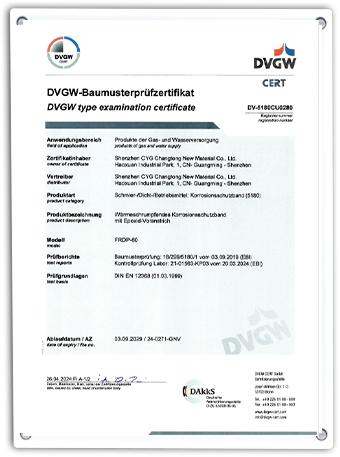
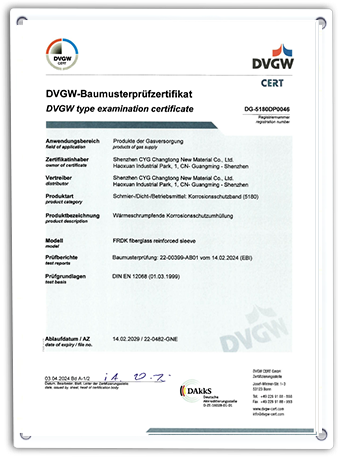
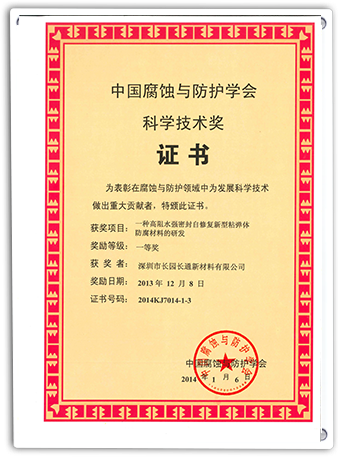
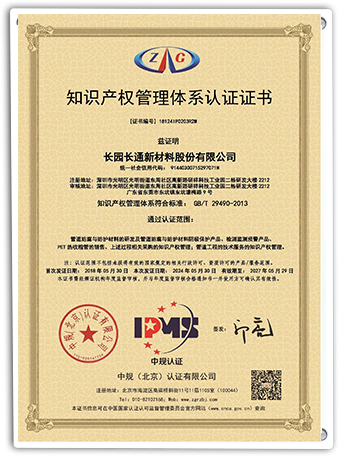
Member of Council in Chinese Society for Corrosion and Protection (CSCP), Qualification Certificate of Corrosion Protection Construction, Qualification Certificate of Pipeline Detection, Well-known Brand of Pipeline Corrosion Protection in China, Corporate Member of China Association of Petroleum Engineering Construction (CAPEC), State-Level High-Tech Enterprise with more than ten proprietary intellectual property rights. Supplier to PetroChina, Sinopec, China Gas Group, and Indian Oil.
In desert installations (e.g., Middle Eastern pipeline alignments), soil temperatures can reach 55°C, causing significant shear stress on the coating. Our specialized high-temperature mastic compounds remain structurally stable, preventing pipeline slippage and wrinkles.
Under highly conductive coastal environments with aggressive groundwater, mastic sleeves provide exceptional cathodic disbondment resistance. This blocks chloride ion migration and preserves active steel preservation.
In extreme cold regions, traditional adhesives become brittle. CYCT's elastomeric mastic formulations retain structural flexibility down to -20°C, absorbing environmental movement and frost-heaving forces.
As a progressive manufacturer, CYCT is committed to adapting its technology to suit evolving energy transit standards. Our engineering roadmap targets green infrastructure, longevity, and intelligent monitoring.
Developing solvent-free adhesive compounds to ensure safety during application, reducing environmental footprints, and aligning with stringent global emissions standards.
Researching specialized cross-linked backings to prevent molecular hydrogen migration in mixed-gas pipeline systems, safeguarding field joints against hydrogen embrittlement.
Integrating micro-encapsulated polymers that automatically repair minor mechanical damages in the mastic layer, reducing manual maintenance over decades of operation.
The primary difference lies in the adhesive composition and performance profile. Mastic sleeves use a thick, sticky viscoelastic rubber-based compound that flows well at room temperature and accommodates lower surface preparation levels (St 2 or St 3). In contrast, hot-melt adhesive sleeves rely on a semi-crystalline copolymer that requires higher preheat temperatures (often 120°C+ with epoxy primers) to achieve a proper bond, but provides higher mechanical shear strength for high-stress soils.
Yes, one of the main advantages of mastic-based heat shrink sleeves is their surface tolerance. They can be applied on surfaces prepared to St 2 or St 3 standards using wire brushes or power tools, whereas hot-melt systems require Sa 2.5 sandblasting. This makes mastic sleeves cost-effective for repairs and remote installations where heavy sandblasting equipment is impractical.
CYCT operates a national CNAS-accredited laboratory. We perform peel strength testing (to steel and factory coatings), cathodic disbondment resistance testing, thermal aging tests, impact resistance, and water absorption trials in accordance with international standards such as ISO 21809-3, EN 12068, and ASTM guidelines.
When installed according to CYCT's specifications, our mastic heat shrinkable sleeves are designed to match the design life of the pipeline system, typically exceeding 30 years in standard buried environments.
 CYCT
CYCT