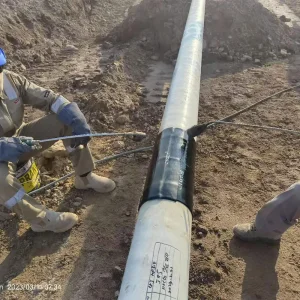
Premium pipeline protection solutions engineered for direct field application under rigorous industrial specifications.
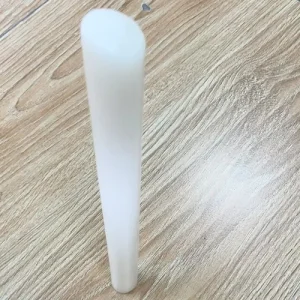
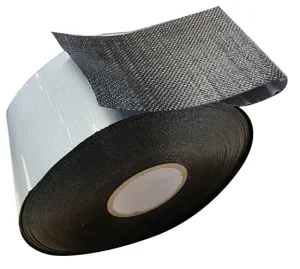
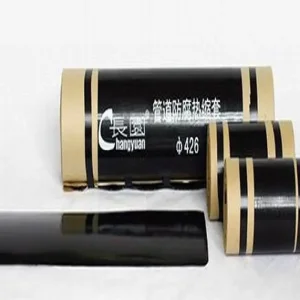
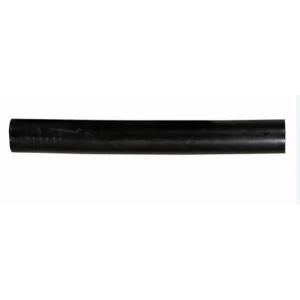
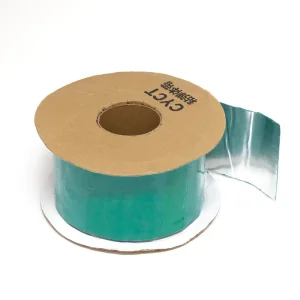
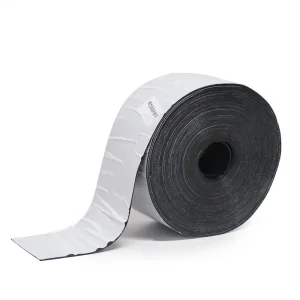
Mastic heat shrink sleeves consist of a radiation cross-linked polyolefin backing coated with an aggressive, viscoelastic butyl rubber-based mastic adhesive. Unlike traditional hot-melt adhesives which require high pre-heat temperatures and become brittle in cold conditions, mastic formulations flow dynamically under soil stress, self-heal minor installation punctures, and offer exceptional cathodic disbondment resistance. This makes them the premium choice for field joint coating (FJC) in distribution networks, municipal water mains, and industrial pipelines.
The global infrastructure sector faces escalating demands for pipeline safety, longevity, and environmental sustainability. In this high-stakes arena, pipeline integrity is continuously threatened by corrosion, cathodic disbondment, mechanical stresses, and fluctuating ground movements. Mastic-lined heat shrinkable materials have emerged as the foundational shield protecting field joints, bends, and distribution lines from premature failure. Used primarily in conjunction with two-layer polyethylene (2LPE) and three-layer polyethylene (3LPE) steel pipeline systems, these heat-shrinkable sleeves serve as the critical barrier sealing joint areas against water ingress, chemical soil pollutants, and galvanic corrosion.
The core innovation behind mastic heat shrink products lies in the rheological profile of the mastic adhesive layer. Traditional hot-melt adhesives rely on rigid crystallization upon cooling. In contrast, mastic sealants maintain a permanently viscoelastic state, exhibiting both viscous (fluid-like) and elastic (solid-like) properties over broad temperature ranges. Under continuous earth loads and thermal expansion cycles, the mastic flows slowly to fill microscopic anomalies on the steel surface, guaranteeing a 100% void-free bond. It active-fills surface roughness profiles from SSPC-SP 10 (Sa 2.5) abrasive blasting operations, eliminating micro-cavities where water vapor could condense.
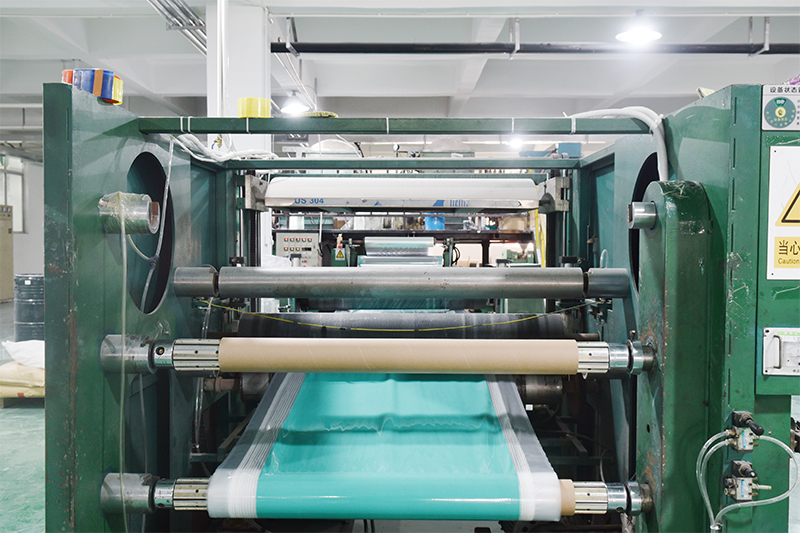
China's leading manufacturing facilities utilize continuous, automated extrusion lines that couple raw polyolefin resin blending with inline thickness control. The extruded backing sheet is subsequently subjected to high-energy electron beam radiation to form a robust cross-linked molecular structure. This structure creates a "shape memory effect," allowing the backing to shrink tightly during flame heating without melting or tearing.
Proprietary polymer modification technologies enable China factories to synthesize mastic sealants with optimal shear strength, peel resistance, and thermal endurance. Advanced coating heads deposit uniform mastic layers onto the backing without air entrapment. This creates a monolithic composite tape that prevents delamination between the outer polyolefin protective film and the mastic barrier layer.
Leading high-tech pipeline integrity systems and corrosion protection manufacturer since 2000.
CYCT New Materials Company Limited (for short, CYCT) is a state-level high-tech enterprise integrating R&D, production, and sales of pipeline corrosion protection materials. Over decades of refinement, CYCT has developed an integrated suite of services covering buried pipeline detection, custom coating design schemes, cathodic protection system compatibility, and professional rehabilitation project consulting.
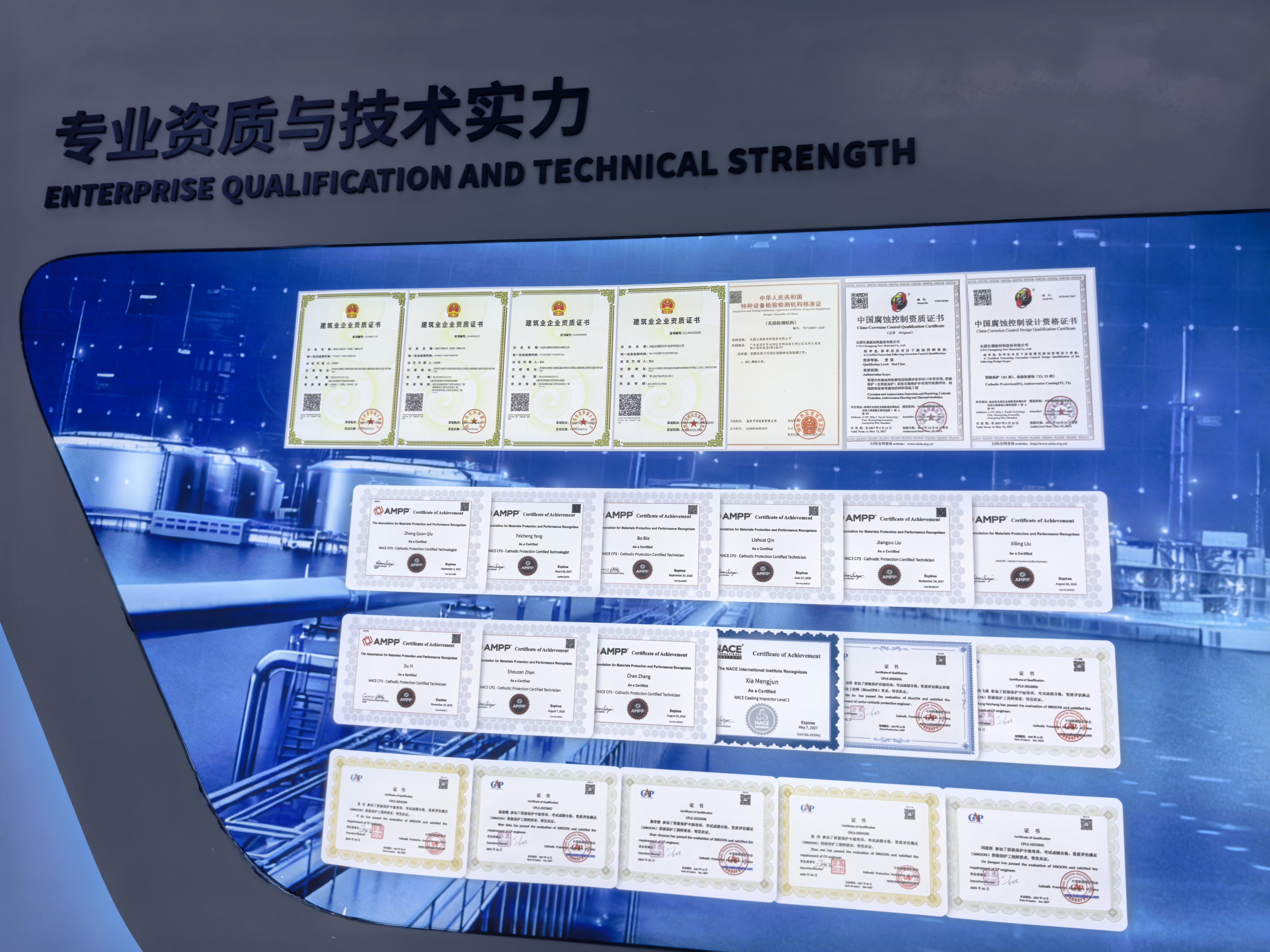
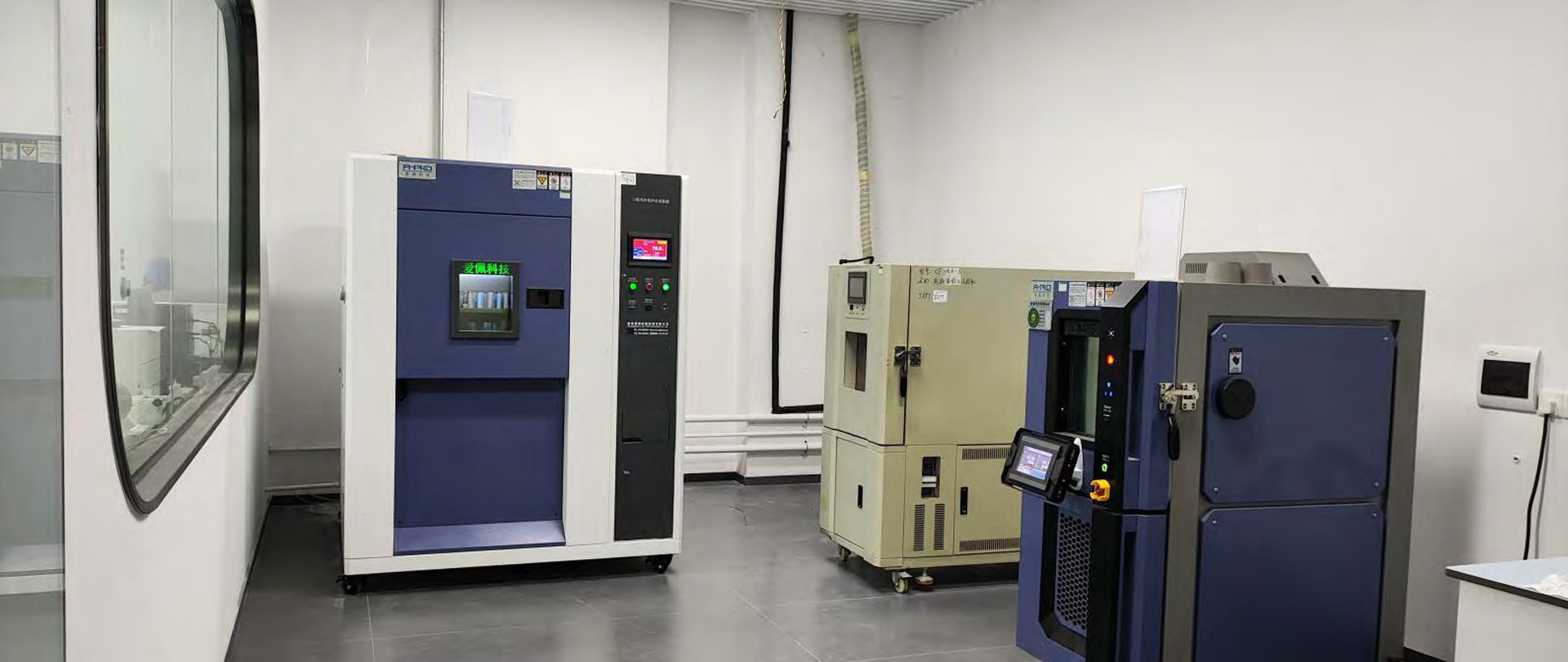
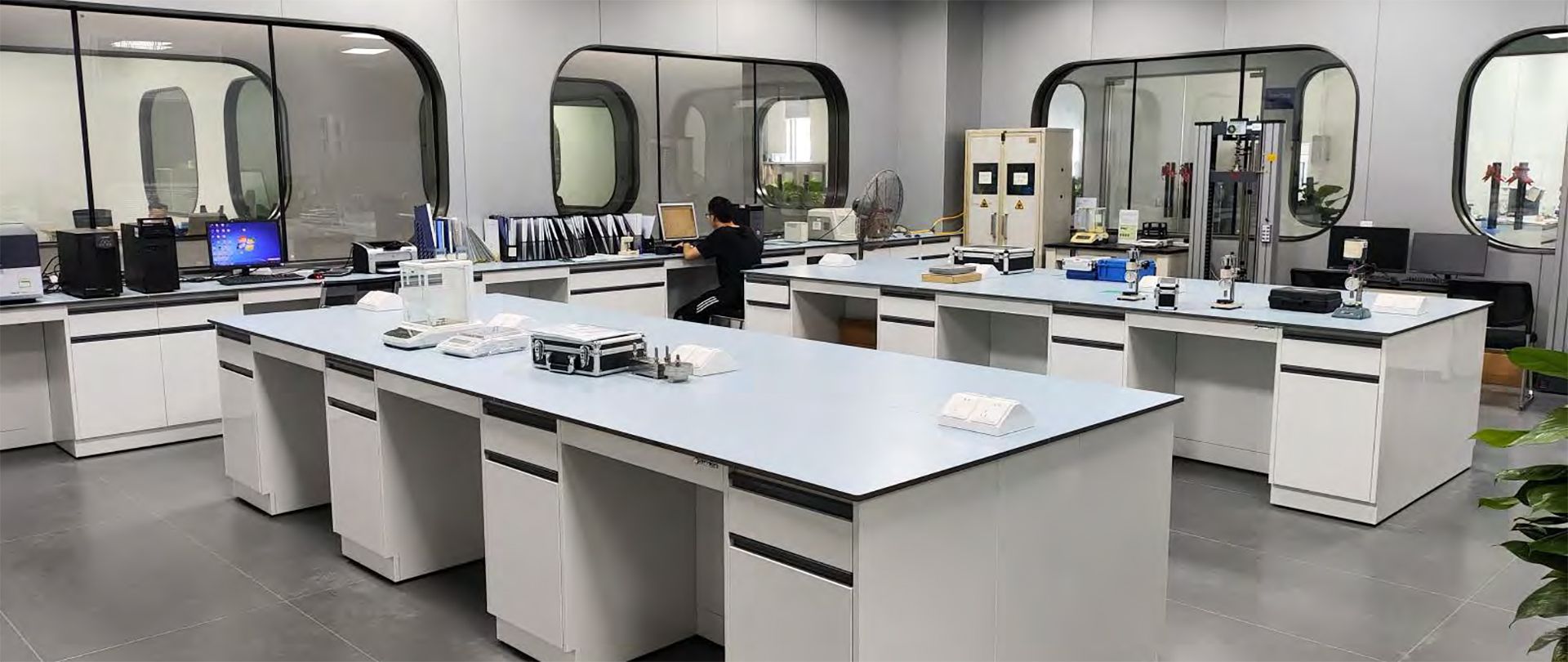
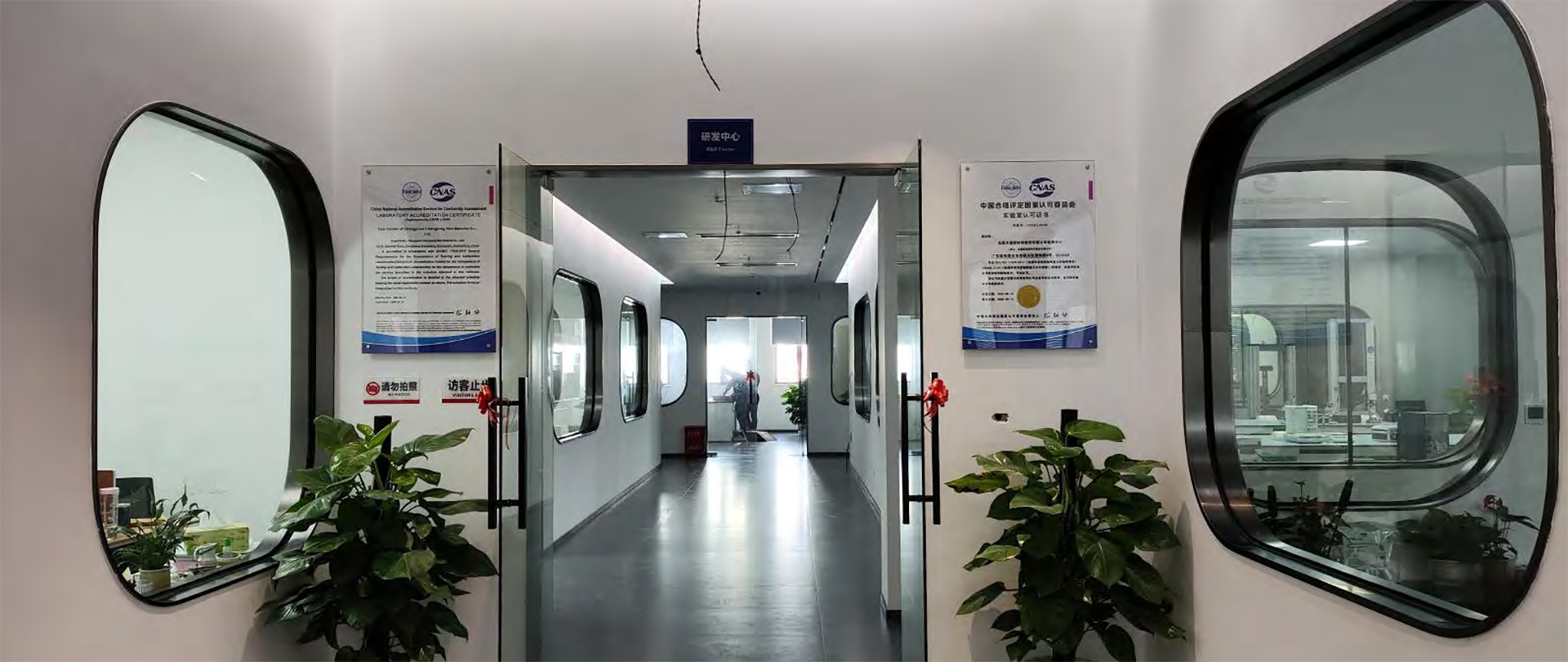
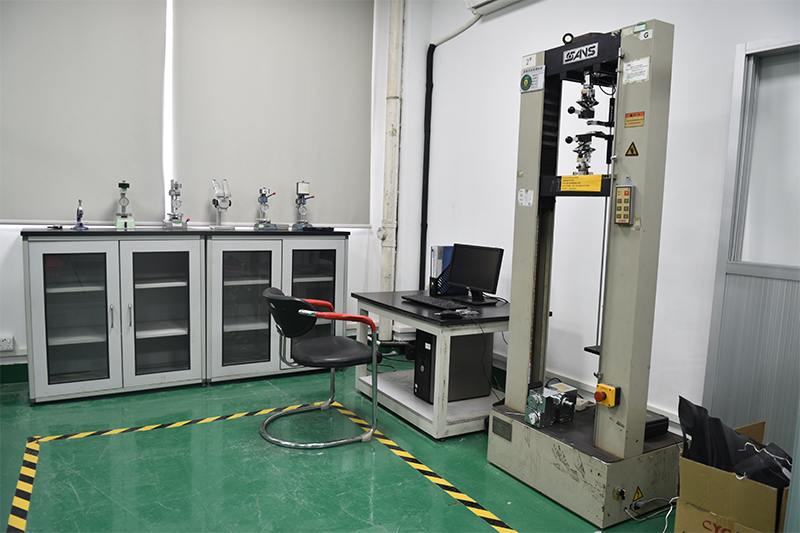
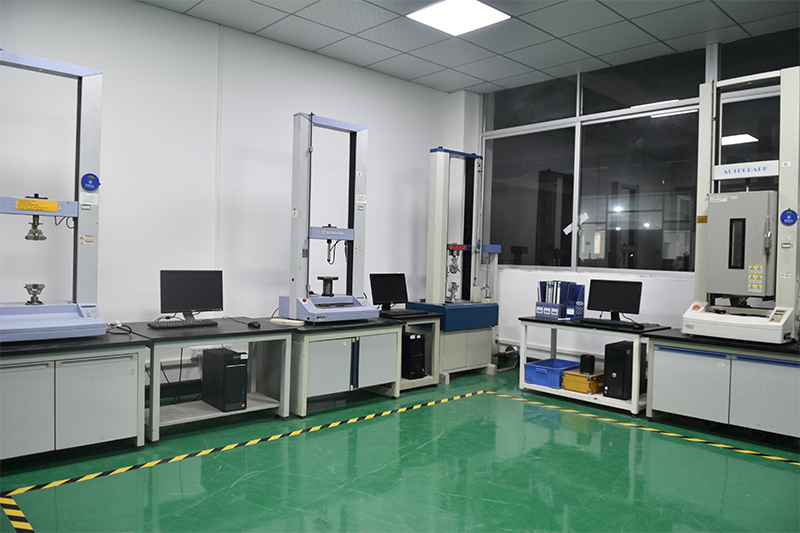
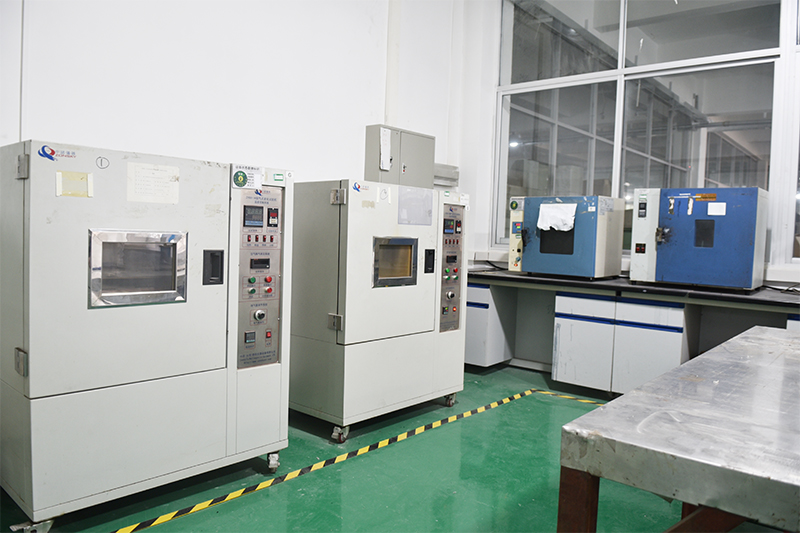
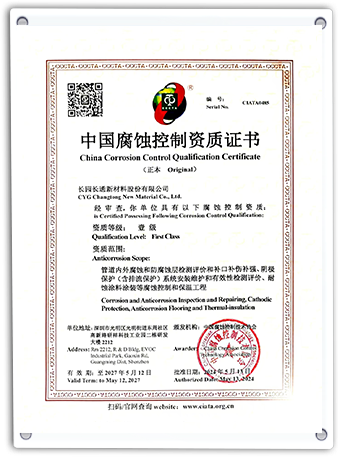
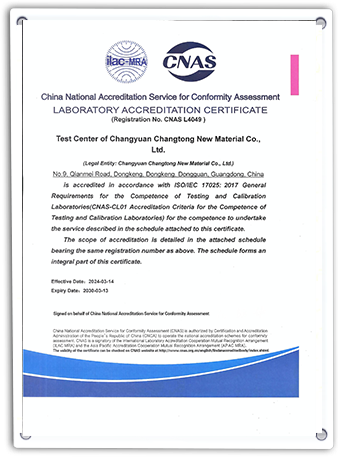
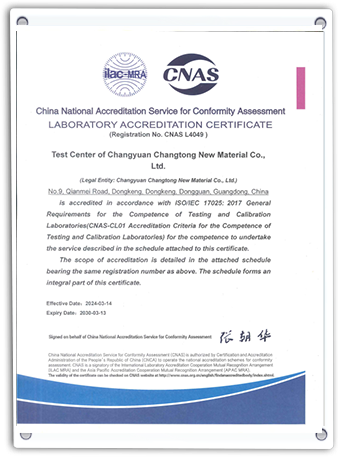
Collaborating with top-tier research institutions, including the CNPC Pipeline Science Research Institute, CYCT operates a state-of-the-art laboratory accredited by the China National Accreditation Service for Conformity Assessment (CNAS). This ensures every batch of mastic heat shrink sleeves, repair patches, and primers undergoes rigorous shear, peel, impact, and cathodic disbondment validation.
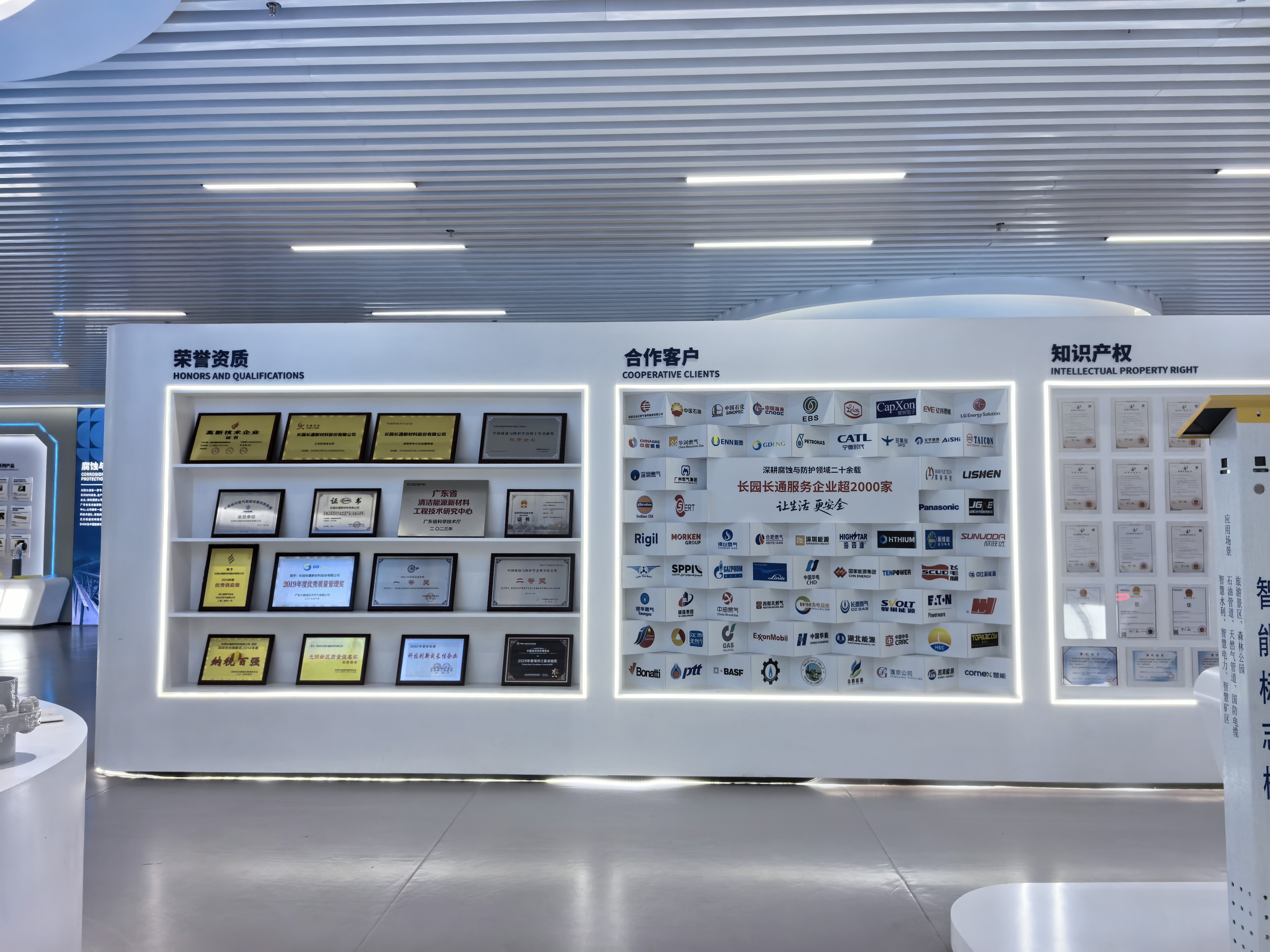
CYCT has served as a critical supplier of field joint coatings for years to prominent energy giants including PetroChina, Sinopec, PipeChina, China Gas Group, and local distribution networks. On the global stage, CYCT has built strong relationships with international oil and gas corporations, such as Indian Oil, verifying our status as a reliable global sourcing partner.



Exploring the diverse engineering and atmospheric contexts where mastic heat shrink sleeves perform critical protective duties.
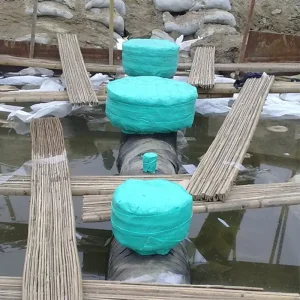
During pipeline trenchless crossings under rivers, highways, or urban hubs, extreme mechanical abrasion occurs as the pipe is pulled through the borehole. Conventional coatings scrape off, exposing raw steel. CYCT's Heat Shrinkable Fiberglass Reinforced Sleeves feature a multi-layer composite system where an outer fiberglass wrap protects the joint. This system withstands severe soil shear and drag force without damage.
Many oil & gas distribution projects run in cold climates where induction heating is not feasible. Specialized mastic sleeves can be applied with low-preheat temperature conditions (often as low as 60°C to 80°C). The viscoelastic mastic flows easily under propane torch heat, adhering tightly to the parent PE coating and steel substrate, bypassing the high pre-heats required by epoxy-based systems.
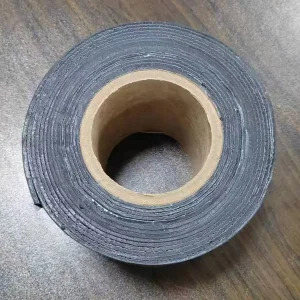
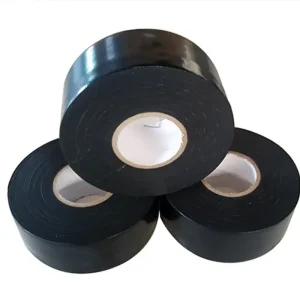
Rehabilitation of mature buried lines requires stripping old coatings, manual surface preparation, and applying new corrosion barriers. Due to damp ditch conditions, typical coatings fail to bond. CYCT's viscoelastic mastic and PE tape systems displace surface moisture and maintain strong adhesion under hydrostatic soil pressures.
EPC contractors and pipeline operators sourcing mastic heat shrink products from China must implement a comprehensive inspection and verification program to ensure long-term field performance. Industry standards require that manufacturers meet the following key parameters:
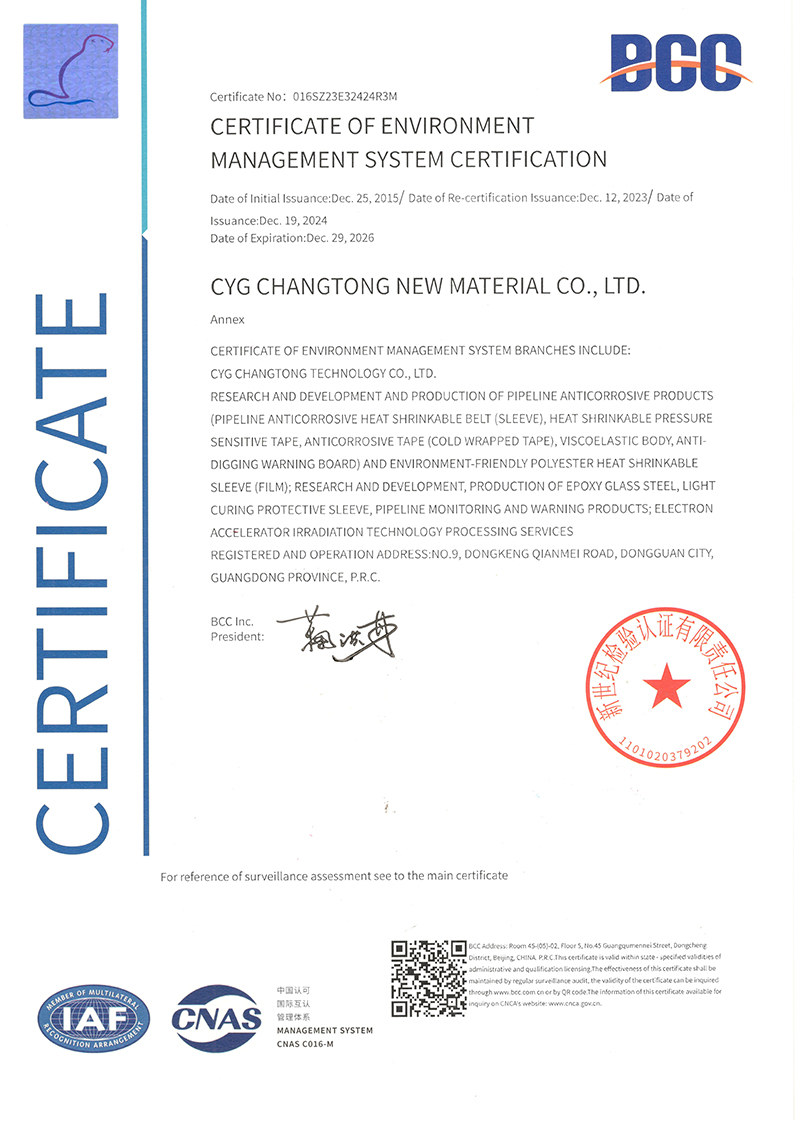
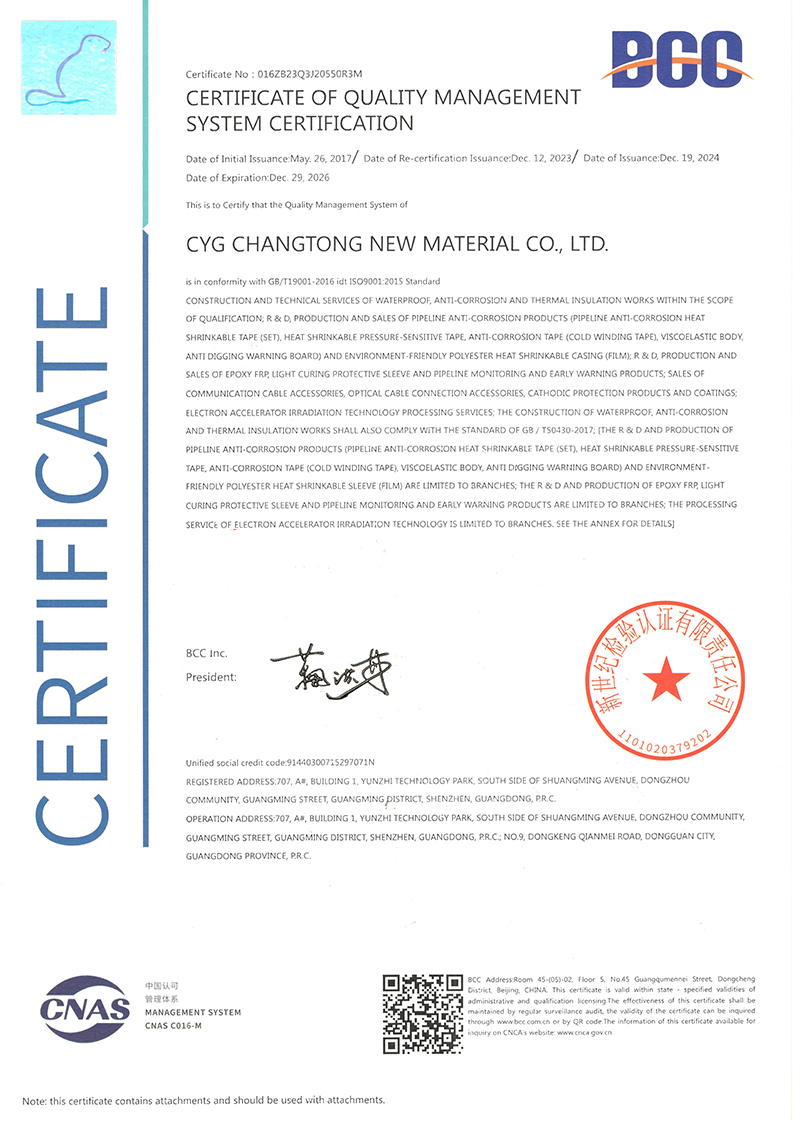
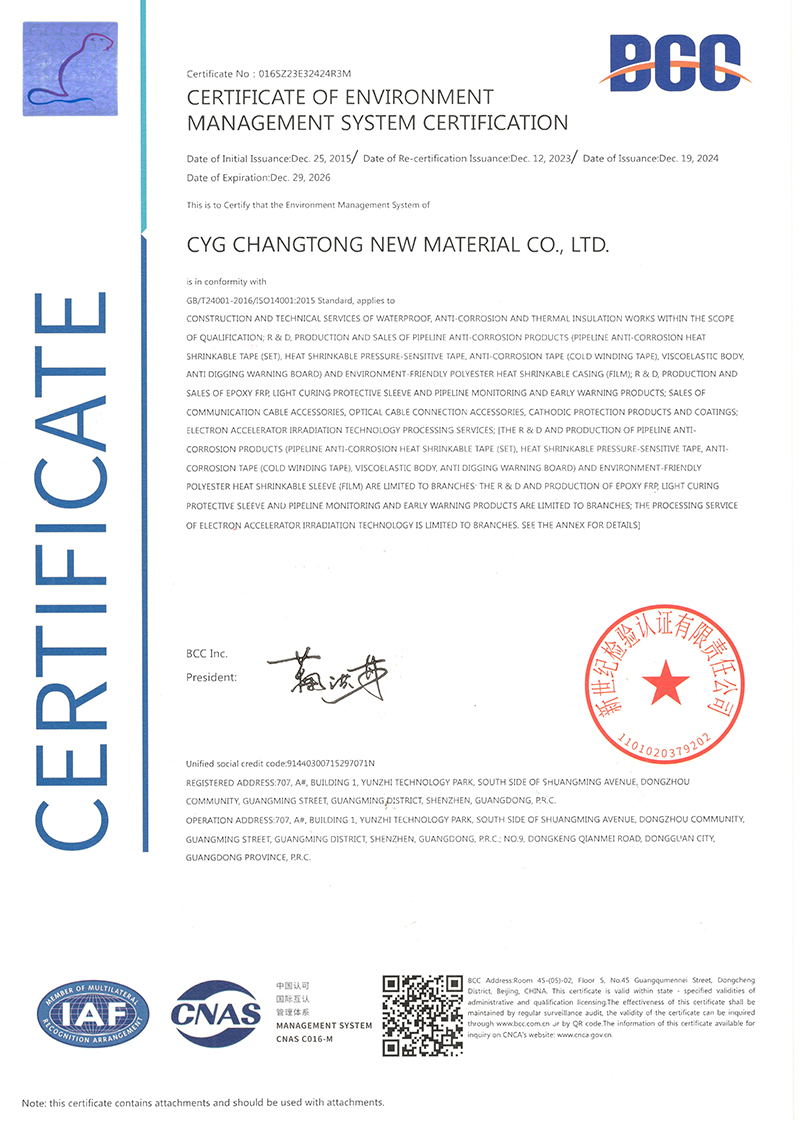
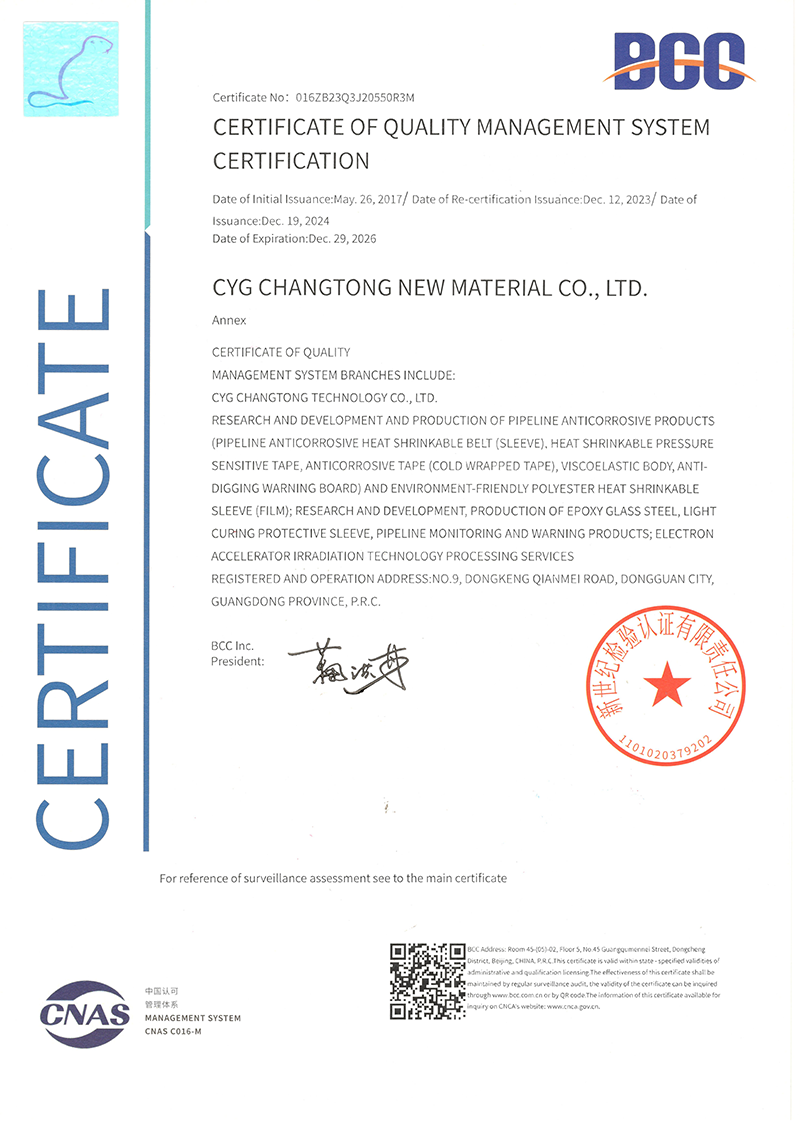
Make sure your chosen manufacturing partner holds accredited ISO 9001 and ISO 14001 certificates and possesses a national laboratory (like CYCT's CNAS certification). Third-party inspection reports from organizations such as SGS, BV, or CNPC testing institutes are essential documents to review before approving shipments.
Next-generation mastic formulations incorporate self-healing microcapsules. When the mastic layer experiences mechanical puncture or micro-cracking, the localized shear stress ruptures these capsules, releasing reactive polymer sealants that restore the physical integrity of the barrier layer. This technology minimizes human intervention during pipeline maintenance and increases design lives to over 50 years.
Standard mastic limits typically range from -30°C to 60°C. Current R&D efforts focus on shifting these parameters, extending maximum service limits to 85°C and 100°C without sacrificing viscoelastic flow. Additionally, manufacturing lines are adopting solvent-free, eco-friendly coatings to comply with stricter environmental standards worldwide.
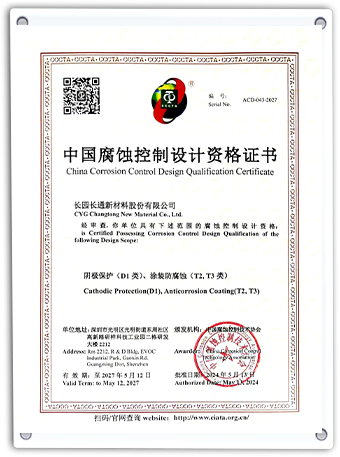
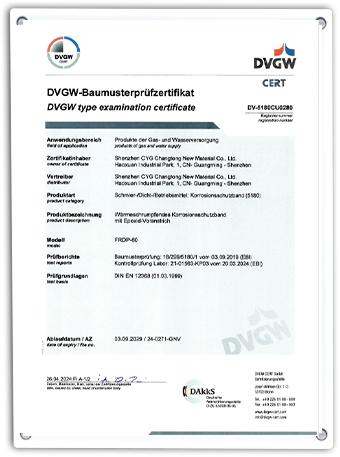
CYCT's products and systems undergo rigorous evaluations to maintain quality across operations.
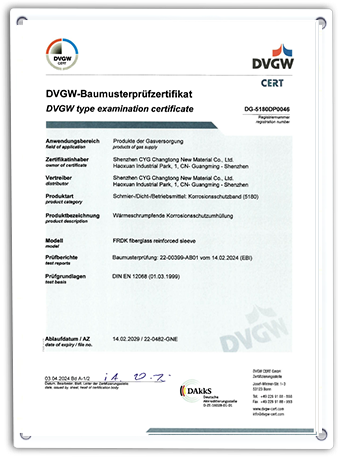
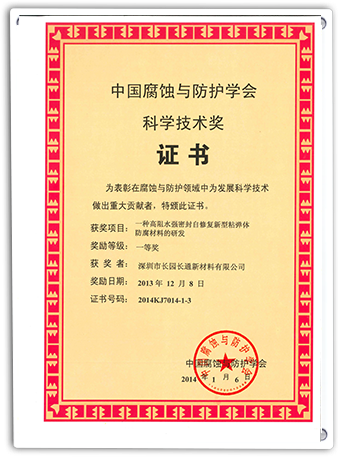
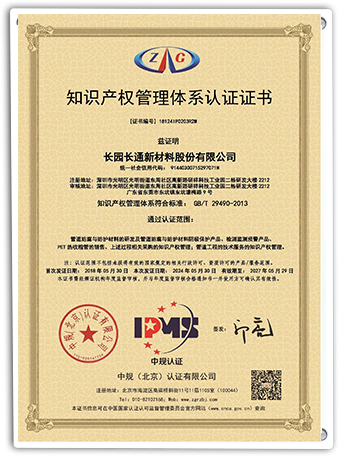
Answers to common technical, design, and sourcing questions about mastic heat shrink systems.
Auxiliary wraps, cold-applied tapes, repair patches, and specialty sleeves to complete your integrity system.
 CYCT
CYCT