Engineered to mitigate harsh subterranean dynamics, high thermal loads, and extreme operational stresses.
An Industrial Analysis of Subterranean Pipeline Failures, Molecular Adhesion Science, and Advanced Barriers
Modern midstream energy networks, deep-sea exploration vessels, and transcontinental municipal water infrastructures run on carbon steel. While structurally superior, steel is prone to electro-chemical oxidation when exposed to moisture, acidic soil, microbial action, and industrial effluents. The cost of pipeline corrosion is staggering, accounting for billions of dollars in yearly maintenance, downtime, and ecological disasters. Implementing high-performance long-term corrosion protection tapes is no longer just an optional engineering decision; it represents a primary defense for capital-intensive global assets.
Traditional corrosion prevention materials, such as legacy PVC wraps or generic bitumen coatings, often exhibit structural limitations when subjected to elevated temperatures, mechanical soil stress, and cathodic disbondment. Over time, physical shear stresses caused by soil contraction and expansion strip conventional coatings, leading to voids where moisture accumulates. This exposes the steel surface to localized pitting and stress corrosion cracking (SCC), rendering traditional methods ineffective over long operational cycles.
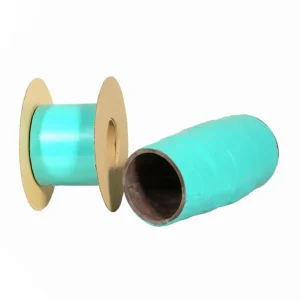
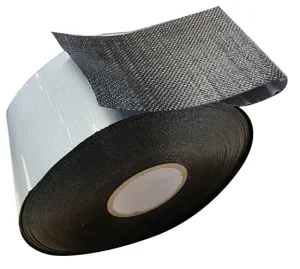
Viscoelastic anti-corrosion technology shifts the paradigm by utilizing non-crystalline, cold-flow polymer matrices. Unlike crystalline materials that suffer from stress cracking, viscoelastic coatings behave as a highly viscous fluid, constantly wetting the substrate surface. This cold-flow property ensures complete, void-free contact with the steel, providing self-healing protection that seals minor mechanical breaches automatically.
Furthermore, viscoelastic systems function without primers, drastically simplifying field application. Their stable chemical structure maintains a solid water barrier while displaying excellent resistance to cathodic disbondment. This makes them highly compatible with active cathodic protection (CP) systems, ensuring complete security along both the main pipeline and complex joints.
| Performance Metrics | Viscoelastic Systems (e.g., VT95) | Cold-Applied Polyolefin Tape | Heat-Shrink Sleeves (PP/PE) | PVC Anti-Corrosion Tape |
|---|---|---|---|---|
| Operating Temperature | -45°C to +95°C | -10°C to +60°C | -20°C to +120°C | -5°C to +50°C |
| Surface Prep Requirement | ISO 8501-1 St 2 / St 3 (No primer) | ISO 8501-1 Sa 2½ + Primer | ISO 8501-1 Sa 2½ + Preheat | ISO 8501-1 St 3 + Primer |
| Self-Healing Window | Immediate & Continuous (Cold Flow) | None | None | None |
| Cathodic Disbondment | < 5 mm at 23°C (Excellent) | < 15 mm (Moderate) | < 10 mm (High Quality) | < 25 mm (Low-Moderate) |
| Adhesion Strength | Cohesive failure (100% wetting) | Adhesive failure (Peeling risk) | High mechanical bond (Hot melt) | Low-medium mechanical tack |
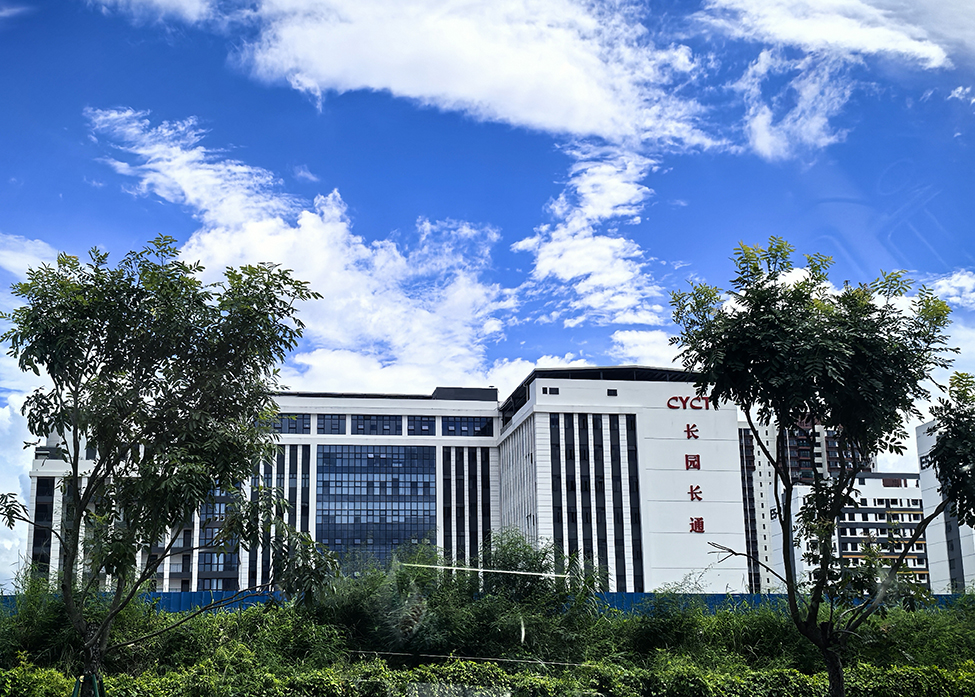
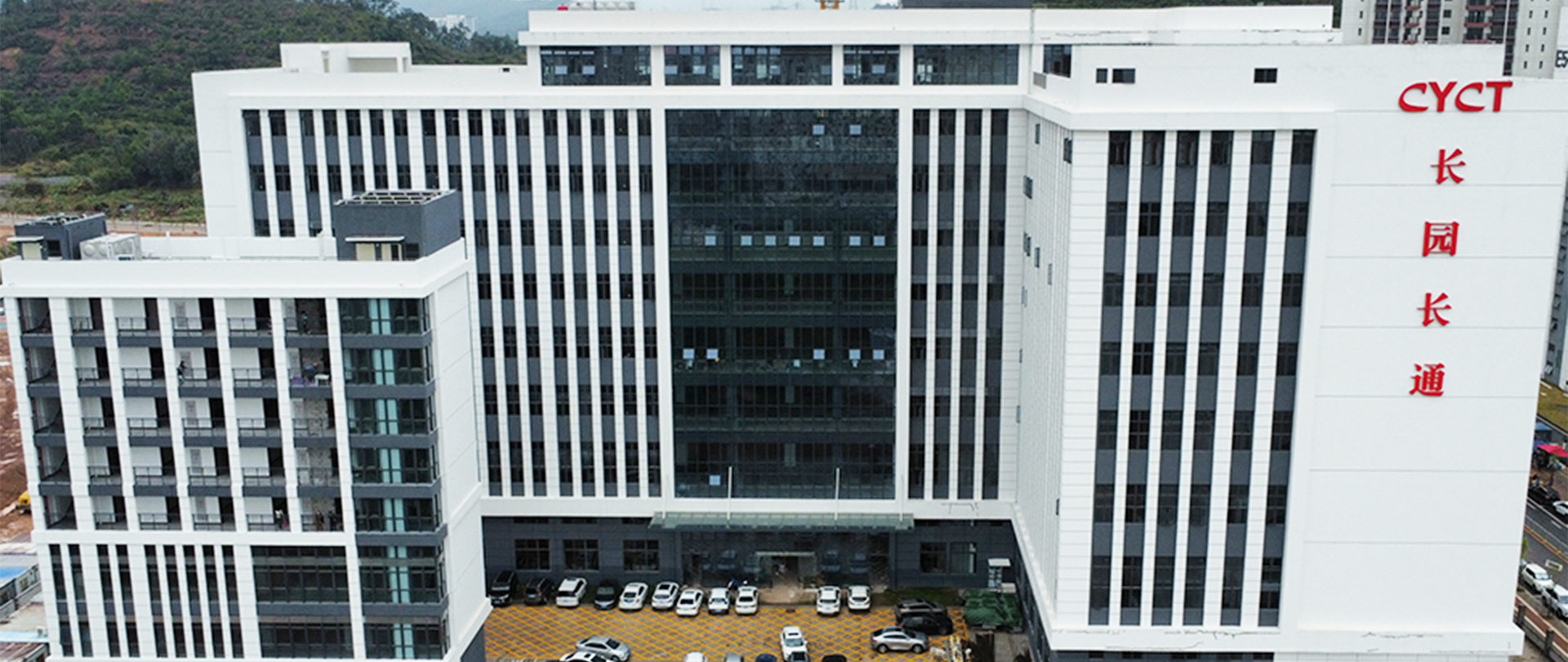
CYCT is a state-level high-tech enterprise integrating the research and development, manufacture, and sales of pipeline corrosion protection materials. We also offer advanced buried pipeline detection services and professional pipeline coating field application service. Founded over two decades ago, CYCT has developed an industry-leading position in pipeline safety.
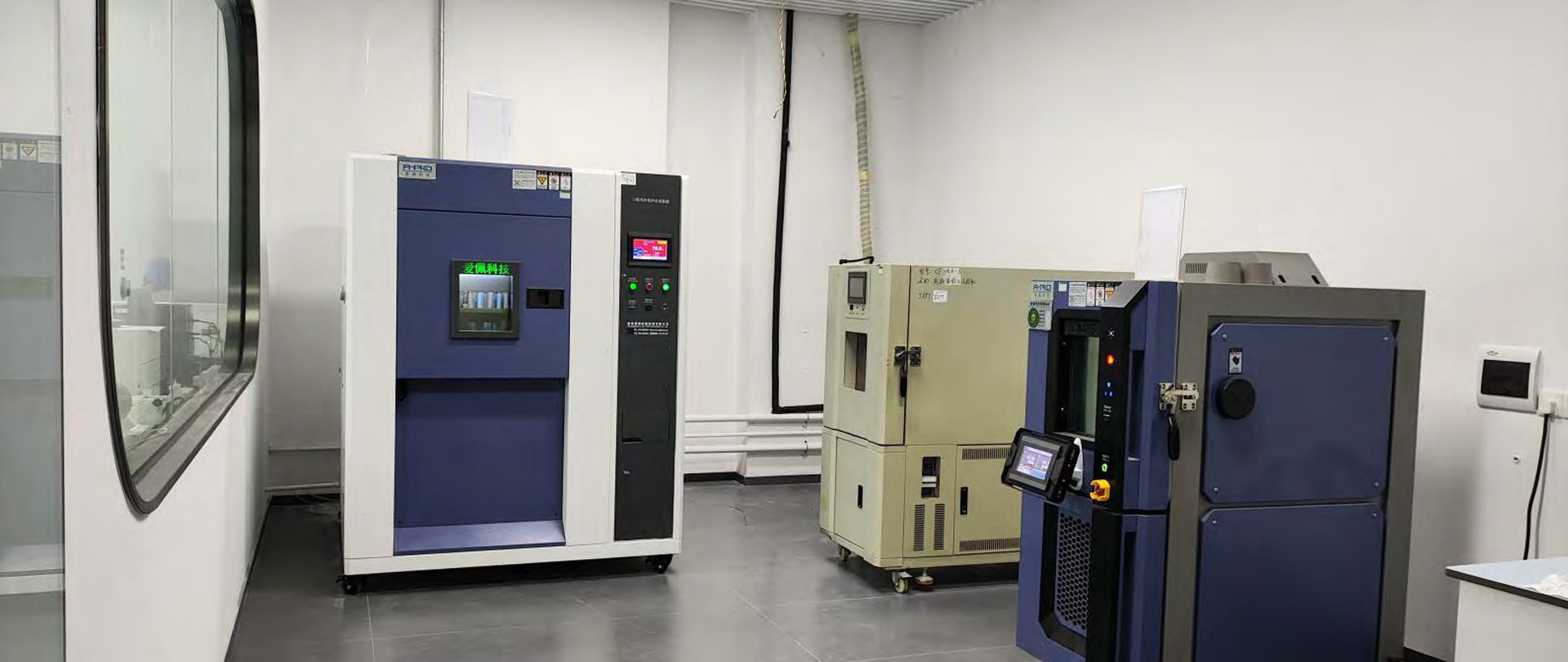
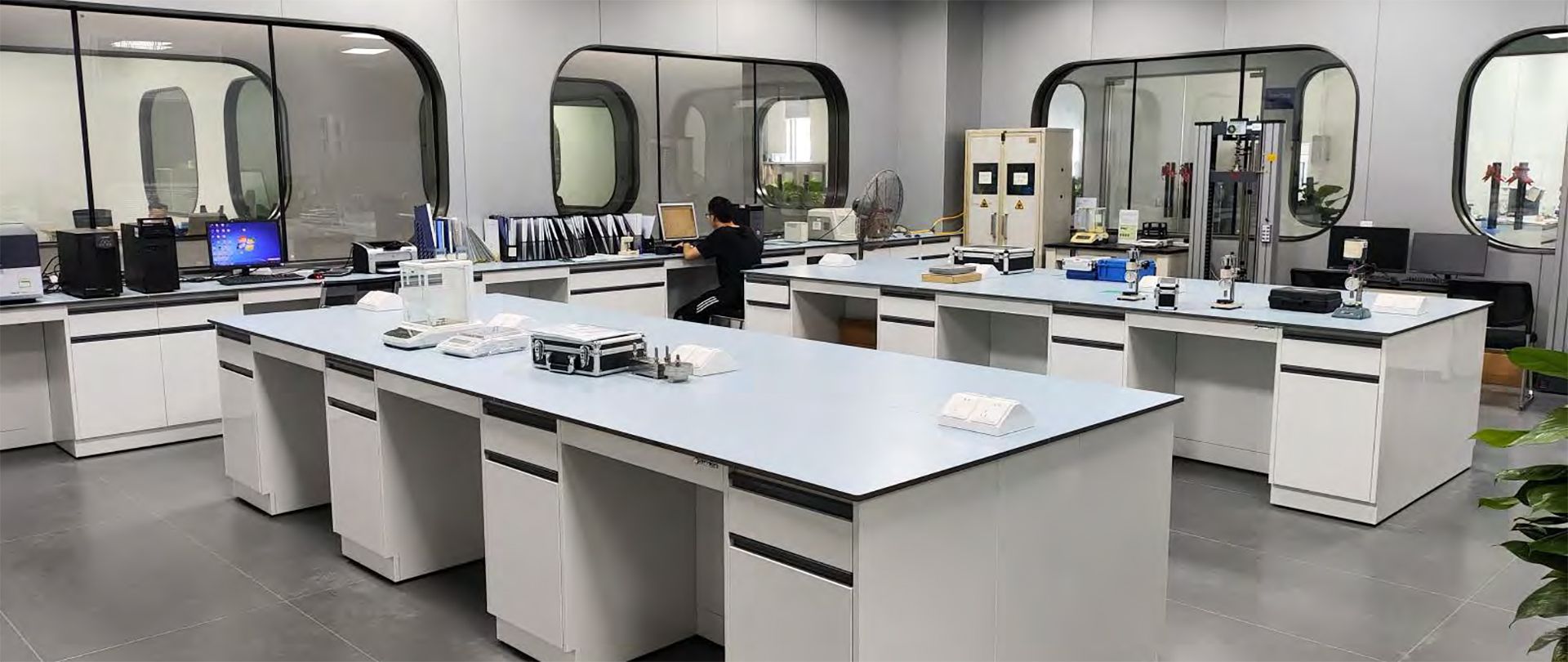
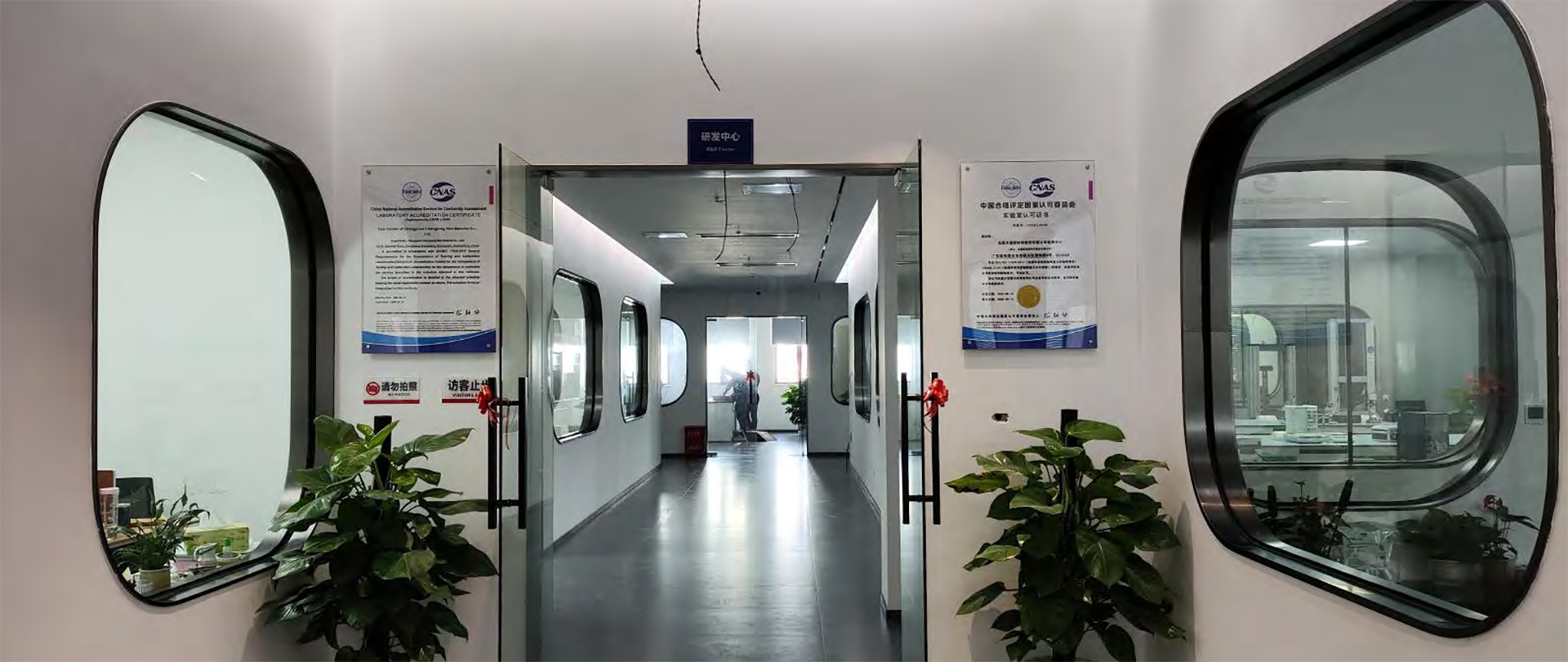
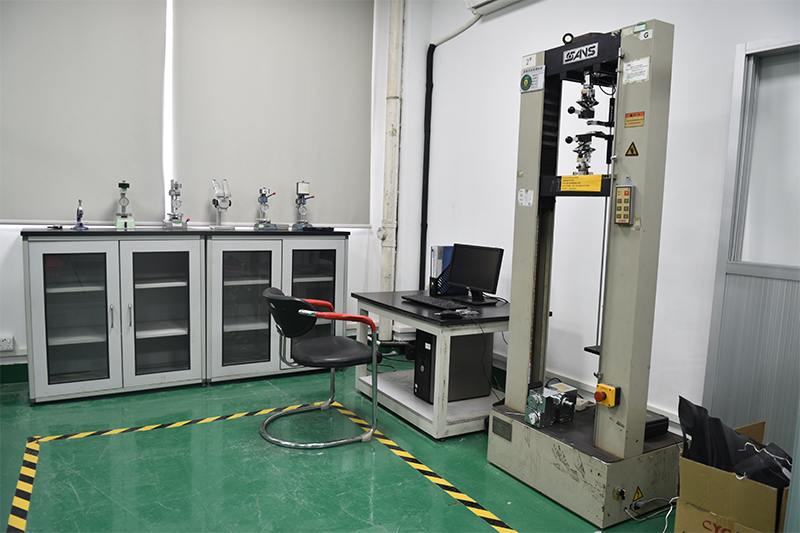
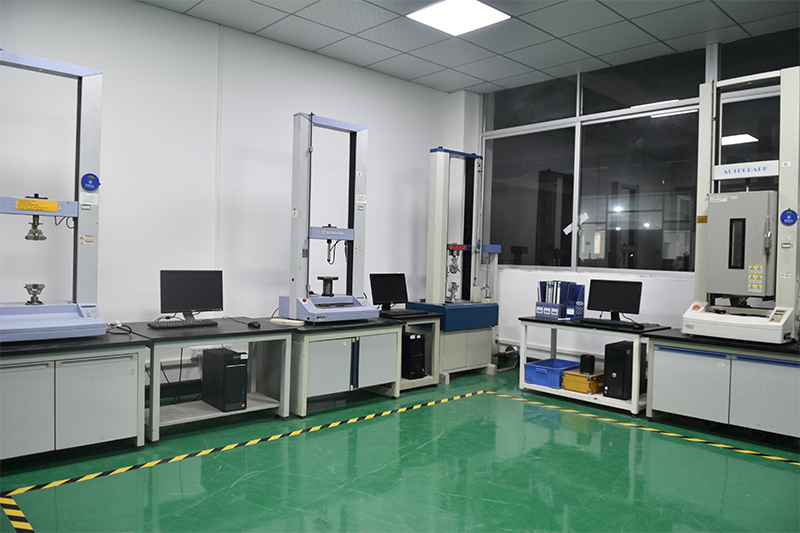
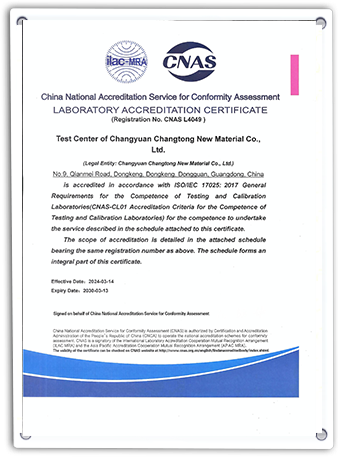
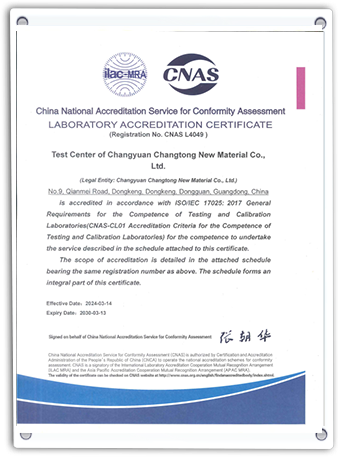
With our national CNAS-accredited laboratory and a dedicated team of materials science engineers, CYCT conducts advanced research in polymer compounding, viscoelastic behaviors, and thermal barrier coatings. Our ongoing collaboration with the CNPC Pipeline Science Research Institute keeps us at the forefront of corrosion protection technologies.
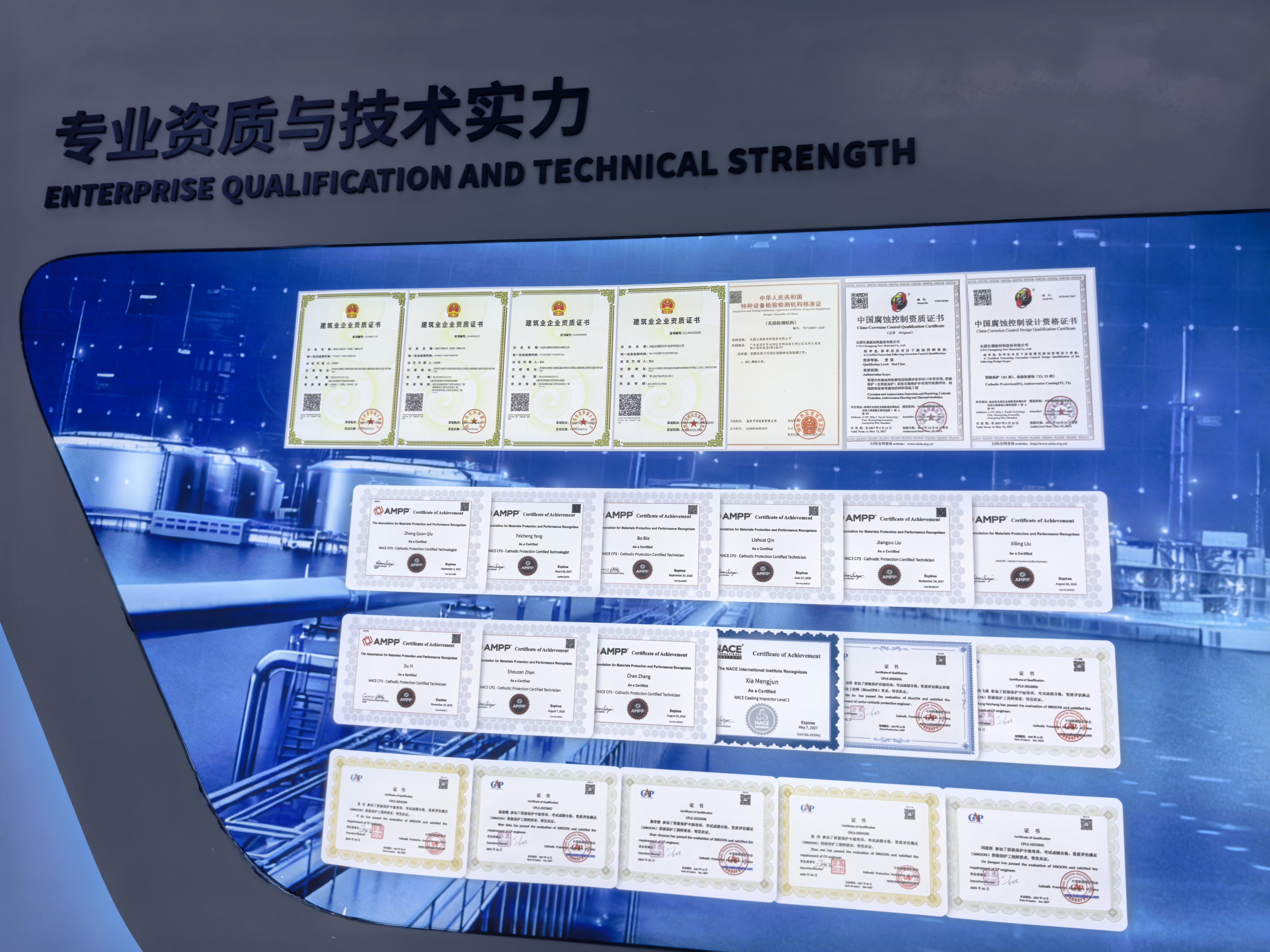
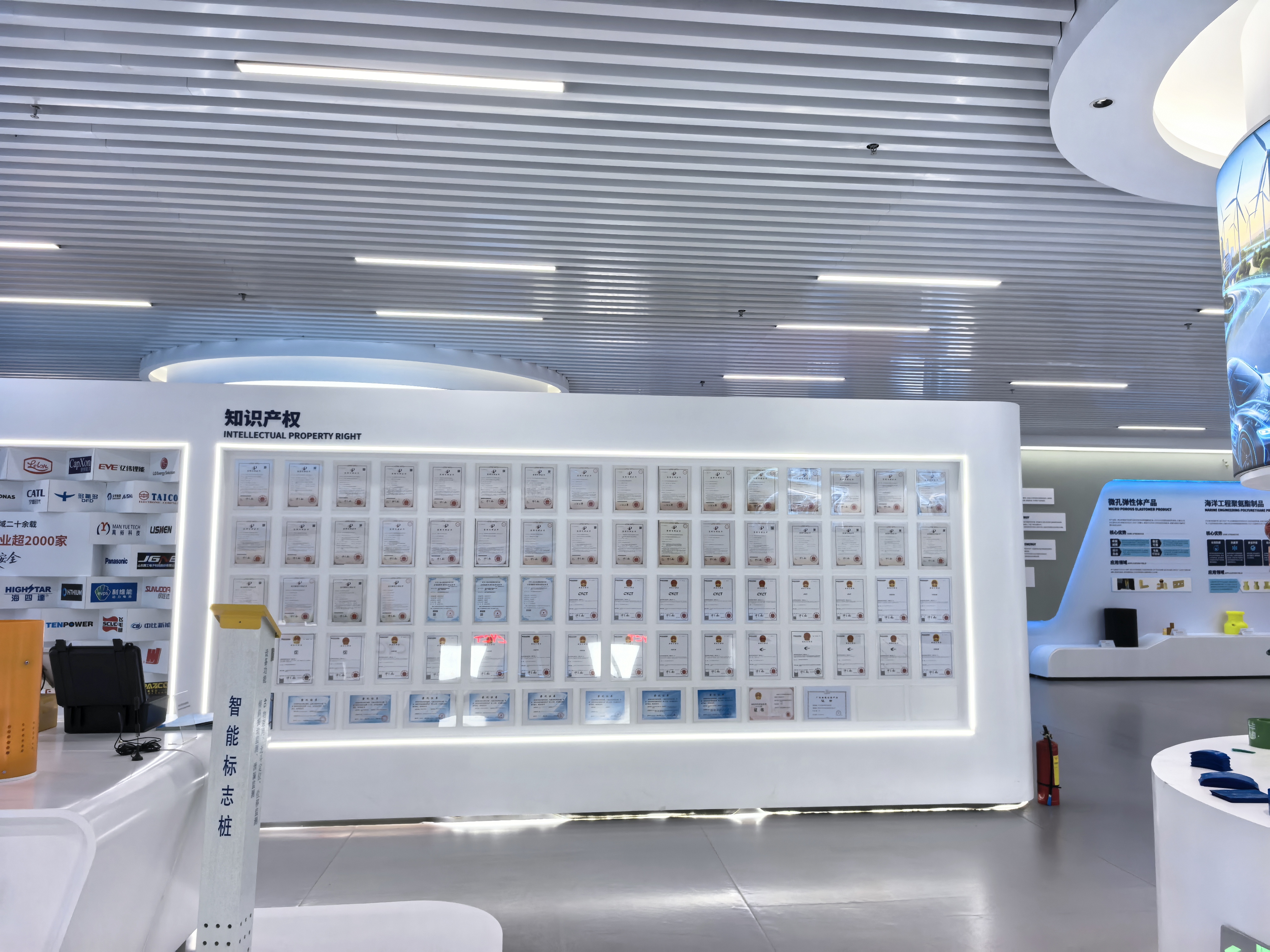
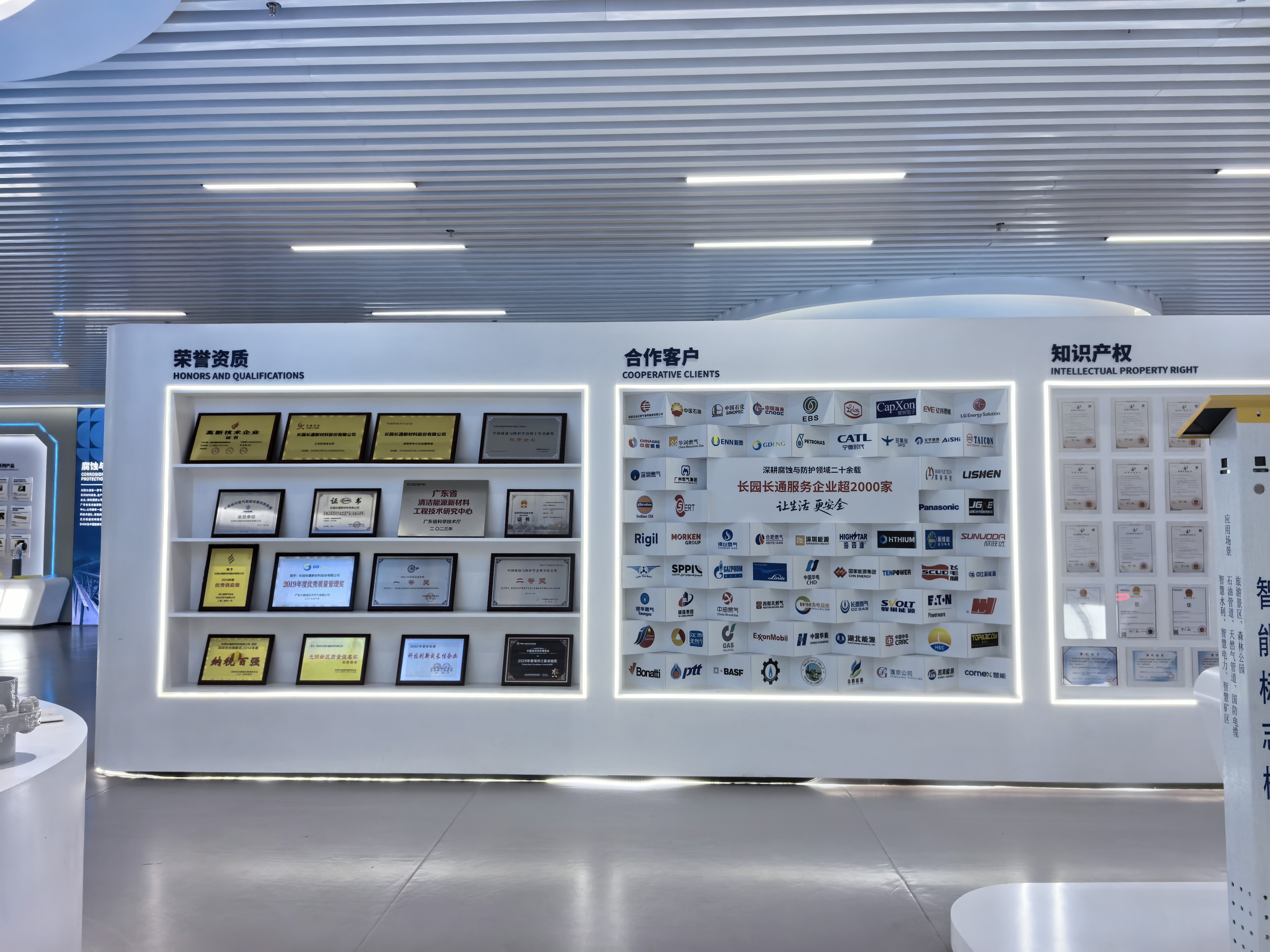
Aligning modern energy infrastructure with rigorous international standards and harsh environments.
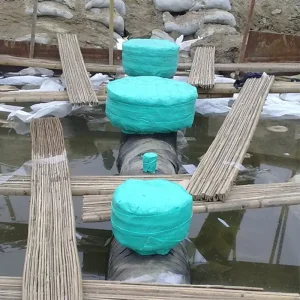
Midstream energy distribution projects span vastly different environments, including frozen tundra, arid deserts, coastal mudflats, and high-salinity marine zones. Selecting the appropriate corrosion barrier requires analyzing the mechanical loads, thermal variations, and chemical exposures typical of each site. For example, pipelines laid using Horizontal Directional Drilling (HDD) run a high risk of coating abrasion. Here, traditional tape solutions can tear or peel, making heavy-duty photo-curing sleeves or highly adhesive viscoelastic systems essential.
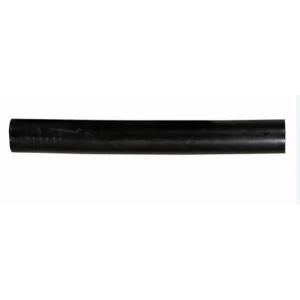
Additionally, the growth of high-temperature transport lines (such as steam-injection oil recovery or heated heavy crude transport) means coatings must withstand temperatures up to 85°C or even 95°C without peeling. CYCT's OEM High-Temperature Hot Melt Sticks and specialized PP Outer Tapes are designed to meet these demanding operational environments.
For international EPC contracts, quality control processes must align with globally recognized standards. CYCT's manufacturing processes and material outputs comply with standard test procedures, including:
Protects pipelines during horizontal directional drilling against high shear, friction, and abrasion, using photo-curing outer wraps.
Adapts to irregular shapes like flanges and T-joints. Viscoelastic putty acts as a void filler, preventing pockets where moisture can pool.
Perfect for maintaining and repairing operational pipelines. Cold-applied tape installation keeps operations running without shutdowns.
Detailed explanations regarding chemical properties, application methods, and performance standards.
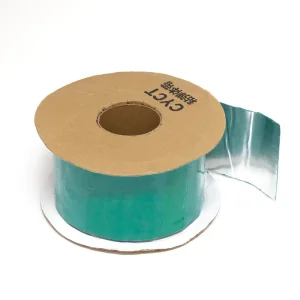
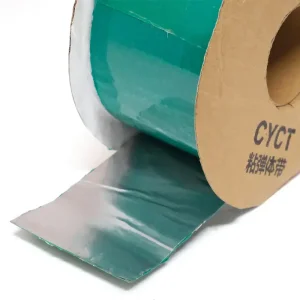
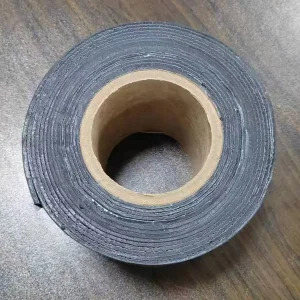
Viscoelastic tape is formulated with amorphous, non-crystalline polyolefin/polyisobutylene compounds, allowing it to behave like a fluid while retaining solid characteristics. Unlike PE tape, which relies on tension-based, rubberized bitumen or butyl adhesive layers that can degrade and peel, viscoelastic tape maintains continuous surface wetting. This results in self-healing capabilities, complete elimination of air pockets, and long-term chemical stability. It requires no primers and bonds directly to St 2 cleaned steel.
Cathodic disbondment occurs when the electrical current from cathodic protection (CP) systems generates hydrogen gas at coating holidays, separating the coating from the steel. CYCT's viscoelastic tapes provide high adhesive wetness and low permeability, sealing out moisture and electrolytes. This ensures that even under active electrical fields, the cohesive bond prevents moisture migration, keeping cathodic disbondment values to a minimum (typically <5mm at 23°C).
One of the primary benefits of viscoelastic systems is their minimal surface preparation requirement. Unlike traditional coatings that require abrasive blasting to Sa 2½, viscoelastic tapes can be applied to surfaces cleaned to ISO 8501-1 St 2 or St 3. This makes them highly suitable for field repairs and rehabilitation, where blasting is not practical.
The compound has fluid-like properties with high viscosity. When a minor scratch or puncture occurs in the outer wrap, the viscoelastic compound flows back into the void under the pressure of soil and the elastic recovery of the outer wrap. This self-sealing ability prevents moisture from reaching the exposed steel, protecting the pipeline against corrosion even after minor mechanical impacts.
Dedicated solutions for pipeline repairs, localized coatings, and challenging geometries.
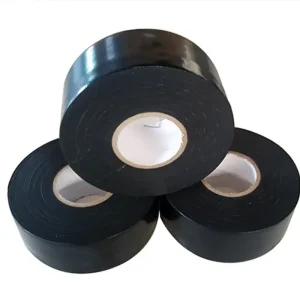
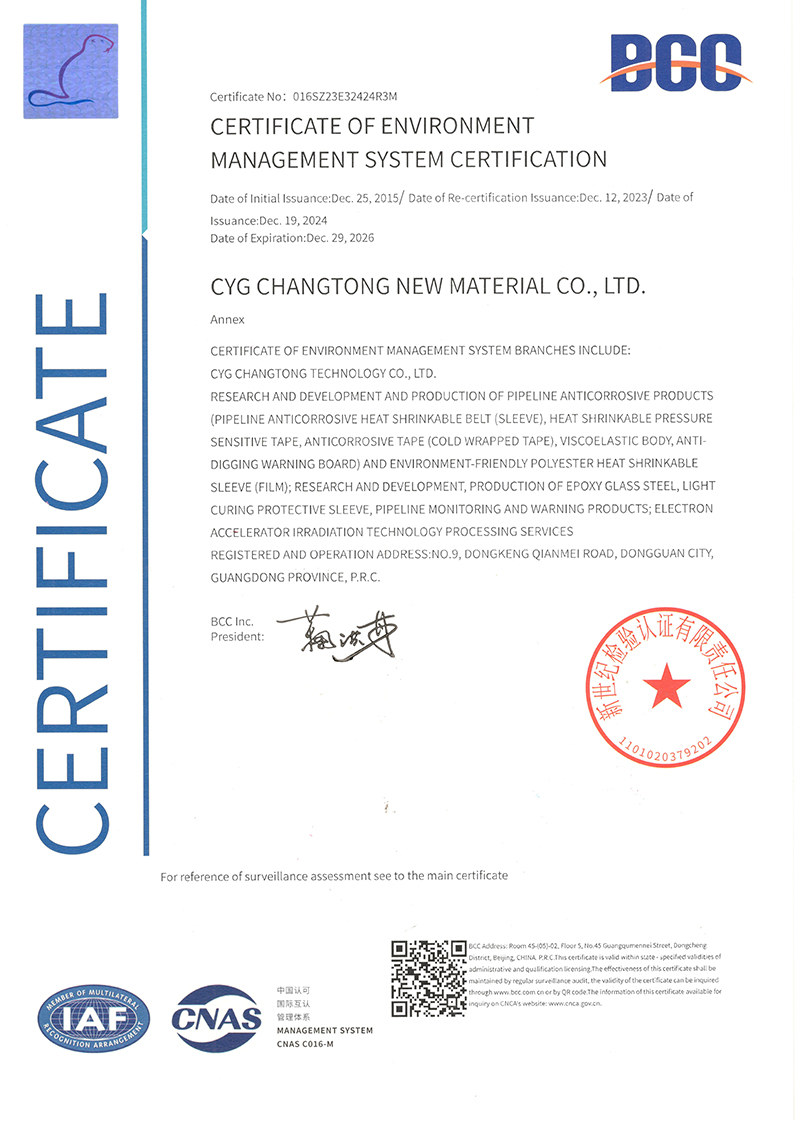
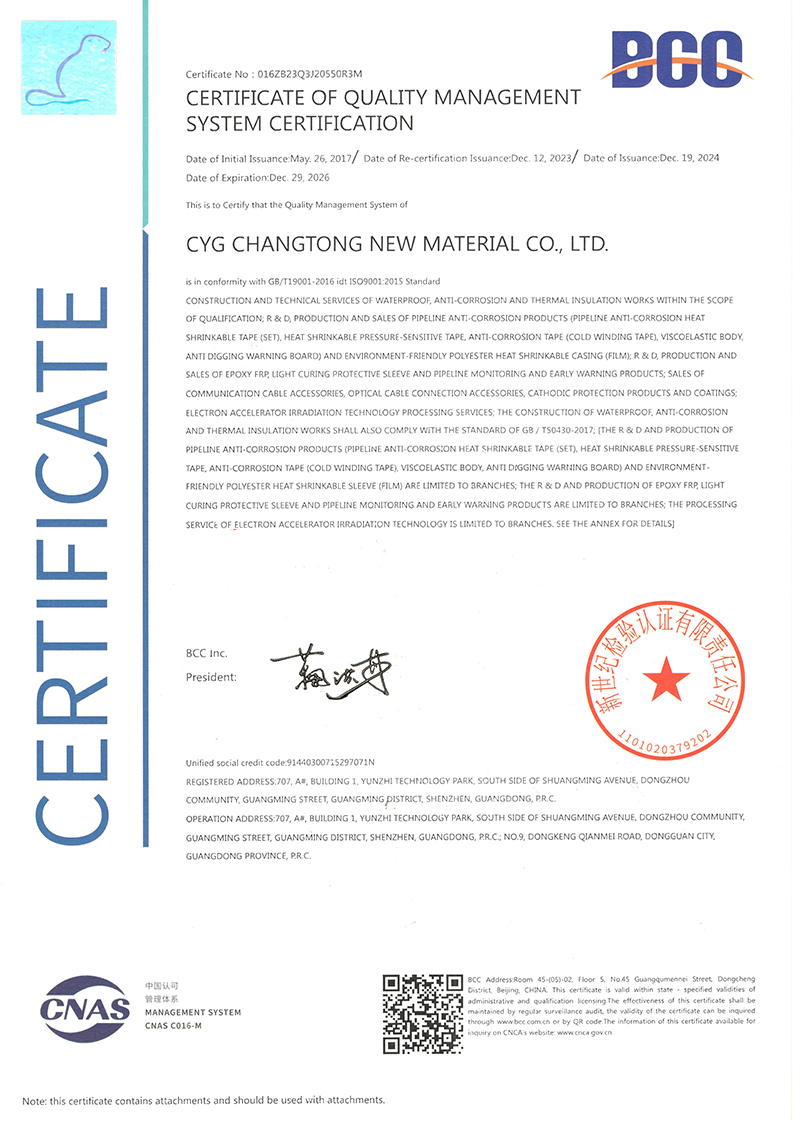
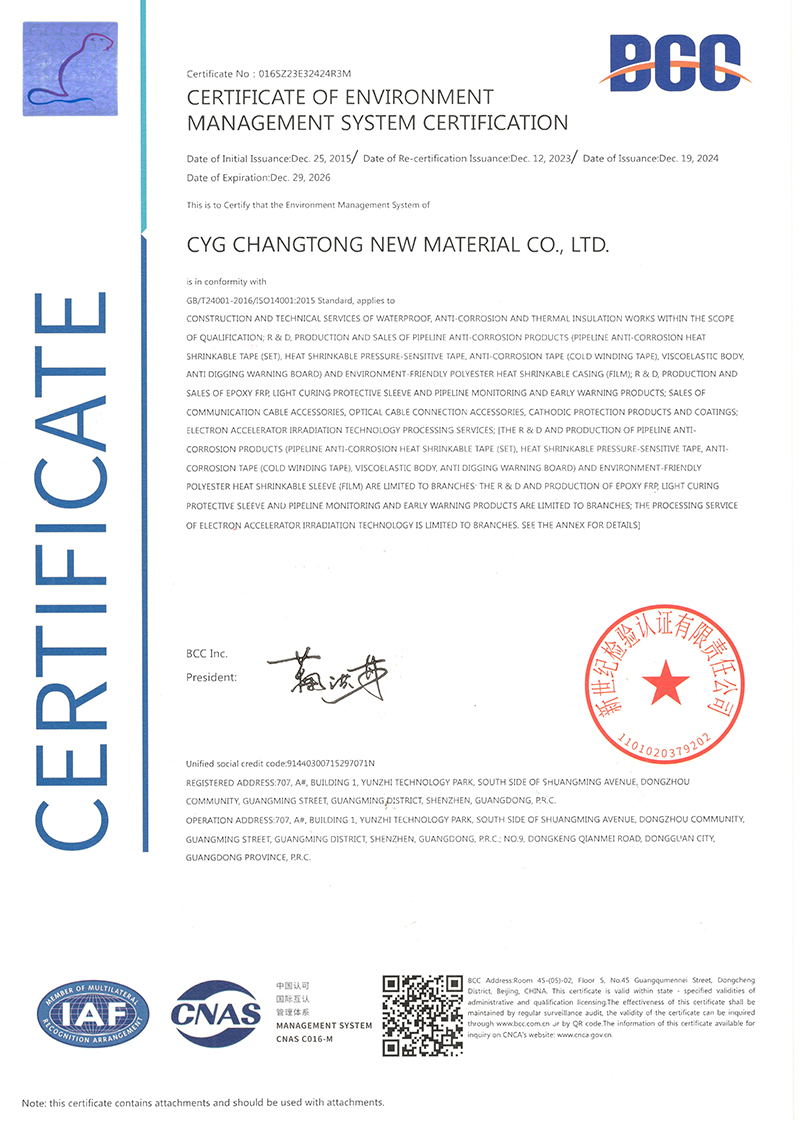
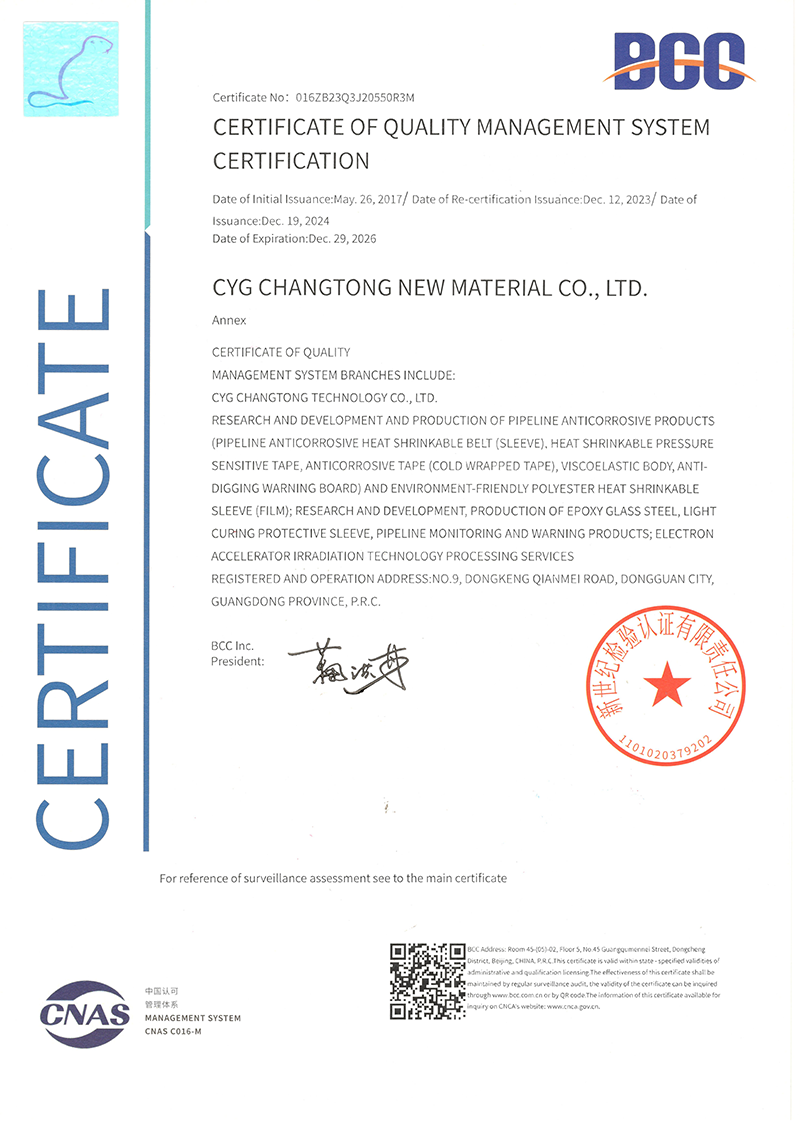
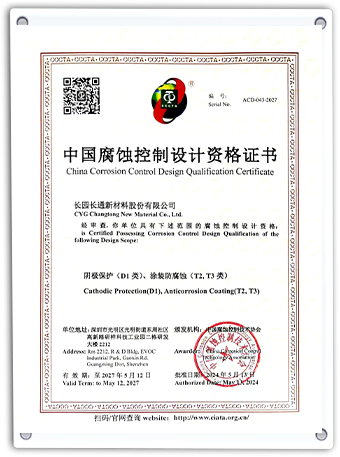
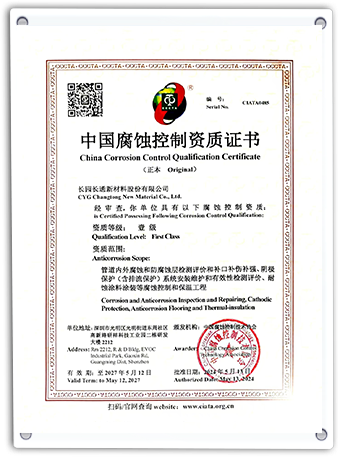
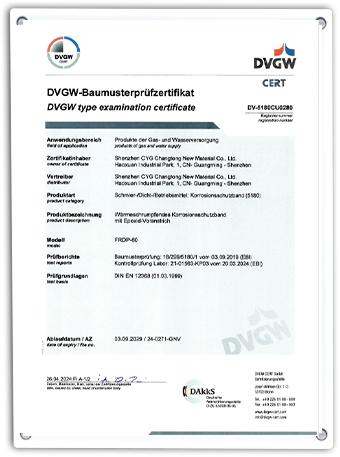
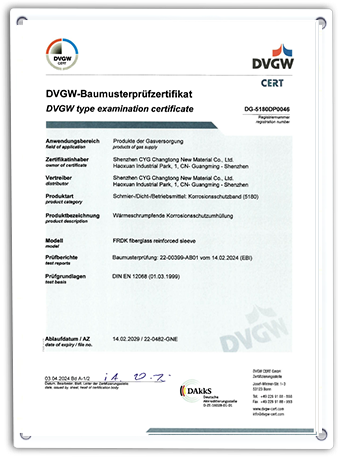
Standardized manufacturing, rigorous quality checks, and accredited quality management systems.
 CYCT
CYCT