Engineered structural repair and corrosion mitigation systems optimized for high-temperature and high-abrasion applications globally.
In modern pipeline transportation and heavy industrial infrastructure, anti-corrosion is not merely a maintenance concern—it is a critical safety and asset durability imperative. The global liquid coatings market, particularly for oil, gas, water pipelines, and chemical processing facilities, is shifting rapidly. With millions of miles of buried pipelines subjected to microbial attack, soil stress, fluctuating temperatures, and cathodic disbondment, high-performance liquid coatings and specialized composite tapes serve as the primary defense mechanism.
Historically, heavy asphalt and basic coal tar coatings dominated the market. Today, rigorous environmental mandates (such as VOC regulations and REACH directives) and higher operating temperature requirements (reaching up to 120°C or higher) have catalyzed the adoption of advanced liquid polymeric systems. These include liquid-applied epoxies, structural polyureas, cold-applied visco-elastic polymers, and photo-curing GRP protective sleeves. According to global industrial analyses, the demand for advanced field joint coatings (FJC) and rehabilitation materials is expanding at a CAGR of over 5.8% annually, driven by the aging of regional energy grids and the development of challenging subsea and cross-country pipelines.
As a leading domestic high-tech manufacturing hub, China's liquid coatings and pipeline protection suppliers have transitioned from primary manufacturing to high-tier R&D. Enterprises now output proprietary formulations that directly compete with or exceed legacy international standards, offering significant cost efficiencies, optimized logistical pipelines, and superior customized engineering solutions.
Discover how polymer engineering is evolving to solve the most difficult offshore, subsea, and cross-country buried infrastructure challenges.
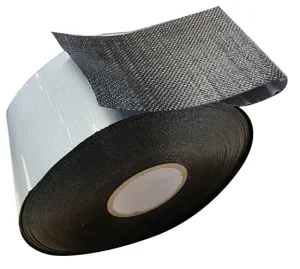
Viscoelastic materials represent a massive paradigm shift. Characterized by a liquid-like cold-flow behavior combined with solid-like elastic recovery, they wrap around complex profiles (valves, flanges, field joints) to form an impermeable gas and moisture barrier that never hardens, providing active self-healing protection.
Horizontal Directional Drilling (HDD) subjects pipes to high friction and shear forces. Photo-curing Glass Reinforced Plastic (GRP) sleeves leverage localized UV polymerization to build an ultra-hard structural barrier over the primary anti-corrosion coating, securing zero-defect integrity during pull-back operations.
Integrating chemical sensing compounds directly into the liquid coatings enables passive monitoring of pipeline pH shifts, localized mechanical degradation, or early moisture ingress before structural steel pitting occurs, significantly optimizing maintenance cycles.
CYCT New Materials Company Limited (for short, CYCT) is a state-level high-tech enterprise integrating R&D, production, and sales of pipeline corrosion protection materials as well as buried pipeline detection service and pipeline coating field application service into one. CYCT devotes itself to R&D, production, and sales of pipeline corrosion protection materials for decades.
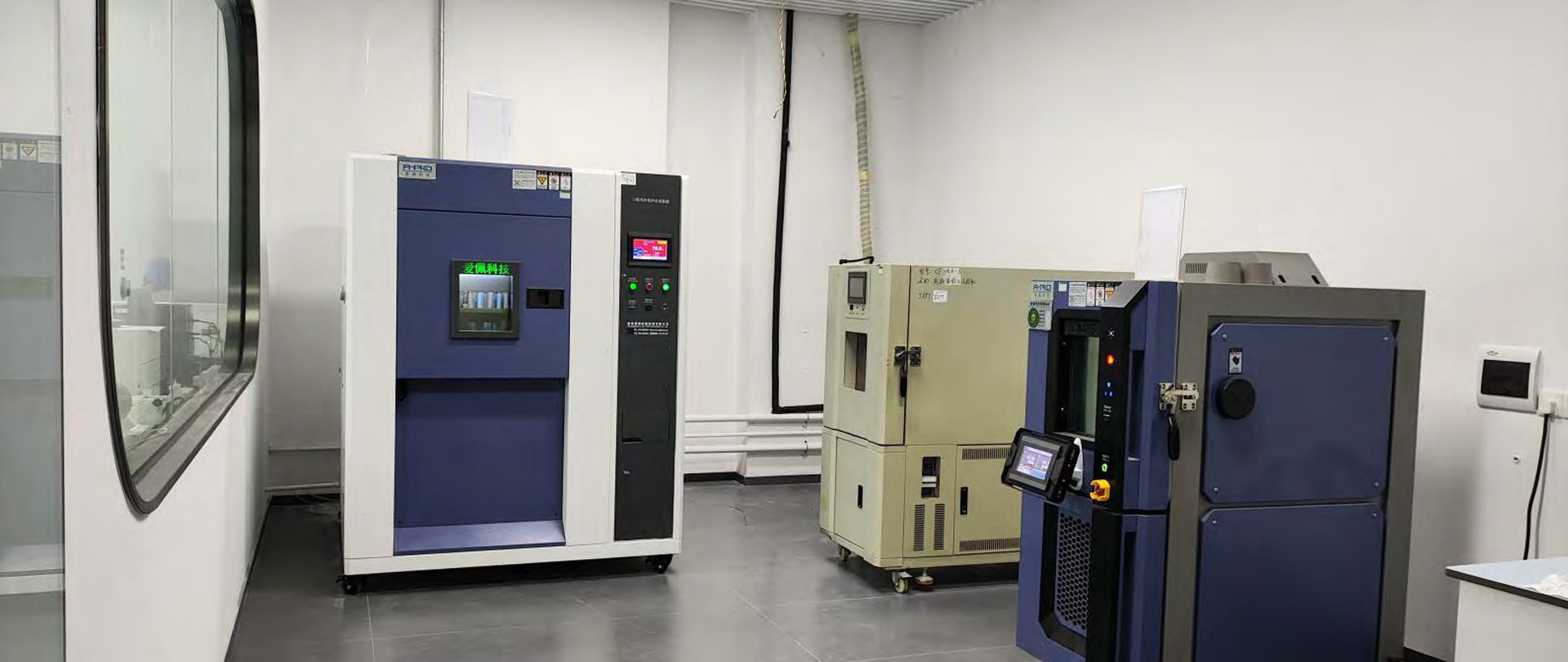
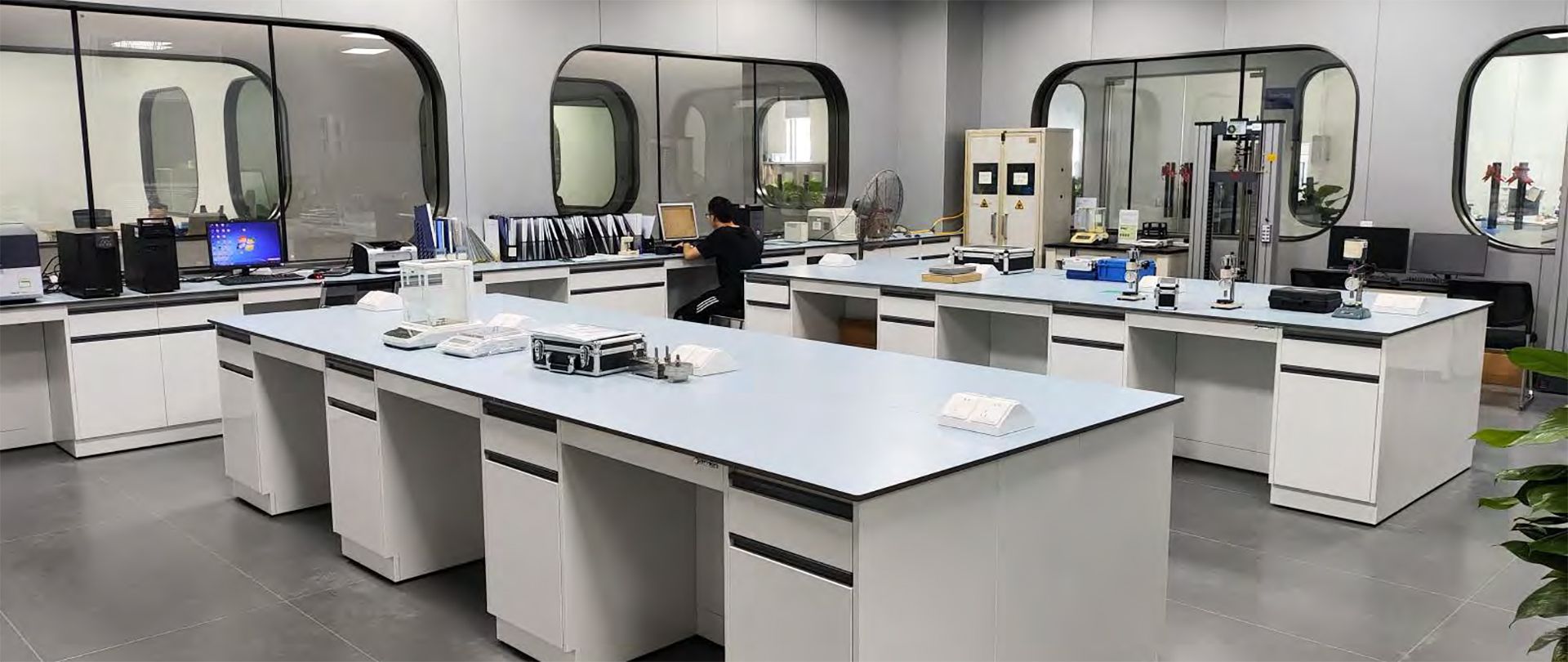
CYCT owns leading testing and R&D capabilities, a professional R&D team, and a national CNAS-accredited laboratory. CYCT becomes the stable supplier of field joint coating for years in PetroChina, Sinopec, PipeChina, and local pipelines and holds a very high market share. Furthermore, CYCT has successfully developed and introduced a number of specialty corrosion protection materials such as visco-elastic anticorrosion materials, special photo-curing sleeve for HDD protection, and polyurea coating.
By good cooperation with leading R&D institutes such as CNPC Pipeline Science Research Institute, CYCT is capable of providing in-service pipelines with varied technical services such as buried pipeline detection, design scheme, cathodic protection, rehabilitation project, and an integrated solution for the safety protection of pipelines.
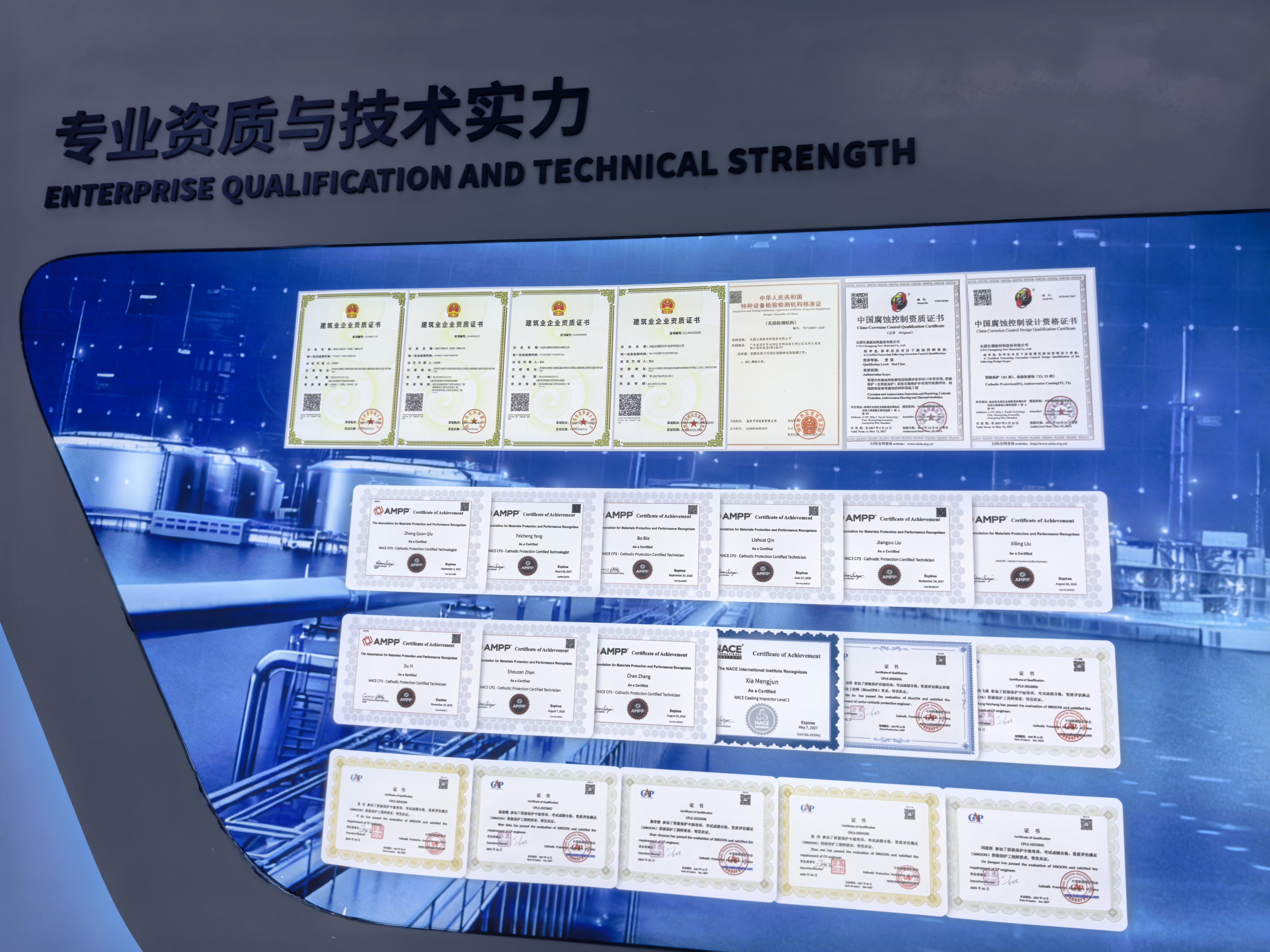
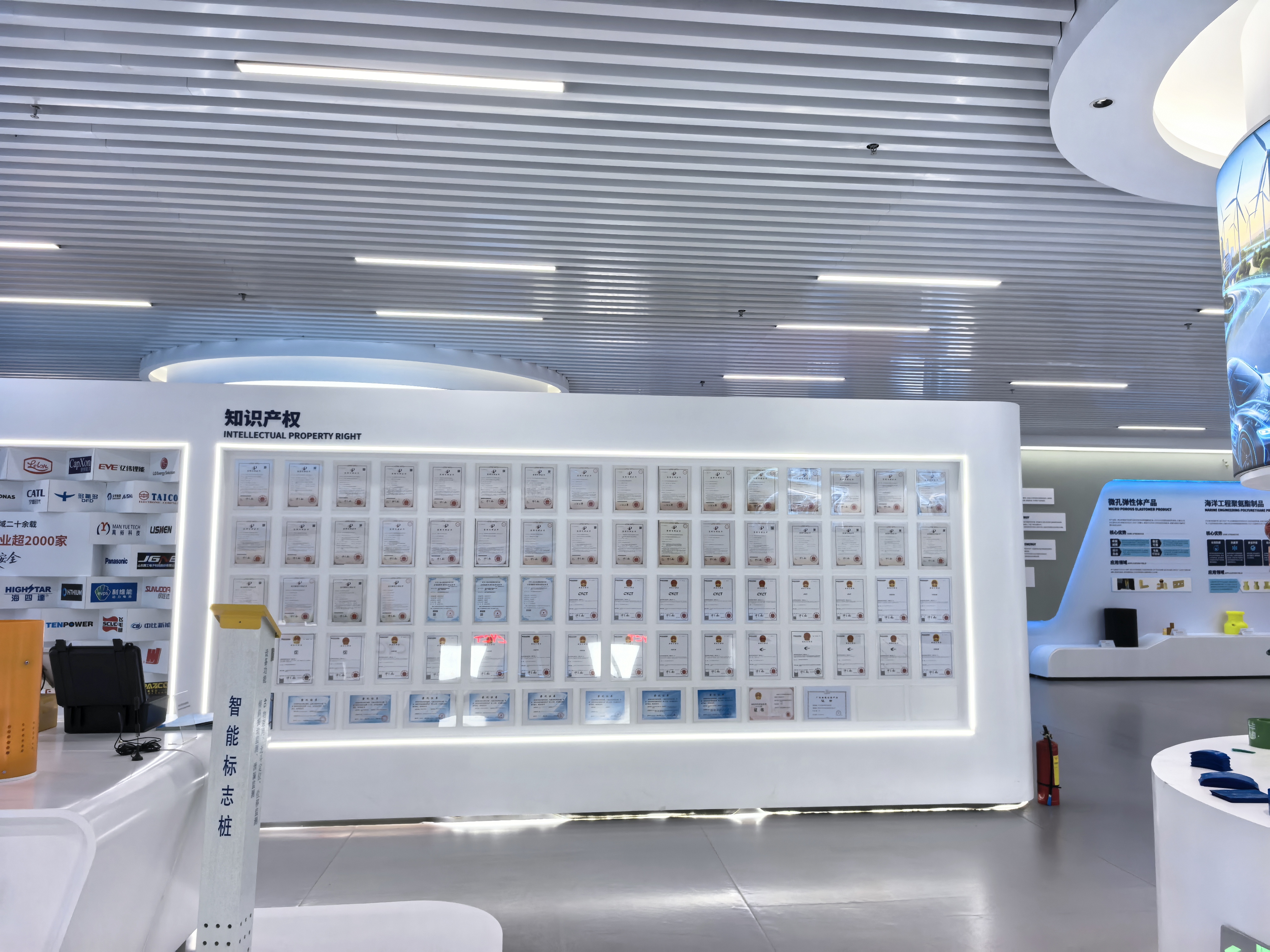
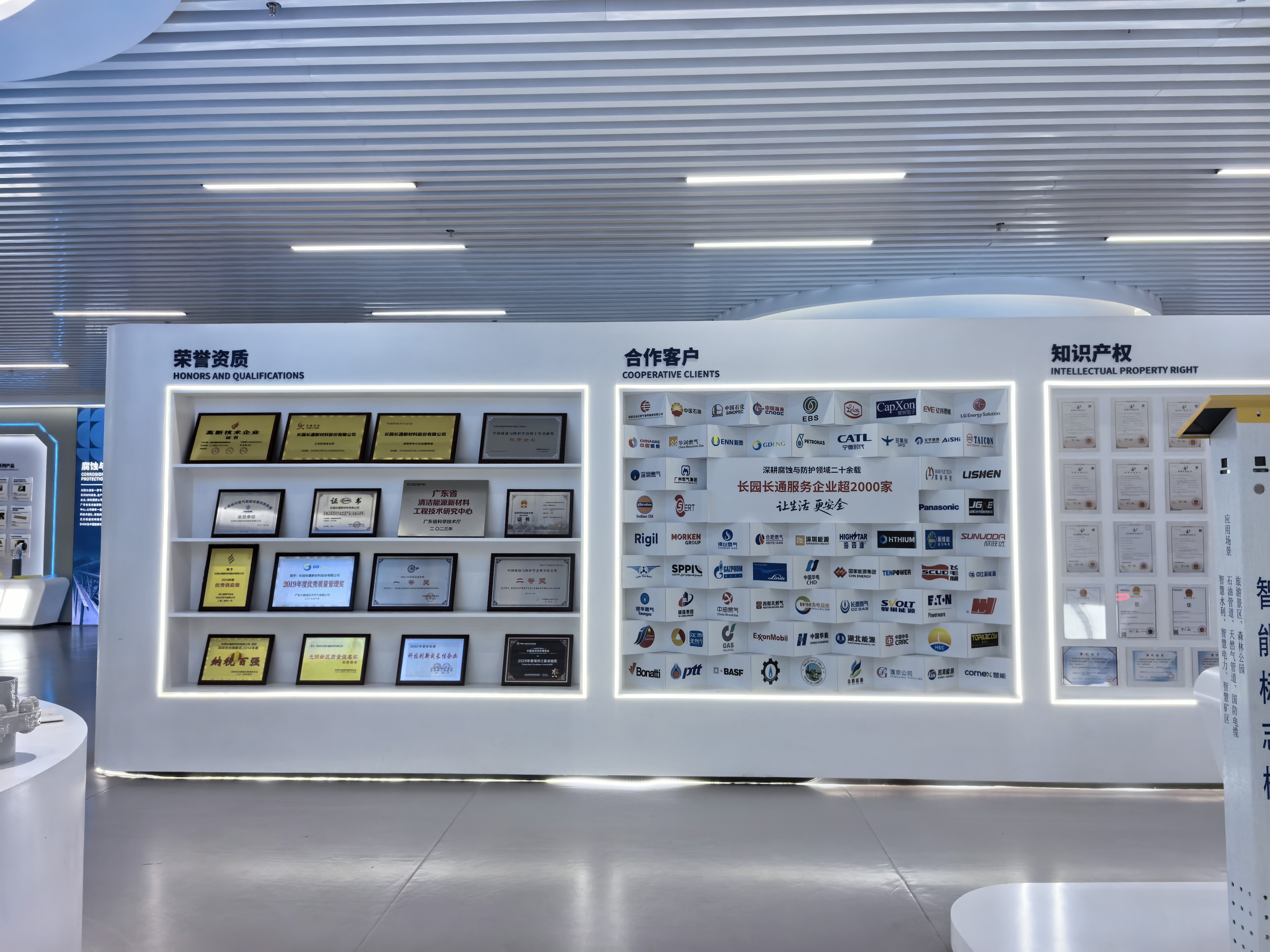
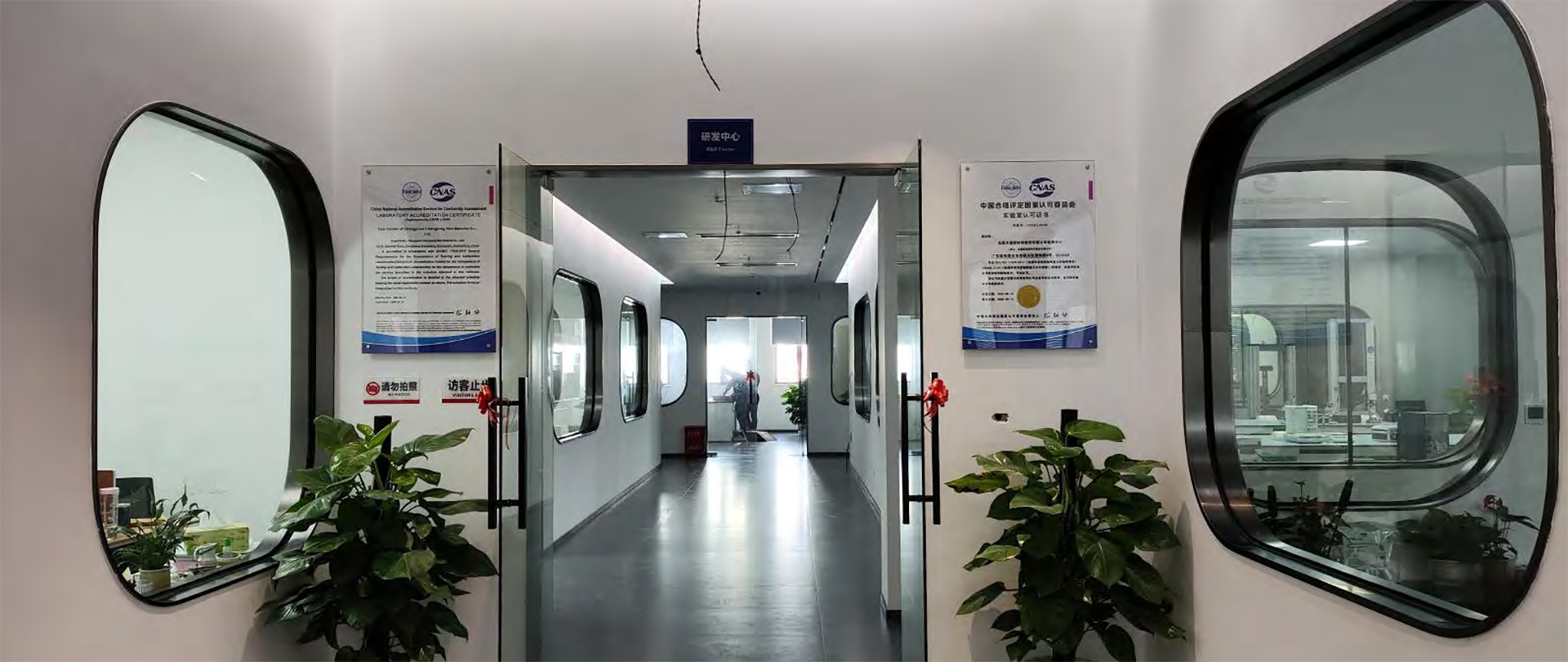
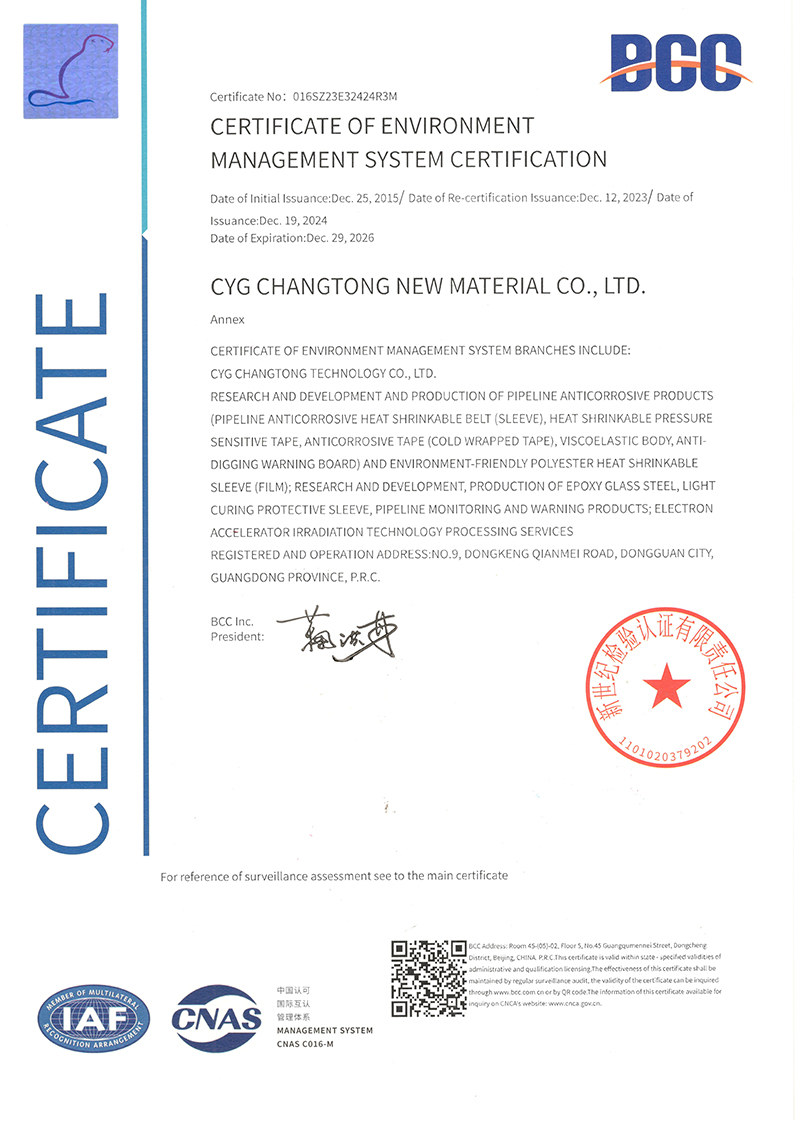
Member of Council in Chinese Society for Corrosion and Protection (CSCP), Corporate Member of China Association of Petroleum Engineering Construction (CAPEC), AMPP Corporate Member, and a state-level high-tech enterprise.
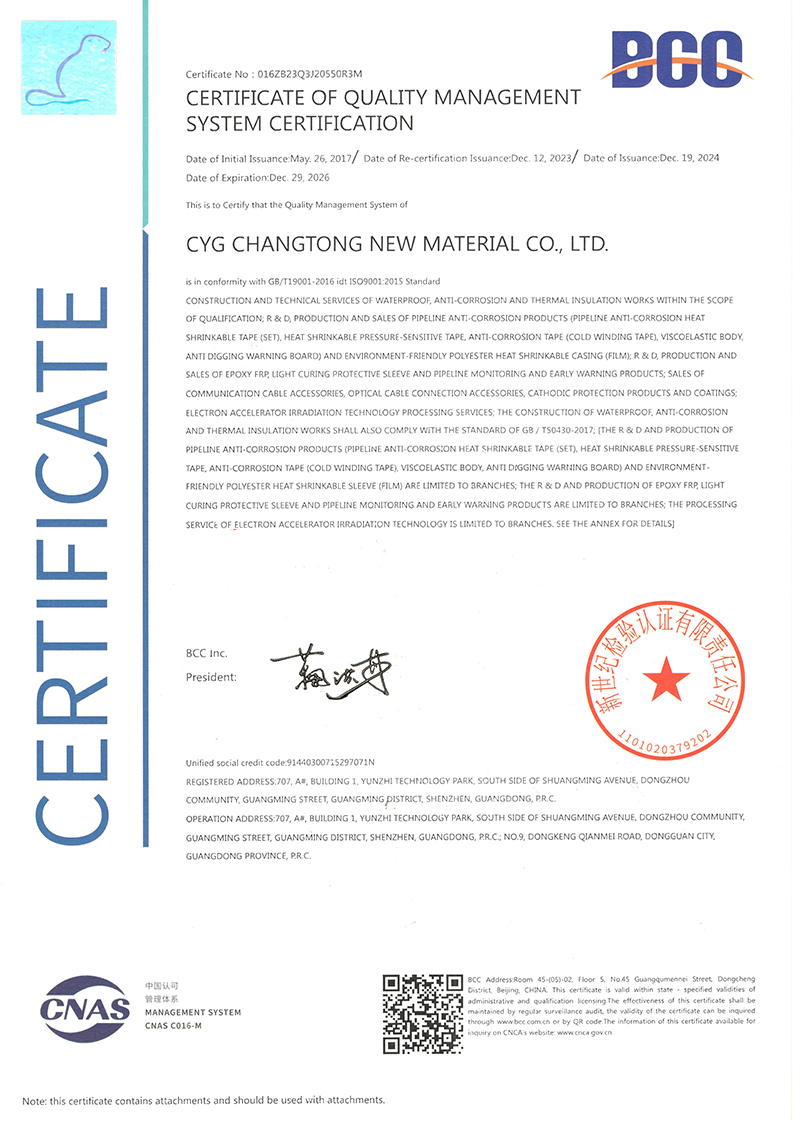
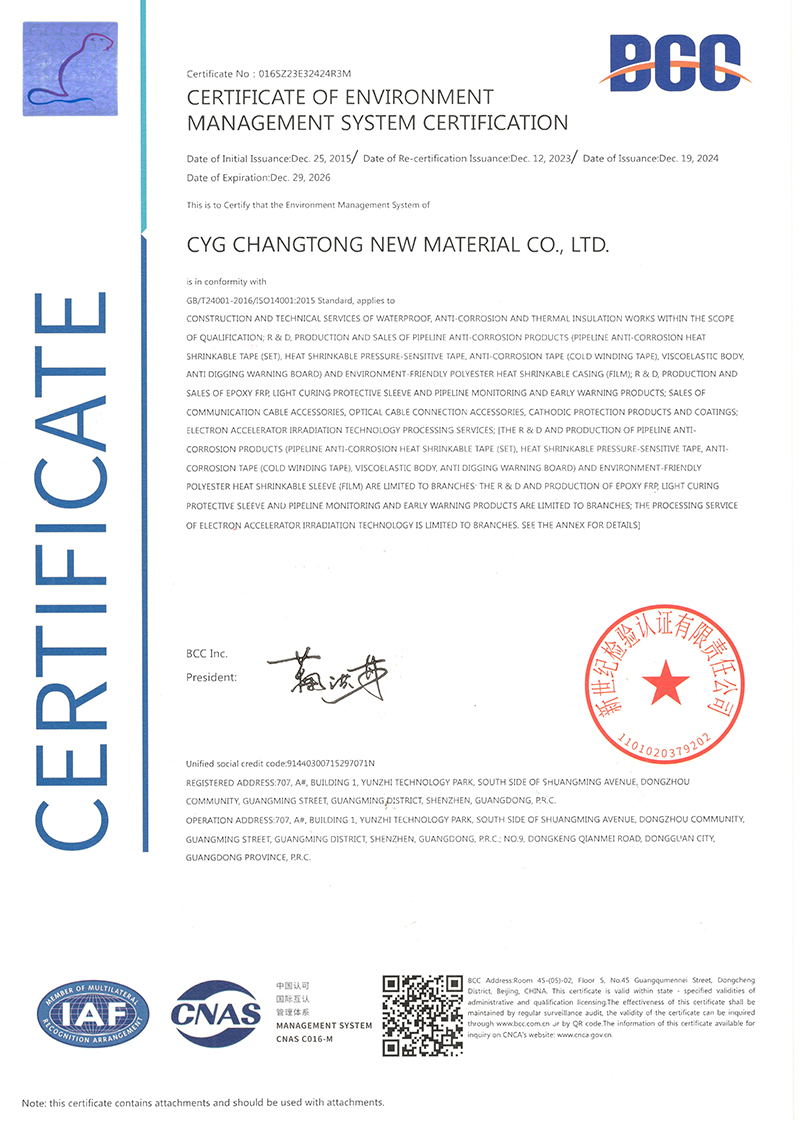
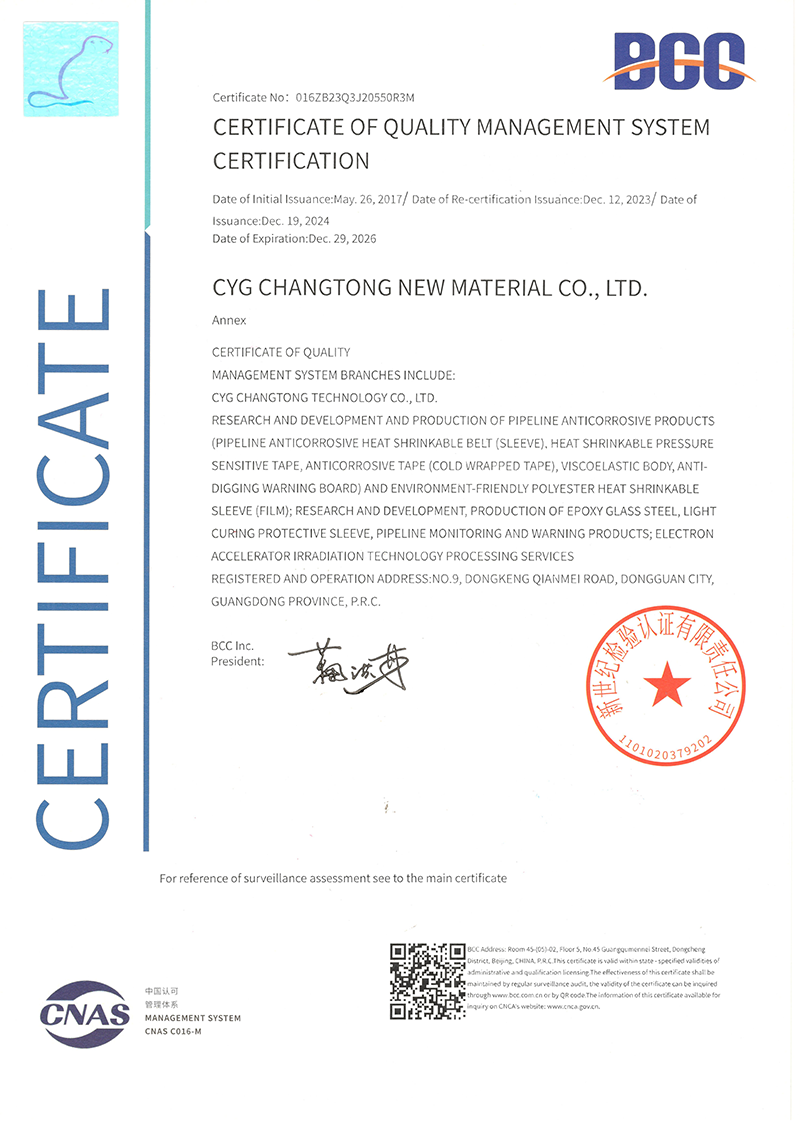
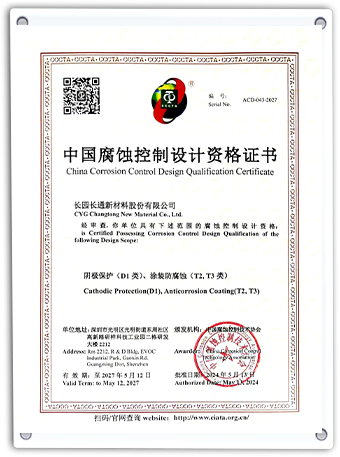
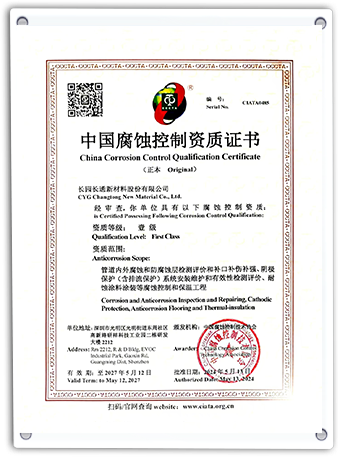
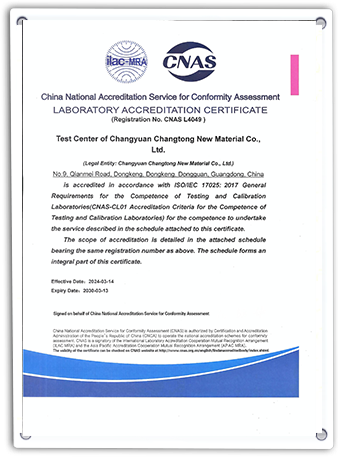
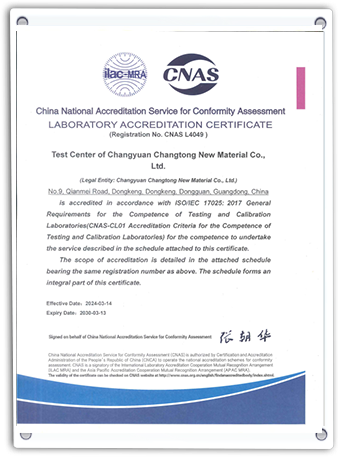
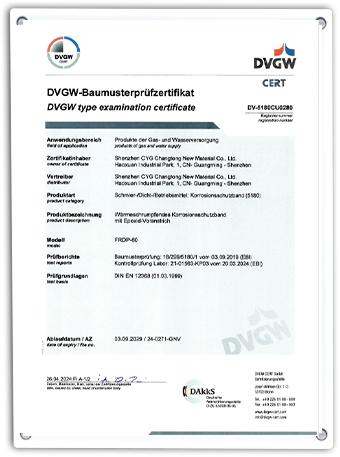
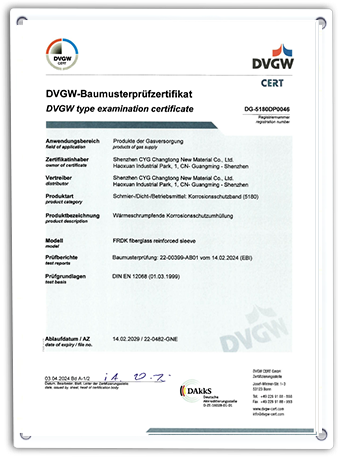
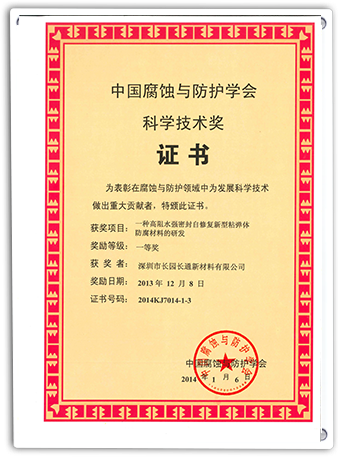
From deep-sea pipeline installations to cross-country municipal gas lines, CYCT provides verified anti-corrosion system designs.
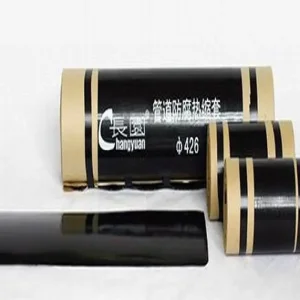
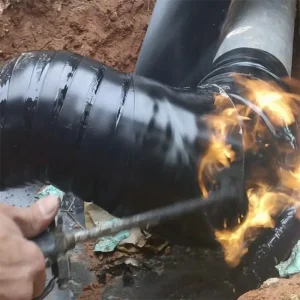
Field joint areas are the most vulnerable points of any pipeline. CYCT engineered heat-shrinkable sleeves and high-temperature repair patches match the performance of factory-applied 3LPE (3-Layer Polyethylene) mainline coatings. Employing advanced hot-melt adhesives integrated with cross-linked backing, they form a cohesive barrier resistant to high shear forces, soil stresses, and thermal fluctuations up to 80°C.
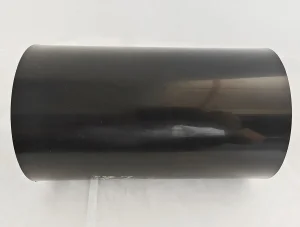
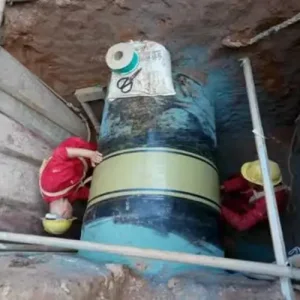
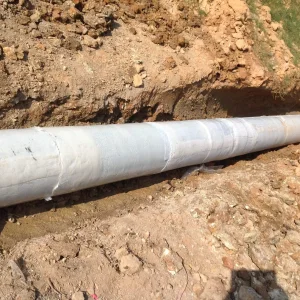
Trenchless pipeline installations using Horizontal Directional Drilling (HDD) involve dragging pipes through severe rocky or abrasive layers. Our Photo-Curing GRP Protective Sleeve acts as an armor shield. By curing rapidly under standard solar radiation or dedicated UV lamps, it provides a high-strength composite barrier that preserves the underlying anticorrosive coating from scraping, gouging, and deep punctures.
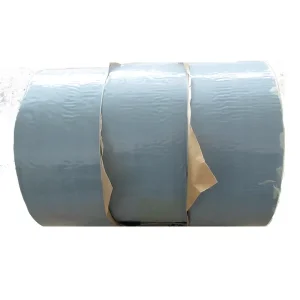
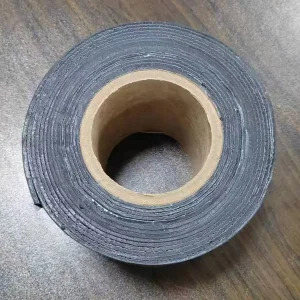
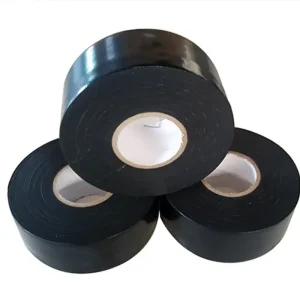
Rehabilitating operating oil and gas lines requires materials that can be applied safely without shutting down flow. CYCT visco-elastic tapes and mastic systems can be applied cold without open flames, requiring minimal surface preparation. Their self-healing flow properties allow them to creep into micro-crevices, sealing out moisture and oxygen actively, making them ideal for long-term corrosion prevention.
District heating and industrial steam lines present severe thermal challenges. Standard tapes melt or degrade rapidly. CYCT specializes in high-temperature PP (Polypropylene) outer tapes and heat shrinkable joint wraps that retain mechanical integrity up to 120°C, offering robust cathodic disbondment resistance and long-term chemical durability.
Get professional, engineering-focused answers to the most common questions regarding liquid coatings, viscoelastic tapes, and heat-shrinkable sleeves.
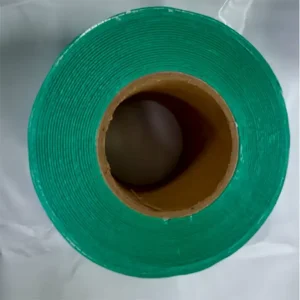
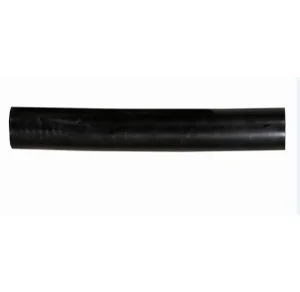
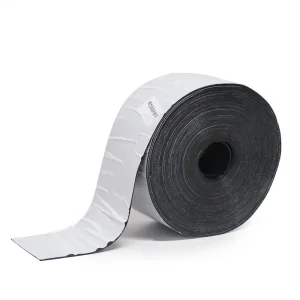
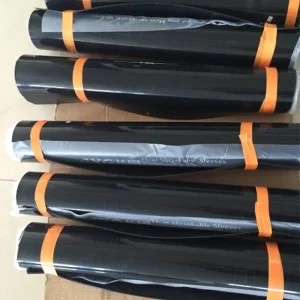
Explore our advanced range of tapes, sleeves, and fillers manufactured to exceed international safety regulations.
 CYCT
CYCT