China HTLP80 Sleeve Manufacturers & Factories

Premium 3LPE/3LPP Field Joint Coating Protection Technologies. Engineered by CYCT for Crucial Pipelines Since 2000.

CYCT: Two Decades of Anti-Corrosion Excellence

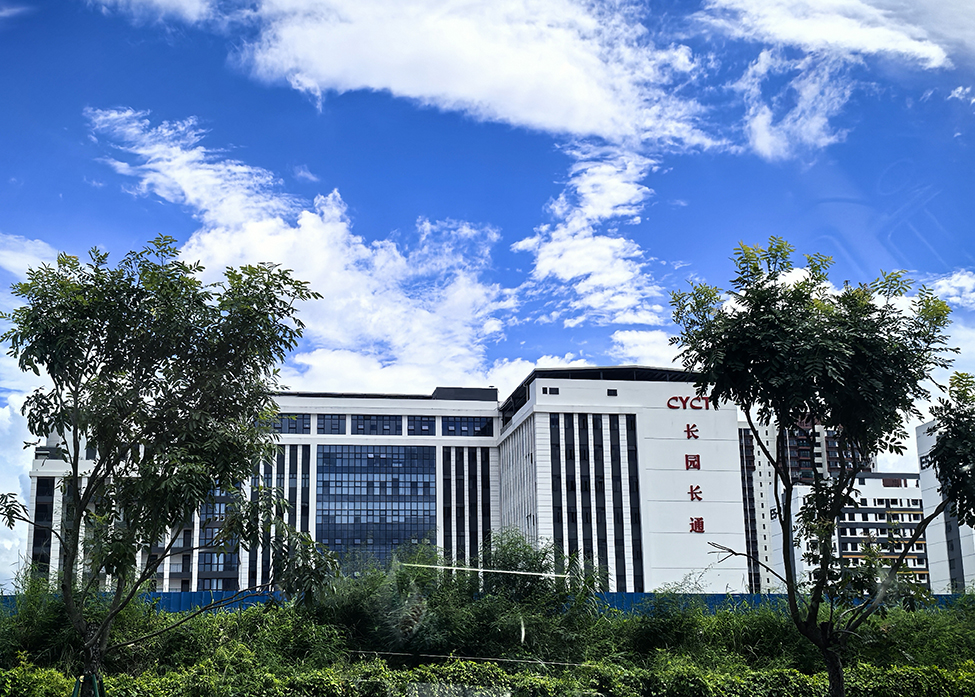
Founded in 2000, CYCT New Materials Company Limited (CYCT) is a state-level high-tech enterprise integrating R&D, production, sales of pipeline corrosion protection materials, and specialized in-service pipe testing & remediation services.

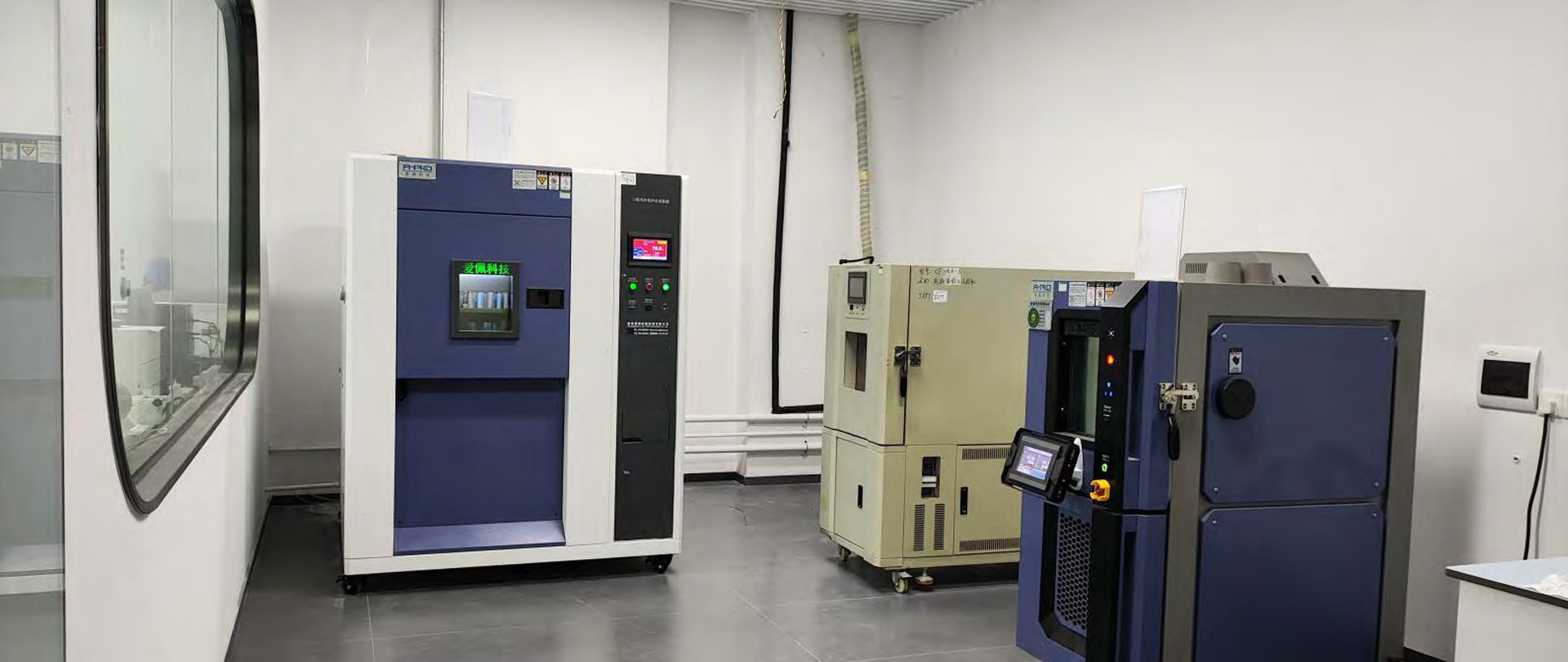
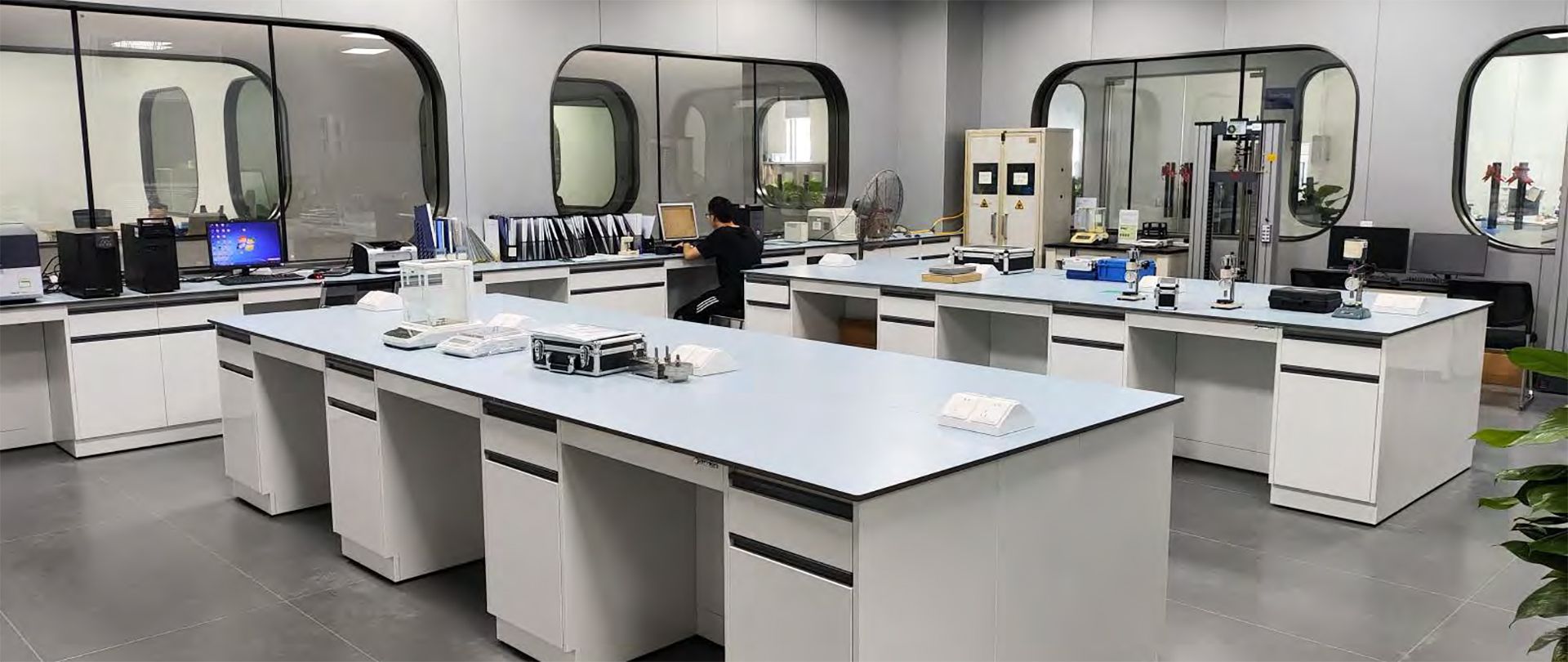
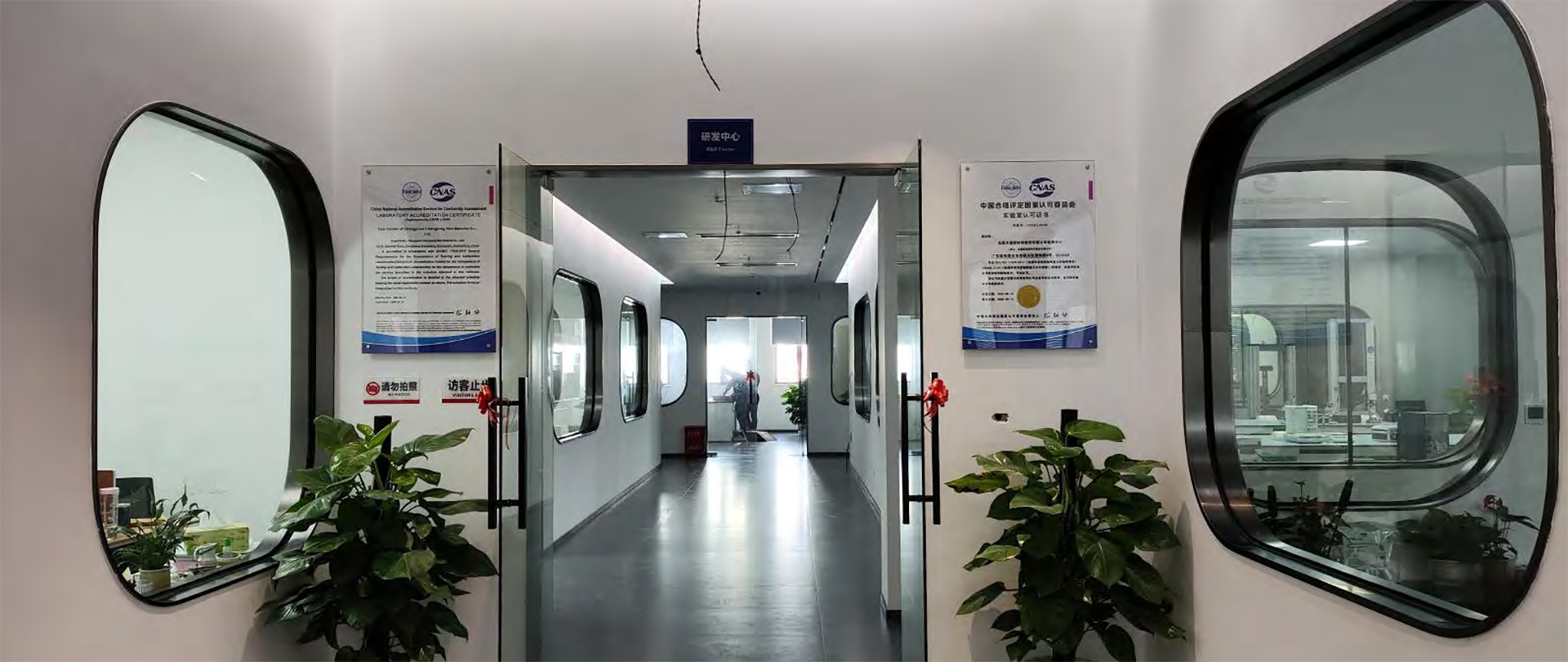
Over the past 24 years, CYCT has developed an industry-leading infrastructure, including a national CNAS-accredited laboratory and an elite scientific task force. Through strict adherence to ISO 9001 and ISO 14001, we deliver reliable, high-performance Field Joint Coating (FJC) solutions to global clients.

As a core supplier for energy majors like PetroChina, Sinopec, PipeChina, and Indian Oil, our domestic market share remains unparalleled. In close collaboration with the CNPC Pipeline Science Research Institute, we provide comprehensive diagnostic and engineering solutions to secure critical pipeline systems worldwide.
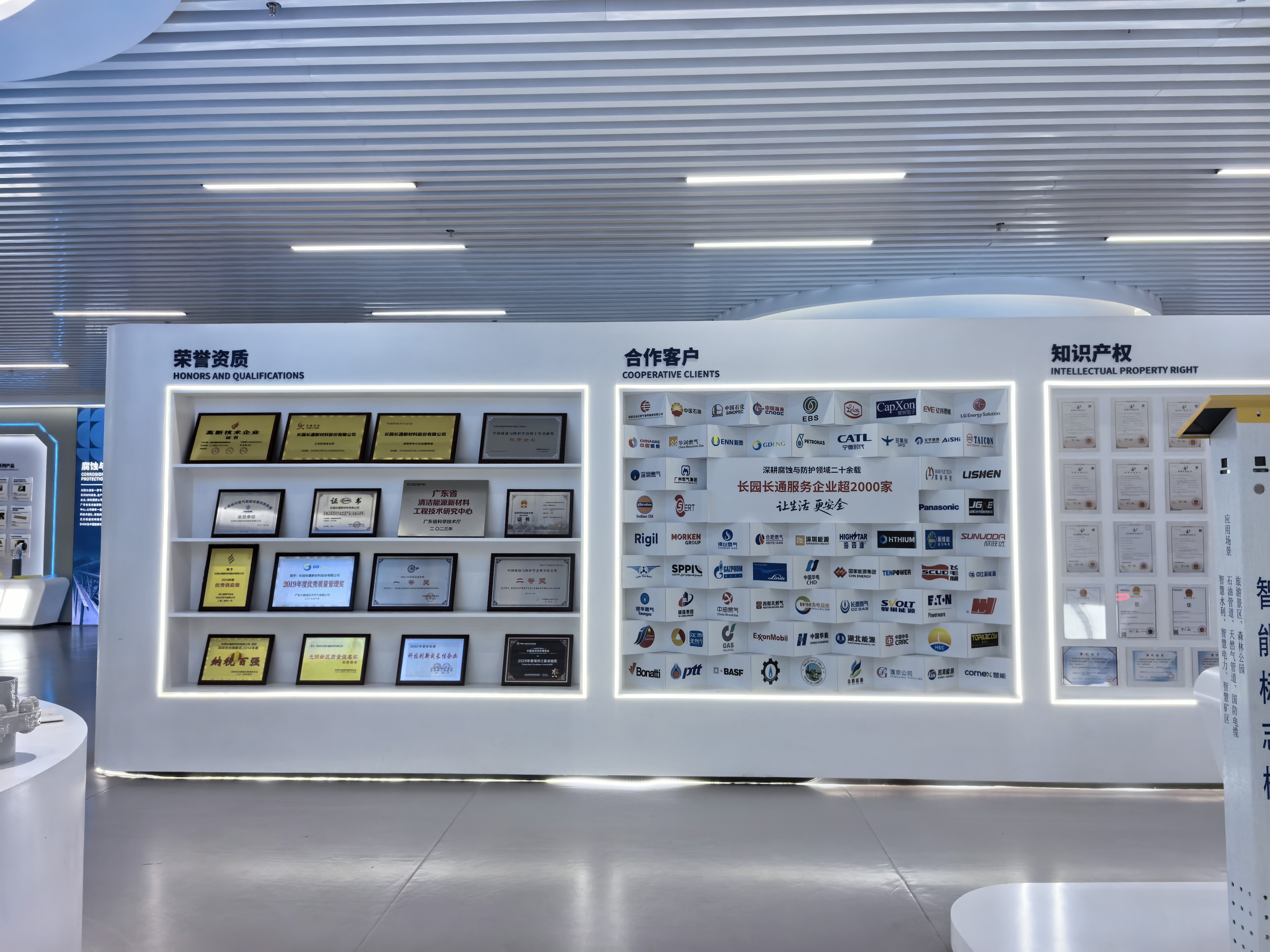
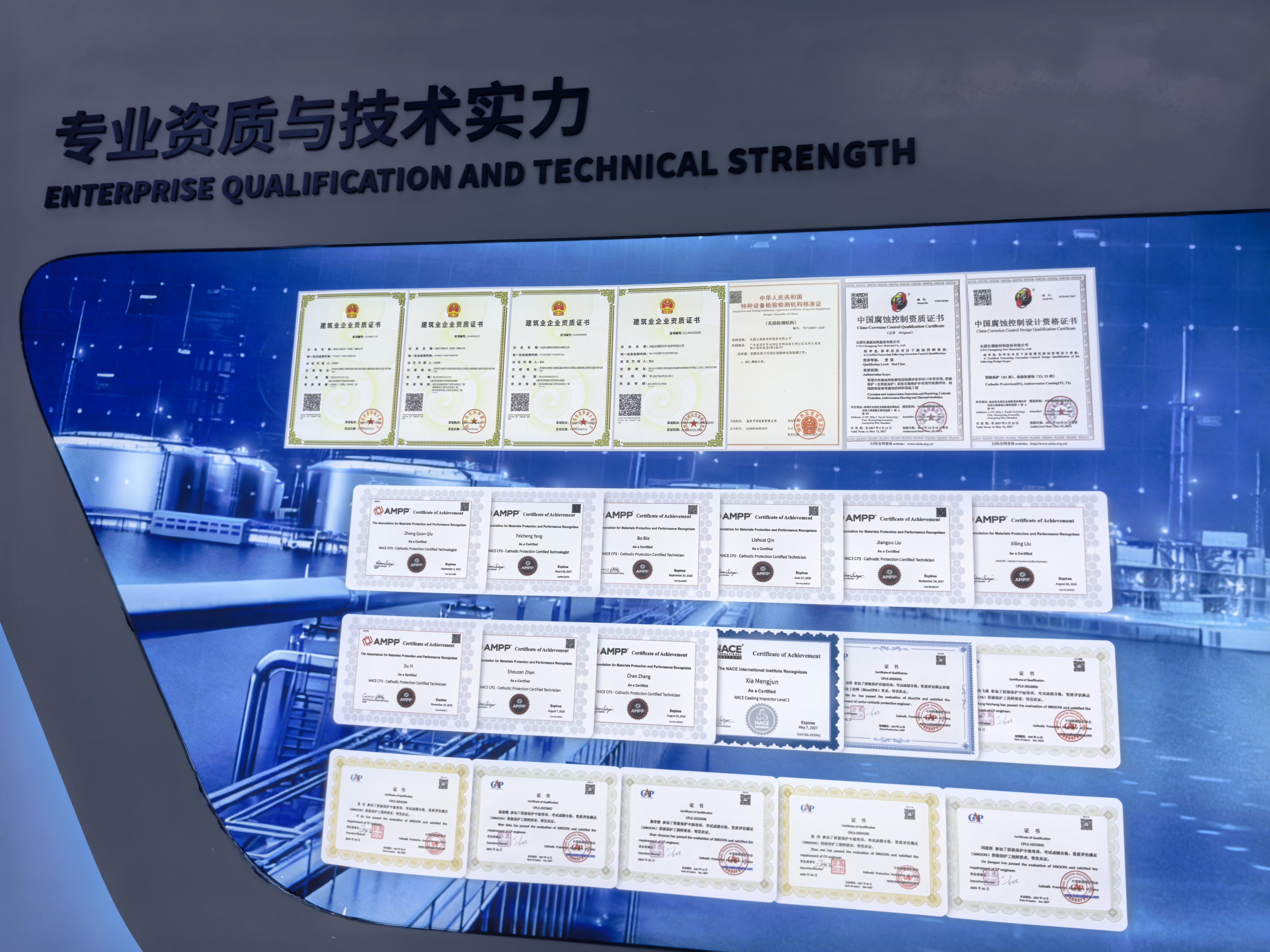
Enterprise Facilities & Scientific Scope

Industrial Capacity & Scale

Pioneering corrosion mitigation technologies with validated field reliability across global energy infrastructure.

2000
Year Founded
CNAS
National Lab Accreditation
24+
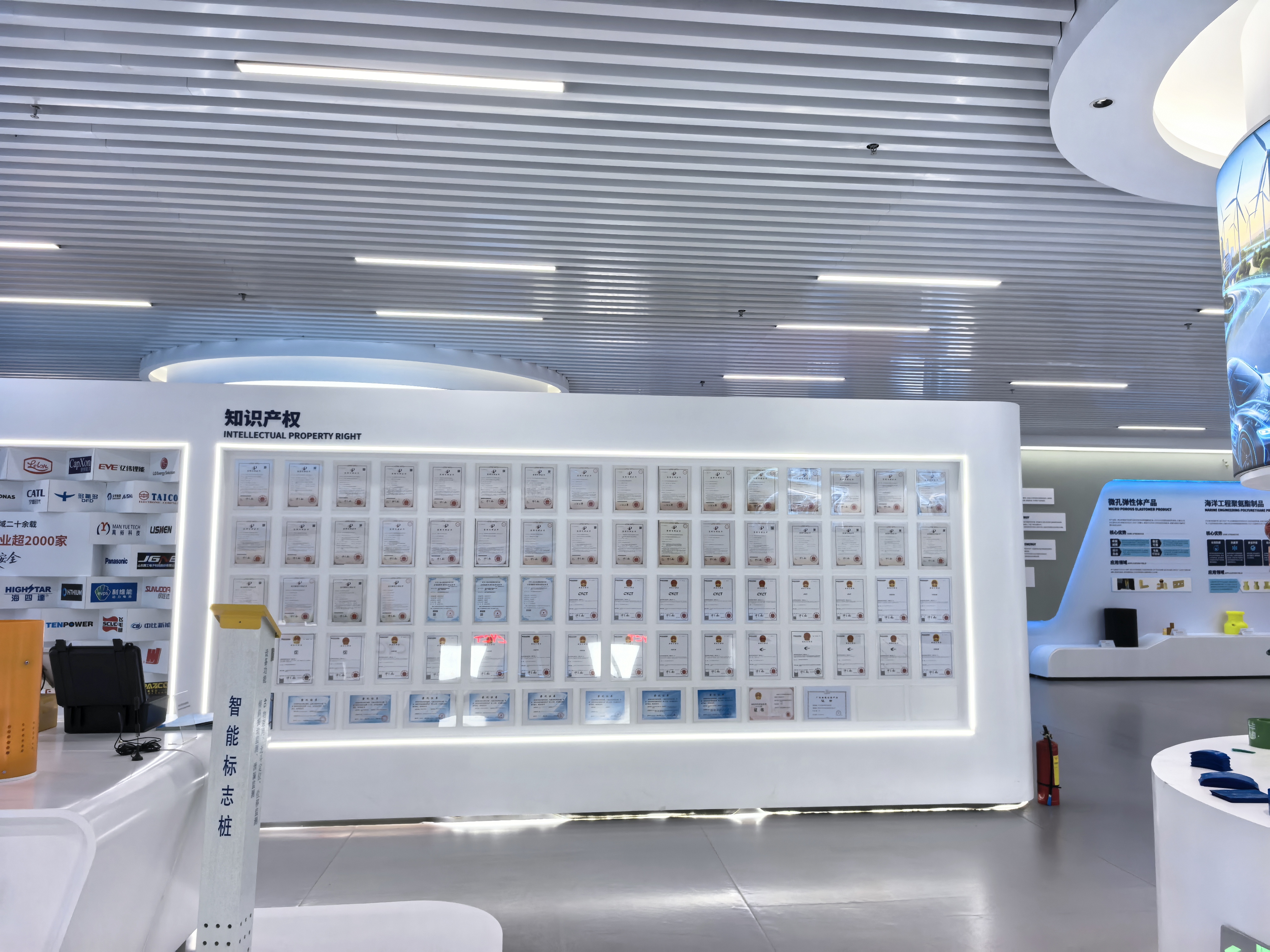
Patented Intellectual Properties
80°C
Max Operational Temp (HTLP80)

Whitepaper: Structural Engineering & Design of HTLP80 Sleeves

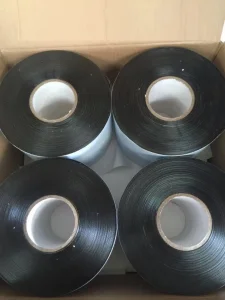
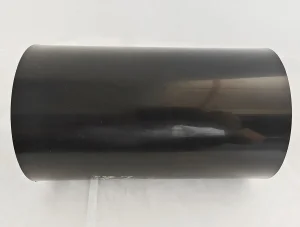
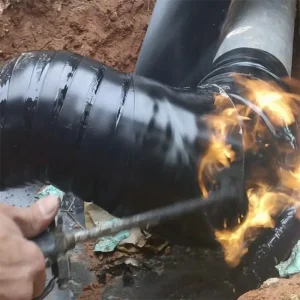
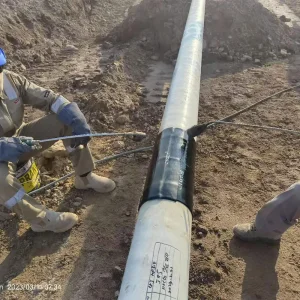
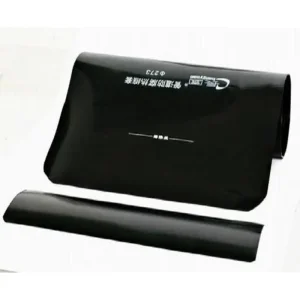
The HTLP80 (High-Temperature Line Pipe 80°C) heat-shrinkable sleeve represents a major engineering advancement in pipeline field joint coating (FJC) technologies. Specifically engineered to protect buried and exposed steel pipelines operating at temperatures up to 80°C (176°F), the HTLP80 sleeve functions as a high-performance barrier against corrosive agents, soil shear, and cathodic disbondment.

"Modern field joint coating demands integrated materials designed to match the lifespan of the factory-applied parent coating (such as 3LPE). The HTLP80 sleeve bridges the gap between manual field application and plant-quality assurance by leveraging advanced polymer chemistry and proprietary viscoelastic adhesive backing."

1. Material Architecture: Dual-Layer & Three-Layer Systems

The HTLP80 heat-shrinkable sleeve is designed in both dual-layer and three-layer configurations, with the three-layer option (employing a liquid epoxy primer base) offering unmatched resistance to cathodic disbondment. The core components include:

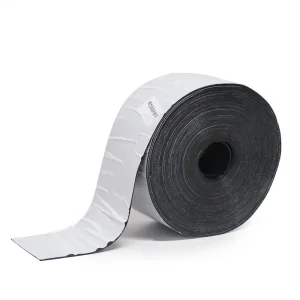
  • Radiation Cross-linked High-Density Polyethylene (HDPE) Backing: This thick, flexible outer backing provides mechanical resistance against soil stress, impact, abrasion, and moisture penetration. The cross-linked polymer structure has "elastic memory," meaning it shrinks tightly over the joint when heat is applied.
  • High-Shear Copolymer Mastic/Hot-Melt Adhesive: The internal adhesive layer is chemically formulated to flow into surface irregularities, achieving a permanent bond with the steel substrate and the parent PE coating. Its unique formulation ensures stability at continuous temperatures up to 80°C.
  • Solvent-Free Liquid Epoxy Primer (Optional for 3-Layer Systems): Applied directly to the sandblasted steel surface (Sa 2.5), this primer layer prevents moisture migration and creates a strong chemical bond with the adhesive layer.

2. Technology Roadmap & Future Outlook of HTLP80 Sleeves

As global pipeline infrastructure faces increasingly challenging environments, including high-pressure deepwater lines and heavy oil transport, the technology roadmap for HTLP80 is evolving along three main fronts:

Nano-Modified Adhesives

Integrating functionalized carbon nanotubes and nano-clays into the copolymer adhesive matrix to improve thermal stability, shear resistance, and creep barrier properties under high soil pressure.

Thermochromic Indicators

Deploying smart backing polymers that shift color when reaching optimal installation temperature, eliminating human error and ensuring uniform adhesive activation.

Eco-Friendly Formulations

Transitioning to halogen-free, ultra-low VOC raw materials to comply with strict international environmental regulations without sacrificing physical performance.

3. Macro Industry Solutions: Oil, Gas, and Water Distribution

The implementation of HTLP80 sleeves is standard practice in key pipeline projects, including:

  • High-Pressure Oil & Gas Transmission: High pressure generates heat. For pipelines operating near compressor stations where gas temperatures approach 80°C, HTLP80 sleeves prevent long-term degradation of the field joint.
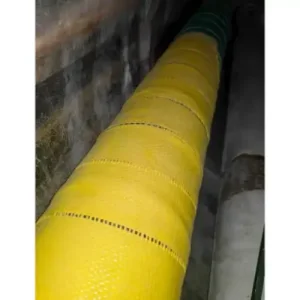
  • Horizontal Directional Drilling (HDD): During pull-back operations, field joints face intense mechanical abrasion. Using HTLP80 sleeves alongside a sacrificial fiber-reinforced wrap (like the GRF Moisture Curing Shield) ensures the coating remains intact.
  • Urban District Heating & Water Infrastructure: For hot water transmission and municipal heating networks, HTLP80 provides a thermal-resistant barrier that protects against soil moisture and microbial attack.

4. China Factory 4.0: Supply Chain Resilience & Production Advantage

China's manufacturing sector has evolved from simple assembly to smart, automated factories. At CYCT, our Factory 4.0 model leverages advanced equipment to optimize every step of production:

  • High-Precision Extrusion Lines: Computer-controlled extrusion ensures consistent backing thickness, reducing thickness variation to less than 3% across production batches.
  • Electronic Radiation Cross-linking: Using high-energy electron accelerators, we precisely control the cross-linking density of the polyethylene backing, achieving the optimal balance of tensile strength and shrinkage ratio.
  • Vertical Integration: CYCT processes raw materials in-house—from polymer compounding to adhesive synthesis. This minimizes supply chain risks and allows us to pass cost efficiencies directly to global EPC contractors.

5. Global Procurement Requirements & Compliance Assurance

For procurement managers and engineering firms, sourcing field joint coatings requires strict compliance with international standards:

  • Standards Compliance: Our HTLP80 sleeves are tested to meet and exceed ISO 21809-3 Type 14A/14B, EN 12068 Class C80, and NACE RP0303.
  • Cathodic Disbondment Resistance: Validated by ASTM G42 tests, our sleeves maintain disbondment values under 8mm at 80°C over 28-day testing cycles.
  • Peel Strength Verification: Our sleeves maintain a peel strength of over 1.5 N/mm to steel and factory PE coatings at 80°C, preventing adhesion loss under soil shear forces.
  • Export-Ready Logistics: CYCT ensures custom crating, moisture-proof packaging, and standardized UV-resistant wrapping to preserve product integrity during ocean transit.

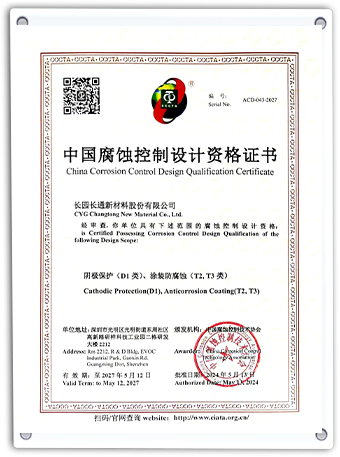
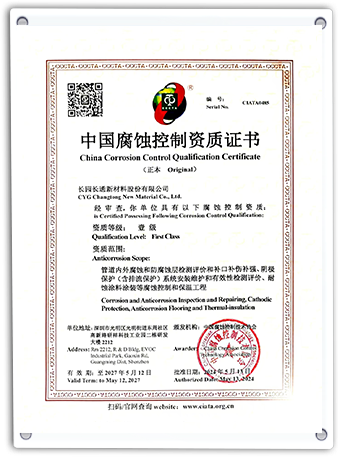
Certifications & Global Approvals

CYCT's products and management systems are fully certified by international bodies to guarantee reliability and performance.
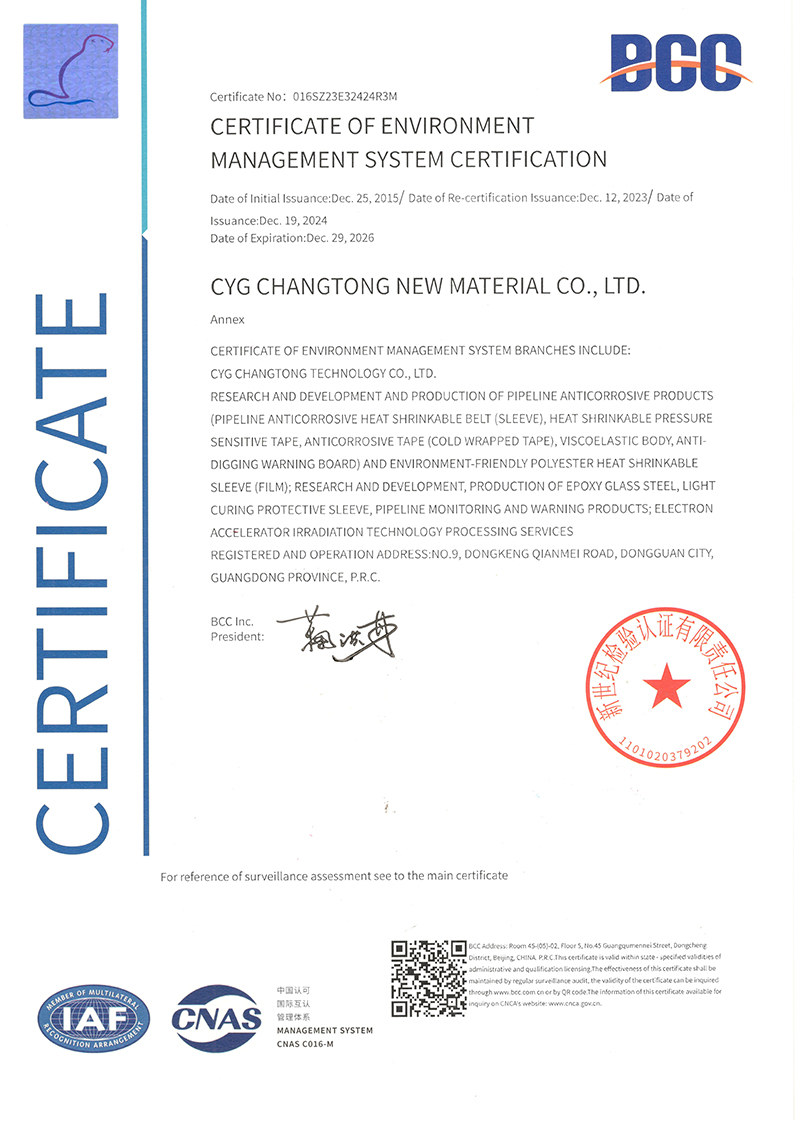
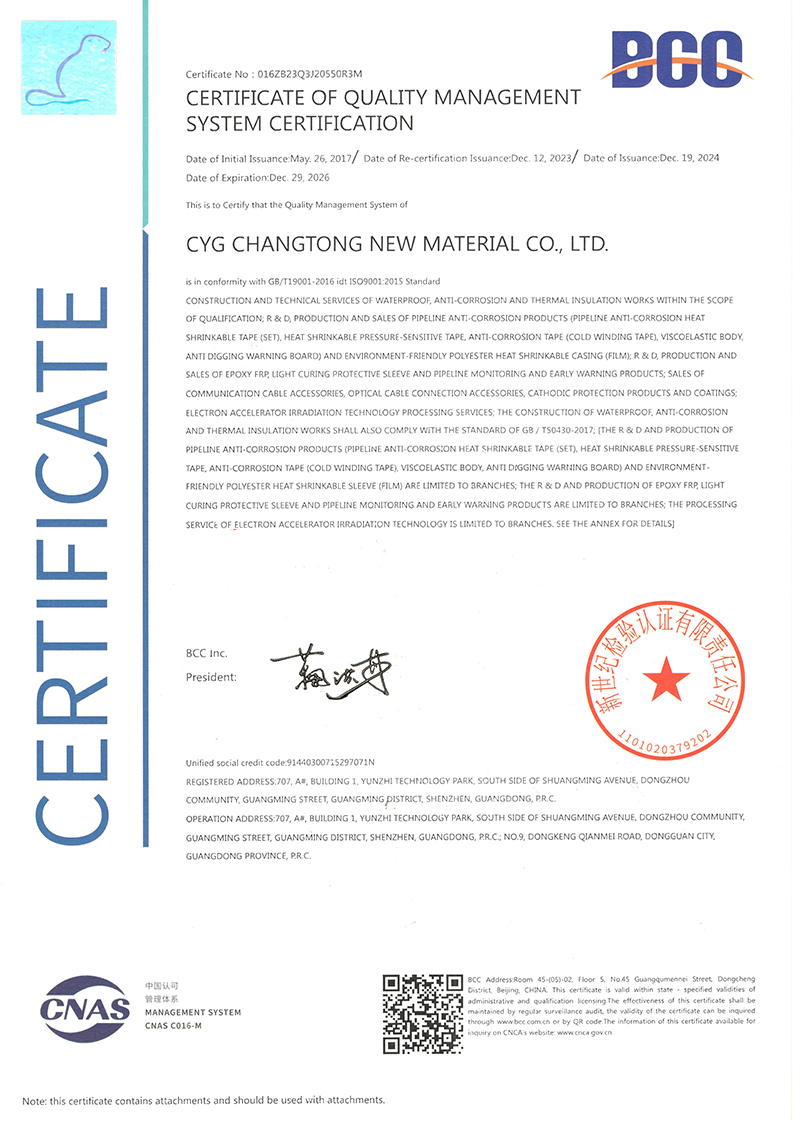
Management System Certificates
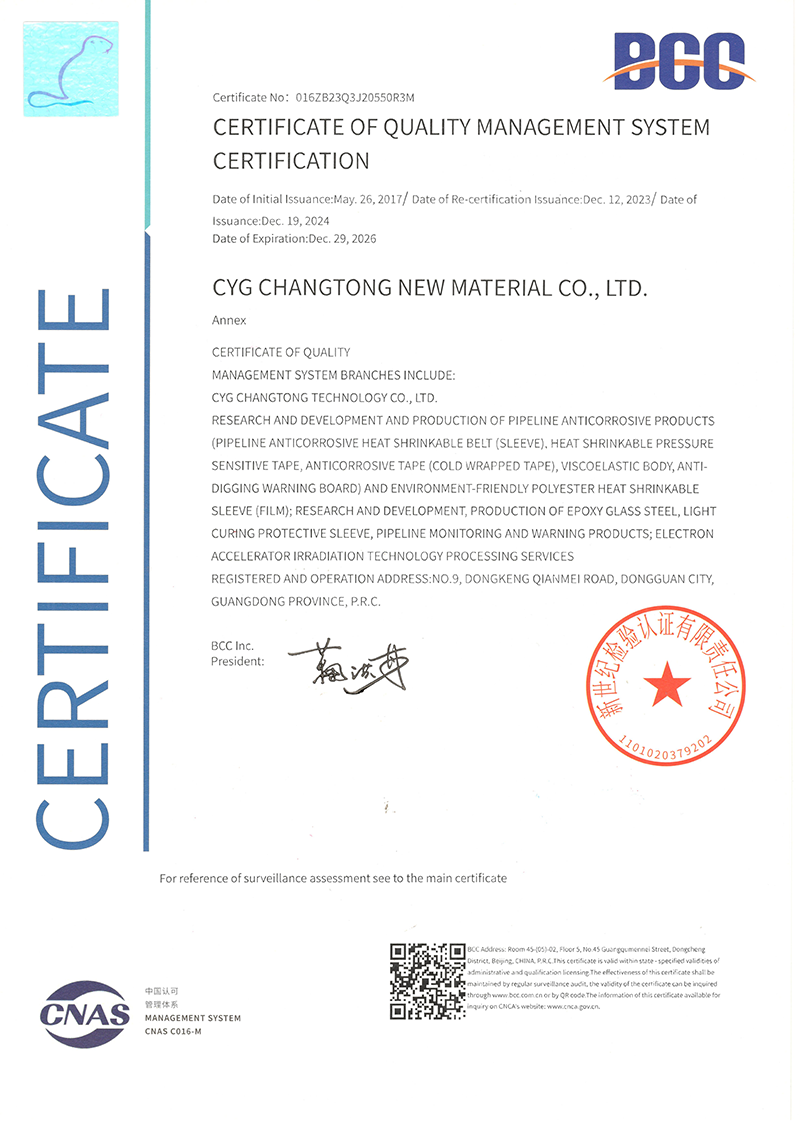
CYCT ISO Quality Management System Certificate

ISO Certification

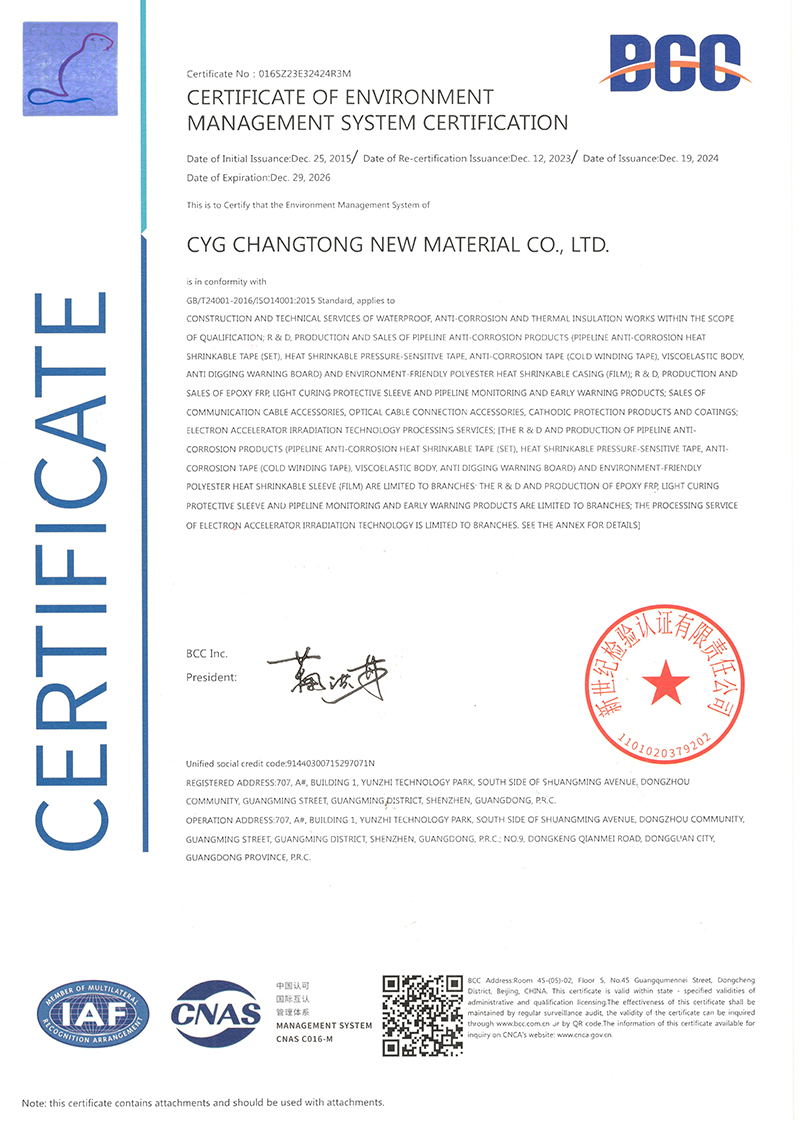
CYCT HSE Environmental Certificate

HSE Management Certificate

CYCT Occupational Health and Safety Certificate

OHSAS Certificate

CYCT CNAS Laboratory Certification

CNAS Laboratory Standard

CYCT Patent & IP Portfolio

Patent Portfolio Certificate

CYCT Pipeline Science Institute Partner

CNPC Partner Certificate

Frequently Asked Questions: HTLP80 Applications

Addressing technical and design queries for pipeline engineers and procurement officers.

What is the main difference between HTLP80 and standard HTLP60 sleeves?

The main differences lie in their design operating temperature and adhesive properties. Standard HTLP60 sleeves are rated for continuous pipe operating temperatures up to 60°C. HTLP80 sleeves utilize a higher-molecular-weight copolymer hot-melt adhesive with specialized tackifying resins and thermal stabilizers, allowing them to maintain high shear strength and resist creep at temperatures up to 80°C.

Is an epoxy primer mandatory for installing HTLP80 sleeves?

An epoxy primer is highly recommended to achieve a 3-layer corrosion protection system (compliant with ISO 21809-3 Type 14B). The liquid epoxy primer chemically bonds with both the steel substrate and the hot-melt adhesive, dramatically reducing the risk of cathodic disbondment. For less demanding environments, a 2-layer system (sleeve without primer) can be used, but it offers lower resistance to cathodic disbondment under thermal stress.

What surface preparation is required before installing the sleeve?

The steel joint area must be abrasive blast-cleaned to a minimum of Sa 2.5 (according to ISO 8501-1) or SSPC-SP10. The surface profile should have an anchor pattern depth between 50 and 75 microns. The adjacent parent coating (e.g., 3LPE) must be abraded for at least 100mm on each side using a wire brush or sandpaper to ensure proper adhesive bonding. The steel surface must also be preheated to the recommended temperature (typically 60°C to 70°C for primers) to prevent cold joints.

How does CYCT handle quality control for export shipments?

Every batch of HTLP80 sleeves undergoes rigorous testing in our CNAS-accredited laboratory before shipping. We test key parameters including thickness uniformity, peel strength to steel and PE, heat shock resistance, and low-temperature flexibility. Export packaging includes heavy-duty, UV-shielded, moisture-proof cartons on fumigated pallets to protect the heat-shrinkable properties during marine transport.

What is the typical shelf life of an HTLP80 sleeve?

Stored under correct conditions (dry, ventilated area, away from direct sunlight, and at temperatures below 35°C), CYCT's HTLP80 heat-shrinkable sleeves have a shelf life of up to 3 years from the date of manufacture.