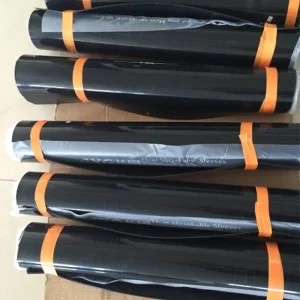
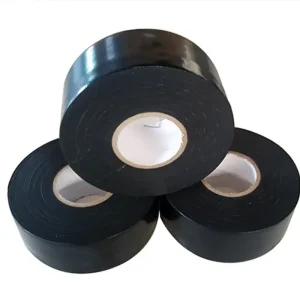
Explore our industrial-grade, thermal-resistant protective wraps engineered for pipelines, HDD protection, joint sealing, and complex petrochemical infrastructure.
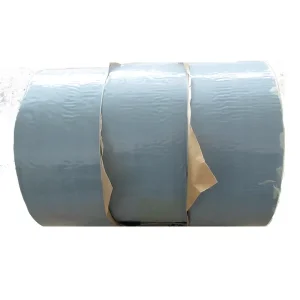
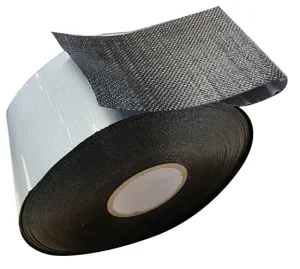
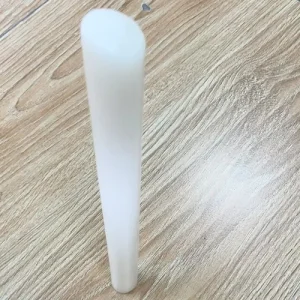
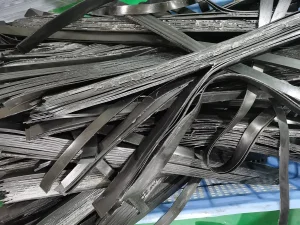
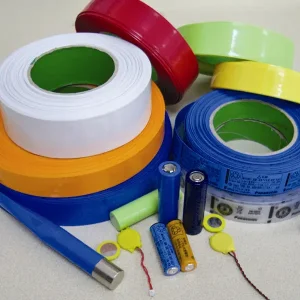
A comprehensive overview of mechanical protection, thermal boundaries, and chemical composition for global pipeline projects.
Modern industrial developments in petroleum refining, chemical processing, and deep-well exploration require transmission pipelines to operate at elevated temperatures. Conventional anti-corrosion tapes, often rated only up to 50°C, fail rapidly when exposed to continuous high-temperature operating cycles. Under sustained heat, standard adhesives degrade, lose shear strength, and succumb to cathodic disbondment. This degradation leaves pipelines vulnerable to severe localized corrosion, stress corrosion cracking (SCC), and environmental leakage.
To address this critical integrity gap, advanced polymer backings—such as radiation cross-linked high-density polyethylene (HDPE) and polypropylene (PP)—are alloyed with viscoelastic or specialized hot-melt elastomeric adhesives. These systems provide robust physical protection, chemical insulation, and elastomeric flexibility, ensuring the long-term safety of pipelines carrying steam, hot crude oil, gas, and chemical fluids.
Information Gain Insight: The true point of failure for pipeline protection at high temperatures is not just the thermal limits of the polymer backing, but the shear resistance and visco-elastic flow of the adhesive under dynamic soil stress. CYCT's latest PP-based systems maintain a high shear modulus even at continuous service temperatures of up to 120°C.
Selecting the correct high-temperature tape requires understanding the underlying adhesive science. There are two primary schools of chemistry currently dominating the global market:
A. Viscoelastic Polymer Tapes: Formulated using fluidic, non-crystalline, low-molecular-weight polyolefin polymers (such as VT95 and FVT95). Viscoelastic materials are characterized by their permanent liquid-like behavior, offering complete wetting of the steel substrate. Under light pressure, the viscoelastic layer flows into every micro-cavity and surface irregularity. This self-healing ability ensures zero moisture permeability and prevents cathodic disbondment, even if the outer mechanical wrap is damaged.
B. Hot-Melt Co-Polymer Adhesives: Used primarily in heat-shrinkable sleeves and patches (such as FRDX Hot Melt Fillers). These systems use a solid thermoplastic adhesive that liquefies when heat is applied during installation. Upon cooling, it forms a high-strength bond to both the steel substrate and factory-applied coatings (such as 3LPE or 3LPP), creating a seamless barrier against moisture, soil shear, and chemical attack.
Global procurement teams face strict regulatory and environmental challenges. Major oil and gas enterprises, including PetroChina, Sinopec, and Indian Oil, specify strict performance baselines. An ideal supplier must provide high-temperature tape solutions that demonstrate:
Three core systems designed for high mechanical resistance, thermal protection, and long-term chemical isolation.
Utilizing high-temp PP outer tapes, hot melt filler rods, and PP repair patches to achieve structural parity with mill-applied coatings.
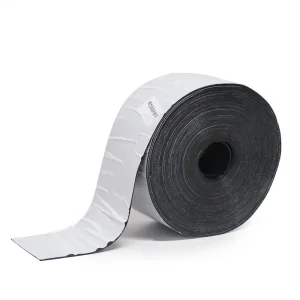
Self-healing viscoelastic tapes like FVT95 provide liquid-like wetting behavior that conforms to irregular surfaces and avoids cracking.
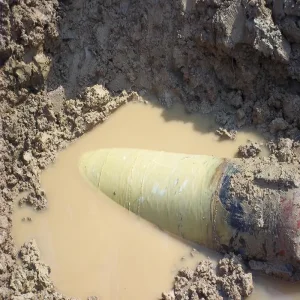
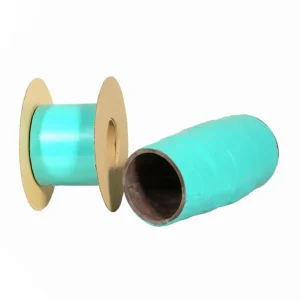
Epoxy FRP (Fiberglass Reinforced Polymer) coatings resist high abrasion and shear forces during Horizontal Directional Drilling (HDD).
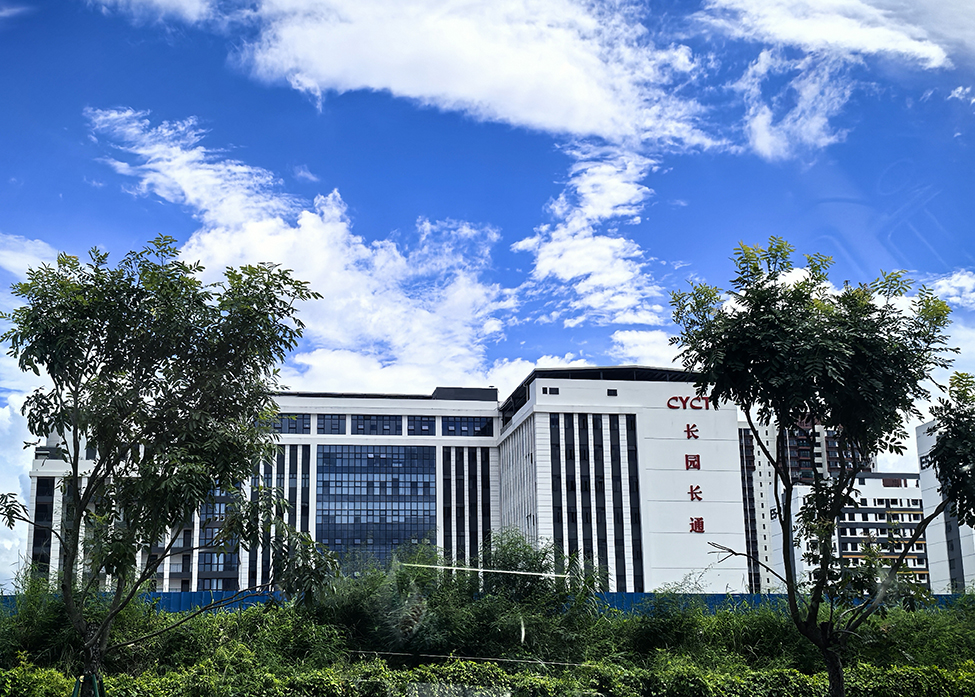
CYCT New Materials Company Limited (for short, CYCT) is a state-level high-tech enterprise integrating R&D, production and sales of pipeline corrosion protection materials as well as buried pipeline detection service and pipeline coating field application service into one. CYCT has devoted itself to the R&D, production, and sales of pipeline corrosion protection materials for decades.
By establishing strategic cooperation with leading R&D institutes such as the CNPC Pipeline Science Research Institute, CYCT is capable of providing in-service pipelines with varied technical services including buried pipeline detection, design schemes, cathodic protection, rehabilitation projects, and integrated safety protection solutions.
CYCT has become a stable supplier of field joint coatings for years to PetroChina, Sinopec, PipeChina, and local pipelines, maintaining a high market share. Furthermore, CYCT has developed and introduced specialty corrosion protection materials such as viscoelastic anticorrosion materials, special photo-curing sleeves for HDD protection, and polyurea coatings.
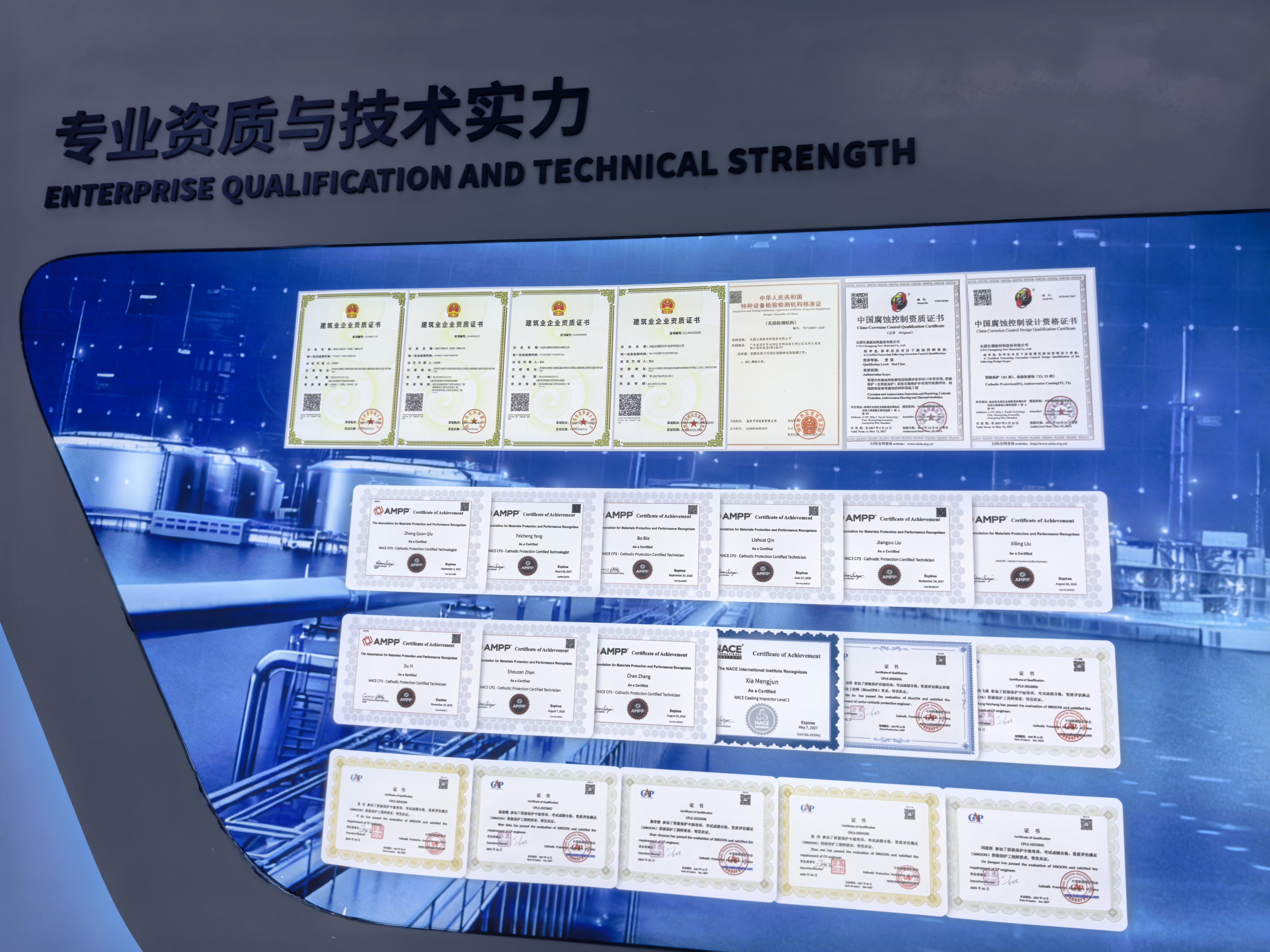
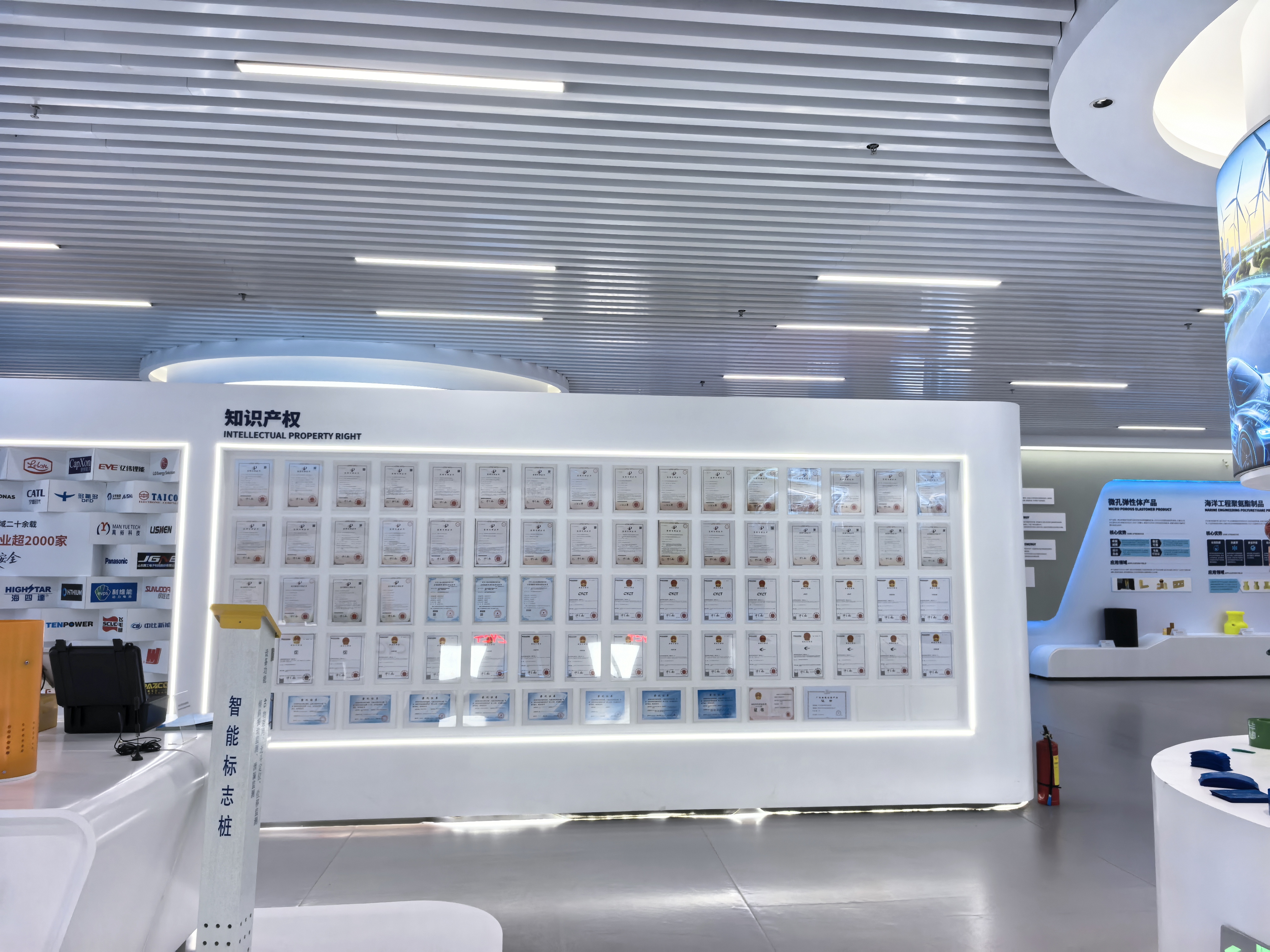
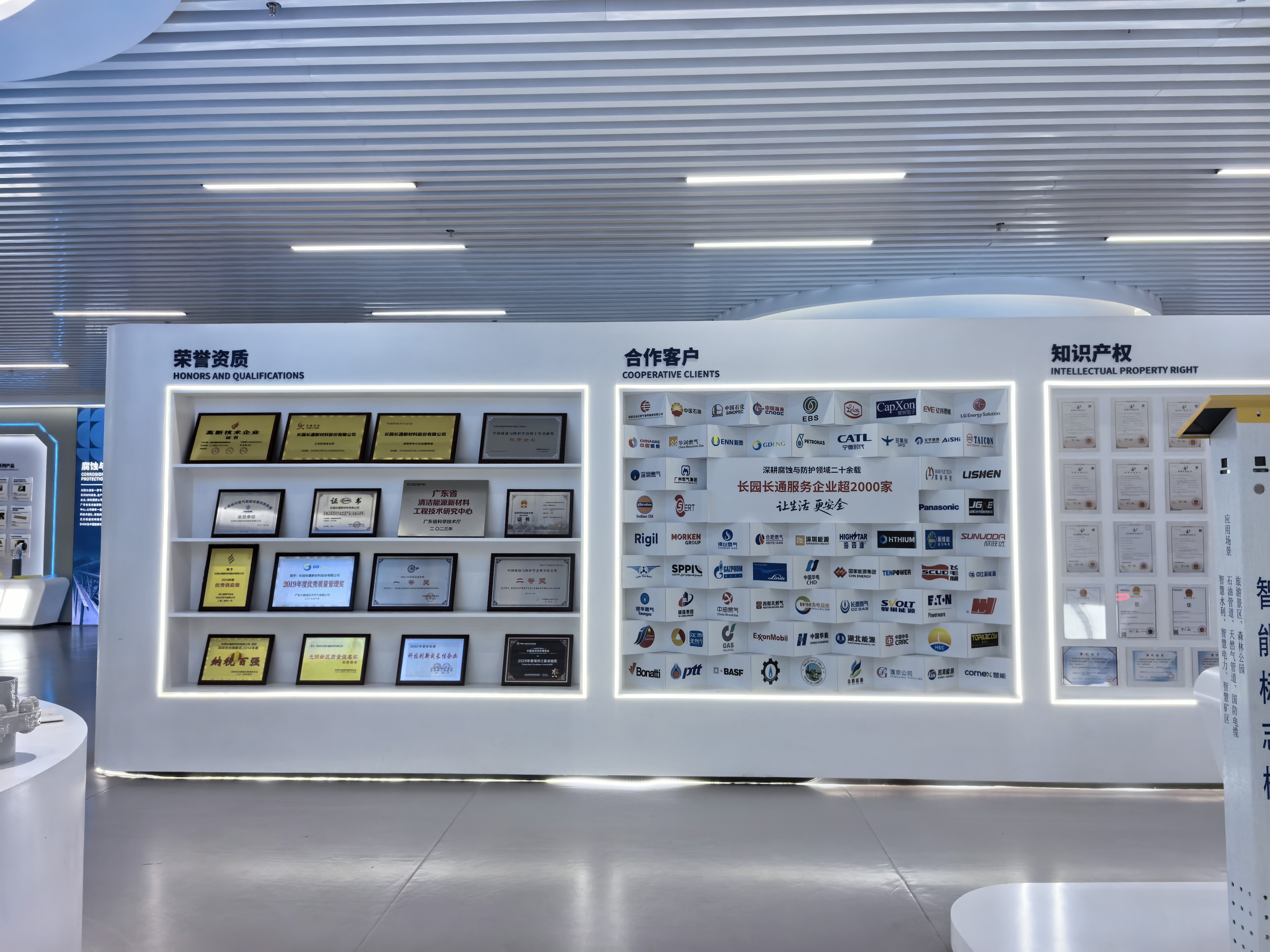
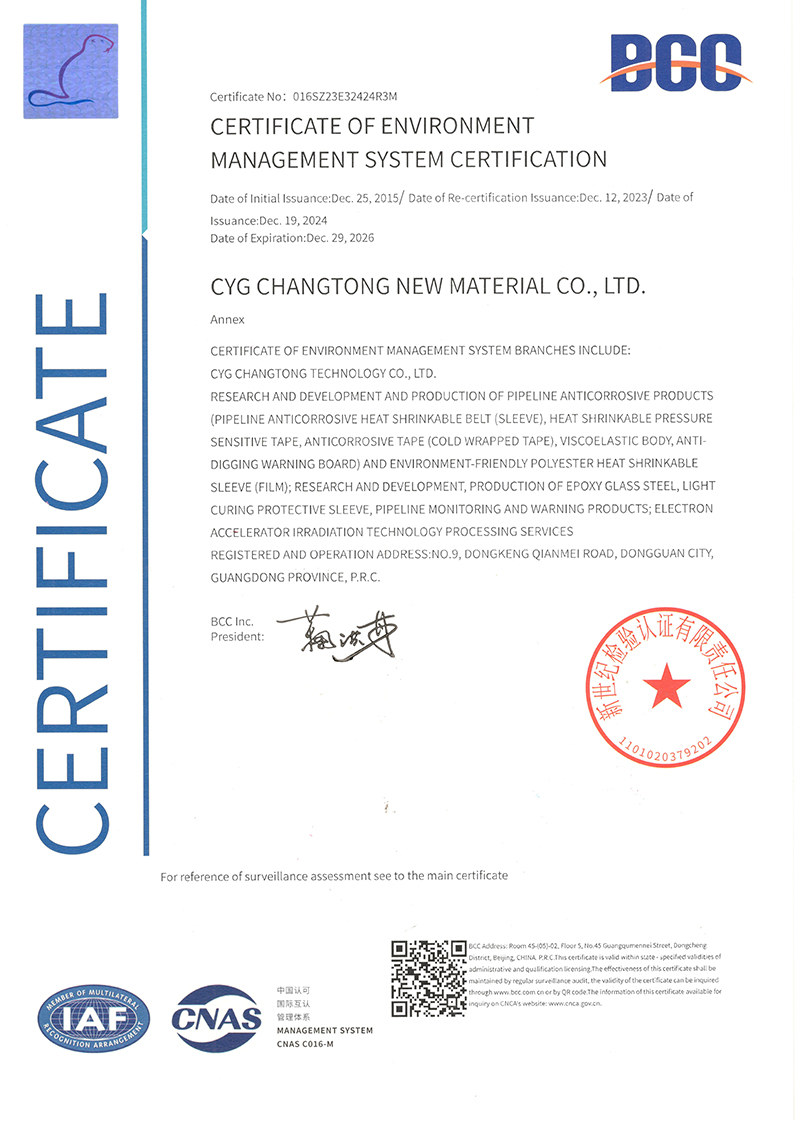
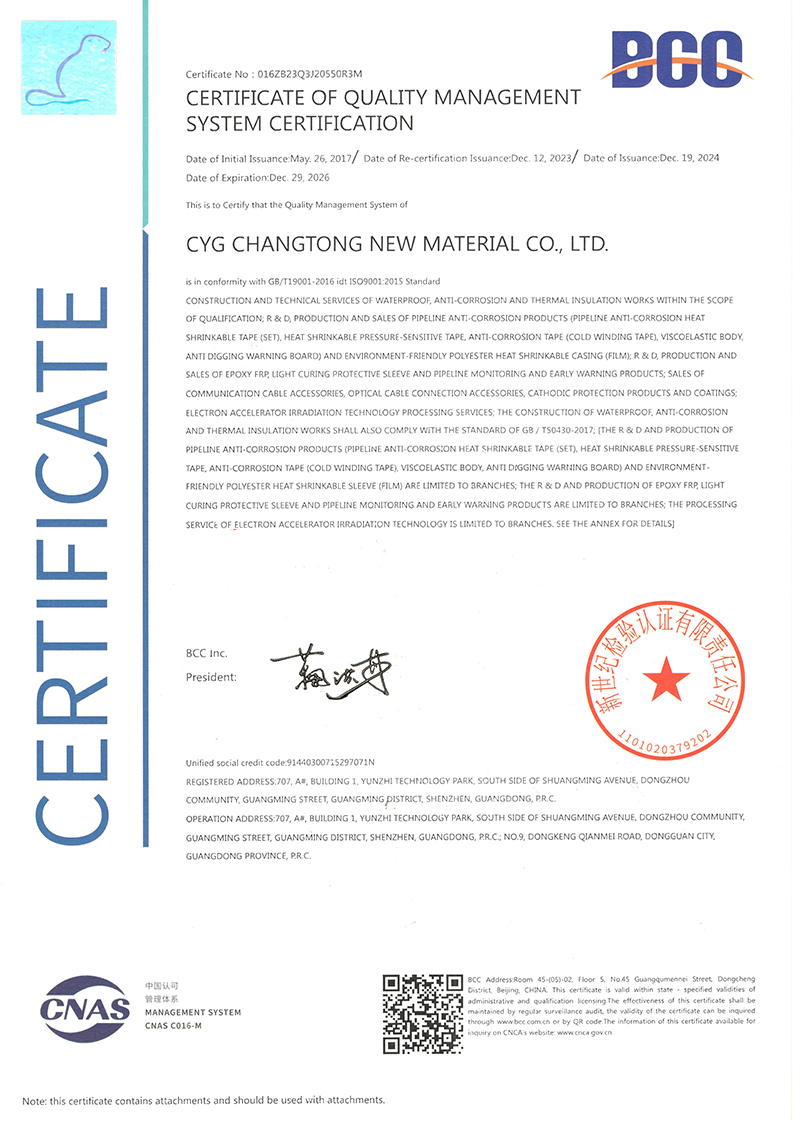
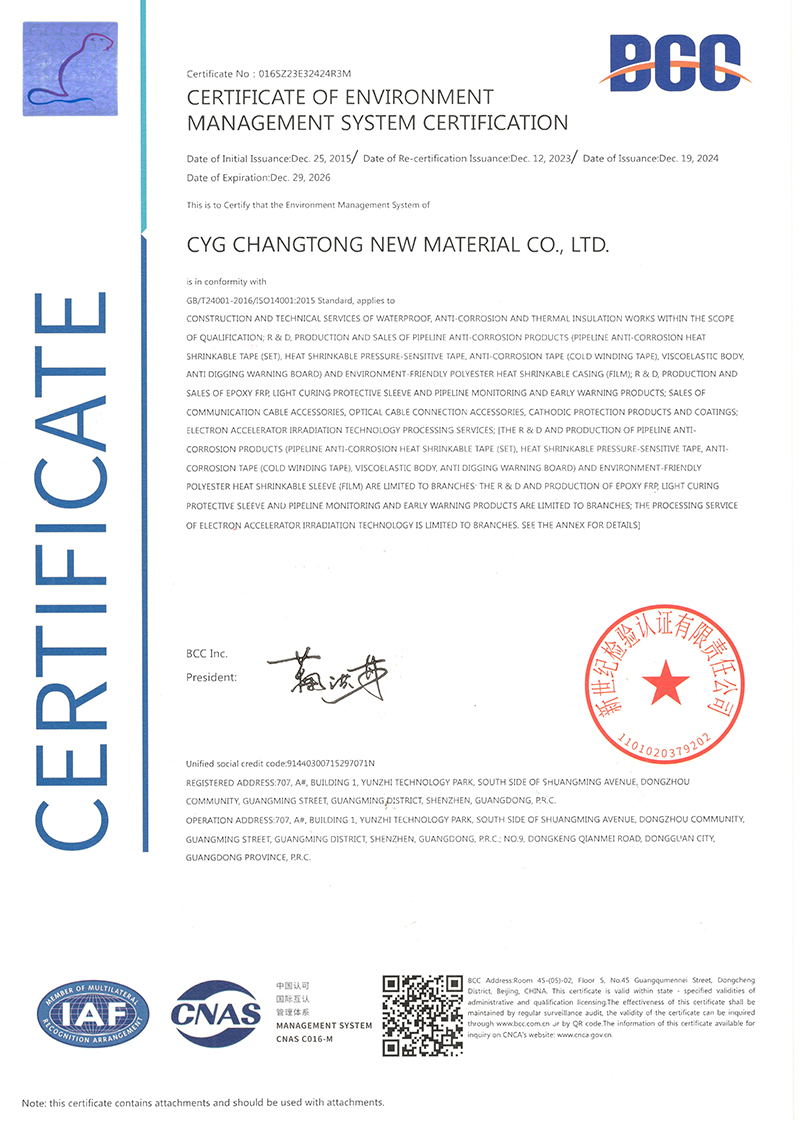
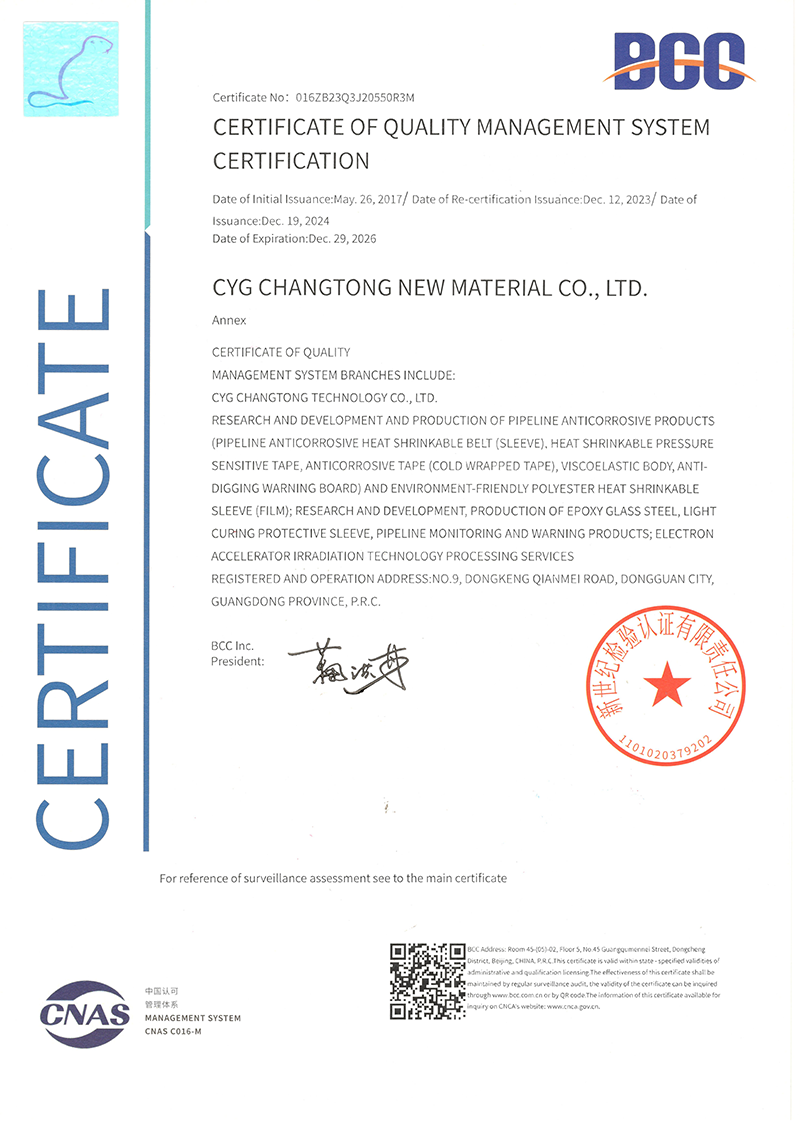
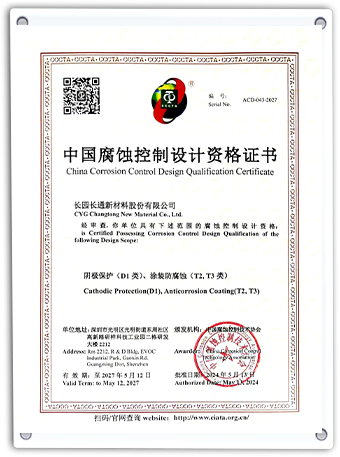
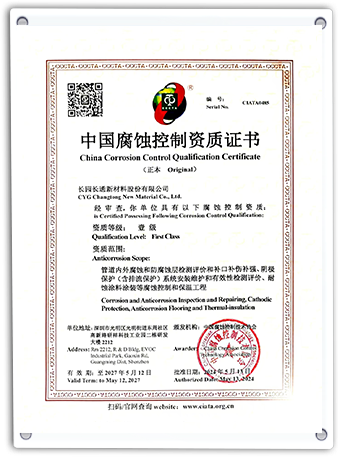
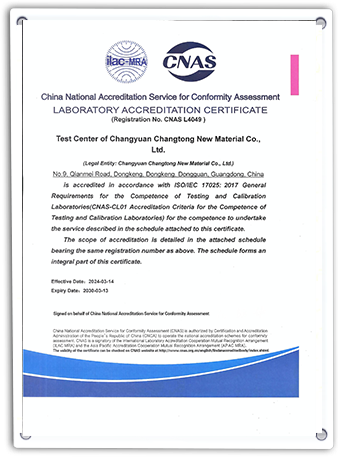
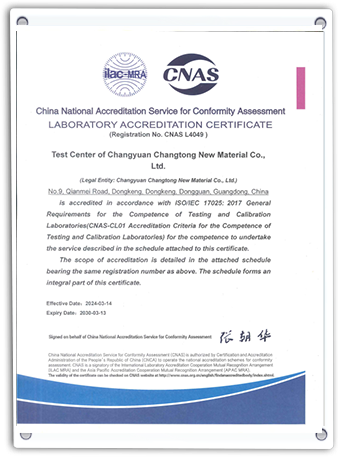
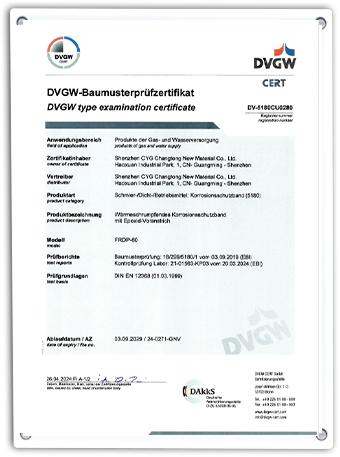
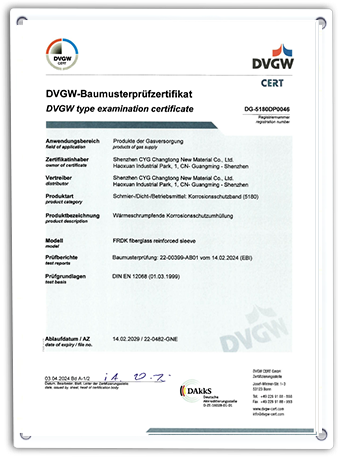
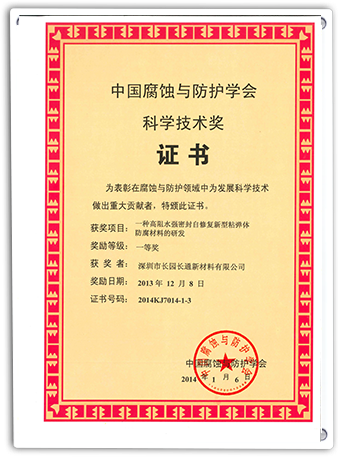
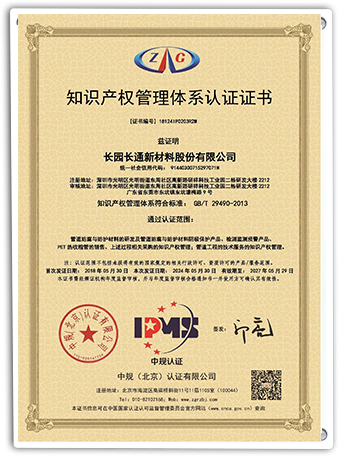
Our commitment to quality, verified by top national and international governing bodies in corrosion protection.
CYCT is a Council Member of the Chinese Society for Corrosion and Protection (CSCP), holds Qualification Certificates for Corrosion Protection Construction and Pipeline Detection, and is recognized as a Well-known Brand of Pipeline Corrosion Protection in China.
Get technical insights from our lab engineers and field service experts on selection, installation, and compliance.
Complete your procurement requirements with specialized heat-shrinkable sleeves, viscoelastic tapes, and high-strength repair coatings.
 CYCT
CYCT