Engineered to withstand extreme environmental stress, thermal expansion, and highly corrosive agents across major oil, gas, and marine infrastructure projects.
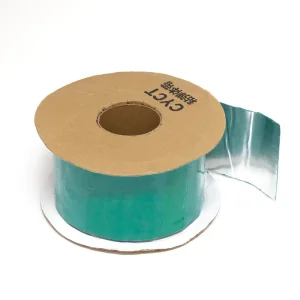
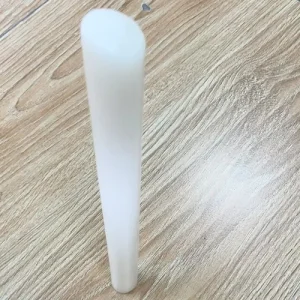
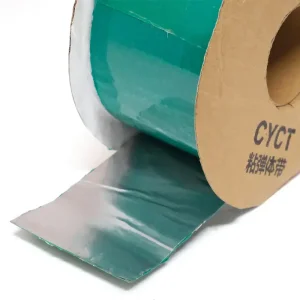
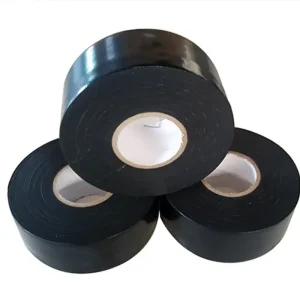
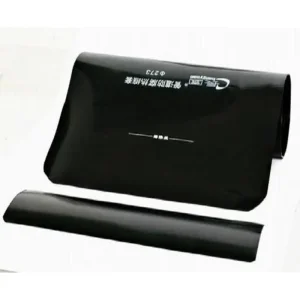
In the modern energy sector, transmitting crude oil, natural gas, chemical process liquids, and water demands robust engineering materials capable of withstanding extreme environmental stresses. The critical point of failure in buried, offshore, or overland piping systems frequently occurs at field joint welds and areas subjected to intensive heat. High-temperature anti-corrosion tapes, viscoelastic coatings, and heat-shrinkable sleeves represent the frontline defense against catastrophic failure. Without advanced molecular cross-linking and sophisticated adhesive formulas, piping infrastructures suffer from accelerated cathodic disbondment, environmental stress cracking, and galvanic corrosion.
As operating temperatures climb—driven by deeper well extractions and heavy-duty geothermal processes—traditional asphalt or coal-tar systems fall far short of project life-cycle requirements. Contemporary engineering designs mandate specialized viscoelastic materials and polyolefin-backed heat-shrinkable sleeves. These advanced systems provide continuous self-healing capabilities, strong viscoelastic flow properties, and high shear resistance at elevated operating temperatures. Working closely with international standards bodies, China's advanced chemical factories have evolved to lead the manufacturing and supply of high-temperature corrosion prevention tapes globally.
From the freezing permafrost of Siberia to the blistering desert pipeline corridors of the Middle East, the thermal demand on pipeline protection materials varies dynamically. In onshore applications, solar radiation combined with high-flow pipeline fluid friction raises pipe temperatures above 60°C. In offshore deep-sea exploration, oil lines operate at temperatures reaching 80°C or higher to maintain oil viscosity and prevent paraffin deposition. Under these demanding environments, standard tapes fail as their adhesives melt, slip, or suffer structural degradation.
To combat this, the demand for ISO 21809-3 and EN 12068 compliant materials is skyrocketing. Globally, oil and gas EPC (Engineering, Procurement, and Construction) companies require suppliers that do not just ship commodity materials, but provide complete cathodic protection compatibility systems. China's state-of-the-art chemical synthesis parks have successfully commercialized viscoelastic matrixes and cross-linked backing materials that maintain stable structural protection from sub-zero conditions up to constant temperatures of 80°C.
Understanding the differences in mechanical behavior, thermal stability, and long-term protection.
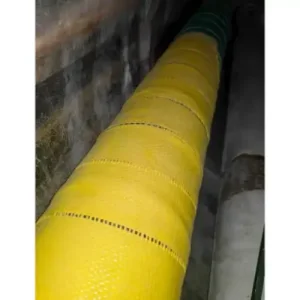
Unlike traditional coatings that harden and become brittle over time, viscoelastic materials possess cold-flow characteristics. Under continuous pipe expansion and contraction, these coatings flow into microscopic steel surface pores, offering self-healing performance for long-term corrosion prevention.
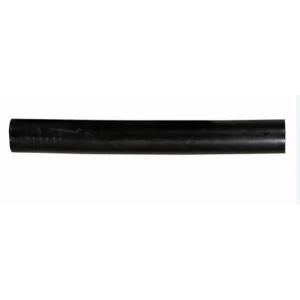
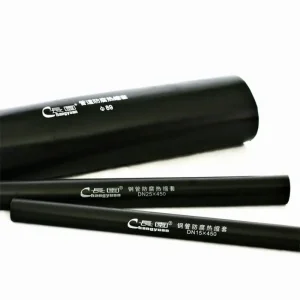
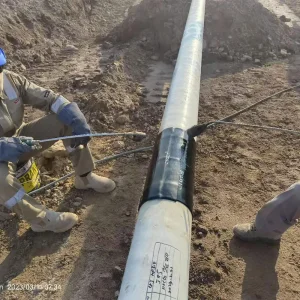
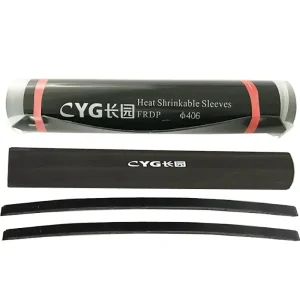
Utilizing radiation cross-linked high-density polyethylene backing coupled with viscoelastic or hot melt copolymer adhesives. The thermal recovery properties allow the backing to apply continuous radial pressure on pipeline joints, maintaining structural sealants under high shear forces.
Specifically developed for offshore structures and splash zones, moisture-curing systems like CYG Changtong GRF cure directly in humid environments, creating high mechanical strength outer shields that protect the anti-corrosion layer from wave impacts and floating debris.
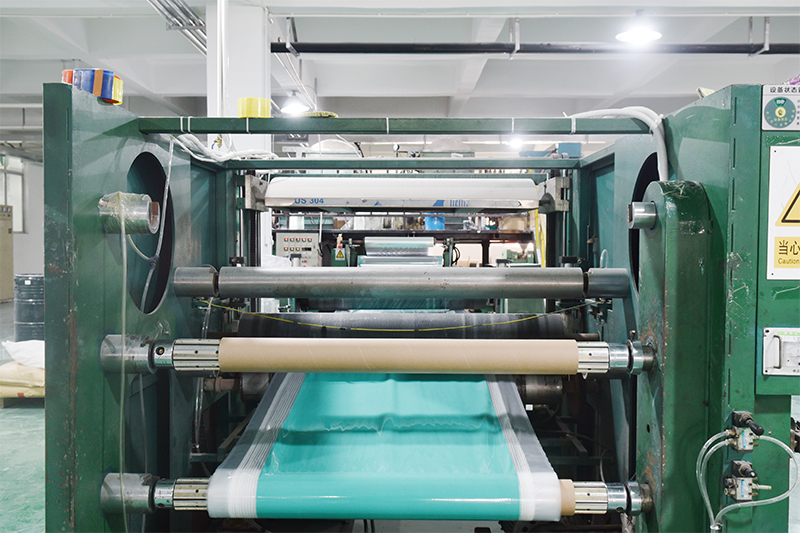
The global dominance of China's high-temperature anti-corrosion tape manufacturers is not built on labor arbitrage alone; it is founded on integrated chemical supply chains, high-throughput manufacturing plants, and intensive R&D clusters. At CYCT New Materials, the production workflow integrates raw polymer chemical sourcing, radiation cross-linking machinery, and bespoke adhesive synthesis under one umbrella. This structural integration limits external logistics risks, allowing immediate quality checks from compounding to extruding and packing.
Furthermore, China's factory hubs employ highly automated extrusion machinery capable of manufacturing extra-wide aluminum foil viscoelastic tapes and large-diameter PP heat-shrinkable wraps with consistent thickness tolerance (+/- 0.05 mm). This precision ensures uniform electrical insulation and physical strength across every roll of tape. Chinese factories also maintain strategic reserves of base materials, providing overseas projects with rapid manufacturing turnarounds even under high-volume emergency pipeline maintenance schedules.
Every batch undergoes rigid testing including cathodic disbondment, peel strength, shear resistance, and thermal aging to confirm compliance with ASTM and ISO benchmarks.
From backing thickness to specialized hot-melt formulations, products are matched to specific project profiles including extreme cold climates or subsea systems.
Applying the correct tape requires matching structural needs with precise site constraints. High-temperature tapes are deployed in several localized scenarios:
CYCT New Materials Company Limited (for short, CYCT) is a state-level high-tech enterprise integrating R&D, production, and sales of pipeline corrosion protection materials, buried pipeline detection services, and pipeline coating field application services into one. For decades, CYCT has committed itself to the R&D and production of field-proven anti-corrosion systems.
As a stable supplier of field joint coatings for PetroChina, Sinopec, PipeChina, and Indian Oil, CYCT enjoys an authoritative market position. In cooperation with leading scientific institutions like the CNPC Pipeline Science Research Institute, CYCT provides integrated design, cathodic protection, pipeline rehabilitation projects, and high-performance specialty materials including photo-curing sleeves, visco-elastic products, and polyurea coatings.
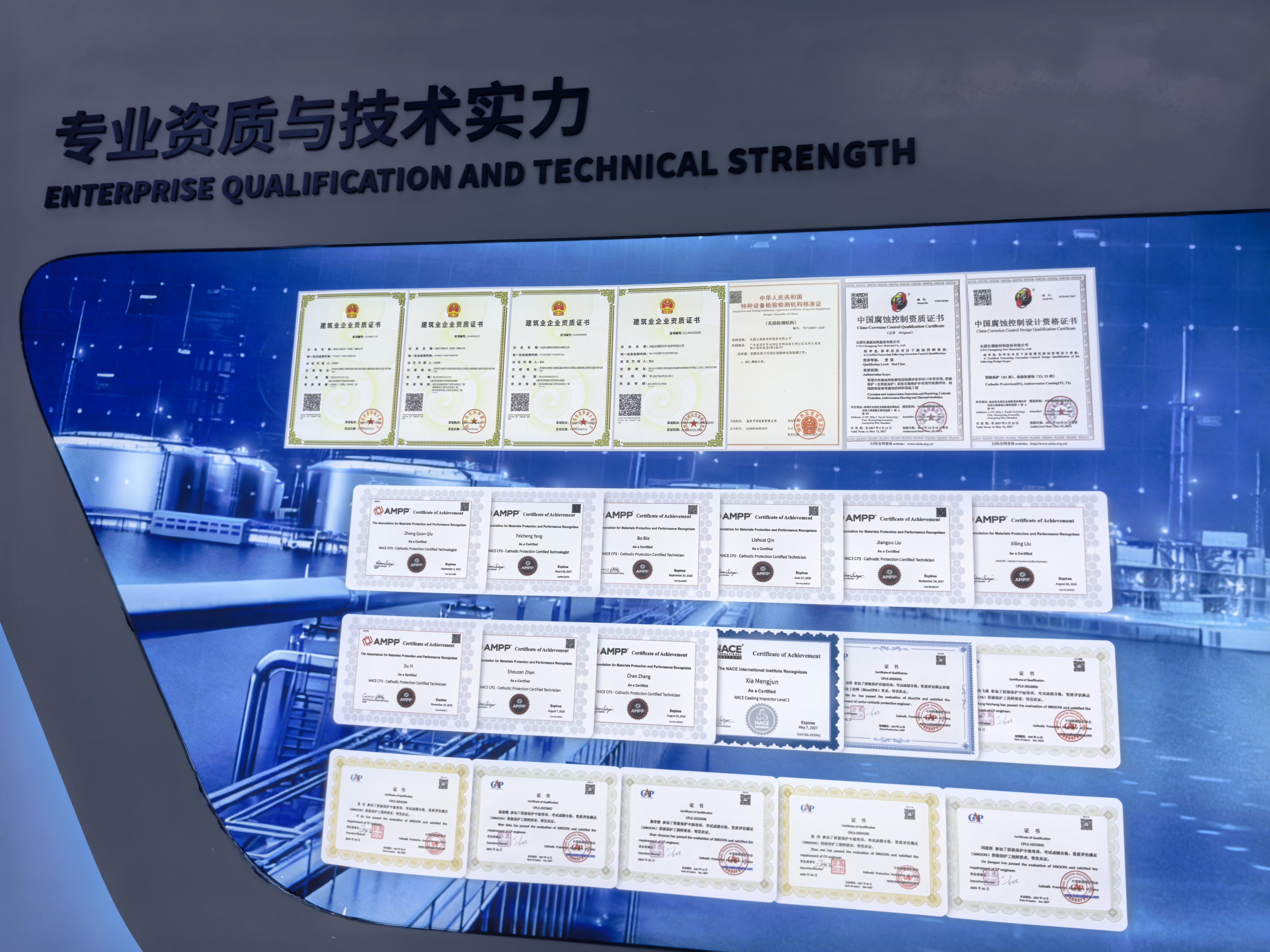
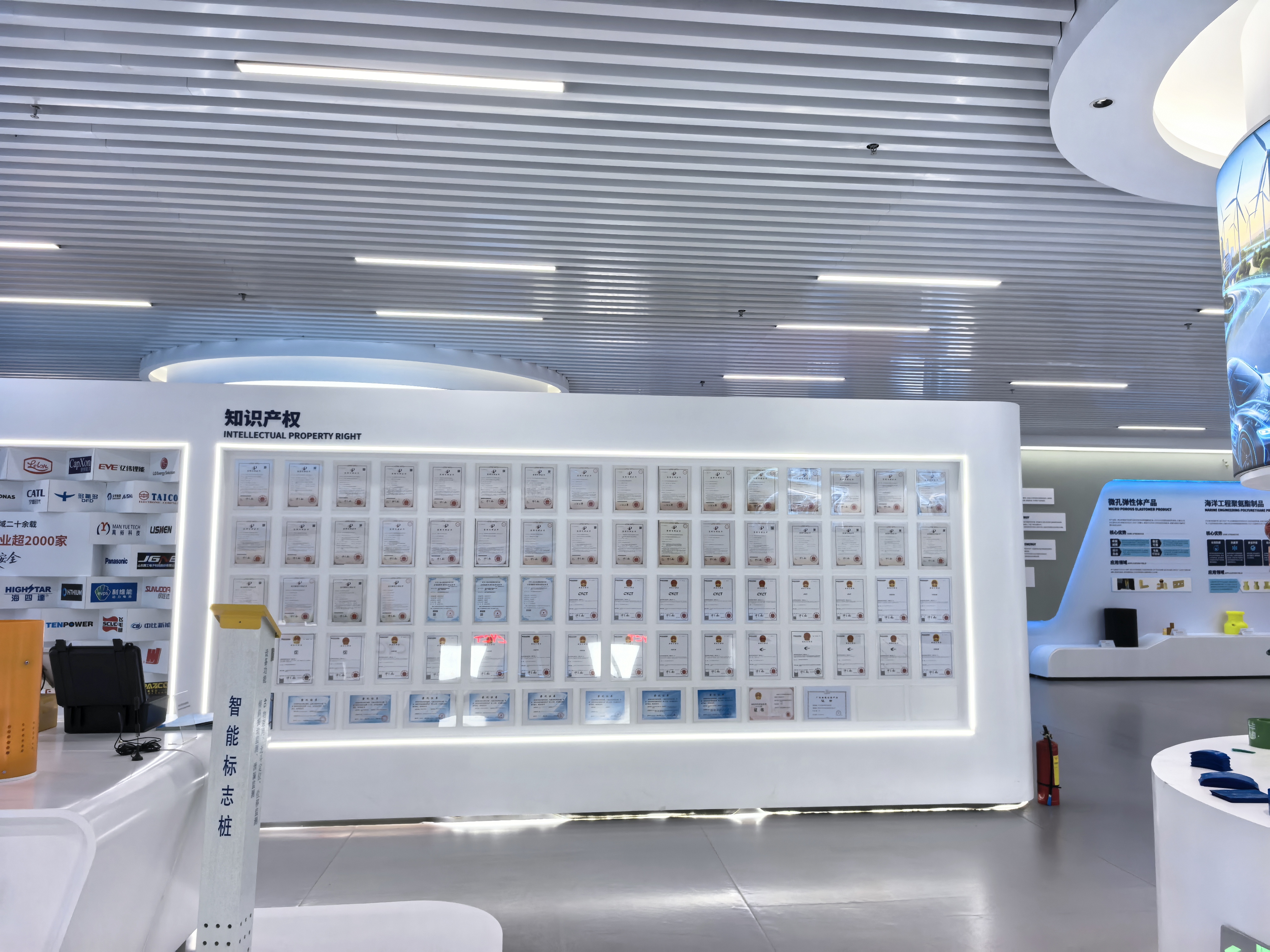
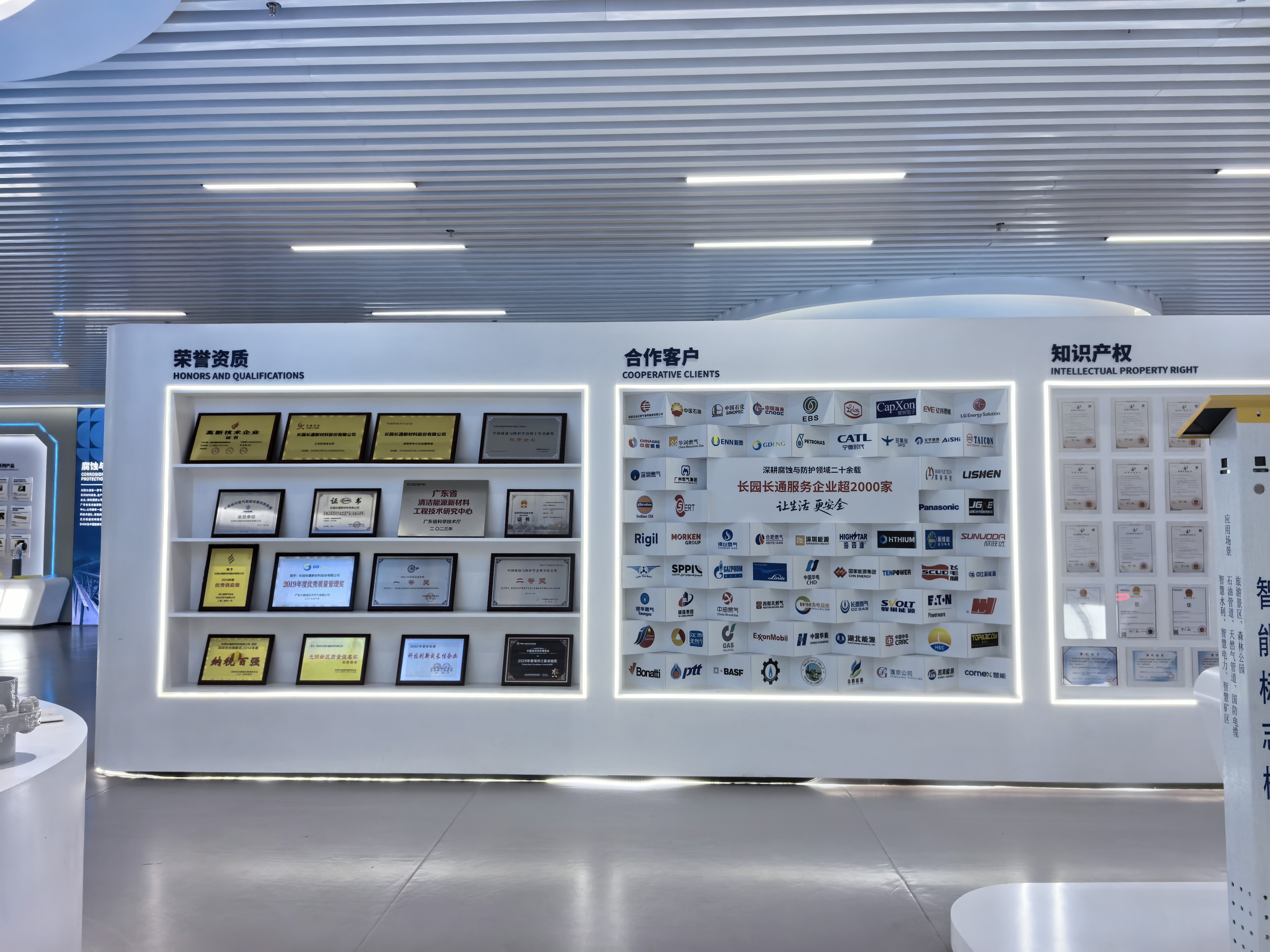
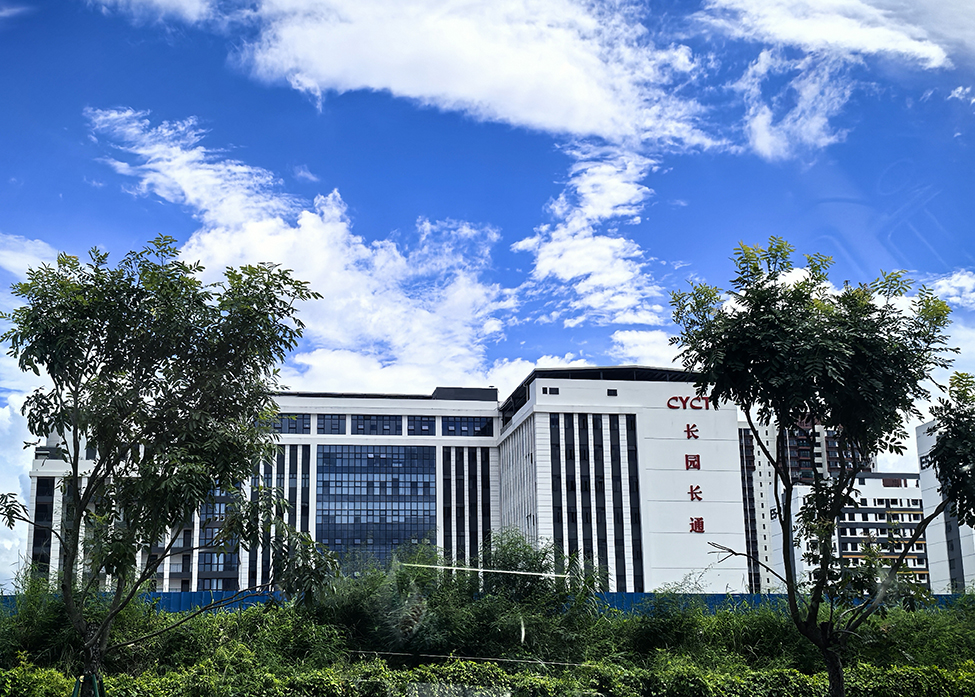
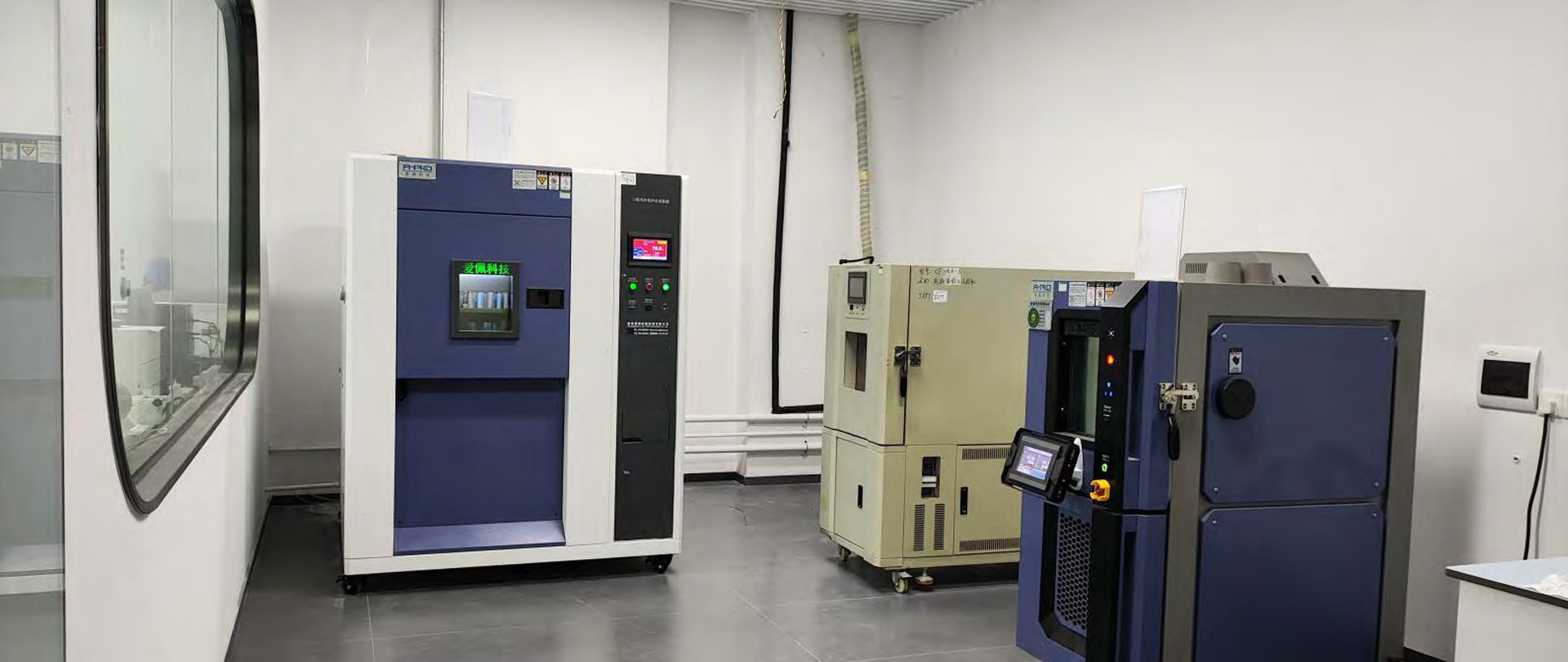
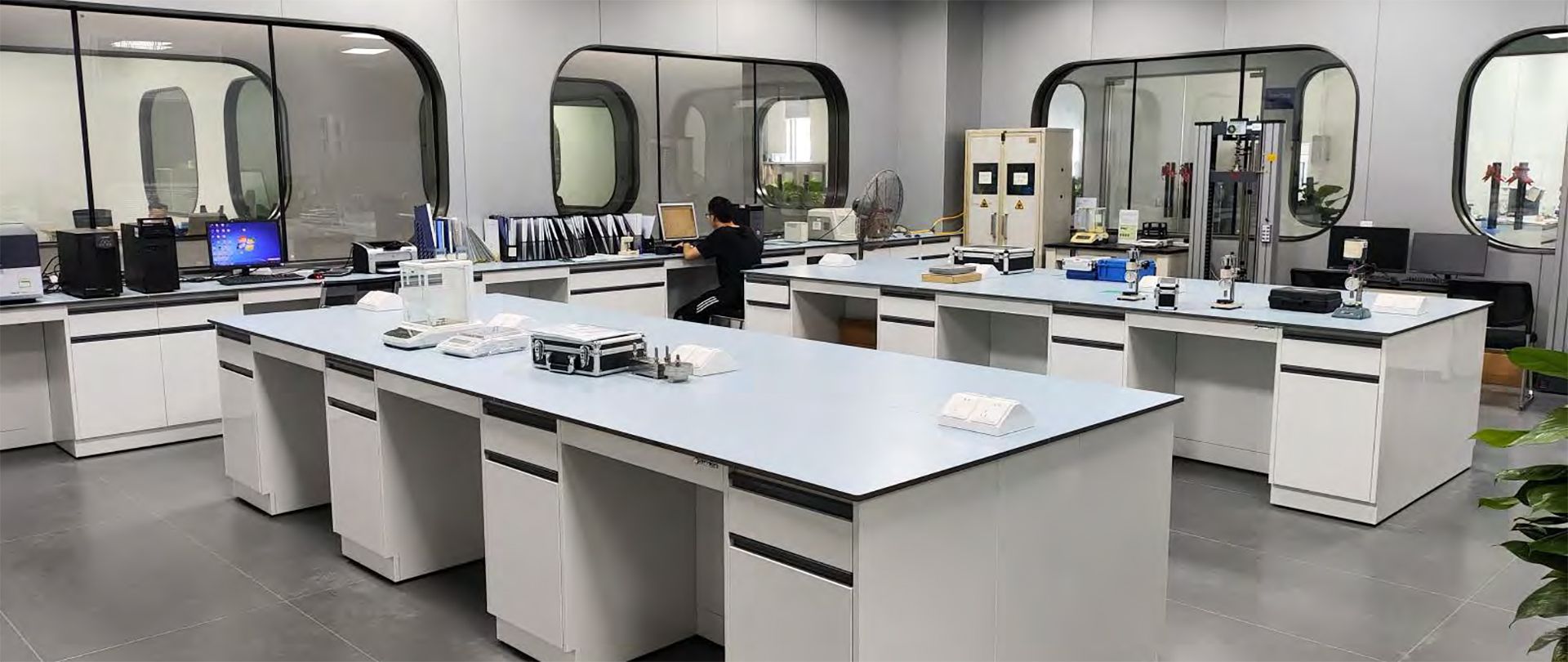
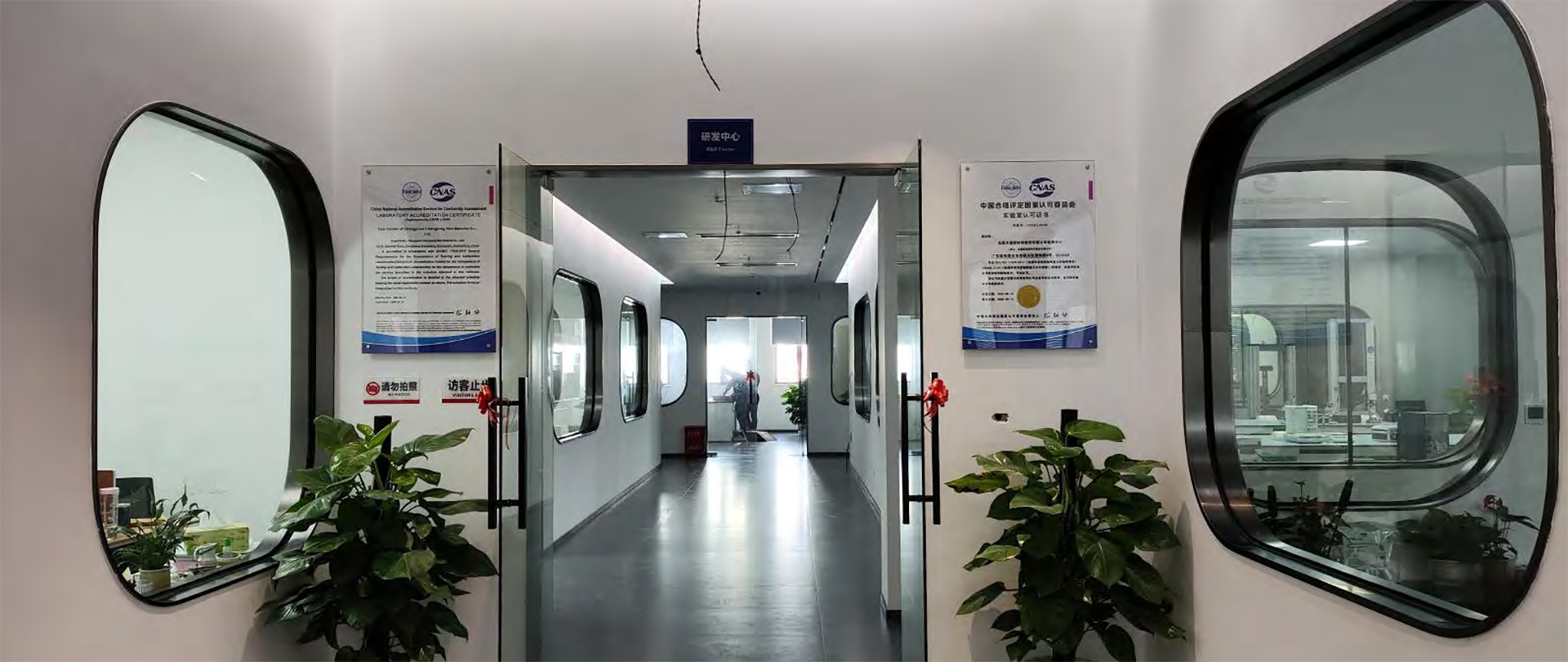
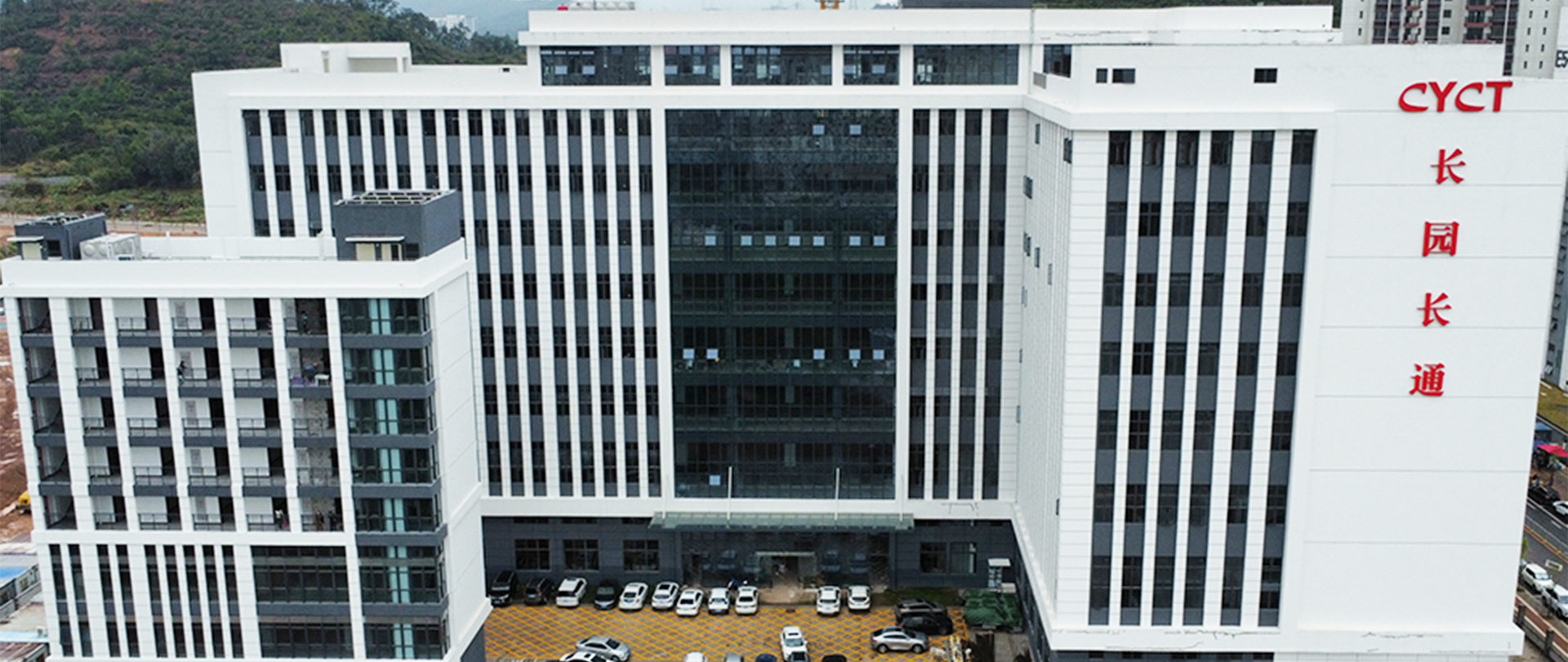
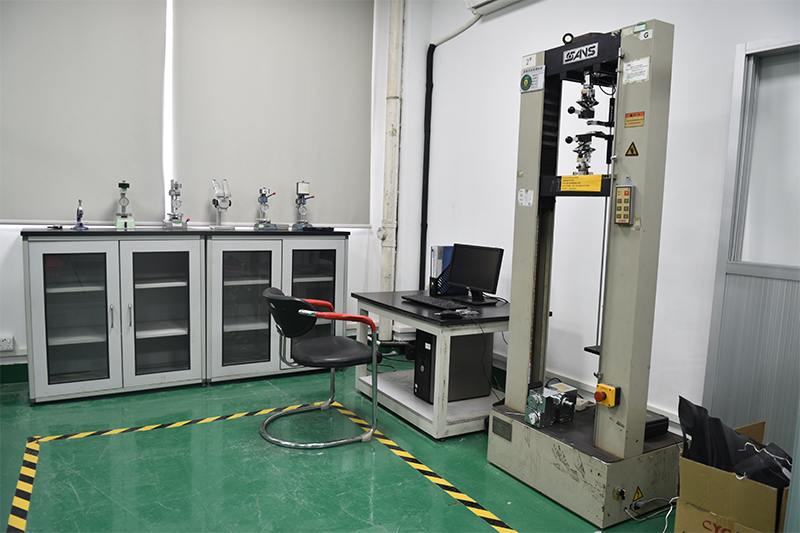
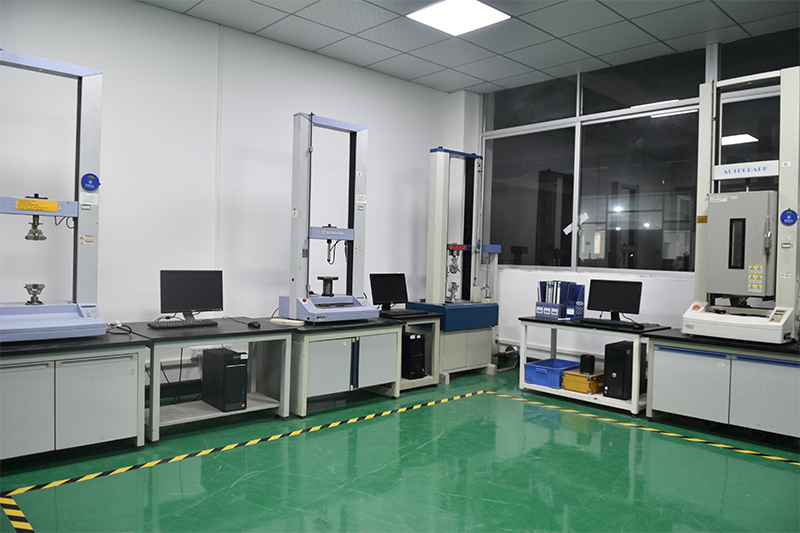
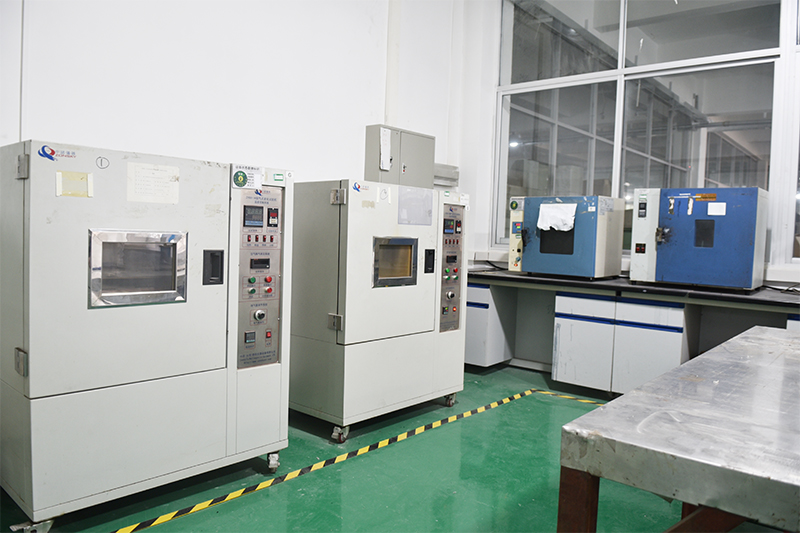
Council Member of the Chinese Society for Corrosion and Protection (CSCP). Qualified in pipeline detection and corrosion control. Registered supplier of PetroChina, Sinopec, China Gas Group, and Indian Oil.
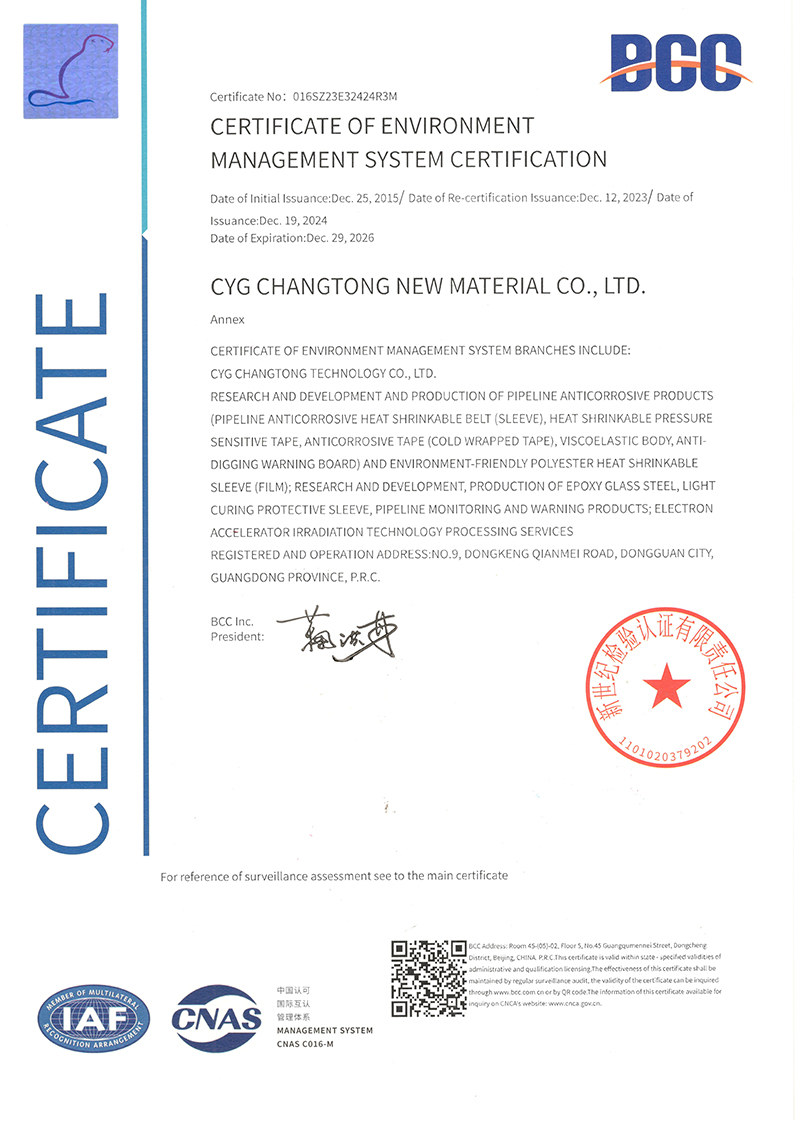
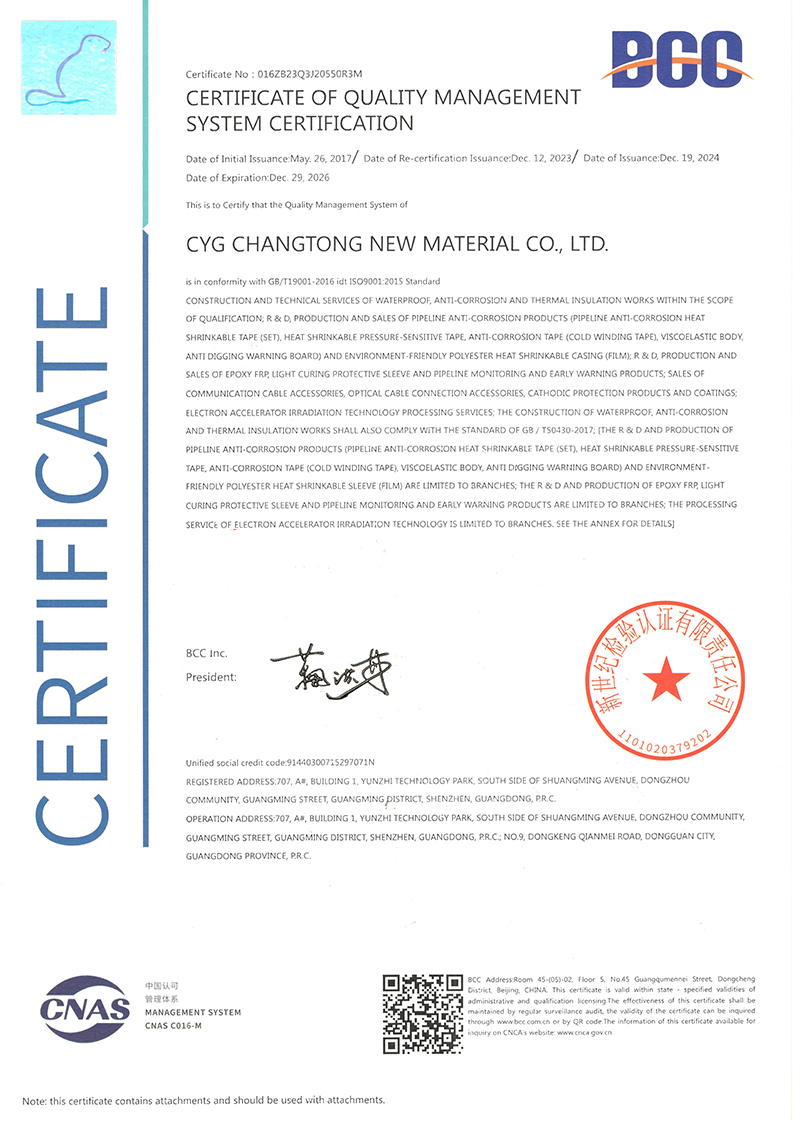
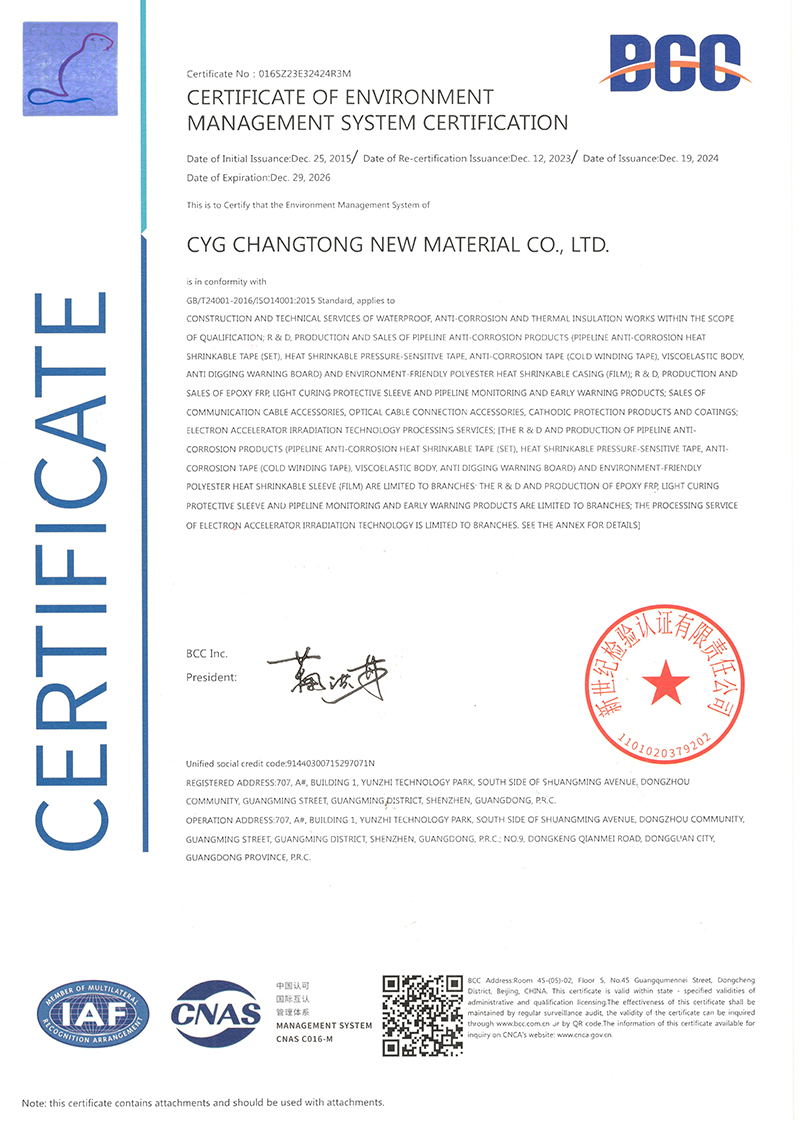
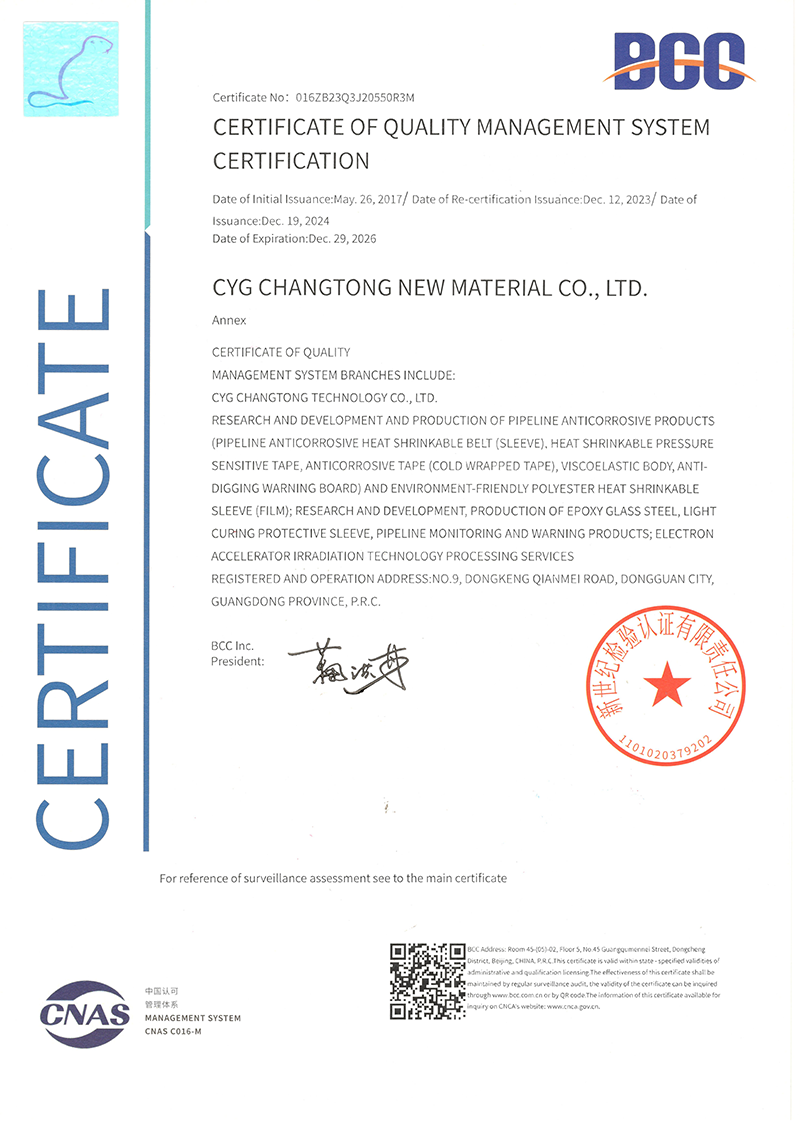
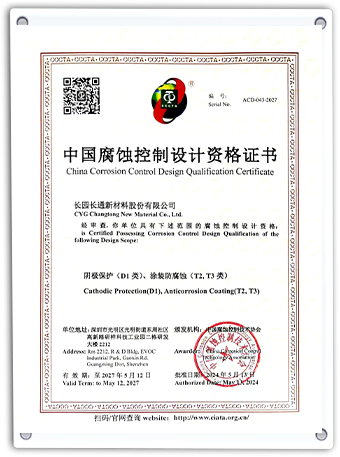
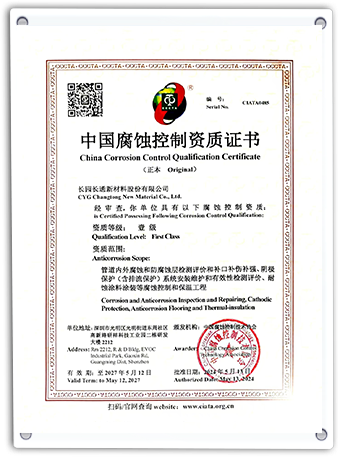
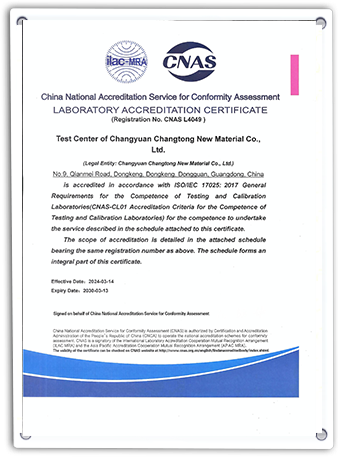
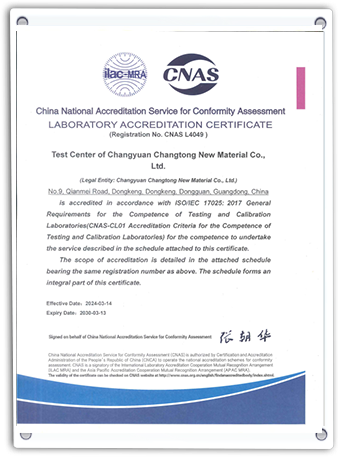
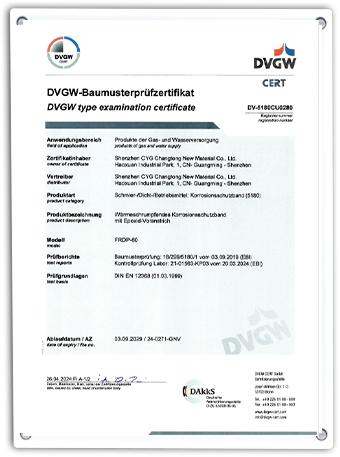
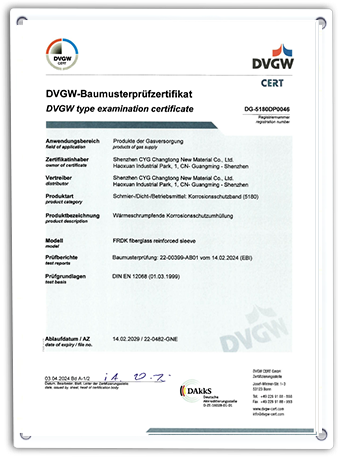
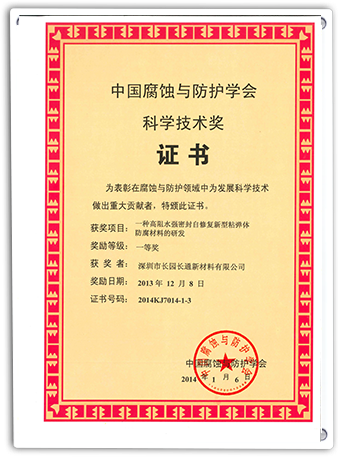
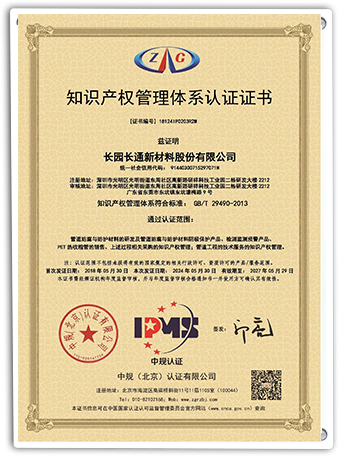
For international EPC procurement officers, selecting a high-temperature tape supplier is a strategic decision that affects pipeline warranty and operating safety. Procurement managers must evaluate four core parameters: compatibility, physical shear strength, standard verification, and bulk supply speed. A supplier must demonstrate their tape's capacity to interface with factory-applied coatings (such as 3LPE, 3LPP, or Fusion Bonded Epoxy) without creating interfacial slippage under thermal cycling.
CYCT New Materials addresses these commercial parameters. By manufacturing tailored heat-shrinkable sleeves and viscoelastic matrices under strict QA/QC protocols, CYCT helps engineers de-risk project installation phases. With comprehensive documentation, including detailed ASTM testing parameters and cathodic protection compatibility records, procurement teams can streamline local regulatory approvals, ensuring pipeline systems meet or exceed design life targets.
Get answers to critical material engineering and supply chain questions from our technical specialists.
Browse our wide-temperature joint systems, repair patches, and specialty insulating wraps.
 CYCT
CYCT