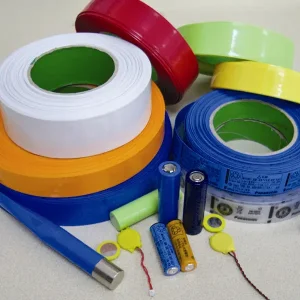
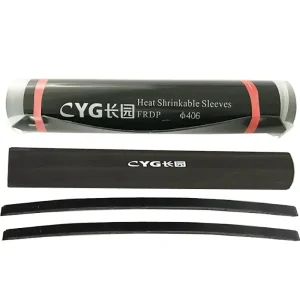
Examine our foundational product lineup of high-durability cold and heat applied corrosion prevention components utilized across global logistics pipelines.
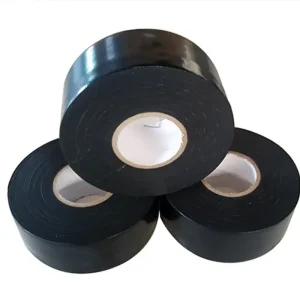
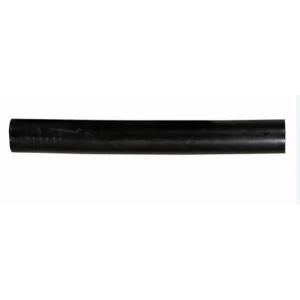
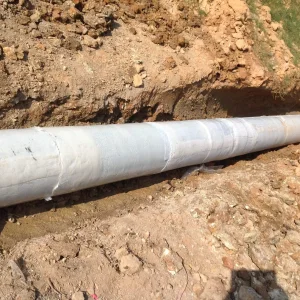
Modern mega-infrastructure and global energy distribution pipelines are subject to aggressive chemical, thermal, and mechanical stresses. Corrosion is not merely a maintenance issue; it represents a primary risk to operational uptime, environmental security, and massive capital investments. In this challenging landscape, high-quality liquid epoxies, viscoelastic polymers, and specialized heat-shrinkable sleeves stand as the ultimate barriers against infrastructure degradation.
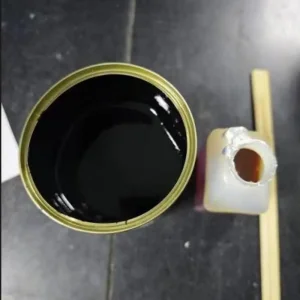
Corrosion protection demands a comprehensive strategy. The interaction between the steel substrate and its surrounding environment (e.g., highly saline offshore areas, chemically active soils, and high-temperature operating pipelines) requires high-performance systems. Our solvent-free epoxy primers are engineered to provide maximum adhesion and structural resilience under these demanding conditions.
By preventing chemical ingress and under-film corrosion, CYCT’s advanced coating formulations ensure structural integrity and prolong the service life of major oil, gas, water, and municipal pipeline systems worldwide.
Superior mechanical interlocking onto prepared steel surfaces.
Solvent-free epoxy systems aligned with global environmental mandates.
State-level high-tech enterprise integrating R&D, manufacture, testing, and professional on-field application services.
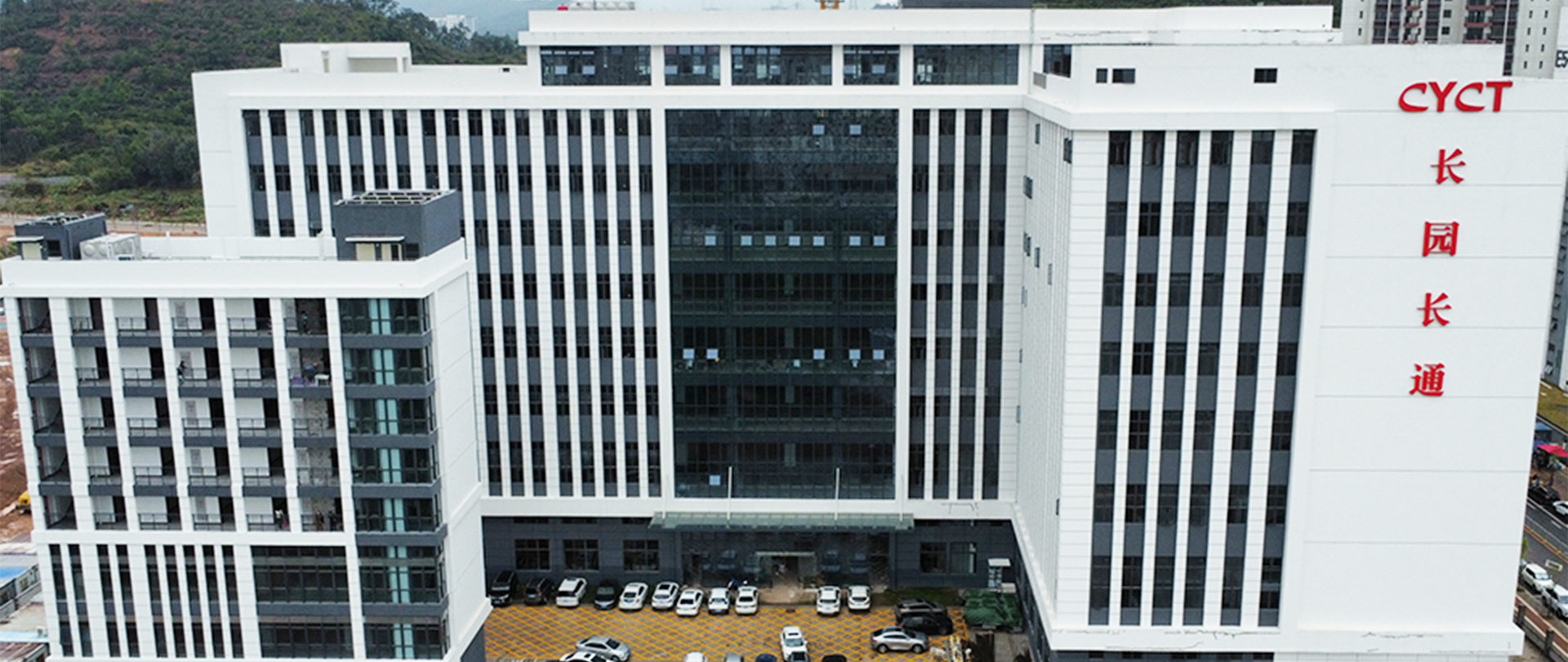
Founded in 2000, CYCT New Materials Company Limited (CYCT) has spent decades establishing leading engineering capabilities. As a recognized state-level high-tech enterprise, we integrate design, R&D, testing, production, and on-site technical support for critical pipeline systems. Our solutions protect major transmission lines, municipal pipelines, and heavy industrial installations worldwide.
By collaborating with top-tier research institutes, including the CNPC Pipeline Science Research Institute, CYCT provides operators with tailored protective schemes, buried pipeline detection services, cathodic protection alignment, and turnkey corrosion rehabilitation engineering.
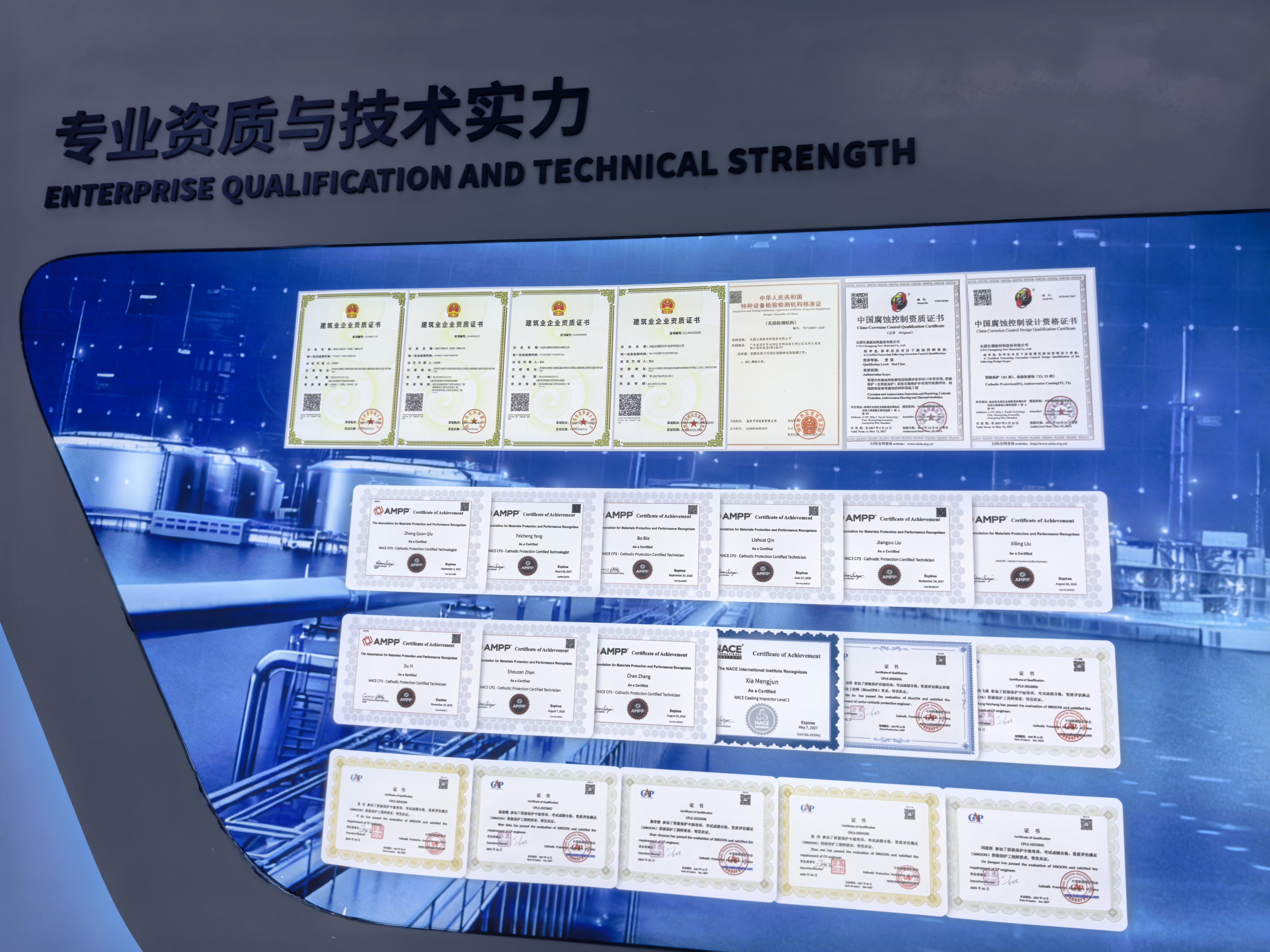
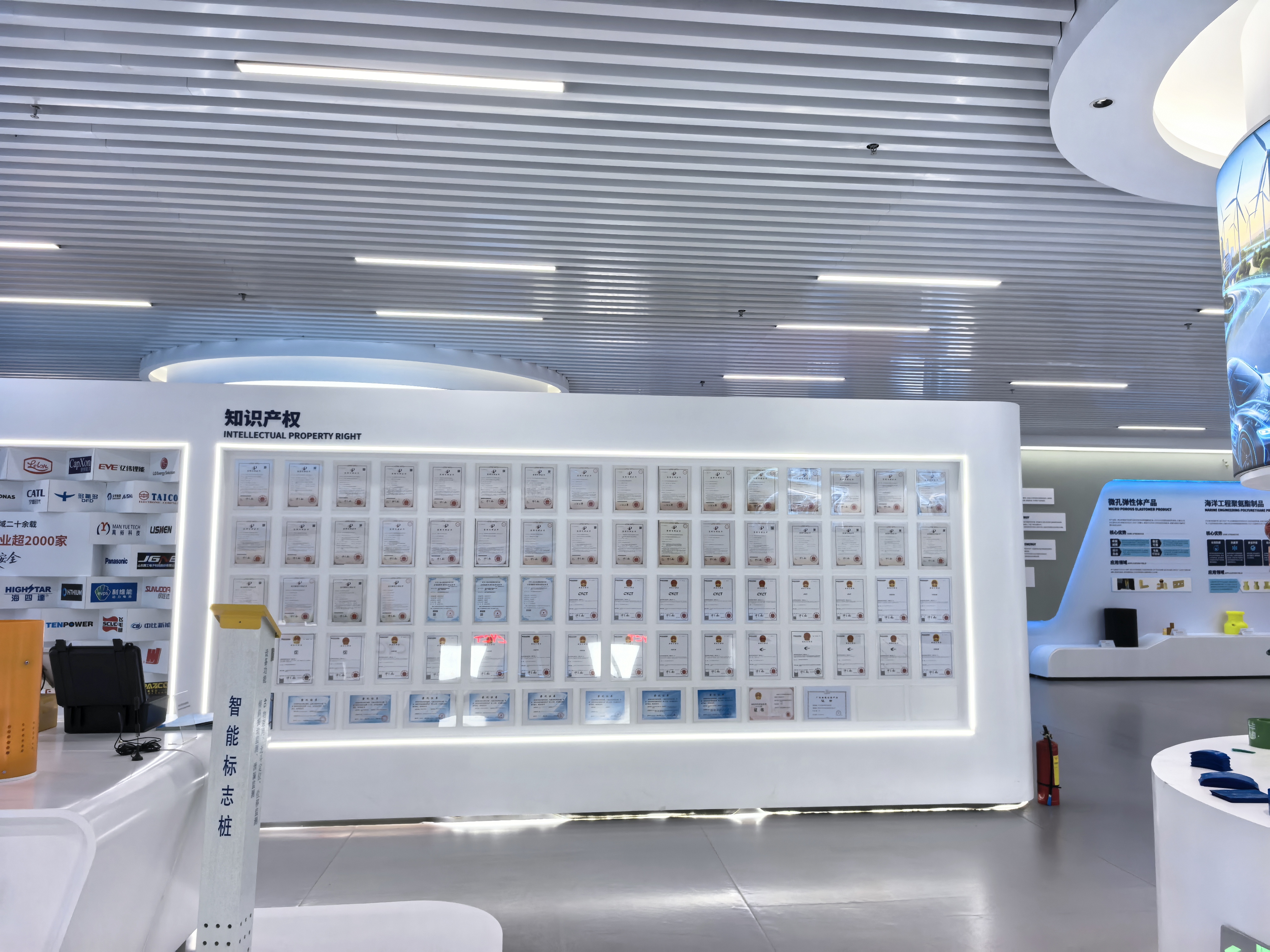
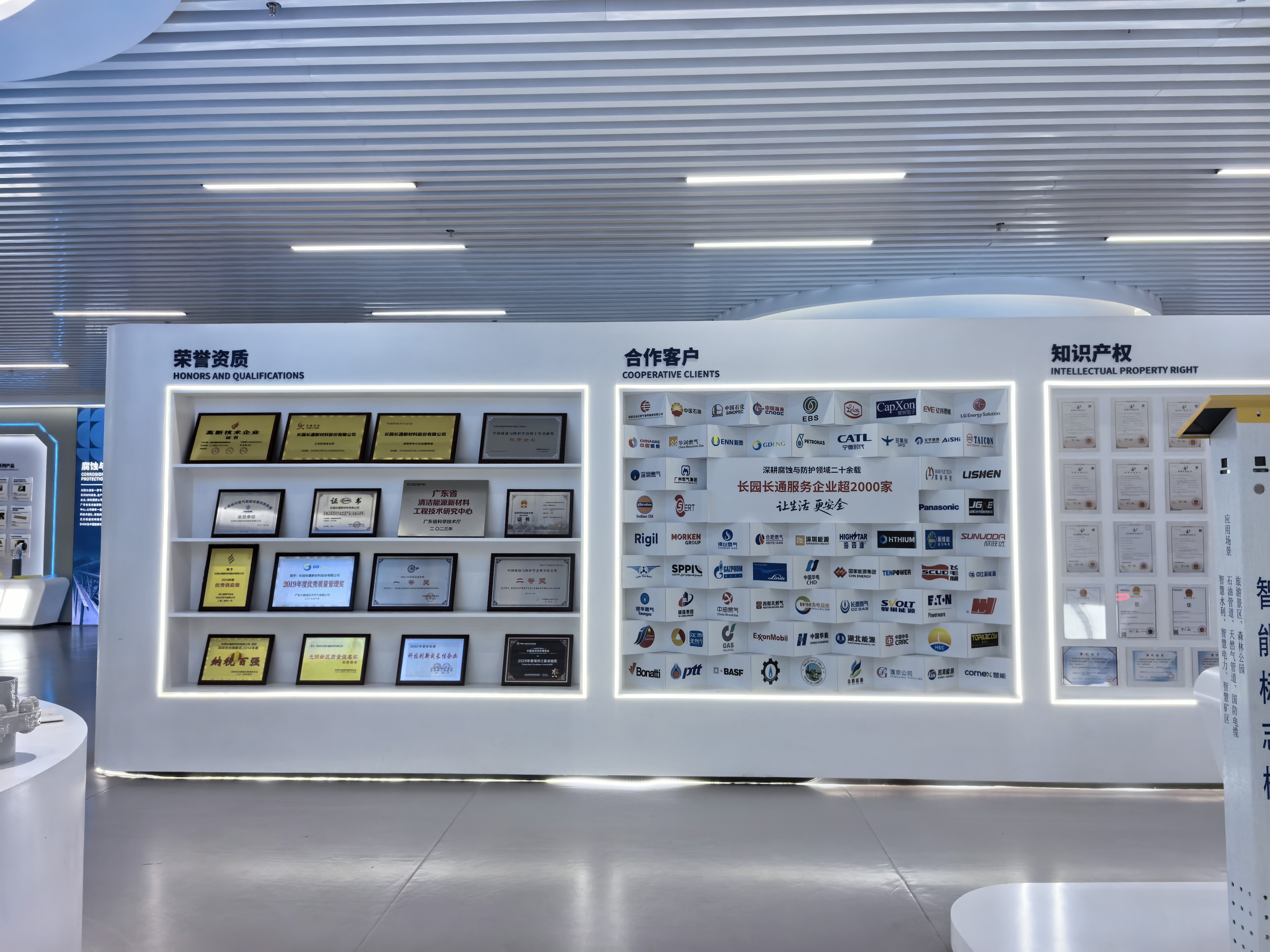
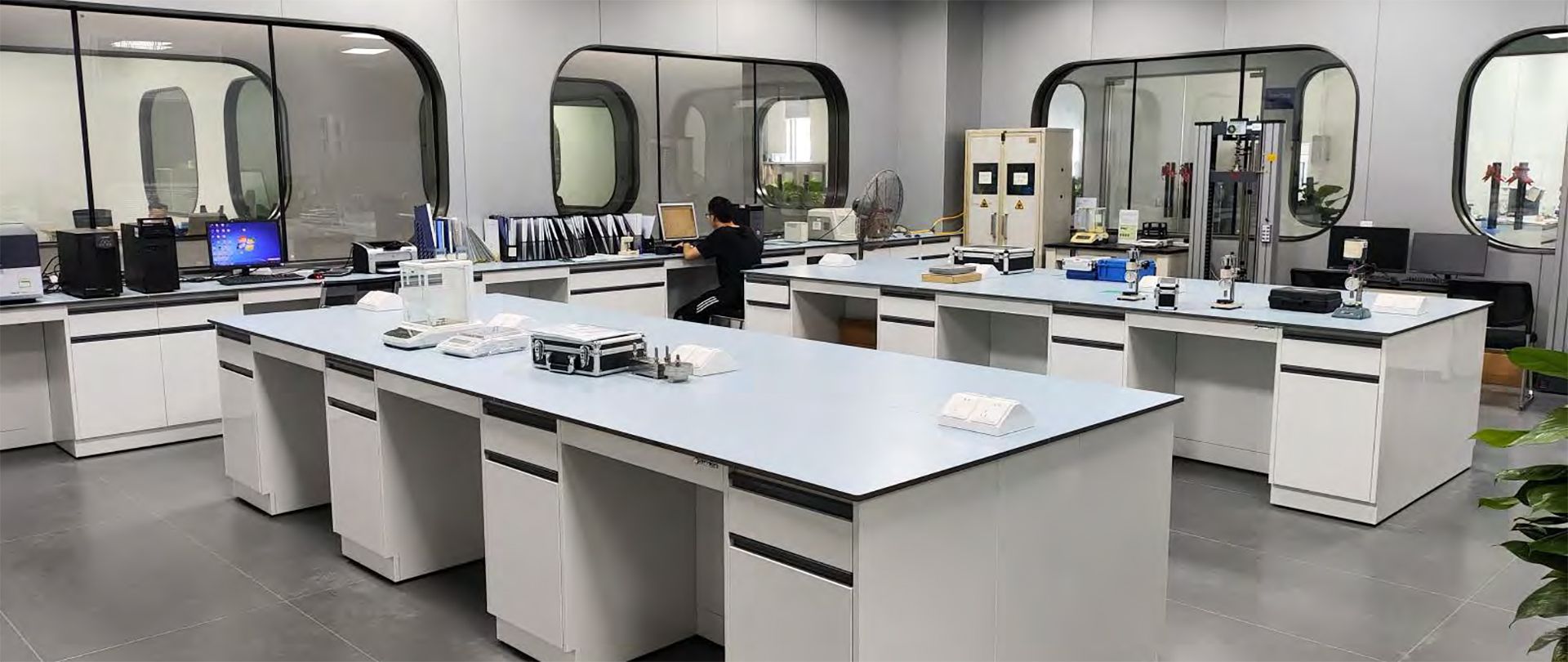
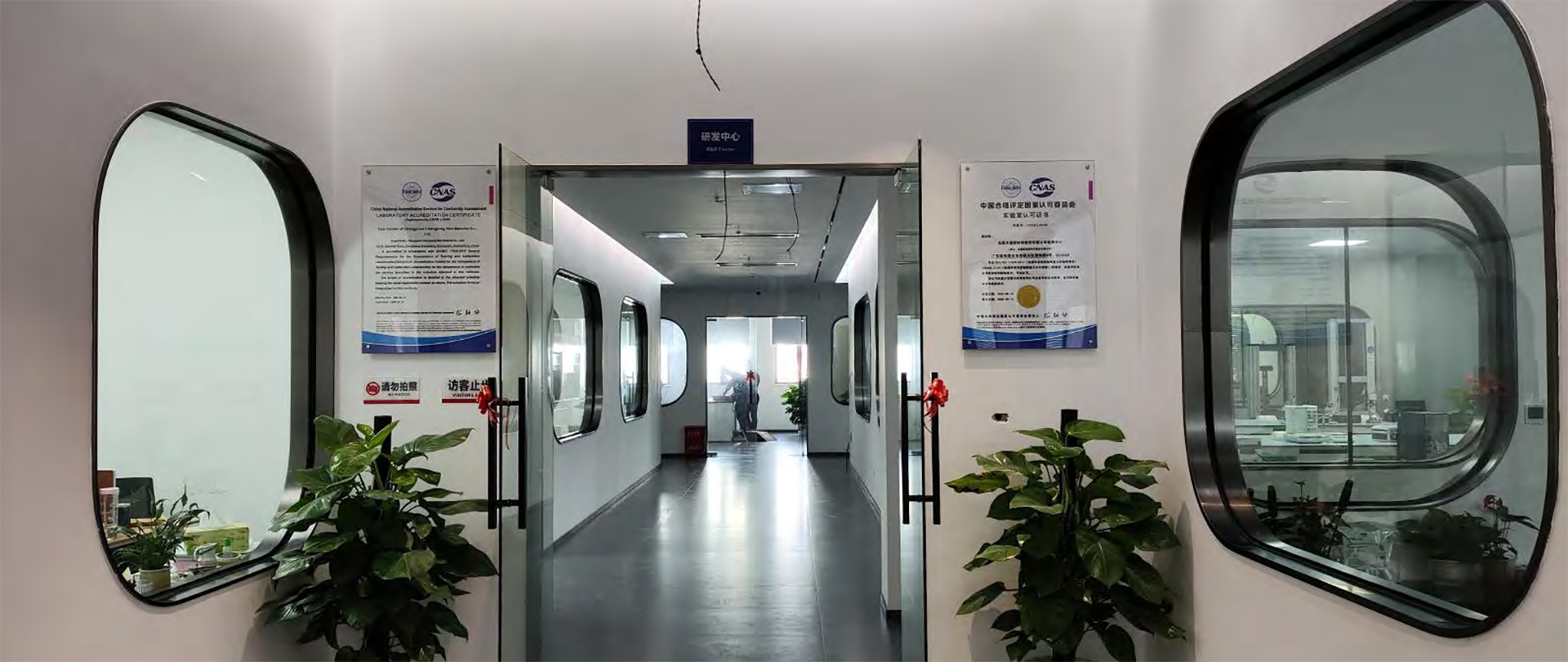
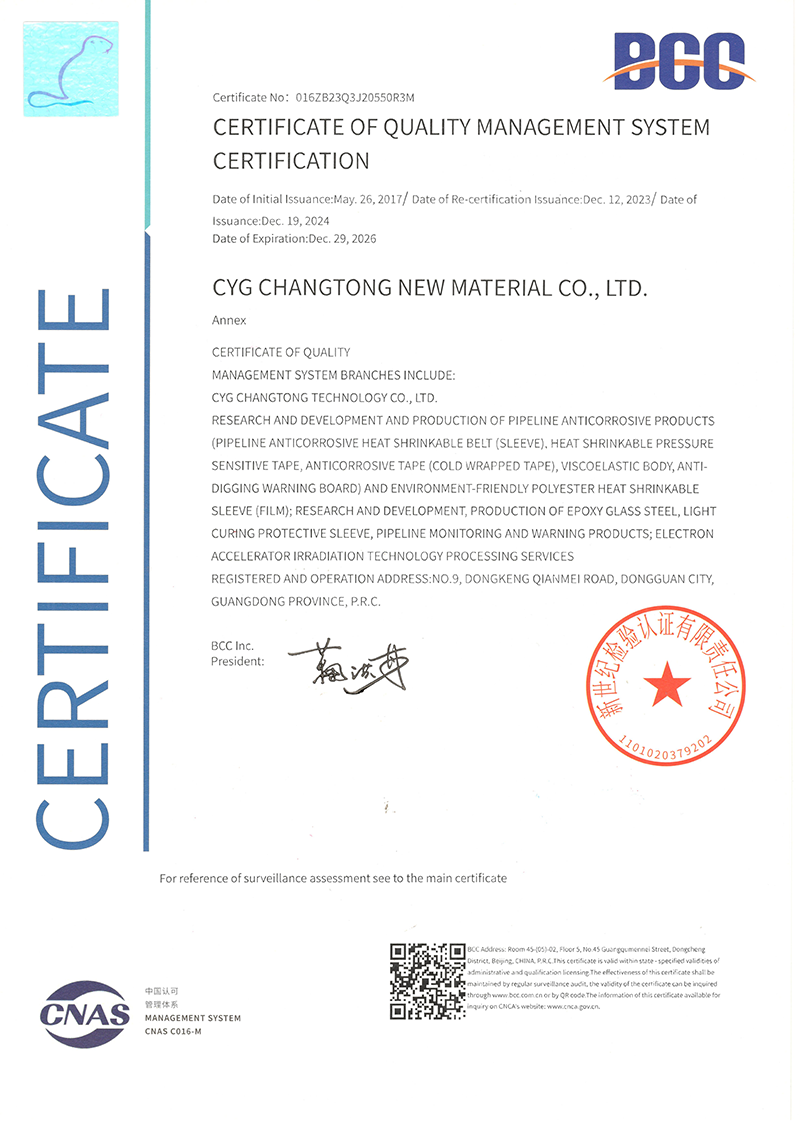
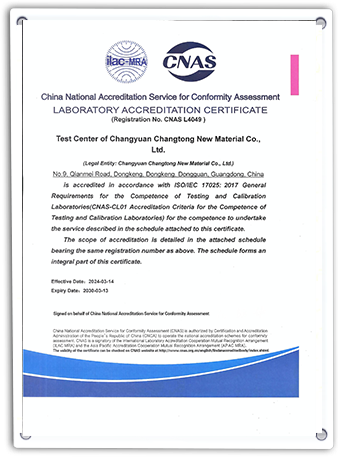
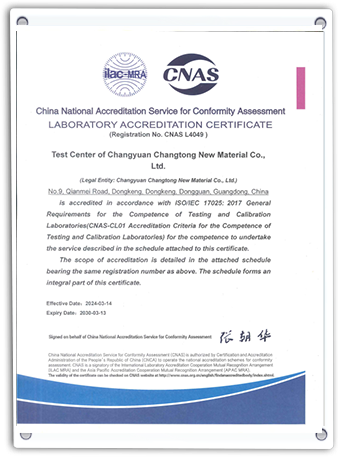
CYCT owns leading testing and R&D capabilities, a professional R&D team, and a national CNAS-accredited laboratory.
How advanced epoxy-based polymer matrices are engineered to adapt to regional climates, soil geology, and infrastructure specifications.
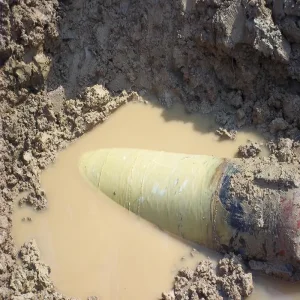
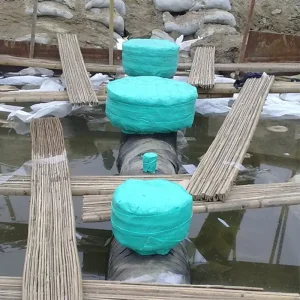
Trenchless pipeline installations subject coatings to extreme friction and impact. CYCT’s specialized Photo-Curing GRP sleeves and Epoxy FRP matrices provide the mechanical protection needed to withstand rocky soils without compromising the underlying anti-corrosion barrier.
Girth welds represent the most vulnerable regions of a pipeline. Our high-temperature, solvent-free liquid epoxy primers provide high adhesion to both the steel surface and parent factory coatings (such as 3LPE/3LPP), preventing cathodic disbondment.
Complex geometries require conformable, long-term protective systems. Our self-healing viscoelastic coatings and cold-applied tapes bond directly to steel, concrete, and plastics, providing a moisture-proof seal that prevents corrosion in challenging soil environments.
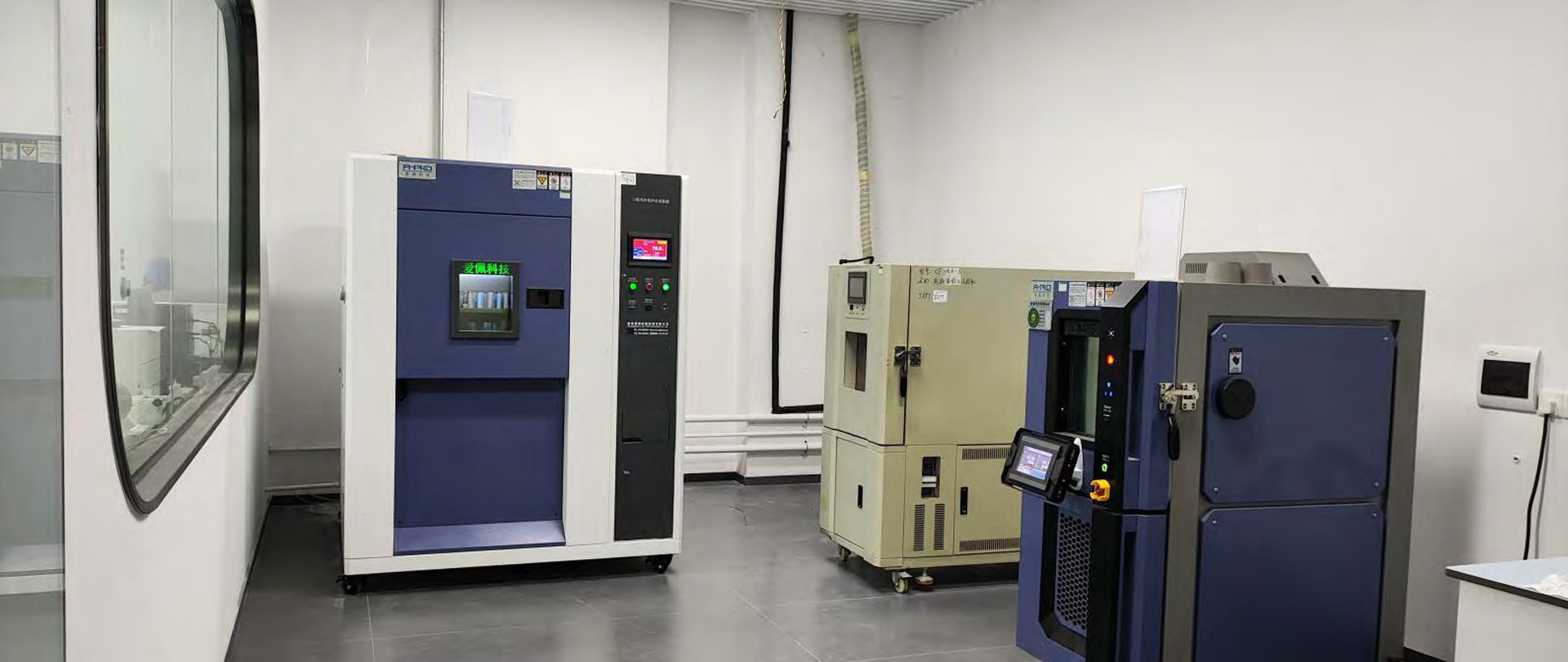
We are continuously advancing our material technologies. CYCT's development roadmap focuses on addressing emerging environmental challenges, increasing thermal performance, and streamlining on-site installation processes.
Developing solvent-free liquid epoxies capable of maintaining adhesion and mechanical properties at elevated operational temperatures for deep-well and high-throughput transmission lines.
Integrating micro-capsule chemistry into viscoelastic layers to allow minor surface punctures to self-repair autonomously upon mechanical impact.
Formulating rapid-cure, low-temperature application liquid epoxies to reduce energy usage during field application while meeting VOC regulations.
Leveraging domestic raw material integration, production capacity, and automated quality control to secure global supply chains.
Our proximity to primary petrochemical clusters in China ensures a stable supply of baseline resins, curing agents, and specialized additives, insulating our clients from global chemical pricing fluctuations.
With multi-line automated extrusion and blending setups, we scale from small custom batches to large-scale orders, matching the timelines of complex infrastructure projects.
Every production run undergoes strict quality checks in our CNAS laboratory. We verify shear strength, cathodic disbondment resistance, impact resistance, and water absorption before shipment.
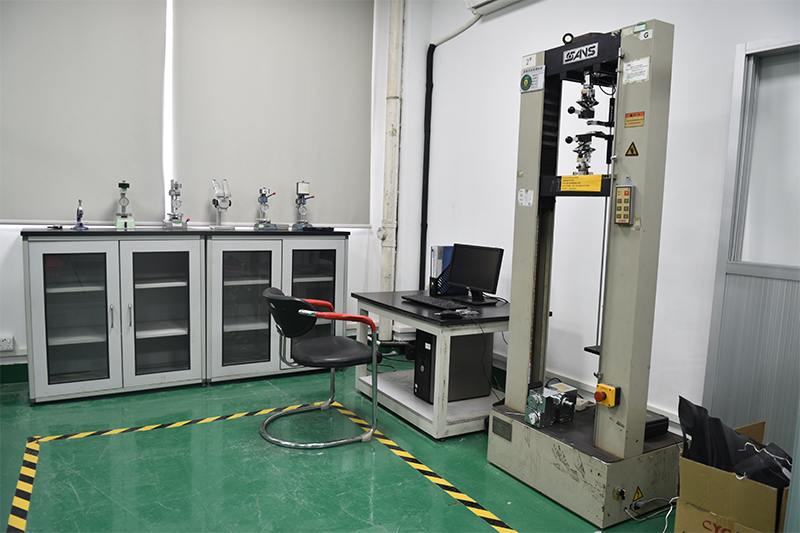
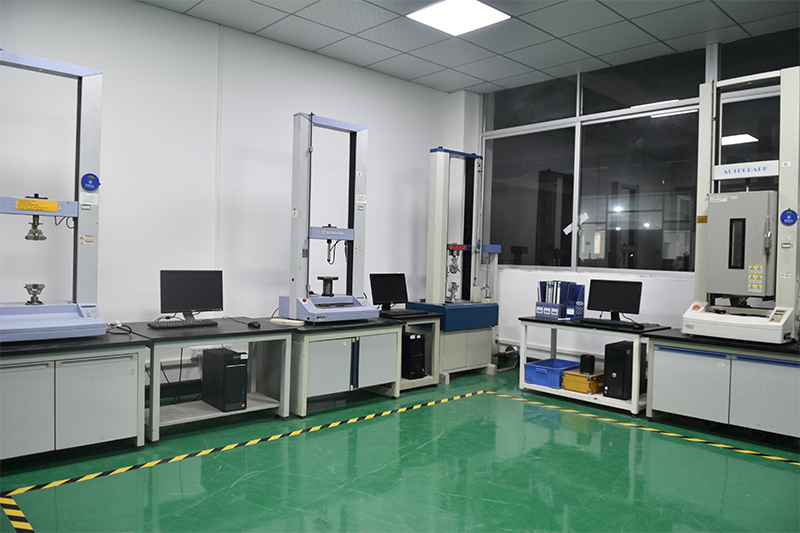
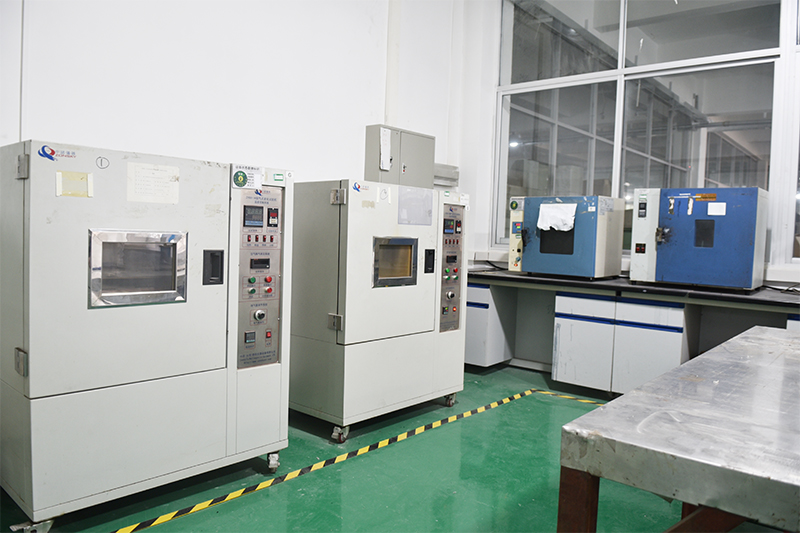
Pipeline engineering projects require strict adherence to international standards. At CYCT, we design our formulations to meet and exceed global specifications, including ISO 21809, DIN 30670, and AMPP (NACE) directives.
Our engineers assist with material selection, surface preparation specifications, and application training. We provide comprehensive documentation, including detailed material test reports (MTR) and performance data sheets, to support engineering reviews and project approvals.
Whether you require assistance with coating selection for a new pipeline or need support on-site during installation, our team is equipped to deliver the technical expertise your project demands.
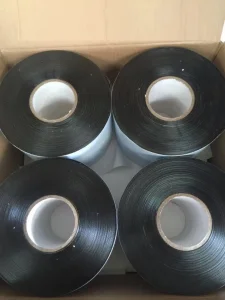
Discover our specialized heavy-duty solutions, including solvent-free liquid epoxy primers, viscoelastic systems, and protective pipe sleeves.
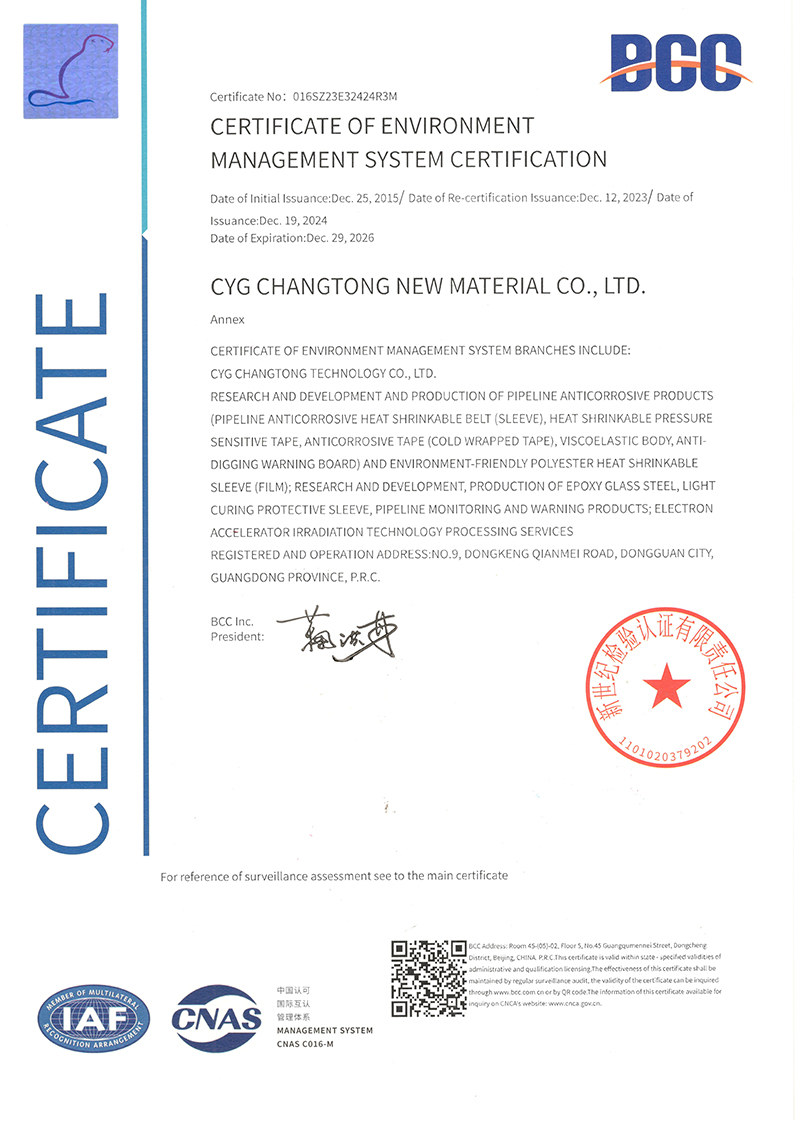
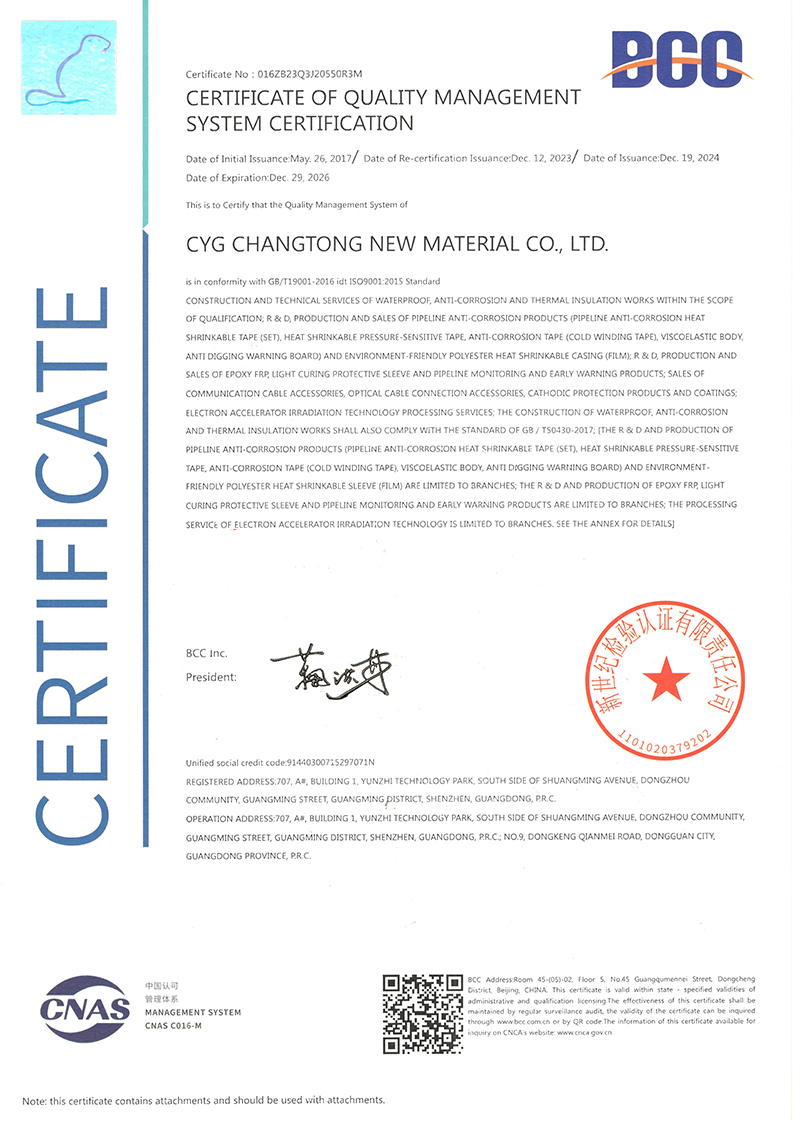
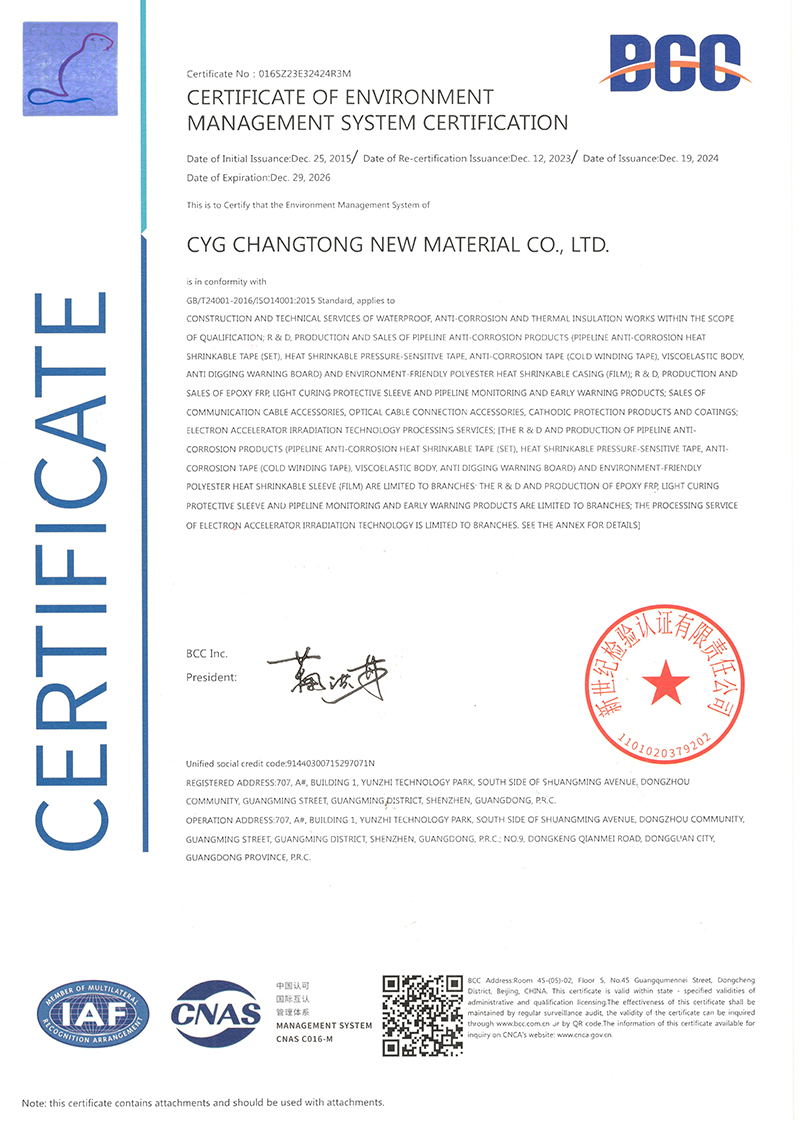
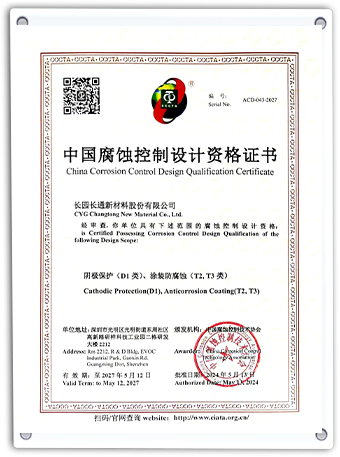
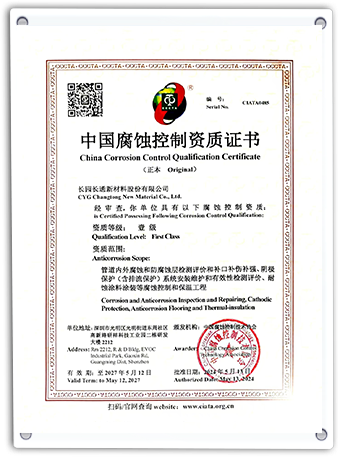
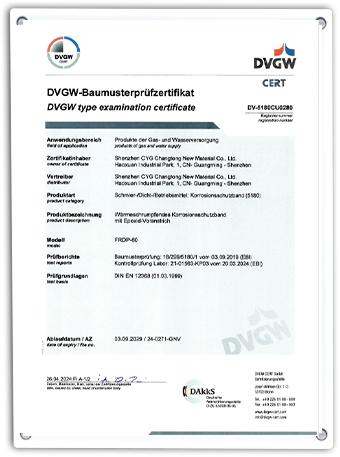
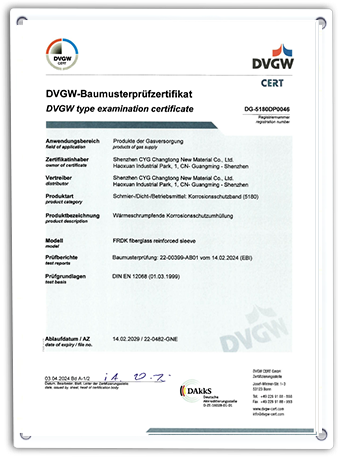
Verifiable credentials representing our commitment to international quality systems and technical specifications.
Detailed answers to key technical questions regarding application performance, material chemistry, and installation standards.
 CYCT
CYCT