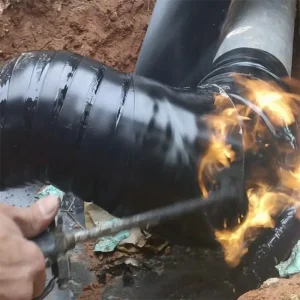
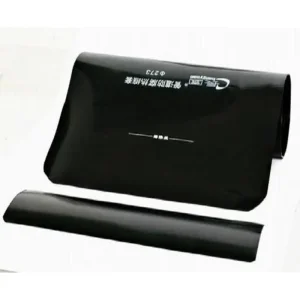
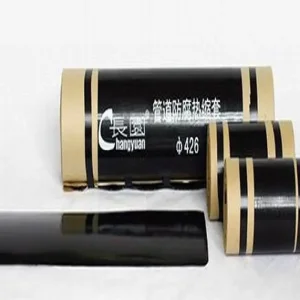
Pipeline networks constitute the core infrastructure of the modern global energy supply chain. However, because these systems are continuously subjected to extreme environments—ranging from deep-sea high hydrostatic pressure to harsh desert thermal fluctuations and aggressive chemical soils—corrosion presents a persistent, multibillion-dollar threat. In addressing this risk, the choice of field joint coating (FJC) is a critical engineering decision. High-quality heat shrinkable tapes and wraparound sleeves serve as the primary line of defense at the vulnerable welded joint areas.
This comprehensive technical whitepaper analyzes the manufacturing landscape of China Heat Shrinkable Tapes Factories, detailing how advanced materials technology, rigorous quality testing frameworks, and optimized formulation science can mitigate corrosion risk. As a pioneer in the industry, CYCT New Materials Company Limited (founded in 2000) has led technical innovation for more than two decades, designing high-reliability solutions in coordination with national labs and major global energy firms.
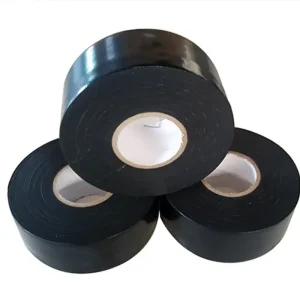
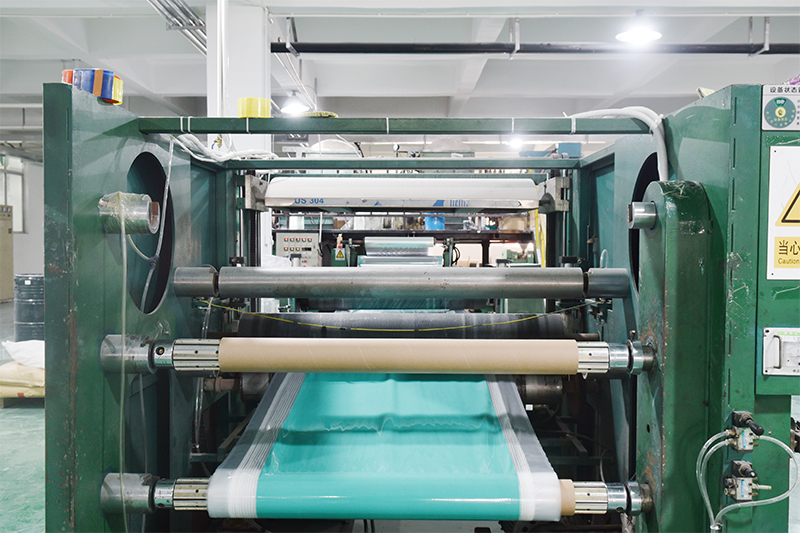
The structural integrity of heat shrinkable tapes relies on radiation cross-linked high-density polyethylene (HDPE). High-energy electron beam irradiation alters the polymer's molecular structure from a linear chain to a stable three-dimensional network. This cross-linking process instills a reliable "elastic memory" effect, enabling the backing to shrink uniformly upon heating, while providing excellent resistance to shear deformation, environmental stress cracking, and mechanical impact.
The inner adhesive layer is formulated with specialized copolymer hot melt adhesives or viscoelastic butyl rubber. When heated, the adhesive melts, flows into the micro-cavities of the steel surface, and forms an airtight barrier. This dynamic flow ensures complete wetting and maximum contact, yielding excellent peel strength and resisting cathodic disbondment under continuous operating temperatures (up to 85°C).
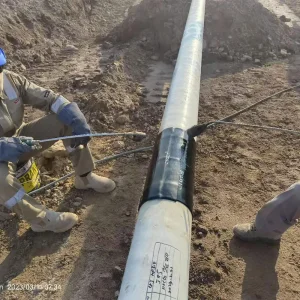
China heat shrinkable tapes are designed for multi-layer coatings, including 2-layer PE, 3-layer PE (3LPE), and 3-layer PP (3LPP) repair setups. System options range from dry-wrap systems with liquid epoxy primers to direct-to-metal high-shear adhesive backings. These configurations ensure consistent chemical bonding across the field joint and the adjacent factory-applied mill coating, eliminating vulnerable transition areas.
Selecting a certified China Heat Shrinkable Tapes Factory requires analyzing technical criteria to ensure performance under field conditions. Below is a comparative overview of key physical properties across different tape systems, aligned with European standard EN 12068 and global standard ISO 21809-3.
| Physical Property | PE Heat Shrink Tape (60°C Rating) | PP Heat Shrink Sleeve (85°C Rating) | Fiberglass Reinforced Sleeve (HDD) | Visco-Elastic Putty / Tape |
|---|---|---|---|---|
| Backing Material | Irradiated HDPE | Irradiated PP Copolymer | Fiberglass Mesh + Polyolefin | Synthetic Viscoelastic Polymer |
| Tensile Strength | ≥ 15 MPa | ≥ 22 MPa | ≥ 35 MPa | N/A (Cold-applied flowable) |
| Peel Strength (to Steel) | ≥ 80 N/cm (at 23°C) | ≥ 100 N/cm (at 23°C) | ≥ 120 N/cm (at 23°C) | Cohesive separation (excellent wetting) |
| Cathodic Disbondment | < 8 mm (at 60°C, 28 days) | < 5 mm (at 80°C, 28 days) | < 4 mm (at 85°C, 28 days) | Self-healing (no disbondment) |
| Impact Resistance | ≥ 15 J | ≥ 20 J | ≥ 50 J (High mechanical) | ≥ 8 J |
| Typical Application | Onshore Oil/Gas Pipelines | High-Temp Hot Water/Oil Lines | Trenchless/HDD crossings | Flanges, Valves, Fitting Joints |
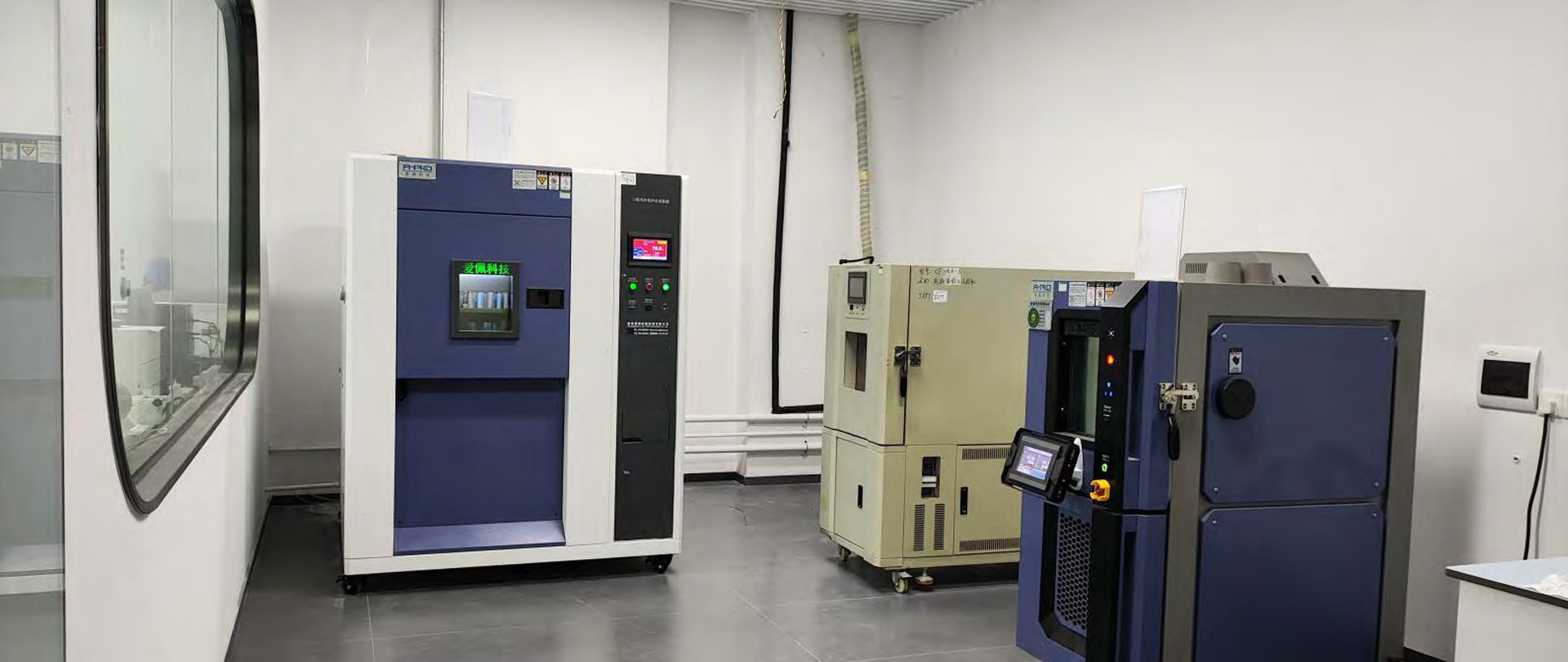
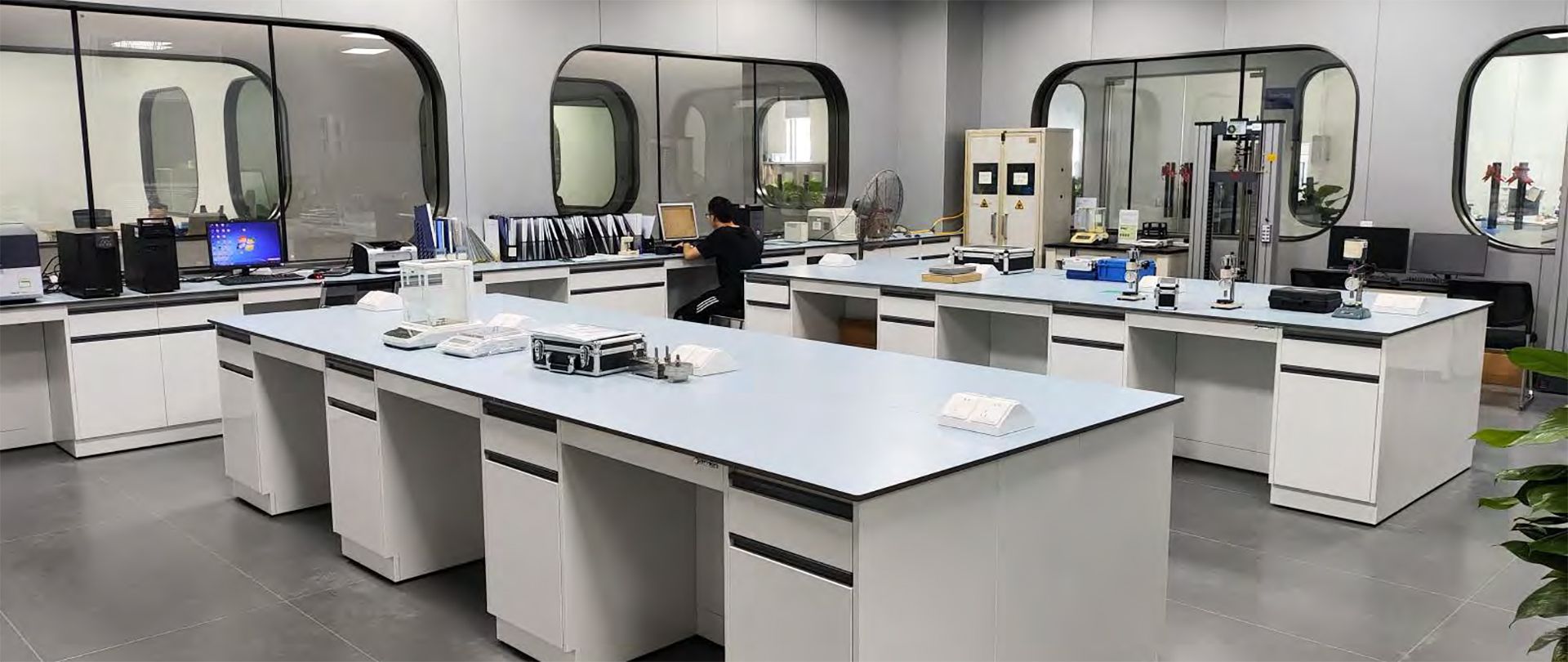
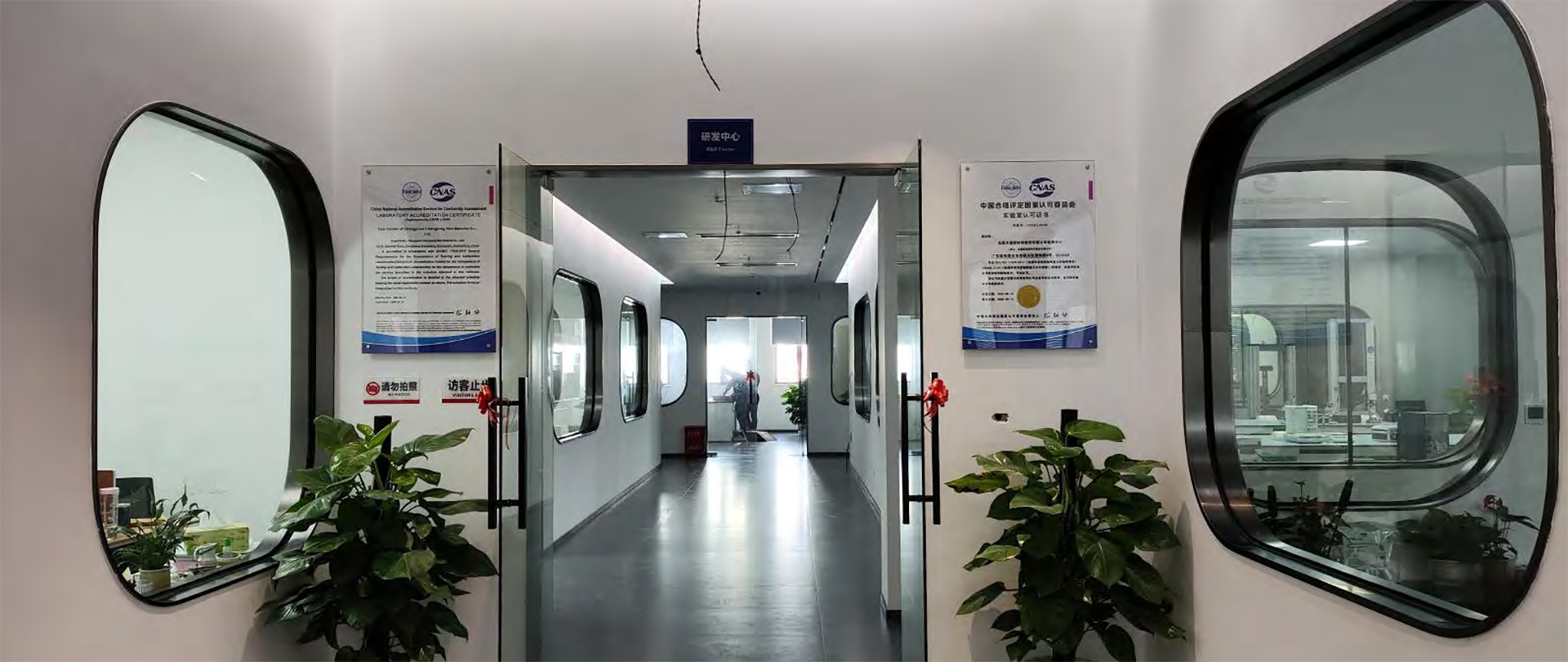
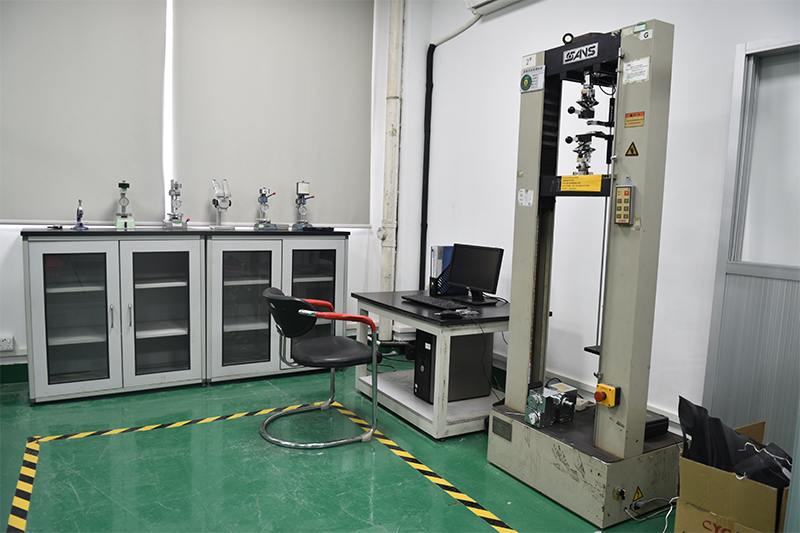
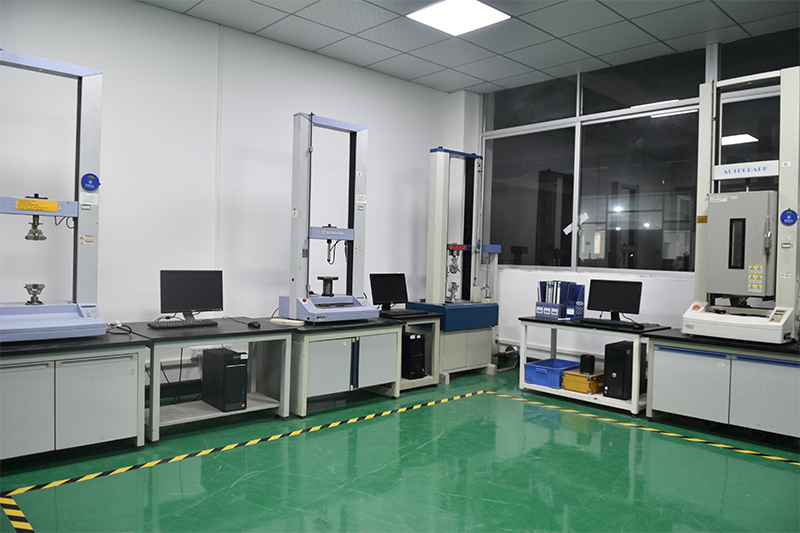
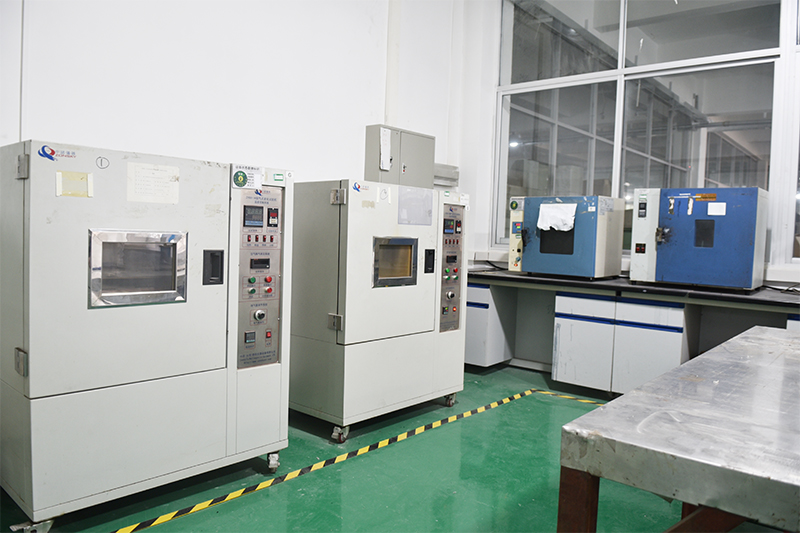
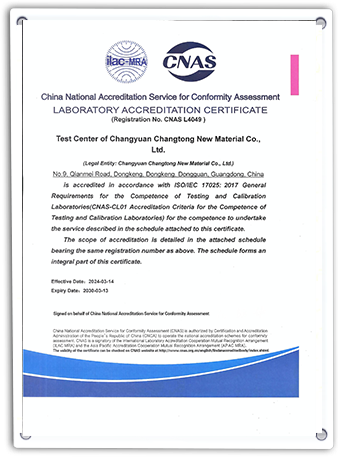
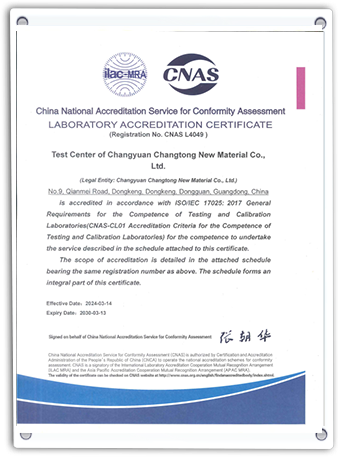
Note from CYCT Lab: All tests are conducted in our CNAS-accredited laboratory using calibrated testing machines to verify compliance with EN 12068 and ISO 21809-3. This third-party level verification helps prevent coating failure during long-term operations.
Procurement managers, EPC contractors, and engineering consultants face several common challenges when sourcing pipeline protection systems:
As a specialized high-tech enterprise, CYCT supports global supply chains through:
Direct engineering consultation from draft design to site testing.
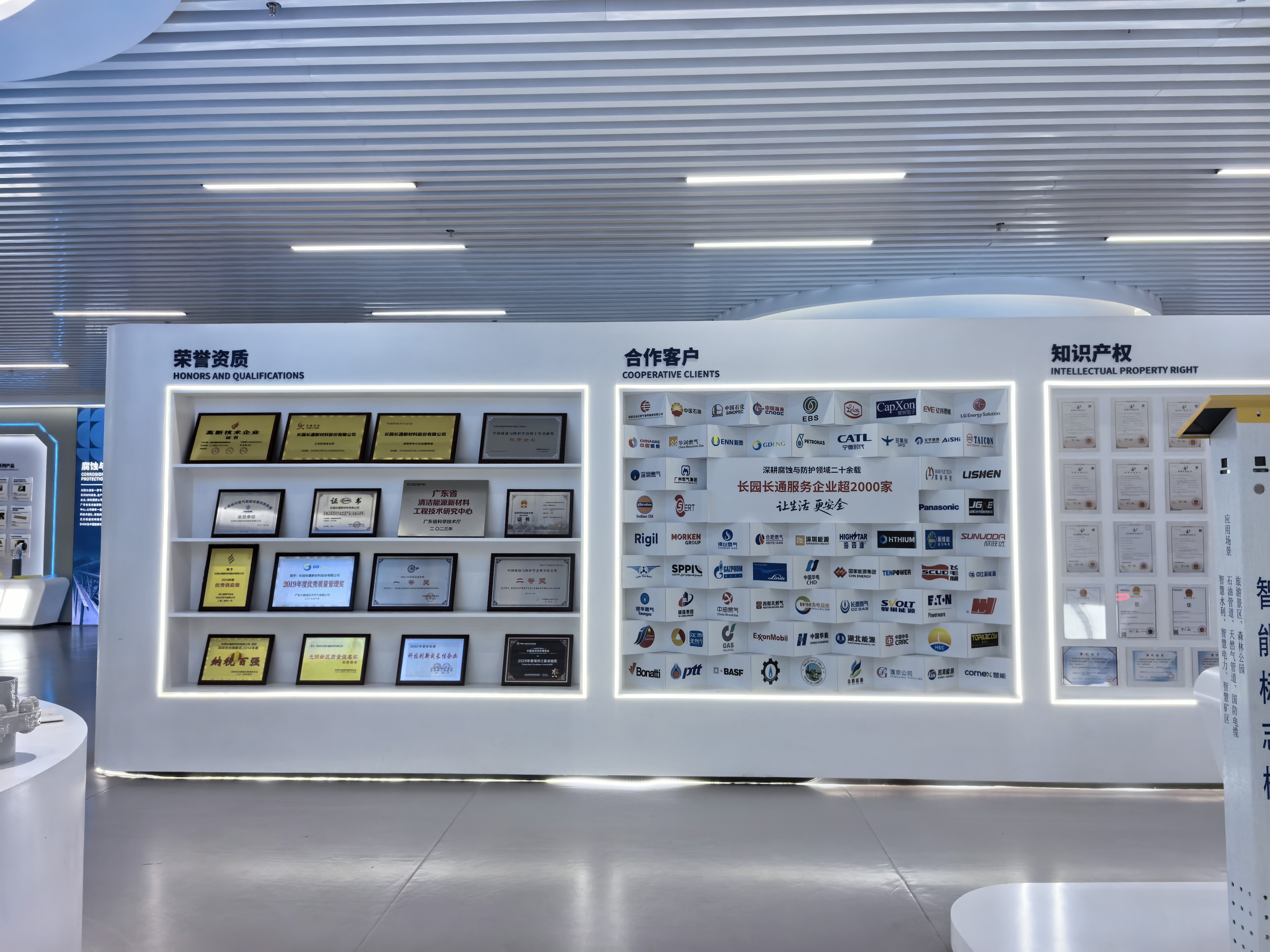
Qualified supplier status with Sinopec, PetroChina, and Indian Oil.
Integration of pipe detection, repair materials, and site application services.
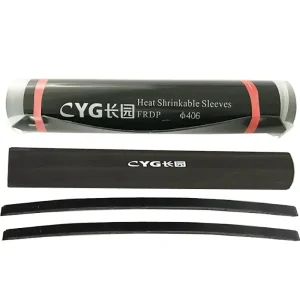
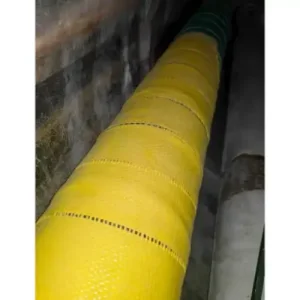
Horizontal directional drilling (HDD) subjects coatings to high shear and abrasive stresses against rock and soil. Standard wrap-around sleeves risk tearing during the pull-back process. CYCT's fiberglass-reinforced heat shrinkable sleeves feature integrated high-strength fiberglass backing combined with protective moisture-cured composite shields, providing the shear resistance needed for HDD pipeline pull-back.
Offshore marine pipelines operate under high hydrostatic pressures and are exposed to salt spray and corrosive ions. CYCT offers moisture-curing composite shields, bend restrictors, and high-build polyurea coatings engineered to prevent water ingress at field joints. These systems are designed to withstand continuous exposure in splash zones and submerged environments.
District heating and industrial steam systems subject pipelines to elevated operating temperatures. Standard adhesives soft-degrade under prolonged heat. CYCT's high-temperature PP heat shrink sleeve field joint systems maintain peel strength and shear resistance at operating temperatures up to 85°C and 110°C, providing stable protection throughout the pipeline's service life.
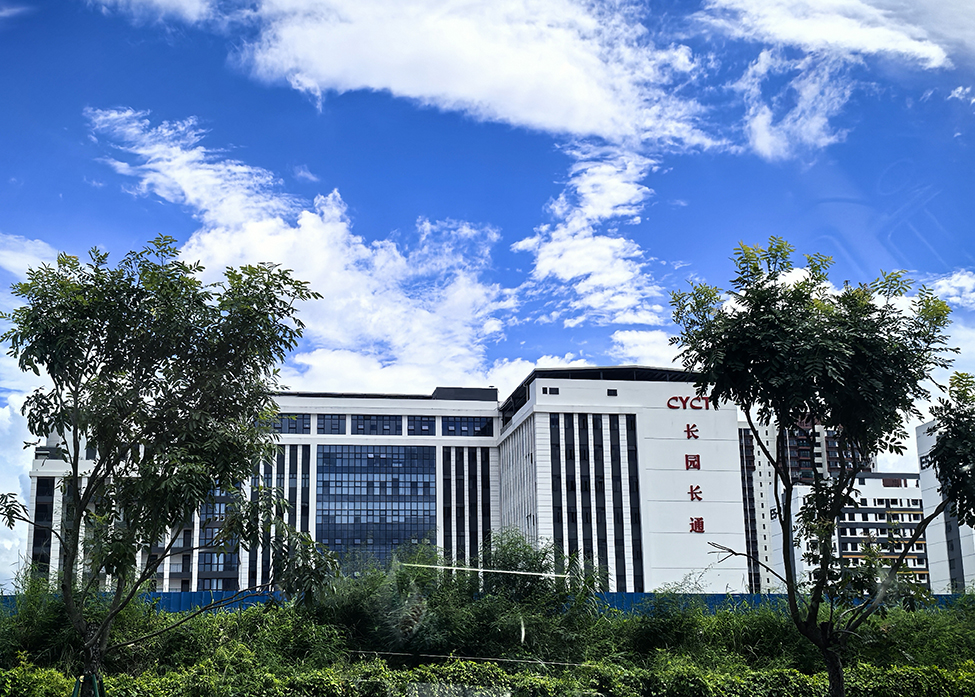
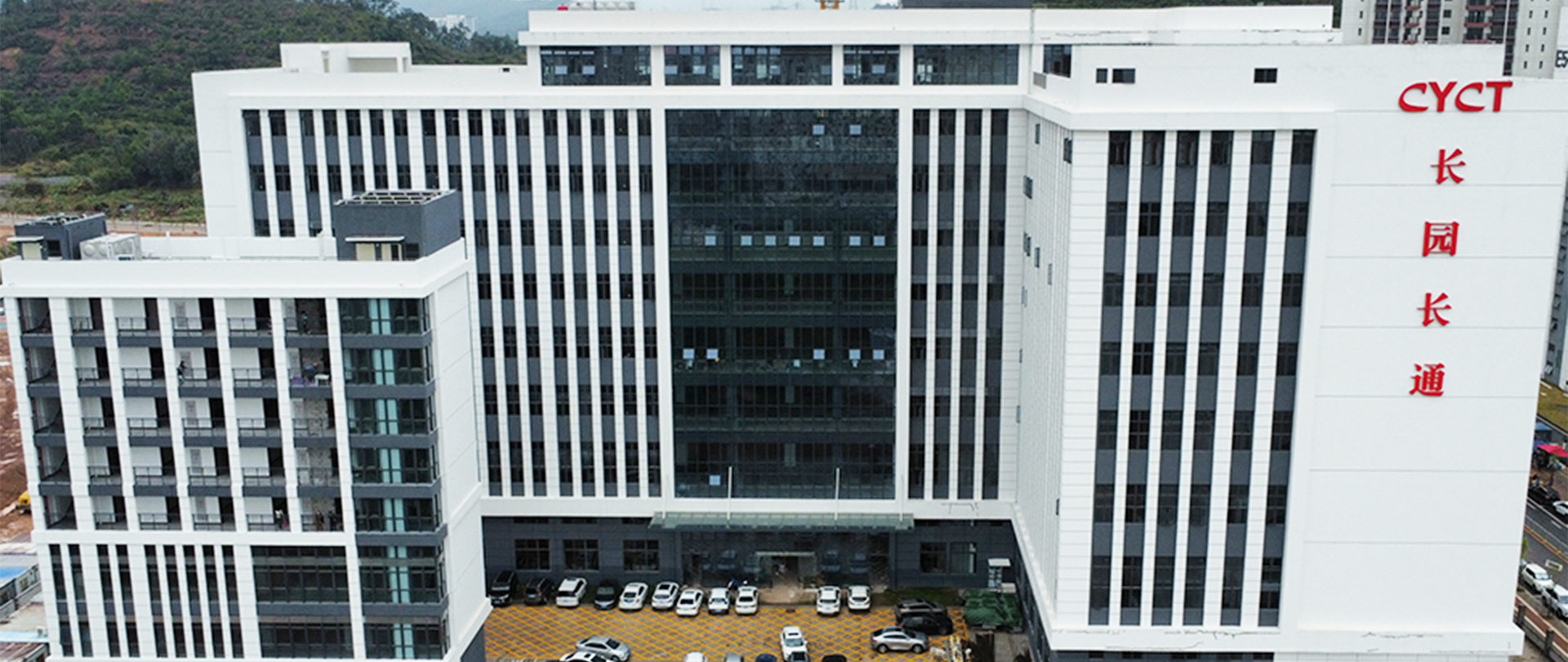
CYCT New Materials Company Limited (for short, CYCT) is a state-level high-tech enterprise integrating R&D, production and sales of pipeline corrosion protection materials as well as buried pipeline detection service and pipeline coating field application service into one. CYCT has devoted itself to the R&D, production, and sales of pipeline corrosion protection materials for decades.
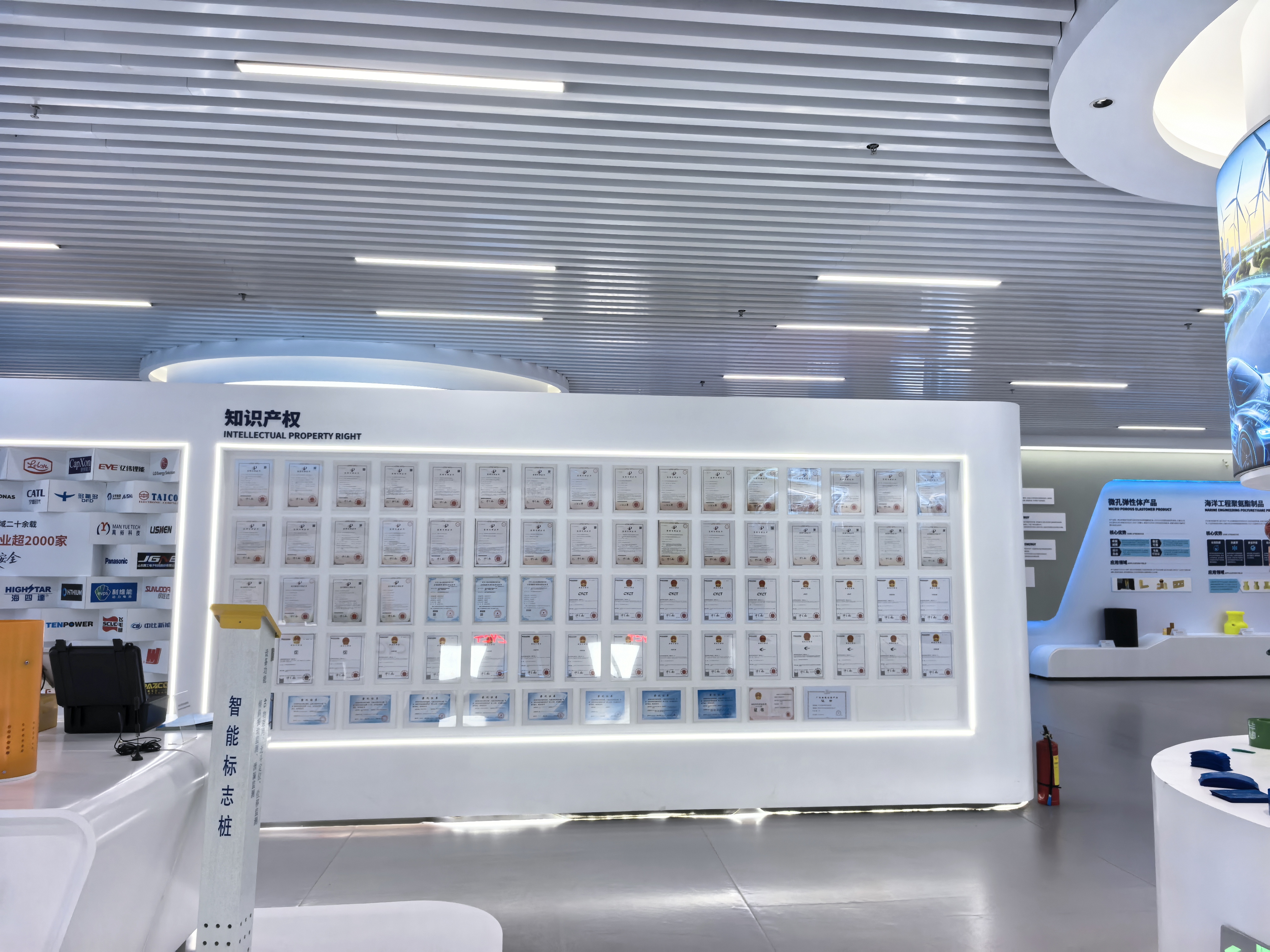
CYCT owns leading testing and R&D capabilities, a professional R&D team, and a national CNAS-accredited laboratory. The company has become a stable supplier of field joint coatings for years in PetroChina, Sinopec, PipeChina, and local pipeline networks, maintaining a leading market share.
Through collaboration with research institutes like the CNPC Pipeline Science Research Institute, CYCT provides technical services for in-service pipelines, including buried pipeline detection, design schemes, cathodic protection, rehabilitation projects, and integrated solutions for pipeline safety.
The pipeline anti-corrosion sector is moving toward systems with higher temperature resistance, lower environmental impact, and smart monitoring integration. CYCT's development roadmap focuses on these industry trends:
Developing next-generation viscoelastic materials that do not require primers, provide self-healing properties for minor cuts, and remain stable across temperatures from -40°C to 100°C.
Developing solvent-free liquid epoxy primers and halogen-free, non-toxic hot melt adhesives to comply with international environmental standards and minimize chemical runoff in sensitive biomes.
Integrating conductive micro-fibers into the polymer backing to enable automated, non-destructive holiday detection during quality checks and long-term diagnostic monitoring.
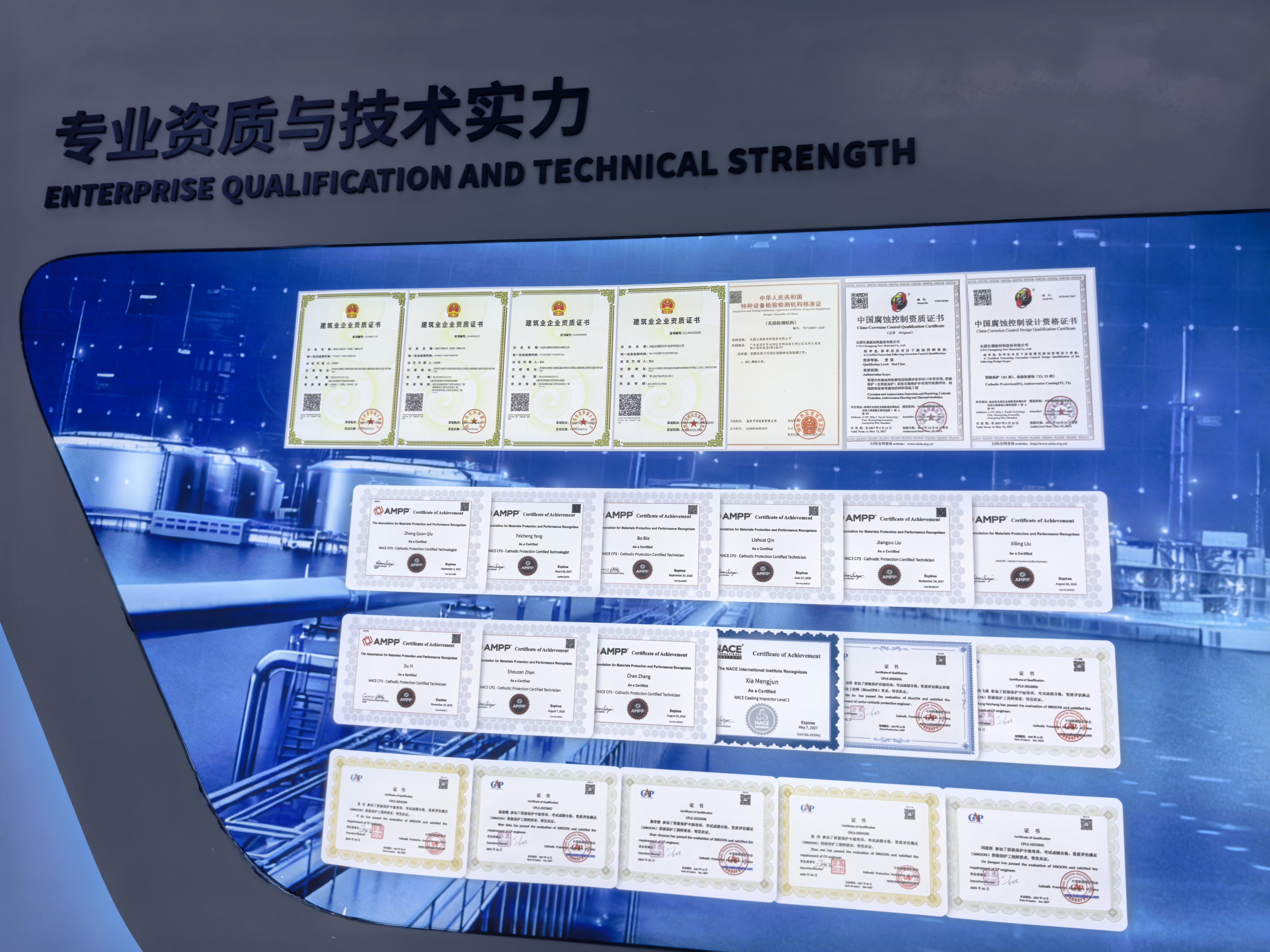
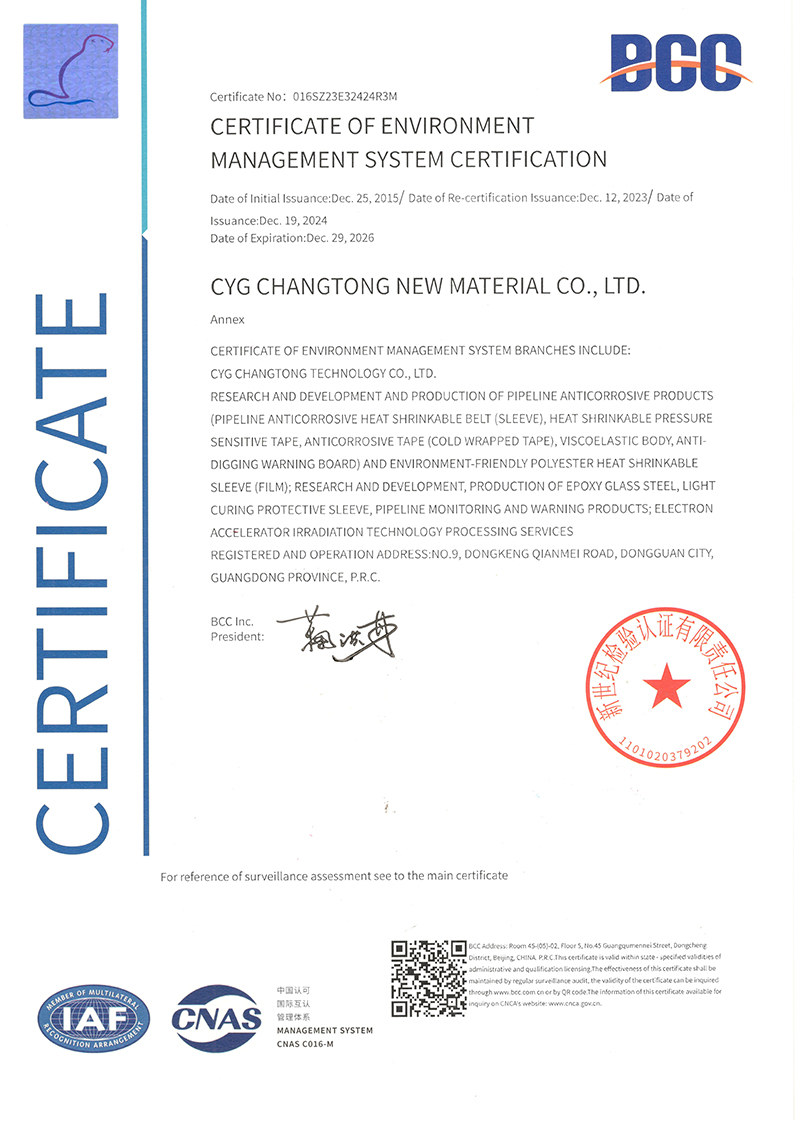
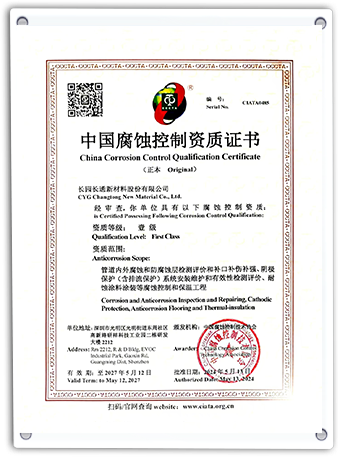
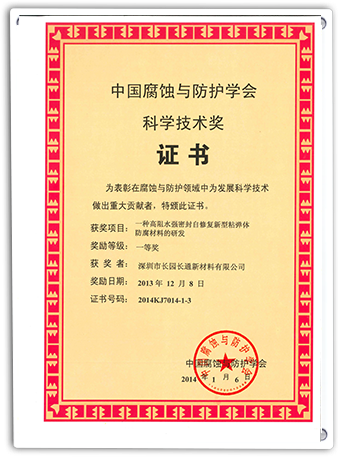
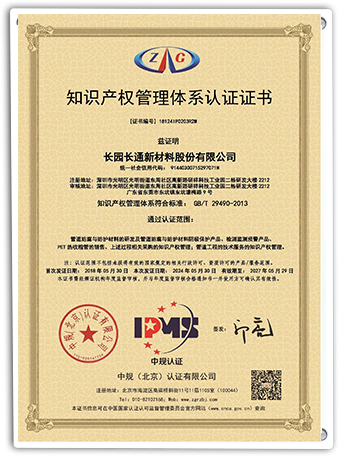
CYCT is a Council Member of the Chinese Society for Corrosion and Protection (CSCP), holds the Qualification Certificate of Corrosion Protection Construction, the Qualification Certificate of Pipeline Detection, and is a corporate member of the China Association of Petroleum Engineering Construction (CAPEC). We are recognized as an innovative enterprise, a Clean Energy Research Center, and an active member of AMPP (Association for Materials Protection and Performance).
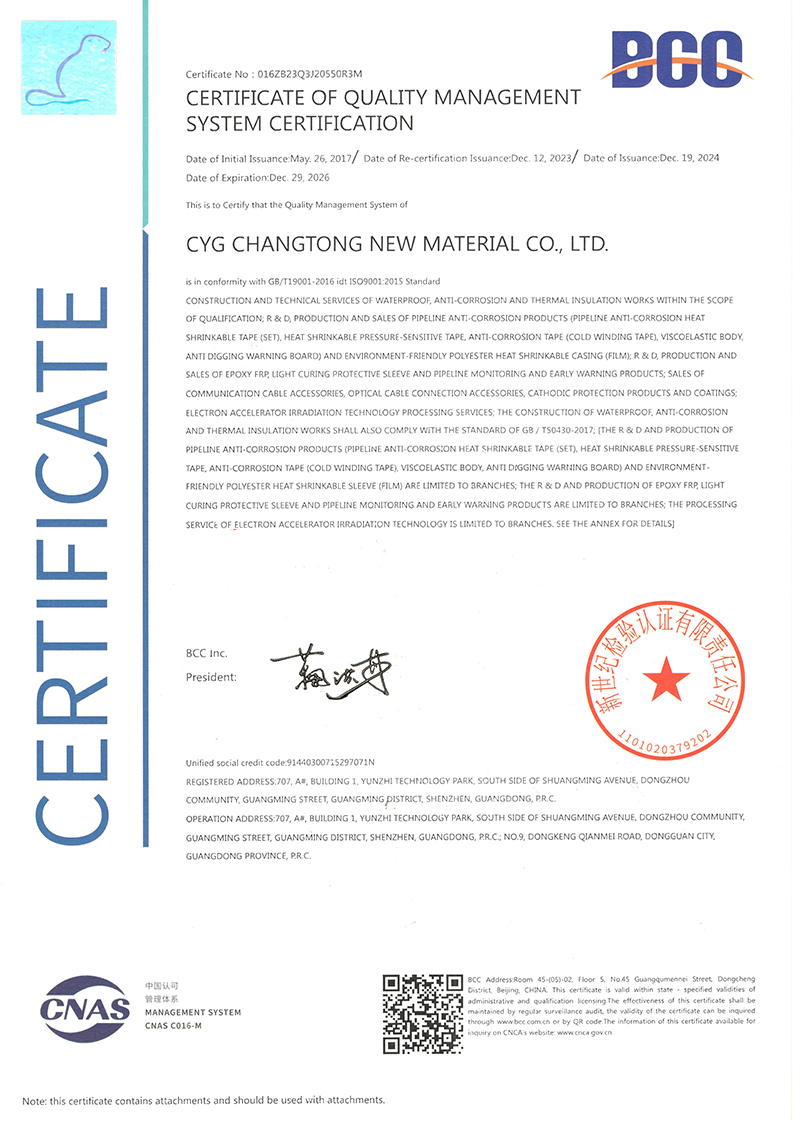
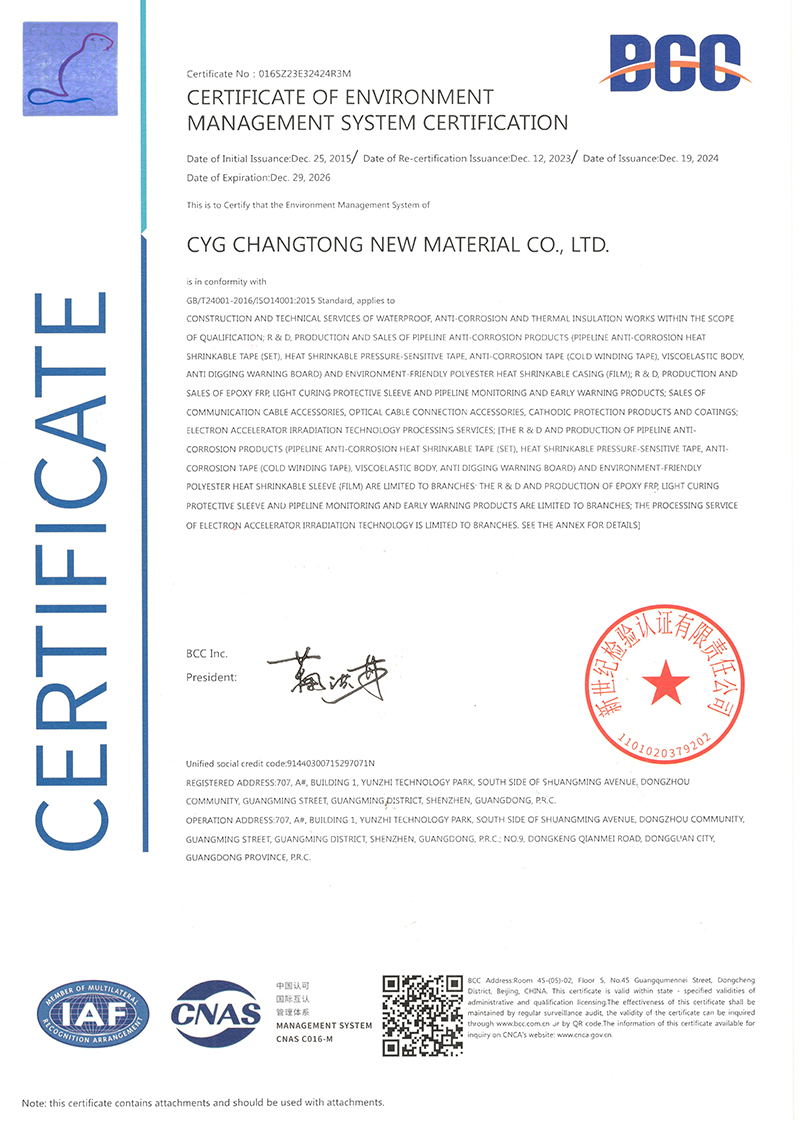
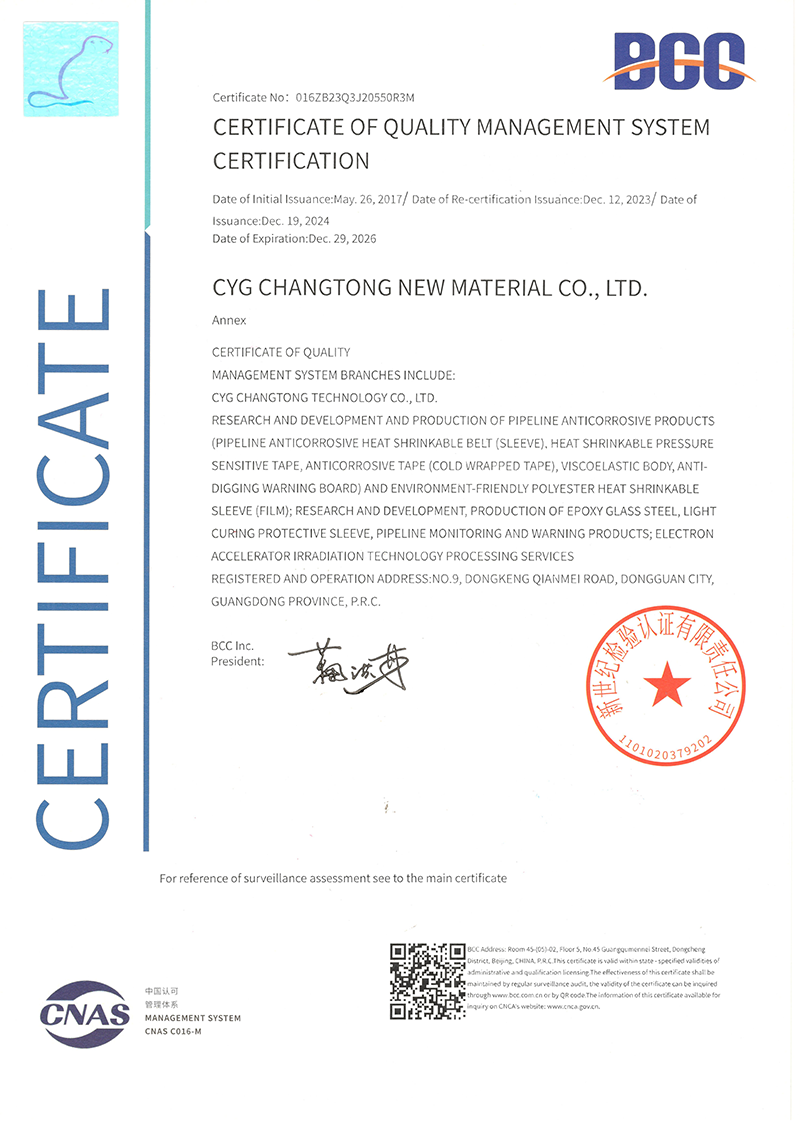
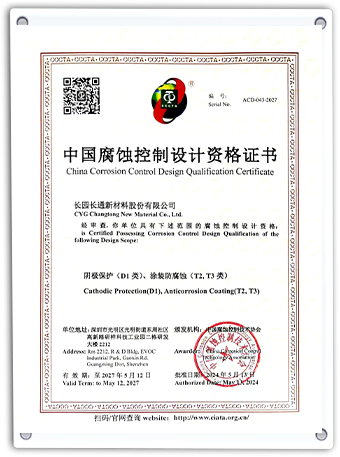
Executing pipeline projects internationally requires adhering to specific local standards, environmental regulations, and technical practices. A professional China Heat Shrinkable Tapes Factory must offer more than just bulk product manufacturing; it must supply complete engineering support packages:
On-Site Training & Supervision: Providing field joint application training, certified applicator programs, and technical supervision on construction sites to minimize installation errors.
Custom Geometric Specifications: Offering bespoke dimensions, tailored backing thicknesses, and specialized adhesive widths matching nominal pipe sizes from DN 50 to DN 2000+.
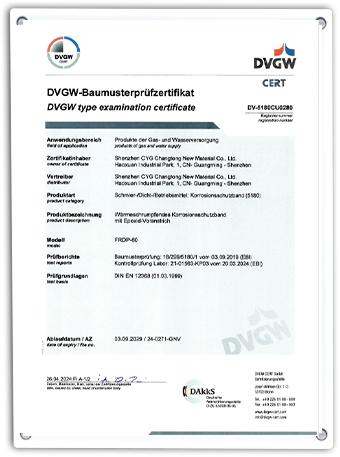
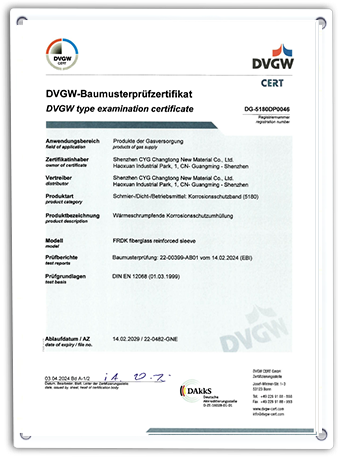
Regulatory Integration: Supplying full documentation packages, including SGS/TUV testing certifications, Material Safety Data Sheets (MSDS), and inspection test plans (ITP).
CYCT maintains quality checks at each phase of manufacturing:
 CYCT
CYCT