Direct manufacturing of standard and high-temperature polymer pipeline coatings engineered for high mechanical shear resistance and absolute corrosion protection.
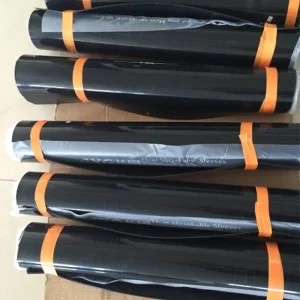
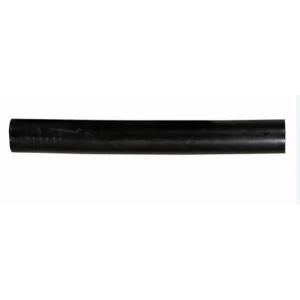
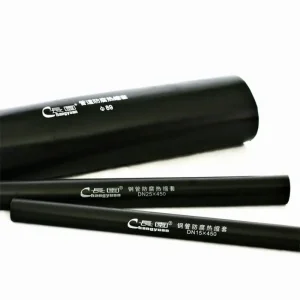
In modern pipeline engineering, the longevity and structural integrity of transmission infrastructure depend heavily on the performance of field joint coatings (FJCs). When factory-applied main coatings—such as 3-layer polyethylene (3LPE) or 3-layer polypropylene (3LPP)—are cut back at pipe ends to facilitate welding, these exposed weld areas become highly vulnerable to environmental corrosion, mechanical degradation, and cathodic disbondment. Heat shrinkable sleeves (HSS) stand as the globally recognized industry standard to secure these crucial interfaces.
As a leading Chinese technology developer and manufacturer, CYCT New Materials Company Limited combines decades of polymeric material synthesis with extensive field experience to supply global energy grids. By leveraging cross-linked polyolefin technology paired with advanced visco-elastic and epoxy primer systems, we address the critical pain points of EPC contractors, asset owners, and cathodic protection engineers worldwide.
Procuring raw materials and finished anti-corrosion products from China requires an analytical comparison of polymeric characteristics. Buyers must balance environmental extremes, soil stress levels, and operational temperatures with material composition. The performance metrics of key materials supplied by CYCT include:
| Material Type | Operational Temp. Range | Shear & Soil Stress Resistance | Primary Infrastructure Applications | Cathodic Disbondment Resistance |
|---|---|---|---|---|
| Cross-linked Polyethylene (PE) | -40°C to +80°C | High | Standard Oil & Gas Pipelines, Water Infrastructure | Excellent with Liquid Epoxy Primers |
| Polypropylene (PP) Sleeves | -20°C to +110°C | Very High | High-temperature Gas Pipelines, Joint Coatings | Superior under extreme thermal profiles |
| Visco-Elastic Materials | -35°C to +60°C | Moderate (Requires Outer Tape) | Complex geometries, Pipeline Rehabilitation | Self-healing, zero disbondment risk |
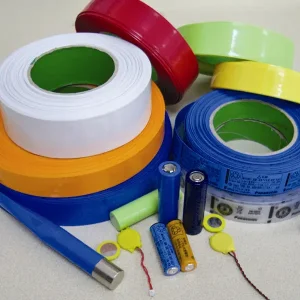
| PET Heat Shrink Tubes | -55°C to +125°C | N/A (Thin-wall insulation) | Capacitors, Busbars, Batteries, Electronics | High dielectric strength & isolation |
Globally, procurement profiles have shifted from basic mastic-lined sleeves to sophisticated 3-layer hot-melt systems that require a high-temperature solvent-free epoxy primer. This creates a multi-layered barrier matching the performance properties of the parent line pipe coating. CYCT ensures that every production batch undergoes rigorous testing, including peel strength validation (to ISO 21809-3 standards), shear resistance tests, and cathodic disbondment assays under accredited lab conditions.
Different engineering topologies demand tailored corrosion mitigation designs. Rather than using a one-size-fits-all strategy, CYCT designs specialized systems for challenging operating environments:
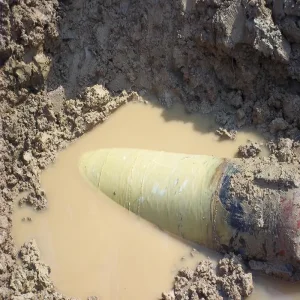
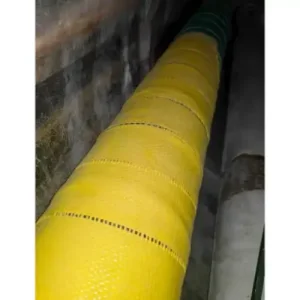
During trenchless pipeline installations, the joint coating experiences extreme mechanical friction against soil and rock. Standard sleeves can peel or tear. CYCT's high-strength fiberglass epoxy FRP system, combined with specialty PP backing, provides an outer wear shield to safeguard the underlying anti-corrosion barrier.
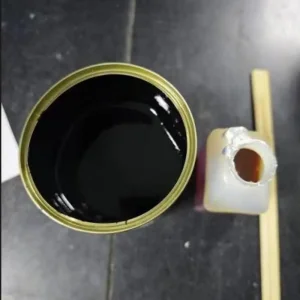
Subsea pipelines operate under high moisture, hydrostatic pressure, and tidal forces. CYCT offers moisture-curing composite shields and specialized polyurethane/polyurea coatings that polymerize efficiently in high-humidity zones, preventing saltwater ingress at field joints.
Hot-oil and high-pressure steam pipelines run at temperatures where standard PE adhesives soften and fail. CYCT’s PP-based wrap-around sleeves feature high-viscosity copolymer adhesives that maintain high shear resistance at continuous temperatures up to 110°C.
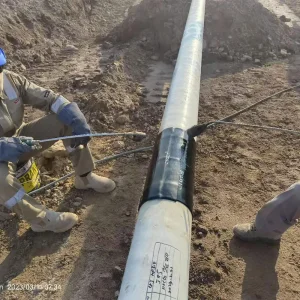
The core mechanism of heat shrinkable sleeves is "elastic memory," achieved via polymer radiation cross-linking. Utilizing a high-energy electron beam accelerator, the linear molecular chains of polyethylene or polypropylene are linked into a robust three-dimensional network. When heated during installation, the sleeve shrinks tightly over the joint, squeezing out air and forcing the adhesive sealant into any surface profile irregularities.
CYCT’s R&D roadmap focuses on three key innovations:
State-level high-tech enterprise integrating R&D, advanced manufacturing, and buried pipeline assessment services.
CYCT New Materials Company Limited (for short, CYCT) is a state-level high-tech enterprise integrating R&D, production, and sales of pipeline corrosion protection materials, as well as buried pipeline detection services and pipeline coating field application services.
For decades, CYCT has dedicated itself to the development and production of pipeline corrosion protection materials. Today, CYCT holds a significant market share as a long-term supplier of field joint coatings to PetroChina, Sinopec, PipeChina, and various municipal and local pipeline networks. We have also expanded our reach globally, successfully supplying key projects for international operators, including Indian Oil.
By collaborating closely with leading research institutes like the CNPC Pipeline Science Research Institute, CYCT delivers integrated safety and protection solutions, cathodic protection design, and complete pipeline rehabilitation projects.
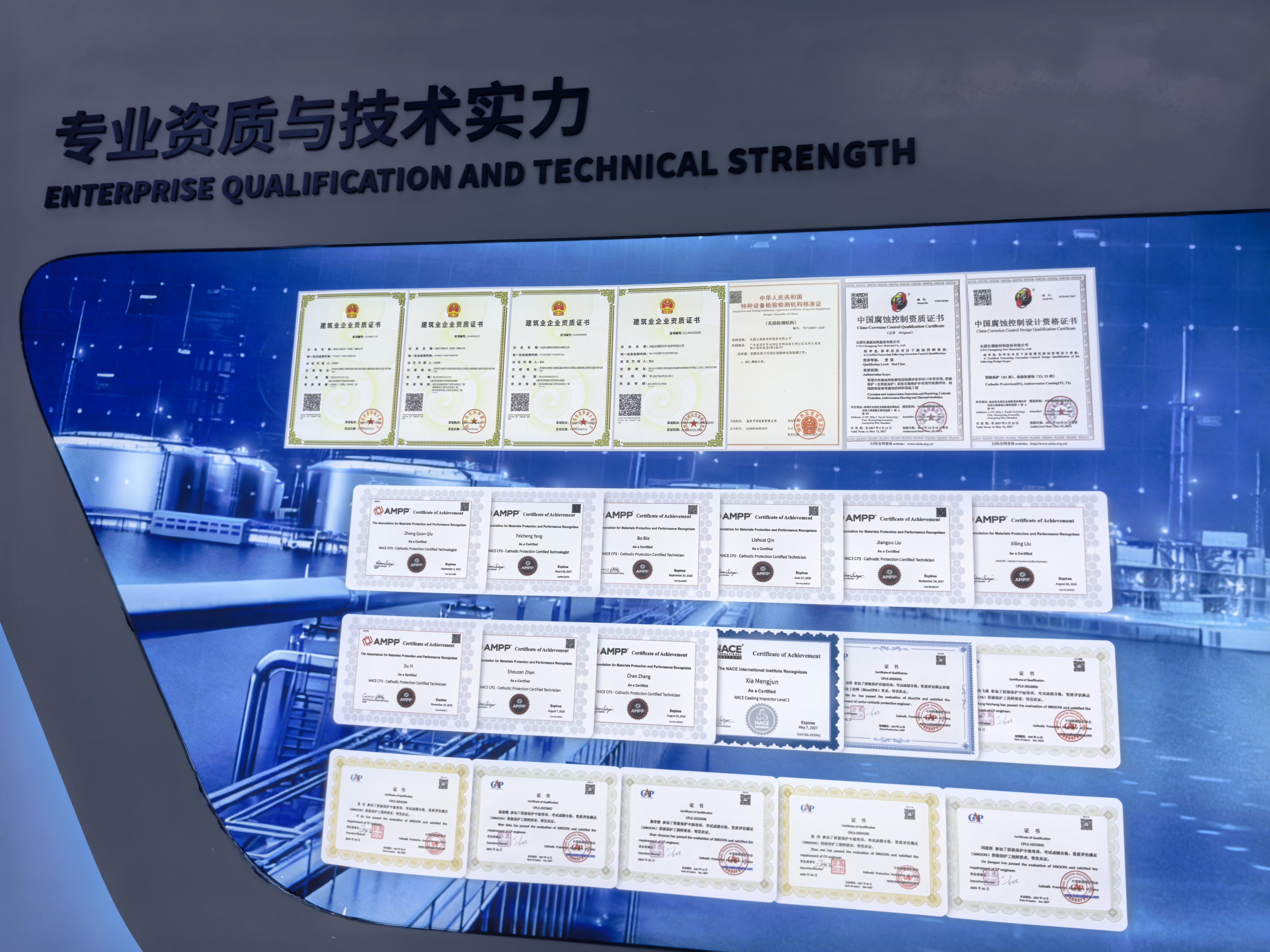
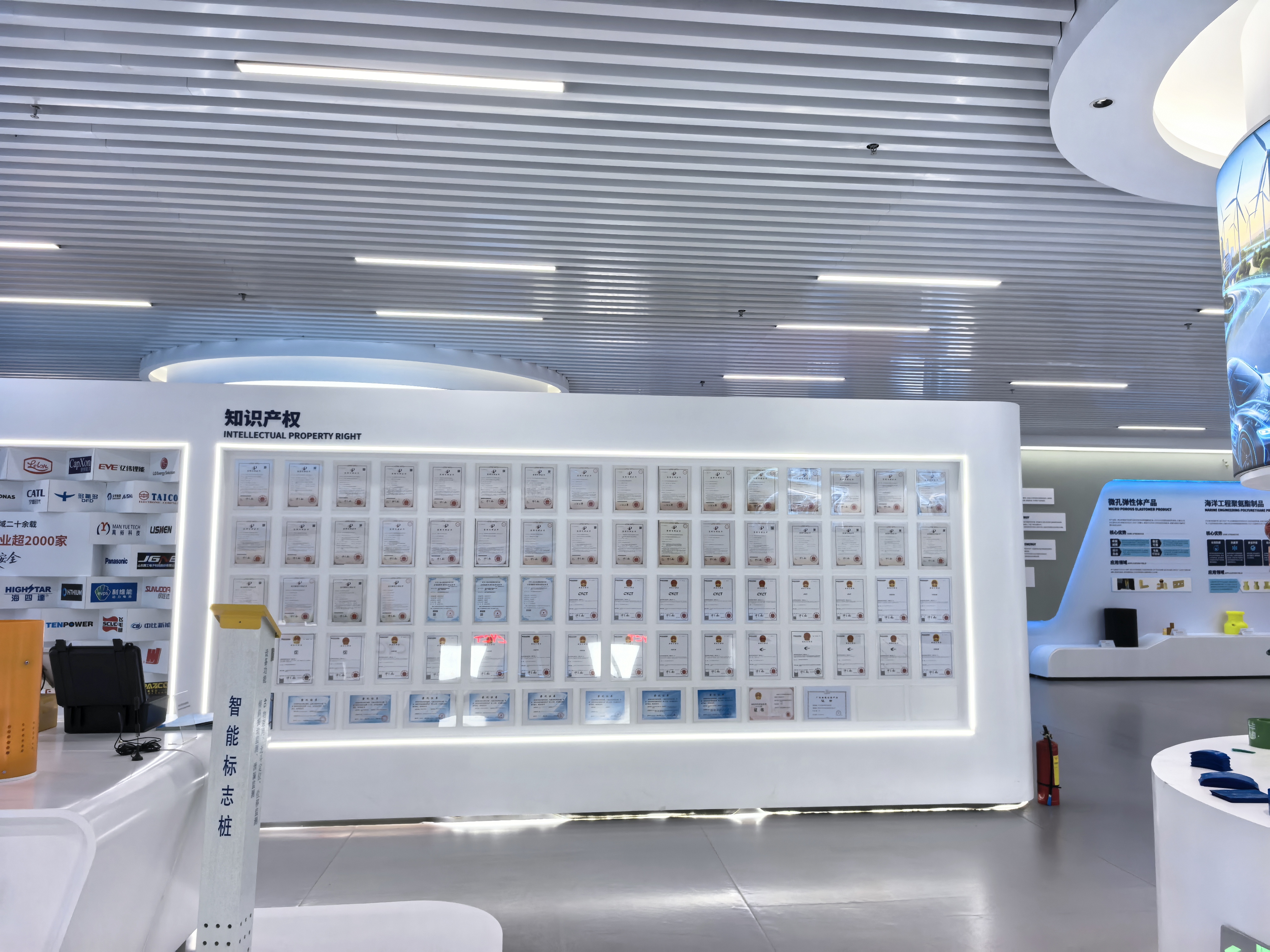
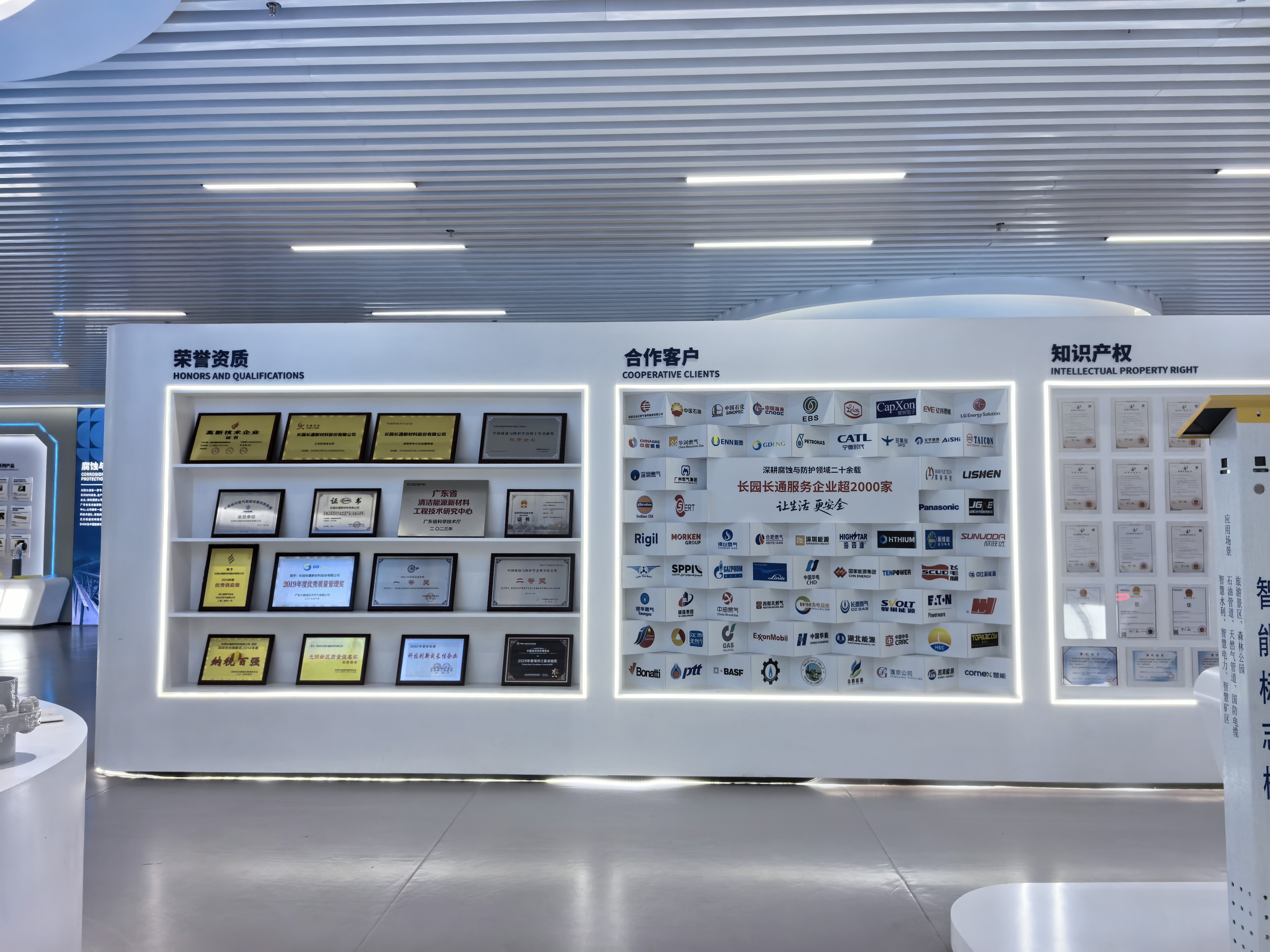
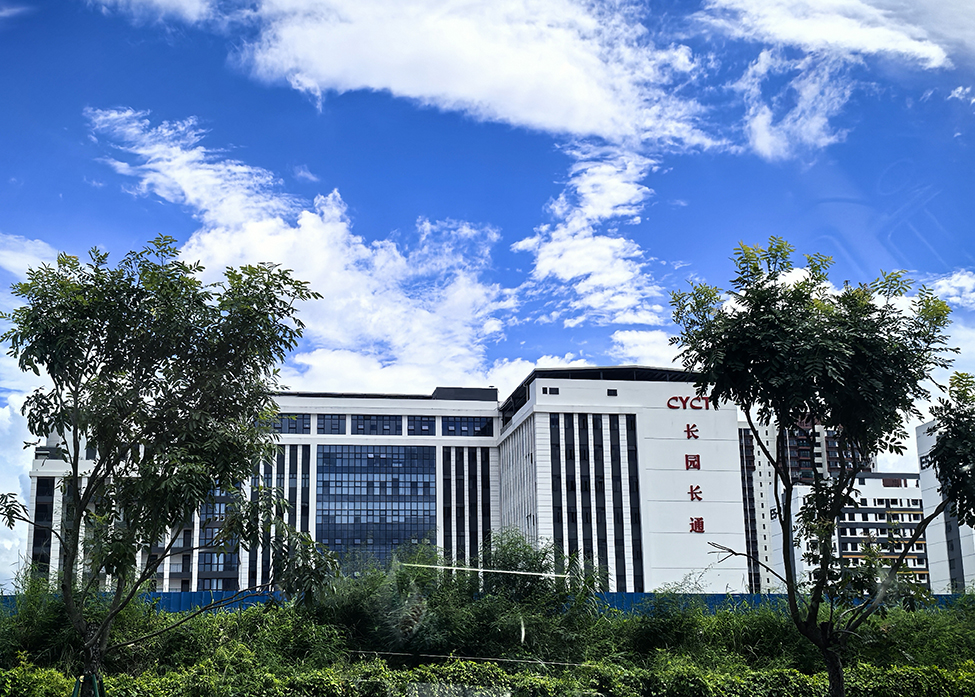
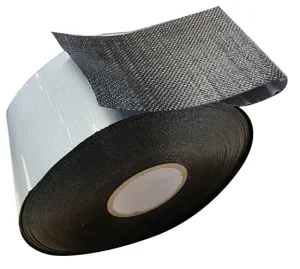
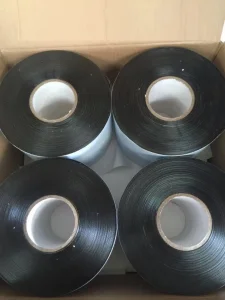
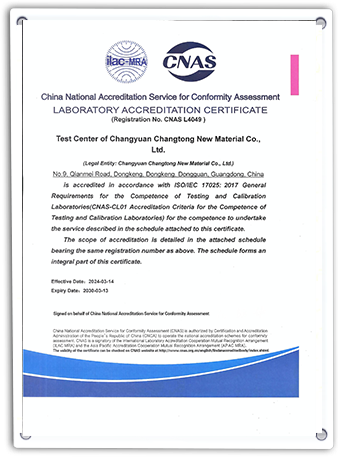
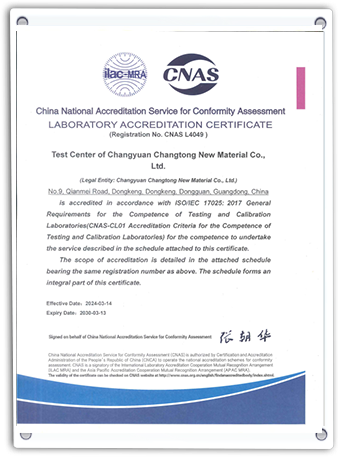
Our facility is equipped with state-of-the-art testing capabilities, a professional R&D team, and a national CNAS-accredited laboratory. Beyond heat shrinkable sleeves, CYCT has successfully introduced a variety of specialized materials, including visco-elastic anti-corrosion tapes, photo-curing sleeves for HDD protection, and high-build polyurea coatings.
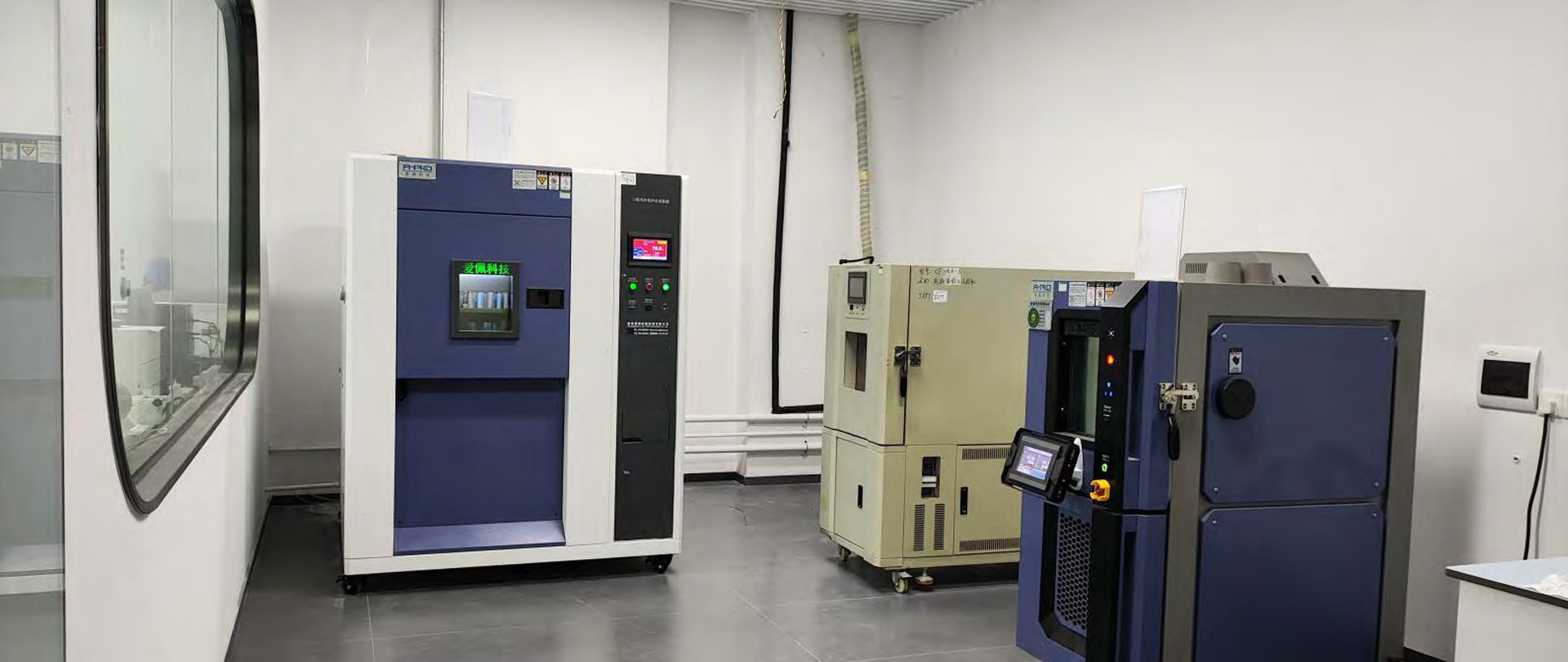
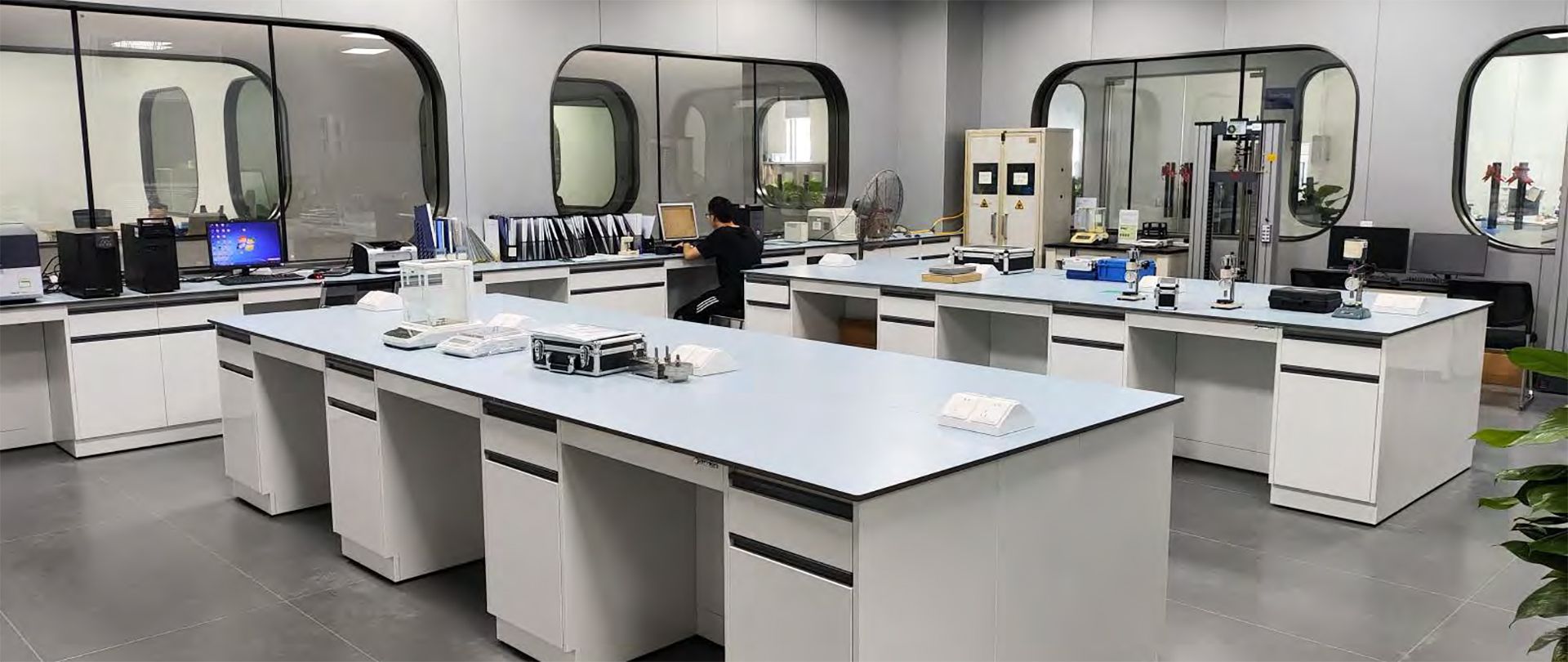
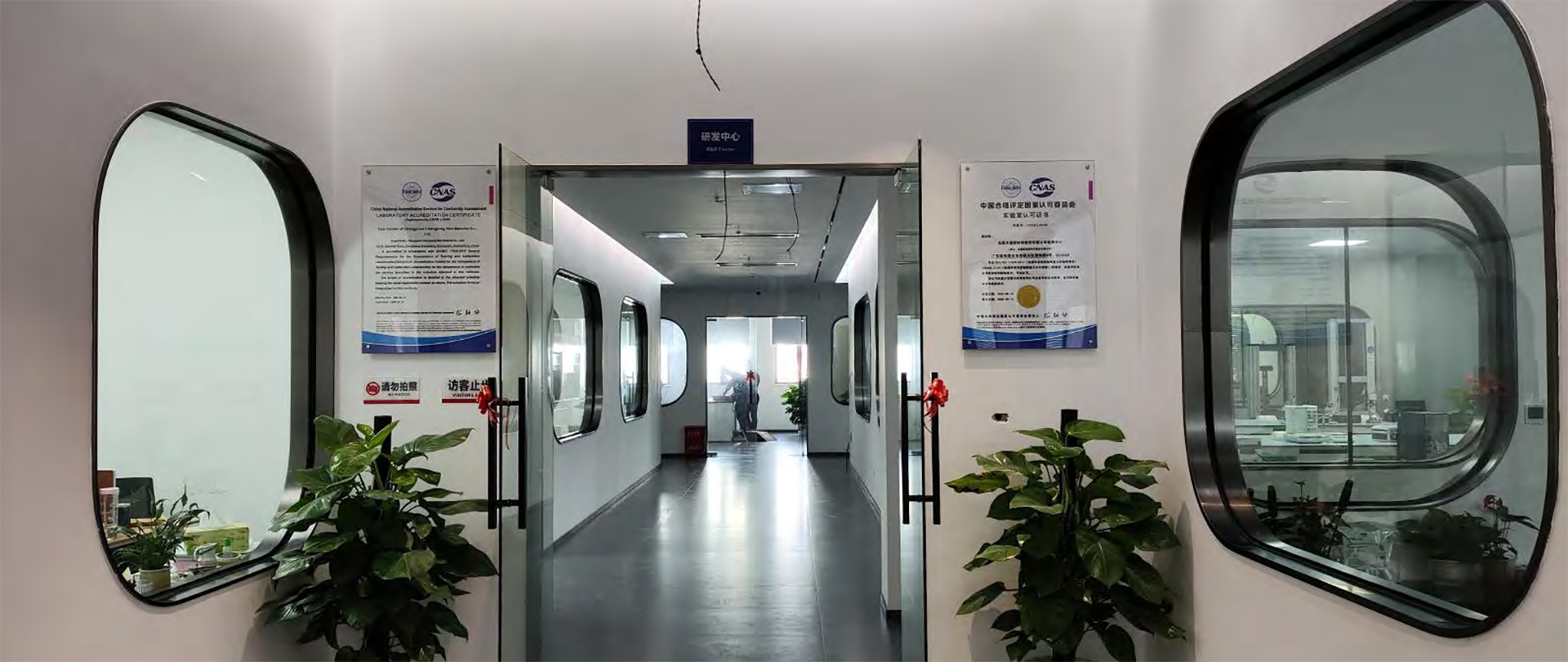
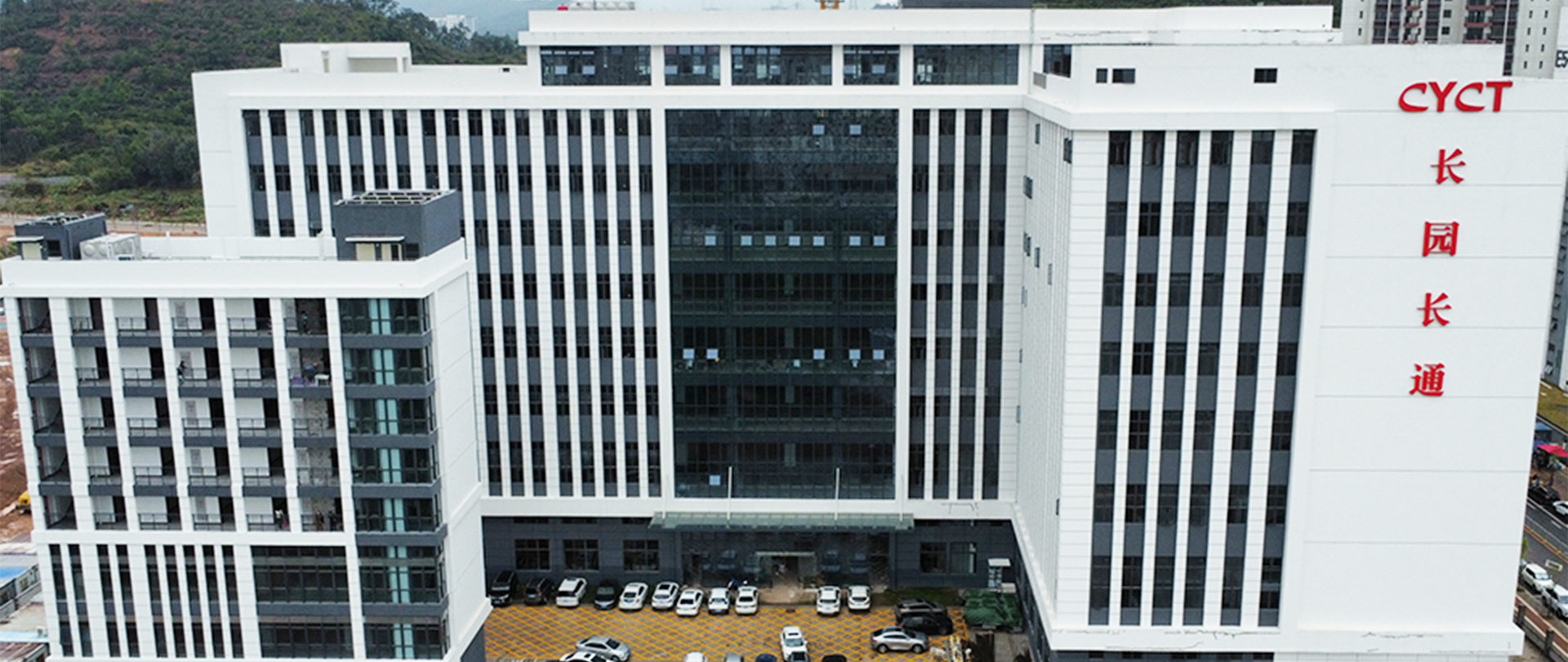
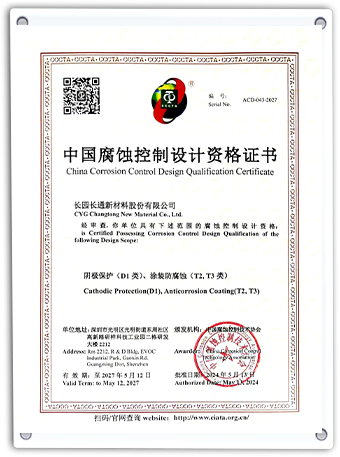
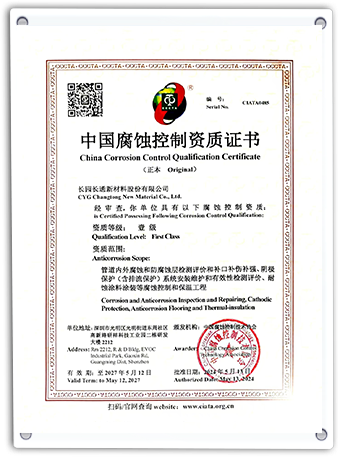
CYCT is a Council Member of the Chinese Society for Corrosion and Protection (CSCP), holds Qualification Certificates in Corrosion Protection Construction and Pipeline Detection, and is a corporate member of the China Association of Petroleum Engineering Construction (CAPEC). Our products are certified by major international third-party bodies and adhere to the strict guidelines of global corrosion control organizations like AMPP.
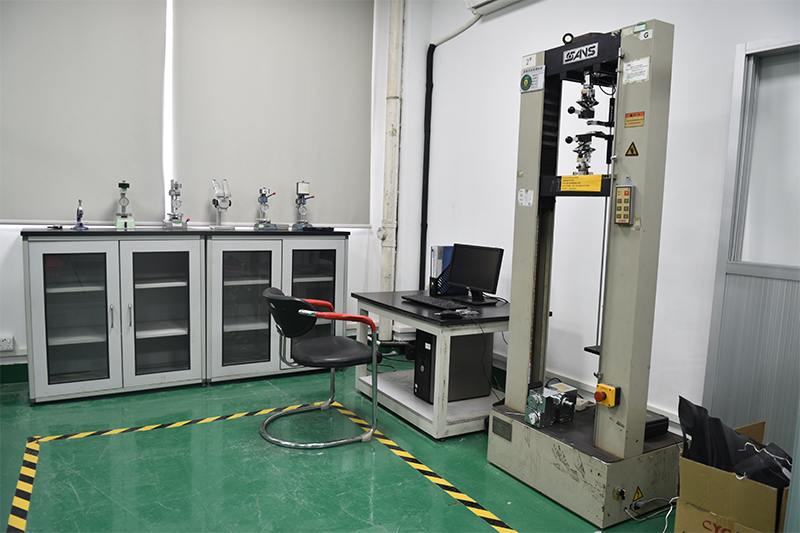
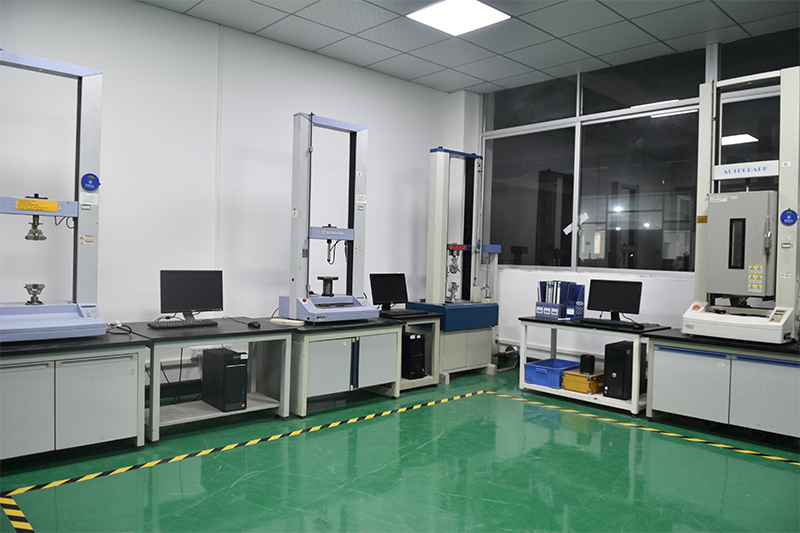
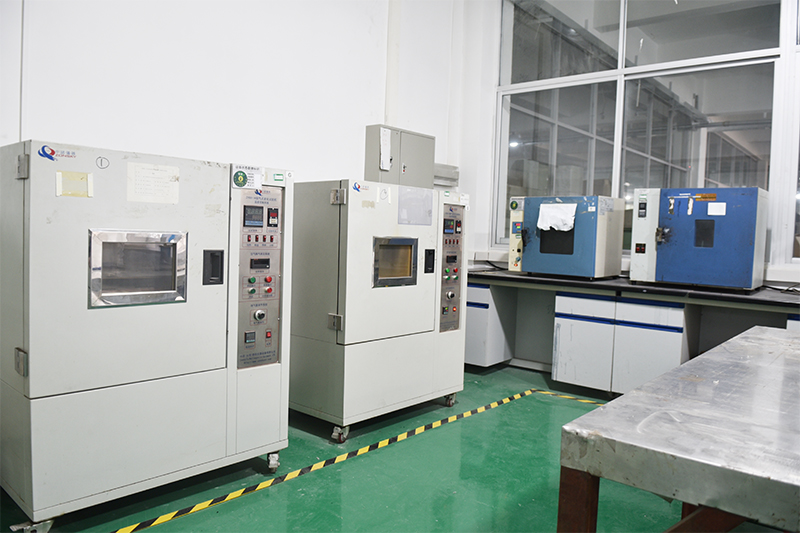
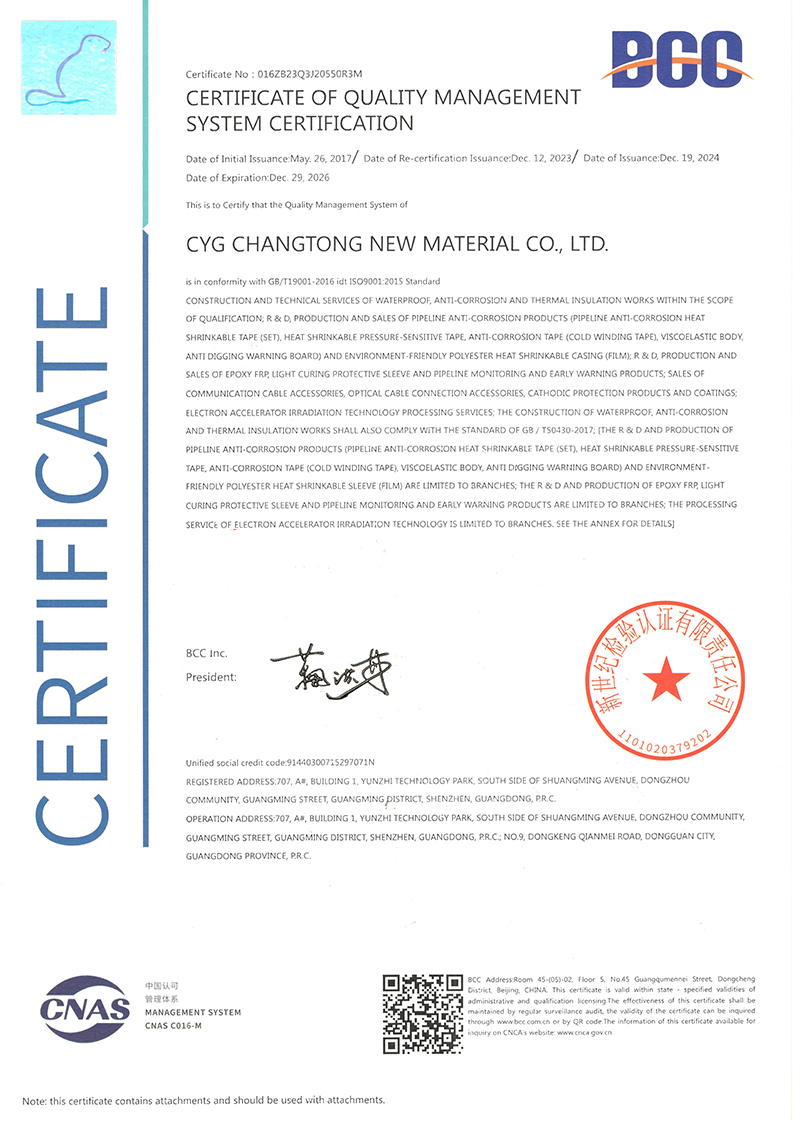
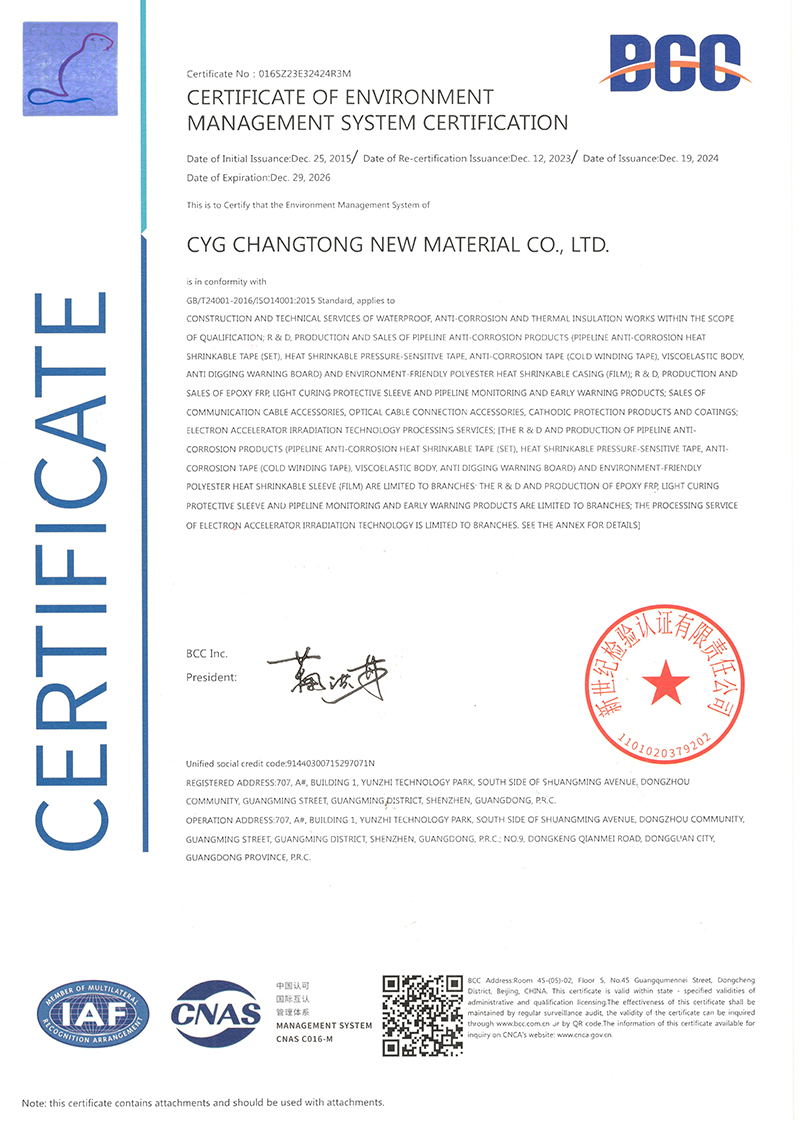
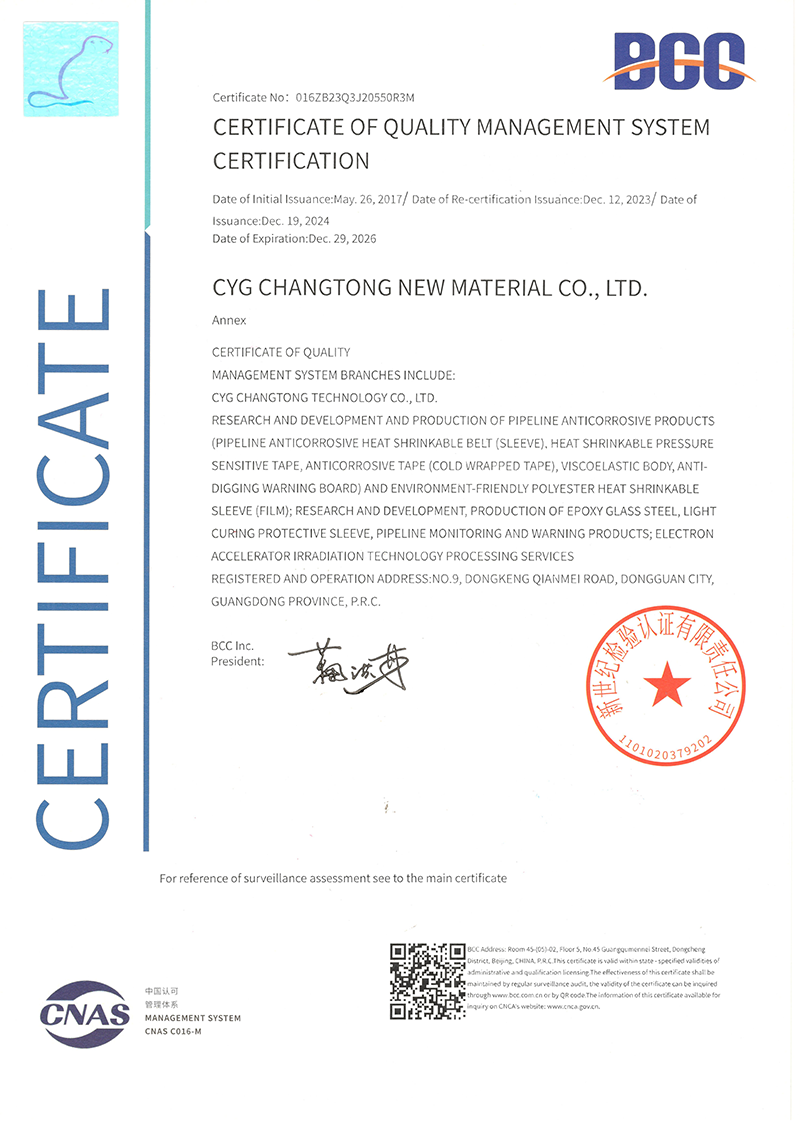
Our commitment to quality, tested and approved by global verification associations.
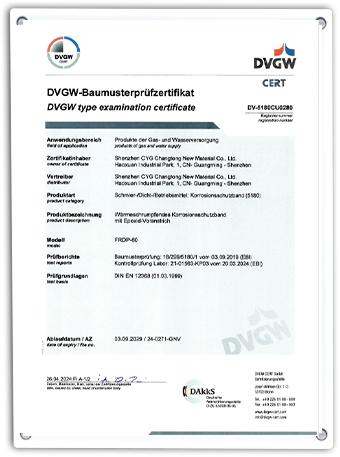
CYCT operates under strict adherence to international quality protocols. Our production lines are ISO 9001, ISO 14001, and ISO 45001 certified. Our materials are thoroughly evaluated and approved for major industrial infrastructure projects globally.
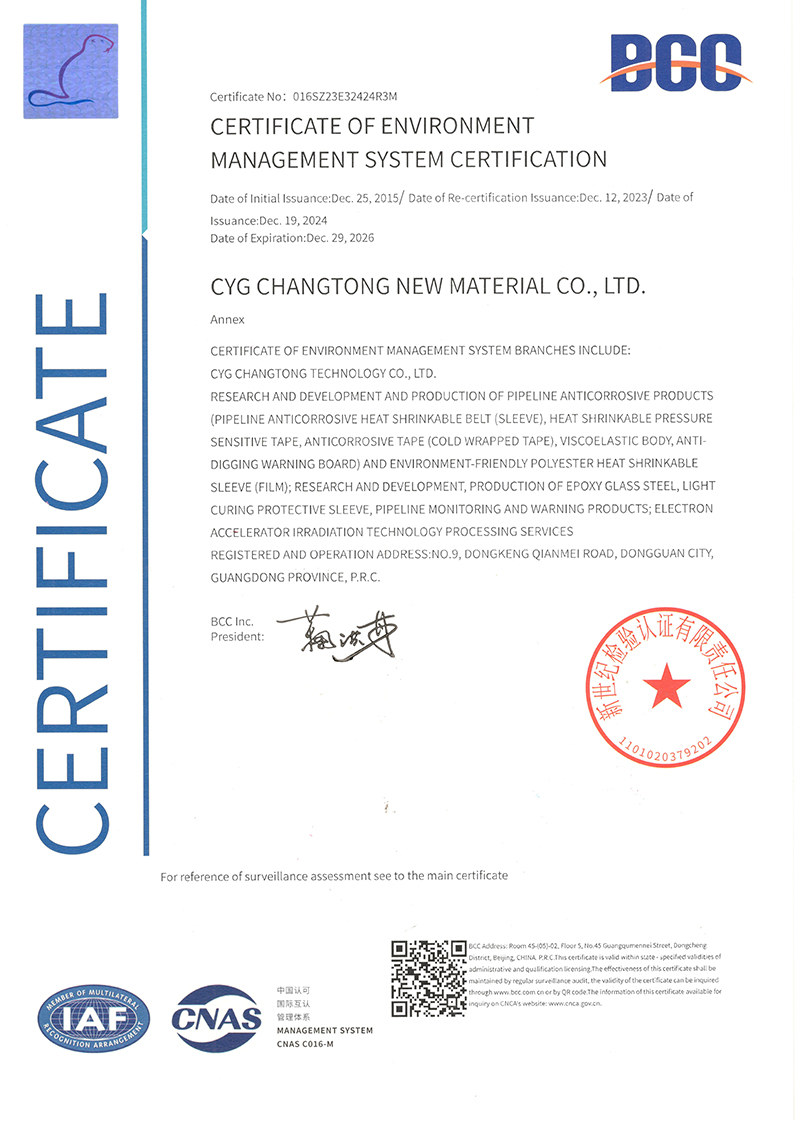
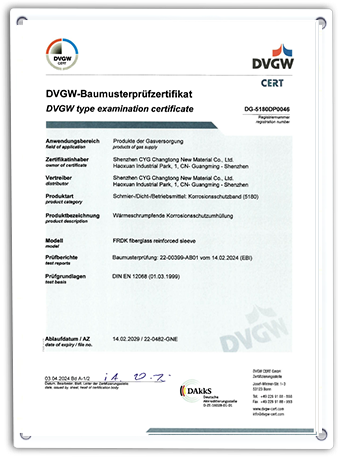
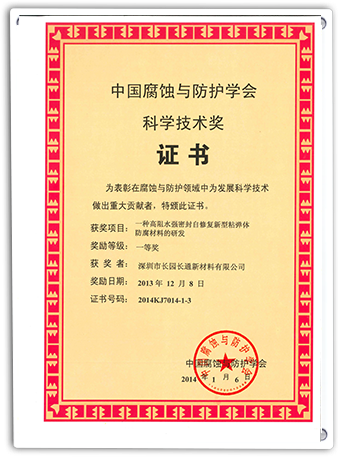
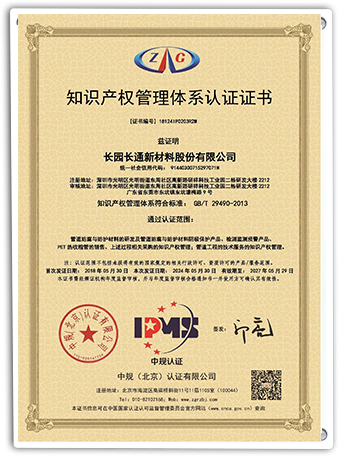
Addressing key technical and procurement concerns from asset owners and engineering managers.
High-integrity repair systems, cold applied tapes, and moisture-curing barriers for specialized pipeline operations.
 CYCT
CYCT