Leading high-integrity anti-corrosive pipeline materials engineered for long-term structural reliability under heavy soil stress and varying thermal levels.
State-Level High-Tech Enterprise integrating R&D, advanced material synthesis, and field-proven pipeline anti-corrosion services.
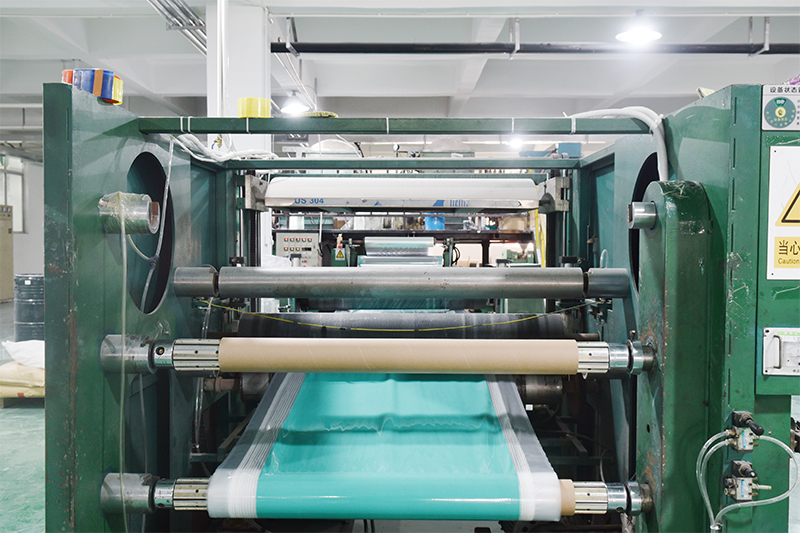
CYCT devotes itself to the comprehensive R&D, chemical production, and worldwide sales of advanced pipeline corrosion protection materials. Over 24 years of manufacturing resilience ensures state-of-the-art formulations suitable for extreme soil dynamics and high thermal parameters.
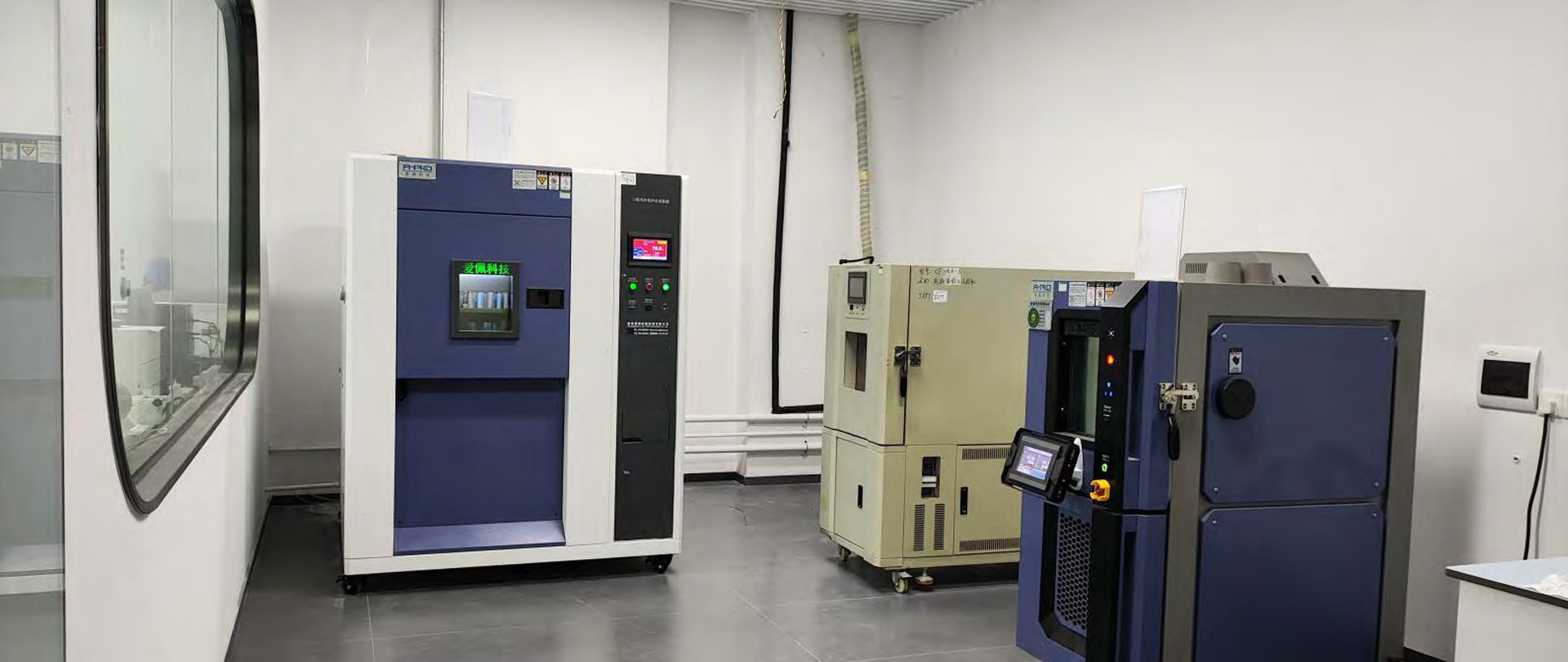
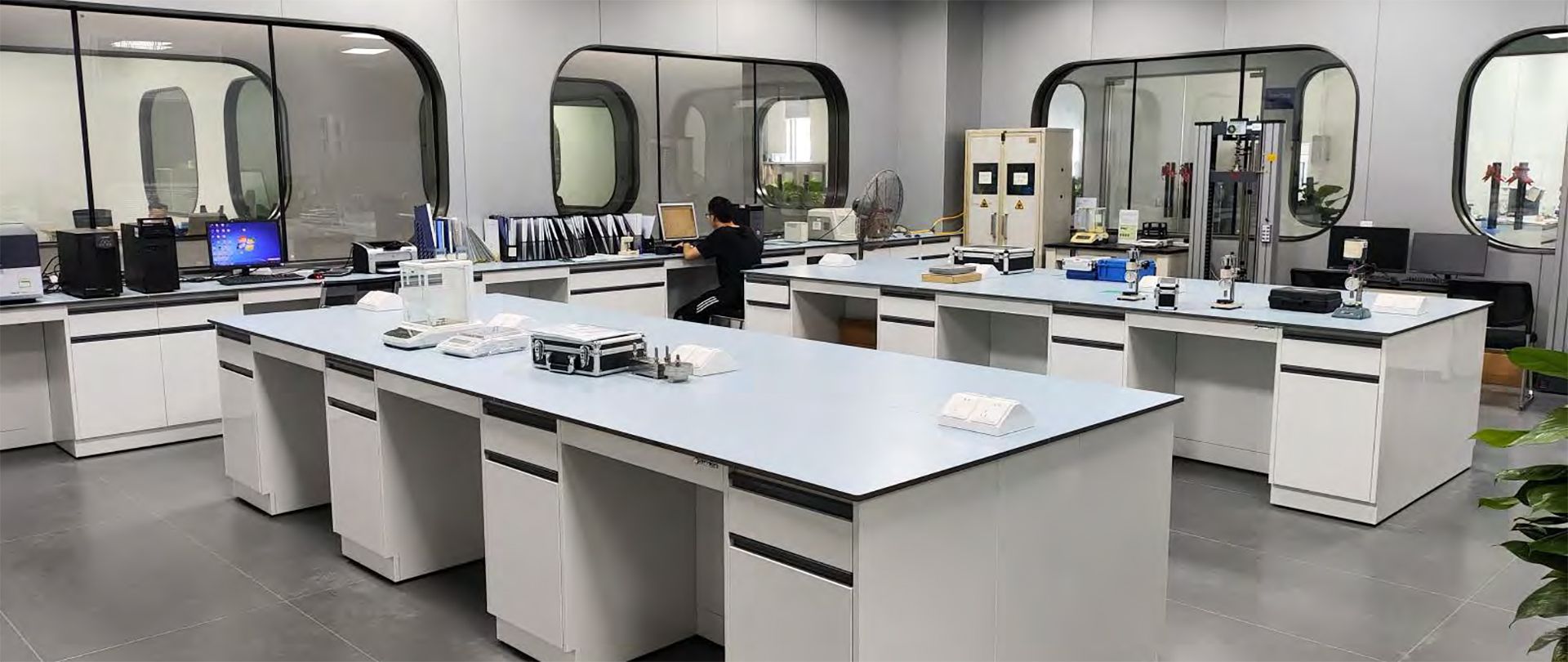
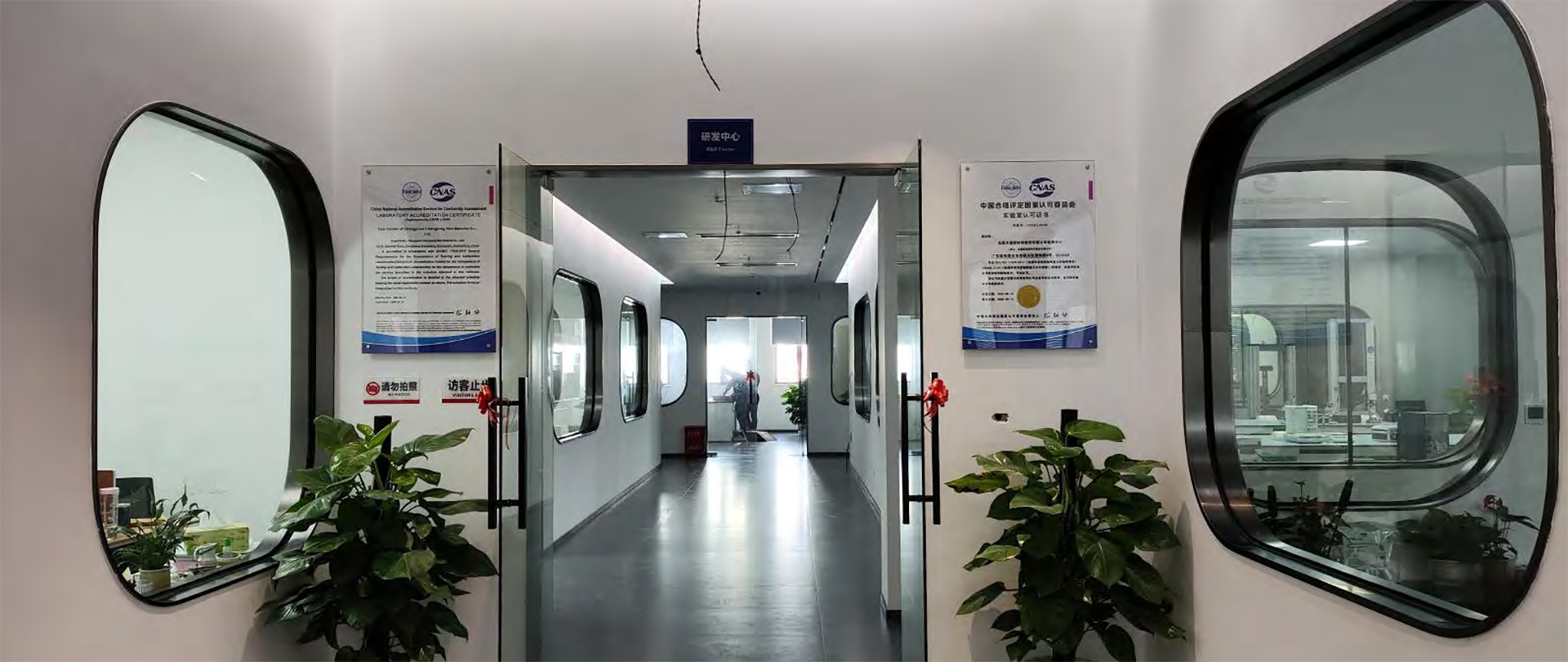
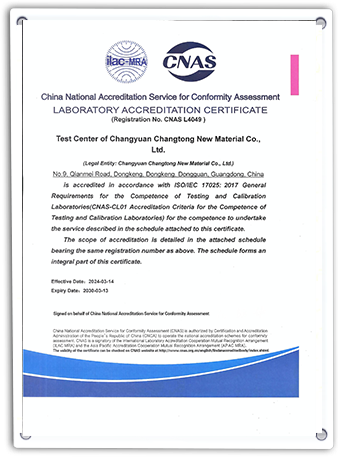
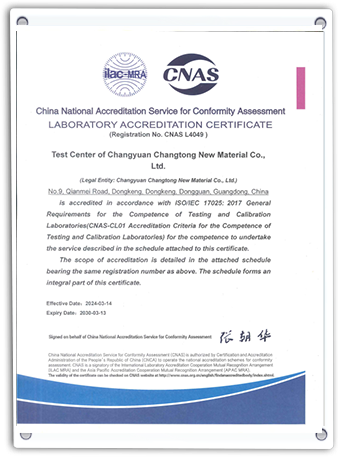
Operating a national-level CNAS-accredited laboratory, CYCT hosts pioneering material fatigue testing, shear strength assessments, and differential scanning calorimetry (DSC) analysis. This enables us to formulate and test custom solutions meeting stringent international specifications.
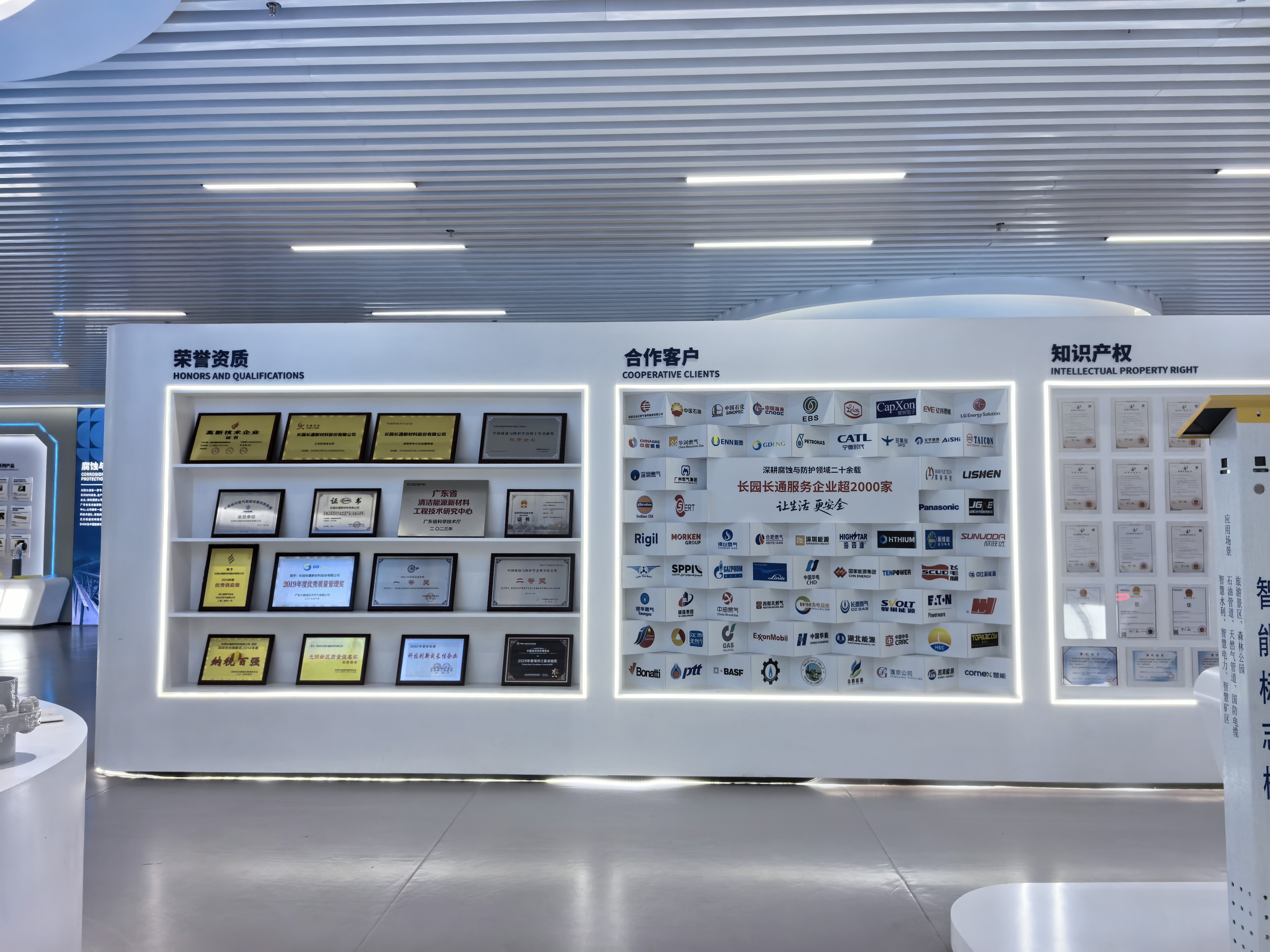
As a long-term field joint coating partner for PetroChina, Sinopec, PipeChina, Indian Oil, and local state pipelines, CYCT maintains high market shares in major trans-continental energy pipeline projects, demonstrating extreme performance reliability under harsh site environments.

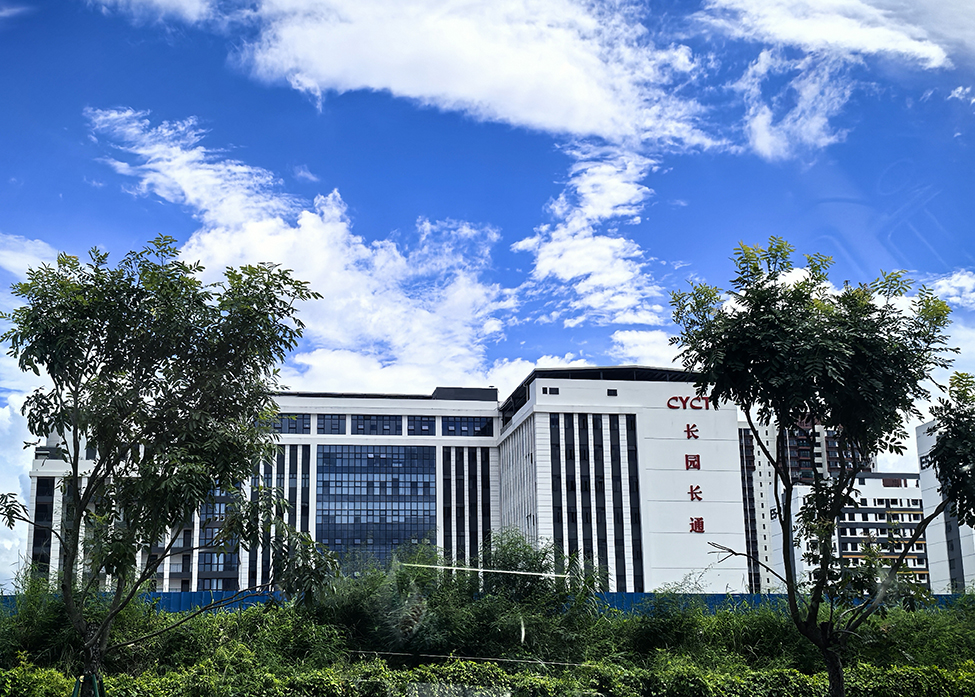
How we optimize material composition and performance properties across critical infrastructure projects.
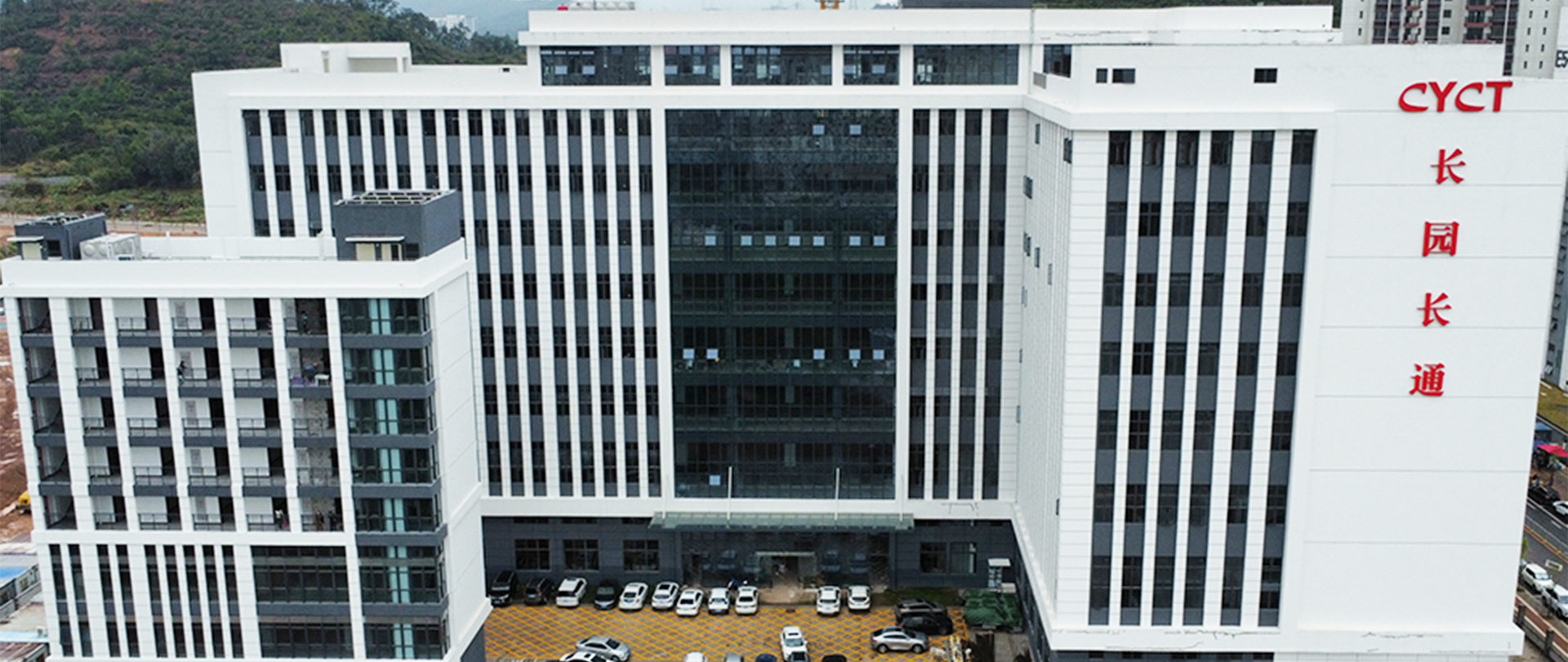
The modern oil, gas, and petrochemical distribution network demands pipeline systems with operational lifetimes exceeding 30 to 50 years. Field joints—the weld zones connecting sections of steel line pipe—represent the areas most vulnerable to localized galvanic corrosion, microbial-induced degradation, and cathodic disbondment. Over the last two decades, field joint protection has evolved from simple asphalt-based wraps to highly engineered polymer systems.
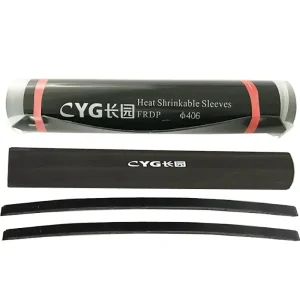
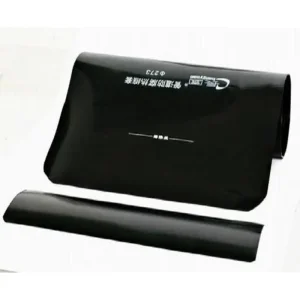
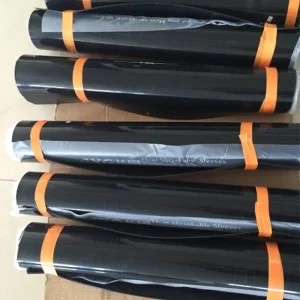
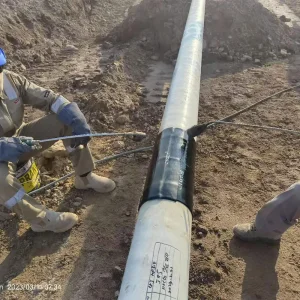
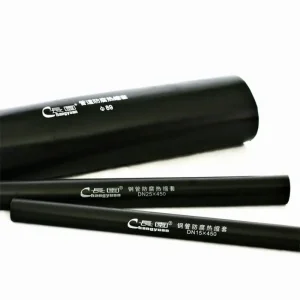
Radiation Cross-linked Backings: Modern heat shrinkable cuffs utilize heavy-duty, radiation cross-linked high-density polyethylene (HDPE) or modified polypropylene (PP) backings. The cross-linking process changes the linear chain structure of the polymer into a three-dimensional network. This gives the material a "memory effect," causing it to shrink securely around the pipeline joint when heat is applied.
High-Shear Smart Adhesives: Modern systems feature hybrid hot-melt adhesive backings designed to maintain strong adhesion even under high operating temperatures (up to 80°C and 110°C). These adhesives flow under heat to fill the profile of the weld bead and adjacent factory-applied 3LPE/3LPP coatings, providing a solid barrier against water ingress.
International project operators, engineering contractors, and procurement departments (EPCs) operate under tight timelines and strict compliance rules. Procuring anti-corrosion cuffs from Chinese factories requires balancing price efficiency with rigorous quality control.
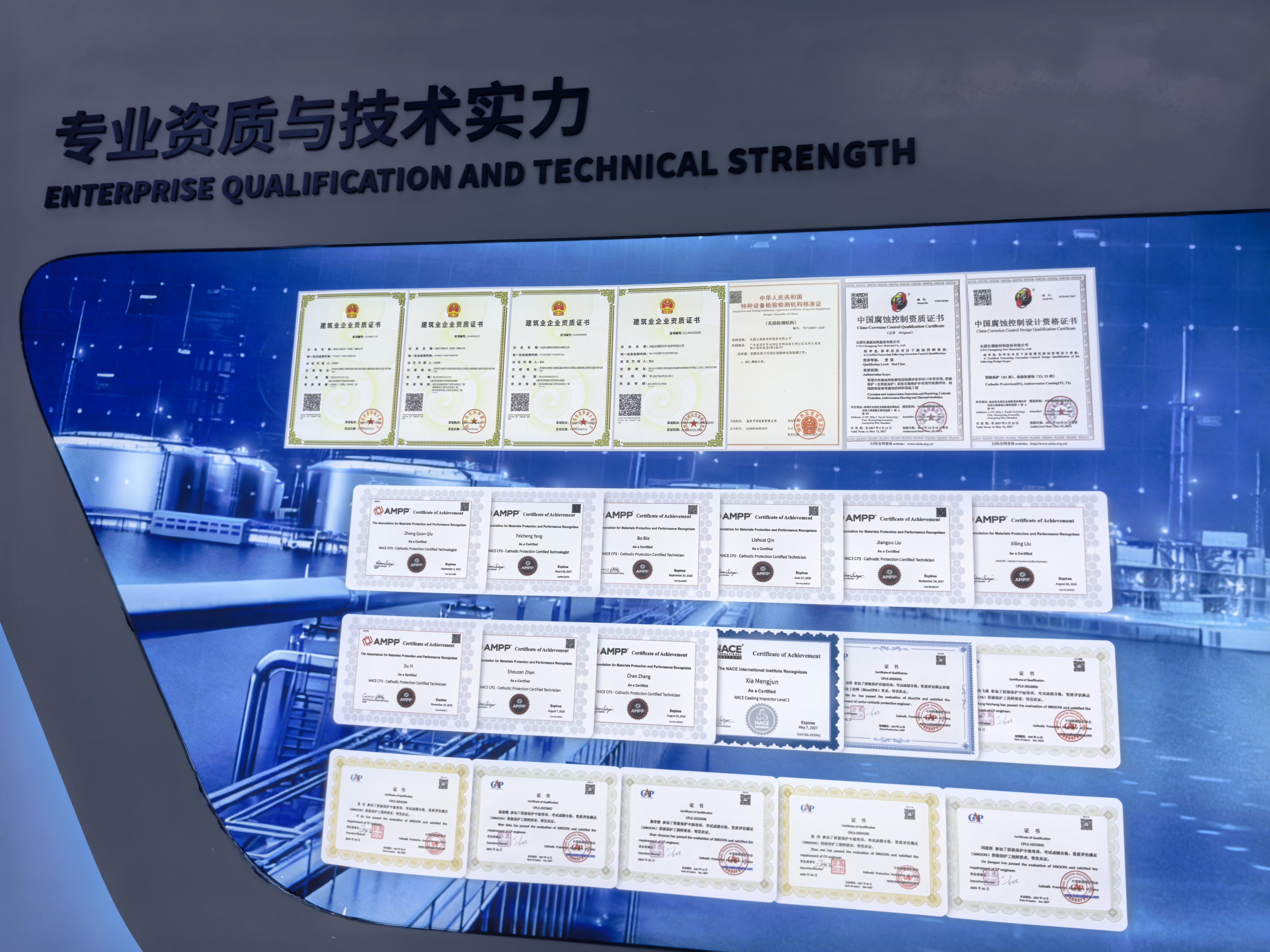
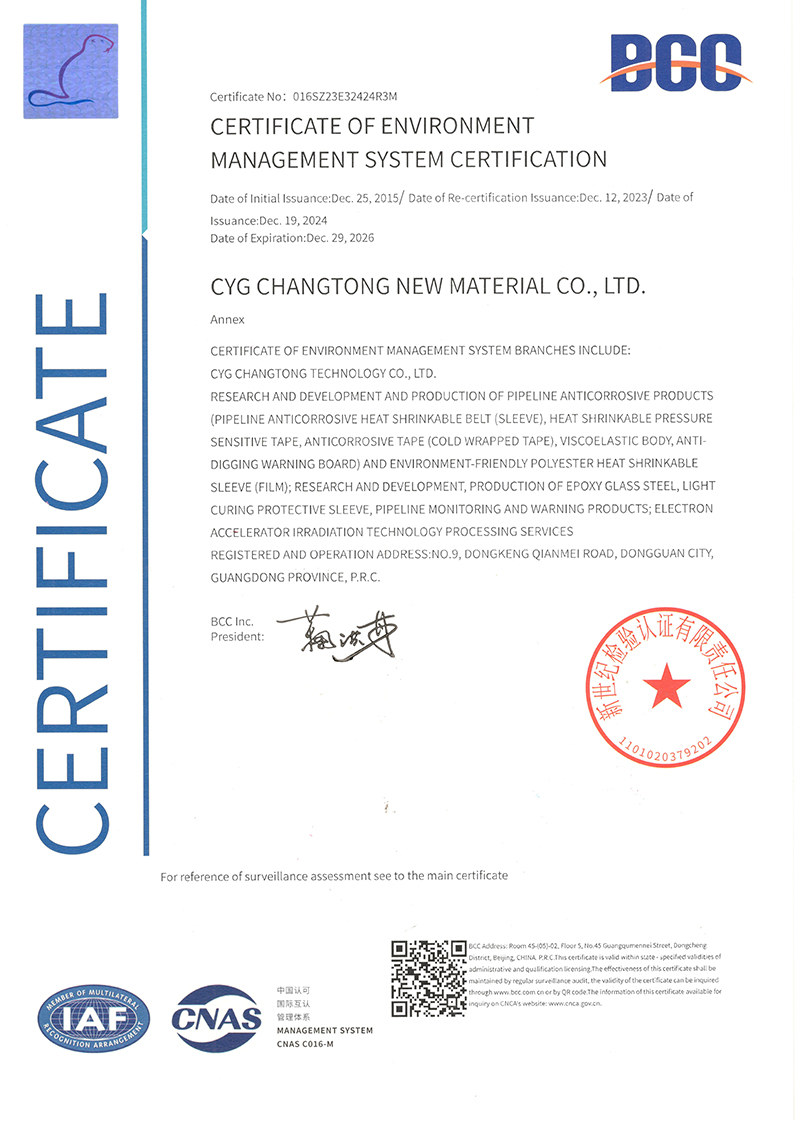
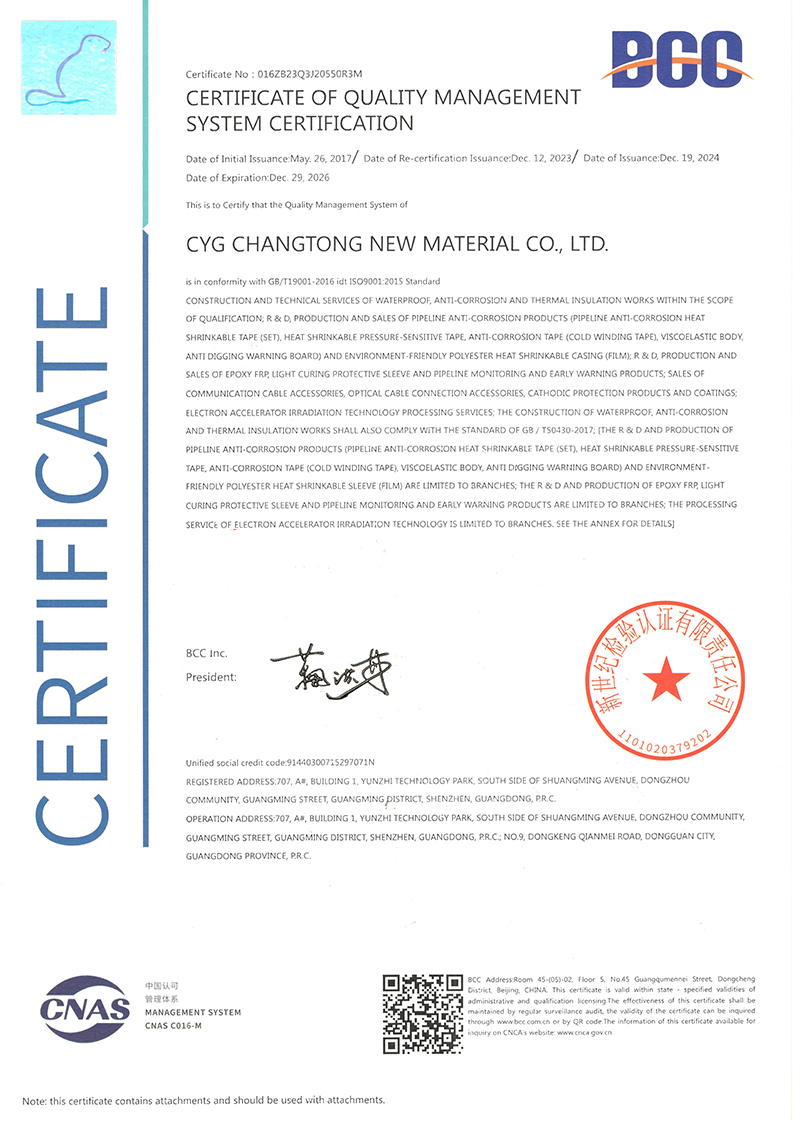
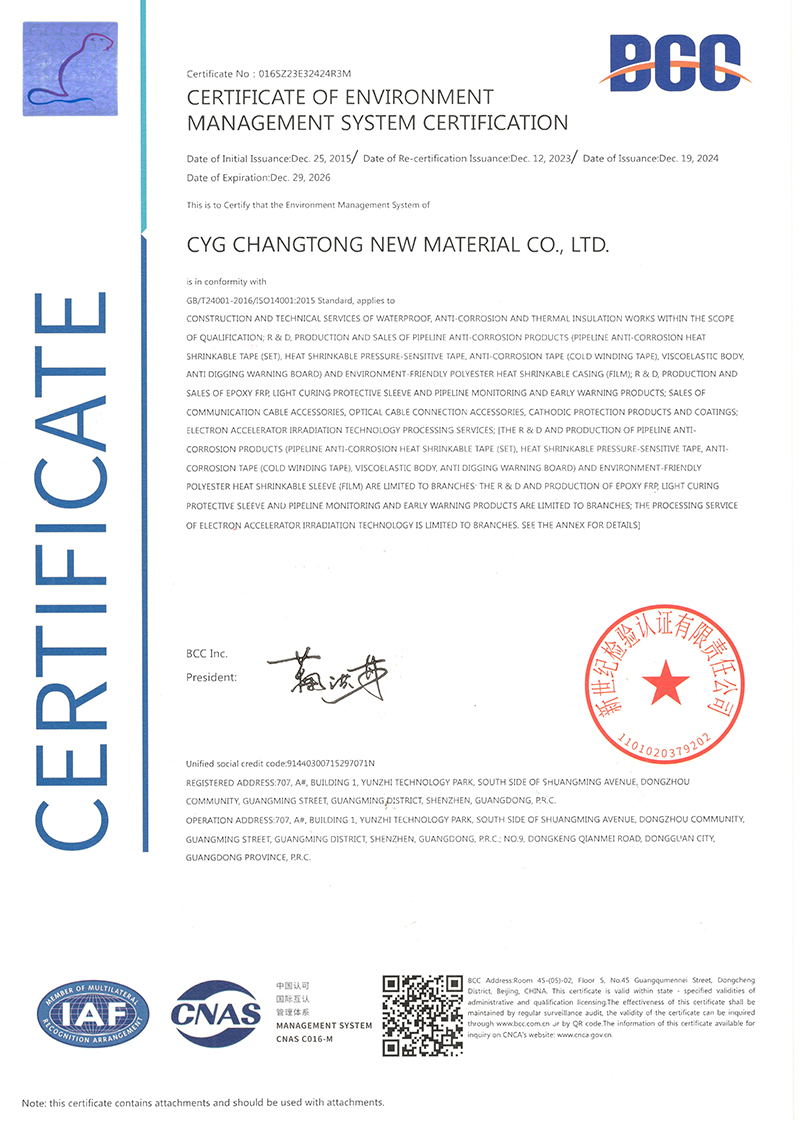
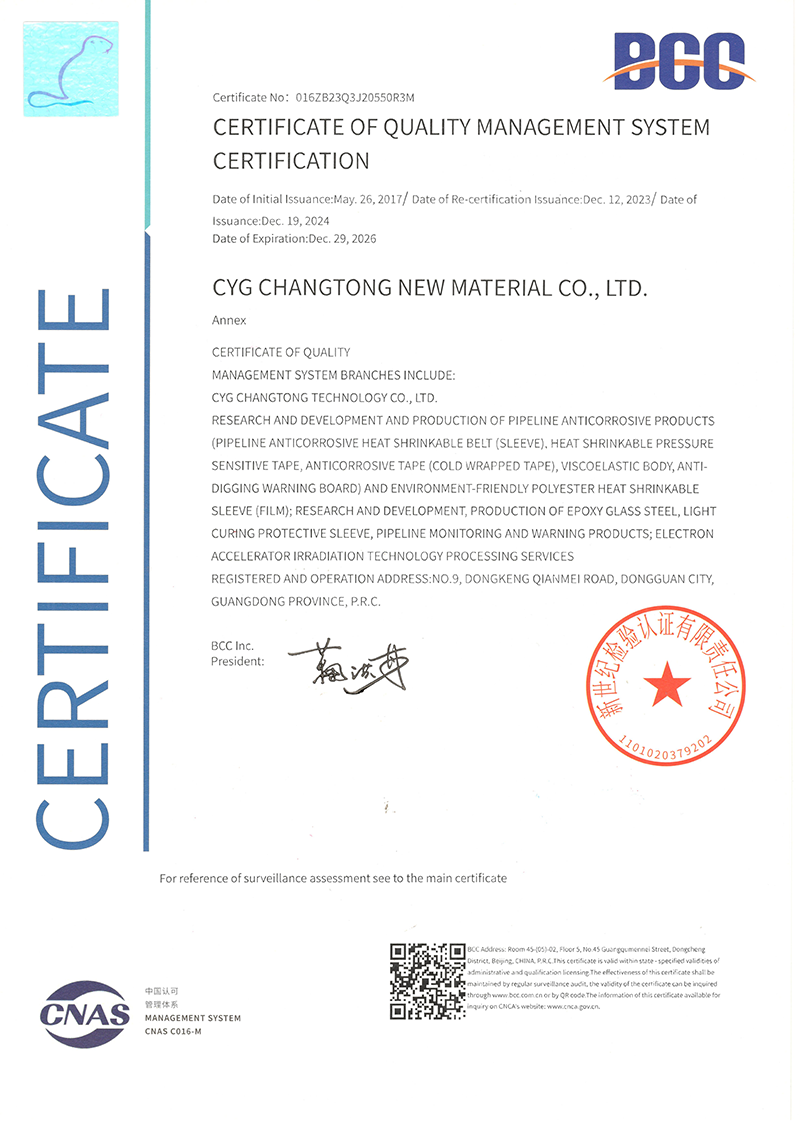
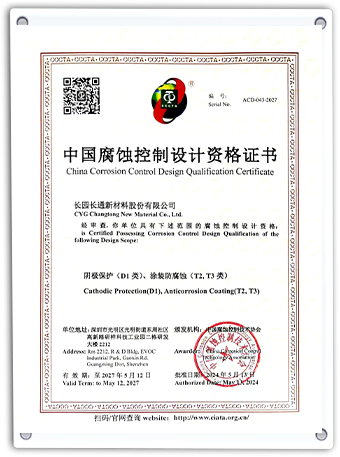
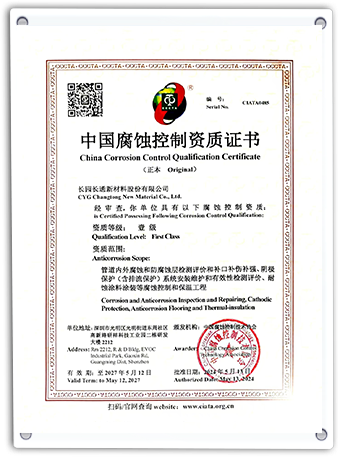
Compliance & Qualification Architecture: Global procurement managers require supplier verification through international quality systems. CYCT holds key memberships, including council membership in the Chinese Society for Corrosion and Protection (CSCP), and qualifications from the China Association of Petroleum Engineering Construction (CAPEC). These credentials align with ISO 21809-3 and AMPP (Association for Materials Protection and Performance) standards, ensuring reliable product performance.
Minimizing Total Cost of Ownership (TCO): By offering direct factory shipments, custom sizing, and pre-attached closure patches, CYCT helps reduce field installation times. Lowering labor costs and reducing pipeline downtime are key factors in selecting field joint coating systems.
When pipelines cross rivers, highways, or urban obstacles using Horizontal Directional Drilling (HDD), the field joint coating faces severe mechanical stresses. Standard heat-shrink sleeves can peel or tear during the pull-back process when scraping against rock and hard soils.
Specifically engineered to protect primary joint coatings during HDD installations. A high-strength fiberglass outer wrap is applied over the primary heat-shrink sleeve to shield it from heavy friction and impact.
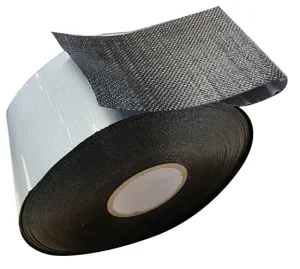
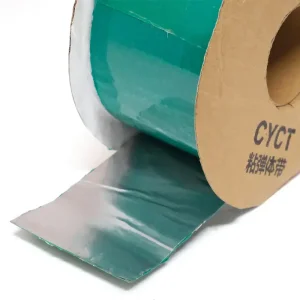
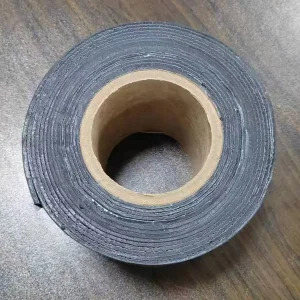
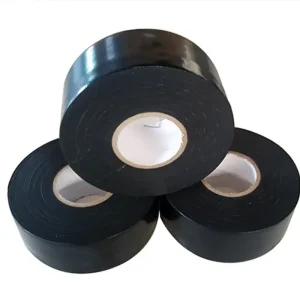
Designed with cold-flow properties, these tapes automatically self-heal and conform to irregular shapes. They provide long-term corrosion protection for fittings, tees, and complex pipeline valves.
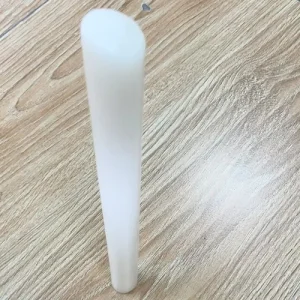
Ideal for repairing minor damages to factory-applied parent coatings. These PP/PE melt sticks and patch sheets bond to the pipe coating, restoring the integrity of the barrier.
CYCT collaborates with research institutes like the CNPC Pipeline Science Research Institute to continuously develop new coating materials. Our focus is on improving temperature tolerances, easing field application, and lowering the environmental impact of pipeline coatings.
We are developing coatings with thermochromic pigments that change color to show when the proper heat has been applied during installation. This helps operators ensure uniform adhesion and avoid cold spots.
We are researching solvent-free, zero-VOC hot melt adhesives that emit fewer fumes during field installation. This aligns with modern sustainability and workplace safety standards.
Our pipeline coatings are designed to work seamlessly with Cathodic Protection (CP) currents, preventing cathodic disbondment and protecting the steel substrate in the event of minor physical damage.
By working with leading research institutes like the CNPC Pipeline Science Research Institute, CYCT provides technical services for in-service pipelines. These include buried pipeline inspection, design schemes, cathodic protection engineering, pipeline rehabilitation, and integrated pipeline safety solutions.
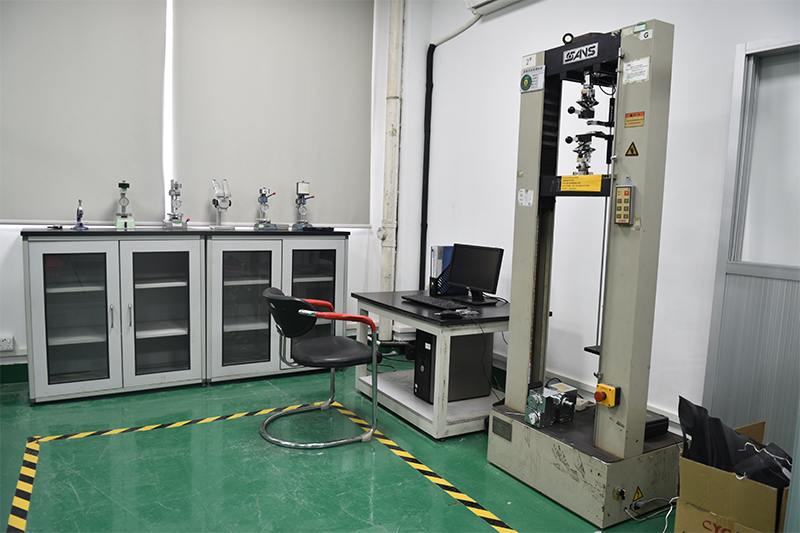
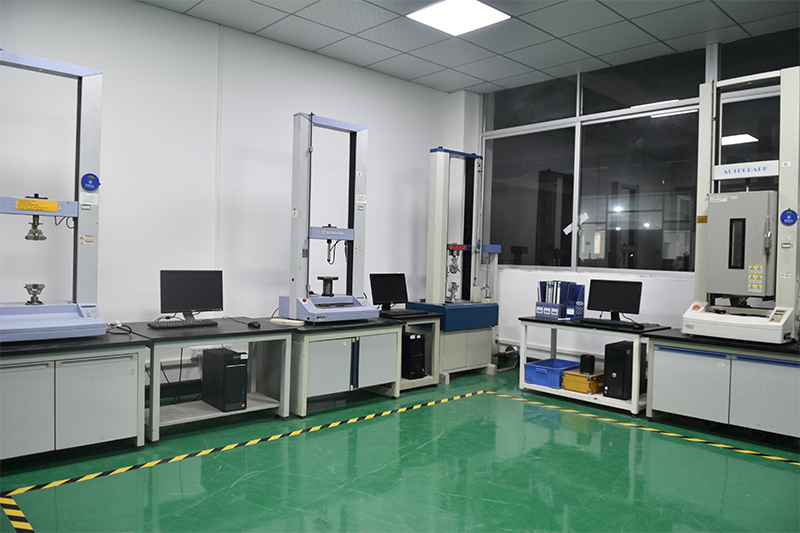
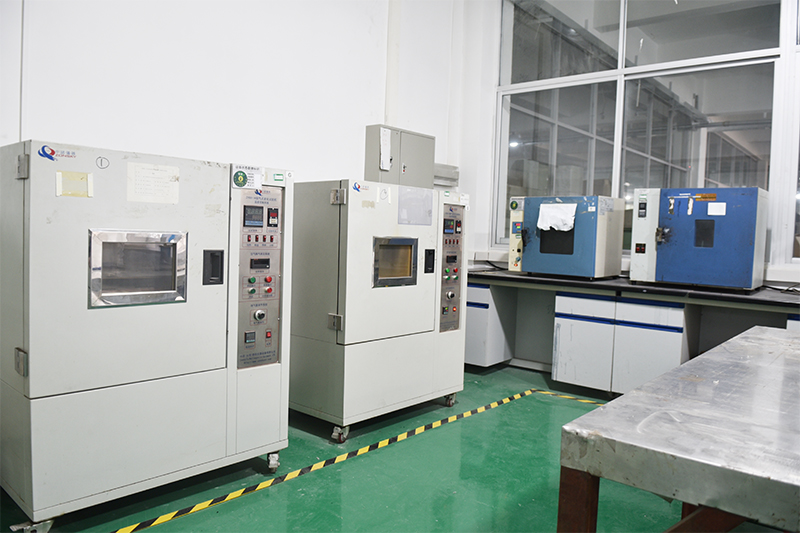
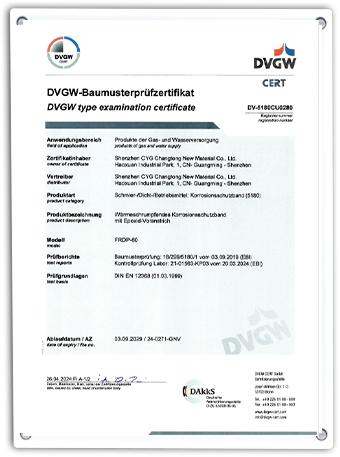
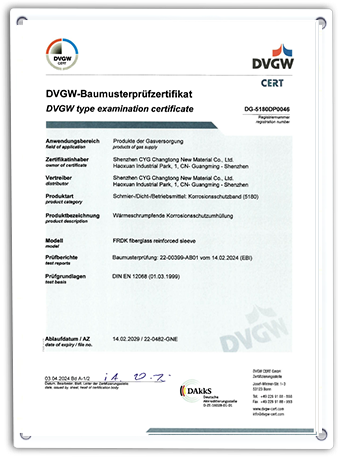
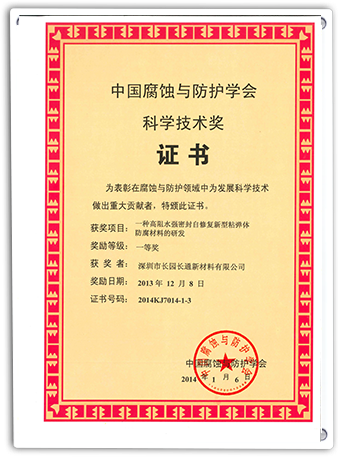
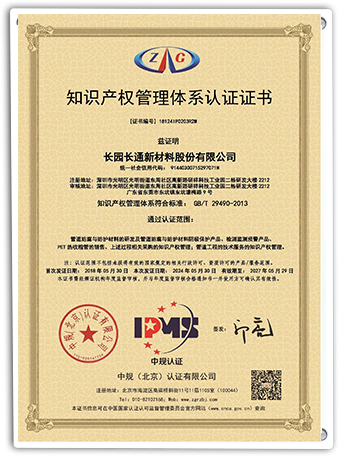
Member of Council in Chinese Society for Corrosion and Protection (CSCP) | Qualification Certificate of Corrosion Protection Construction | Qualification Certificate of Pipeline Detection | Well-known Brand of Pipeline Corrosion Protection in China | Corporate Member of China Association of Petroleum Engineering Construction (CAPEC) | State-Level High-Tech Enterprise with more than ten proprietary intellectual property rights | Approved Supplier to PetroChina, Sinopec, China Gas Group, and Indian Oil.
Detailed technical answers to common engineering questions regarding the specification, testing, and application of heat shrinkable field joint coatings.
Heat shrinkable cuffs (wraparound sleeves) feature a radiation cross-linked polyethylene backing that provides high mechanical strength and active hoop stress when heated. Standard tapes rely only on mechanical tension during wrapping. The backing memory effect in heat-shrink cuffs ensures a tight, long-term fit that resists soil stress and shifting.
Selection depends on the pipeline's operational temperature. For standard applications, systems like the FRDP 60C (up to 60°C) are sufficient. For high-temperature transport lines (such as crude oil or deep geological pipelines), the FRDP 80°C system or specialized Polypropylene (PP) outer tapes are required to prevent adhesive shear failure.
Proper surface preparation is critical. First, clean the steel surface of oil, moisture, and debris. Then, sandblast the joint area to an Sa 2.5 finish (or clean it with power tools to a St 3 finish). Pre-heat the steel to the specified temperature before wrapping the cuff to ensure optimal adhesive flow.
Our CNAS laboratory tests every production batch for key mechanical and chemical properties. This includes peel strength testing on steel and PE backings, cathodic disbondment resistance at elevated temperatures, impact resistance, and DSC tests to verify polymer cross-linking density.
Yes, our products are engineered to overlap and bond with parent 3-layer polyethylene (3LPE) and 3-layer polypropylene (3LPP) coatings. Our hot-melt copolymer adhesives form a chemical bond with the factory-applied PE/PP, preventing water ingress along the edges.
Yes, but proper pre-heating of the steel pipe is required. Under cold conditions, use higher-capacity propane torches or induction heaters to pre-heat the pipe surface. This ensures the adhesive melts completely and cures properly without cooling down too quickly.
Explore our full line of repair patches, viscoelastic tapes, and mastic tapes designed to provide complete pipeline integrity.
 CYCT
CYCT