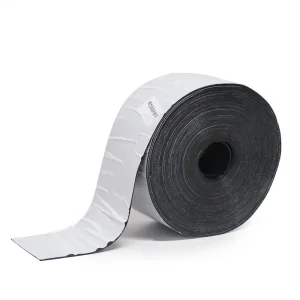
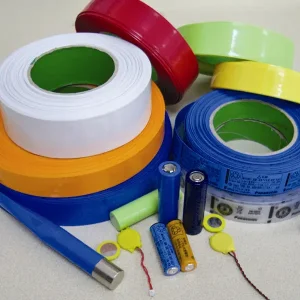
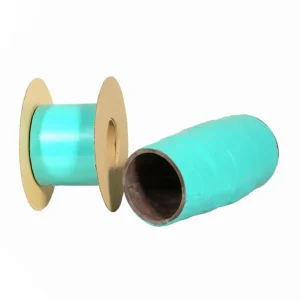
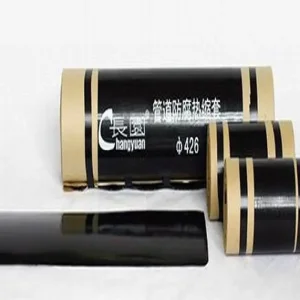
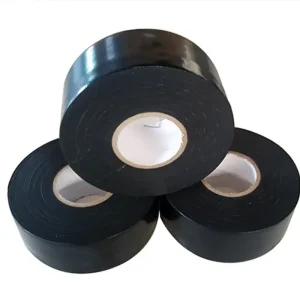
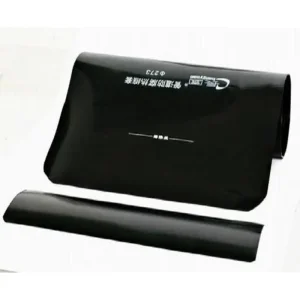
Modern infrastructure requires pipeline networks to withstand harsher conditions than ever before. From extreme temperature fluxes in high-temperature polypropylene (PP) fields to heavy soil stress in wet soils, corrosion protection is the primary safeguard of long-term operational integrity. As a premier China Heat Shrink Protective Sleeve Manufacturer & Factory, CYCT engineered solutions are designed to satisfy demanding requirements globally.
Traditional protective solutions often suffer from poor adhesion, low shear resistance, and structural degradation at elevated temperatures. Our research in radiation-crosslinked polyolefin backing layers combined with specialized mastic or hot-melt copolymer adhesives provides the answer to these failure mechanisms, ensuring structural stability under high mechanical strains.
At the center of heat shrinkable technology lies the irradiation cross-linking process. By exposing extruded high-density polyethylene (HDPE) formulations to high-energy electron beams, we transform the molecular structure from a linear chain to a three-dimensional network. This cross-linking grants the polyolefin its "elastic memory," enabling it to contract uniformly when heated while exhibiting robust mechanical properties.
Crucial to this performance is the selection of the adhesive layer. CYCT provides high-performance mastic adhesives for pipelines operating up to 60°C and specialized hot-melt copolymer adhesives designed for environments ranging up to 80°C (such as our FRDP series) and even higher. Our adhesives maintain high shear strengths and resist chemical degradation, ensuring reliable bonding to both the plant-applied factory coating (3LPE/3LPP) and bare steel joint areas.
Years of Engineering Expertise
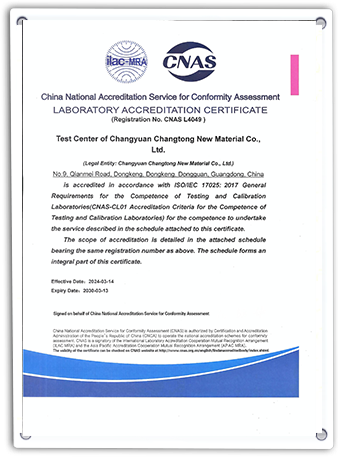
National Accredited Laboratory
Anticorrosion Protection Rating
Proprietary Patent Technologies
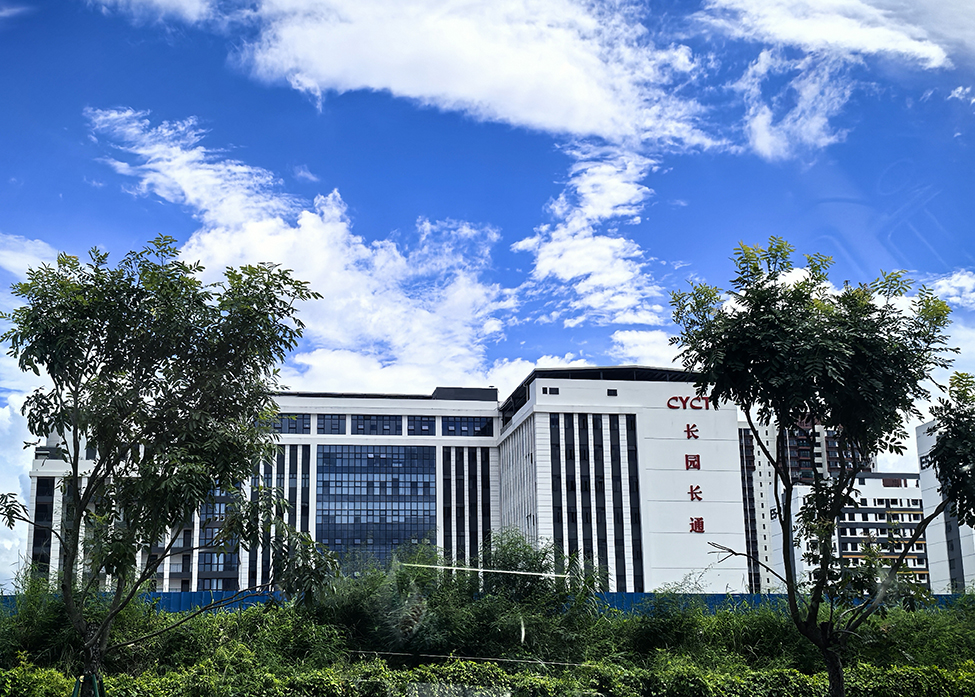
CYCT New Materials Company Limited (CYCT) is a state-level high-tech enterprise integrating R&D, production, and sales of pipeline corrosion protection materials, buried pipeline detection services, and pipeline coating field application services.
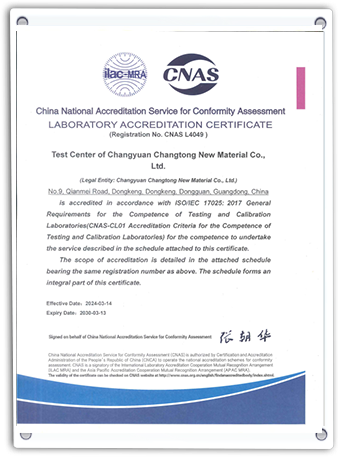
For decades, CYCT has committed to the innovation of pipeline safety materials. We serve as a trusted supplier of field joint coatings for leading energy groups, including PetroChina, Sinopec, PipeChina, China Gas Group, and Indian Oil. Our advanced testing and R&D capabilities are anchored by a professional R&D team and a national CNAS-accredited laboratory, ensuring every batch meets international quality expectations.
Through close collaboration with top research institutes like the CNPC Pipeline Science Research Institute, CYCT offers comprehensive engineering design, cathodic protection, rehabilitation services, and integrated solutions for pipeline networks worldwide.
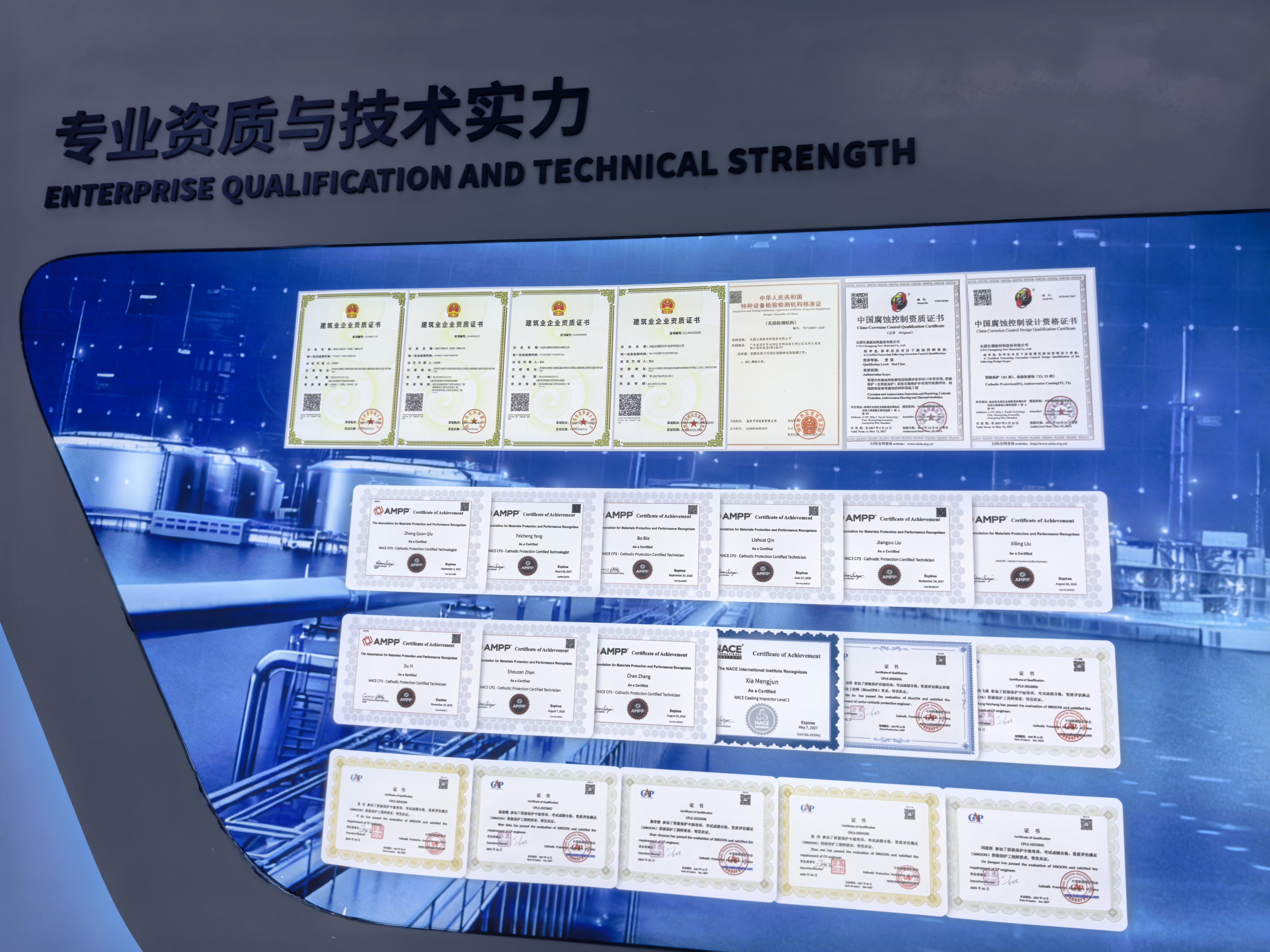
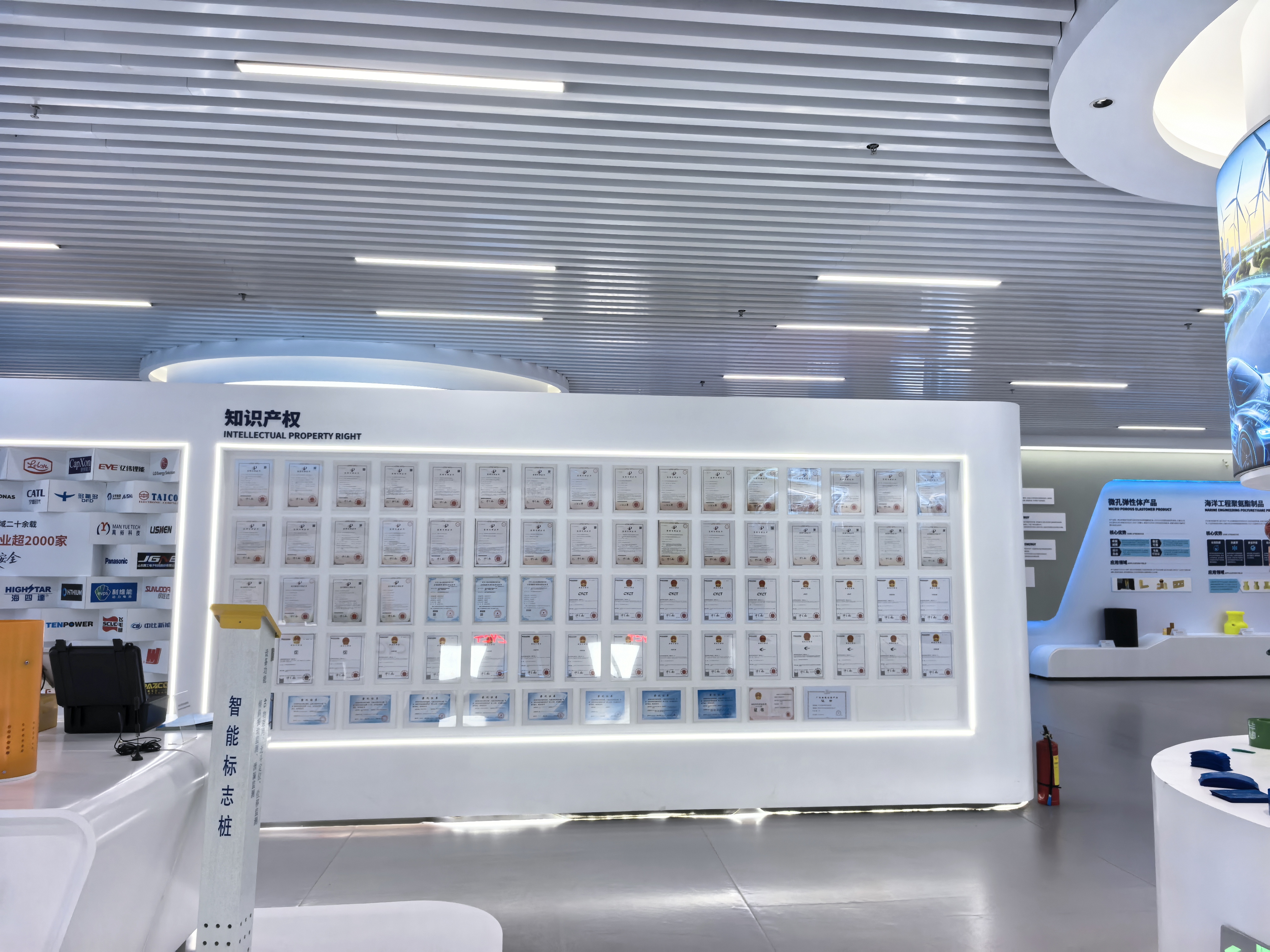
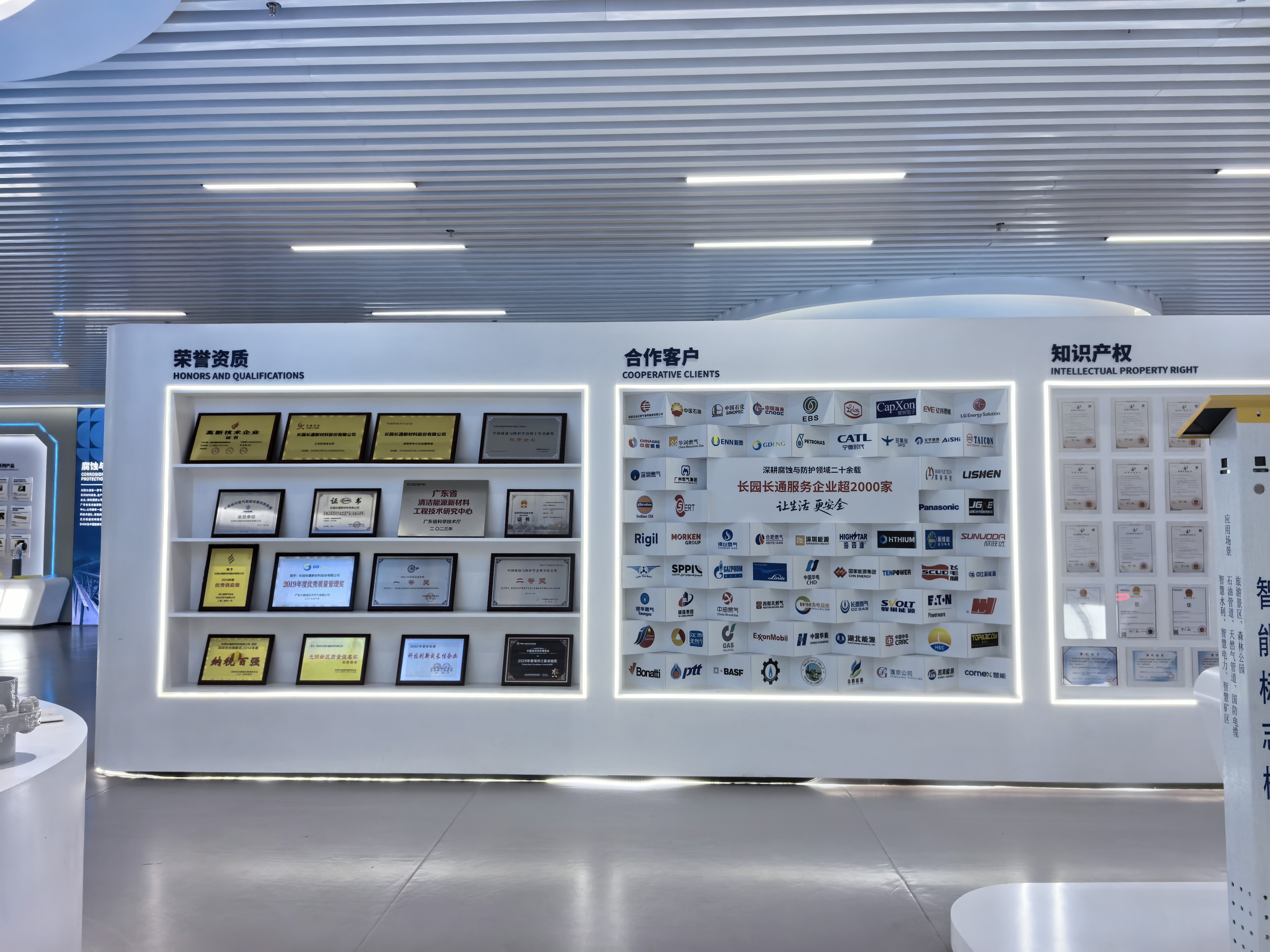
Our facility boasts cutting-edge testing lines and an array of diagnostic tools for assessing thermal expansion, tensile strength, peel resistance, and cathodic disbondment. This deep technological foundation supports our development of viscoelastic anticorrosion materials, special photo-curing sleeves for HDD protection, and spray-applied polyurea coatings.
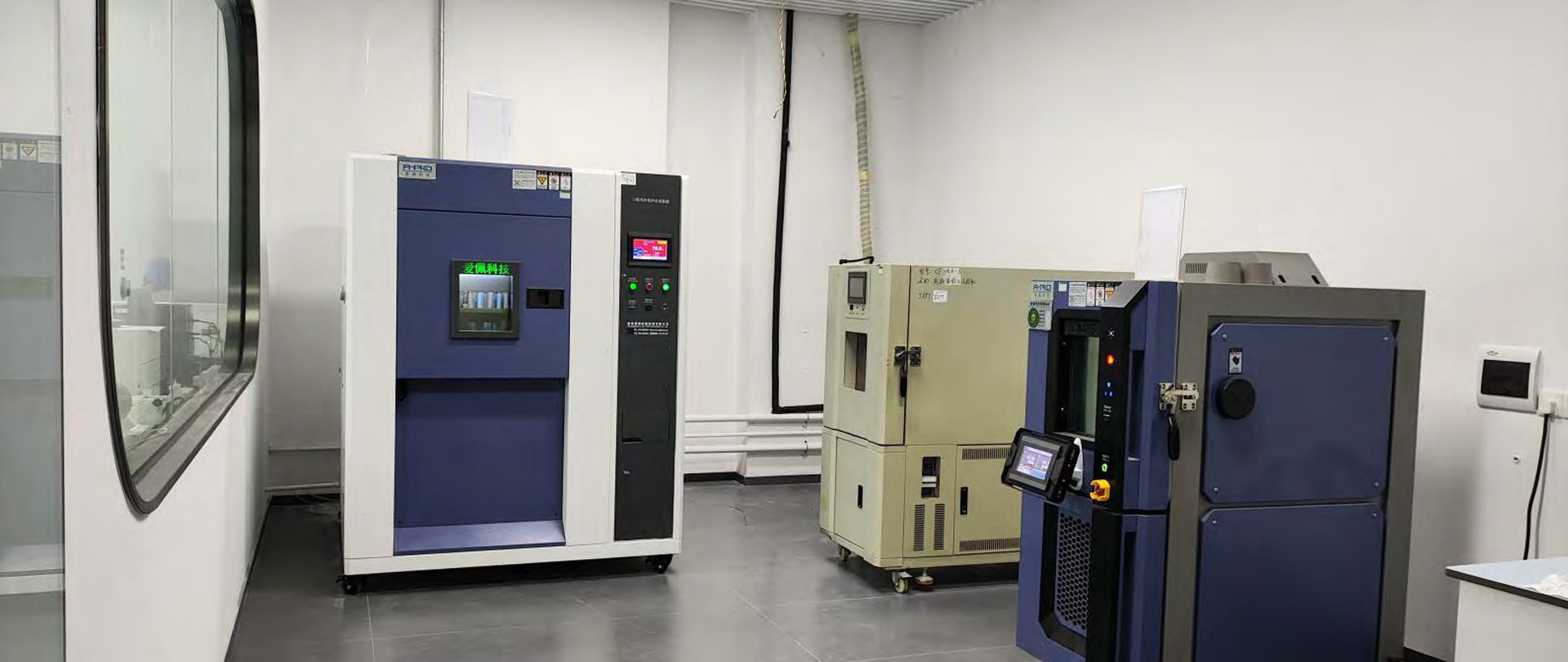
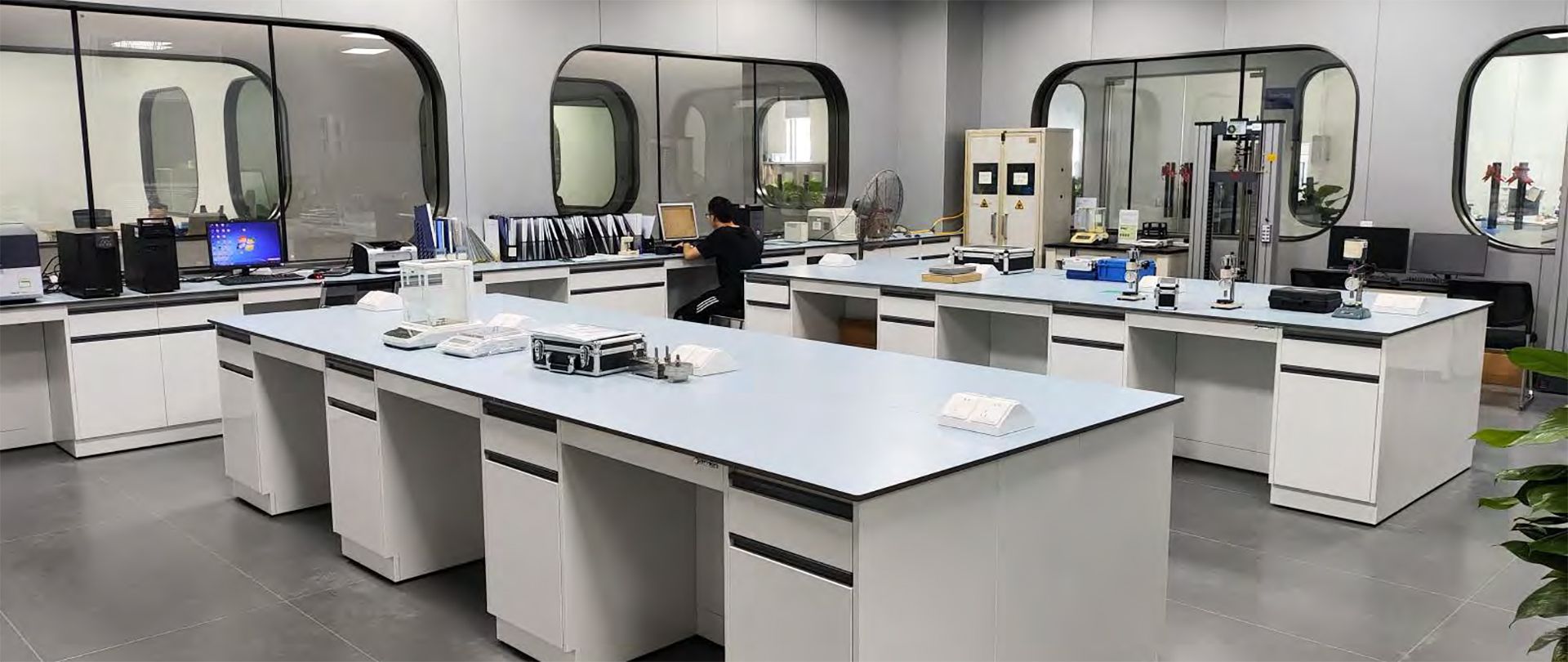
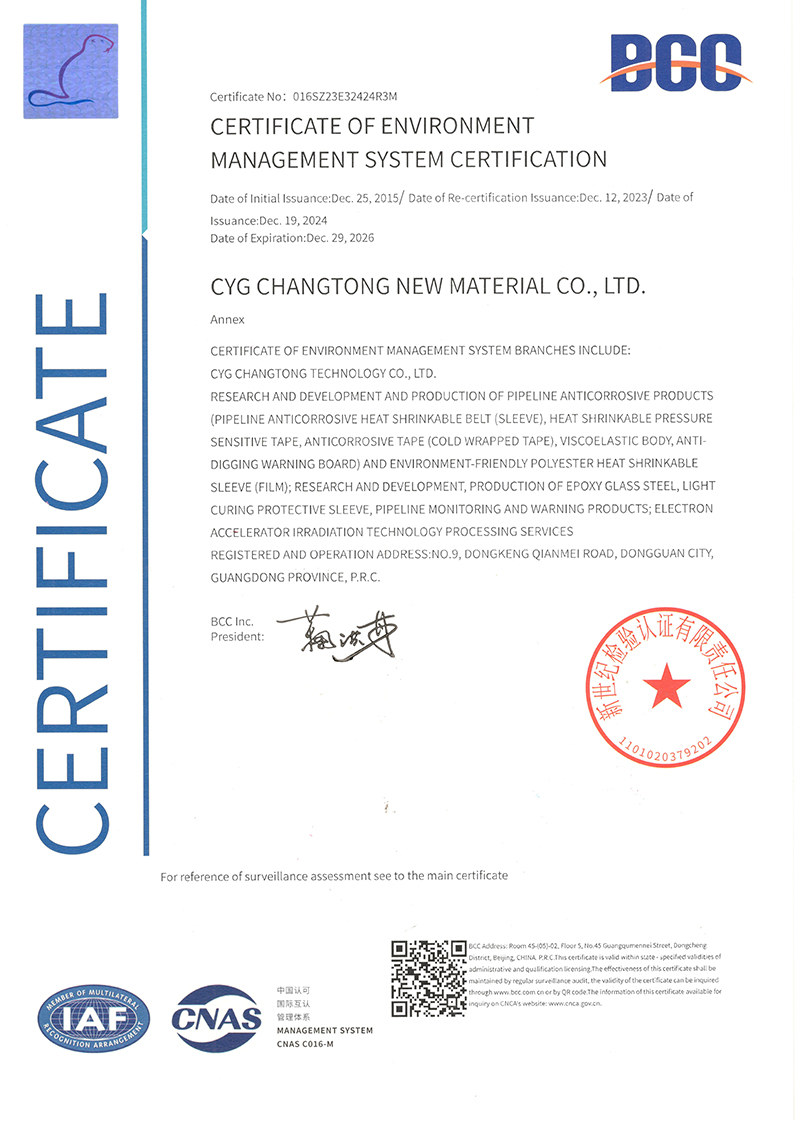
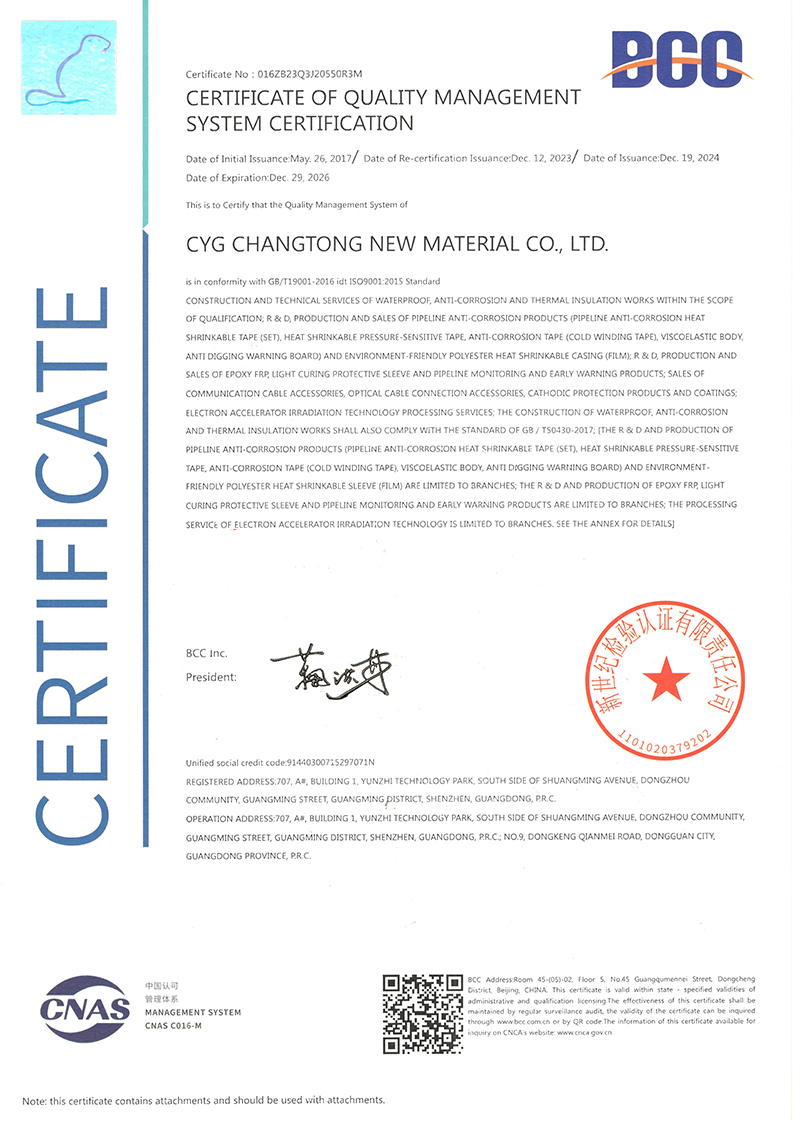
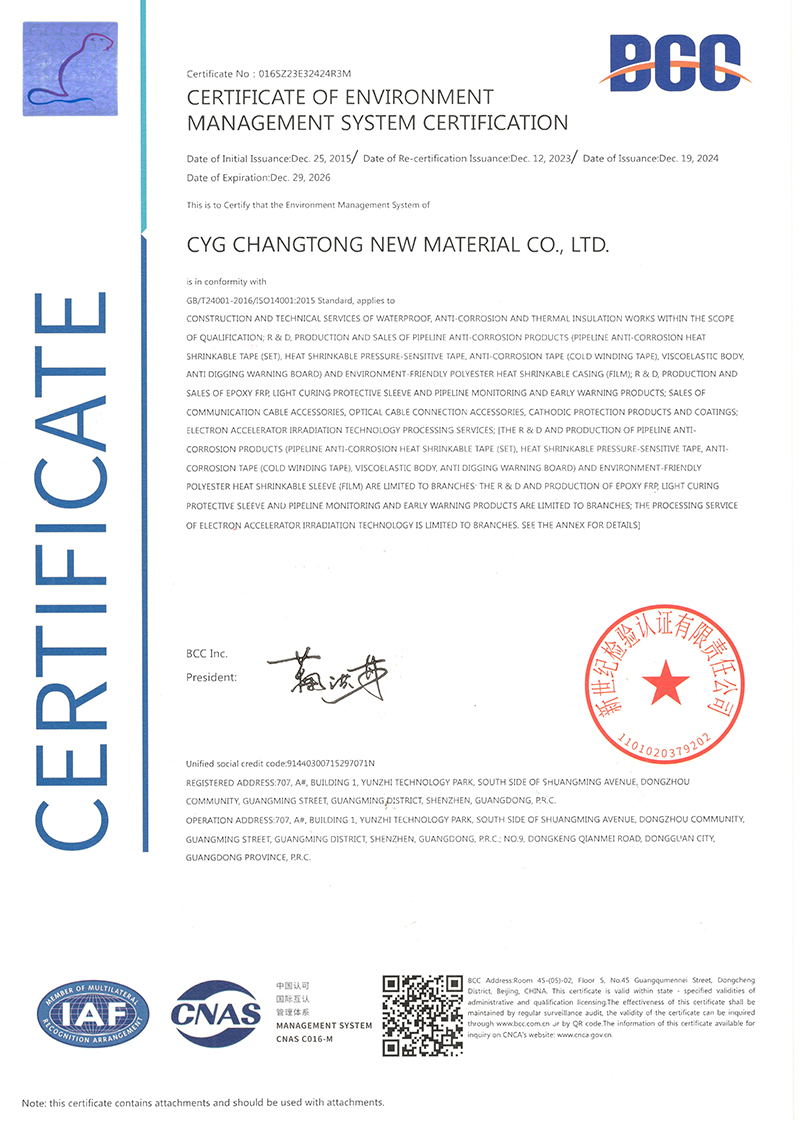
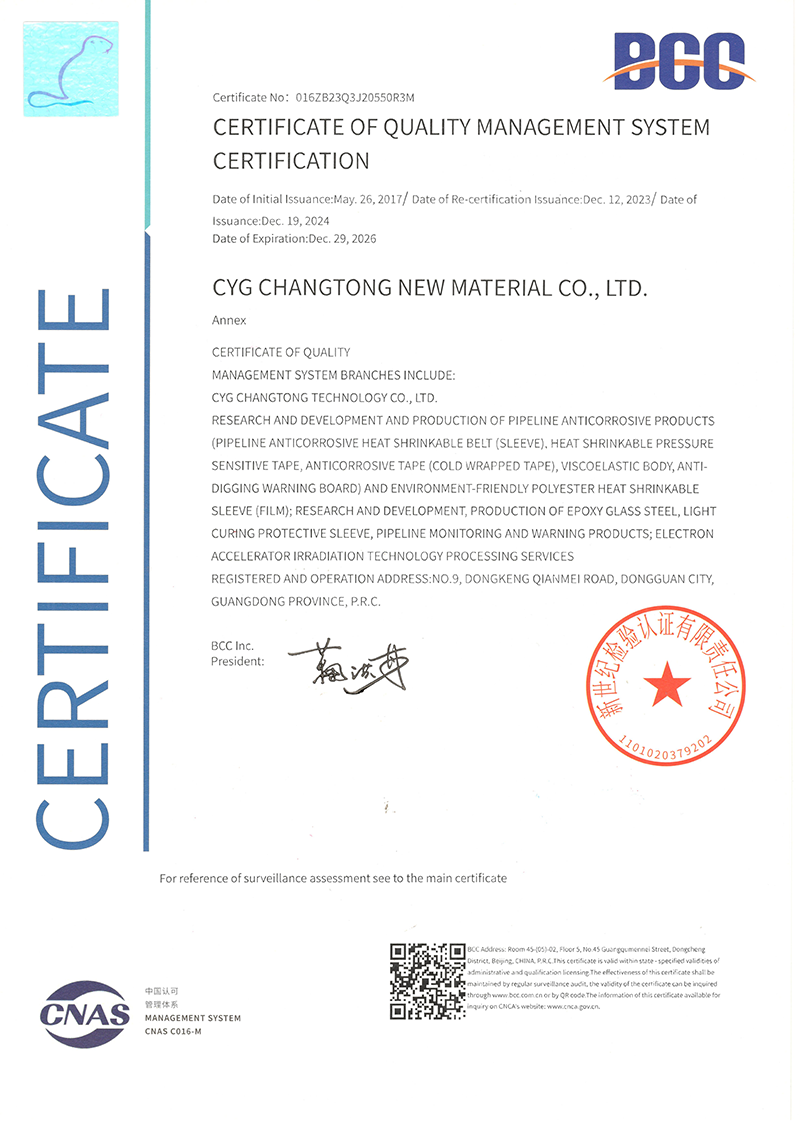
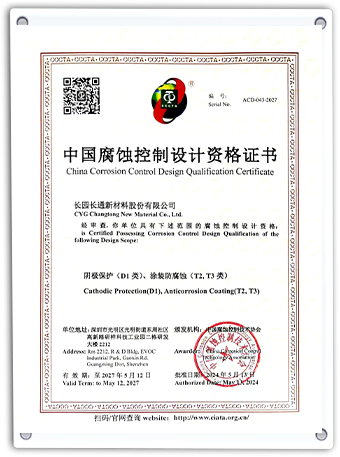
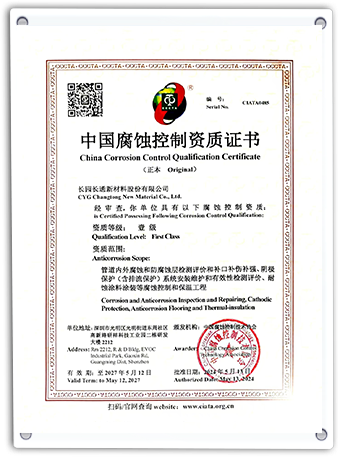
CYCT is a proud Council Member of the Chinese Society for Corrosion and Protection (CSCP), holding certifications for Corrosion Protection Construction, Pipeline Detection, and recognized as a Well-Known Brand of Pipeline Corrosion Protection in China.
Our expansive production lines feature advanced extrusion, electron-beam irradiation accelerators, and adhesive lamination systems. This scale guarantees quick lead times for high-volume orders, helping large-scale construction schedules keep on track without delay.
By securing key polyolefin compounds and high-grade monomers domestically, CYCT controls inputs from raw resins to the finished sleeve. This integration insulates our global partners from upstream pricing volatility and ensures consistent batch-to-batch quality.
Adhering to ISO 9001, ISO 14001, and ISO 45001 standards, our CNAS laboratory performs systematic testing at every phase. We test for elongation, peel strength, shear resistance, and heat aging prior to shipment, offering full traceablity for all batches.
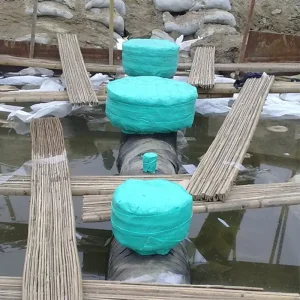
Horizontal Directional Drilling (HDD) subjects coatings to intense abrasion, shear forces, and soil scraping. Traditional sleeves can peel or tear, leading to localized corrosion and failure. CYCT’s Fiberglass Reinforced Sleeve systems are engineered with a durable fiber mesh backing, which resists severe mechanical shear and protects the underlying joint area.
Commonly applied across river crossings, highway underpasses, and rugged terrains, our HDD sleeves meet the shear and impact requirements of international gas transport projects.
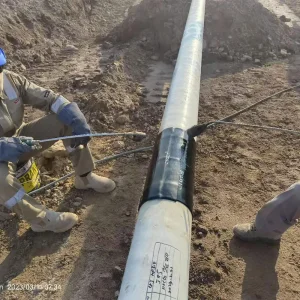
Proper field joint installation is critical, as joints are the most vulnerable parts of an offshore or onshore pipeline. CYCT designs heat shrink sleeves that align with global specifications, including ISO 21809-3 (Category 14 & 15), EN 12068 (Class C), and AMPP/NACE standards. Our solutions provide corrosion mitigation under cathodic protection systems without shielding current, preventing hidden degradation.
We work closely with project designers to customize sleeve widths, backing thicknesses, and pre-heat temperatures to fit local climatic conditions—whether in arctic regions or desert environments.
 CYCT
CYCT