Explore our top-tier girth weld protection systems, heat shrinkable sleeves, viscoelastic coatings, and rehabilitation systems engineered to withstand intense thermal, mechanical, and chemical challenges.
Founded & Committed
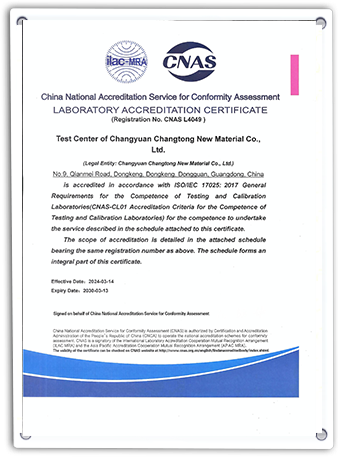
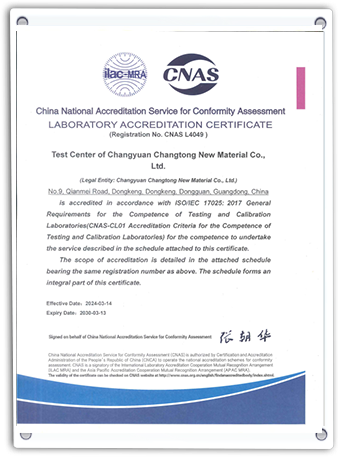
Accredited Lab
FJC Reliability Rate
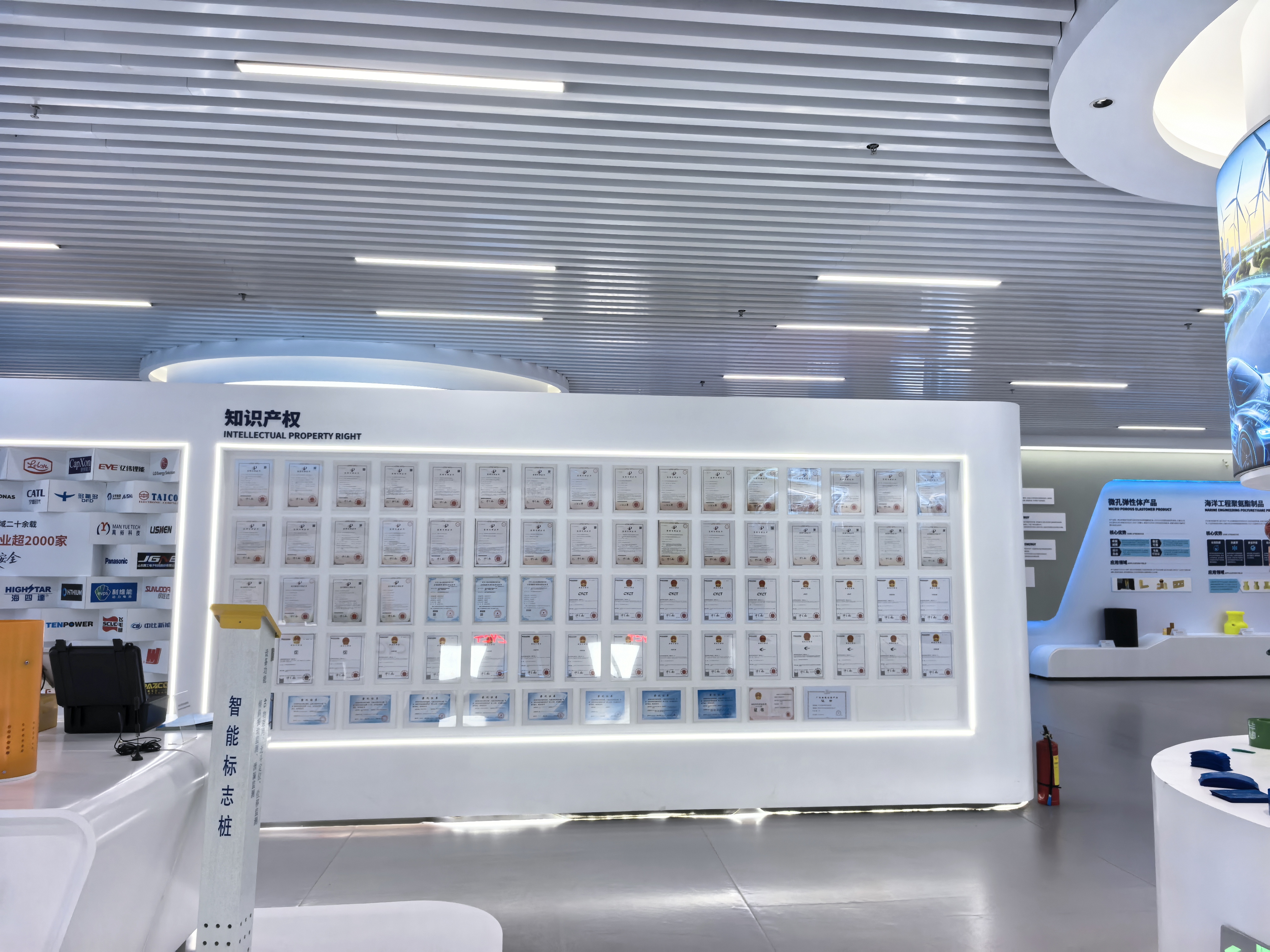
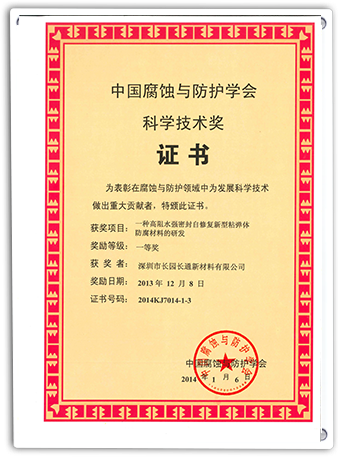
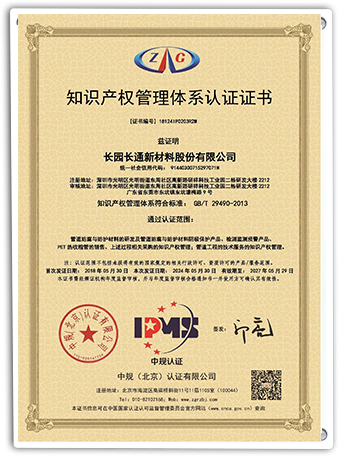
Intellectual Properties
In modern transmission pipelines, whether carrying hydrocarbons, natural gas, chemical process fluids, or municipal water, the structural integrity of the steel carrier pipe is paramount. The factory-applied coating—typically 3-Layer Polyethylene (3LPE), 3-Layer Polypropylene (3LPP), or Fusion Bonded Epoxy (FBE)—renders superior long-term corrosion barrier protection across the main length of the pipe. However, these coating layers must be cut back at the pipe ends to facilitate circumferential field girth welding.
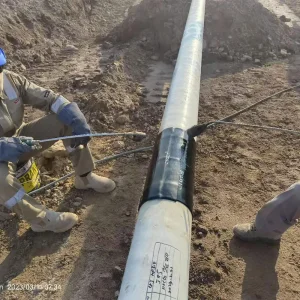
Once the girth weld is executed and certified via Non-Destructive Testing (NDT), a vulnerable exposed section of carbon steel remains. Without proper field-applied girth weld protection materials, this narrow band becomes the target of intensive galvanic action, microbiologically influenced corrosion (MIC), soil stress fatigue, and mechanical impact.
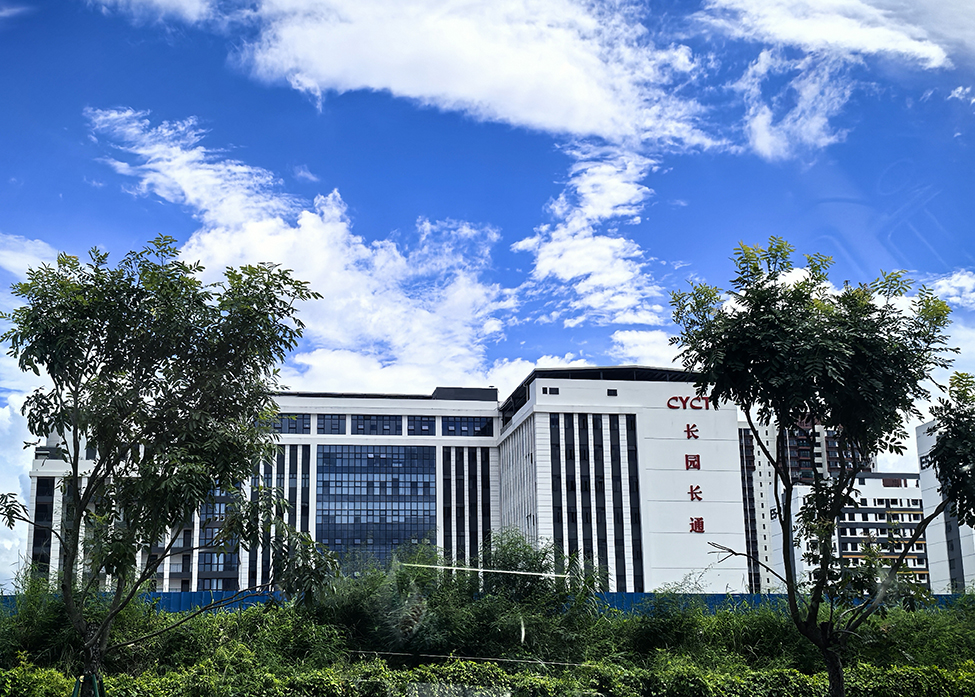
CYCT New Materials Company Limited (CYCT), founded in 2000, has stood at the forefront of this critical industrial niche. As a state-level high-tech enterprise, CYCT integrates comprehensive R&D, advanced manufacturing, buried pipeline detection services, and field coating application supervision into one centralized, ISO-compliant operation.
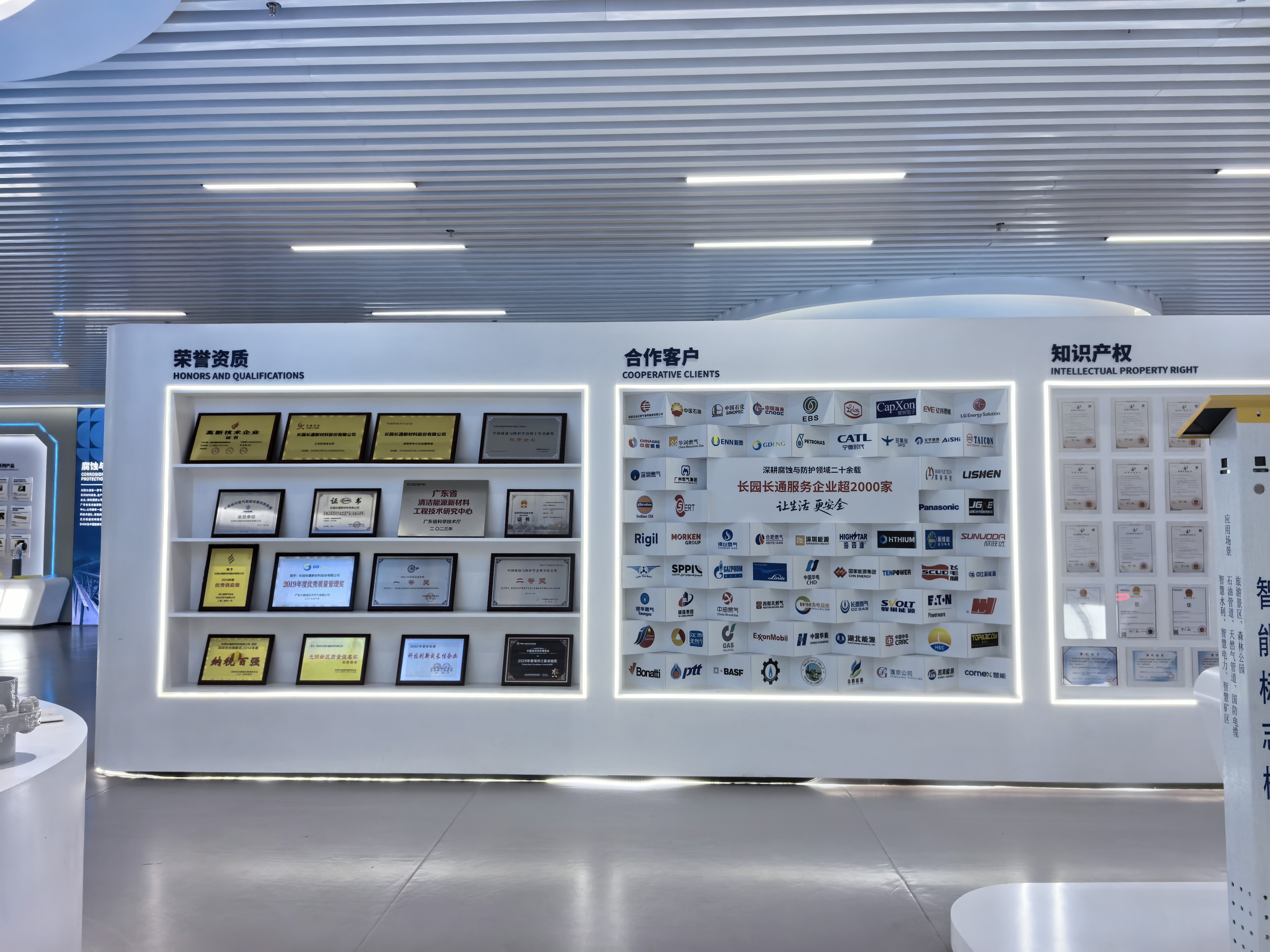
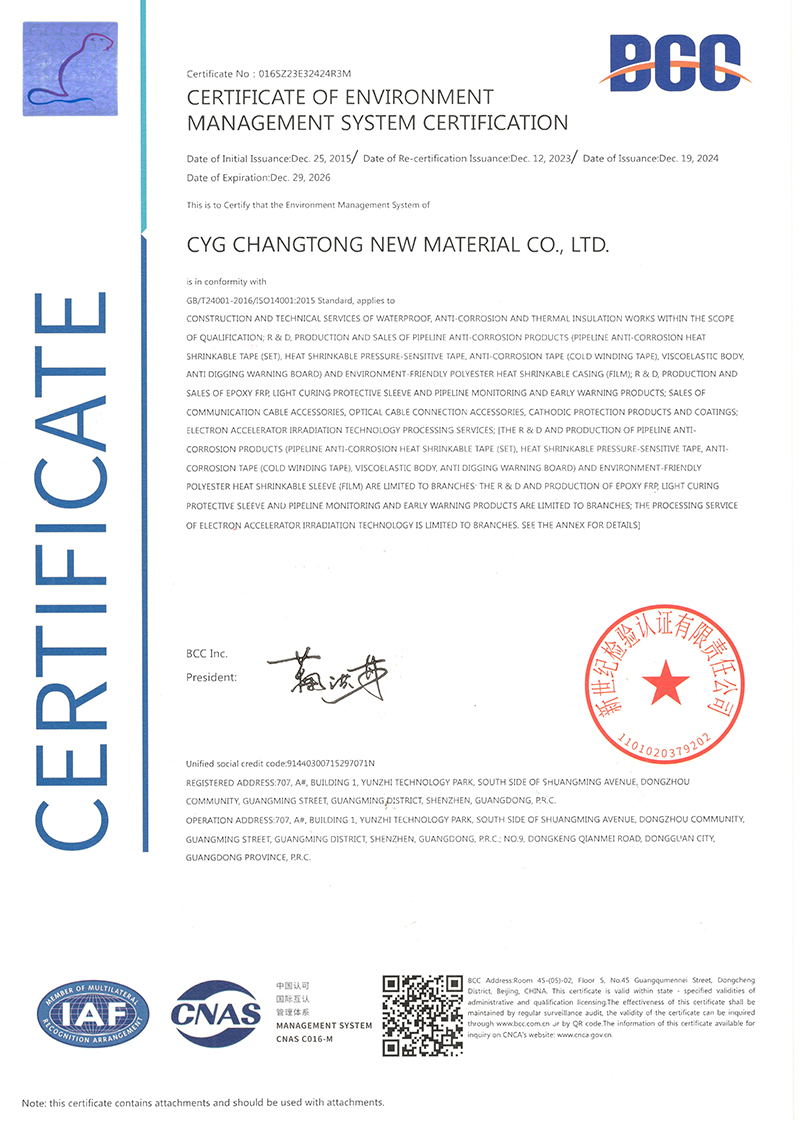
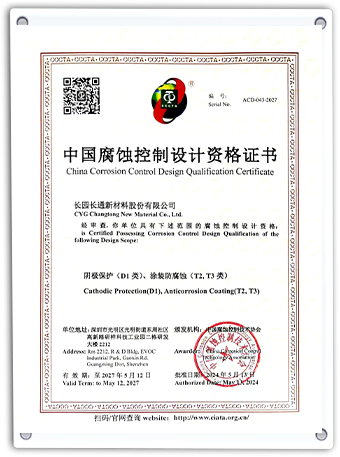
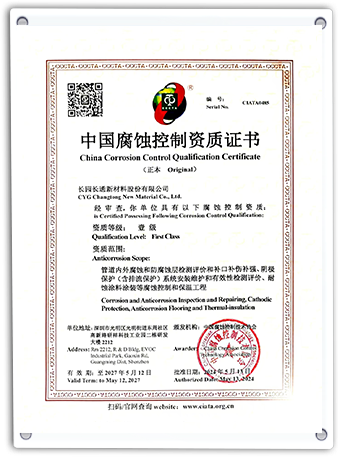
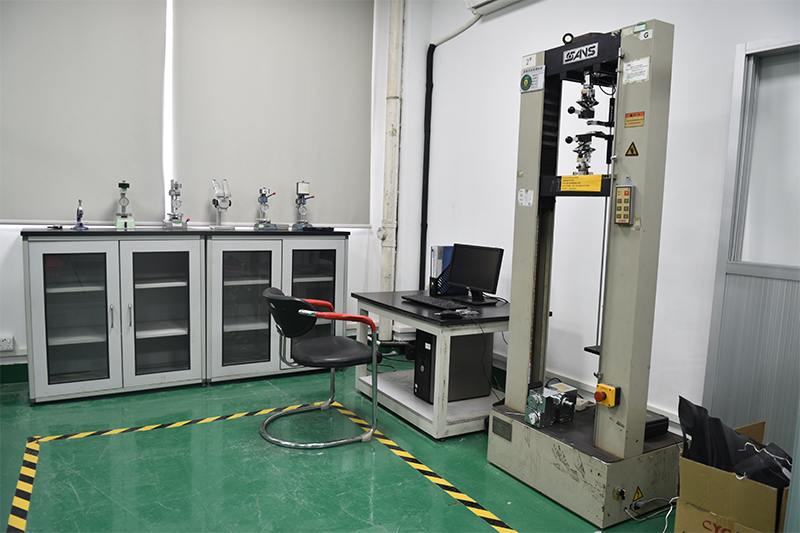
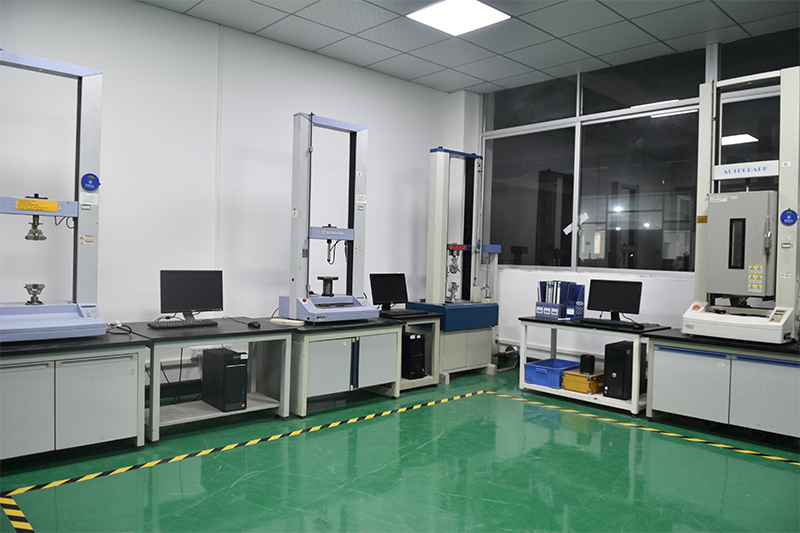
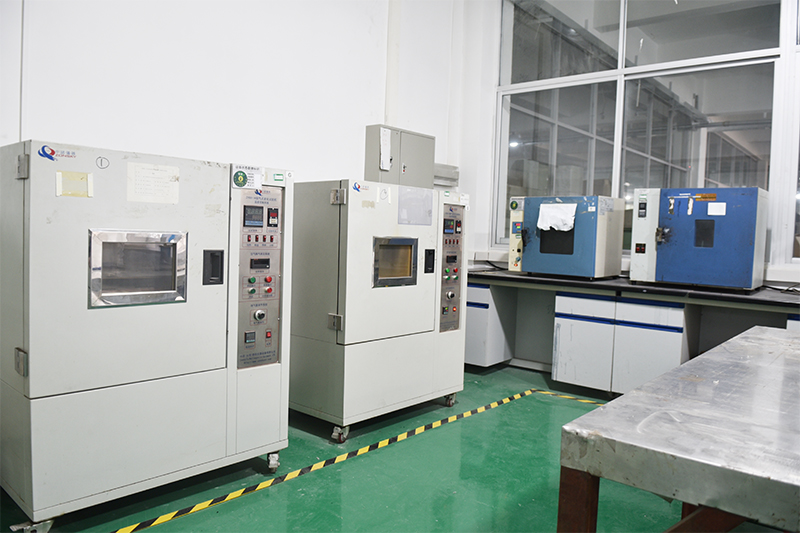
Over the past two decades, CYCT has developed an authoritative footprint, serving as a stable supplier of field joint coatings to energy conglomerates such as PetroChina, Sinopec, PipeChina, and regional pipeline operators. Our operations leverage a national CNAS-accredited laboratory, ensuring that every batch of polymer material undergoes rigorous shear strength, cathodic disbondment, heat-aging, and water absorption trials prior to deployment.
Our commitment to rigorous testing and research is manifested in our state-of-the-art laboratory and cooperative research programs with elite domestic institutes like the CNPC Pipeline Science Research Institute.
Different pipeline configurations and environmental parameters require tailored protection chemistries. CYCT's product portfolio is structured around four core technical pathways:
Based on radiation cross-linked high-density polyethylene (HDPE) or polypropylene (PP) backings coated with advanced mastic or copolymer hot-melt adhesives. These systems shrink upon heat application, forming a solid mechanical sleeve with excellent shear resistance.
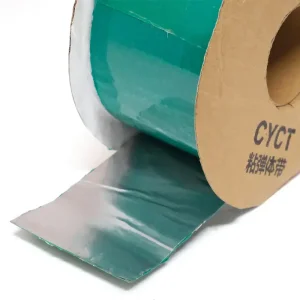
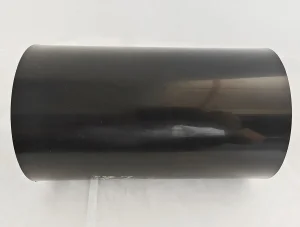
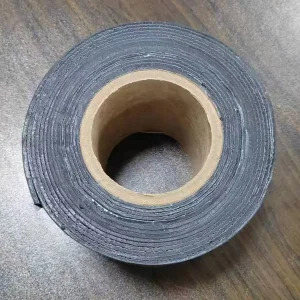
Non-crystalline, cold-applied apolar polymer coatings exhibiting unique liquid-like flow and solid-like elastic properties. Self-healing, completely impermeable to moisture, and highly compatible with cathodic protection systems without shielding.
Utilized for mechanical reinforcement in trenchless pull-back operations (HDD). These photo-cured or chemically cured wraps shield underlying anti-corrosion coatings from severe abrasive stress and gouging.
| Material Class | Primary Application | Max Operating Temp | Cathodic Disbondment Resistance |
|---|---|---|---|
| 3LPE Compatible HSS | Mainline Girth Welds | 85°C | Excellent (<10 mm disbondment radius) |
| PP Heat Shrink Sleeves | High-Temperature Oil Pipelines | 110°C - 120°C | Outstanding (<5 mm disbondment radius) |
| Viscoelastic Tape + Outerwrap | Valves, Tees, Complex Shapes | 70°C | Zero Disbondment (Self-healing properties) |
| GFRP Reinforcement Outerwrap | HDD Crossings, Heavy Soil Drag | 80°C | Mechanical wear layer, does not affect disbondment |
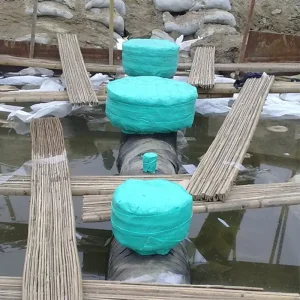
Corrosion engineers must configure girth weld protection in response to local geological, ambient, and logistical challenges. Below are key deployment scenarios where CYCT materials demonstrate exceptional reliability:
As a premier Chinese manufacturer, CYCT harnesses the country’s fully integrated petrochemical supply chain to offer unmatched value:
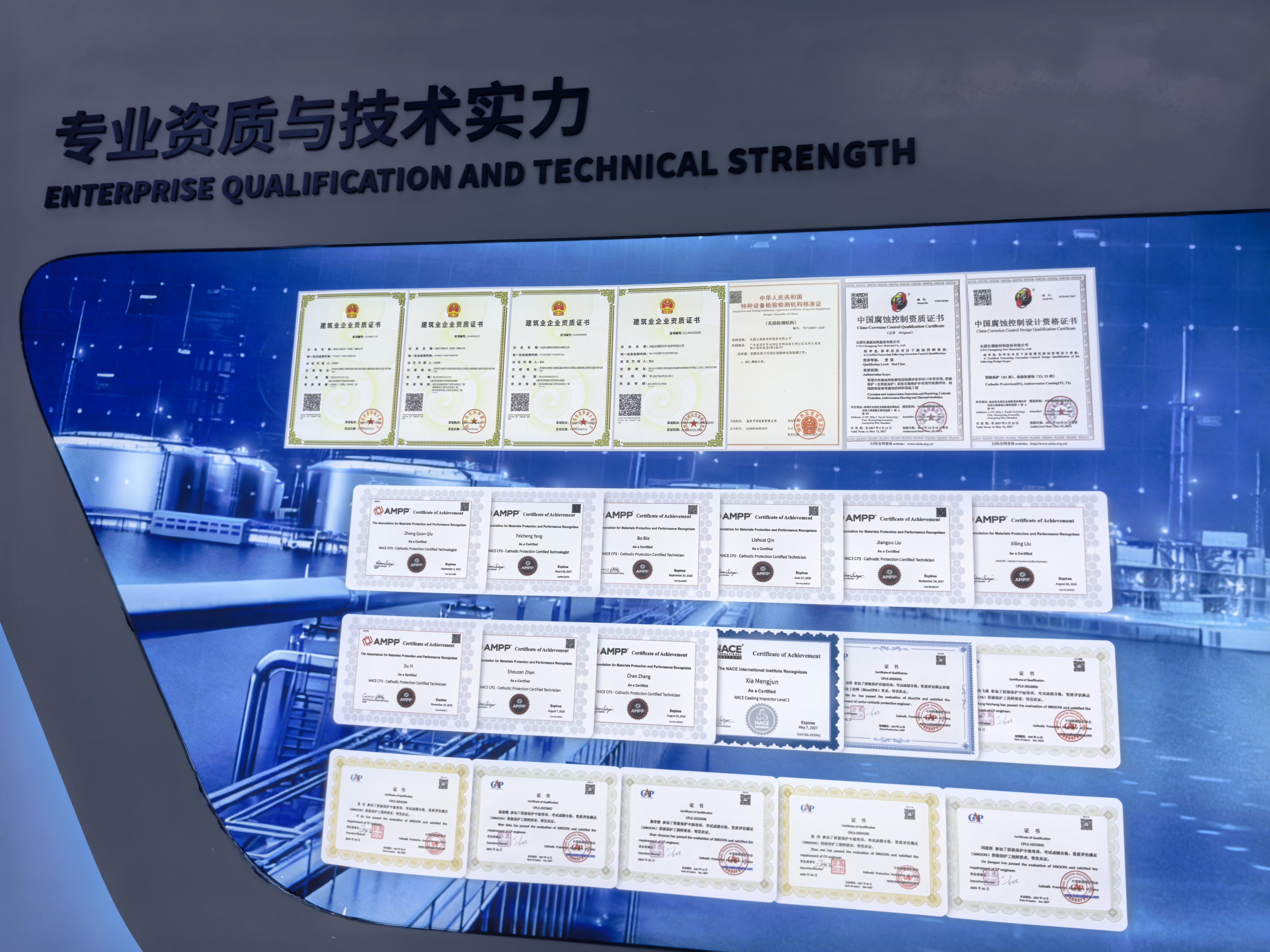
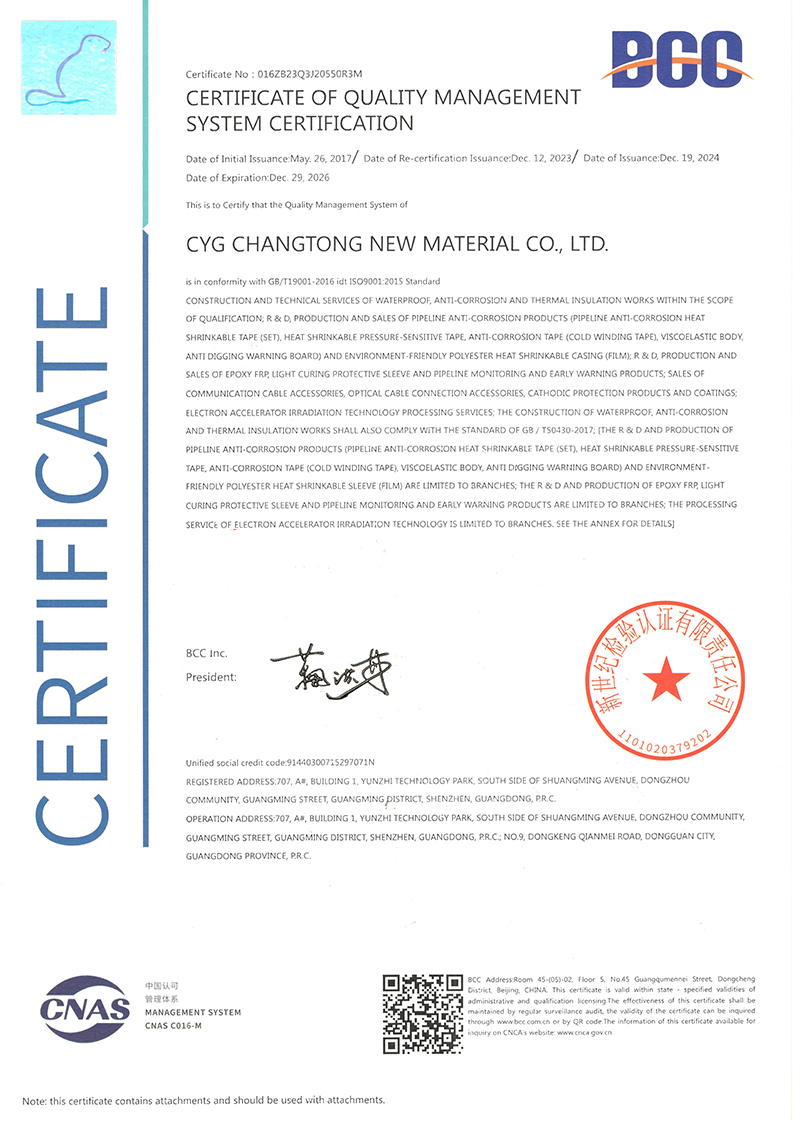
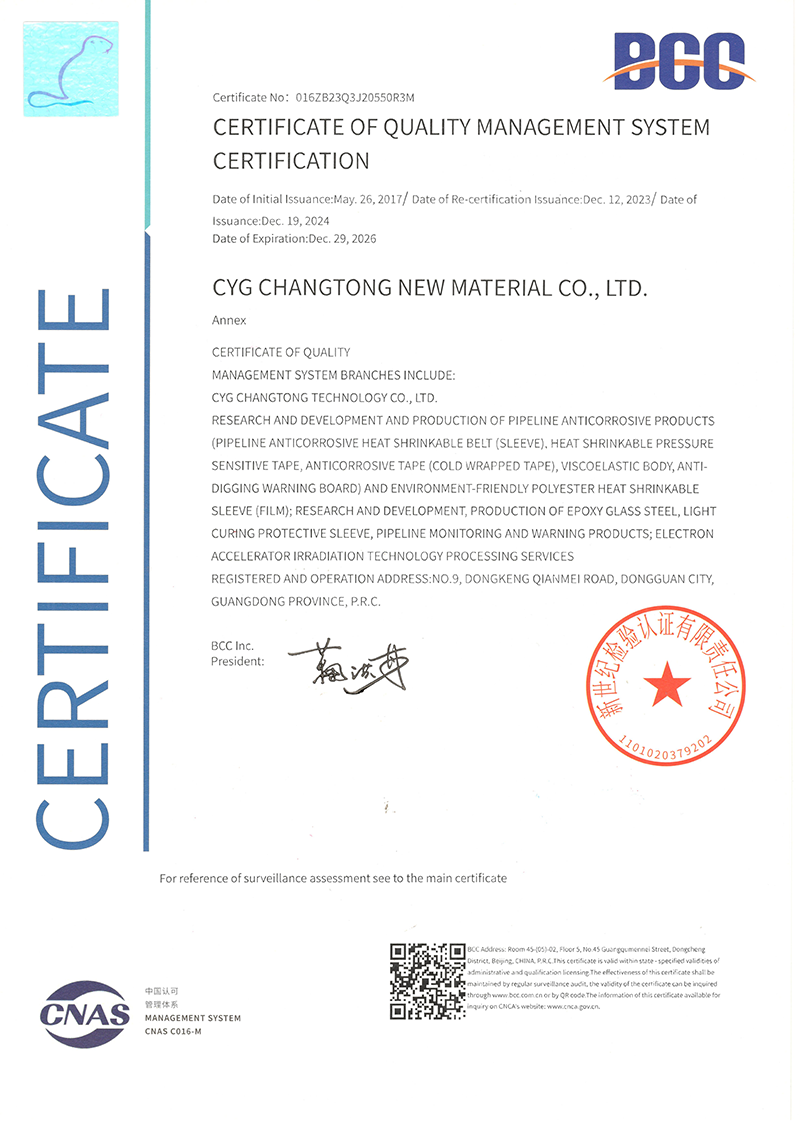
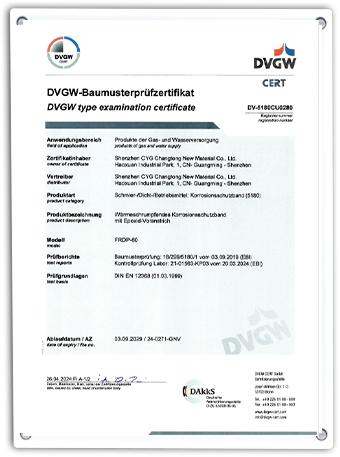
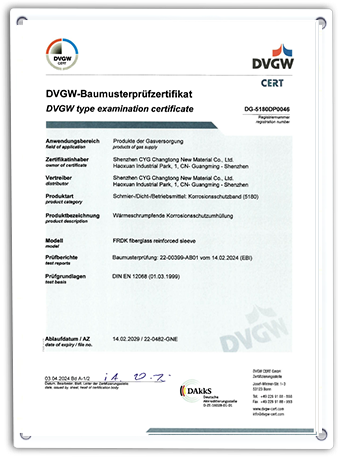
CYCT's manufacturing systems operate under strict international audits. Our products conform to AMPP (NACE), ISO, and CAPEC standards, ensuring safety, reliability, and long service life.
Detailed technical answers to common queries from pipeline design consultants, cathodic protection specialists, and field supervisors.
Cathodic shielding occurs when a backing material (such as solid polyethylene) becomes detached from the steel substrate but remains intact. This creates a pocket that blocks the protective current of the Cathodic Protection (CP) system from reaching the steel, while still allowing water to seep in, leading to active corrosion.
CYCT resolves this issue by engineering viscoelastic coatings and specialized mastic adhesives that flow and adhere to the steel carrier pipe. Our apolar viscoelastic systems maintain continuous contact under hydrostatic soil pressures, preventing water ingress and keeping the steel base protected.
Mastic-based sleeves are cold-applied or require low pre-heating (approx. 50°C to 60°C). They exhibit self-healing capabilities for minor mechanical punctures but display lower resistance to shear forces and are generally rated for operating temperatures up to 60°C.
Copolymer hot-melt sleeves require higher pre-heating of the pipe (up to 70°C–90°C) to melt the adhesive during installation. This creates a strong bond with high shear and chemical resistance, making them suitable for high-stress applications and operating temperatures up to 85°C or higher (such as 3LPE/3LPP configurations).
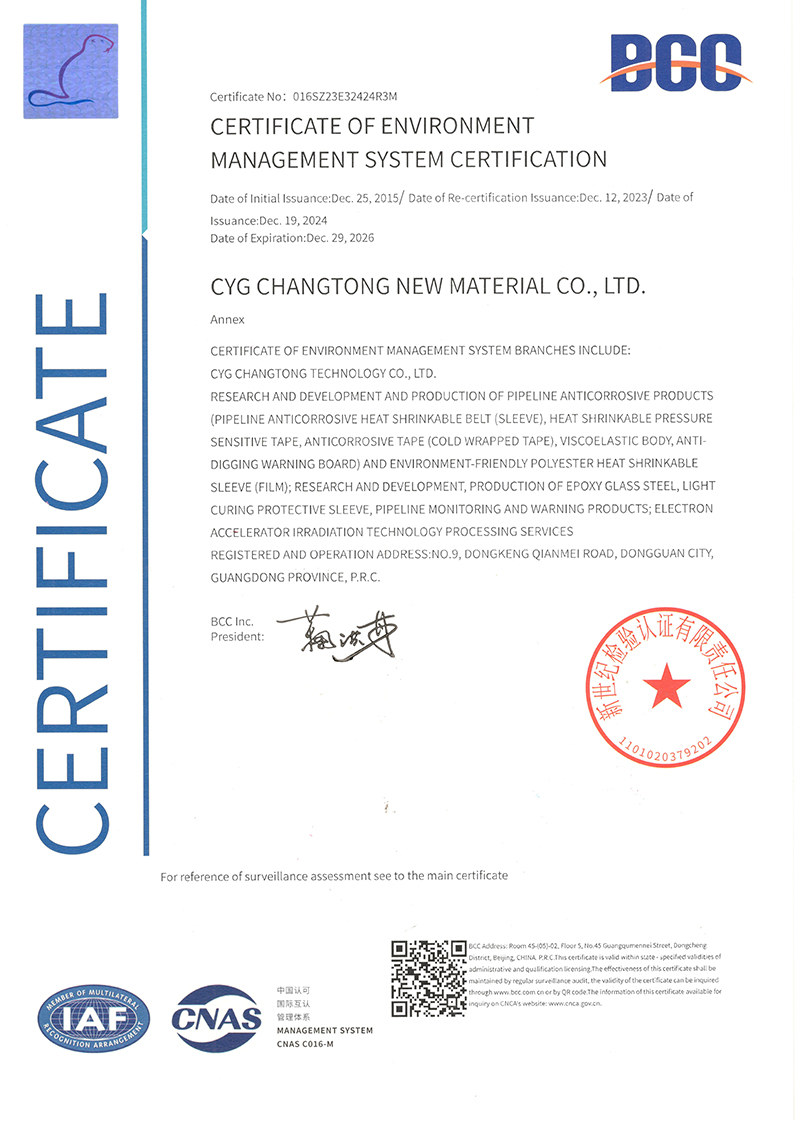
CYCT materials are tested and certified in compliance with global standards, including ISO 21809-3 (petroleum and natural gas industries - coatings for buried or submerged pipelines), EN 12068, and NACE SP0169. Our laboratory is CNAS accredited, ensuring reliable and verifiable internal quality control reporting.
For Horizontal Directional Drilling (HDD), CYCT recommends a multi-layered protection system. This includes a liquid epoxy primer on the steel, followed by our wrap-around PP/PE Heat Shrink Sleeve (HSS). A final layer of photo-cured or chemically cured Glass Fiber Reinforced Polymer (GFRP) wrap is then applied over the sleeve. The GFRP layer acts as a hard protective shield to absorb friction and prevent gouging during the pull-back process.
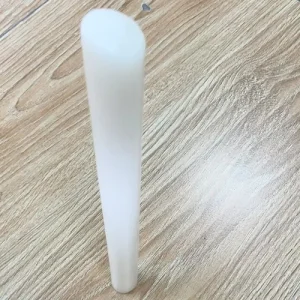
The FRDX PE Repair Patch is designed to repair localized damage to 3LPE factory coatings. It consists of a radiation cross-linked polyolefin sheet coated with a high-shear hot-melt adhesive. Applied with a filler mastic or repair stick to restore the damaged area, the patch forms a strong seal, maintaining the original protection levels of the pipeline's 3LPE system.
Complete your pipeline protection specification with our range of high-temperature hot-melt sticks, visco-elastic putties, tubular sleeves, and composite reinforcement wraps.
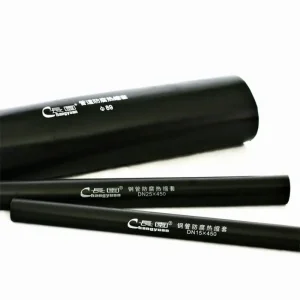
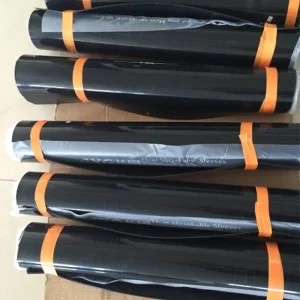
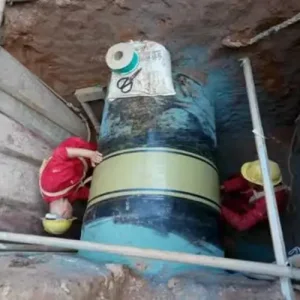
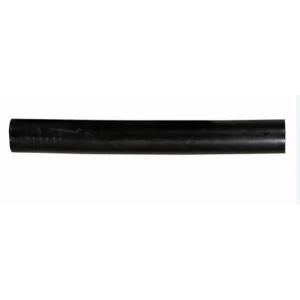
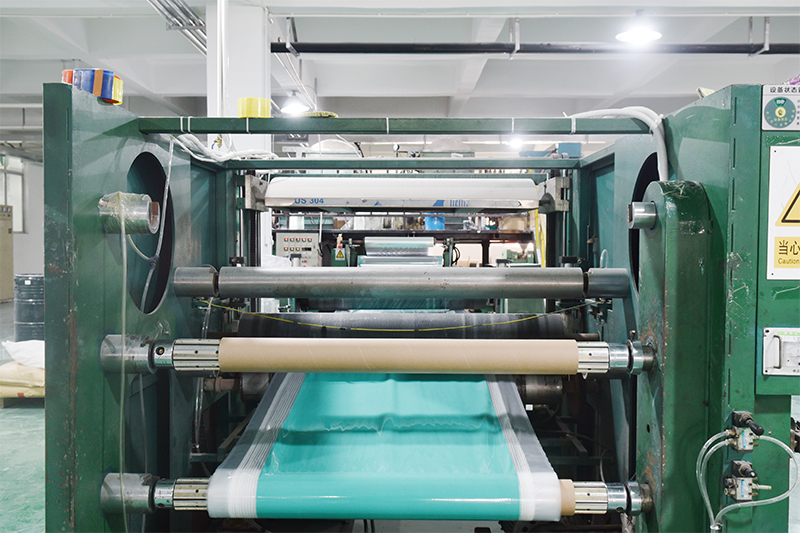
Our integrated systems ensure high performance from production in our facility to final field installation on critical pipeline joints.
 CYCT
CYCT