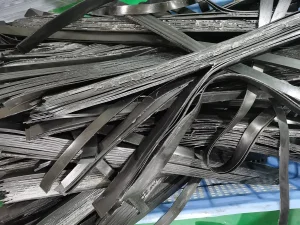
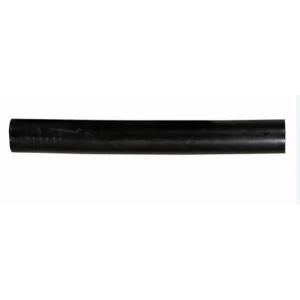
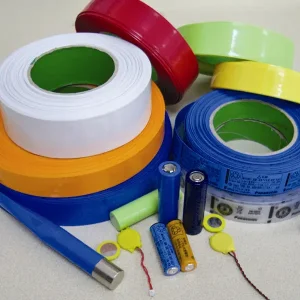
Explore our primary array of high-grade field joint coatings, viscoelastic sealants, and mechanical protection shields engineered to international standards.
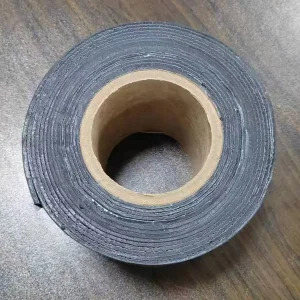
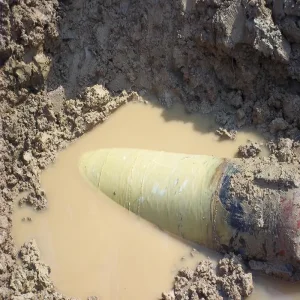
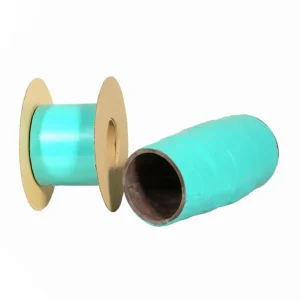
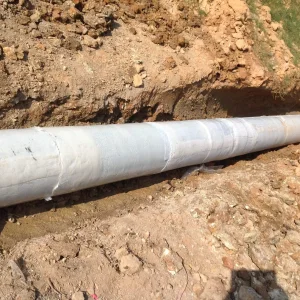
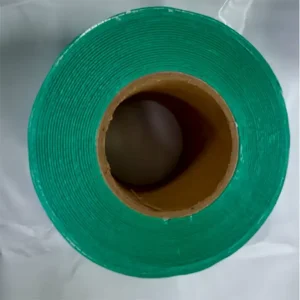
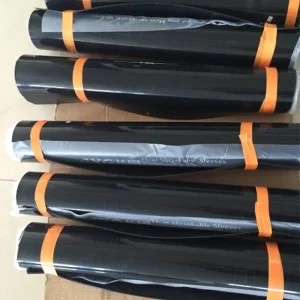
Within cross-country hydrocarbon transport infrastructure, pipeline security stands as the bedrock of both environmental stewardship and economic efficiency. The majority of structural pipeline compromises occur not within the primary factory-coated body, but rather at the field joints. These areas are exposed during construction and welded on-site, requiring localized application of premium Gas Pipe Sleeves to establish continuous, long-term barrier protection.
Modern global logistics require coating materials capable of resisting cathodic disbondment, biological corrosion, shear stresses induced by thermal movement of the pipe, and localized soil stresses. Choosing an expert manufacturer of heat-shrinkable materials ensures pipeline operations remain uninterrupted throughout their intended lifespan.
"Field joint integrity directly defines the longevity of transmission systems. Under high mechanical load and varying temperature ranges, specialized heat shrink sleeves act as the primary defense line against electrolyte migration and aggressive corrosion currents."
How Tier-1 EPC contractors, municipal distribution networks, and state oil enterprises structure their material acquisition processes for maximum life-cycle return.
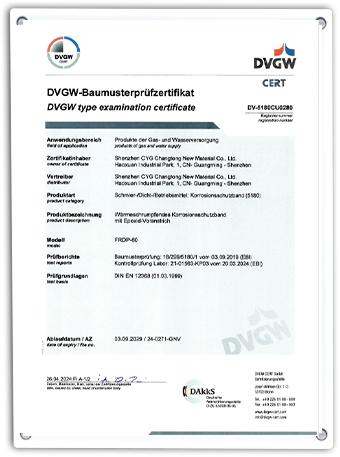
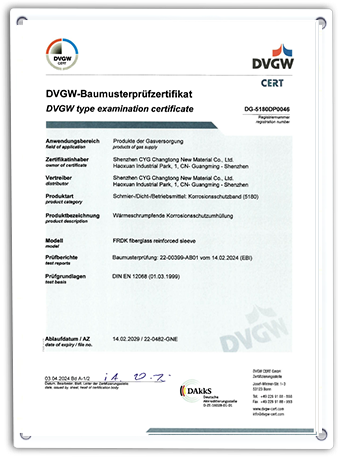
Global procurers require strict adherence to international standard frameworks such as ISO 21809-3, EN 12068, and AWWA C214/C209. CYCT's design process meets these technical milestones, ensuring seamless integration on global pipeline developments.
Evaluating a gas pipe sleeve involves more than initial purchase price; it includes on-site installation speeds, required preheat temperatures, and rejection rates. Low-preheat technologies and fast-shrink crosslinked backings significantly cut labor costs.
As the energy market shifts toward natural gas blends and pure hydrogen infrastructure, field joint materials must resist gas permeation. High-density cross-linked polyolefin sleeves prevent gas micro-leaks and structural degradation.
Leveraging domestic chemical networks and automated manufacturing to deliver consistent quality and value.
Our integrated production system controls every step of manufacturing—from compounding polyolefin resins and cross-linking to mastic adhesive blending and sleeve extrusion. This structure shields procurement clients from market price swings.
Operating high-speed extrusion lines and automated electron-beam radiation cross-linking units allows us to support large-scale pipeline projects. Our production capacity meets tight delivery timelines for long-distance trunklines.
Through partnerships with entities like the CNPC Pipeline Science Research Institute, we formulate custom polymer backings and mastic formulas for extreme applications, including subzero climates and high-temperature oil pipelines.
Understanding the performance differences of pipeline field joint coatings to ensure appropriate specifier selection.
Heat-shrinkable sleeves combine a radiation cross-linked polyolefin backing with a protective hot-melt or mastic adhesive. Upon heating, the backing shrinks to form a tight mechanical seal, and the adhesive flows into surface irregularities to block oxygen and moisture.
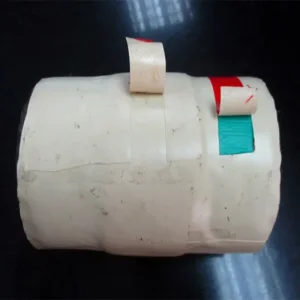
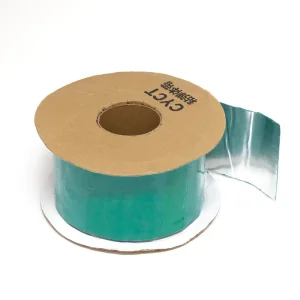
Viscoelastic coatings are non-crystalline, low-viscosity polyolefin formulations that remain fluid even at low temperatures. They show self-healing properties on minor defects and directly wet steel surfaces without requiring primers.
| Performance Criterion | PE Heat Shrink Sleeve (Mastic) | PP Heat Shrink Sleeve (3LPP) | Viscoelastic Tape (VT95) |
|---|---|---|---|
| Max Operating Temp | 60°C to 80°C | 110°C to 125°C | 95°C |
| Surface Prep Requirement | ISO 8501 Sa 2½ (Grit Blast) | ISO 8501 Sa 2½ + Flame Preheat | ISO 8501 St 2 or St 3 (Wire Brush) |
| Peel Strength to Steel | High (> 35 N/cm) | Extremely High (> 80 N/cm) | Low (Cold flow wetting) |
| Mechanical Abuse Rating | Very Good | Superior | Requires Outer Mechanical Wrap |
Adapting pipeline protection to distinct operational terrains and installation procedures.
Pulling welded pipe sections through boreholes exposes field joints to high friction and shear forces from rock and soil. In these applications, traditional heat-shrinkable sleeves can slip or peel. CYCT addresses this with photo-curing GRP sheets and FRP protective outer wraps, creating a high-strength outer layer that shields the anti-corrosion barrier.
Gas pipelines near compressor stations often operate at elevated temperatures. Standard mastic adhesives can soften and slip under high heat, allowing water to reach the steel. Using CYG PP hot melt stick repairs and polypropylene heat-shrinkable sleeves helps ensure structural stability at continuous operating temperatures up to 120°C.
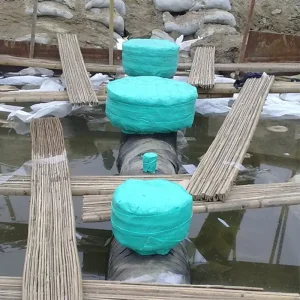
High water tables and salty soils accelerate corrosion. In these conditions, sandblasting on-site can be difficult due to moisture. Viscoelastic coating systems provide a self-healing barrier that bonds directly to damp surfaces with minimal preparation, maintaining performance in wet soils.
Irregularly shaped fittings, flanges, and valves are difficult to wrap with standard sheet sleeves. Applying viscoelastic paste or fabric viscoelastic tape allows the material to conform to complex geometries, sealing voids and protecting irregular assemblies.
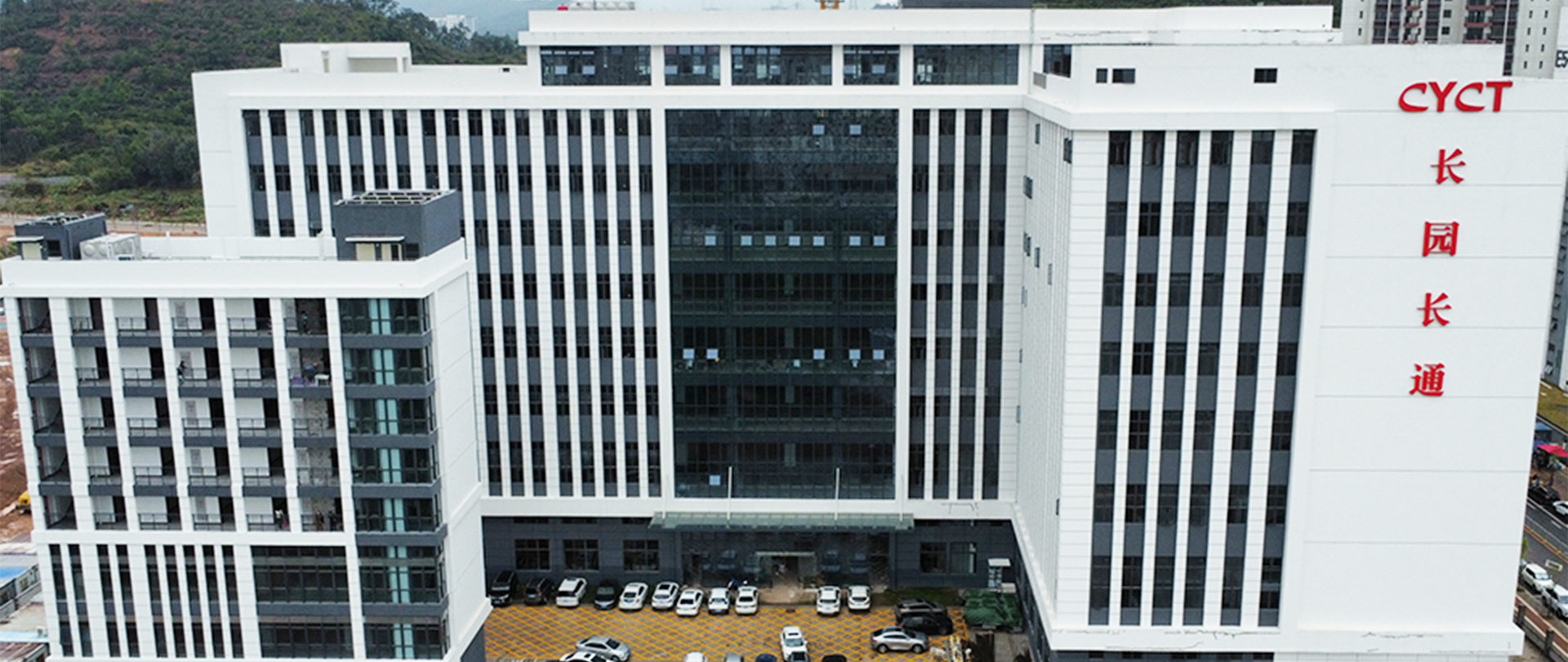
CYCT New Materials Company Limited (for short, CYCT) is a state-level high-tech enterprise integrating R&D, production and sales of pipeline corrosion protection materials as well as buried pipeline detection service and pipeline coating field application service into one.
CYCT devotes itself to R&D, production and sales of pipeline corrosion protection materials for decades. Through close collaboration with research institutes like the CNPC Pipeline Science Research Institute, we provide custom formulations and services for active pipelines, including pipeline inspections, cathodic protection designs, and integrated pipeline safety systems.
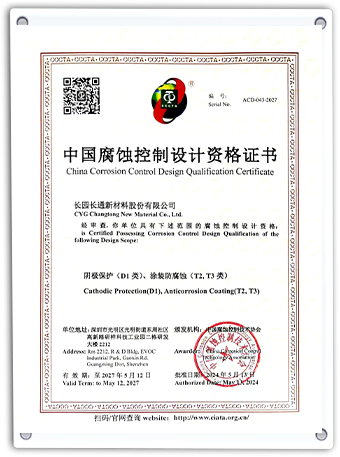
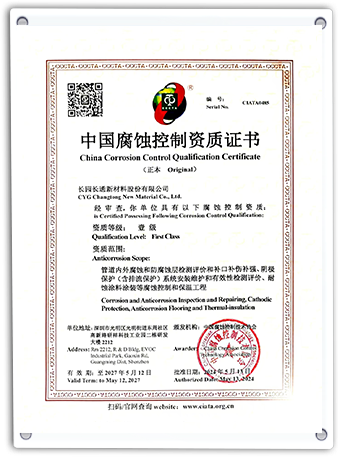
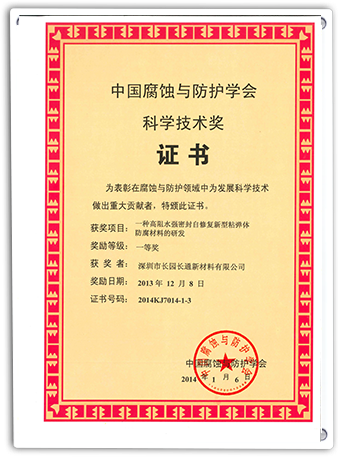
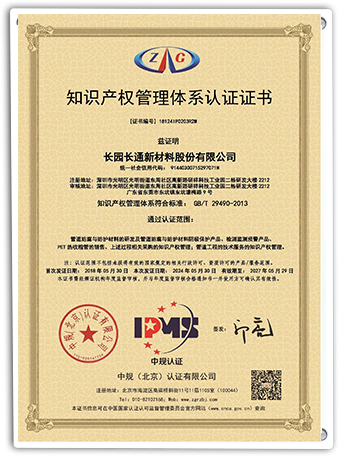
Member of Council in Chinese Society for Corrosion and Protection (CSCP), Qualification Certificate of Corrosion Protection Construction, Qualification Certificate of Pipeline Detection, Well-known Brand of Pipeline Corrosion Protection in China, Corporate Member of China Association of Petroleum Engineering Construction (CAPEC), State-Level High-Tech Enterprise with more than ten proprietary intellectual property rights. Stable supplier of PetroChina, Sinopec, China Gas Group, and Supplier of Indian Oil.
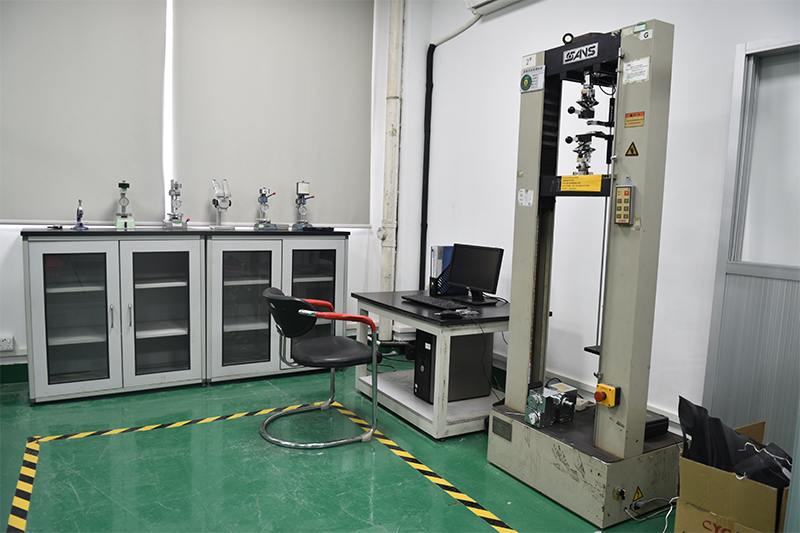
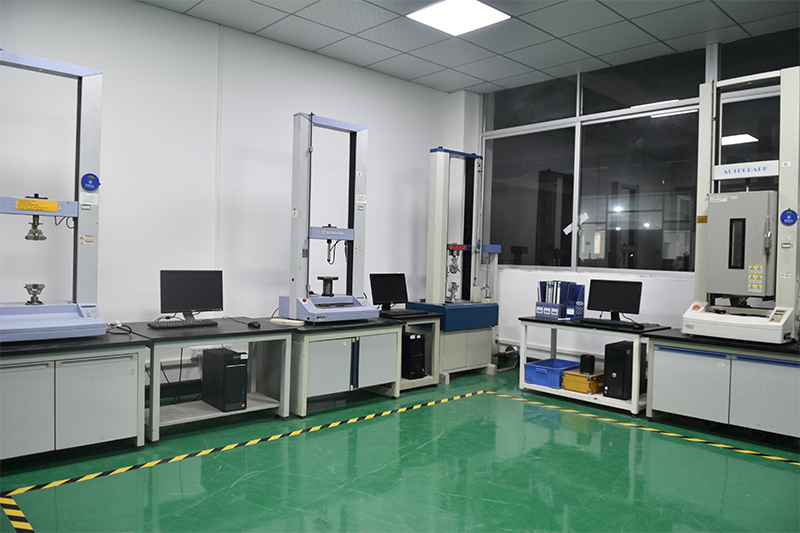
R&D Facilities and Production Operations
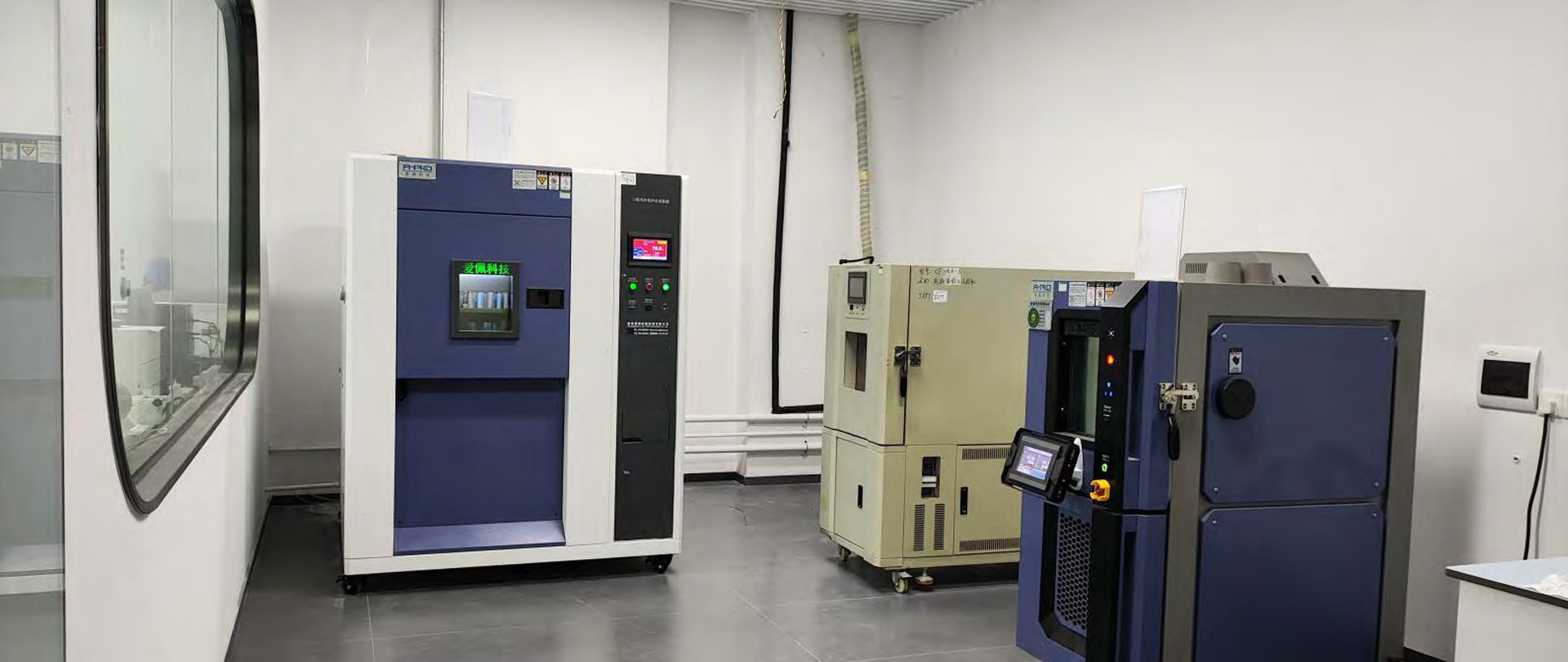
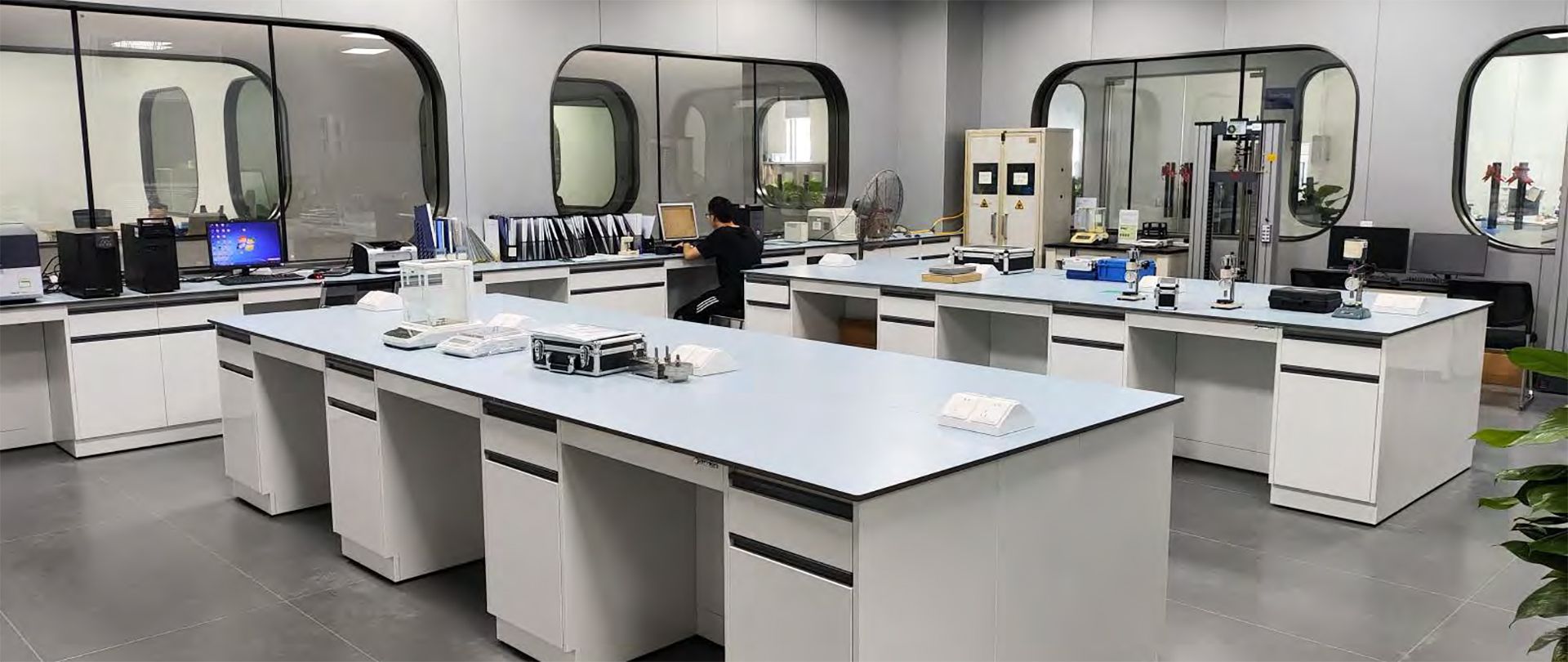
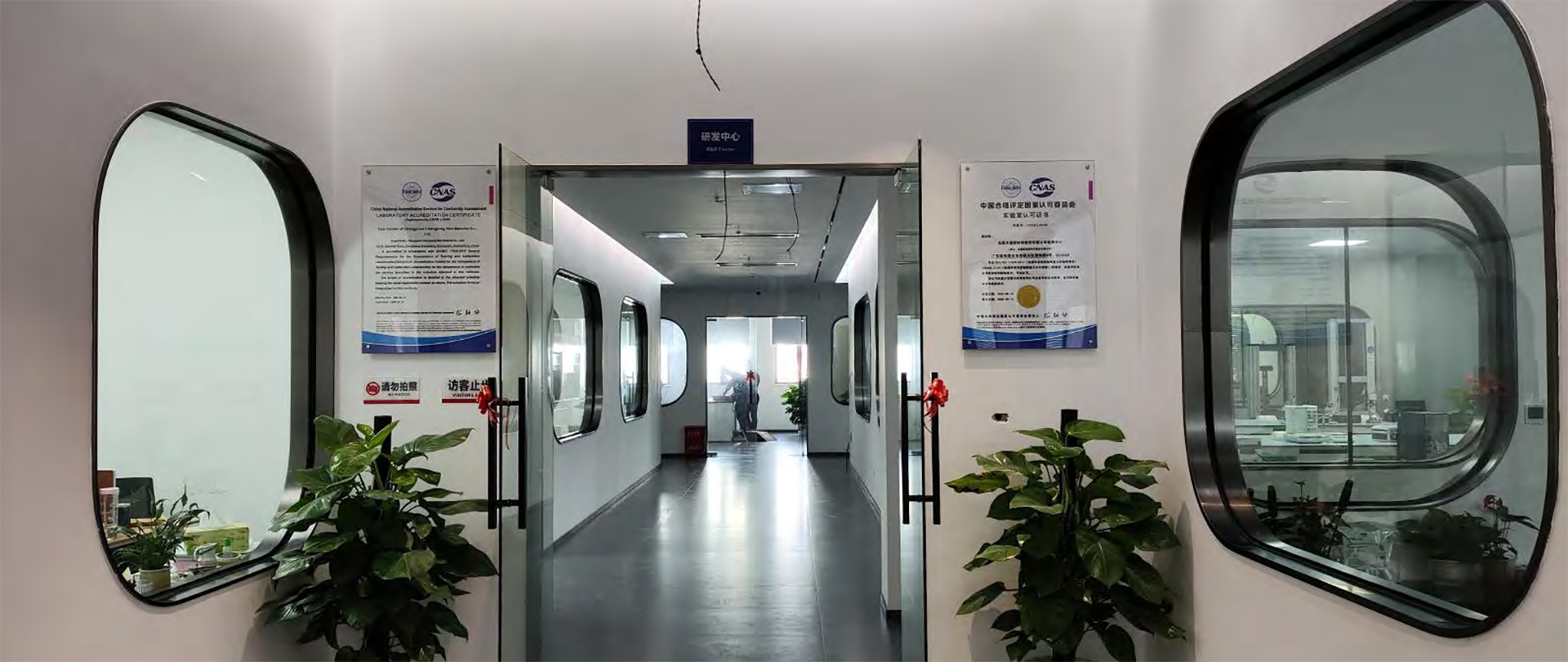
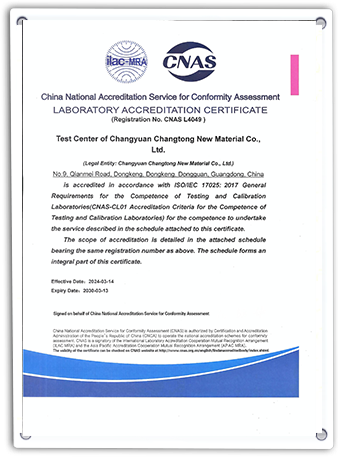
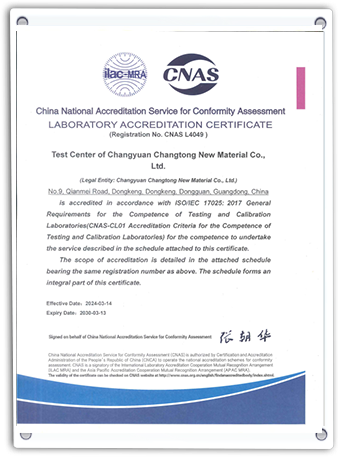
CYCT operates testing and R&D facilities, supported by a professional research team and an in-house laboratory accredited by CNAS (China National Accreditation Service).
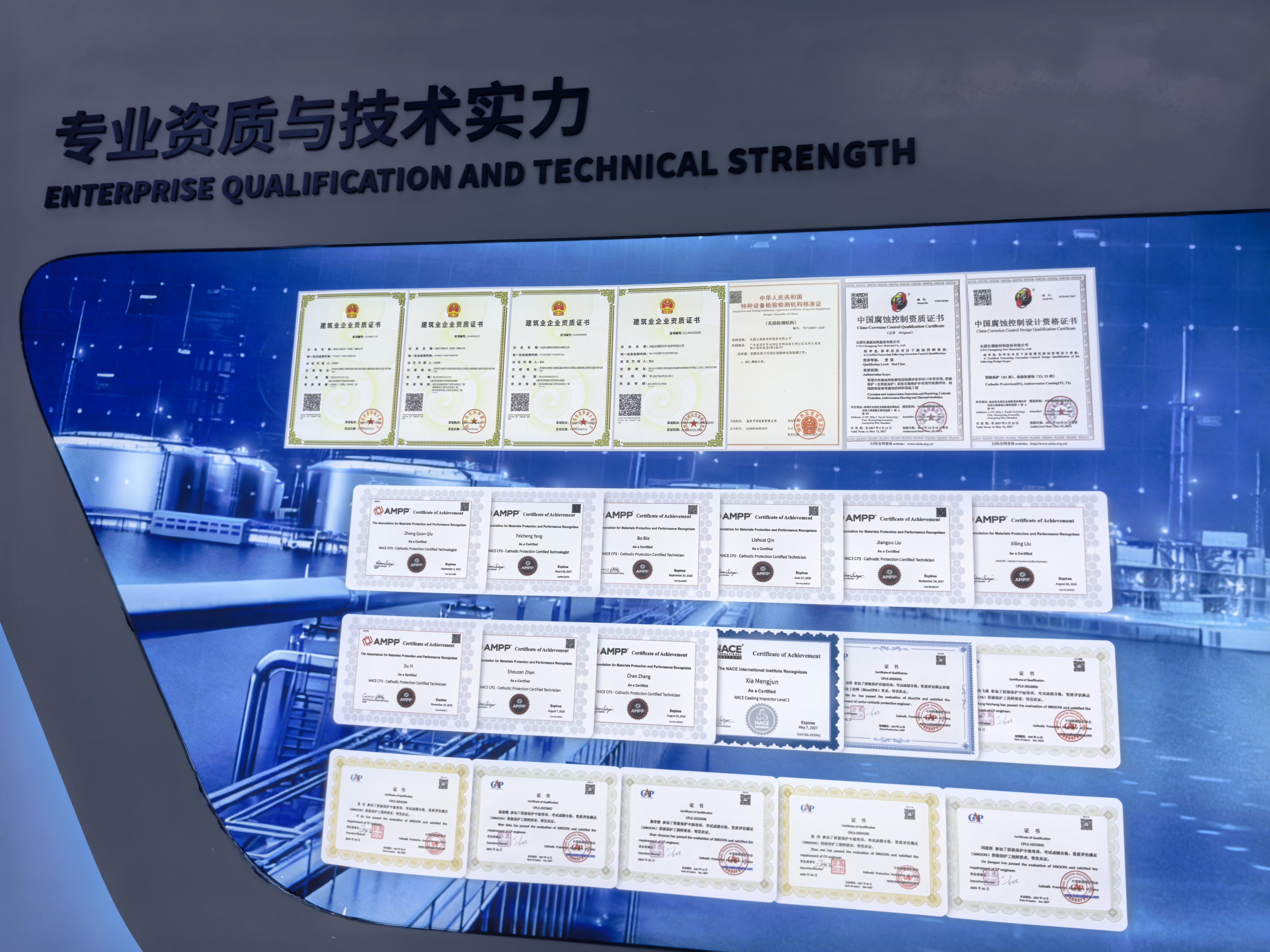
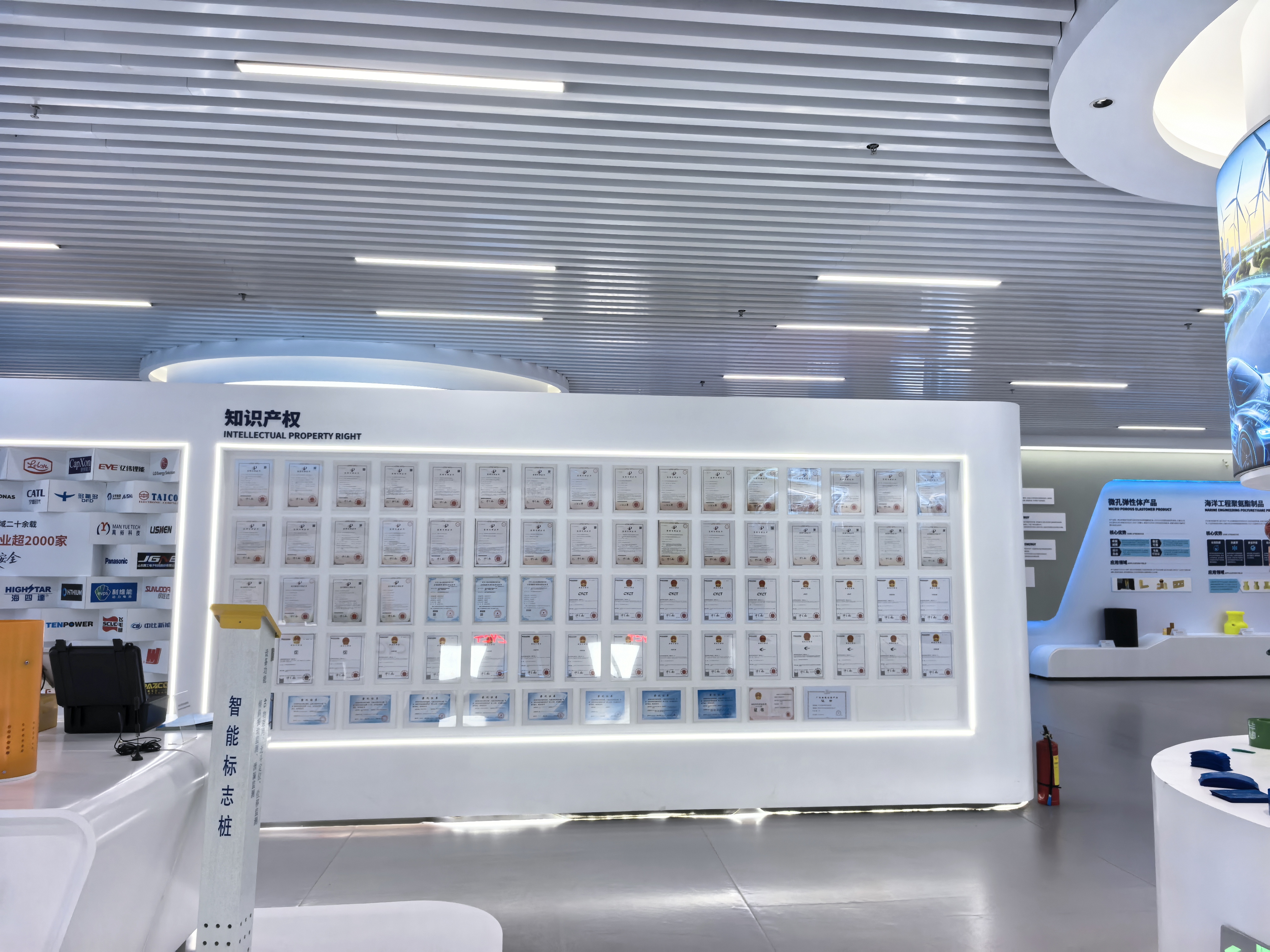
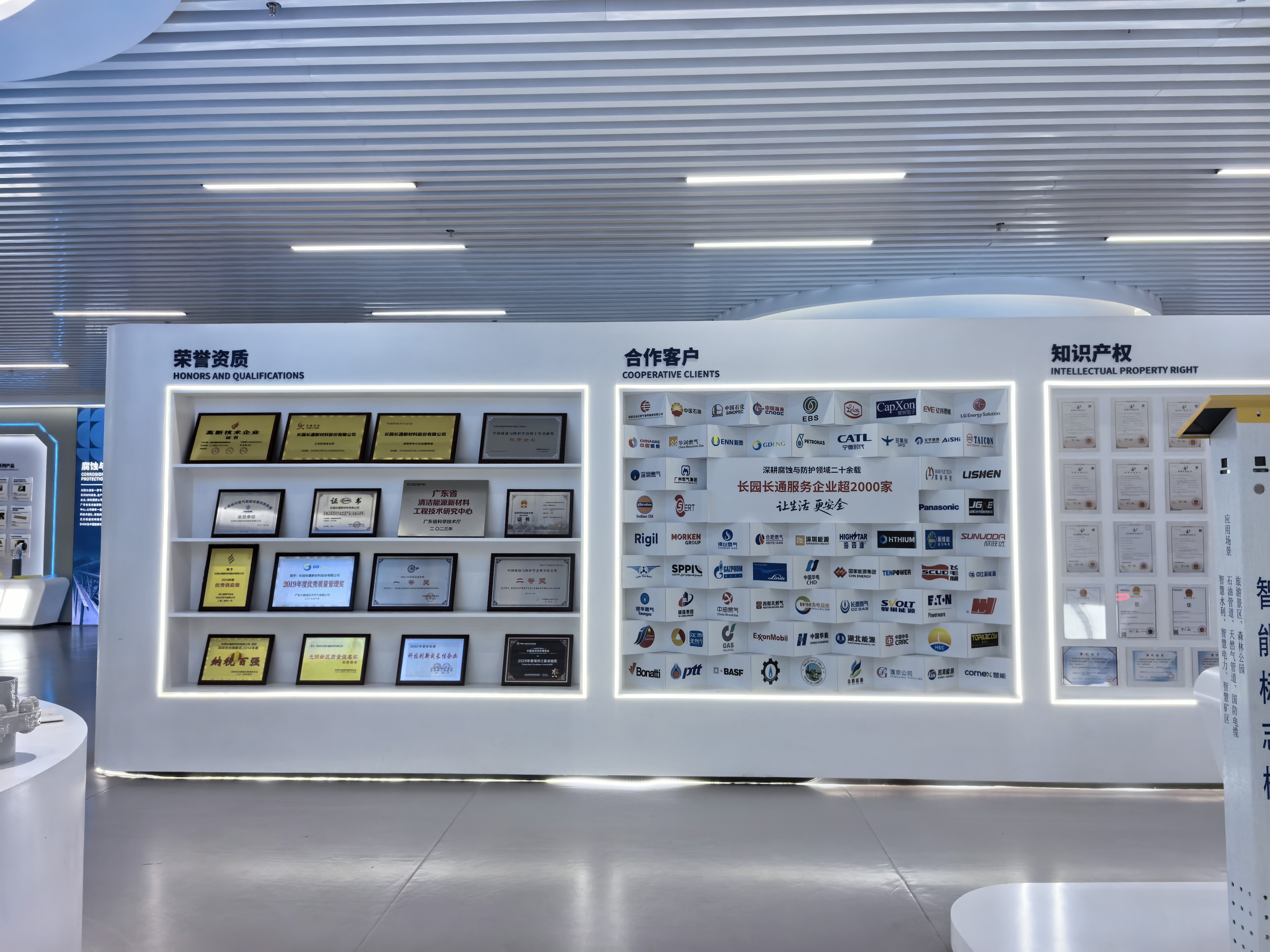
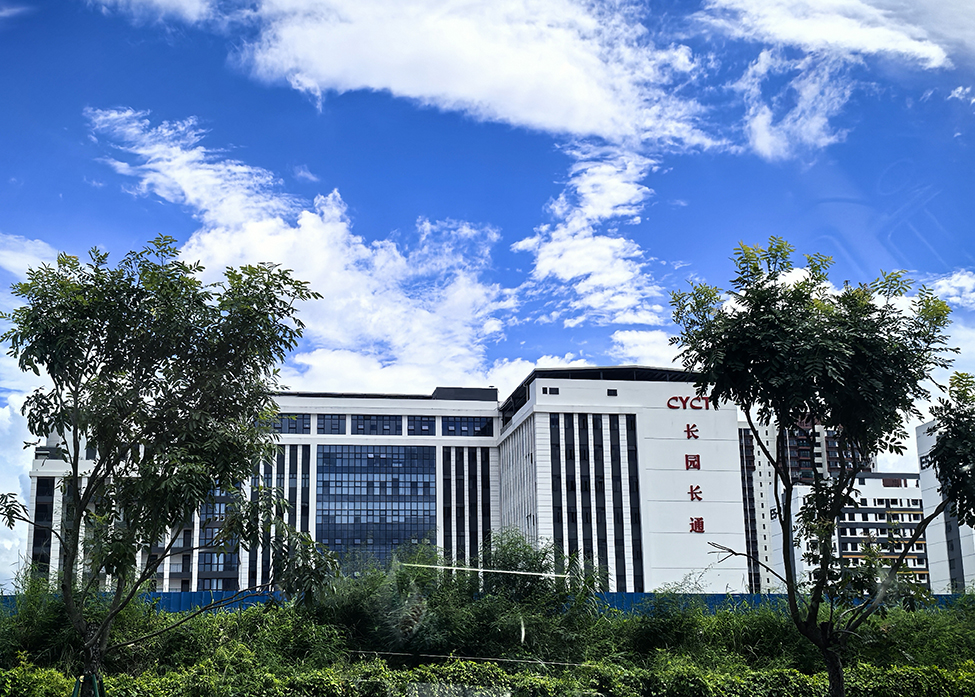
Operational History & Materials Portfolio: CYCT has supplied field joint coating systems to PetroChina, Sinopec, PipeChina, and municipal networks. We have developed and supplied specialized corrosion protection materials, including viscoelastic compounds, photo-curing sleeves for HDD lines, and polyurea coatings.
Clean Energy Lab
CNAS Certificate
CSCP Membership
AMPP Registered
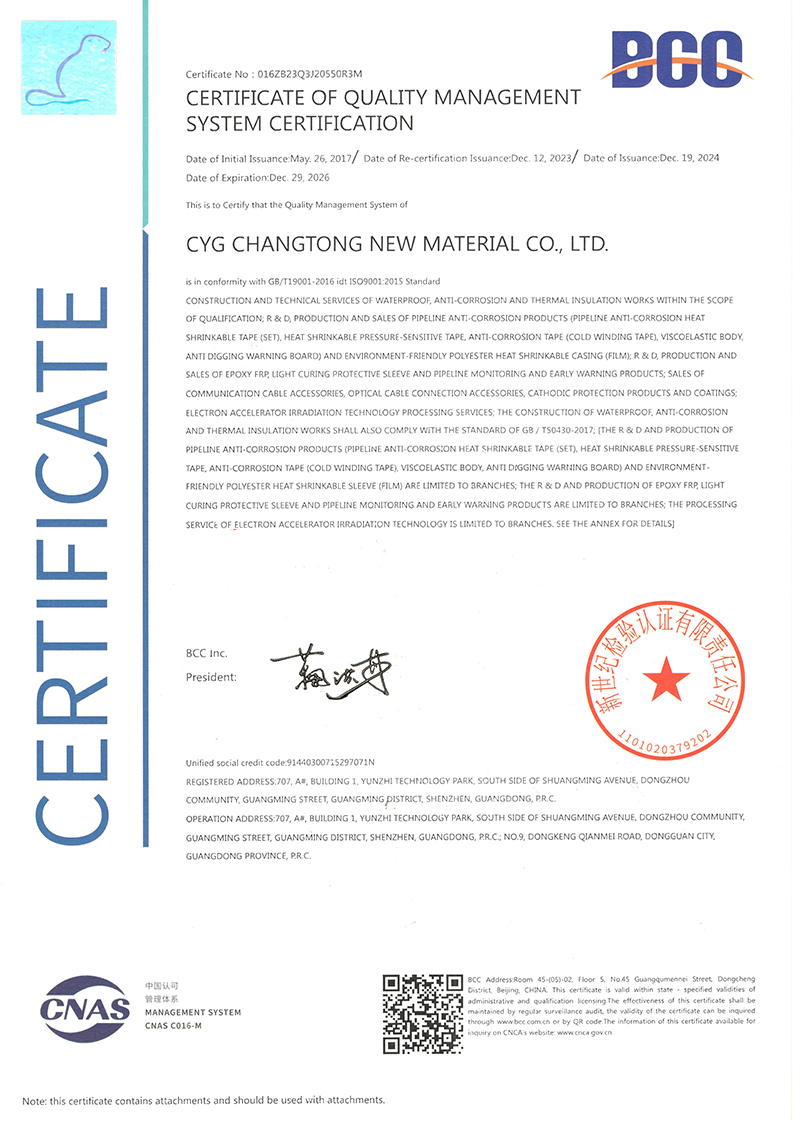
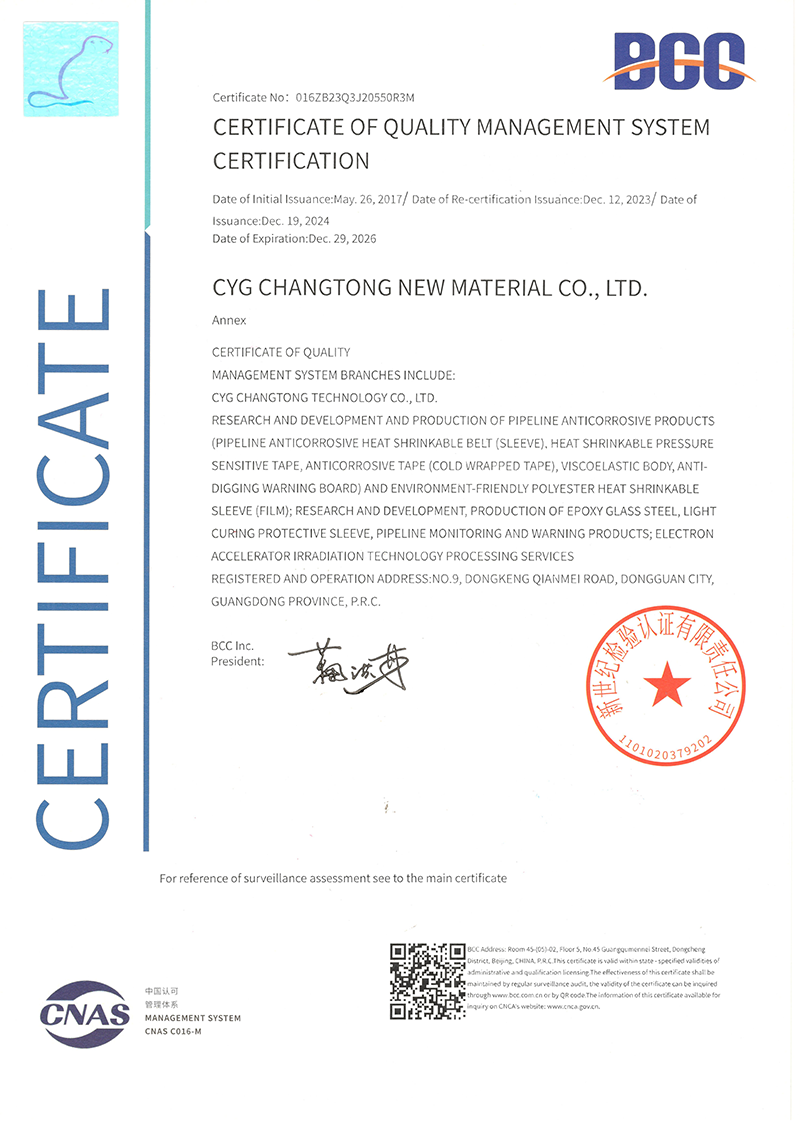
ISO 9001 System
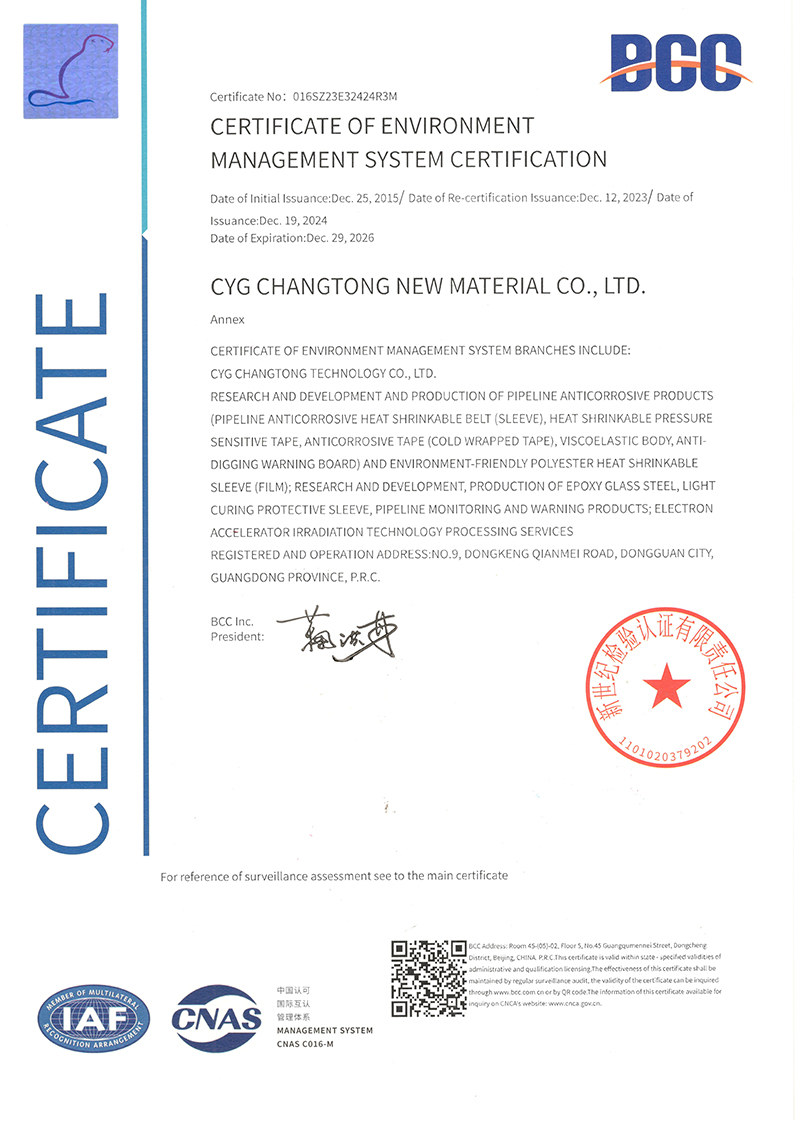
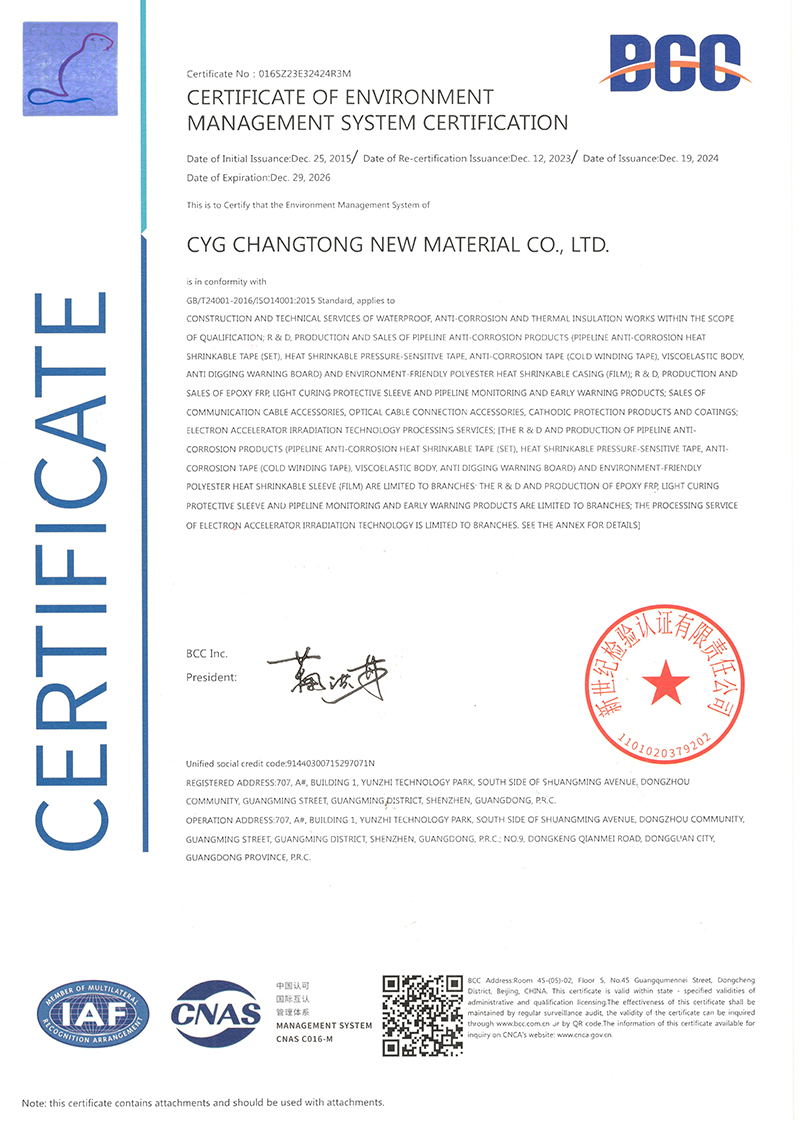
ISO 14001 System
Answers to technical questions from pipeline operators and corrosion engineers.
 CYCT
CYCT