Engineered corrosion protection products for oil, gas, water, and structural steel pipeline applications.
A technical examination of field joint corrosion prevention strategies, structural performance, and material selection criteria for cross-country pipelines.
In modern pipeline engineering, field joint coating (FJC) represents the critical front line of defense against structural degradation. While the main body of steel line pipe is protected under tightly controlled factory settings with high-performance systems like 3-Layer Polyethylene (3LPE) or 3-Layer Polypropylene (3LPP), the girth welds (field joints) made in the field are highly susceptible to corrosion. If unprotected or poorly insulated, these field joints become weak points, leading to catastrophic failure under environmental stressors, Cathodic Disbondment (CD), and shear strains.
Choosing the correct field joint coating requires balancing several parameters: operating temperature ranges, soil stress environments, mechanical pulling forces in trenchless installation methods like Horizontal Directional Drilling (HDD), and moisture ingress risks. CYCT New Materials leads China's supply chain by offering engineered coatings designed to match or exceed the protection properties of the parent line pipe coating, ensuring uniform, seamless, and high-durability protection across thousands of miles of pipeline networks.
From traditional heat shrinkable wraps to next-generation viscoelastic and photo-curing composite armor.
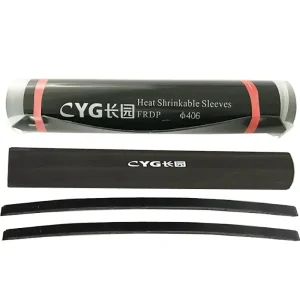
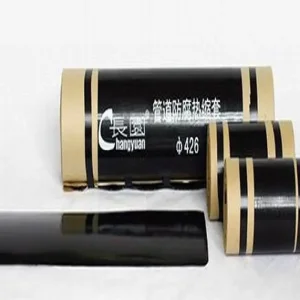
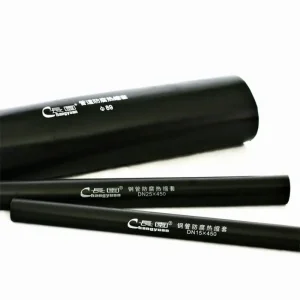
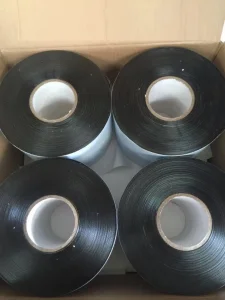
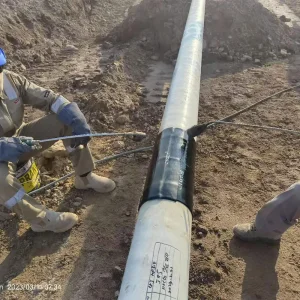
Cross-linked PE backing combined with heavy-duty mastic or hot-melt adhesive provides superior mechanical resistance. Widely used for pipelines operating up to 60°C (FRDP 60C) and 80°C. Heavy-duty cross-linking provides optimal shrink ratio and memory recovery during heat application.
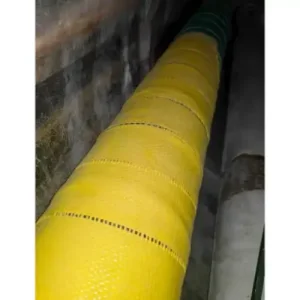
A zero-shear-stress, non-crystalline, viscous liquid-like polymer that flows directly into microscopic surface anomalies. Self-healing, completely water impermeable, and requires minimal surface preparation (St2/St3). Ideal for valves, flanges, and irregular field joints.
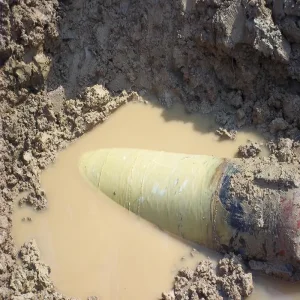
Fiberglass reinforced sleeves (Epoxy FRP) and moisture-curing outer shields. Specially formulated to withstand extreme shear forces, abrasion, and Gouge impact during pipe-pulling phases through rocky and harsh underground pathways.
In global pipeline infrastructure planning, compliance with international standards is vital. ISO 21809-3 regulates field joint coatings for buried or submerged pipelines. CYCT products undergo rigorous CNAS laboratory tests ensuring peel strength on steel and plant coatings, indentation resistance, cathodic disbondment at maximum rated temperature, and hot-water immersion aging tests. By utilizing advanced radiation cross-linking technology, our Heat Shrinkable Sleeves (HSS) consistently demonstrate zero disbondment propagation during high-stress simulation studies.
Tailoring materials to survive extreme cold, underwater pressure, high-abrasion installations, and rapid on-site cycle times.
High moisture and extreme saline environments require joint coatings with outstanding chemical barrier properties. CYCT's Moisture Curing Shield and Viscoelastic VT95 Tape protect subsea pipelines from seawater ingress, combined with concrete weight coatings for stability.
Pulling pipelines under rivers and highways exposes joints to extreme friction. Our Epoxy FRP (Fiberglass Reinforced Plastic) protective layer wraps over the primary heat shrink sleeve, acting as a sacrificial wear plate that prevents peeling and damage during pullback.
High temperature flow-lines accelerate steel corrosion. Standard PE sleeves will soften and slip under thermal expansion. CYCT’s PP (Polypropylene) Heat Shrinkable Sleeves handle continuous operating temperatures up to 110°C, remaining stable under high shear stresses.
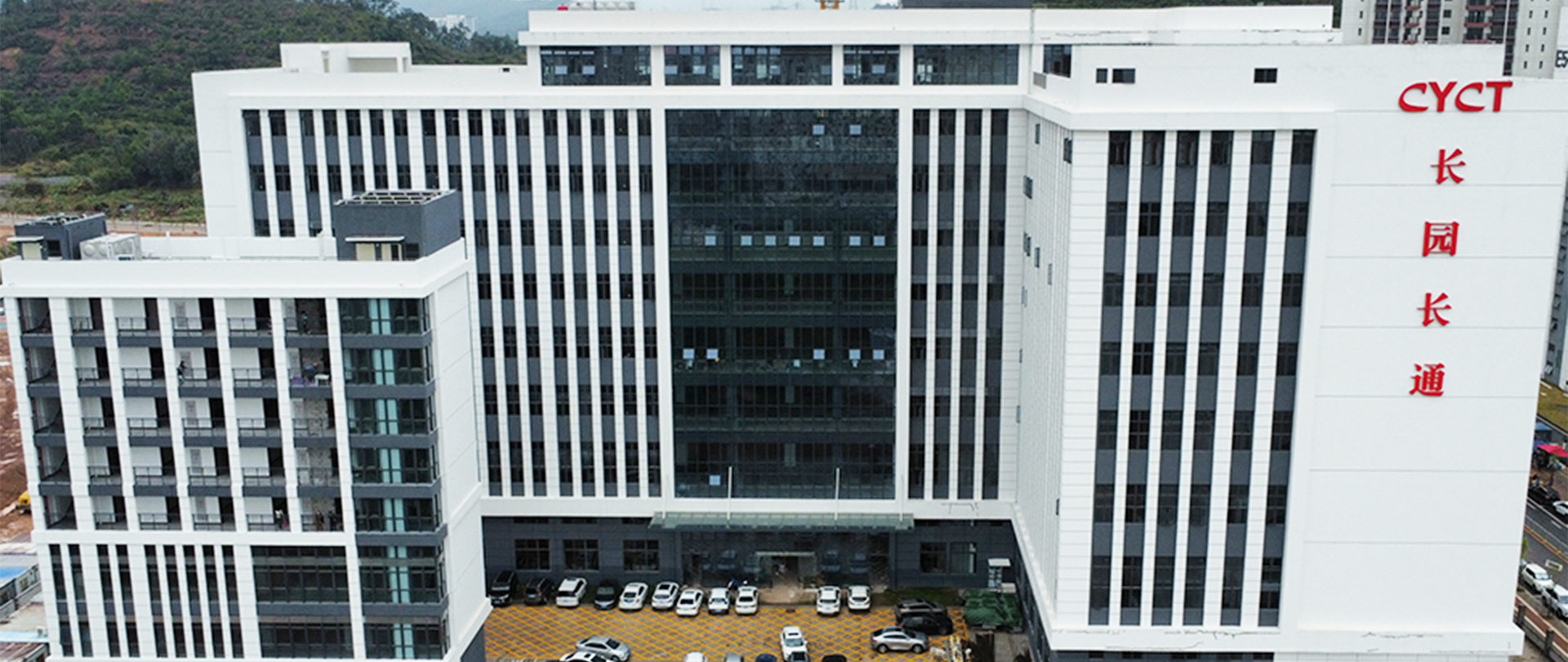
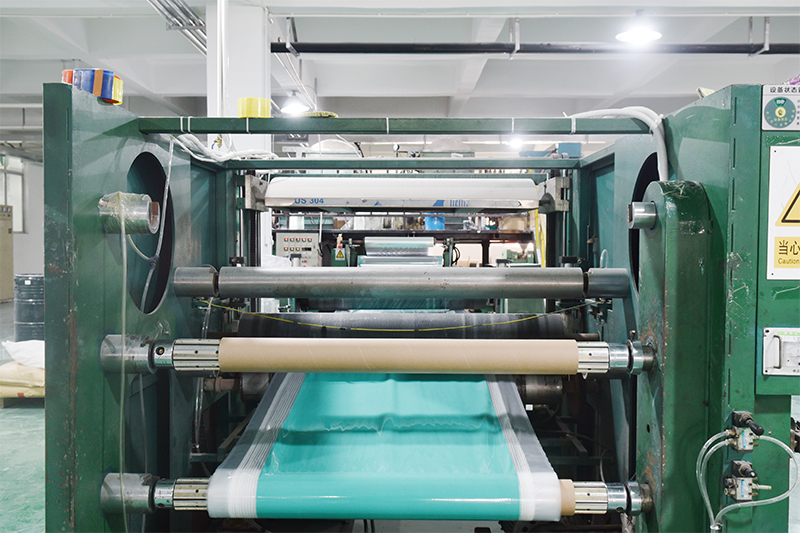
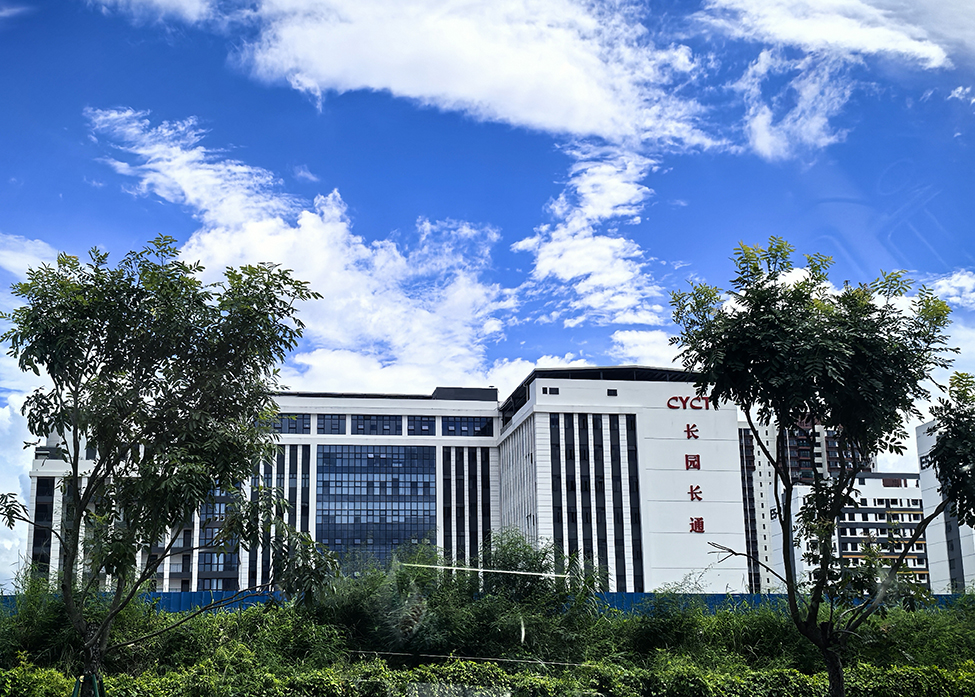
CYCT New Materials Company Limited (for short, CYCT) is a state-level high-tech enterprise integrating R&D, production and sales of pipeline corrosion protection materials as well as buried pipeline detection service and pipeline coating field application service into one. CYCT devotes itself to R&D, production and sales of pipeline corrosion protection materials for decades.
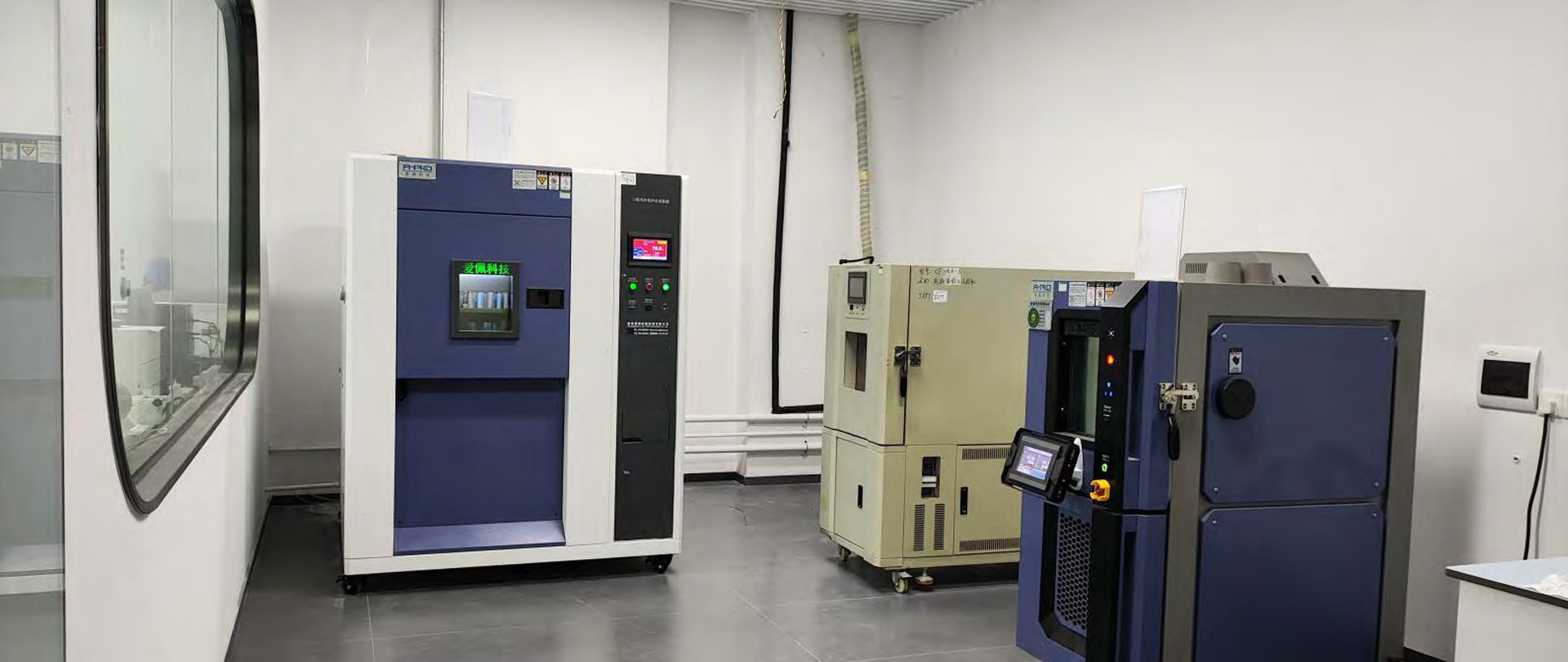
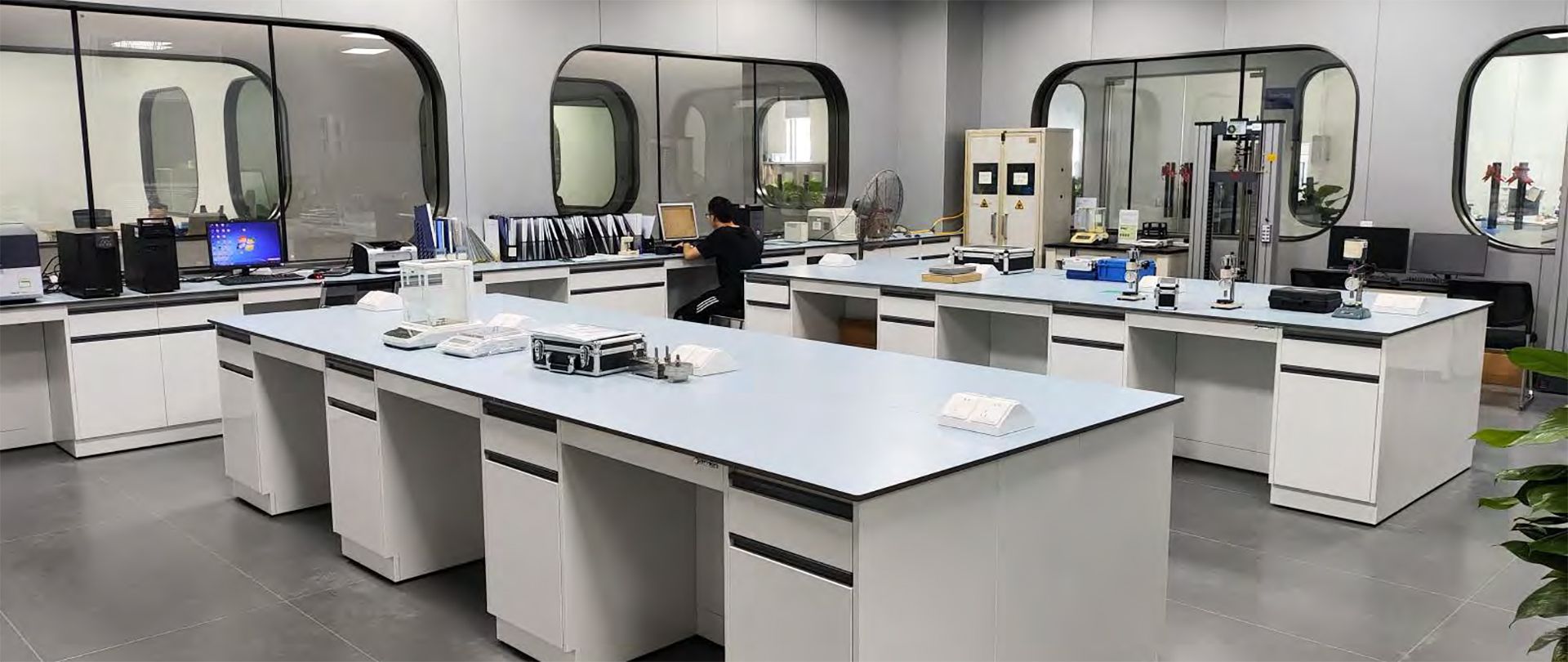
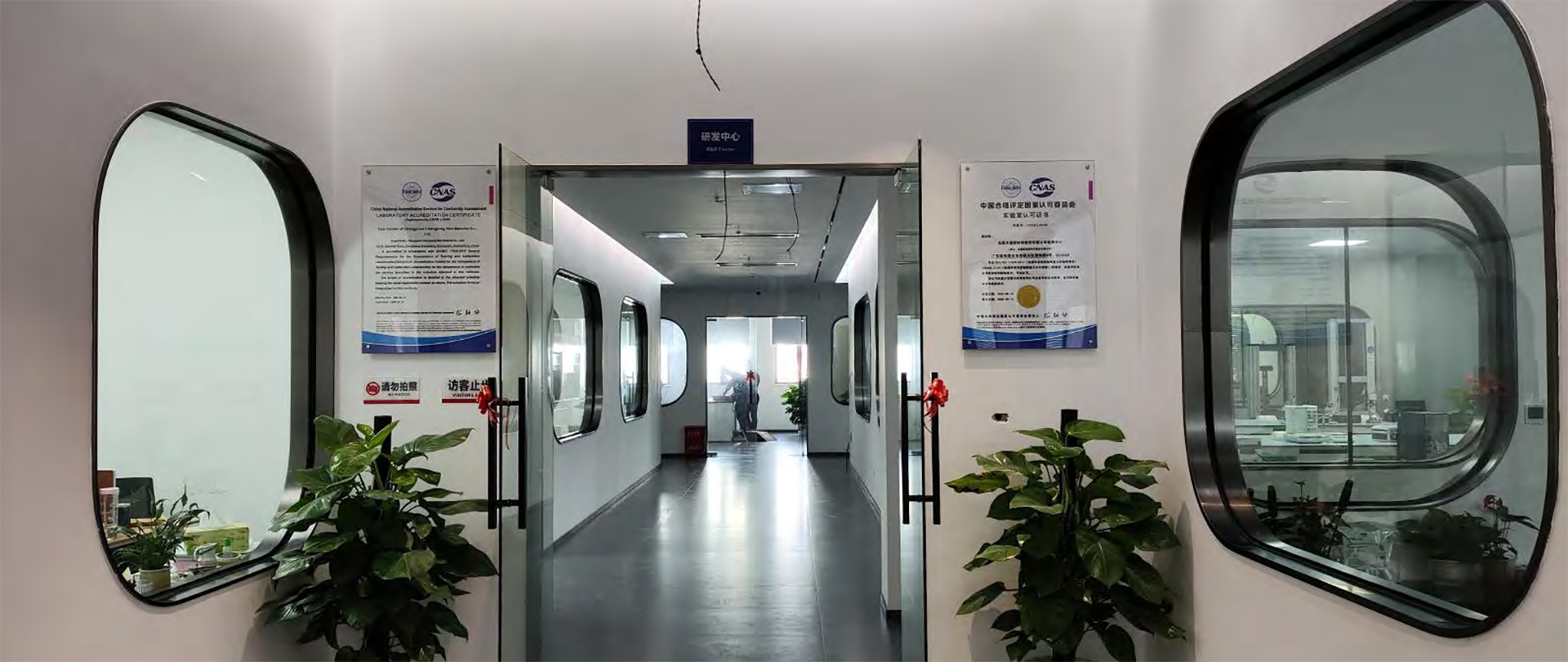
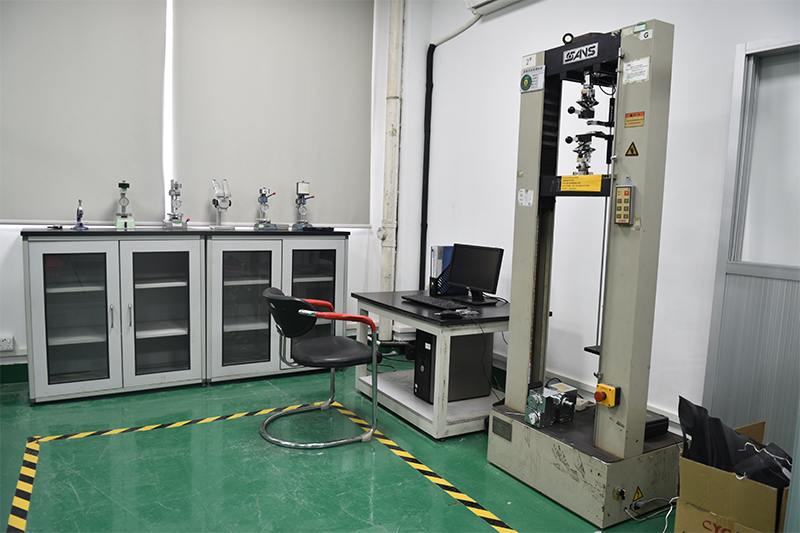
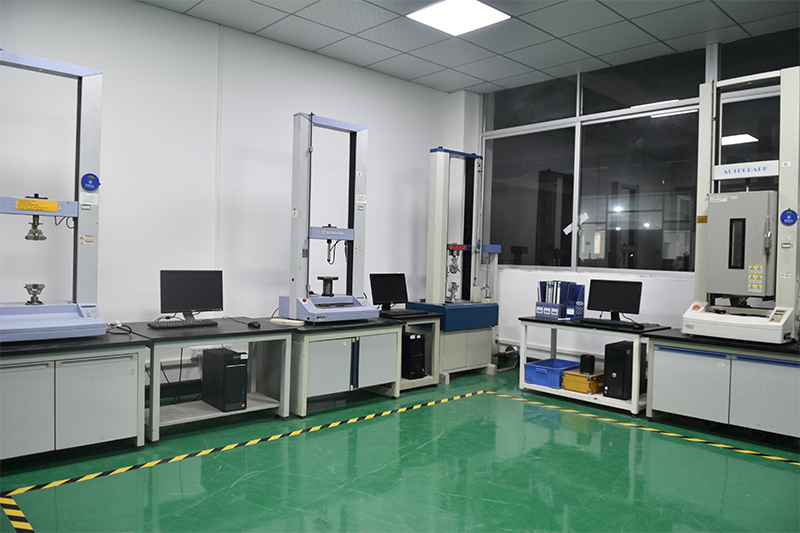
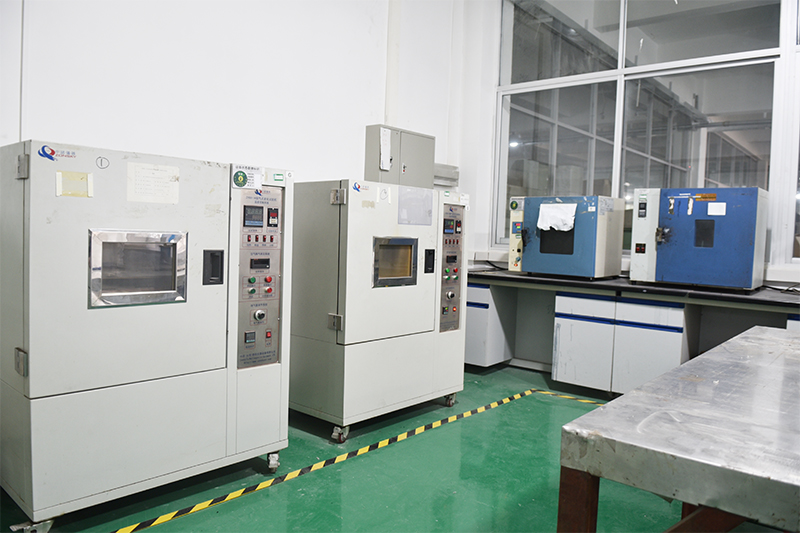
CYCT owns leading testing and R&D capabilities, a professional R&D team, and a national CNAS-accredited laboratory. We have become a stable supplier of field joint coating for years to PetroChina, Sinopec, PipeChina, local pipelines and enjoy a high market share. Furthermore, CYCT has successfully developed and introduced a number of specialty corrosion protection materials such as viscoelastic anticorrosion materials, special photo-curing sleeve for HDD protection and polyurea coating.
By good cooperation with leading R&D institutes such as CNPC Pipeline Science Research Institute, CYCT is capable to provide in-service pipelines with varied technical service such as buried pipeline detection, design scheme, cathodic protection, rehabilitation project and an integrated solution for the safety protection of pipelines.
Why international EPC contractors source field joint coating materials from China's leading integrated production facilities.
Operating a competitive pipeline project demands absolute consistency in delivery schedules. Delays at the construction site due to backordered heat shrink sleeves or viscoelastic tapes can lead to thousands of dollars in daily standby penalties. Sourcing from a scaled, vertically-integrated manufacturer like CYCT provides several key advantages:
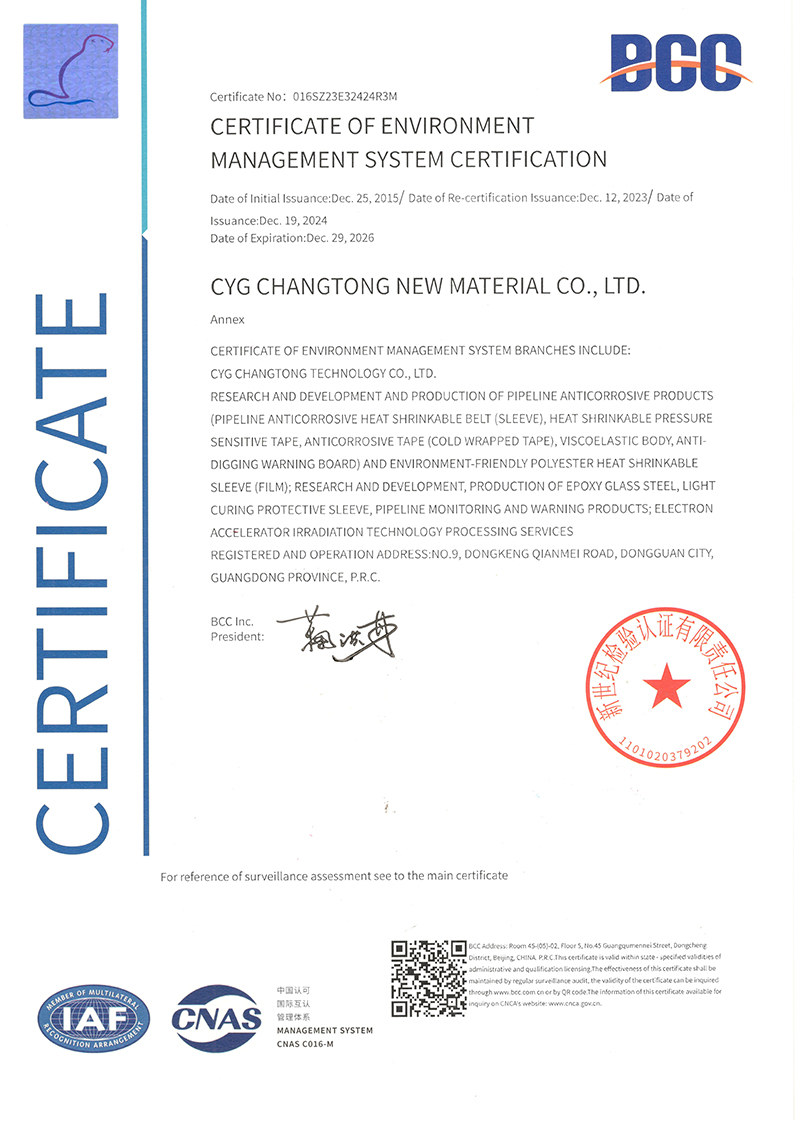
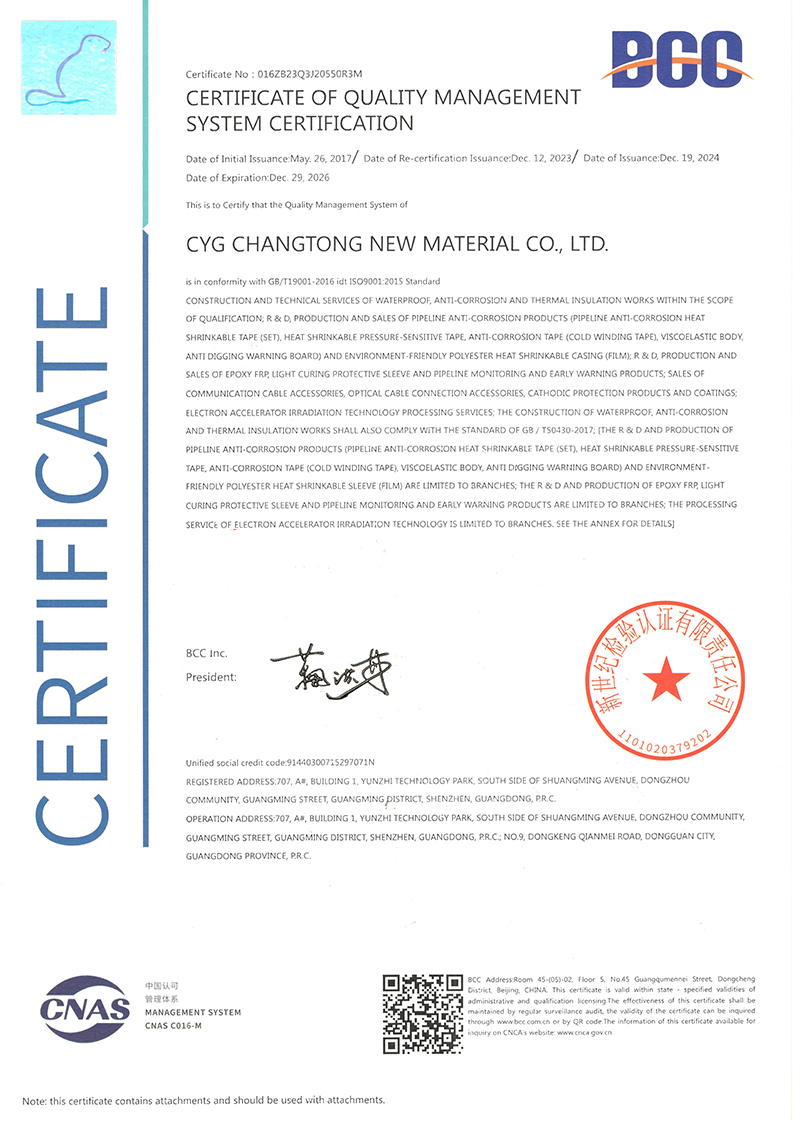
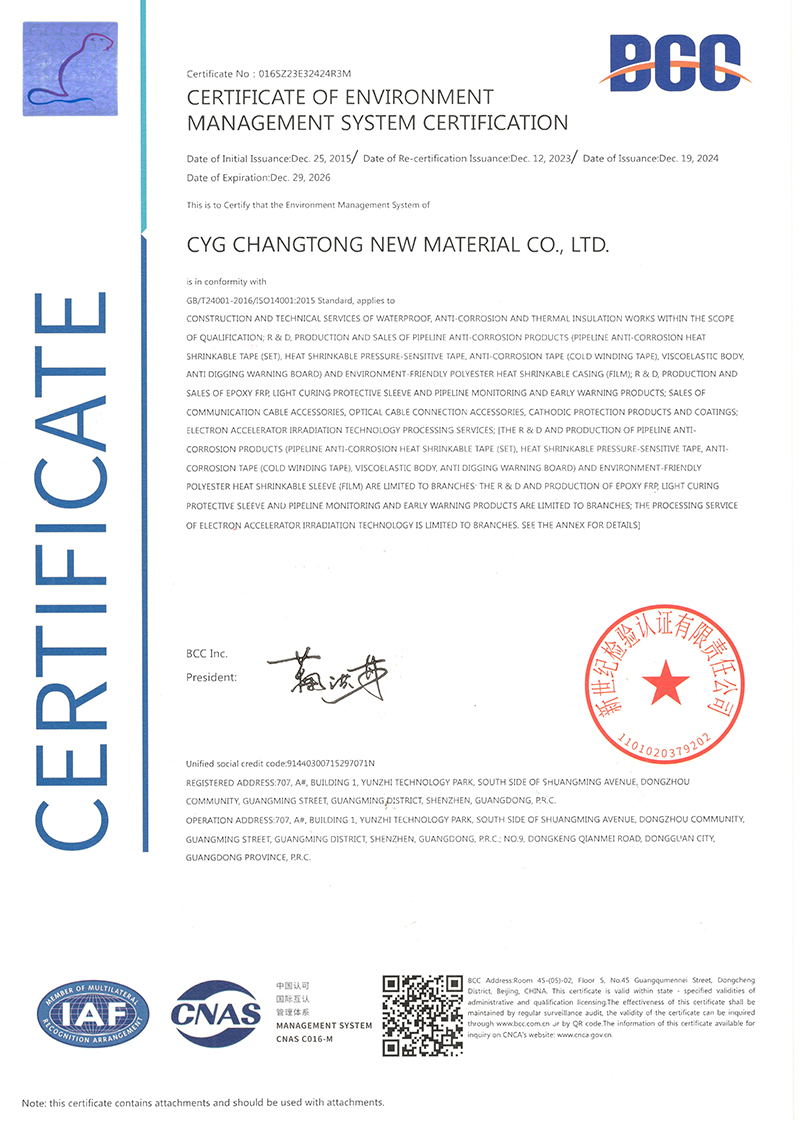
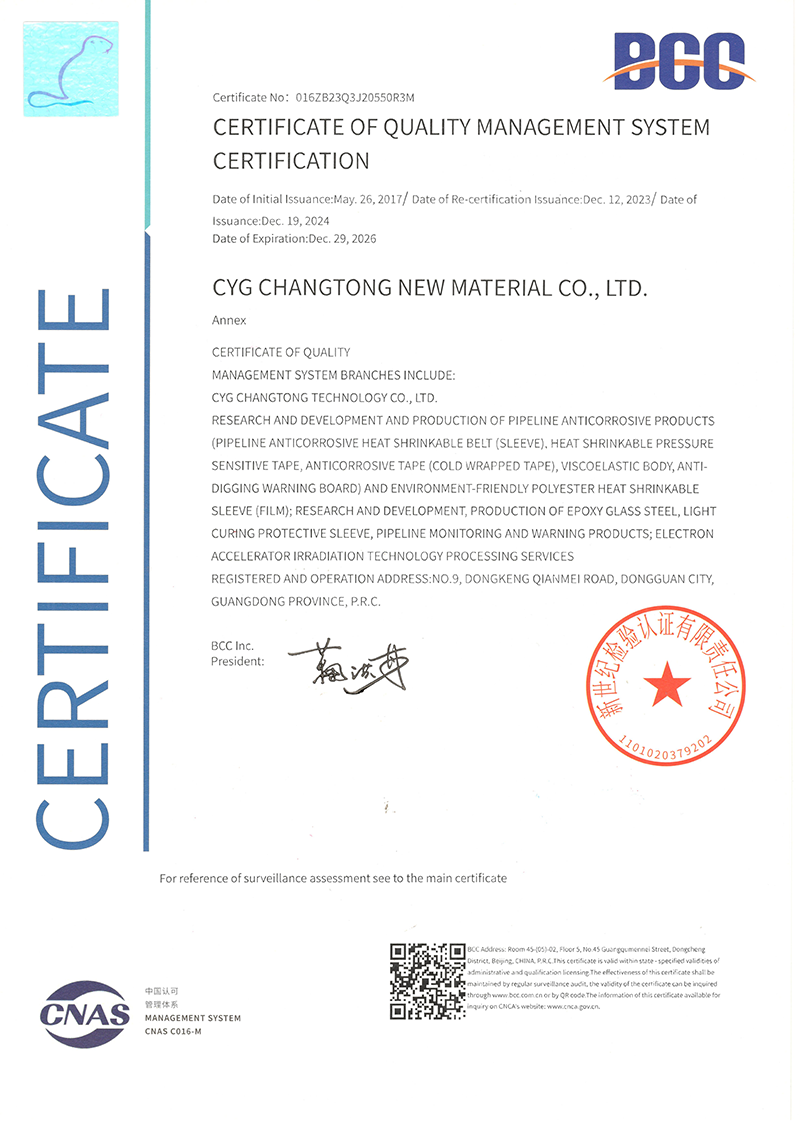
Recognized globally for quality assurance and compliance to strict pipeline corrosion standards.
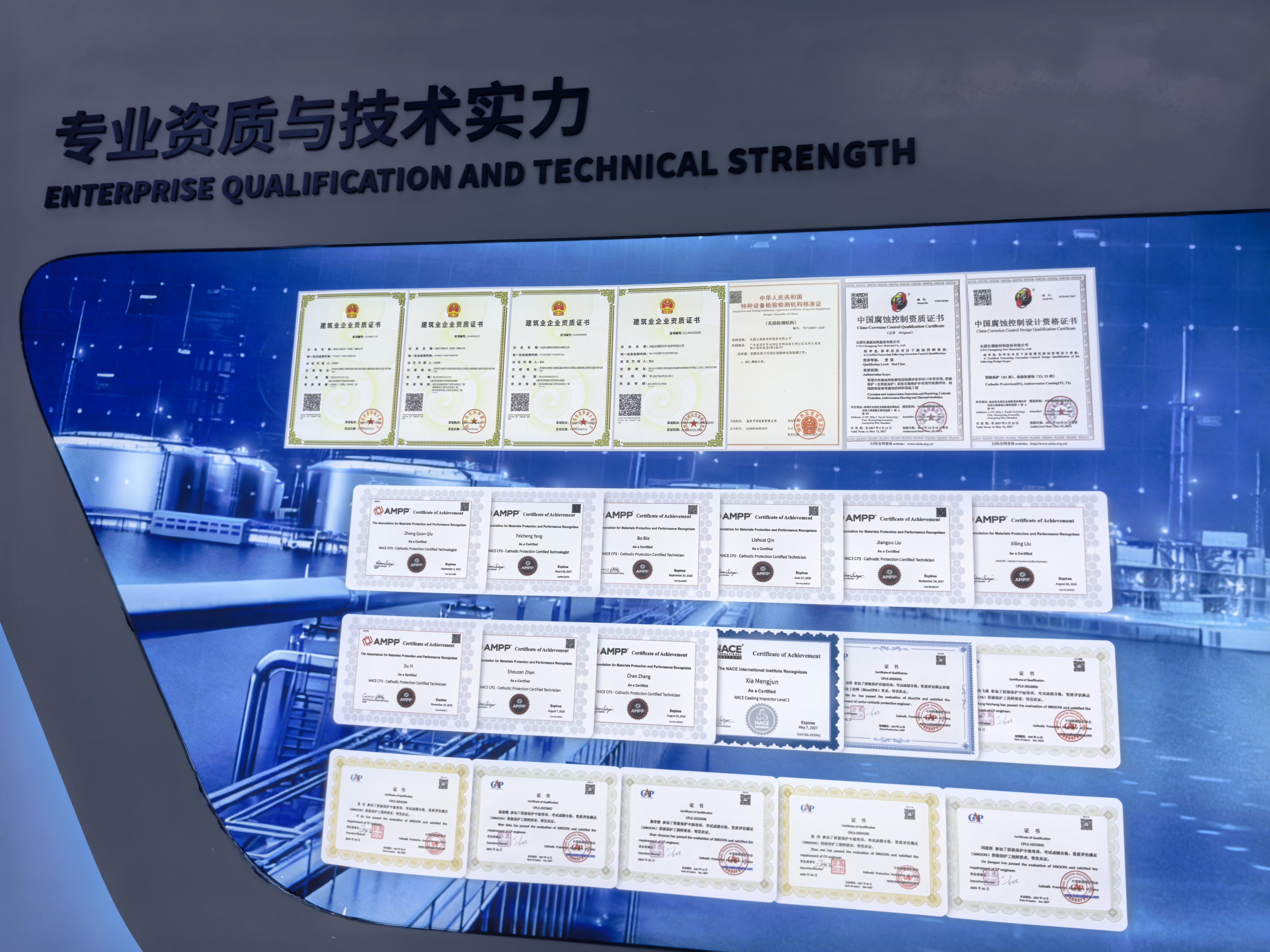
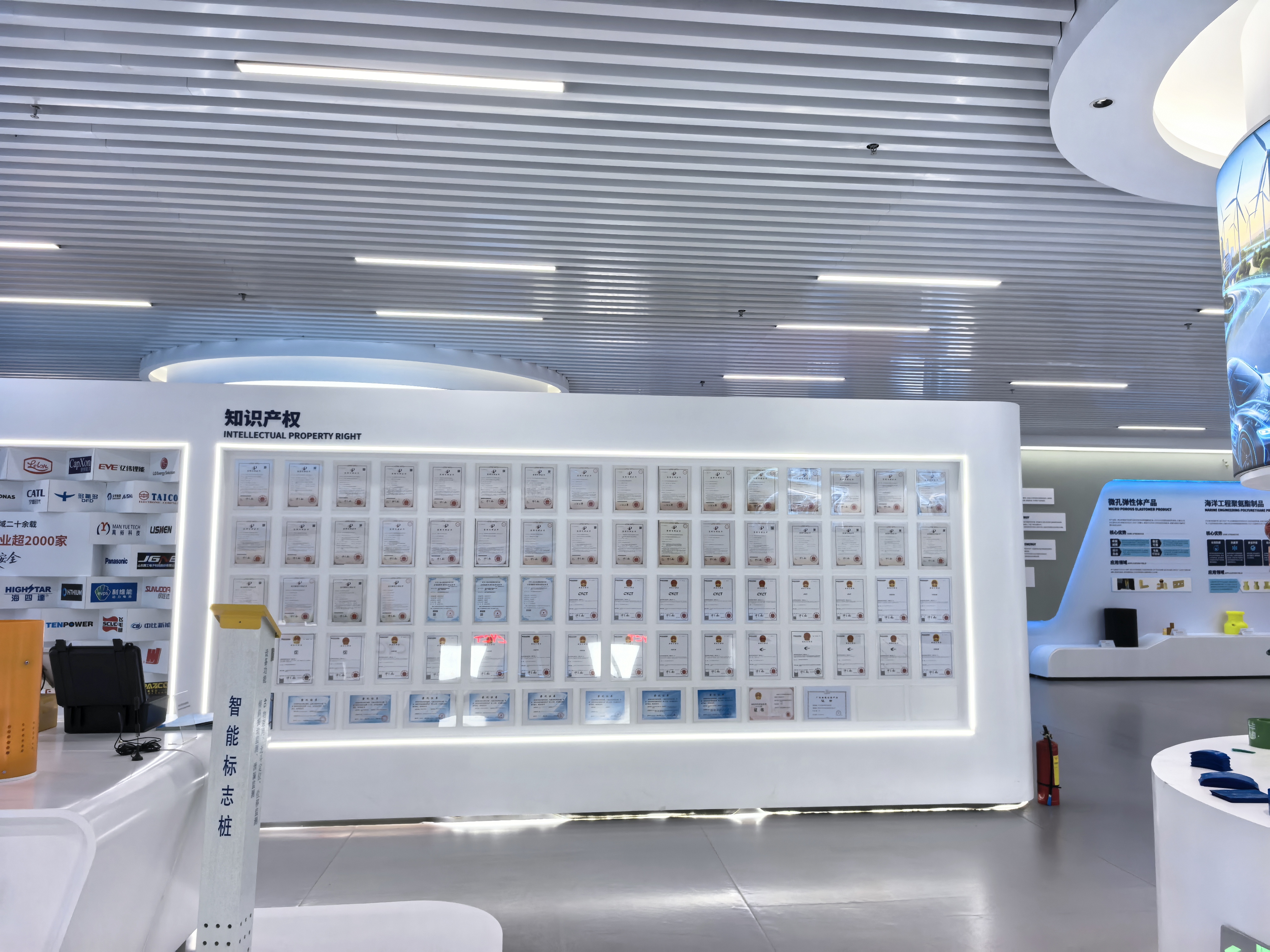
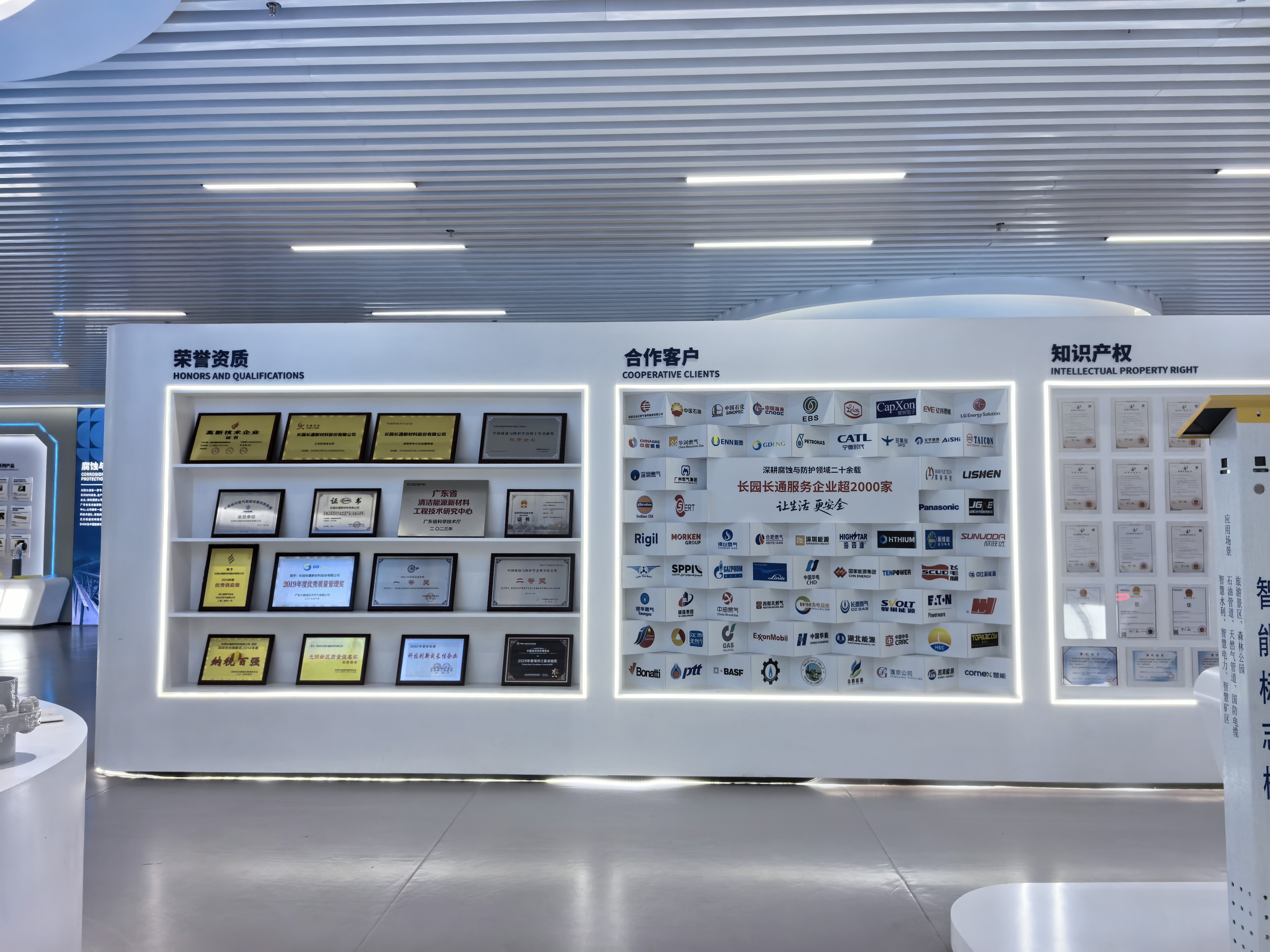
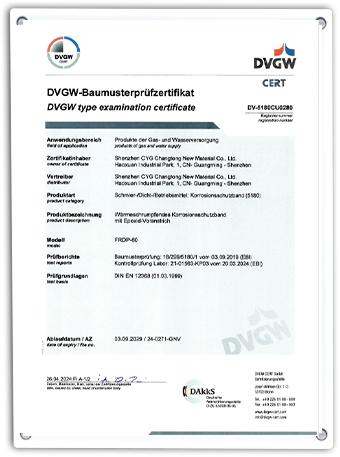
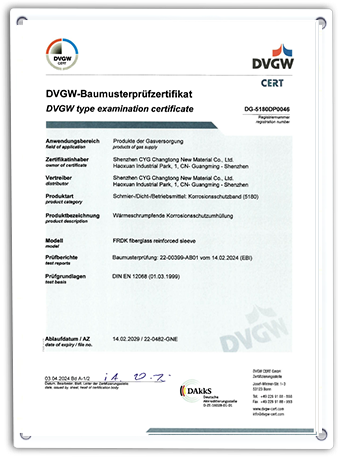
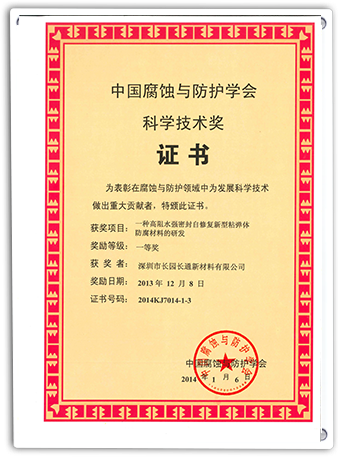
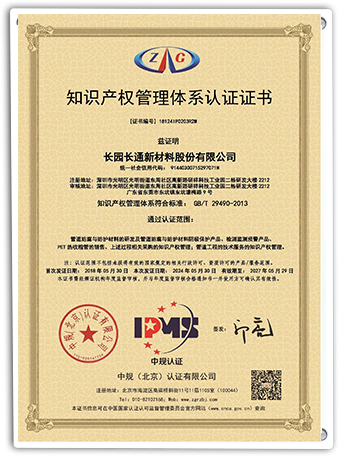
Member of Council in Chinese Society for Corrosion and Protection (CSCP), Qualification Certificate of Corrosion Protection Construction, Qualification Certificate of Pipeline Detection, Well-known Brand of Pipeline Corrosion Protection in China, Corporate Member of China Association of Petroleum Engineering Construction (CAPEC), State-Level High-Tech Enterprise with more than ten proprietary intellectual property rights. Stable supplier of PetroChina, Sinopec, China Gas Group, and Supplier of Indian Oil.
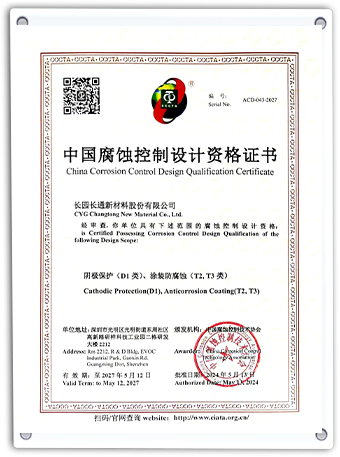
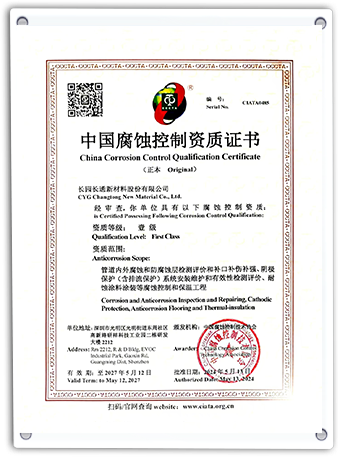
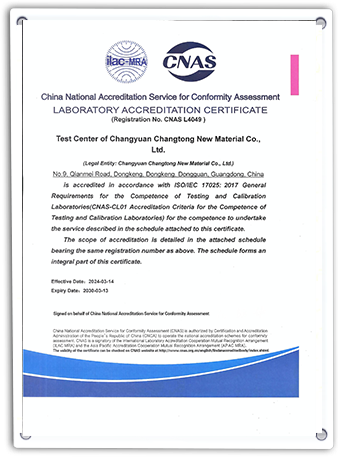
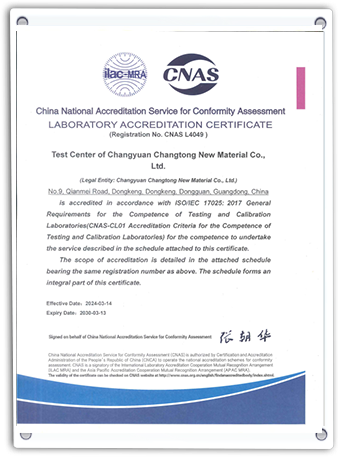
Deep technical answers addressing procurement, installation guidelines, standards compliance, and material engineering.
A properly selected and correctly applied field joint coating is engineered to match the design life of the parent line pipe coating, which is typically 25 to 50 years. Long-term performance depends heavily on surface preparation (cleanliness and profile) and compliance with application guidelines.
Viscoelastic tape (like VT95) does not require a primer, has self-healing properties, and can be applied with minimal surface preparation (St2). It operates as a cold-applied viscous liquid that flows into steel profiles. Heat shrinkable sleeves (HSS) require heating to shrink and melt the pre-applied adhesive onto the steel, providing stronger mechanical backing and higher resistance to soil shear stresses in deep trenches.
During trenchless HDD installations, the pipeline is pulled through long, curved subterranean holes that may contain sharp rocks and high-abrasion sands. A regular heat shrink sleeve can tear or peel under these conditions. Wrapping an Epoxy FRP (Fiberglass Reinforced Plastic) shield over the sleeve provides sacrificial abrasion and gouge protection to safeguard the primary anti-corrosion barrier.
CNAS (China National Accreditation Service) ensures that the testing laboratory operates in compliance with ISO/IEC 17025. This ensures that all quality control test reports for peel strength, heat resistance, and cathodic disbondment issued by CYCT are internationally recognized, providing assurance to global buyers.
PP coated pipelines operate at higher temperatures (often above 100°C). We offer customized PP Heat Shrink Sleeve (wraparound-type) field joint systems and PP Hot Melt Sticks for repairing 3LPP coatings. These systems maintain high mechanical strength, peel strength, and resistance to degradation at high service temperatures.
Browse our advanced polymer formulas, viscoelastic tapes, sealants, and repair accessories.
 CYCT
CYCT