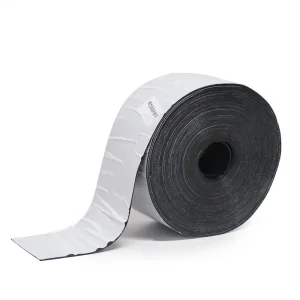
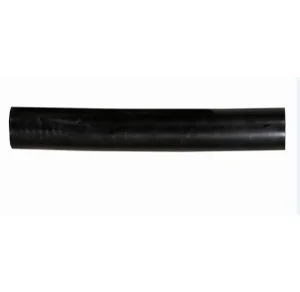
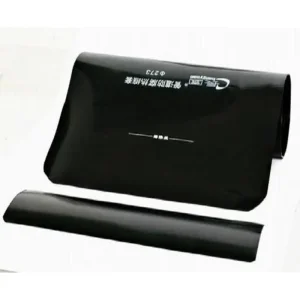
Designed to withstand extreme atmospheric corrosion, saline sea winds, and harsh underground conditions across Portugal's maritime terminals and continental pipeline systems.
Portugal’s extensive coastline, coupled with its critical maritime hubs like the Port of Sines, the Leixões industrial belt, and the complex subterranean natural gas grid managed by
For decades, traditional three-layer polyethylene (3LPE) and liquid epoxy coatings served as the standard. However, during field joint coatings (FJC) application, repair operations, or directional drilling under regional rivers like the Douro and Tagus, conventional materials frequently experience micro-disbondment. This creates microscopic gaps where moisture resides, inducing cathodic disbondment.
Viscoelastic coatings represent a paradigm shift in corrosion engineering. Composed of non-crystalline low-molecular-weight polyisobutene (PIB) matrices, these coatings combine the physical benefits of a fluid (constant wetting capability) with the stability of a solid. This makes them ideal for the Portuguese climate, where extreme summer heat in areas like Alentejo alternates with intense coastal Atlantic humidity.
To understand why global petrochemical companies and Portuguese municipal water and gas grids are transitioning to viscoelastic technology, one must examine the polymer physics behind viscoelastic coatings. Unlike traditional thermosetting or thermoplastic coatings which cure to a rigid state, viscoelastic materials maintain a constant viscous-elastic balance:
The material acts as a high-viscosity liquid, continuously flowing into microscopic irregularities, surface profiles, and steel crevices. This guarantees 100% surface wetting without voids, ensuring no water molecules can ever contact the substrate.
While the polymer flows to wet the surface, it retains internal cohesive strength. Combined with a mechanical outer wrap, it maintains structural resistance, absorbing impacts and resisting soil stress in dynamic terrain.
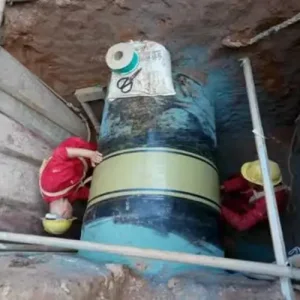
If the coating is punctured by mechanical stress or rock impact during backfilling, the viscoelastic paste naturally flows back into the void. The defect is sealed automatically, preventing under-film water migration.
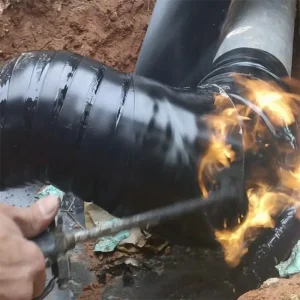
Traditional heat-shrinkable sleeves require intensive pre-heating of the steel pipe (often up to 60°C - 80°C) to ensure adhesive bonding. In outdoor coastal environments in Portugal, high wind and moisture can quickly cool the steel, leading to poor bonding, air entrapment, and premature corrosion. Viscoelastic coatings require zero pre-heating. They can be applied on surfaces with minimal surface preparation, yielding immediate adhesion to steel, PE, PP, and FBE.
For global procurement managers sourcing materials for Portuguese infrastructure, technical compliance and logistical agility are critical. At CYCT, we understand the rigorous verification processes that engineering, procurement, and construction (EPC) contractors perform before accepting a coating supplier.
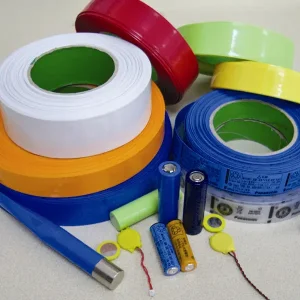
Whether securing the splash zone of marine piles in the Port of Lisbon, insulating high-temperature steam pipelines in regional refineries, or sealing flange connections on municipal water mains in Porto, our product portfolio provides targeted protection.
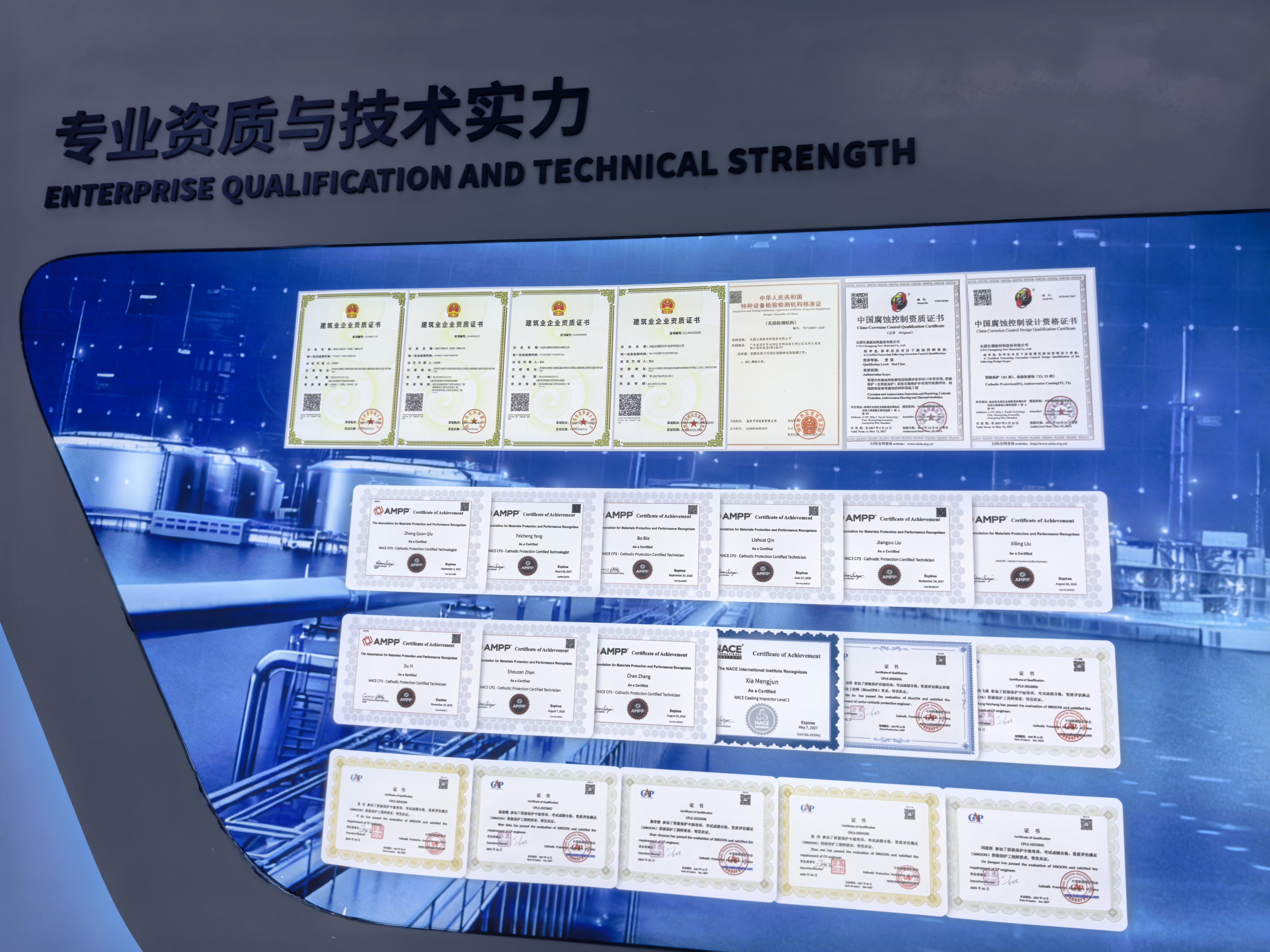
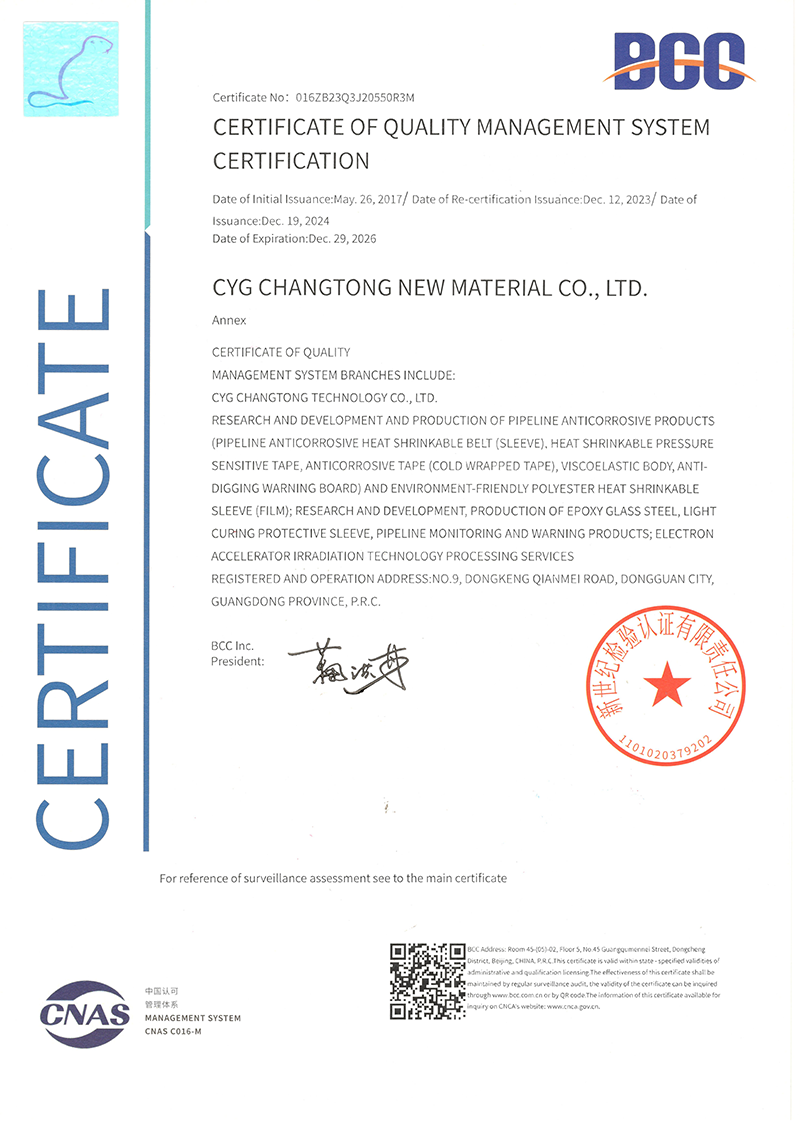
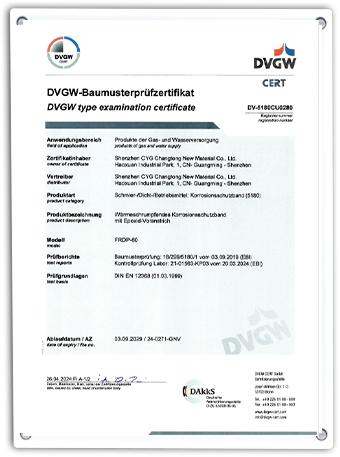
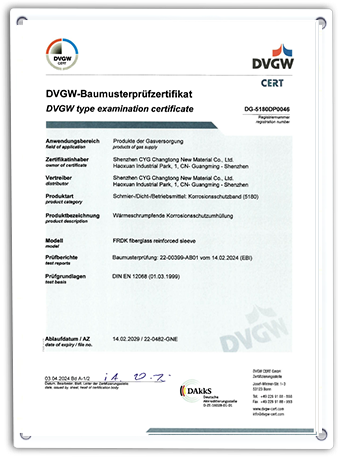
Importing anti-corrosion materials into the European Union requires strict compliance with environmental and technical benchmarks. CYCT ensures all viscoelastic systems supplied to European projects meet the highest standards of reliability and safety:
Our viscoelastic materials are tested to fully comply with ISO 21809-3 Type 13 specifications, ensuring worldwide compatibility with petrochemical pipeline standards.
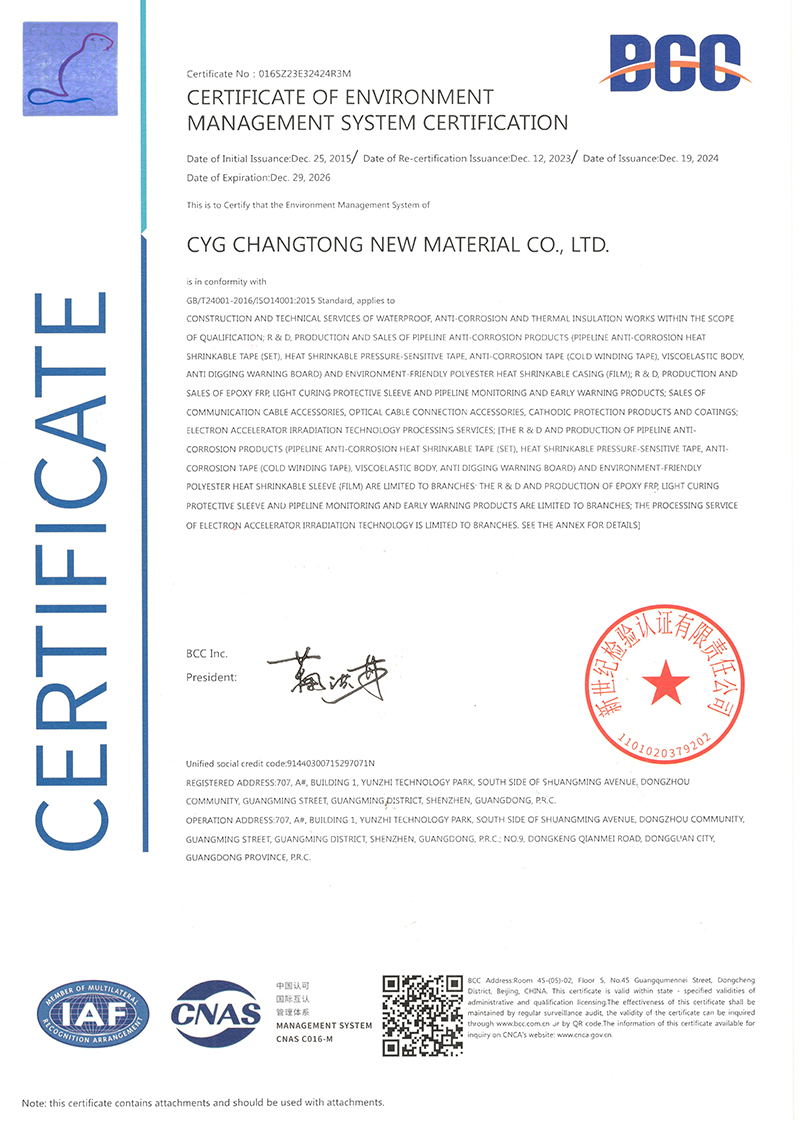
Formulated without hazardous solvents, toxic heavy metals, or volatile organic compounds (VOCs). Suitable for eco-sensitive applications near Portuguese natural parks.
We provide training programs and application guidelines aligned with NACE/AMPP standards to ensure correct field application by Portuguese contractors.
CYCT New Materials Company Limited (for short, CYCT) is a state-level high-tech enterprise integrating R&D, production and sales of pipeline corrosion protection materials as well as buried pipeline detection service and pipeline coating field application service into one. CYCT devotes itself to the R&D, production, and sales of pipeline corrosion protection materials for decades.
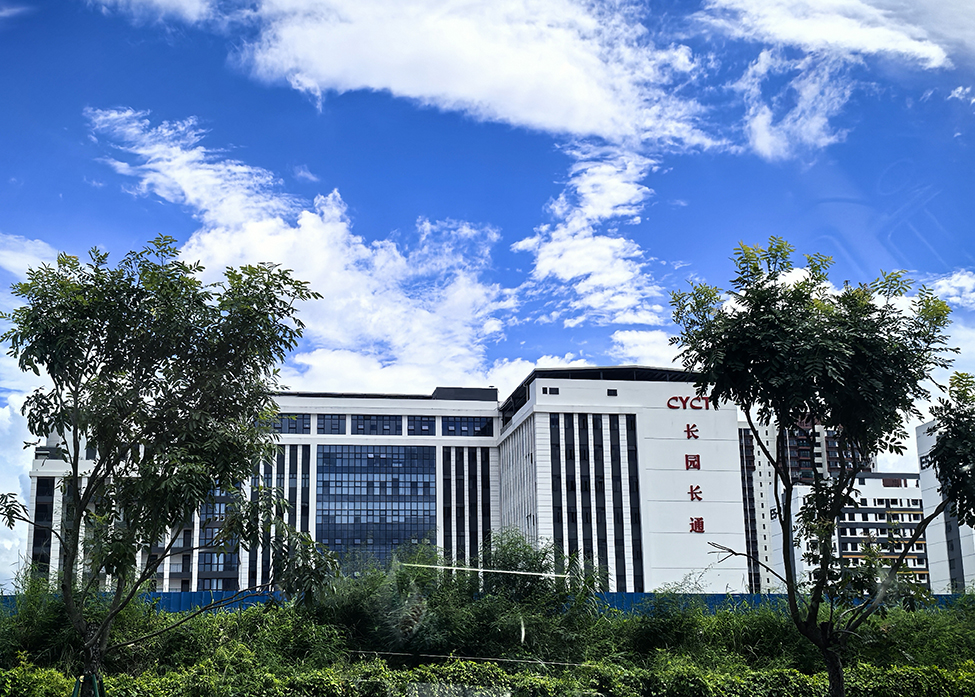
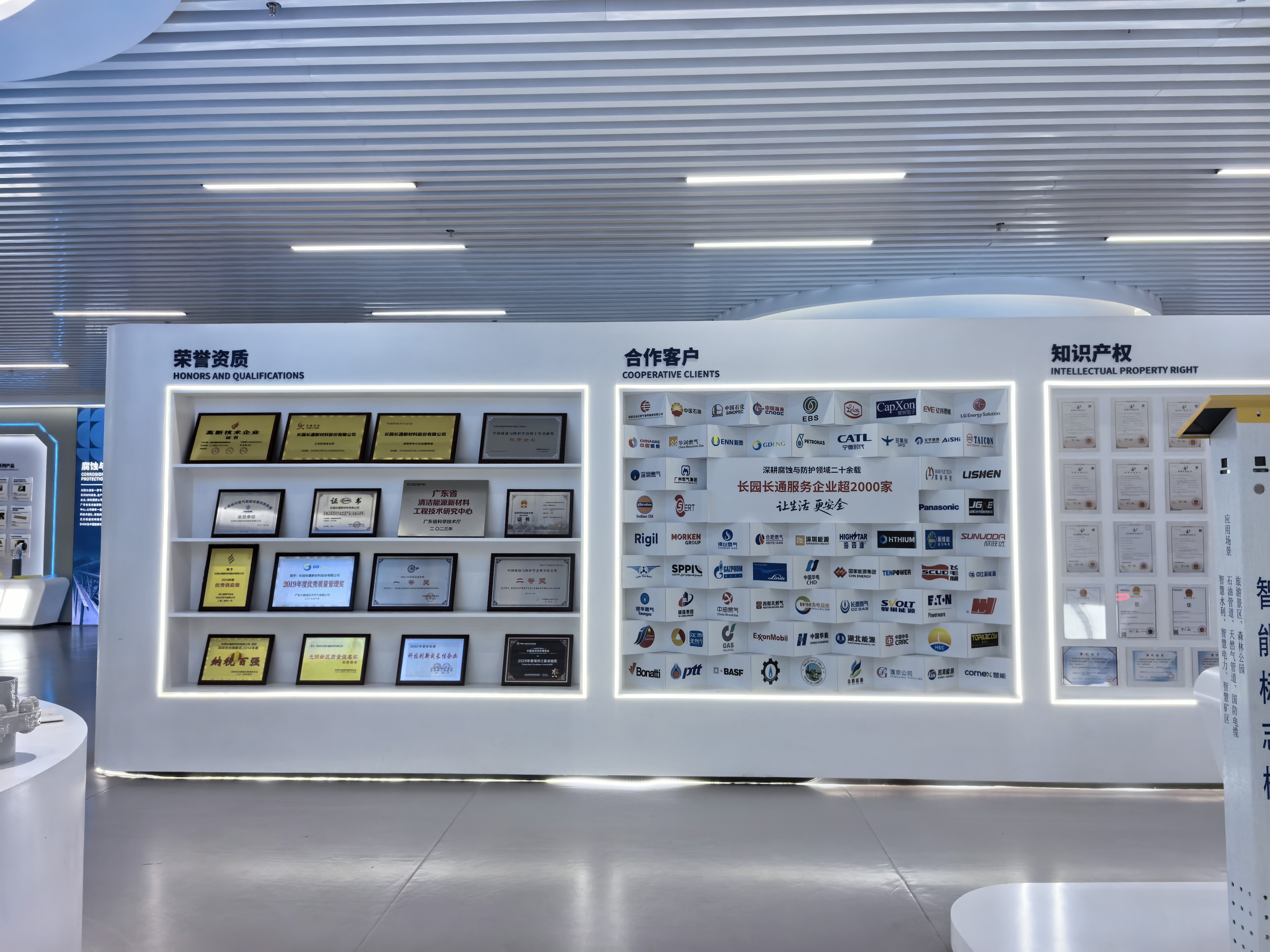
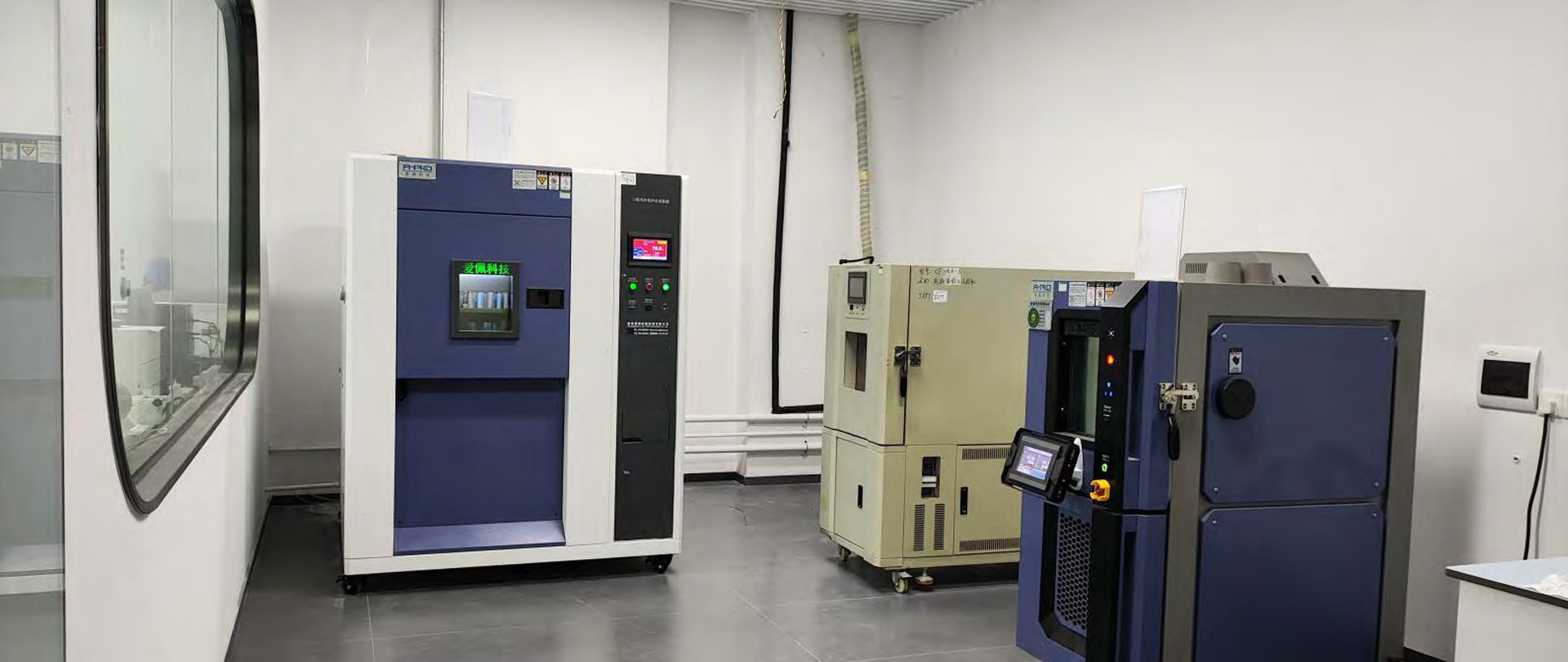
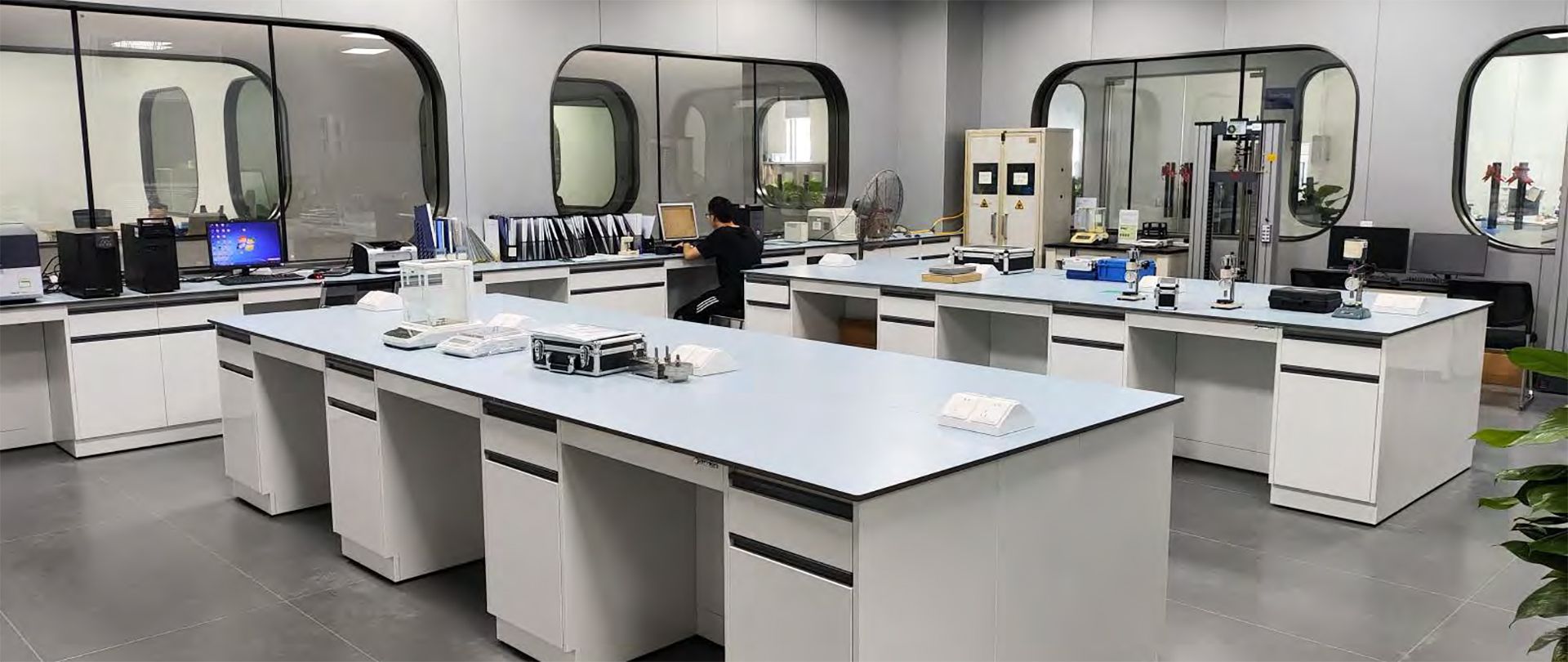
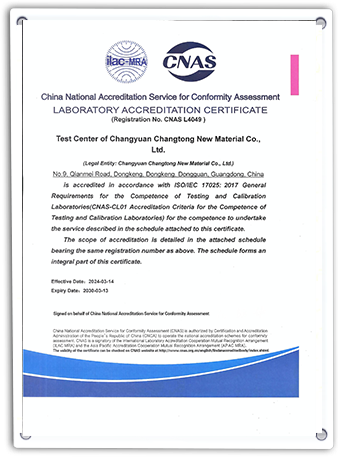
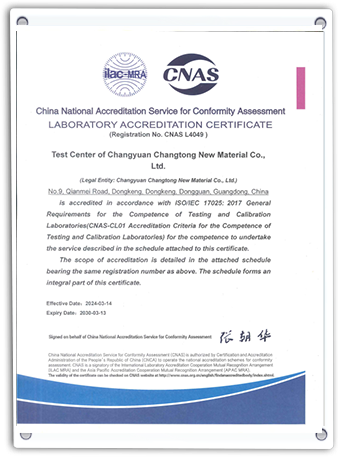
CYCT owns leading testing and R&D capabilities, a professional R&D team, and a national CNAS-accredited laboratory. CYCT has become a stable supplier of field joint coatings for years to PetroChina, Sinopec, PipeChina, and local pipeline projects, commanding a significant market share. Furthermore, CYCT has successfully developed and introduced a number of specialty corrosion protection materials such as visco-elastic anticorrosion materials, special photo-curing sleeves for HDD protection, and polyurea coatings.
Through close cooperation with leading research institutes such as the CNPC Pipeline Science Research Institute, CYCT is capable of providing in-service pipelines with varied technical services such as buried pipeline detection, design schemes, cathodic protection, rehabilitation projects, and integrated solutions for the safety protection of pipelines.
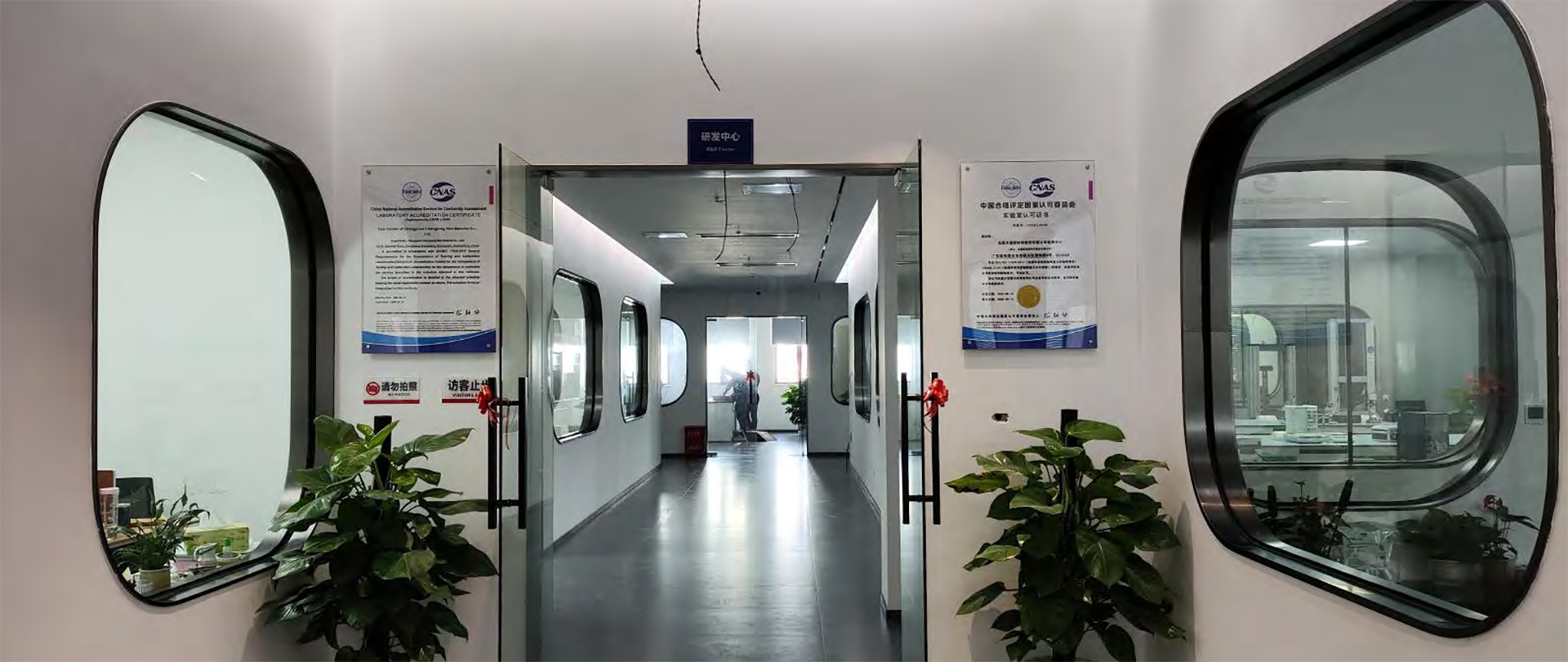
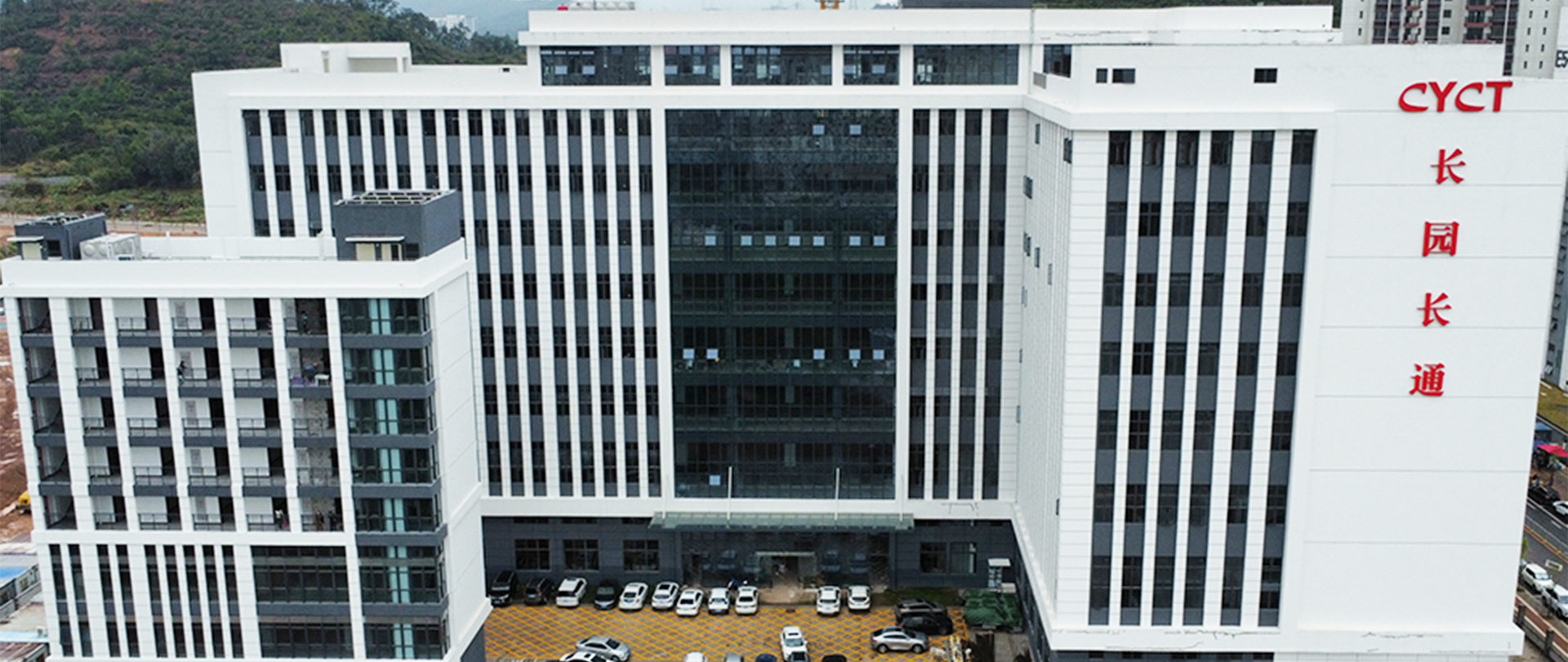
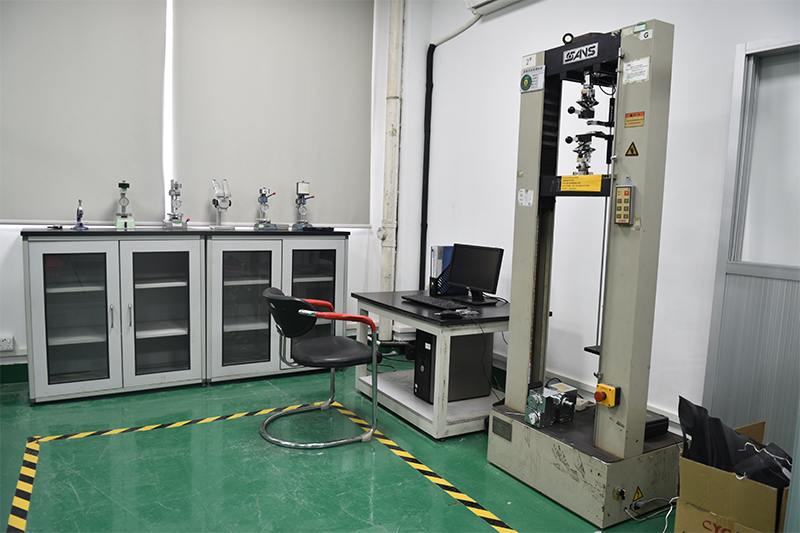
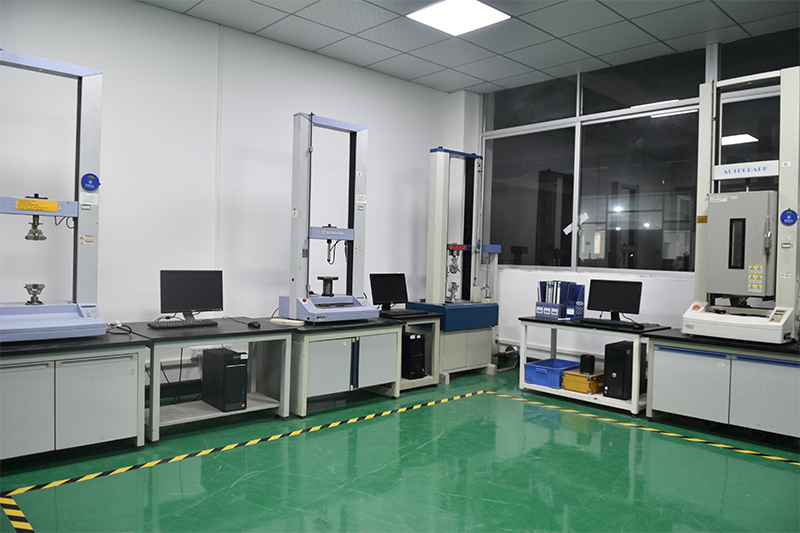
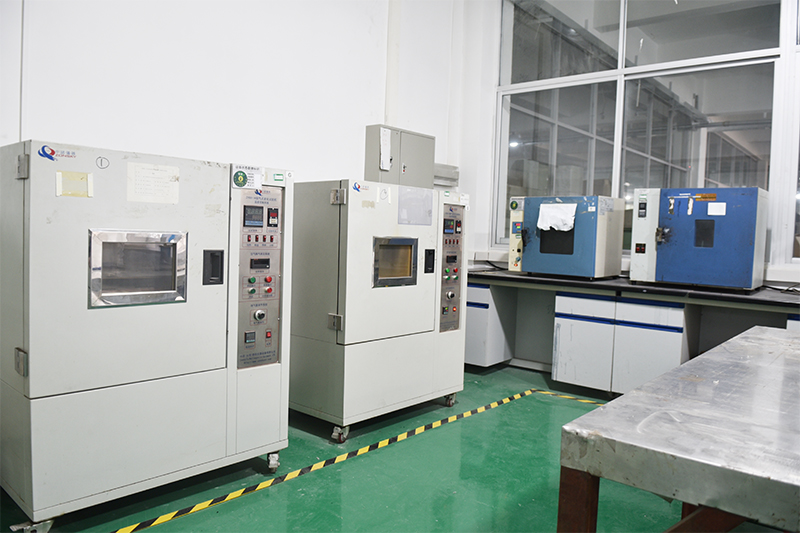
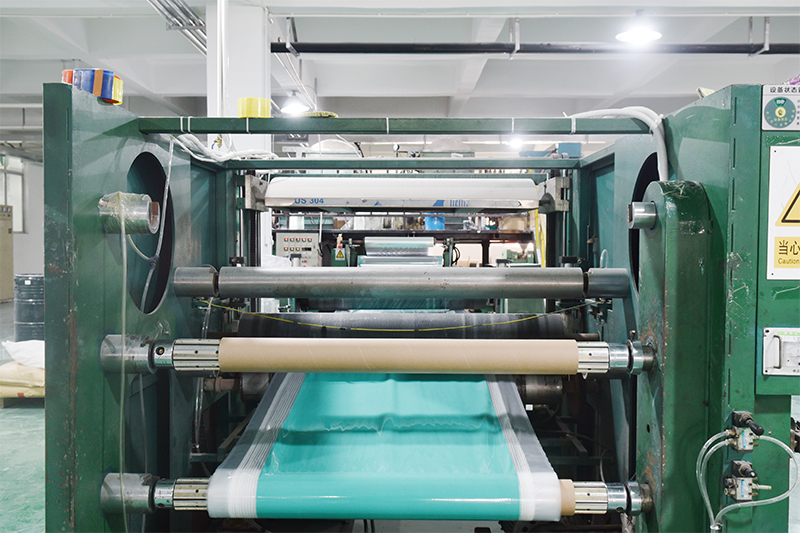
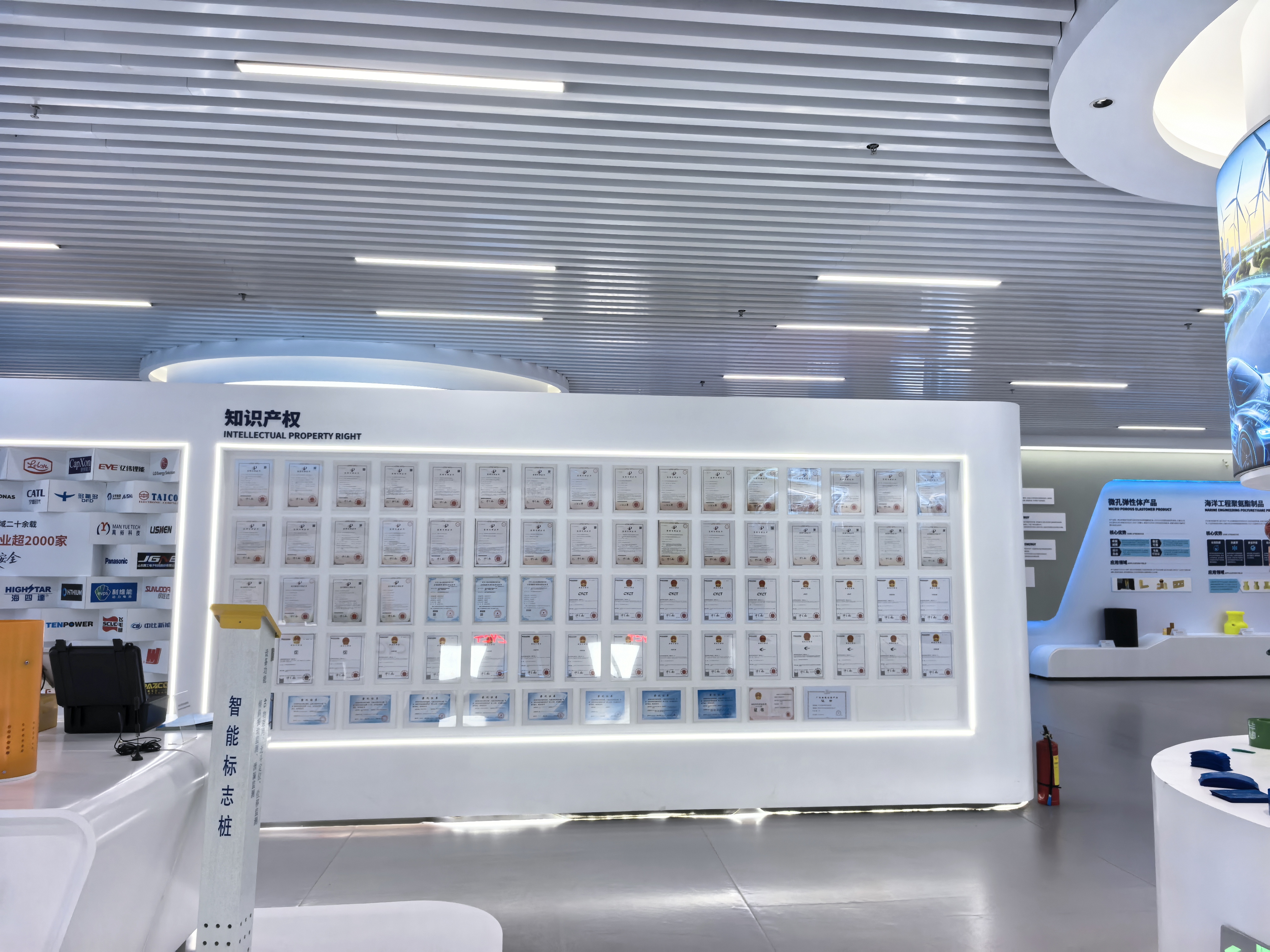
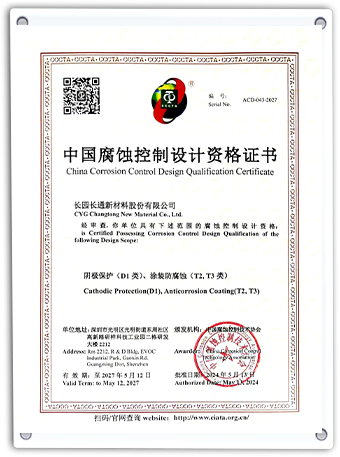
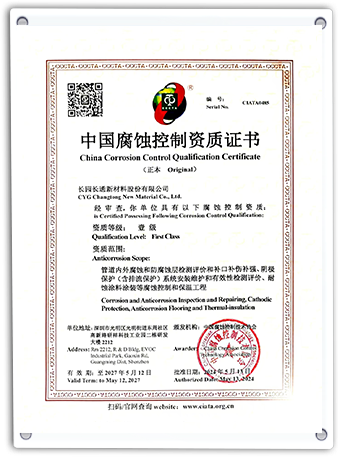
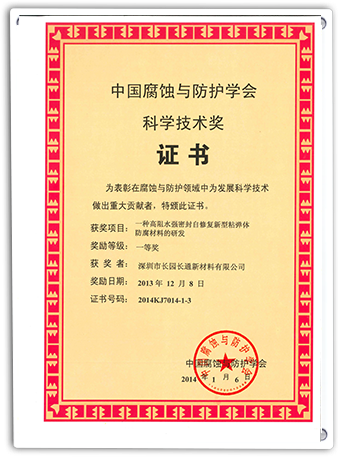
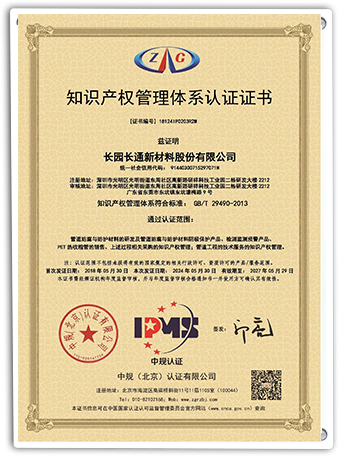
CYCT is a Council Member of the Chinese Society for Corrosion and Protection (CSCP), holding professional Qualifications in Corrosion Protection Construction and Pipeline Detection. We are recognized as a well-known brand in pipeline corrosion protection, a corporate member of CAPEC, and a state-level high-tech enterprise with multiple proprietary intellectual property rights.
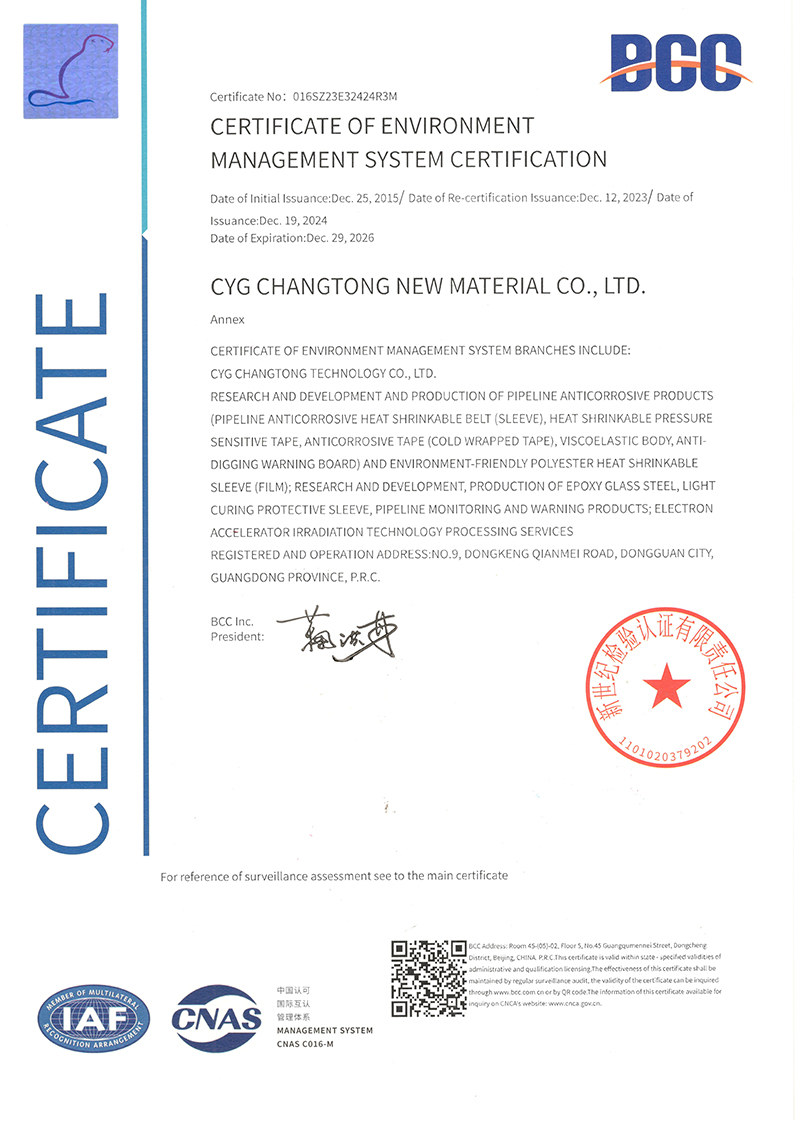
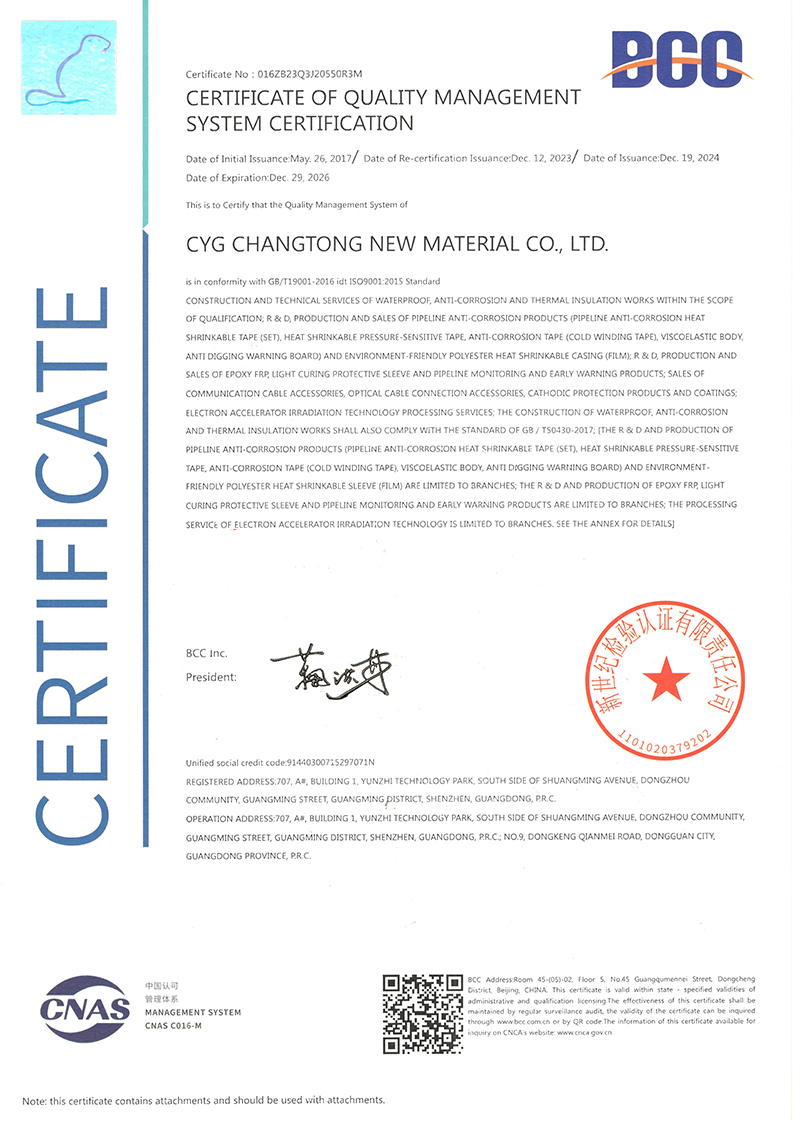
Get authoritative answers to the most common engineering and procurement questions regarding viscoelastic materials.
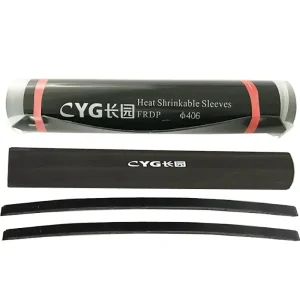
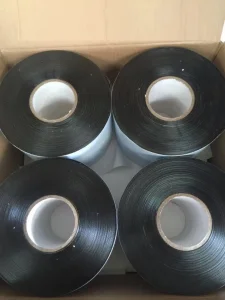
Explore our complete catalog of heat-shrinkable sleeves, cold-applied wraps, and custom repair materials certified for global delivery.
 CYCT
CYCT