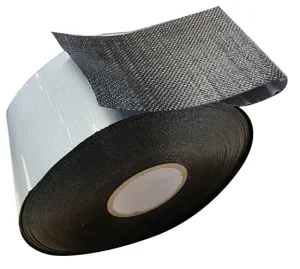
Engineered field-joint and structural pipe rehabilitation solutions deployed across Indonesia’s oil, gas, and geothermal transmission lines.
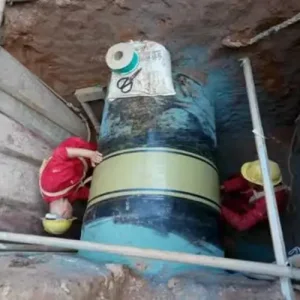
Indonesia, as Southeast Asia’s largest economy, relies heavily on complex pipeline distribution systems to transport oil, natural gas, chemicals, and geothermal slurry across its unique archipelagic topography. With major energy projects led by state-owned enterprises like Pertamina and Gas Negara, maintaining pipeline integrity under tropical environments is a monumental challenge.
High humidity, saline-heavy coastal soil properties, high volcanic ground temperatures, and frequent seismic activity accelerate corrosion and structural failure of buried or offshore pipelines. Traditional field repairs often result in premature failure due to poor local moisture control. Consequently, asset managers now demand advanced composite repair sleeves (GFRP/GRP), viscoelastic cold-applied tapes, and high-performance hot melt fillers to ensure a minimum 30-year operational lifecycle.
Aligning with next-generation energy transportation standards, including hydrogen blends and ultra-deepwater infrastructure.
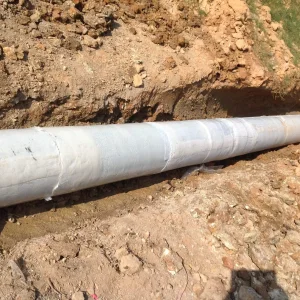
Transitioning from mechanical repair systems to molecularly active, cold-flow viscoelastic compounds. These materials flow directly into micro-cavities on steel surfaces, providing 100% adhesion even in highly saturated environments common to Sumatra and Kalimantan.
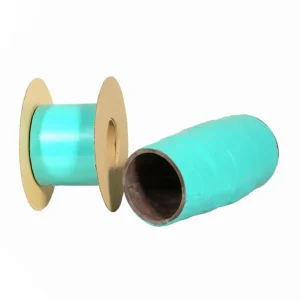
For Horizontal Directional Drilling (HDD) pipeline crossings, UV-cured glass reinforced polymer (GRP) sleeves eliminate long curing delays. Using UV radiation triggers polymerization in minutes, protecting pipeline coatings against extreme mechanical abrasion during pullback operations.
Implementing non-volatile organic compound (zero-VOC) resins and recyclable glass fiber textiles to comply with Indonesia’s carbon neutrality goals (Net Zero Emission 2060 target) and local ESG mandates.
Evaluating different repair methodologies based on mechanical stress, temperature limits, and ease of installation in tropical terrains.
| Repair System | Key Applications | Operating Temperature Range | Surface Preparation Grade | Primary Advantages |
|---|---|---|---|---|
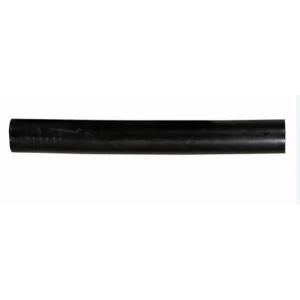
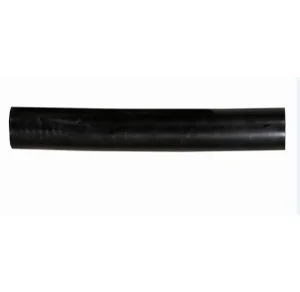
| GFRP Composite Sleeves | Structural defect reinforcement, HDD crossings, structural leaks | -50°C to +120°C | ISO 8501-1 Sa 2.5 / St 3 | High mechanical strength, eliminates welding, restores pipe pressure rating |
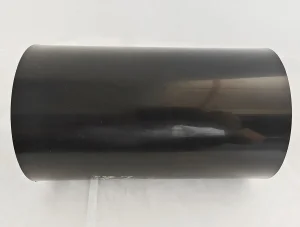
| Viscoelastic VT95 Tape | Field joints, irregular valves, flanges, moisture-prone pipelines | -45°C to +95°C | ISO 8501-1 St 2 (Minimal) | 100% self-healing, zero curing time, excellent resistance to cathodic disbondment |
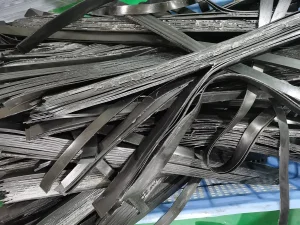
| PE Repair Patches & Filler | Localized damage in 3LPE/2LPE factory coatings | -20°C to +80°C | St 3 / SP 3 (Wire brushing) | Identical material structure to mill-applied PE, high shear resistance |
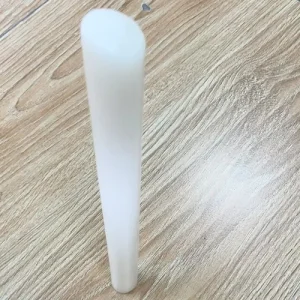
| PP Repair Patches & Sticks | High-temperature 3LPP pipe coating defect repair | -10°C to +110°C | St 3 / SP 3 | Withstands extreme operating temperatures, chemically inert |
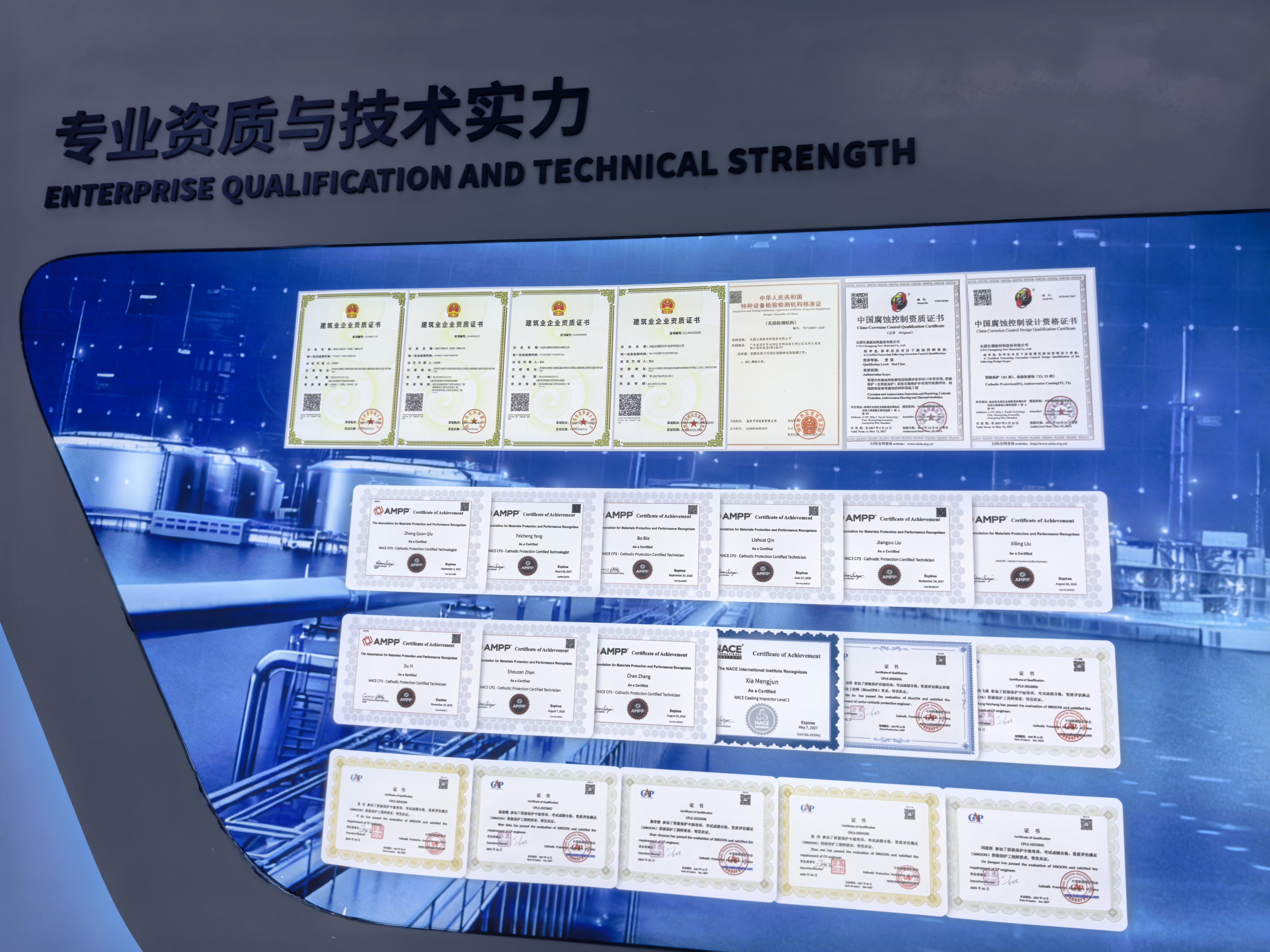
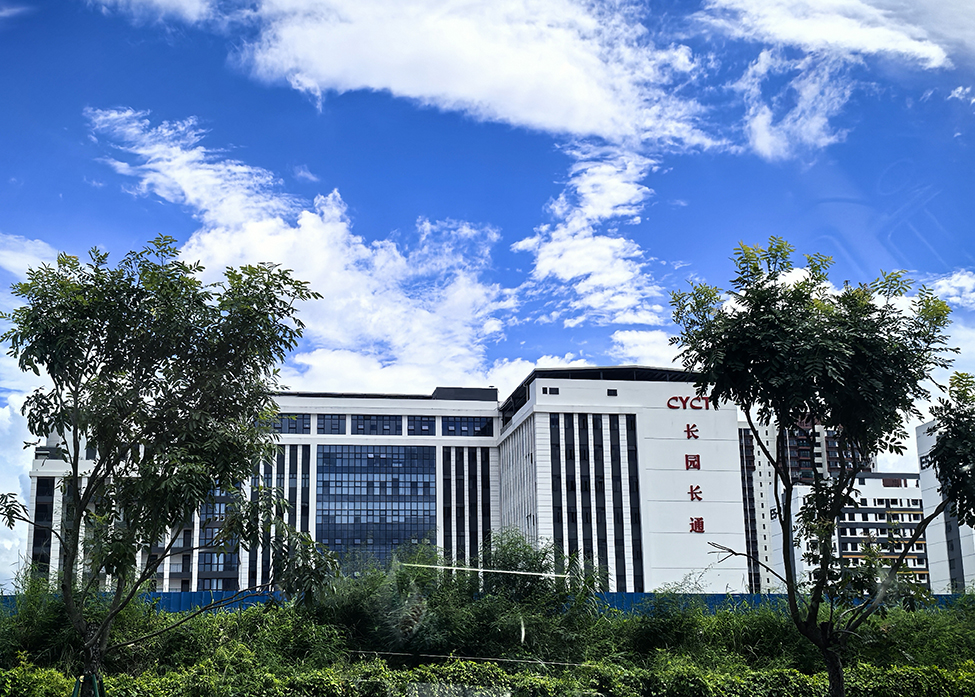
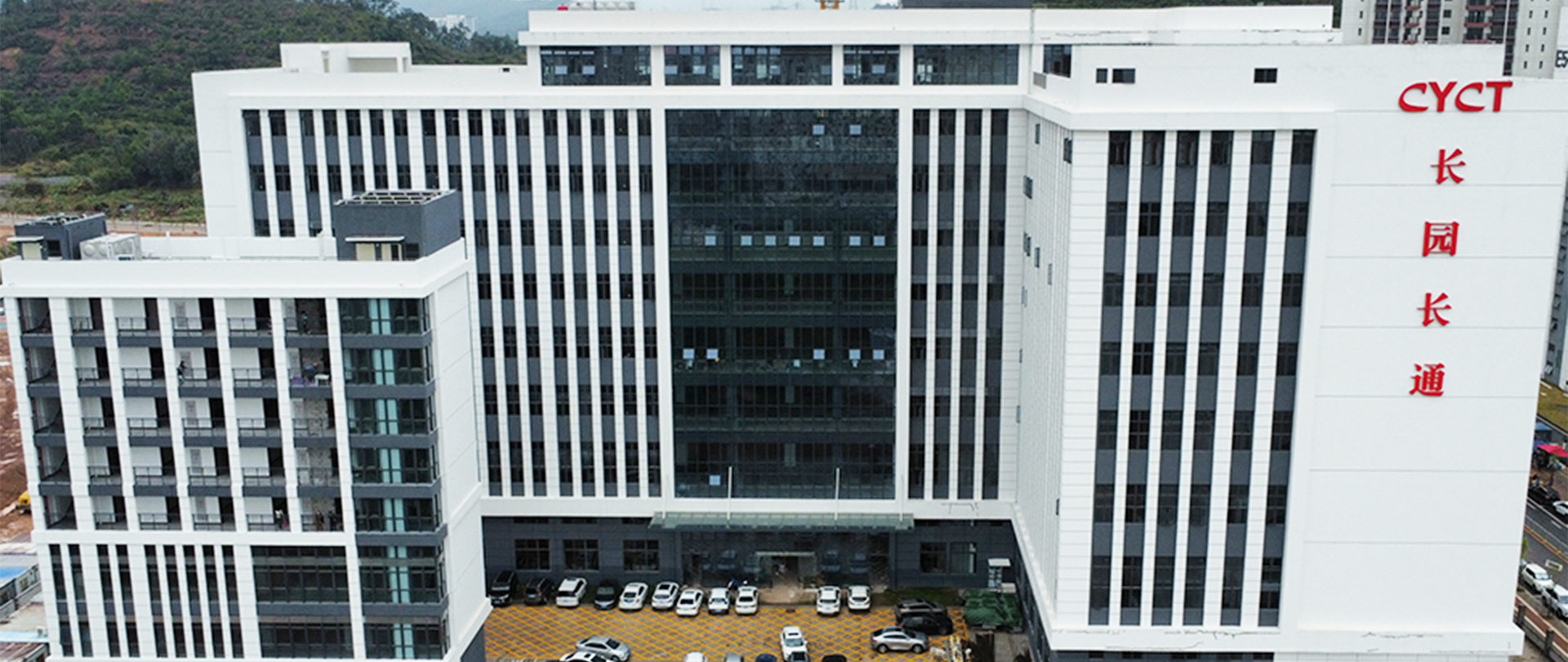
CYCT New Materials Company Limited (for short, CYCT) is a state-level high-tech enterprise integrating R&D, production, and sales of pipeline corrosion protection materials, as well as buried pipeline detection services and field coating application services. For decades, CYCT has dedicated itself to offering industry-defining integrity solutions across global energy grids.
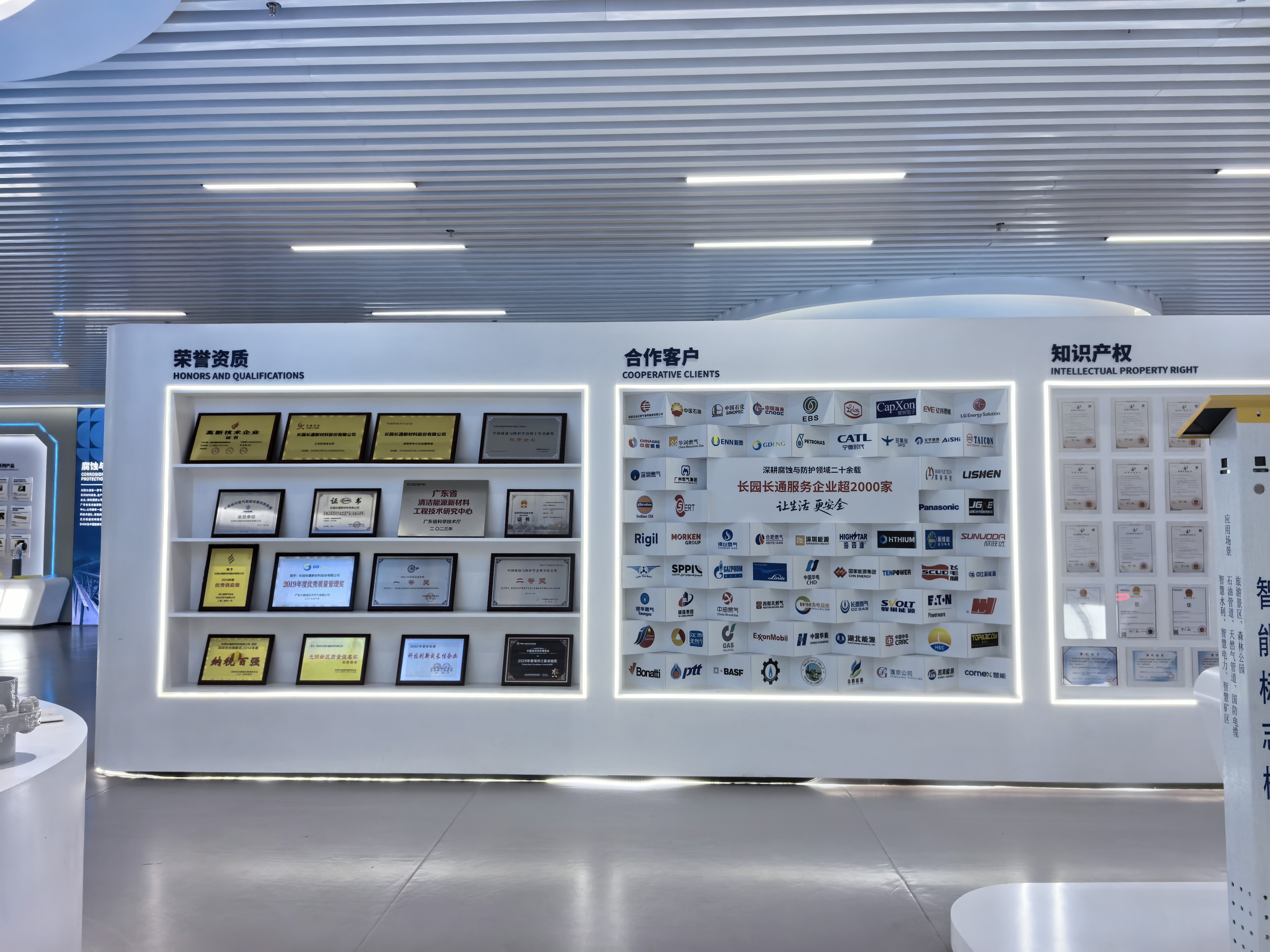
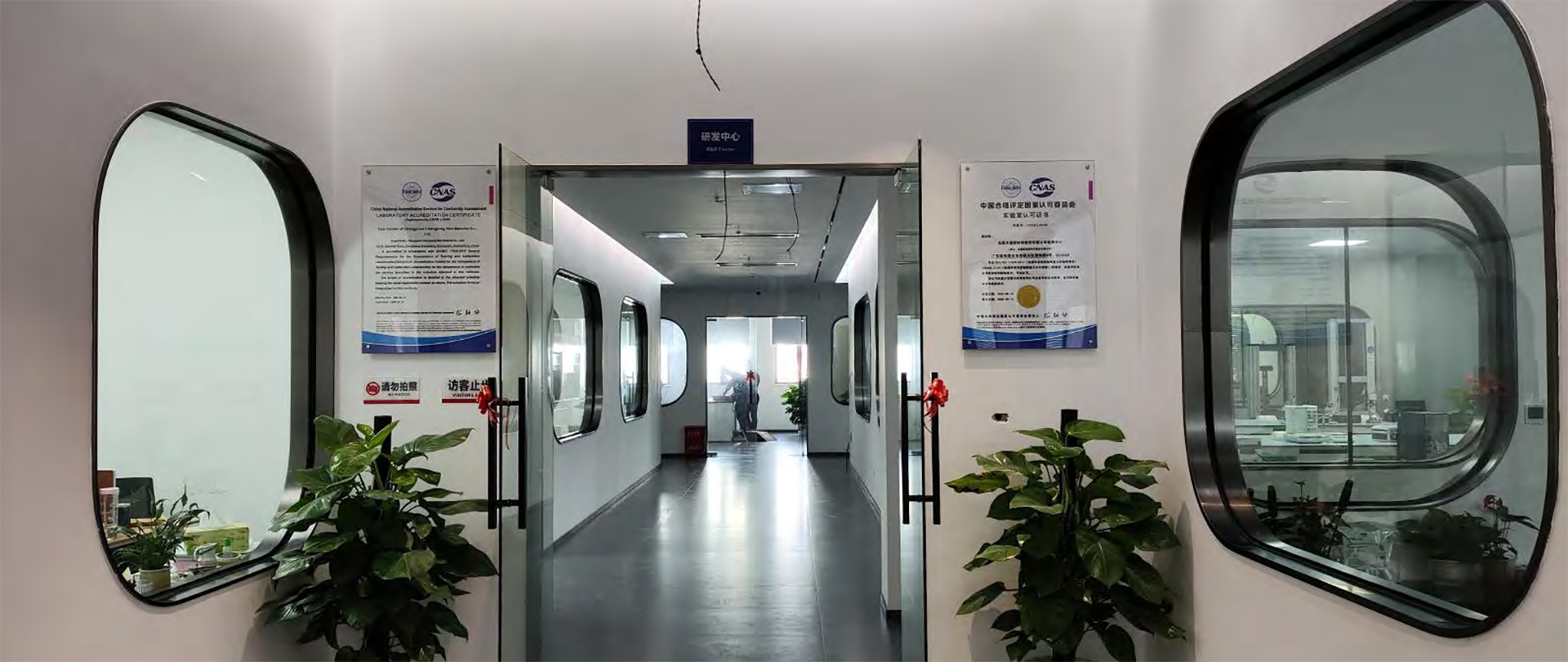
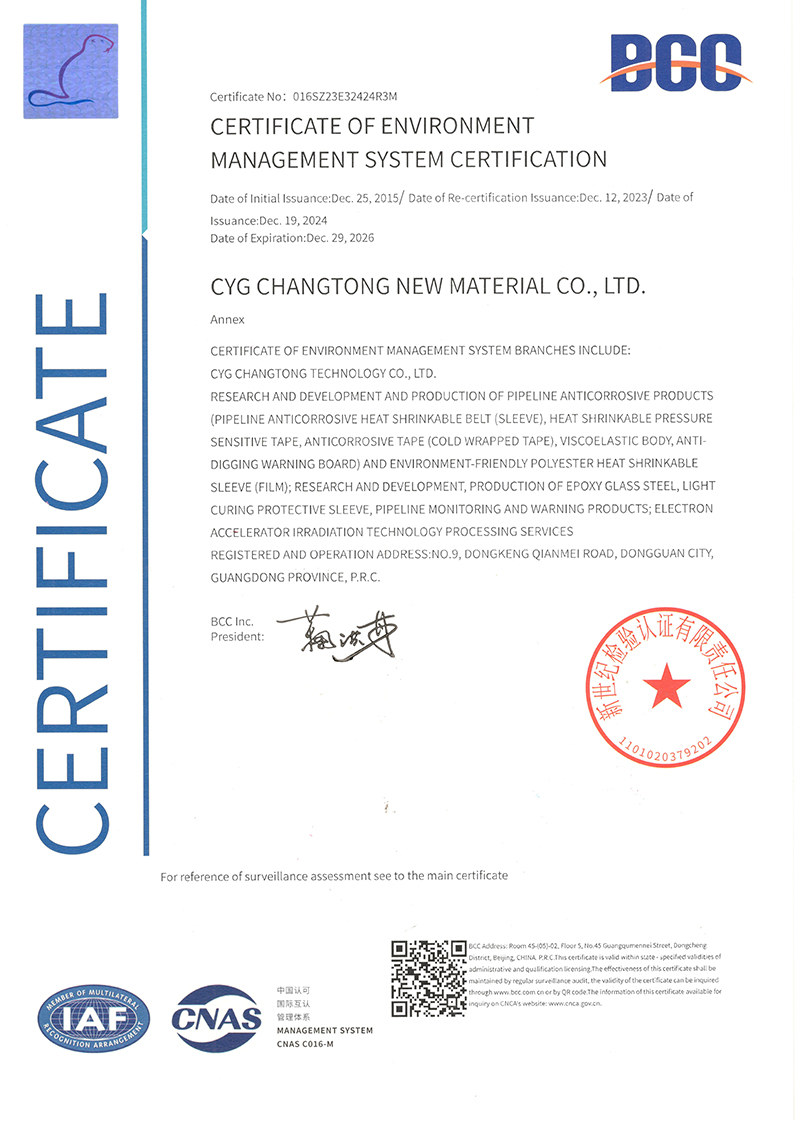
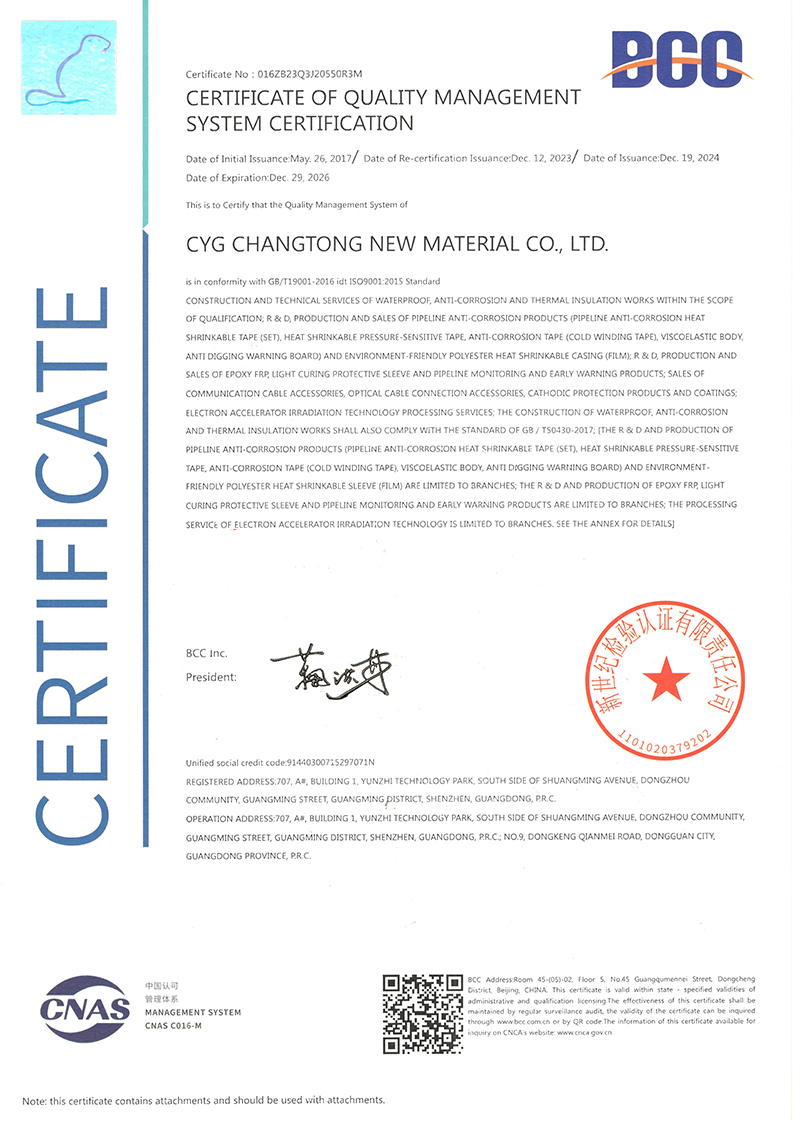
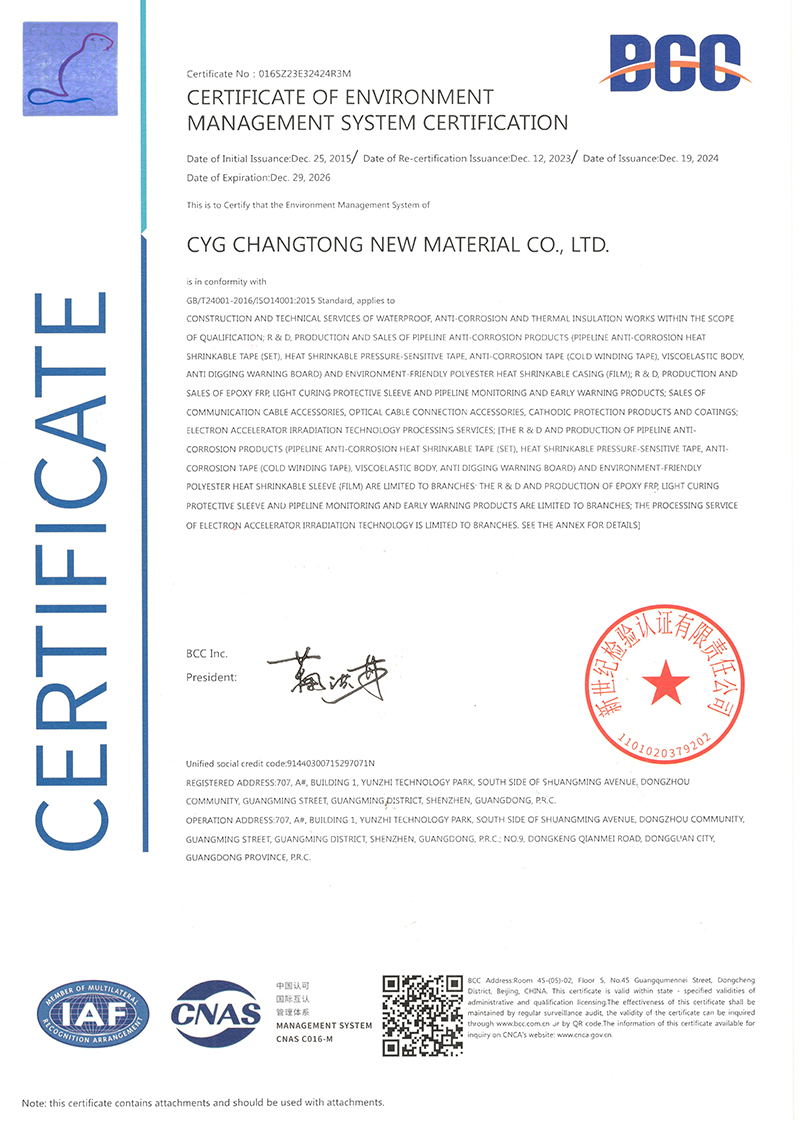
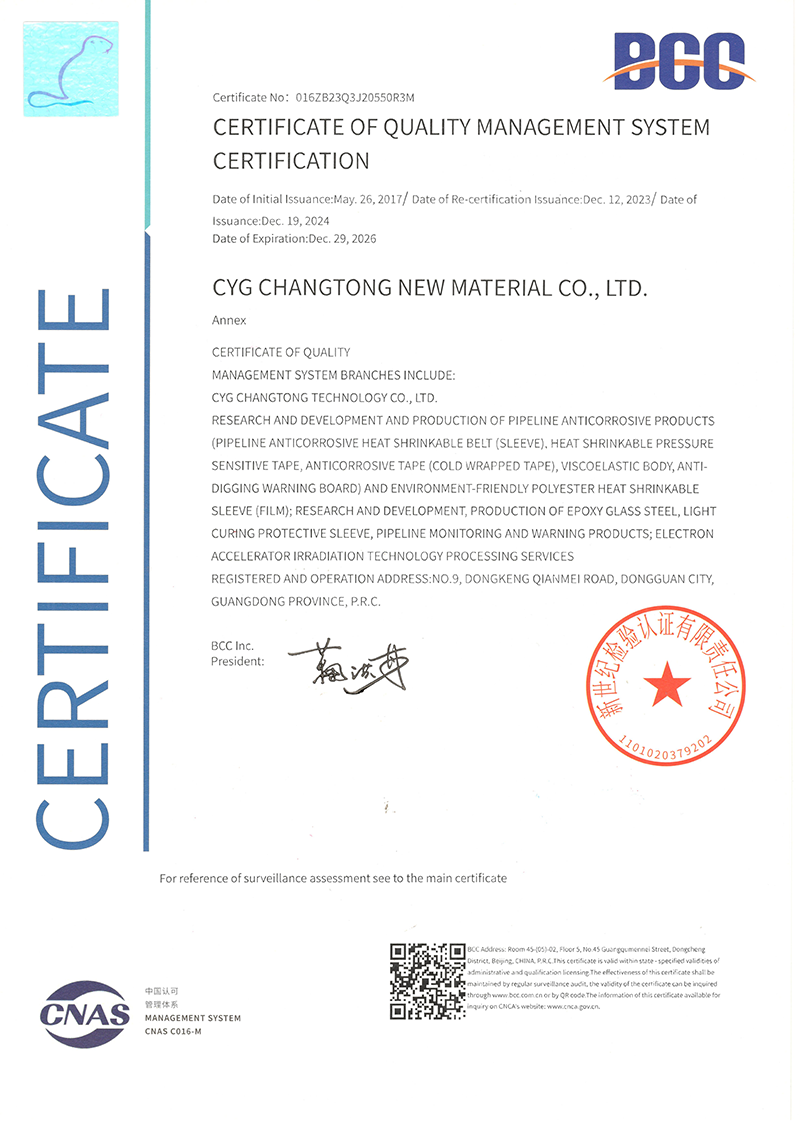
Equipped with a national CNAS-accredited laboratory, CYCT is capable of conducting comprehensive validation tests under simulated high-humidity and high-temperature environments. Our research team continuously updates chemical compositions to meet the stringent corrosion resistance criteria required by regional operators, including Sinopec, PetroChina, PipeChina, Gas Negara, and Indian Oil.
We work in collaboration with leading institutions such as the CNPC Pipeline Science Research Institute to provide asset managers with turnkey services—from cathodic protection design and defect inspection to live pipeline rehabilitation engineering.
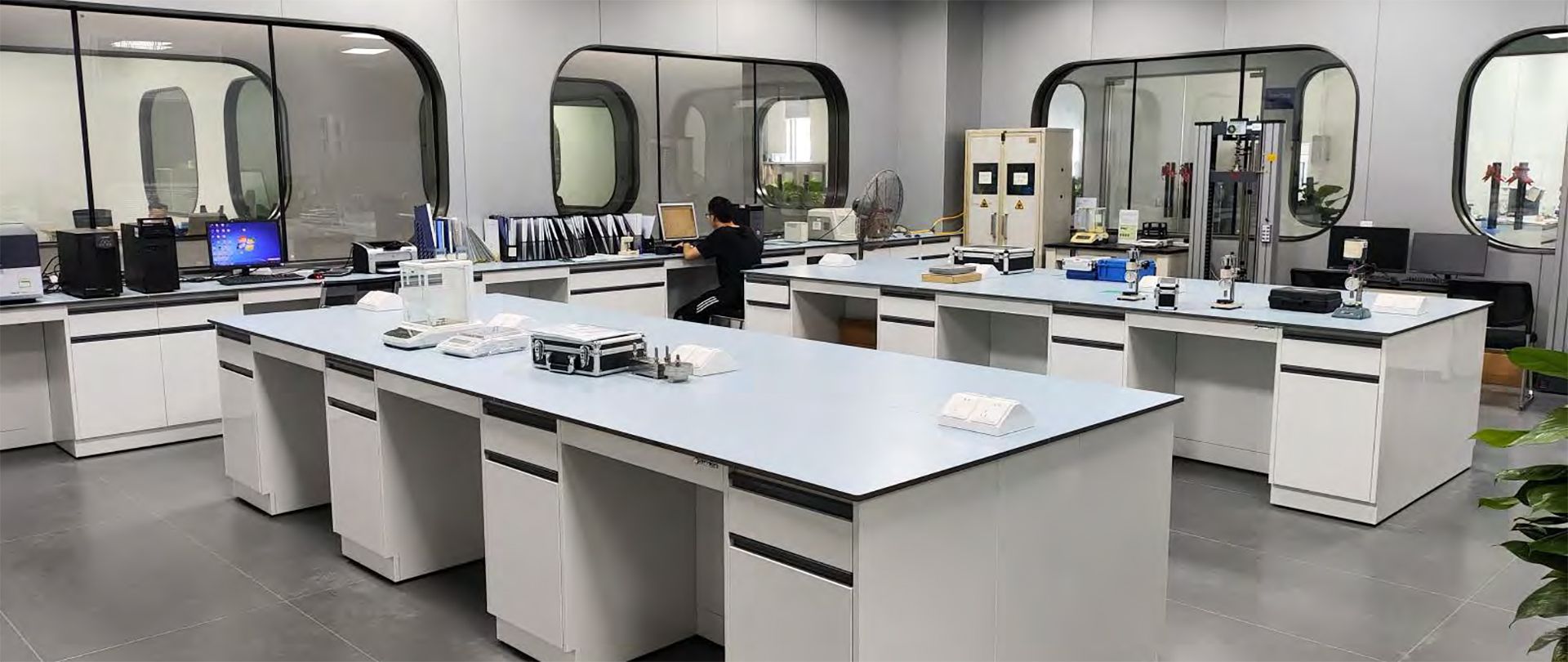
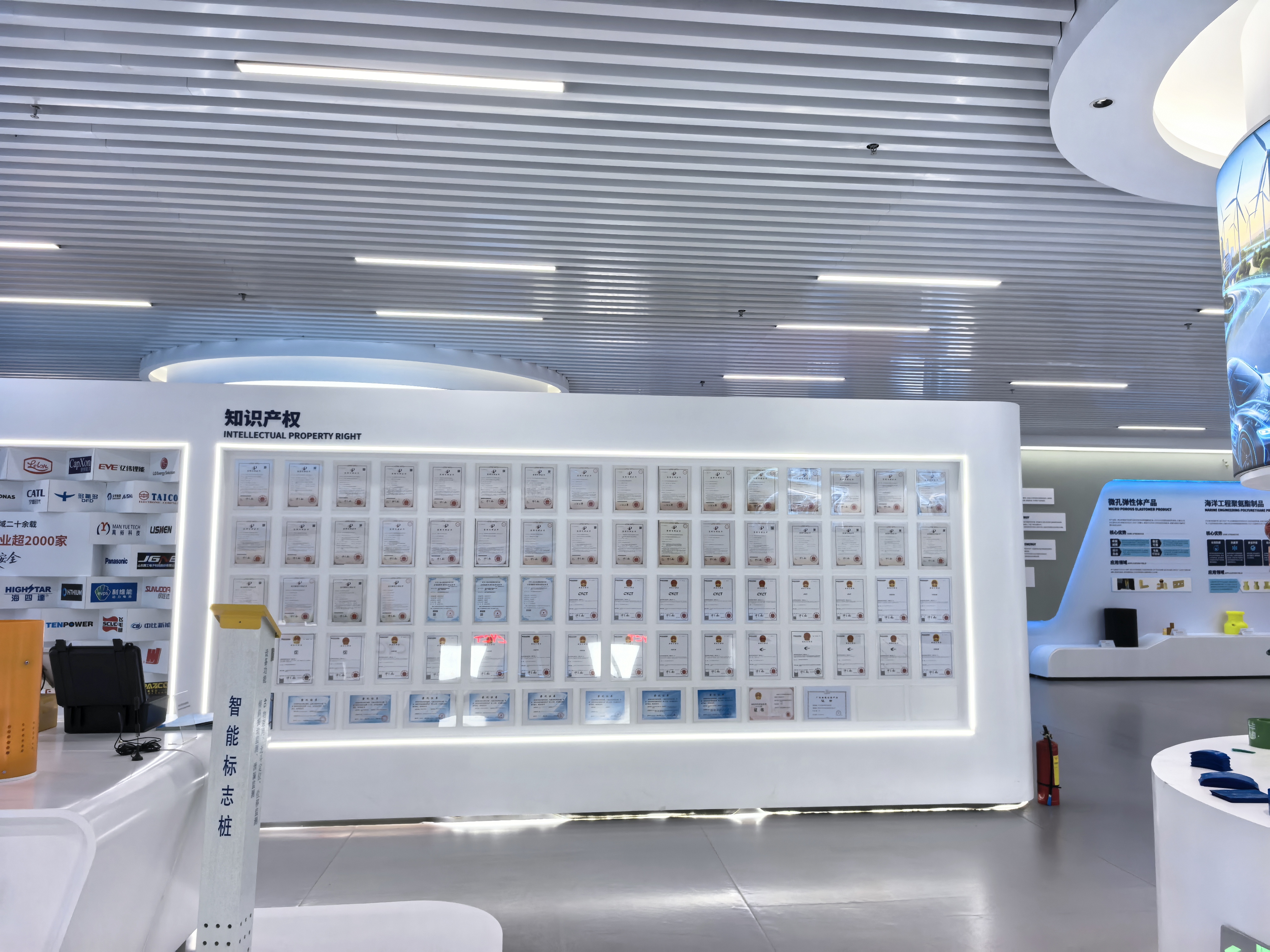
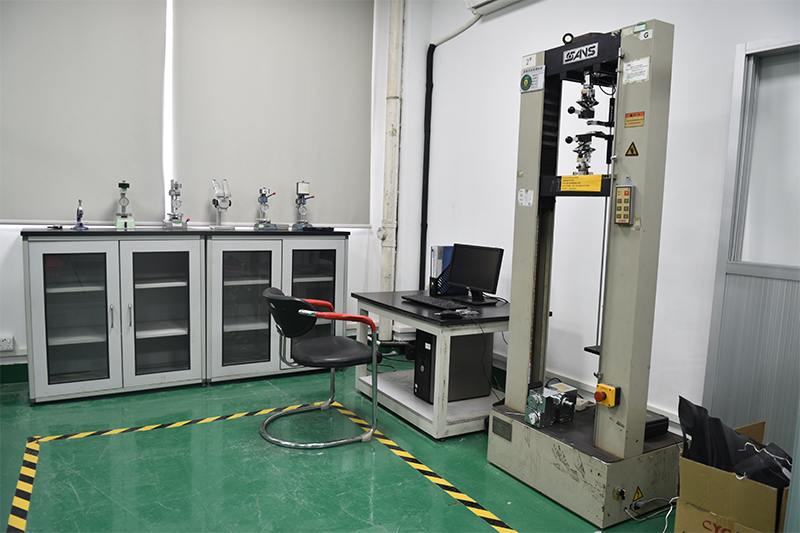
By upgrading our manufacturing facilities to meet Industry 4.0 automation metrics, CYCT ensures unparalleled consistency in molecular structure during batch polymerization. Our modern extrusion lines feature real-time wall-thickness control and thermal logging, resulting in defect-free protective wraps, viscoelastic compounds, and hot-melt sticks.
For Indonesian procurement agents, working with a Tier-1 Chinese factory provides clear structural advantages:
Ensuring that our products meet domestic and international certifications to facilitate seamless project sign-offs.
CYCT products are tested and manufactured to align with international pipeline coatings standards, including ISO 21809 (for pipeline coatings), EN 12068 (for organic coatings applied in-situ), and NACE SP0169 / SP0274 (corrosion mitigation guidelines). Our engineering team is active in international societies like AMPP (Association for Materials Protection and Performance).
For state-backed projects under Pertamina or Gas Negara, compliance with Indonesia's local content requirements (TKDN) is crucial. CYCT supports domestic contractors and local distributors by supplying raw materials and technology transfers that help achieve compliance, combined with field inspection services to ensure compliance with SKUP Migas mandates.
Technical answers to the most common questions asked by asset integrity engineers and procurement officers in Indonesia.
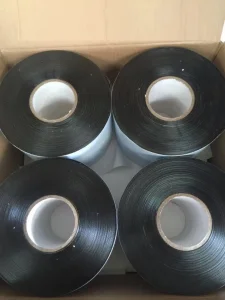
Viscoelastic tapes (such as our high-performance VT95 Viscoelastic Tape) do not require high preheating temperatures or complex priming systems. They exhibit a liquid-like cold-flow characteristic that allows them to flow directly into the steel's micro-roughness profile, creating a moisture-free barrier. This makes them ideal for the humid environments of coastal Java, Kalimantan, and Sumatra, where maintaining a dry steel substrate is difficult during field installations.
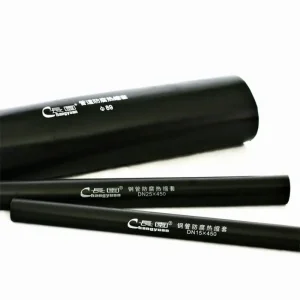
Our FRDX Hot Melt Sticks and fillers are formulated using modified polyolefin compounds, giving them stability up to 50°C during storage. Kept in a dry, ventilated warehouse, they maintain a shelf life of up to 3 years. They are designed to resist block formation under humid warehouse conditions, avoiding stickiness before application.
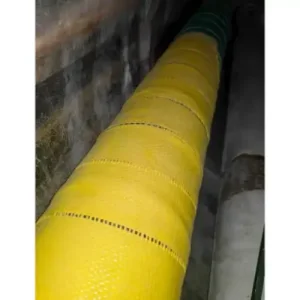
Our OEM GFRP Reinforcement and Repair systems use high-strength, multi-directional fiberglass textiles saturated with specialized epoxy resins. When wrapped around a damaged pipe section, the composite system acts as a load-sharing member. By transferring hoop stress from the weakened steel wall to the high-tensile GFRP sleeve, it restores the pipe's design pressure rating without requiring hot work or shut downs.
Polyethylene (PE) and Polypropylene (PP) coatings have different melting profiles and thermal properties. PE repair patches (such as the FRDX HT PE Repair Patch) are designed for 3LPE coatings operating up to 80°C. For high-temperature 3LPP coatings, our PP Repair Patch should be used along with a PP Hot Melt Stick to ensure proper thermal fusion and prevent delamination.
Explore our complete list of pipeline protection and field-applied repair systems certified for Indonesian oil, gas, and utility infrastructures.
 CYCT
CYCT