Highly critical pipeline reinforcement systems for immediate municipal and industrial deployments.
Boston, Massachusetts hosts some of the oldest active municipal utility networks and industrial distribution lines in the United States. Systems operated by regional giants, including the Boston Water and Sewer Commission (BWSC), Eversource, and National Grid, consist of a complex mix of historic cast iron, ductile iron, and modern carbon steel pipelines. Because these systems run beneath a dense metropolitan landscape characterized by a high saline water table and freeze-thaw cycles, they face acute electrochemical and mechanical degradation.
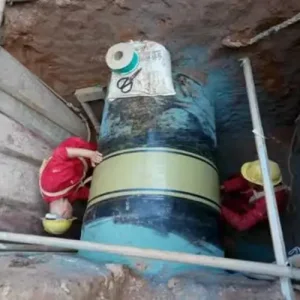
Conventional excavation and total line replacement in high-density urban areas like Back Bay, the Financial District, or Cambridge incur prohibitive civil costs and cause major public disruptions. Consequently, asset managers are increasingly turning to structural trenchless remediation systems. Structural reinforcement techniques using composite wrapping—such as Glass Fiber Reinforced Polymer (GFRP)—allow operators to restore pipeline pressure capabilities up to original design values without cutting or shutting down the line. Our field repair solutions address external corrosion defects, mechanical gouges, and pipe wall thinning, ensuring long-term structural integrity and compliance with ASME PCC-2 and ISO 24817 standards.
Soil chemistry in coastal Massachusetts fluctuates, with salt intrusion along the Charles River and Boston Harbor elevating chloride levels. These ions act as aggressive catalysts for electrochemical oxidation, accelerating rust on underground steel structures. Regular salting of winter roads adds to this runoff, making surface joints highly vulnerable. Additionally, freeze-thaw cycles cause soils to contract and expand, stressing rigid coatings. Flexible, impact-resistant PE cold-applied tapes and moisture-curing shields provide the necessary elastic properties to absorb these stresses while preventing cathodic disbondment.
A pipeline's primary line of defense is its factory-applied external coating, such as 3-Layer Polyethylene (3LPE) or 3-Layer Polypropylene (3LPP). However, transportation, field-joint welding, and backfilling operations often introduce defects, micro-cracks, and scratches that expose the underlying steel. If left unrepaired, local moisture can trigger severe localized pitting corrosion.
To repair these coatings, field technicians use polymer-based patch materials. For minor damages under 100mm, repair sticks and hot melt fillers are melted into the defect, bonding directly to the clean steel and surrounding PE coating. For larger damaged areas, heavy-duty heat-shrink repair patches with aggressive mastic adhesives are installed to create a seamless, water-tight seal. These repair systems must resist high operating temperatures (up to 85°C for hot-fluid transport lines) and mechanical shear loads from soil shifting.
CYCT materials are designed not to block cathodic protection currents. This ensures that even if moisture somehow reaches the steel surface, the CP system continues to protect the pipe.
Our cross-linked polyethylene backing has high mechanical strength, protecting the underlying steel from rock impacts during backfilling and operational soil movement.
Whether operating in freezing New England ground or handling high-temperature petroleum products, our fillers and sticks maintain flexible, reliable adhesion.
For municipal operators in Boston, industrial buyers in North America, and global distribution companies, selecting pipeline repair materials requires careful consideration of supply chain stability and regulatory compliance. Substandard pipeline coatings can lead to catastrophic leaks, environmental fines, and costly emergency repairs. That is why industry procurement departments prioritize manufacturers that hold third-party quality certifications and meet international standards.
Our production facilities maintain rigorous quality control systems under ISO 9001, ISO 14001, and ISO 45001 guidelines. Every batch of hot melt adhesive, repair tape, and composite wrapping undergoes strict testing in our laboratory to verify peel strength, tensile properties, and indentation resistance. Partnering with a fully integrated manufacturer allows procurement managers to secure reliable, factory-direct pricing, custom material options, and consistent lead times—mitigating the risks of global logistics disruptions.
Our logistics network is optimized for global deliveries, ensuring that bulk orders of repair patches, viscoelastic wraps, and heat-shrink sleeves arrive in Boston and other key East Coast ports on schedule, complete with full documentation and mill test reports.
As pipeline repair needs grow globally, our manufacturing centers have transitioned to Industry 4.0 production processes. We have combined automated chemical blending with smart extrusion lines to produce high-performance corrosion protection materials with minimal quality variation.
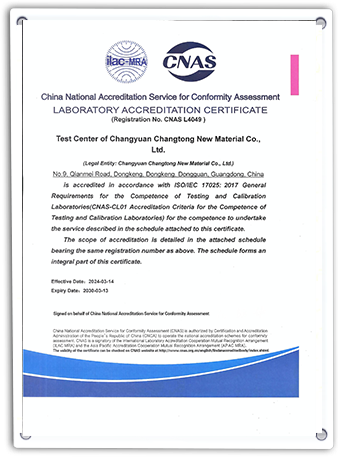
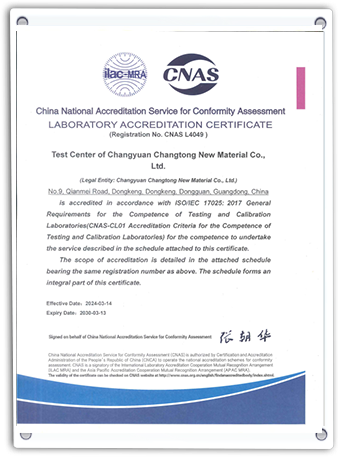
This automated production is supported by advanced analytical capabilities. Our professional R&D team works in a state-of-the-art laboratory that holds national CNAS accreditation, allowing us to perform long-term aging tests, DSC thermal analysis, and electrochemical impedance spectroscopy (EIS). Working alongside top-tier institutes, including the CNPC Pipeline Science Research Institute, we continuously develop new technologies to protect challenging environments like high-temperature pipelines, directional drilling (HDD) crossings, and marine offshore structures.
Our focus on R&D and quality control has helped us become a primary supplier for key pipeline projects managed by PetroChina, Sinopec, and PipeChina, and we are proud to serve municipal and industrial projects across global markets, including North America, Europe, and Asia.
State-level high-tech enterprise specializing in R&D, production, and field joint application service.
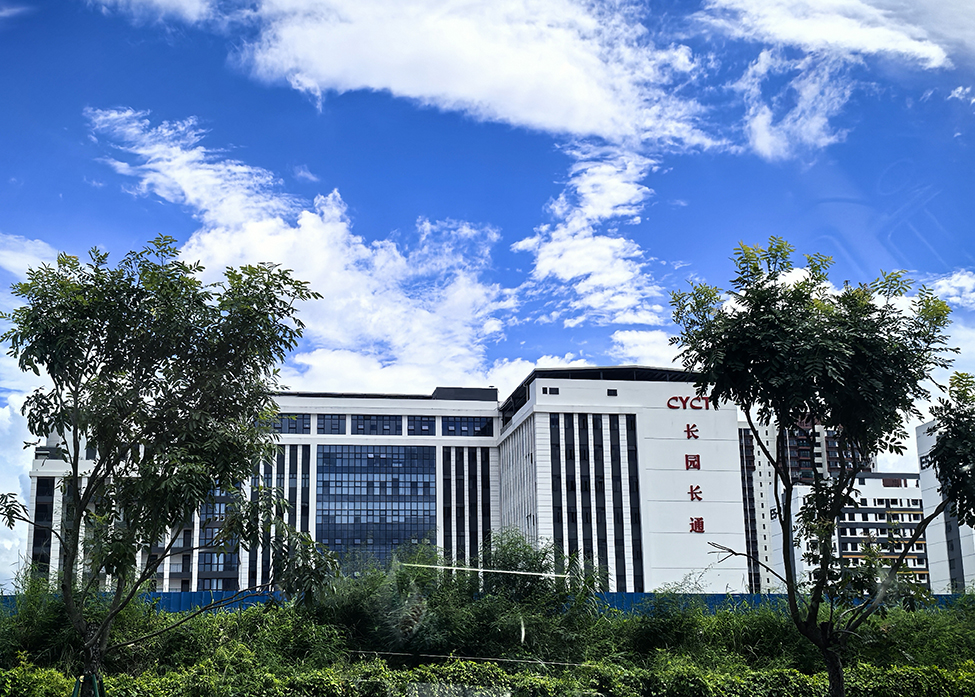
Founded in 2000, CYCT New Materials Company Limited (CYCT) is an established manufacturer of pipeline corrosion protection products. We provide integrated protection solutions for buried and in-service pipelines, including advanced coatings, field detection services, and rehabilitation projects. Over the years, we have developed specialty materials like viscoelastic coatings, photo-curing sleeves for horizontal directional drilling (HDD), and polyurea protective systems.
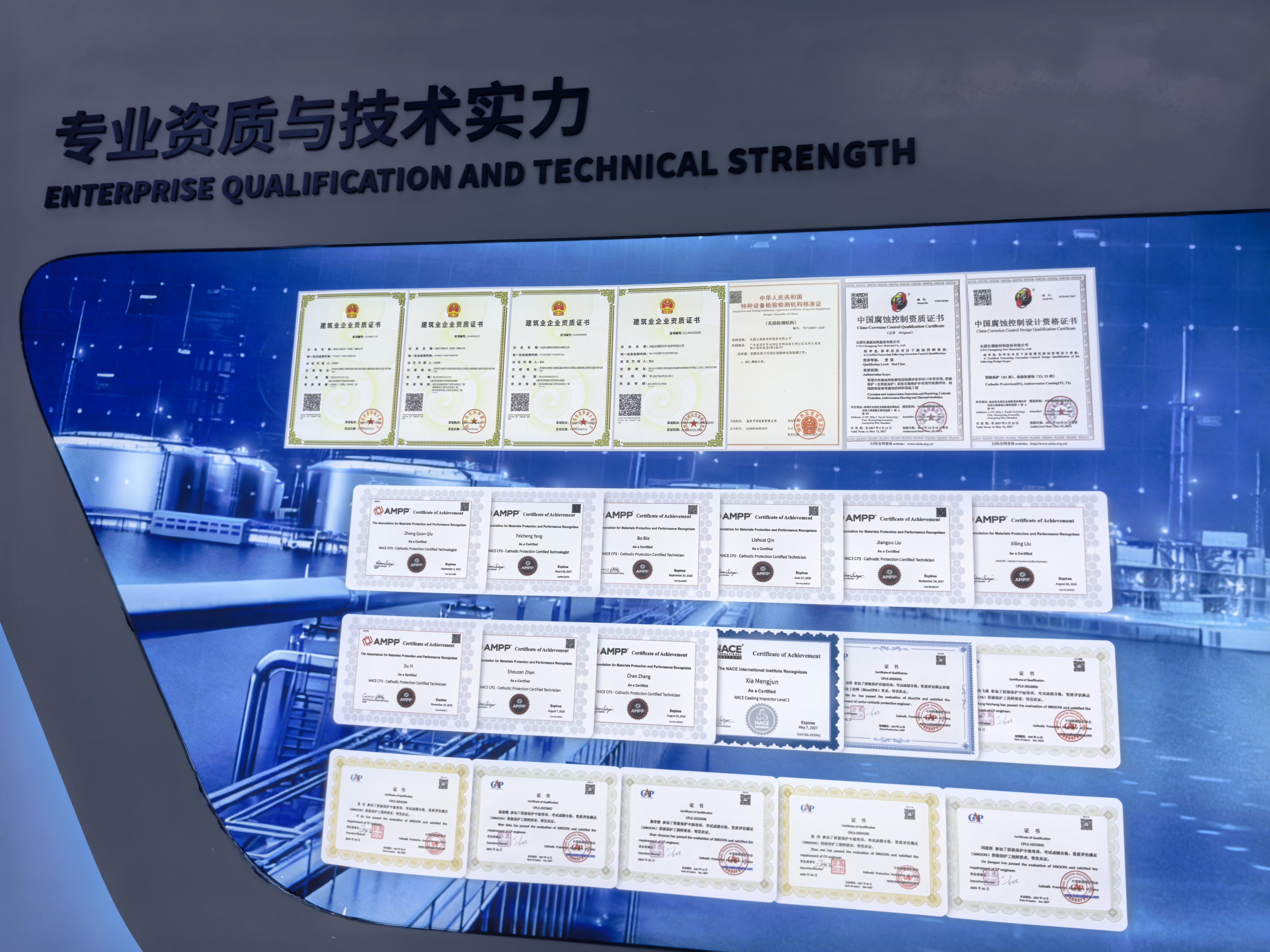
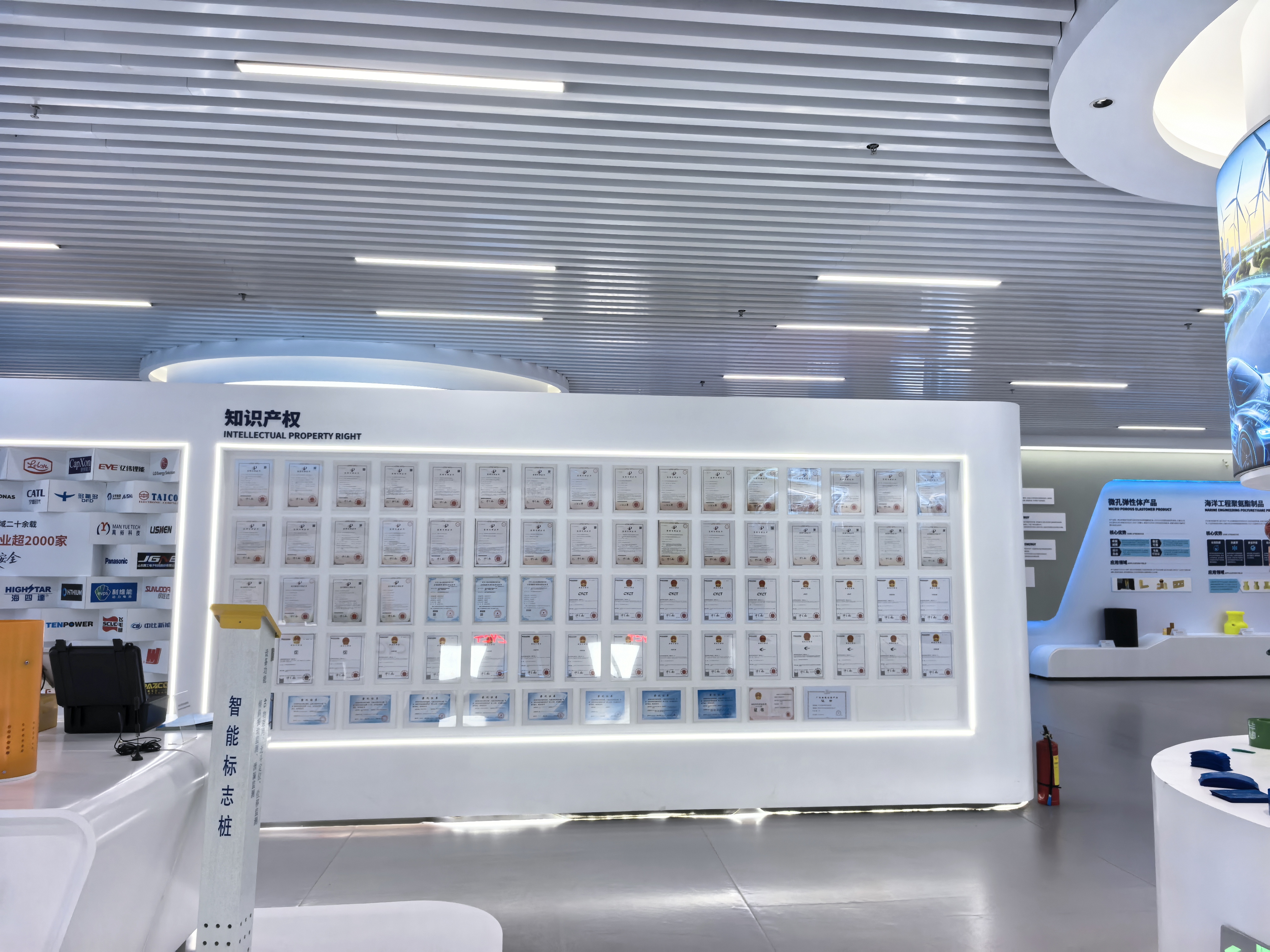
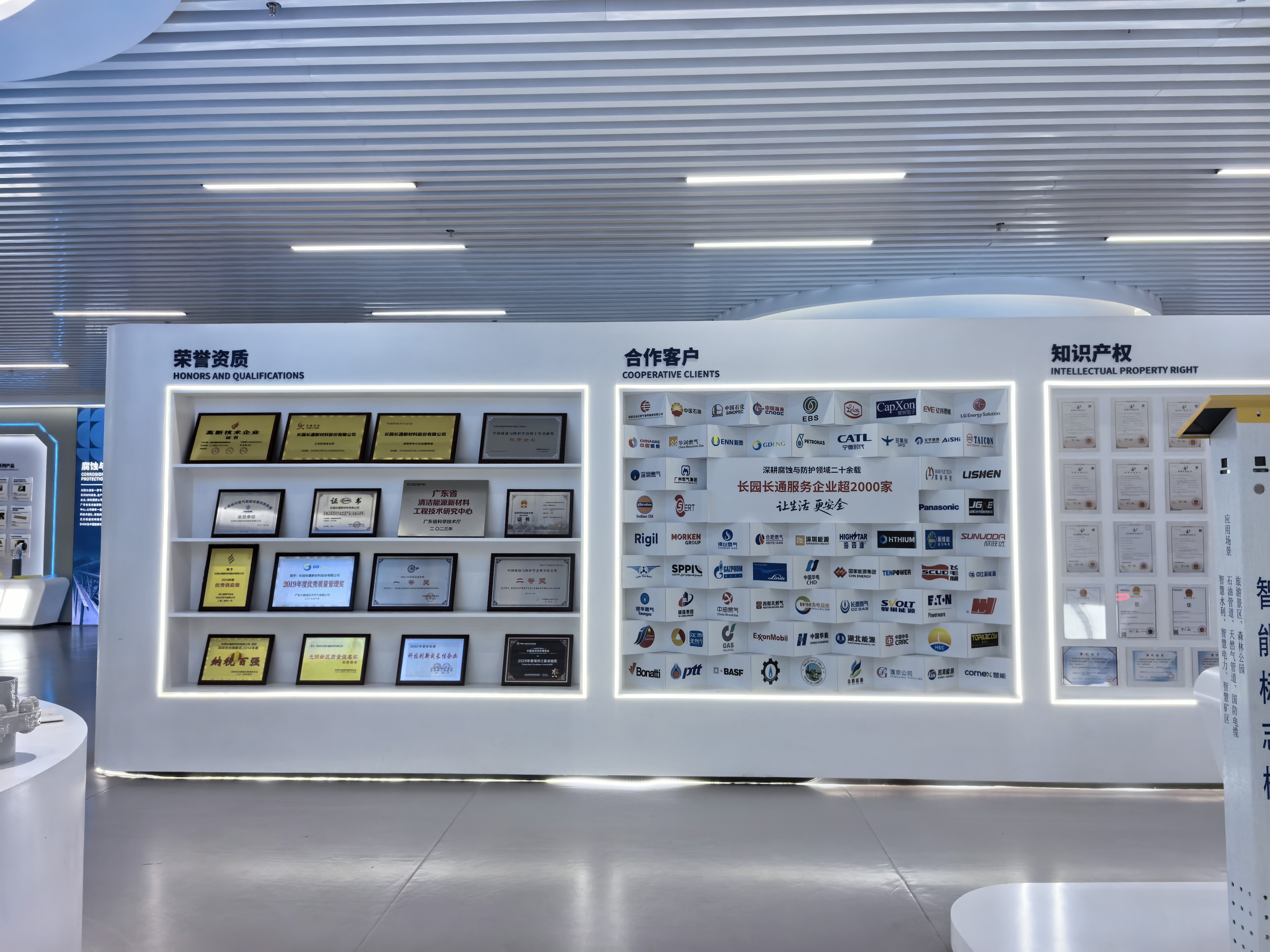
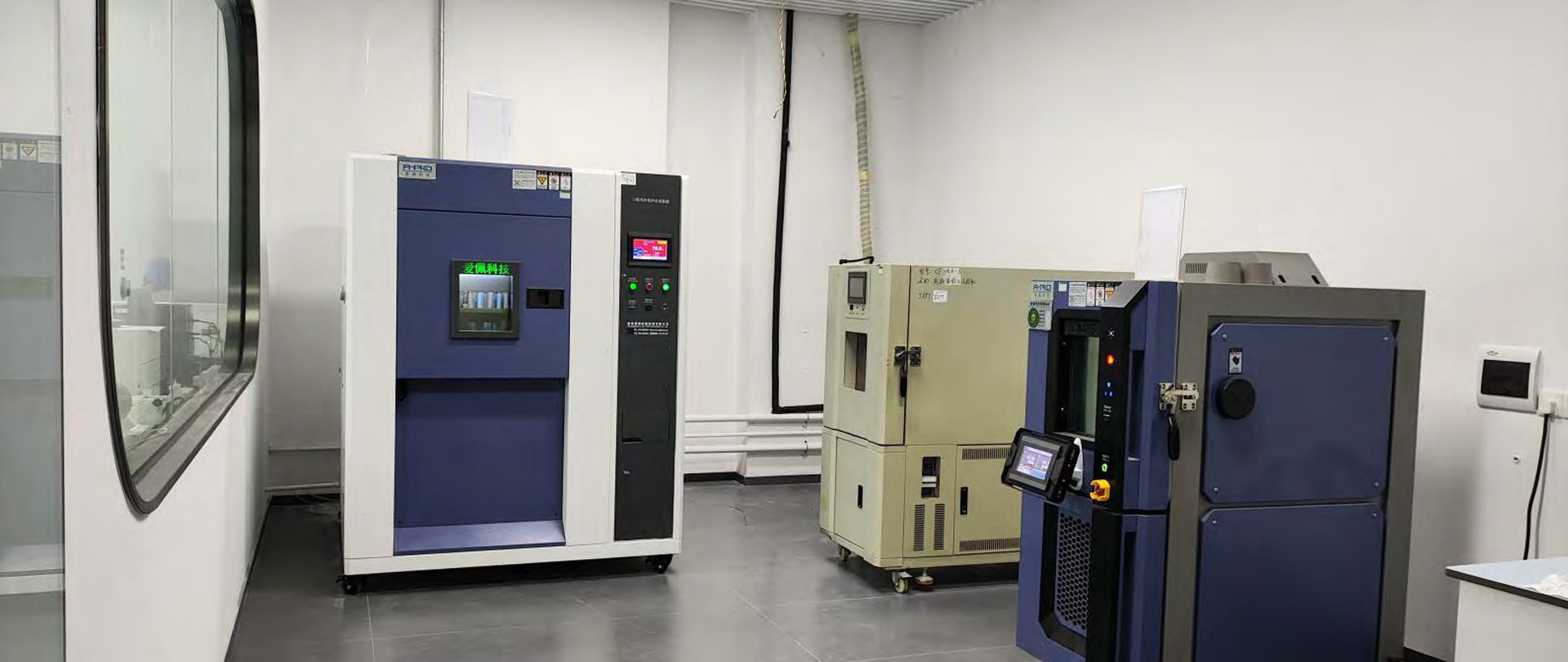
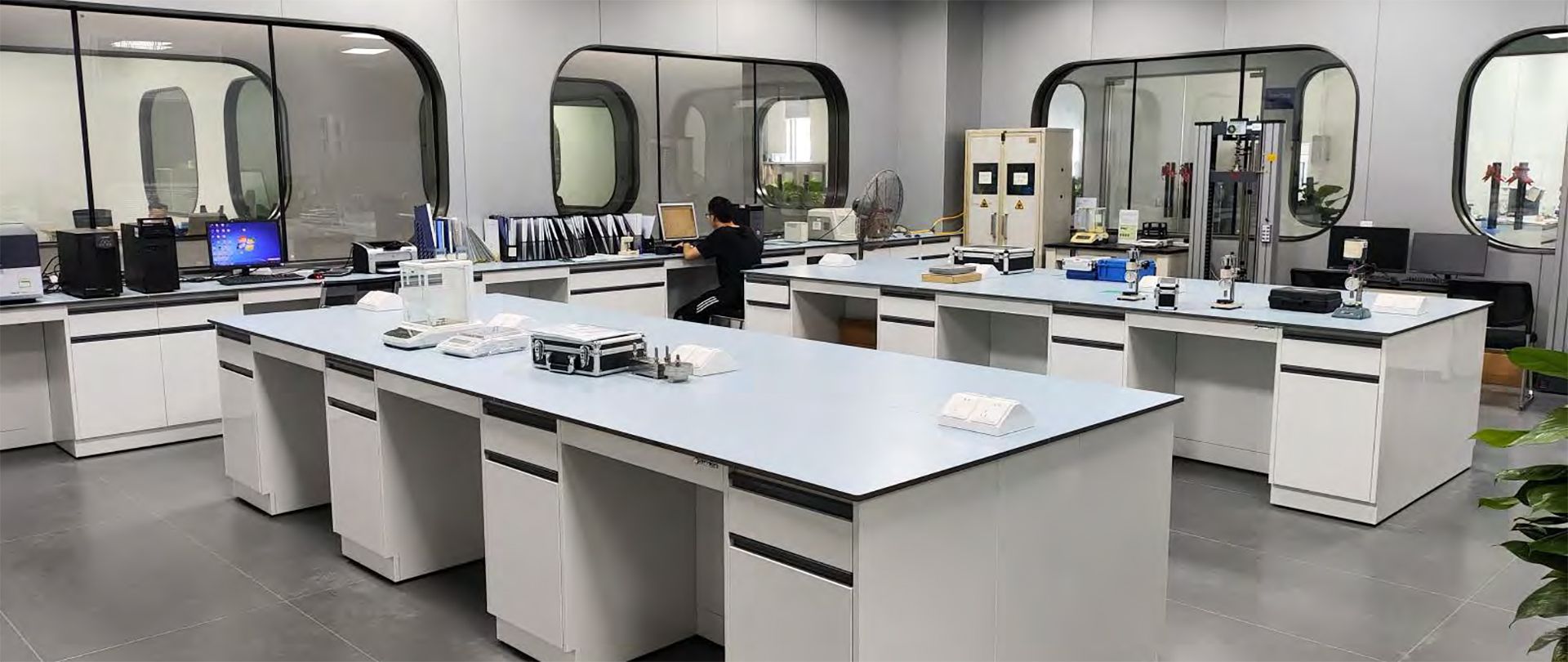
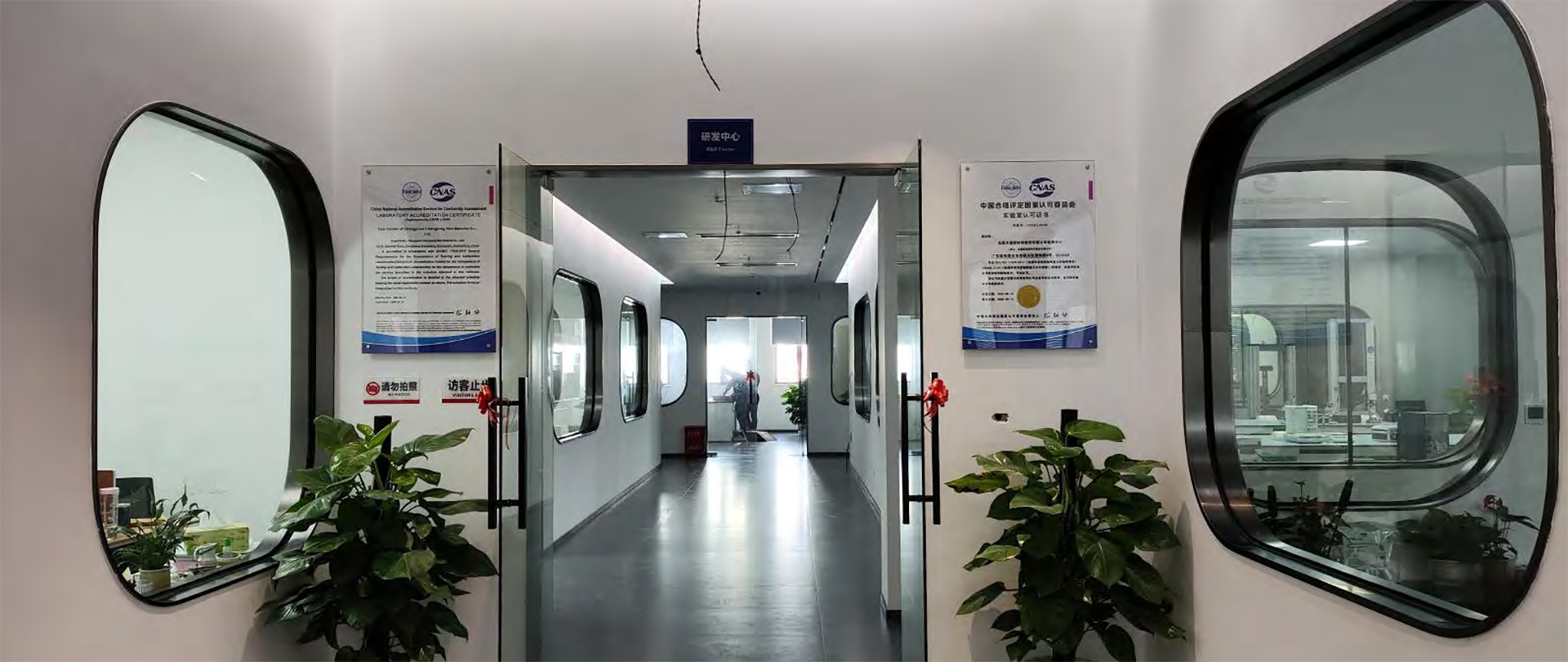
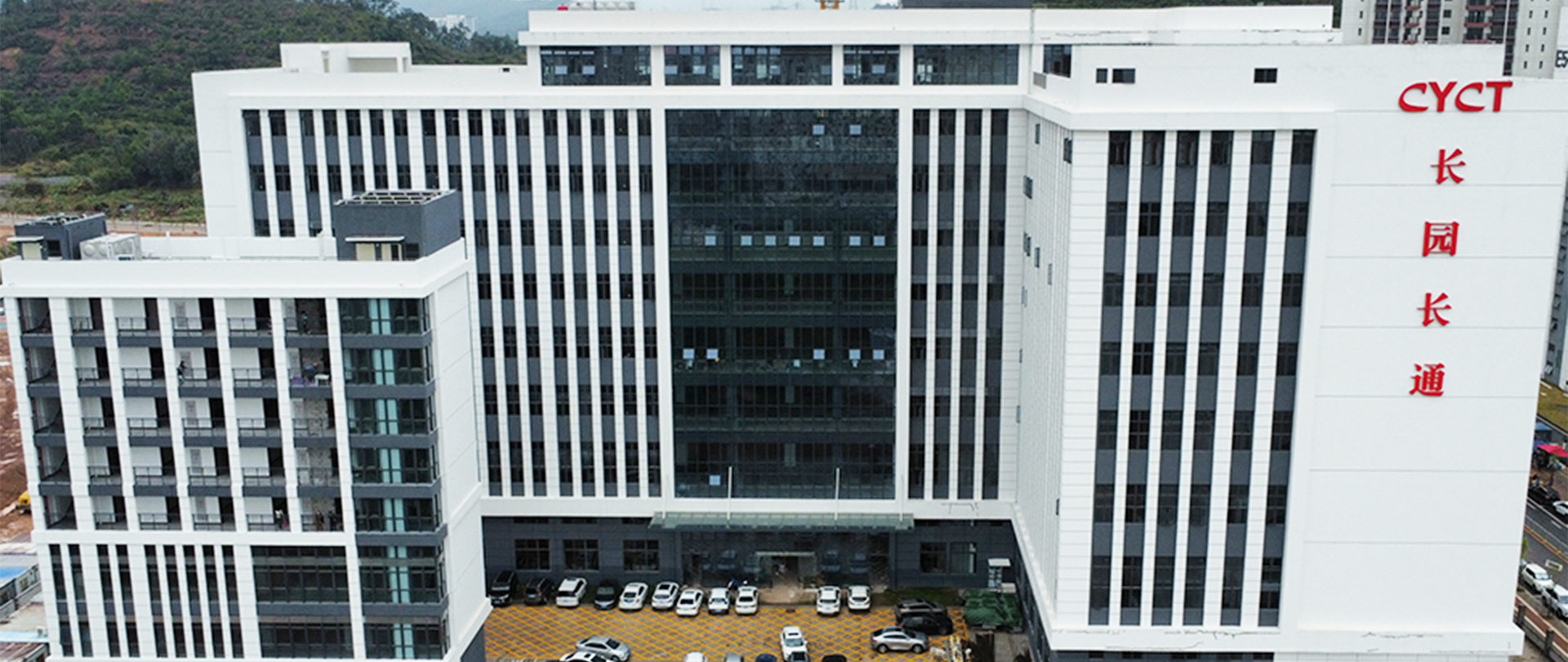
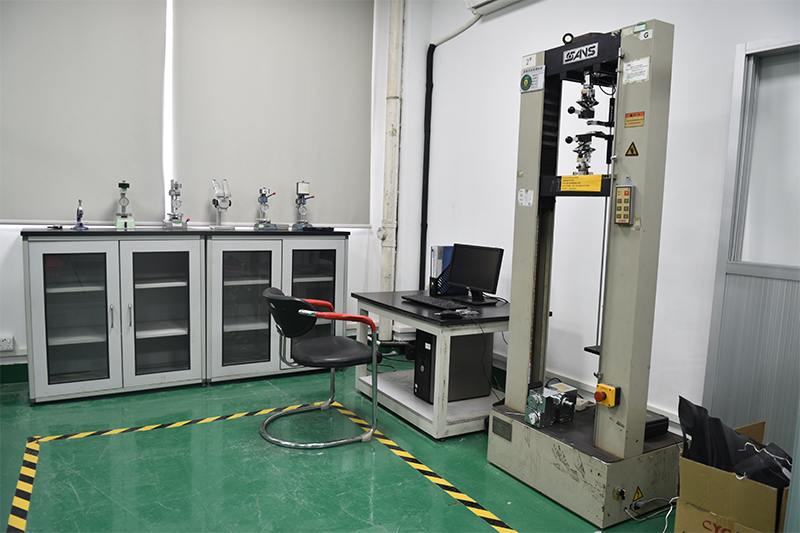
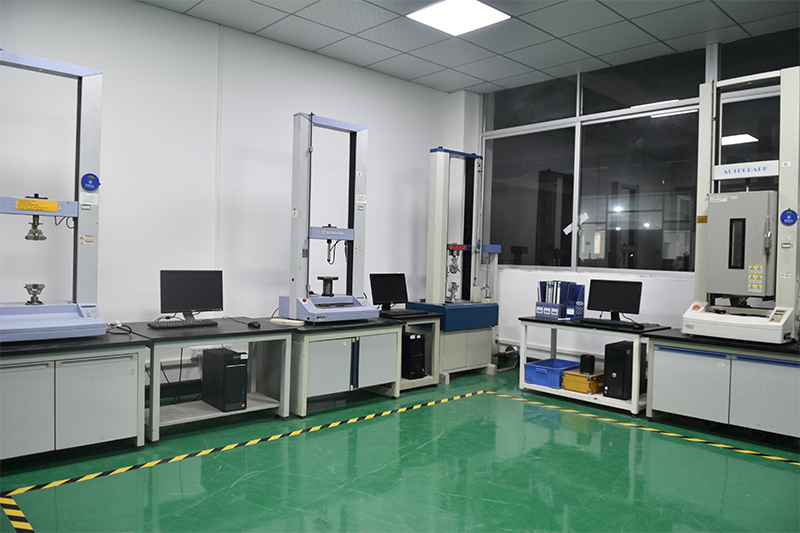
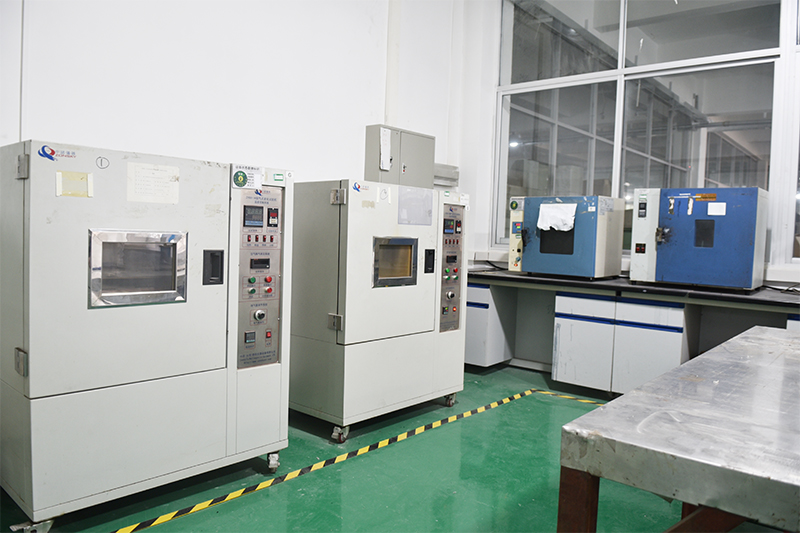
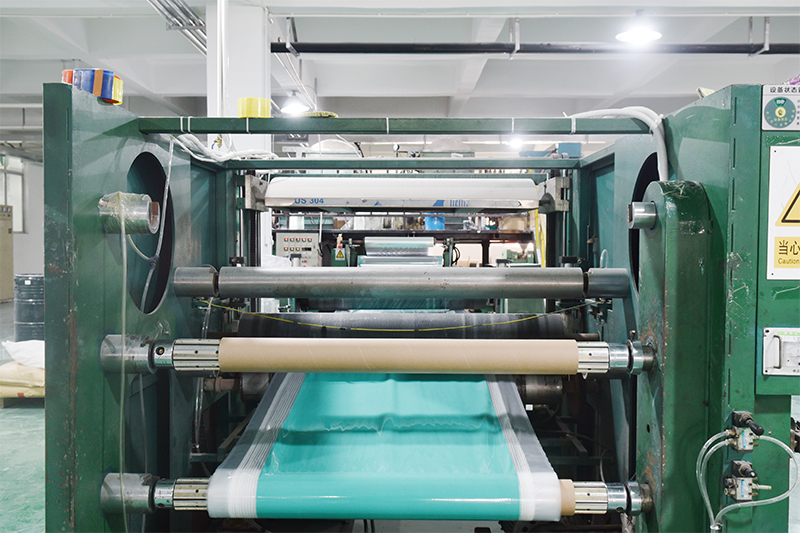
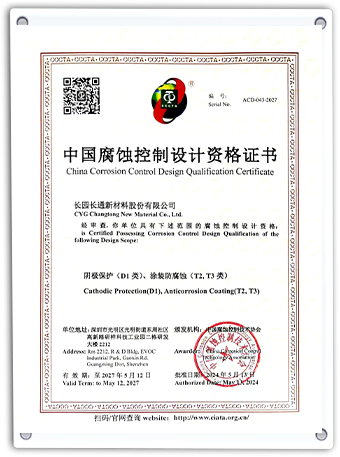
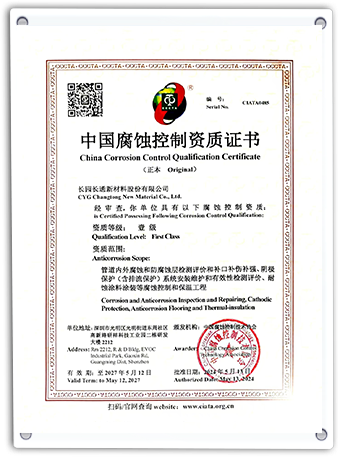
CYCT is a recognized council member of the Chinese Society for Corrosion and Protection (CSCP). We hold official Qualification Certificates for Corrosion Protection Construction and Pipeline Detection, and we are an active member of the China Association of Petroleum Engineering Construction (CAPEC). These credentials make us a trusted supplier for major regional and international pipeline networks.
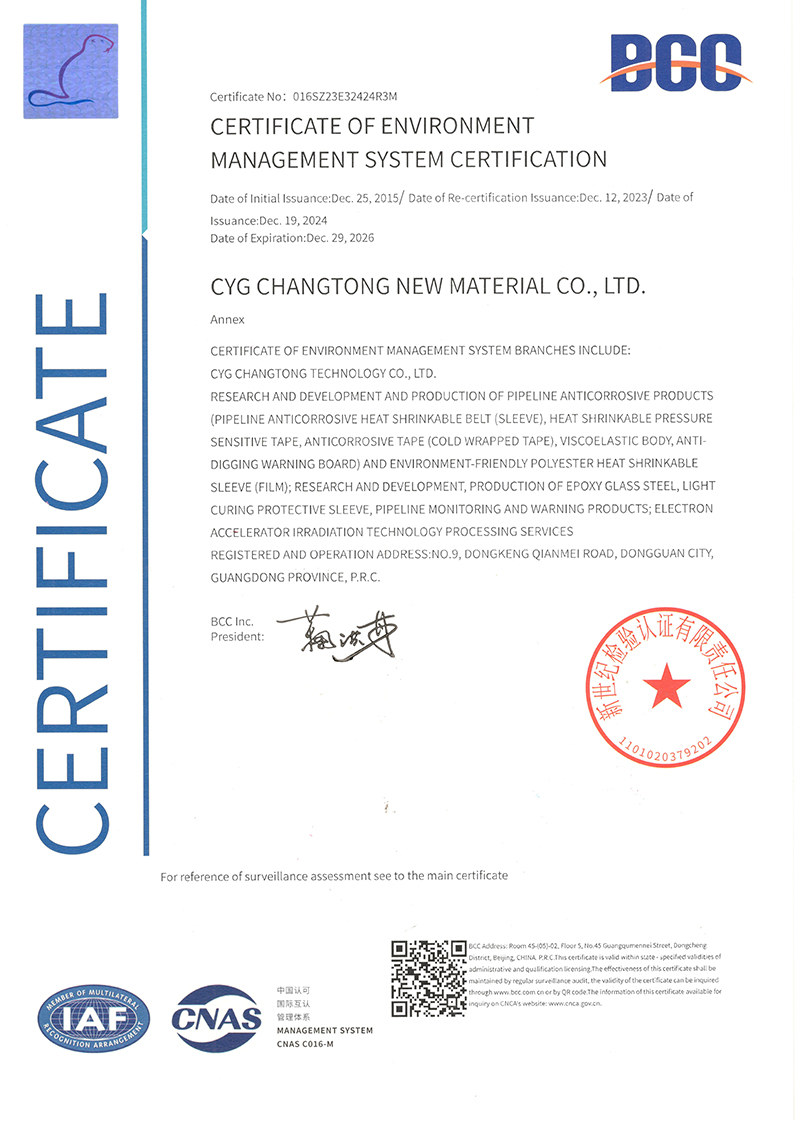
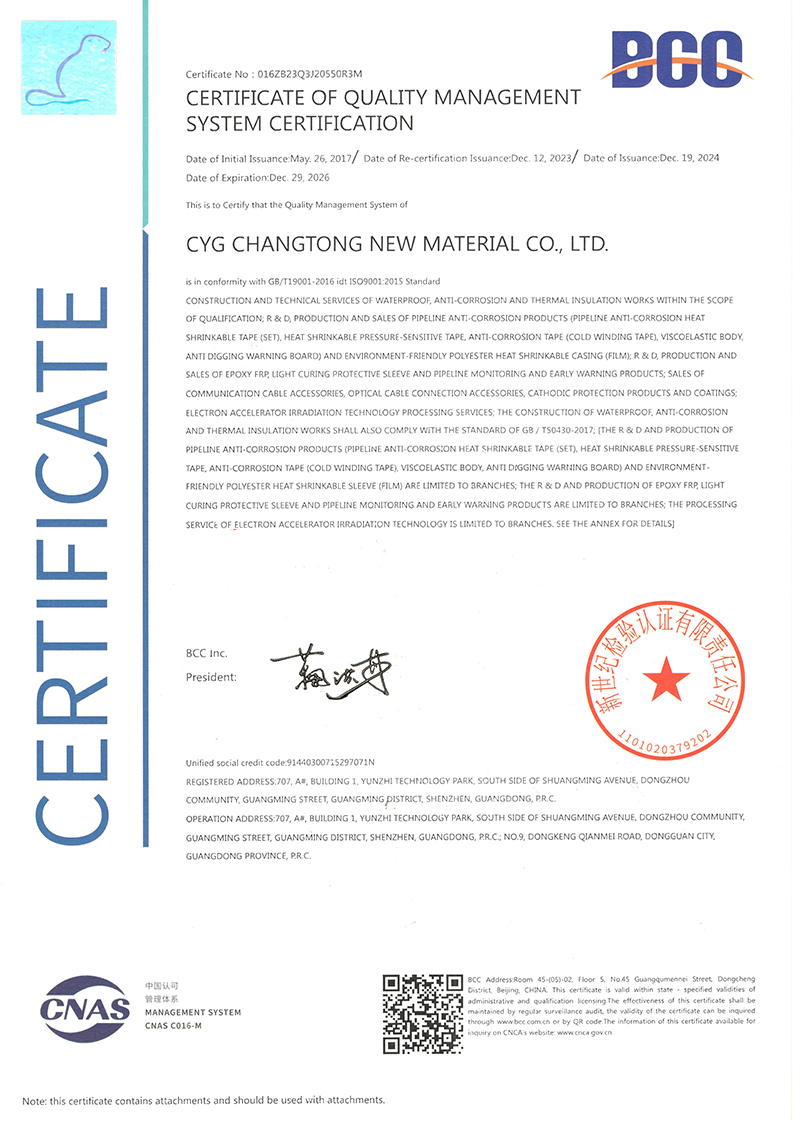
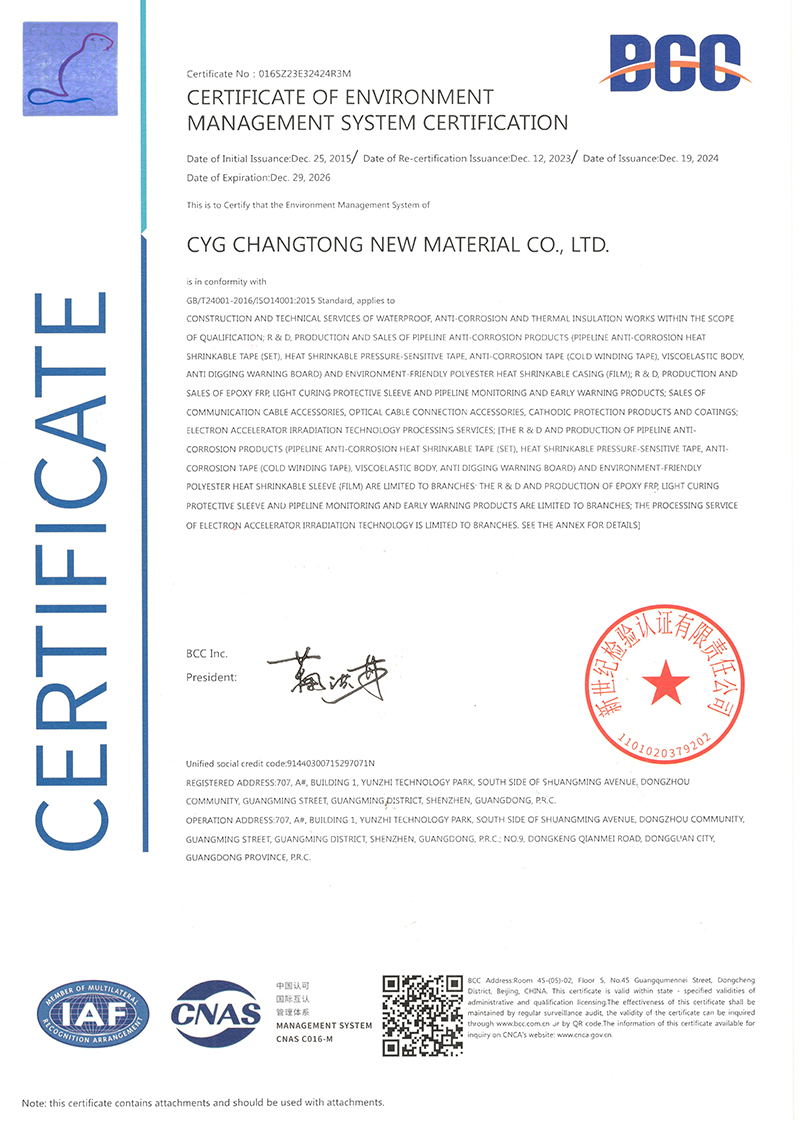
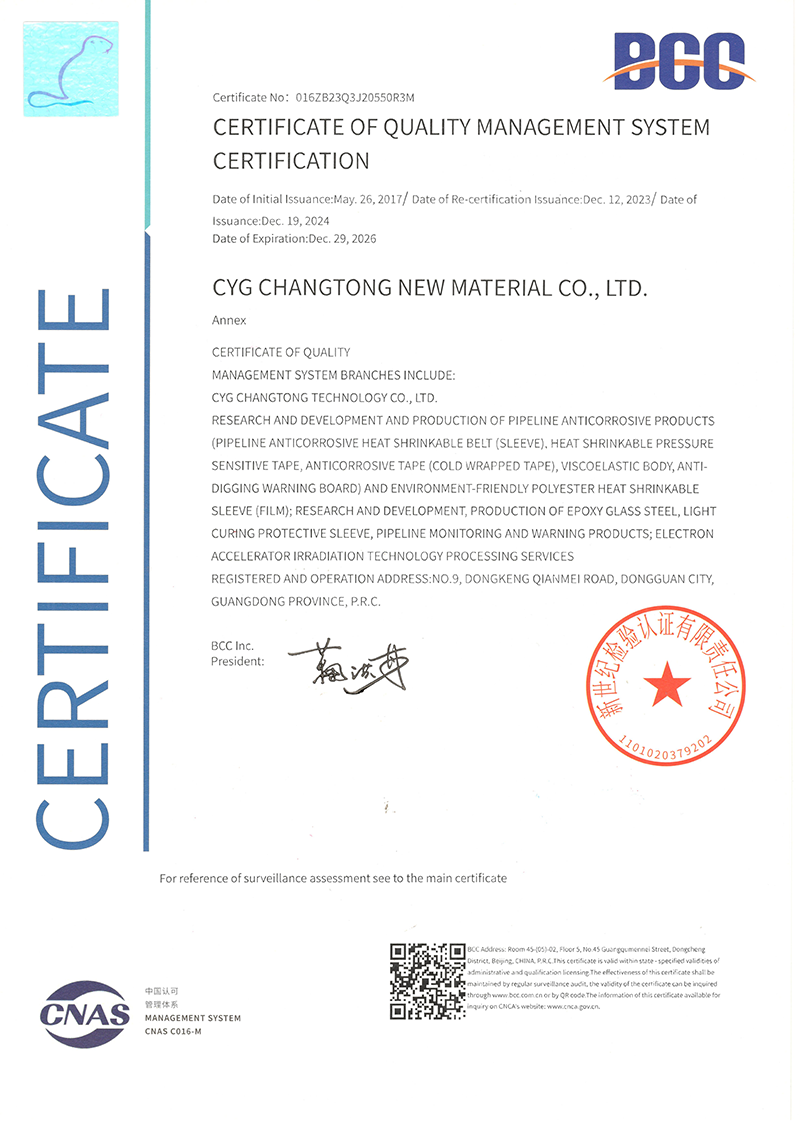
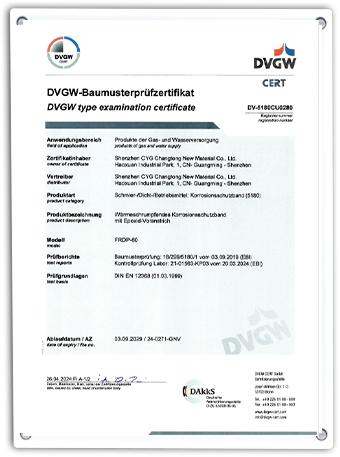
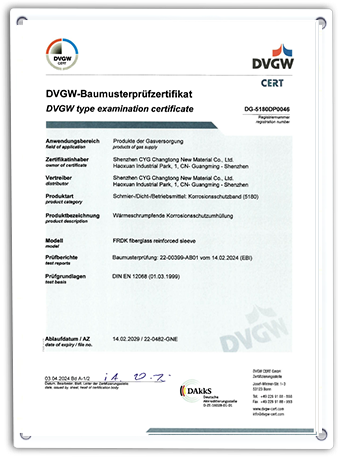
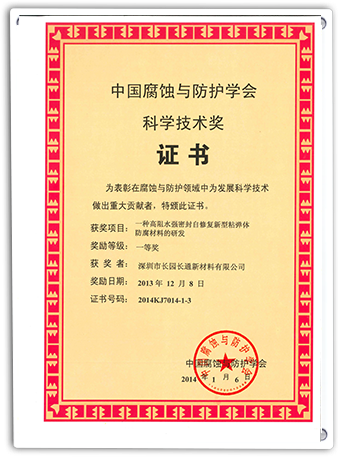
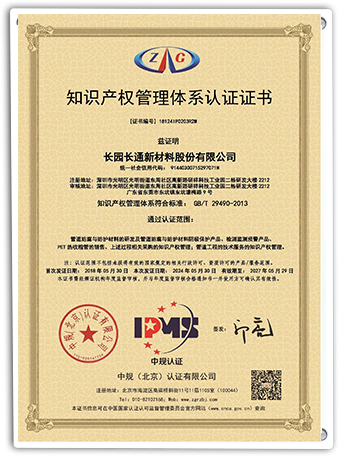
Browse our selection of pipeline repair products, including structural composite sleeves and hot melt adhesives designed to meet international standards.
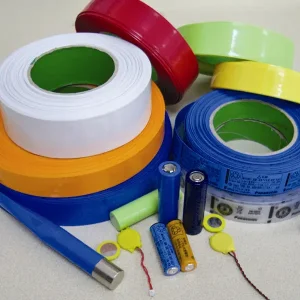
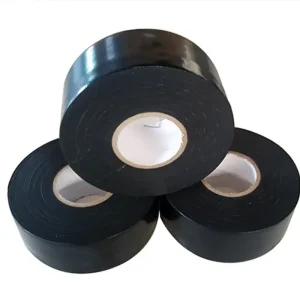
Applying pipeline repair materials in the field requires careful preparation to ensure a reliable, long-lasting bond. Even high-grade hot melt adhesives and repair patches will fail prematurely if the underlying steel pipe is not properly prepared.
Step 1: Surface Preparation. Clean the substrate to remove rust, scale, dirt, and moisture. For structural repairs, use mechanical tools or abrasive blasting to clean the steel surface to a minimum of Sa 2.5 or St 3 cleanliness. Bevel the edges of the surrounding pipeline coating (3LPE or 3LPP) to prevent sharp transitions.
Step 2: Preheating. Use a propane torch to preheat the repair area. Preheating dries the steel surface and brings the substrate temperature to the levels required for the repair adhesive, typically between 60°C and 80°C.
Step 3: Applying Filler & Repair Patch. Heat the repair stick or hot melt filler and apply it directly into the defect, smoothing it to level the surface. Next, position the PE repair patch over the area. Apply heat evenly to activate the mastic adhesive and trigger the patch's heat-shrink properties. Use a silicone roller to press out any trapped air bubbles, working from the center outward to ensure a tight, void-free seal.
Frequently asked technical questions regarding compliance, installation parameters, and material selection.
High-pressure pipeline repairs must comply with ASME PCC-2 (Article 4.1 for non-metallic composite repairs) and ISO 24817. These guidelines outline calculations for determining wrap thickness, overlap margins, and resin curing profiles, taking into account pipeline pressure, operating temperature, and the remaining wall thickness.
Yes. Specialty repair systems, like our FRDX High-Temperature Hot Melt Sticks and PE Repair Patches, are designed to withstand operating temperatures up to 85°C. These systems maintain their adhesive properties and mechanical shear resistance under continuous thermal loads.
Moisture-curing shields react with ambient humidity or moisture on the pipe surface to cure into a tough, protective barrier. This makes them ideal for wet, low-lying coastal areas like Boston, where dry conditions are difficult to maintain during field repairs.
Cathodic disbondment is the loss of adhesion between a coating and steel substrate caused by cathodic protection currents. Our formulations use high-grade polar copolymer adhesives that maintain strong bonds under cathodic protection, keeping moisture from undermining the repair site.
Yes. Applying composite wraps like GFRP does not require hot work or line shutdowns. If the remaining pipe wall can handle the operating pressure during the repair, the composite wrap can be applied while the pipeline remains active, saving cost and preventing service interruptions.
From high-pressure GFRP composite reinforcement systems to hot melt adhesives and field-joint sleeves, we deliver ISO-compliant corrosion protection solutions. Contact our engineering team today to review your project specifications.
 CYCT
CYCT