Premium structural reinforcement coatings and high-performance repair solutions tailored for high-temperature and extreme environmental applications in the US market.
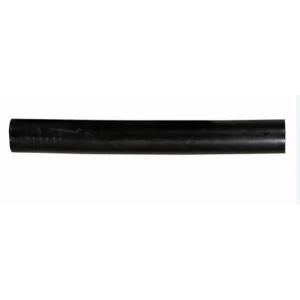
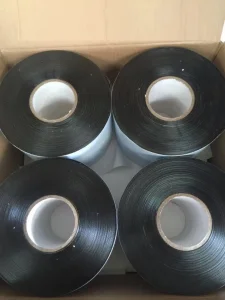
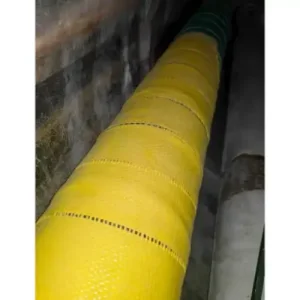
The pipeline transport network in the United States comprises over 2.6 million miles of gas pipelines and 150,000 miles of hazardous liquid trunklines. As large sections of this network exceed 45 to 50 years of operation, structural degradation and mechanical aging are raising critical security concerns. Combined with stringent mandates from the Pipeline and Hazardous Materials Safety Administration (PHMSA), asset integrity management has become the primary operational focus for domestic EPCs and energy grid operators.
Modern solutions require materials that can resist soil stress, prevent moisture ingress, and offer cathodic protection compatibility. Standard technologies are shifting toward high-performance composite shields, viscoelastic polymers, and specialized heat-shrinkable field joint systems that satisfy critical benchmarks such as ASTM, NACE SP0169, and ASME B31.8. By specifying state-of-the-art materials, pipeline operators can reduce lifecycle maintenance expenditures, satisfy environmental regulations, and extend operational lifespans safely.
Our solutions directly address these modern engineering demands. Through rigorous manufacturing processes, we deliver structural mitigation tapes and patches that ensure high peel strength, shear resistance, and thermal endurance for high-stress environments like the Permian Basin, Marcellus Shale, and offshore Gulf of Mexico installations.
Choosing the correct coating system is crucial for long-term integrity. The matrix below outlines typical applications and mechanical characteristics of the primary systems used in municipal and offshore pipeline defense.
| Technology System | Key Properties | Ideal Applications | Standard Compliance |
|---|---|---|---|
| Viscoelastic Coatings | Cold-flow, self-healing, zero curing time, 100% impermeable to moisture. | Valve boxes, structural flanges, irregular fittings, and field joint coating. | ISO 21809-3, DIN 30672-1 |
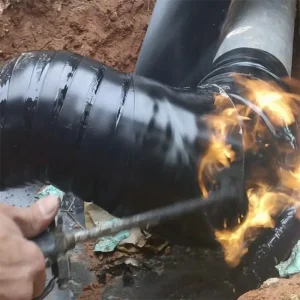
| Polypropylene Heat Shrink Sleeves | Exceptional mechanical resistance, elevated service temp (up to 110°C / 230°F). | Directional drilling, 3LPP mainline joint protection, hot fluid transfer. | EN 12068 Class C, ASTM D638 |
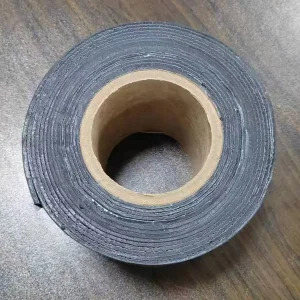
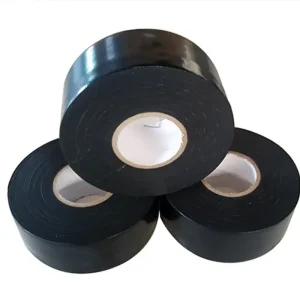
| PE Cold-Applied Tapes | Cost-effective, rapid manual or machine wrap, high shear strength. | Long-distance oil and gas trunklines, water distribution mains. | NACE SP0169, AWWA C214 |
| Moisture-Cured Composite Shields | Fiberglass reinforcement wrap, cures with ambient humidity, high impact defense. | Horizontal Directional Drilling (HDD), splash zone repairs, rocky soil backfill. | ASTM D3039, ASTM D4060 |
The industry is rapidly shifting away from conventional field-applied liquid epoxies toward advanced multi-layer systems. Modern projects require rapid-curing, solid-state materials that minimize installation human error. Our R&D division has developed viscoelastic polymers that remain flexible and active at sub-zero temperatures, providing continuous self-healing action that fills micro-fissures in the steel substrates. Additionally, our high-temperature PP heat-shrinkable systems utilize modified hot-melt adhesives designed to withstand the physical stress of horizontal directional drilling (HDD) pulls, preventing soil shear from peeling back the protective envelope.
Company Profile
CYCT New Materials Company Limited (for short, CYCT) is a state-level high-tech enterprise integrating R&D, production, and sales of pipeline corrosion protection materials, as well as buried pipeline detection services and pipeline coating field application services into one cohesive operation.
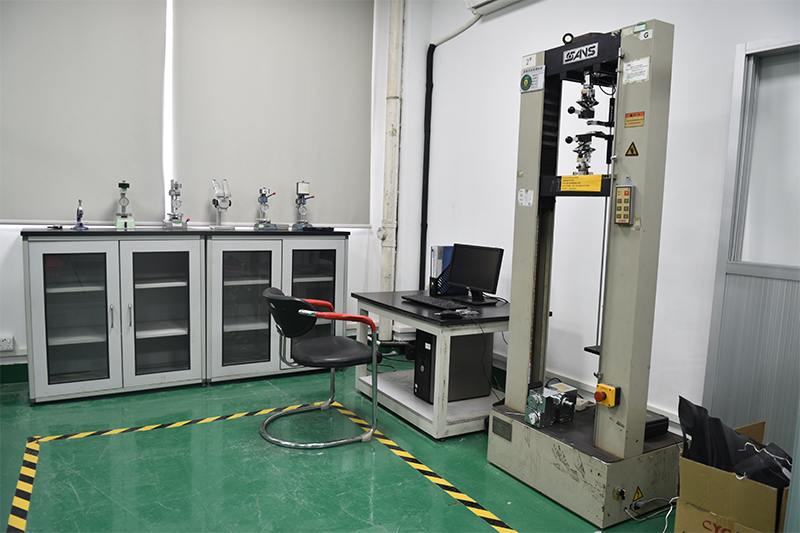
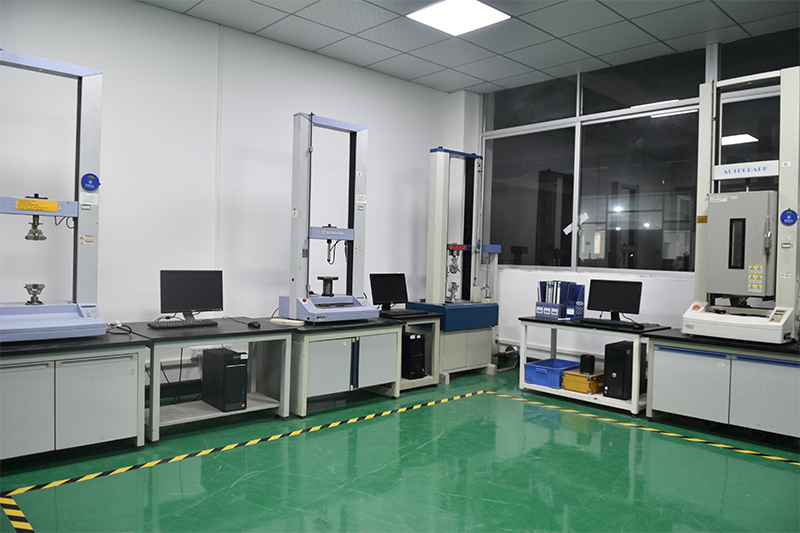
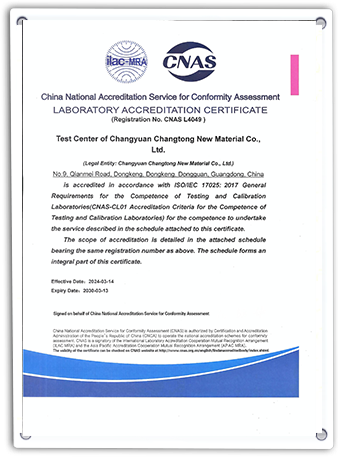
For decades, CYCT has dedicated itself to the design, synthesis, and physical testing of field-applied pipeline rehabilitation materials. CYCT owns leading testing and R&D capabilities, supported by a professional engineering R&D team and a national CNAS-accredited laboratory. This allows us to guarantee that every batch of cold-applied tapes, heat-shrinkable sleeves, and hot-melt sticks meets global safety regulations.
Over the years, CYCT has become a stable supplier of field joint coatings for PetroChina, Sinopec, PipeChina, and various municipal pipeline authorities, capturing a significant market share. We have successfully developed and commercialized a broad spectrum of specialized corrosion protection materials, such as viscoelastic anticorrosion systems, photo-curing sleeves for trenchless installations, and polyurea coatings.
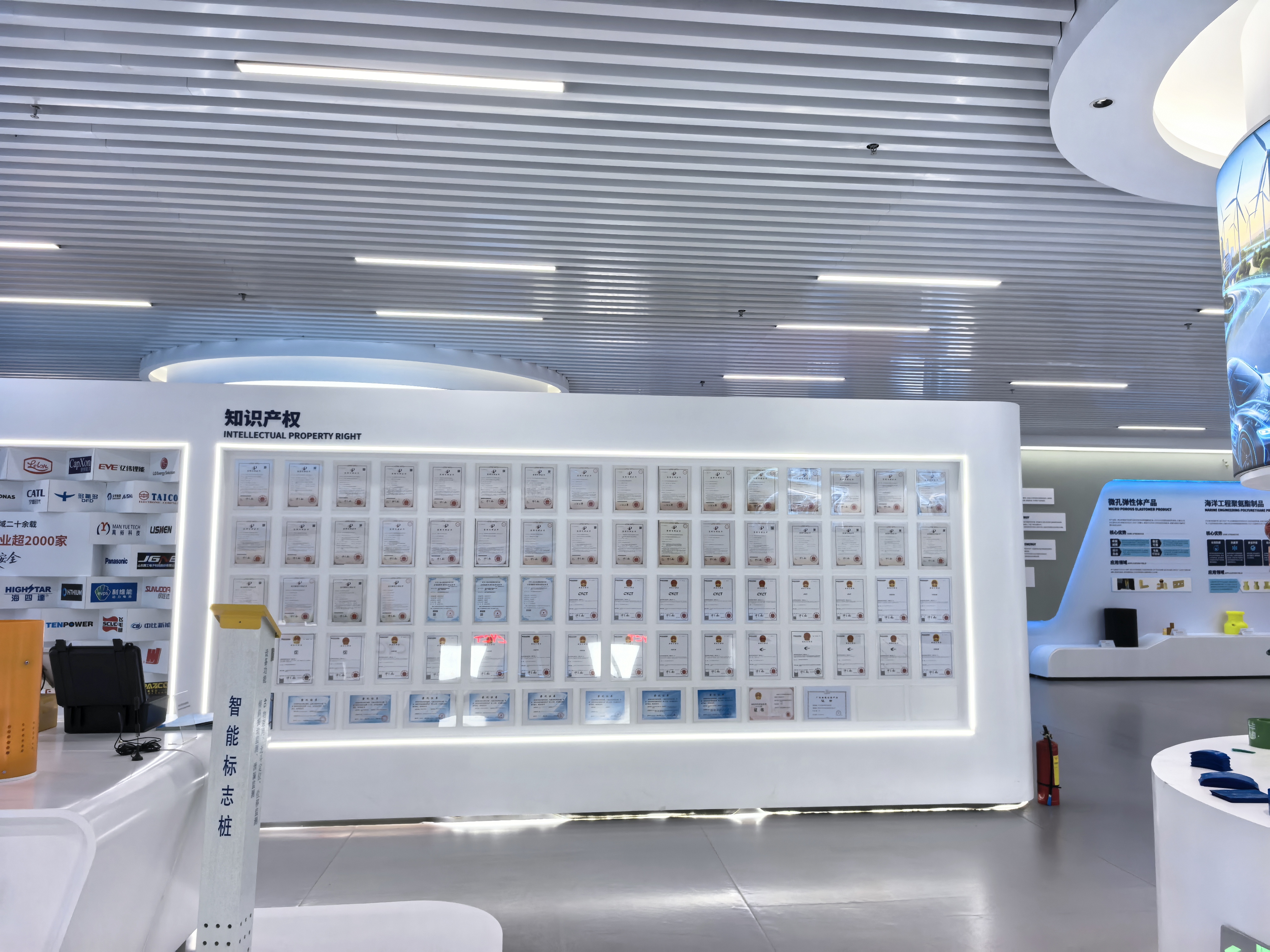
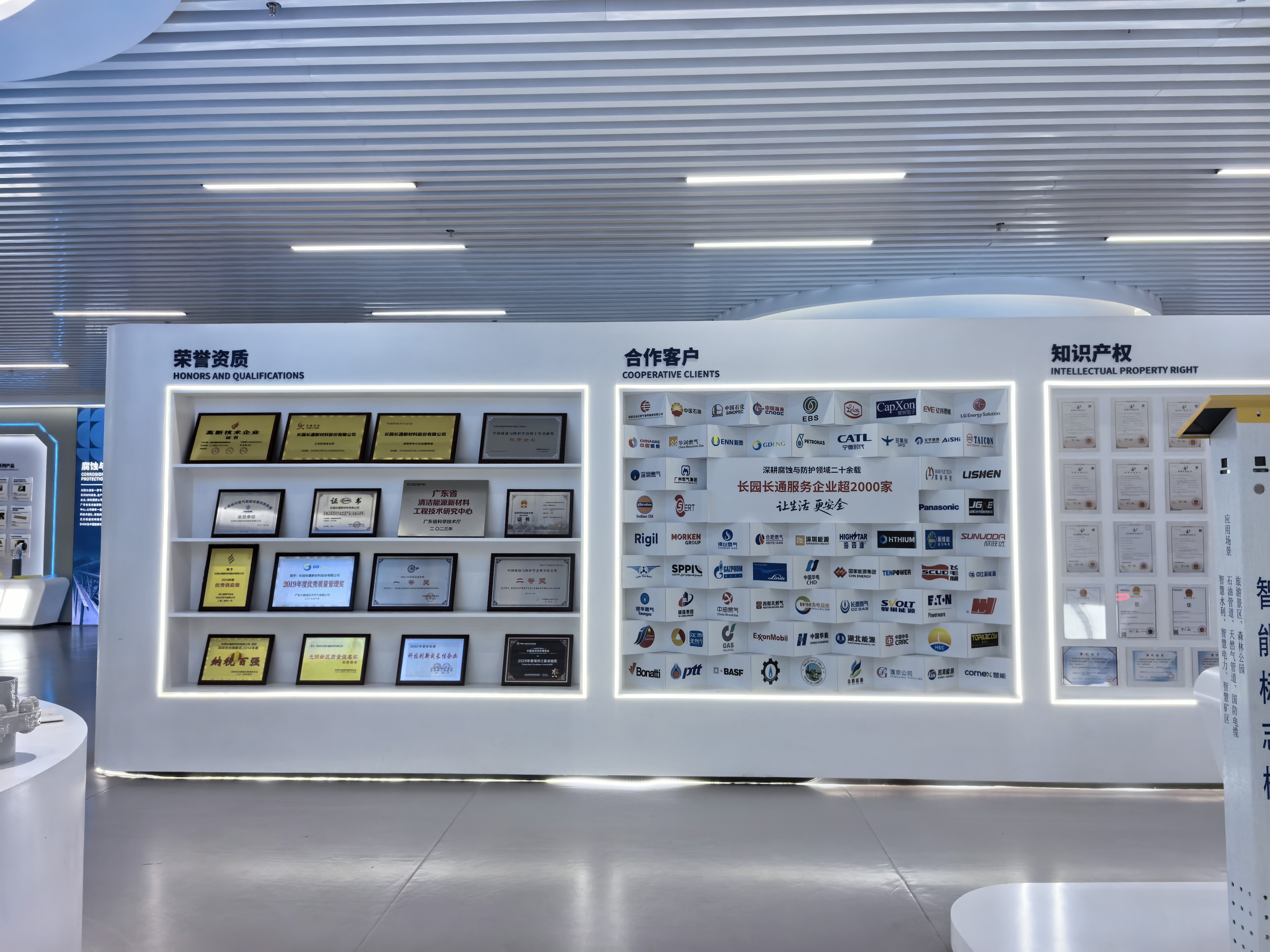
Through robust cooperation with leading research institutes like the CNPC Pipeline Science Research Institute, CYCT is capable of providing in-service pipelines with varied technical services, including buried pipeline detection, design schemes, cathodic protection consultation, rehabilitation project execution, and integrated solutions for structural pipeline safety.
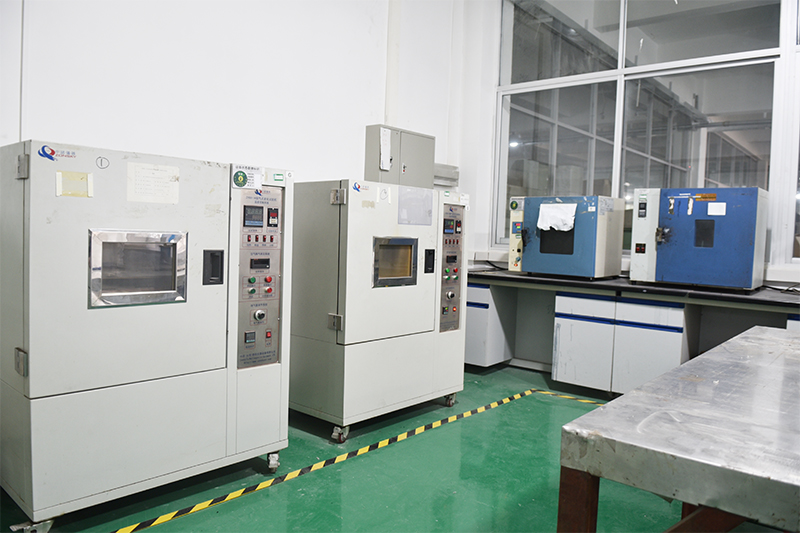
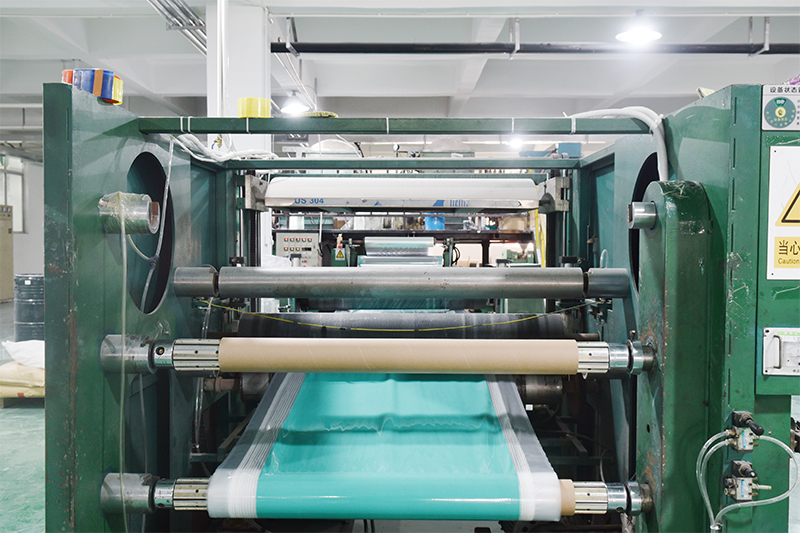
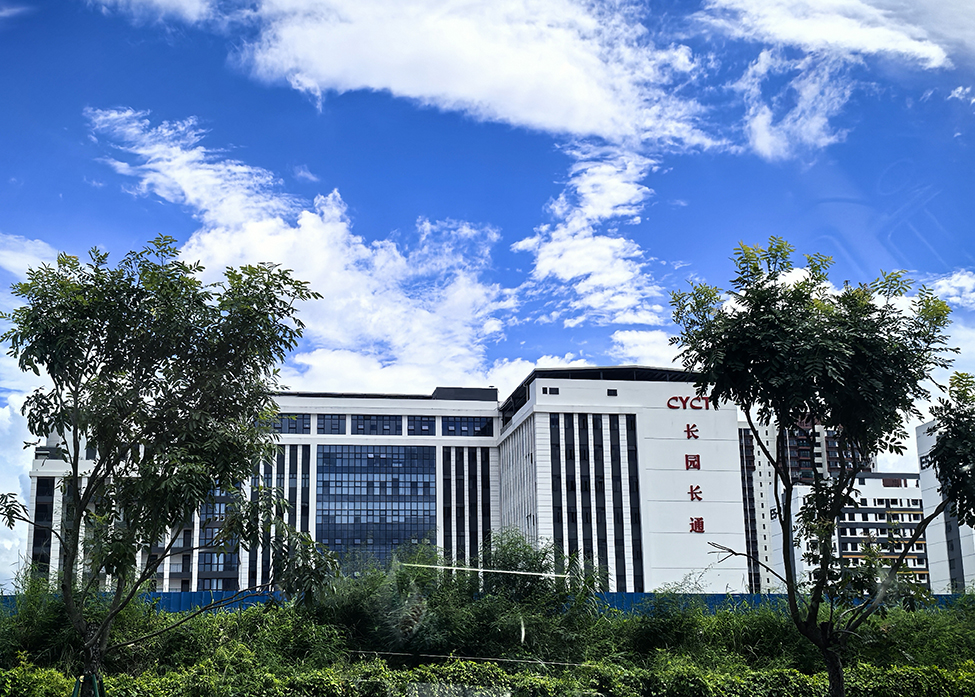
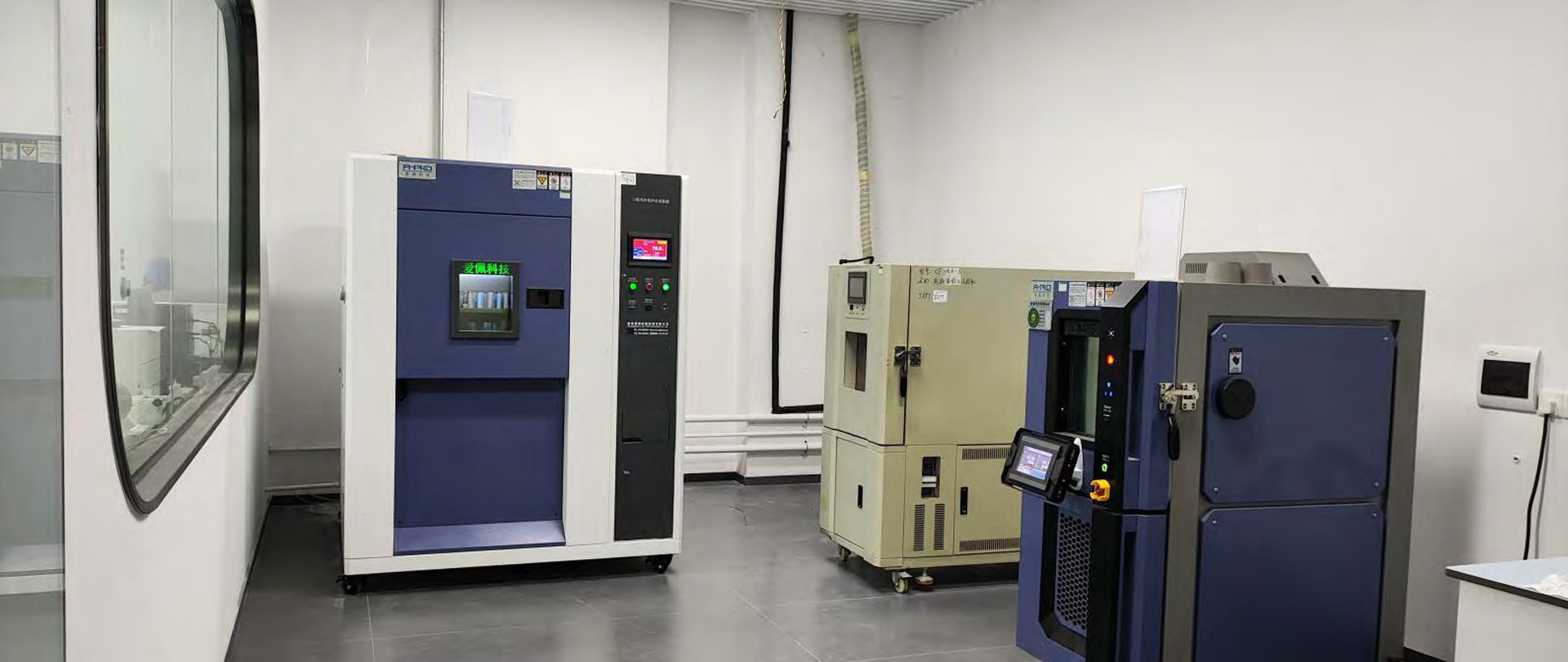
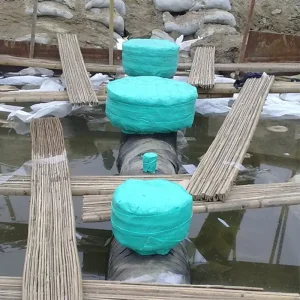
Engineered for complex profiles, repair patches, and structural remediation across diverse geographic terrains.
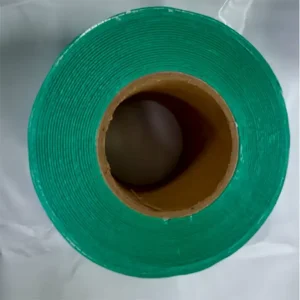
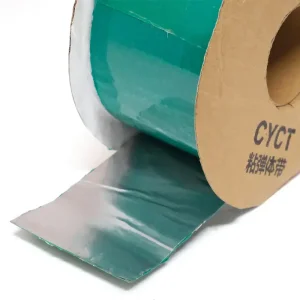
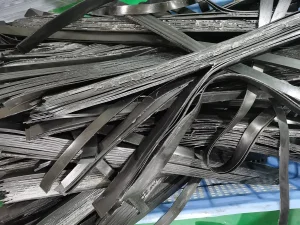
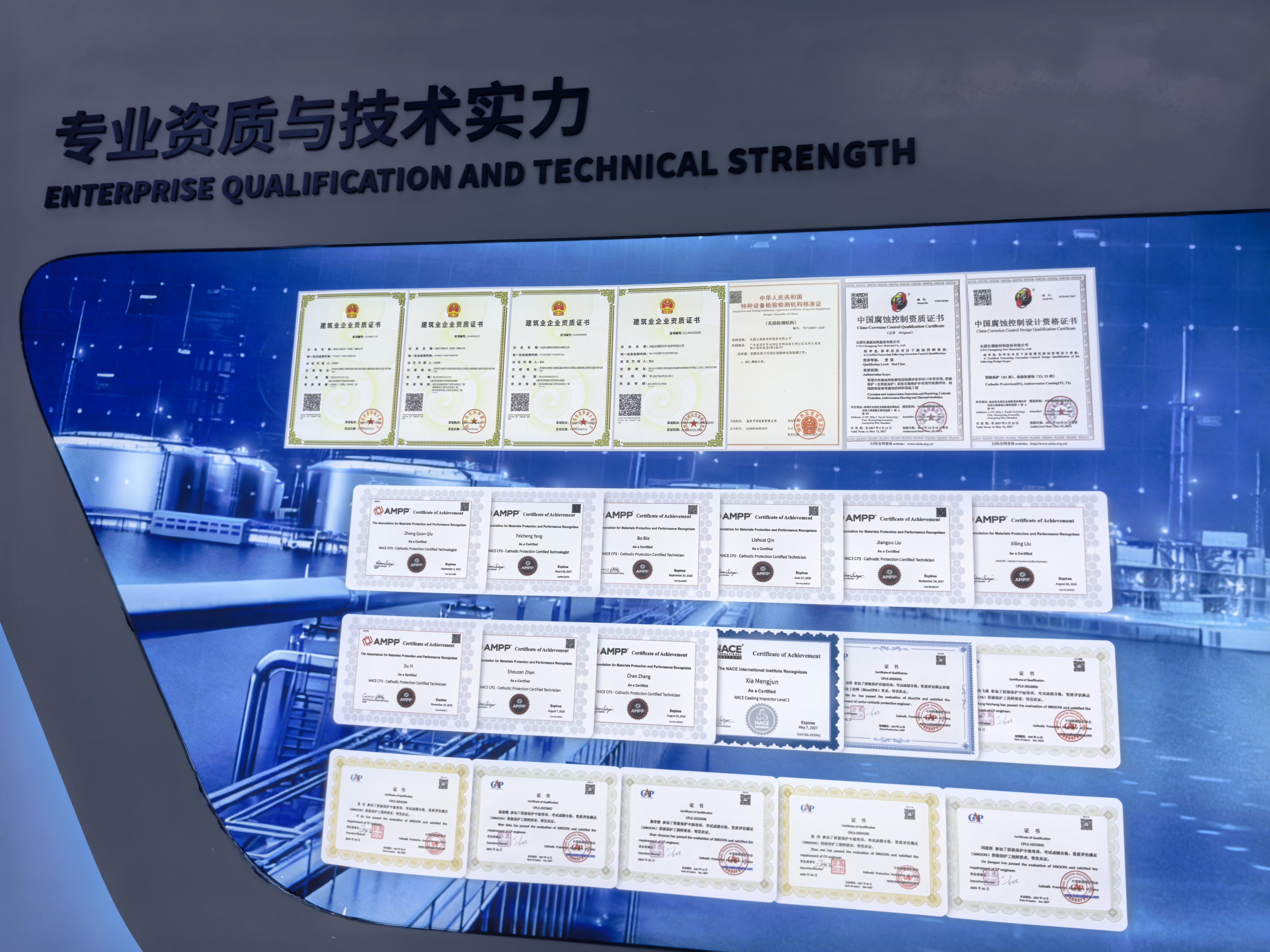
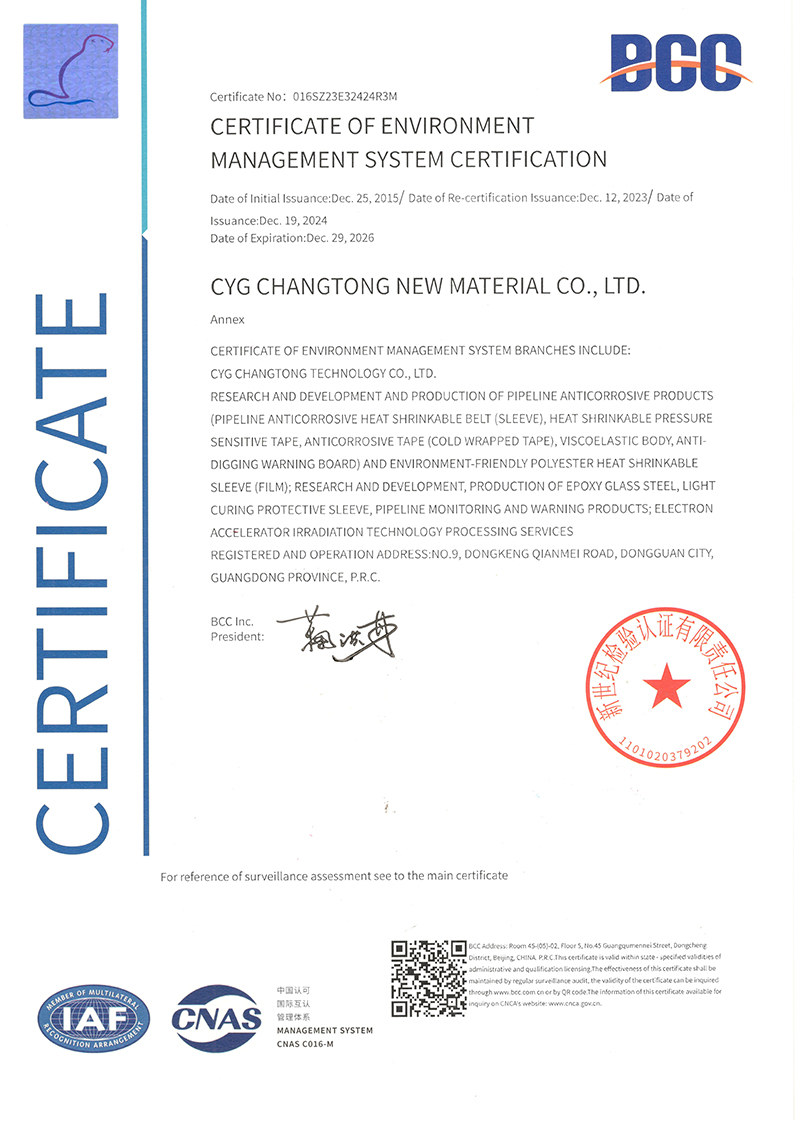
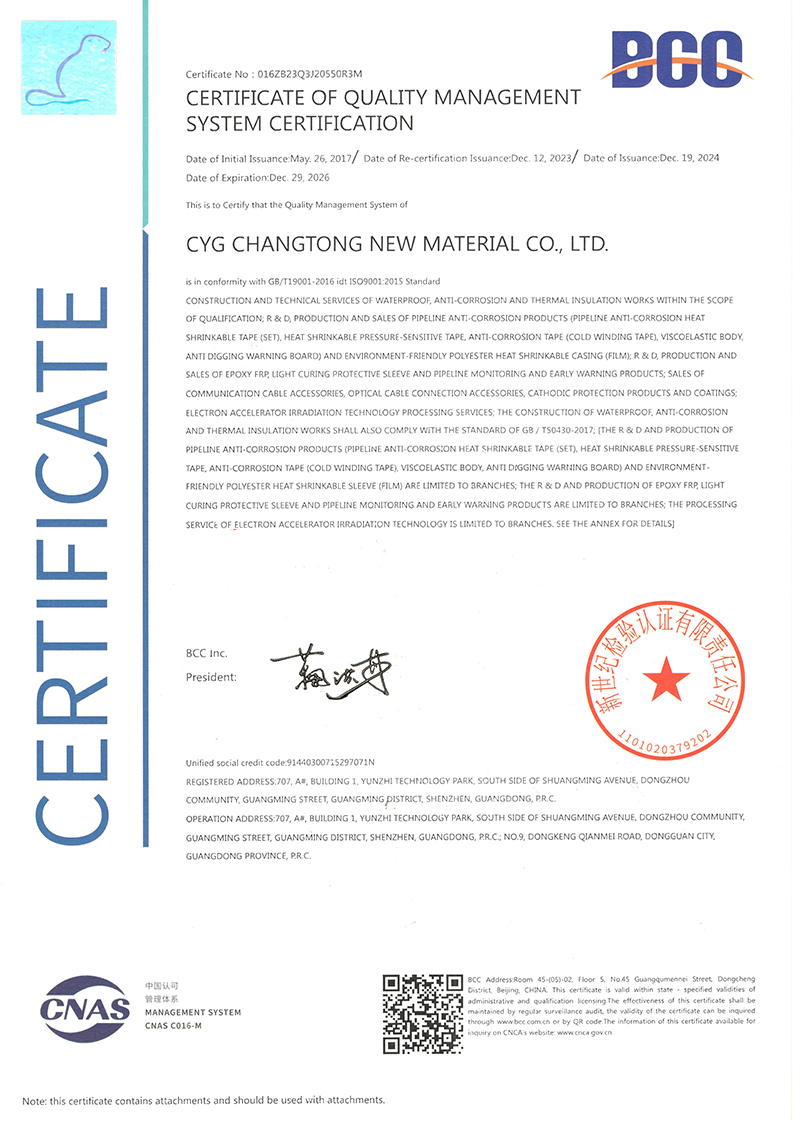
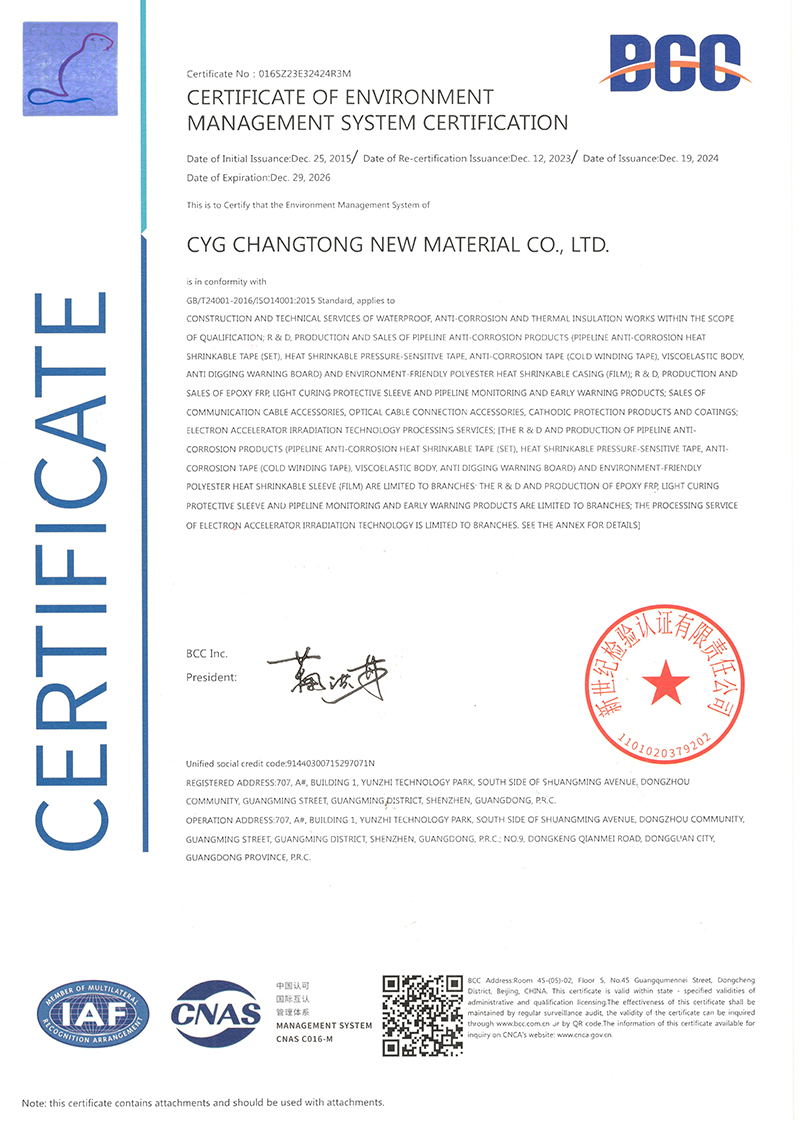
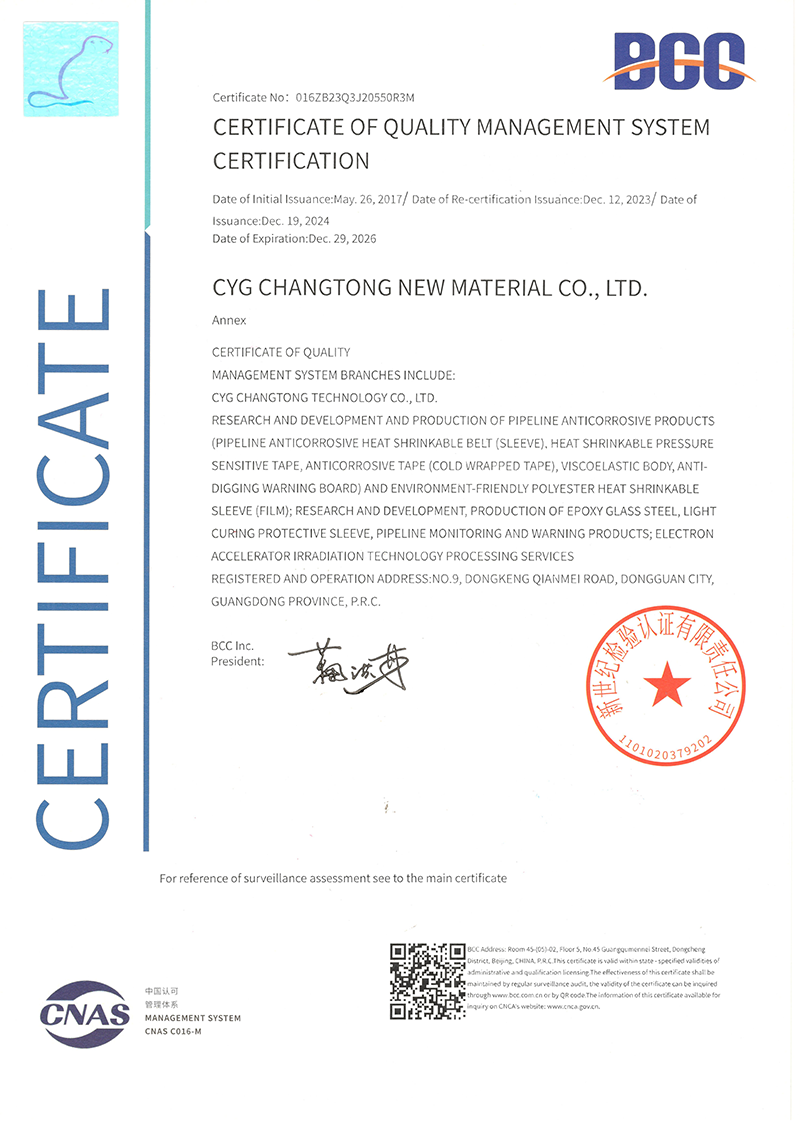
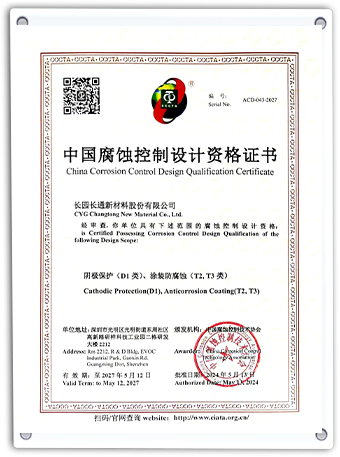
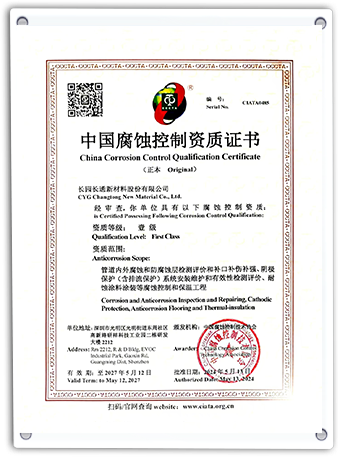
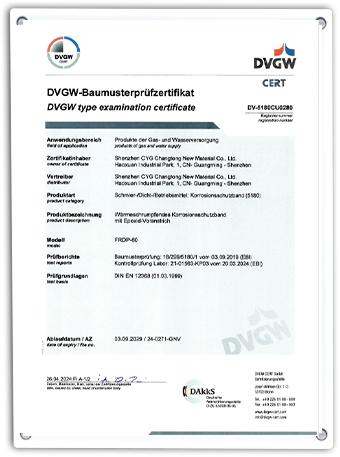
Our commitment to quality control is verified by international inspection bodies and continuous technological validation.
Member of Council in Chinese Society for Corrosion and Protection (CSCP) | Qualification Certificate of Corrosion Protection Construction | Qualification Certificate of Pipeline Detection | Well-known Brand of Pipeline Corrosion Protection | Corporate Member of China Association of Petroleum Engineering Construction (CAPEC) | State-Level High-Tech Enterprise with more than 10 proprietary intellectual property rights.
A strategic guide for US EPC managers, procurement directors, and asset reliability engineers searching for stable pipeline coating manufacturers.
Verify that your supplier can match your exact physical properties, including cathodic disbondment limits (ASTM G8 or G95), tensile strength, peel strength to factory coatings (FBE, 3LPE, 3LPP), and heat resistance parameters. CYCT provides certified material data sheets (MDS) for all custom orders.
Look for vendors with a fully certified laboratory and external test reports from third-party inspectors like SGS, TUV, or DNV. Our state-level CNAS-accredited laboratory guarantees consistent chemical verification and raw material checks before shipment.
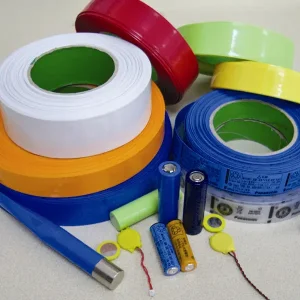
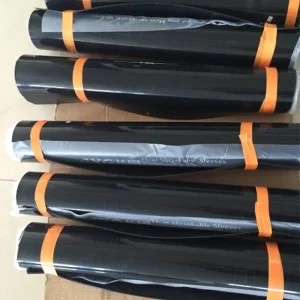
Navigating global logistics requires reliable packing and timely shipments. CYCT specializes in providing custom-width rolls, bespoke shapes, and project-specific packaging that fits standard shipping containers, minimizing freight costs and handling damage.
Our senior technical engineering team answers key questions regarding installation, performance, and durability of our systems.
A: Viscoelastic coatings are cold-applied systems that remain permanently flexible, offering self-healing characteristics if mechanically disturbed. They require less surface preparation (ISO Sa 2 or St 2/3) and do not need a primer. In contrast, Polypropylene or Polyethylene Heat Shrink Sleeves require surface heating, often an epoxy primer, and offer higher mechanical resistance against rocky soils and installation abrasion. For trenchless applications like HDD, a combination of HSS and a moisture-cured composite outer wrap is typically recommended.
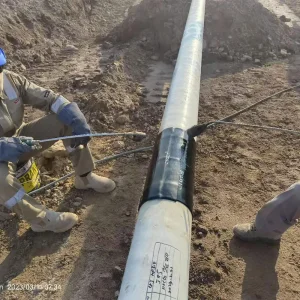
A: Yes. Our FRDX PE Repair Patches and PP repair systems are designed specifically for rehabilitation. They bond with pre-existing factory-applied 3LPE, 3LPP, or FBE coatings. They are ideal for repairing local damage (such as gouges, bubbles, or localized corrosion spots) caused during transport or pipeline construction.
A: Our products undergo testing in our CNAS laboratory and comply with international standards including ISO 21809-3, EN 12068, ASTM G95 (Cathodic Disbondment), ASTM D638, and AWWA C214. We provide comprehensive test certifications and quality verification documentation with each bulk shipment.
A: We offer custom product dimensions, custom color configurations, and temperature-rated adhesive formulations (ranging from 50°C to 110°C) tailored to the localized climatic variations of the USA. Our engineering team can also provide installation guides, application training, and remote inspection consulting.
Select from our complete range of certified pipeline coatings, tapes, and field joint protection solutions below.
 CYCT
CYCT