Factory-direct pipeline joint coating solutions optimized for hot, humid, and highly corrosive tropical environments.
Corrosion mitigation remains one of the single most capital-intensive challenges for modern utility operators and energy developers in Southeast Asia. Metro Manila—situated directly along the coastal zones of Manila Bay and the South China Sea—presents a highly demanding operational landscape for buried and offshore steel structures. The combination of high ambient temperatures, elevated relative humidity (often exceeding 80% year-round), fluctuating groundwater tables, and high soil salinity creates a rapid electrochemical pathway for metallic degradation. Without high-integrity barrier coatings, pipelines carrying oil, gas, potable water, and industrial chemical stocks are highly susceptible to premature failure, resulting in catastrophic environmental impacts and substantial capital losses.
Manila's coastal aquifers contain elevated chloride levels that accelerate galvanic and localized pitting corrosion, requiring coatings with exceptionally low moisture permeability.
Clay-rich soils in Manila's lowlands expand and contract drastically between the monsoon and dry seasons, applying intense shear force to pipeline protective sleeves.
Under active cathodic protection, lower-quality field joint tapes disbond easily. CYCT PE heat shrinkable systems are designed for high disbondment resistance.
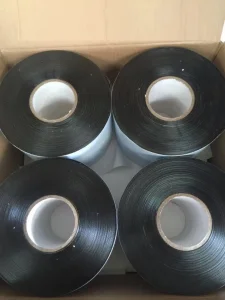
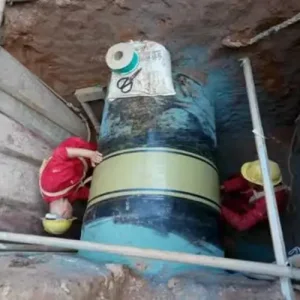
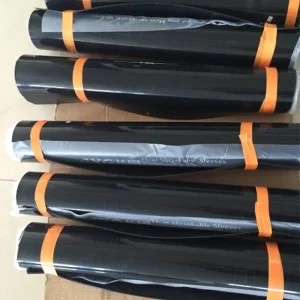
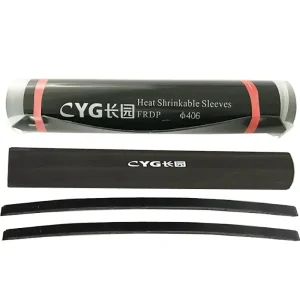
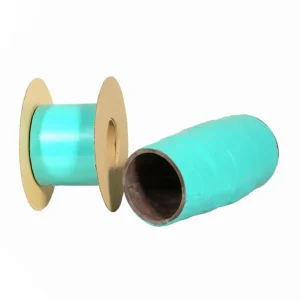
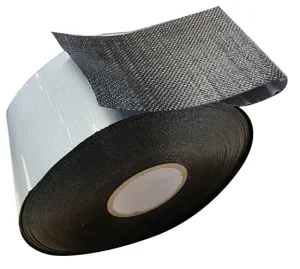
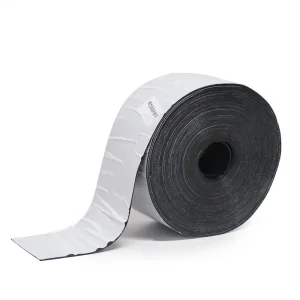
While factory-applied coatings such as Three-Layer Polyethylene (3LPE) or Fusion Bonded Epoxy (FBE) protect the main run of the pipeline, the field weld joint (girth weld) remains the most vulnerable point during installation. Polyethylene (PE) Heat Shrinkable Tape provides a seamless, robust replication of the factory-applied 3LPE coating on site. Comprising a radiation cross-linked high-density polyethylene (HDPE) backing coupled with a high-shear thermoplastic hot-melt adhesive, PE heat shrinkable tape contracts tightly under the application of direct heat (propine torch). This forms a high-density, waterproof, and chemically resistant encapsulation over the exposed steel surface, matching the physical properties of the main pipeline line-pipe coating.
For large-scale EPC (Engineering, Procurement, and Construction) companies operating in the Philippines, maintaining supply chain agility and cost predictability is vital. Purchasing pipeline materials from third-party regional distributors often introduces variable lead times, marked-up costs, and uncertain quality documentation. By partnering directly with a primary manufacturer like CYCT, engineering firms secure direct access to a national CNAS-accredited laboratory's testing databases, custom width/thickness tailoring according to international design standards (such as ISO 21809-3 and EN 12068), and scalable manufacturing capacities that ensure consistent delivery schedules. This is critical for avoiding expensive delays in major Metro Manila infrastructure works.
At CYCT, we construct our pipeline protection materials on the foundation of macromolecular engineering. The radiation cross-linking process changes the polymer structure of the polyethylene backing from a linear form to a three-dimensional network. This cross-linking process gives the PE backing a "memory" effect, allowing it to recover to its original extruded dimensions upon heating. The hot melt copolymer adhesive is specifically formulated to wet out the blasted steel surface at installation temperatures, filling micro-crevices and forming a solid mechanical and chemical bond that prevents sub-film water migration.
The HDPE backing provides excellent abrasion resistance, mechanical impact strength, and barrier properties against moisture vapor transmission.
Formulated to withstand soil stress, temperature cycles, and shear forces caused by backfilling and pipeline movement in clay soils.
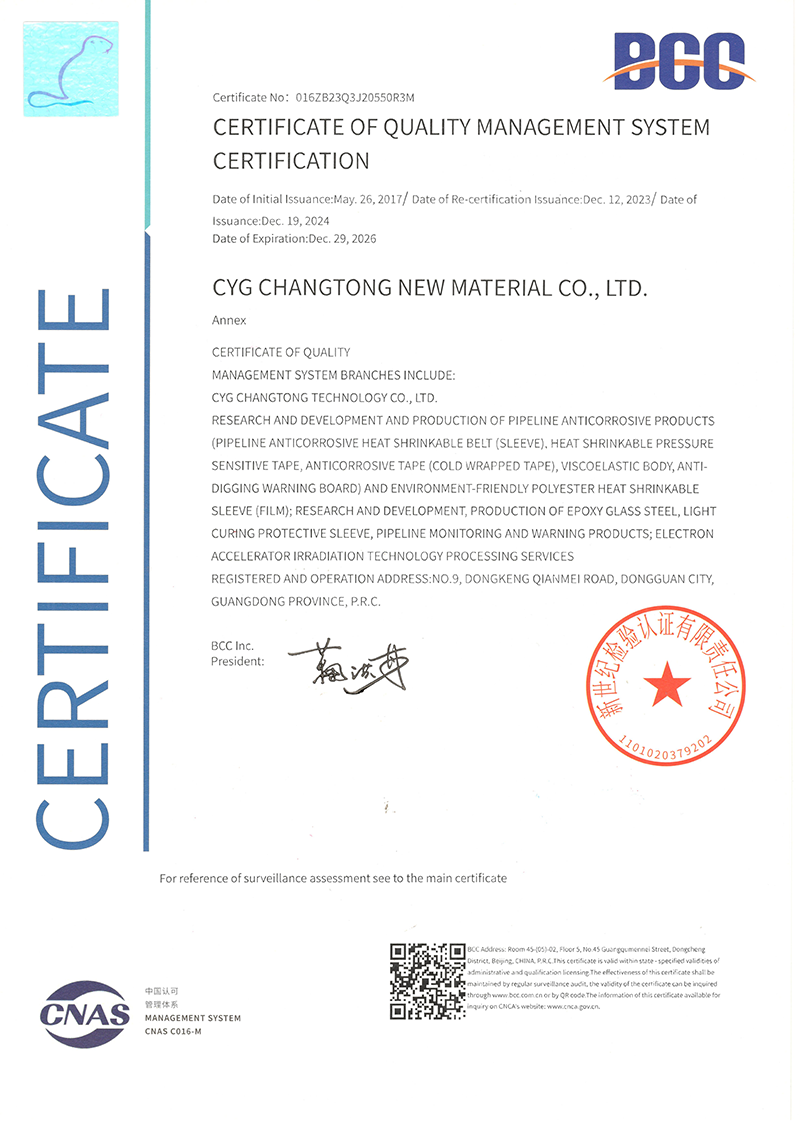
Tested and certified to meet domestic and international standards including PetroChina, Sinopec, Indian Oil, and global ISO 21809-3 specifications.
Achieving a 30-year design life for field joint coatings requires strict adherence to surface preparation and installation protocols, especially under tropical field conditions:
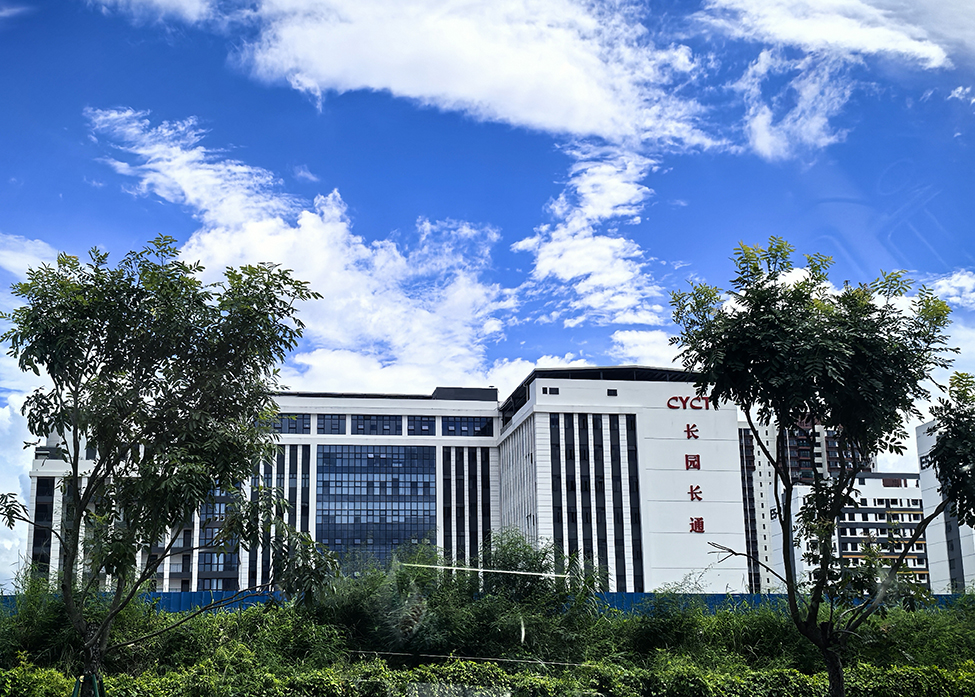
CYCT New Materials Company Limited (for short, CYCT) is a state-level high-tech enterprise integrating R&D, production, and sales of pipeline corrosion protection materials, as well as buried pipeline detection services and pipeline coating field application services into one. CYCT has dedicated itself to the R&D, production, and sales of pipeline corrosion protection materials for decades.
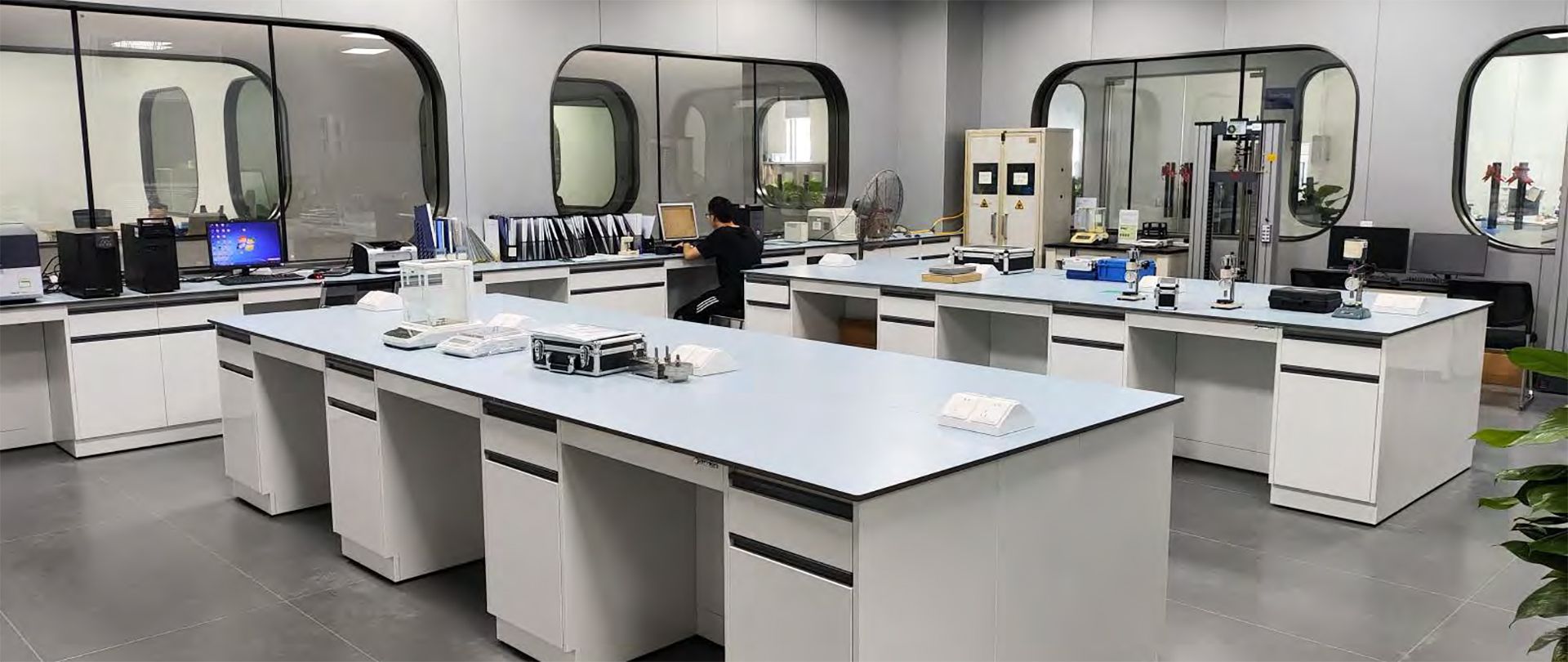
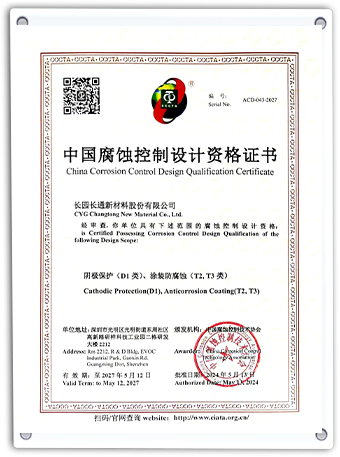
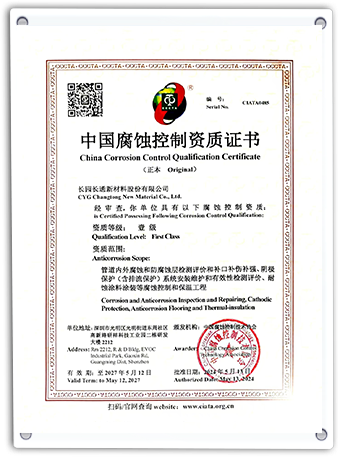
CYCT possesses leading testing and R&D capabilities, supported by a professional R&D team and a national CNAS-accredited laboratory. By maintaining close cooperation with leading research institutes like the CNPC Pipeline Science Research Institute, CYCT is capable of providing in-service pipelines with varied technical services, including buried pipeline detection, design schemes, cathodic protection, rehabilitation projects, and integrated solutions for pipeline safety.
Over the years, CYCT has become a stable supplier of field joint coatings for PetroChina, Sinopec, PipeChina, local utility pipelines, and international markets, securing a dominant market share. Furthermore, CYCT has successfully developed and introduced specialized corrosion protection materials, including viscoelastic anticorrosion materials, special photo-curing sleeves for Horizontal Directional Drilling (HDD) protection, and polyurea coatings.
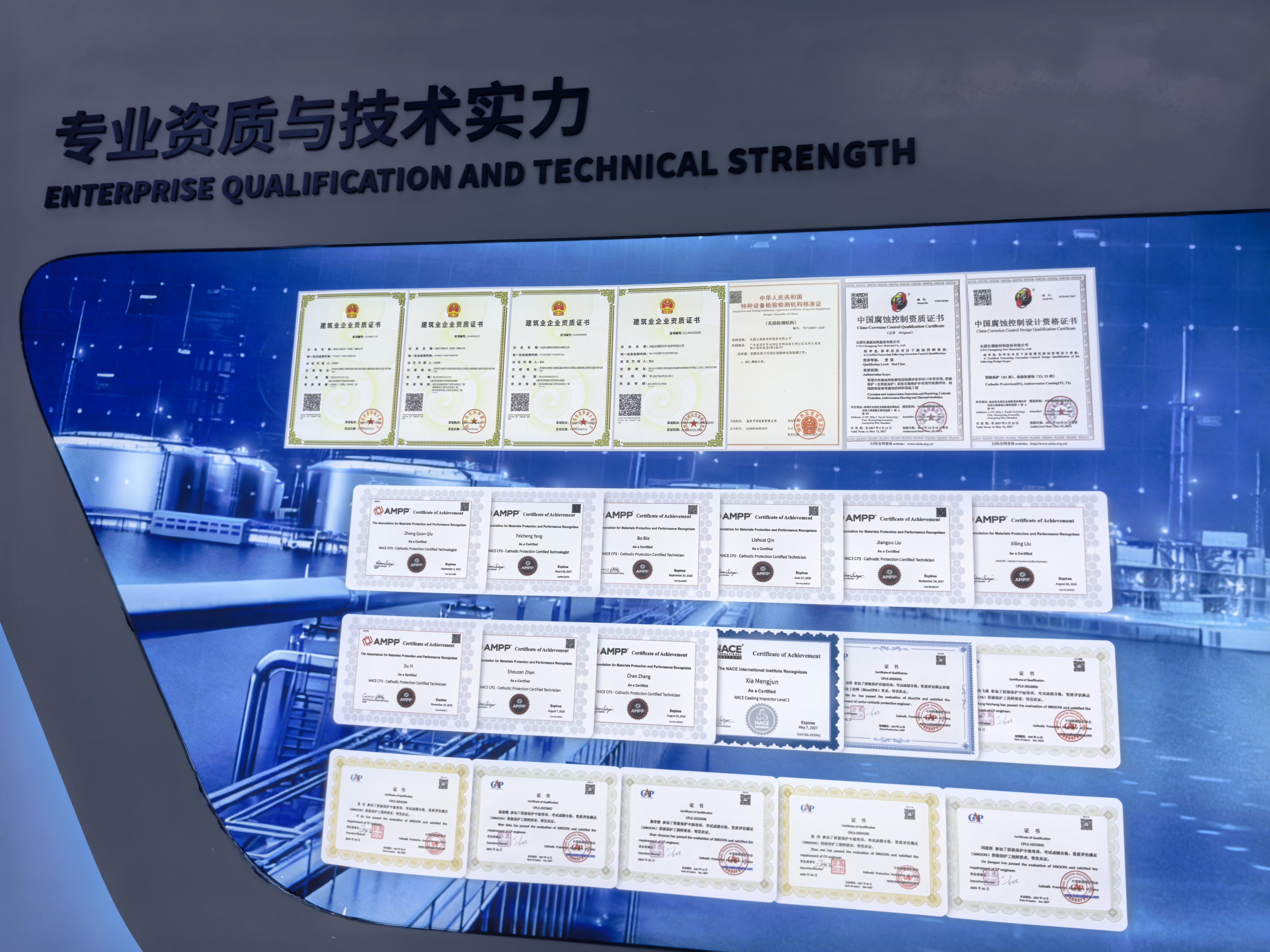
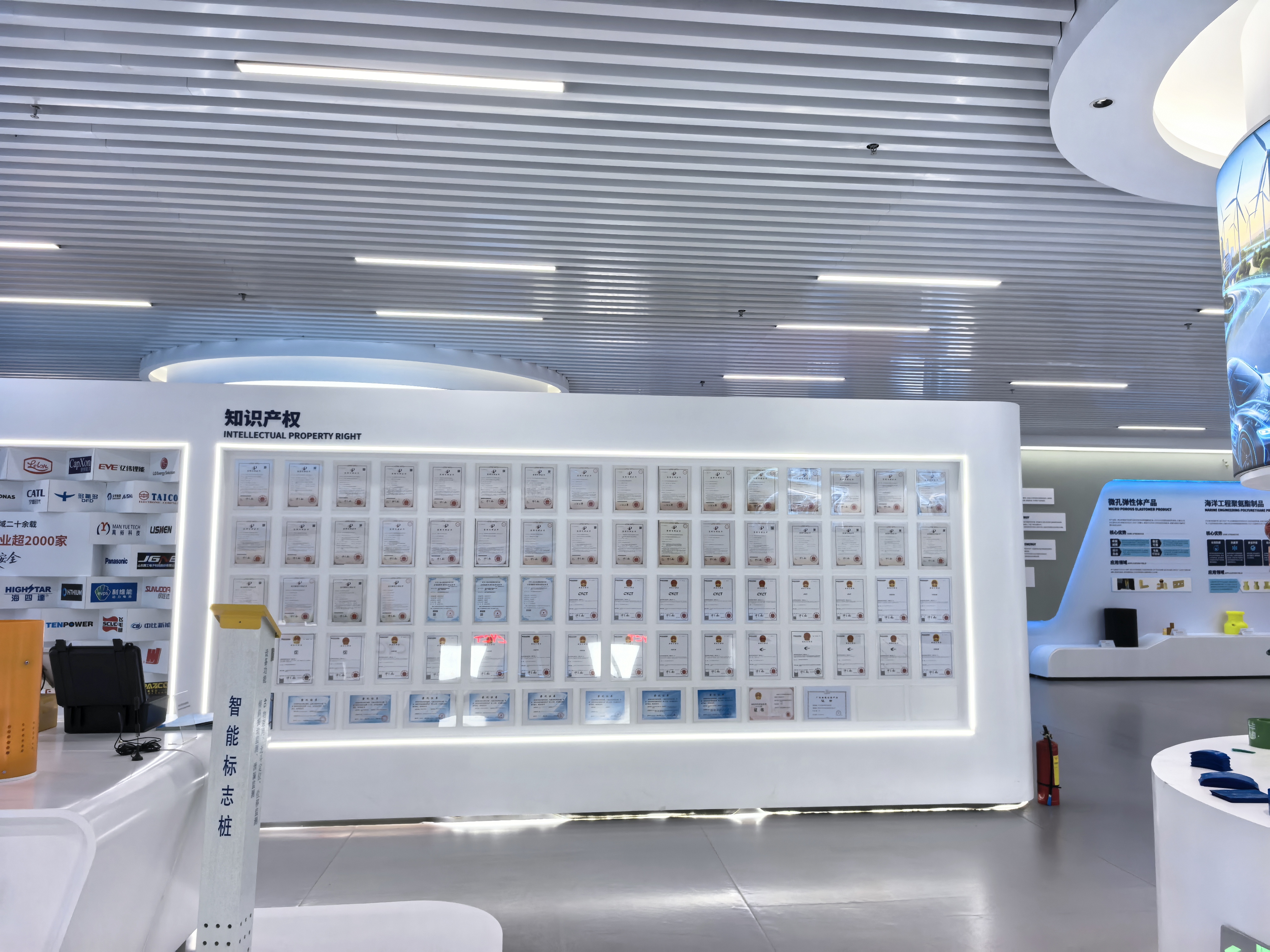
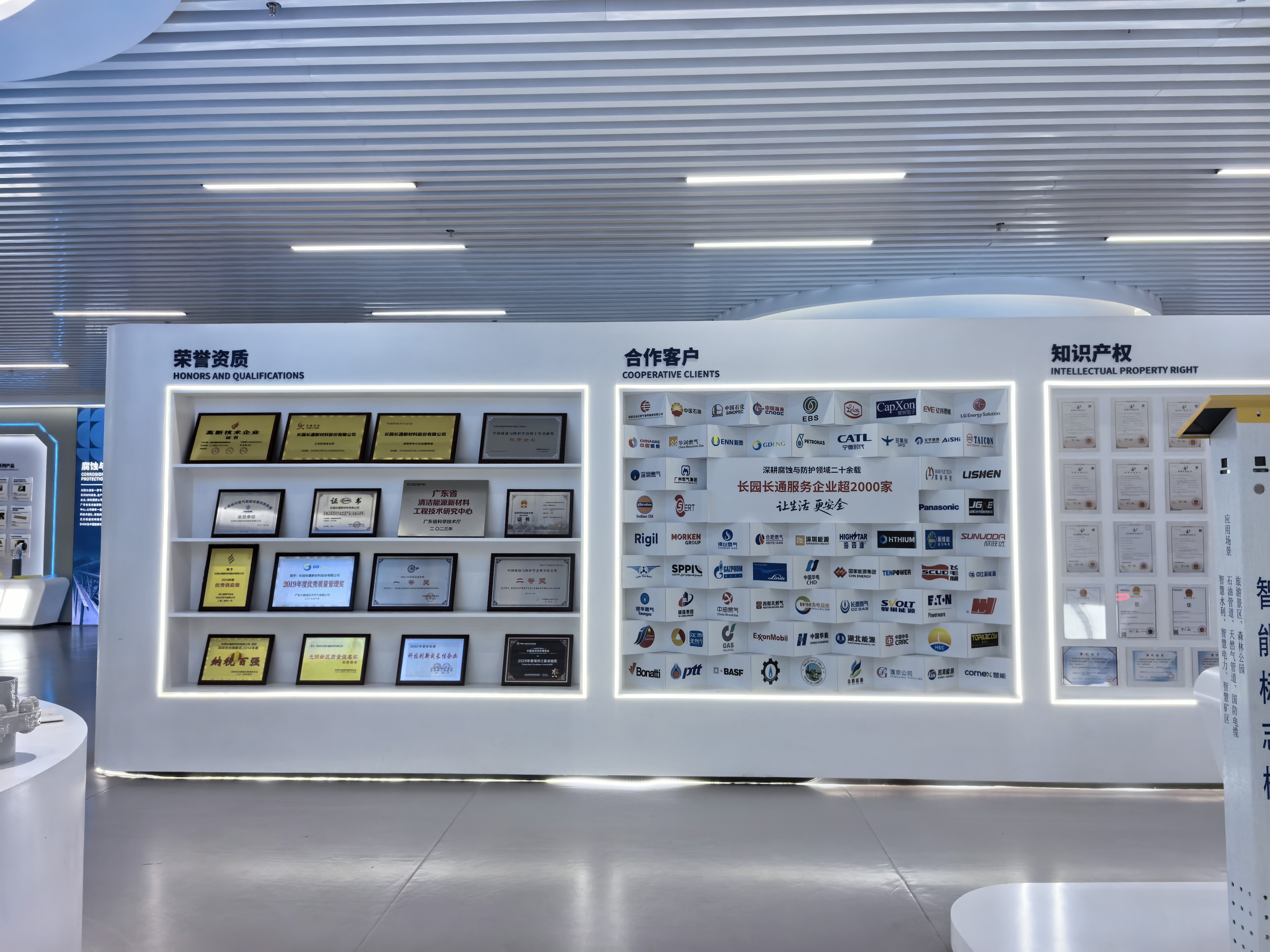
R&D Excellence: CYCT owns leading testing and R&D capabilities, a professional R&D team, and a national CNAS-accredited laboratory.
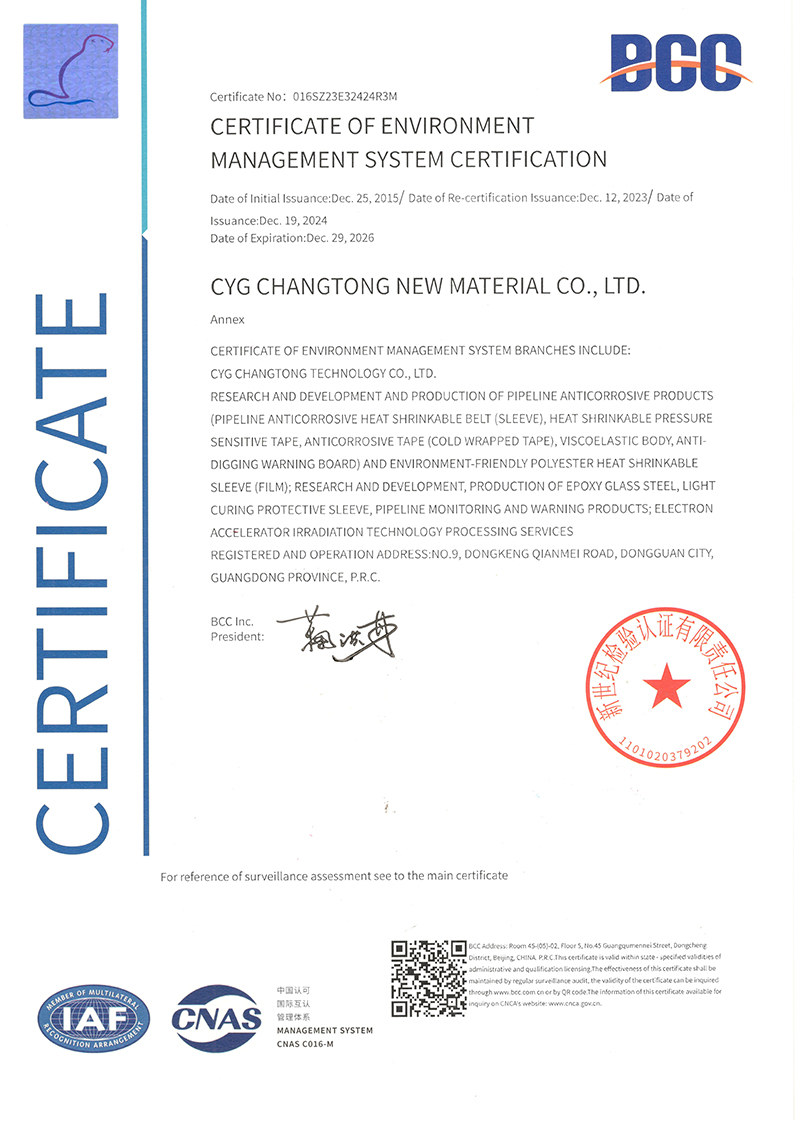
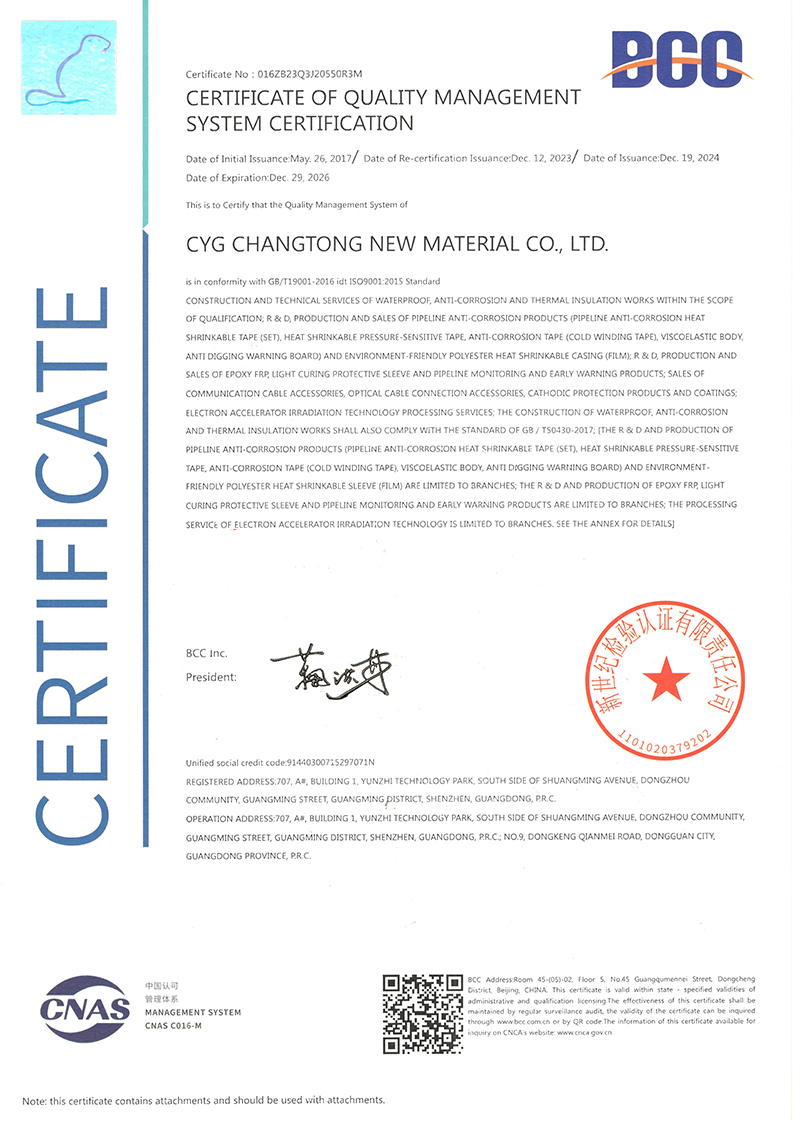
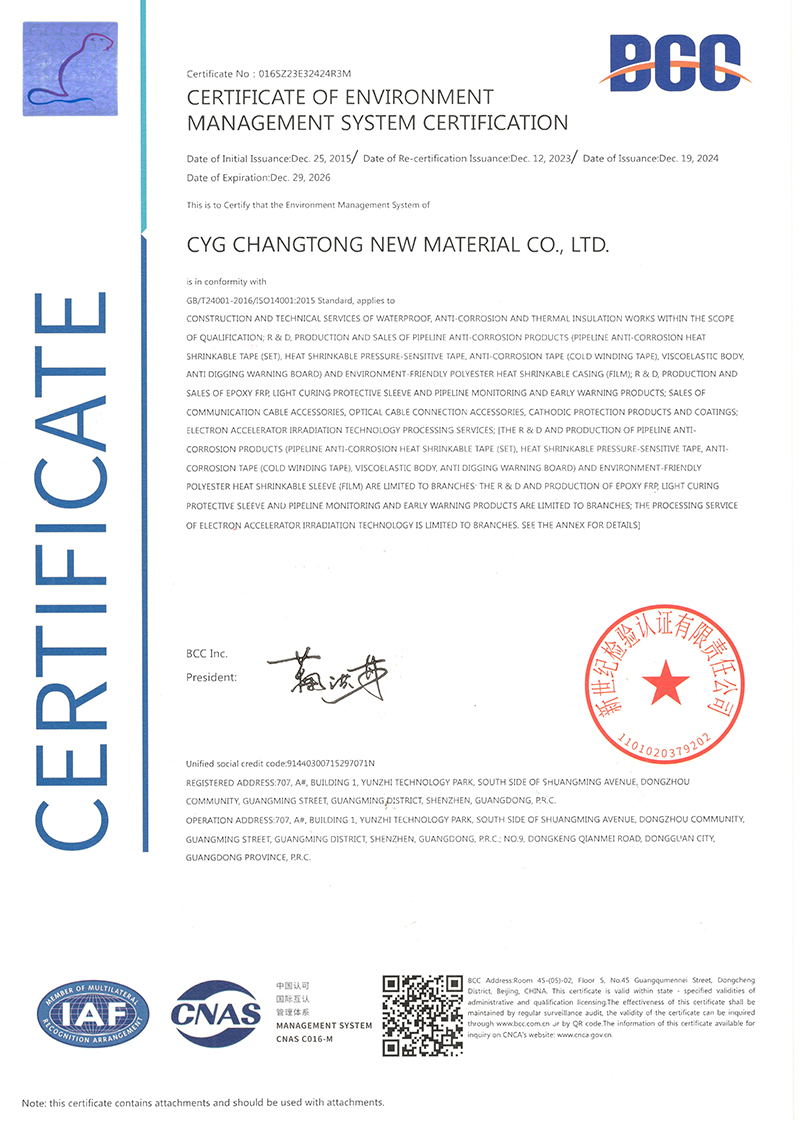
Member of Council in Chinese Society for Corrosion and Protection (CSCP), Corporate Member of China Association of Petroleum Engineering Construction (CAPEC), State-Level High-Tech Enterprise, and certified supplier to Indian Oil, PetroChina, and Sinopec.
Explore our full line of field-proven joint protection sleeves, repair patches, and structural reinforcements.
Technical clarifications regarding the procurement, specification, and installation of PE heat shrinkable systems in the Philippines.
 CYCT
CYCT