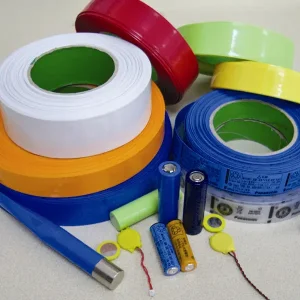
As Vietnam's premier economic locomotive, Ho Chi Minh City (HCMC) is undergoing a structural transition toward high-tech manufacturing, green automotive technology, and renewable energy grids. The Saigon Hi-Tech Park (SHTP) and adjacent industrial clusters in Binh Duong and Dong Nai have become epicenters for electronic system assemblies, smart grid components, and Electric Vehicle (EV) supply chains. With major global manufacturers establishing state-of-the-art facilities in Vietnam, the requirement for highly specialized insulation components, particularly New Energy Heat-Shrinkable Tubes, has scaled exponentially.
The humid tropical climate of Southern Vietnam, combined with aggressive coastal atmospheric conditions, presents unique environmental challenges for electrical insulation systems. High heat, heavy monsoon rain seasons, and saline mist accelerate dielectric breakdown and galvanic corrosion on electrical busbars, lithium-ion battery terminals, and industrial power distribution networks. Consequently, standard grade insulation sleeves no longer satisfy the strict durability demands of advanced industrial projects. Product specifiers in HCMC are increasingly requiring advanced polymer structures (such as PET, PVDF, and heavy-walled polyolefin heat-shrinkable sleeves) that guarantee outstanding flame retardancy, superior chemical resistance, and long-term dielectric performance under constant thermal cycling.
New energy technologies—such as solar photovoltaic arrays, wind turbine generators, and battery electric vehicles (BEVs)—operate under considerably higher voltages (often ranging from 800V to 1500V DC) and temperatures than traditional electronics. Our range of heat-shrinkable solutions is specifically engineered to mitigate the risks associated with high voltage discharge, thermal runaway, and mechanical wear.
| Material Formulation | Dielectric Strength | Shrinkage Ratio | Operating Temp. Range | Key Standard Compliance |
|---|---|---|---|---|
| High-Performance PET (Polyethylene Terephthalate) | ≥ 20 kV/mm | 2:1 / 3:1 | -40°C to +125°C | UL224, RoHS, Halogen-Free |
| Dual-Wall Adhesive-Lined Polyolefin | ≥ 15 kV/mm | 3:1 / 4:1 | -55°C to +135°C | SAE-AMS-DTL-23053, UL |
| Fluorinated Ethylene Propylene (FEP) | ≥ 25 kV/mm | 1.3:1 | -65°C to +200°C | ASTM D2671, MIL-Spec |
| Heavy-Wall Pipeline Grade PP | ≥ 20 kV/mm | Min 1.5:1 | -20°C to +80°C | ISO 21809-3, EN 12068 |
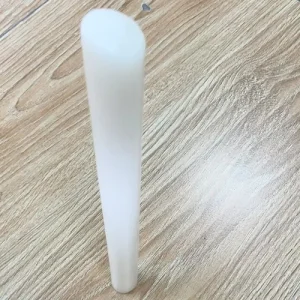
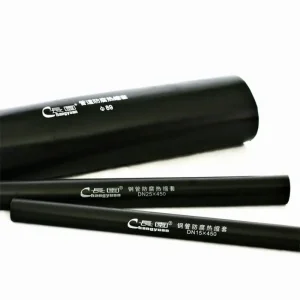
By employing electron-beam radiation cross-linking technology, the molecular structure of our polyethylene and polyolefin materials is transformed from a linear structure into a robust three-dimensional network. This cross-linking process imparts "elastic memory" to the heat-shrinkable tubes, enabling them to resist melting and flow even under extreme overload conditions up to 250°C. For EV battery cell insulation, the ultra-thin PET sleeves minimize volumetric space while preventing short-circuits between metal housings.
Reliable dielectric performance preventing electrical leakage in high-power busbars up to 36kV.
Exceptional moisture barrier performance, defense against ozone degradation, and resistance to industrial solvents.
Integrating our specialized Chinese manufacturing capabilities with HCMC's local processing ecosystems creates an incredibly competitive advantage for regional procurers. CYCT New Materials Company Limited (CYCT), established in 2000, is a state-level high-tech enterprise integrating R&D, production, and sales of pipeline corrosion protection and high-performance polymer materials. Over the last two decades, CYCT has developed an industry-leading position as a key supplier for national energy conglomerates including PetroChina, Sinopec, PipeChina, and Indian Oil.
Through our close collaborative partnerships with premier research entities, such as the CNPC Pipeline Science Research Institute, CYCT delivers integrated high-performance engineering configurations. Our domestic Chinese manufacturing facilities host a state-of-the-art national CNAS-accredited laboratory, ensuring that every batch of heat-shrinkable tubes, viscoelastic tapes, and hot melt adhesives conforms to the most stringent international quality benchmarks before dispatch to Ho Chi Minh City ports.
Leveraging China's comprehensive raw material industrial base allows us to maintain stable production costs, high volume output, and prompt delivery. By shipping directly from our advanced facilities to Cat Lai Port in HCMC, we compress lead times down to a fraction of European or American alternatives, ensuring that local electronics plants and infrastructure contractors operate with zero supply chain disruption.
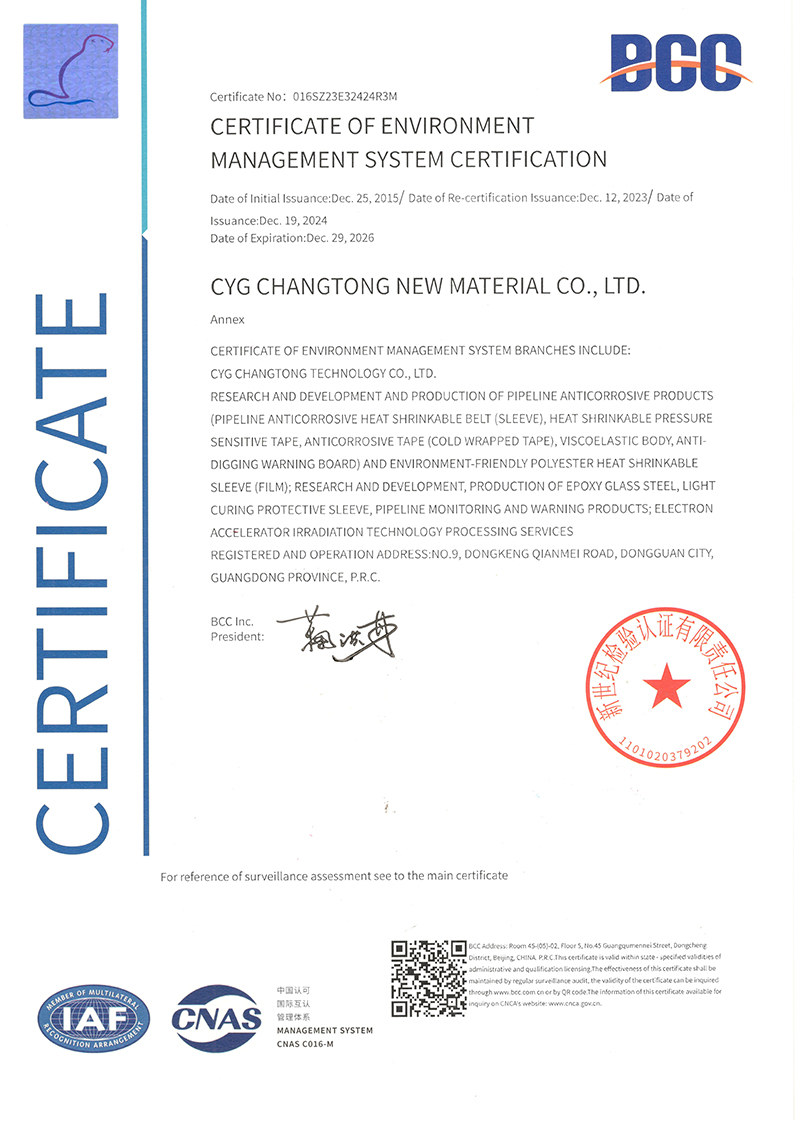
Our commitment to rigorous engineering standards is reflected in our advanced production facilities and industry certifications. Here is a glimpse into our corporate style, research facilities, and accredited certificates that support our supply operations in Ho Chi Minh City.
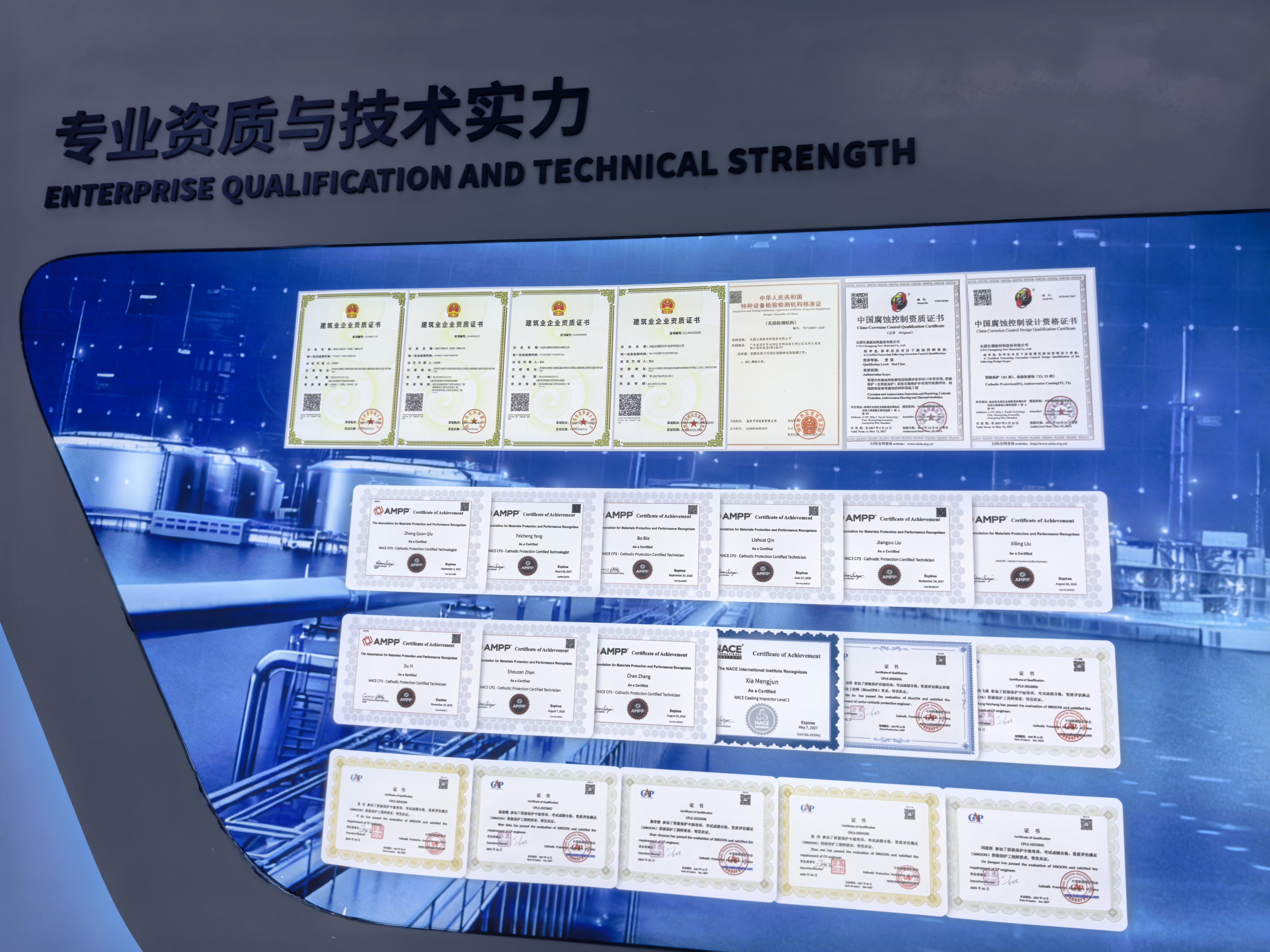
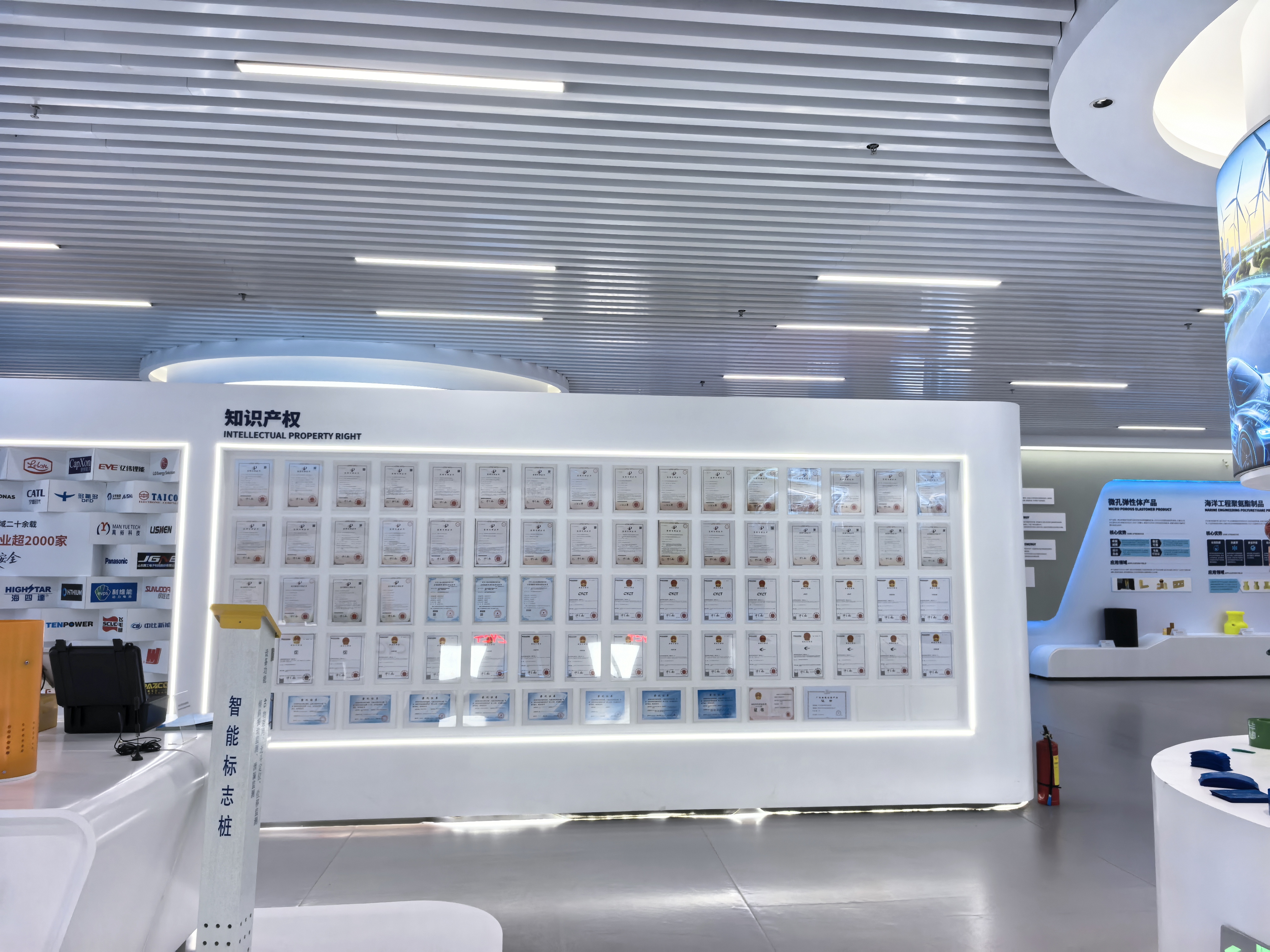
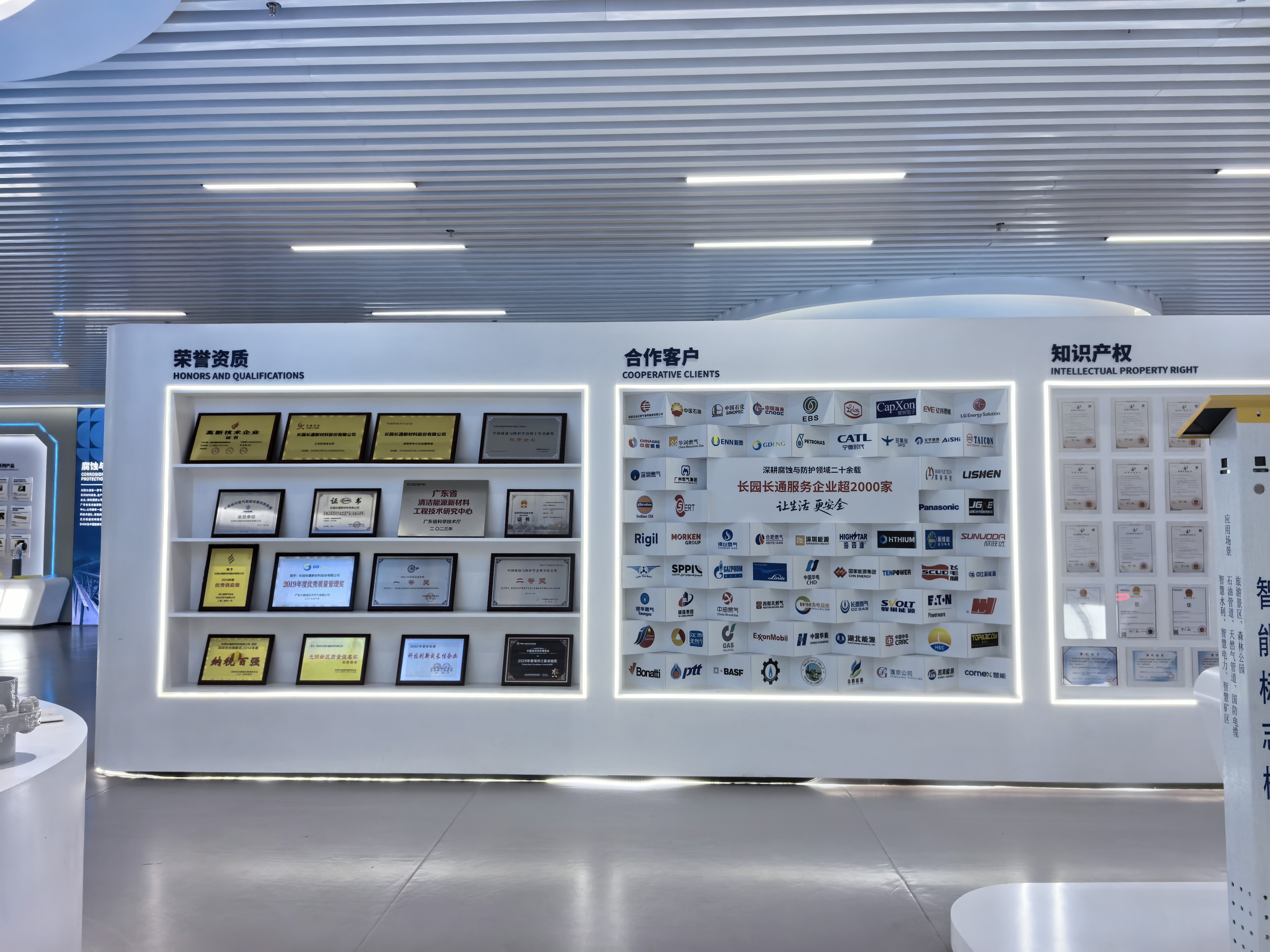
CYCT owns leading testing and R&D capabilities, supported by a professional research team and advanced laboratory equipment. This allows us to perform rigorous tests on insulation resistance, volume resistivity, tensile strength, heat shock, and longitudinal shrinkage under varied environmental stresses, simulating the hot and humid climate of Vietnam.
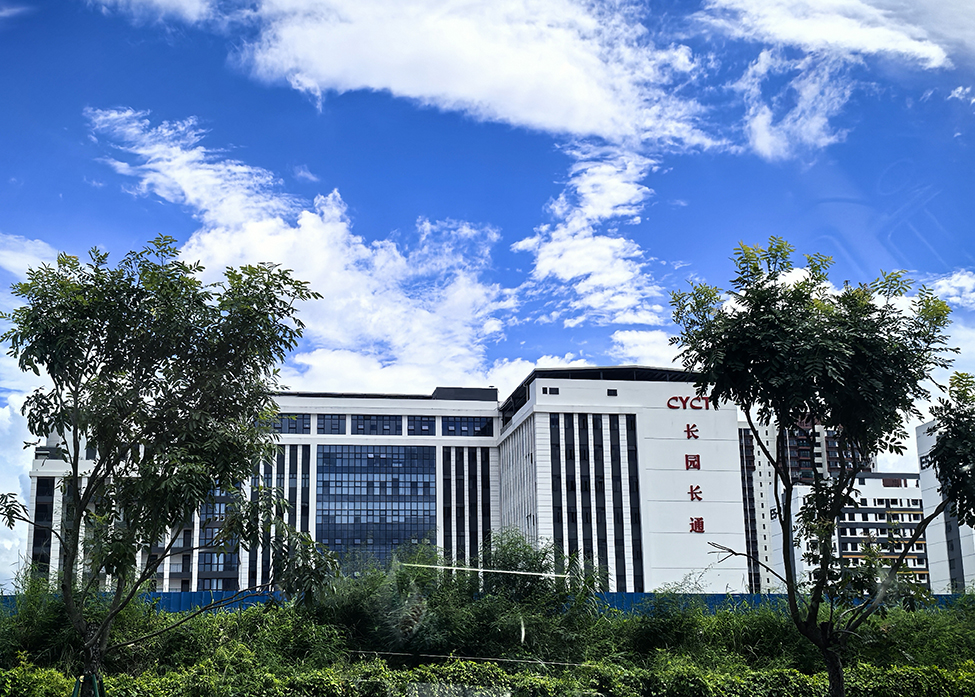
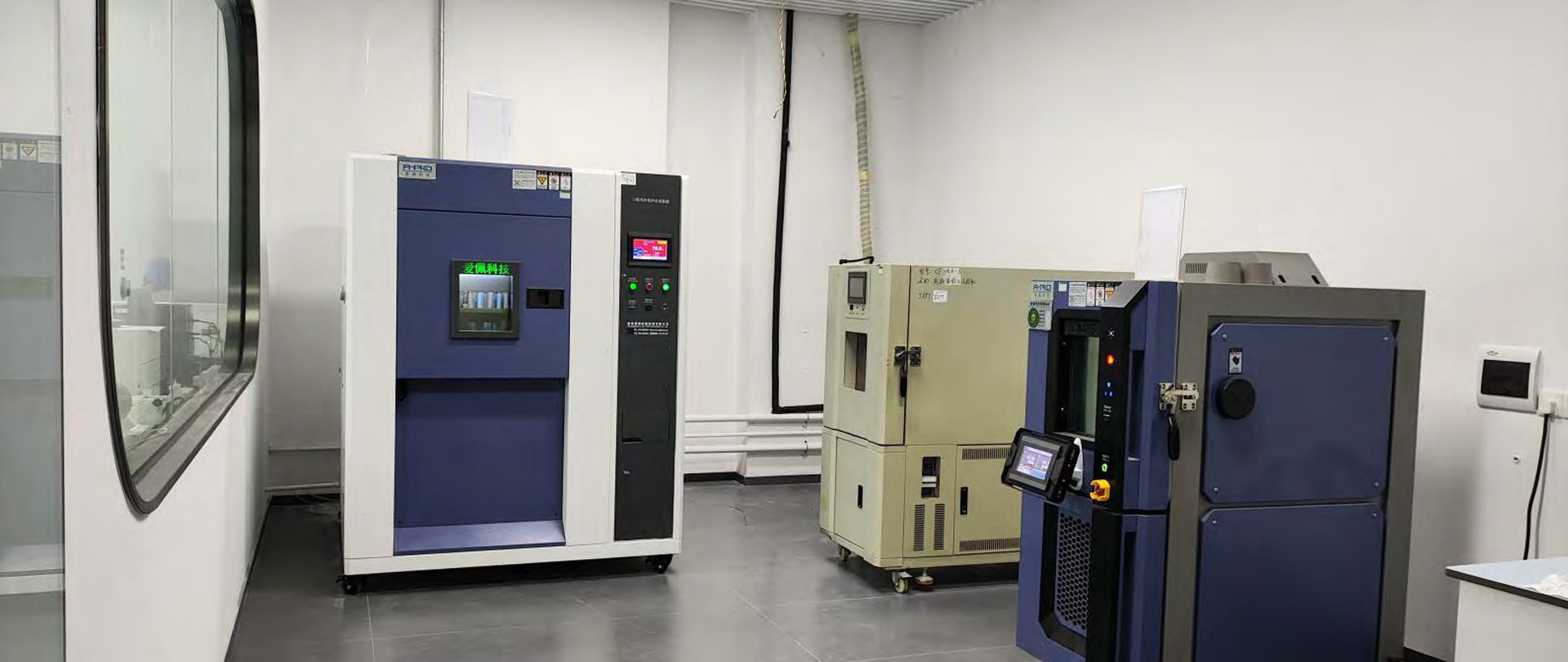
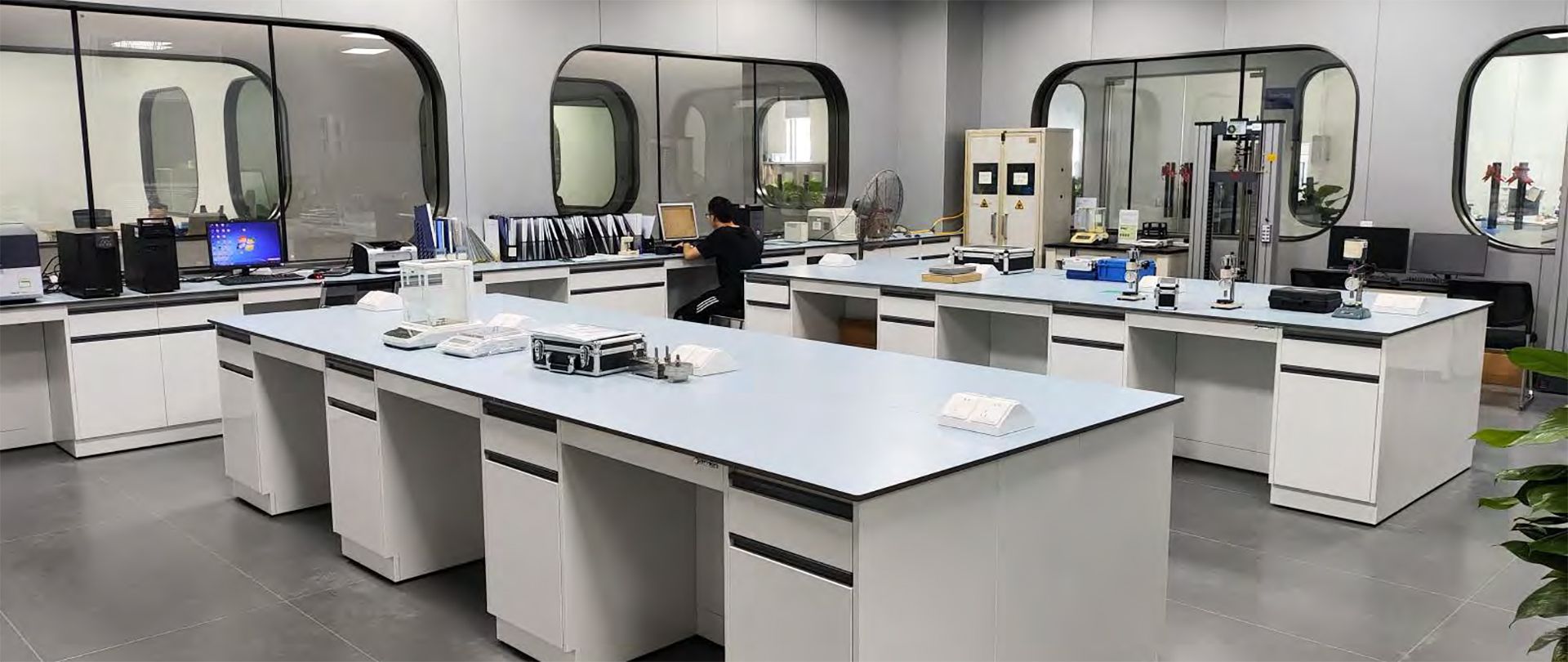
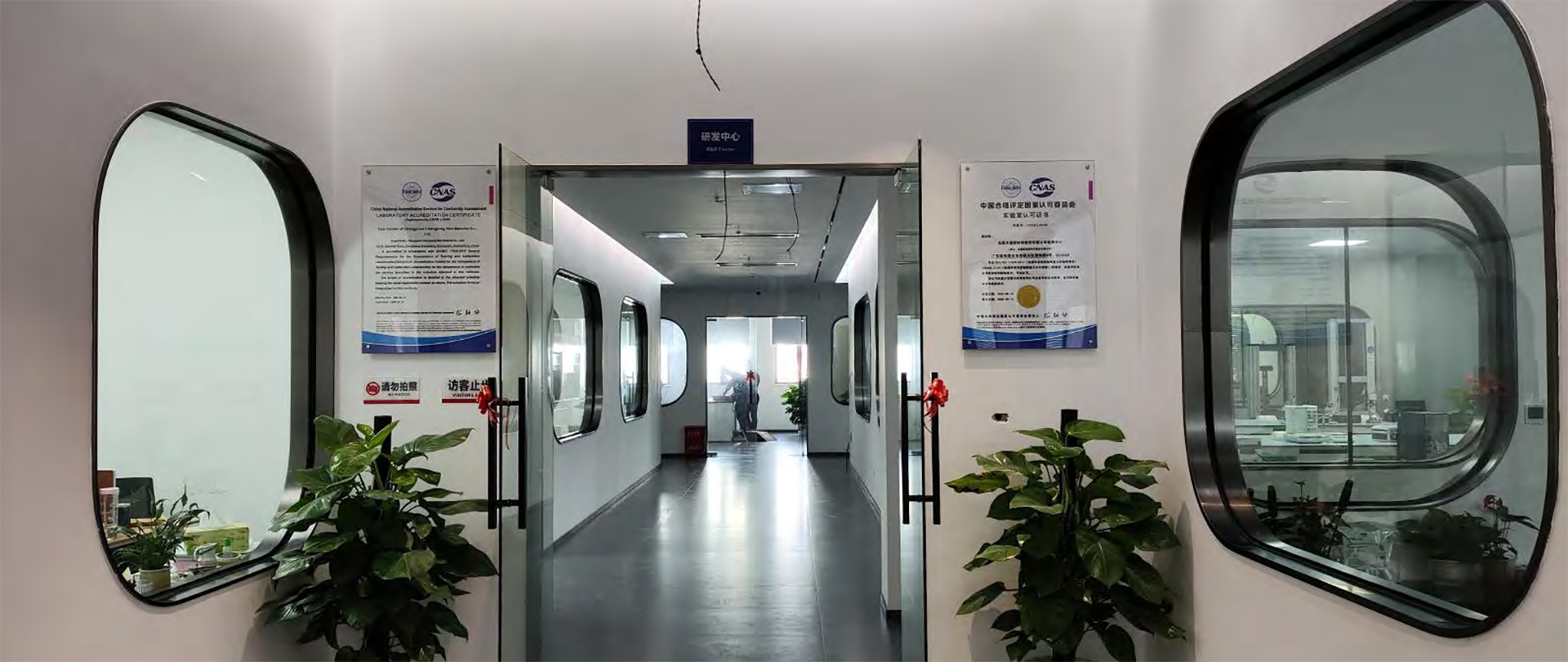
As a Member of Council in the Chinese Society for Corrosion and Protection (CSCP), a State-Level High-Tech Enterprise, and a corporate member of the China Association of Petroleum Engineering Construction (CAPEC), CYCT adheres to the highest level of regulatory systems. Our certificates ensure streamlined approval processes when exporting insulation and pipeline protection materials to global projects.
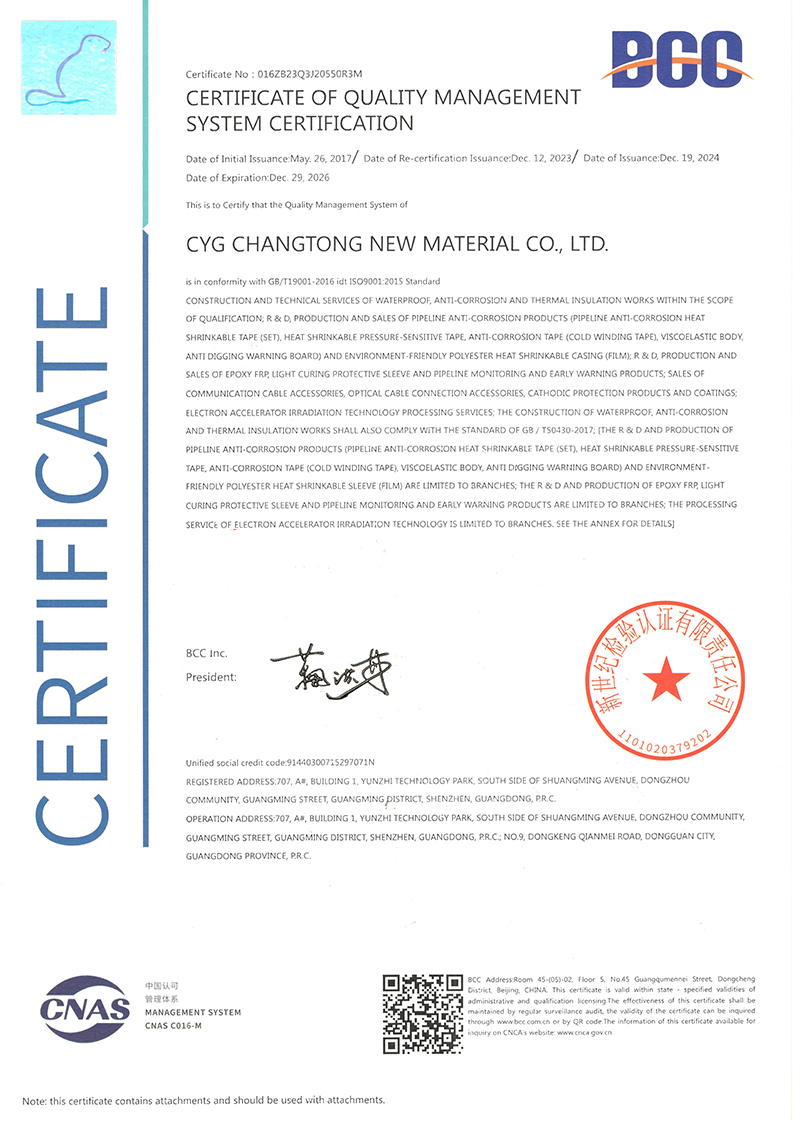
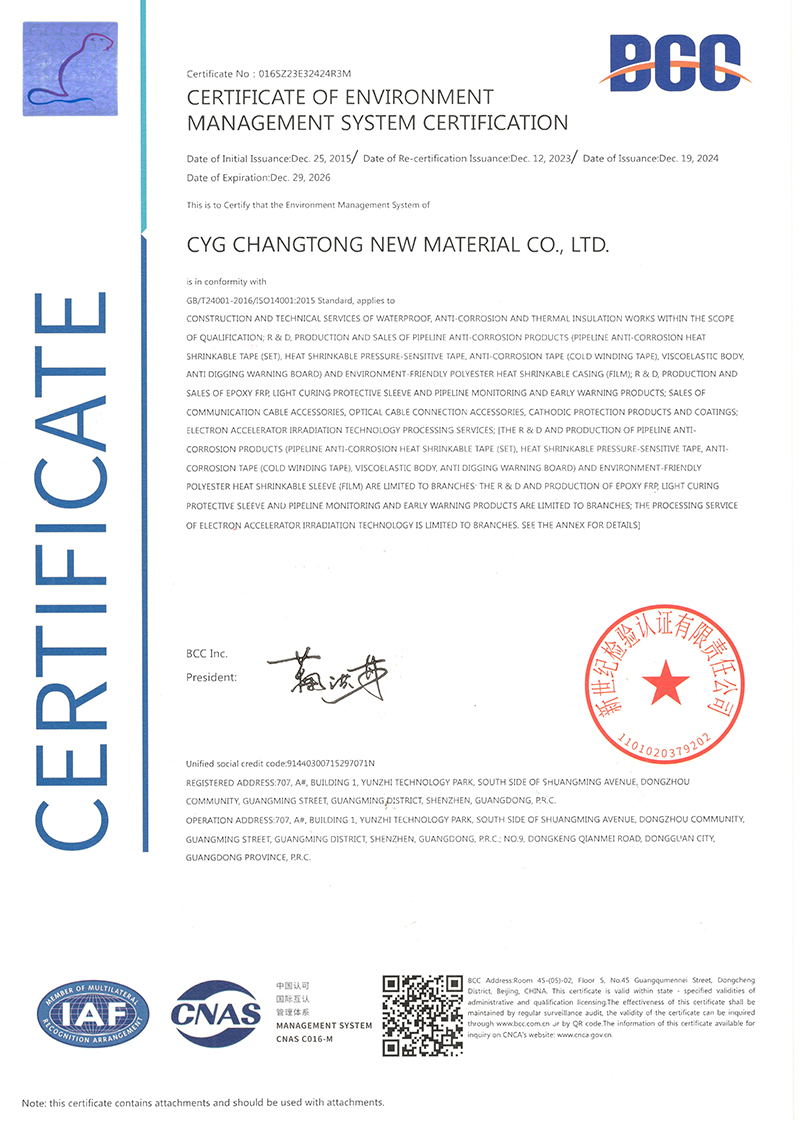
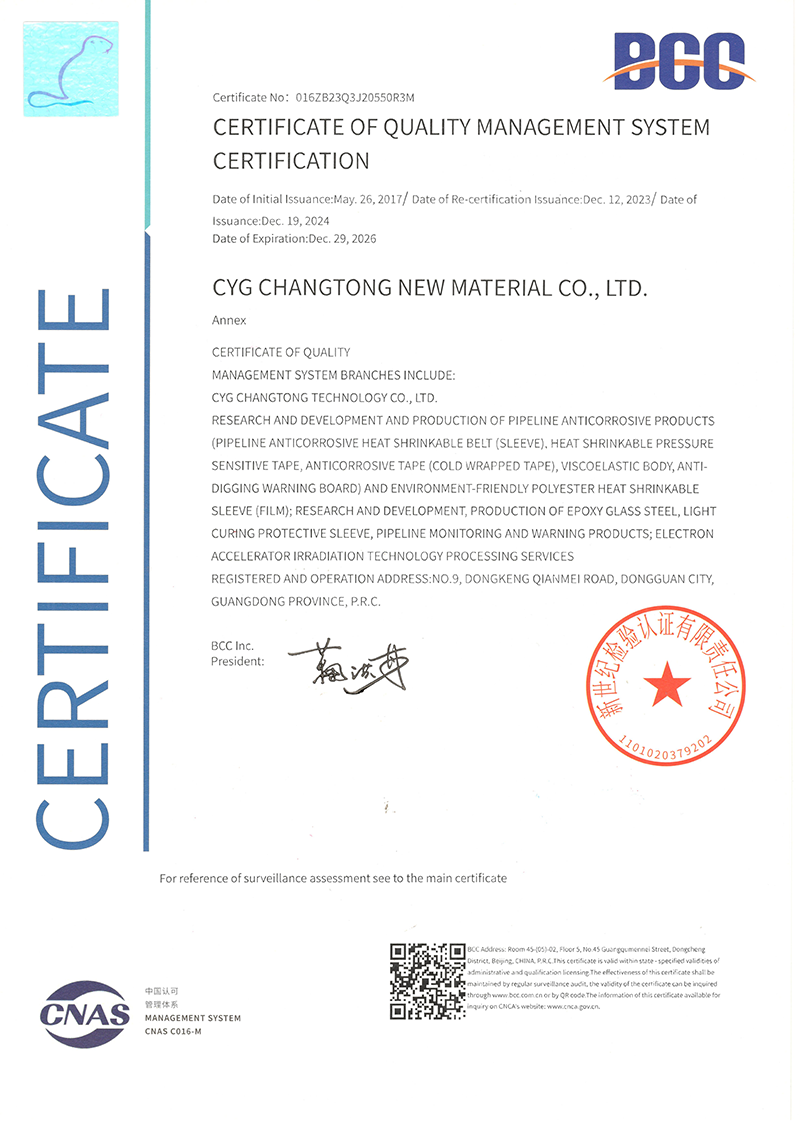
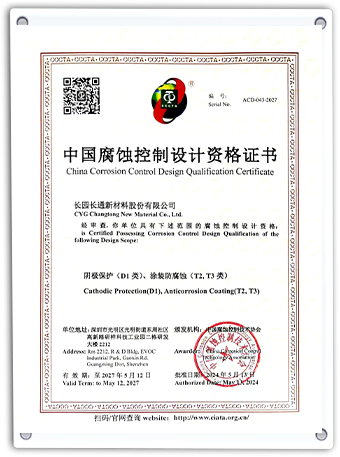
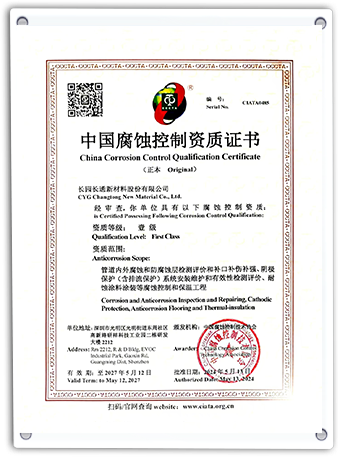
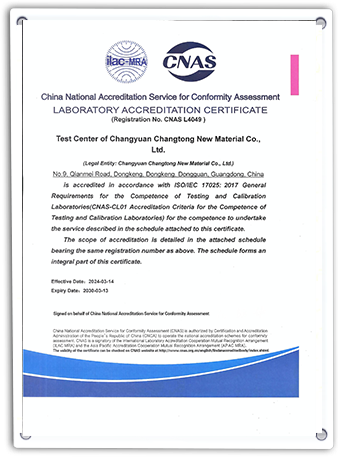
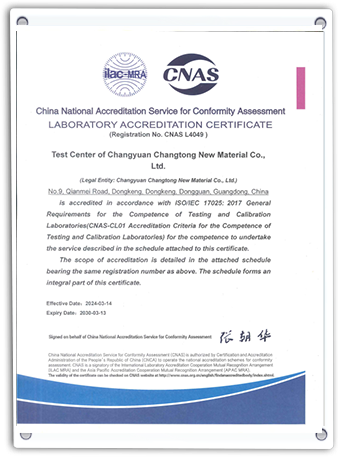
Entering the Vietnamese market requires more than just high-quality shipping. It demands detailed localization and regulatory compliance. The industrial standard system of Vietnam (TCVN) is increasingly aligning with international frameworks such as IEC (International Electrotechnical Commission), ISO, and ASTM. For engineering projects in HCMC, ensuring compliance with flame retardancy standards (such as UL94 V-0 for battery compartments) is critical for commercial acceptance.
Furthermore, under the ASEAN-China Free Trade Area (ACFTA), sourcing polymers from our certified factories in China allows local procurement units to leverage preferential tariff treatments using the Form E Certificate of Origin. This dramatically lowers landed costs compared to importing from non-member nations. Our localized engineering support services in Vietnam ensure that technical consultants can review material datasheets, request physical samples for thermal testing, and receive immediate support on custom dimensions and shrink temperature profiles.
Modern electrical and mechanical engineering designs specify distinct formulations of heat-shrinkable tubes for specific local environments:
Applied in terminal junctions of heavy-duty DC fast chargers across the Saigon Hi-Tech Park and Thu Duc City, shielding power cables against intense heat and heavy atmospheric moisture.
Utilized by municipal power contractors in HCMC for copper and aluminum busbar insulation, reducing electrical clearance distances between phases and avoiding dielectric flashovers.
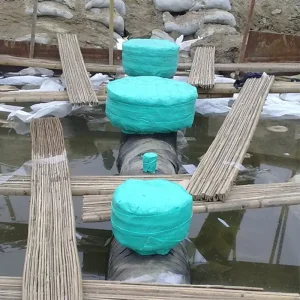
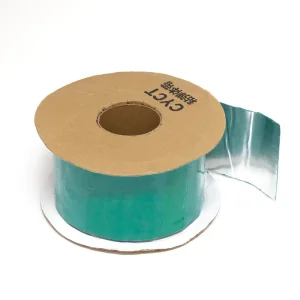
Where high-temperature steam pipelines and fuel supply lines cross waterways in Cat Lai and Nha Be, our PP shrink sleeves and viscoelastic tapes block soil electrolyte penetration.
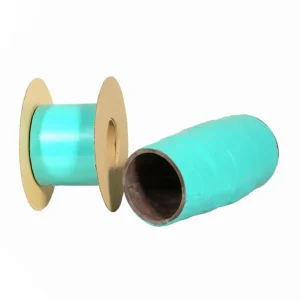
Discover our extensive collection of technical pipeline protective coatings, hot melt adhesives, and specialized heat-shrinkable sleeves utilized in major regional industrial projects:
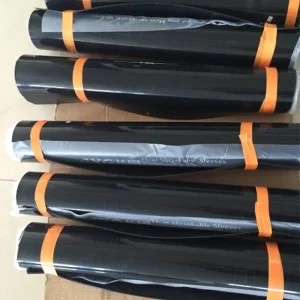
The global transition to high-voltage automotive platforms (such as 800V silicon carbide traction inverters) is driving rapid development in heat-shrinkable polymer compositions. Modern research focuses heavily on halogen-free, flame-retardant formulations that emit zero toxic smoke during thermal decomposition. Simultaneously, the integration of smart grids requires materials with enhanced thermal conductivity to dissipate localized heat buildup rapidly.
In Ho Chi Minh City's surrounding provinces, the expansion of wind and solar installations demands high ultraviolet (UV) stability. Ultraviolet radiation degrades polymer chains, leading to micro-cracking and subsequent dielectric breakdown. The latest generation of CYCT heat-shrinkable tubes incorporates advanced UV inhibitors and carbon black stabilizers, providing an estimated operational life exceeding 25 years under direct tropical exposure. These materials are engineered to maintain mechanical and insulating properties under continuous environmental challenges.
Technical guidance for procurement officers and engineering teams when selecting heat-shrinkable materials for Vietnam and international markets.
Optimize your project specifications with high-performance insulation and corrosion-protection polymers from CYCT. Our engineering team is ready to assist you with material selection, custom dimensions, compliance documentation, and factory direct shipping options.
 CYCT
CYCT