 CYCT
CYCT

Bulgarian Industrial & Maritime Anti-Corrosion Landscape
Deep analysis of municipal infrastructure, energy grids, and port-side industrial requirements in Varna, Burgas, and the Danube region.
Bulgaria serves as a critical strategic node for the transport of natural gas, refined petroleum, and maritime logistics within the South-Eastern European corridor. Key coastal cities like Varna and Burgas host extensive shipping yards, oil refining complexes, and liquid bulk terminals. Furthermore, the expansion of regional gas grids (such as the Chiren Gas Storage Facility expansion and the Balkan Gas Hub pipelines) demands advanced pipeline integrity and protection technologies.
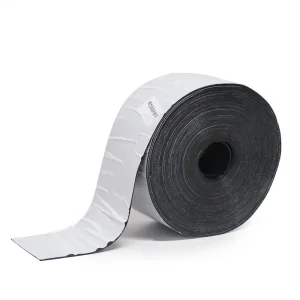
The Black Sea is characterized by a high concentrations of hydrogen sulfide at greater depths and a highly corrosive, brackish surface layer. Pipelines and subsea structures operating here suffer accelerated localized corrosion, biocorrosion, and hydrogen embrittlement. Traditional coatings are insufficient; specialized viscoelastic polymers and fiber-reinforced protective sleeves are necessary to preserve structure lifetimes beyond 30 years.
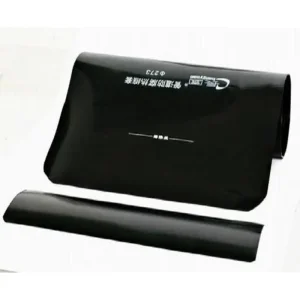
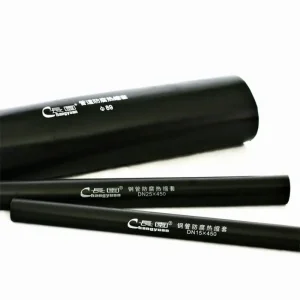
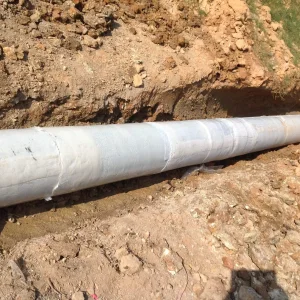
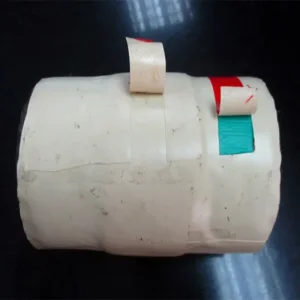
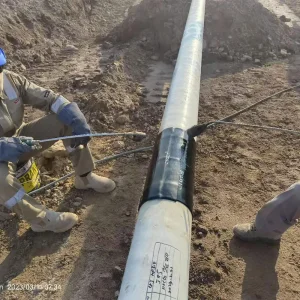
With Bulgaria modernizing its transit pipelines, pipeline operators are increasingly adopting Horizontal Directional Drilling (HDD) crossings through rivers like the Danube and rugged mountainous zones. High-quality field joint coatings, heavy-duty PP heat shrink sleeves, and photocurable GRP (Glass Reinforced Plastics) shielding materials are standard to withstand mechanical shearing forces during pull-back operations.
SEO Information Gain: While generic suppliers offer simple epoxy overlays, CYCT integrates tailored polymer matrices (high-density polyethylenes, viscoelastic polyisobutylenes, and photo-curing composite resins) that align perfectly with the micro-climatic requirements of the Balkan Peninsula, balancing high seasonal thermal shifts with marine salt spray.