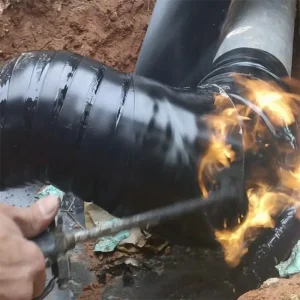
Engineered to withstand the demanding marine environments of the East Coast, including harsh winter freeze-thaw cycles and high stray-current dynamics.
New York's maritime and industrial corridor presents a complex array of aggressive corrosion challenges. The combination of dense marine traffic in the Port of New York and New Jersey, brackish waters in the Hudson and East Rivers, and the variable temperatures of the North Atlantic creates a severe environment for metal and concrete infrastructure. Offshore energy pipelines, harbor pilings, municipal water lines, and submarine telecommunication cables face constant exposure to dissolved chlorides, oxygenation cycles, and microbiologically influenced corrosion (MIC).
Furthermore, the expansion of offshore wind farms along the Long Island shelf and the modernization of deep-water ports require corrosion protection materials that exceed standard specifications. Critical challenges like stray current disbondment from extensive subway and coastal power distribution grids demand high-impedance polymeric barriers and heavy-duty viscoelastic solutions.
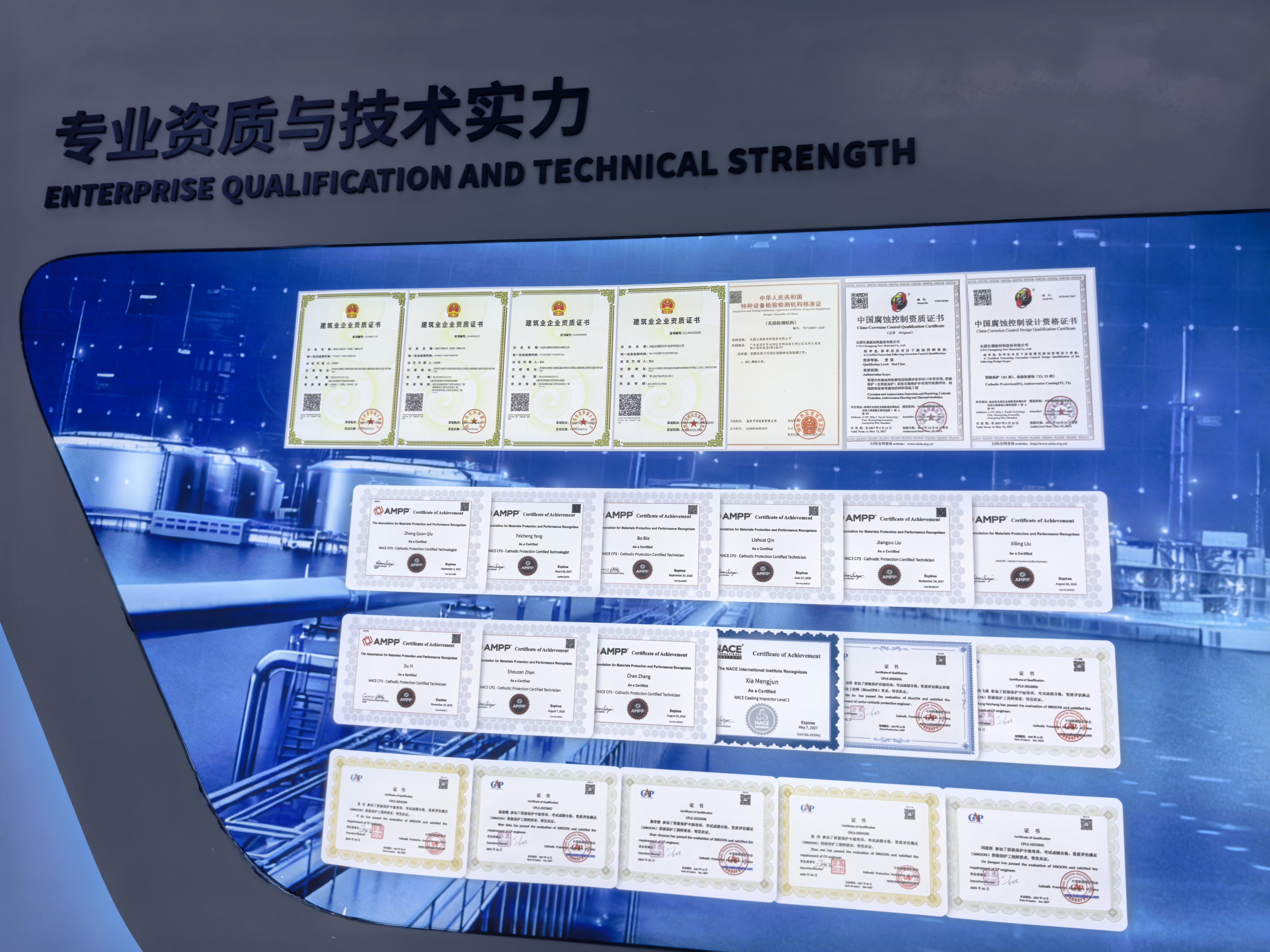
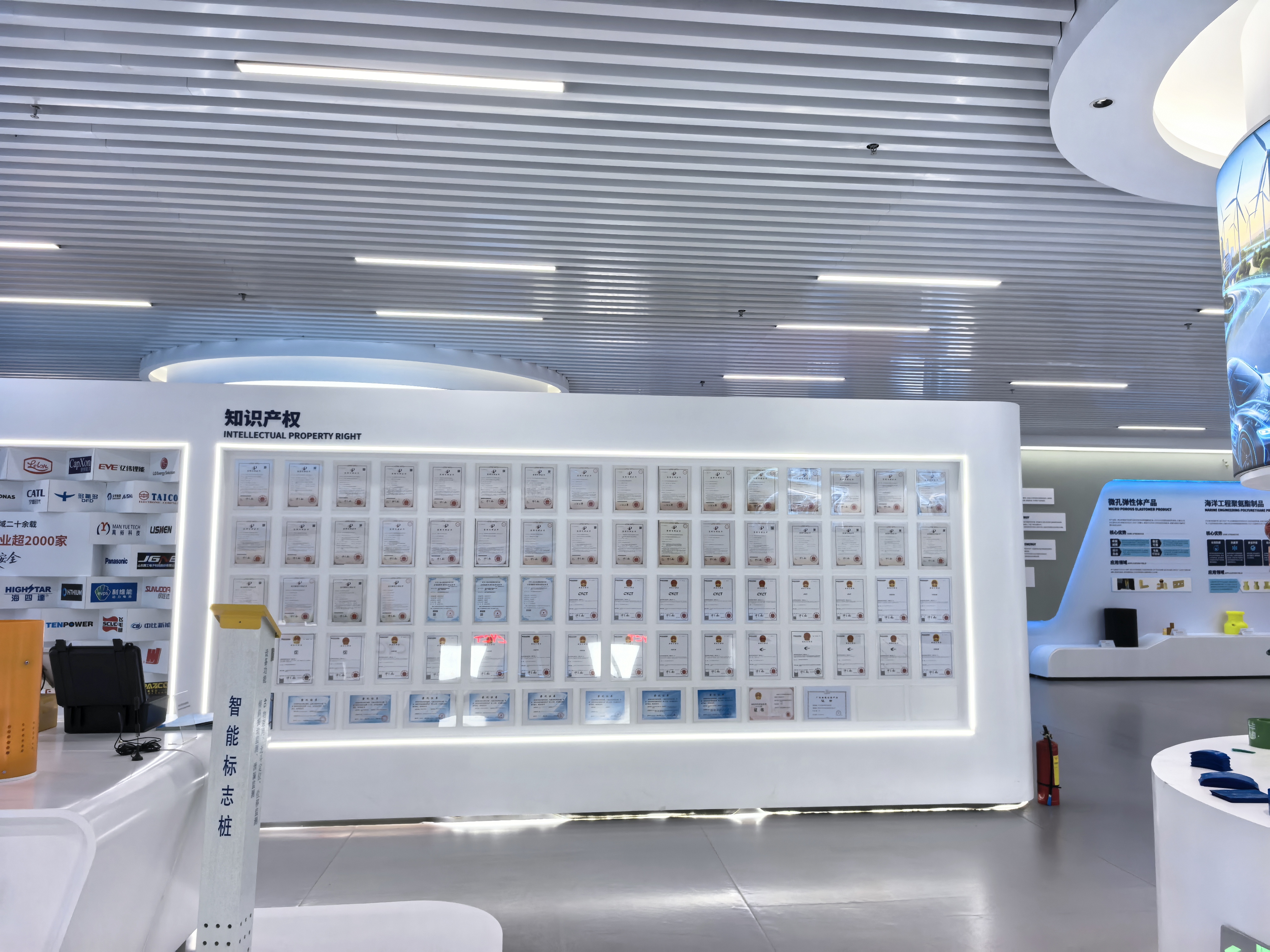
Driving longevity and safety for critical infrastructure through material science and integrated engineering solutions.
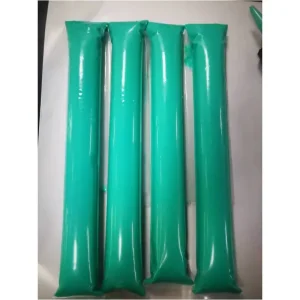
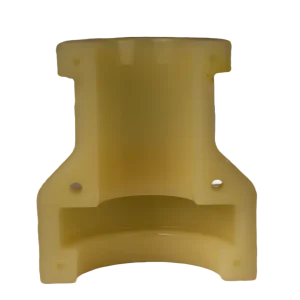
The rapid growth of offshore wind networks demands advanced protective cable accessories like bend restrictors, polymer casings, and specialized heat-shrink joints to endure deep-sea hydrodynamic stresses.
Modern applications are shifting from simple coal-tar epoxies toward advanced multi-layer systems. Fiber-reinforced polymers, viscoelastic tapes, and photo-curing sleeves provide enhanced impact resistance and chemical stability.
Preventative rehabilitation is replacing reactive maintenance. The integration of cathodic protection systems with robust high-dielectric field joint coatings significantly extends the service life of buried and submerged steel assets.
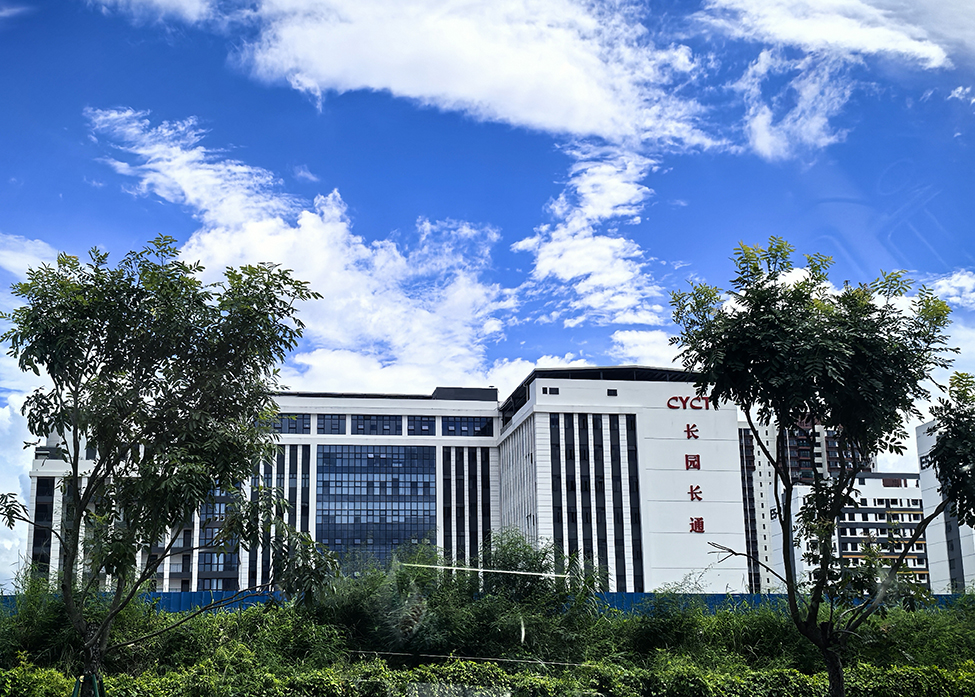
CYCT New Materials Company Limited (CYCT) is a high-tech enterprise specializing in the R&D, manufacturing, and distribution of pipeline corrosion protection materials, buried pipeline detection, and field application services.
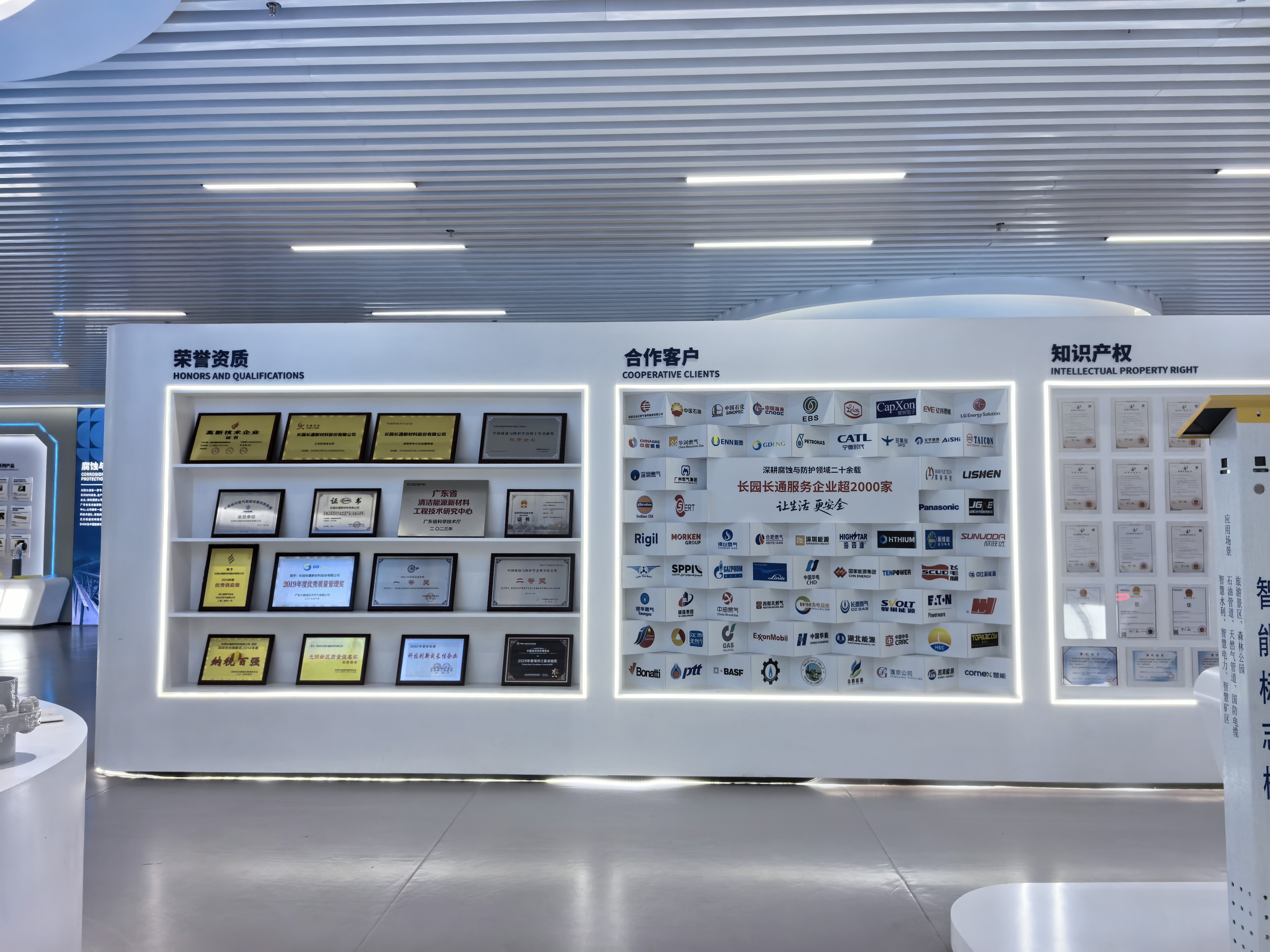
For over two decades, CYCT has developed corrosion protection solutions for demanding pipeline systems. We serve as an approved supplier for major energy projects including PetroChina, Sinopec, PipeChina, and international clients like Indian Oil.
By collaborating with research institutions, such as the CNPC Pipeline Science Research Institute, we deliver integrated engineering support. This includes buried pipeline detection, custom design schemes, cathodic protection integration, and pipeline rehabilitation solutions. Our product range features advanced viscoelastic materials, photo-curing sleeves for Horizontal Directional Drilling (HDD), and durable polyurea systems.
Providing tailored engineered systems to meet the challenges of the region's marine and civil infrastructure.
The splash zone of harbor pilings experiences severe wear from shifting tides, oxygen levels, wave action, and floating debris. Using Glass Fiber Reinforced Polymer (GFRP) reinforcement materials combined with vinyl ester putty provides a durable barrier against mechanical abrasion and saltwater penetration.
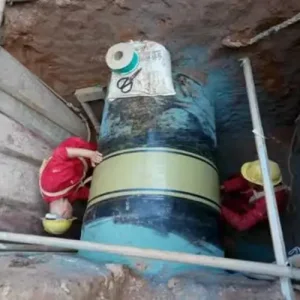
Directional drilling under estuaries, such as the Hudson River, exposes pipeline coatings to high shear forces from rock and gravel. Our specialized photo-curing sleeves and heat-shrinkable polypropylene systems protect field joints, helping prevent coating damage during pullback operations.
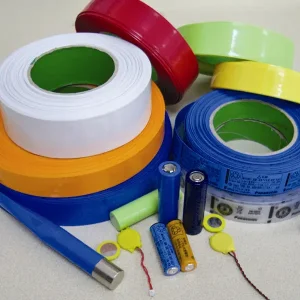
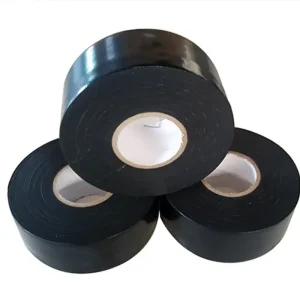
Underground metallic pipelines situated near subway networks are vulnerable to stray current corrosion. Viscoelastic tapes paired with high-performance PVC outerwraps offer high electrical resistance, isolating steel surfaces from stray electric currents.
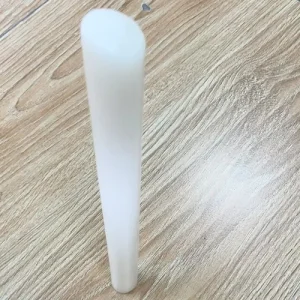
As offshore wind farms expand off the coast of Long Island, subsea power transmission lines require dependable physical protection. Polyurethane and polymer bend restrictors help manage mechanical tension and fatigue at critical structural connections.
Understanding the chemical and mechanical properties of our advanced protective barriers.
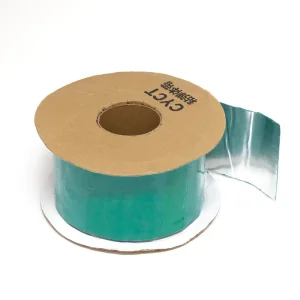
Our viscoelastic materials feature cold-flow properties, allowing them to self-heal minor installation defects and flow into surface irregularities. This maintains continuous contact with the substrate and blocks moisture and oxygen from reaching the steel surface.
Photo-curing protective sleeves utilize UV-sensitive resins reinforced with structural glass fibers. Exposure to sunlight triggers rapid cross-linking, forming a tough shell with high impact resistance and shear strength for HDD and marine splash zones.
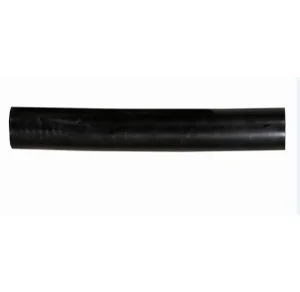
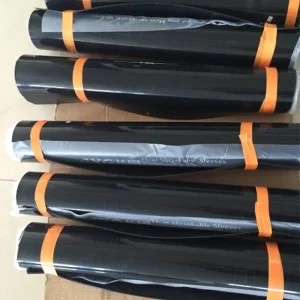
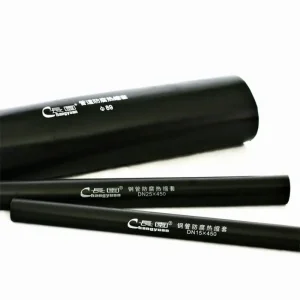
Our cross-linked polypropylene and polyethylene heat-shrinkable sleeves are coated with high-shear hot-melt adhesives. When heated, the backing shrinks to form a tight, uniform seal over pipeline field joints, matching the performance of factory-applied coatings.
Effective marine corrosion control requires a system-wide approach. CYCT works alongside engineering firms, project operators, and asset owners to supply integrated solutions. We coordinate high-dielectric protective coatings with cathodic protection (CP) systems to minimize the risk of cathodic disbondment.
Standardized and custom systems designed to protect onshore and offshore pipelines and marine infrastructure.
Answers to common technical inquiries regarding marine corrosion and protection solutions.
Get in touch with our engineering team for technical specifications, product testing data, or to request a project quotation.
Send Inquiry Now CYCT
CYCT