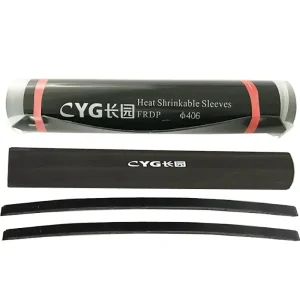
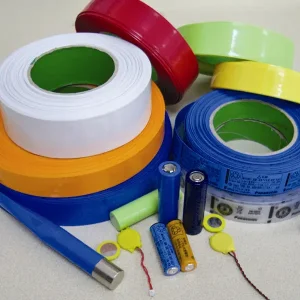
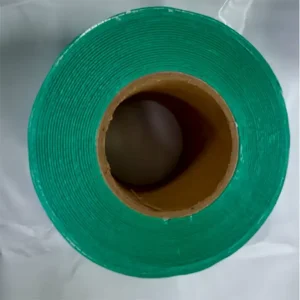
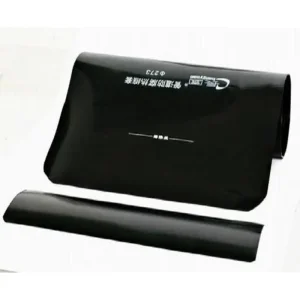
Engineered to match local geological stress and weather conditions, our flagship products guarantee continuous structural defense for pipelines.
Ethiopia is undergoing a rapid industrial modernization. With strategic initiatives like the Growth and Transformation Plan (GTP), the country is investing heavily in water sanitation networks, regional pipeline distribution, municipal gas connections, and cross-border energy corridors. From the massive water distribution pipelines in Addis Ababa to energy links across the Horn of Africa, ensuring structural reliability has become a primary engineering challenge.
Geographically, Ethiopia presents a diverse and challenging topography. The Great Rift Valley split, high altitude highlands, and heavy monsoonal moisture variations create a highly dynamic underground environment. Soils in these areas alternate between dry contraction and moisture saturation, inducing massive structural shear stress on buried pipelines. Standard, non-reinforced coatings rapidly degrade, leading to under-film corrosion, pipeline wall thinning, and catastrophic structural failure.
Globally, the oil, gas, and water transport industries have shifted toward high-performance system designs. Mainline coatings are typically constructed using 3-Layer Polyethylene (3LPE) or 3-Layer Polypropylene (3LPP) structures. However, field joint coating (FJC) remains the most vulnerable point in any pipeline system. If the field joint does not match the parent coating in mechanical strength and anti-corrosive resistance, the overall lifetime of the network is severely compromised.
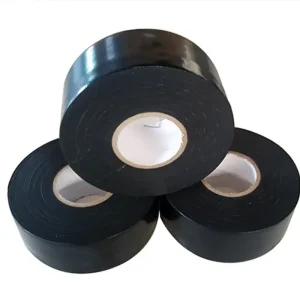
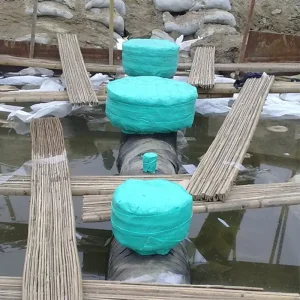
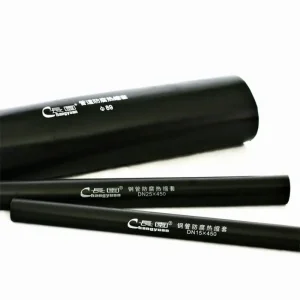
Modern engineering designs specify radiation cross-linked heat shrinkable tapes and sleeves as the optimal choice. Thanks to their built-in viscoelastic properties and high molecular orientation memory, these sleeves shrink tightly around welded pipe joints, replicating the performance profile of the main line. This is where CYCT's specialized manufacturing processes excel, bridging the gap between factory-standard coatings and field joint integrity.
Deep dive into molecular cross-linking, thermal recovery, and structural interface chemistry.
At the core of our heat shrinkable sleeves is high-density polyethylene (HDPE) backing. In its natural state, polyethylene melts and flows at elevated temperatures. To overcome this limitation, CYCT employs a state-of-the-art high-energy electron beam accelerator. The electron bombardment creates robust covalent cross-links between the polymer chains, transforming the material from a thermoplastic to a thermoset-behaving elastomer with shape memory effect.
When the cross-linked sheet is heated, stretched, and cooled, it retains its temporarily stretched state. Upon field installation on the pipeline joint, heating the sleeve with a propane torch triggers the thermal memory: the backing attempts to shrink back to its original dimensions, creating a continuous radial pressure. This pressure forces the hot-melt copolymer adhesive to wet out onto the steel pipe surface, filling all micro-valleys and creating a seamless moisture barrier.
Depending on the design life of the pipeline and local installation parameters, engineers in Ethiopia can specify either two-layer (2L) or three-layer (3L) joint protection systems:
CYCT · Was Founded In 2000 — Decades of Global Pipeline Corrosion Prevention Expertise
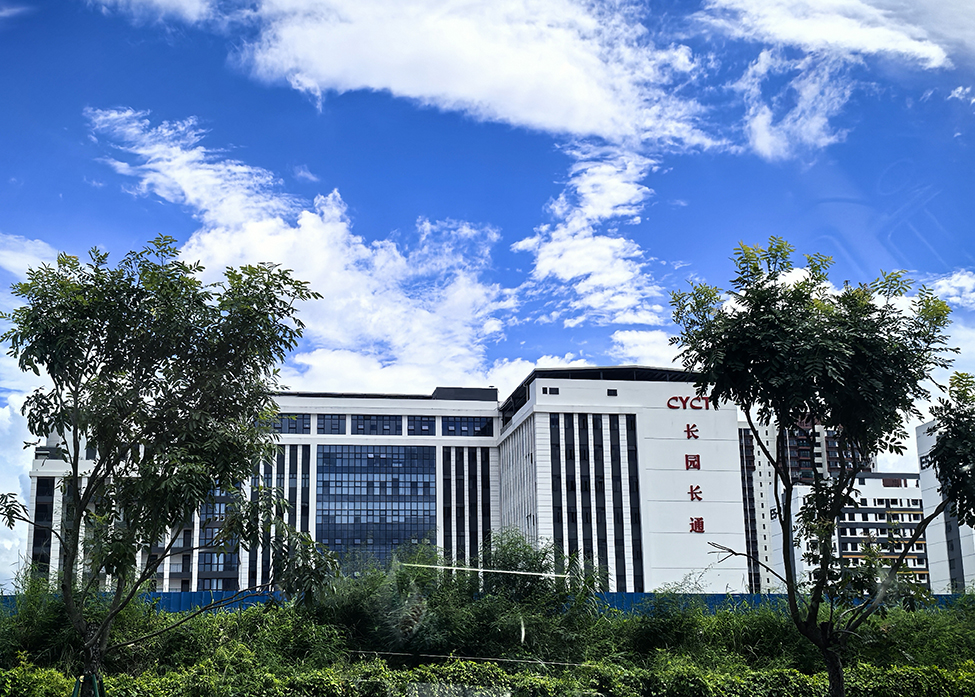
CYCT New Materials Company Limited (for short, CYCT) is a state-level high-tech enterprise integrating R&D, production, and sales of pipeline corrosion protection materials as well as buried pipeline detection services and pipeline coating field application services into one. CYCT devotes itself to the R&D, production, and sales of pipeline corrosion protection materials for decades.
CYCT owns leading testing and R&D capabilities, a professional R&D team, and a national CNAS-accredited laboratory. By partnering with top R&D institutes such as the CNPC Pipeline Science Research Institute, CYCT provides in-service pipelines with varied technical services, including buried pipeline detection, design schemes, cathodic protection, rehabilitation projects, and integrated solutions for the safety protection of pipelines.
CYCT is a stable supplier of field joint coatings for years in PetroChina, Sinopec, PipeChina, and local pipelines, holding a high market share. Furthermore, CYCT has successfully developed and introduced a number of specialty corrosion protection materials, such as visco-elastic anticorrosion materials, special photo-curing sleeves for HDD (Horizontal Directional Drilling) protection, and polyurea coatings.
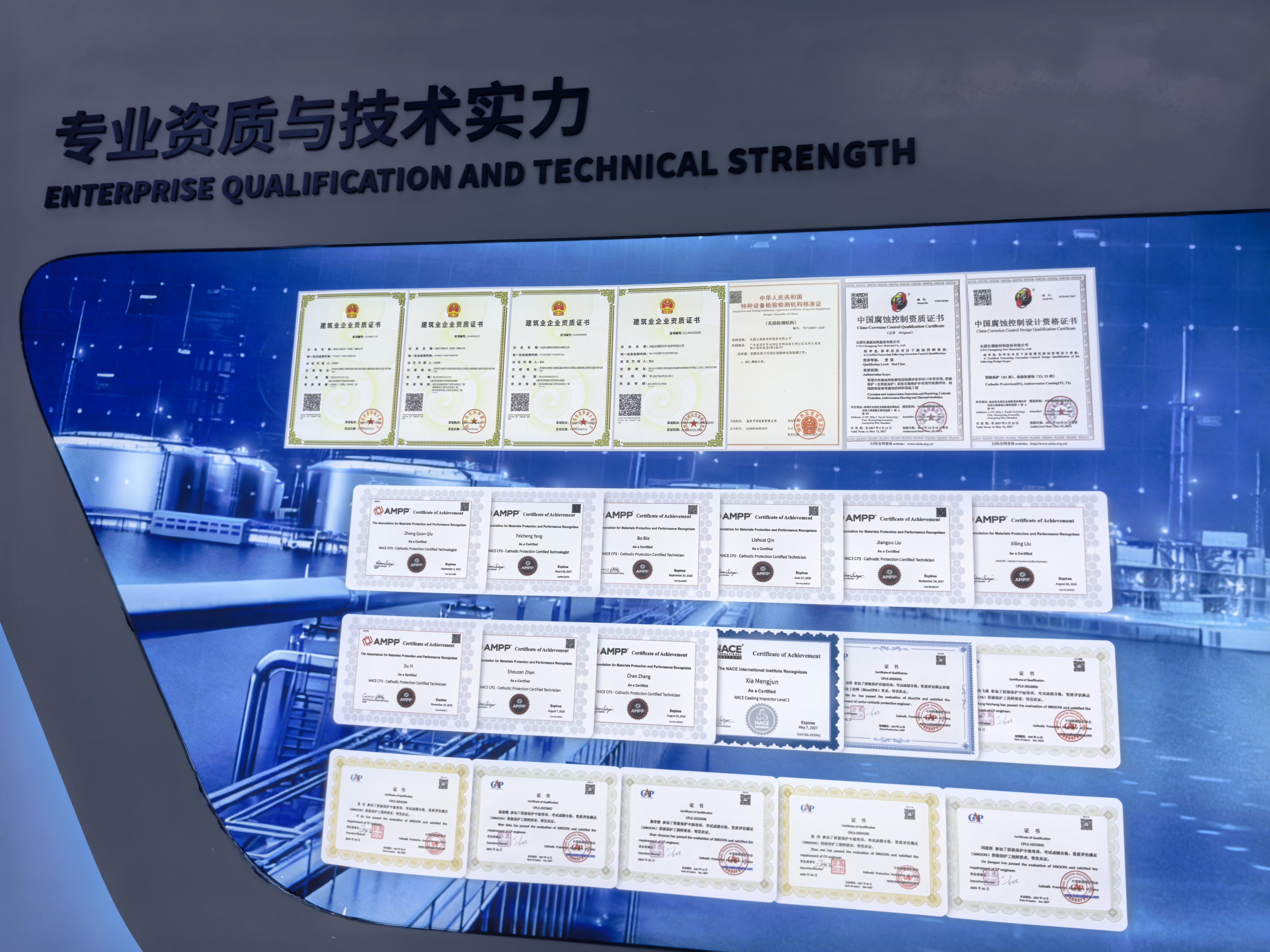
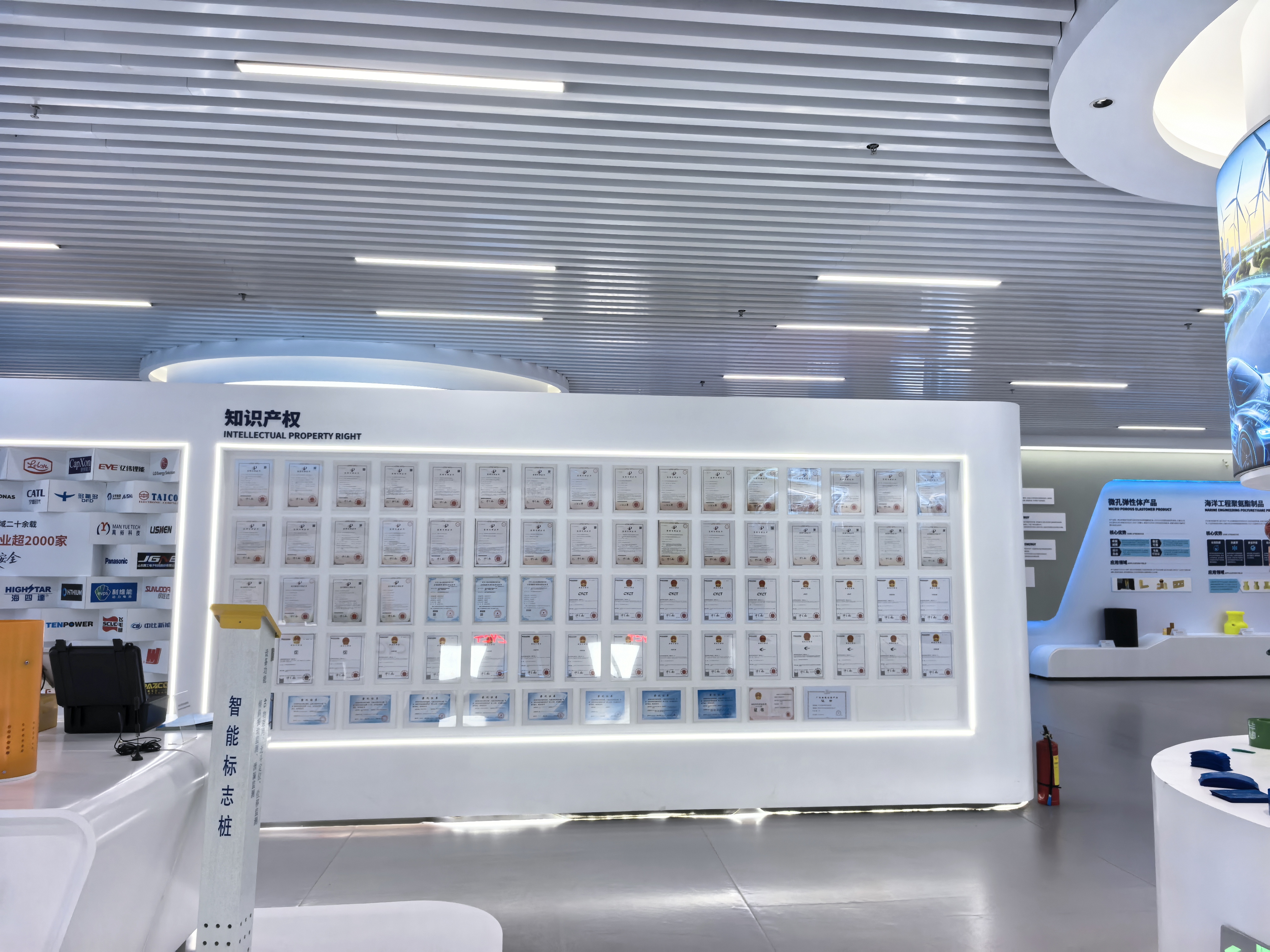
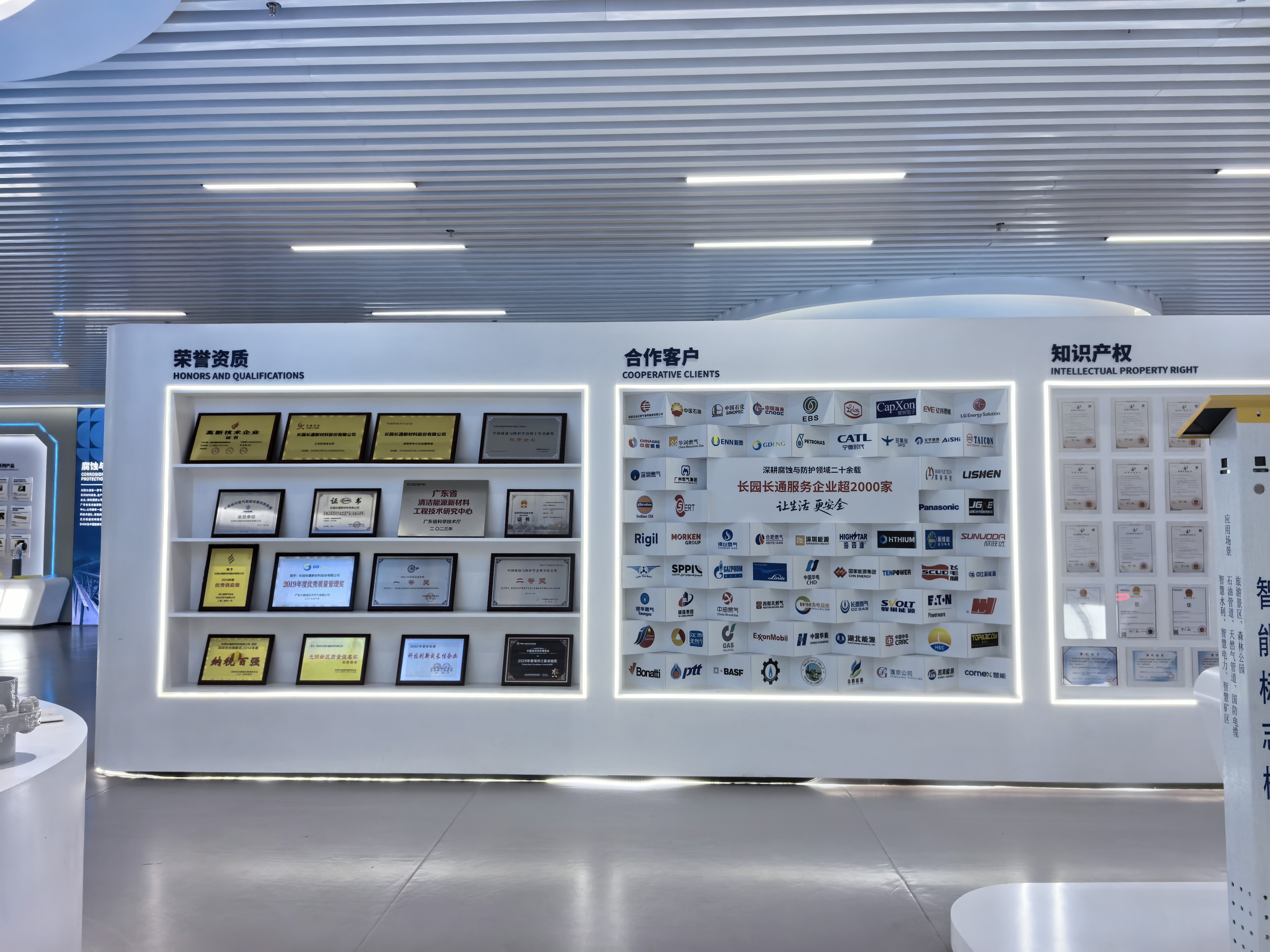
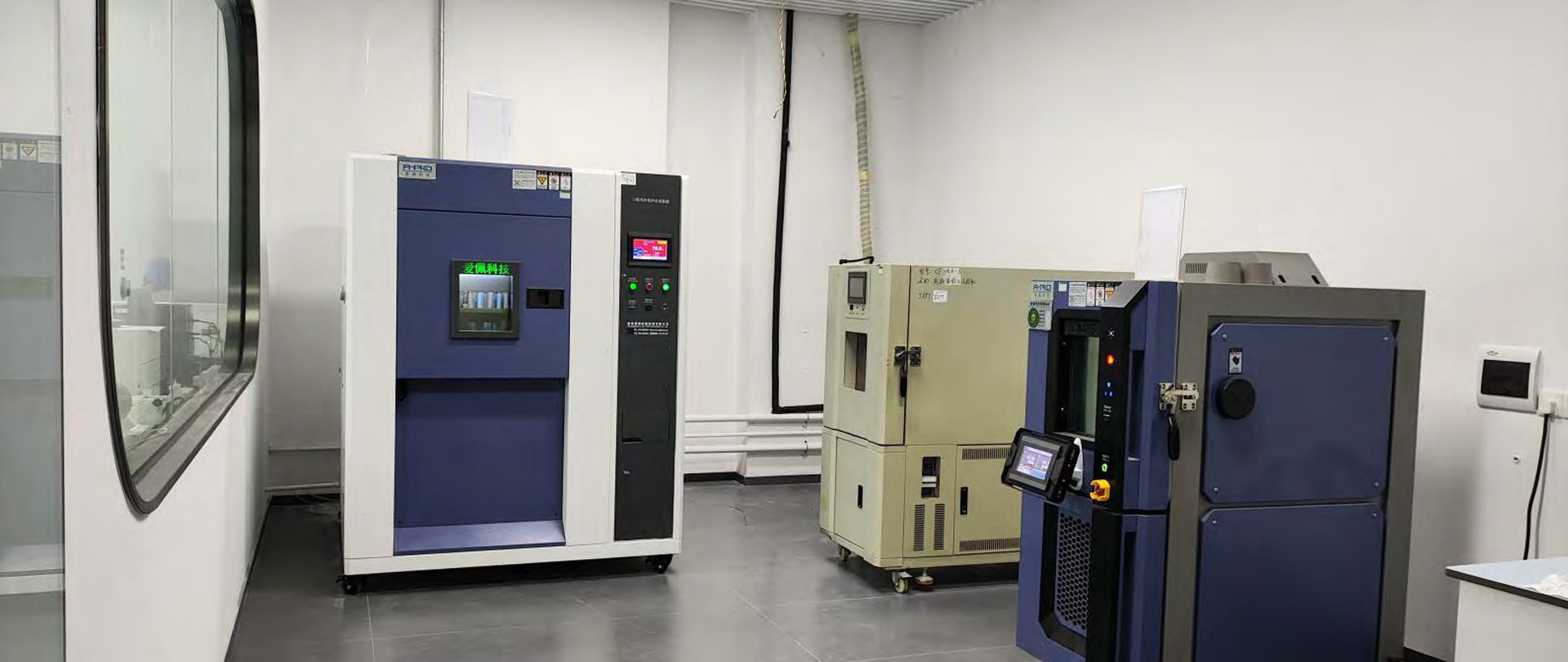
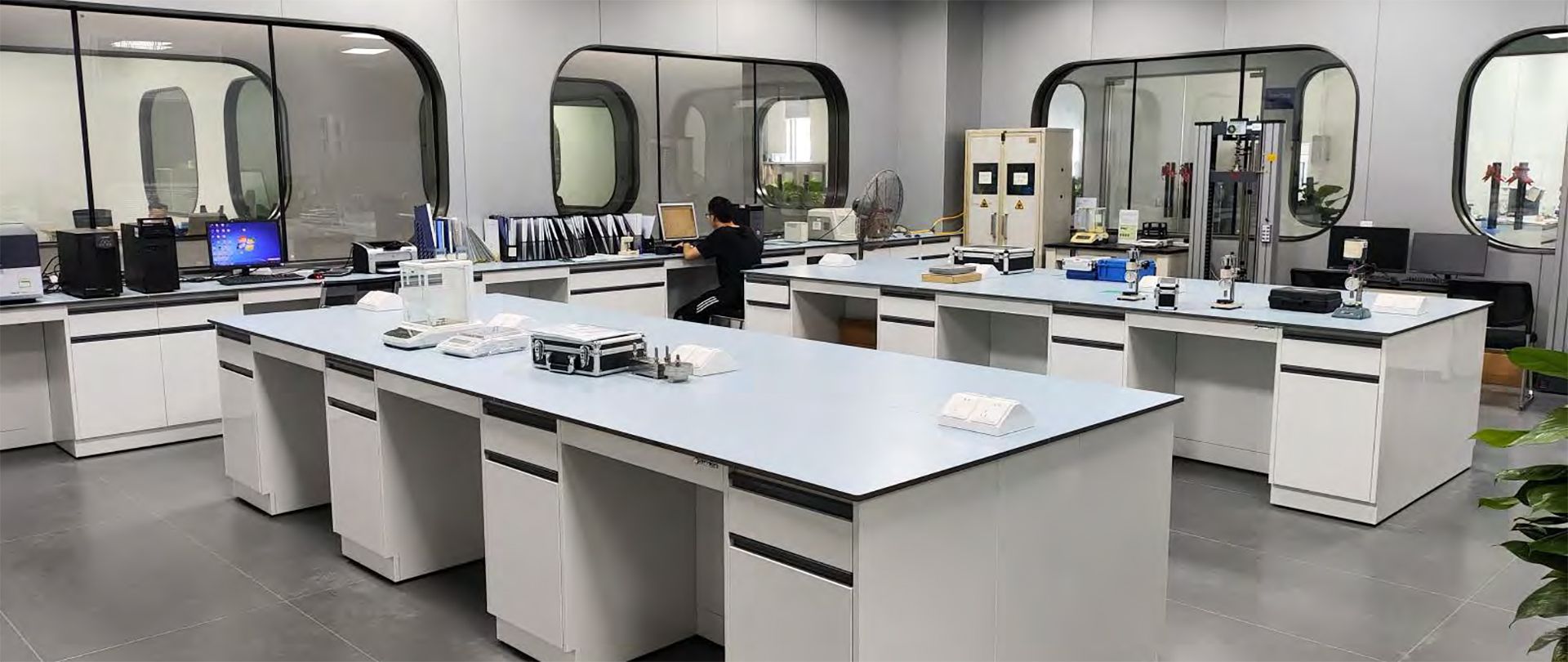
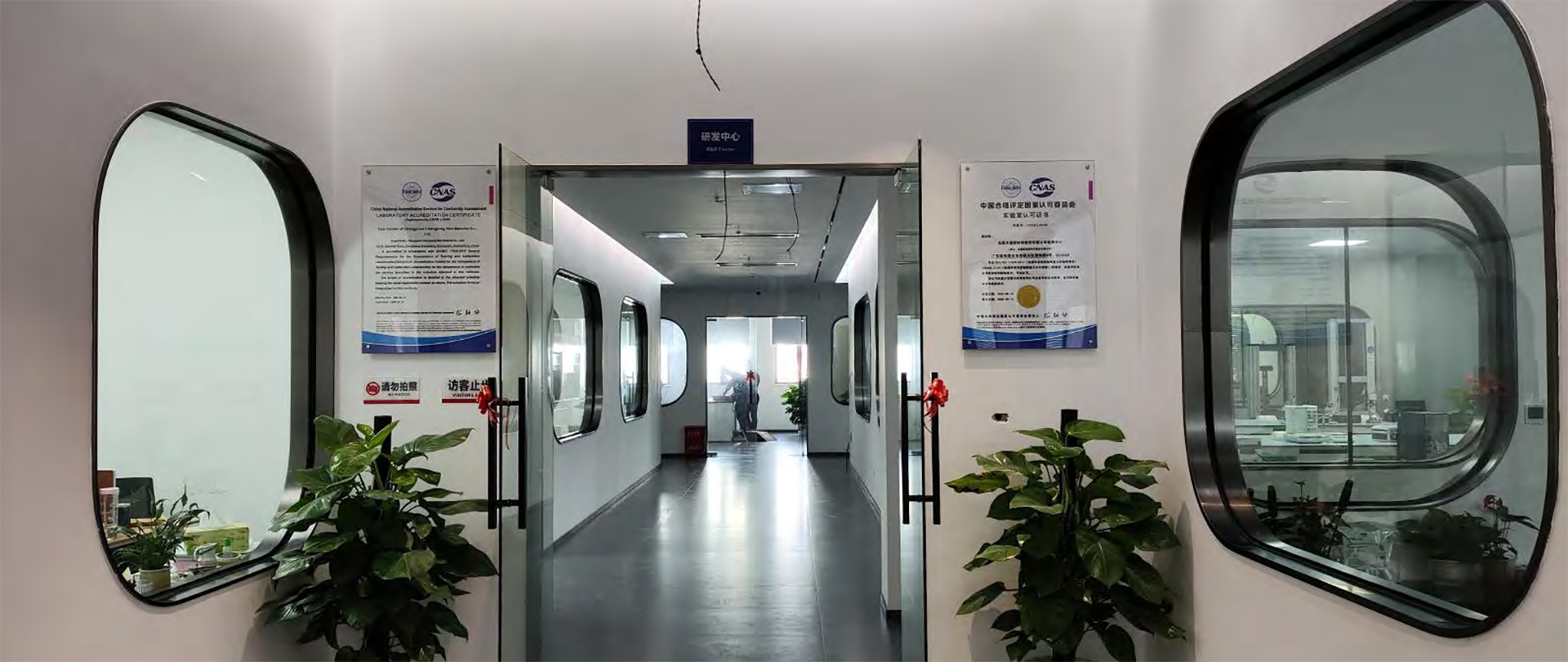
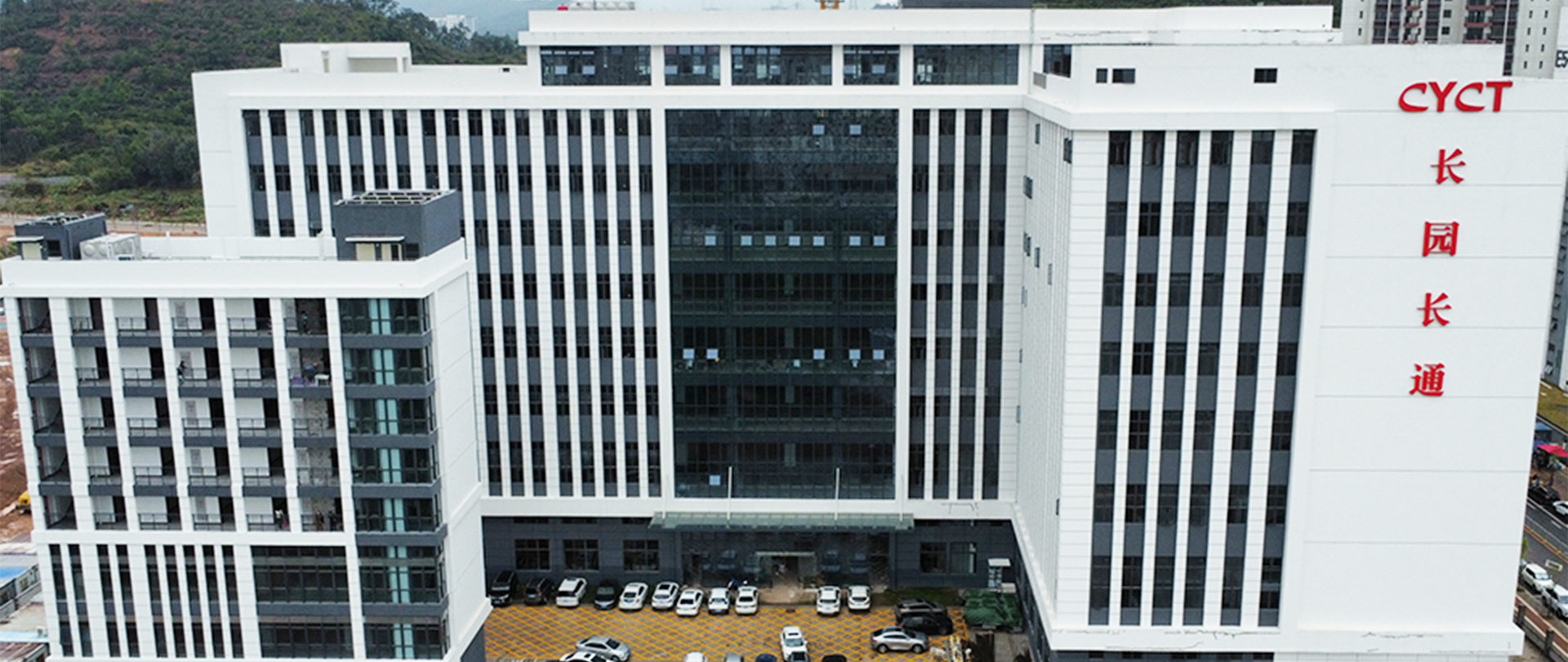
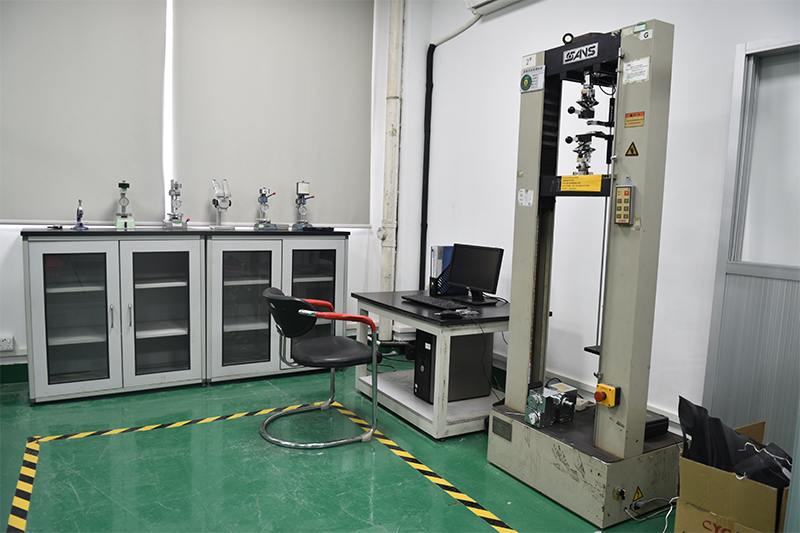
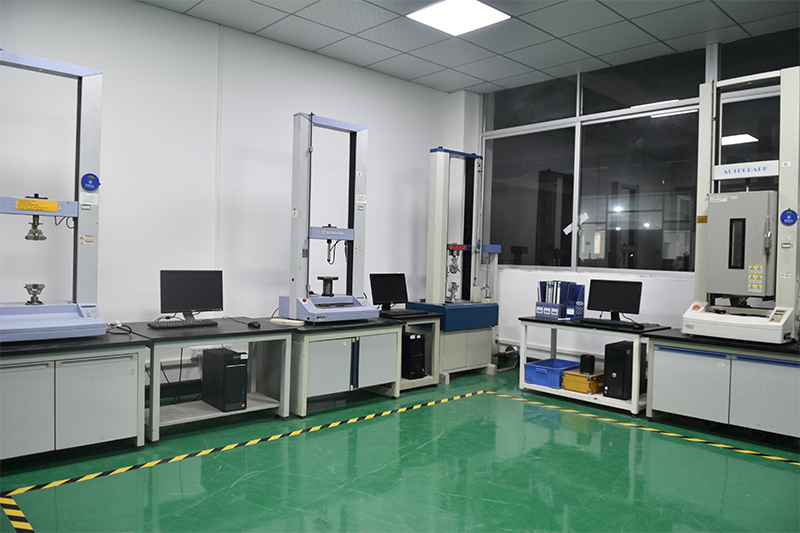
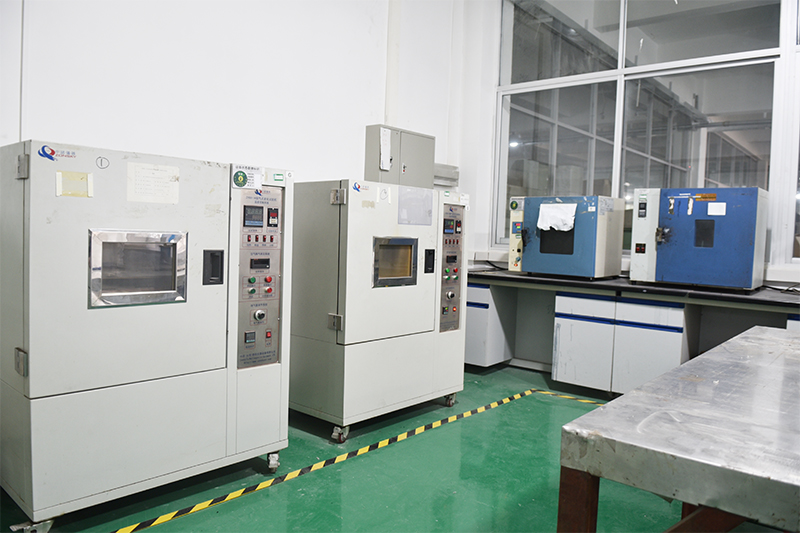
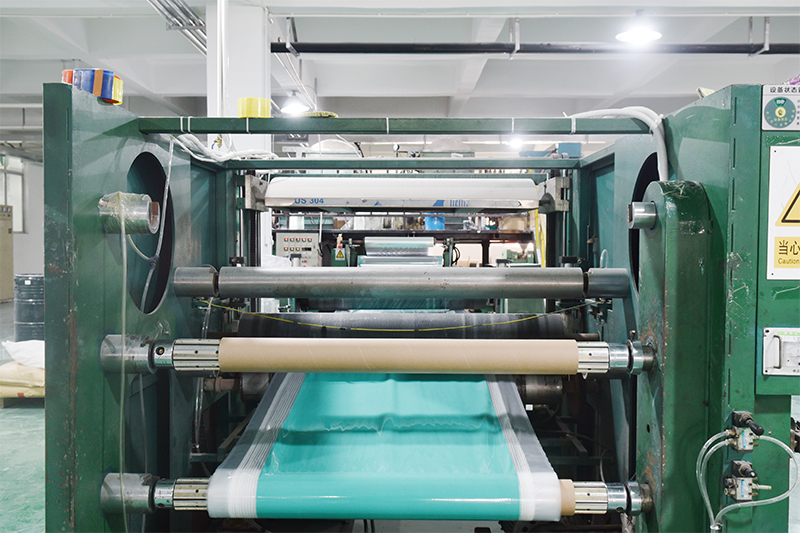
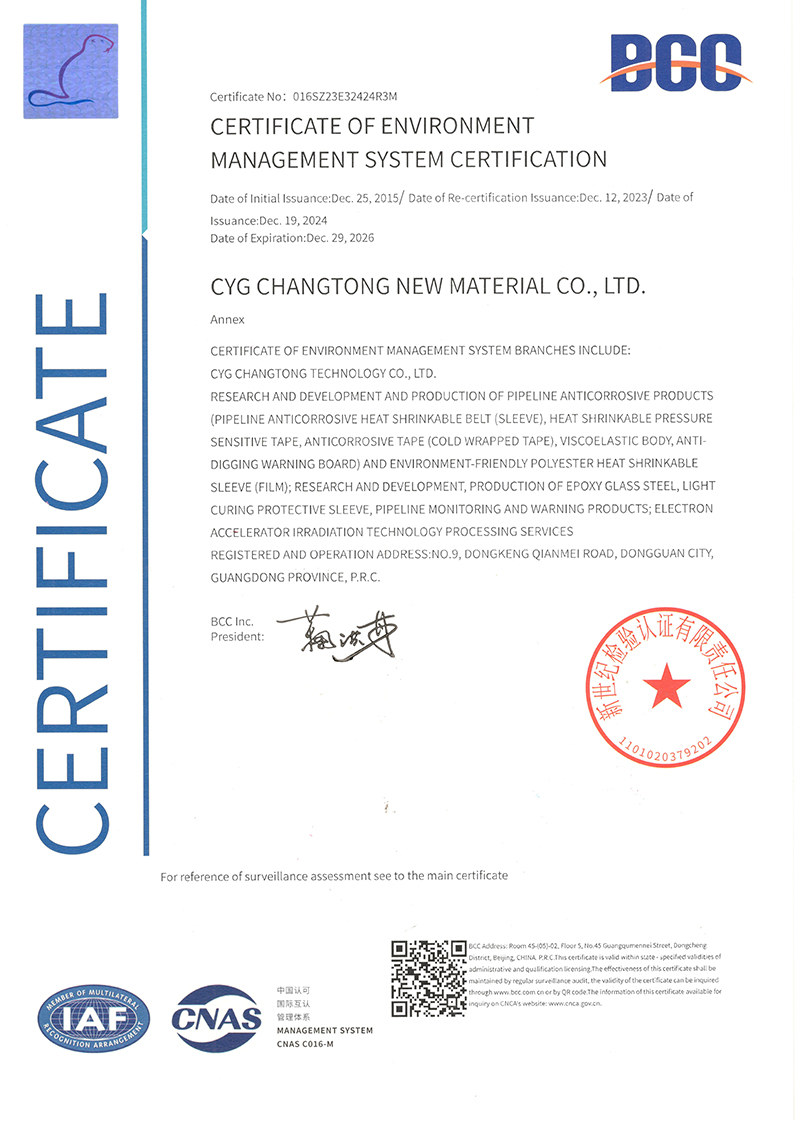
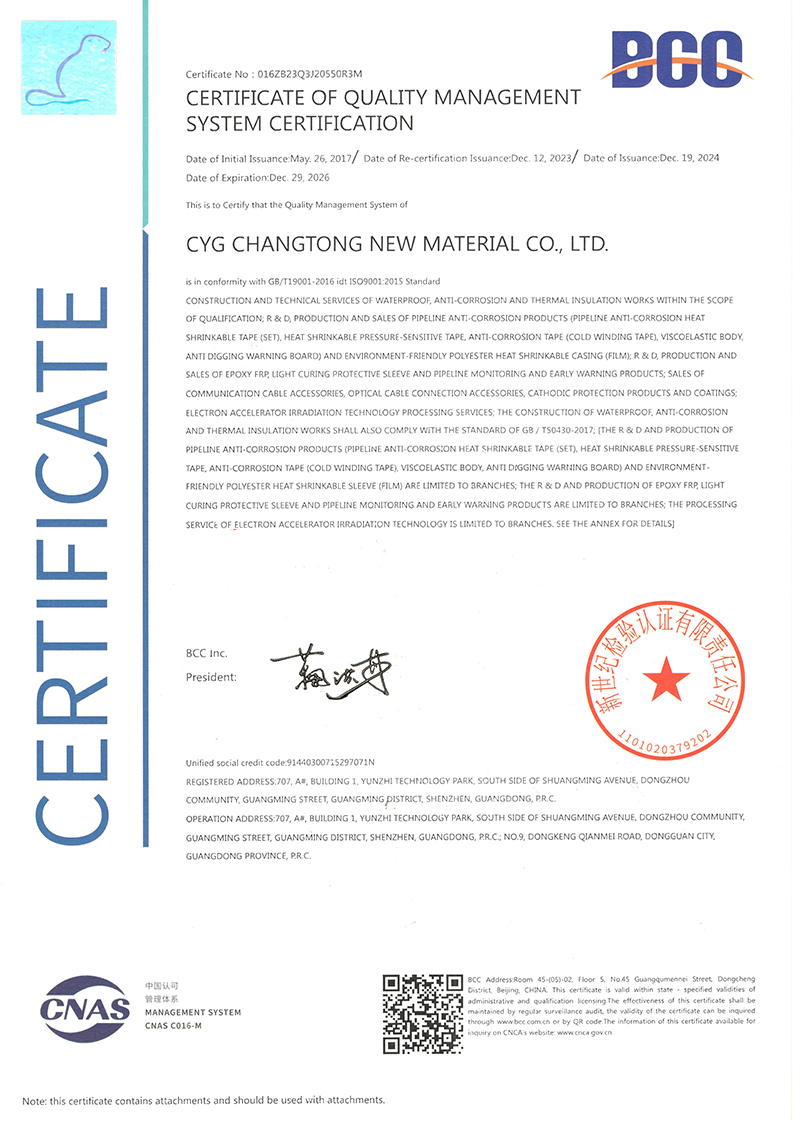
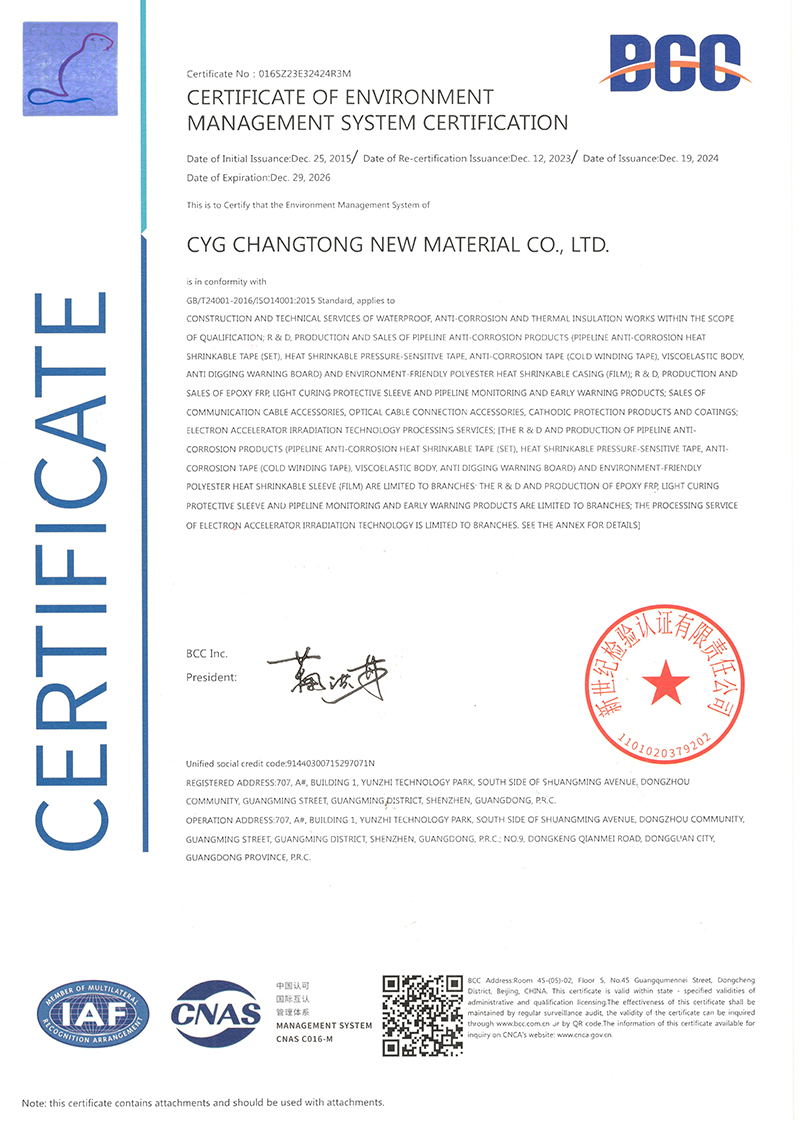
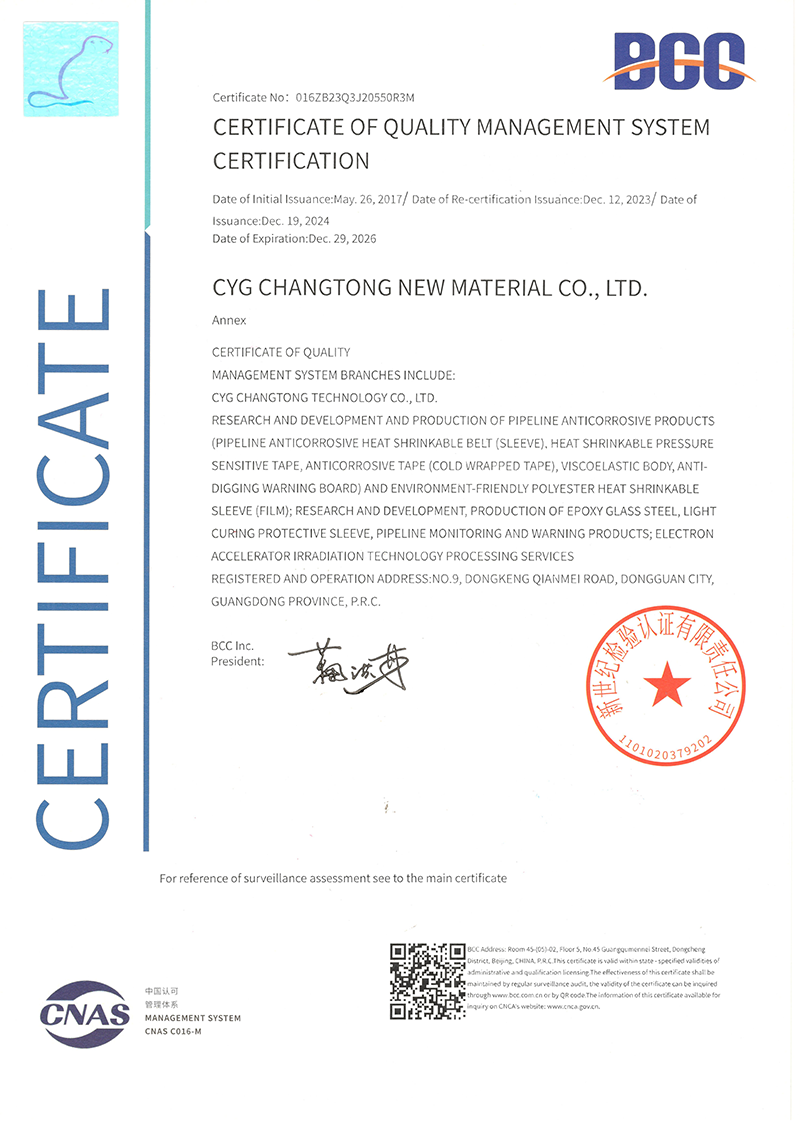
Member of Council in Chinese Society for Corrosion and Protection (CSCP), Qualification Certificate of Corrosion Protection Construction, Qualification Certificate of Pipeline Detection, Well-known Brand of Pipeline Corrosion Protection in China, Corporate Member of China Association of Petroleum Engineering Construction (CAPEC), State-Level High-Tech Enterprise with more than ten proprietary intellectual property rights. Stable supplier of PetroChina, Sinopec, China Gas Group, and Indian Oil.
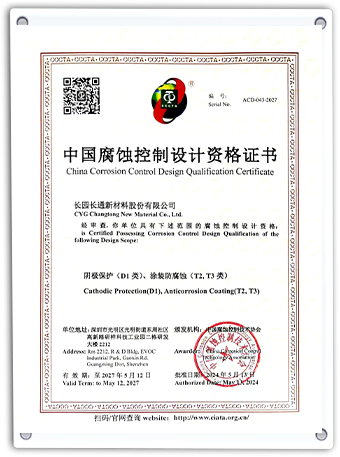
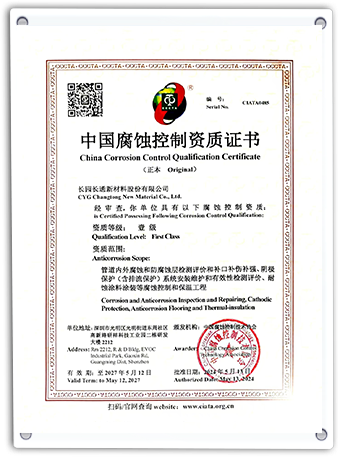
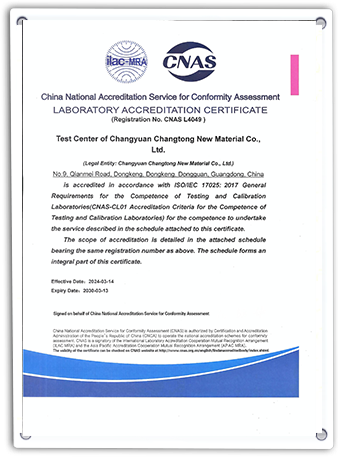
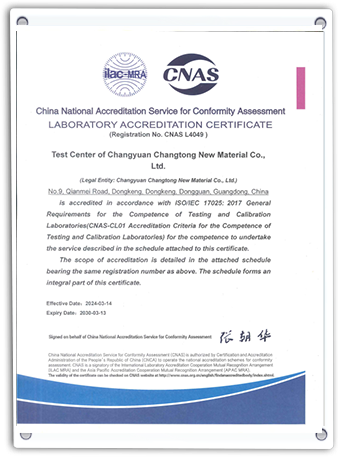
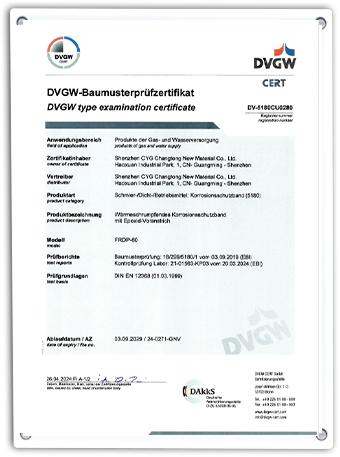
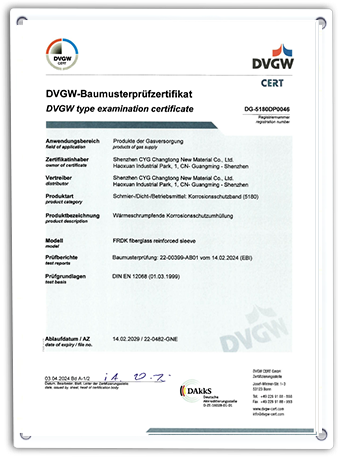
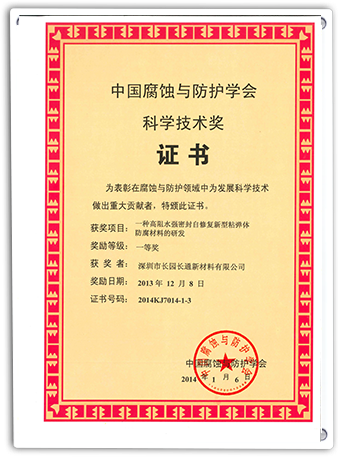
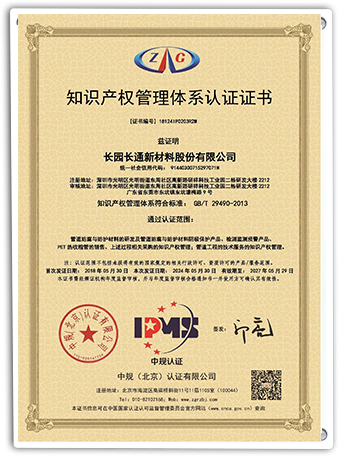
Optimized protective systems tailored to the geological and climatic regions of Ethiopia.
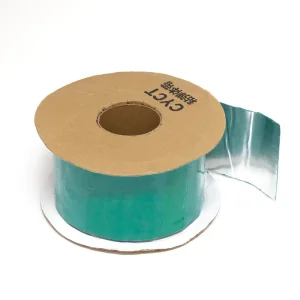
Municipal water authorities manage pipelines crossing clay-rich soils. These clays dry during the dry season and swell during the rainy season, exerting extreme shear stress. Standard tapes are easily pulled off, leading to soil moisture infiltration and localized corrosion. CYCT’s viscoelastic anti-corrosion tapes and high-strength hot-melt adhesives prevent displacement and ensure continuous adhesion.
Industrial developments demand secure transportation systems for liquid fuels. Transition points between buried pipes and aboveground terminals are highly vulnerable to atmospheric corrosion and mechanical stress. Our FRPD-PP heat shrinkable sleeves and heavy-duty outer wraps provide an impenetrable barrier against oxygen, moisture, and chemical agents.
Ethiopia's geothermal energy projects operate at elevated temperatures. Standard anti-corrosion coatings fail under continuous thermal stress. CYCT’s specialized high-temperature PE cold tape and PE coating repair products with design temperatures up to 85°C (and higher for special orders) provide thermal stability and prevent adhesive melting or cracking.
Installing pipelines beneath riverbeds, railways, and roadways requires trenchless methods. Pulling the pipe through rock-filled drill pathways creates high friction. Standard sleeves can tear or slip during installation. CYCT’s polymer-reinforced wraps and photo-curing sleeves protect the joints, resisting abrasive soil and rock layers.
Rigorous quality control processes managed inside our national CNAS-certified testing laboratory.
As a global partner in pipeline protection, CYCT maintains strict quality controls at every step of manufacturing. From testing raw resin materials to certifying the final products, we ensure all components meet the international standards required for major infrastructure projects in East Africa.
For custom engineering projects, we can modify the backing thickness, adhesive weight, and formulation to match specific project requirements. All shipments are accompanied by detailed factory test certificates (MTCs), ensuring full transparency and compliance.
Common questions from engineers, pipeline designers, and utility procurement officers in Ethiopia and East Africa.
Browse our complete product range, featuring specialized solutions for field joint coatings, structural repairs, and specialized pipeline projects.
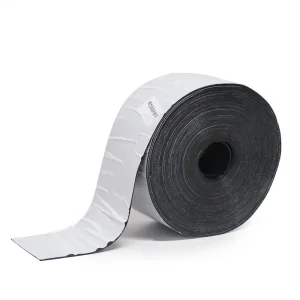
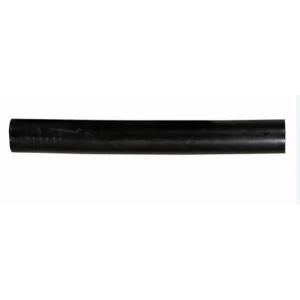
Developing sustainable, long-lasting anti-corrosion systems for modern infrastructure networks.
As pipeline operators prioritize environmental protection, the anti-corrosion industry is shifting toward sustainable materials and intelligent monitoring systems. CYCT’s R&D focus is centered on three main areas to align with the requirements of infrastructure projects in East Africa:
By investing in these advanced material systems, CYCT ensures that pipeline projects in Ethiopia and East Africa achieve high performance, supporting municipal networks for decades to come.
Contact our technical engineering team for help with material specifications, design configurations, or logistics quotes for pipeline projects in Ethiopia.
Send Inquiry Now CYCT
CYCT