Deploying specialized field joint systems engineered to survive high salinity, low temperatures, and aggressive soil mechanics.
Hamburg, as the prominent logistical heart and industrial epicenter of Northern Germany, commands a uniquely hostile operating environment for underground and underwater pipeline systems. Driven by the Port of Hamburg (Germany's largest seaport) and expansive municipal district heating networks (Fernwärme), the region is defined by highly saturated soils, heavy tidal water table variations from the Elbe River, and industrial microclimates with elevated levels of airborne salinity.
Furthermore, Hamburg's ambitious transition towards green hydrogen networks (such as the HH-WIN project) requires the conversion of existing steel pipeline grids and the construction of new distribution infrastructure capable of handling gaseous hydrogen under pressure. In this corrosive coastal terrain, standard pipeline coatings are highly vulnerable to cathodic disbondment, mechanical shear from shifting sands, and chemical attack. Field joints—the welded connection points between pipeline segments—represent the most vulnerable zones.
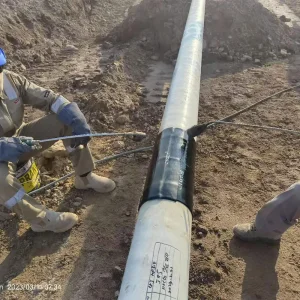
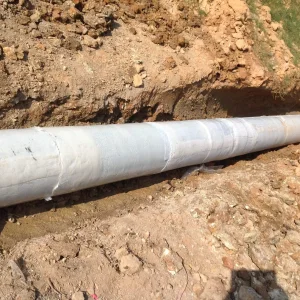
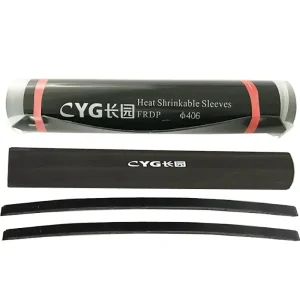
To prevent localized pitting, stress-corrosion cracking (SCC), and environmental leakage, industrial developers and contractors in Hamburg rely on high-performance radiation cross-linked polyolefin heat shrinkable sleeves. CYCT, utilizing twenty years of advanced polymer research, provides Hamburg's energy, water, and petrochemical industries with field joint coatings that exceed standard testing profiles, ensuring continuous cathodic protection for up to 30 years under saturated marshland conditions.
The requirements for pipeline coatings in the Metropolitan Region of Hamburg are highly diversified. Our range of heat-shrinkable sleeves and viscoelastic tapes is engineered to fulfill specific German technical specifications:
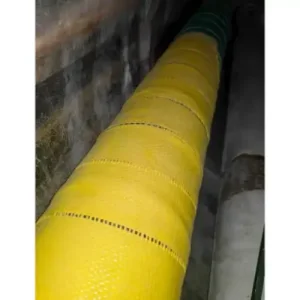
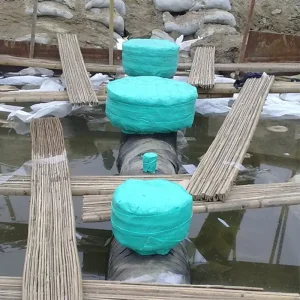
Trenchless crossings under the Elbe river bed subject pipeline coatings to severe frictional forces. Our Photo-Curing UV GRP sleeves protect the heat shrinkable joints from mechanical gouging and peel-off during pull-back operations.
Hamburg's municipal steam and hot water lines operate at elevated temperatures. Our high-temperature FRDX and PP outer wrap systems are designed to withstand continuous service up to 110°C without adhesive liquefaction.
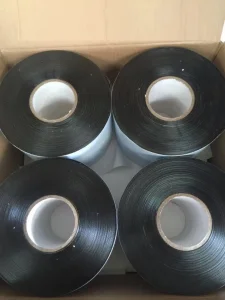
Tidal splash zones demand rapid curing, moisture-curing systems. Our GRF Moisture Curing Shields and viscoelastic tapes provide self-healing, impermeable barriers that prevent chlorine ions from contacting the steel substrate.
Irregularly shaped fittings in Hamburg's south-shore chemical complexes require highly moldable wraps. Viscoelastic coatings conform instantly to complex profiles, sealing voids and preventing air pocket condensation.
The manufacturing of pipeline protection systems demands precise formulation of copolymer adhesives and backing layers. At CYCT, our technical roadmap focuses on the synergy between radiation-crosslinked high-density polyethylene (HDPE) backing and functionalized shear-resistant hot-melt adhesives.
Radiation cross-linking induces covalent bonds between adjacent polymer chains, transforming thermoplastic material into an elastomer with robust dimensional memory. When thermal energy is applied via a propane torch or induction heating coil, the backing shrinks radially, exerting continuous circumferential pressure (active compression) on the pipe joint. Concurrently, the internal hot-melt adhesive melts, flows, and bonds intimately with the parent coating (typically 3LPE or 3LPP) and the bare steel surface.
| Performance Property | Standard Reference | CYCT Standard Performance Value | Field Relevance for German Engineers |
|---|---|---|---|
| Peel Strength (to Steel/PE) | EN 12068 / ISO 21809-3 | > 120 N/cm at 23°C | > 25 N/cm at 60°C | Resists soil settlement and shear strain from vehicular traffic. |
| Cathodic Disbondment (CD) | ASTM G8 / ISO 21809-3 | < 5 mm radius at 60°C (28 Days) | Limits damage to the steel substrate if the primary coating is punctured. |
| Impact Resistance | EN 12068 Class C | > 15 J (Double-layer application) | Protects against rocky backfill during trench reinstatement. |
| Water Absorption | ASTM D570 | < 0.05% | Maintains electrical insulation in saturated marshlands. |
For European EPC contractors, global supply chain reliability is key to project success. Operating from a highly integrated polymer industrial hub in China, CYCT addresses these concerns through robust manufacturing capacity and direct logistic routes to the Port of Hamburg.
"By controlling the full manufacturing cycle—from raw monomer synthesis to electron-beam radiation cross-linking and adhesive compounding—CYCT ensures structural quality while offering a 20% to 35% cost advantage over traditional European suppliers, without compromising on EN 12068 standard compliance."
Our factory utilizes advanced extrusion machines, automated inline thickness monitoring systems, and an in-house CNAS-accredited testing laboratory. We maintain raw material inventories of specialty HDPE and functionalized EVA copolymers to protect production schedules against global supply shocks. For shipments to Germany, CYCT coordinates with premier ocean freight lines and rail logistics networks (China-Europe Railway Express) to deliver orders directly to Hamburg terminals within predictable timelines.
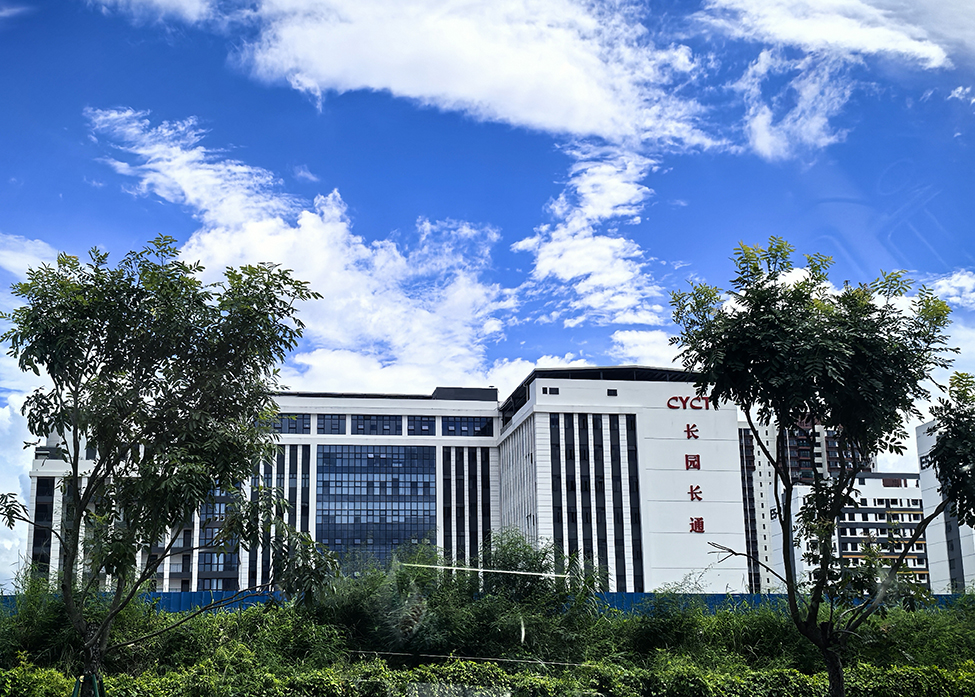
CYCT New Materials Company Limited (for short, CYCT) was founded in 2000. It is a state-level high-tech enterprise integrating R&D, production, and sales of pipeline corrosion protection materials, as well as buried pipeline detection services and pipeline coating field application services.
With leading testing and R&D capabilities, a professional research team, and a national CNAS-accredited laboratory, CYCT has established strategic collaborations with leading research institutes such as the CNPC Pipeline Science Research Institute. This allows us to provide in-service pipelines with varied technical services, design schemes, cathodic protection, rehabilitation projects, and integrated safety solutions.
CYCT is a stable, long-term supplier of field joint coatings for PetroChina, Sinopec, PipeChina, and various municipal pipeline authorities. We have developed and introduced a wide range of specialty corrosion protection materials, including viscoelastic anticorrosion materials, special photo-curing sleeves for HDD protection, and polyurea coatings.
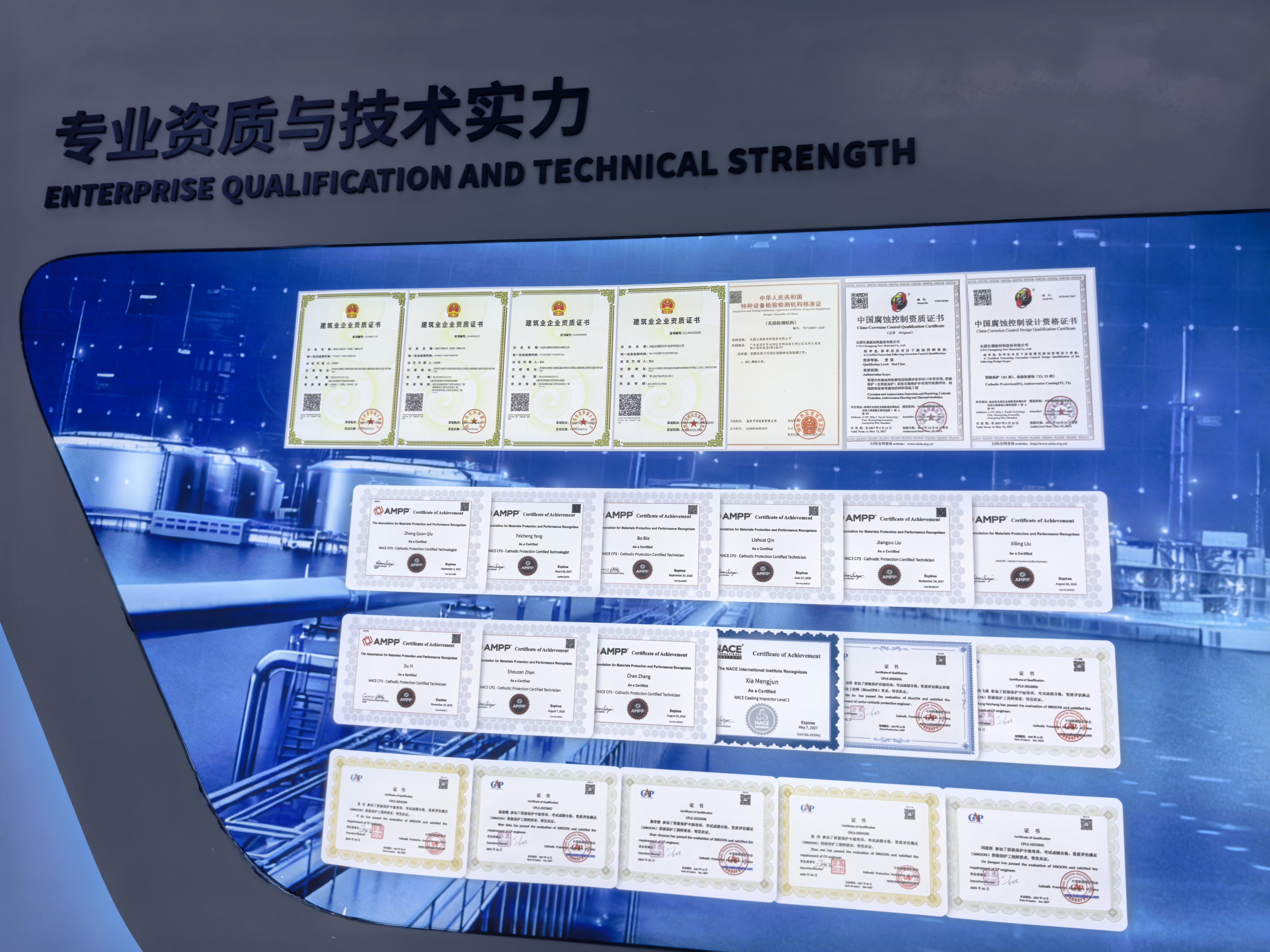
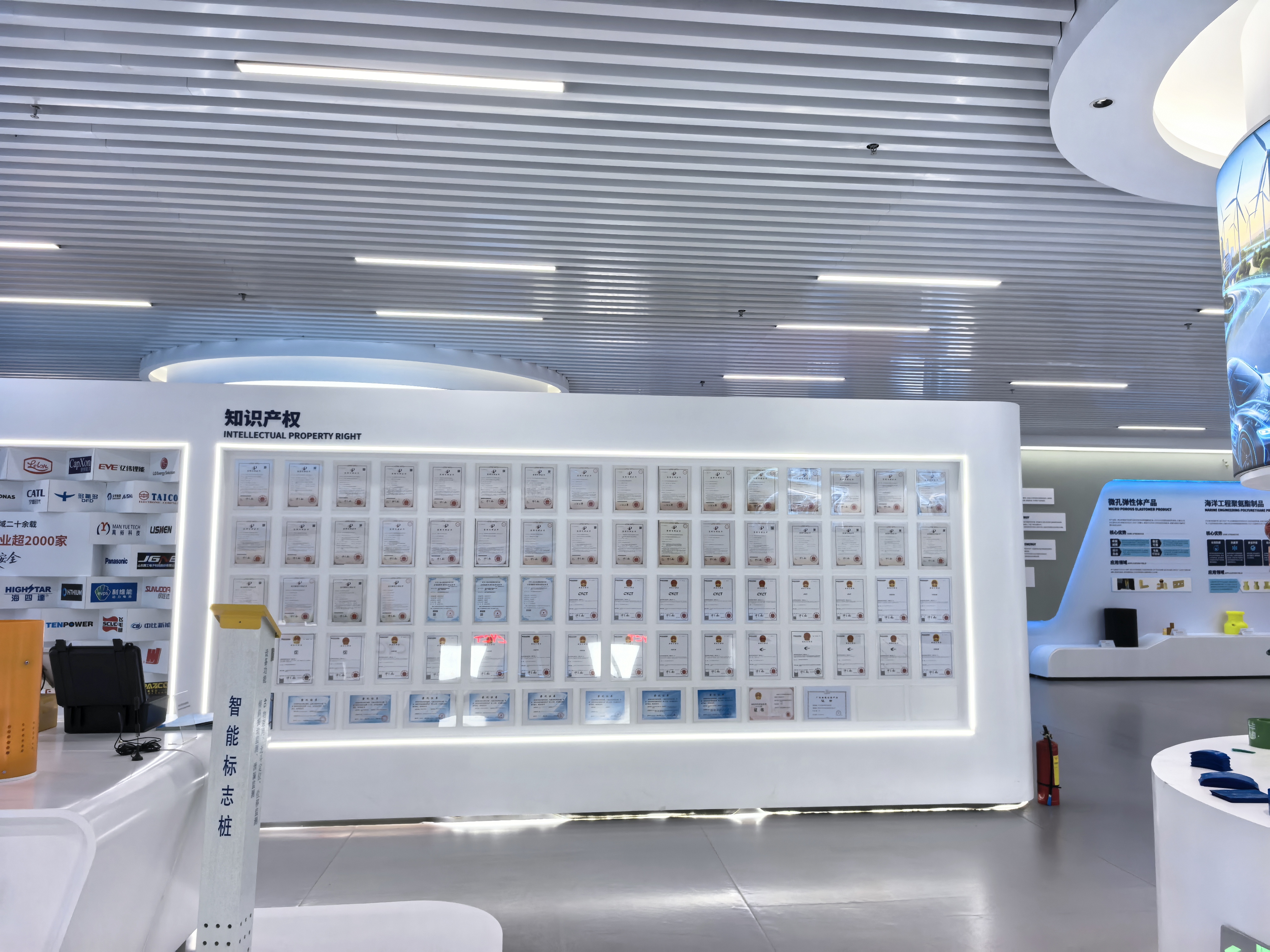
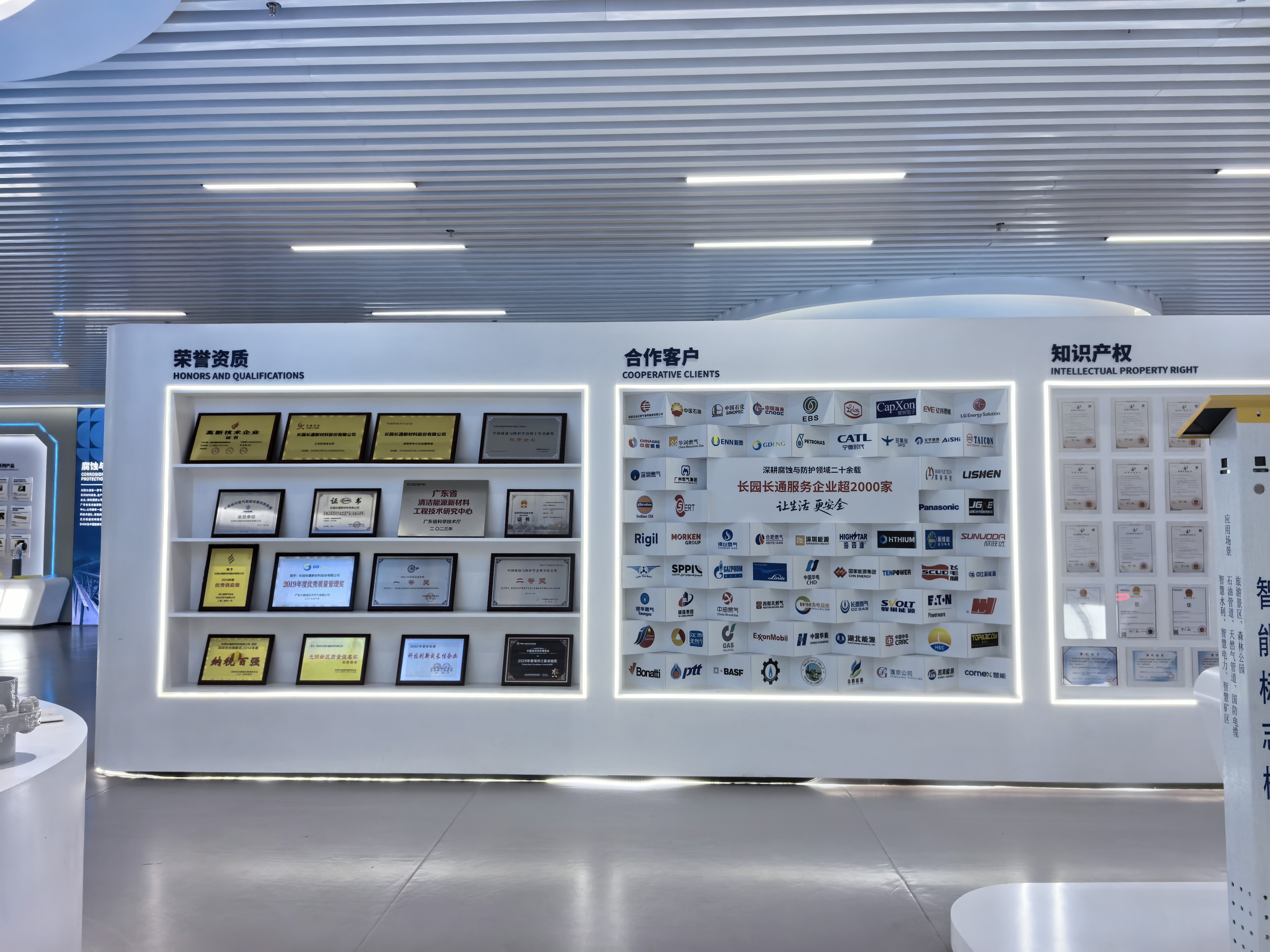
Corporate Memberships & Certifications: Council Member of Chinese Society for Corrosion and Protection (CSCP), Corporate Member of China Association of Petroleum Engineering Construction (CAPEC), and active participant in AMPP (Association for Materials Protection and Performance) technical programs.
Operating in Germany requires adherence to strict quality control rules. All pipeline materials must conform to DIN, DVGW, and European EN standards. CYCT provides comprehensive technical documentation, including raw material certificates (EN 10204 3.1/3.2), third-party verification reports, and detailed installation guidelines.
To ensure correct installation in Hamburg's challenging climate, we offer remote video training and on-site supervisor programs. Our engineers guide contractors on induction preheating, surface preparation (ISO 8501-1 Sa 2½ anchor profile), and peel-testing methods to guarantee optimal application on site.
A comprehensive range of corrosion protection materials engineered for diverse installation conditions and technical specifications.
Answering key engineering questions about field joint coatings in demanding marine, municipal, and industrial installations.
 CYCT
CYCT