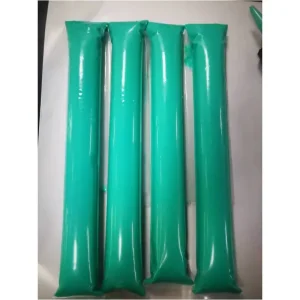
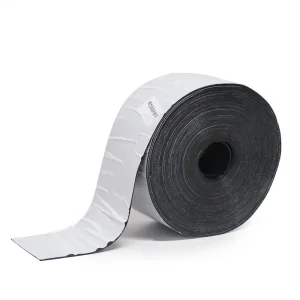
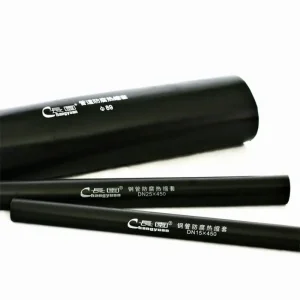
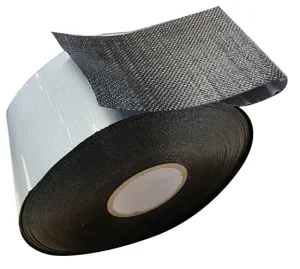
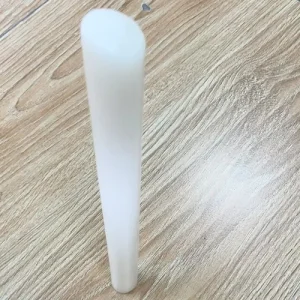
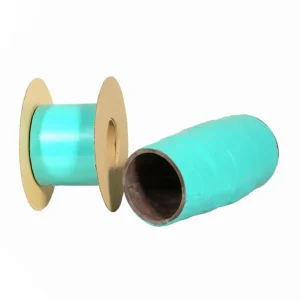
Specially adapted high-performance coatings, mastics, and shrinkable field joint sleeves tested under high humidity and soil-stress conditions.
Nigeria represents the epicenter of hydrocarbon exploration, processing, and transportation in Sub-Saharan Africa. With sprawling networks of crude oil lines, natural gas transmission corridors like the Ajaokuta-Kaduna-Kano (AKK) Pipeline Project, and extensive municipal water conduits, the integrity of steel pipe assets is of paramount national economic concern. However, the geographic realities of the country introduce intense environmental hazards. Pipeline networks traverse corrosive tidal swamps in the Niger Delta, acidic soils, high humidity zones, and regions experiencing severe temperature fluctuations.
Global procurement teams targeting Nigeria require field-proven corrosion mitigation materials that guarantee at least a 30-year operational lifecycle. This demand drives the need for reliable Heat Shrink Pressure Sensitive Sleeve Suppliers and Factories who can supply materials certified to ISO 21809-3 and EN 12068 specifications, which are highly compatible with parent pipe coatings such as 3LPE, 3LPP, and FBE.
Withstands shear forces from clay soils shifting during heavy rainy seasons.
Performs continuously at service temperatures from sub-zero to 120°C.
Ensures complete synergy with modern active cathodic protection (CP) designs.
For international engineering procurement companies (EPCs) managing major pipeline assets, selecting a reliable manufacturer is not merely about finding the lowest unit cost. The criteria rest heavily on verifiable technical metrics, production capacity, logistics reliability, and quality assurance under strict E-E-A-T (Experience, Expertise, Authoritativeness, Trustworthiness) parameters. A key element is finding a factory that offers "information gain" via customized field application design support and localized compliance guidance.
| Technical Parameter | Standard Sleeve Requirement | CYCT Heavy-Duty Sleeve Range | Specific Benefit to Nigerian Pipelines |
|---|---|---|---|
| Peel Strength to Pipe Surface | > 1.0 N/mm (at 23°C) | > 2.5 N/mm (at 23°C) | Guarantees long-term adhesion in damp Niger Delta trenches. |
| Cathodic Disbondment Resistance | < 15 mm (at 60°C, 30 days) | < 8 mm (at 60°C, 30 days) | Prevents coating failure under active CP voltage variations. |
| Impact Resistance | > 8 Joules | > 15 Joules | Protects pipe joints during backfilling with stony African soil. |
| Indentation Resistance | > 0.6 mm residual thickness | > 1.2 mm residual thickness | Prevents puncture from rocky soil overburden and point loads. |
Our research reveals that global pipeline projects in West Africa frequently experience delays due to inadequate packaging, lack of field training for coating applicators, and materials arriving without appropriate temperature-regulated storage instructions. Modern production facilities must solve these vulnerabilities directly by integrating high-tack pressure-sensitive adhesive formulations with radiation cross-linked polyethylene backing that can withstand prolonged tropical transit and outdoor storage.
Integrating R&D, production, sales of pipeline corrosion protection materials, and advanced pipeline field applications.
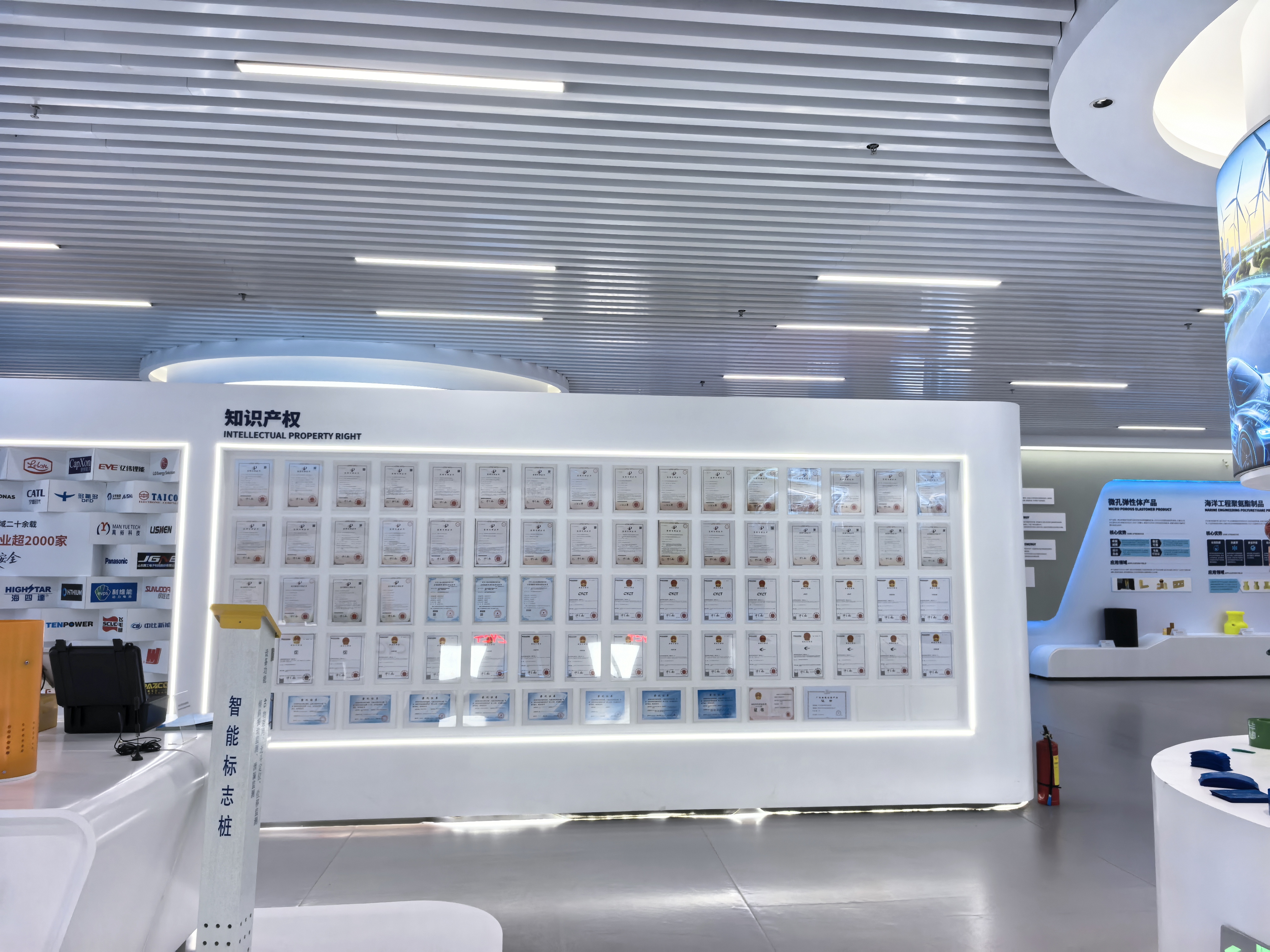
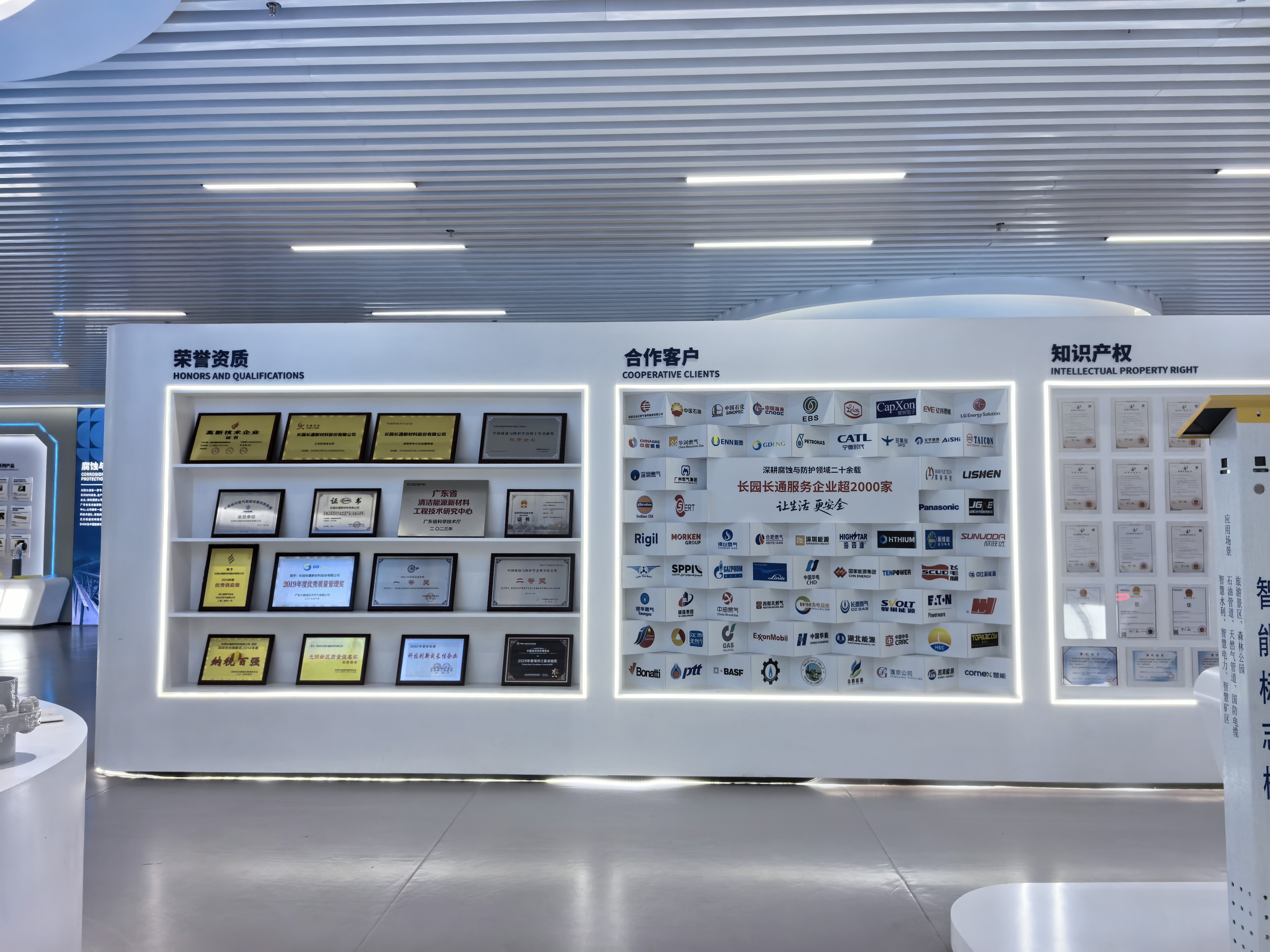
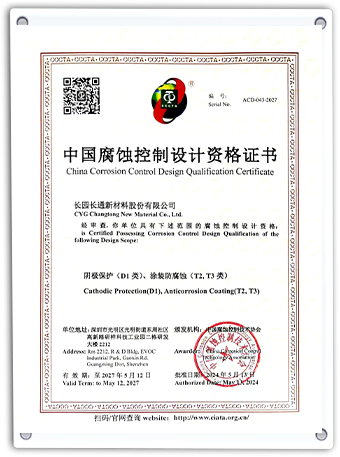
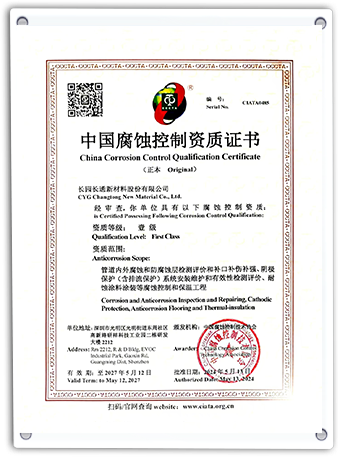
CYCT New Materials Company Limited (for short, CYCT) is a state-level high-tech enterprise integrating R&D, production, and sales of pipeline corrosion protection materials as well as buried pipeline detection services and pipeline coating field application services into one. CYCT has devoted itself to the R&D, production, and sales of pipeline corrosion protection materials for decades.
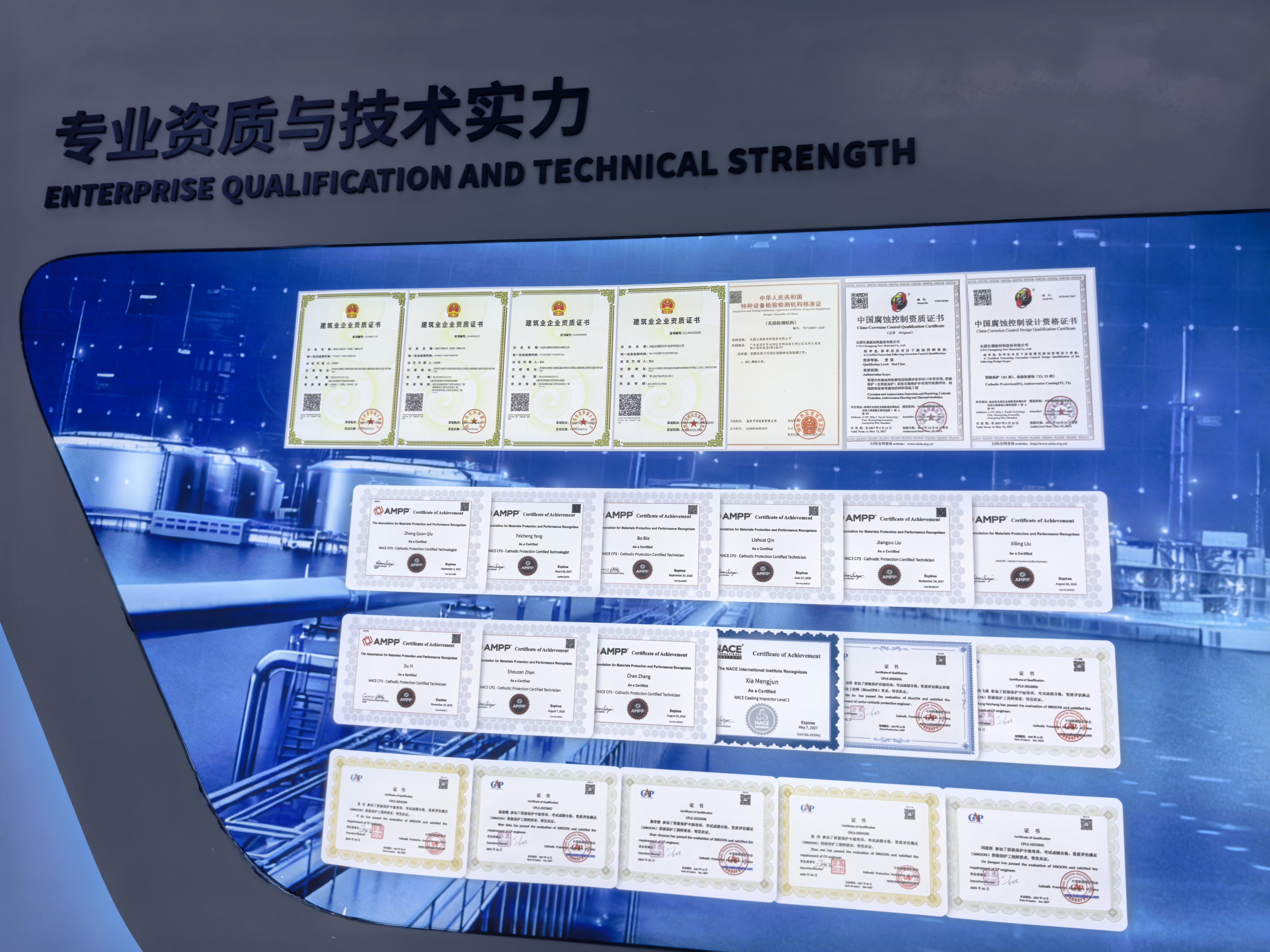
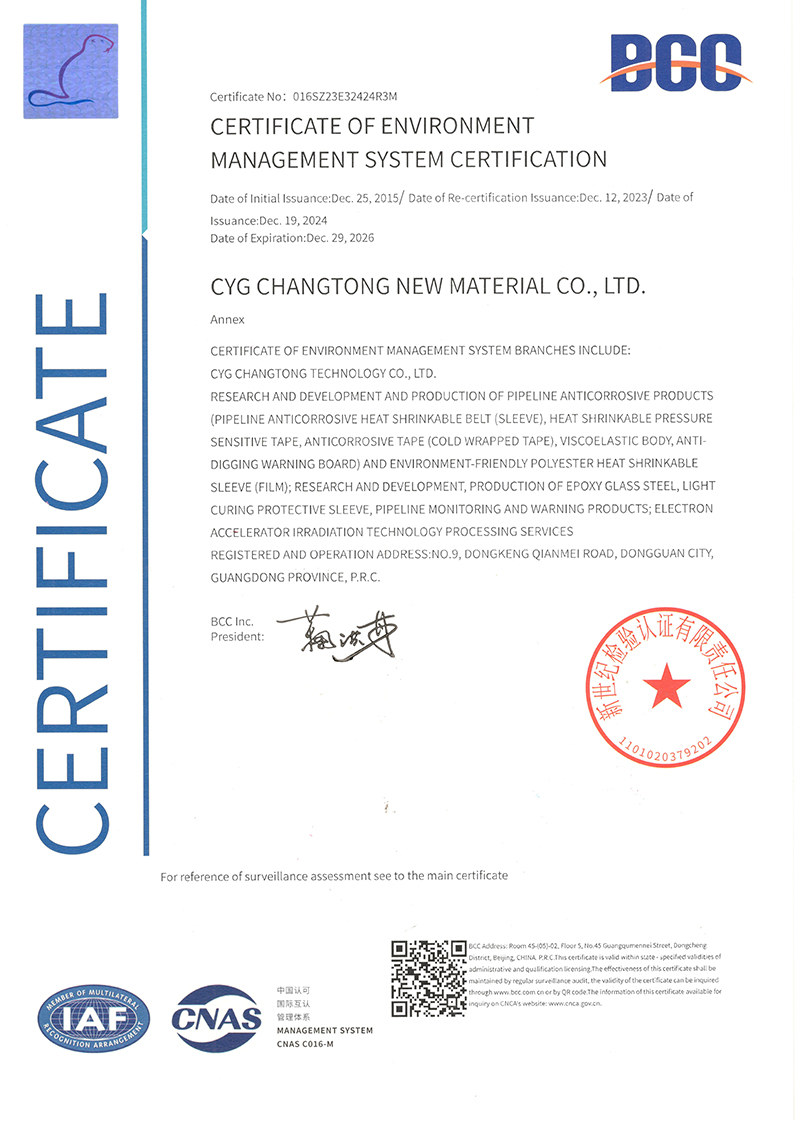
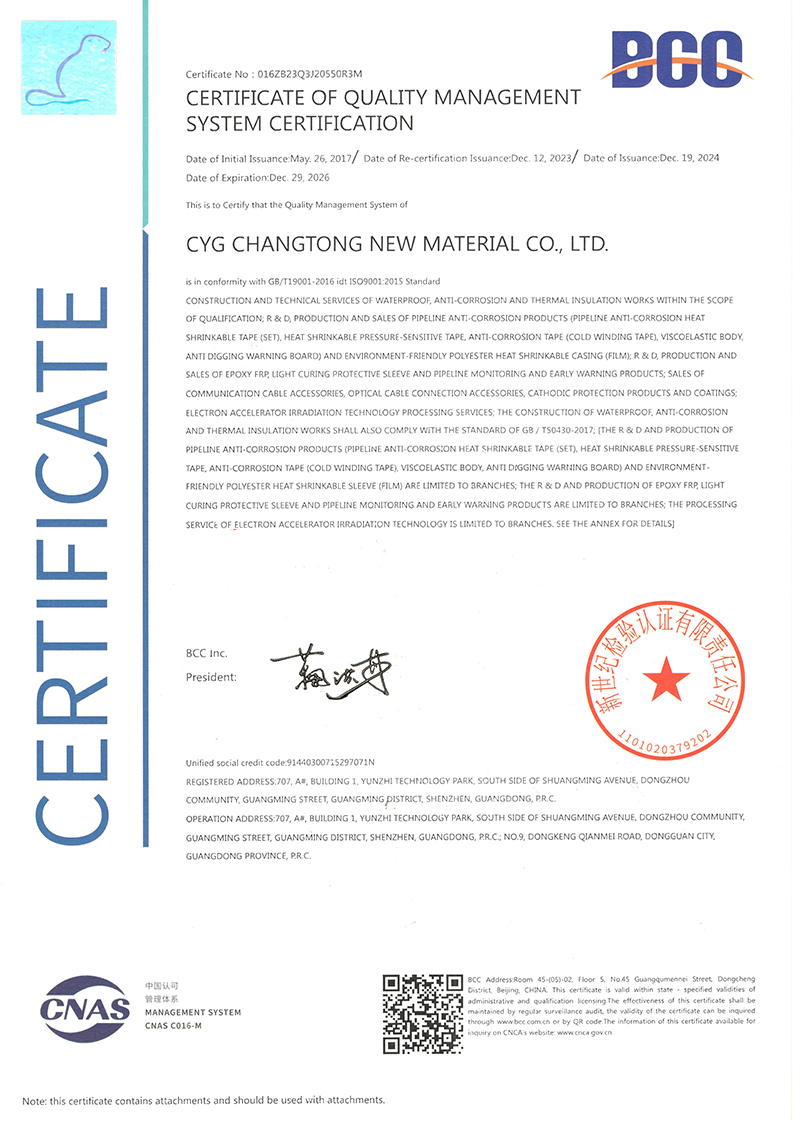
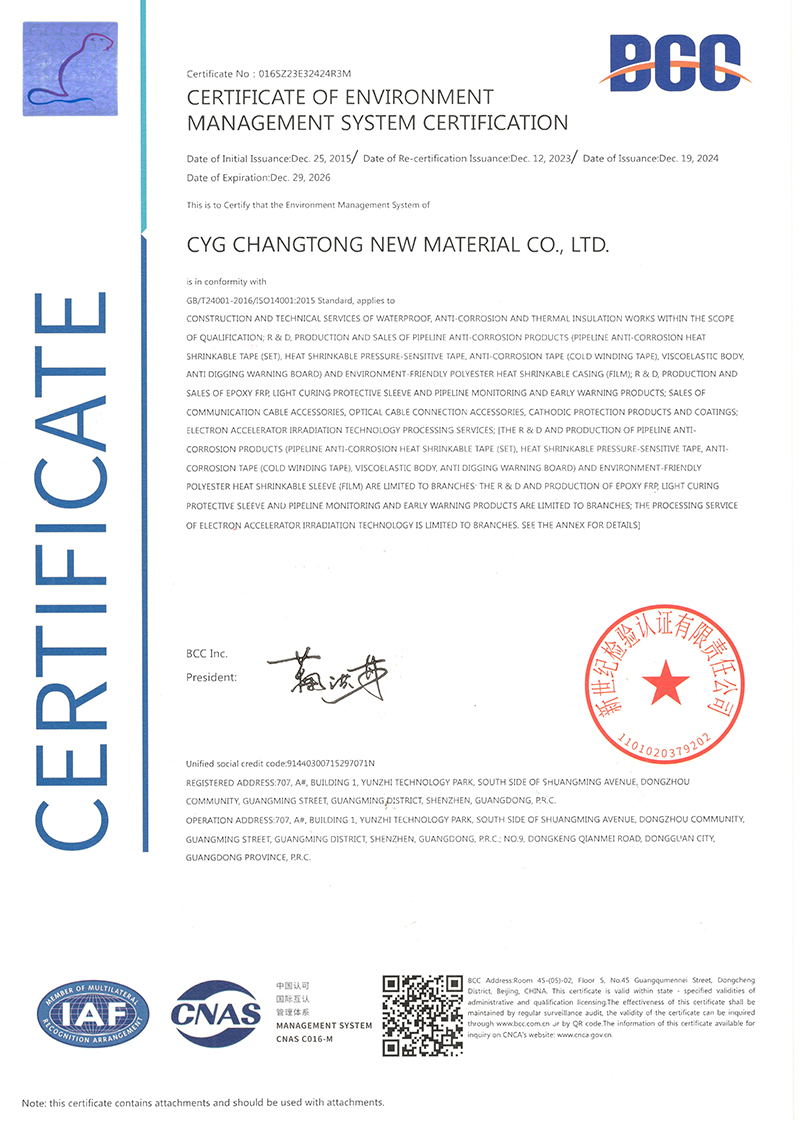
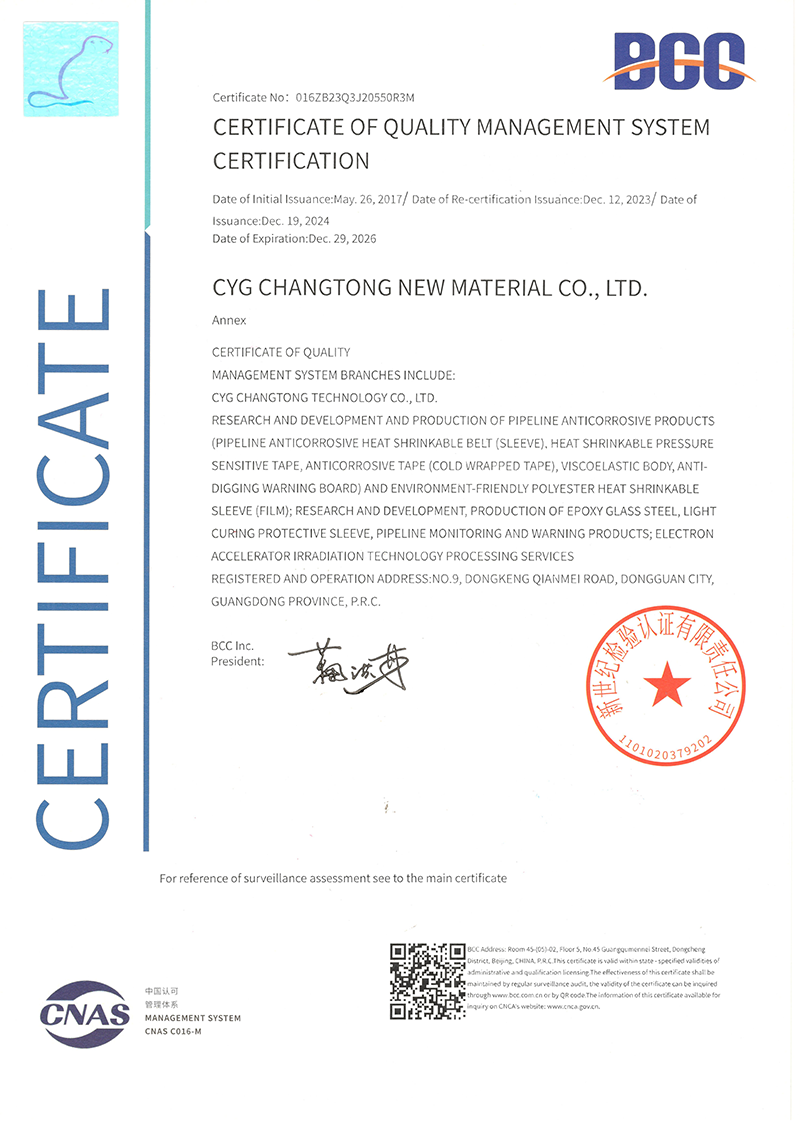
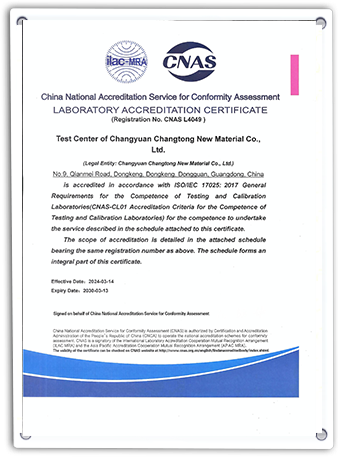
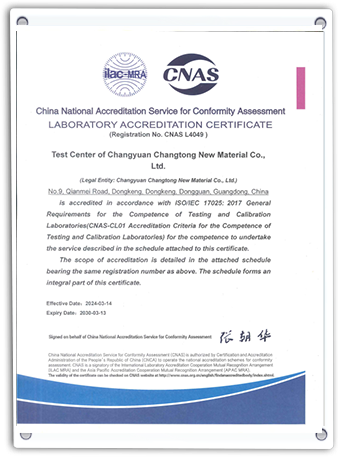
CYCT owns leading testing and R&D capabilities, a professional R&D team, and a national CNAS-accredited laboratory. This gives CYCT the technical authorization to run strict evaluations on heat-shrink sleeves, visco-elastic tapes, mastic systems, and liquid epoxy primers, meeting specific requirements for temperature stability, chemical resistance, and long-term durability tests.
Over the years, CYCT has become a stable supplier of field joint coatings for PetroChina, Sinopec, PipeChina, local Chinese gas and water pipelines, Indian Oil, and has consistently expanded its supply chains into key oil and gas concessions across Nigeria and broader African energy hubs.
For pipeline networks stretching through dry inland zones of Kaduna to the wet delta zones in Rivers State, temperature variance is a primary catalyst for shear stresses. When oil temperatures inside the pipe reach 80°C or higher, the surrounding moist clay soil expands and contracts, applying a massive axial shear force to the coating interface. Ordinary mastic tapes or poorly formulated heat-shrink sleeves slide or bunch, leading to cold disbondment.
Our engineered product line relies on structural cross-linking and a composite adhesive layer:
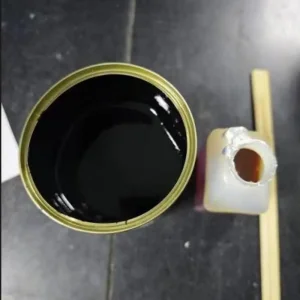
CYCT provides a complete kit consisting of a liquid solvent-free epoxy primer, a heat-shrinkable wrap-around sleeve, and a closure patch. When applied on-site, the heat from a propane torch or induction coil melts the adhesive and cures the epoxy primer simultaneously, creating a seamless, unified structural bond that matches the performance of the main-line 3LPE factory coating.
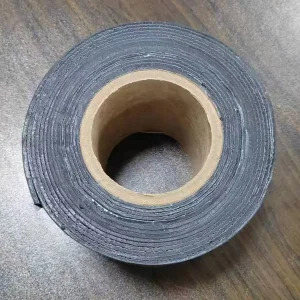
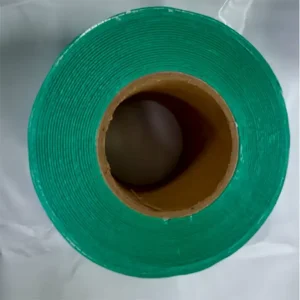
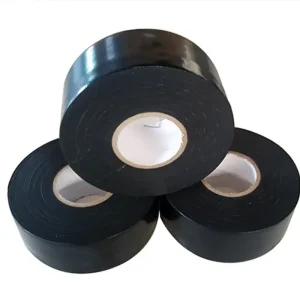
From Viscoelastic systems to PE/PP tapes and high-temperature primers, find the exact specifications required for your project specs.
Our commitment to pipeline safety extends beyond supplying the physical material. When shipping container loads of heat shrinkable sleeves to Lagos, Port Harcourt, or Warri ports, we make sure all documentation aligns with local regulations, including SONCAP (Standards Organisation of Nigeria Conformity Assessment Programme) clearance guidelines and NUPRC (Nigerian Upstream Petroleum Regulatory Commission) standards.
Moreover, CYCT provides detailed technical literature and remote support for on-site applicators, covering sandblasting standards (ISO 8501-1 Sa 2.5), surface pre-heating temperatures, tape overlap margins, and post-installation holiday detection testing values. This rigorous attention to field application quality eliminates high-temperature disbondment and ensures project success.
Expert answers to common engineering questions regarding joint coatings, viscoelastic tapes, and compliance for West African projects.
 CYCT
CYCT