Greece occupies a highly strategic hub in the Southern Gas Corridor, bridging energy supply networks from the Caspian Sea and the East Mediterranean to the European continent. Major infrastructure networks—such as the Trans Adriatic Pipeline (TAP), the Interconnector Greece-Bulgaria (IGB), and DESFA's extensive domestic gas distribution systems—operate across complex geomorphic settings. These systems encounter high salinity marine coastal environments, mountainous terrains like the Pindus Range, and highly seismic zones.
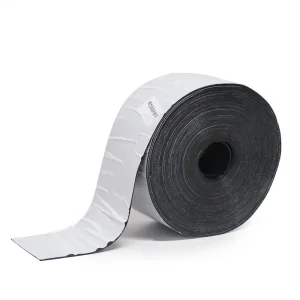
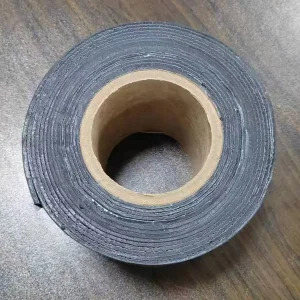
For engineering firms and pipeline operators in Athens, Thessaloniki, and major industrial port cities like Piraeus, protecting pipeline field joints is paramount. Traditional field joint coatings (FJCs) face dual stresses: mechanical damage during pipeline installation/backfilling and chemical degradation from moisture, oxygen, and corrosive ions in the Mediterranean soil. This is where Heat Shrink Pressure Sensitive Sleeves (HSPSS) prove indispensable. Operating as a dual-barrier system, they merge the mechanical rigidity of a radiation cross-linked polyolefin backing with the self-healing viscoelastic sealant properties of a high-performance pressure-sensitive adhesive layer.
The Greek maritime pipeline segment also presents severe challenges. Subsea pipelines approaching terminals like Revithoussa LNG terminal suffer constant tidal friction and salt spray. Viscoelastic aluminum foil tapes and heavy-duty mastic systems are critical to maintain the integrity of exposed valve stations and offshore-onshore crossings where traditional liquid coatings suffer early UV and abrasive failures.
Heat Shrink Pressure Sensitive Sleeves are structured around advanced polymer engineering. Under radiation, the linear molecules of the high-density polyolefin backing cross-link into a three-dimensional network structure. This structural reform endows the backing with "elastic memory." When heated during installation in the field, the backing shrinks to its original dimensions, exerting a permanent, uniform radial force on the steel pipe and its primary coating.
The inner layer features a specialized mastic or hot-melt copolymer adhesive that melts under heat, flowing into every micro-fissure of the steel surface. This creates an impenetrable physical and electrochemical barrier. The pressure-sensitive nature of the adhesive guarantees immediate wet-out, preventing moisture creep even under cathodic protection disbondment stresses. In compliance with ISO 21809-3 and EN 12068 class C specifications, these sleeves resist operating temperatures up to 80°C and maintain mechanical flexibility at sub-zero installation conditions.
Specially engineered to combat high soil stress. Ideal for clay and sandy soils common across mainland Greece's pipeline pathways.
Viscoelastic layers cold-flow to seal minor pinholes and installation scratches, assuring continuous cathodic protection shield.
Tested under severe temperature cycling to prevent peel-off, maintaining a resilient bond from -40°C up to peak operating temperatures.
In modern pipeline procurement, global energy consortia require more than just technical compliance. They demand absolute supply chain consistency, short lead times, and competitive cost structures. Traditional Western manufacturers are often constrained by high structural overheads and extended manufacturing cycles, creating project bottlenecks.
As a leading Chinese developer of new materials, CYCT New Materials Company Limited represents the modern manufacturing paradigm. Through vertical integration—spanning raw polymer synthesis, advanced electron beam cross-linking, and automated adhesive formulation—CYCT offers exceptional production scale. This scale translates into significant cost advantages without compromising product quality. In Greece, where infrastructure investments require both compliance with rigorous European standards and fiscal efficiency, CYCT's ability to deliver high-quality, ISO-certified heat shrink materials presents a compelling option for local EPC contractors.
CYCT operates dedicated quality management systems aligned with AMPP (NACE), securing approvals from major oil and gas authorities worldwide. This level of quality control ensures Greek pipeline operators receive products that match or exceed European standards at optimized procurement costs.
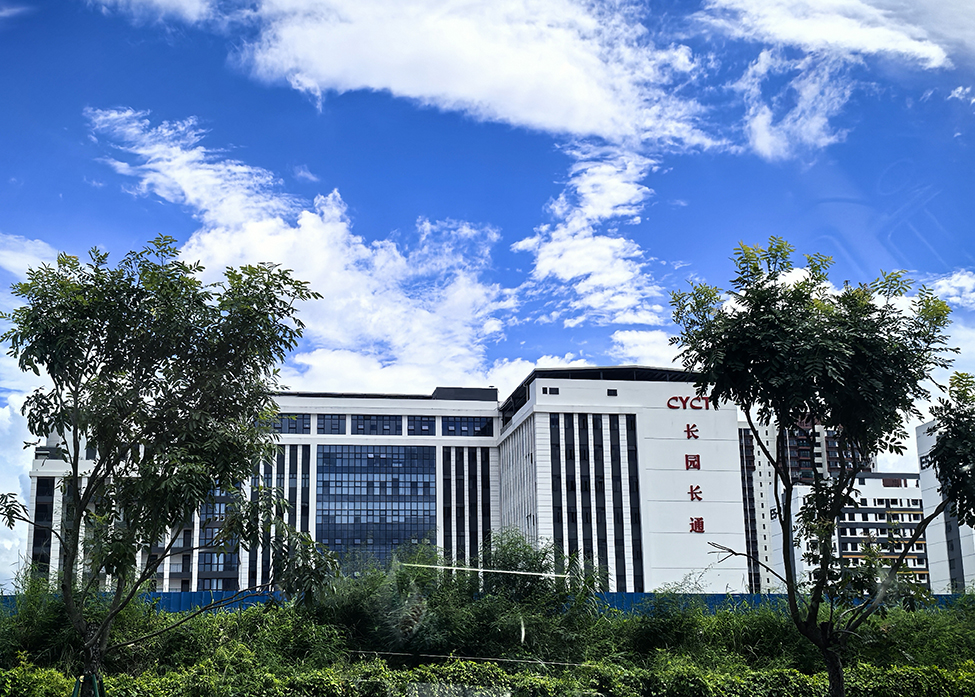
CYCT New Materials Company Limited (for short, CYCT) is a state-level high-tech enterprise integrating R&D, production, and sales of pipeline corrosion protection materials as well as buried pipeline detection services and pipeline coating field application services into one. CYCT has dedicated itself to the R&D, production, and sales of pipeline corrosion protection materials for decades.
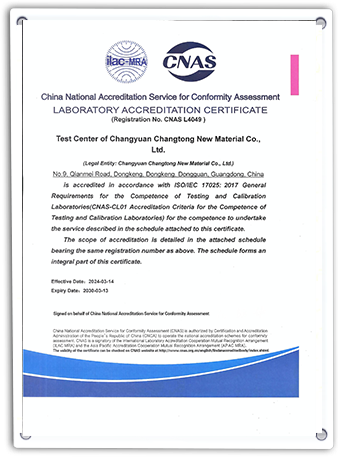
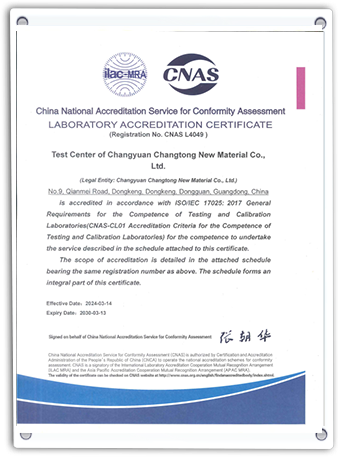
CYCT owns leading testing and R&D capabilities, a professional R&D team, and a national CNAS-accredited laboratory.
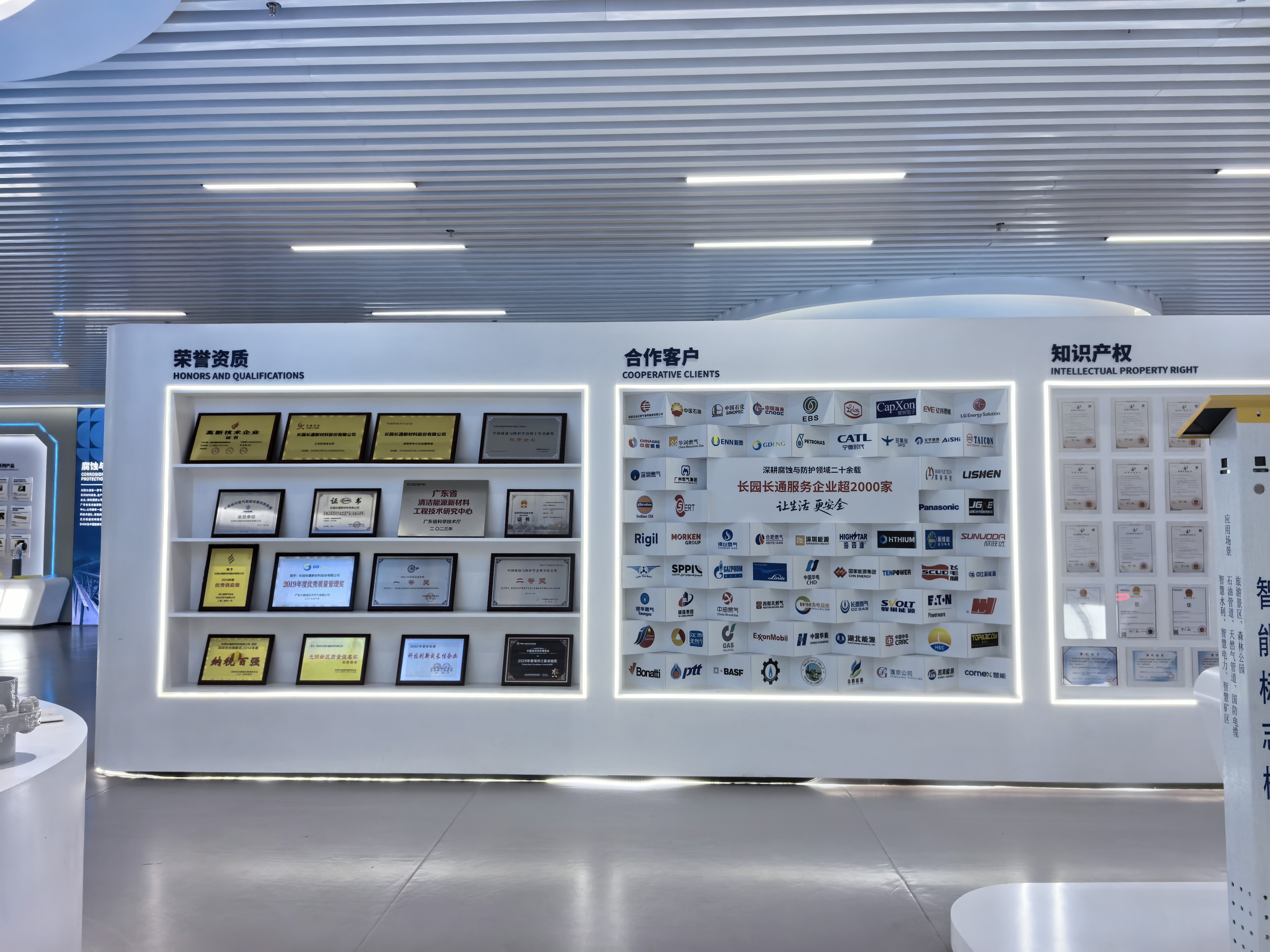
CYCT is a long-standing supplier of field joint coatings for PetroChina, Sinopec, PipeChina, and local pipeline networks, maintaining a leading market share. Furthermore, CYCT has successfully developed and introduced specialized corrosion protection materials including viscoelastic anticorrosion materials, special photo-curing sleeves for HDD protection, and polyurea coatings.
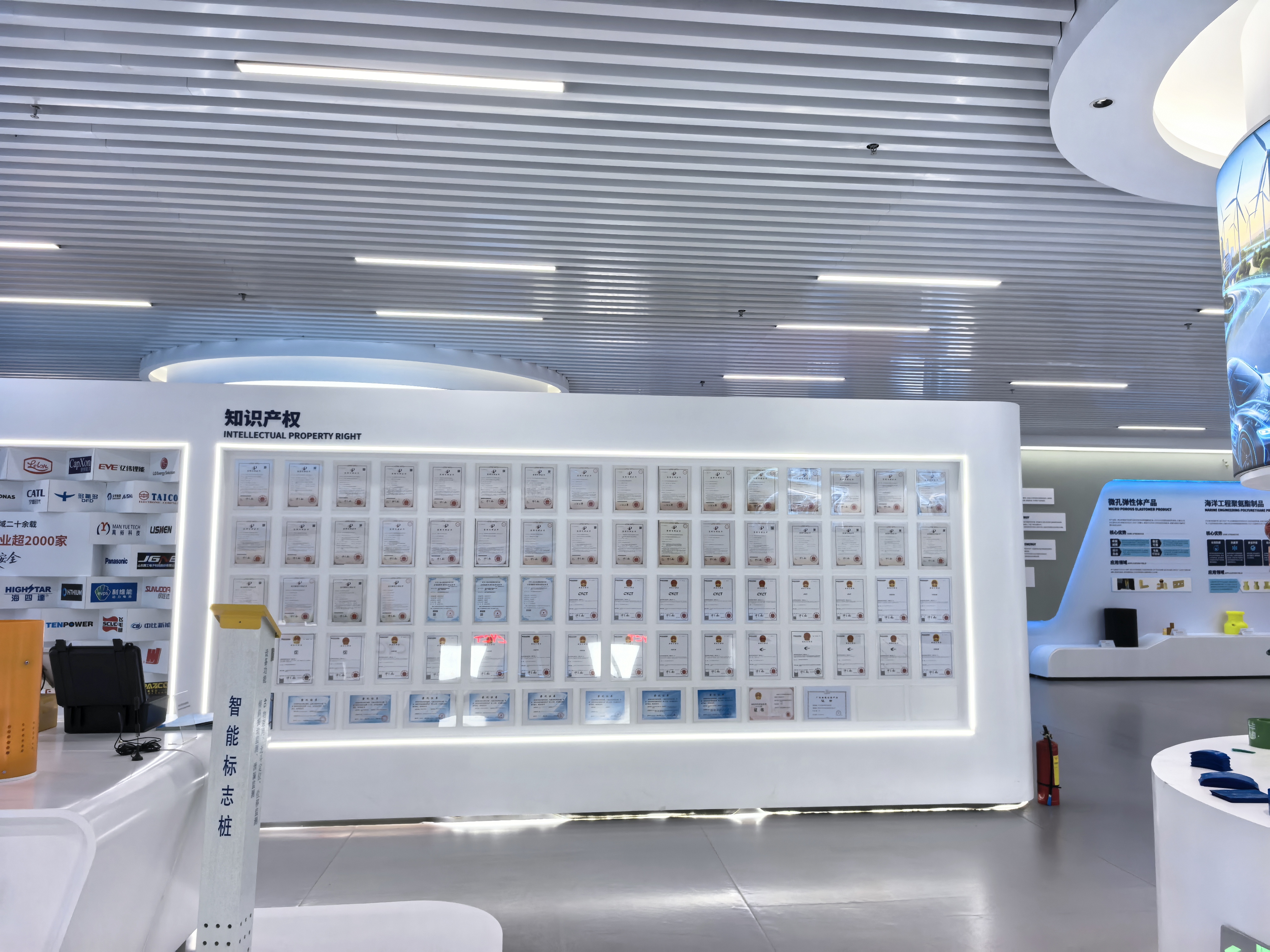
Through close cooperation with leading research institutions, such as the CNPC Pipeline Science Research Institute, CYCT provides in-service pipelines with varied technical services including buried pipeline detection, design schemes, cathodic protection, rehabilitation projects, and integrated solutions for the safety protection of pipelines.
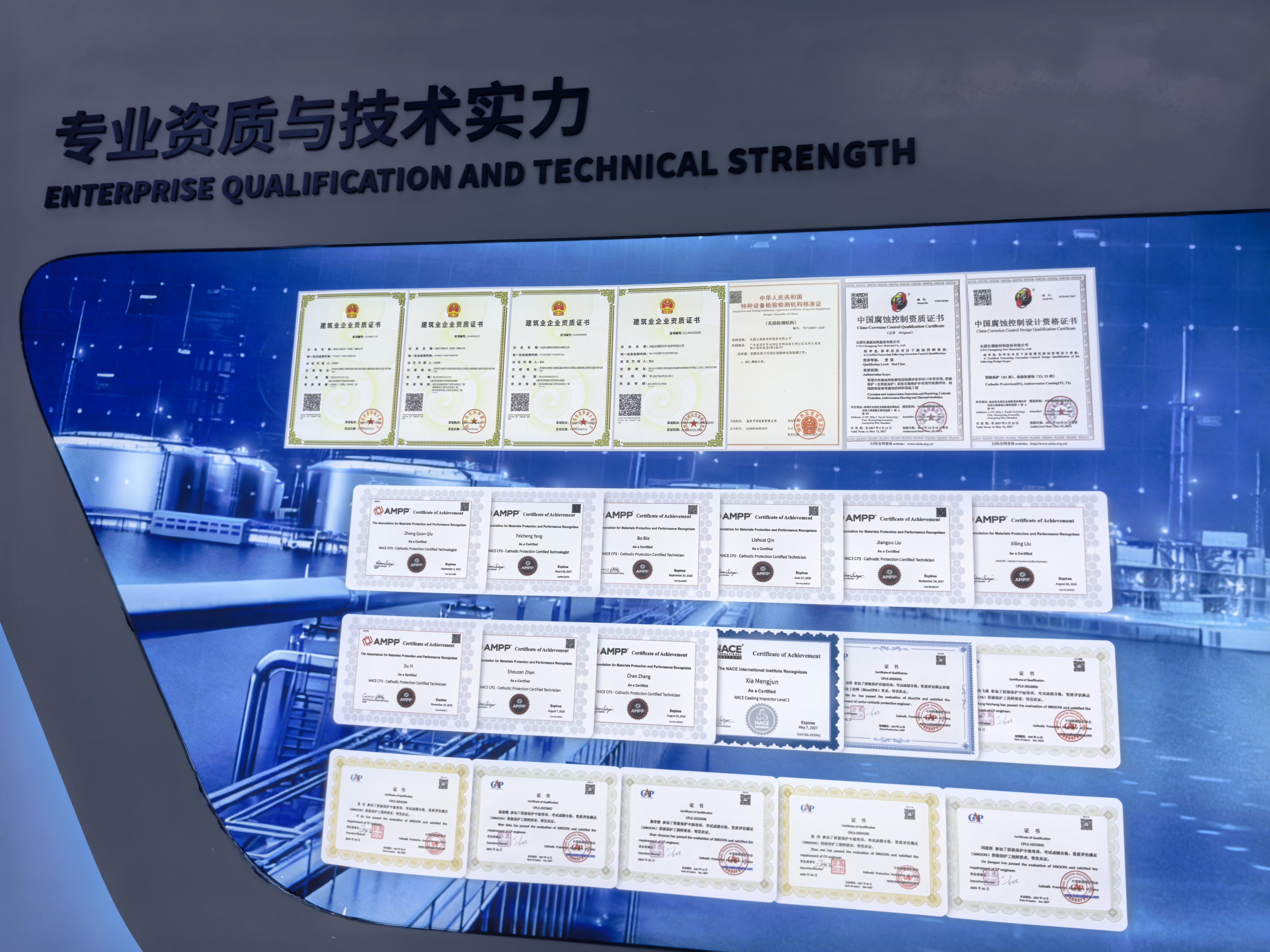
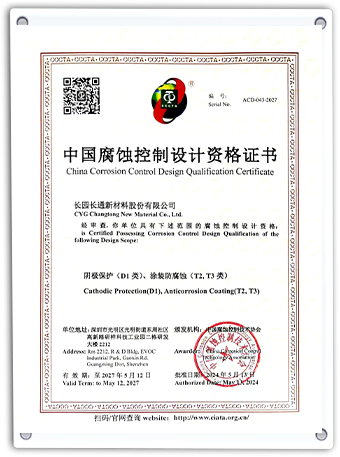
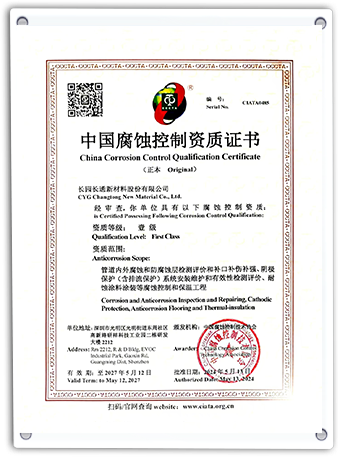
Corporate Honors & Memberships: Council Member of the Chinese Society for Corrosion and Protection (CSCP), holder of the Qualification Certificate of Corrosion Protection Construction and Pipeline Detection, and recognized as a Well-known Brand of Pipeline Corrosion Protection in China. CYCT is a corporate member of the China Association of Petroleum Engineering Construction (CAPEC) and a qualified supplier for PetroChina, Sinopec, China Gas Group, and Indian Oil.
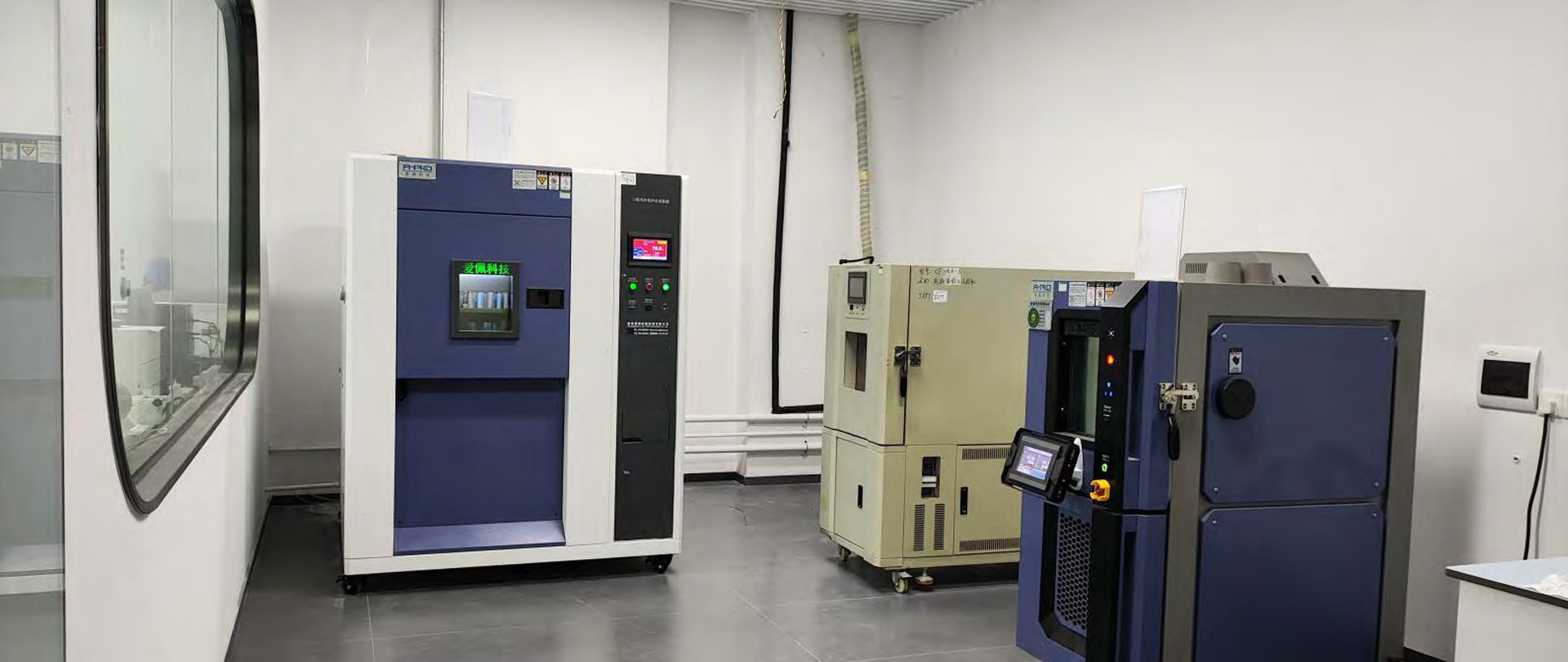
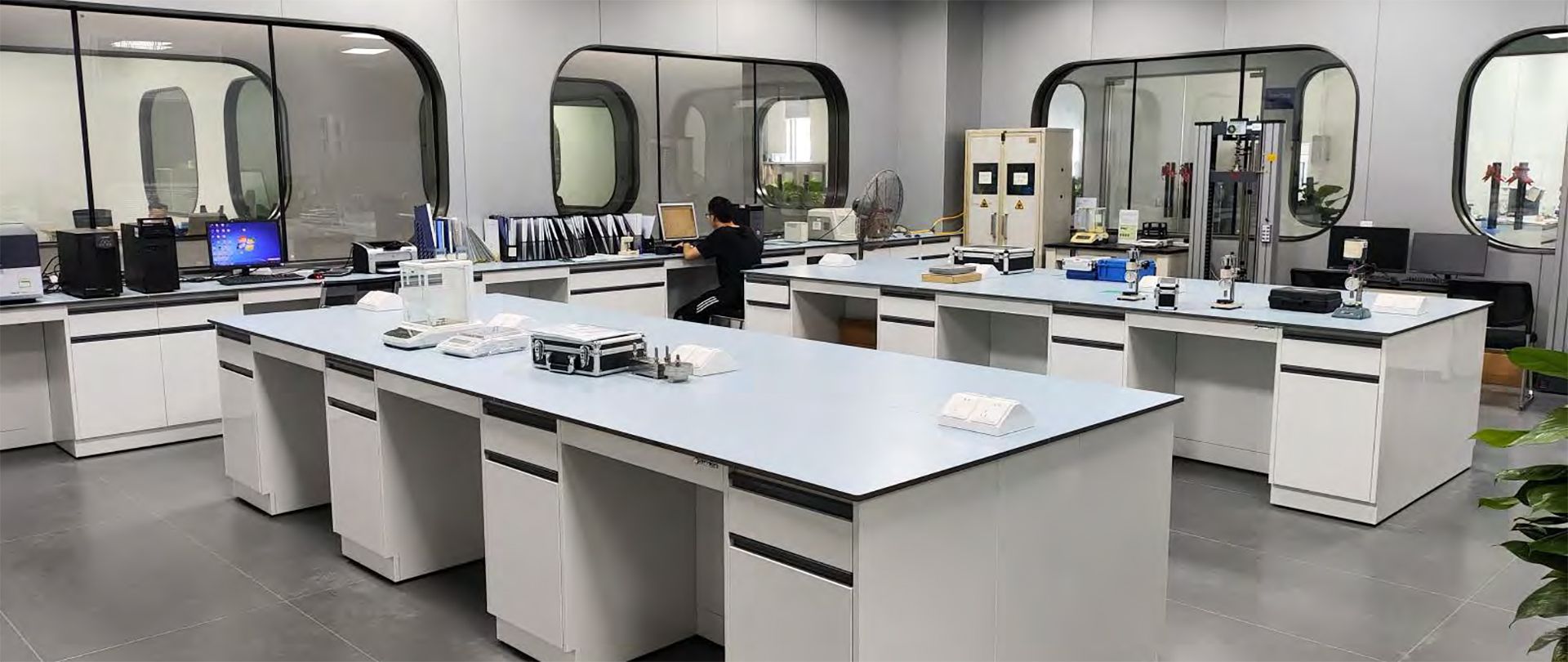
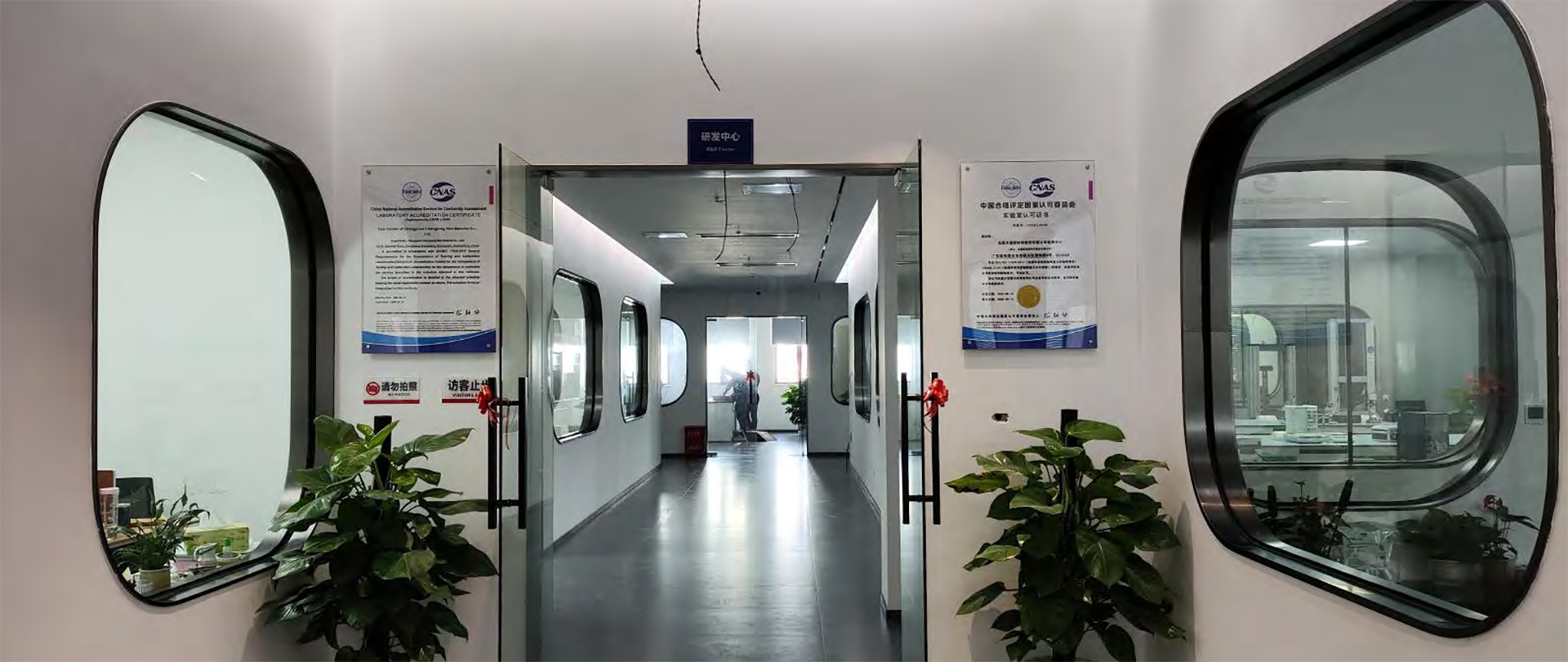
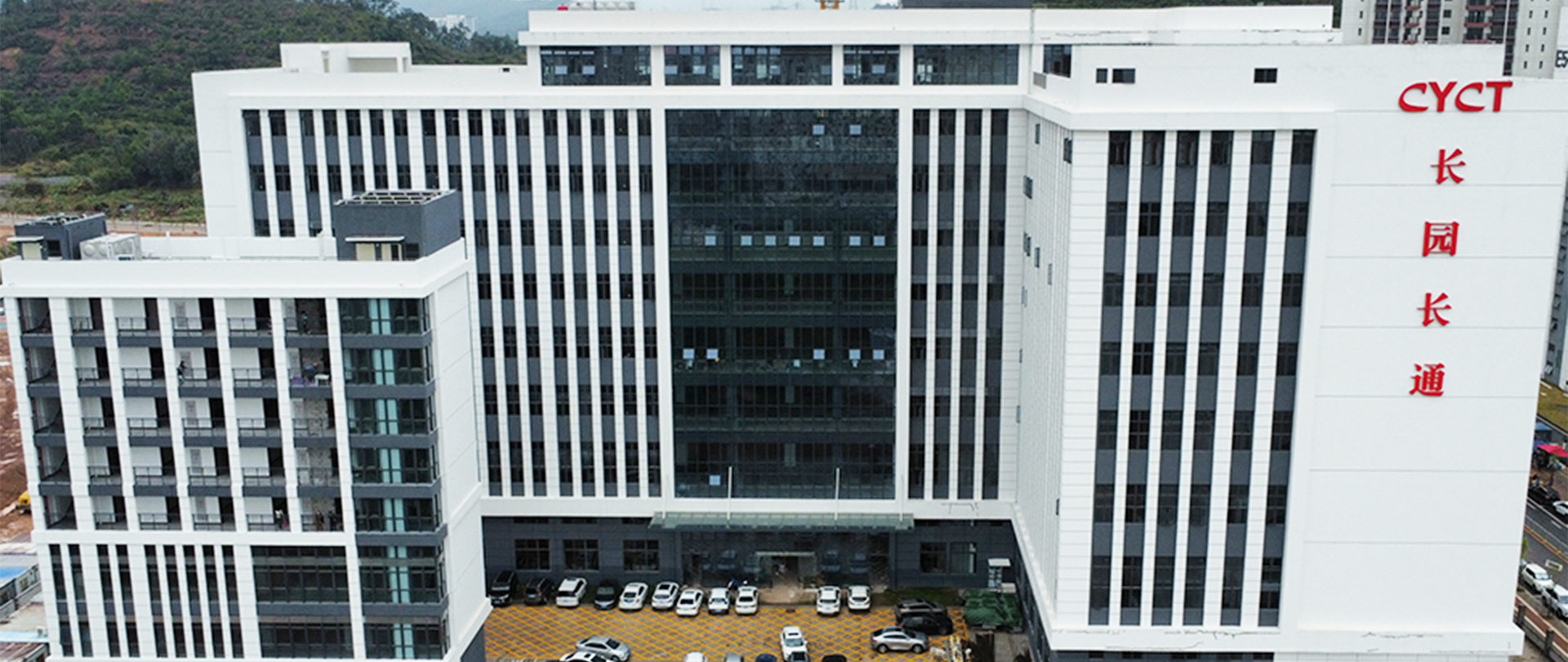
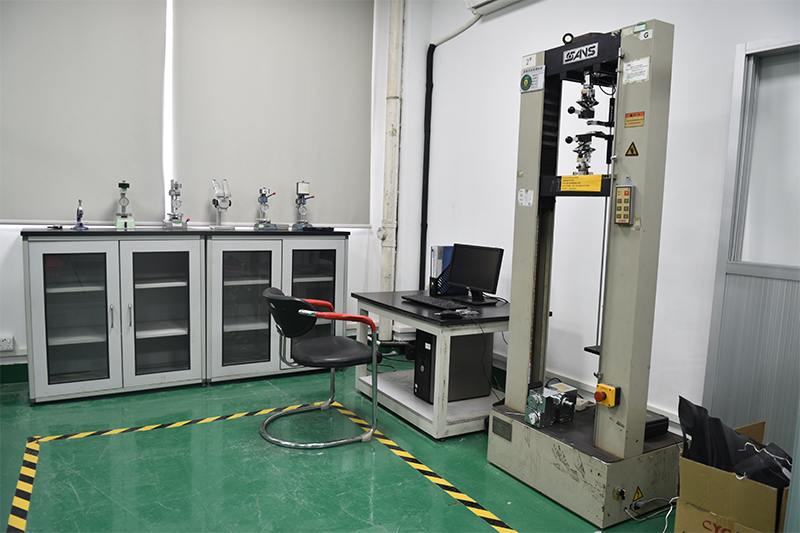
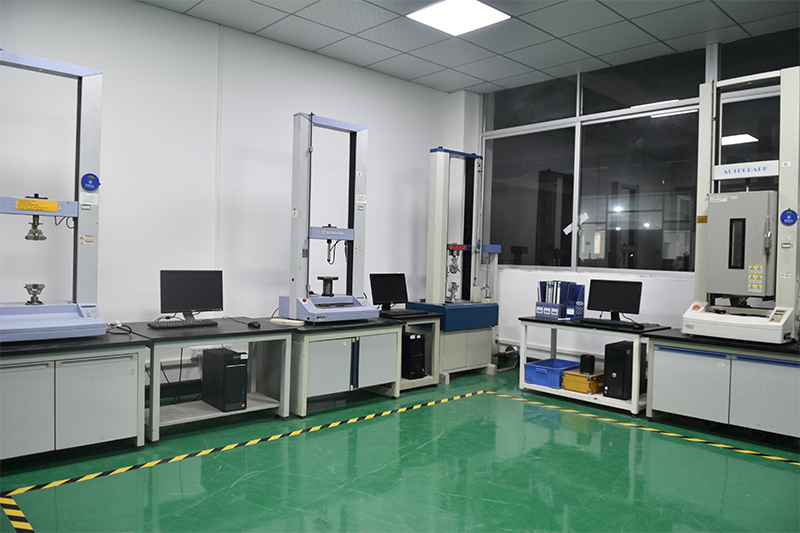
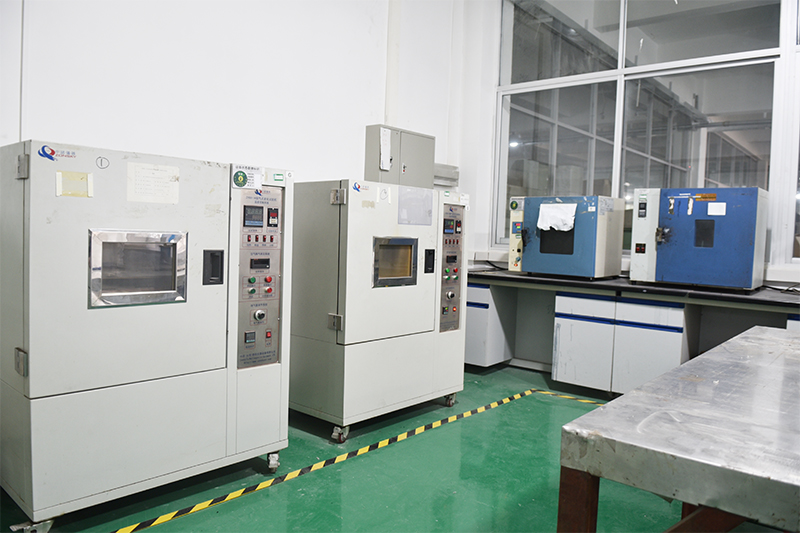
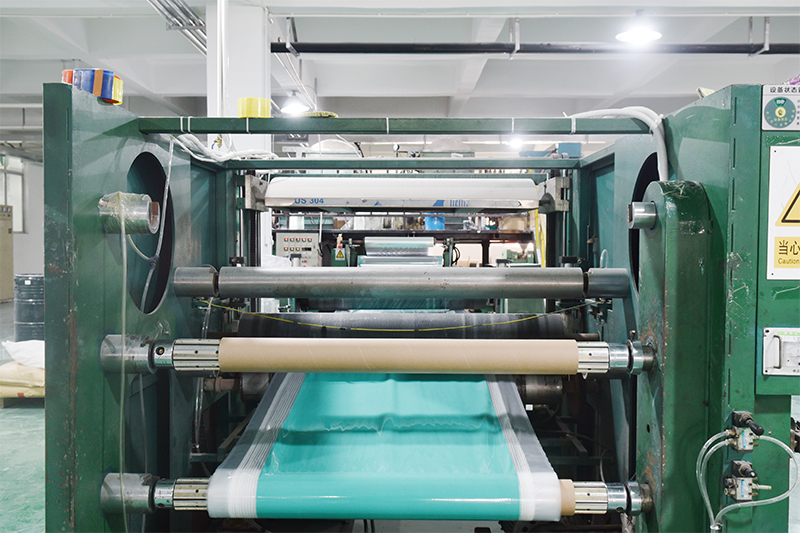
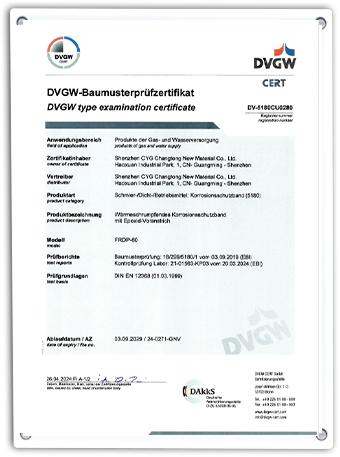
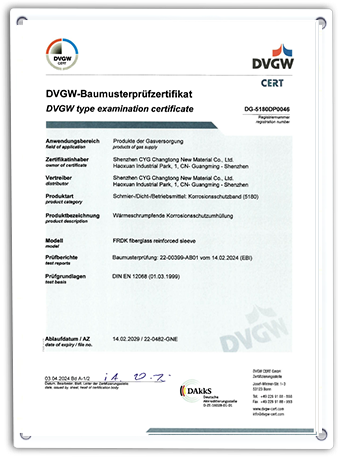
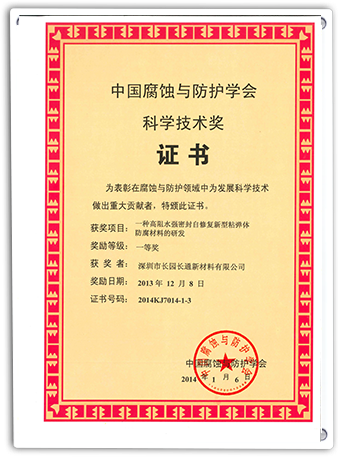
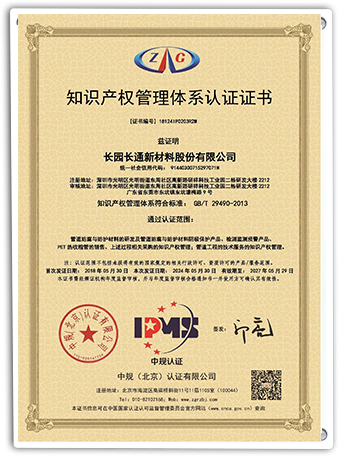
Our production lines run in compliance with international quality standards. The following qualifications represent our commitment to safety, longevity, and environmental sustainability in engineering projects.
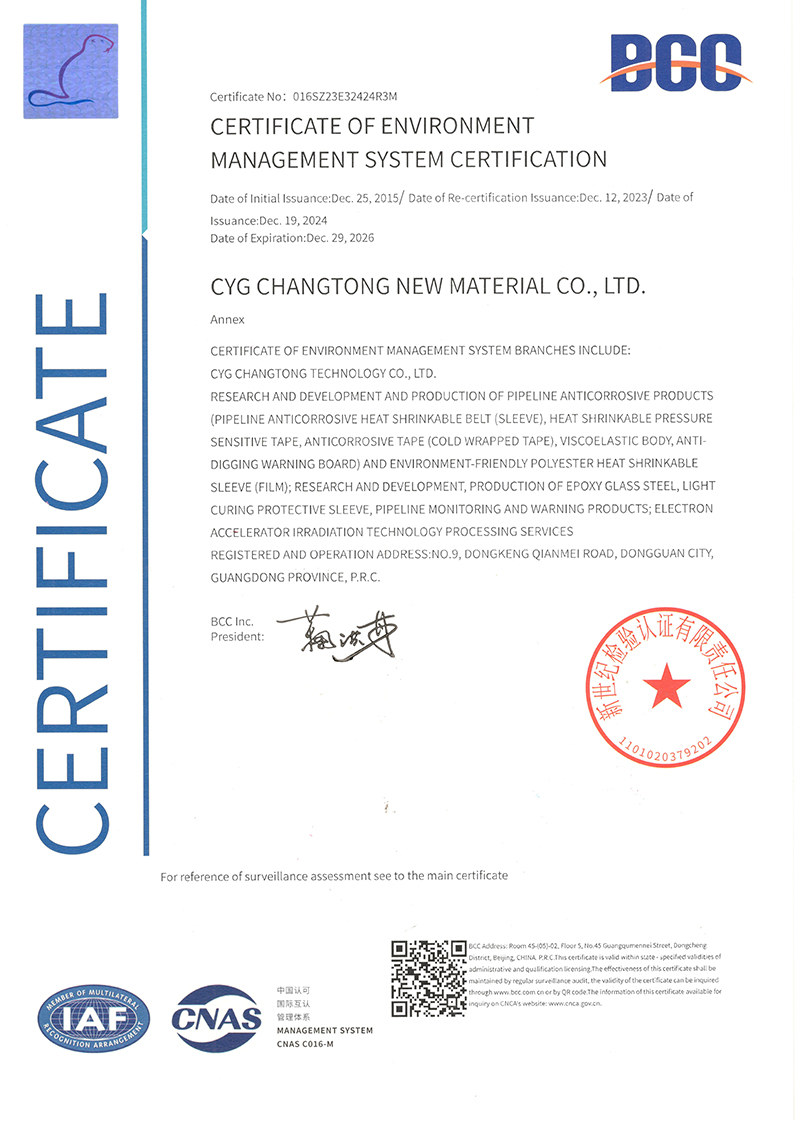
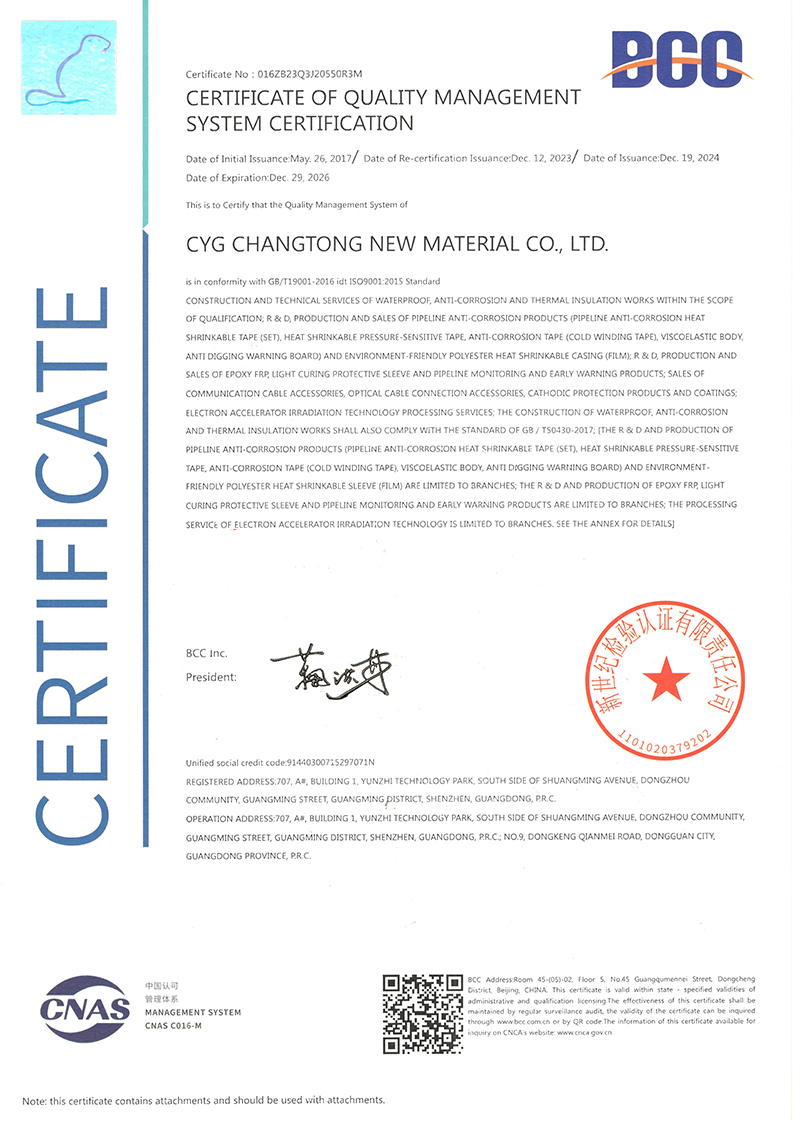
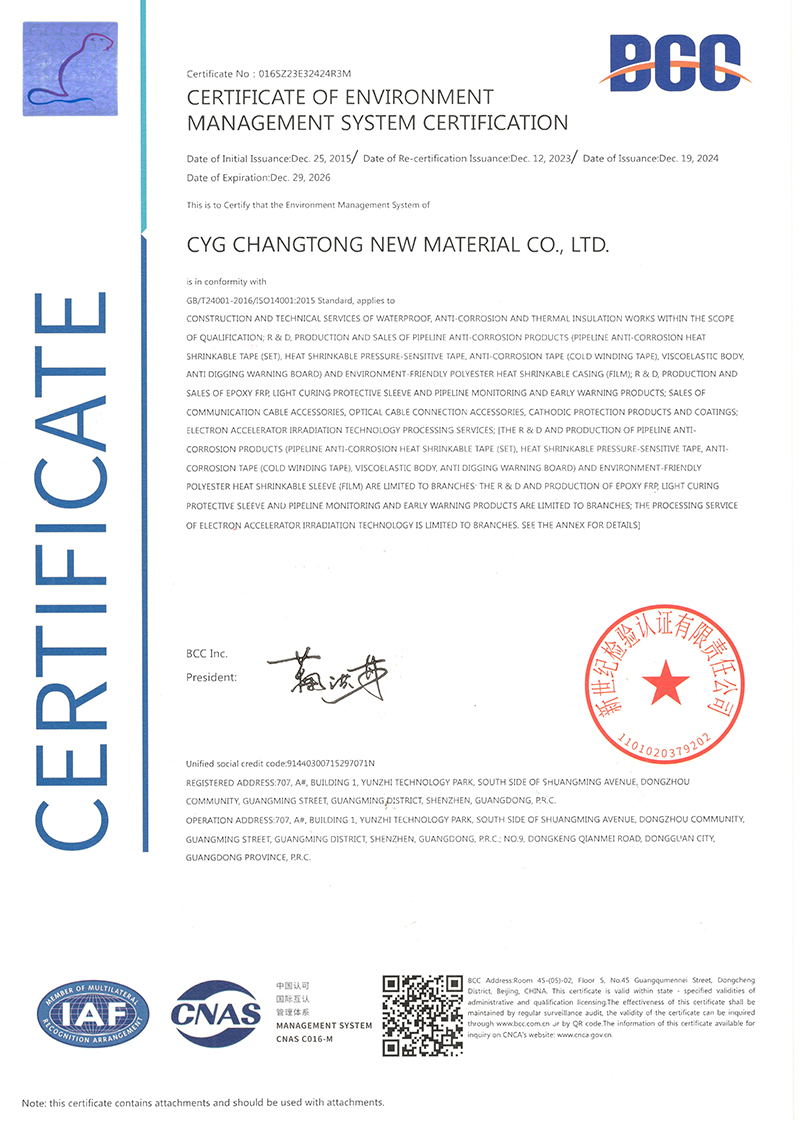
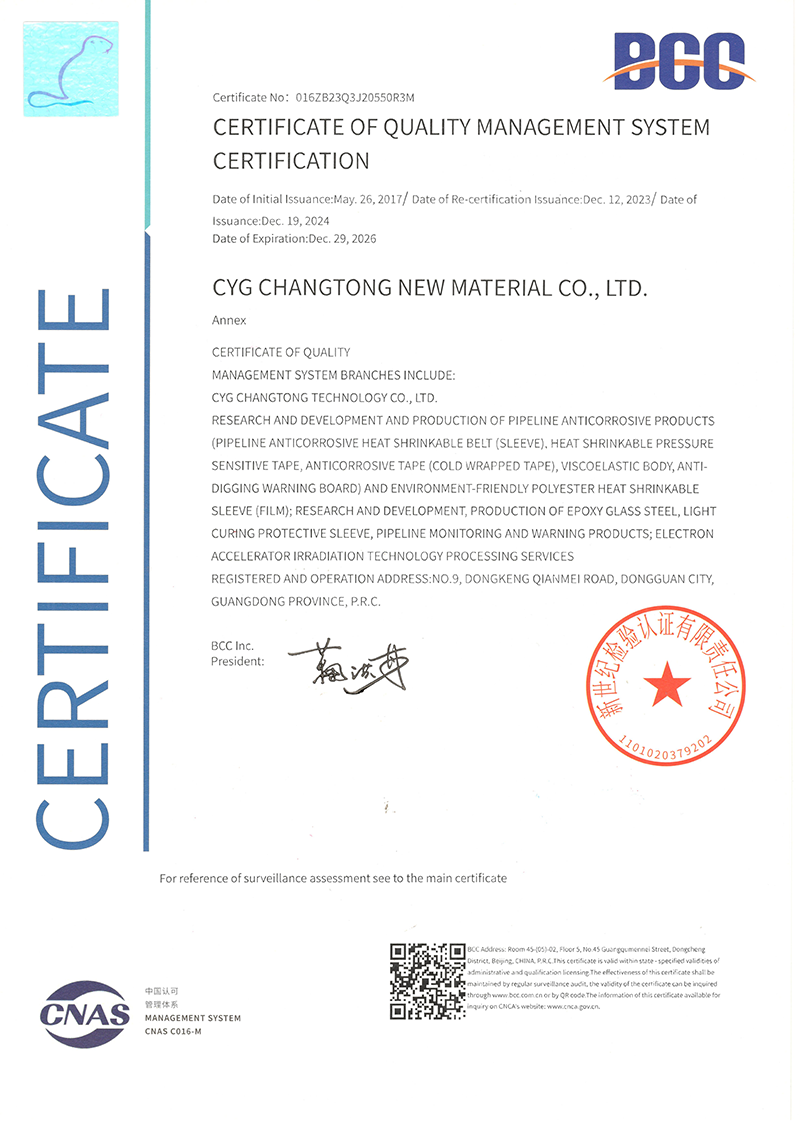
Installing pipelines across mainland Greece and its islands requires anticorrosion solutions that address diverse environmental challenges. Here we examine three specific localized application scenarios:
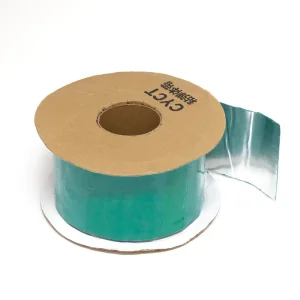
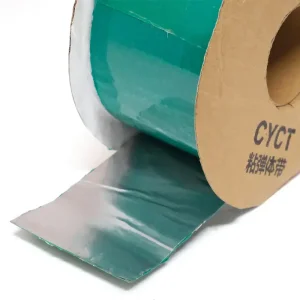
At maritime terminal crossings, such as the shores of the Saronic Gulf or the Aegean Sea, pipelines transition from subsea environments to land. This zone features constant wet-dry cycles, high salinity, and exposure to UV radiation. Standard coatings degrade quickly under these conditions. CYCT's Aluminum Foil Viscoelastic Tape provides an outer barrier that reflects solar radiation while the under-layer remains flexible, protecting the steel from oxygen and chloride ion penetration.
In regions like Northern Greece, pipelines are routed through rocky, mountainous terrains where soil settlement exerts shear stress on the pipeline coating. During backfilling, sharp rocks can puncture low-quality field joint coatings. The application of high-performance Heat Shrink Sleeves with thick, cross-linked backing provides the mechanical impact resistance needed to withstand rock impact and continuous soil movement.
Crossing rivers and municipal roads in Greece requires trenchless technology. During the HDD pull-back process, the pipeline is pulled through a borehole where friction against rock can scrape off standard coatings. Using CYCT's Epoxy FRP (Fiberglass Reinforced Polymer) and photo-curing sleeves over the heat-shrink joint prevents mechanical damage, protecting the field joint during pull-back operations.
The global pipeline coating industry is moving toward environmental sustainability, compatibility with high temperatures, and smart monitoring. Regulatory standards in the EU, such as REACH, are leading manufacturers to phase out hazardous solvent-based adhesives. CYCT is responding by developing solvent-free, eco-friendly viscoelastic sealants and hot-melt adhesives that reduce VOC emissions during installation in the field.
Additionally, the transition to hydrogen energy requires pipelines to carry gas-hydrogen blends. These networks require joint coatings that resist hydrogen permeation. CYCT's R&D center is studying the performance of modified polyolefin backings to verify their resistance to hydrogen migration. Smart tracking technology is also being integrated, with embedded RFID tags on sleeves to allow operators in Greece to track installation parameters, manufacturing batches, and inspection histories via mobile scanning systems.
 CYCT
CYCT