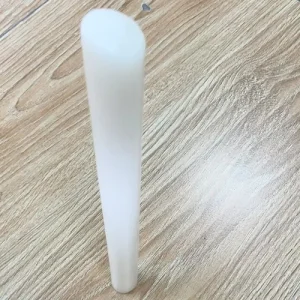
Pioneering corrosion engineering solutions designed to survive Kuwait’s sub-surface environments and high operating temperatures.
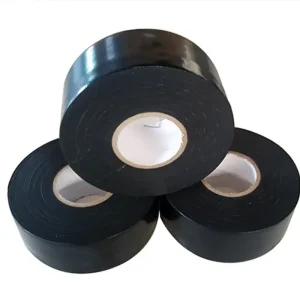
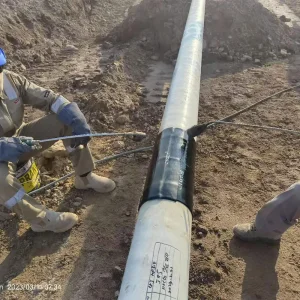
Kuwait is home to some of the world's most demanding pipeline systems. Operating under the oversight of national entities such as the Kuwait Oil Company (KOC) and the Kuwait National Petroleum Company (KNPC), local trunklines and flowlines carry high-temperature oil and gas through corrosive subterranean deserts and hyper-saline coastal plains. With soil temperatures climbing past 50°C and thermal pipeline operating parameters commonly exceeding 110°C, traditional polyethylene-based joint wraps are insufficient.
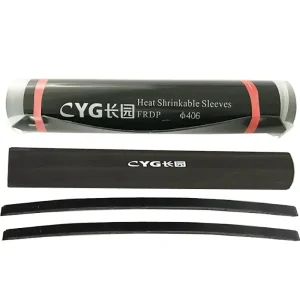
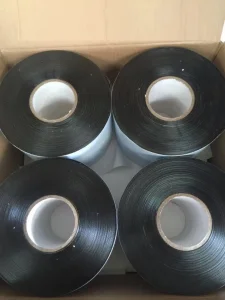
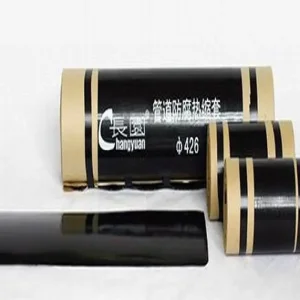
The introduction of FRDP-PP (Fiberglass Reinforced Dual-layer Polypropylene) heat shrink sleeves represents a leap forward in pipeline joint safety. The thermal properties of polypropylene, coupled with the structural rigidity of embedded fiberglass matrices, ensure that the field joint coating (FJC) maintains absolute parity with the parent factory-applied 3-Layer Polypropylene (3LPP) line pipe coating.
Sabkha (arid salt-flat) environments in Kuwait exhibit high salt concentration and shifting soil matrices. Thermal expansions and contractions cause lateral pipe movements. If the joint coating lacks shear resistance, the soil exerts frictional forces that can peel or buckle the sleeve. Fiberglass reinforcement acts as an internal structural skeleton, resisting soil stress and preventing cold flow or indentation.
For critical installations such as the Al-Zour Refinery pipelines and the Clean Fuels Project, selecting a verified manufacturing partner capable of supplying custom-dimensioned, high-adhesion FRDP-PP sleeves is critical to avoiding long-term maintenance outages and corrosion failures.
CYCT New Materials Company Limited is a state-level high-tech enterprise integrating R&D, production, and field engineering service operations.
Founded in 2000, CYCT has dedicated over two decades to developing specialized high-performance coatings. With a national CNAS-accredited laboratory and a dedicated R&D division, CYCT develops corrosion protection solutions for oil, gas, chemical, municipal water, and marine structures.
CYCT has established itself as an approved supplier for major energy projects globally. Our credentials include long-term vendor status with PetroChina, Sinopec, PipeChina, and Indian Oil, underscoring our reliability in meeting stringent technical requirements.
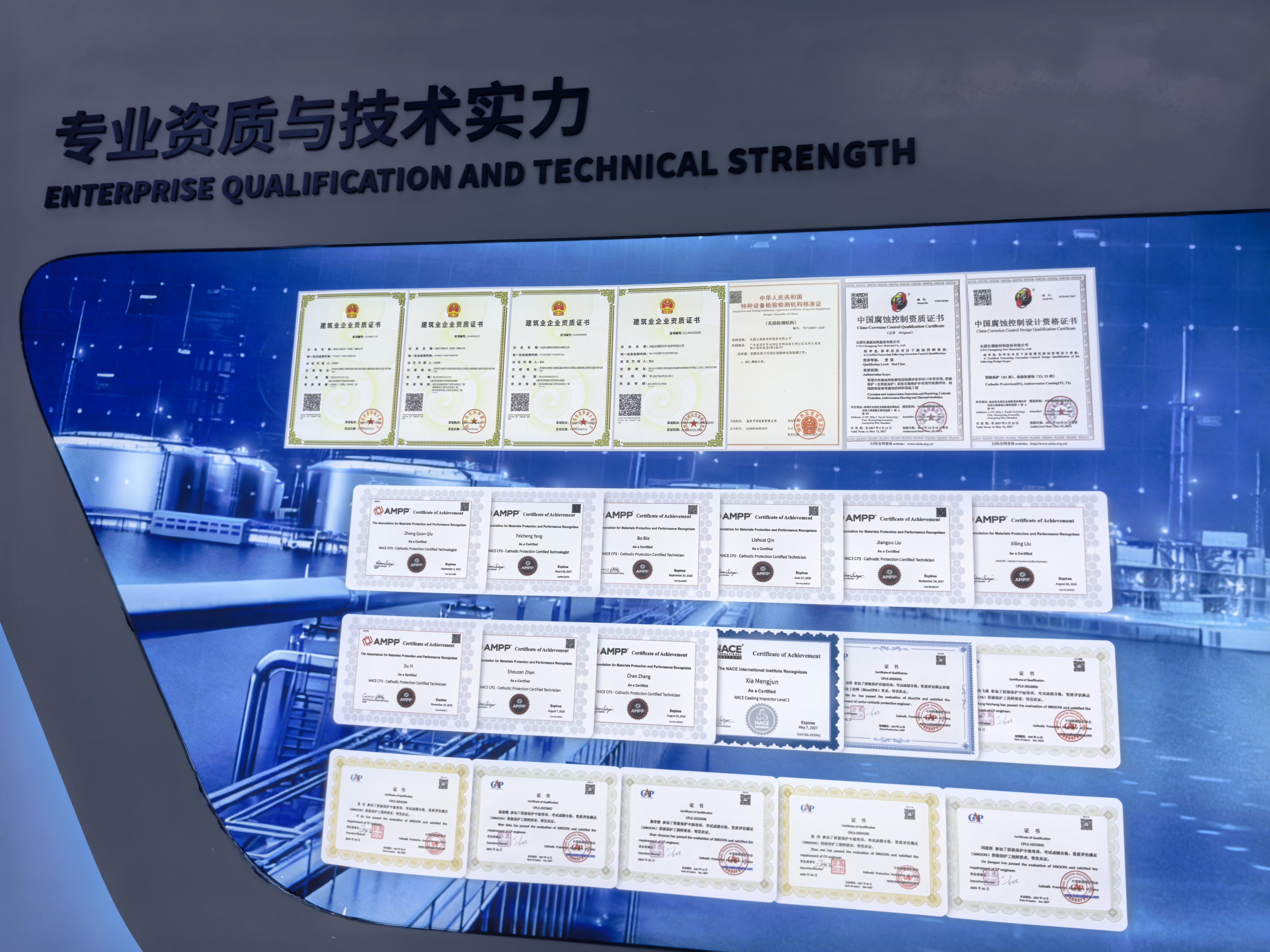
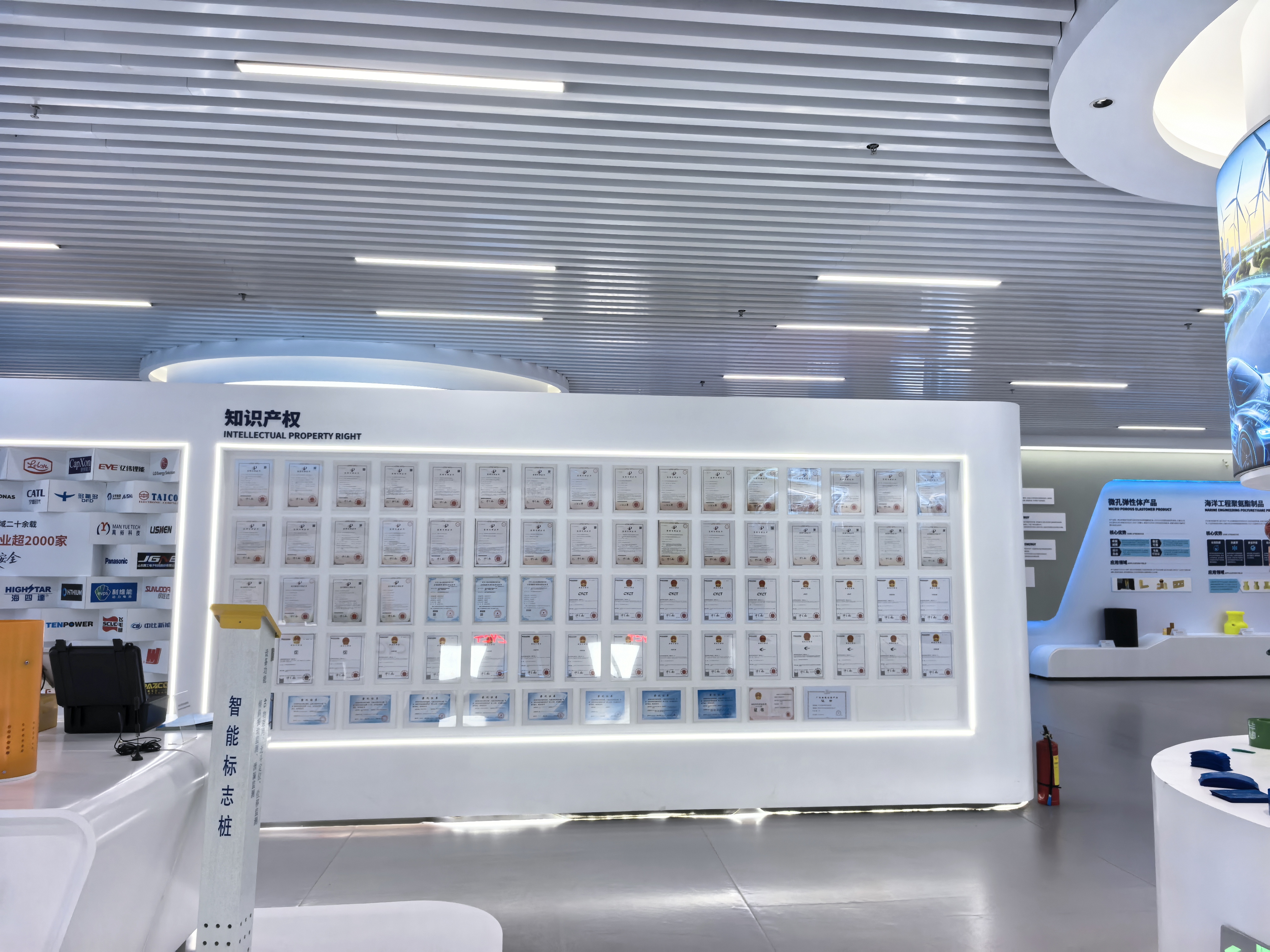
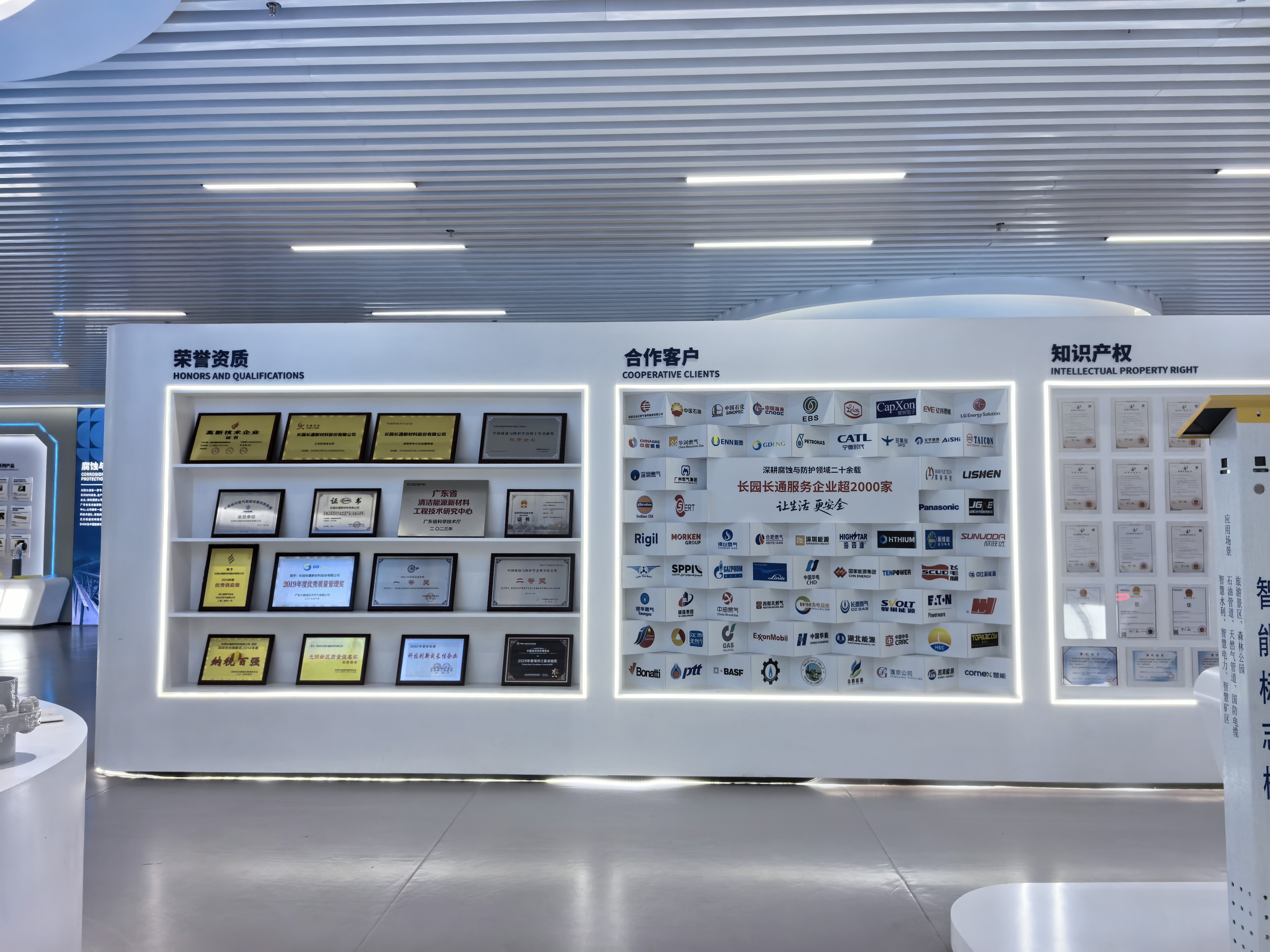
Our close collaboration with the CNPC Pipeline Science Research Institute allows CYCT to deliver comprehensive services. This includes buried pipeline inspections, customized design recommendations, cathodic protection compatibility analysis, and pipe coating rehabilitation.
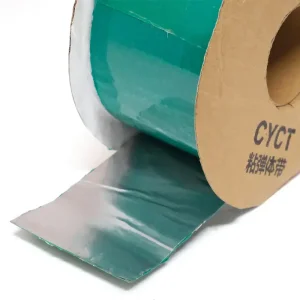
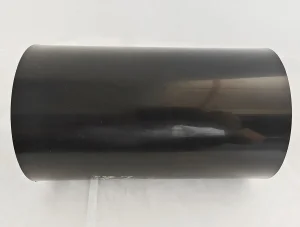
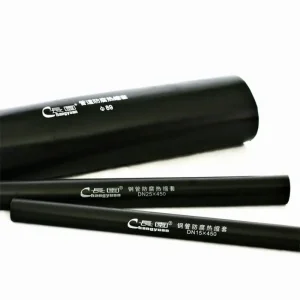
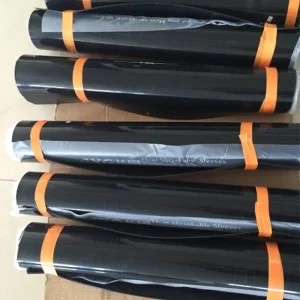
An FRDP-PP sleeve comprises a radiation-crosslinked polypropylene backing laminate containing a continuous, woven fiberglass mesh. This backing is coated on the inside with a high-shear, high-temperature-resistant hot melt copolymer adhesive. During installation, the pipeline surface is preheated, the joint is wrapped with the sleeve, and heat is applied. The backing shrinks, and the adhesive flows to seal the joint.
| Technical Parameter | Standard Reference | FRDP-PP Performance Value |
|---|---|---|
| Operating Temperature Limits | EN ISO 21809-3 | -20°C to +120°C (Suitable for KOC High-Temp Lines) |
| Tensile Strength | ASTM D638 | ≥ 28 MPa (Reinforced Fiberglass Core) |
| Peel Strength to Pipe Coating (3LPP) | DIN 30672 / ISO 21809-3 | ≥ 1.5 N/mm at 110°C / ≥ 8.0 N/mm at 23°C |
| Cathodic Disbondment Resistance | ASTM G42 / ISO 21809-3 | ≤ 5 mm radial disbondment at 95°C for 28 Days |
| Indentation Resistance | EN 12068 Class C | ≥ 1.0 mm remaining thickness under load at 110°C |
Delivering pipeline components to Kuwait requires strict adherence to technical and logistic protocols. CYCT supports Middle Eastern clients and local engineering, procurement, and construction (EPC) contractors through structured technical documentation:
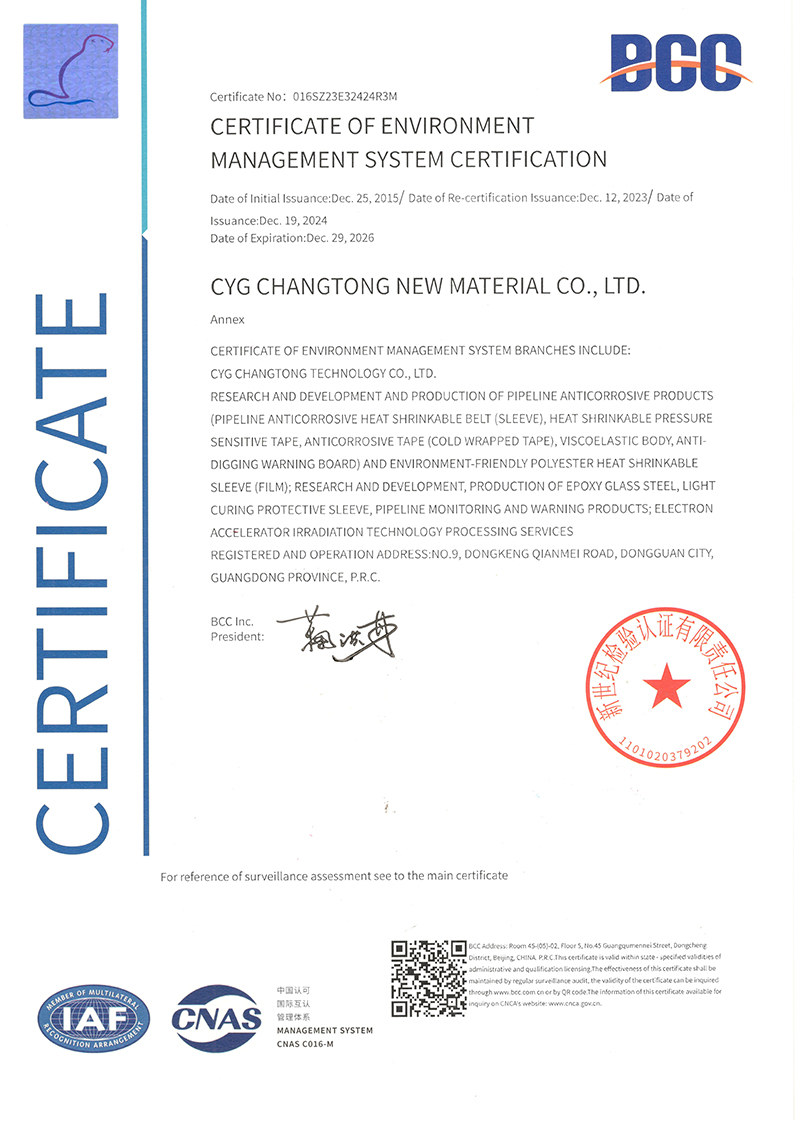
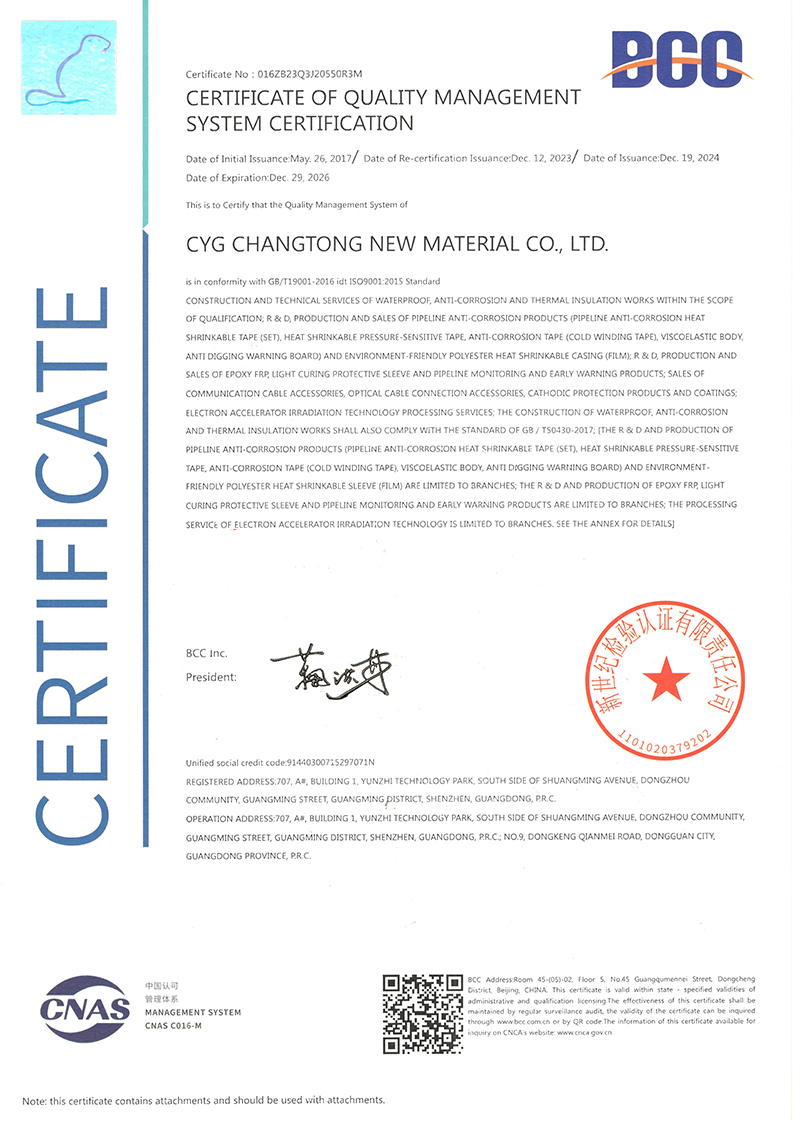
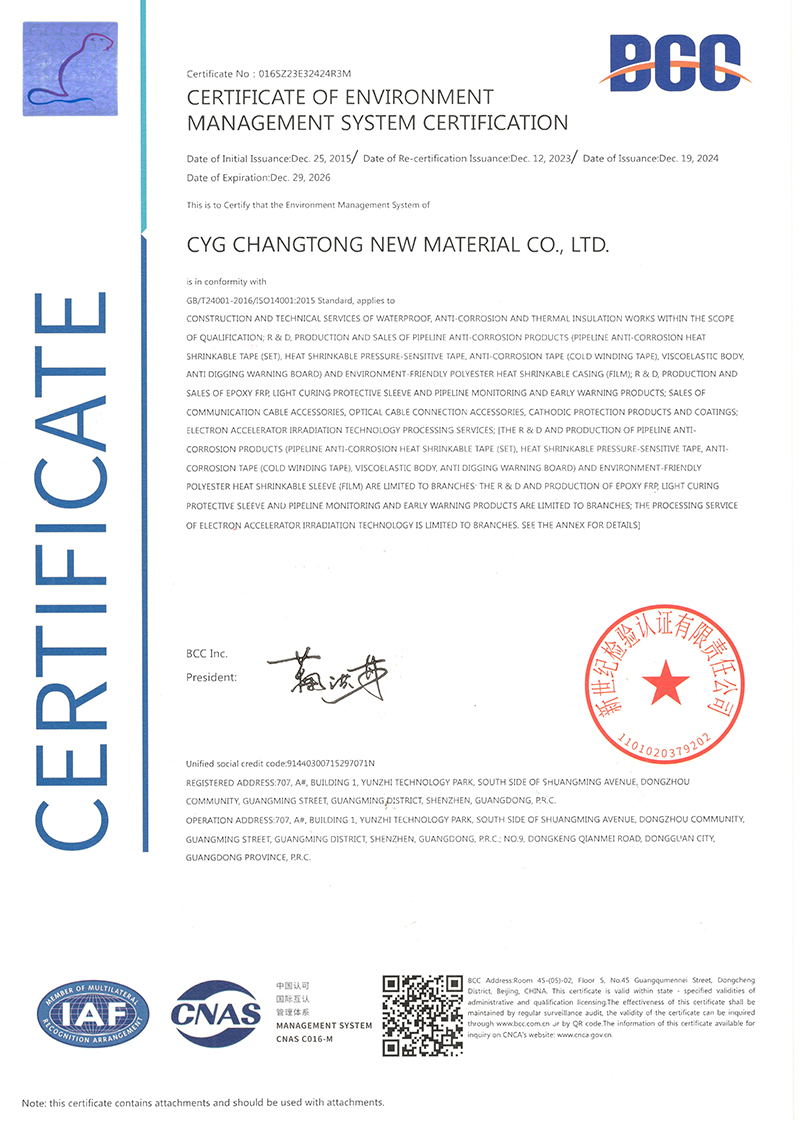
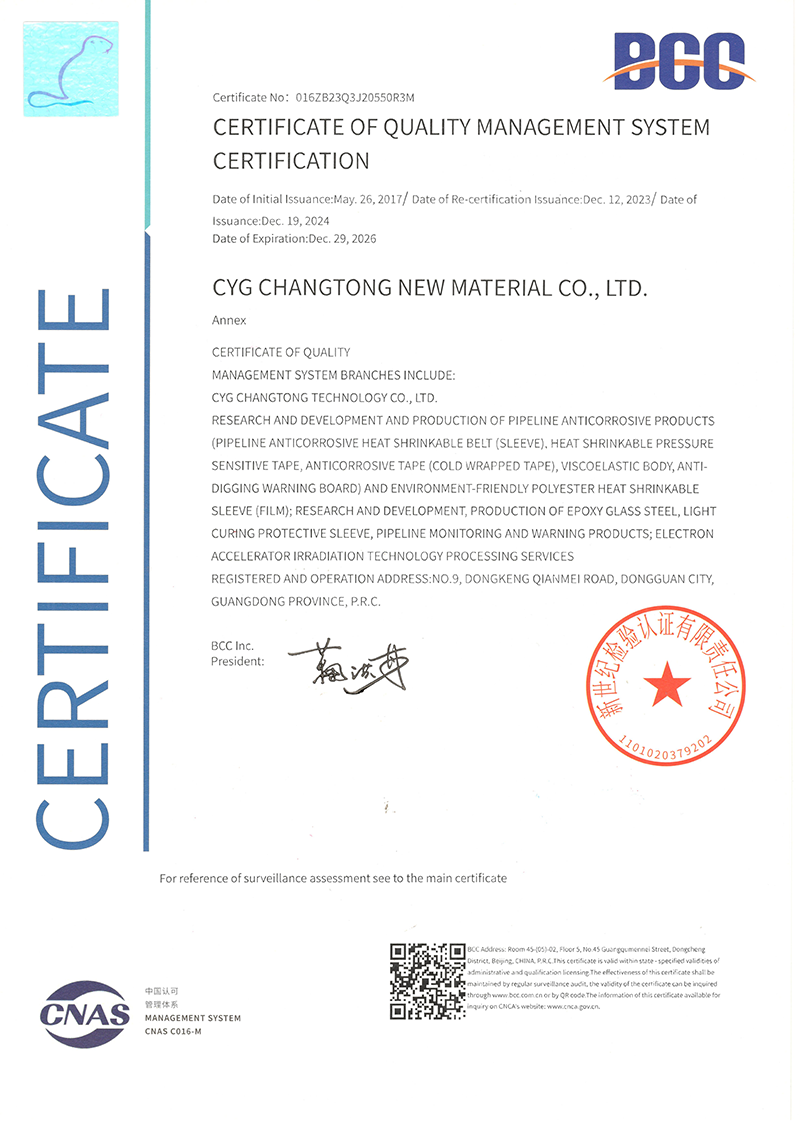
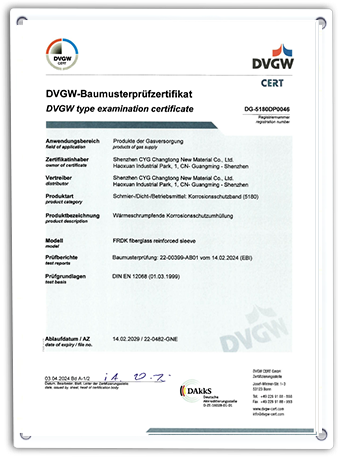
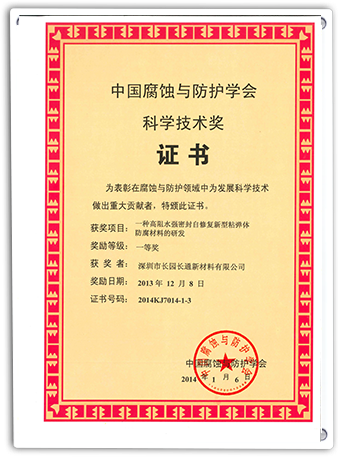
Our manufacturing and testing methodologies conform to international quality and environmental management standards.
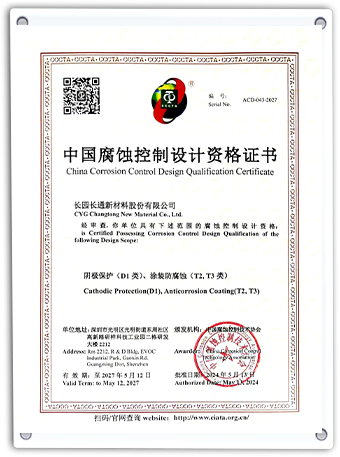
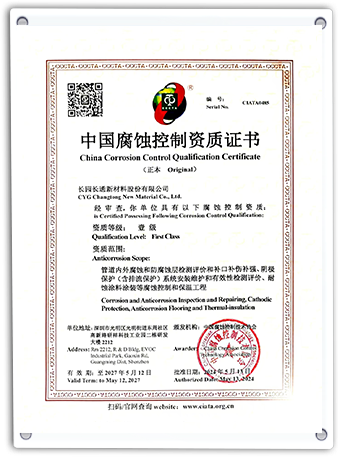
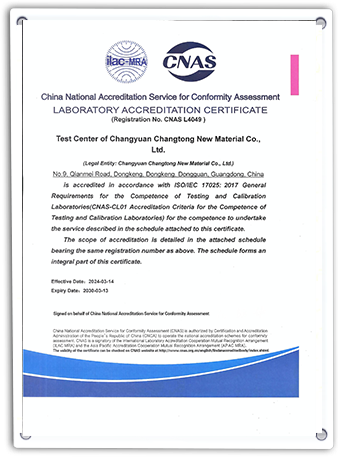
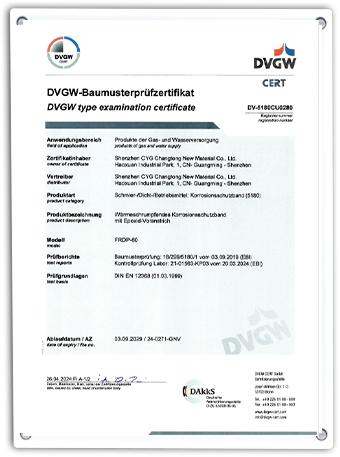
Addressing the technical questions of corrosion engineers and procurement managers operating in the Middle East.
Polyethylene (PE) sleeves have lower thermal resistance (often restricted to 60°C or 80°C) and higher thermal expansion differences compared to 3-Layer Polypropylene (3LPP) parent coatings. High operating temperatures on local pipelines can cause PE coatings to sag or disbond. FRDP-PP sleeves use a polypropylene structure that aligns with the parent coating, resisting soil shear and preventing degradation at temperatures up to 120°C.
The woven fiberglass mesh provides mechanical reinforcement. As pipelines expand or contract due to operating pressure and ambient temperature changes, the surrounding soil exerts shear stress. Unreinforced sleeves can stretch, buckle, or tear under these forces. Fiberglass reinforcement locks the polymer matrix in place, resisting indentation and mechanical wear during backfilling.
CYCT FRDP-PP sleeves are engineered with a specialized high-temperature copolymer adhesive matrix. The polar functional groups in the adhesive form a chemical bond with the steel surface and the epoxy primer, preventing moisture and electrolytes from migrating under the film even if cathodic protection currents fluctuate. This keeps disbondment rates well within ISO 21809-3 requirements.
Yes, our fiberglass-reinforced series is designed to handle the shear forces and abrasive contact with rock and soil that occur during HDD pull-back. It provides protection against gouging and scraping, maintaining the integrity of the barrier layer.
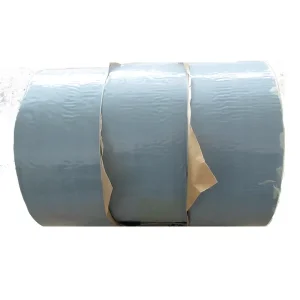
Explore our full range of field joint wraps, repair patches, and specialty subsea stabilizers developed for complex installations.
 CYCT
CYCT