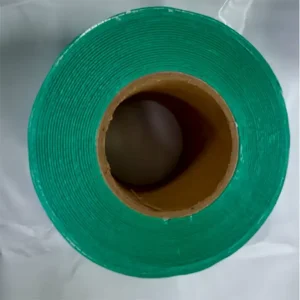
High-shear anti-corrosion solutions designed for regional gas distribution networks and oil pipeline connections.
Pipeline networks form the circulatory system of modern energy logistics. Within Central Europe, Hungary serves as a pivotal logistical corridor, operating essential hydrocarbon transit infrastructure like the Friendship (Barátság) pipeline and an expansive underground domestic gas network overseen by FGSZ. Ensuring the long-term structural integrity of these underground and above-ground networks requires cutting-edge corrosion mitigation techniques.
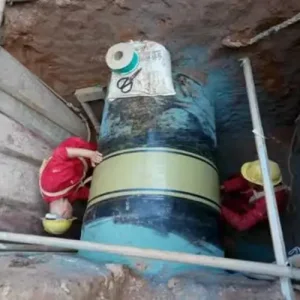
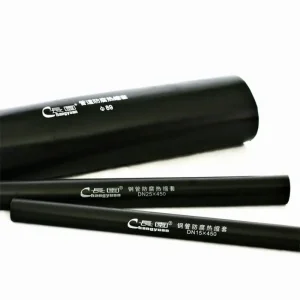
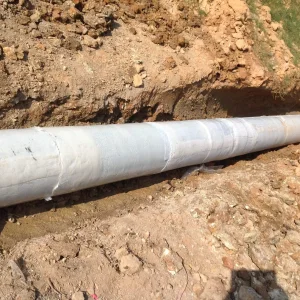
Among modern choices, three-layer polypropylene (3LPP) coatings are increasingly specified over traditional 3LPE systems for high-temperature and high-shear load services. FRDP-PP (Fiber-Reinforced Directional Polypropylene) Heat Shrink Sleeves have emerged as the industry gold standard for field joint coating (FJC) on 3LPP steel pipelines.
Hungarian clay-heavy soils undergo significant seasonal moisture shifts, inducing severe soil stress. FRDP-PP sleeves resist shear forces better than typical PE variants under high thermal gradients.
With Hungary's chemical process pipelines and domestic steam-assisted energy projects operating at elevated temp parameters, PP-based systems secure protection up to 120°C.
Meets stringent European structural and performance criteria for pipeline field joints, offering minimal cathodic disbondment and reliable water barrier protection.
Historically, pipeline operators relied on Polyethylene (PE) heat shrink sleeves. However, as transport velocities increase and heavy crude or high-pressure gas streams undergo thermal friction, the operating temperatures of transmission lines rise. In Central European soil conditions, standard PE sleeves are prone to structural deformation and shear slippage at temperatures exceeding 80°C.
The transition to Polypropylene (PP) is driven by the material's superior hardness, crystallization temperature, and mechanical toughness. FRDP-PP sleeves incorporate a directional fiber reinforcement mesh within the backing. During installation, the backing shrinks under thermal flame, locking the viscous copolymer adhesive directly to the steel and the adjacent factory 3LPP coating, creating a homogeneous, monolithic seal.
CYCT · Was Founded In 2000
CYCT New Materials Company Limited (for short, CYCT) is a state-level high-tech enterprise integrating R&D, production and sales of pipeline corrosion protection materials as well as buried pipeline detection service and pipeline coating field application service into one.
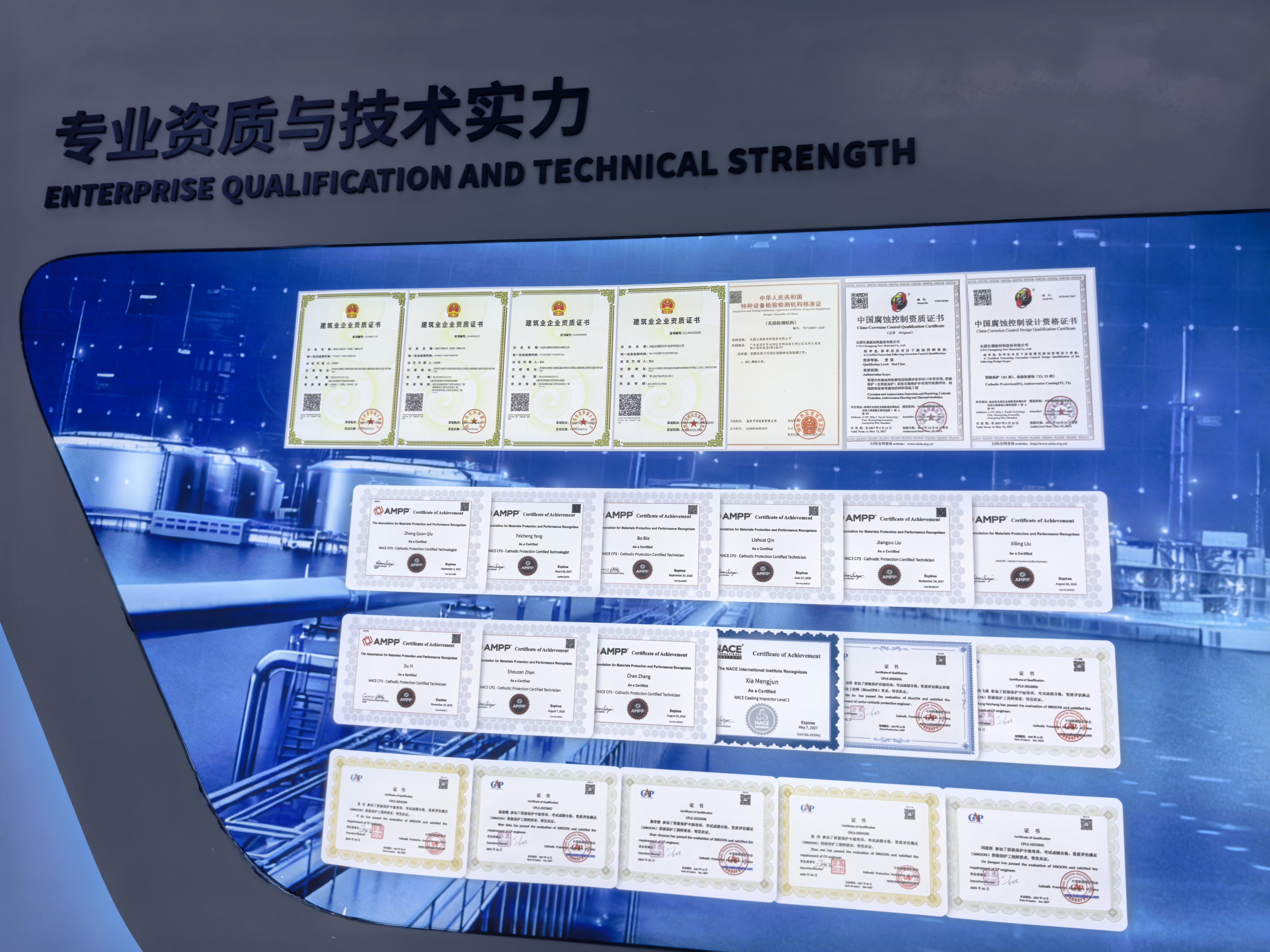
CYCT devotes itself to R&D, production and sales of pipeline corrosion protection materials for decades. Our testing and R&D capabilities are backed by a professional team and a national CNAS-accredited laboratory.
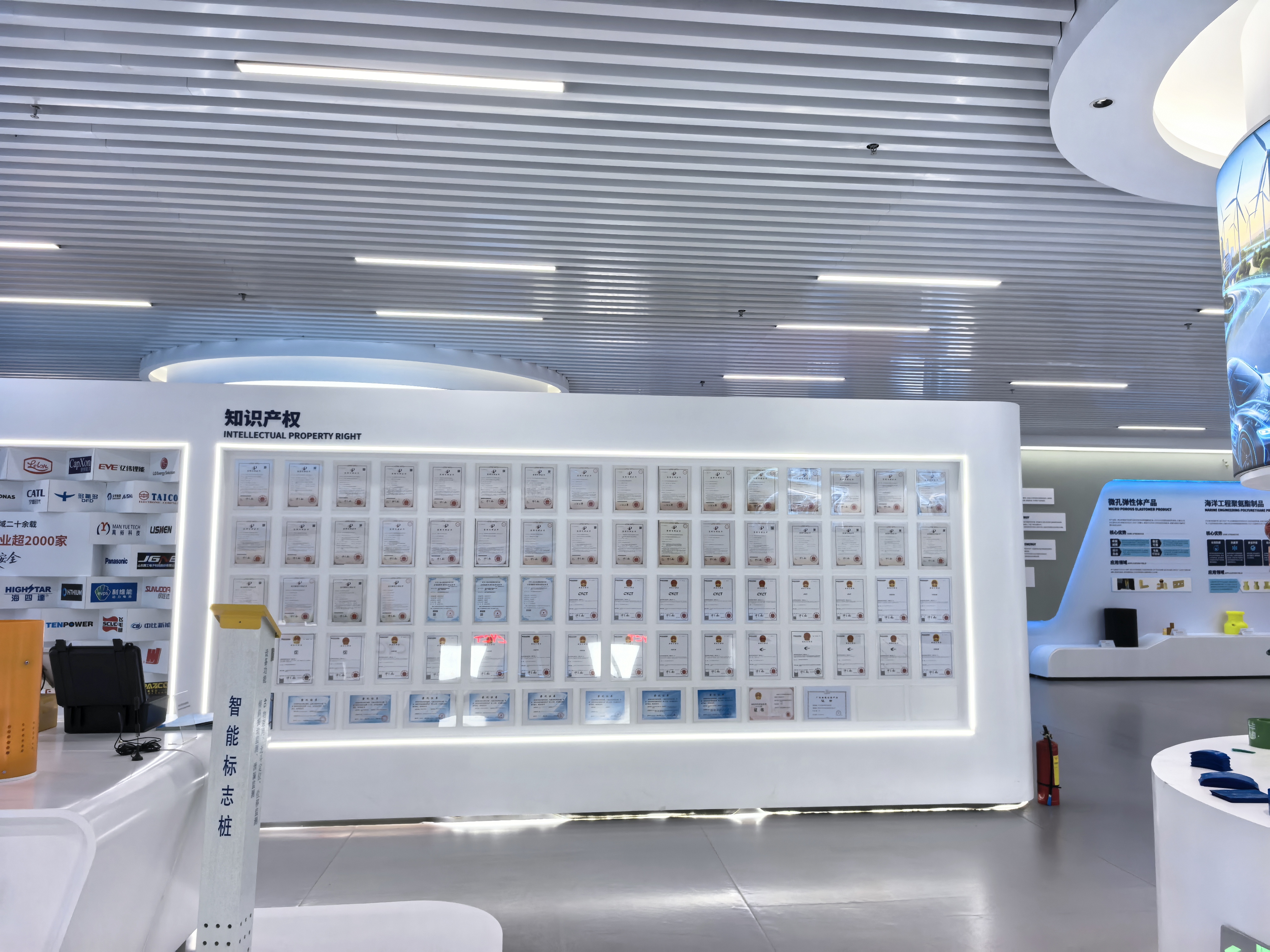
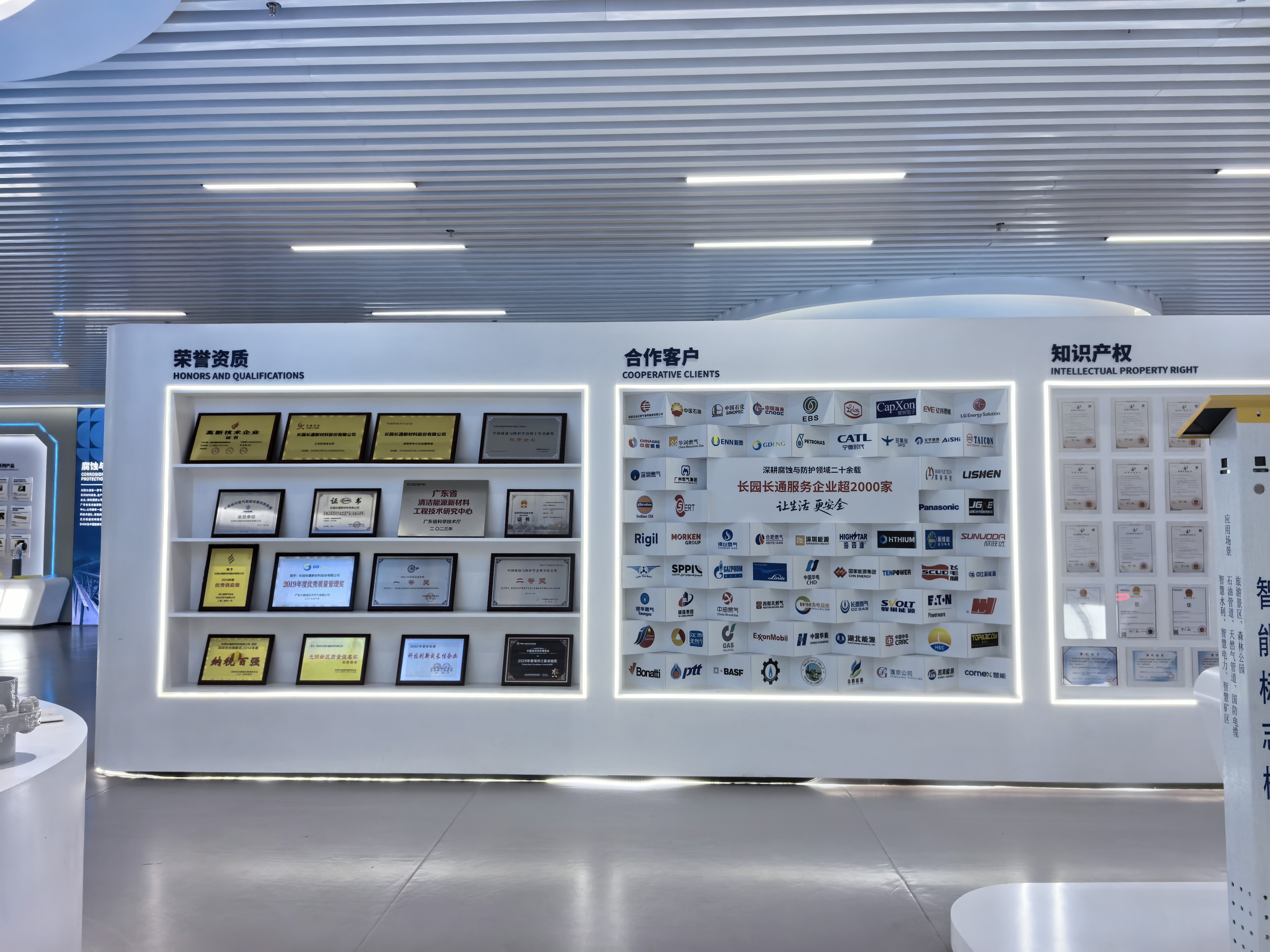
Over the years, CYCT has become a stable supplier of field joint coatings for leading energy entities globally, capturing major market shares in high-stress infrastructure projects. We have successfully developed specialty solutions including viscoelastic anticorrosion coatings, photo-curing sleeves for HDD protection, and specialized polyurea coatings.
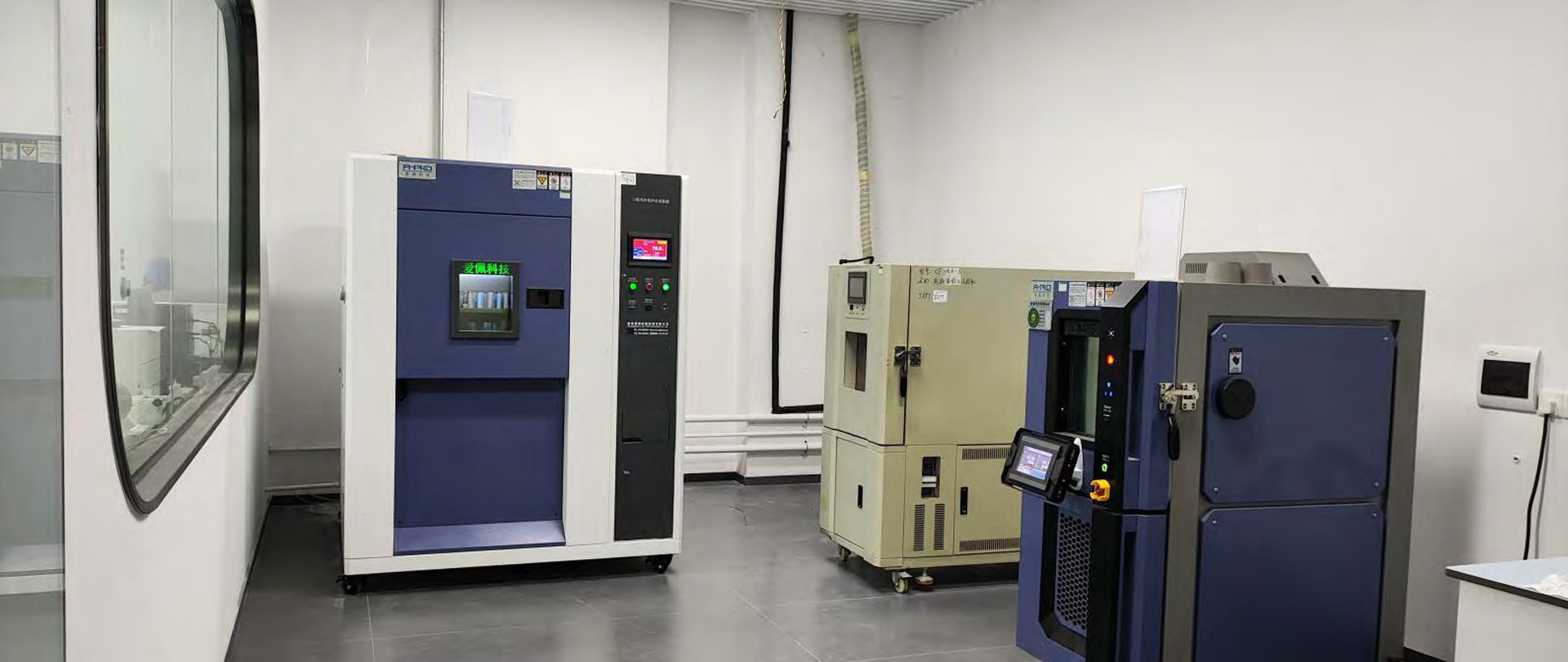
As pipeline networks prepare for the integration of hydrogen blends (H2 energy transition), corrosion protection demands are evolving. Permeation barrier technology is becoming vital to block micro-molecular hydrogen diffusion through polymeric backings.
CYCT's technical roadmap addresses these emerging challenges through:
CYCT engineers cooperate with CNPC Pipeline Science Research Institute to draft specific design packages, cathodic protection parameters, and rehabilitation plans tailored to your pipeline's soil environment.
Speak to a Corrosion SpecialistExplore our full line of corrosion prevention tapes, repair patches, and structural GRP reinforcements serving the Central European utility and oil fields.
Technical clarifications and procurement details for pipeline design engineers.
 CYCT
CYCT