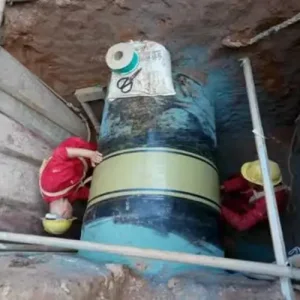
High-integrity anti-corrosion protection specifically optimized for Algeria's national pipeline infrastructure projects.
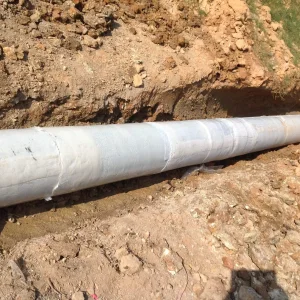
Algeria stands as a pillar of global energy, driving massive natural gas and oil exports to Southern Europe via historic engineering networks including the Medgaz, Trans-Mediterranean, and Maghreb-Europe pipelines. Operating high-pressure transport lines across thousands of kilometers of the Saharan terrain presents severe material challenges. Pipeline infrastructure managed by state-backed operators like Sonatrach requires joint protection systems capable of resisting extreme thermal shifts—where soil temperatures rise above 50°C during the day and drop rapidly at night.
Underground conditions pose further complexities: high-salinity horizons and heavy clay soils impose critical stress on field joint coatings. To safeguard these multi-billion dollar installations, specialized cross-linked heat-shrink sleeves are required. Standard coatings fail quickly due to cathodic disbondment and mechanical shearing from rocky soil movement. As a leading manufacturer, CYCT delivers high-performance FRDP (Fiber Reinforced Dual Purpose) heat shrinkable sleeves engineered specifically to survive these extreme Algerian environments.
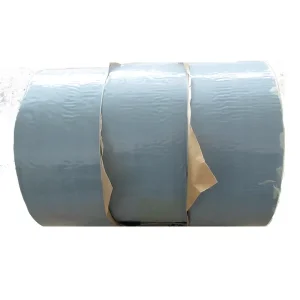
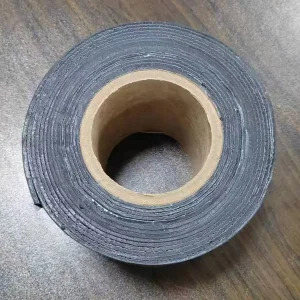
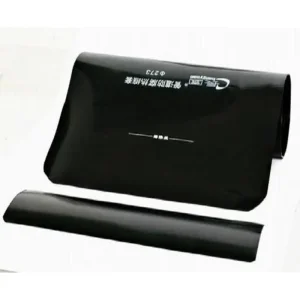
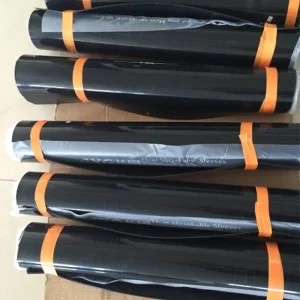
At the center of high-performance field joint coating (FJC) technology is the FRDP Heat Shrinkable Sleeve. These sleeves are fabricated from radiation-crosslinked high-density polyethylene (HDPE) backing coated with a proprietary high-shear copolymer hot-melt adhesive. The crosslinking process creates a "memory effect" in the backing, ensuring it shrinks tightly over the joint when heated, forcing the molten adhesive into all surface imperfections of the steel and factory-applied 3LPE/2LPE or 3LPP coatings.
For high-operating-temperature lines (such as export gas pipelines operating up to 85°C or hot oil transmission lines), standard polyethylene sleeves risk adhesive softening and subsequent soil-stress disbondment. The FRPD-PP Heat Shrinkable Sleeve is engineered with a polypropylene-based backing and specialized adhesive system to endure continuous service temperatures up to 110°C, matching the mechanical properties of factory 3LPP pipeline coatings.
| Performance Property | FRDP (3LPE / 2LPE) | FRPD-PP (3LPP) |
|---|---|---|
| Operating Temperature | -40°C to 85°C | -20°C to 110°C |
| Tensile Strength | ≥ 17 MPa | ≥ 22 MPa |
| Elongation at Break | ≥ 400% | ≥ 300% |
| Cathodic Disbondment (28d) | ≤ 5 mm at 65°C | ≤ 5 mm at 95°C |
| Impact Resistance | ≥ 15 J | ≥ 20 J |
A high-performance heat shrinkable sleeve is only as reliable as its field installation. On construction projects in Algeria, windblown dust and ambient thermal shifts threaten adhesion. Operators must enforce strict application protocols to secure the joint:
Navigating customs regulations at major ports such as Algiers, Oran, and Skikda requires deep compliance experience. CYCT works closely with Algerian EPC firms and local distributors to handle complex import workflows, offering specialized packaging to protect heat shrinkable materials from high transit temperatures across Algerian shipping routes.
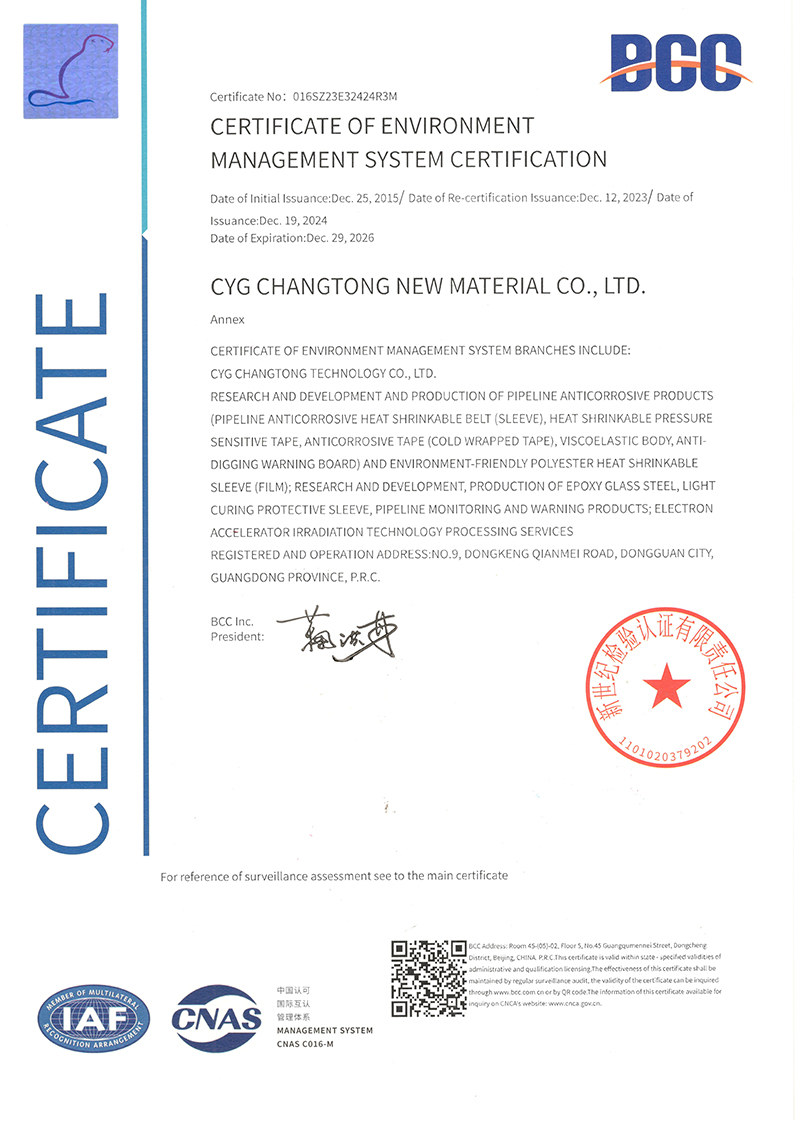
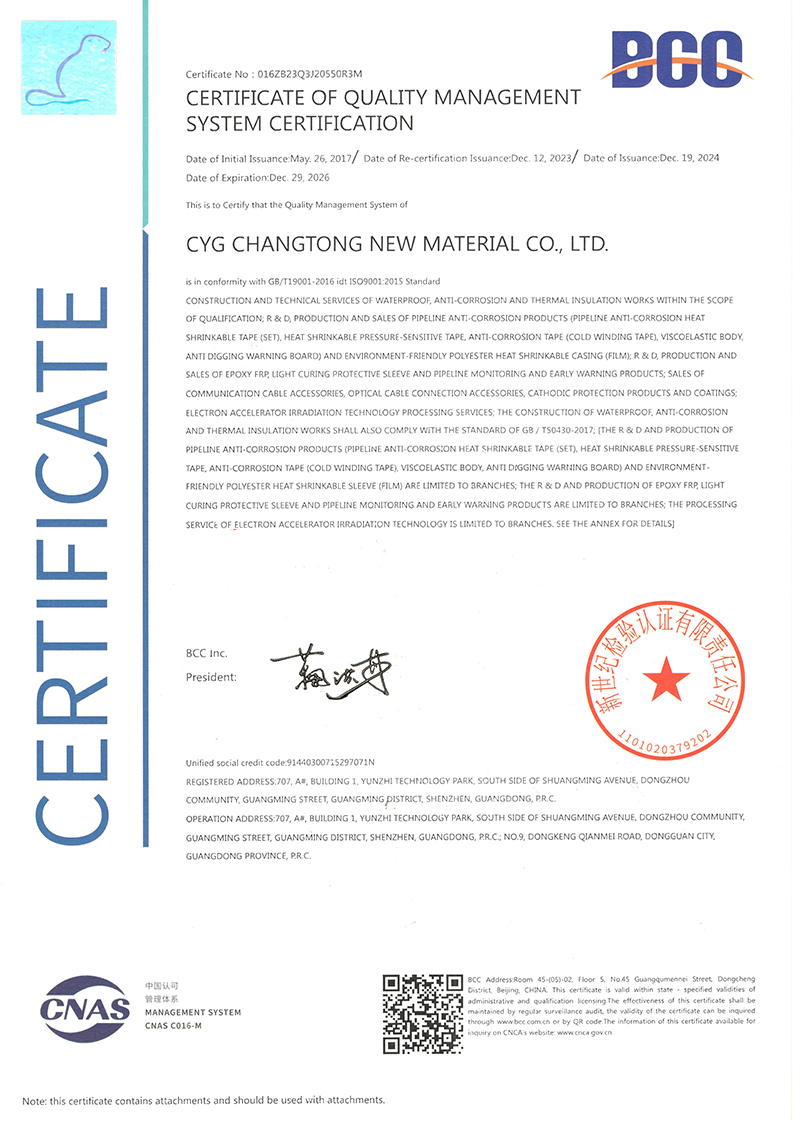
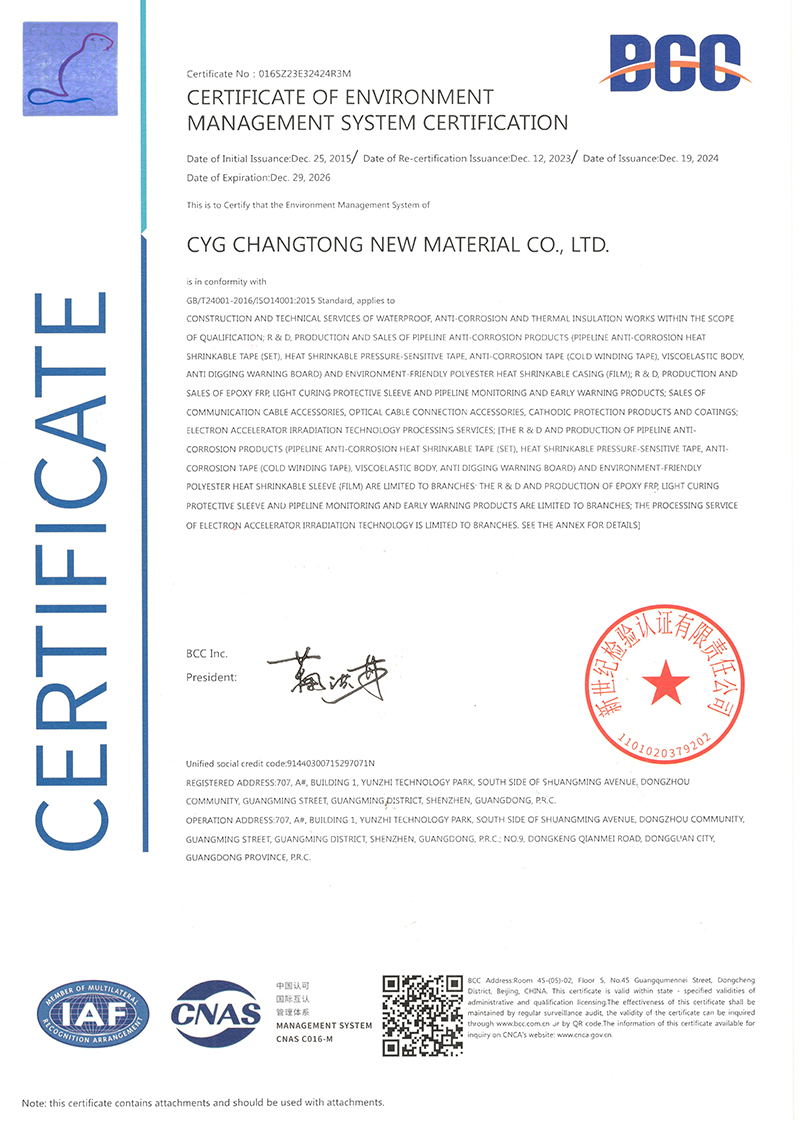
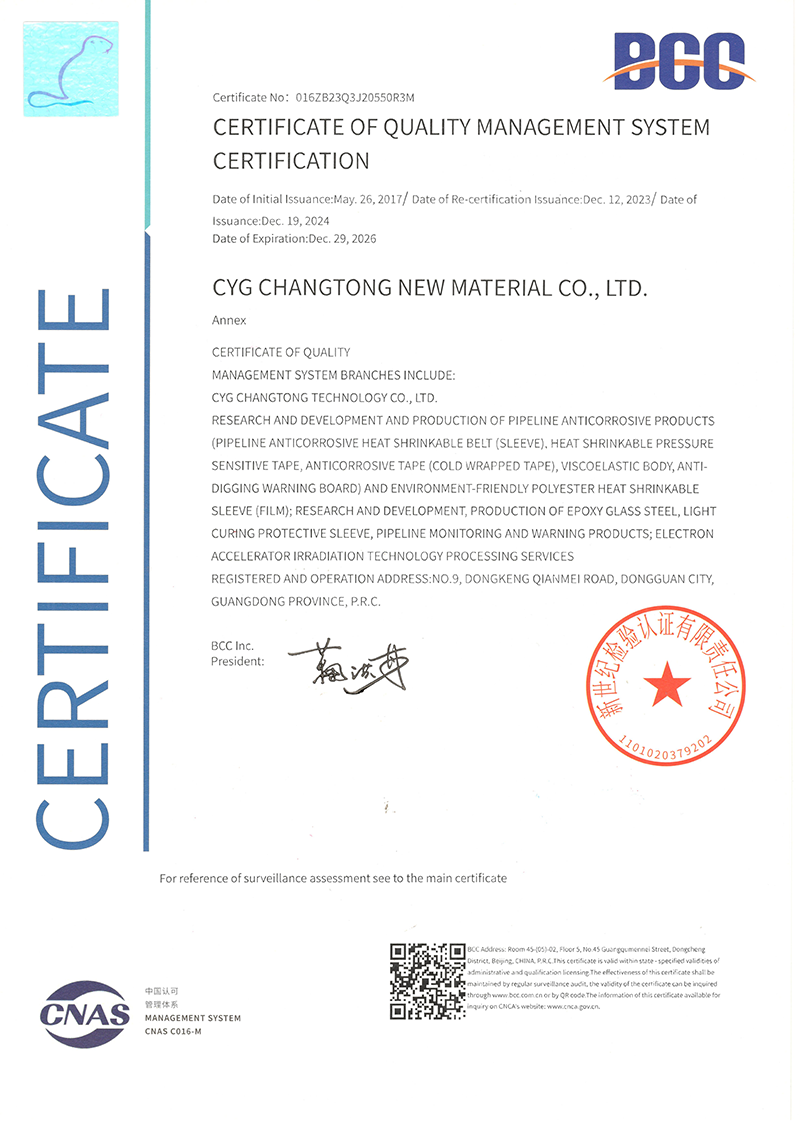
We provide extensive certification and testing documentation to satisfy Sonatrach and international project engineers, ensuring smooth project delivery.
Founded in 2000, CYCT is a state-level high-tech enterprise integrating R&D, production, and sales of pipeline corrosion protection materials.
CYCT New Materials Company Limited is a leading high-tech manufacturer specializing in pipeline corrosion protection, buried pipeline inspection, and field joint coating application services. For over two decades, CYCT has committed to advanced R&D, establishing a professional engineering team and a national CNAS-accredited laboratory.
We are a stable supplier of field joint coatings for major national energy players including PetroChina, Sinopec, and PipeChina, maintaining dominant domestic market share. Our specialized product range includes viscoelastic anticorrosion systems, photo-curing sleeves for Horizontal Directional Drilling (HDD) protection, and high-performance polyurea coatings.
By partnering with research institutions like the CNPC Pipeline Science Research Institute, CYCT delivers integrated pipeline protection systems. We provide comprehensive services covering pipeline detection, cathodic protection design, and structural rehabilitation projects.
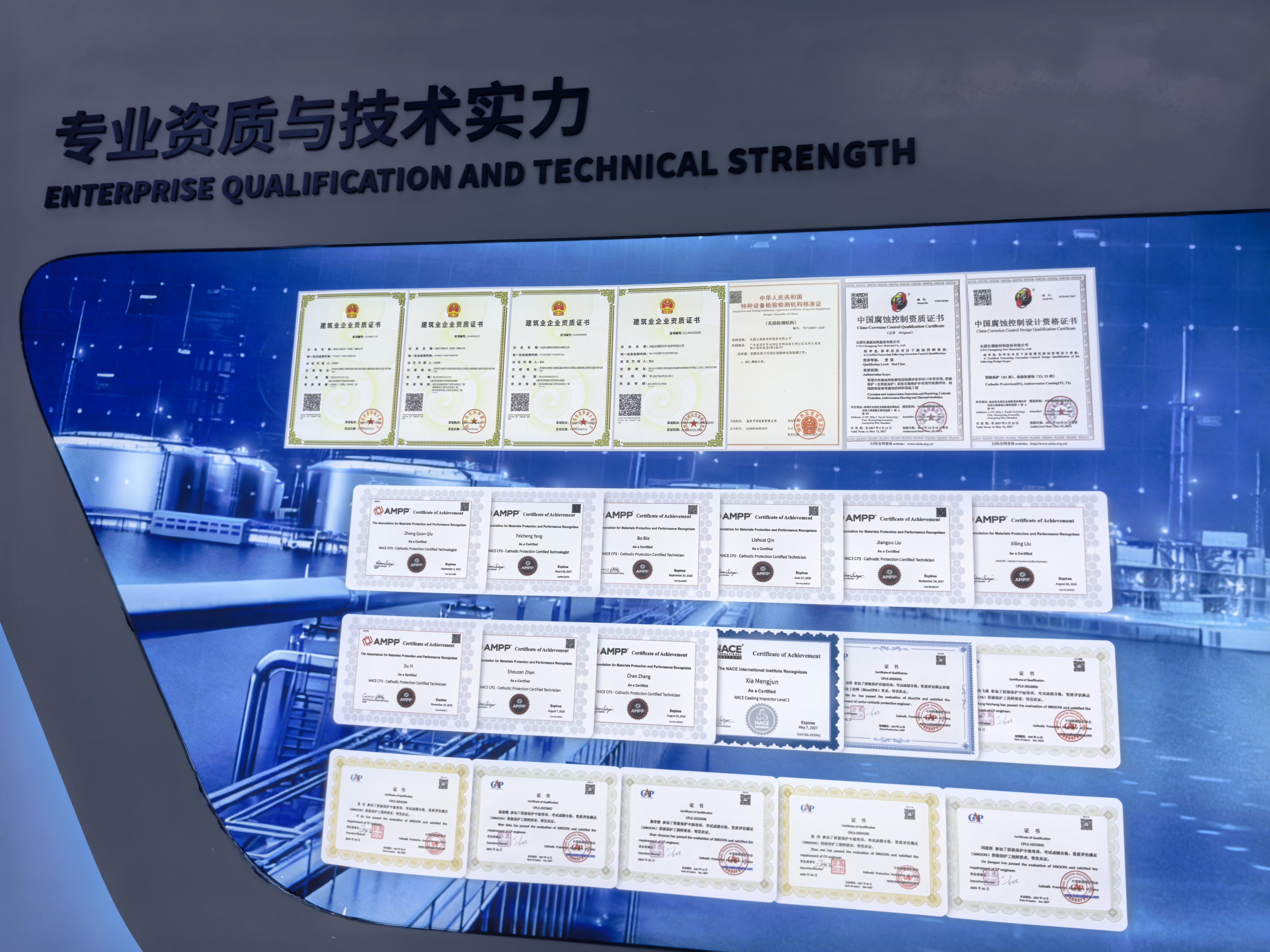
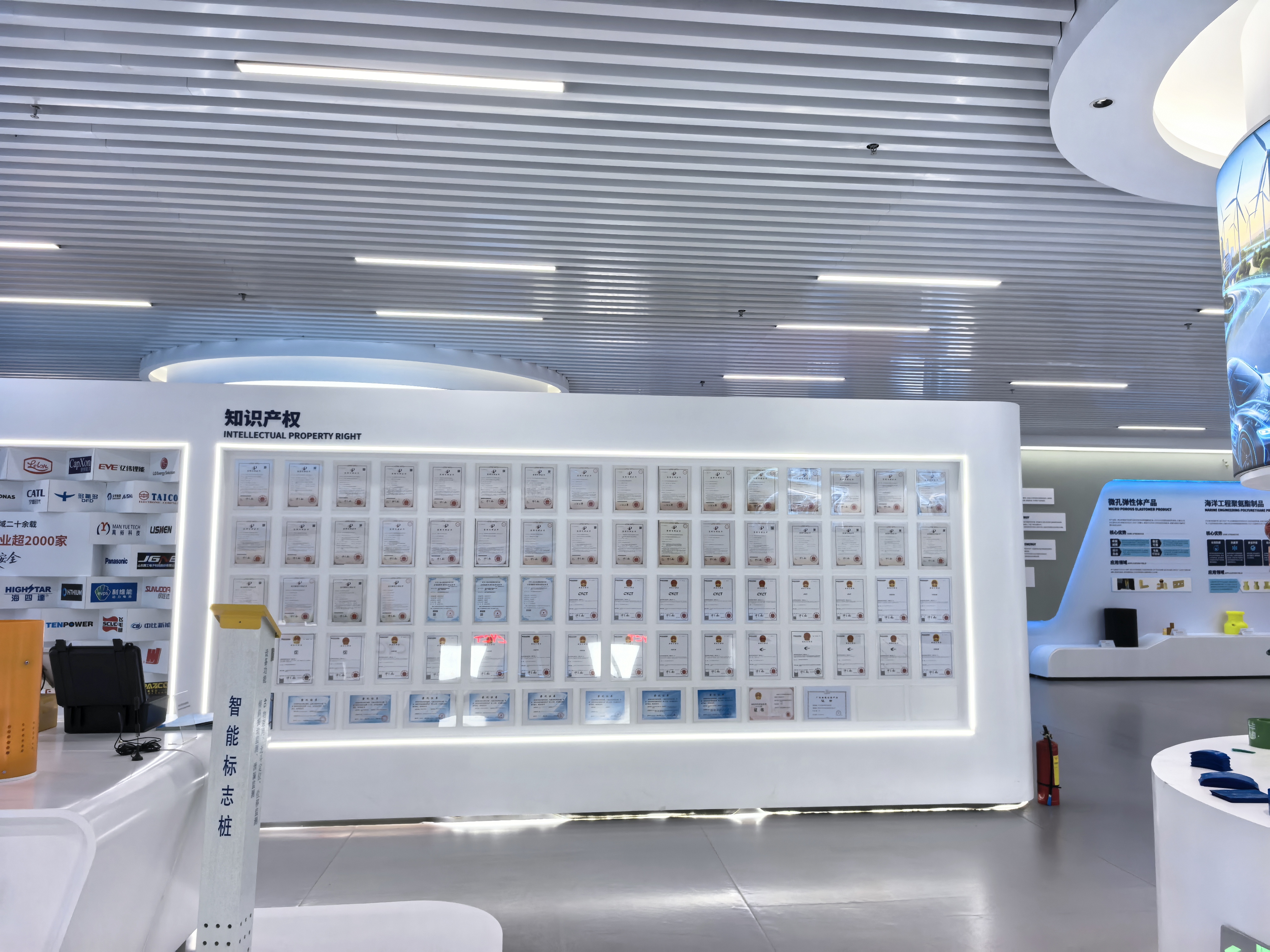
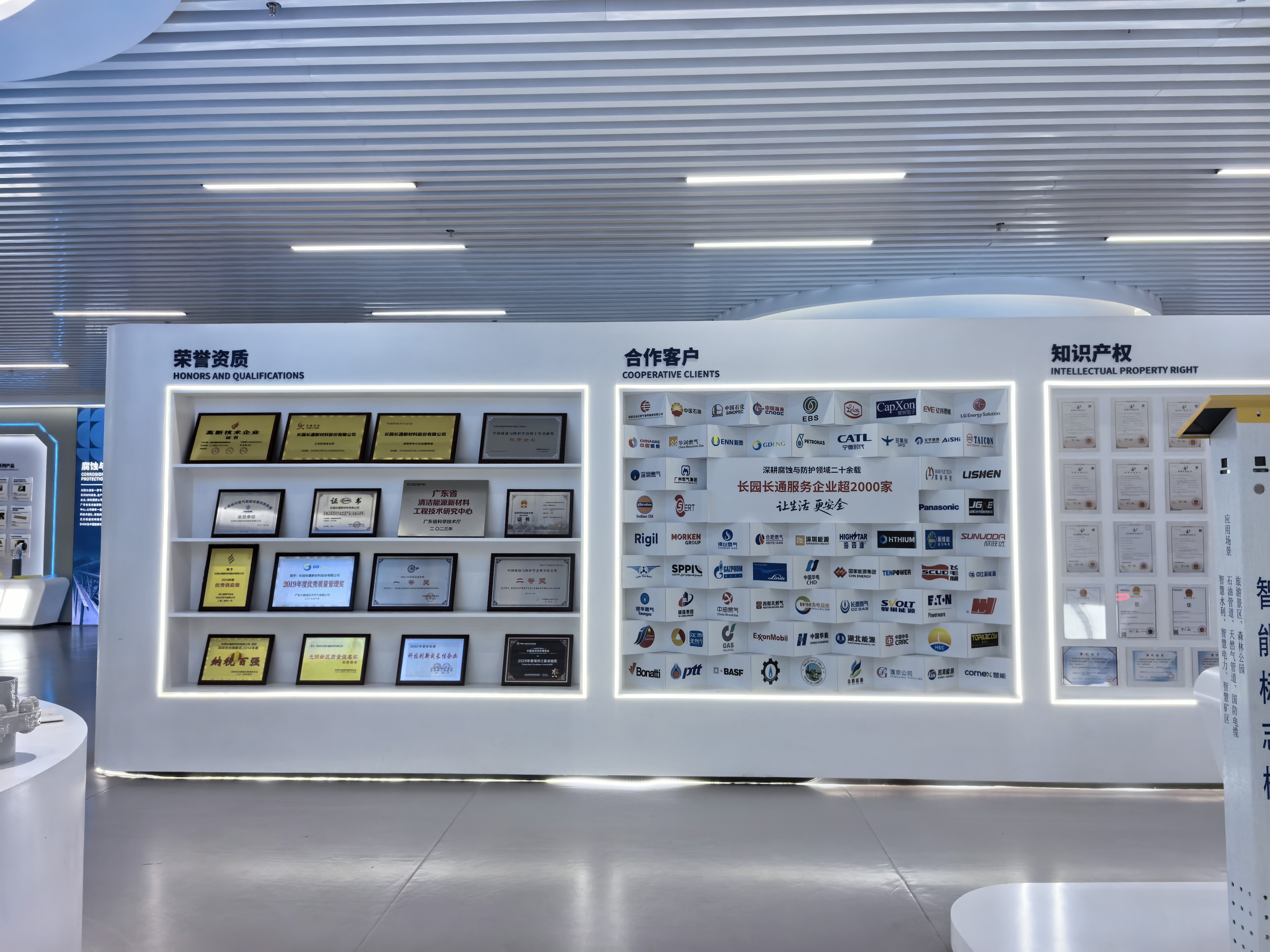
Member of Council in Chinese Society for Corrosion and Protection (CSCP) | Qualification Certificate of Corrosion Protection Construction | Qualification Certificate of Pipeline Detection | Well-known Brand of Pipeline Corrosion Protection in China | Corporate Member of China Association of Petroleum Engineering Construction (CAPEC) | State-Level High-Tech Enterprise with more than ten proprietary intellectual property rights | Stable supplier of PetroChina, Sinopec, China Gas Group, and Indian Oil.
As the global energy landscape transitions toward cleaner fuels, natural gas infrastructure in Algeria is being designed to support hydrogen blending. Transporting hydrogen increases risks of steel embrittlement and requires advanced cathodic protection systems. Joint coatings must adapt to block atomic hydrogen migration while ensuring long-term adhesion under elevated operating pressures.
CYCT is developing specialized barrier layers within our heat-shrink sleeves to prevent gas permeation. Additionally, we are integrating smart sensor networks within field joints, allowing operators to monitor temperature fluctuations, local soil pressure, and cathodic protection efficiency in real time. These innovations ensure pipeline reliability across challenging Sub-Saharan transport routes.
Developing advanced field joint technologies engineered to meet the demands of tomorrow's clean energy networks.
Consult Our EngineersSelect from our comprehensive range of high-performance coatings, tapes, and repairs engineered for demanding pipeline projects in Algeria.
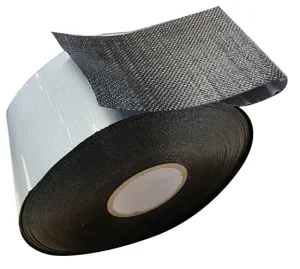
Connect with our engineering and procurement team for custom sizes, temperature ratings, and logistics options for the Algerian market.
Send Inquiry Now CYCT
CYCT