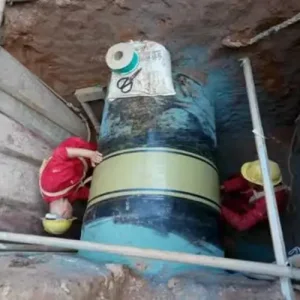
Across the industrial corridors of Ghana, from the bustling maritime trade hub of Tema Port to the hydrocarbon-rich coastal waters of the West Jubilee Field and the municipal pipeline channels of Accra, pipeline network safety is the bedrock of industrial growth. Developing robust infrastructure demands advanced solutions capable of resisting severe corrosion. Due to high humidity levels, corrosive soils, coastal salinity, and seasonal high temperatures, traditional coatings frequently degrade, causing high maintenance expenses and unexpected pipeline failures.
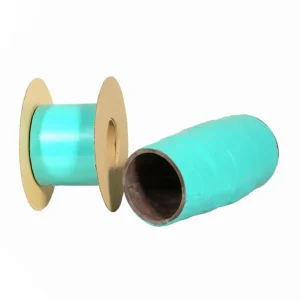
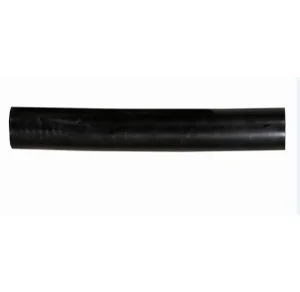
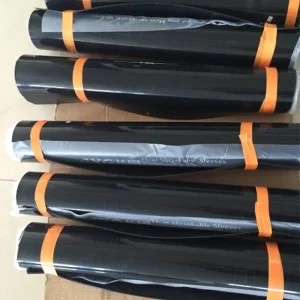
To combat these environmental and mechanical threats, engineering groups in West Africa are turning to FRDK Fiberglass Reinforced Heat Shrink Sleeves. FRDK represents a technological leap in pipeline joint protection. Unlike standard polyethylene wraps, the inclusion of a high-tensile fiberglass mesh within the sleeve architecture provides superior resistance against mechanical shear, impact forces during backfilling, and soil stress caused by cyclic wet-and-dry soil expansion (a common characteristic of clay soils in regions like the Greater Accra and Ashanti territories).
"Corrosion mitigation in Sub-Saharan Africa requires a shift from standard PE coatings to hybrid reinforced materials. The mechanical stress caused by soil movement and seasonal fluctuations demands the structural integrity provided exclusively by fiberglass reinforcement."
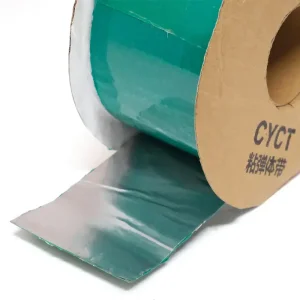
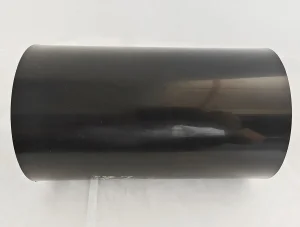
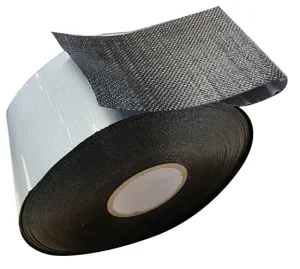
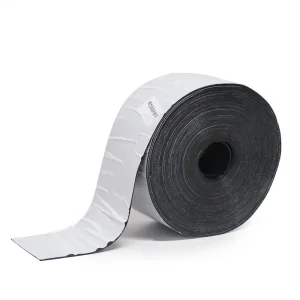
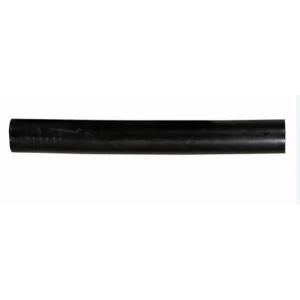
The FRDK sleeve is a multi-layer composite system designed for maximum field joint performance. The primary backing consists of a radiation-crosslinked high-density polyethylene (HDPE) film. Laminated within this backing is a high-density, woven fiberglass mesh. The underside of the sleeve is coated with a premium, shear-resistant, copolymer hot-melt adhesive that flows during installation to fill all micro-cavities on the steel pipe surface.
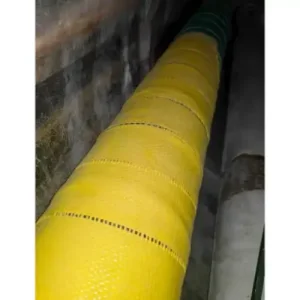
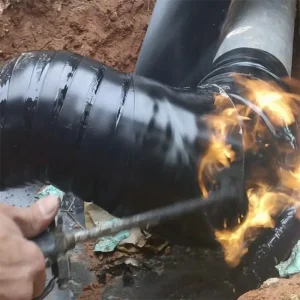
When heat is applied to the sleeve, the backing shrinks and the adhesive melts, forming a permanent, water-tight bond with the pipe coating. The fiberglass mesh provides mechanical stability, ensuring the backing does not split or thin out under stress. This makes FRDK sleeves the ideal choice for applications involving heavy soil loads or horizontal directional drilling (HDD).
During pipeline construction, joints are subjected to multiple physical forces. Soil friction, thermal expansion, and mechanical impact can easily rupture or displace simple polymeric coatings. Here is why the fiberglass layer is crucial:
In offshore gas projects and coastal refineries near Tema and Takoradi, marine salt-spray and humid air speed up galvanic corrosion. FRDK sleeves create an oxygen- and moisture-impermeable barrier, sealing field joints against corrosive environments.
During Horizontal Directional Drilling (HDD) under waterways like the Pra or Volta rivers, standard joint coatings can peel off due to friction against boreholes. The high-strength fiberglass backing of FRDK protects the joint as the pipeline is pulled through.
In the gold mines of Obuasi and Tarkwa, chemical slurry pipelines handle highly acidic or alkaline materials. FRDK sleeves resist chemical exposure and provide the mechanical resilience needed for heavy-duty mining environments.
To help engineers and procurement directors make informed decisions, the table below compares the performance of FRDK Fiberglass Reinforced Sleeves with standard 2-Layer and 3-Layer Heat Shrinkable Sleeves:
| Performance Characteristic | FRDK Fiberglass Reinforced Sleeve | Standard 3-Layer PE Sleeve | Standard 2-Layer PE Sleeve |
|---|---|---|---|
| Mechanical Reinforcement | High-density fiberglass weave | None (Unreinforced backing) | None (Polymer only) |
| Impact Resistance (EN 12068) | > 15 J (Class C) | 8 - 12 J (Class B) | < 5 J (Class A) |
| Soil Stress Resistance | Excellent (No displacement) | Moderate (Risk of displacement) | Low (Highly prone to wrinkling) |
| Horizontal Drilling Suitability | Highly Recommended | Conditional (Requires outer shield) | Not Recommended |
| Adhesive Shear Strength (80°C) | > 1.5 N/mm² | > 1.0 N/mm² | < 0.2 N/mm² |
| Long-term Cathodic Disbondment | < 10 mm | < 15 mm | < 25 mm |
Selecting a reliable corrosion protection supplier is critical for maintaining project timelines and budgets. CYCT New Materials Company Limited, established in 2000, offers advanced product engineering coupled with the production capacity of high-volume Chinese manufacturing.
Sourcing from our state-of-the-art facility in China provides key benefits for infrastructure projects in Ghana:
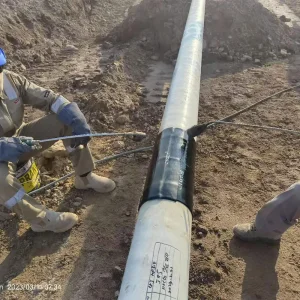
Proper field installation is essential for achieving long-term corrosion protection. In humid tropical environments like Ghana, installers must follow precise steps to prevent moisture entrapment under the sleeve.
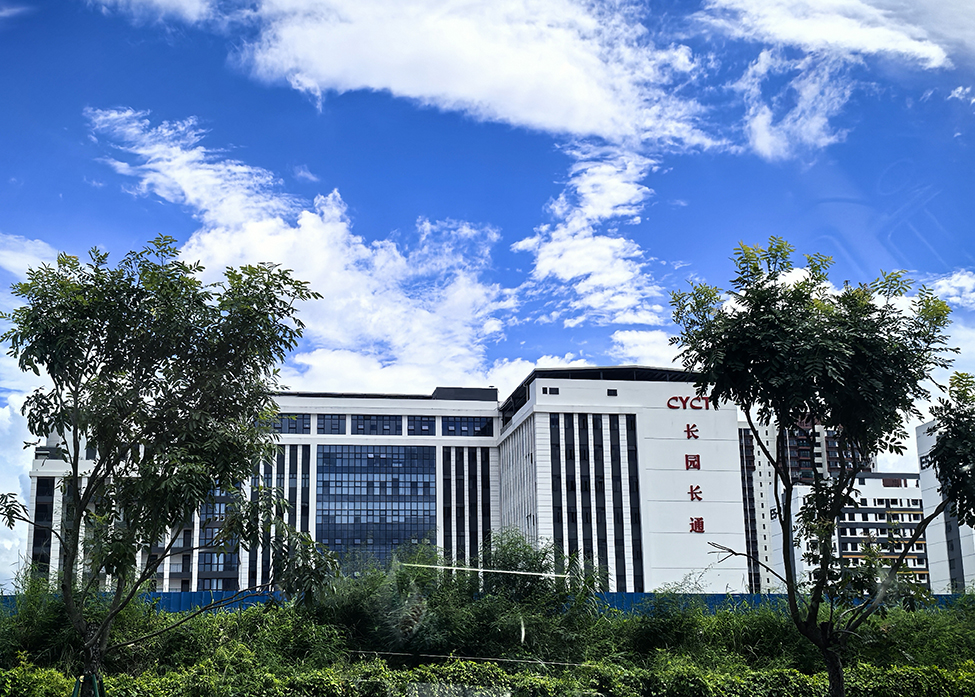
CYCT New Materials Company Limited (shortened as CYCT) was founded in 2000. We are a state-level high-tech enterprise specializing in the R&D, production, and sales of pipeline corrosion protection materials, as well as buried pipeline inspection and field application services.
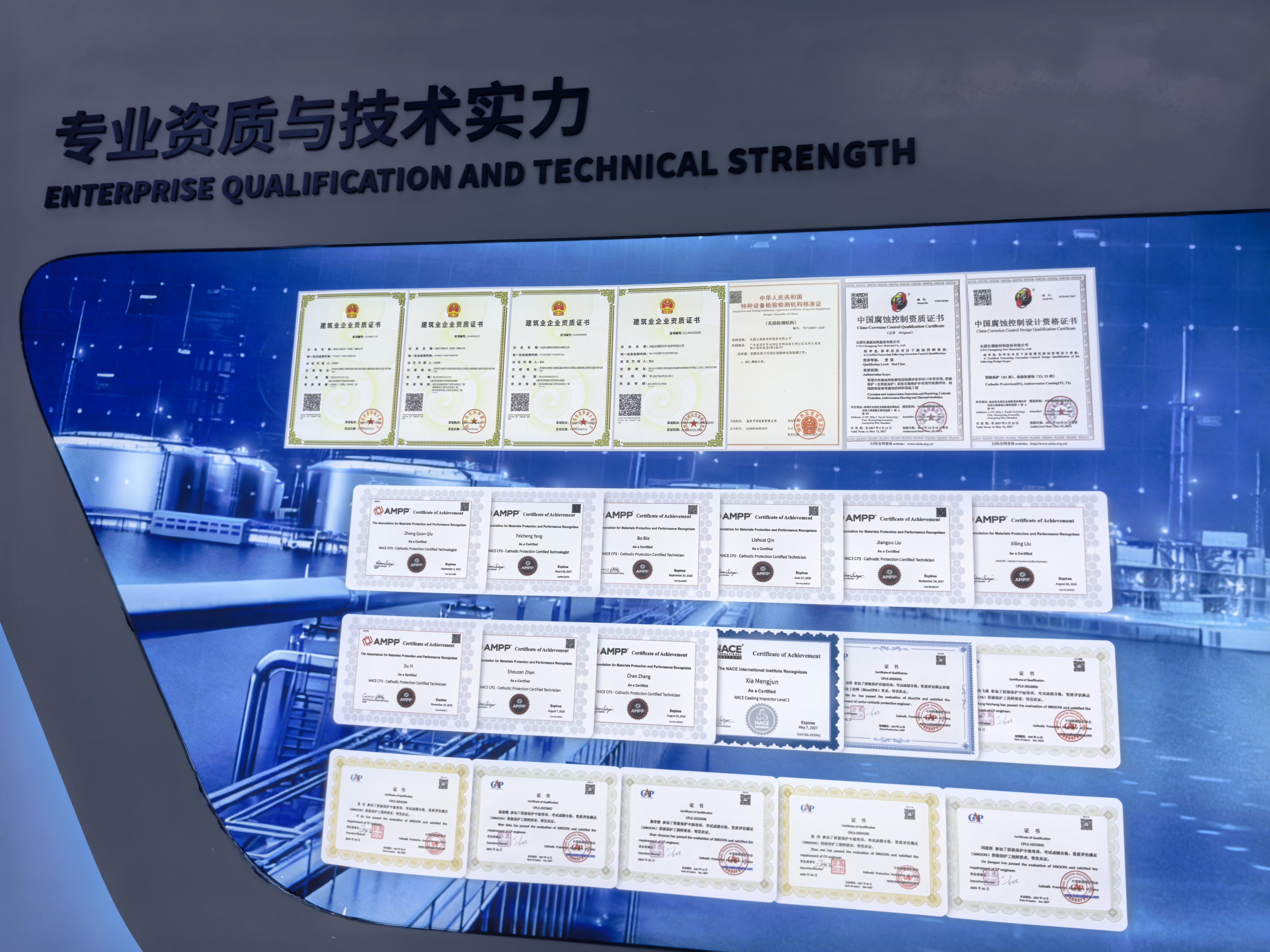
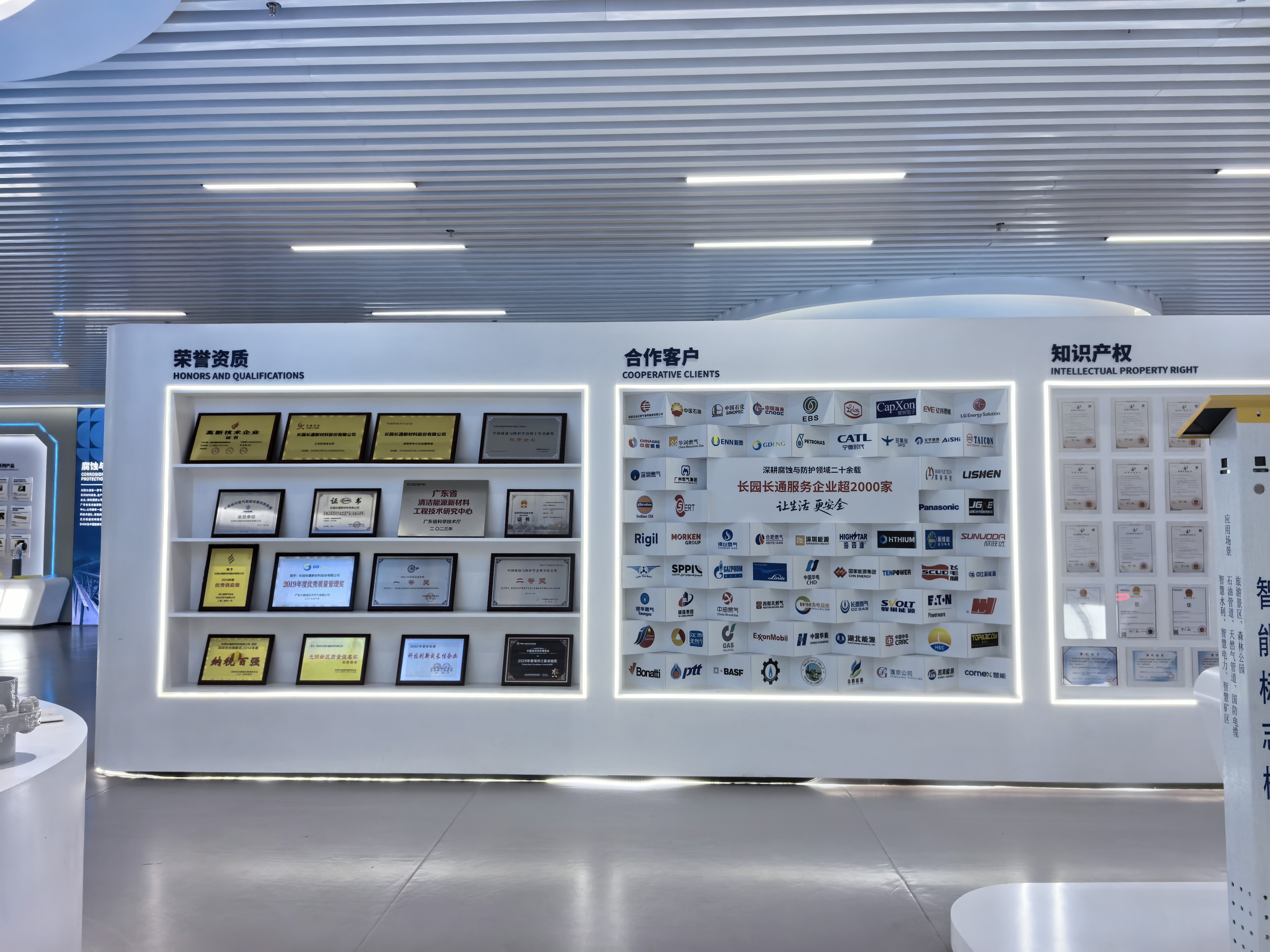
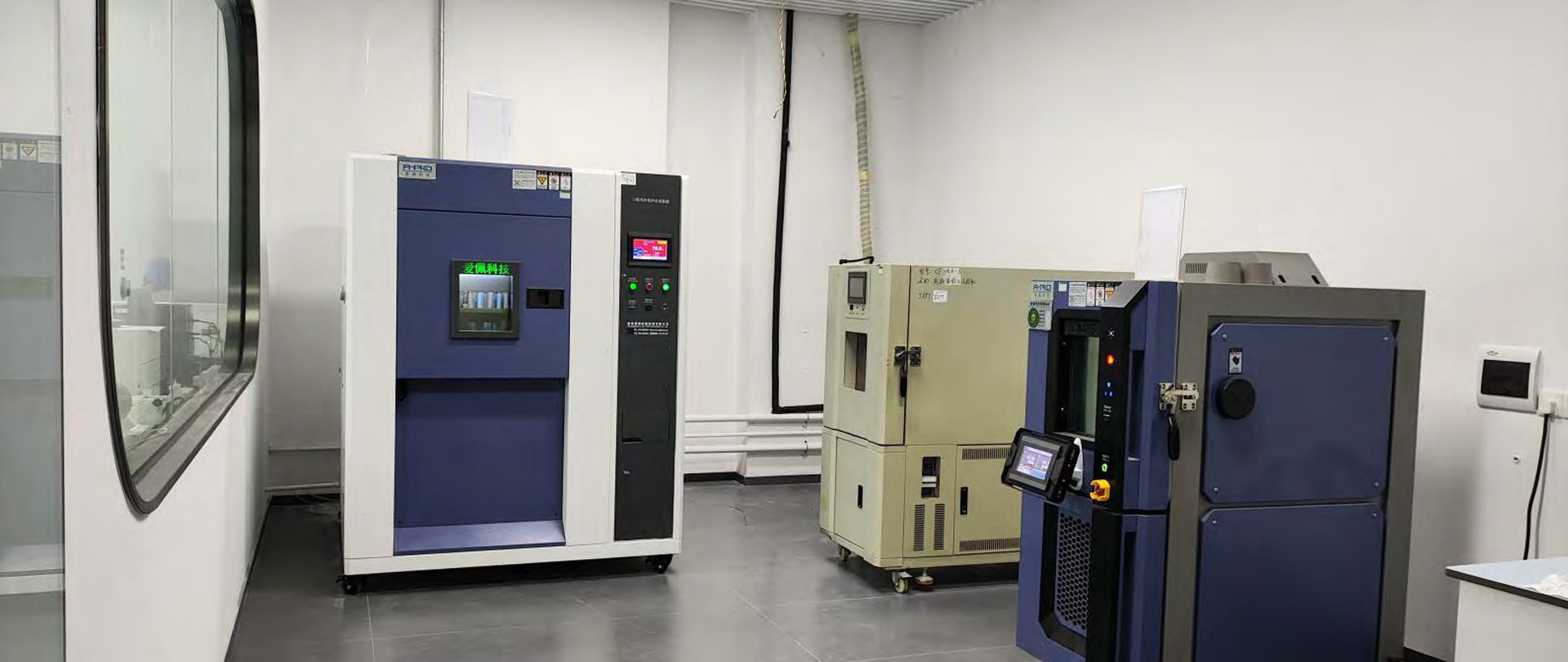
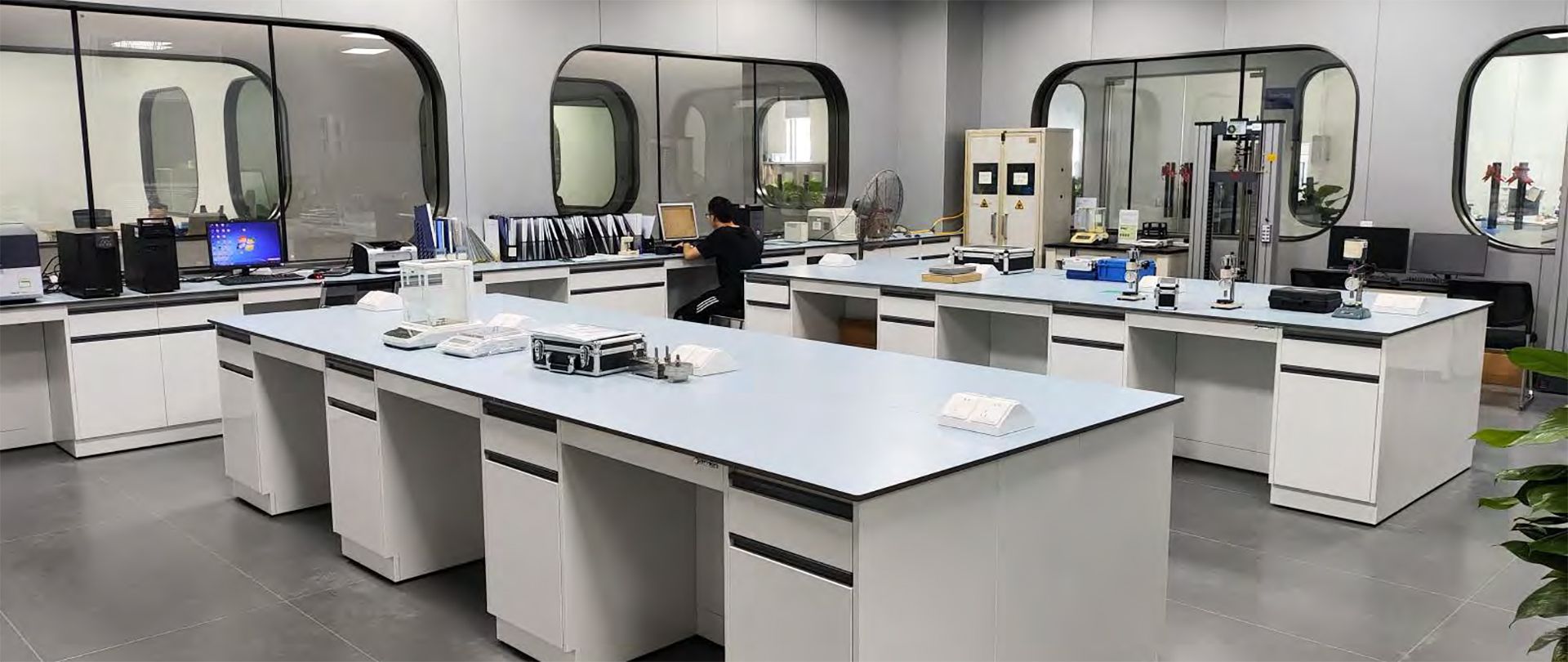
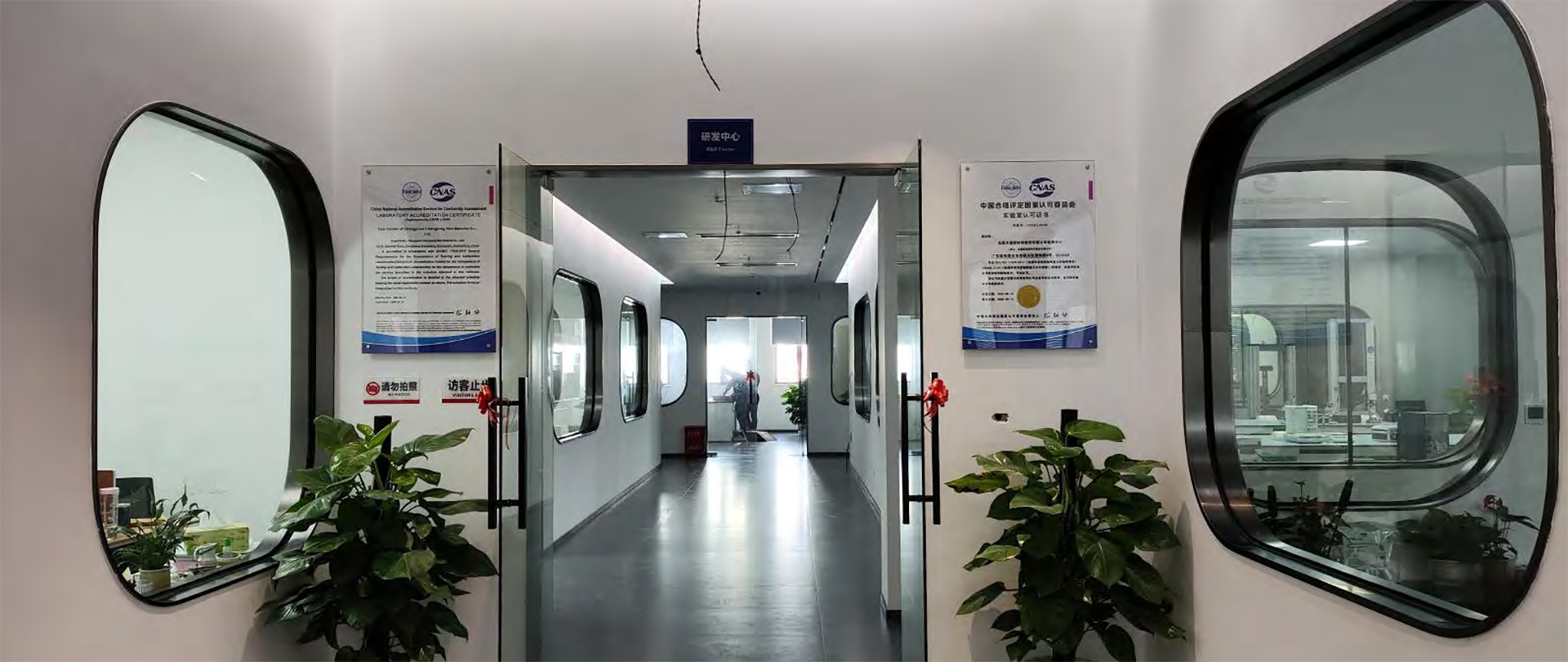
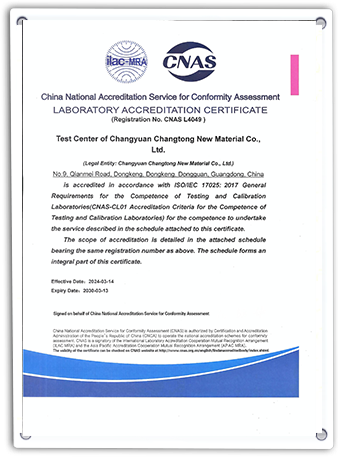
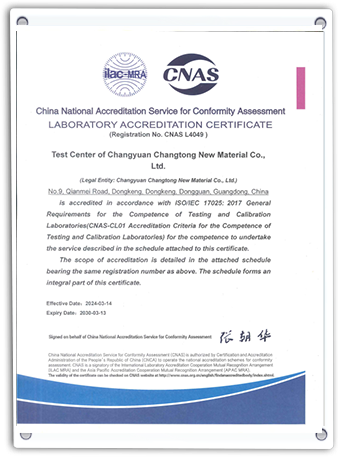
Over decades of development, CYCT has built a reputation for innovation. We maintain a professional R&D team and a national CNAS-accredited testing laboratory. We are an approved, long-term supplier of field joint coatings to major energy firms, including PetroChina, Sinopec, PipeChina, and the Indian Oil Corporation. Our products protect key energy transport networks worldwide.
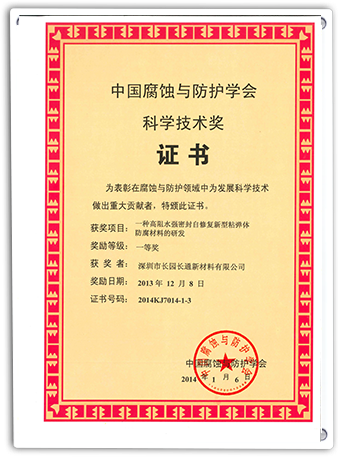
CYCT is a Council Member of the Chinese Society for Corrosion and Protection (CSCP) and a Corporate Member of the China Association of Petroleum Engineering Construction (CAPEC). We hold more than ten proprietary intellectual property rights and patents, reflecting our dedication to engineering quality and product reliability.
Below are real-world images from our production floors, research facilities, and quality assurance divisions:
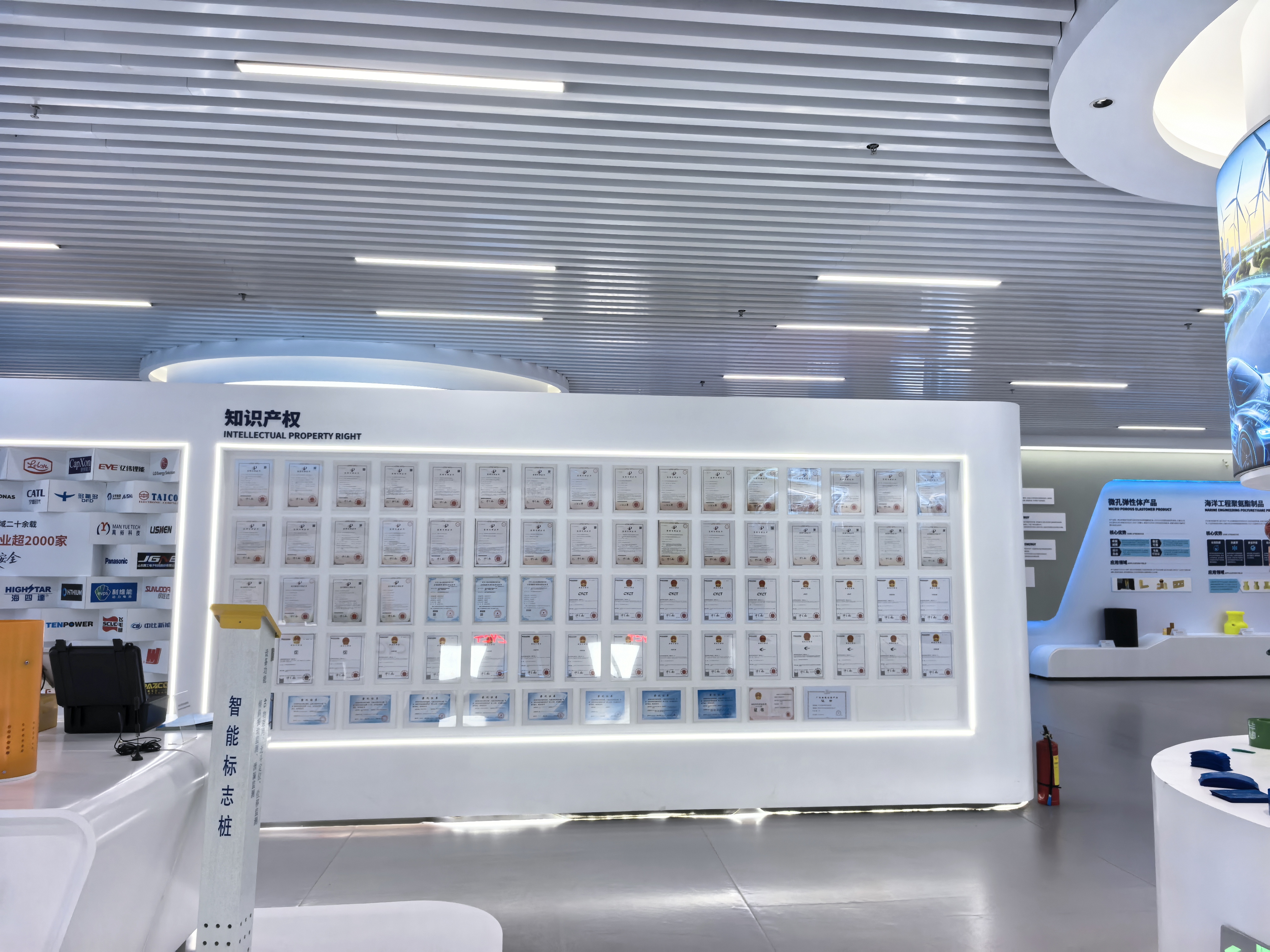
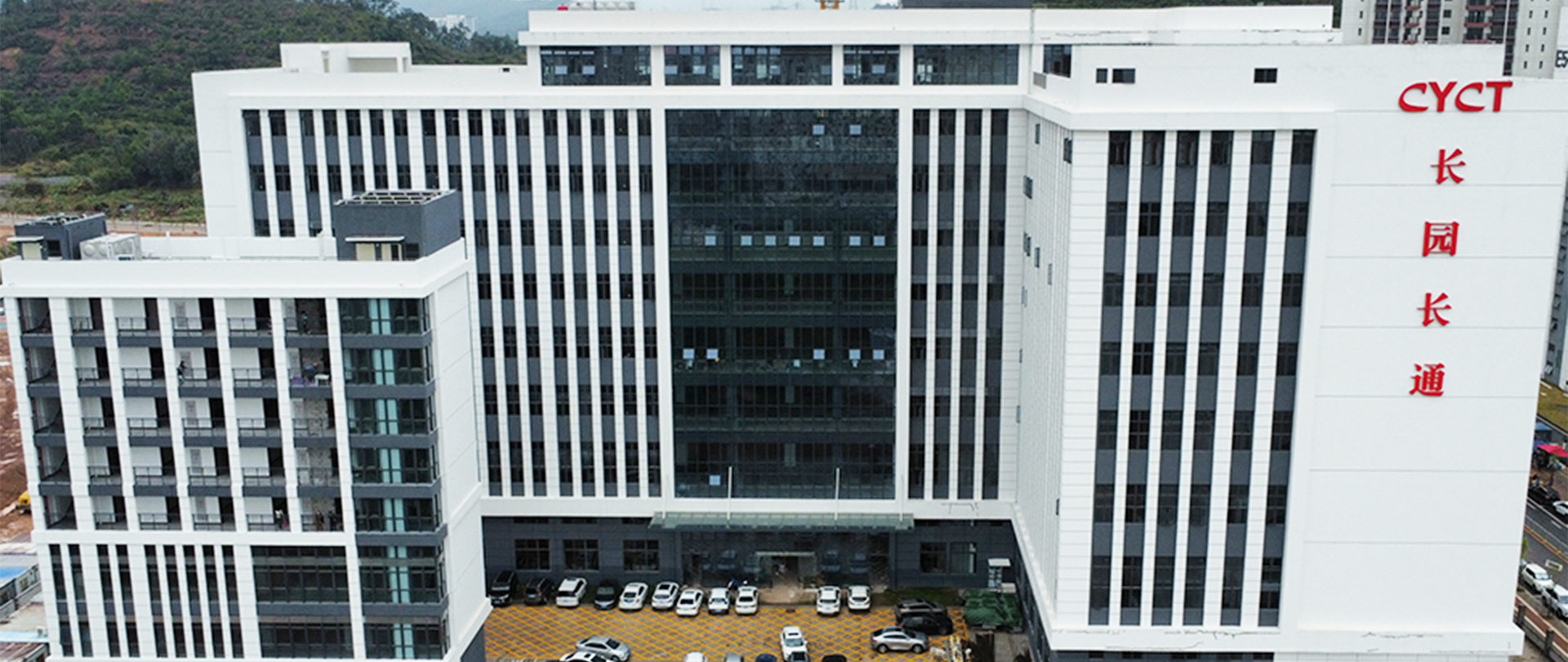
Our partnership with research centers like the CNPC Pipeline Science Research Institute allows us to offer integrated engineering services. We support clients with pipeline design schemes, cathodic protection, pipeline rehabilitation, and field joint coating applications.
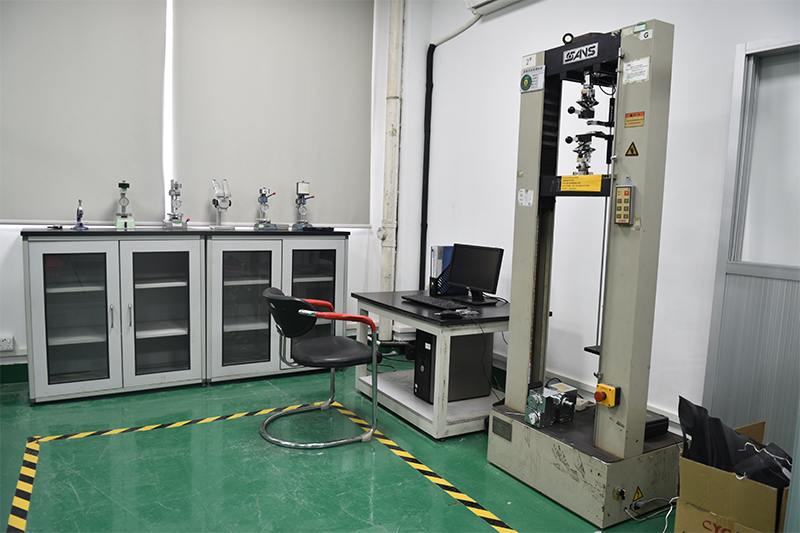
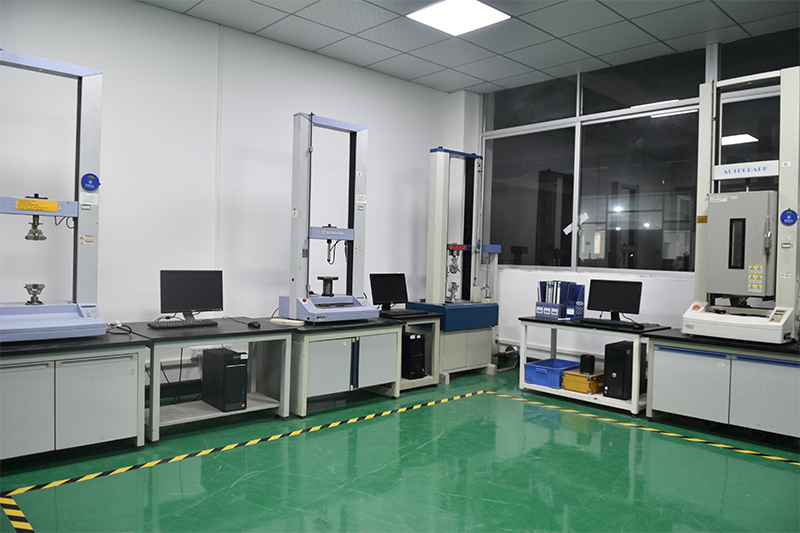
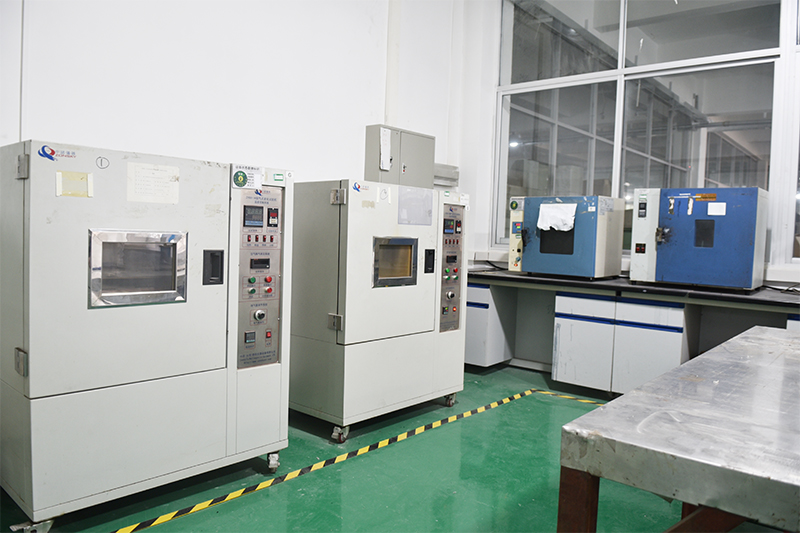
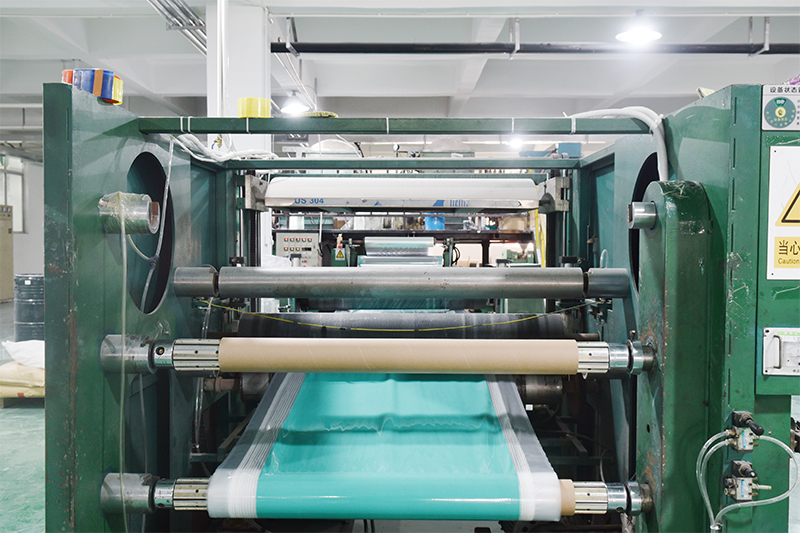
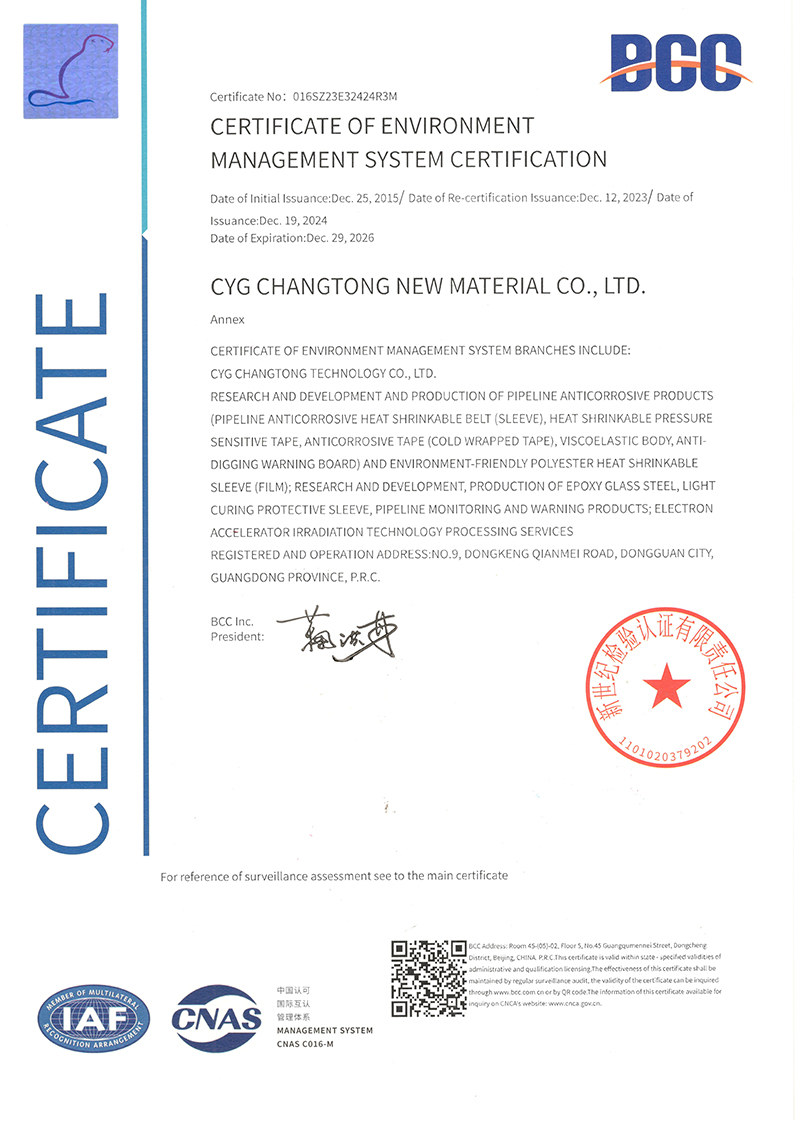
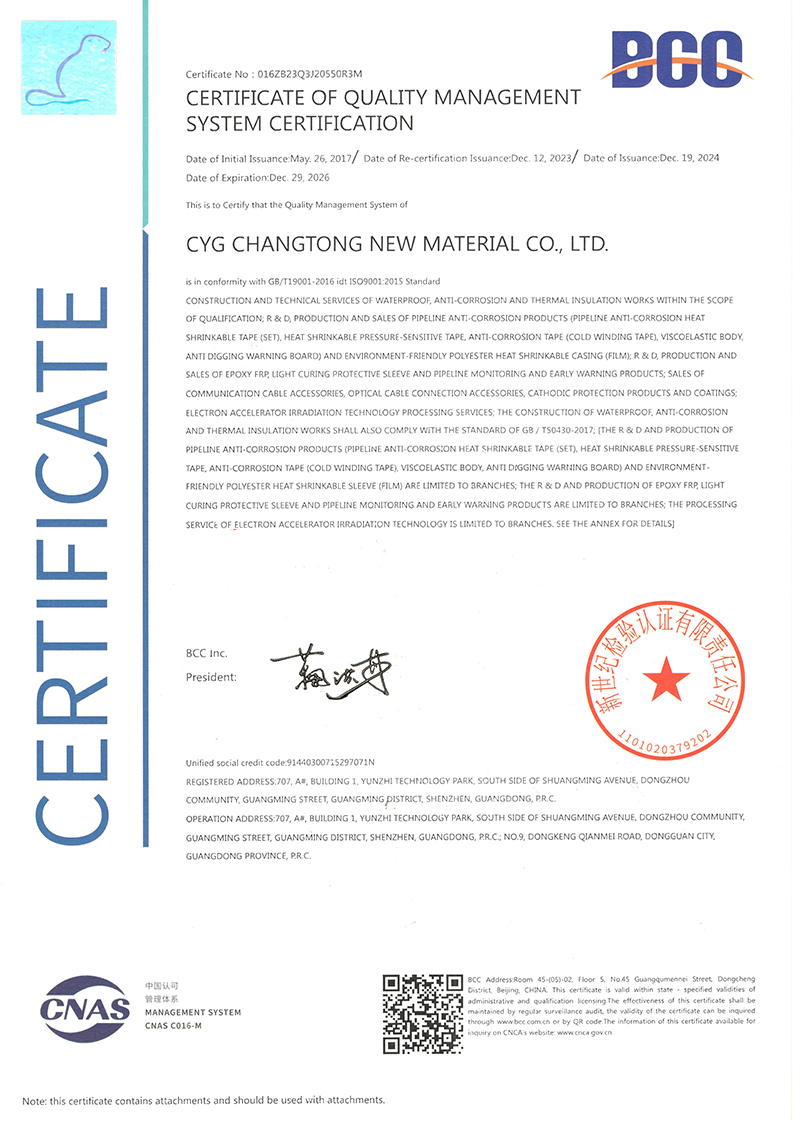
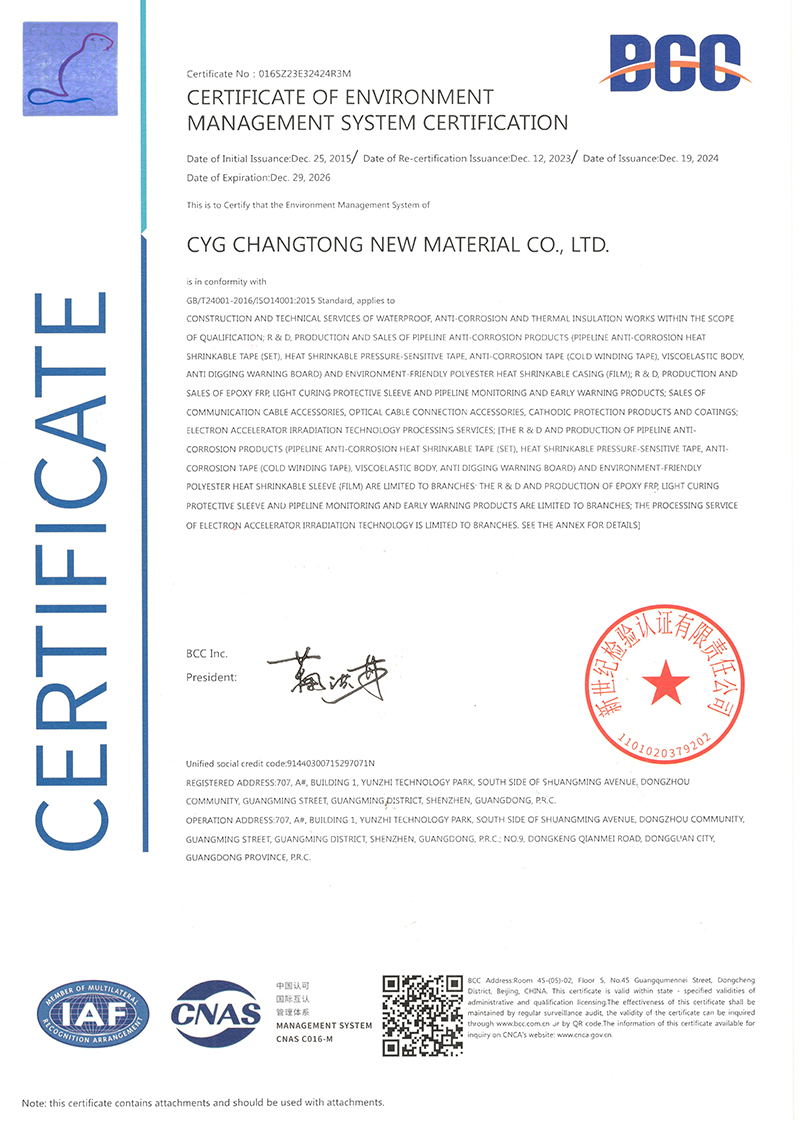
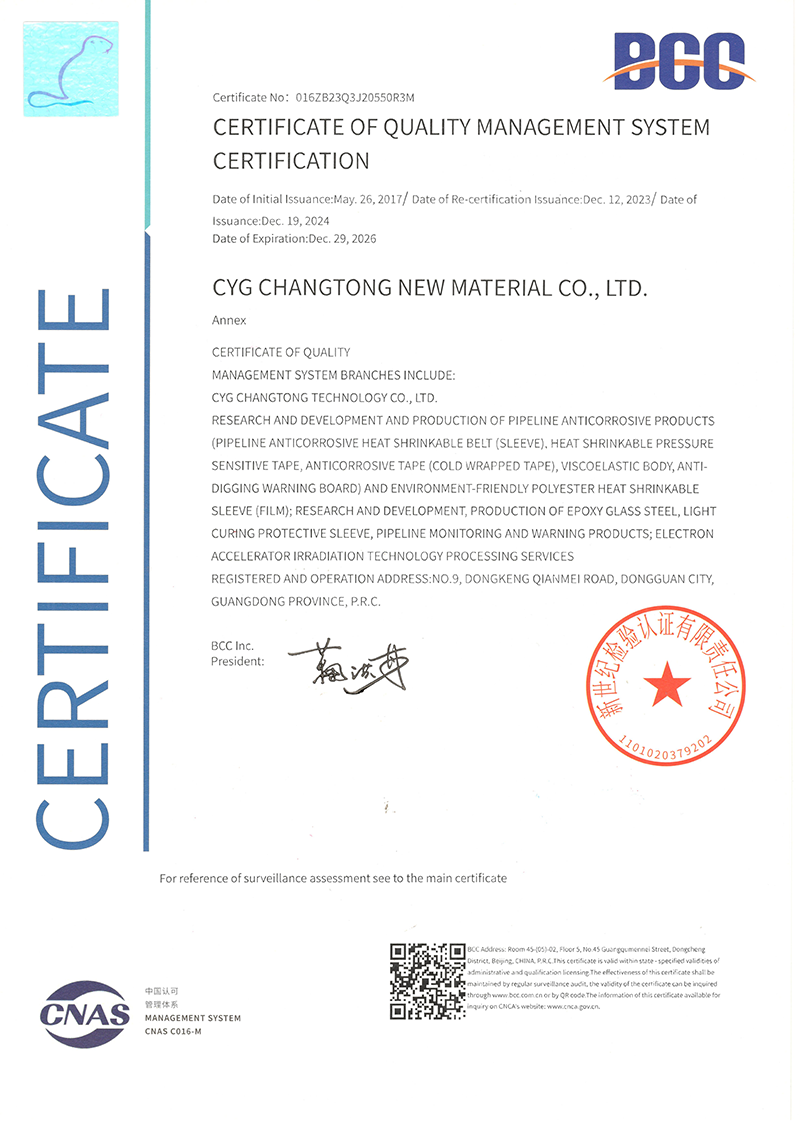
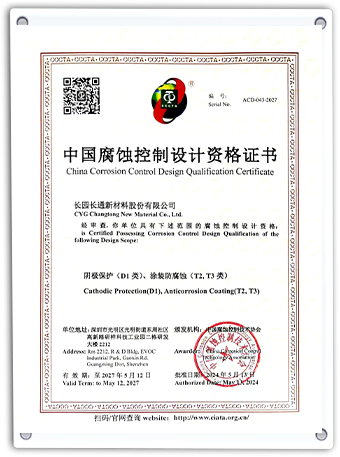
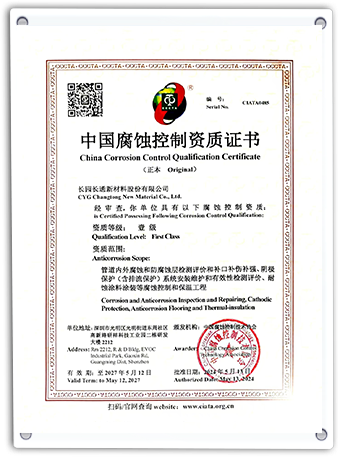
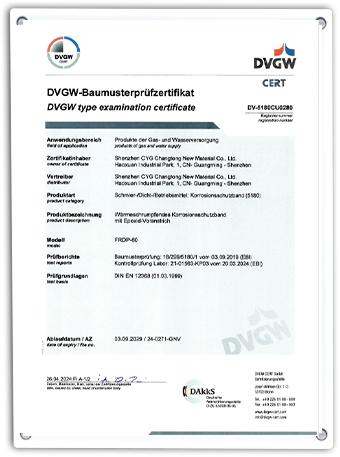
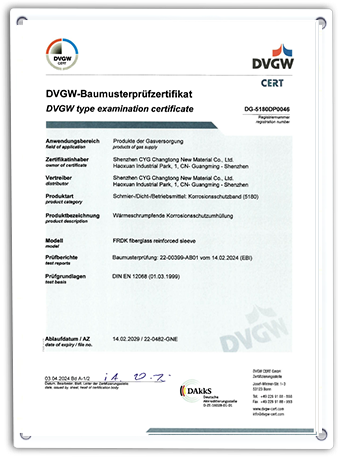
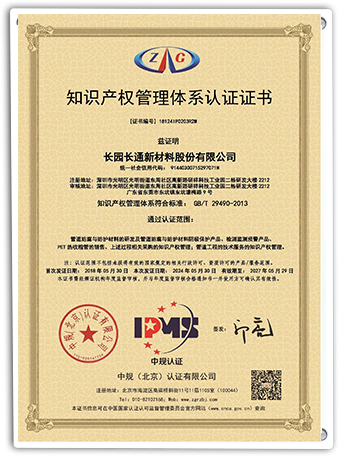
Our commitment to quality is backed by ISO certifications, local energy department approvals, and international standards verification:
 CYCT
CYCT