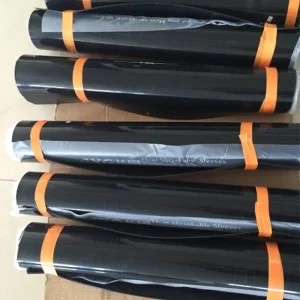
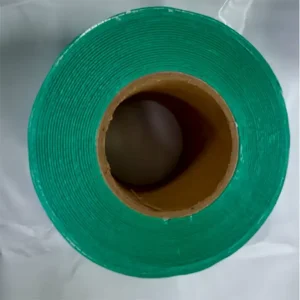
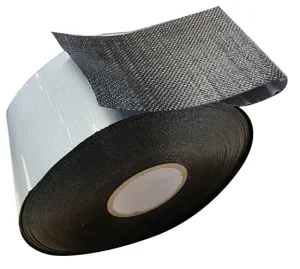
Direct-from-factory high-performance systems optimized for major municipal gas networks, HDD river crossings, and subsea pipelines in the Bengal Basin.
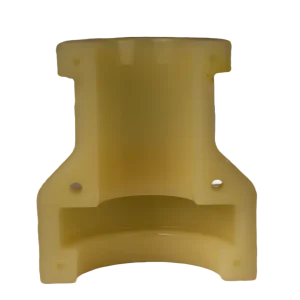
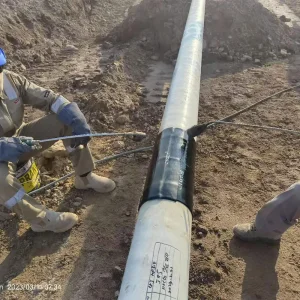
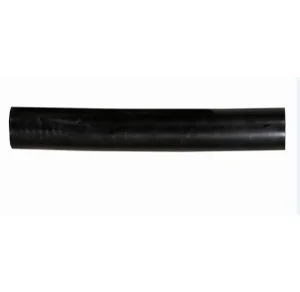
Deploying high-integrity pipelines in the world’s most dynamic deltaic environment requires premium thermal-shrink and mechanical reinforcement technologies.
Bangladesh presents one of the most demanding geological profiles globally for buried energy infrastructure. High moisture saturation levels, extensive alluvial deposits, and seasonal water table fluctuations place immense shear, compressive, and tensile stresses on steel pipelines. Pipeline coatings and field joint coatings (FJC) in this region are constantly subjected to severe soil movement and high soil shear stress during monsoonal shifts.
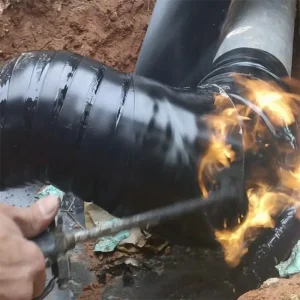
Standard heat shrink sleeves without adequate structural reinforcement can experience soil-stress creep, resulting in backing displacement, moisture ingress, and eventually localized MIC (Microbiologically Influenced Corrosion). FRDK Fiberglass Reinforced Heat Shrink Sleeves are specifically designed with a high-strength woven fiberglass mesh structurally laminated between a crosslinked polyolefin backing and a thick layer of high-shear hot-melt adhesive. This provides the physical resistance required to withstand long-term deltaic soil consolidation forces.
Bangladesh is sliced by major river networks, including the Padma, Jamuna, Meghna, and Karnaphuli. Laying pipeline segments across these waterways requires extensive Horizontal Directional Drilling (HDD). When a pipeline is pulled through an HDD borehole, the field joint area is exposed to severe frictional drag, rock abrasion, and extreme shear forces.
Standard PE shrink sleeves run a high risk of tearing or peeling during the pull-back phase. Our FRDK sleeves utilize fiberglass reinforcing fibers that act as an integrated armored jacket. This guarantees that the joint coating remains intact and undamaged from entry to exit point, preventing post-installation cathodic protection shieldings or early corrosion failure.
Are you designing an energy grid or handling a river crossing under GTCL, Petrobangla, or SGFL in Bangladesh?
Consult with our Application EngineersUnderstanding the multi-layered mechanical shielding principles of FRDK structural heat shrink sleeve technology.
The glass fiber reinforcement forms a high-tensile internal web that restricts thermal-expansion creep and cold-flow deformation. This structural matrix distributes mechanical stress uniformly across the joint region.
Engineered with active chemical functional groups, our copolymer hot-melt adhesive flows under installation heat to fill the 3LPE step-down areas completely, establishing a moisture-impermeable bond with steel and PE.
The thick polyolefin backing undergoes high-energy radiation crosslinking. The resulting shape-memory effect enables powerful shrinking forces and provides superior abrasion, UV, and atmospheric protection.
To ensure structural stability and reliable cathodic protection compatibility, field joint materials must comply with strict physical performance indicators. The table below represents a comparison between standard heat shrink sleeves (HSS) and the FRDK Fiberglass Reinforced Heat Shrink Sleeves deployed under high-stress conditions.
| Physical Property | Standard Polyolefin Sleeve | FRDK Fiberglass Reinforced Sleeve | Test Method Standard |
|---|---|---|---|
| Tensile Strength | ≥ 14 MPa | ≥ 25 MPa (structural glass reinforcement) | ASTM D638 / EN 12068 |
| Peel Strength to Steel | ≥ 70 N/cm | ≥ 100 N/cm (at 23°C) | ISO 21809-3 / ASTM D1000 |
| Indentation Resistance | ≥ 1.0 mm (residual) | ≥ 2.5 mm (under heavy loading) | EN 12068 Class C |
| Impact Resistance | ≥ 15 J | ≥ 35 J (armored mesh dispersion) | ASTM G14 / EN 12068 |
| Cathodic Disbondment | < 15 mm (at 60°C, 28 days) | < 5 mm (at 65°C, 28 days) | ASTM G8 / ISO 21809-3 |
| Max Service Temp | 60°C | 80°C (extended thermal rating) | - |
CYCT's international integration spans key markets including Southeast Asia, the Middle East, South America, and the dynamic pipeline sector of South Asia.
Across the globe, oil, gas, and water transmission infrastructure operates under varied environmental conditions. As pipeline design parameters transition to higher pressures and more rugged installation environments (like horizontal directional drilling, offshore piping, and high-temperature hydrocarbon transport), standard single-layer field joint coatings are no longer sufficient.
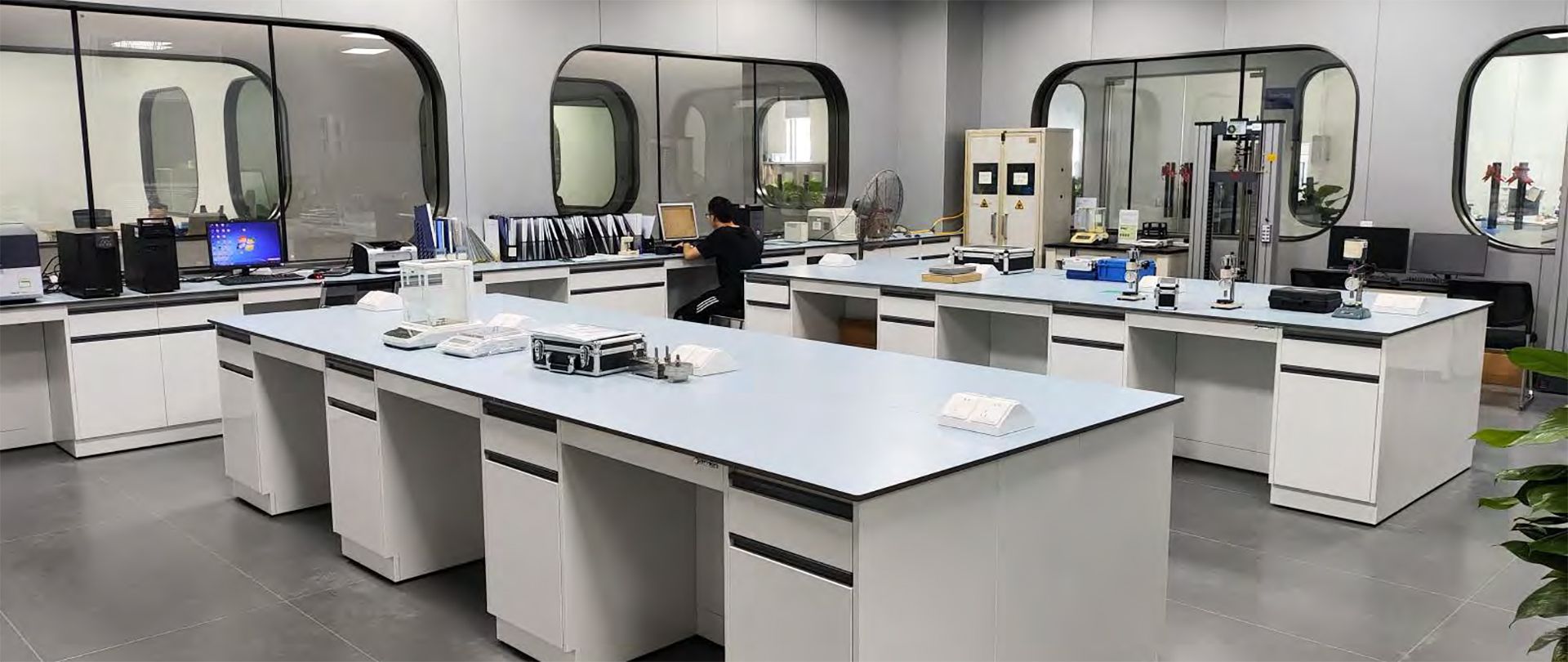
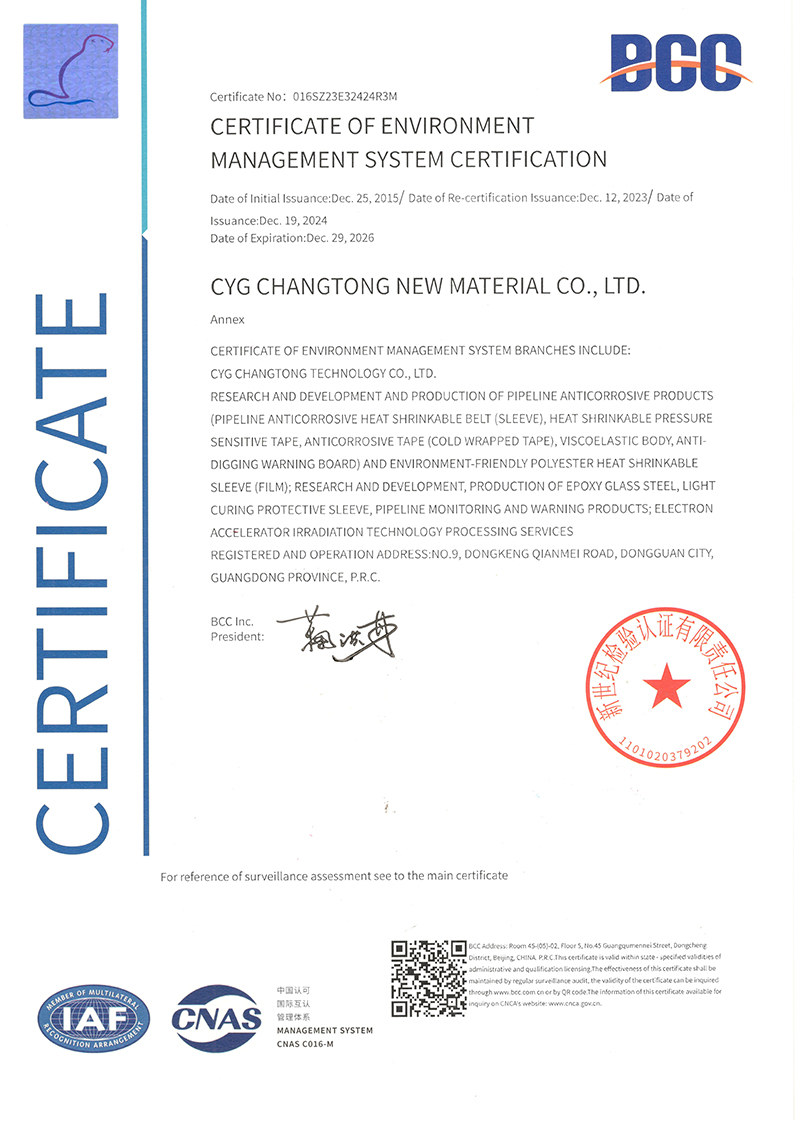
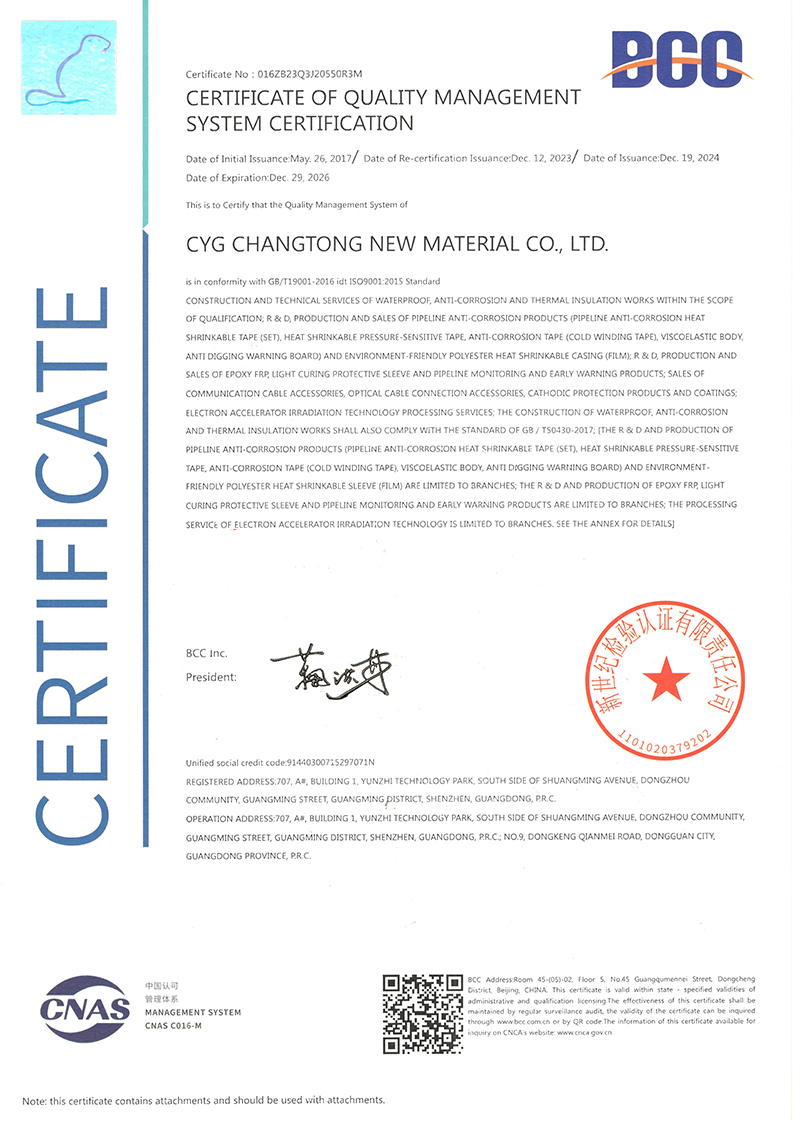
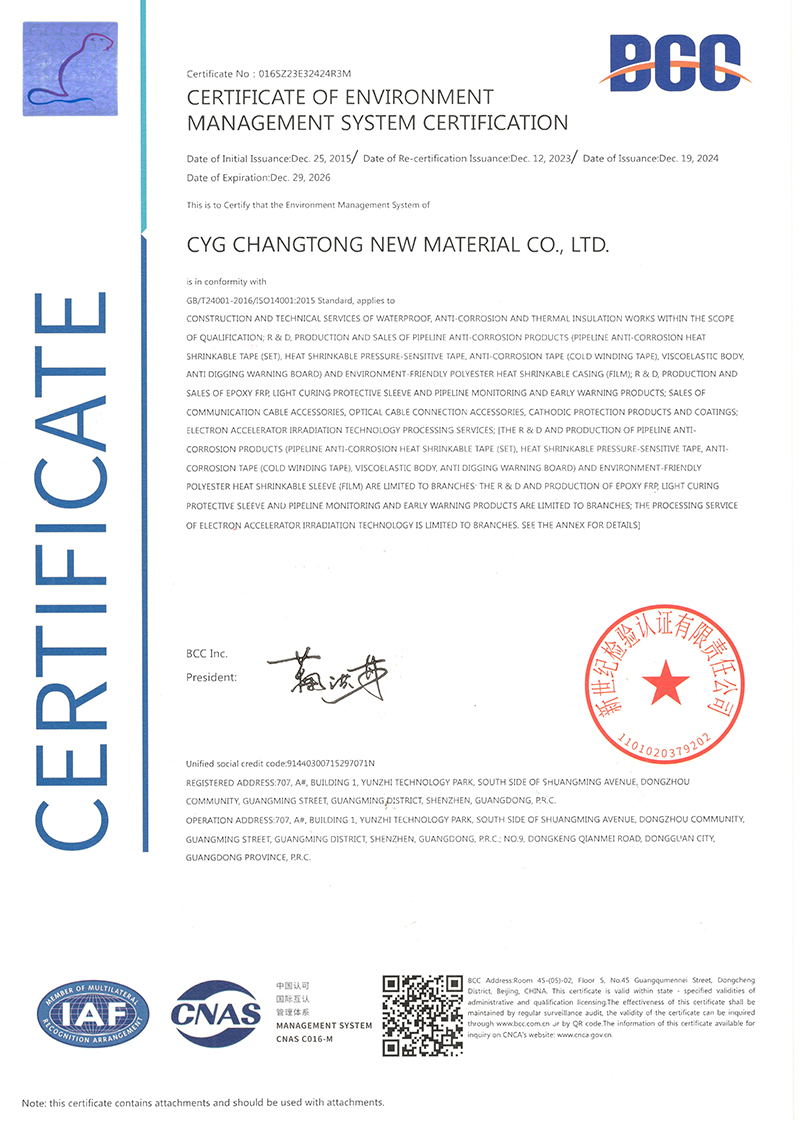
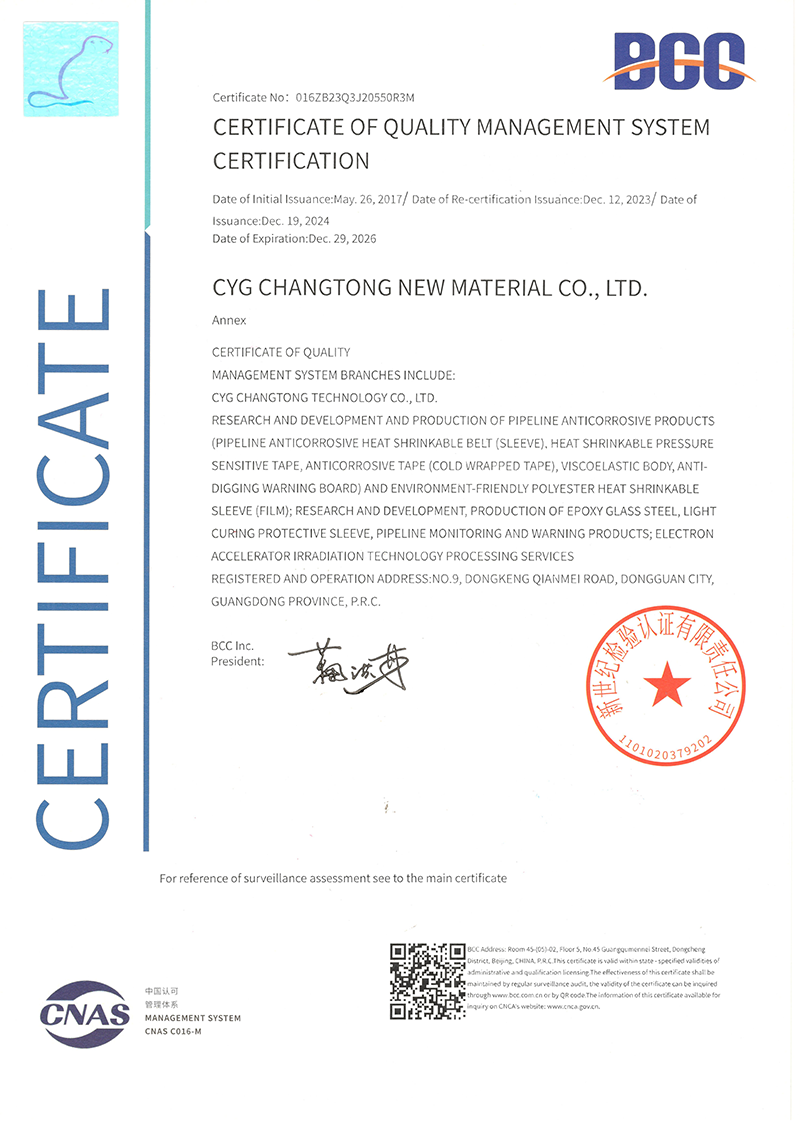
CYCT supplies high-performance, multi-layered anti-corrosion materials engineered to meet international standards (including ISO 21809-3, DIN 30672, and EN 12068). Our global reach has established us as a trusted vendor for national oil companies (NOCs) and engineering contractors worldwide. We provide integrated solutions, including pre-construction surveys, high-quality material supply, technician training, and third-party QA/QC inspection protocols.
Integrating state-level R&D, certified manufacturing, and global-scale pipeline safety solutions.
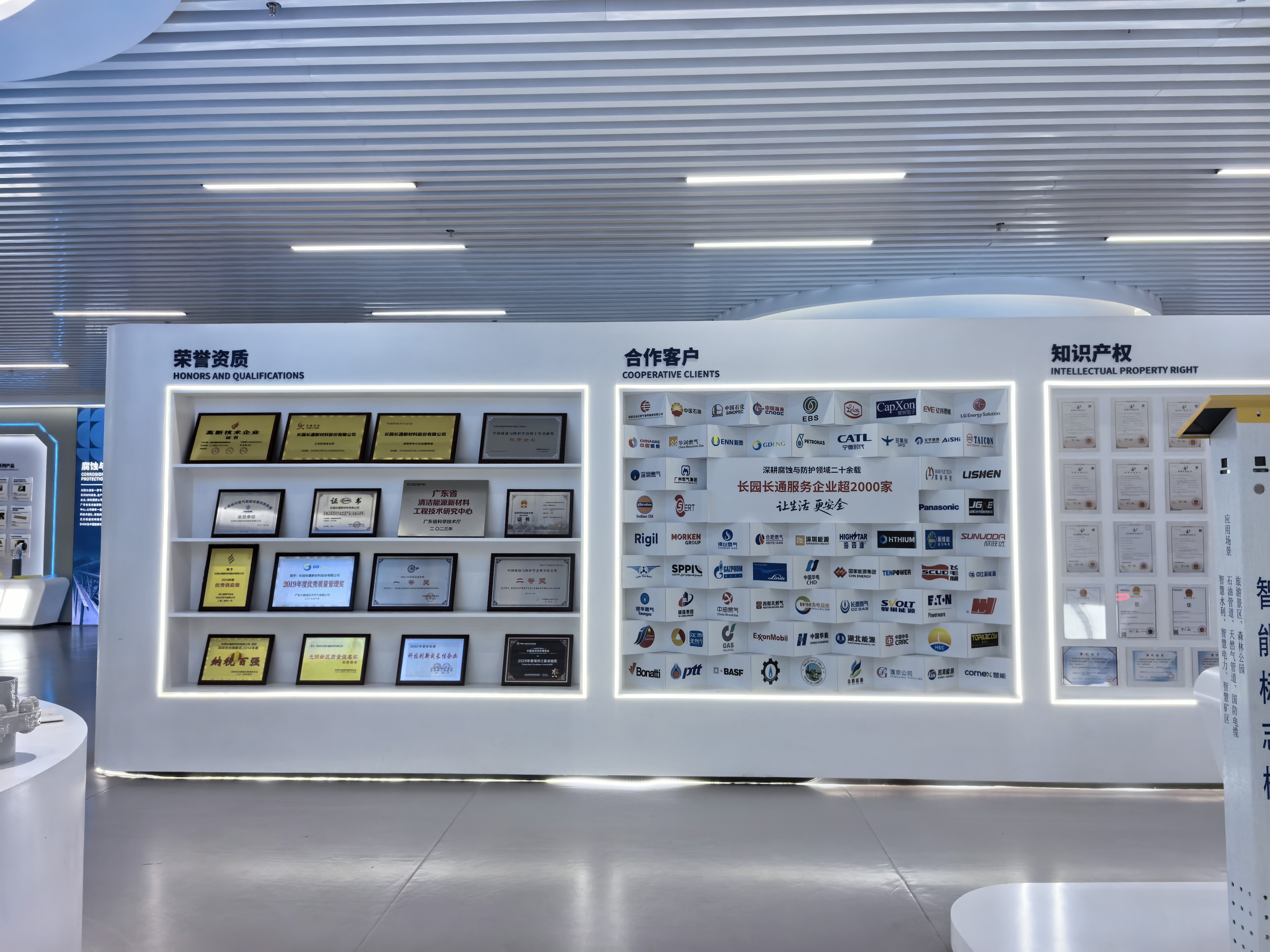
CYCT New Materials Company Limited (for short, CYCT) is a state-level high-tech enterprise integrating the research and development, production, and sales of pipeline corrosion protection materials, alongside buried pipeline detection and application services.
We are a certified supplier of field joint coatings for leading energy entities globally, including PetroChina, Sinopec, PipeChina, and Indian Oil. Through our close cooperation with scientific research institutions like the CNPC Pipeline Science Research Institute, we deliver comprehensive pipeline protection systems. This includes cathodic protection systems, pipeline rehabilitation coatings, and specialty visco-elastic corrosion prevention tapes.
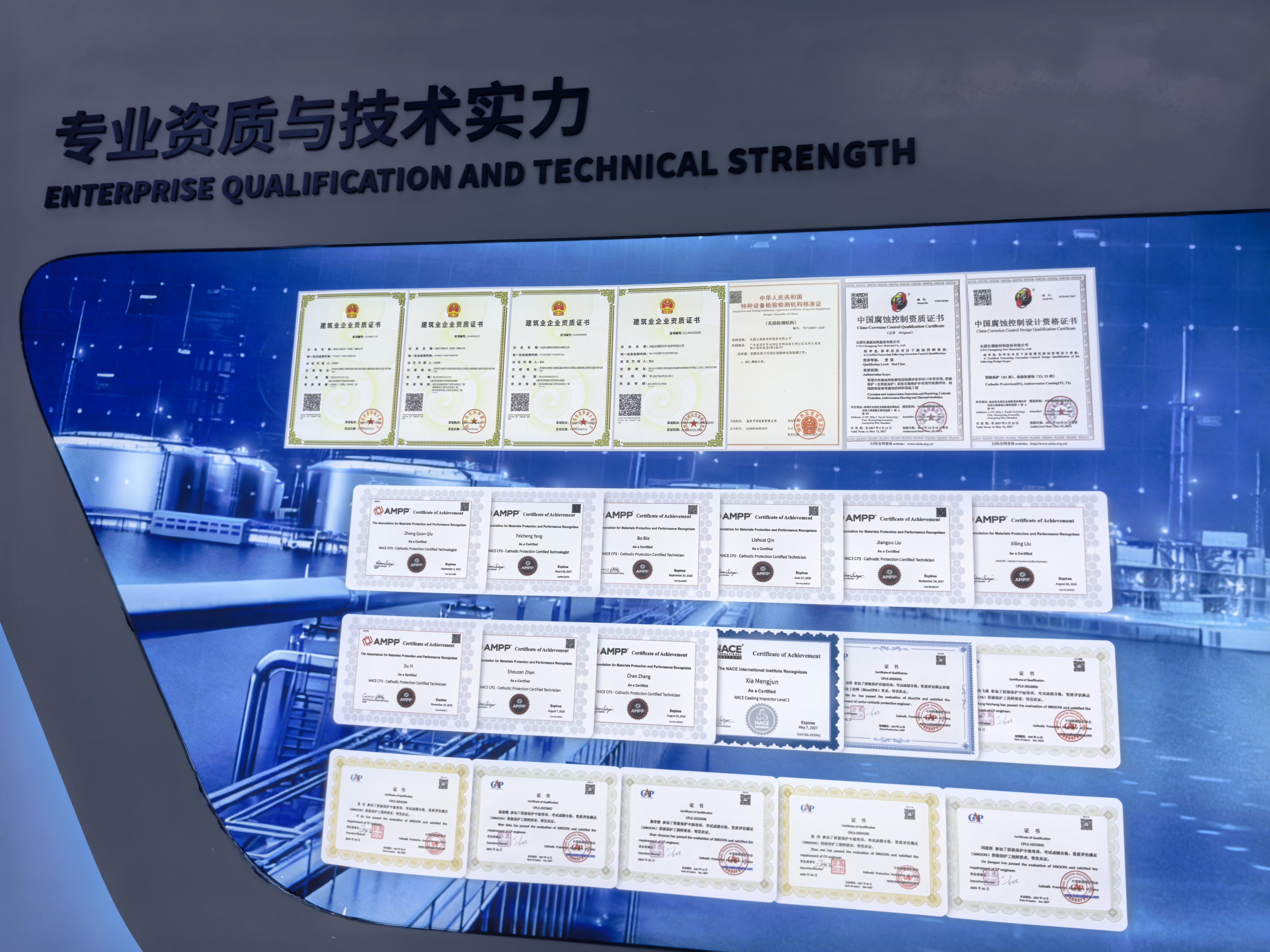
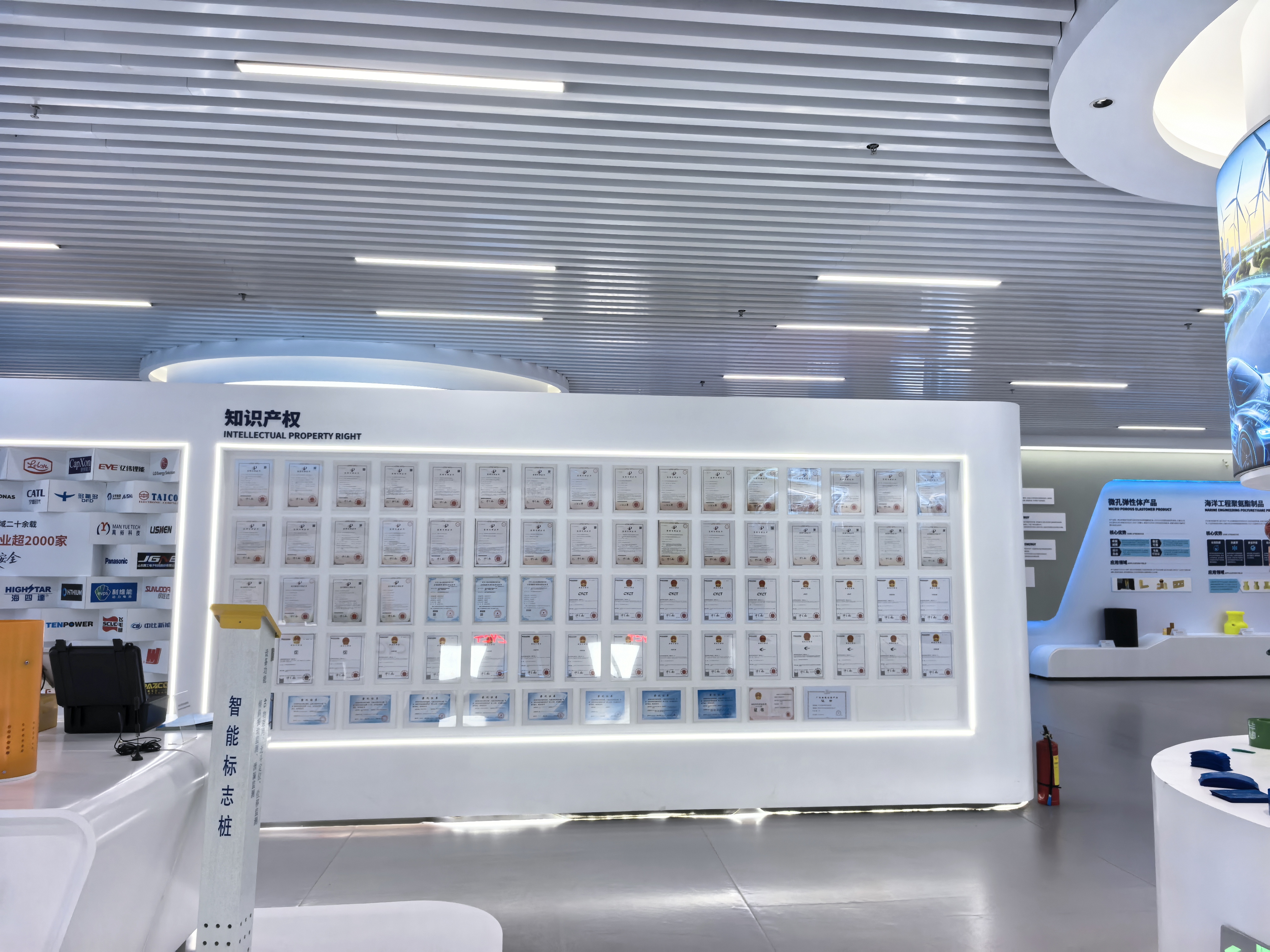
CYCT's strategic technology roadmap focuses on digitalization, low-carbon footprints, and extreme-performance materials.
In line with global decarbonization goals, CYCT is actively researching next-generation hot-melt adhesives that reduce volatile organic compound (VOC) emissions during installation. Our new adhesive formulations use plant-based, renewable resins that match or exceed the performance parameters of conventional petroleum-derived copolymers. This supports international sustainability initiatives and helps minimize environmental impacts on local ecosystems, particularly in high-biodiversity areas like Bangladesh.
We are currently developing smart heat shrink backings integrated with micro-indicator particles that undergo visual shifts when exposed to mechanical wear or local chemical degradation. Additionally, we are exploring thin-film sensor networks that can be laminated alongside our FRDK sleeves. These sensors will capture and transmit data regarding cathodic protection potentials, localized shear stresses, and humidity levels, providing real-time diagnostic insights for pipeline operators.
Expert responses regarding application, technical standards, and supply of FRDK Fiberglass Reinforced Heat Shrink Sleeves for engineers and procurement teams in Bangladesh.
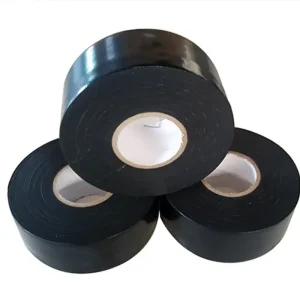
Explore our full line of specialized pipeline protection tapes, repair patches, and structural sleeves for major infrastructure projects in Bangladesh.
Whether you are planning gas transmission mains, city-wide distribution networks, or deep-water marine pipeline crossings in Bangladesh, CYCT's team of engineers is ready to assist with material selections, technical designs, and installation training.
 CYCT
CYCT