Explore our elite selection of specialized corrosion prevention materials, developed in our national CNAS-accredited laboratory for high-reliability industrial operations.
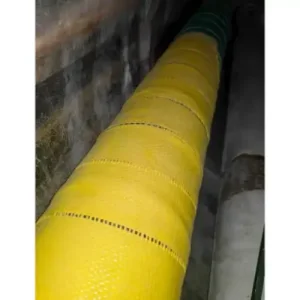
Modern steel pipelines are the lifelines of global energy and fluid distribution networks, spanning millions of kilometers across continental expanses, marine channels, and municipal utility corridors. While factory-applied coatings like 3-Layer Polyethylene (3LPE) and 3-Layer Polypropylene (3LPP) provide robust line pipe protection, the welded field joint—the location where distinct pipes are joined on-site—remains highly vulnerable to electrochemical attacks, oxygen ingress, and mechanical distress.
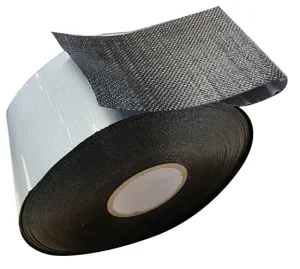
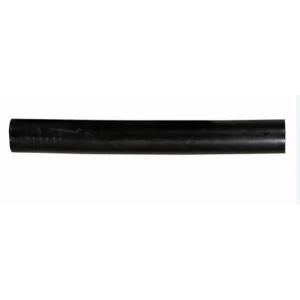
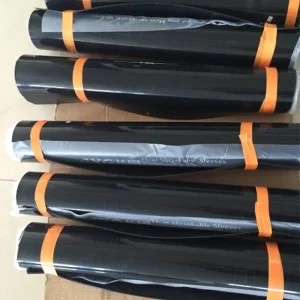
As a leading OEM Wraparound Sleeve Manufacturer, we engineer tailored heat-shrinkable field joint systems designed to replicate or exceed the performance parameters of original factory coatings. This comprehensive guide outlines the material science, global standards, operational considerations, and local compliance requirements that guide high-performance wraparound sleeve selection.
"The security of a pipeline is only as reliable as its weakest joint. Engineered field joint coatings (FJC) ensure that welded segments exhibit continuous, long-term resistance to cathodic disbondment, soil stress, and hydrostatic pressures."
Globally, pipeline asset managers face escalating environmental pressures. Infrastructure is pushed to operate at higher design temperatures to maximize throughput, while deep-burial practices subject coatings to immense soil stresses. Furthermore, localized conditions, such as high-salinity marine air in offshore terminals or freeze-thaw cycles in sub-arctic regions, demand multi-layered corrosion defense systems. OEM manufacturers must move away from generic formulas and design specialized materials featuring high shear resistance, variable temperature tolerance, and compatibility with cathodic protection (CP) configurations.
A state-level high-tech enterprise integrating R&D, production, and field engineering services.
Founded Year
Accredited Lab
Proprietary IP Rights
Global Standards Align
CYCT New Materials Company Limited (for short, CYCT) is a state-level high-tech enterprise integrating R&D, production and sales of pipeline corrosion protection materials as well as buried pipeline detection service and pipeline coating field application service into one. CYCT devotes itself to R&D, production and sales of pipeline corrosion protection materials for decades.
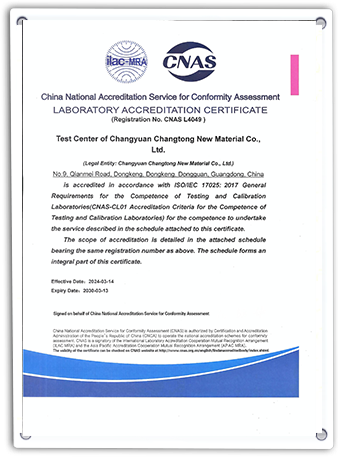
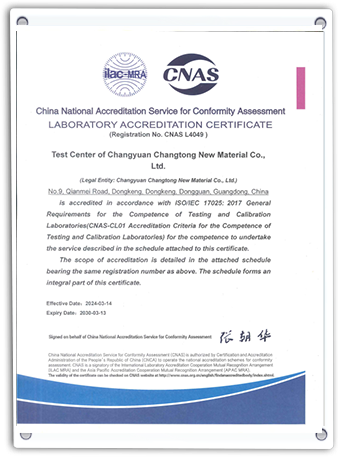
CYCT owns leading testing and R&D capabilities, a professional R&D team, and a national CNAS-accredited laboratory. By maintaining close cooperation with leading research institutes such as the CNPC Pipeline Science Research Institute, CYCT is capable of providing in-service pipelines with varied technical services including buried pipeline detection, bespoke design schemes, cathodic protection, rehabilitation projects, and integrated security solutions.
CYCT has become a stable supplier of field joint coatings for years in PetroChina, Sinopec, PipeChina, and local pipeline networks, maintaining an exceptional market share. Furthermore, CYCT has successfully developed and introduced a number of specialty corrosion protection materials such as viscoelastic anticorrosion materials, special photo-curing sleeves for Horizontal Directional Drilling (HDD) protection, and polyurea coatings.
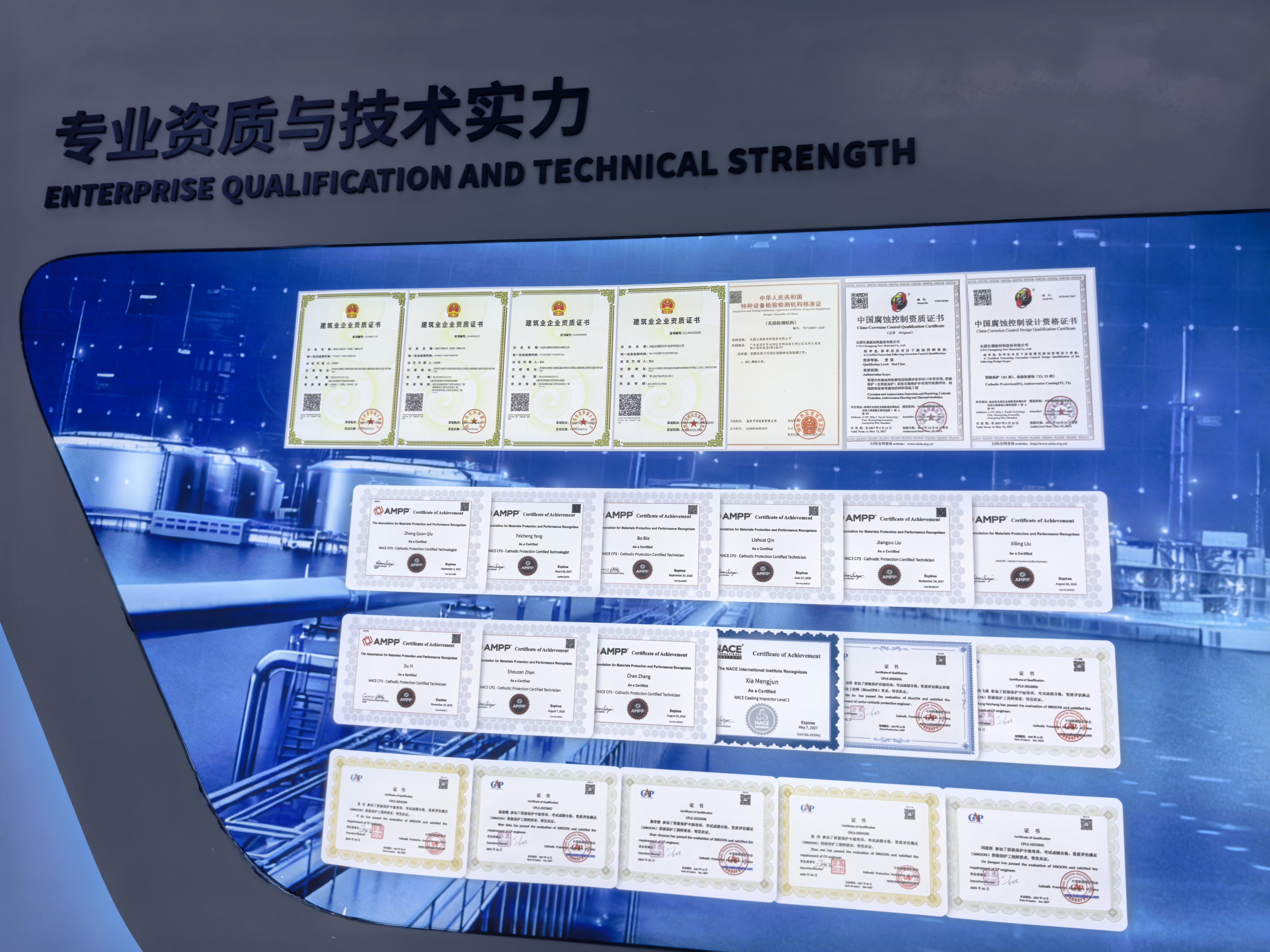
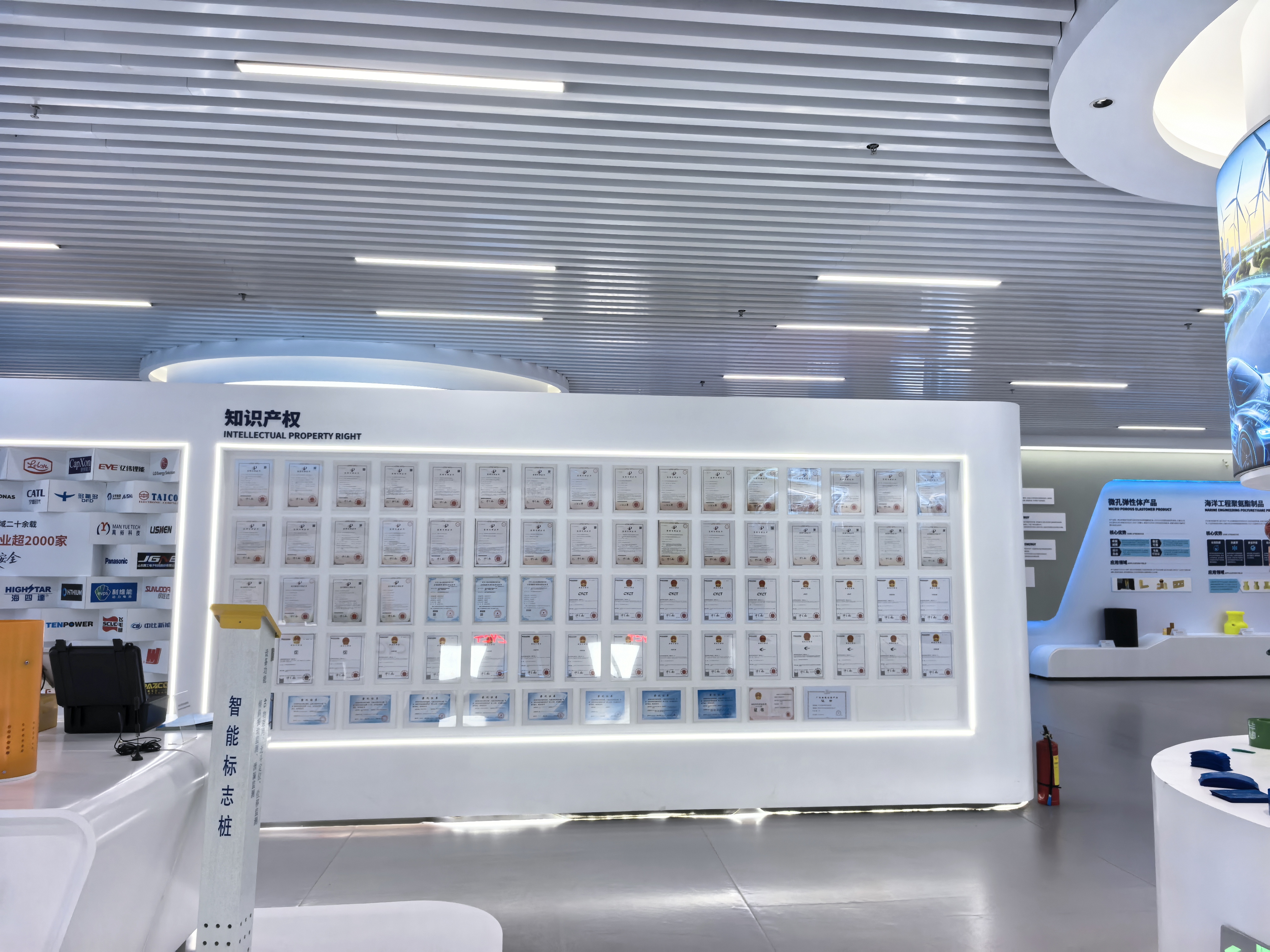
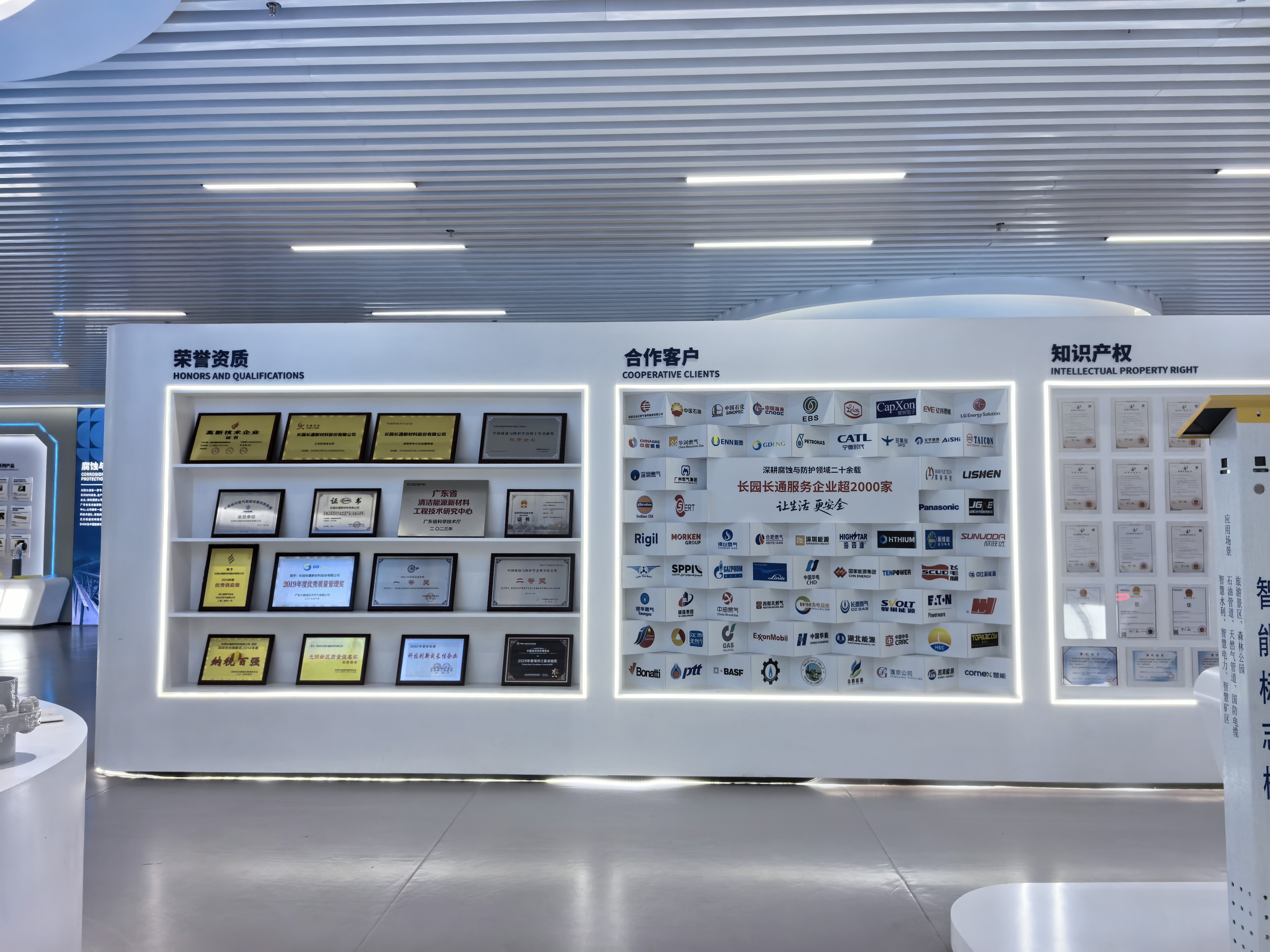
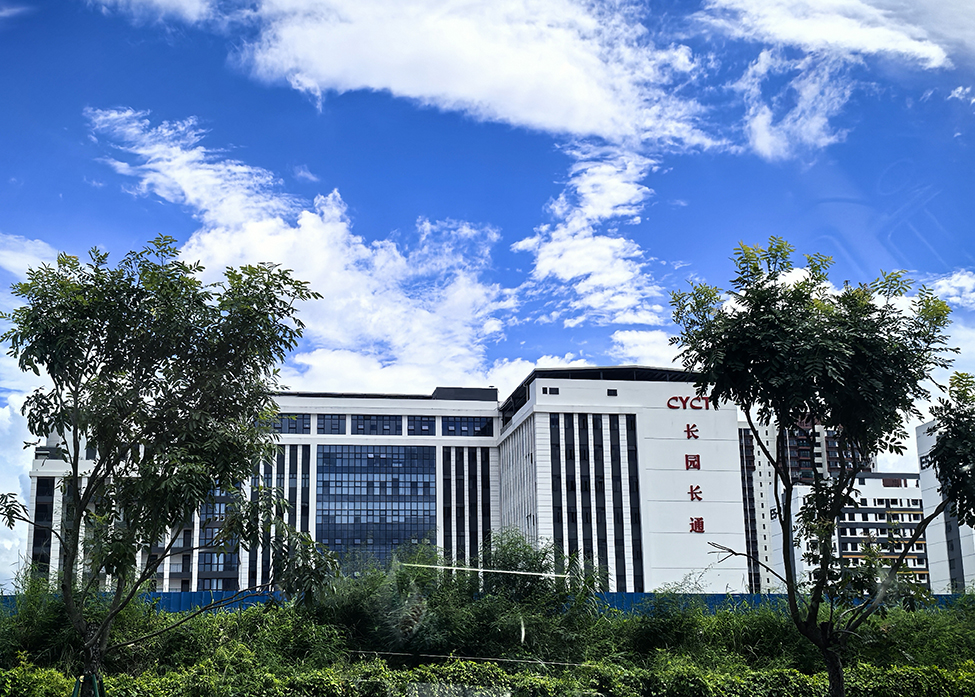
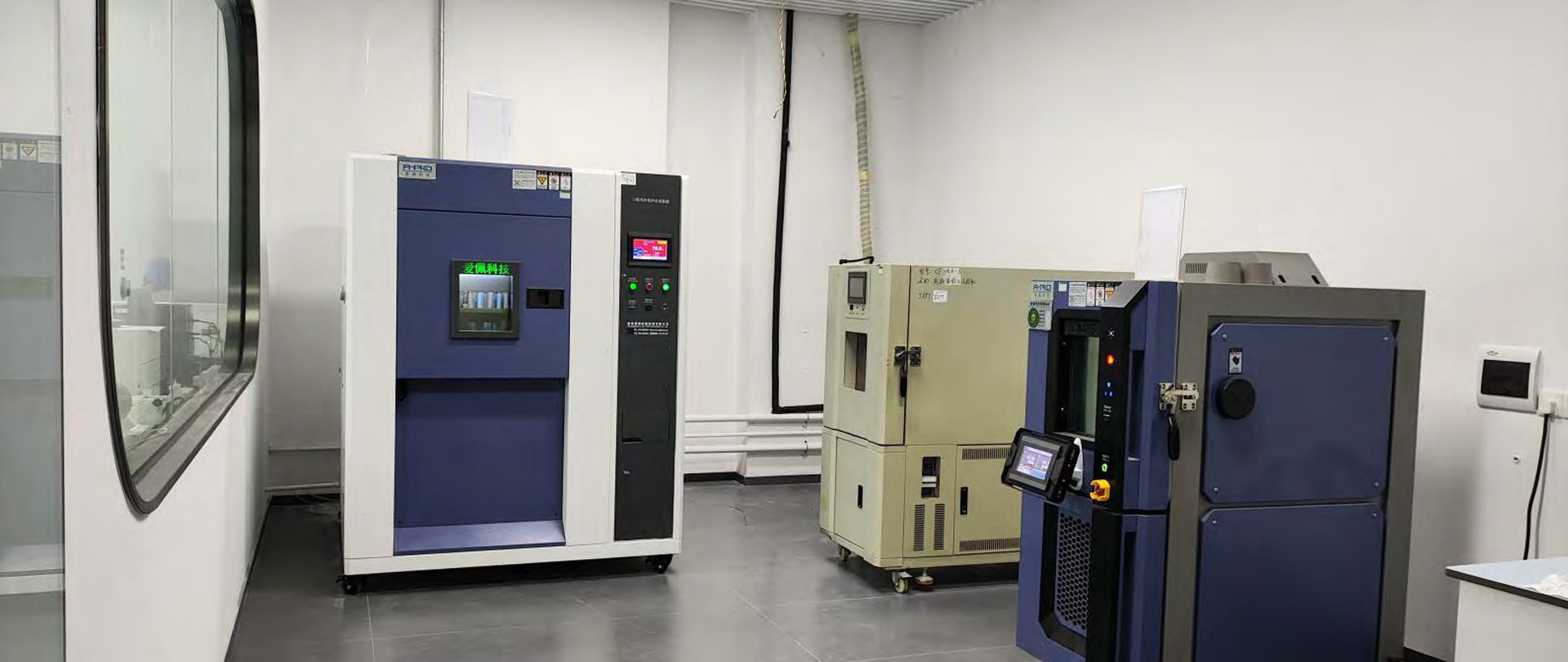
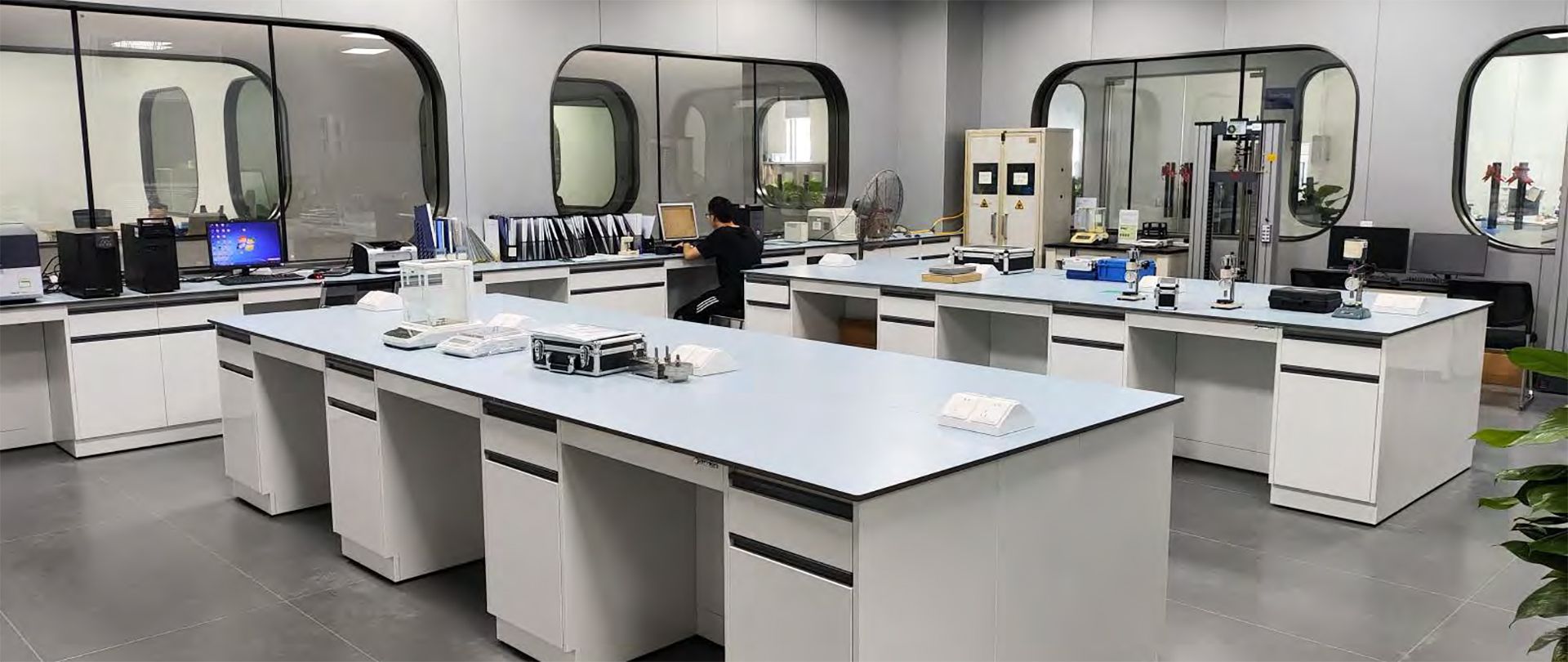
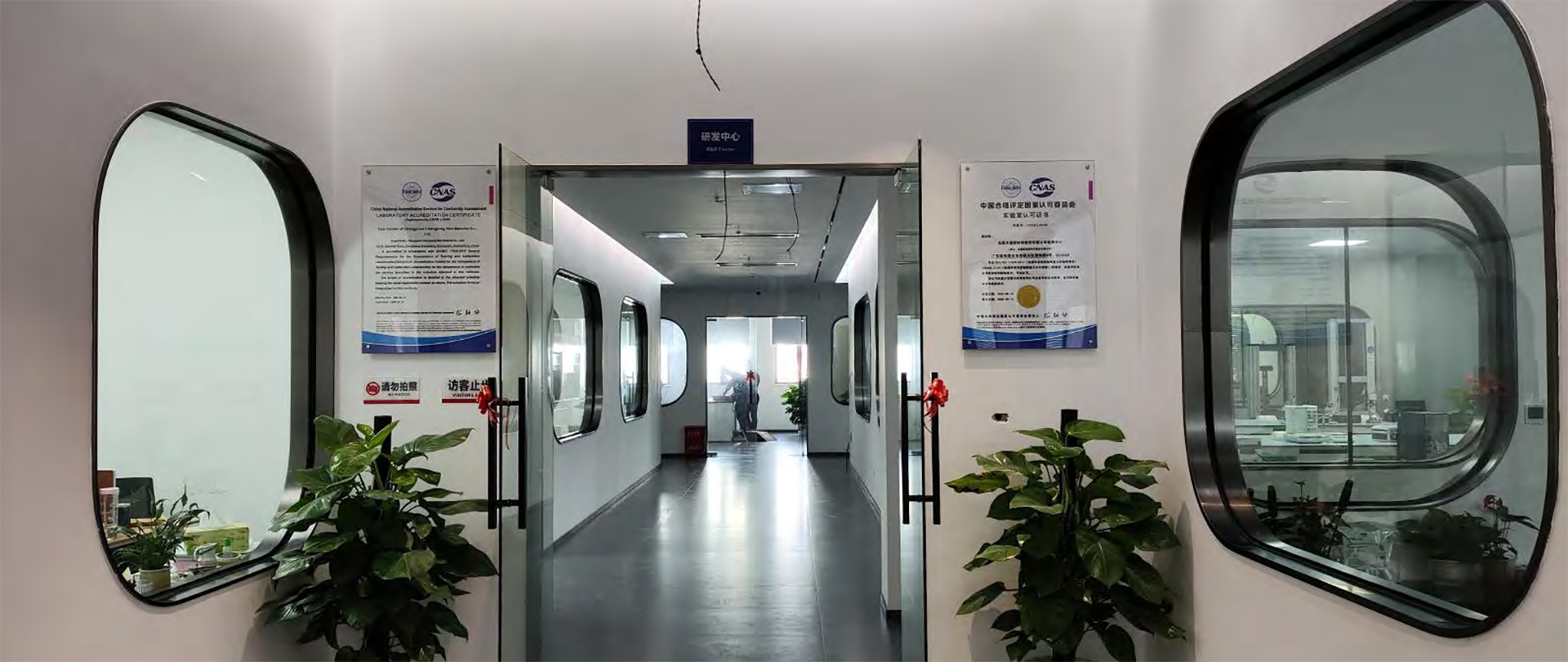

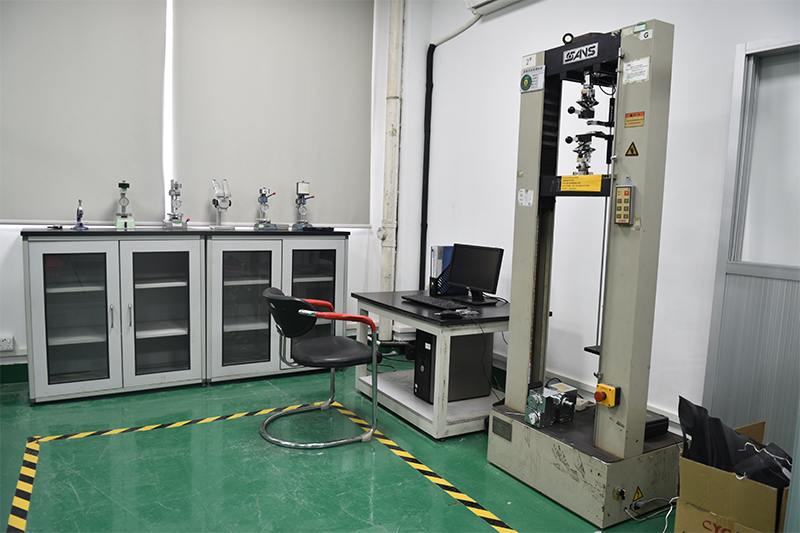
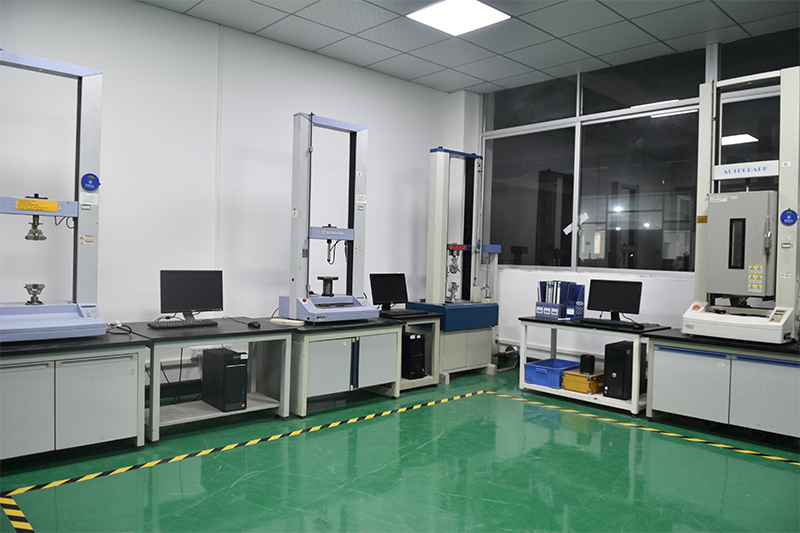
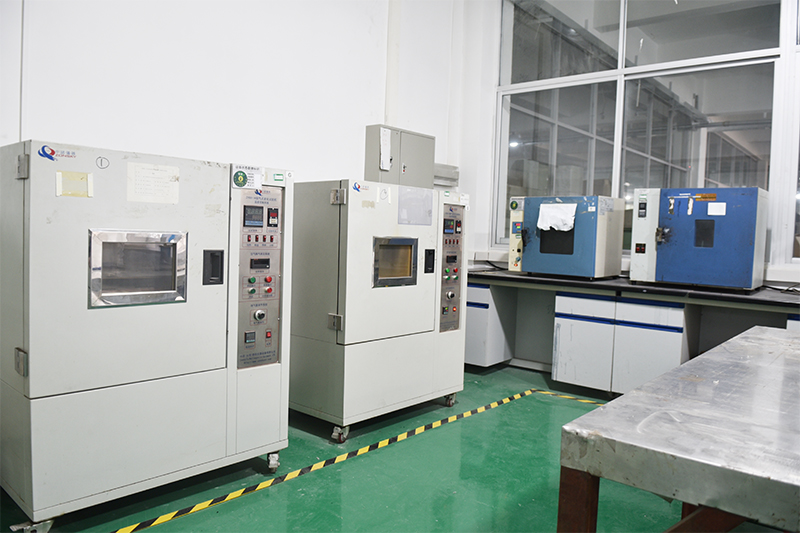
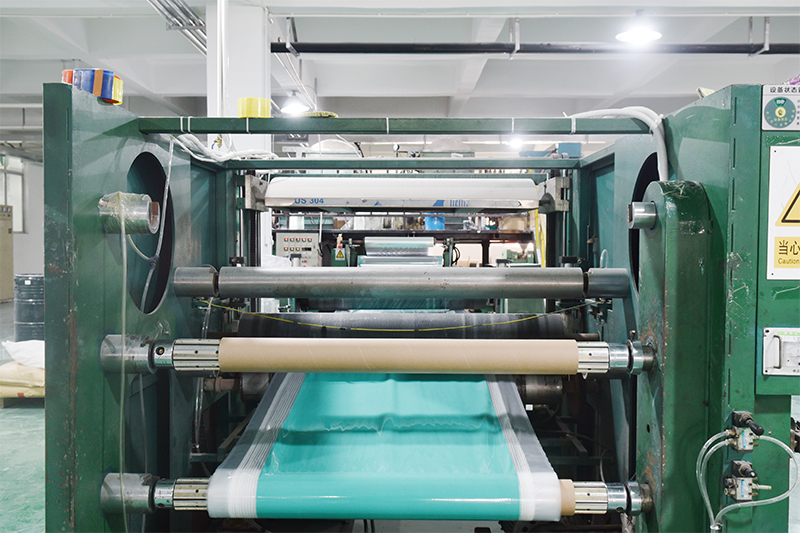
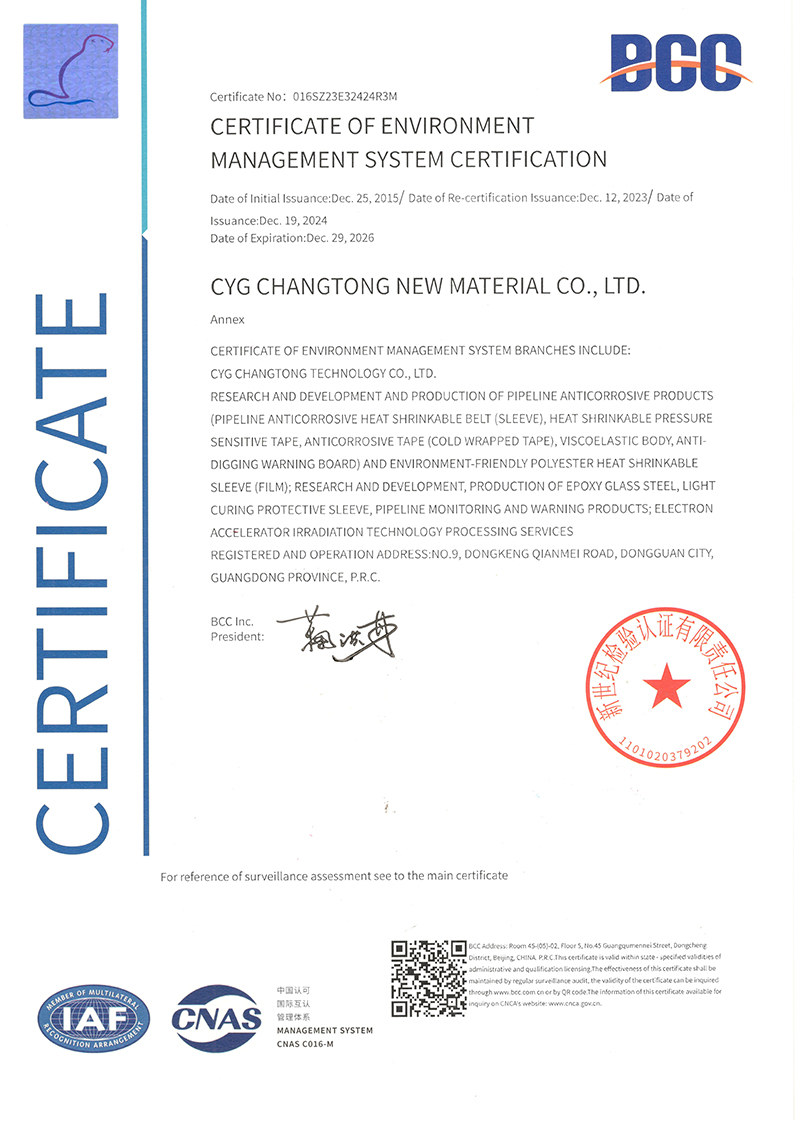
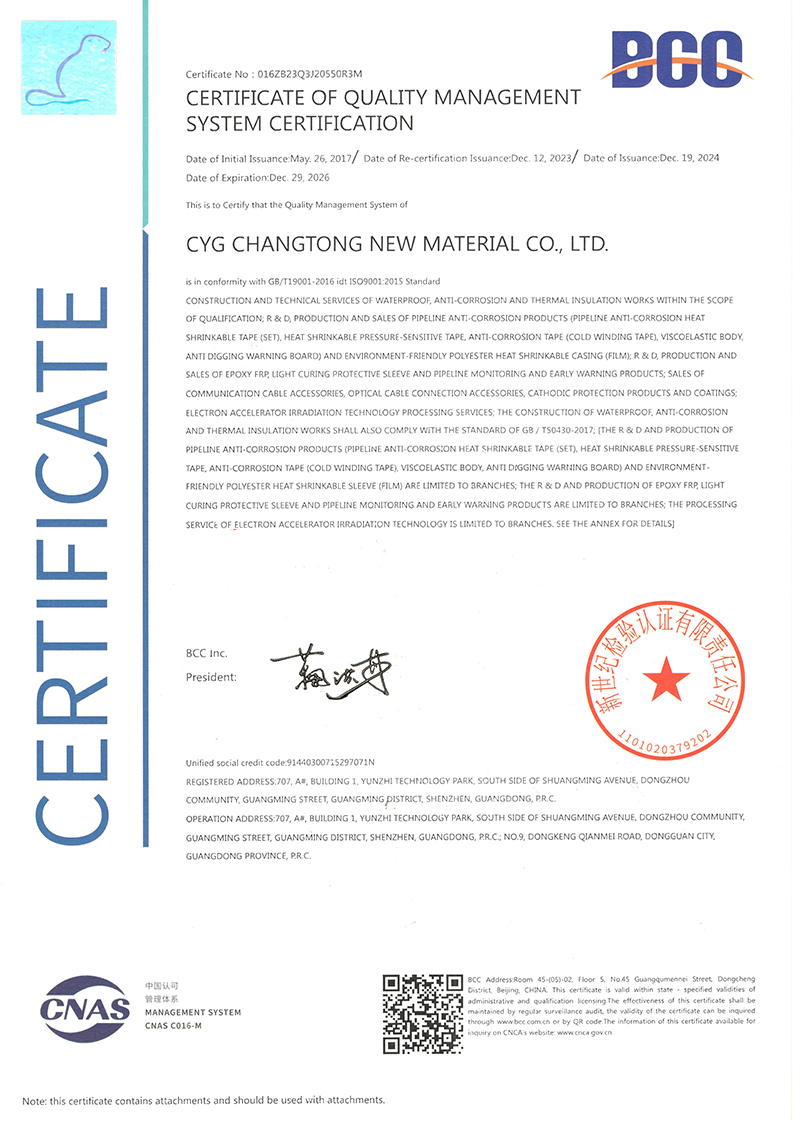
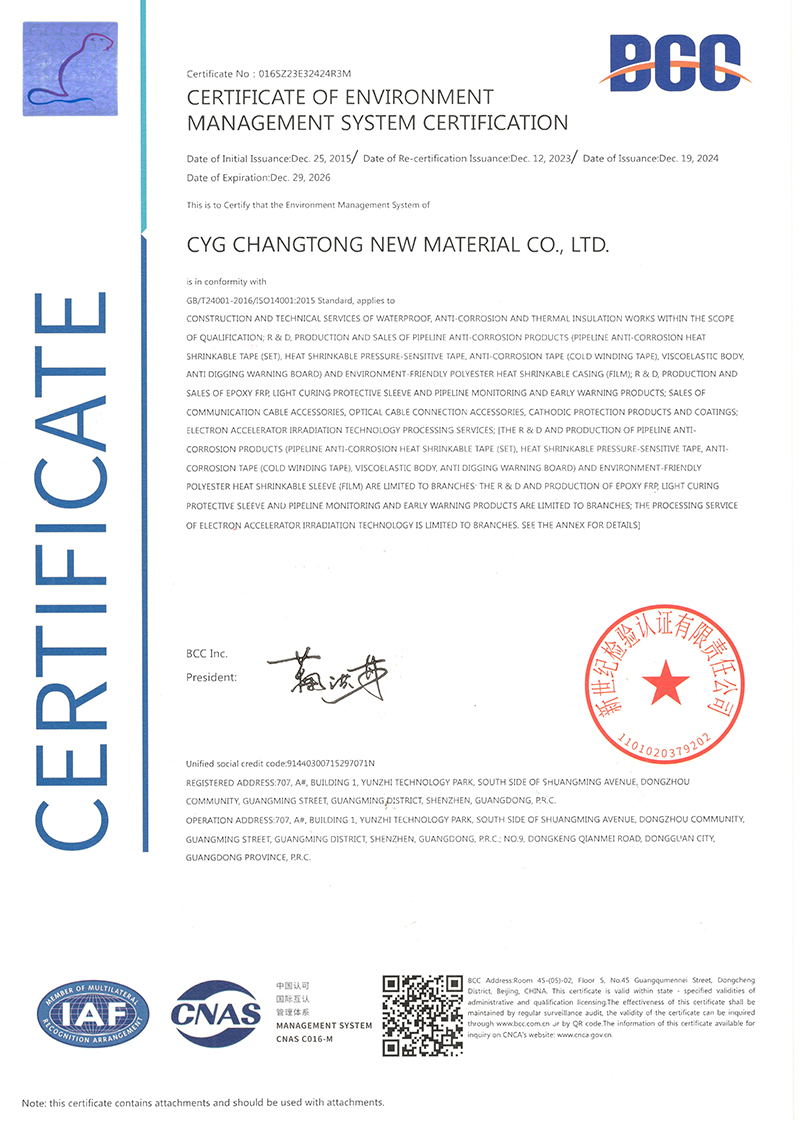
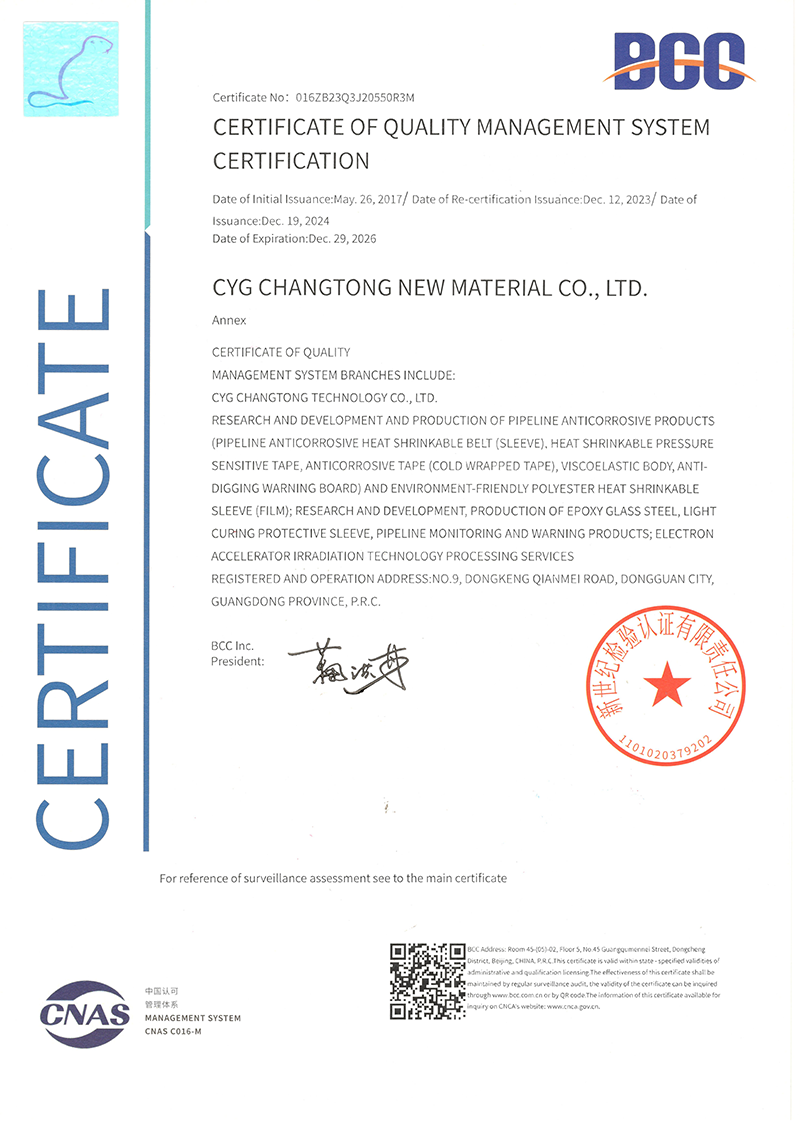
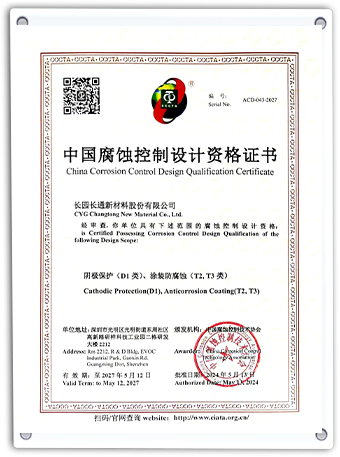
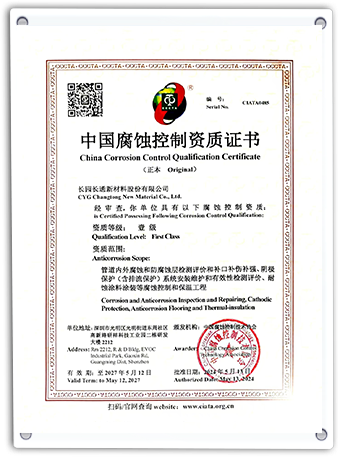
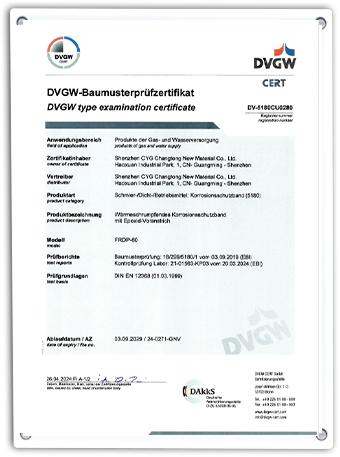
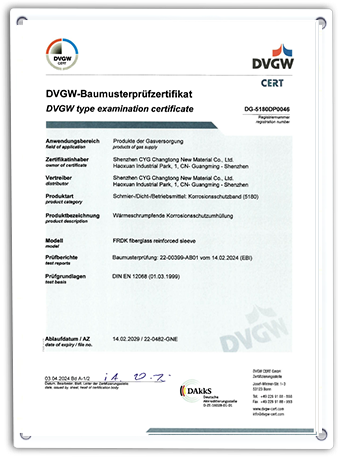
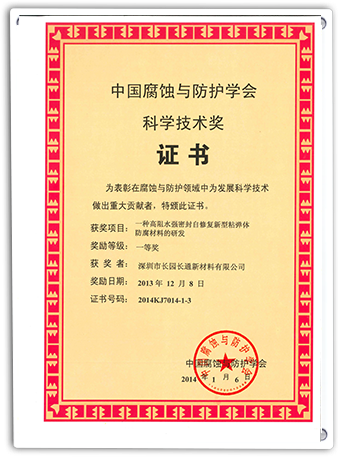
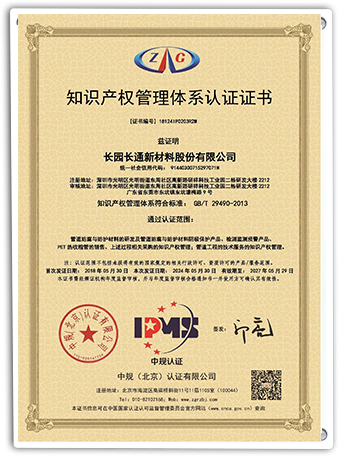
CYCT holds esteemed associations and regulatory qualifications, affirming our commitment to world-class manufacturing standards:
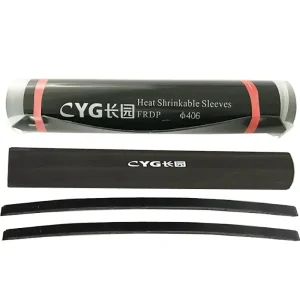
A high-quality heat-shrinkable wraparound sleeve behaves as a cohesive three-layer or two-layer barrier. Its primary structural layer consists of a radiation cross-linked high-density polyethylene (HDPE) backing. The radiation cross-linking process changes the polymer molecular structure from linear chains to an interconnected three-dimensional network. This cross-linking imparts "elastic memory" to the backing—when heated during field installation, the backing shrinks, applying radial pressure to the pipe joint.
Beneath the backing sheet lies the protective adhesive lining, typically divided into two key categories:
Cathodic disbondment is a critical failure mode where cathodic protection currents generate hydrogen gas at holiday locations, lifting the protective sleeve from the steel substrate. Our OEM formulations are tested under rigorous laboratory protocols (e.g., ISO 21809-3 Annex H or ASTM G8) to limit cathodic disbondment radius to less than 5mm at maximum operating temperatures, ensuring the integrity of the secondary anti-corrosion barrier.
As a global OEM manufacturer, CYCT aligns its material designs with international regulatory and testing agencies. Our technical team works alongside field contractors to guarantee compliance with regional specifications:
Ensuring our wraparound sleeves meet Class C-50 and Class C-HT standards, verifying resistance to mechanical impacts, penetration, and thermal aging on European networks.
Specifying the performance requirements of heat-shrinkable sleeves for pipeline field joint coatings, providing complete 3-layer rehabilitation and new-build solutions.
Optimizing backing thickness and adhesive chemistry to match cathodic protection potentials, preventing shielding and ensuring effective corrosion monitoring.
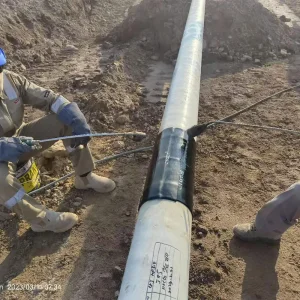
In addition to providing premium coatings, CYCT provides localized field support. From pre-heating instructions to dry-film thickness (DFT) checks of epoxy primers, our field engineers assist field contractors in achieving bubble-free sleeve shrinkage and uniform adhesive flow at the transition steps of 3LPE/3LPP parent coatings.
As pipeline operators push into extreme depths and higher temperature regimes, the requirements for field joint coating materials continue to evolve. CYCT is actively researching several material developments to address tomorrow's pipeline protection challenges:
Technical clarifications on pipeline wraparound sleeve selection, surface preparation, and failure prevention.
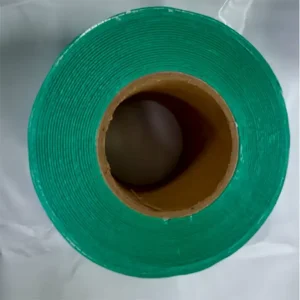
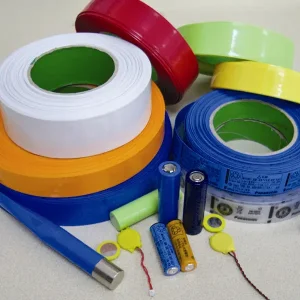
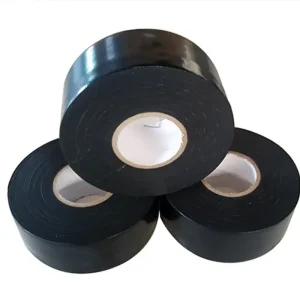
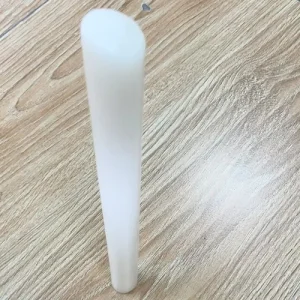
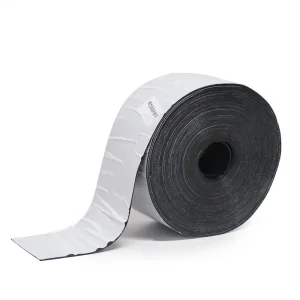
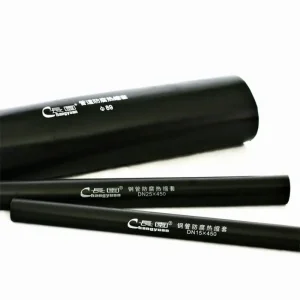
Explore our high-temperature heat-shrinkable systems, cold-applied tapes, and joint rehabilitation repair sticks.
 CYCT
CYCT