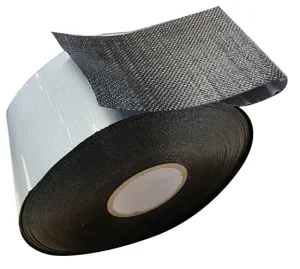
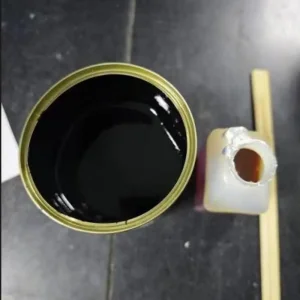
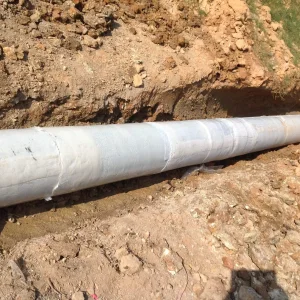
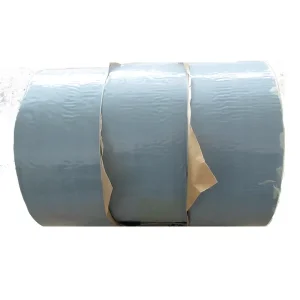
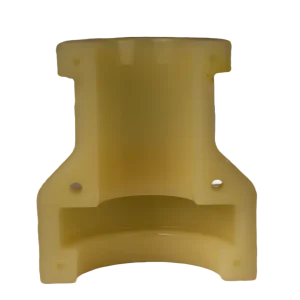
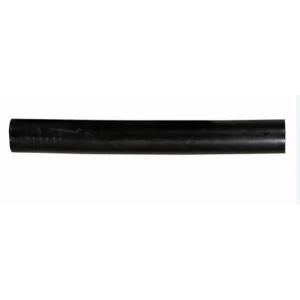
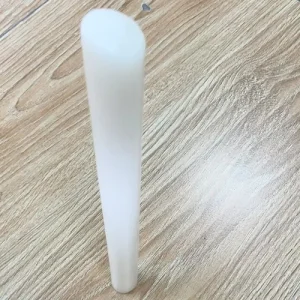
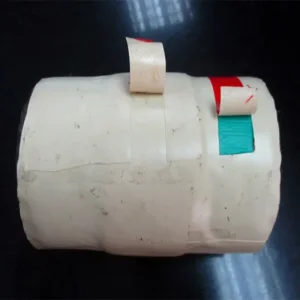
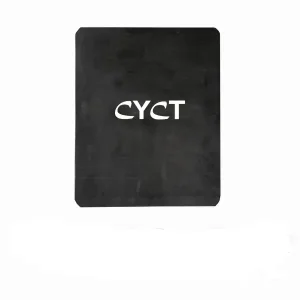
Explore our industrial-grade line of heat shrinkable sleeves, protective shields, and anti-corrosion components direct from our certified state-level production lines.
Understanding CYCT's heritage as an industry pioneer since 2000, powering critical energy pipelines globally.
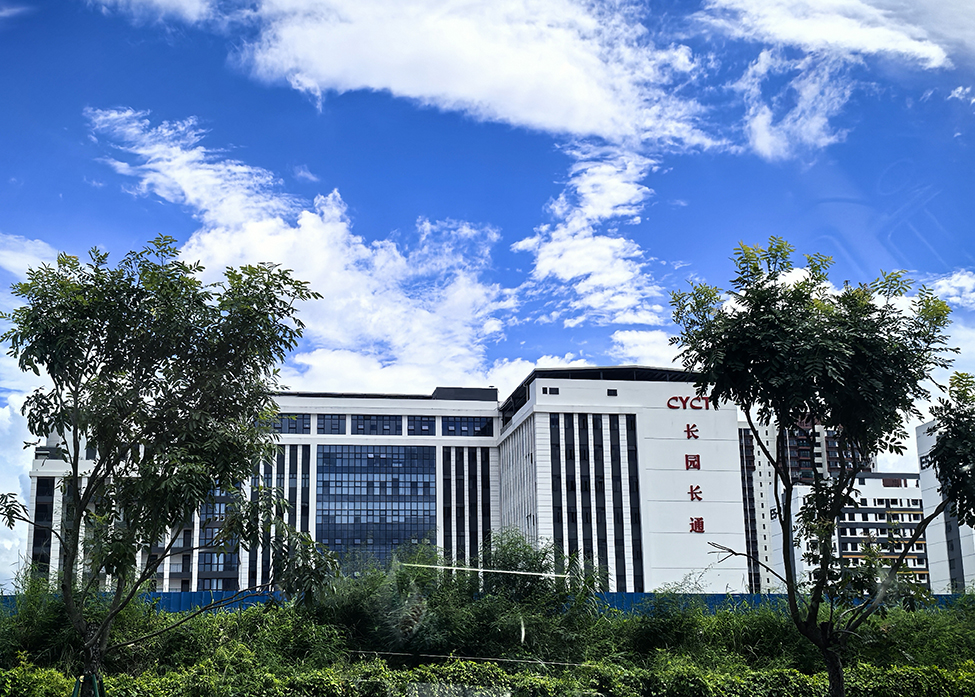
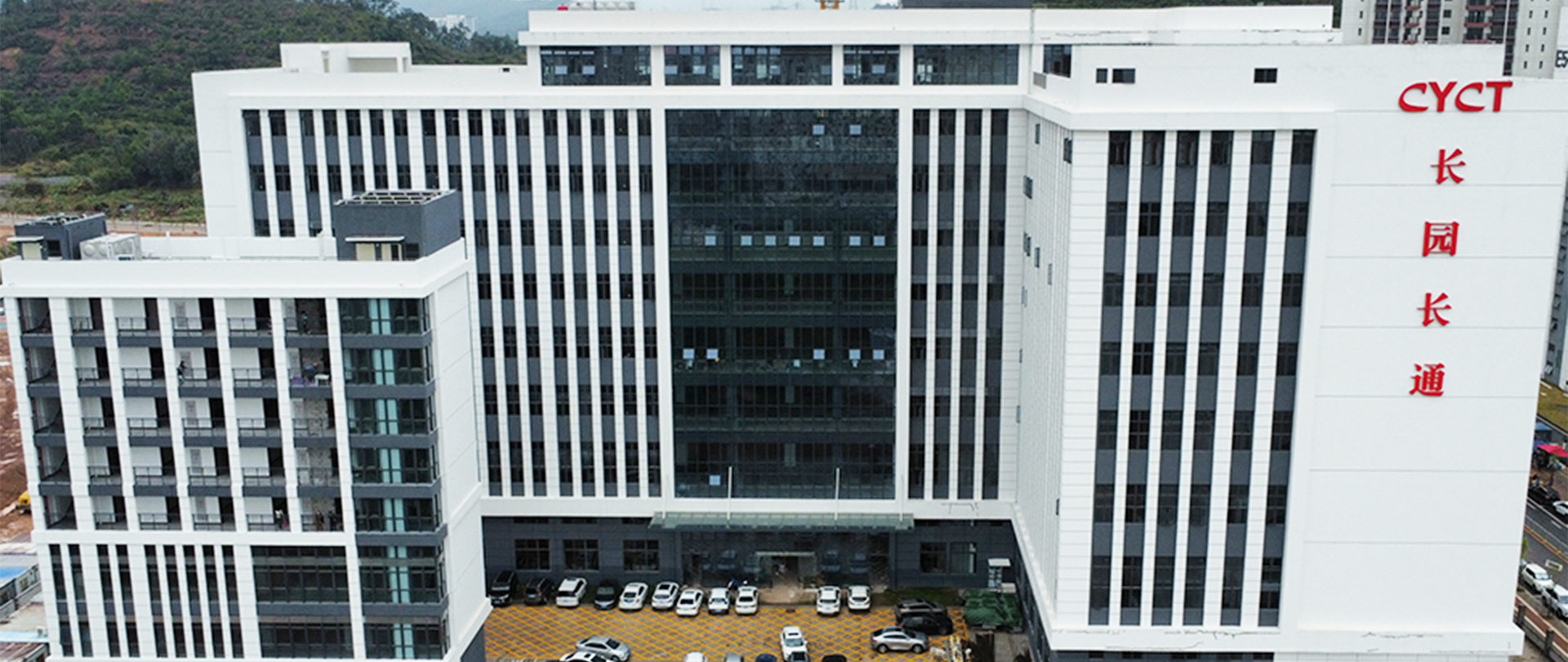
Founded in 2000, CYCT New Materials Company Limited (CYCT) has developed into a state-level high-tech enterprise. We seamlessly integrate the research & development, manufacturing, and distribution of premium pipeline corrosion protection materials. Beyond standard material logistics, CYCT offers specialized structural pipeline detection services and high-integrity coating field application services. Decades of research have cemented CYCT's reputation as a reliable development partner for critical national and international pipeline networks.
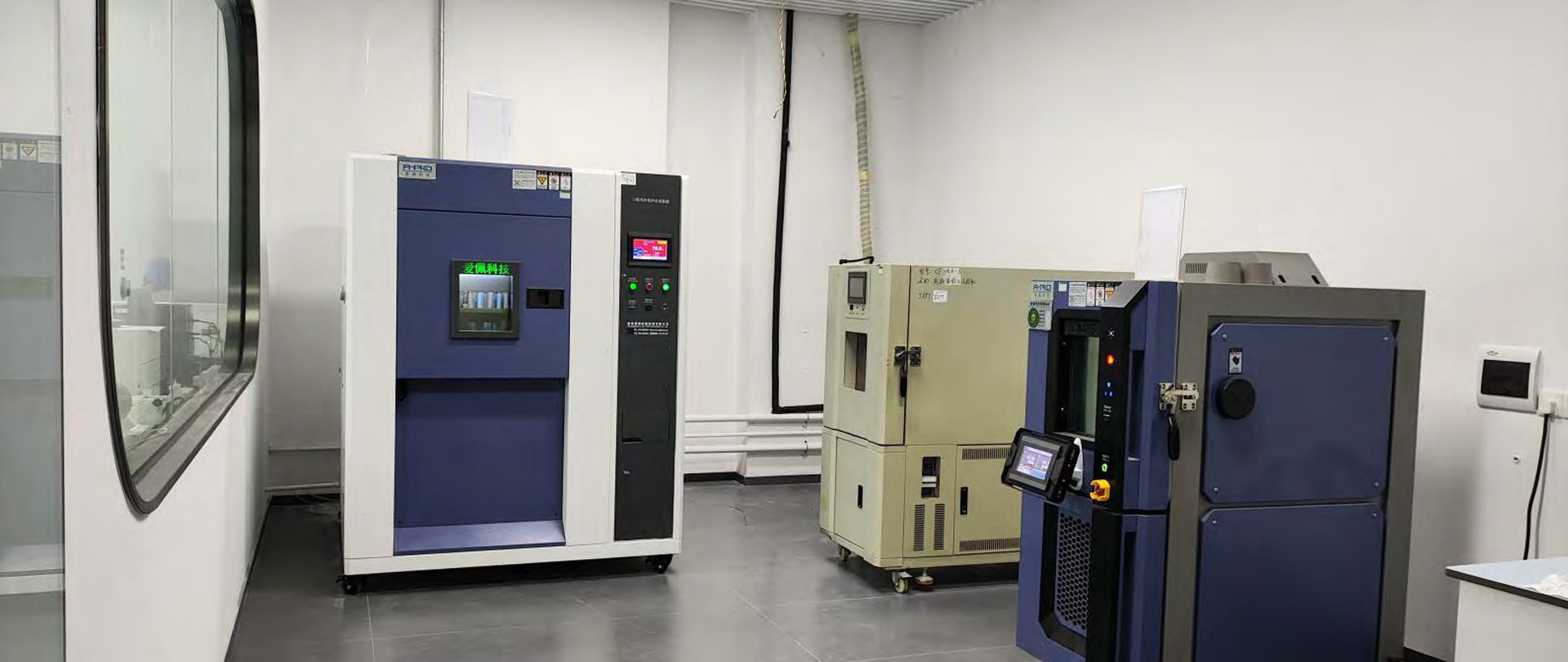
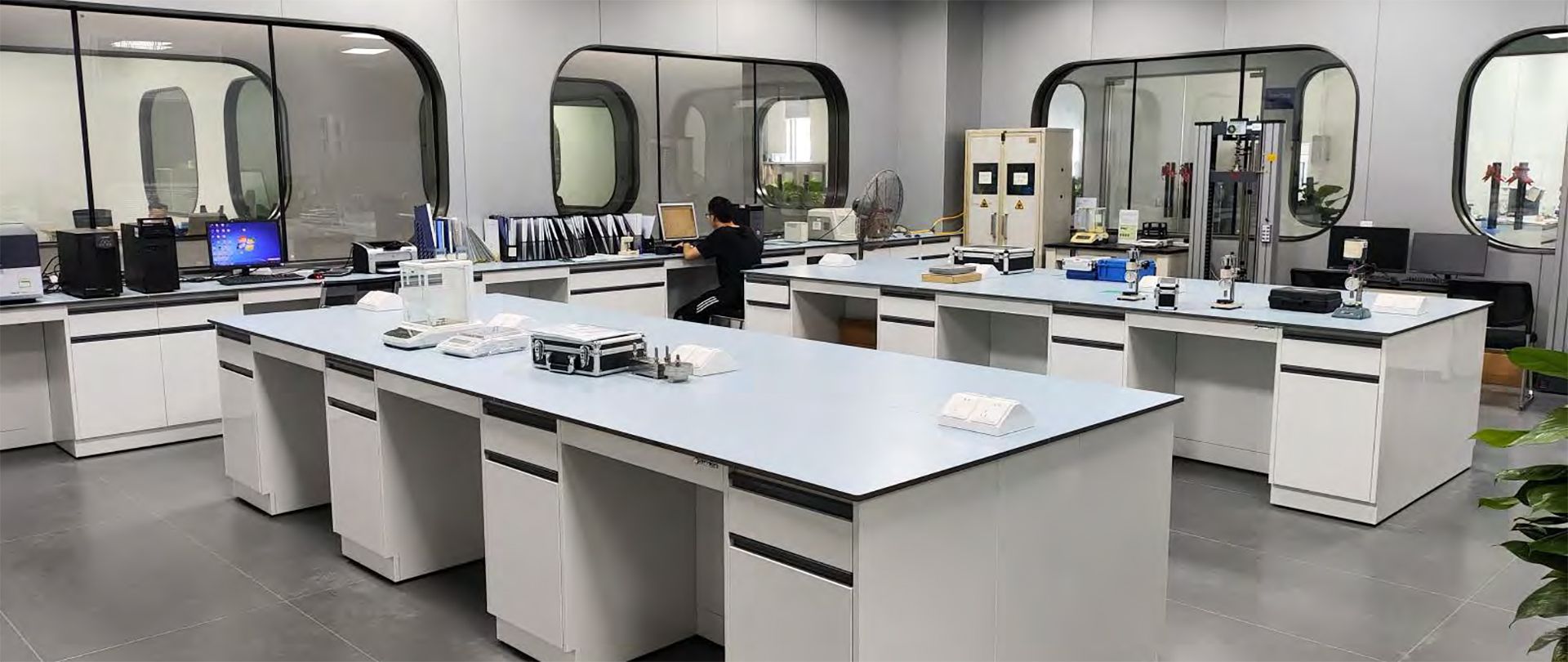
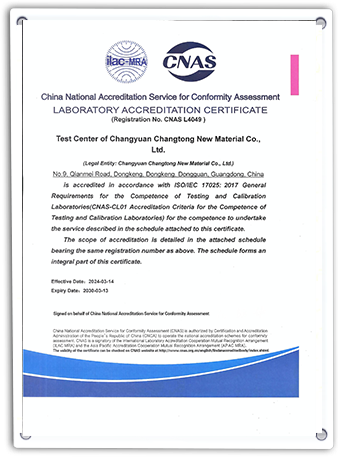
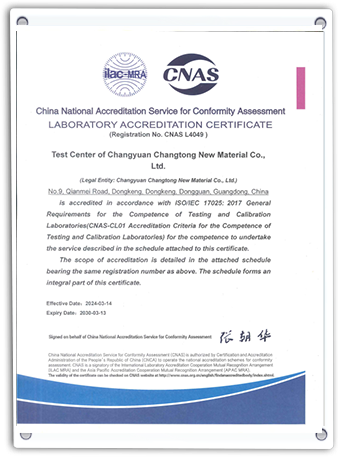
Our infrastructure matches our scientific focus. CYCT hosts a national CNAS-accredited laboratory, enabling our professional engineering teams to perform real-time verification checks on shear strength, peel capacity, cathodic disbondment resistance, and temperature-cycle tolerances. This scientific framework has led to the design of visco-elastic coatings, high-performance photo-curing sleeves for Horizontal Directional Drilling (HDD), and advanced polyurea configurations.
Providing custom wrap-around sleeves engineered to defend midstream oil & gas assets from challenging climates.
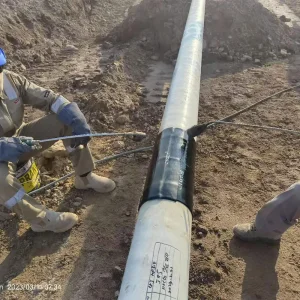
In international pipeline construction, the field joint—where individual segments of steel pipe are welded together—represents the area most susceptible to corrosion. While main pipe bodies receive robust factory coatings like 3-layer polyethylene (3LPE) or 3-layer polypropylene (3LPP), field welds must be insulated on-site. Wrap-around heat-shrinkable sleeves serve as the primary protective barrier, keeping moisture, oxygen, and electrolytes from reaching the steel surface.
Global infrastructure networks cross extreme terrain. Pipelines in desert environments undergo high thermal cycling, with surface temperatures shifting from below freezing at night to over 80°C during the day. In arctic regions, soils exert high shear stress on coatings during freeze-thaw cycles. Marine configurations face constant exposure to salt water and mechanical wave action. Resolving these challenges requires customized formulations that match backing stiffness and adhesive shear resistance to localized geotechnical conditions.
Procuring field joint materials from qualified OEM factories ensures consistent material performance. Industrial buyers look for suppliers who provide comprehensive engineering support, from raw material sourcing to final installation training. A reliable factory maintains tracing for batch numbers, backing thicknesses, adhesive density, and cross-linking indices. This level of quality control is essential for pipelines built to operate for 30 to 50 years.
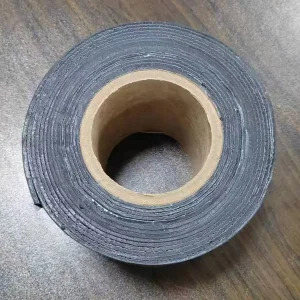
Formulated with copolymer adhesives and viscoelastic bases that bond tightly to steel surfaces and factory coatings, preventing water ingress and cathodic disbondment.
Radiation cross-linked polymers provide elastic memory, shrinking tightly during installation to resist soil stress, structural movement, and mechanical impact.
Every production run is verified inside CNAS laboratories, ensuring compliance with international pipeline standards like ISO 21809-3 and EN 12068.
Tailored coating technologies designed to withstand specific geotech challenges and structural requirements.
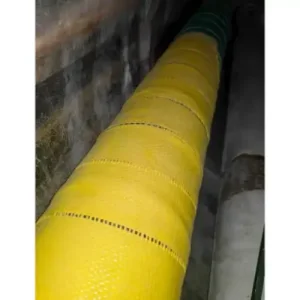
Installing pipelines beneath rivers, highways, or structures using Horizontal Directional Drilling subjects coatings to extreme friction and shear stress. Standard heat-shrink sleeves can peel or tear during the pull-back process. CYCT's Photo-Curing GRP Protective Sleeves create a hard outer shell that shields underlying corrosion coatings from sharp rock edges, soil abrasion, and installation friction.
Subsea field joints are exposed to high saline levels and oxygenated sea water in tidal splash zones. CYCT's GRF Moisture Curing Shields provide robust anti-corrosion protection in marine environments. These shields cure in moist environments, forming a tight barrier that resists cathodic disbondment and mechanical wave action.
Lines carrying hot crude oil or gas operate at high temperatures, often reaching 85°C to 120°C. Standard adhesives can soften at these temperatures, leading to sagging and sliding under soil load. CYCT high-temperature PP heat shrink sleeves use specialized polypropylene backings and cross-linked hot-melt adhesives to maintain mechanical properties and bond strength at elevated temperatures.
Uses GRP photo-cured reinforcement wraps to protect pipelines against mechanical friction and aggregate shear during deep pullbacks.
Moisture-curing composite wraps protect joints in submerged marine zones, resisting constant wave action and high salinity.
Polypropylene-based shrinkable systems resist thermal expansion, high temperatures, and shifting soil friction.
Viscoelastic self-healing systems provide long-term corrosion protection in high-consequence municipal areas.
Developing next-generation protective coatings with smart materials and reduced carbon footprints.
The field joint coating industry is moving toward smarter, faster-curing, and more environmentally friendly materials. CYCT's development roadmap focuses on addressing these industry trends:
Standard coatings can permit moisture ingress if punctured. Viscoelastic materials address this through cold-flow properties. These sealants flow into scratches or cracks to self-heal damage, maintaining a continuous barrier against water and oxygen.
Photo-curing systems cure rapidly under sunlight or UV lamps, accelerating field installation. They require no open flames, simplifying field joints on offshore barges and in high-consequence pipeline areas.
Older wet primers release volatile organic compounds (VOCs) that present safety hazards in confined pipeline trenches. CYCT's solvent-free liquid epoxy primers protect steel surfaces without releasing hazardous fumes, improving safety during field application.
A trusted supplier to PetroChina, Sinopec, PipeChina, and international pipeline networks.
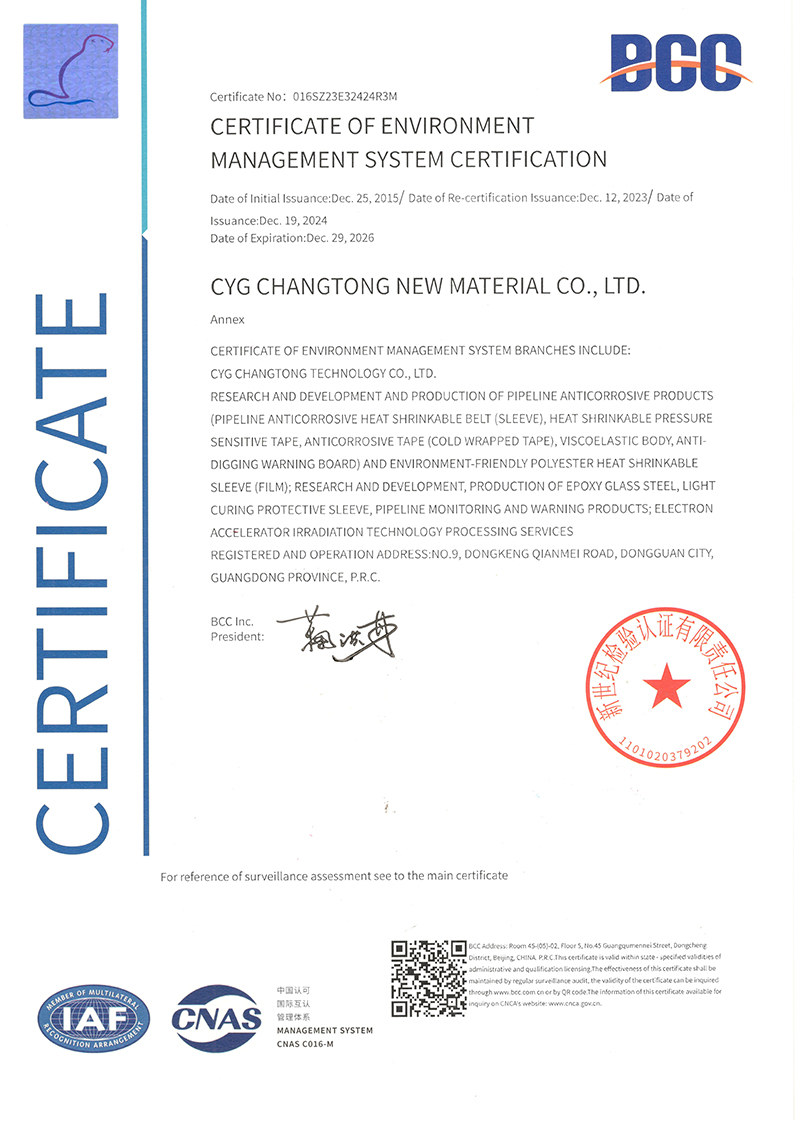
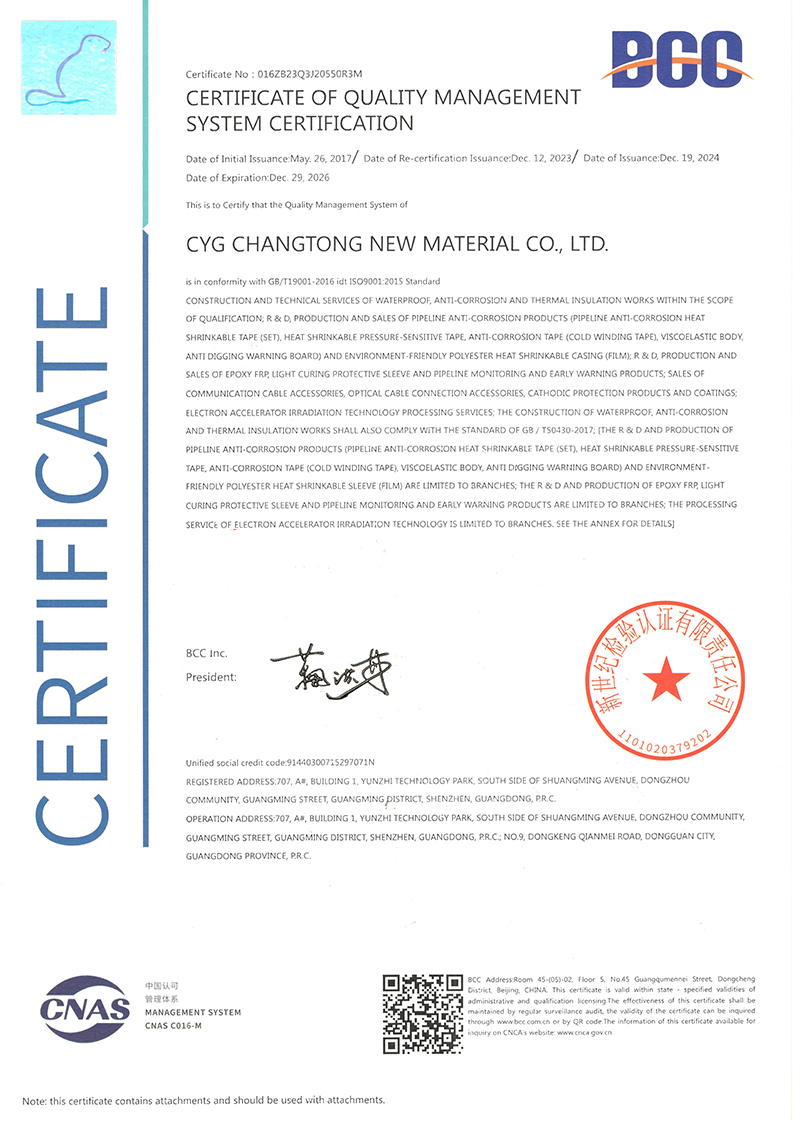
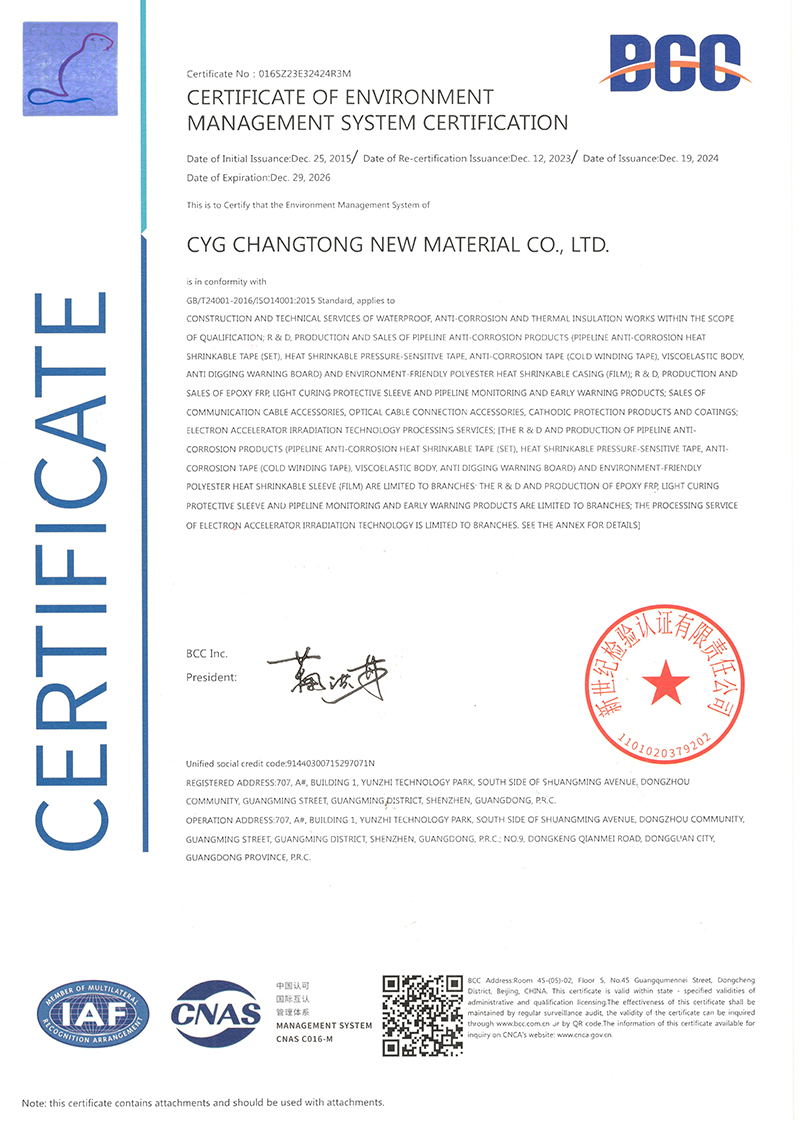
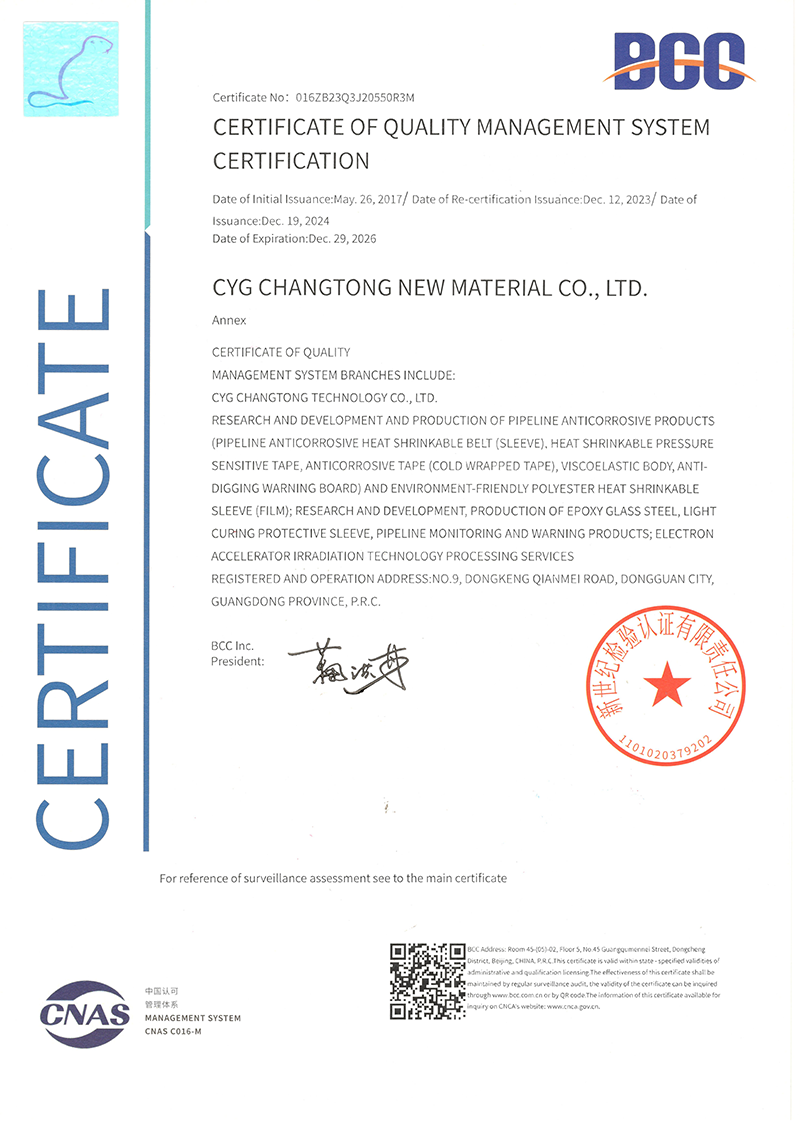
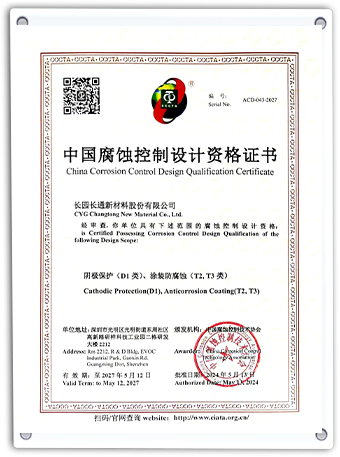
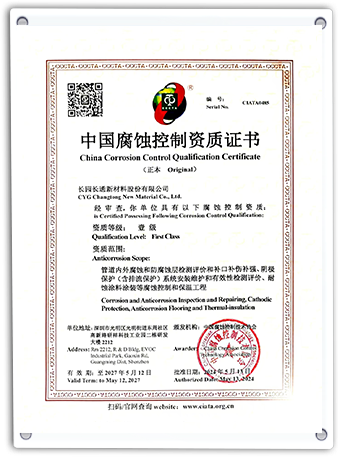
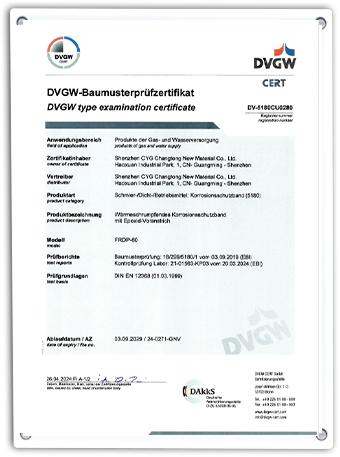
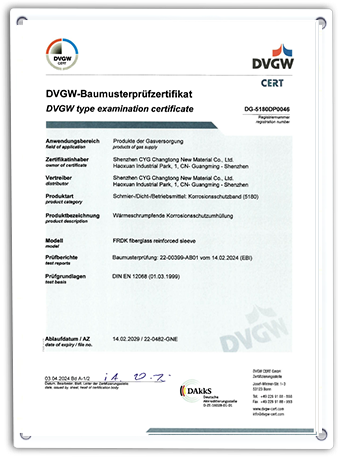
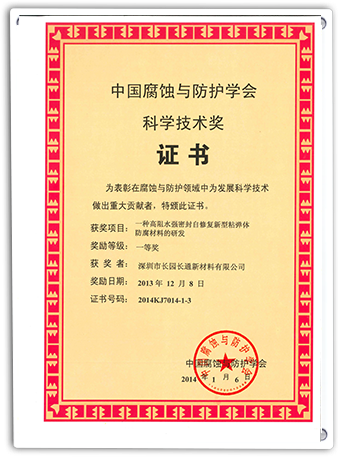
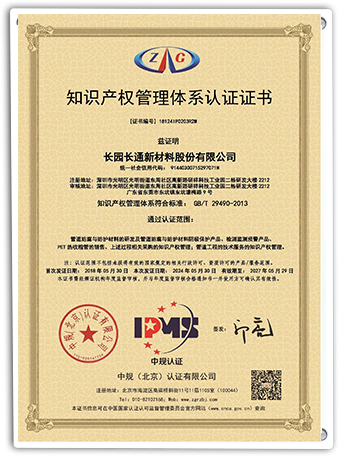
CYCT is a council member of the Chinese Society for Corrosion and Protection (CSCP) and an active corporate member of AMPP. Our facility holds certifications for pipeline inspection and specialized anti-corrosion application. As a registered supplier for major energy networks, CYCT maintains the following credentials:
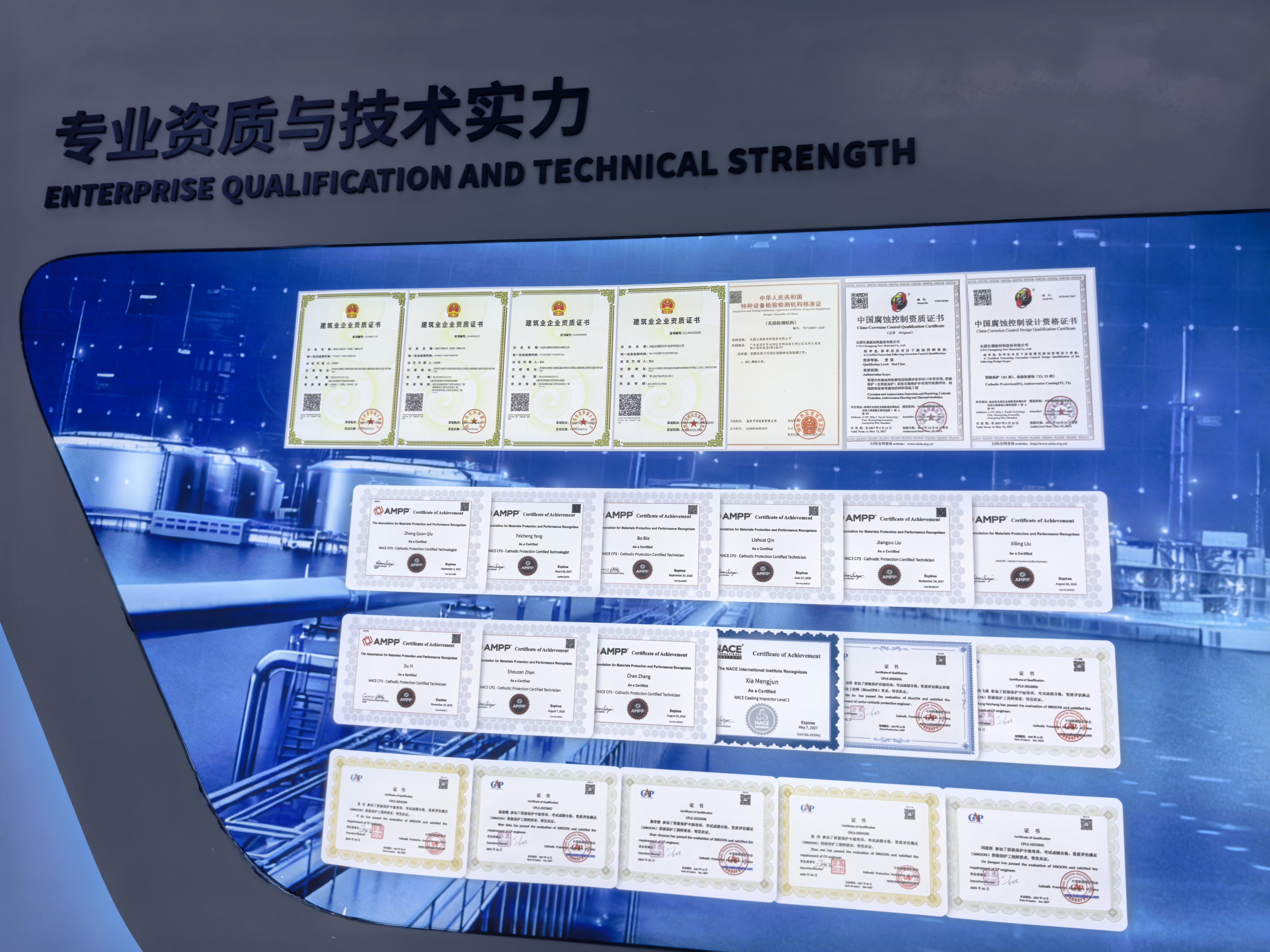
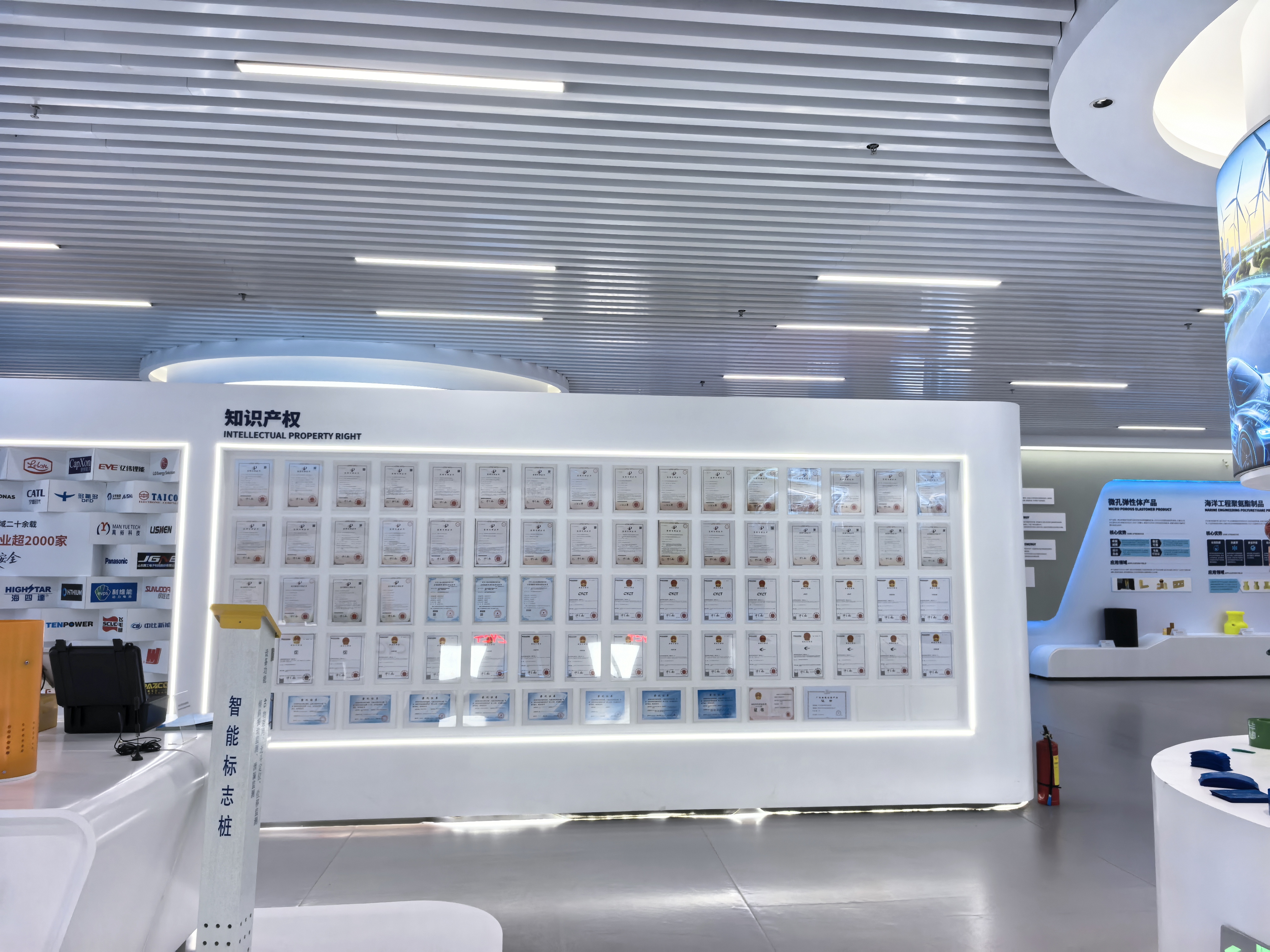
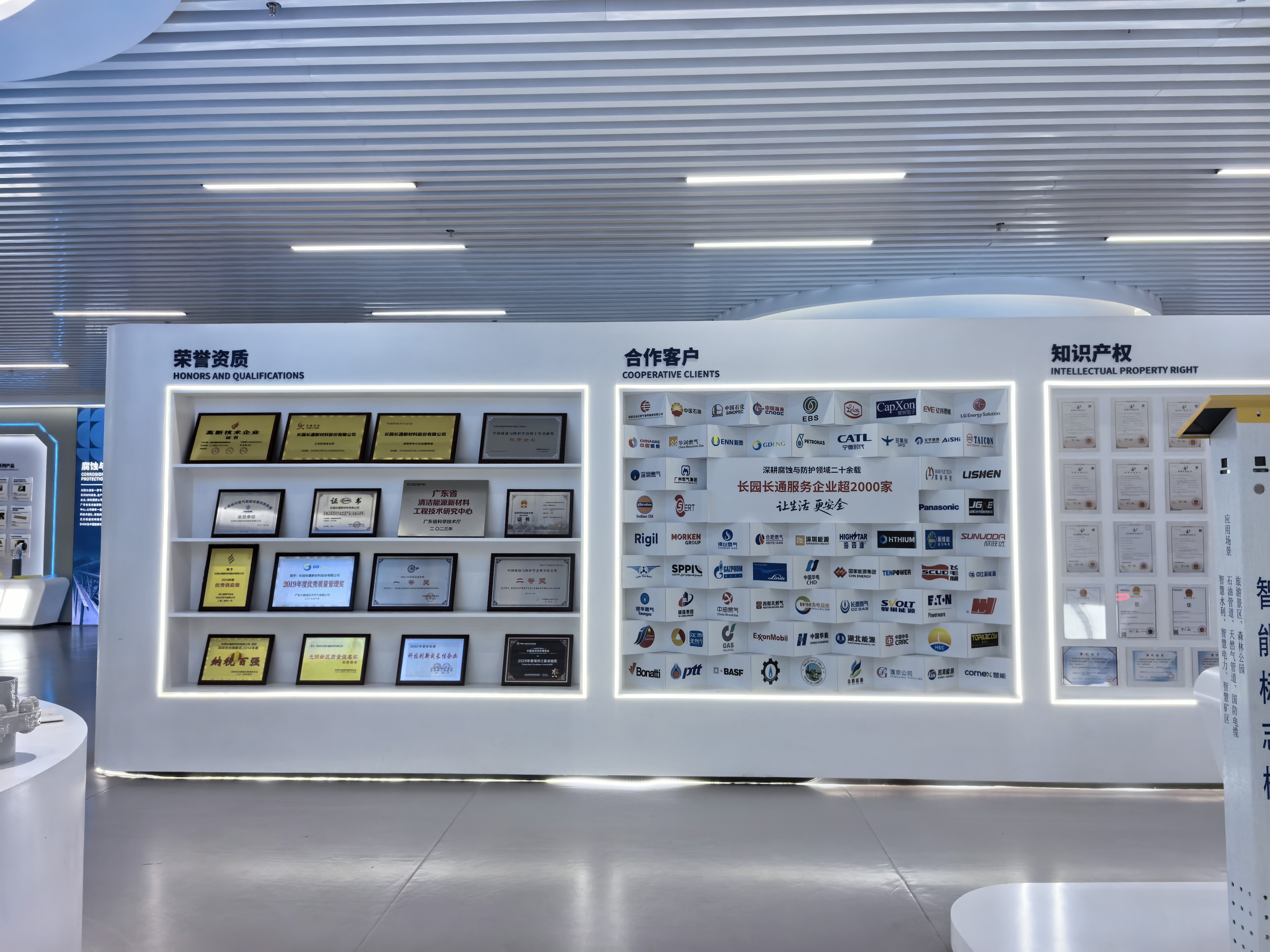
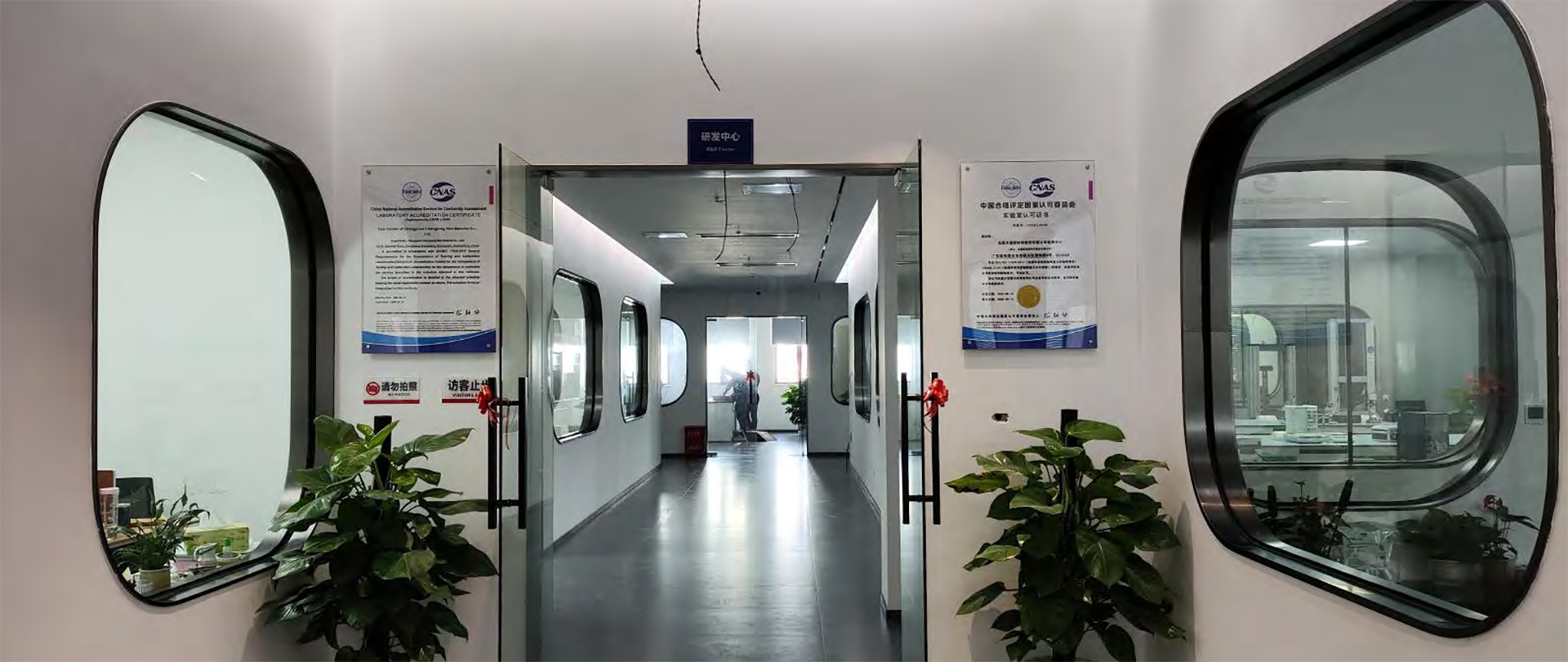
In addition to our operational infrastructure, CYCT holds various national and product certificates, establishing reliability across international supply chains:
Technical guidance on selecting, installing, and testing pipeline wrap-around heat-shrinkable sleeves.
Explore our industrial line of specialty repair patches, photo-curing protective sleeves, and high-performance joint sealants.
 CYCT
CYCT