Explore our premium factory-direct solutions designed for the most challenging industrial environments.
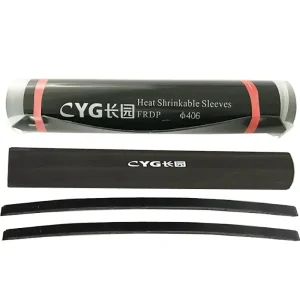
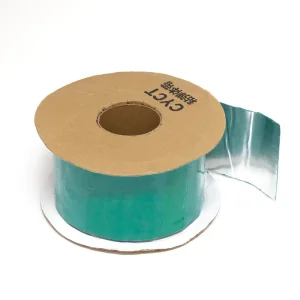
In-depth insights into pipeline corrosion dynamics, infrastructure extension, and global commercial applications.
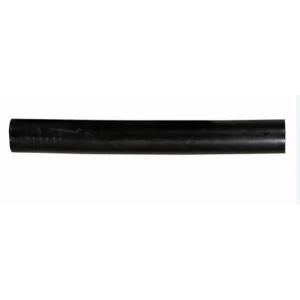
The modern energy, telecommunications, and heavy engineering sectors operate on an unprecedented scale, where assets are subjected to extreme atmospheric pressures, underground stress, marine salinity, and volatile temperature shifts. At the epicenter of asset integrity management lies the Wrap Around Cable Sleeve—a highly engineered polymer matrix system designed to protect vital pipelines, joint systems, and high-voltage cabling structures from mechanical damage, moisture ingress, and electro-chemical corrosion.
Historically, the wrap-around sleeve emerged as a critical response to the high failure rates of standard heat-shrink tubes when applied to pipelines already laid in-situ or cables where terminal ends could not be disconnected. Today, they represent a multi-billion-dollar global industry. According to recent infrastructure development models, the global market for pipeline protective coatings and cable joint protection is growing at an annual rate exceeding 5.8%, driven by massive capital expenditure projects in South Asia, the Middle East, North America, and Europe.
Strategic Industry Insights: Wrap-around systems serve a dual purpose. In pipeline engineering, they insulate field weld joints (Field Joint Coatings - FJC) from corrosive soils. In electrical grids, they shield complex joints from catastrophic moisture tracking. For modern infrastructure projects, choosing the correct OEM manufacturer dictates the lifespan of assets meant to last upwards of 50 years.
A national state-level high-tech enterprise dedicated to research, manufacturing, and technical implementation.
CYCT New Materials Company Limited (CYCT) is a state-level high-tech enterprise integrating R&D, production, and sales of pipeline corrosion protection materials, buried pipeline detection services, and pipeline coating field application services into one cohesive operation. Decades of focus have enabled CYCT to build a dominant footprint in the domestic and international energy protection sectors.
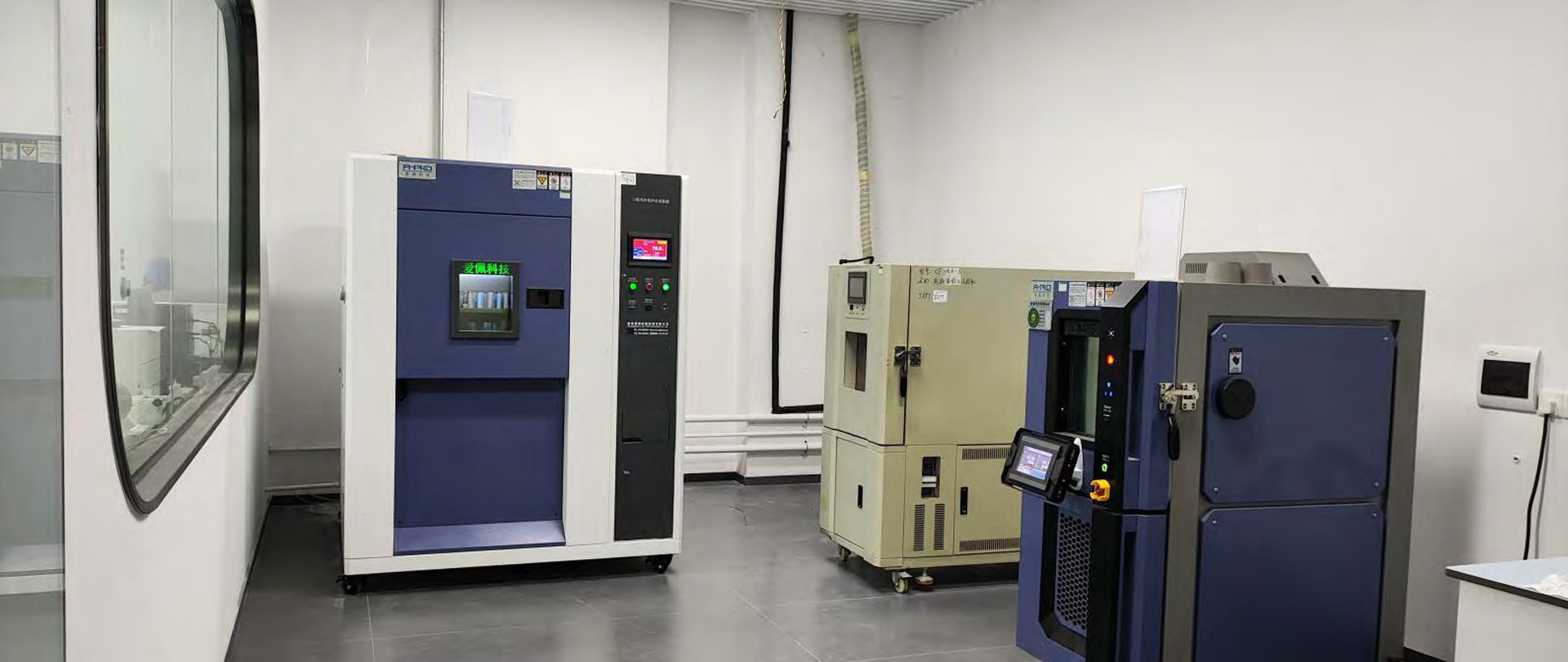
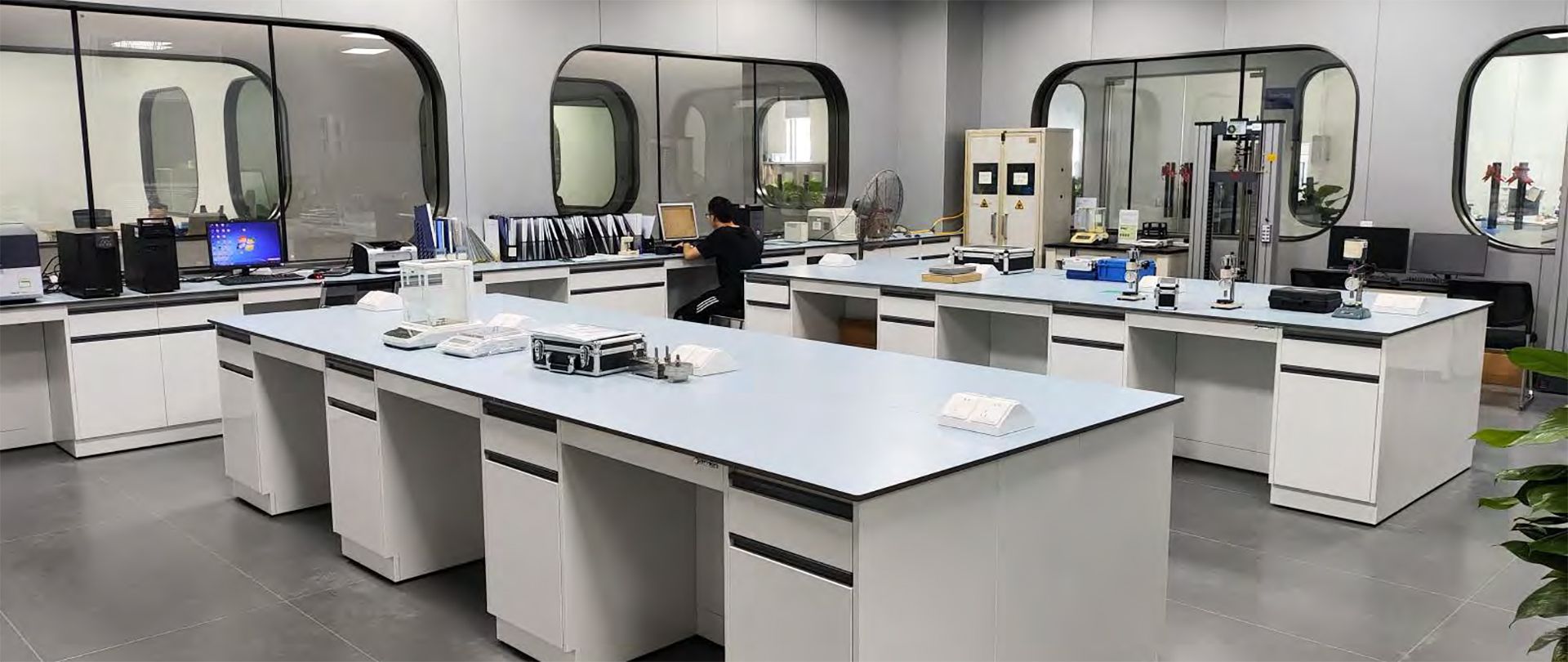
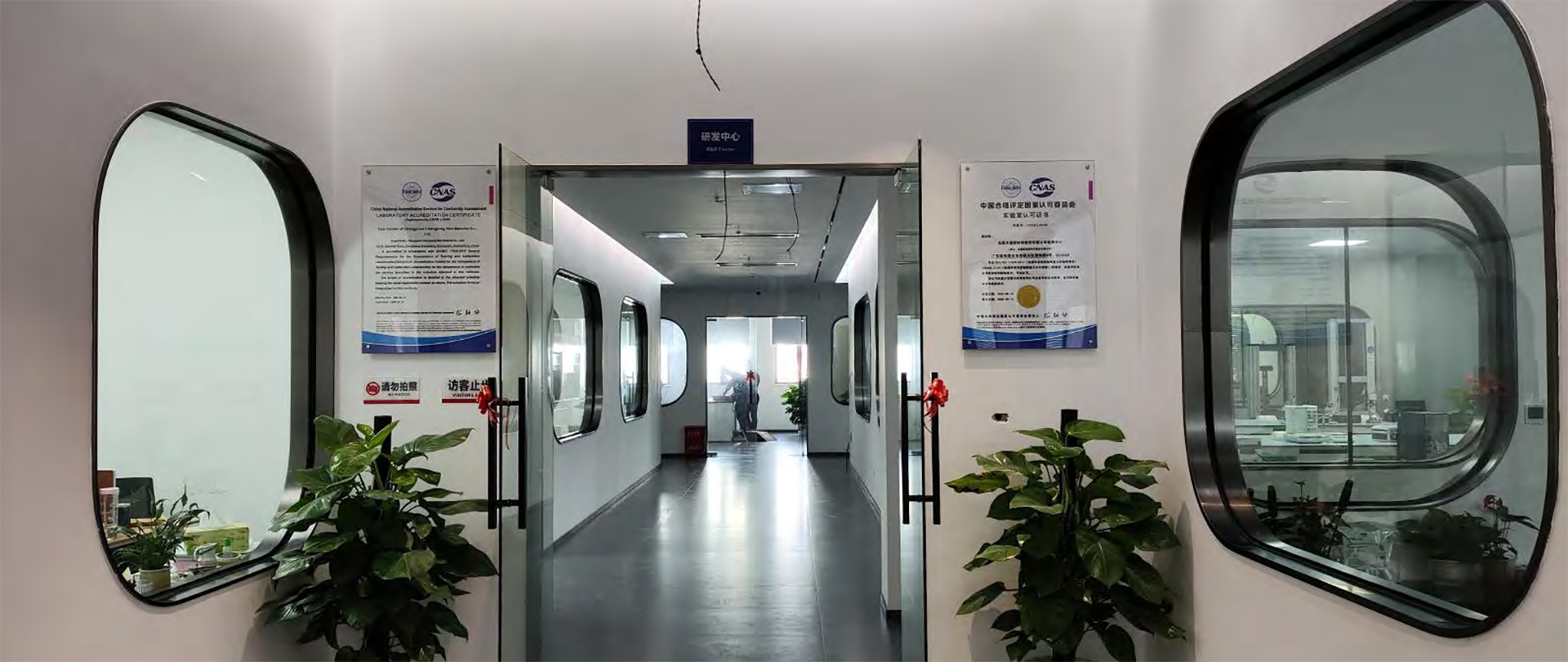
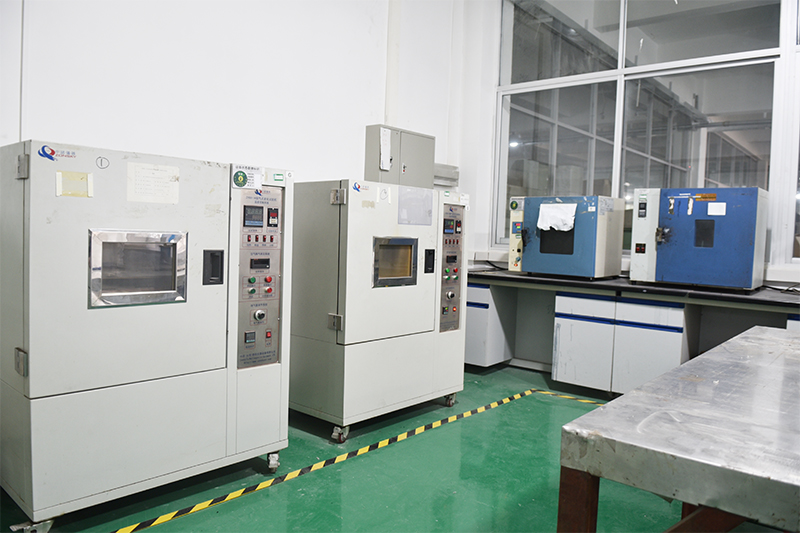
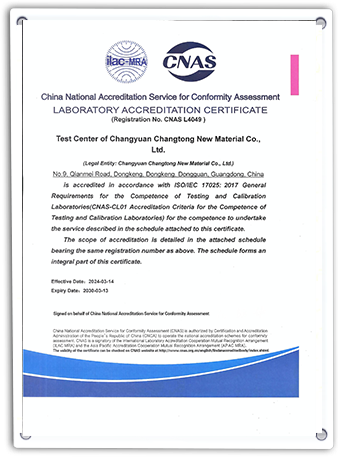
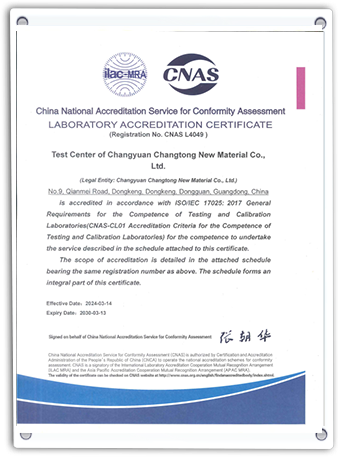
CYCT owns leading testing and R&D capabilities, a professional research team, and a national CNAS-accredited laboratory. This ensures that every wrap-around sleeve, PE repair patch, and fabric viscoelastic tape leaving our factories aligns with the highest international protocols.
Our long-term collaboration with major pipeline entities has established CYCT as a stable supplier of field joint coatings for PetroChina, Sinopec, PipeChina, and municipal utilities. We hold significant market share and provide high-performance solutions like visco-elastic coatings, polyurea applications, and photo-curing sleeves for Horizontal Directional Drilling (HDD) projects.
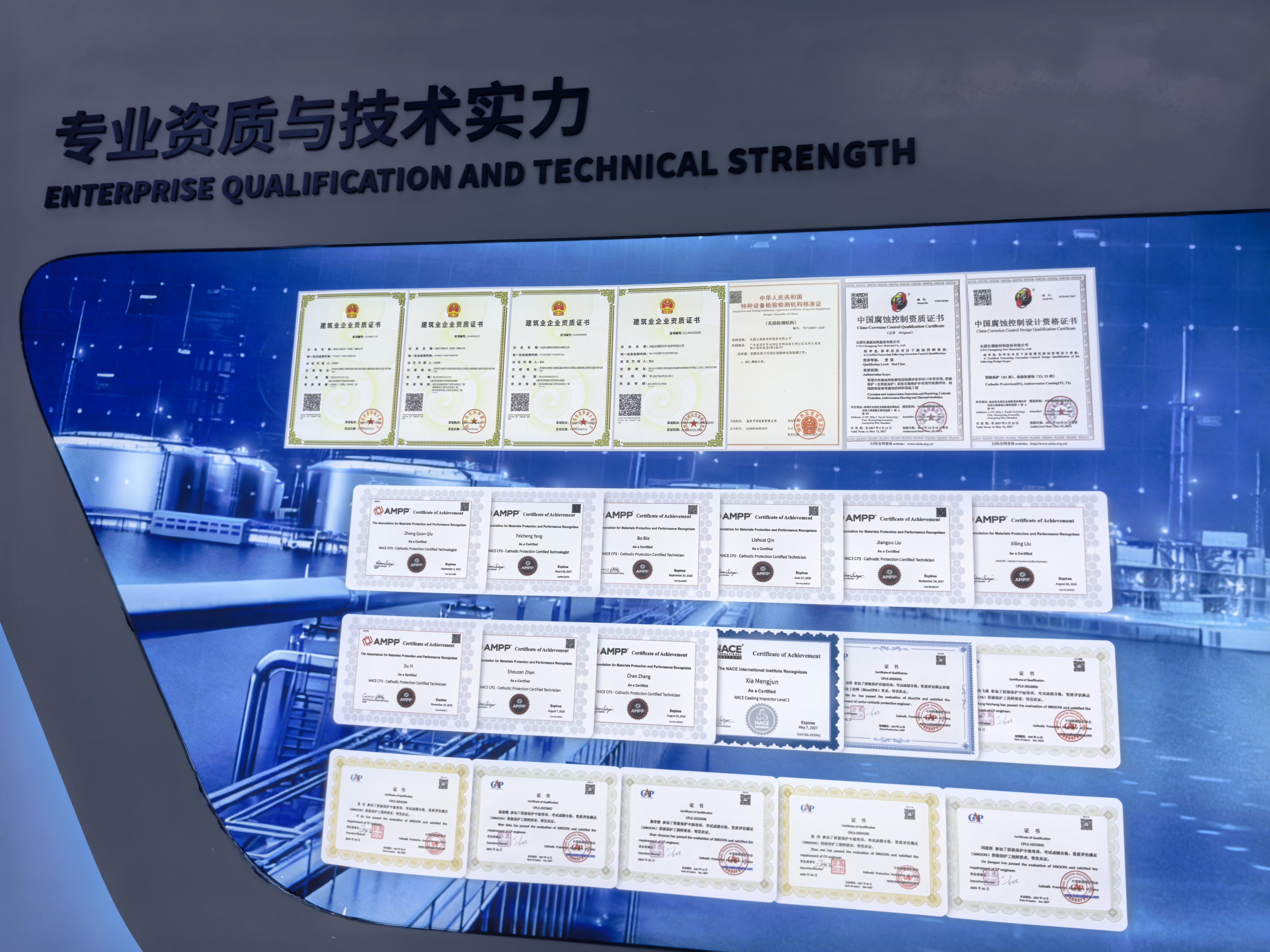
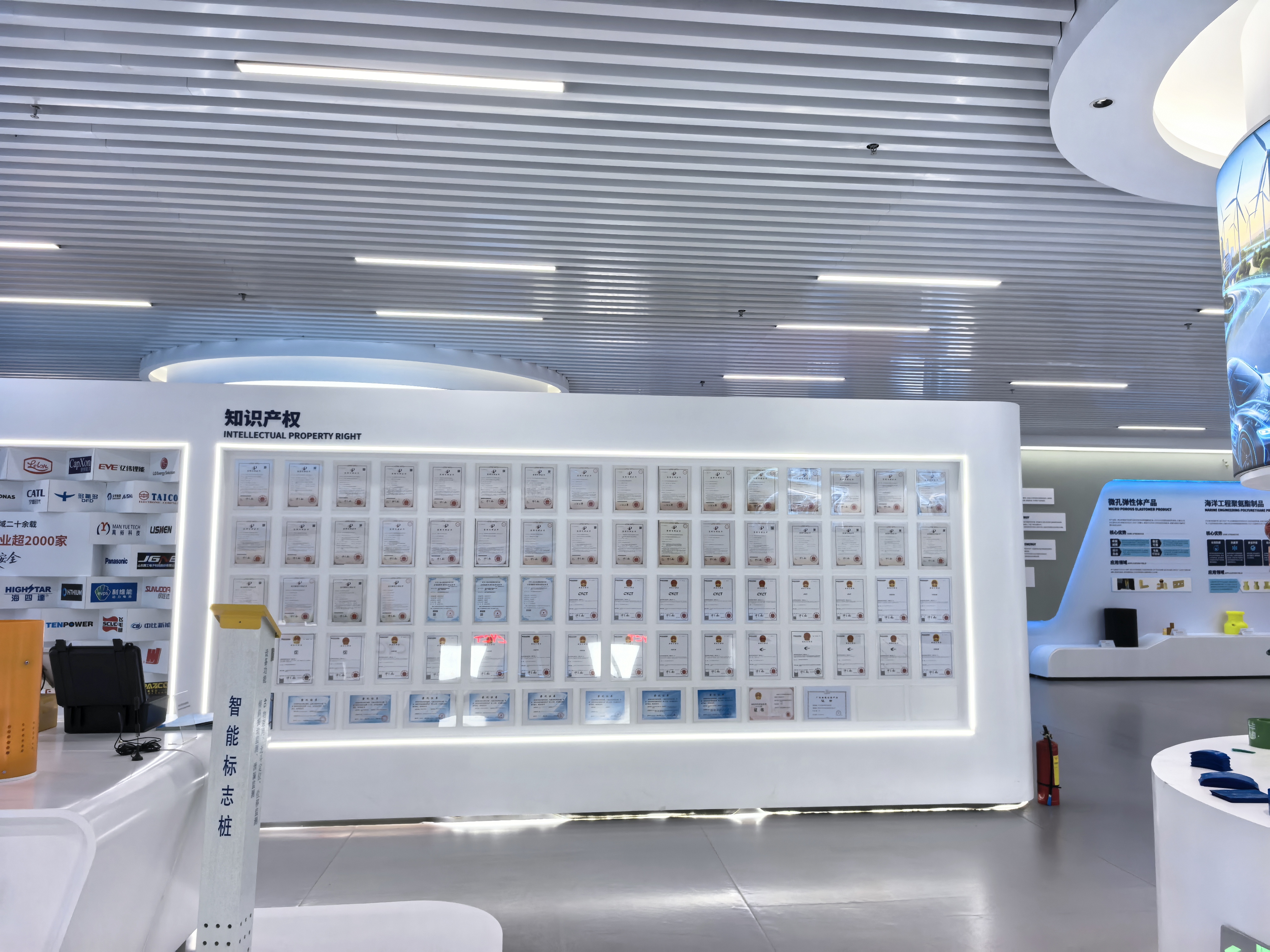
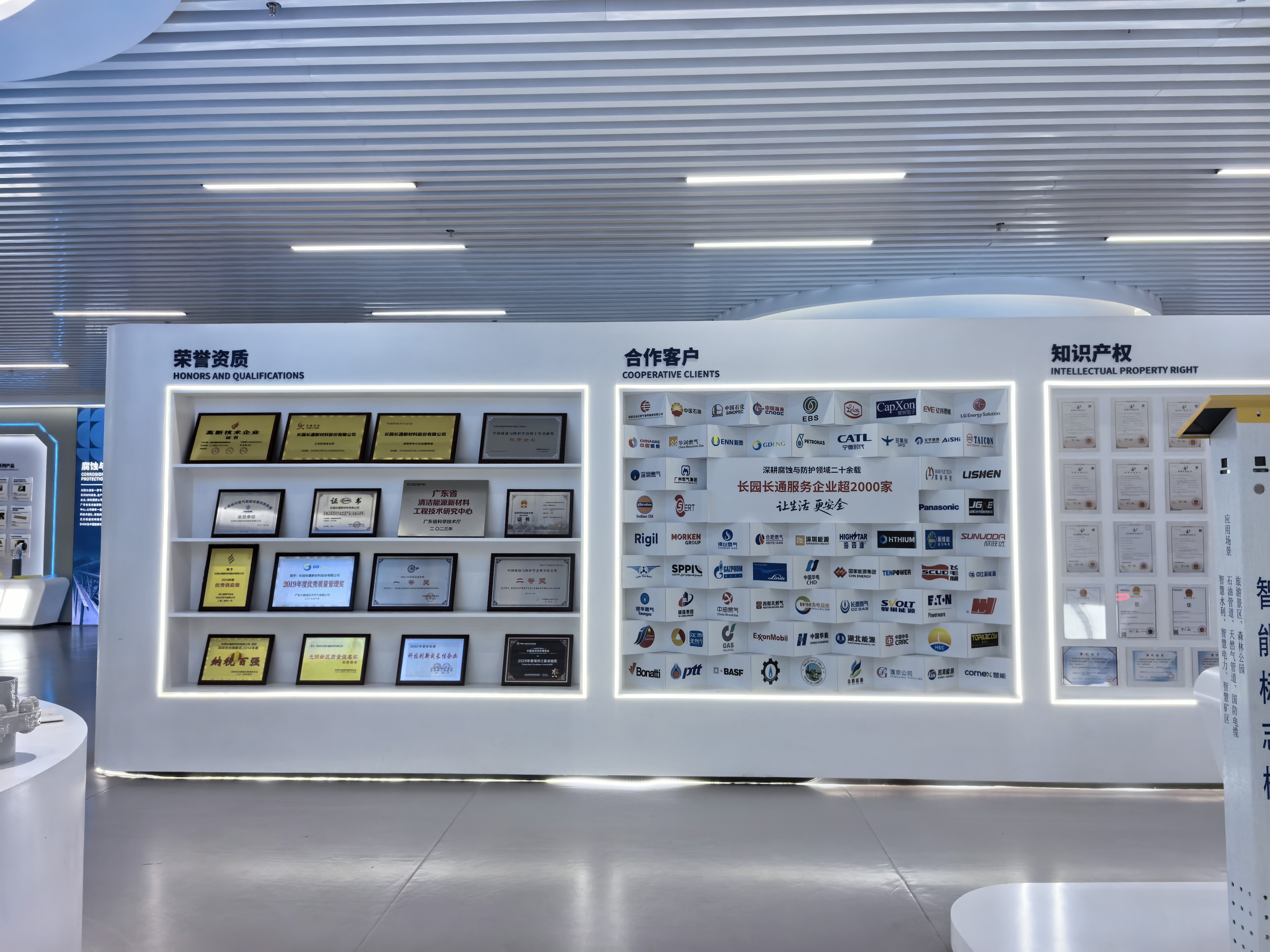
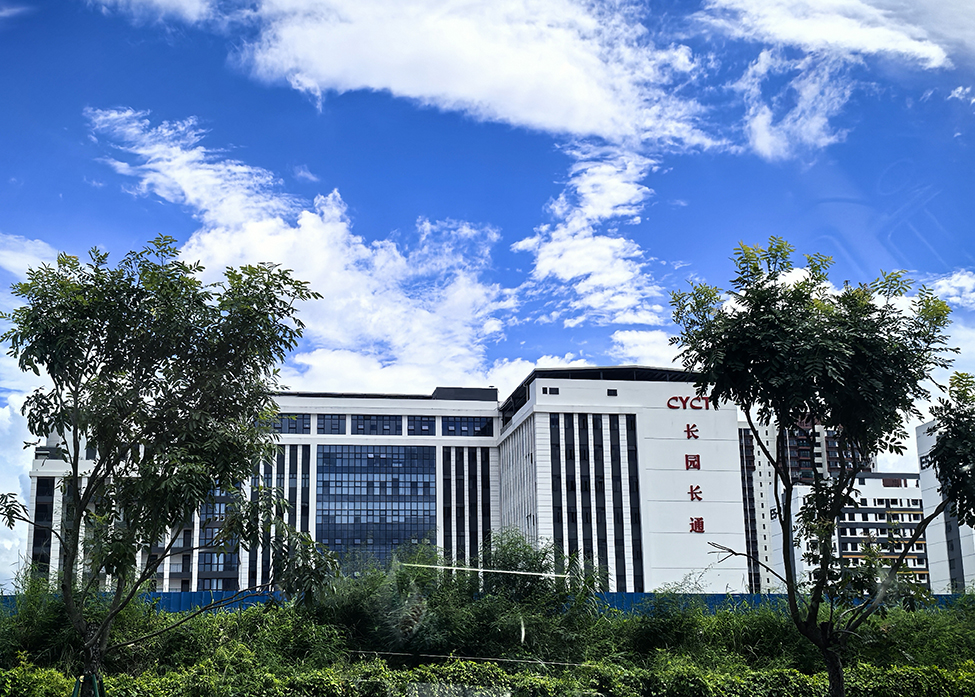
Through robust cooperation with leading national research institutes, including the CNPC Pipeline Science Research Institute, CYCT is capable of providing in-service pipelines with varied technical services. These include buried pipeline detection, custom design schemes, cathodic protection consultation, rehabilitation project management, and integrated safety protection systems.
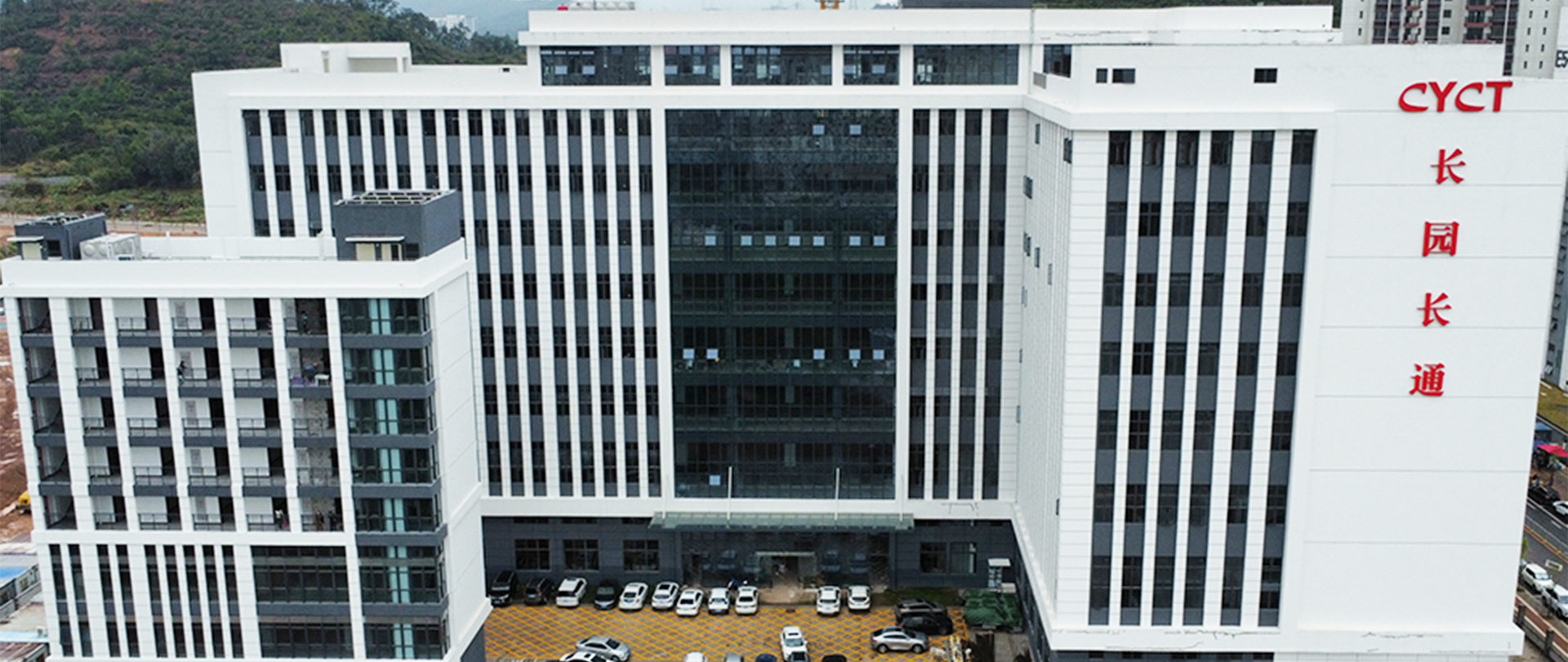
Analyzing the operational architecture, raw material vertical integration, and advanced logistics that define CYCT.
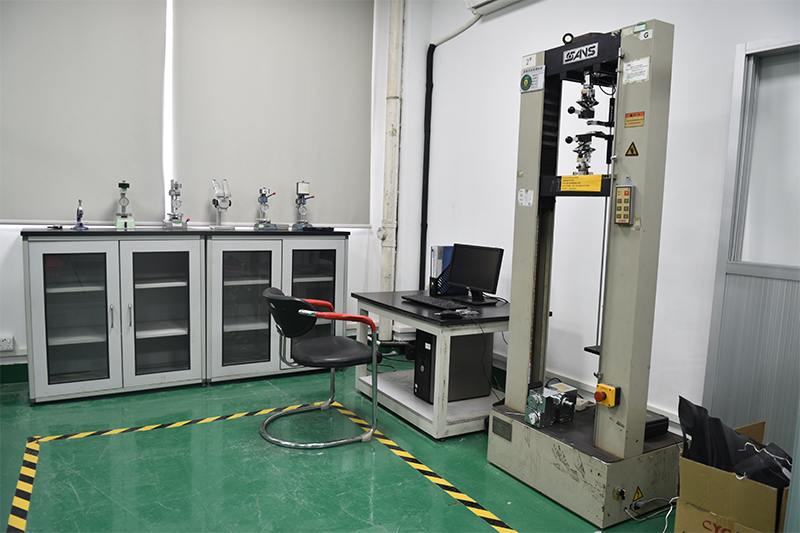
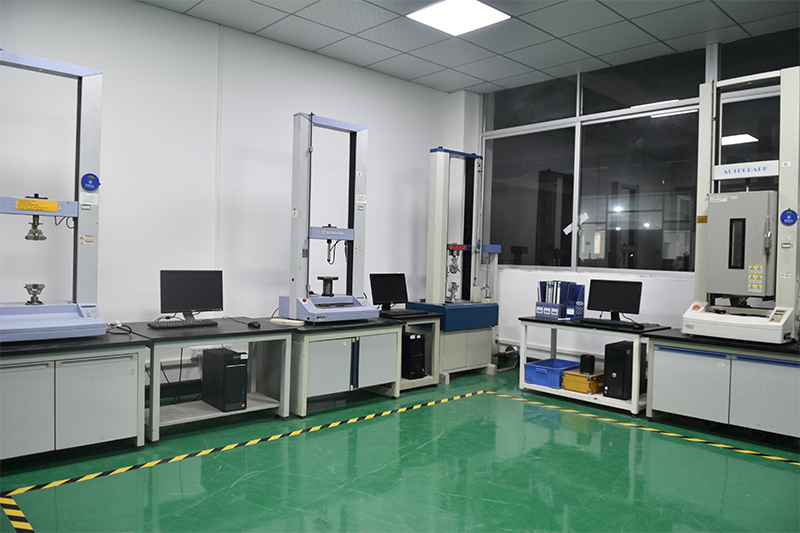
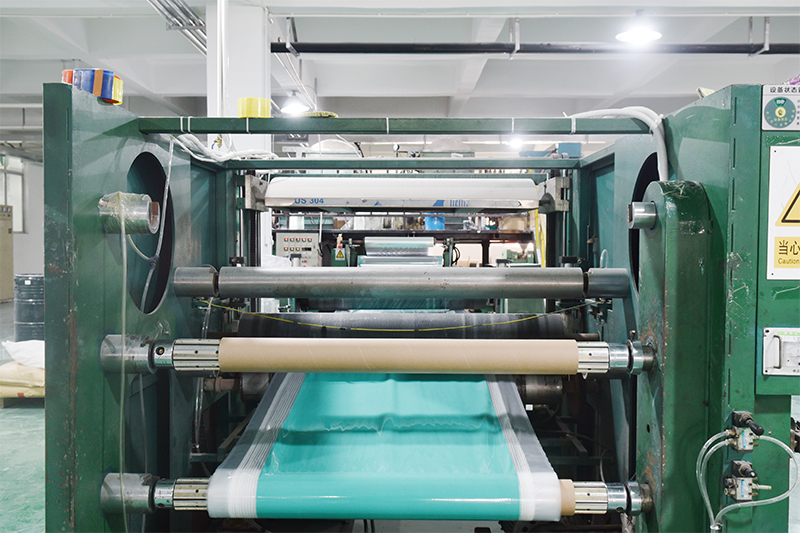
Global procurement teams prioritize quality consistency, lead times, and cost optimization. Chinese manufacturing in the corrosion protection sector has moved beyond simple labor advantages, shifting focus toward deep value chain optimization.
How CYCT protective sleeves address real-world challenges across diverse engineering environments.
Welded pipe sections present vulnerability risks. Our heat-shrinkable wrap-around sleeves act as high-durability protection over the weld joint area, matching the protection levels of the main pipeline coating (such as 3LPE or 3LPP).
During Horizontal Directional Drilling, pipes encounter severe soil friction and rock abrasion. Our epoxy FRP and moisture-curing shields provide sacrificial mechanical protection, protecting the underlying anticorrosion layer.
Beyond steel pipelines, our wrap-around solutions protect heavy industrial electrical cabling from moisture, chemical attack, and mechanical load stresses in underground trenches.
Understanding where the field is heading: high temperatures, environmental regulations, and viscoelastic systems.
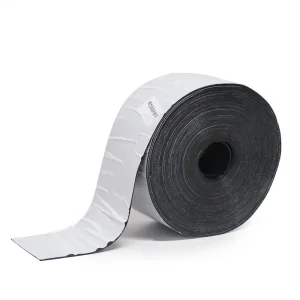
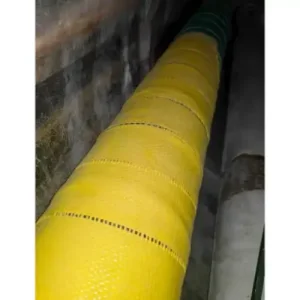
Viscoelastic materials represent a significant advancement in anti-corrosion science. Unlike traditional hot-melt adhesives, viscoelastic tapes and putties exhibit continuous cold-flow behavior, flowing directly into microscopic steel imperfections to provide self-healing protection. Our Wide-Temperature Aluminum Foil Viscoelastic Tapes offer immediate bonding with zero curing time.
With deep oil extraction and high-temperature chemical transport, standard 60°C operating limits are no longer sufficient. The market is shifting toward PP (Polypropylene) based systems capable of withstanding operating temperatures up to 110°C or 120°C. CYCT’s PP Repair Patches and PP Shrink Sleeves address this demand for high-temperature resistance.
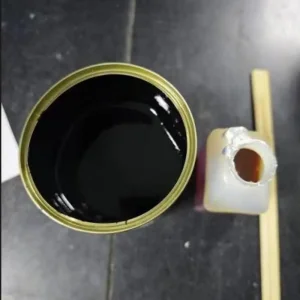
Environmental standards restrict VOC emissions during field applications. The industry is moving toward solvent-free epoxy primers, which provide strong steel bonding without releasing toxic vapors. Our Solvent-Free Epoxy Primers deliver excellent adhesion while ensuring compliance with environmental regulations.
R&D Direction: CYCT continues to develop composite structures that combine mechanical strength and viscoelastic performance, helping reduce installation times and project costs for pipeline operators.
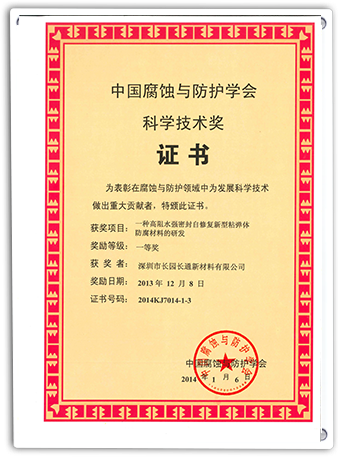
We are a member of the Chinese Society for Corrosion and Protection (CSCP), a CAPEC Corporate Member, and an AMPP member.
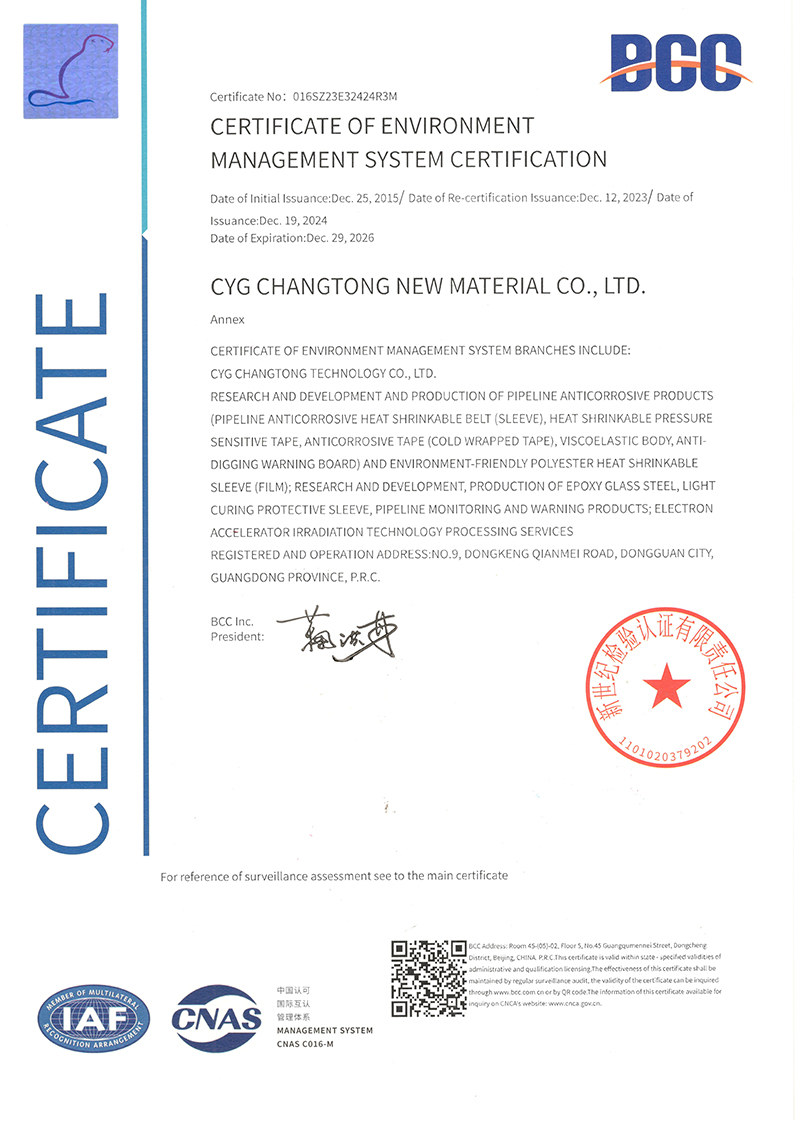
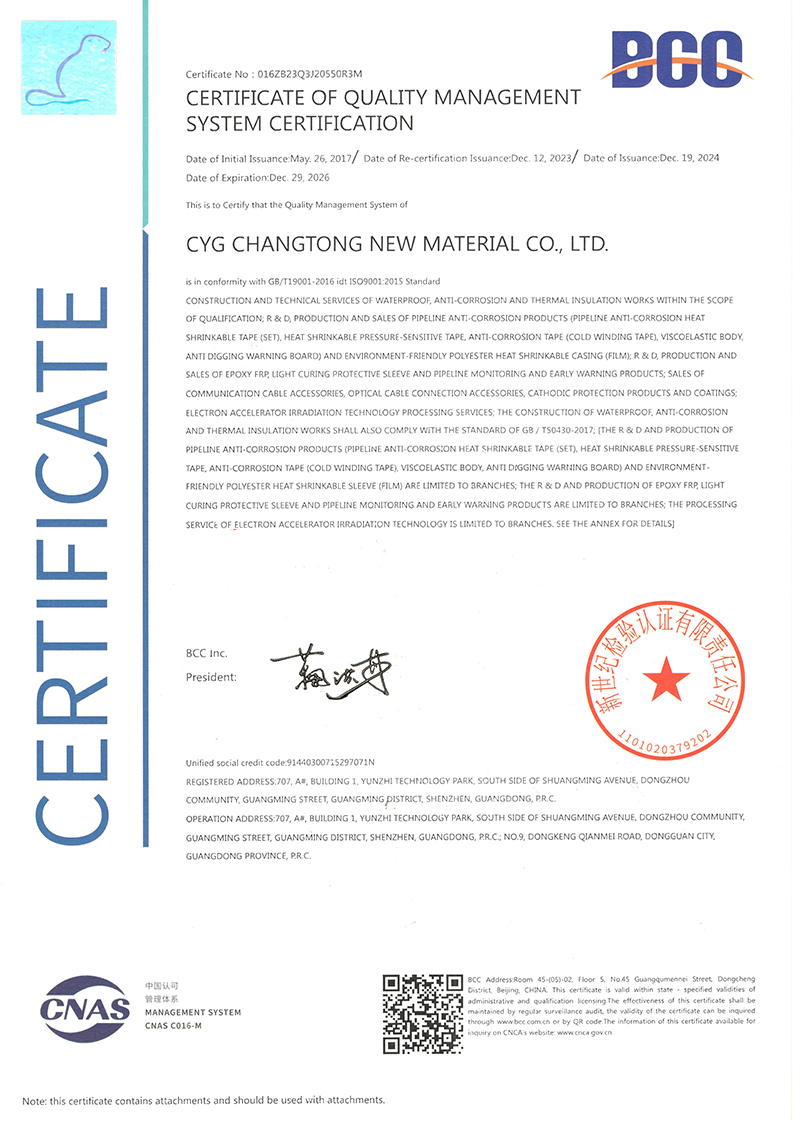
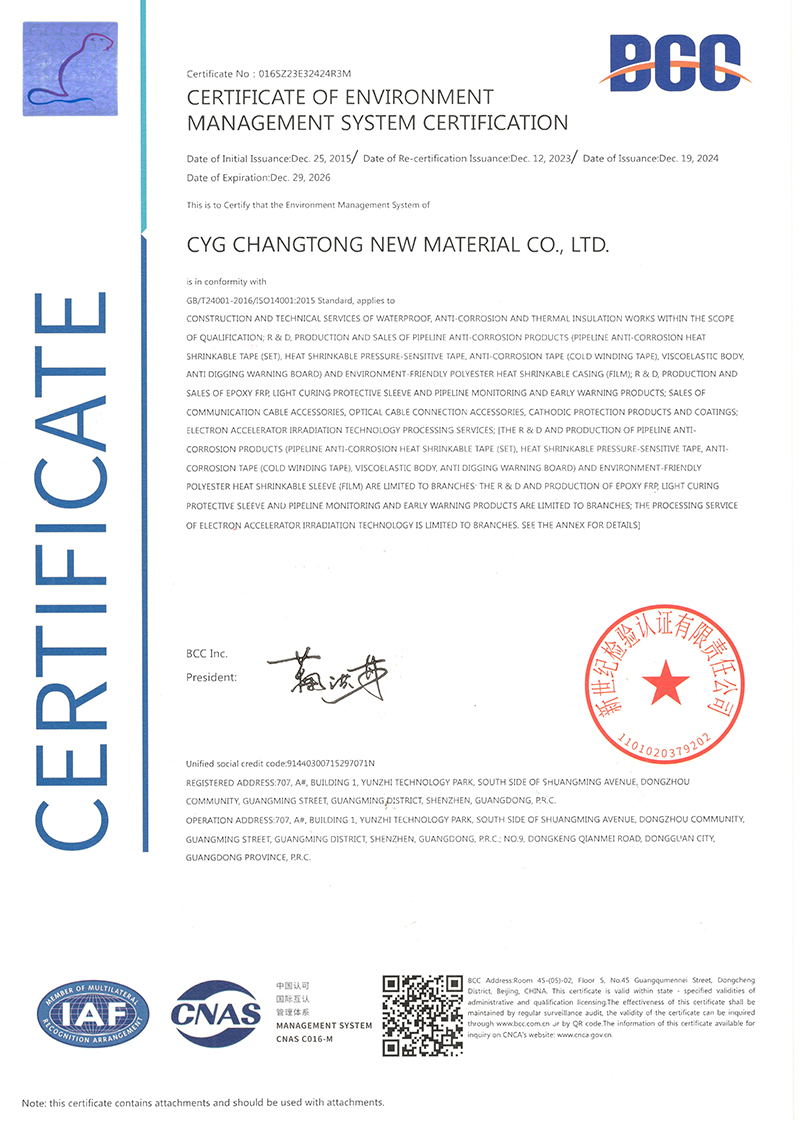
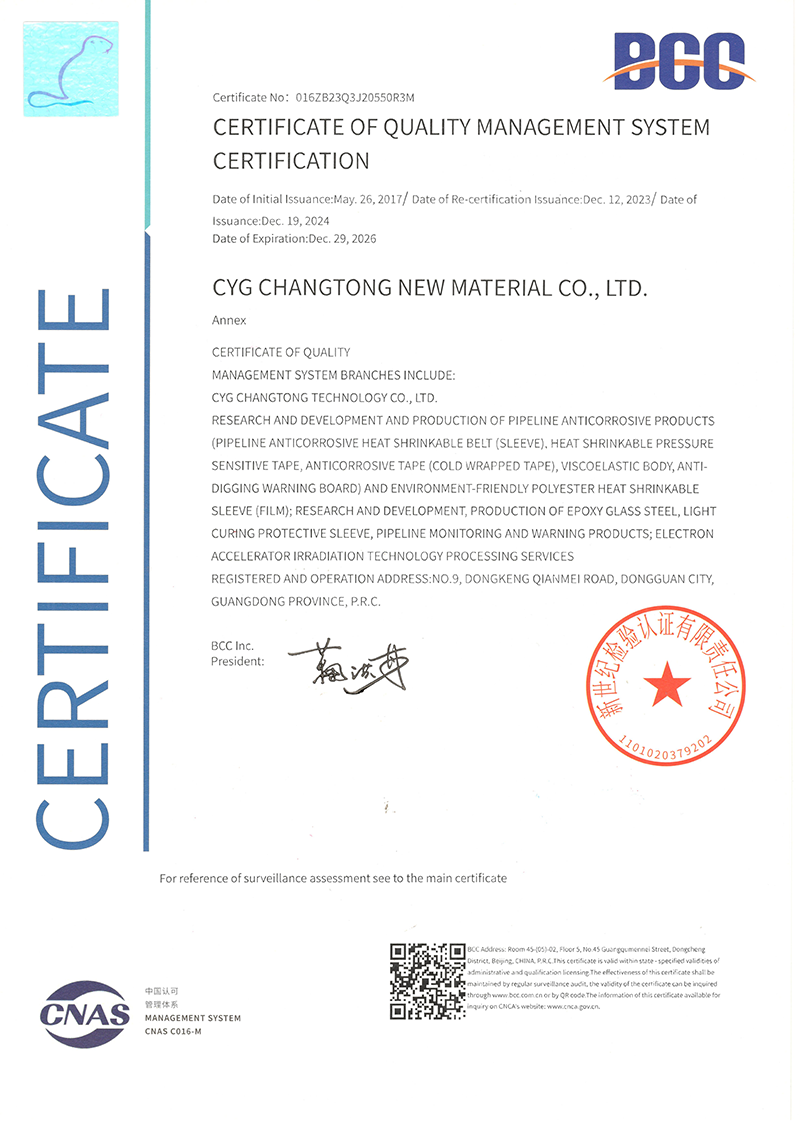
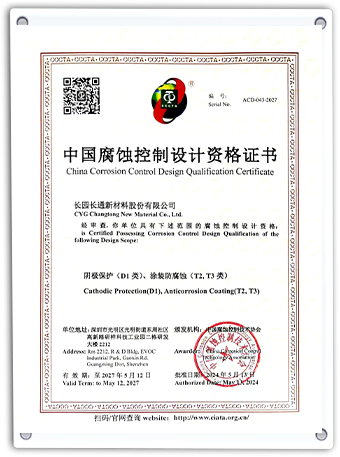
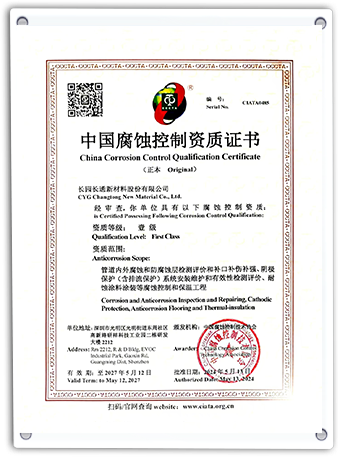
Key checkpoints for procurement leads when sourcing wrap-around sleeves and anti-corrosion components.
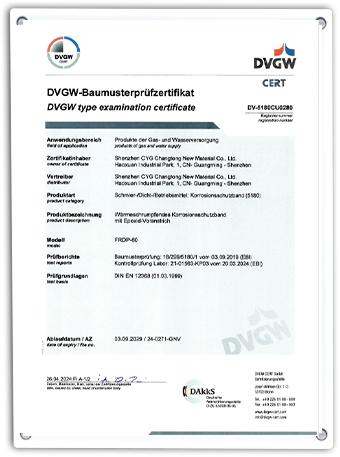
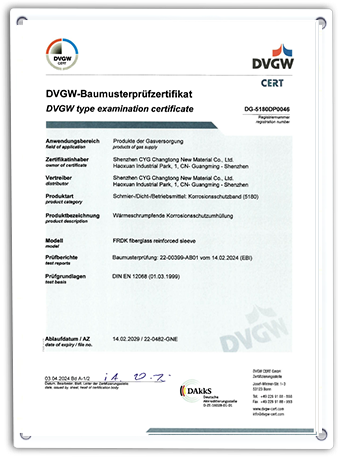
When sourcing OEM wrap-around sleeves, verify compliance with ISO 21809-3, EN 12068, or DIN 30672 specifications. These standards define essential properties like peel strength (to steel and factory PE coatings), shear strength, and cathodic disbondment resistance under thermal stress.
The hot-melt copolymer or viscoelastic adhesive compound is critical for long-term protection. Ensure the factory provides documentation on shelf life, storage temperature ranges, and viscosity indexes. Poorly formulated adhesives can crystallize prematurely, leading to delamination under soil shear stress.
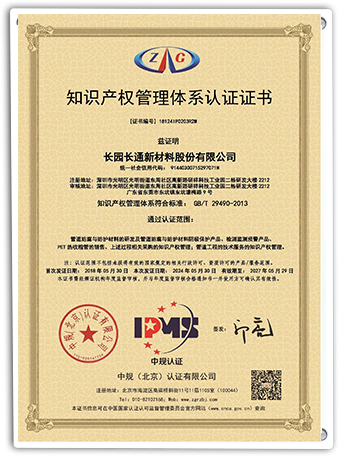
A reliable OEM should operate an in-house laboratory equipped to conduct routine verification tests. CYCT's CNAS-certified laboratory performs differential scanning calorimetry (DSC), peel testing, heat aging tests, and impact resistance verification on production samples.
Partnering with CYCT: We provide full traceability for raw materials, along with comprehensive Quality Inspection Reports (MTRs) for every production batch, ensuring reliable performance in the field.
Clear, direct answers to common questions about wrap-around sleeves, viscoelastic materials, and joint protection.
Tubular sleeves are slipped over the pipe before welding, meaning they cannot be applied if the weld is already completed. Wrap-around sleeves can be wrapped around the pipe in-situ at any point, secured with a closure patch, and then shrunk. This provides greater flexibility for field applications and repairs.
Solvent-free epoxy primers maximize adhesive bonding, eliminate air bubble formation under the sleeve, and comply with safety and environmental standards by avoiding hazardous VOC emissions.
Viscoelastic paste and putty flow easily into irregular contours, such as flanges, nuts, and bolts. This eliminates voids and prevents water condensation or soil moisture from initiating localized crevice corrosion.
Yes. However, PP repair patches are specifically designed to match the higher mechanical properties and melting points of 3LPP (3-Layer Polypropylene) coatings. For PE coatings, PE-based repair patches are generally recommended to ensure compatible thermal behaviors.
Look for uniform adhesive flow at both ends of the sleeve, the absence of cold spots or air pockets under the backing, and smooth, wrinkle-free conformability around the steel joint or cable.
We provide comprehensive OEM customization. This includes custom widths, thickness variations for backing and adhesive layers, localized color coding, custom packaging, and private labeling based on client specifications.
Explore our industrial range of viscoelastic materials, epoxy primers, and custom shrink sleeves.
 CYCT
CYCT