Explore our industrial-grade, factory-direct corrosion protection solutions designed for global oil, gas, water, and municipal pipeline systems.
In the modern industrial landscape, pipelines function as the vital arteries of global energy infrastructure, transporting hydrocarbons, chemical compounds, water, and gas across vast geographical distances. However, the integrity of these networks is constantly threatened by electrochemical and environmental corrosion. Among the most vulnerable segments of any pipeline are the field joint areas—where individual sections of pipe are welded together. Protecting these exposed steel joints is of paramount importance to ensure long-term structural durability and mitigate the catastrophic financial and ecological consequences of pipeline failures.
This is where heat shrinkable sealing sleeves and advanced pipeline coatings play a decisive role. Engineered to wrap securely around field joints, these sleeves provide a continuous, impervious barrier that seals out water, oxygen, corrosive chemicals, and bacterial pathogens. By offering an airtight seal that mirrors the performance of factory-applied main-line coatings, such as 3-layer polyethylene (3LPE) or 3-layer polypropylene (3LPP), high-quality sealing sleeves guarantee that the entire pipeline behaves as a singular, corrosion-resistant asset.
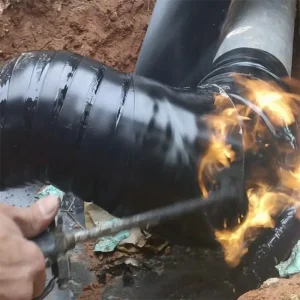
Historically, pipeline operators relied on simple bitumen tapes and basic elastomeric wraps to cover field joints. While effective in low-temperature, benign soil environments, these legacy materials struggled with soil stress, cathodic disbondment, and thermal degradation. The development of radiation cross-linked polyolefin technology revolutionized the industry. Radiation cross-linking alters the molecular structure of the polymer backplane, creating a molecular "memory." When heated, the material shrinks uniformly, delivering high mechanical tension and forcing the underlying adhesive to flow into any surface irregularities.
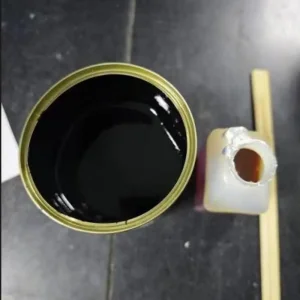
Today’s standard field joint systems are classified into 2-layer and 3-layer systems. The 3-layer system utilizes a liquid epoxy primer applied to the bare steel, followed by a copolymer hot-melt adhesive and a heavy-duty cross-linked polyolefin backing. This combination delivers exceptional resistance to cathodic disbondment and mechanical forces, offering robust performance in demanding environmental conditions.
Analyzing the procurement expectations of global EPC contractors, asset managers, and specification engineers in oil and gas infrastructure.
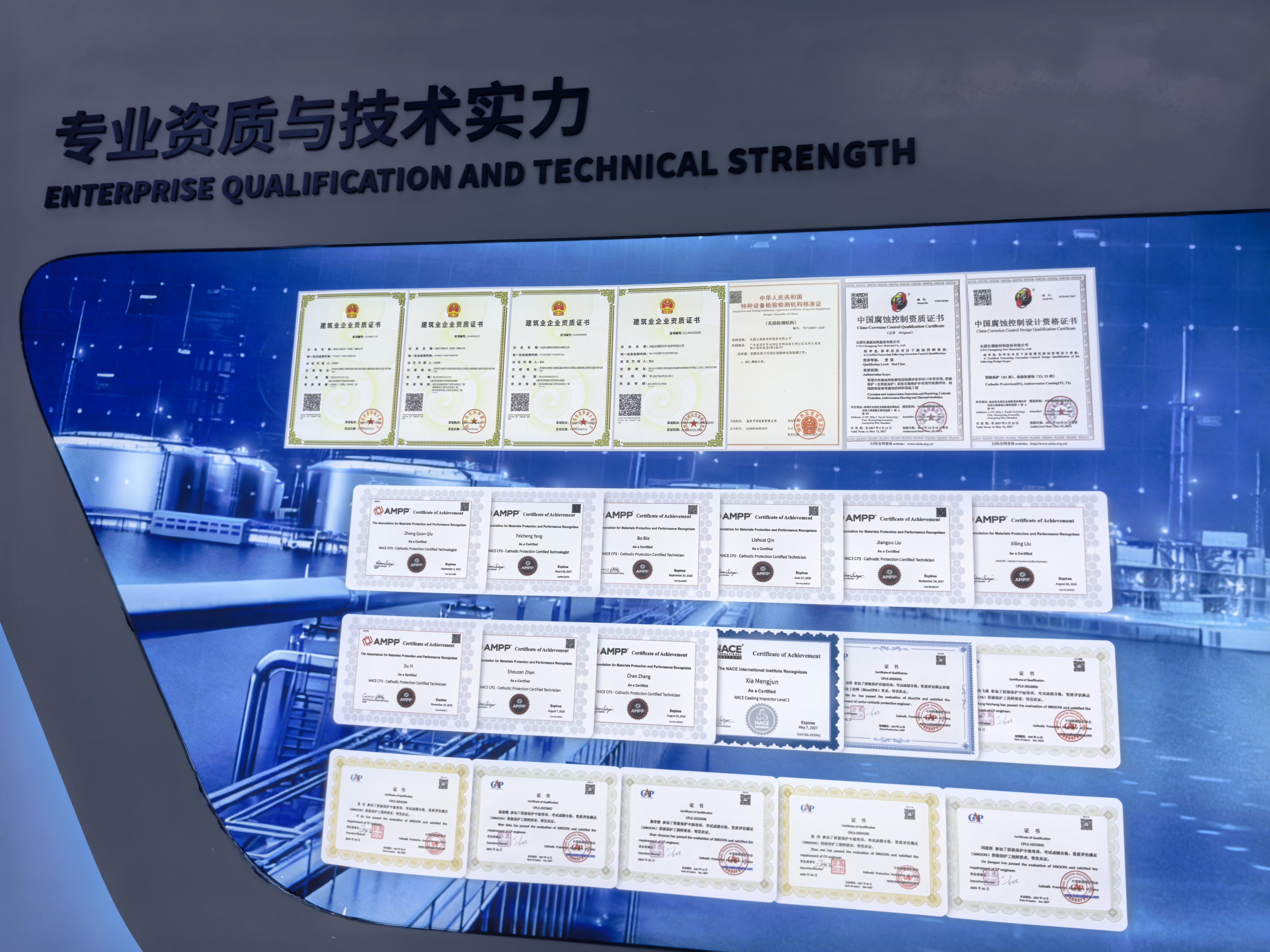
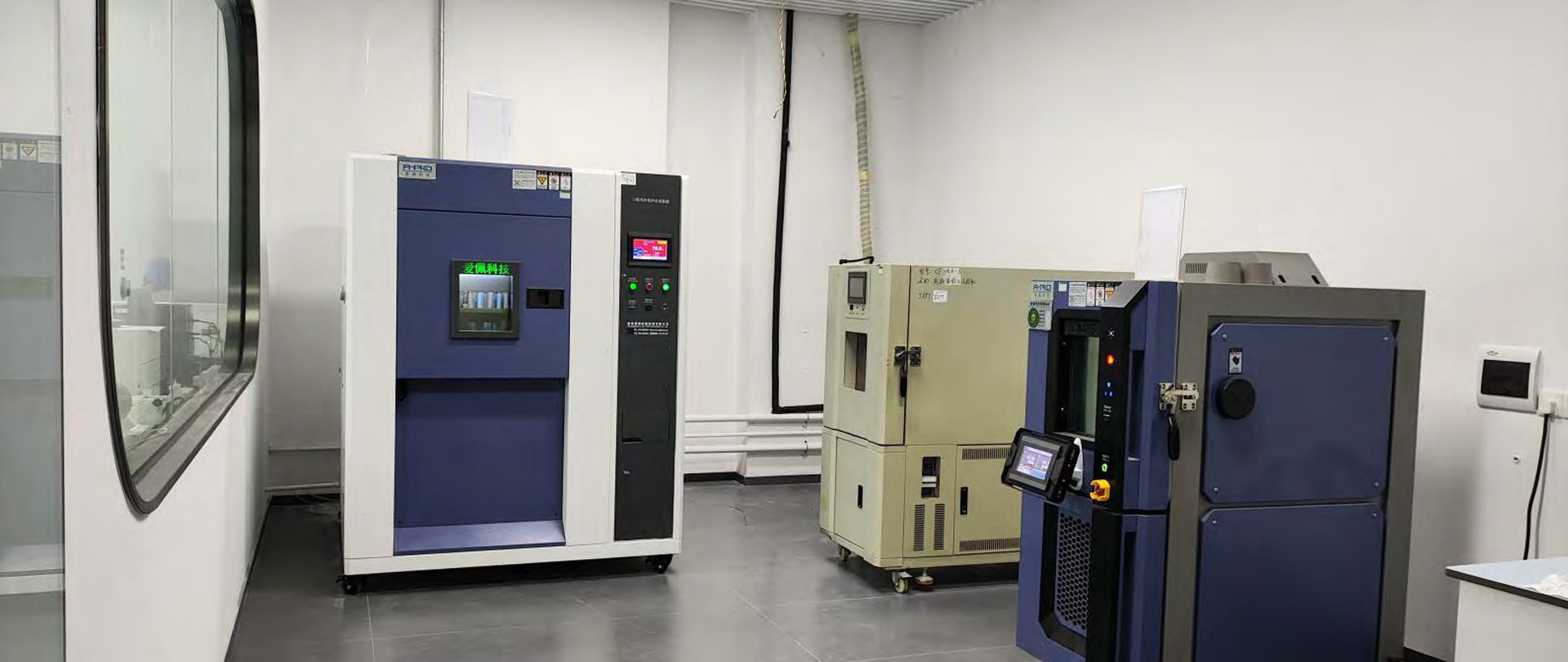
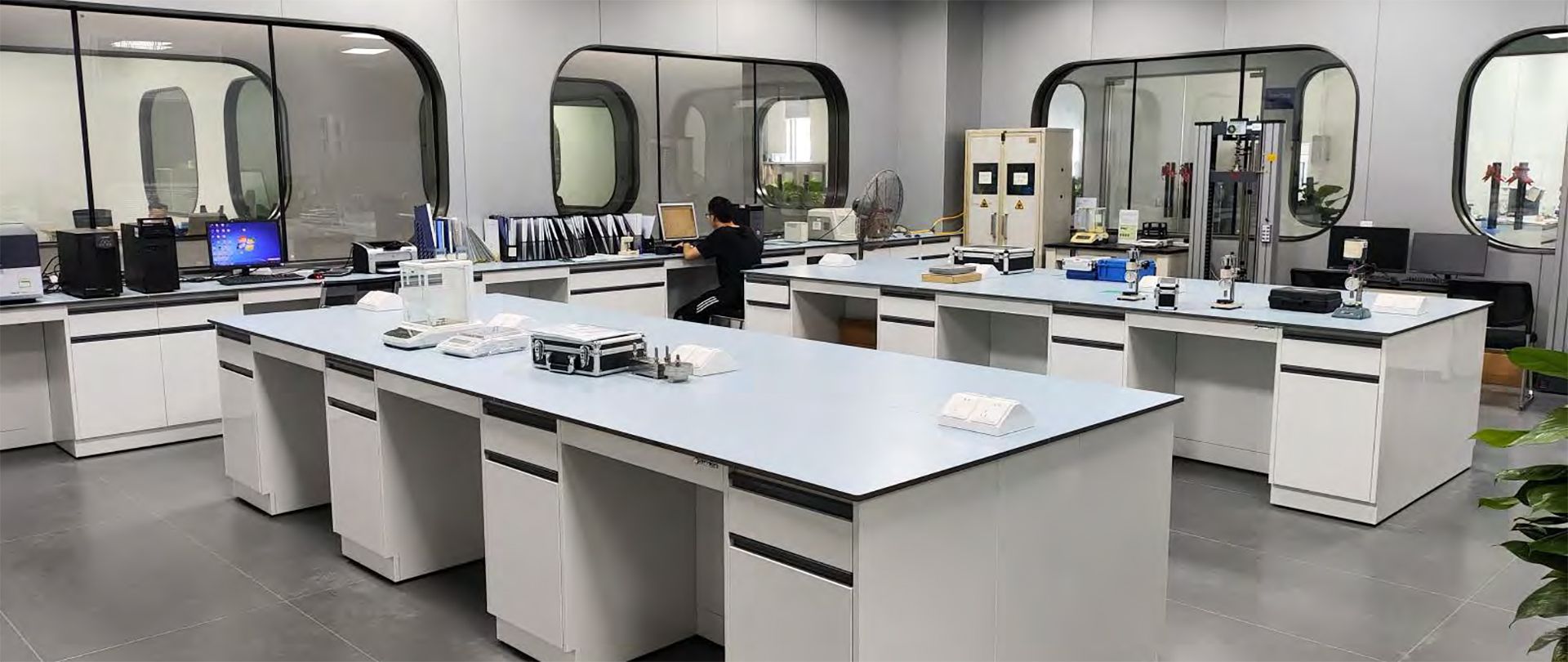
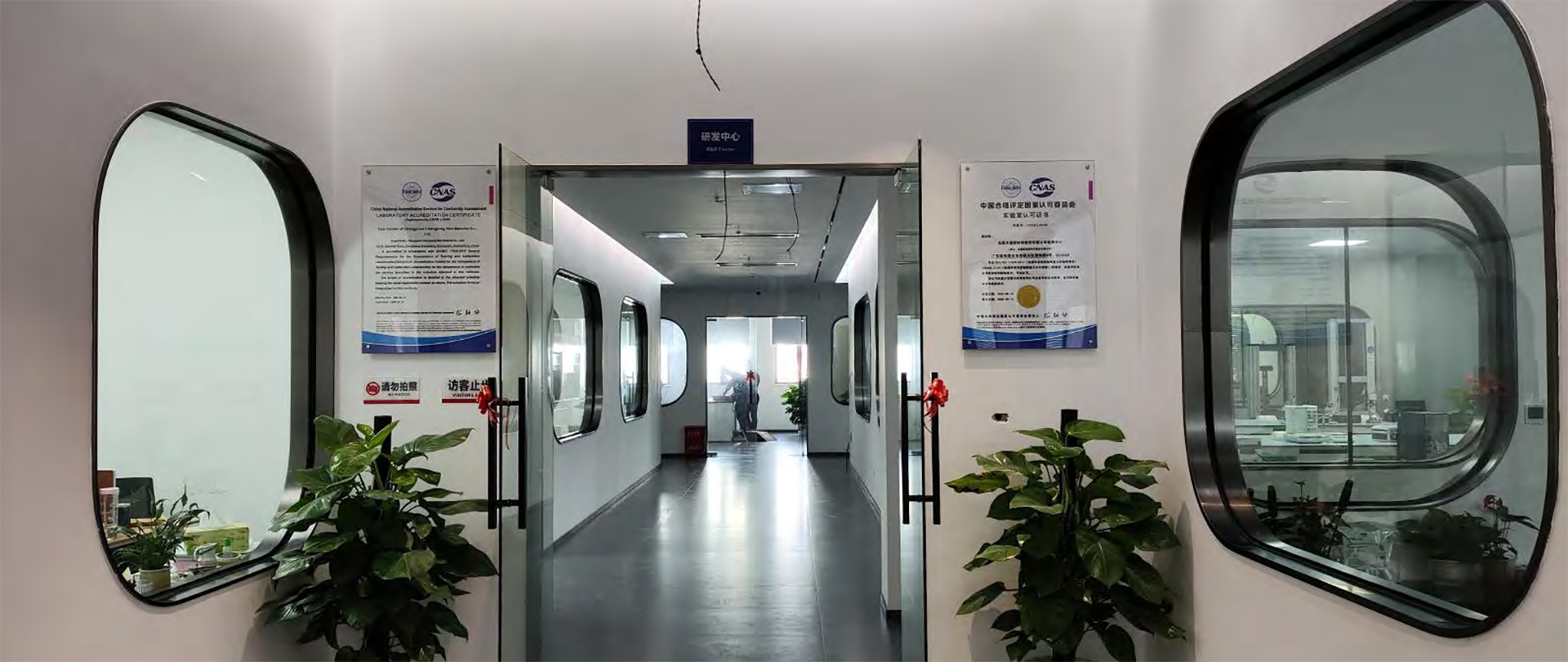
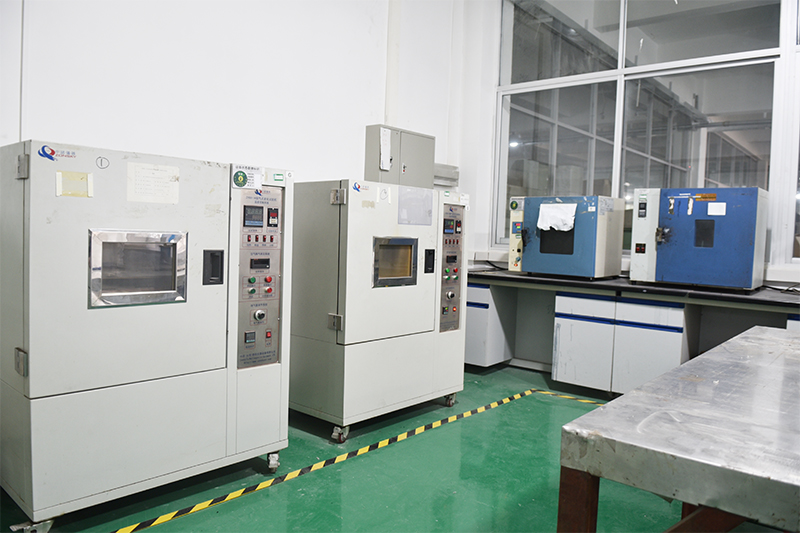
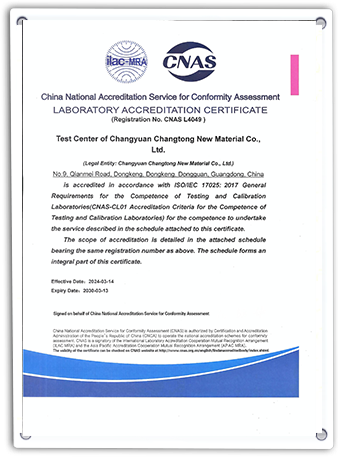
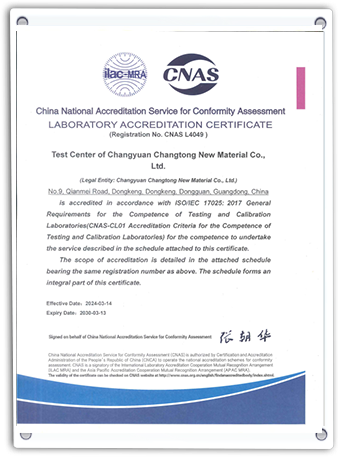
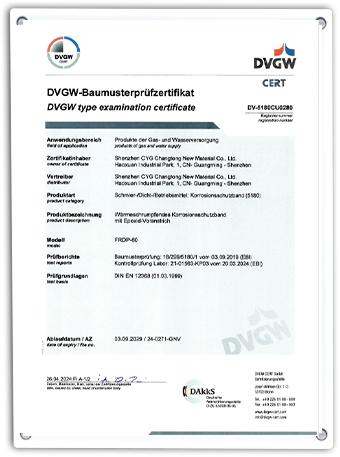
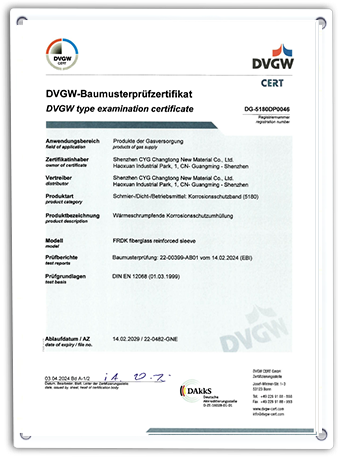
Procurement teams require detailed testing documentation. CYCT’s national CNAS accredited laboratory ensures certifications for ASTM, DIN 30672, EN 12068, and ISO 21809-3 specifications are completely verified.
Every pipeline project faces unique environmental challenges, from soil stresses to extreme operating temperatures. Custom length, width, thickness, and specialized backing layers are vital components of modern OEM supply chains.
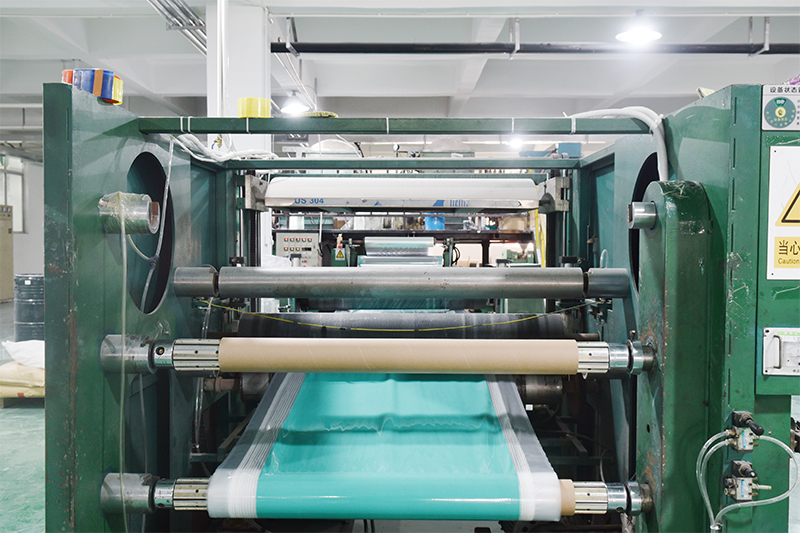
Large infrastructure projects require reliable, on-time delivery schedules. CYCT mitigates supply chain risks by ensuring vertical integration of material formulation, extrusion, expansion, and adhesive coating processes.
Procurement teams evaluate sealing sleeves beyond the initial material cost. They assess the Total Cost of Ownership (TCO), which includes ease of installation, shelf-life reliability under field conditions, compatibility with field machinery, and long-term repair cycles. CYCT addresses these variables by offering specialized materials like the FRPD-PP Heat Shrinkable Sleeves and FRDX Hot Melt Fillers. These products are formulated to lower prep time, reduce installation errors, and optimize the overall yield of pipeline field joint coatings.
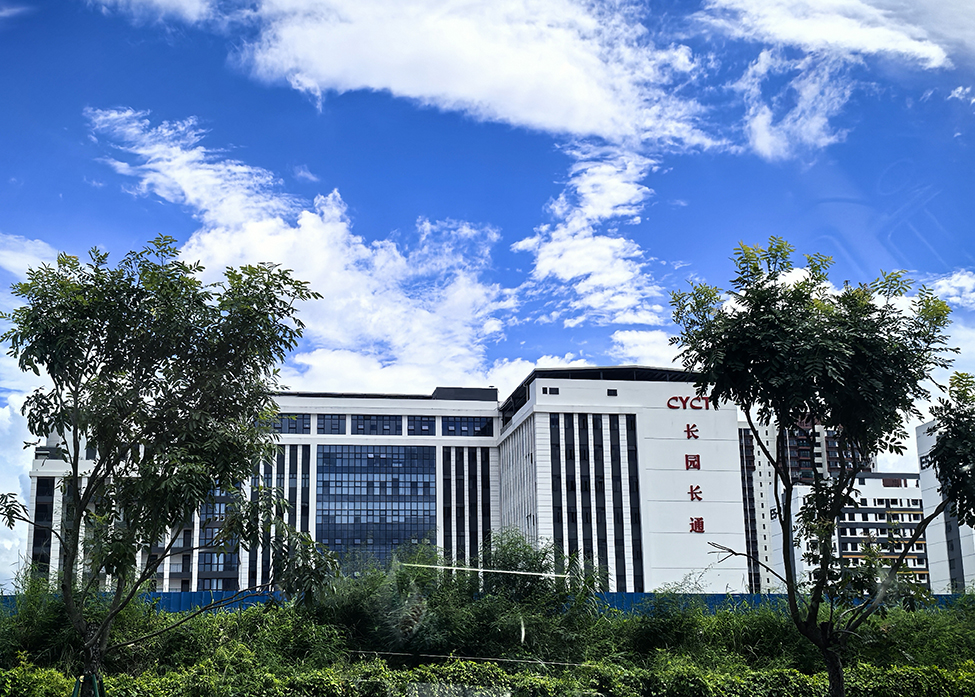
In an era characterized by geopolitical shifts and logistics challenges, pipeline developers prioritize partners who demonstrate supply chain resilience. CYCT’s advanced manufacturing facilities, aligned with Factory 4.0 paradigms, integrate raw material synthesis, precision extrusion, controlled radiation cross-linking, and automated adhesive coating. This level of vertical integration guarantees batch-to-batch consistency and protects operations from raw material market fluctuations.
Our manufacturing facility features cutting-edge technological infrastructure, including:
High-energy electron beam accelerators modify polymer properties to optimize elasticity, tensile strength, and heat-shrinking memory.
Proprietary shear-resistant hot-melt adhesives are compounded in-house to achieve peel strength profiles on both PE and PP substrates.
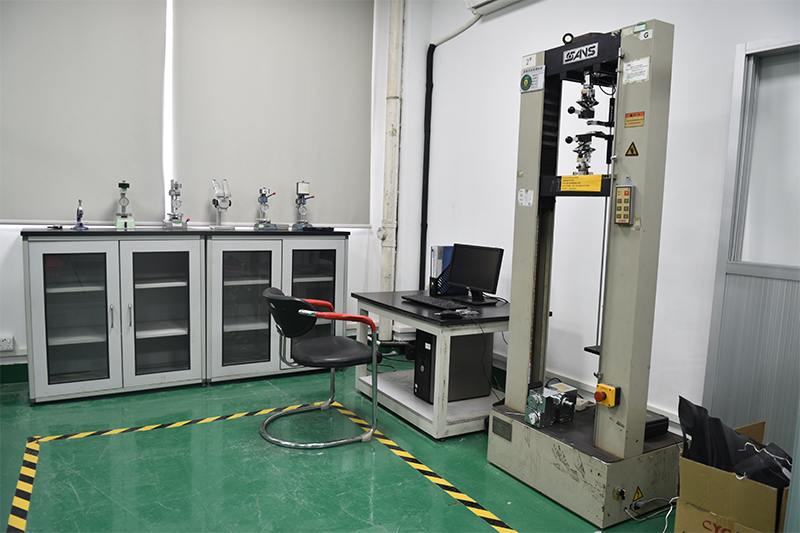
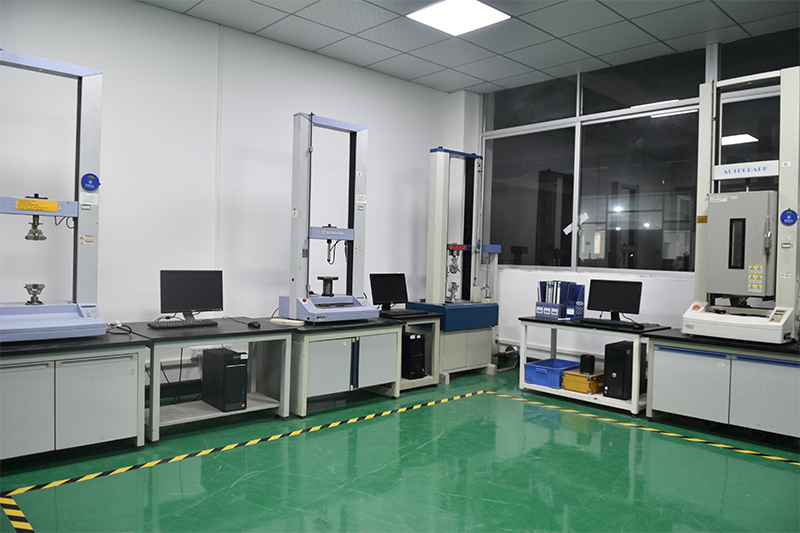
Every batch undergoes testing for peel strength, cathodic disbondment, thermal aging, impact resistance, and water absorption.
Advanced extrusion lines process high-width sheets with minimal gauge variation, ensuring consistent wall thickness across the sleeve.
Furthermore, our corporate culture is founded on continuous technological innovation. Through long-term collaboration with research institutes like the CNPC Pipeline Science Research Institute, CYCT remains at the forefront of anti-corrosion science. This collaborative approach enables us to design and deliver specialized materials, such as our Photo-Curing GRP Protective Sleeves, engineered to meet the challenges of Horizontal Directional Drilling (HDD) applications.


Selecting the appropriate pipeline field joint system requires evaluating temperature limits, mechanical stress profiles, and chemical exposures. The table below outlines the comparative performance parameters between 3-Layer Polyethylene (3LPE) and 3-Layer Polypropylene (3LPP) field joint systems.
| Performance Metric | 3-Layer Polyethylene (3LPE) | 3-Layer Polypropylene (3LPP) |
|---|---|---|
| Continuous Operating Temp | Up to 80°C (176°F) | Up to 110°C - 140°C (230°F - 284°F) |
| Mechanical & Soil Stress Resistance | Moderate to High; suitable for standard burial | Exceptional; high resistance to clay soils & shear |
| Impact Resistance | Excellent at lower temperatures | Extremely high; robust against backfill rocks |
| Standard Compatibility | ISO 21809-3 Section 1D, 1E | ISO 21809-3 Section 1F, 1G, 1H |
| Field Application Speed | Fast (requires moderate preheating) | Requires high induction preheating temperature |
By tailoring polymer density and molecular weight distribution, CYCT creates custom formulations. For example, our FRPD-PP Heat Shrinkable Sleeves are designed for high-stress 3LPP pipeline joints, bridging the performance gap in elevated temperature environments.
Pipeline environments vary significantly, requiring specialized corrosion protection solutions. Below are the primary application scenarios where CYCT products are deployed:
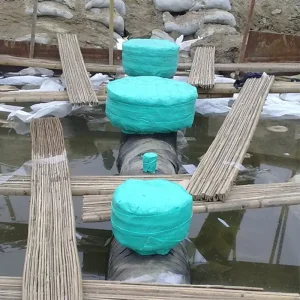
During pull-through operations, pipeline coatings face extreme mechanical shear. Standard shrink sleeves can shear off when encountering rocky substrates. CYCT’s Photo-Curing GRP Protective Sleeves (UV-Curing GRP Sheets) provide an outer structural layer that shields the anti-corrosion system from mechanical damage.
Crude oil viscosity optimization requires elevated operational temperatures, often between 80°C and 110°C. CYCT’s PP-based heat shrinkable sleeves are designed for these thermal profiles, providing reliable long-term adhesion and corrosion protection at high service temperatures.
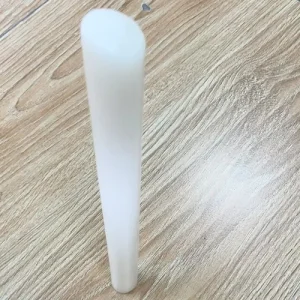
Excavated, in-service pipelines require rapid, field-applicable repair systems. Products like our Viscoelastic Anticorrosion Coatings, VE Putties, and Hot Melt Repair Sticks allow maintenance crews to rehabilitate pipelines with minimal surface preparation, reducing downtime.
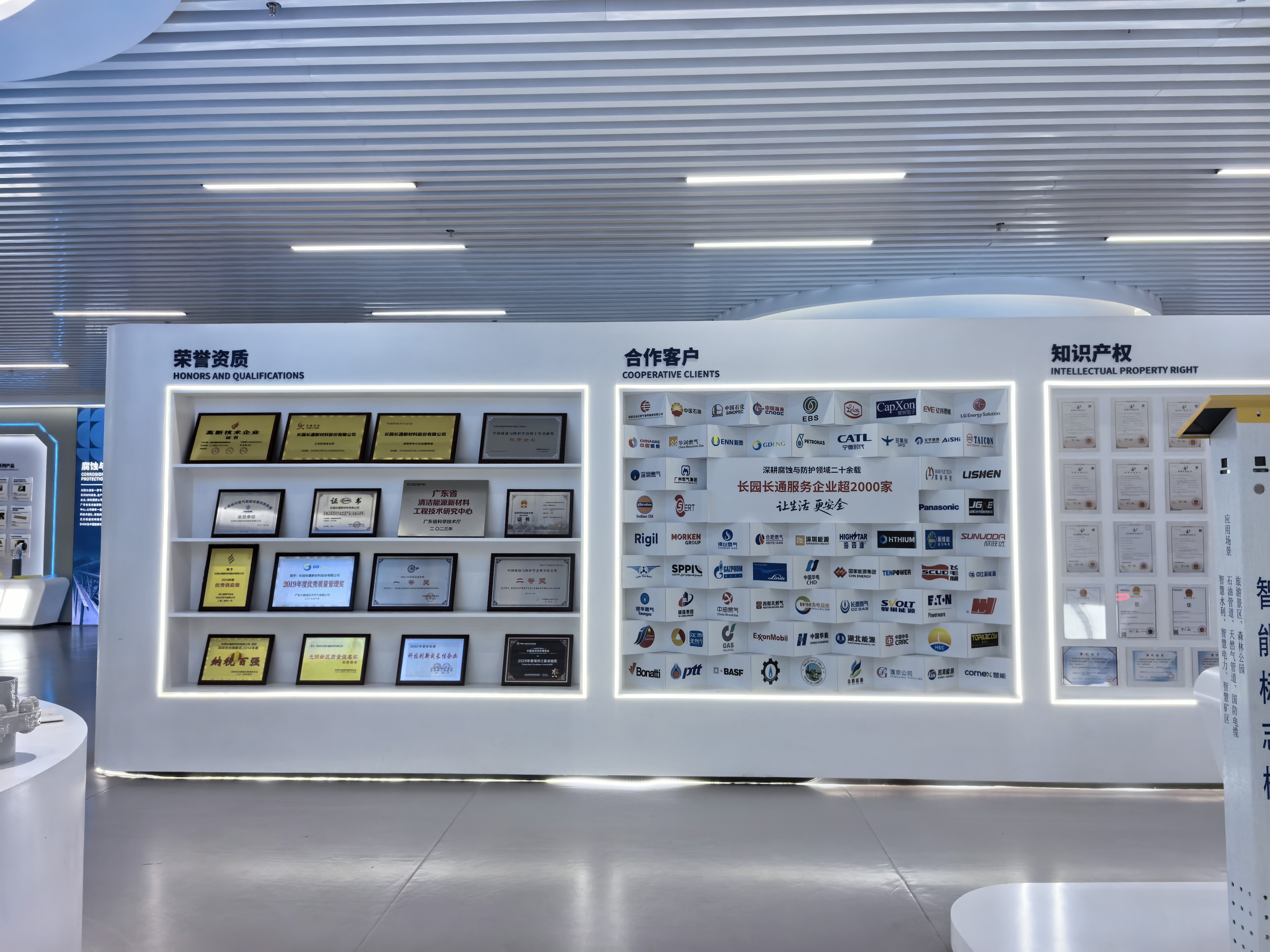
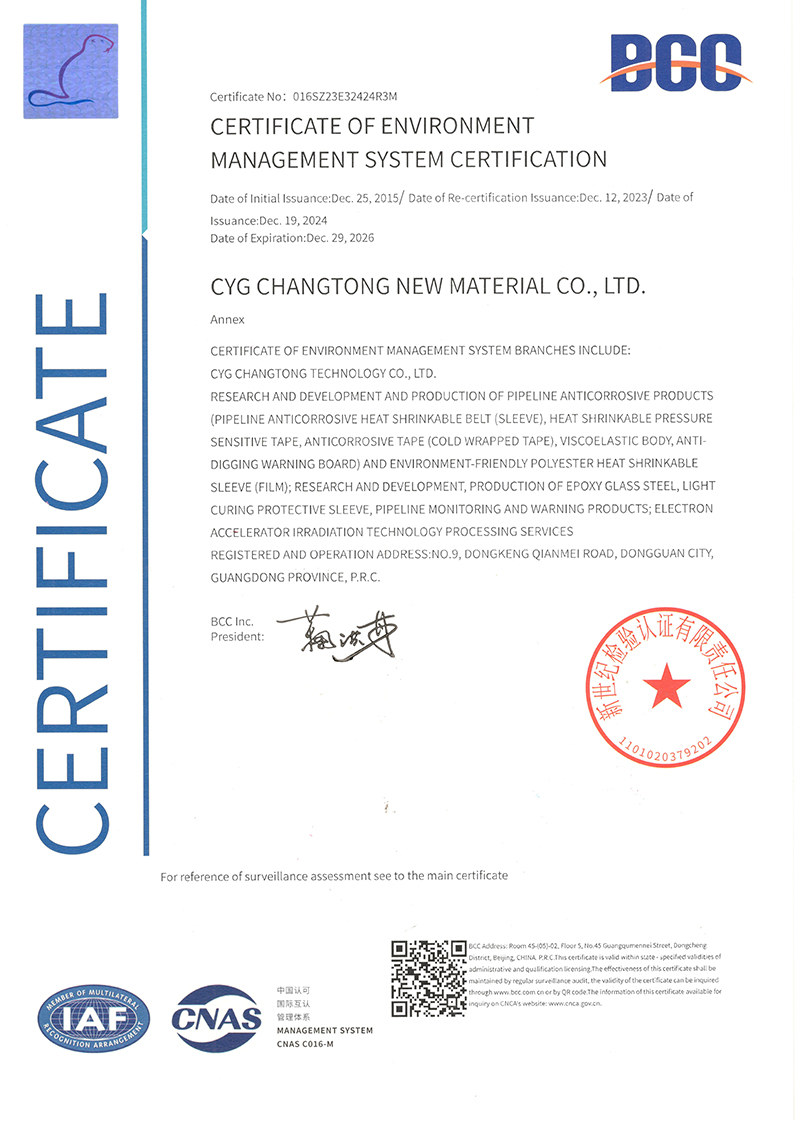
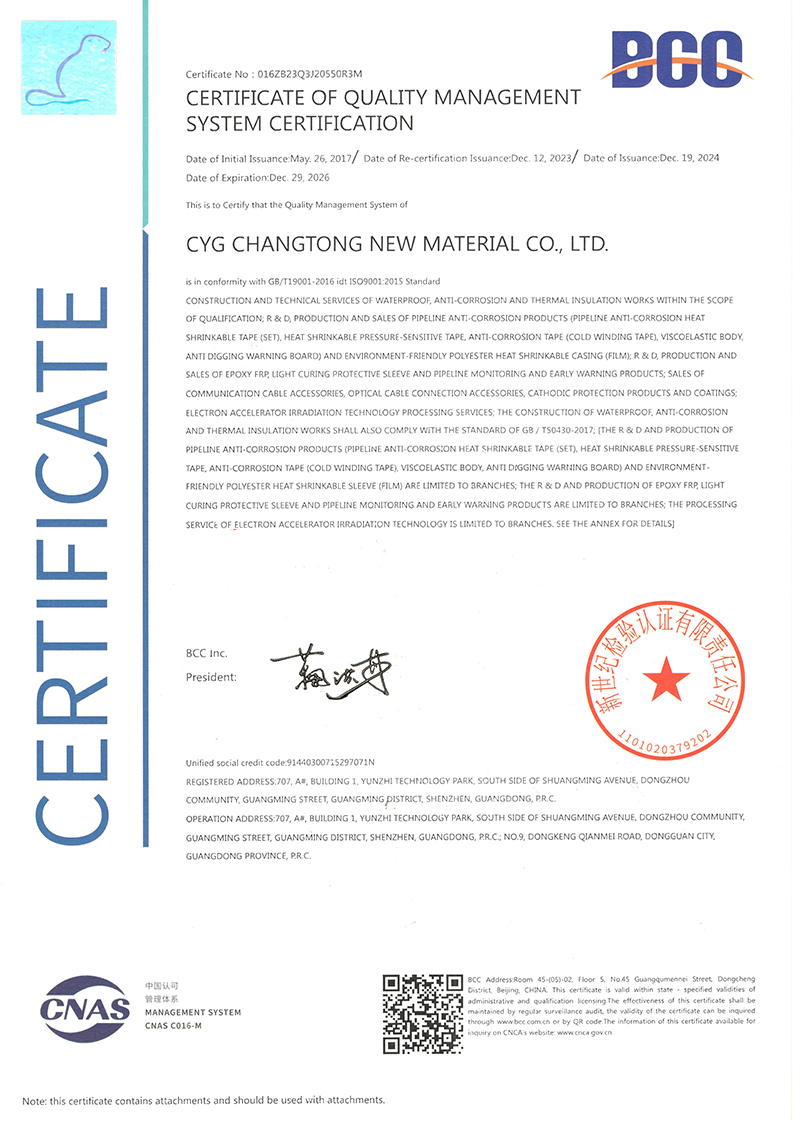
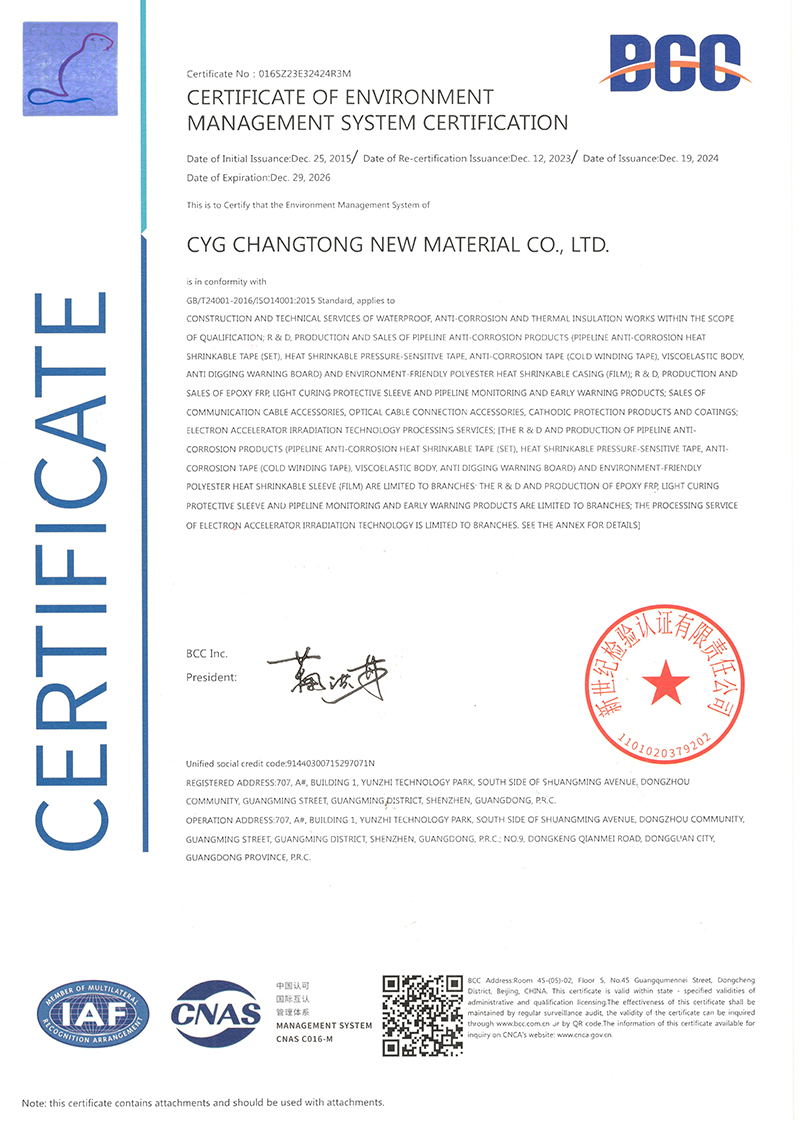
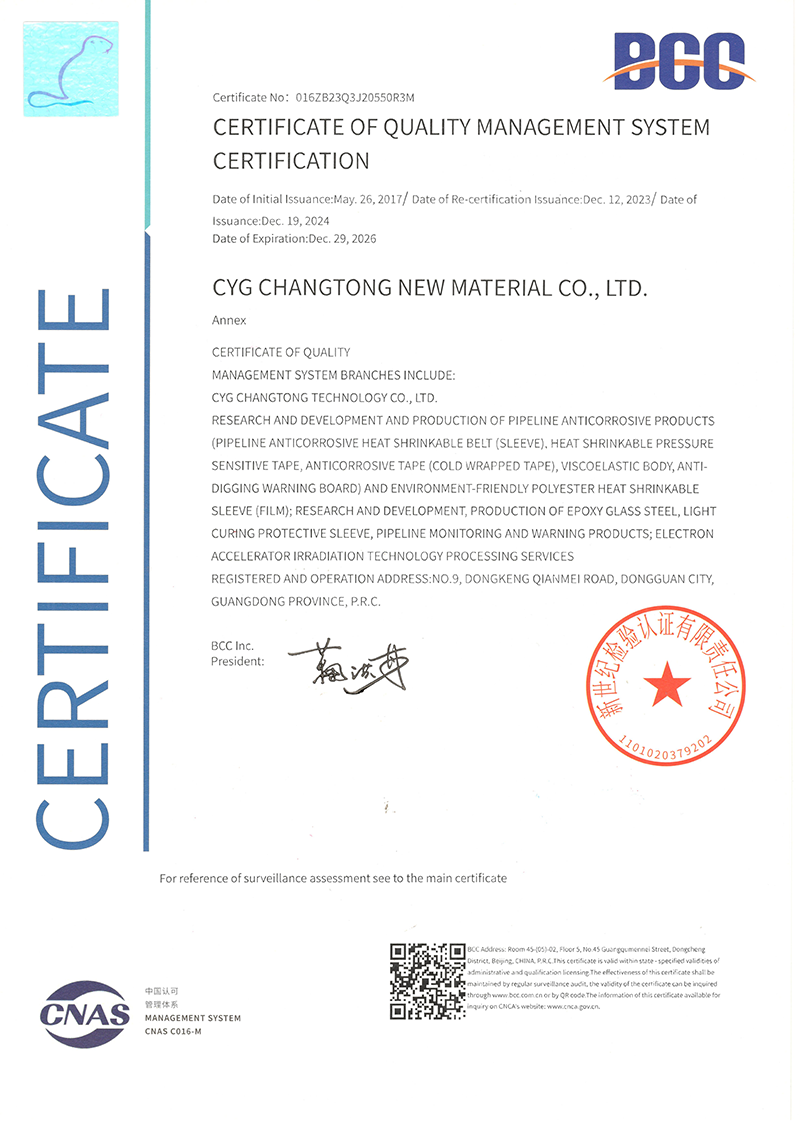
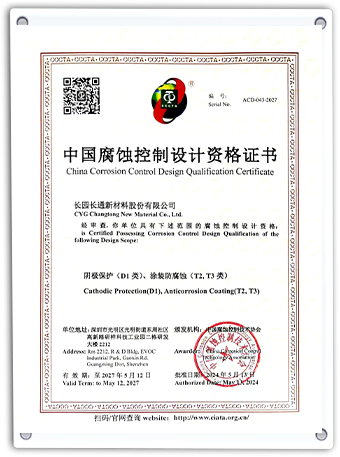
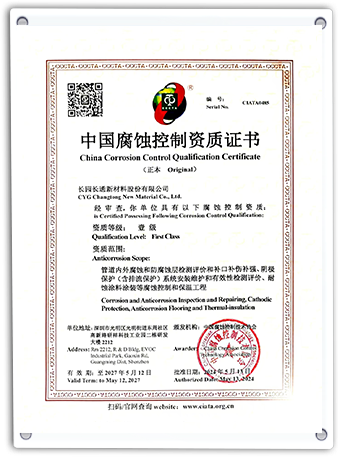
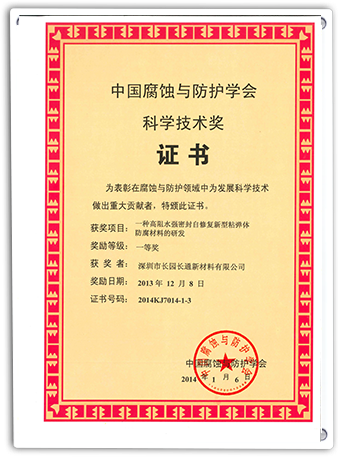
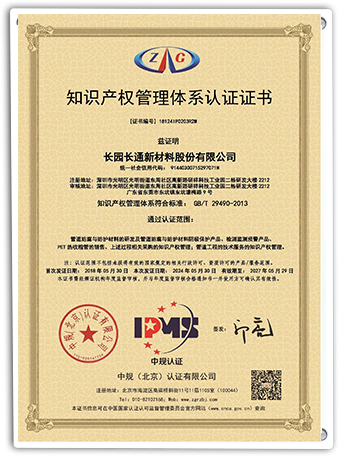
CYCT operates under strict international quality, environmental, and safety management systems. Our pipeline protection materials are regularly tested in accordance with top global criteria. We are an active member of the China Association of Petroleum Engineering Construction (CAPEC) and a council member of the Chinese Society for Corrosion and Protection (CSCP).
Our product lines hold comprehensive approvals across multiple state-owned energy operations, ensuring compliance with international oil and gas specifications. This technical background makes CYCT a trusted supply partner for complex, high-consequence pipeline projects.
Expert insights and technical answers on selection, installation, and standard compliance for pipeline sealing sleeves.
Select from our range of repair patches, hot melt fillers, viscoelastic tapes, and outer protective wraps designed for pipeline maintenance.
 CYCT
CYCT