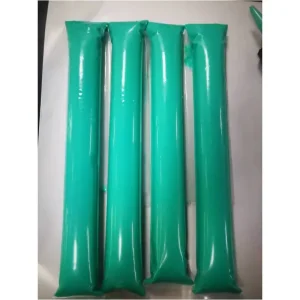
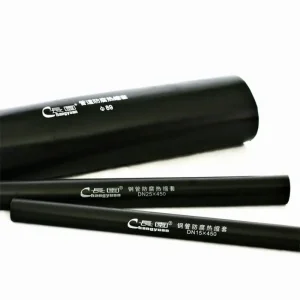
Explore the first selection of our high-integrity polymeric tapes, viscoelastic coatings, and repair solutions designed for demanding pipeline interfaces.
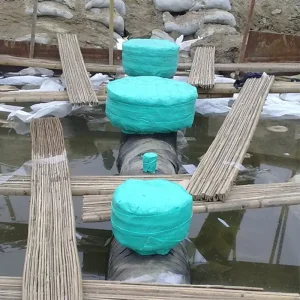
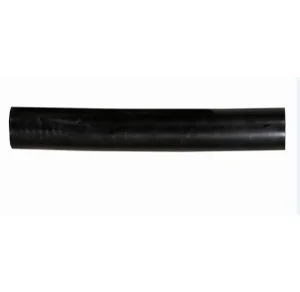
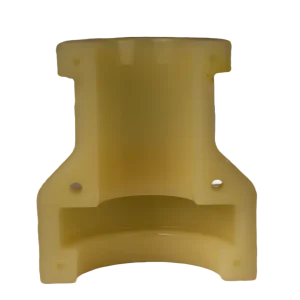
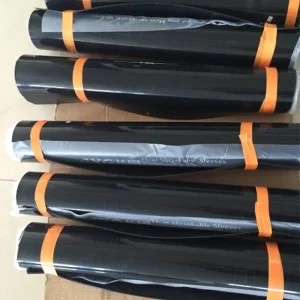
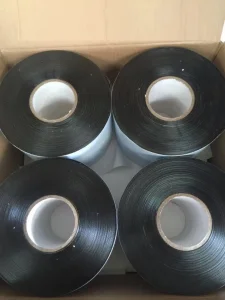
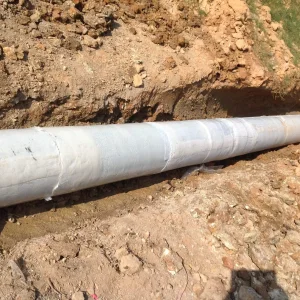
In global industrial pipelines, oil and gas infrastructure, and infrastructure engineering, corrosion protection remains a paramount challenge. Polymeric Pressure-Sensitive Tapes (PSAs) represent a vital technological tool for preventing structural degradation. These advanced cold-applied tape systems utilize viscoelastic properties, allowing immediate bonding to substrate surfaces under minor pressure without requiring external heat.
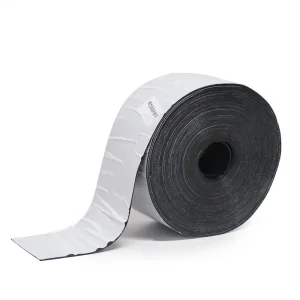
Unlike traditional hot-applied coatings, modern polymeric tapes rely on complex polymer backings—typically stabilized Polyethylene (PE) or Polypropylene (PP)—laminated with highly engineered butyl rubber, viscoelastic polyisobutylene (PIB), or asphalt-modified synthetic resin adhesives. This formulation ensures structural flexibility, robust chemical resistance, and exceptional barrier properties against water vapor intrusion and soil stresses.
As pipeline safety and environment standards tighten globally, the demand for high-integrity cold-applied polymeric tapes has grown significantly.
Modern mega-projects in the EU, Middle East, and Americas require long-life coatings. Cold-applied polymeric tapes are widely utilized as standard anti-corrosion barriers for joint protection and field rehabilitation due to their long performance life and ease of application.
With VOC regulations becoming increasingly strict, solventless viscoelastic materials and zero-emission PE/PP tapes provide an environmentally responsible alternative to liquid-applied epoxy coatings and polyurethane paints without sacrificing protection.
Historical pipeline failures highlighted risks related to cathodic shielding. Advanced polymeric formulations allow cathodic protection currents to pass through if the coating disbonds, mitigating the risk of Stress Corrosion Cracking (SCC).
Corrosion conditions vary by geography. Our products are engineered to perform reliably across diverse, demanding field environments.
Pipelines pulled through long boreholes encounter severe mechanical friction and soil shear. Specialized photo-curing protective sleeves and glass-fiber reinforced outer wraps protect the anti-corrosion coating from scratch damage during pullback.
Subsea pipelines and splash zones experience constant wave action and high salinity. Combining viscoelastic coatings with heavy-duty polymeric tapes provides reliable, long-term barrier protection that resists cathodic disbondment under water pressure.
Arid regions experience wide diurnal temperature fluctuations (from 0°C to over 70°C). High-temperature PE cold-applied tapes are formulated to prevent sliding and degradation, keeping the protective layer secure and functional.
At CYCT, our technical roadmap focuses on addressing emerging pipeline challenges. As operating temperatures and environmental conditions become more severe, traditional materials face performance limits.
The next generation of corrosion prevention demands materials that are easier to apply and exhibit longer service lives. Our engineering department, in partnership with top scientific institutes, is developing composite polymeric formulations that combine the flexibility of elastomers with the mechanical strength of engineering plastics.
These advancements help pipeline operators lower lifecycle maintenance expenses and prevent environmental contamination caused by corrosion failures.
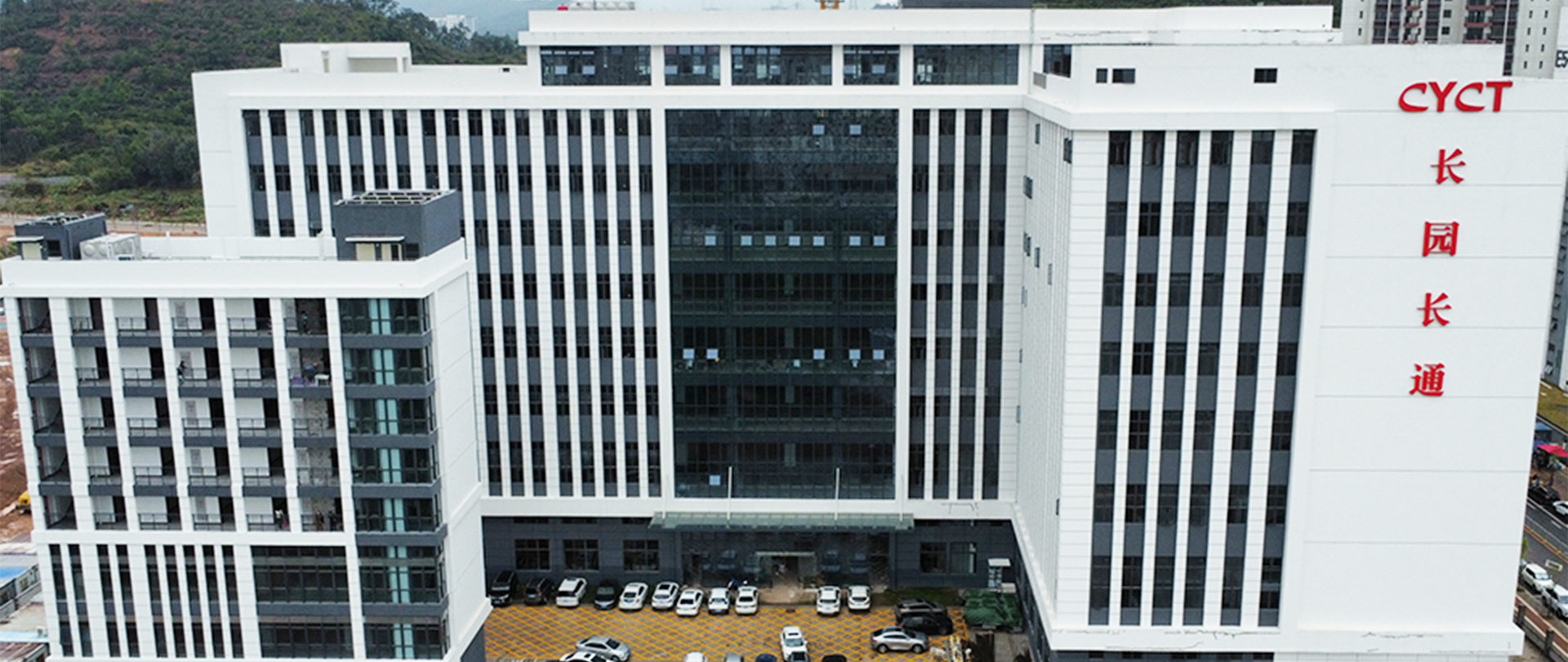
Operating from our high-capacity production facilities, we provide reliable global logistics and consistent material quality for large-scale infrastructure projects.
Located in one of China's primary industrial zones, we source high-quality resins, synthetic rubber, and stabilizers directly. This stable supply chain helps isolate clients from price volatility and guarantees consistent material grades.
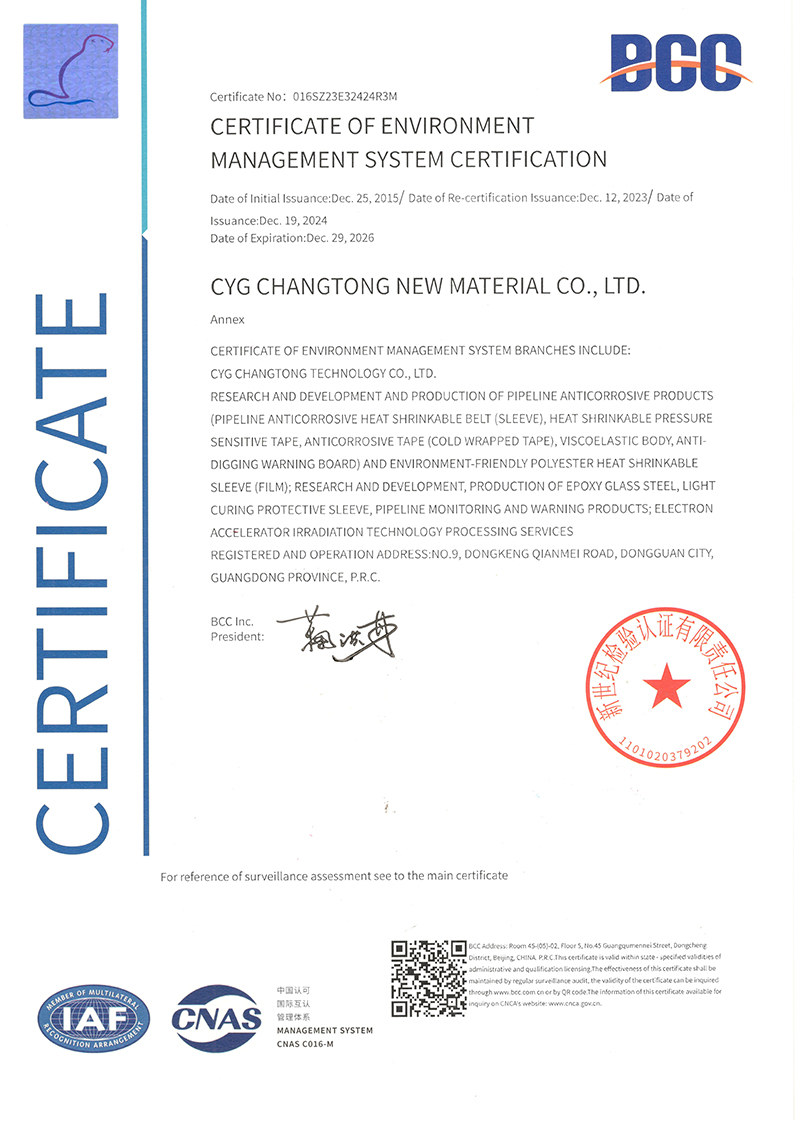
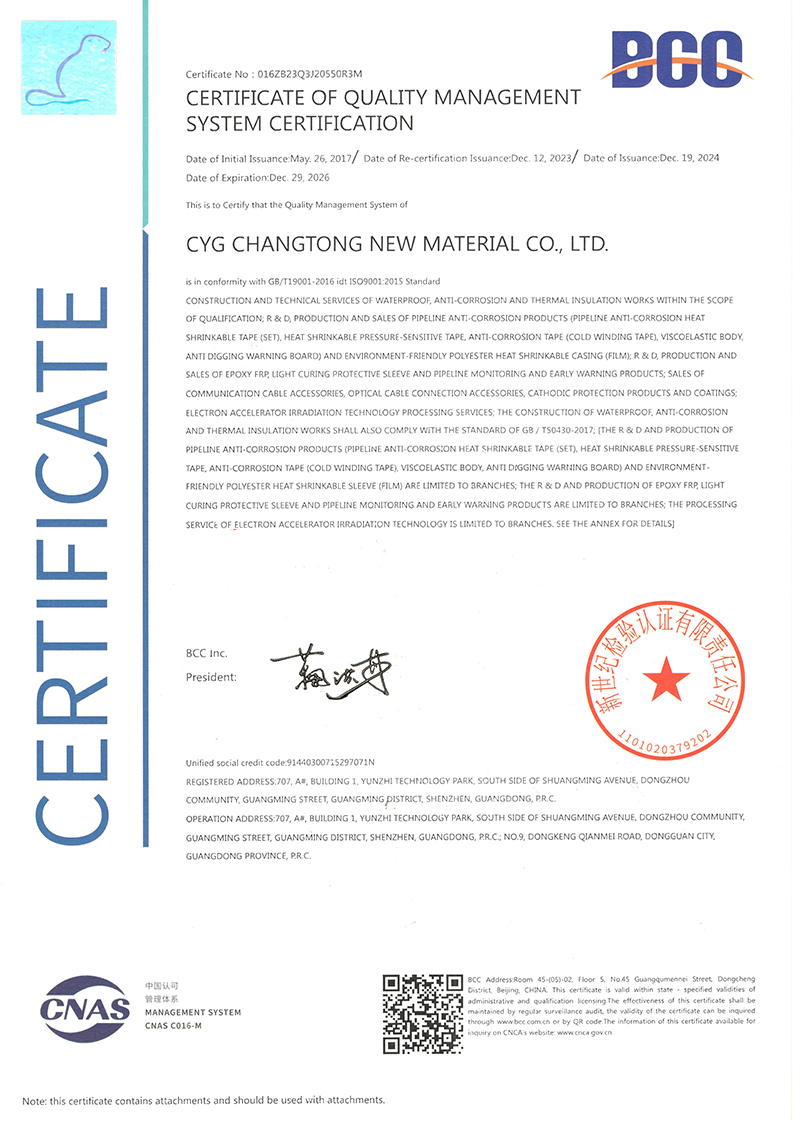
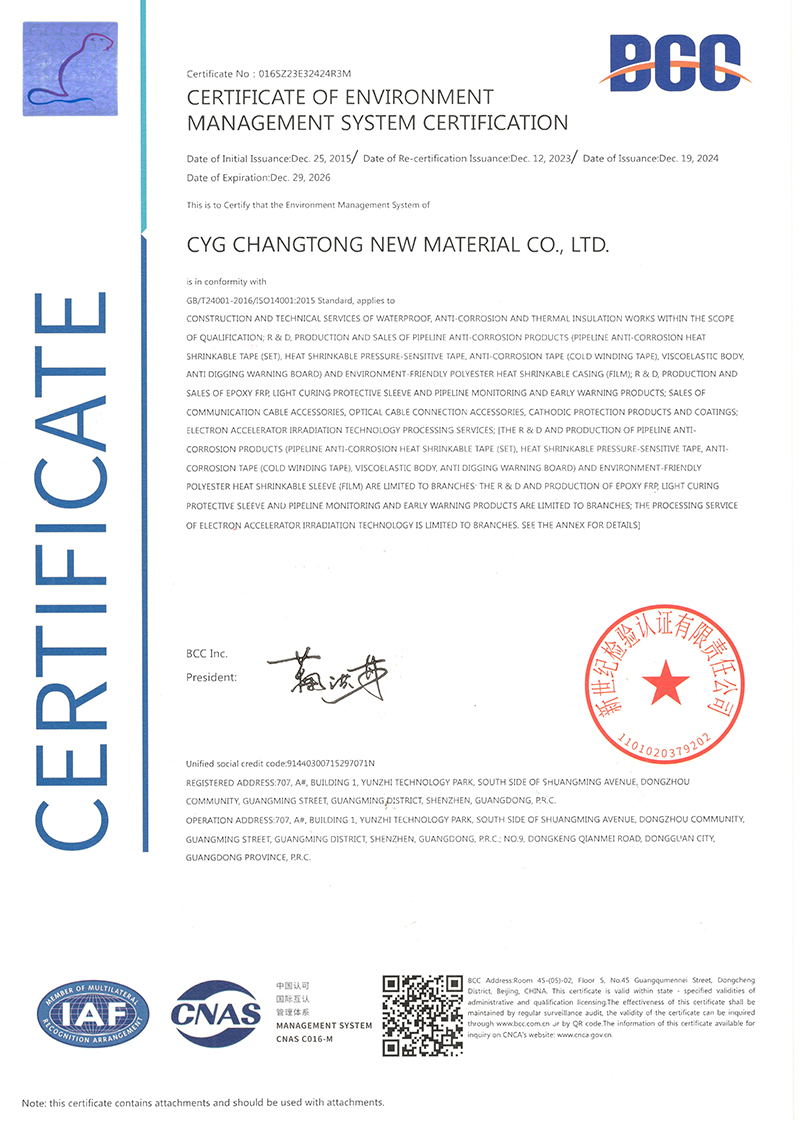
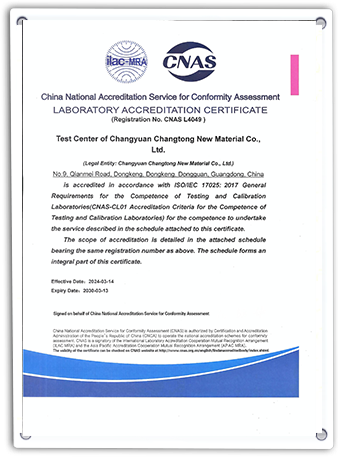
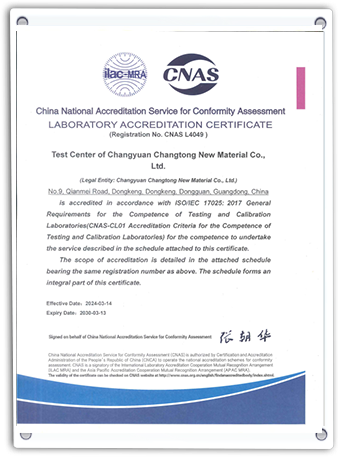
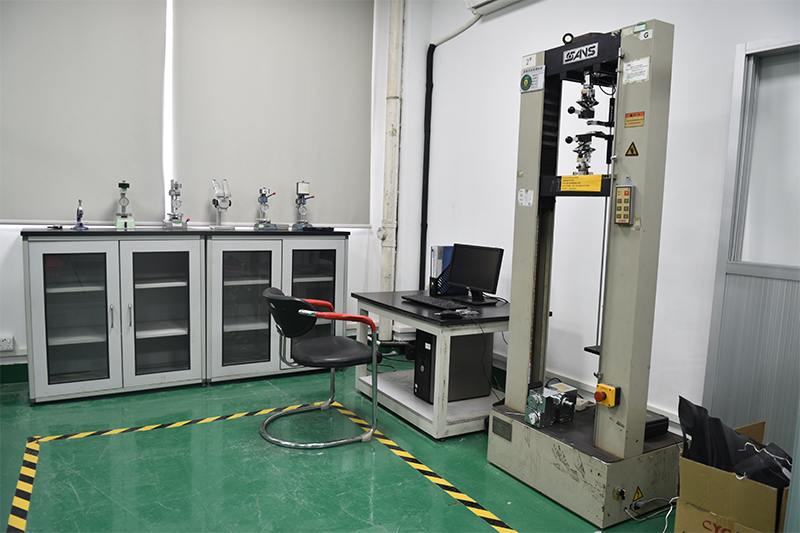
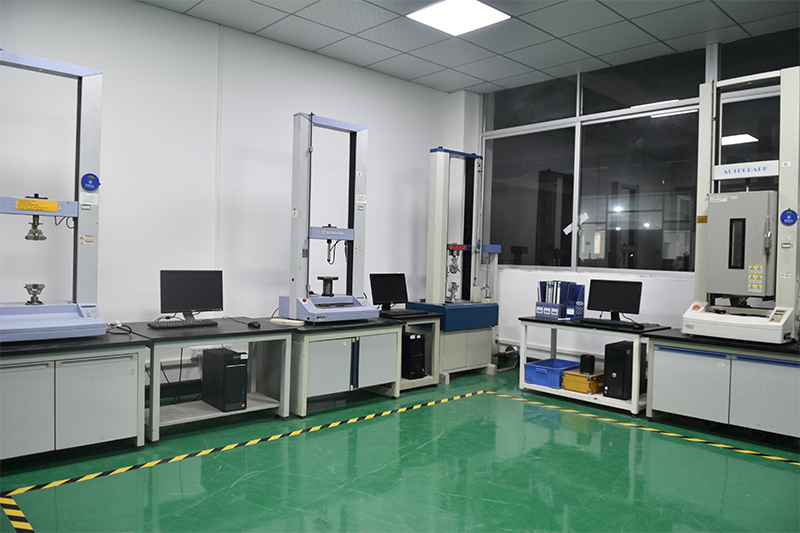
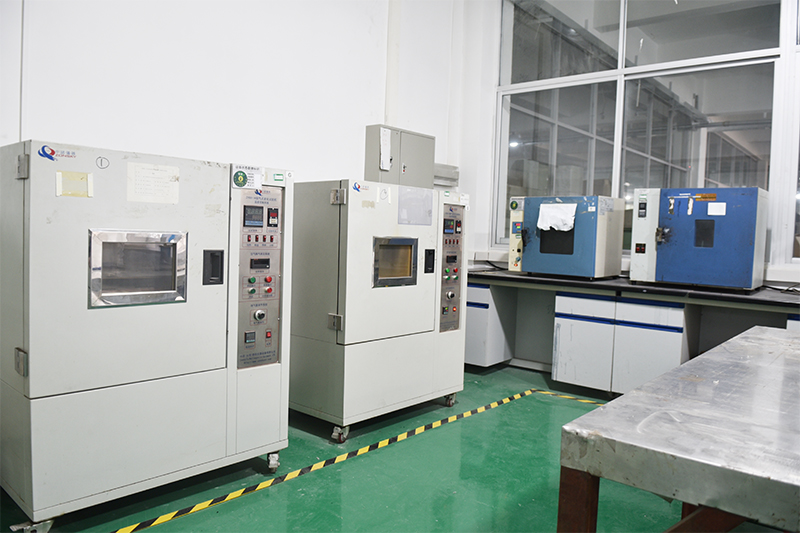
Our national CNAS-accredited laboratory performs continuous batch testing, measuring peel strength, tensile behavior, dielectric breakdown, and thermal aging to ensure compliance with global specifications.
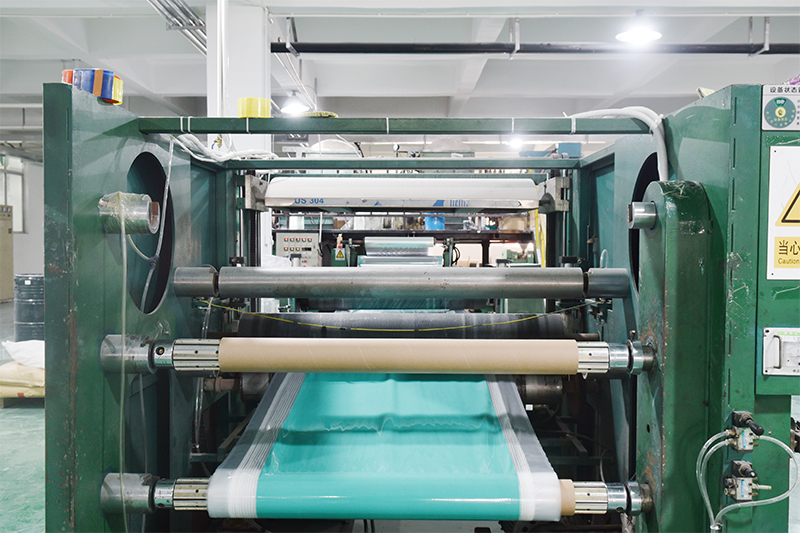
Our manufacturing lines are highly flexible, allowing us to quickly adjust parameters like backing thickness, adhesive ratios, roll dimensions, and labeling to meet specific project guidelines.
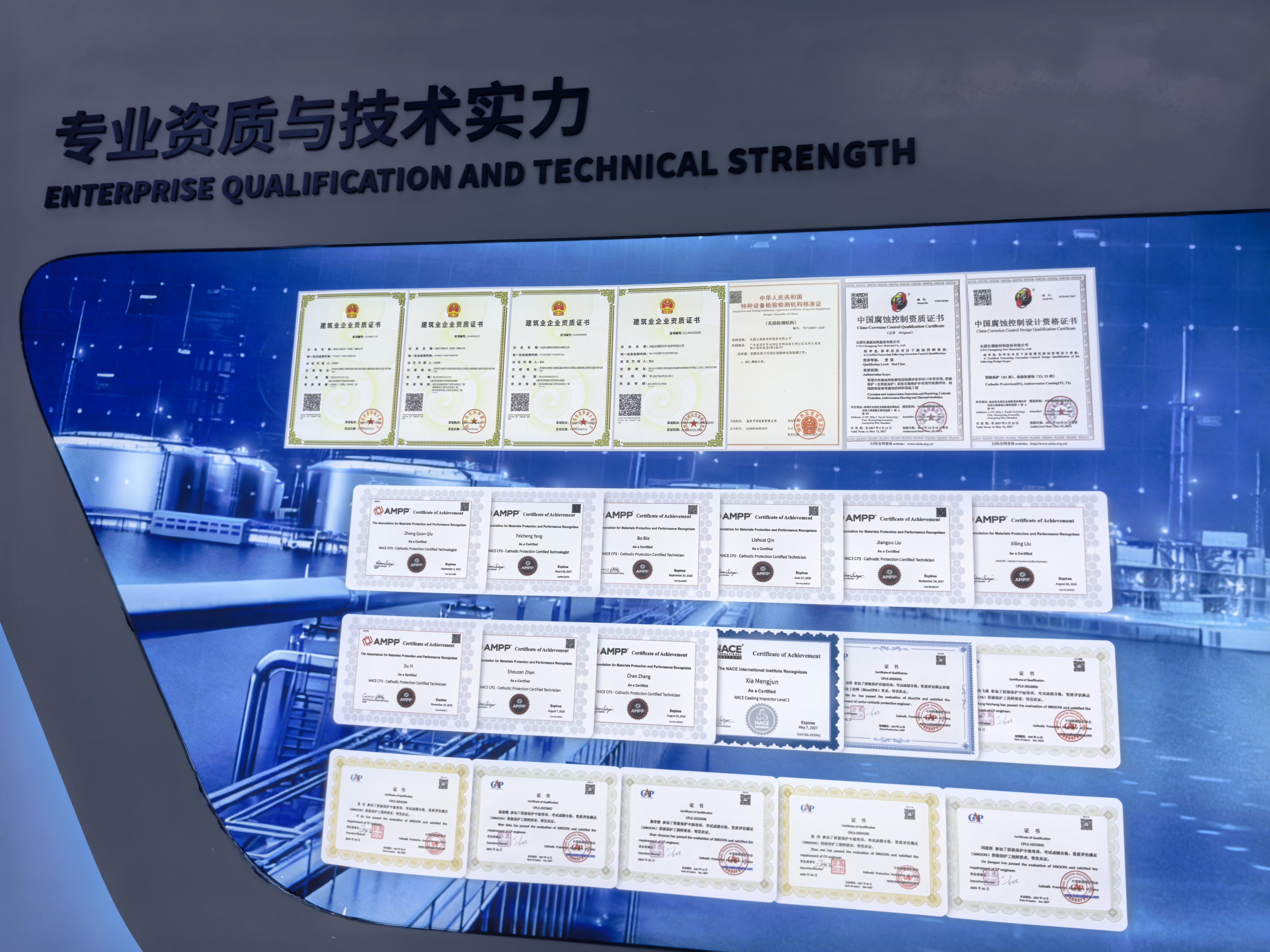
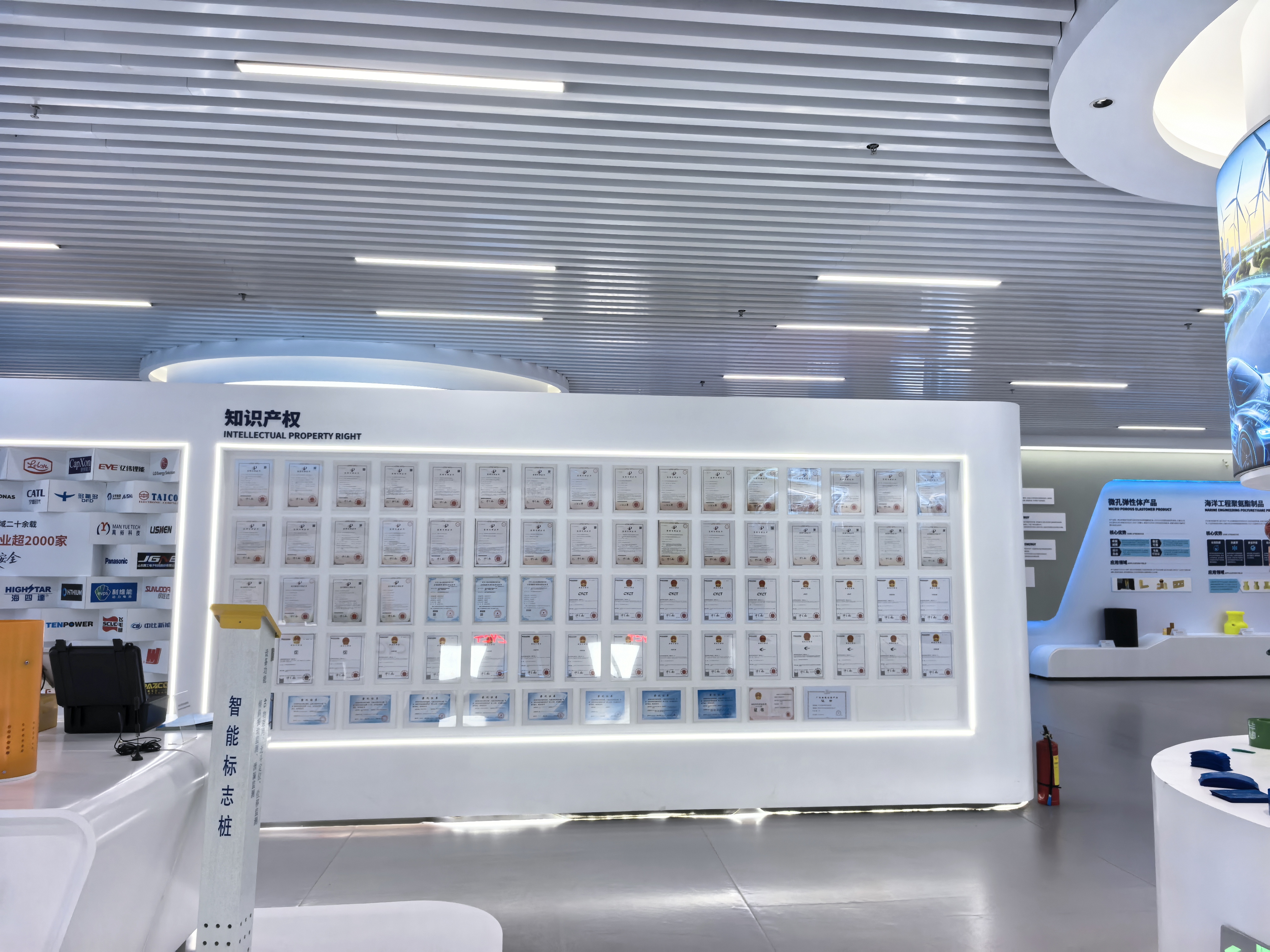
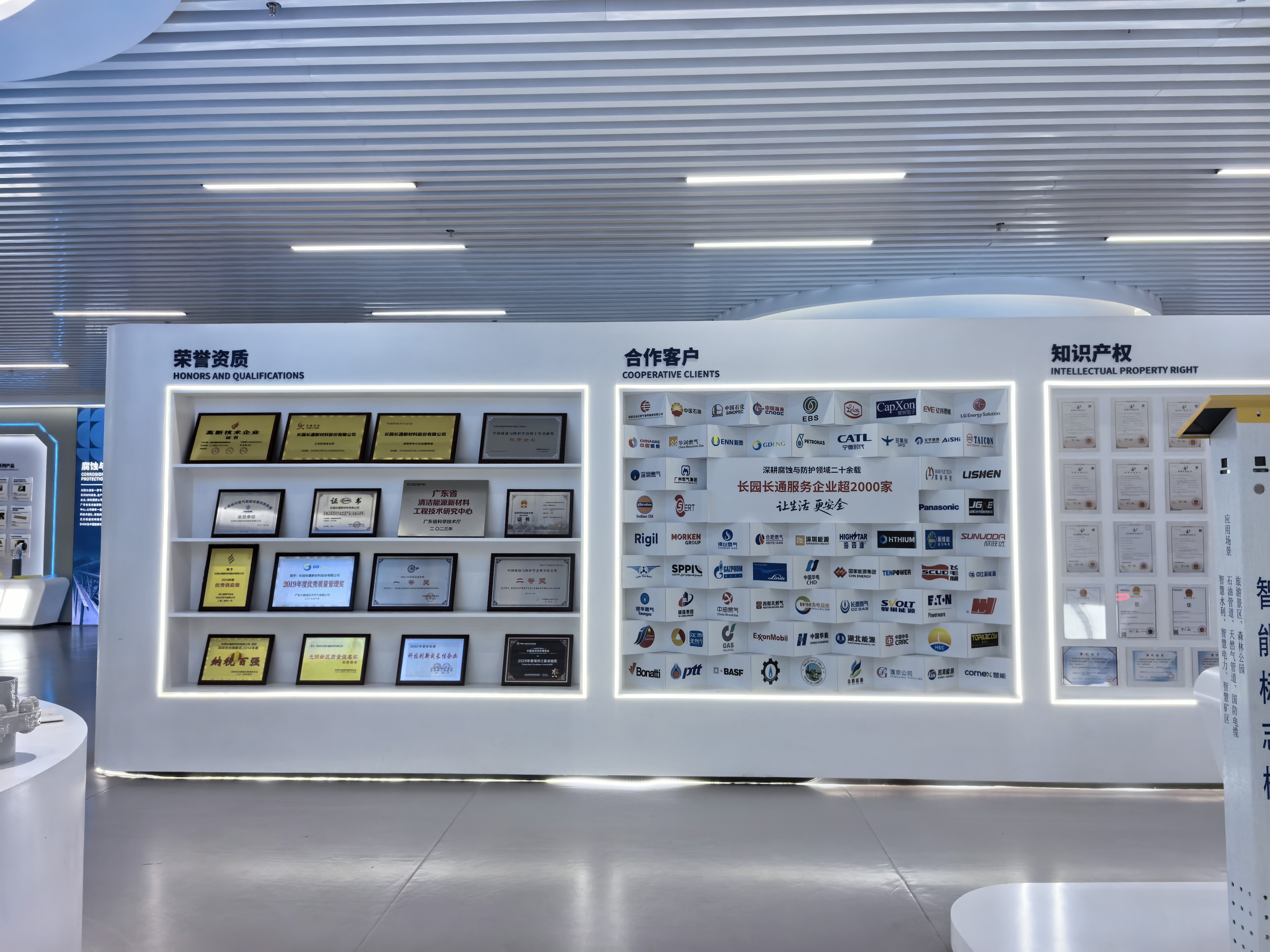
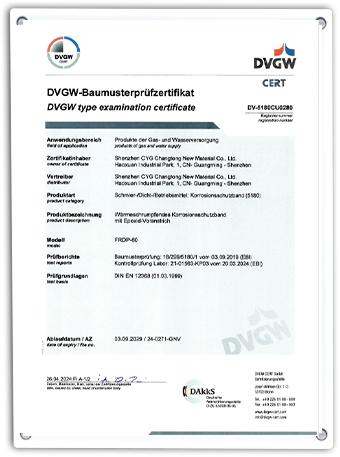
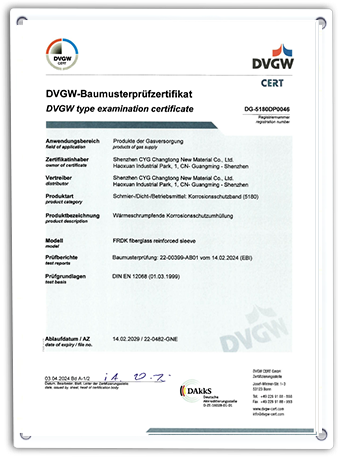
For critical energy and municipal infrastructure projects, compliance with international standards is mandatory. Our products are designed, manufactured, and tested in accordance with recognized industry standards including ISO 21809-3, EN 12068, ASTM D1000, and AWWA C214.
Beyond manufacturing, we offer field support services. Our technical teams assist pipeline operators with surface preparation standards (e.g., ISO 8501-1 Sa 2½ or St 3) and application procedures, ensuring long-term coating performance.
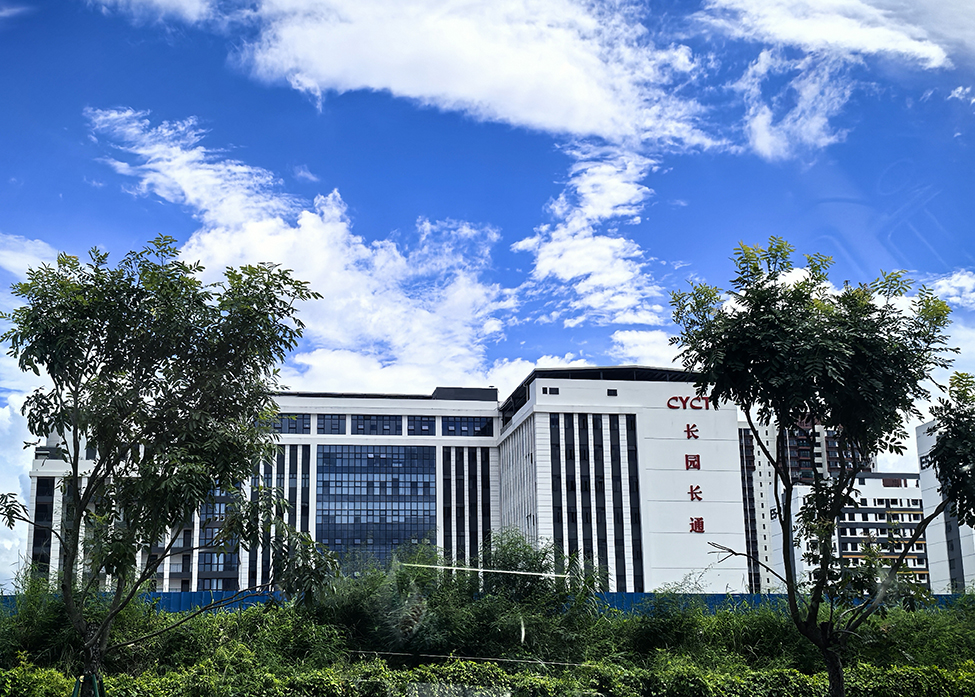
CYCT was founded in 2000 and has grown to become a leading high-tech enterprise in pipeline corrosion protection.
CYCT New Materials Company Limited (for short, CYCT) is a state-level high-tech enterprise integrating the R&D, production, and sales of pipeline corrosion protection materials, as well as buried pipeline detection services and pipeline coating field application services into one integrated offering.
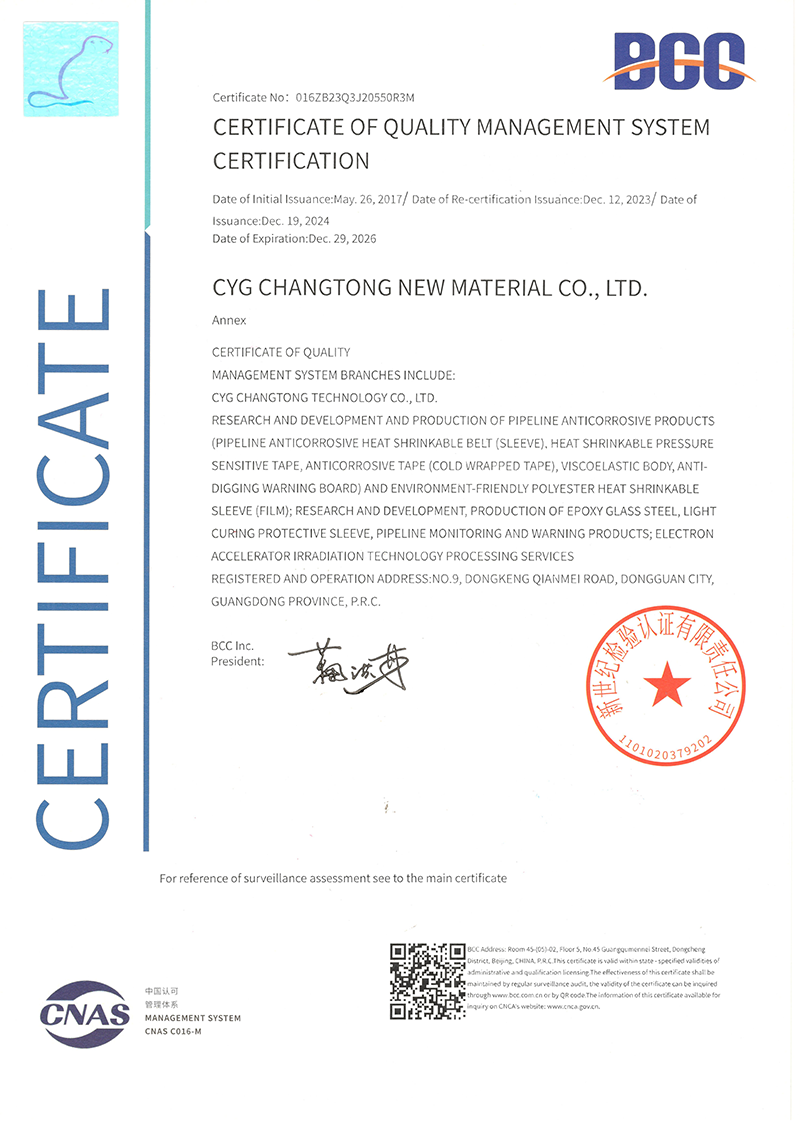
CYCT has dedicated itself to the R&D, production, and sales of pipeline corrosion protection materials for decades. The company maintains advanced testing and R&D capabilities, supported by a professional R&D team and a national CNAS-accredited laboratory.
Over the years, CYCT has become a stable supplier of field joint coatings for PetroChina, Sinopec, PipeChina, and local pipeline operators, earning a strong market share. The company has successfully developed and introduced a variety of specialty corrosion protection materials, including viscoelastic anticorrosion materials, special photo-curing sleeves for HDD protection, and polyurea coatings.
Through collaborative partnerships with research institutes such as the CNPC Pipeline Science Research Institute, CYCT provides operators with services including pipeline detection, design schemes, cathodic protection, rehabilitation projects, and integrated safety solutions.
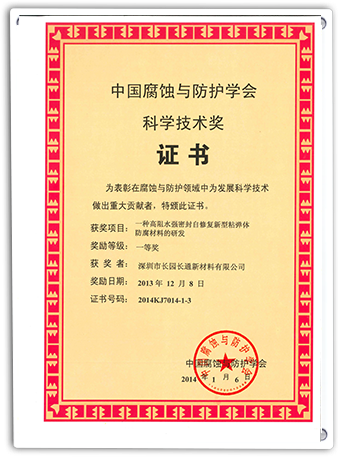
• Member of Council in Chinese Society for Corrosion and Protection (CSCP)
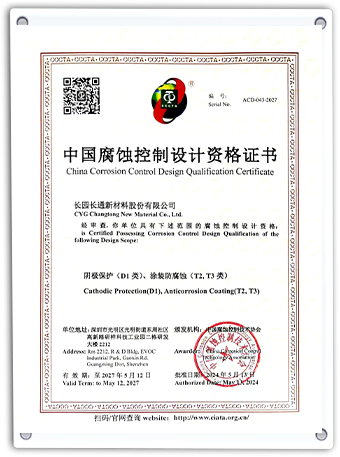
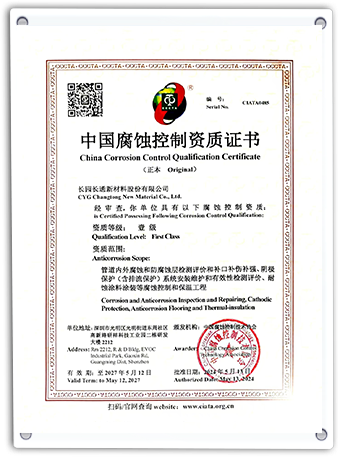
• Qualification Certificate of Corrosion Protection Construction
• Qualification Certificate of Pipeline Detection
• Well-known Brand of Pipeline Corrosion Protection in China
• Corporate Member of China Association of Petroleum Engineering Construction (CAPEC)
• State-Level High-Tech Enterprise with more than 10 proprietary intellectual property rights
• Stable supplier of PetroChina, Sinopec, China Gas Group, and Indian Oil
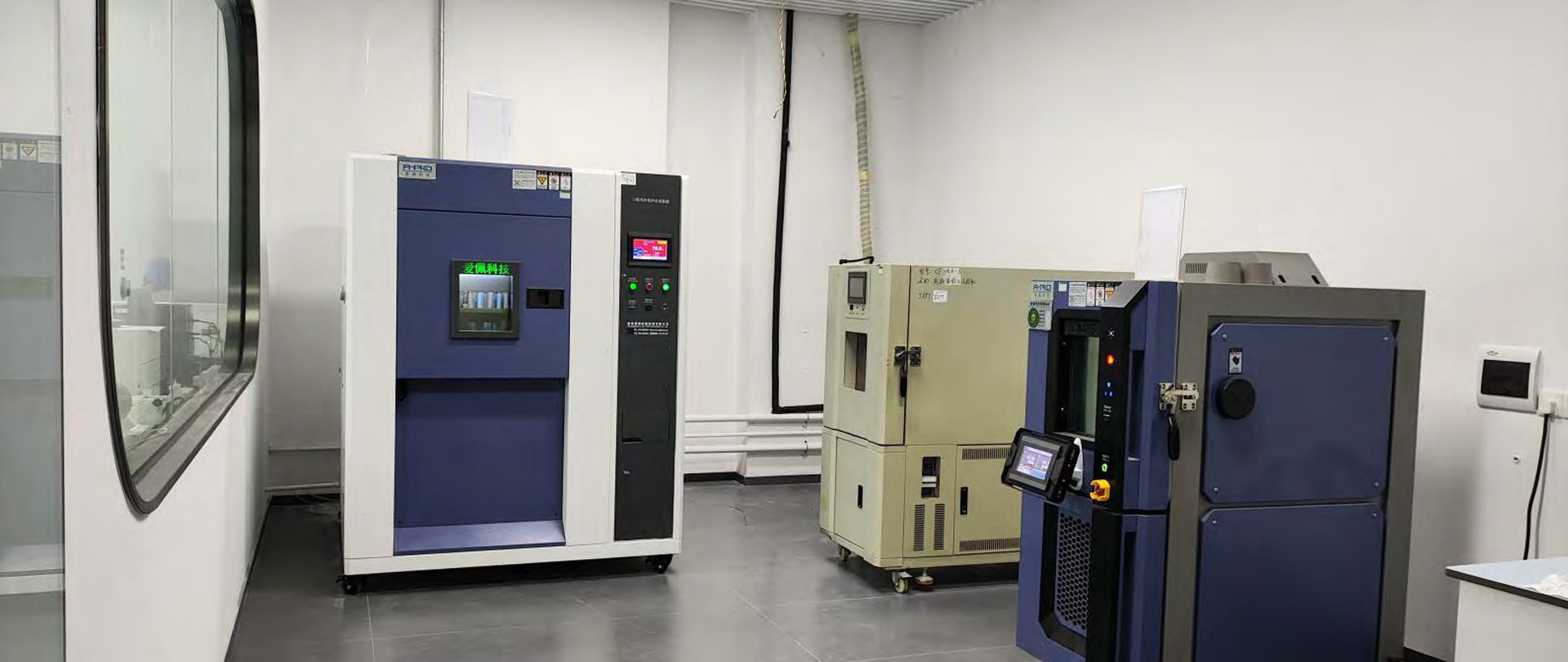
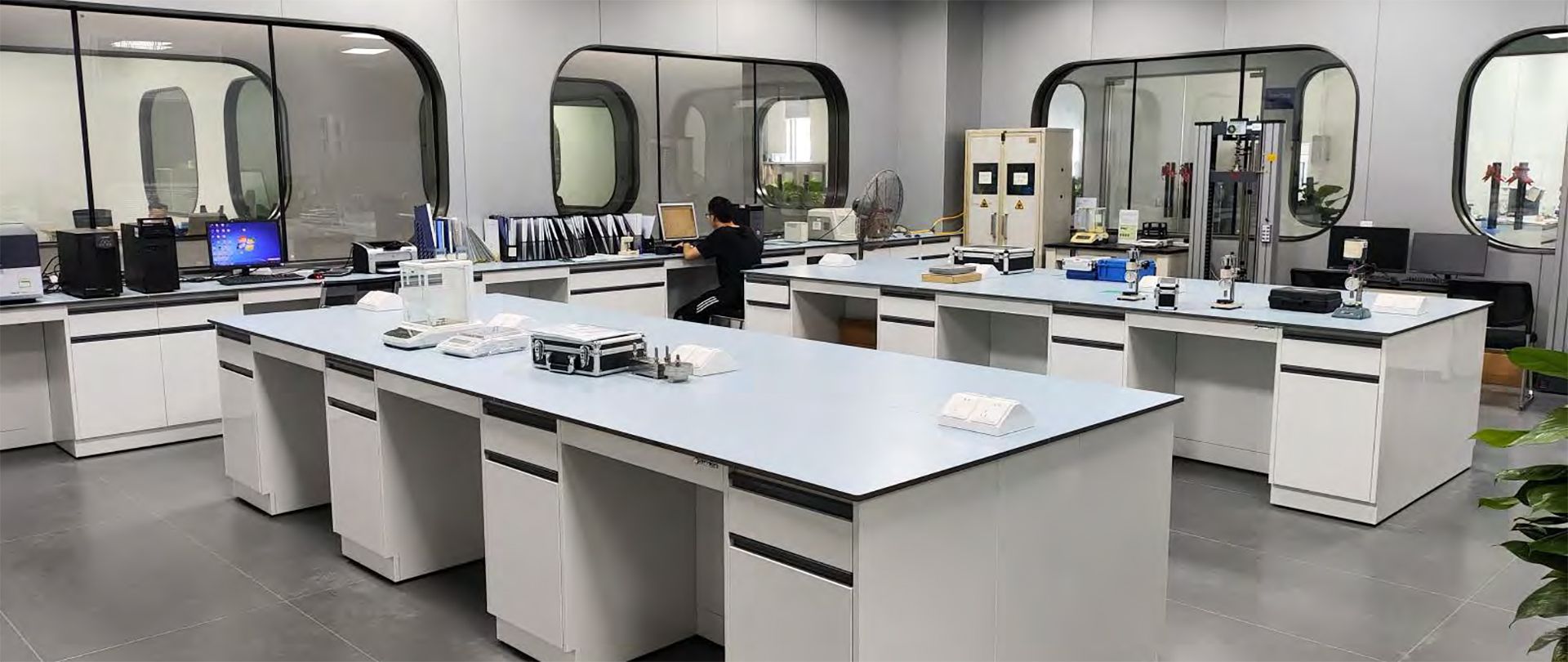
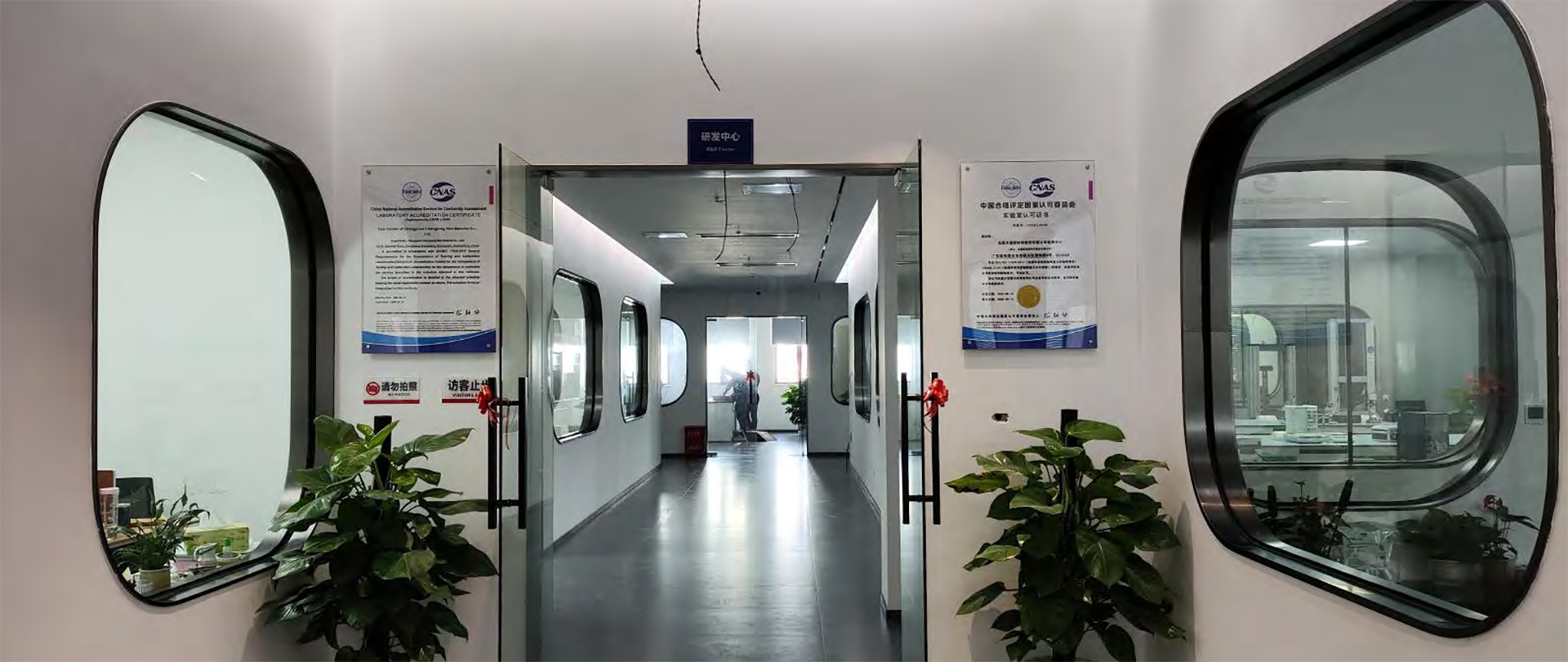
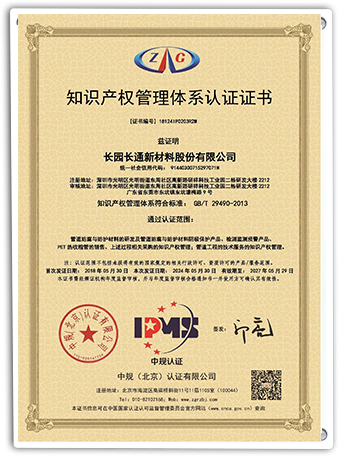
Our compliance is backed by international quality management and product performance certifications.
Get authoritative answers to technical questions about polymeric pressure-sensitive tapes and viscoelastic systems.
Browse the remaining selection of our specialized pipeline joint coatings, shrinkable sleeves, and high-strength repair patches.
 CYCT
CYCT