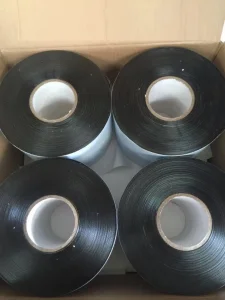
Explore our high-performance cold applied tapes, heat shrinkable sleeves, and reinforcement repair compounds.
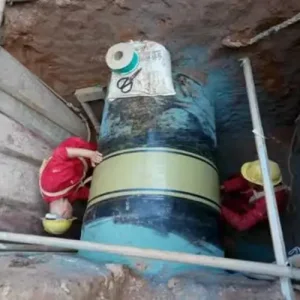
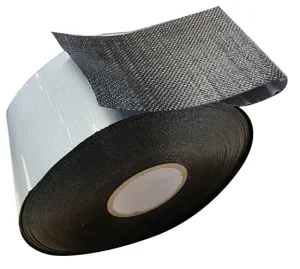
Corrosion is the single greatest threat to the structural integrity of buried and submerged pipeline infrastructure worldwide. Millions of kilometers of pipelines carrying oil, gas, chemical products, and water are subjected to constant chemical, galvanic, and microbiological attacks from surrounding soils and water environments. In the field of pipeline engineering, field joint coating (FJC) and rehabilitation using OEM Pipeline Wrapping Tapes have proved to be the most critical, cost-effective, and long-lasting barrier systems to combat these degradation phenomena.
This comprehensive industry analysis details the design philosophy, material advances, global procurement criteria, and production excellence that position high-quality OEM manufacturing facilities at the center of the pipeline protection landscape. When addressing high-consequence pipeline sections, selecting the appropriate backing material (Polyethylene, Polypropylene, or Viscoelastic polymers) paired with heavy-duty butyl rubber adhesives is vital to achieving a service lifespan that matches the designed asset life—often exceeding 30 to 50 years.
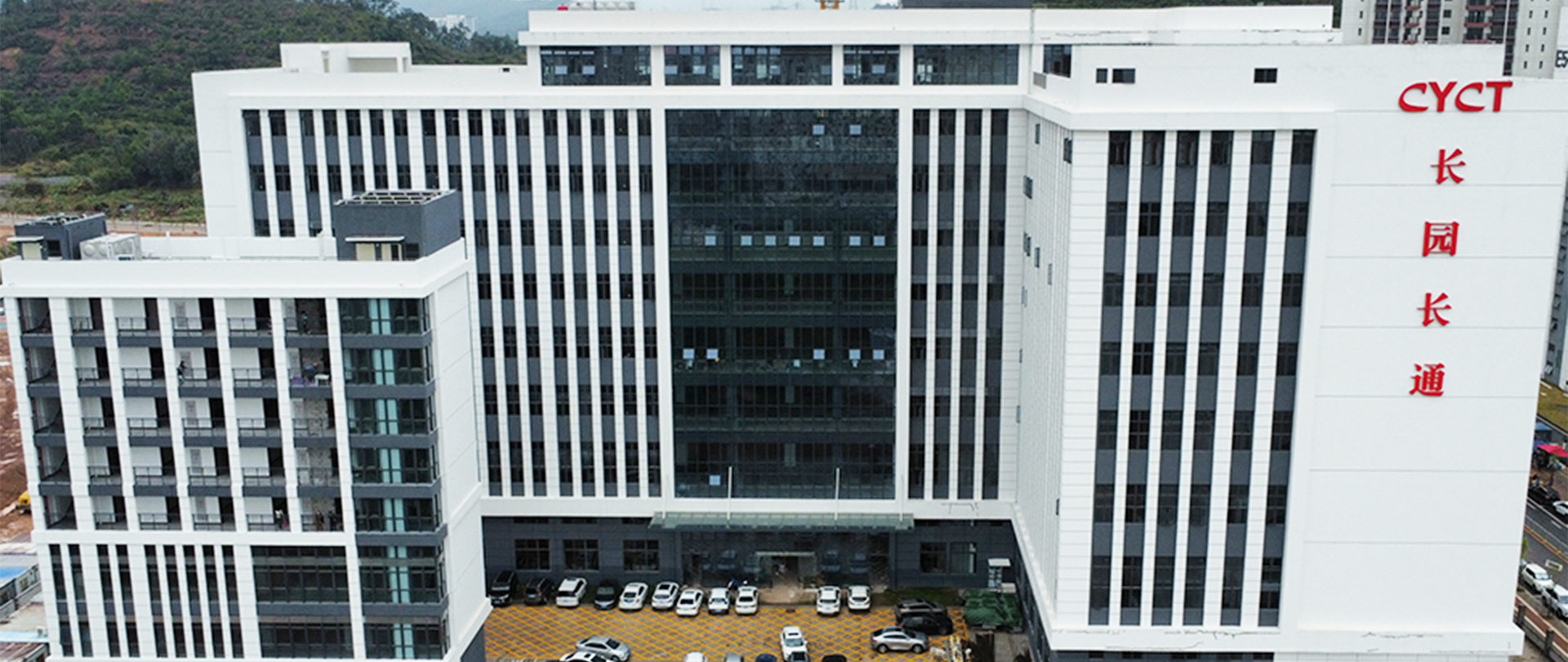
A state-level high-tech enterprise integrating R&D, production, sales, and field pipeline engineering services.
CYCT New Materials Company Limited (CYCT) stands as a prominent pioneer in the pipeline corrosion protection industry. Founded in 2000, CYCT has dedicated over two decades to developing, manufacturing, and perfecting linepipe protection systems. Our capabilities extend beyond manufacturing; we offer buried pipeline detection services, custom design schemes, cathodic protection designs, field joint coating rehabilitation, and integrated safety engineering solutions.
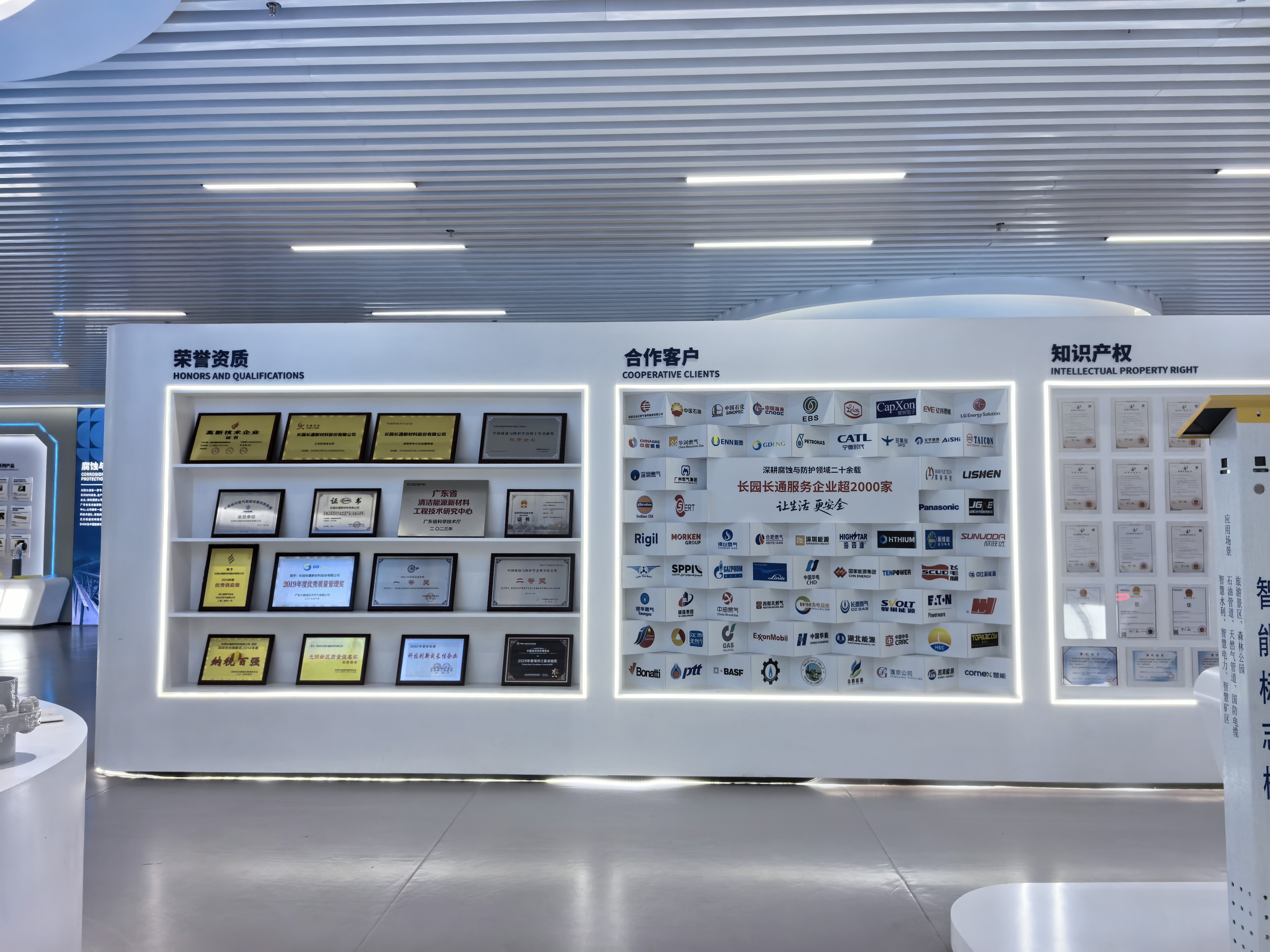
As a key supplier to national energy giants such as PetroChina, Sinopec, and PipeChina, and global leaders like Indian Oil, CYCT commands a major market share in China and has successfully exported its advanced materials to dozens of international markets.
Founded & Engineered
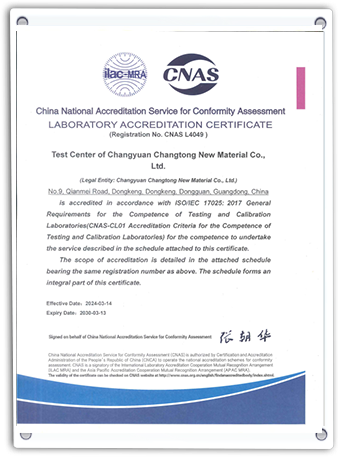
Accredited Laboratory
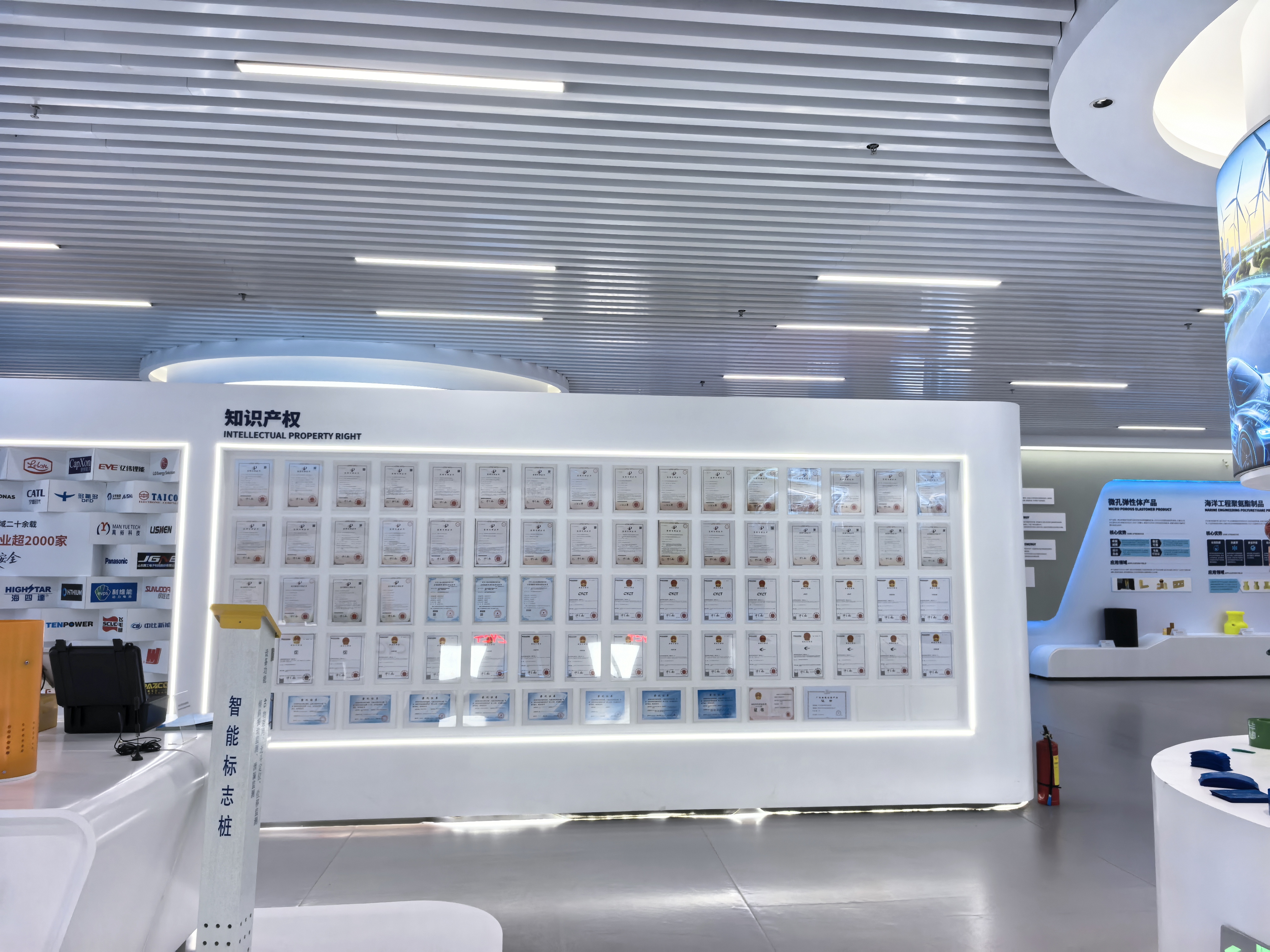
Proprietary Patents
Active Corporate Member
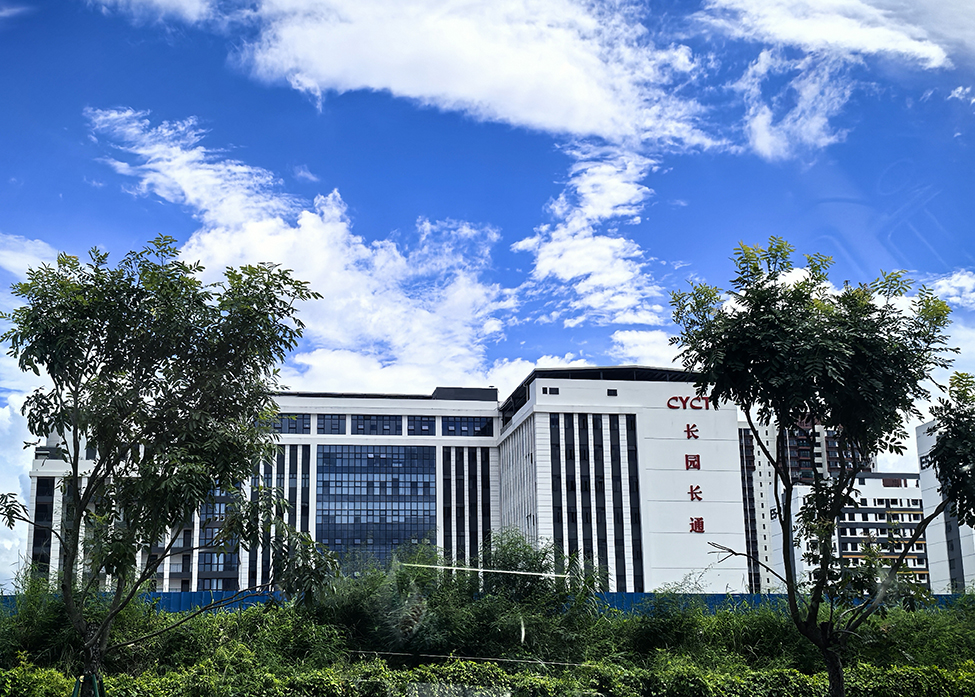
Why global infrastructure projects choose specialized Chinese manufacturing hubs for custom pipeline protection solutions.
Chinese factories utilize high-density polyethylene (HDPE) and polypropylene (PP) extrusion machinery alongside advanced butyl rubber compounding. This enables precise control over adhesive peel strength, shear resistance, and thermal stability across operating ranges from -40°C up to +85°C.
Operating multi-line large-capacity plants guarantees steady production speeds and fast deliveries. OEM factories like CYCT can seamlessly manage custom thickness requirements (from 0.5mm to 3.0mm) for bulk orders, minimizing lead times on mega-scale international pipelines.
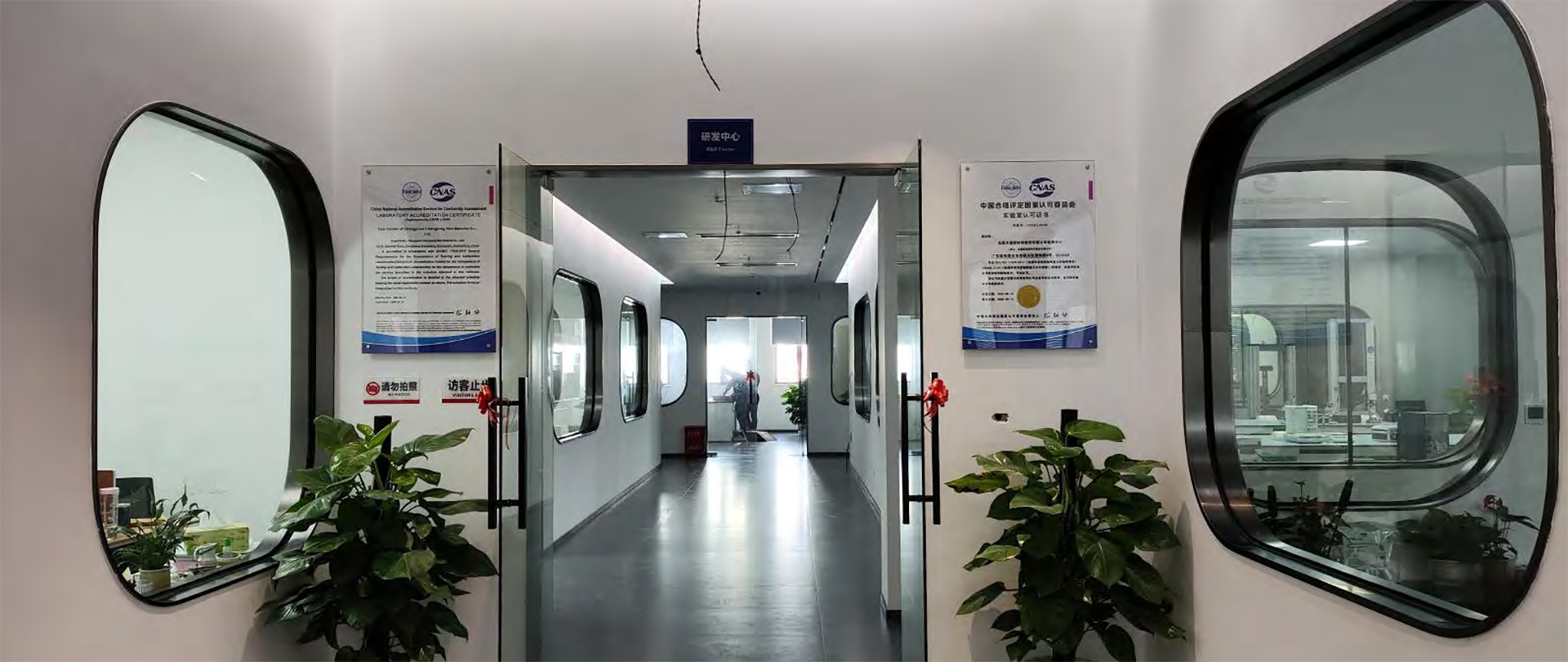
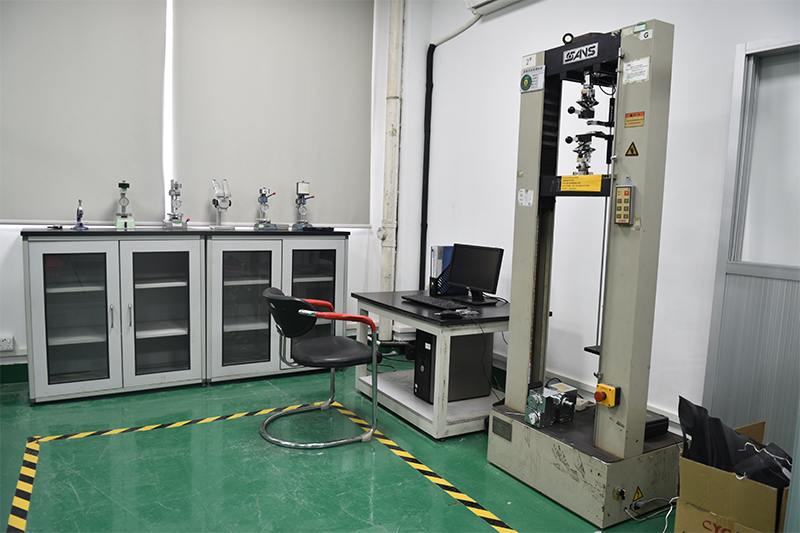
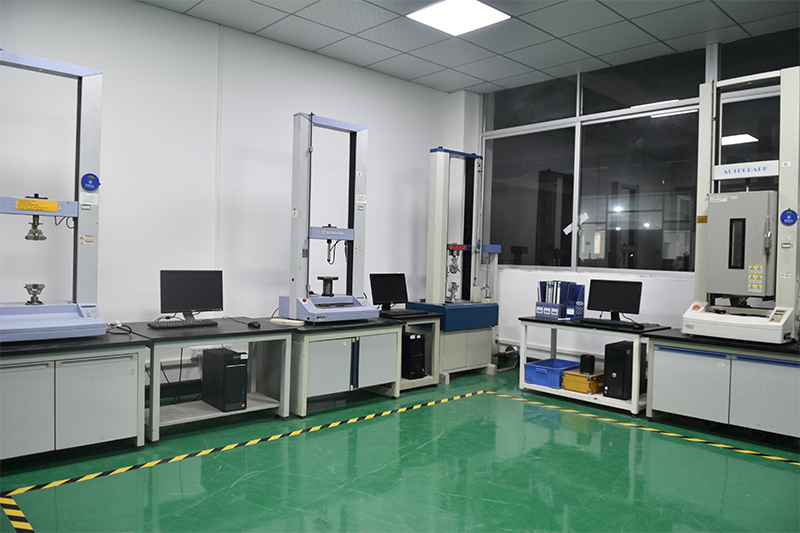
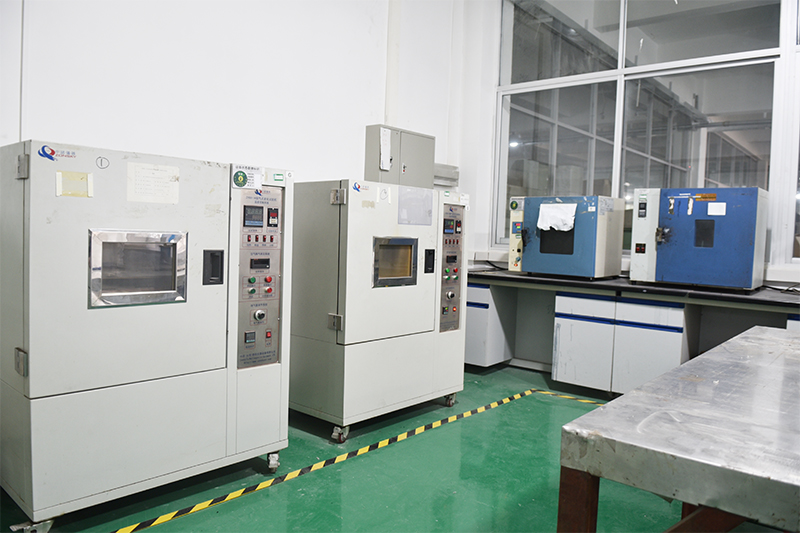
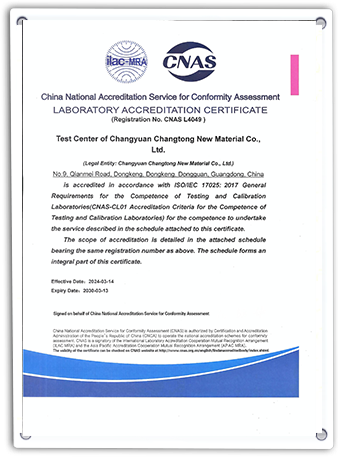
Equipped with CNAS (China National Accreditation Service) certified testing labs, Chinese factories strictly verify products against ISO 21809-3, EN 12068, and AWWA C214/C209 specifications. This ensures top-tier performance in cathodic disbondment tests and indentation resistance.
The global pipeline wrapping tape market is undergoing significant technological transitions driven by safety regulations, extreme environment exploration, and sustainable infrastructure requirements:
Underpinning our manufacturing with rigorous testing protocols and scientific partnerships.
CYCT works in close collaboration with the nation's premier pipeline research center, the CNPC Pipeline Science Research Institute. This partnership empowers our team to provide deep technical services, cathodic protection design, coating rehabilitation project design, and comprehensive structural diagnostics for active pipelines.
Our national CNAS-accredited laboratory executes rigorous performance assays on every batch of tape, patch, and sleeve produced, verifying the following critical properties:
Verifying bonding capabilities of butyl adhesives to steel surfaces and factory-applied coatings (3LPE/3LPP/FBE) under varied temperatures.
Ensuring that if the protective tape is punctured, the corrosion area is kept highly localized without wide-scale disbondment from the metal substrate.
Evaluating mechanical resistance of outer layers to backfill rocks and high soil stresses commonly encountered during backfilling operations.
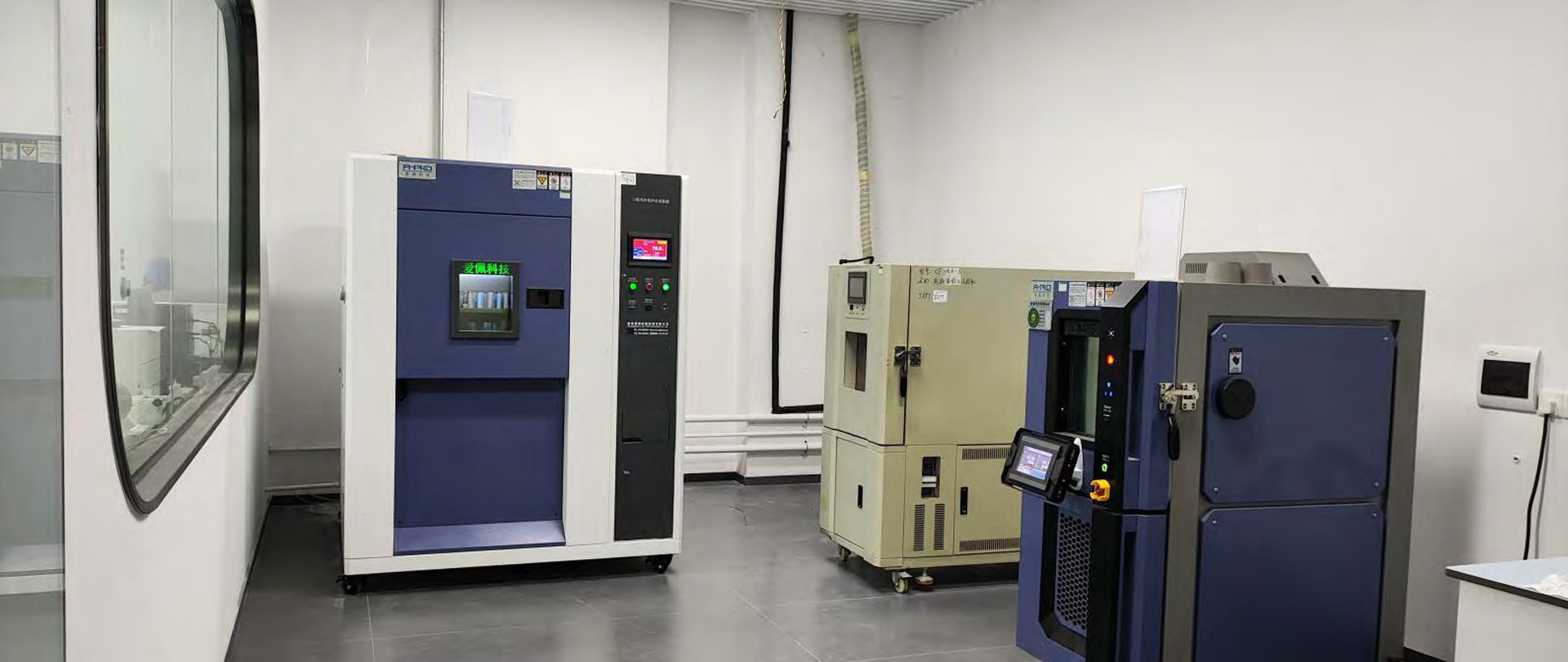
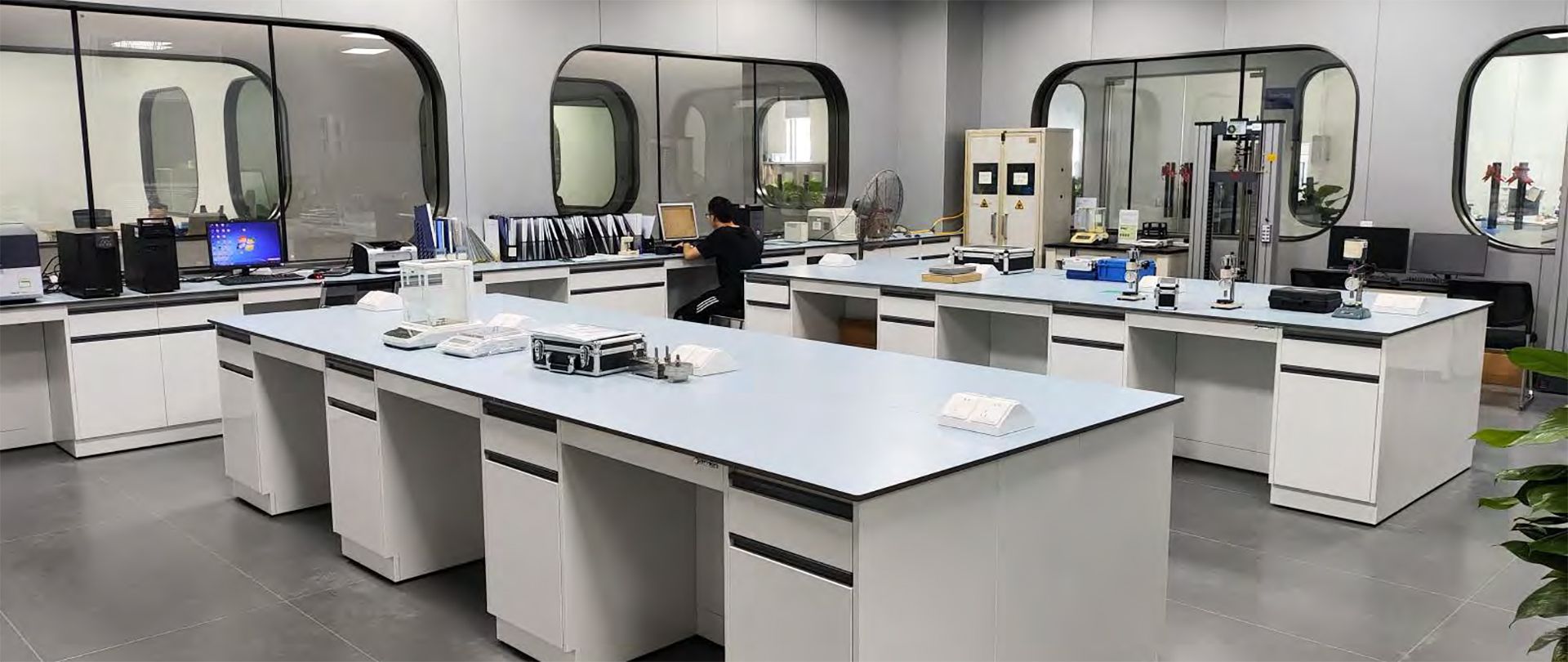
Tailoring specialized protective coatings to unique geographic and operational challenges.
Desert oil pipelines frequently reach service temperatures of 80°C or above. Standard PE tapes risk adhesive slippage and chemical degradation under these conditions. Our OEM PP High-Temperature Outer Tape and FRDP 85°C Hot Melt Repair Sticks maintain high shear resistance and chemical stability in arid, sandy terrains.
Under-river crossings utilizing Horizontal Directional Drilling (HDD) expose coatings to severe rock gouging. By implementing GFRP (Glass Fiber Reinforced Plastic) reinforcement sleeves and sacrificial outer wear layers, operators protect primary anticorrosion coatings during pullback operations.
Municipal water lines run close to urban areas and electrical infrastructure, making them susceptible to stray currents and soil settlement. Viscoelastic cold-applied tapes provide a perfect self-healing solution that prevents water ingress even under soil movement, preserving long-term structural integrity.
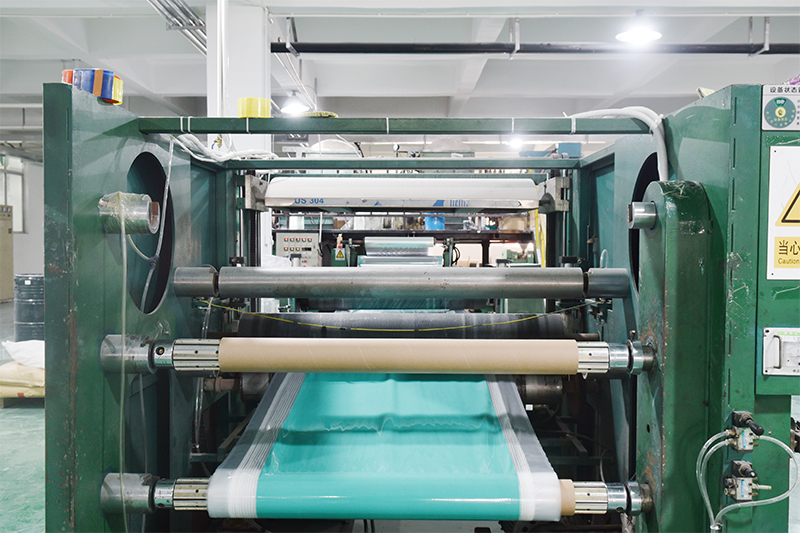
EPC contractors and international energy buyers must evaluate multiple critical factors when qualifying an OEM pipeline wrapping tape factory:
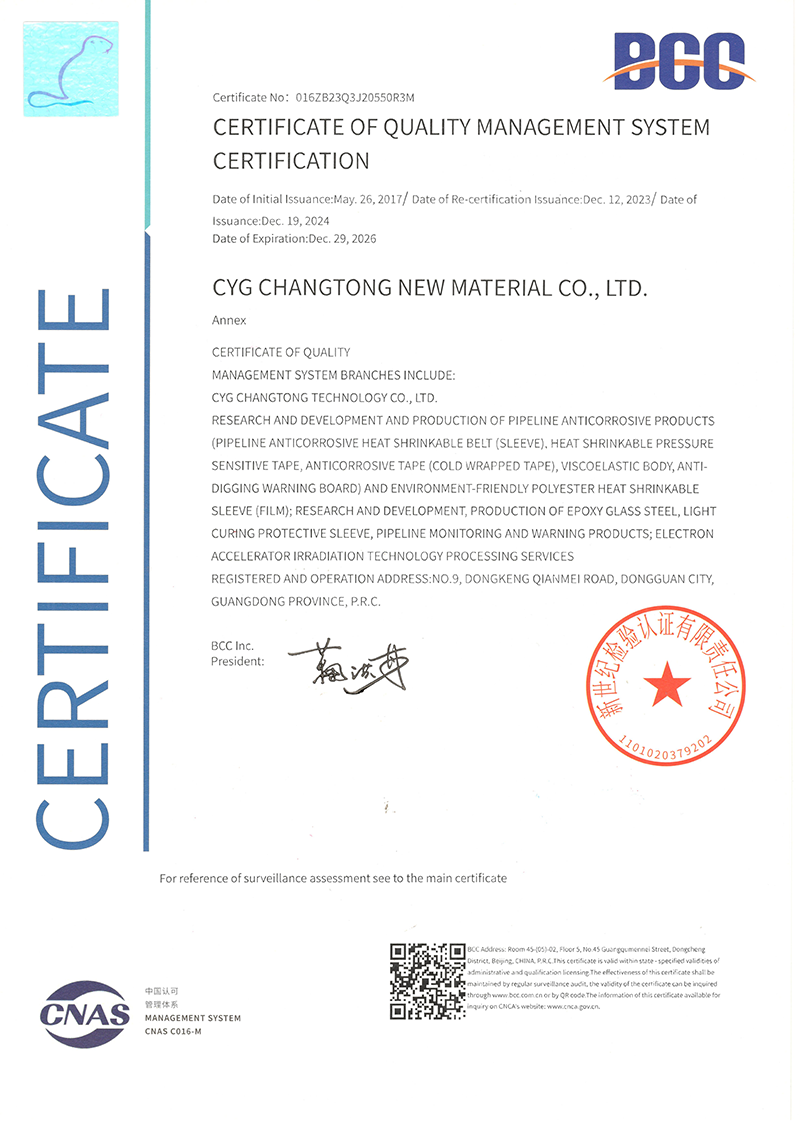
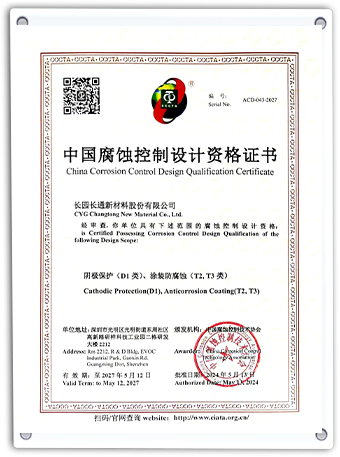
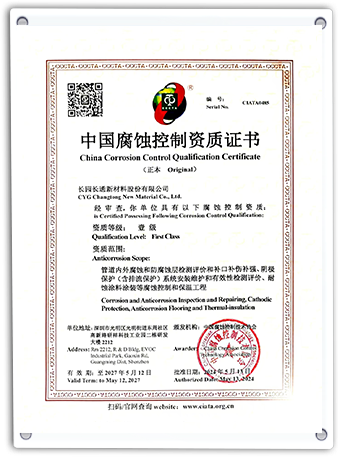
Demonstrating our industry authority, product quality compliance, and market trust.
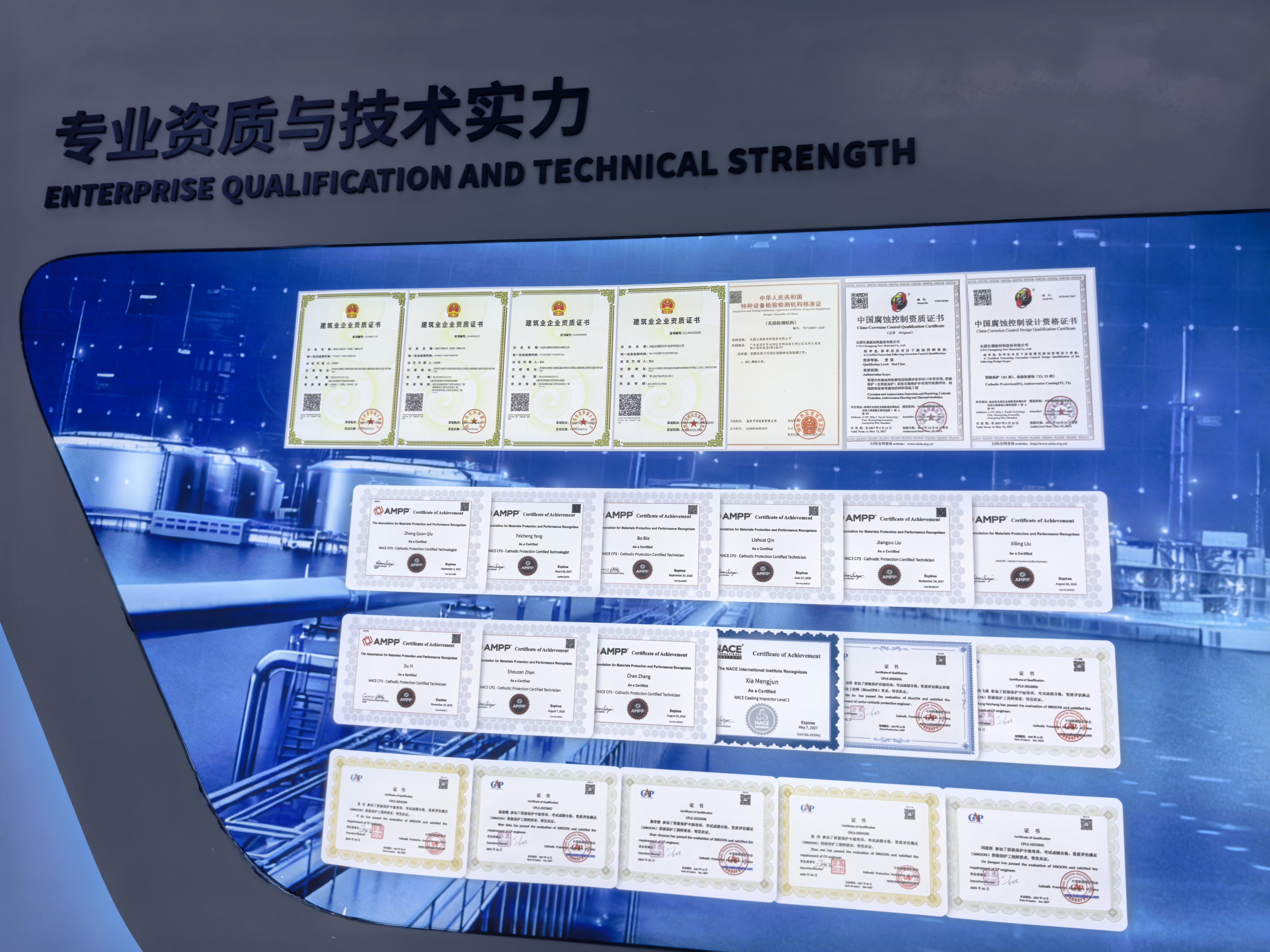
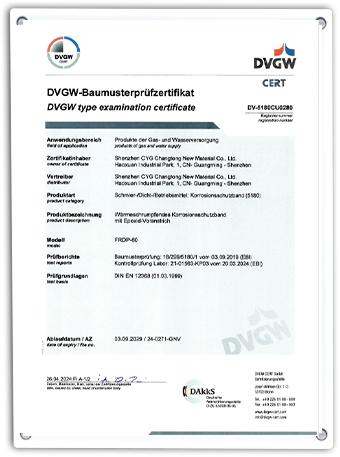
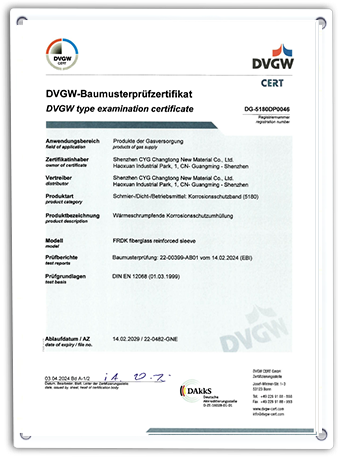
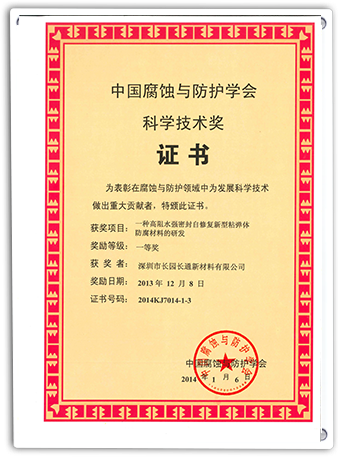
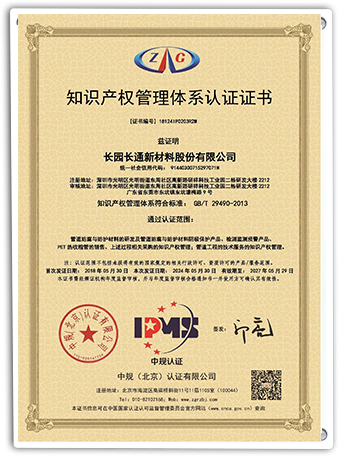
CYCT holds esteemed positions within professional scientific networks, serving as a Member of Council in the Chinese Society for Corrosion and Protection (CSCP) and a Corporate Member of the China Association of Petroleum Engineering Construction (CAPEC). We maintain official certification credentials for Corrosion Protection Construction and Pipeline Detection, affirming our compliance with high-tier engineering standards.
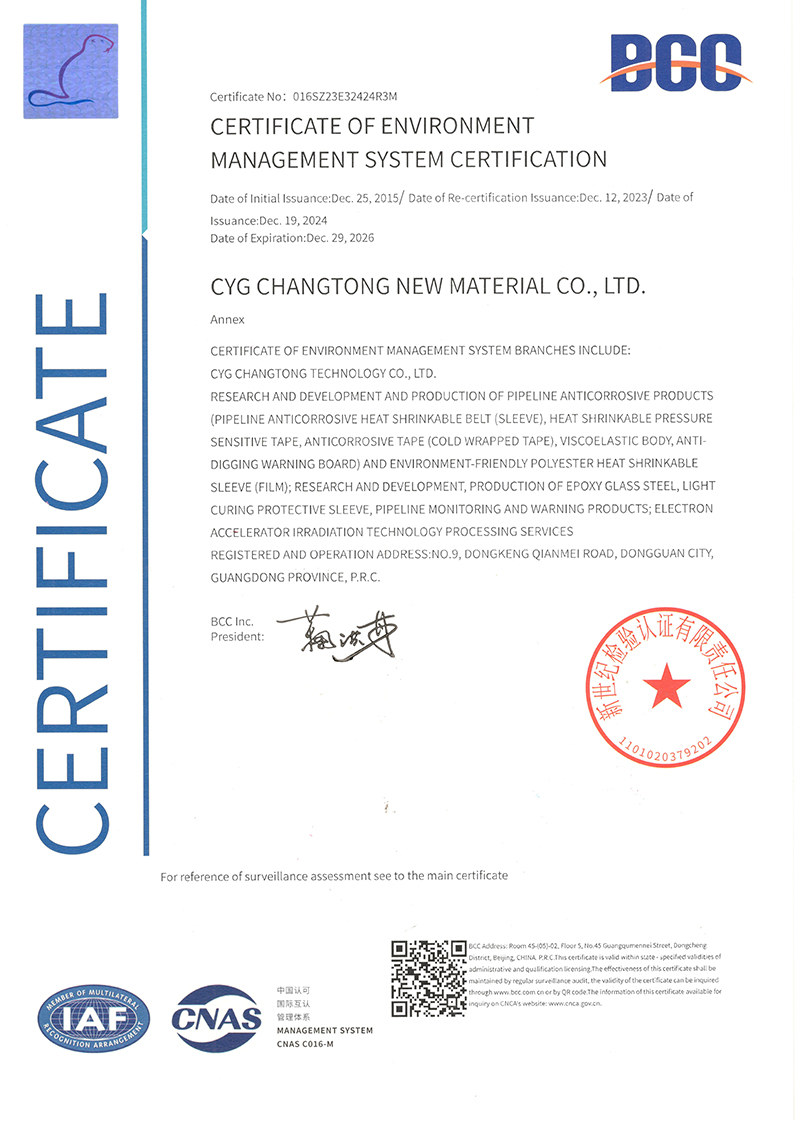
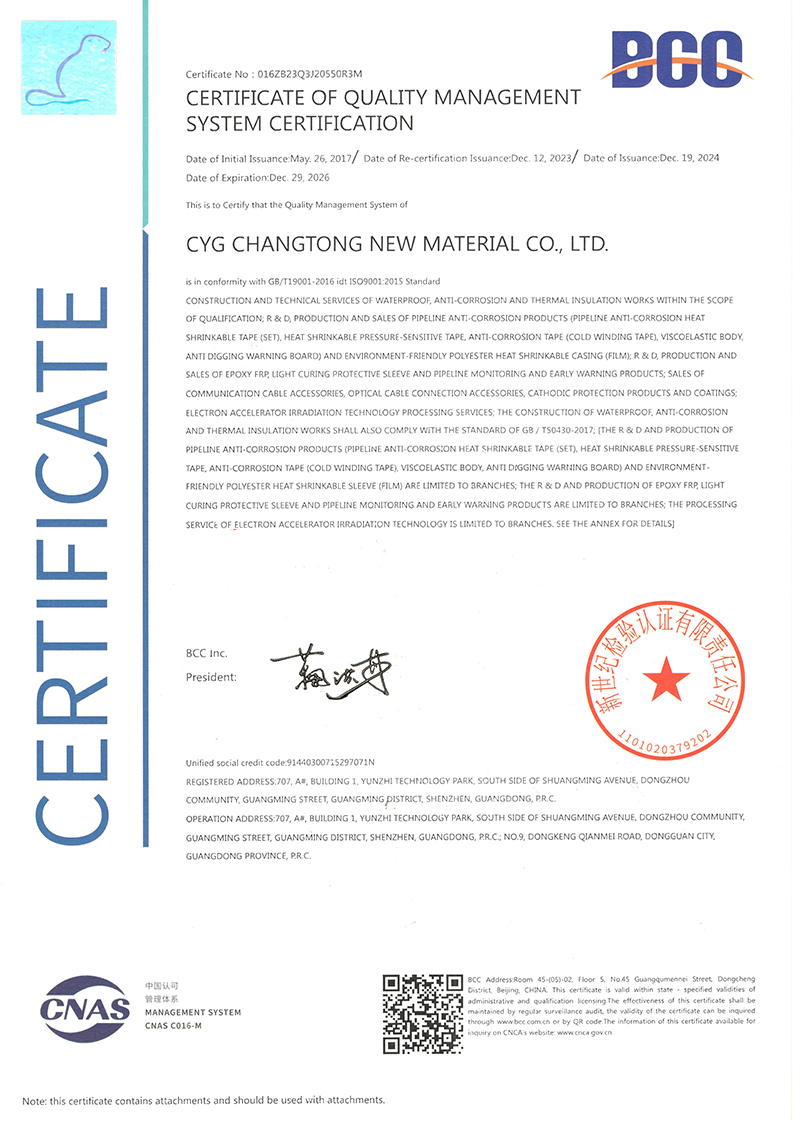
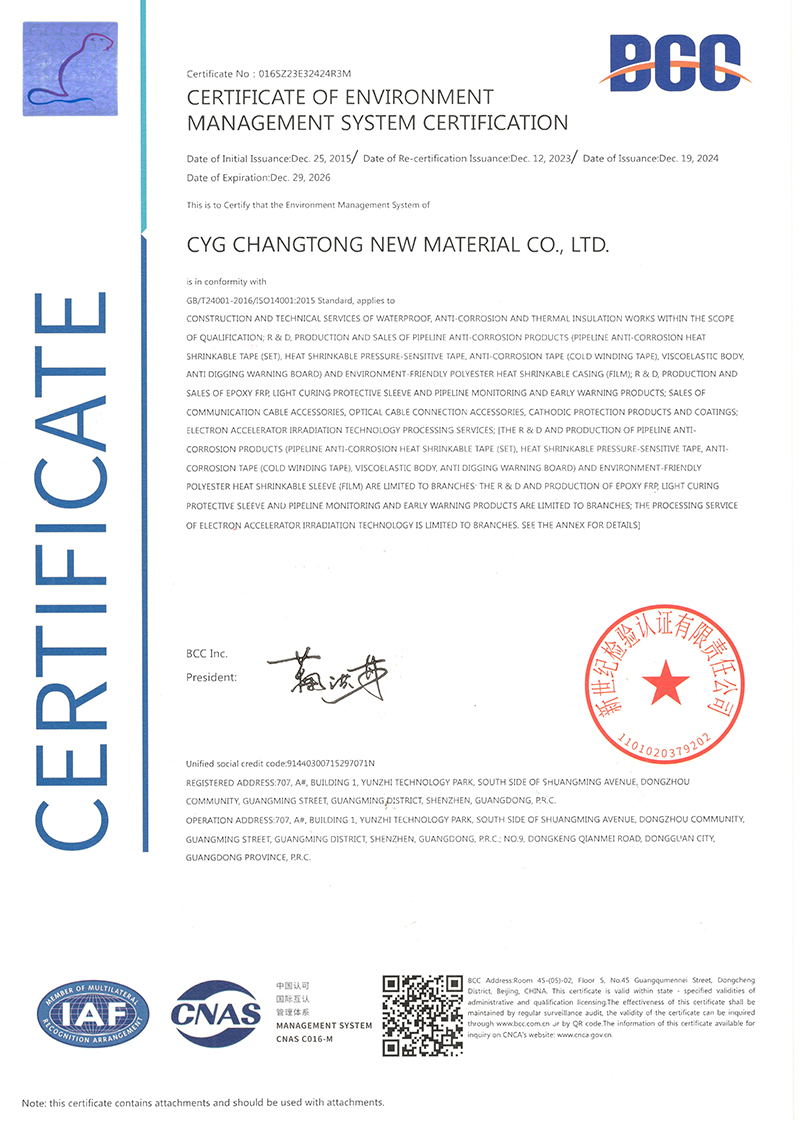
Expert answers to the most common questions regarding pipeline wrapping tapes and field joint repairs.
A1: The main difference lies in temperature tolerance and mechanical strength. Cold-applied Polyethylene (PE) tapes are suitable for pipeline operating temperatures up to 60°C. Polypropylene (PP) outer tapes feature higher tensile strength, superior indentation resistance, and are designed for high-temperature pipelines operating up to 85°C or 100°C.
A2: Visco-elastic tapes require no surface primer, only basic wire brushing (St 2/St 3). They have immediate, permanent cold-flow characteristics that wet the steel surface completely, filling micro-cavities. They never cure or harden, offering self-healing properties that maintain 100% moisture-barrier integrity even under mechanical displacement.
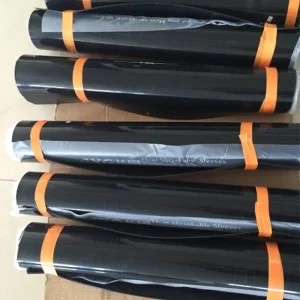
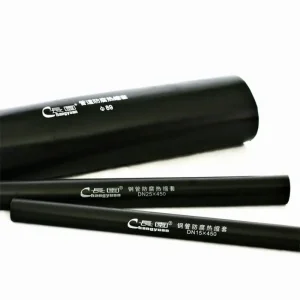
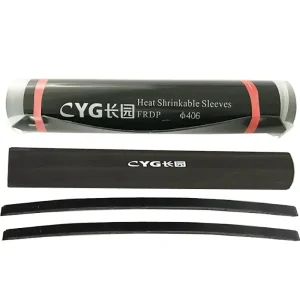
A3: Heat shrinkable sleeves (like FRPD-PP or FRY sleeves) utilize cross-linked polymer backings that shrink tightly around the pipe when heated, creating a tough mechanical seal. They are ideal for high-stress field joint coatings (FJC) on factory-coated 3LPE/3LPP pipes. Cold-applied tapes do not require heating equipment, making them quicker to install on long linepipe sections.
A4: The liquid primer acts as an adhesion promoter. It penetrates surface anchor patterns on blasted steel (Sa 2.5) and creates a chemical bond with the butyl rubber adhesive layer, significantly increasing peel strength and preventing cathodic disbondment.
A5: Standard anti-corrosion coatings are protected from rock scraping during HDD pullback by using an outer sacrificial shield. This typically consists of specialized photo-curing Glass Fiber Reinforced Plastic (GFRP) wraps or high-tensile polymeric outer wraps applied over primary joint coatings.
A6: CNAS accreditation indicates that the factory's R&D laboratory complies with ISO/IEC 17025. This ensures that all technical metrics—such as elongation, peel strength, impact resistance, and water absorption—are tested and validated according to international standards.
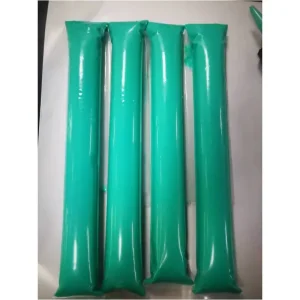
A7: Minor coating damage is repaired using high-temperature PE hot-melt sticks to fill indentations, which are then covered with an FRDX PE repair patch. The repair patch is heated with a propane torch, melting its adhesive backing to fuse it with the surrounding factory coating.
A8: When stored in original, undamaged packaging at temperatures between 5°C and 35°C and kept away from direct sunlight, high-quality butyl adhesive tapes maintain a shelf life of up to 3 years without losing adhesive properties.
Explore additional specialized heat shrinkable systems, repair patches, and weather-resistant tapes.
 CYCT
CYCT