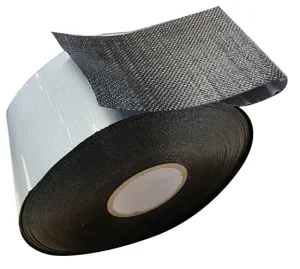
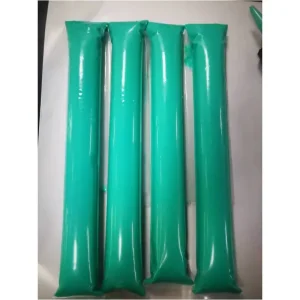
High-performance field joint protection, heat shrinkable materials, and pipeline rehabilitation solutions engineered to meet global EPC demands.
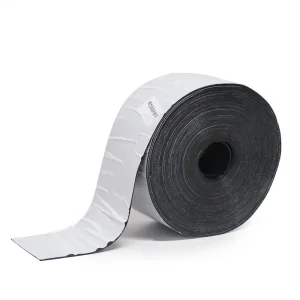
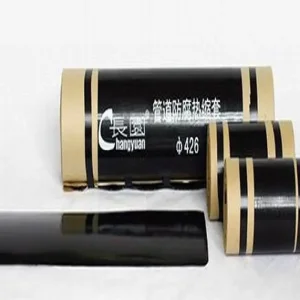
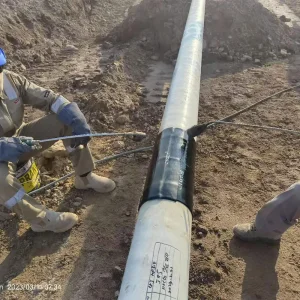
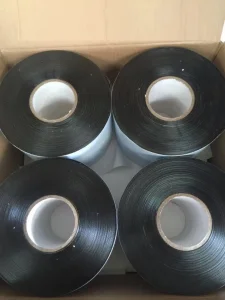
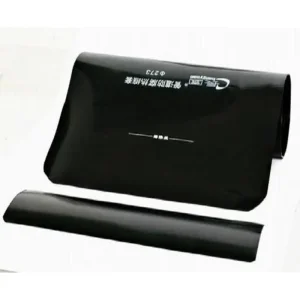
Mastic Heat Shrink Tapes are engineered multilayers used globally for the external anti-corrosion protection of steel pipelines, particularly field joint areas. The core design involves a backing composed of an radiation-crosslinked, high-density polyethylene (HDPE) film combined with a thick layer of high-shear viscoelastic mastic sealant. Radiation crosslinking converts thermoplastic polyethylene into an elastomer, meaning the backing possesses "elastic memory." When heat is applied via LPG torches or induction heating systems, the backing shrinks to its original extruded dimensions, exerting continuous radial pressure on the underlying mastic layer.
The mastic layer serves a dual purpose. First, its viscoelastic nature allows it to cold-flow into steel micro-irregularities (achieved via ISO 8501-1 Sa 2.5 grit blasting), creating a monolithic moisture-barrier seal. Second, it offers exceptional self-healing properties. If minor mechanical damage occurs during backfilling, the mastic flows back to seal the void, avoiding localized corrosion cells. Its chemical formulation resists soil stress, environmental stress cracking (ESCR), cathodic disbondment, and biological deterioration caused by soil bacteria.
Unlocking deep insights into changing regional requirements and evolving materials science in the international pipeline transport sectors.
Modern energy and water transmission infrastructure operates under increasingly challenging geological settings. High soil stress, heavy clays, and significant thermal expansion cycles demand high-performance coating interfaces. Globally, engineering standards are shifting from conventional field-applied liquid epoxies or cold-applied tapes to high-performance mastic-coated heat shrinkable systems, particularly for rehabilitation projects and joint wraps. Large scale pipeline systems now mandate multi-barrier protection conforming to global standards like ISO 21809-3 Type 14A.
For international EPC contractors, evaluating tape manufacturers goes beyond unit price. Key benchmarks include:
Procuring entities are prioritizing sustainability, demanding coatings with zero VOC content and minimal environmental impact during installation. The absence of volatile organic compounds in mastic formulas prevents atmospheric degradation during field applications. Additionally, long-life cycles directly translate to reduced operational expenditure (OpEx) for pipeline operators over their typical 30 to 50-year service life.
Exploring strategic application models across deepwater, land-crossing, high-impact urban environments, and complex HDD projects.
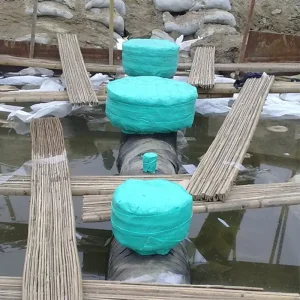
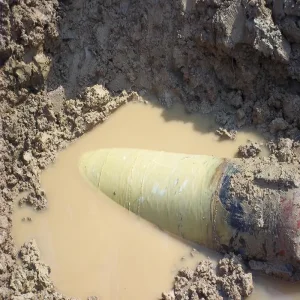
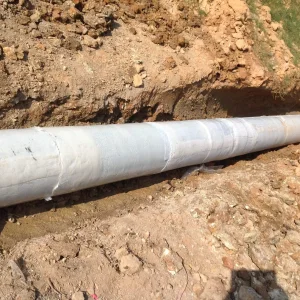
In high-pressure natural gas and crude transmission, joints are vulnerable spots. Mastic heat shrink sleeves provide immediate active corrosion protection, acting as a thick physical barrier against ground water infiltration, shifting soils, and cathodic currents, matching or exceeding parent coating specifications (such as 3LPE or FBE).
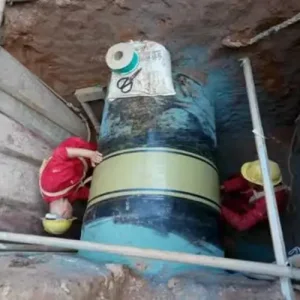
HDD crossings subject pipeline field joints to extreme frictional drag and shear forces. By integrating fiberglass reinforced sleeves alongside specialty mastic coatings, the joint resists impact, gouging, and abrasive scrape damage, ensuring long-term integrity below rivers and highways.
Large diameter water mains require elastic wraps that handle settlement and localized structural shifts. Mastic wraps conform to irregular fittings, valves, and tee-joints, offering high flexibility without wrinkling or peeling away from the metal substrate.
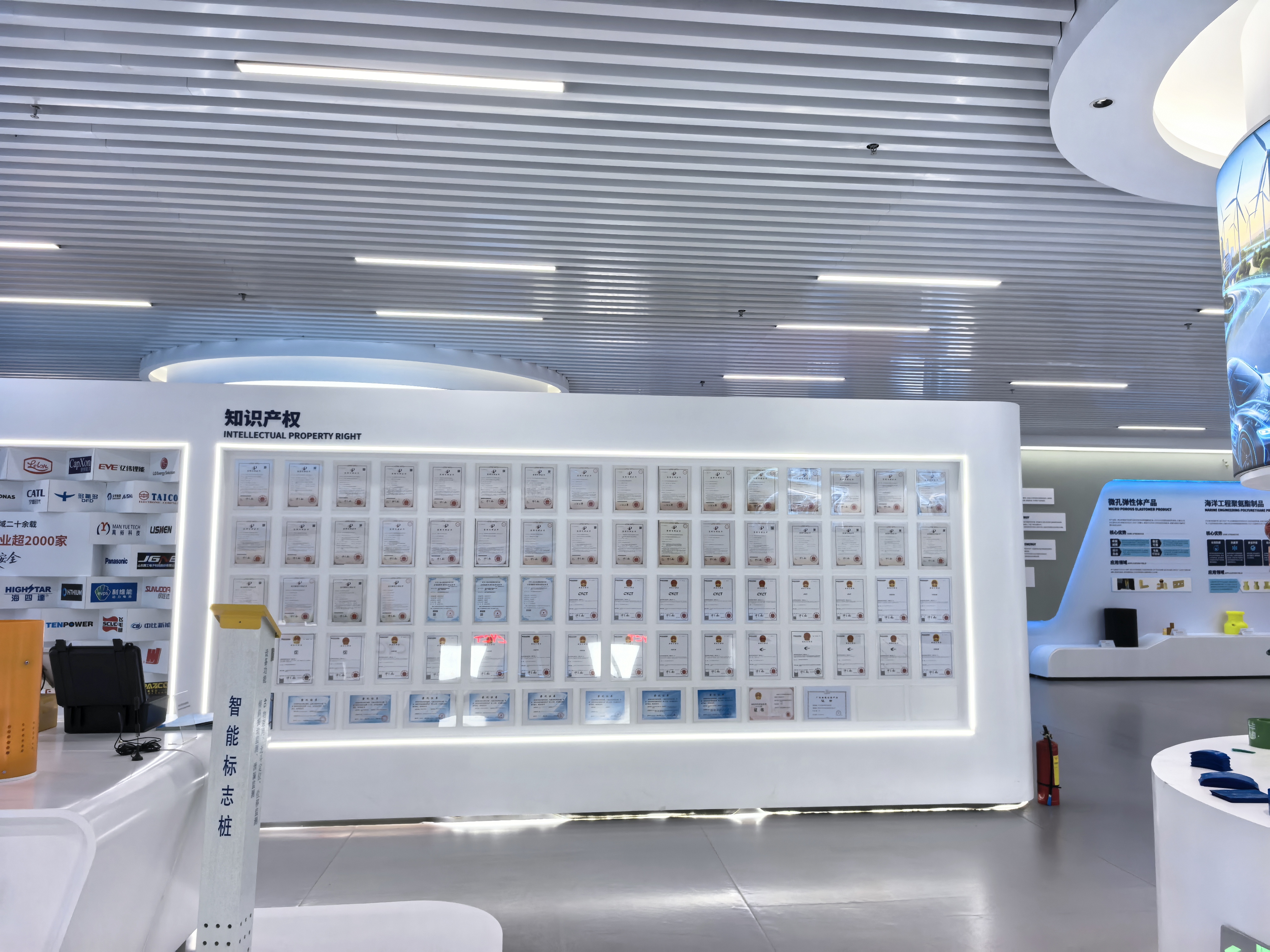
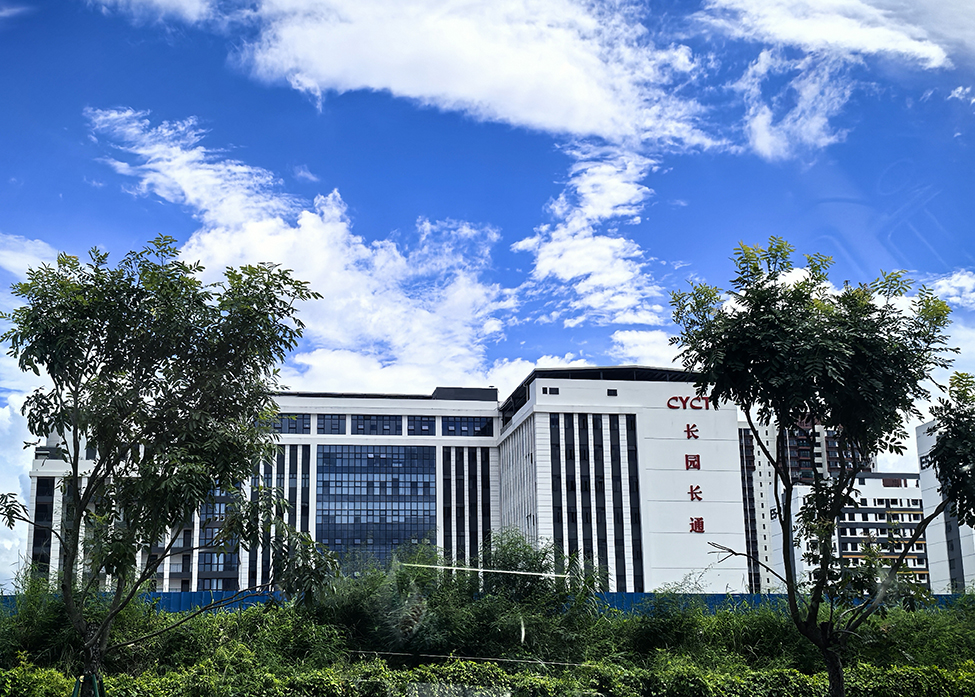
Founded in 2000, CYCT New Materials Company Limited has emerged as a national state-level high-tech enterprise. We seamlessly integrate the R&D, manufacturing, and distribution of state-of-the-art pipeline corrosion protection materials. Over the decades, our strategic growth has centered on solving field engineering challenges with scientifically robust products.
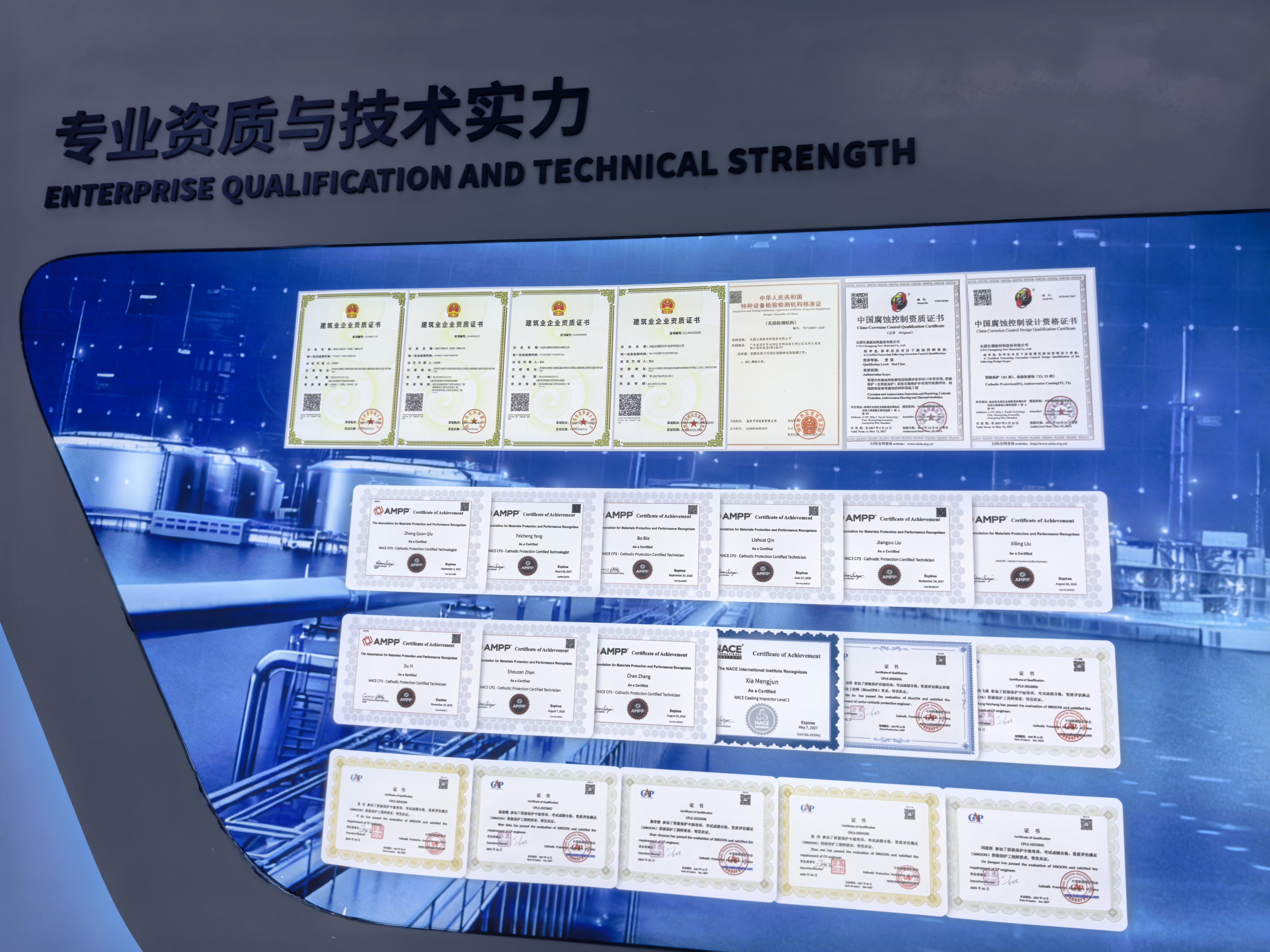
CYCT's advanced production campus houses testing and R&D operations, including a national CNAS-accredited laboratory. By partnering closely with premier research institutions like the CNPC Pipeline Science Research Institute, we continuously refine our polymer crosslinking procedures and sealant configurations to provide comprehensive, integrated safety systems for global pipelines.
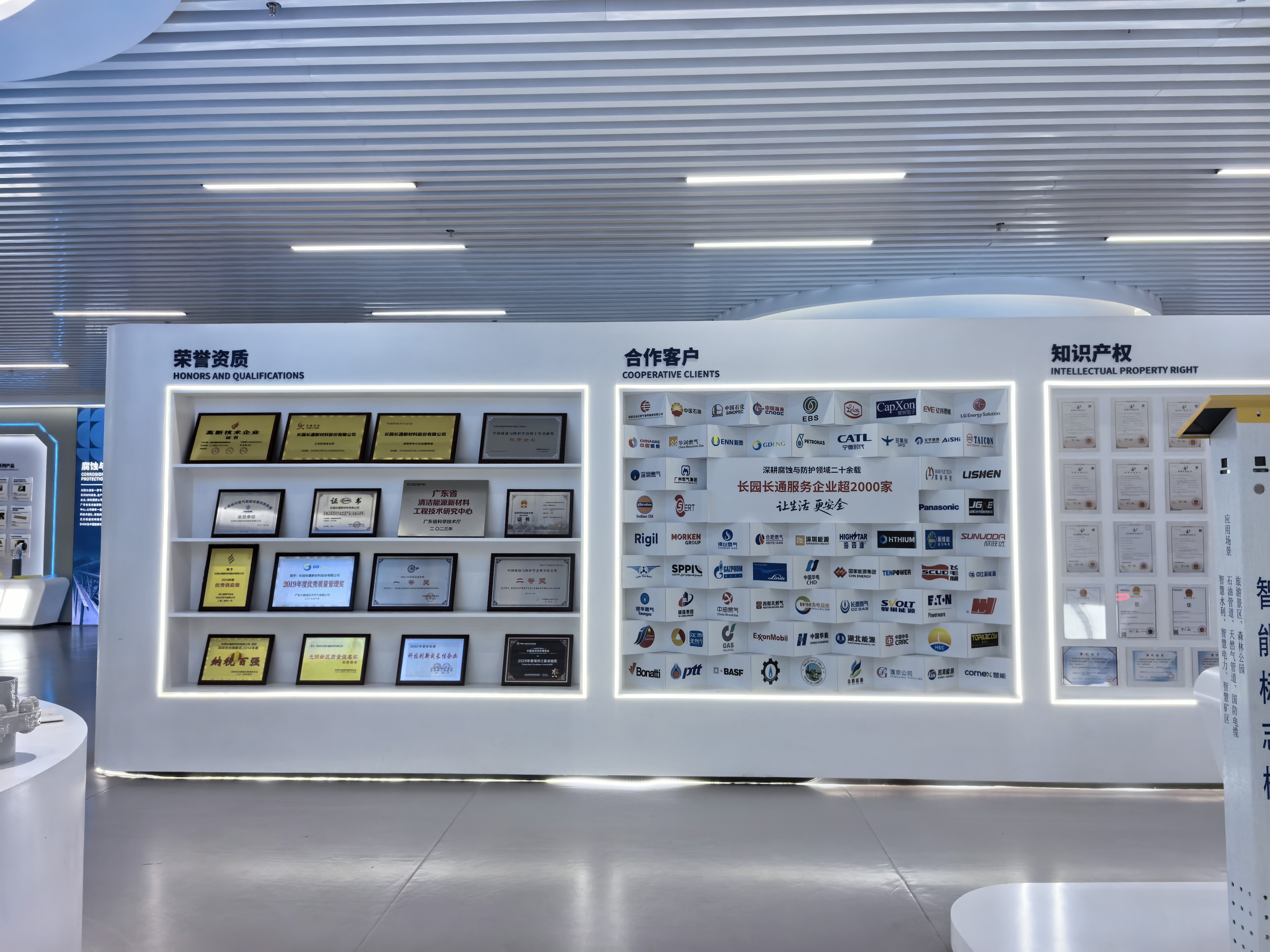
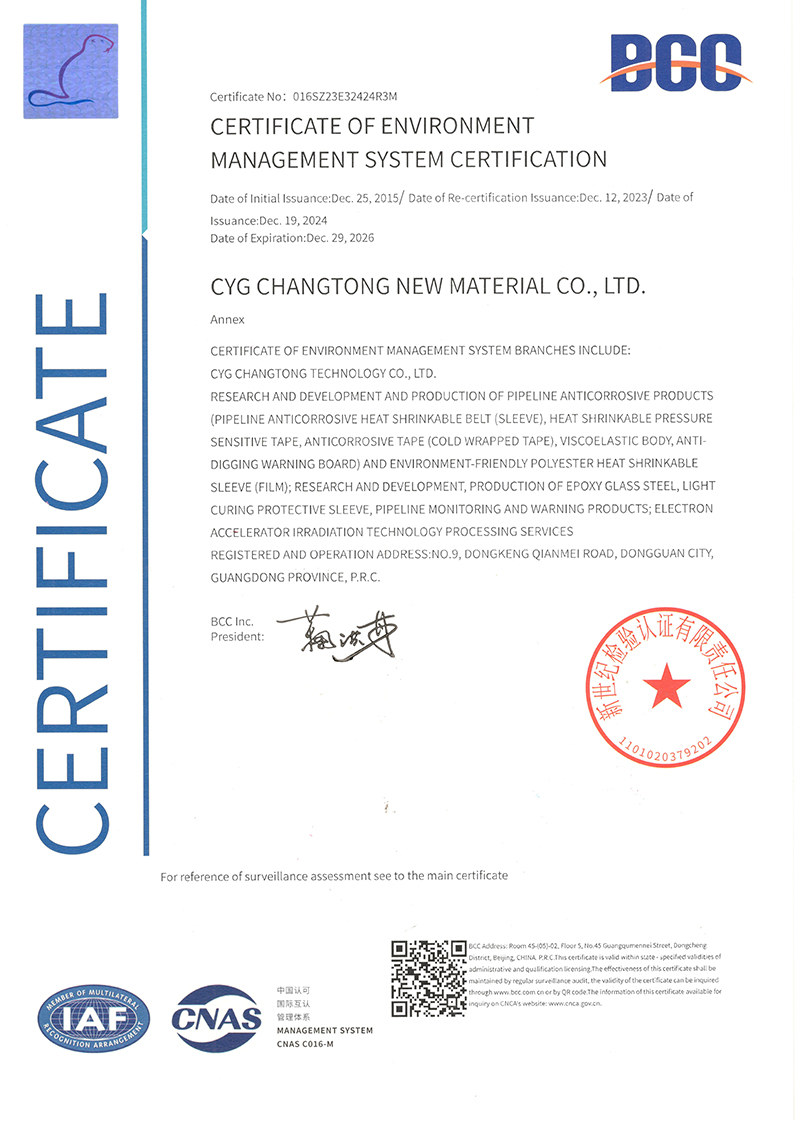
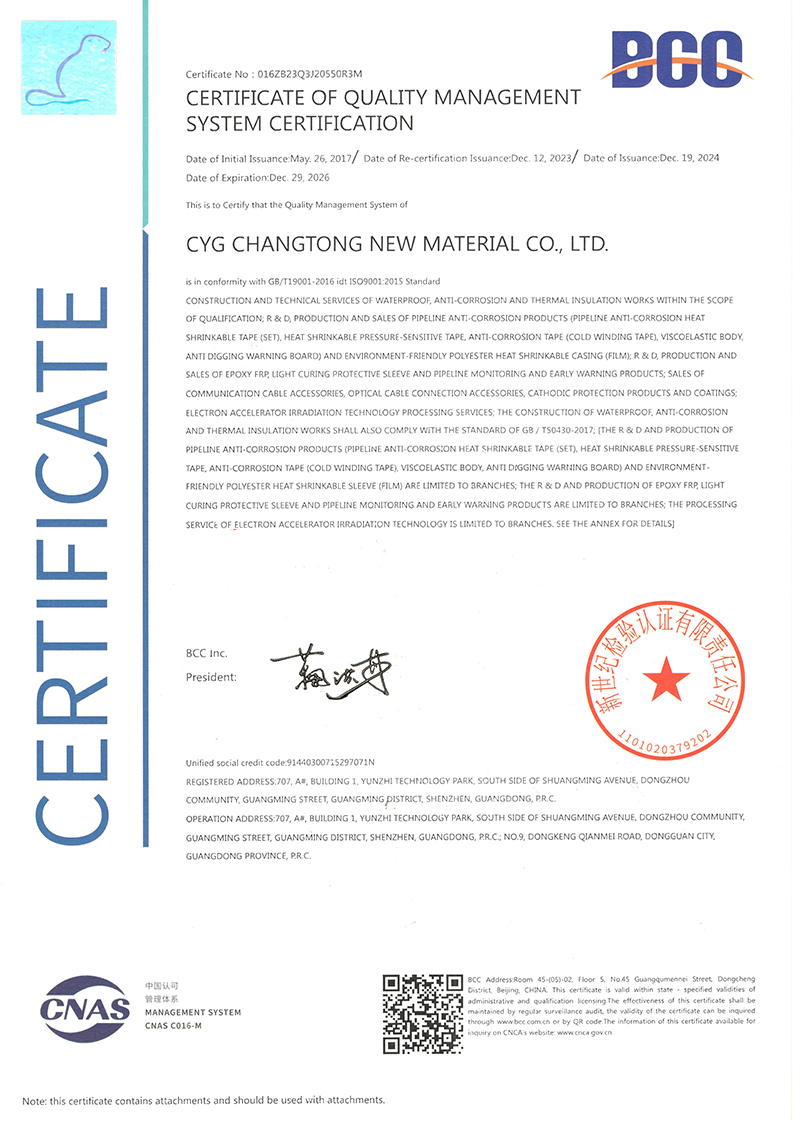
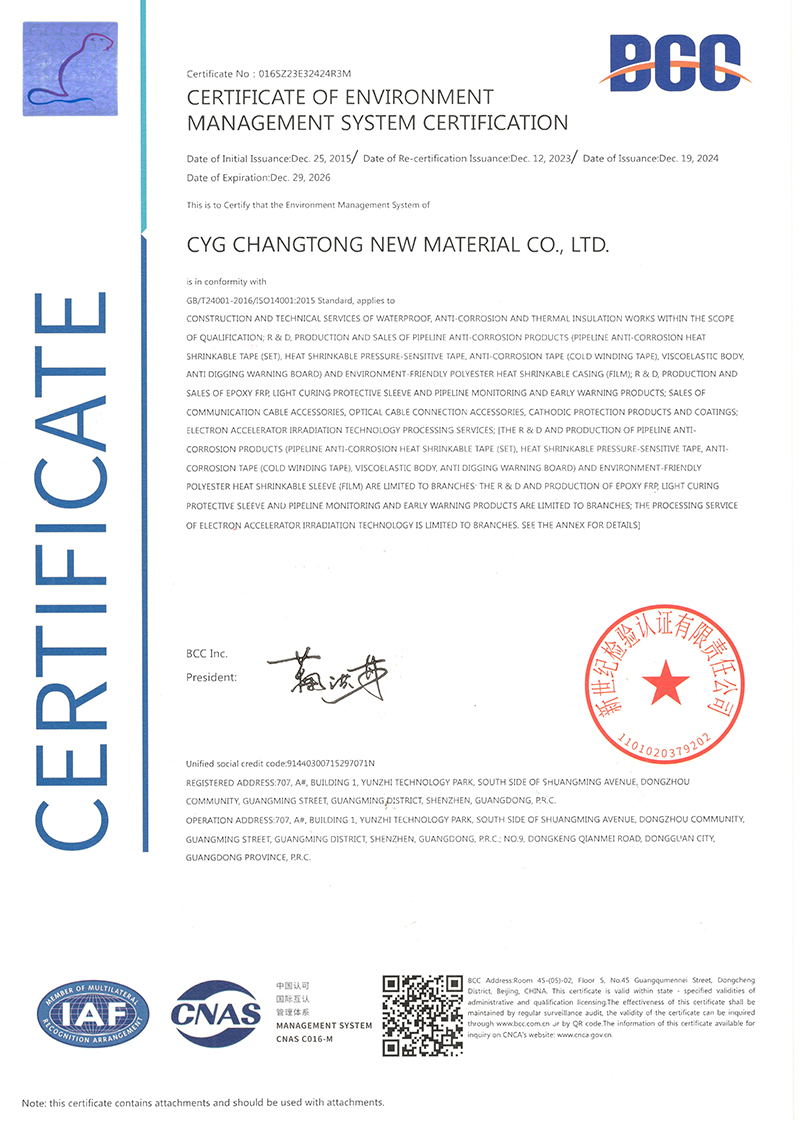
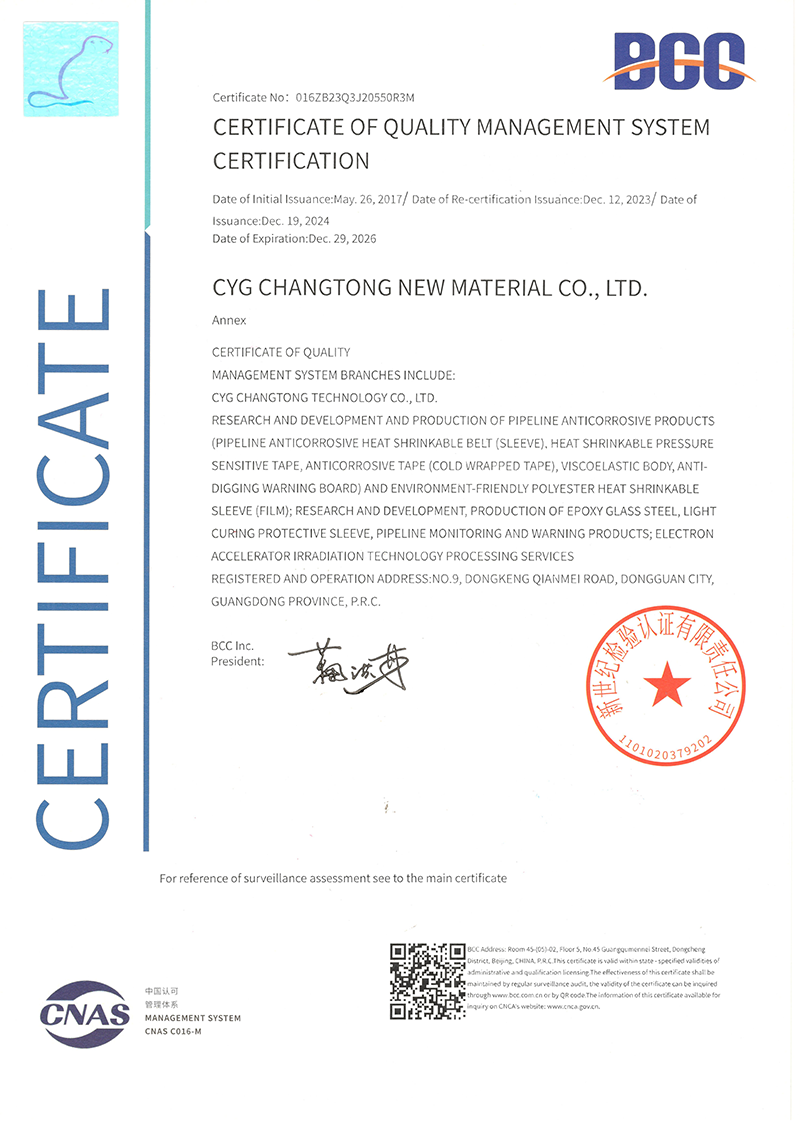
As an active member of the AMPP (Association for Materials Protection and Performance) and the Chinese Society for Corrosion and Protection (CSCP), CYCT strictly adheres to ISO 9001, ISO 14001, and ISO 45001. We serve as a trusted partner to PetroChina, Sinopec, PipeChina, China Gas Group, and Indian Oil.
Anticipating engineering challenges with targeted structural upgrades and next-generation polymer innovations.
Future iterations of our mastic layers focus on smart molecular networks. By incorporating dynamic non-covalent bonds, the compound repairs micro-fissures from ground movement without requiring external heat activation.
With deep geothermal and high-temperature heavy oil extraction expanding, we are pushing thermal limits. Our materials research aims to raise continuous operational stability limits beyond 100°C while maintaining shear strength.
We are integrating bio-sourced polymers into our backing films to reduce carbon footprint while matching the high tension and mechanical properties of petroleum-based HDPE sheets.
Expert technical answers designed to support planning, engineering specification formulation, and site implementation.
Explore our technical catalog of specialized protective coatings, repair sticks, and pipeline structural reinforcement products.
 CYCT
CYCT